

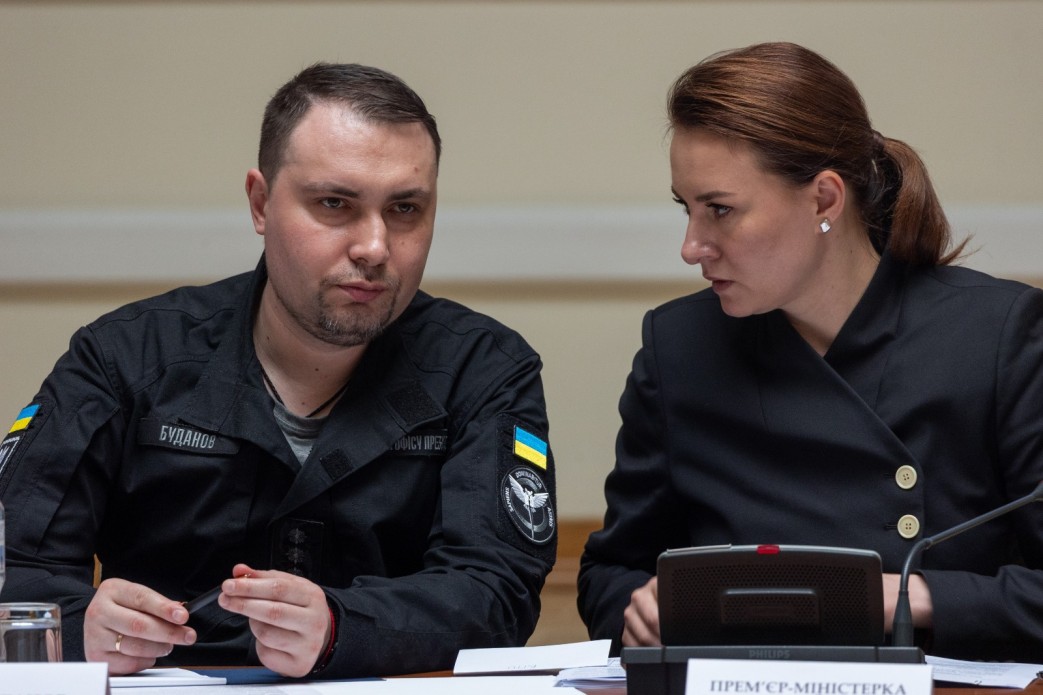
Prime Minister of Ukraine Yuliia Svyrydenko and Head of the Office of the President of Ukraine Kyrylo Budanov held a meeting on support for frontline territories. It was attended by representatives of the Government, the Office of the President, members of the Verkhovna Rada, and heads of regional military administrations.
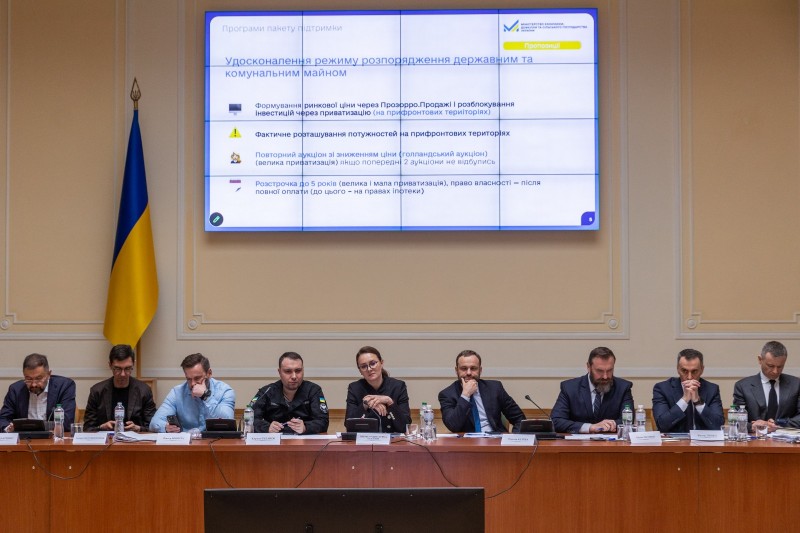 “Frontline regions are our security belt. We must ensure their uninterrupted operation. The Government is implementing a comprehensive support package for people, communities, and businesses in frontline regions. More than 80 government decisions have been adopted, and 60 support mechanisms are in place, with total funding of over UAH 140 billion. We are constantly adapting state programs to the needs of frontline regions and introducing targeted support tools. I thank the MPs for our joint work,” Prime Minister Yuliia Svyrydenko said.
Frontline territories include 10 regions where more than 6 million people live. Deputy Prime Minister for Restoration – Minister for Communities and Territories Development Oleksii Kuleba noted that the Government has introduced support mechanisms in the form of additional subsidies for local budgets, protection of critical infrastructure, and recovery grants.
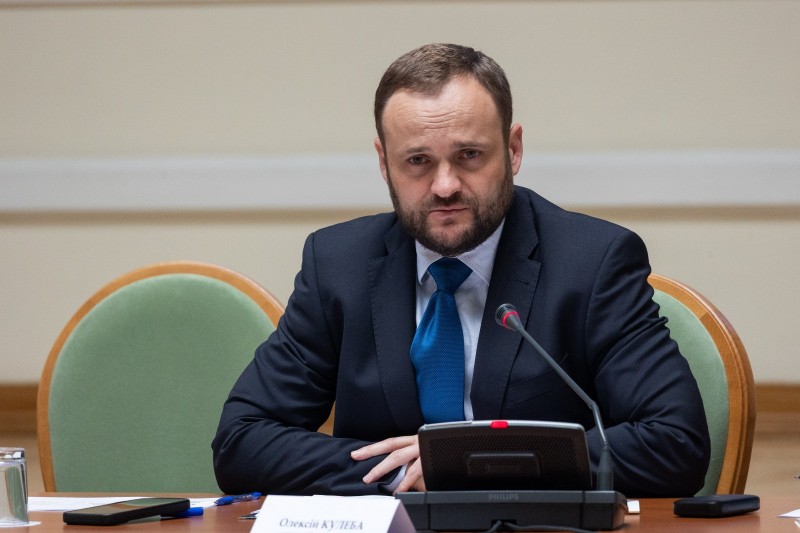 “We are coming to a clear understanding of the need to establish a special status for people living in frontline territories. Accordingly, there is a need for a separate law that would regulate activities in these territories. It is very important that we are working with MPs today,” he said.
The participants of the meeting supported the need to create an interagency working group to prepare a draft law that would define the status of people living in frontline territories and the programs to support them. They also raised the issue of regulating the status of IDPs and providing compensation for lost housing.
Minister of Social Policy, Family, and Unity of Ukraine Denys Uliutin noted that funds from international partners are being used to help residents of frontline territories.
“This week, the Cabinet of Ministers adopted a resolution that directly clarifies the issue of one-time financial assistance for damage to the life and health suffered by critical infrastructure workers,” he added.
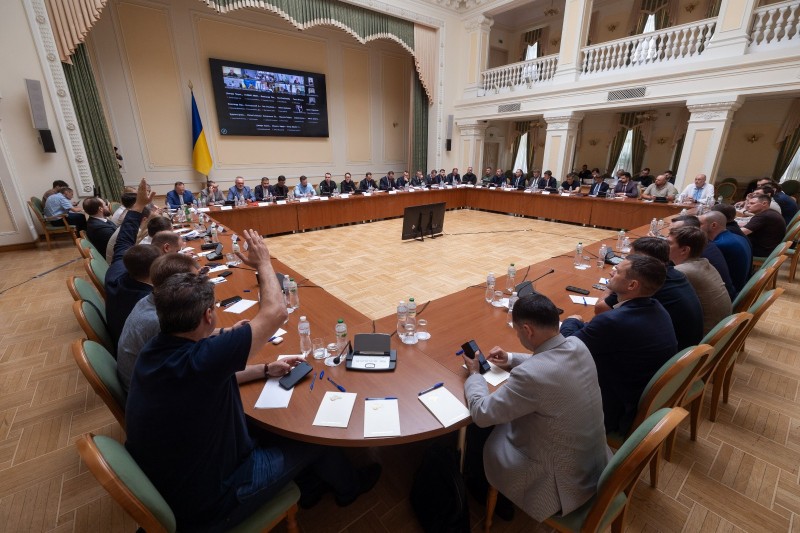 Minister of Health Viktor Liashko focused on measures to support medical workers and patients in frontline territories. Incentive mechanisms are in place to support medical teams at emergency and specialized medical care facilities, as well as adjustment coefficients to increase funding for primary health care in areas of hostilities.
“We finance facilities in frontline territories regardless of how many patients they receive, so that medical care remains available to the community. In addition, medical workers from frontline territories can receive service housing from the state, while young doctors who begin working at health care facilities in frontline communities after completing their internship can receive a one-time payment of UAH 200,000,” he stressed.
Minister of Economy, Environment, and Agriculture of Ukraine Oleksii Sobolev noted that, to support the economy of these regions, the proposed measures include tax benefits, additional funding for the 5-7-9 program, expansion of the state compensation program for affected workers, and assistance for the relocation of farmers.
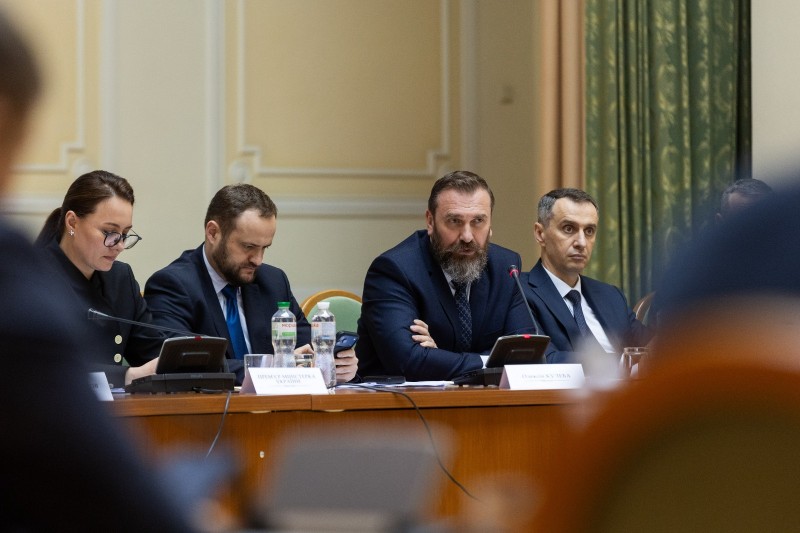 Minister of Education and Science Oksen Lisovyi emphasized that one of the priorities is to create safe conditions for learning.
“This allows us to bring children back to in-person learning. As of today, 144 shelter projects have been completed, and 100 are being implemented. This year, we are building 18 shelters in preschool education institutions,” he said.
In addition, work continues to provide educational institutions with backup power. Simplified admission conditions have been introduced for school graduates from temporarily occupied territories, along with additional payments for teachers working in frontline territories.
In particular, during the meeting, participants raised the issue of organizing the National Multisubject Test in frontline regions to avoid a repeat of the situation in the Odesa region, where school students took the test for 12 hours.