

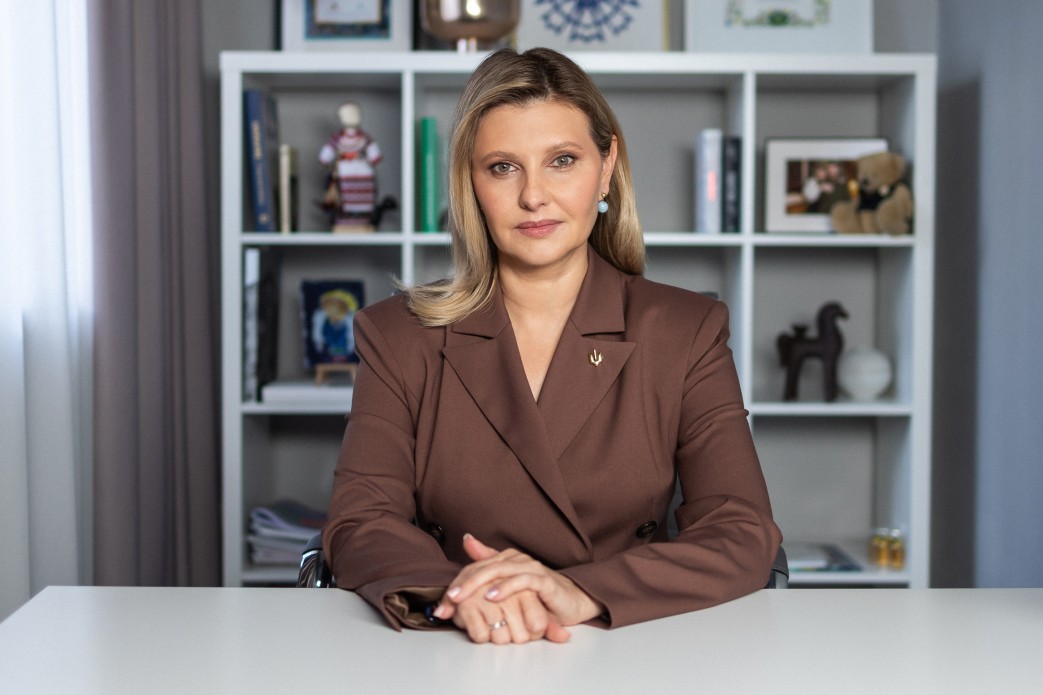
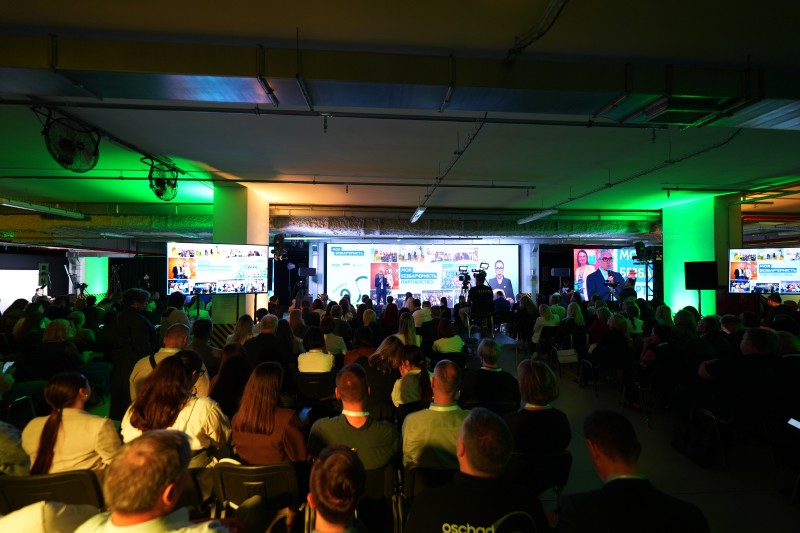
First Lady of Ukraine Olena Zelenska took part in the third annual national forum “My Accessibility – 2026.” This year’s theme was “Lessons Learned.”
More than 350 participants attended the event, including representatives of the government, business associations, municipalities, the veteran community, and international experts discussing real results and solutions for creating a barrier-free and inclusive environment.
“Ukraine has barrier-free driving schools because people with disabilities need transportation independence, freedom of movement, and the confidence that they are in control not only of their vehicle, but of their lives. The Schools of Superheroes are operating as hospital-based learning spaces, with some equipped by my Foundation. Barrier-free Administrative Service Centers are also operating. Adaptive sports are expanding rapidly. Nearly 30 accessibility projects are currently being implemented by various ministries, communities are appointing accessibility coordinators, and the network of accessibility ambassadors is growing,” Olena Zelenska said.
A special feature of this year’s event was the presentation of projects aimed at implementing inclusive education standards, developing veteran policies, and introducing “The Language of Dignity” – a lesson on respectful communication held in Ukrainian schools on September 1.
“We first approached this issue through our ‘Barrier-Free Handbook,’ a guide to respectful communication. Whether people chose to use it was always a matter of personal choice, awareness, and responsibility. But this year, I hope we can make accessible language a common standard. For the first time, the State Standard ‘Barrier-Free Terminology’ has been introduced. It establishes vocabulary that is not only recommended but required in official communications,” the President’s wife emphasized.
The First Lady noted that the “Language of Dignity” lesson is a new step in this direction, aimed at fostering mutual respect in society from an early age.
“Some may ask: What difference does it make whether we say ‘disabled person’ or ‘person with a disability’? I’ll answer: it makes an important difference – the person finally comes first. In both our language and our actions. And this is not just about children in school. At every level – in government, in a community, in a company – our language shows whom we put first. First comes the person. That is what dignity means. And our own dignity, too,” Olena Zelenska concluded.