


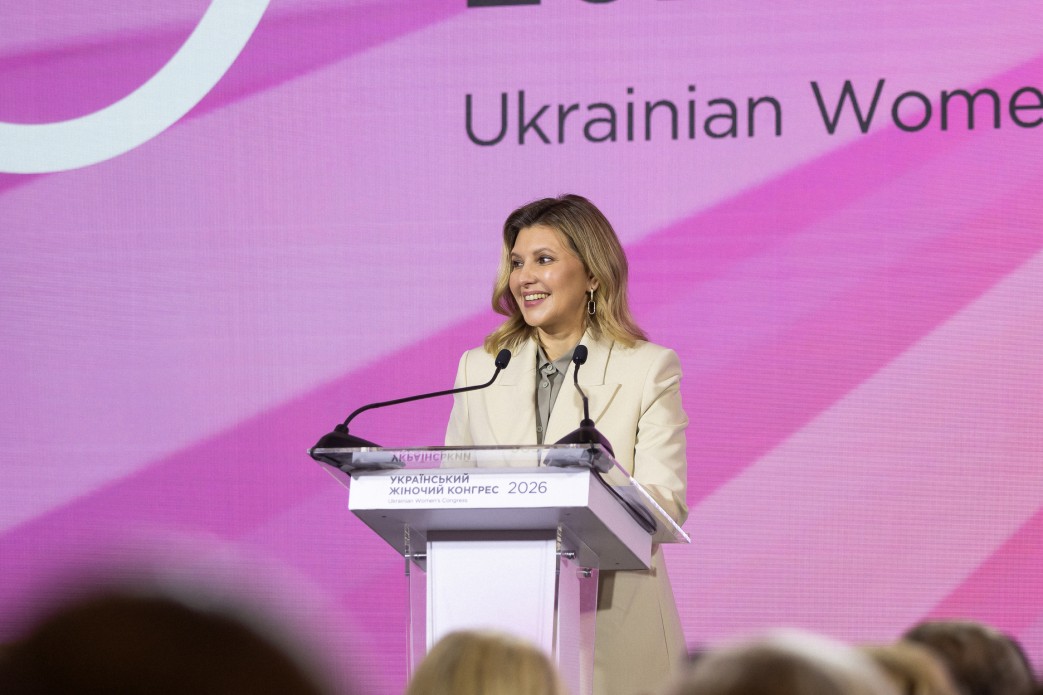
First Lady of Ukraine Olena Zelenska took part in the Ukrainian Women's Congress. This is a national platform that shapes the agenda for women's leadership and gender policy for government bodies, local communities, the private and civil society sectors, and the media community. It also engages international women's and human rights organizations, women leaders, and opinion leaders in promoting the principles of equality in Ukrainian society.
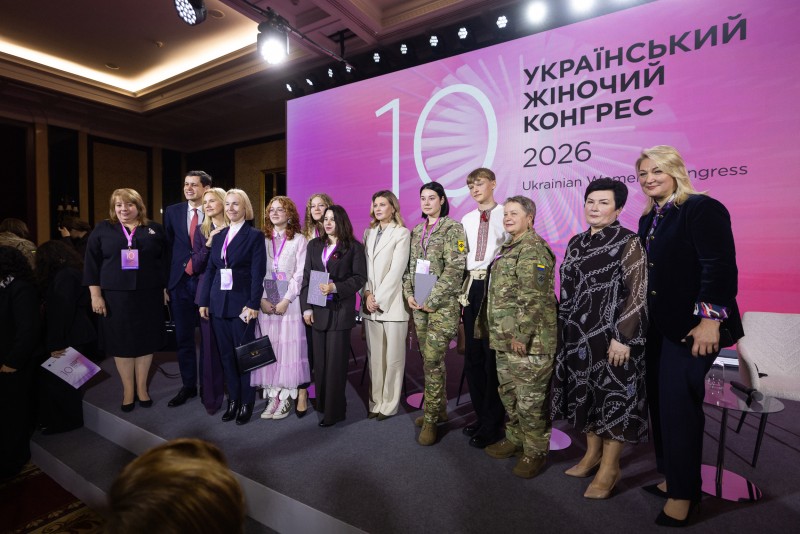 This year, the event was held for the tenth time, bringing together more than 45 Ukrainian and international speakers across seven discussion platforms.
“What do ten years mean for equal rights in Ukraine? Here are just a few examples. Ten years ago, women started about 44.8% of new businesses. Today, women start nearly 60% of new businesses and head more than 34% of all companies. Ten years ago, domestic violence was often considered a private family matter. Today, the Istanbul Convention has been ratified. Ten years ago, a man taking parental leave was seen as something unusual or an exception in society. Today, the law gives mothers and fathers equal rights to such leave,” the First Lady noted.
The President's wife emphasized that none of these changes happened on their own. Behind them lies extensive work, including by women themselves and civic platforms such as the Ukrainian Women's Congress.
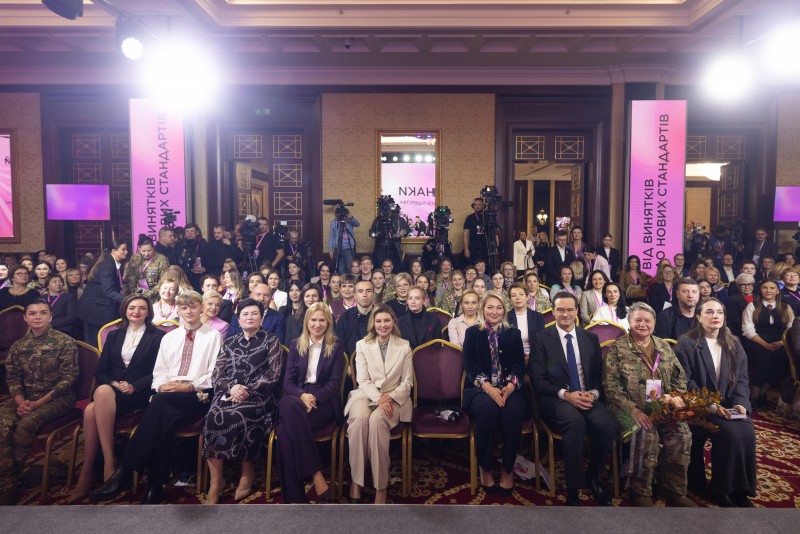 “But many changes in our society have also been forced upon us. The need to defend ourselves against the aggressor has brought women additional responsibilities and challenges. Women have taken on and continue to take on new key roles – in the Armed Forces of Ukraine, heavy industry, logistics, and the agricultural sector. Simply because otherwise, the country and the economy would not have withstood,” Olena Zelenska said.
The First Lady separately highlighted the importance of this year's Congress theme – “From Exceptions to New Standards.”
“What does it mean to turn an exception into a standard in practice? It means that equal pay for equal work must become an unbreakable rule. It means developing social infrastructure: accessible, safe kindergartens and schools with shelters that allow women to combine self-realization with family life. It means shared parenting, where caregiving is a shared family responsibility, not just a woman's. It means opening doors to leadership positions and politics – without prejudice or stereotypes,” Olena Zelenska noted.