

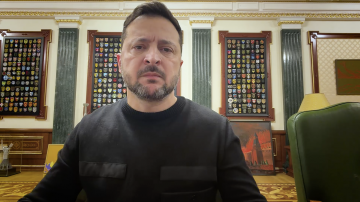
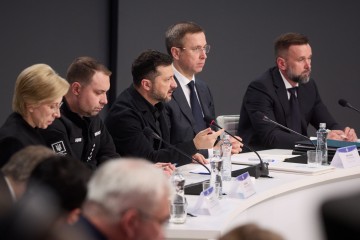
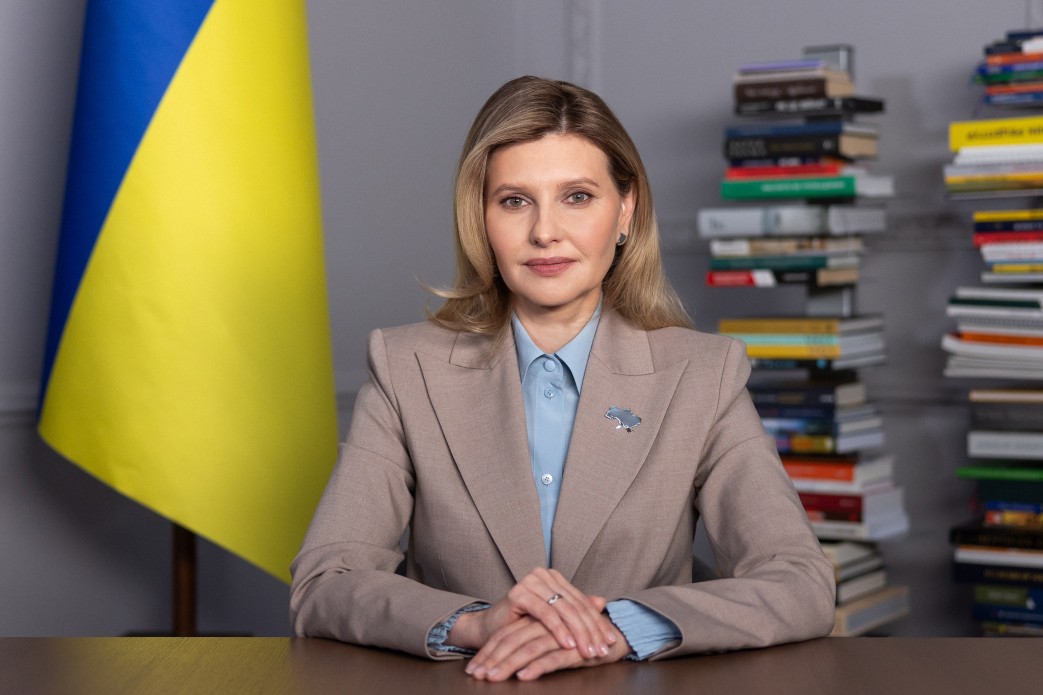
First Lady of Ukraine Olena Zelenska addressed participants of the fourth Mental Health Forum, “People-Centered Services in Wartime: Experience, Challenges, Solutions,” online.
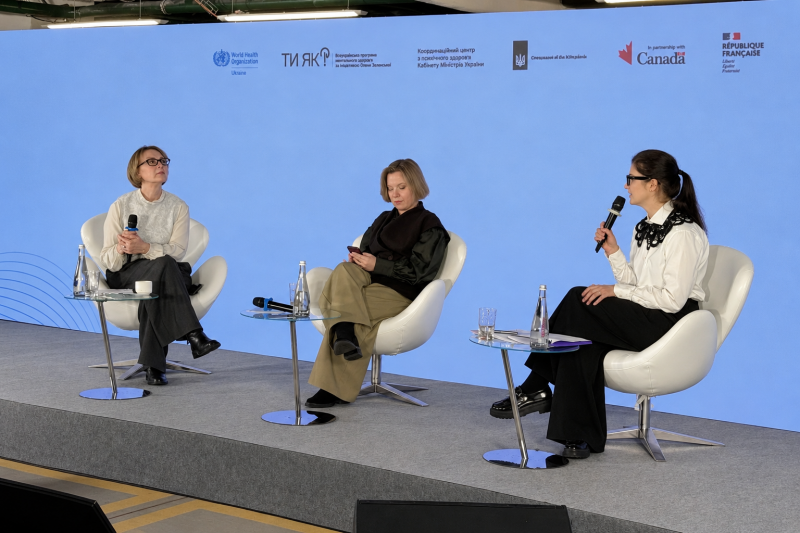 The forum took place in Kyiv and brought together more than 1,000 participants. Among them were Head of the WHO Country Office in Ukraine Silviu Domente, government officials implementing priority projects under the “How Are You?” program, representatives of regional military administrations, communities, diplomatic missions, international organizations, employers, and people with personal experience of seeking help.
“More than four years ago, we embarked on an unprecedented undertaking: we set out to support people experiencing trauma that is still ongoing. In traditional psychotherapy, deep healing from trauma usually begins only when a person is already safe. We have not yet reached that ‘after.’ But we could not wait for the war to end, so we took on the responsibility of supporting an entire country right in the midst of horrific experiences that have not stopped for a single day,” Olena Zelenska said.
Among the program’s achievements, the President’s wife highlighted services available to Ukrainians free of charge: more than 200 mental health centers, around 400 resilience centers, nearly 17,000 primary care physicians trained to provide psychological support in accordance with international standards, and more than 400 mobile psychological support teams.
“All of this has not only given people the opportunity to seek help. It is also changing our culture of how we treat ourselves: while in 2022, 46% of Ukrainians surveyed categorically rejected the idea of seeking professional help, today that figure has halved – to 22%,” the First Lady noted.
At the same time, a gap remains between needing help and seeking it. According to the latest research conducted under the “How Are You?” program, people often grow accustomed to pain and believe they must cope on their own.
“So the new challenge for the mental health program is to combat not just stigma, but also the tendency to downplay our own experiences. Help is not a scarce resource, and seeking it does not take anything away from anyone else. Instead, taking care of your mental health in a timely manner is just as responsible and normal as going to the doctor when you are sick,” Olena Zelenska emphasized.
Psychologist and methodology specialist at the “12–21” youth spaces Kateryna Muzychenko joined the online portion of the forum. She explained how these spaces support teenagers preparing for the National Multisubject Test (NMT) through support groups, specially developed guides, and psychological counseling. Group sessions for those preparing for the test will soon resume at the “12–21” spaces.