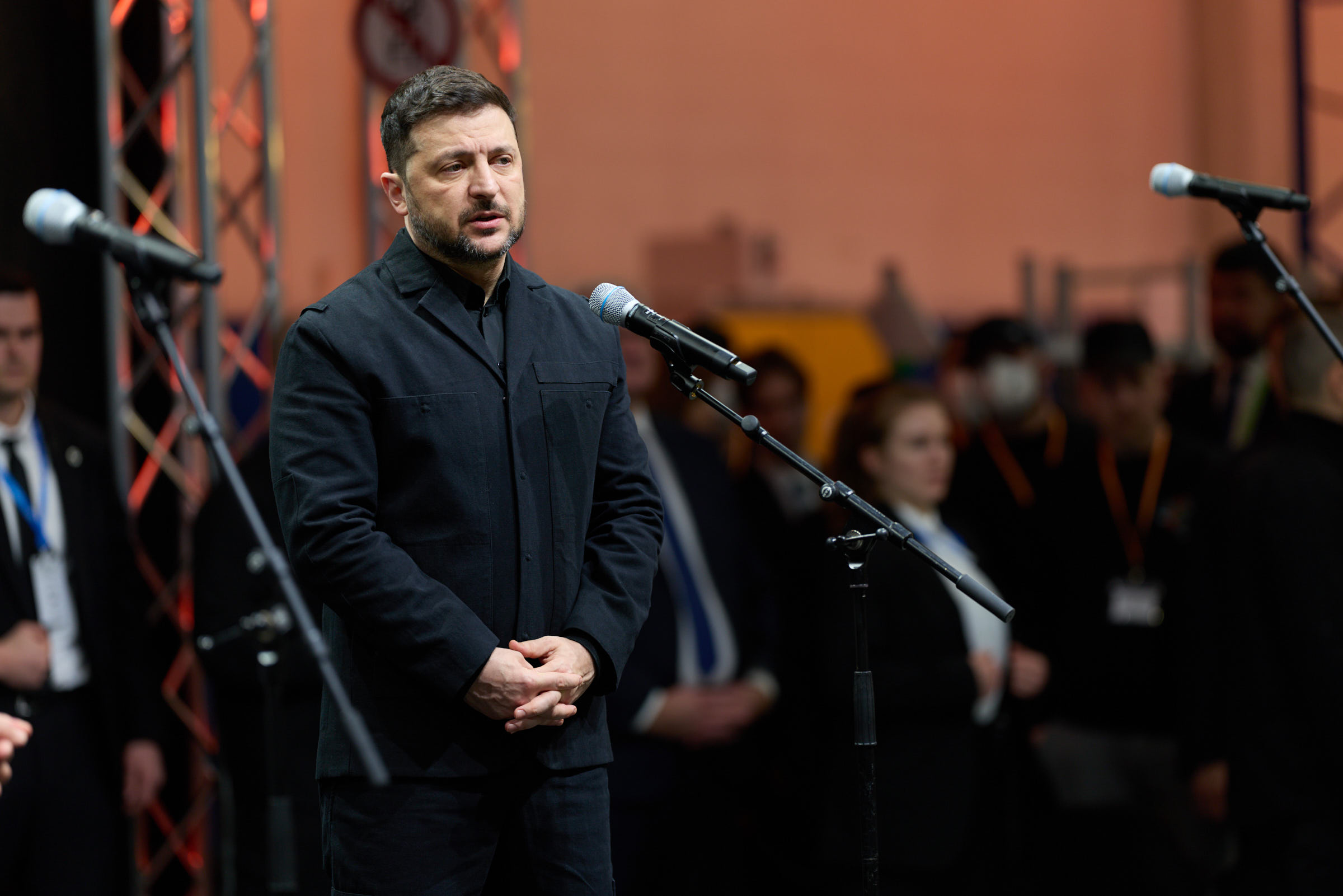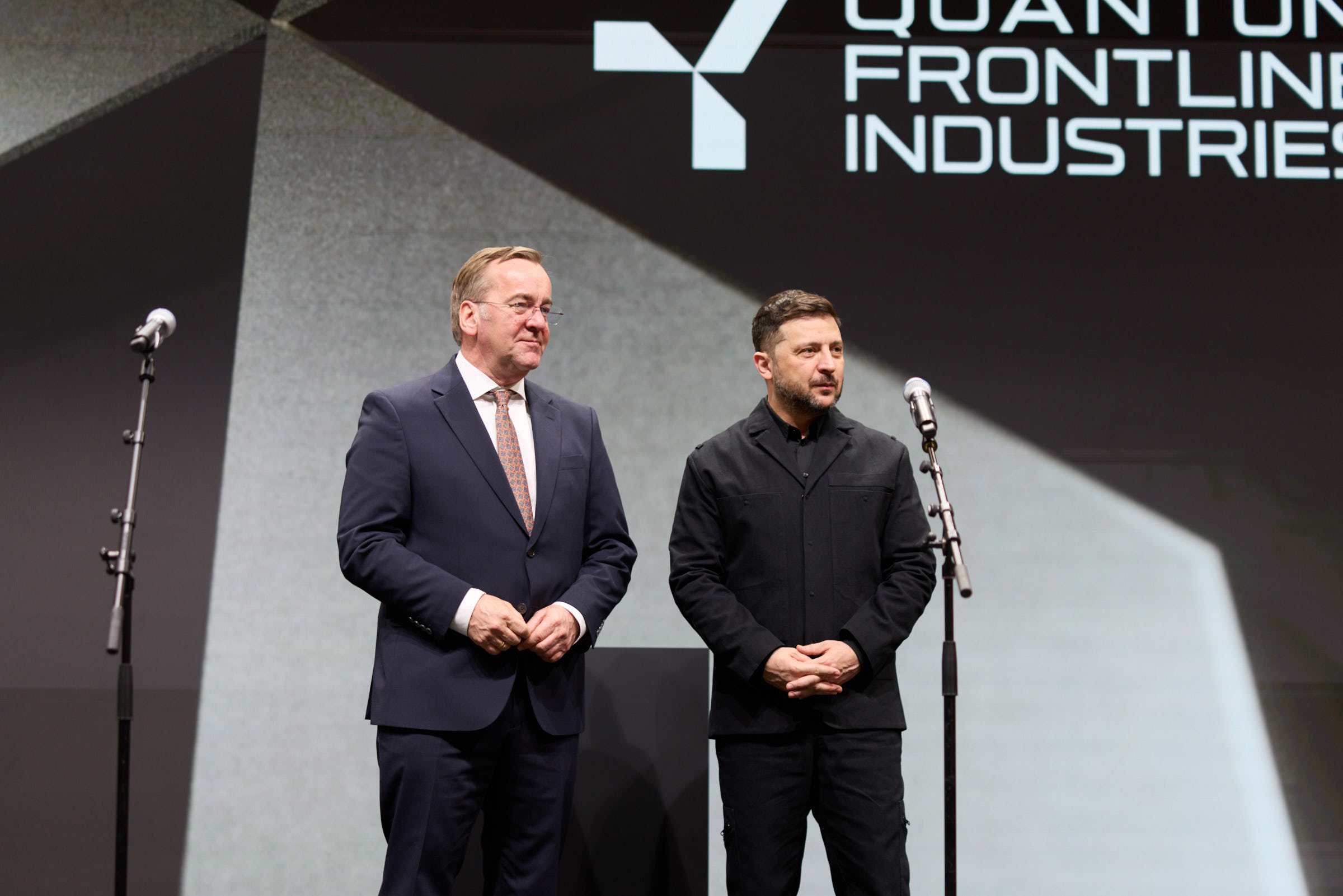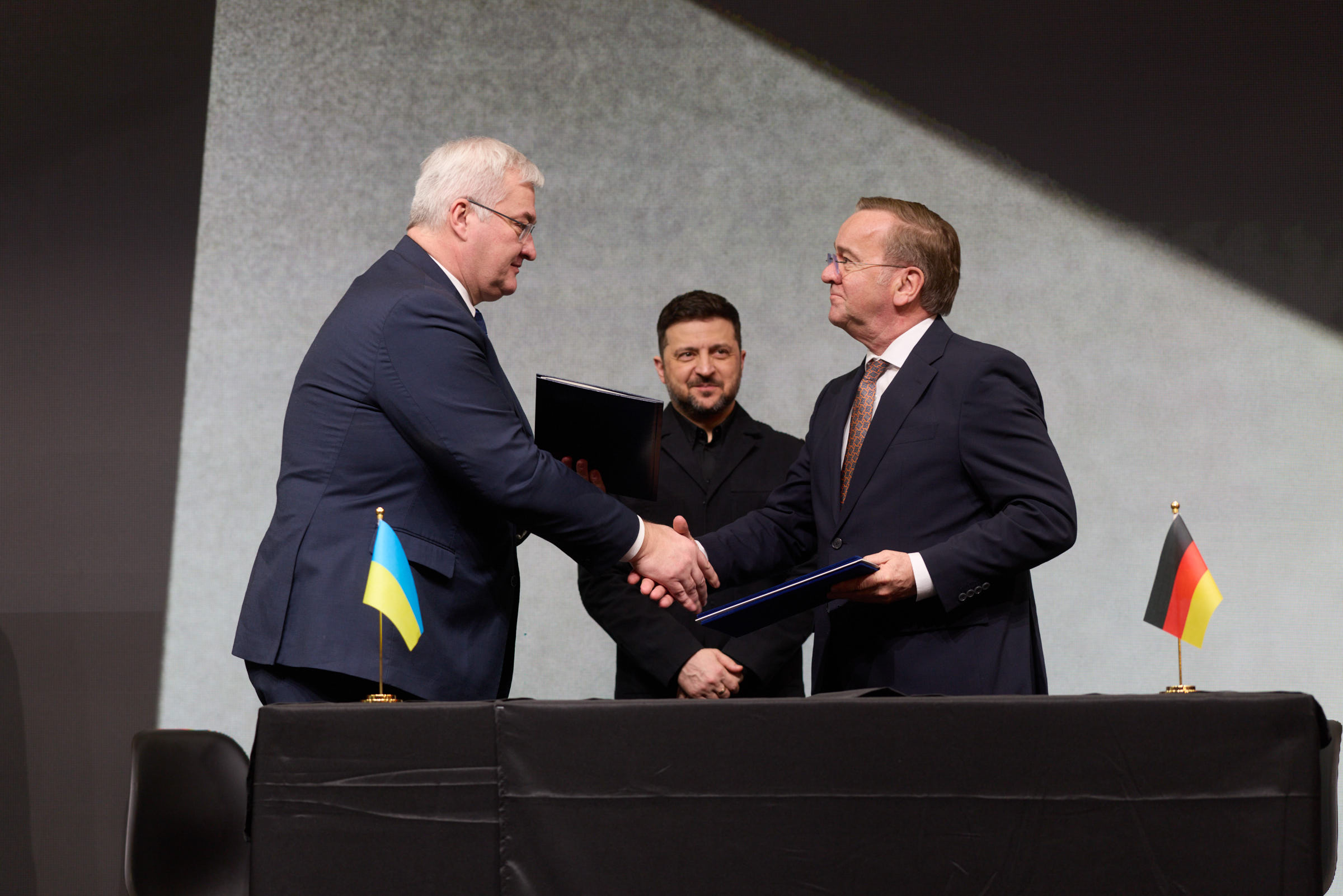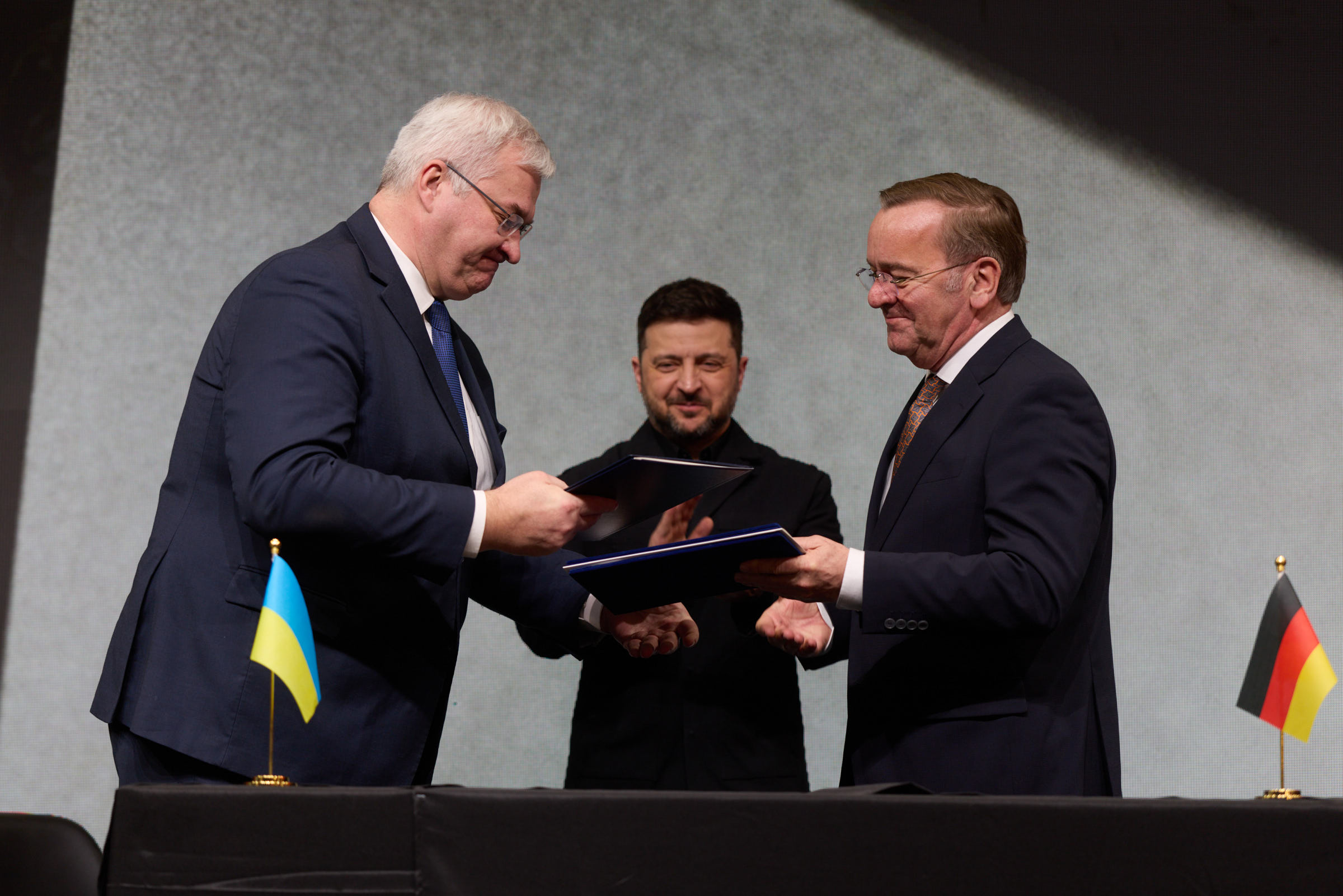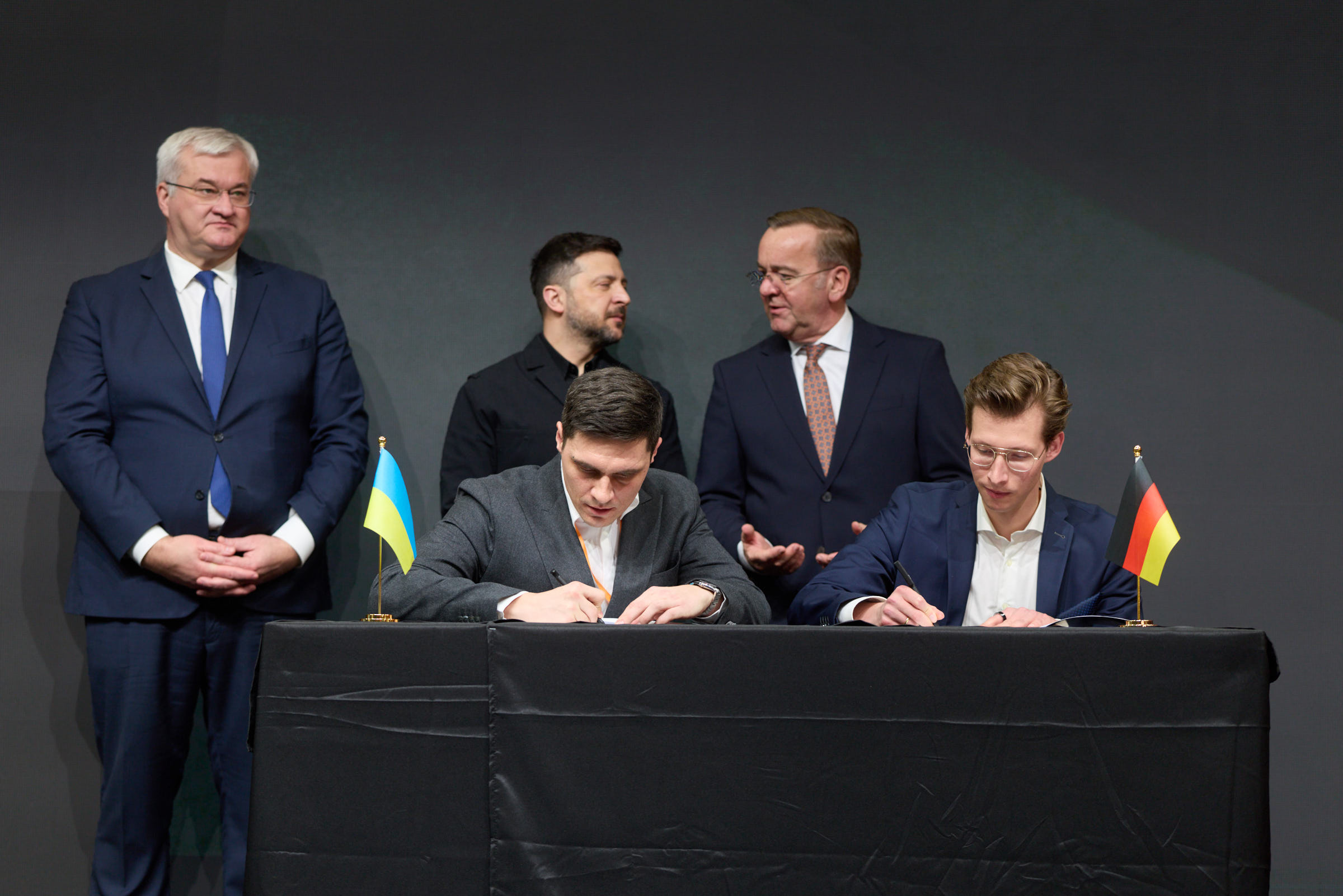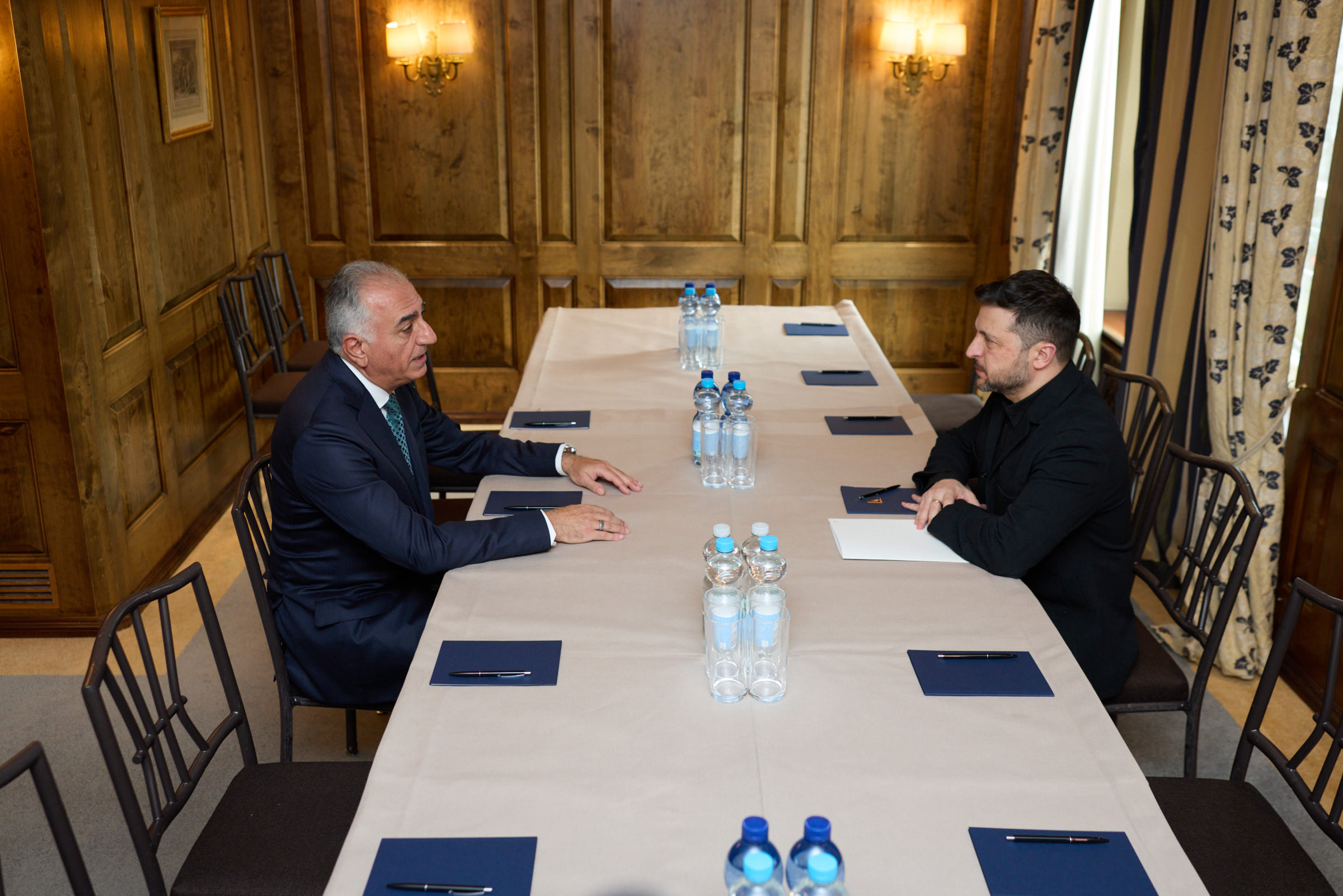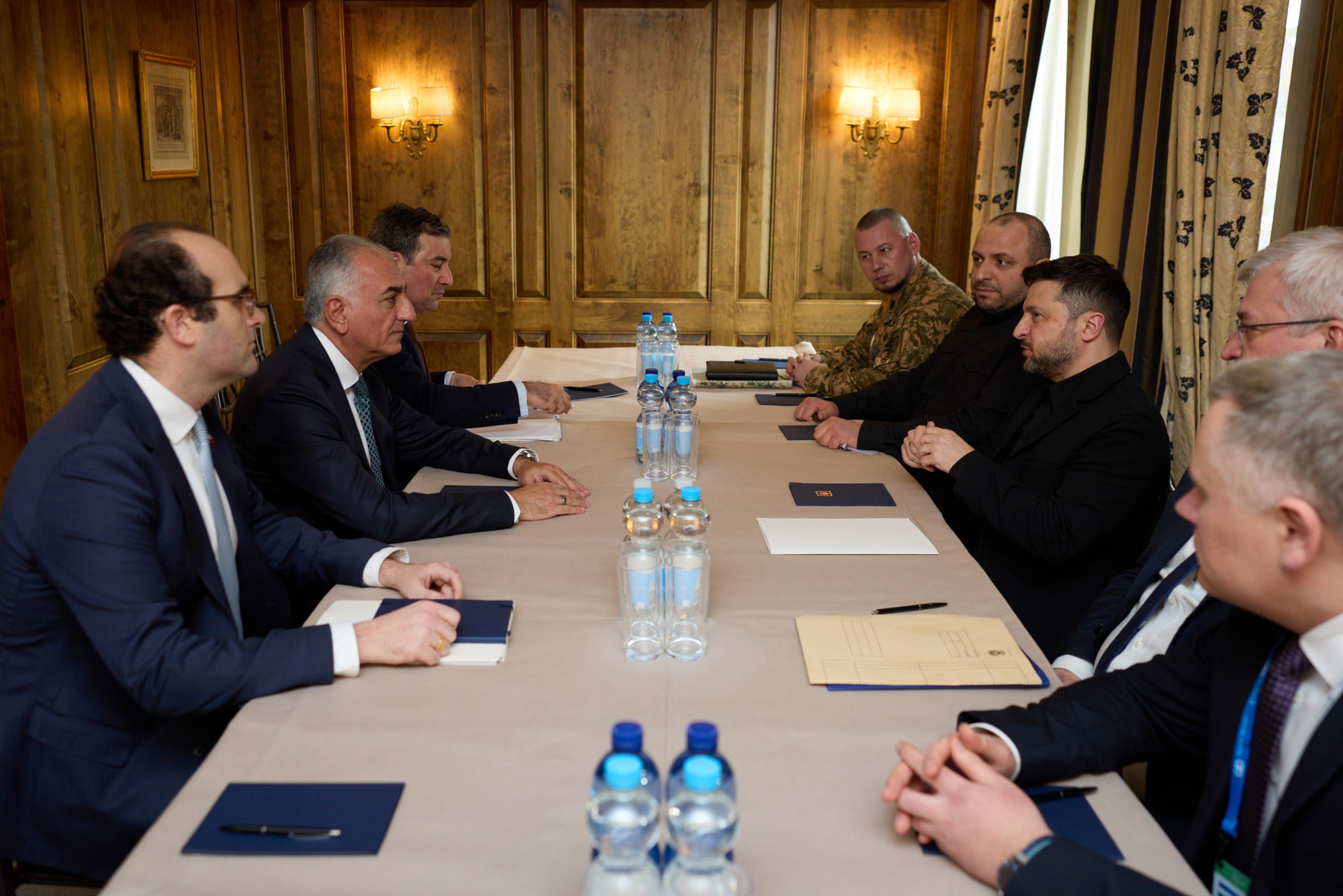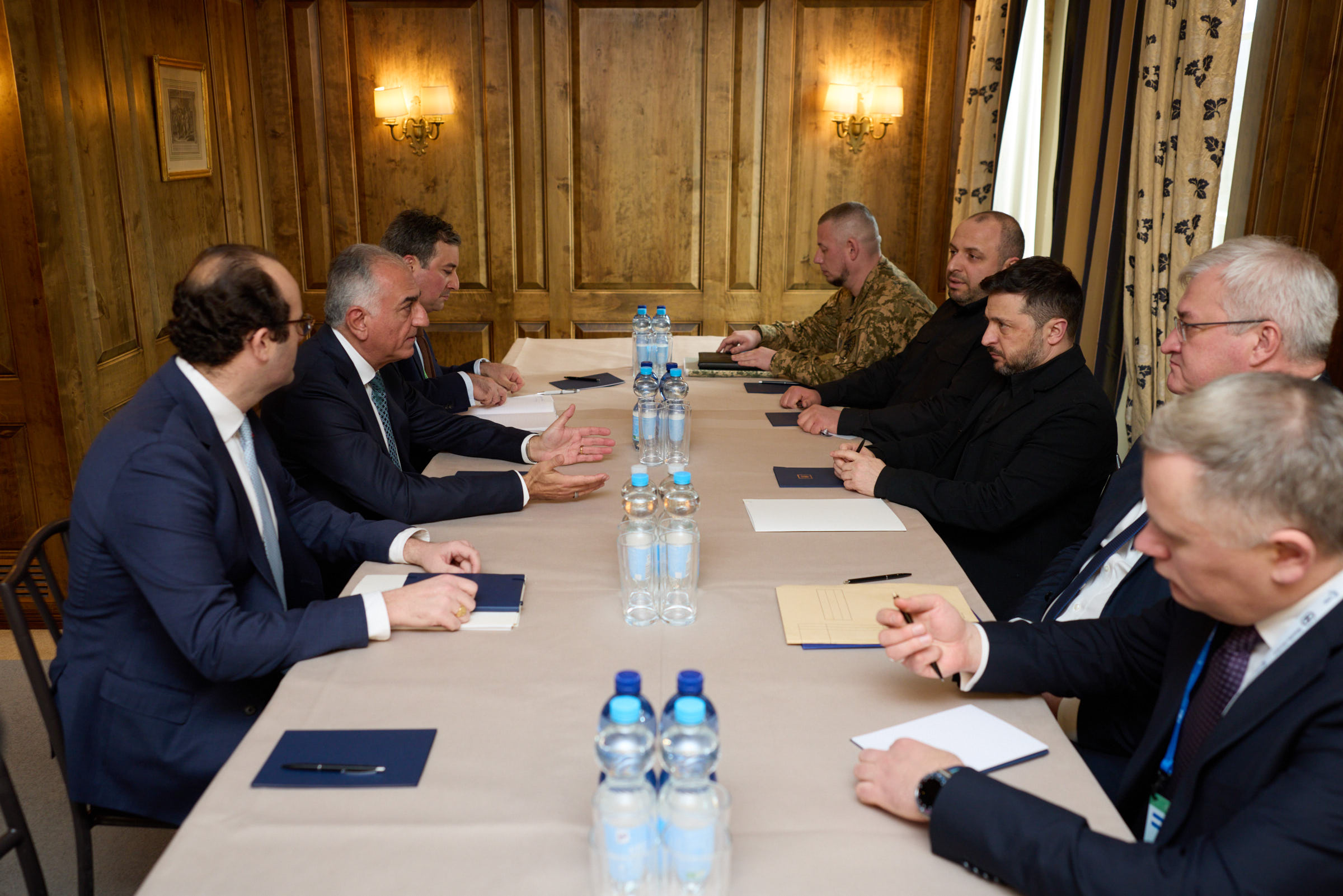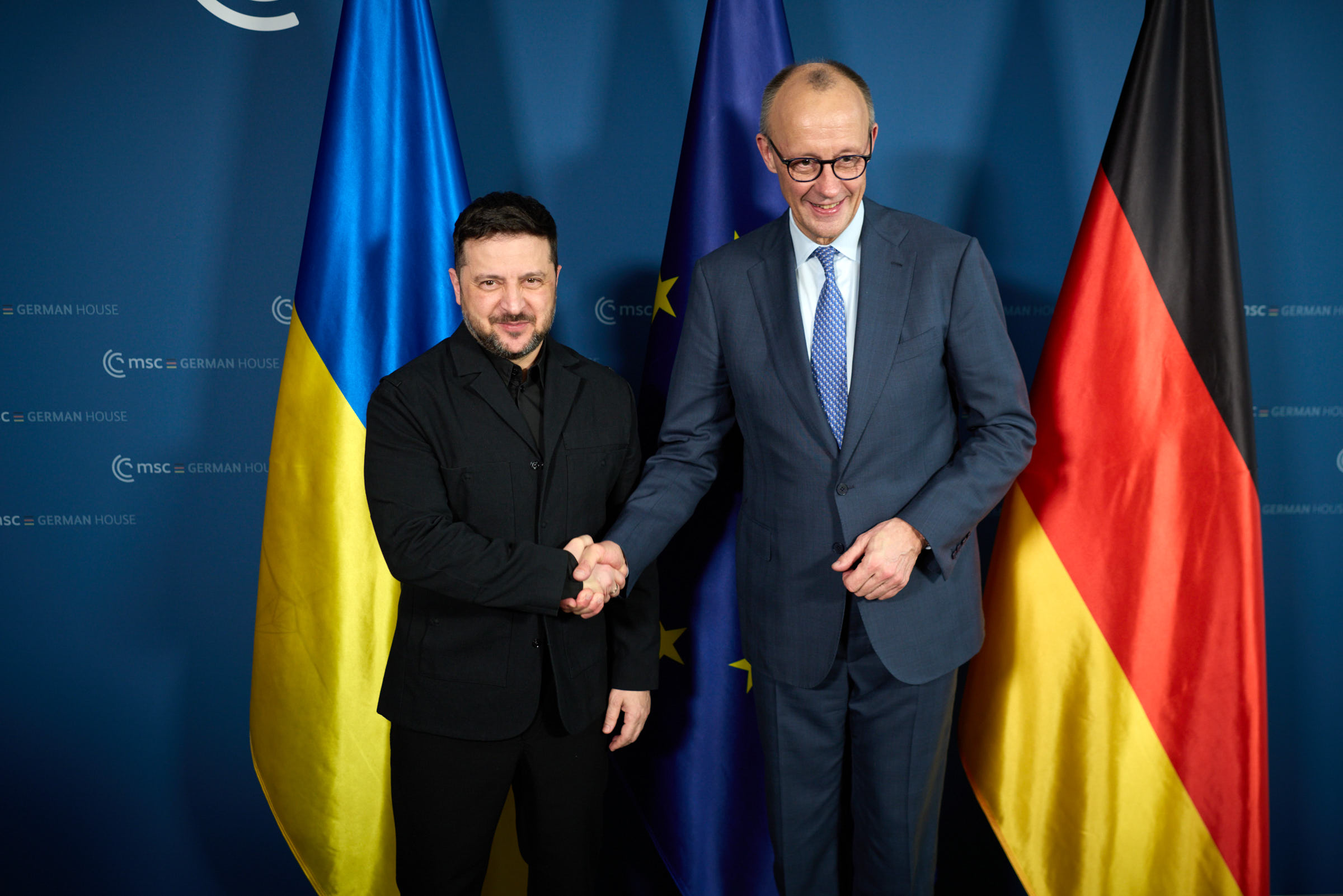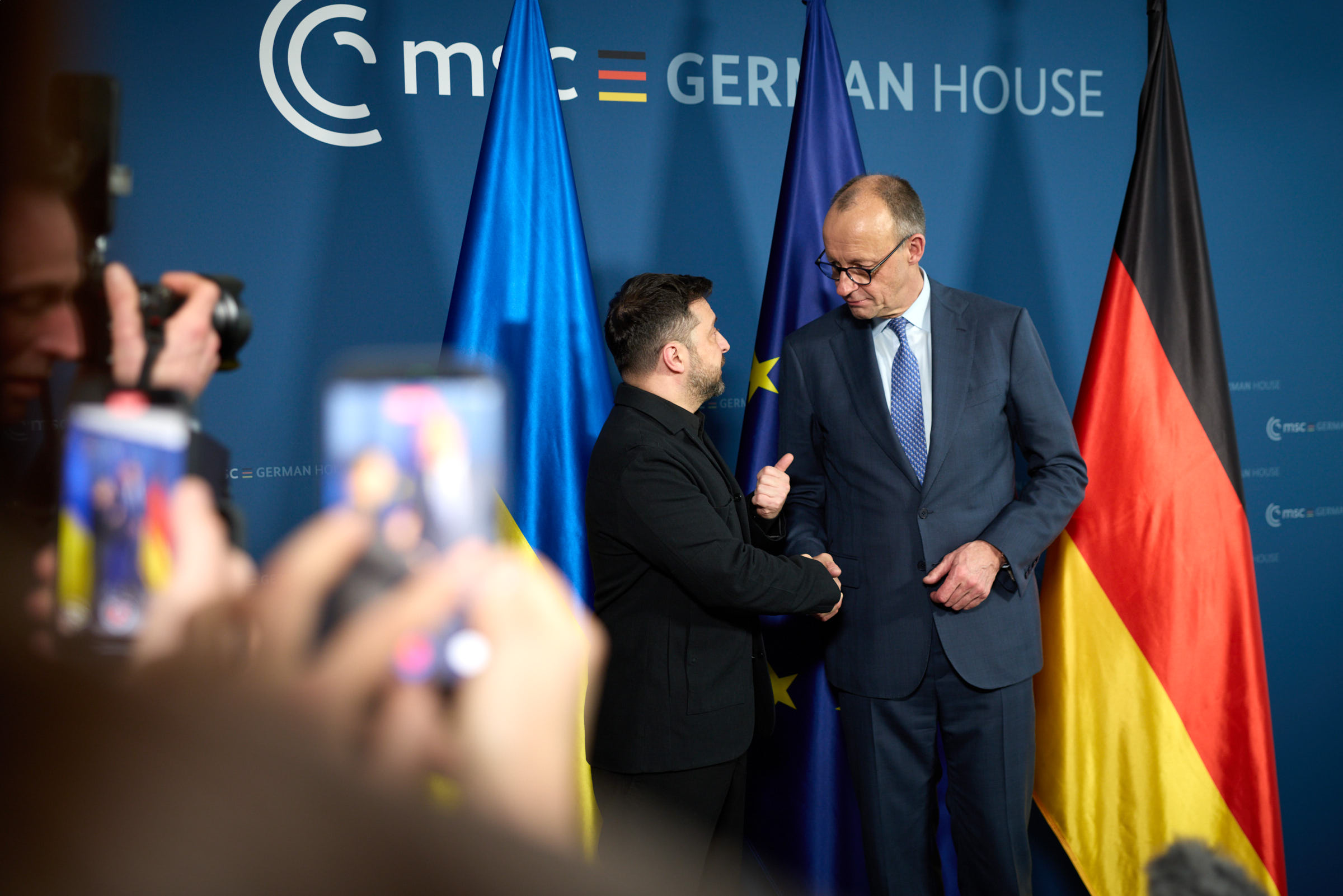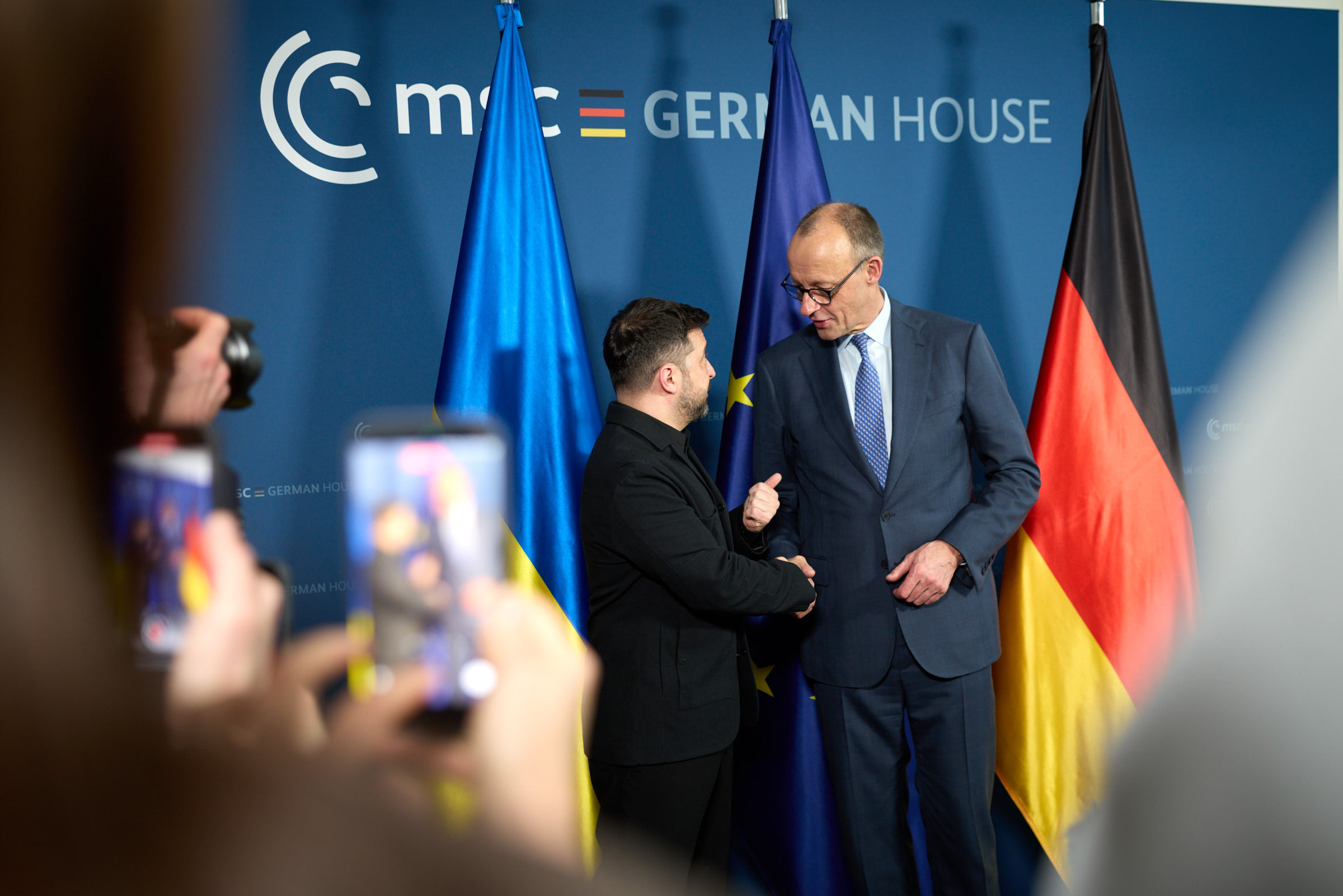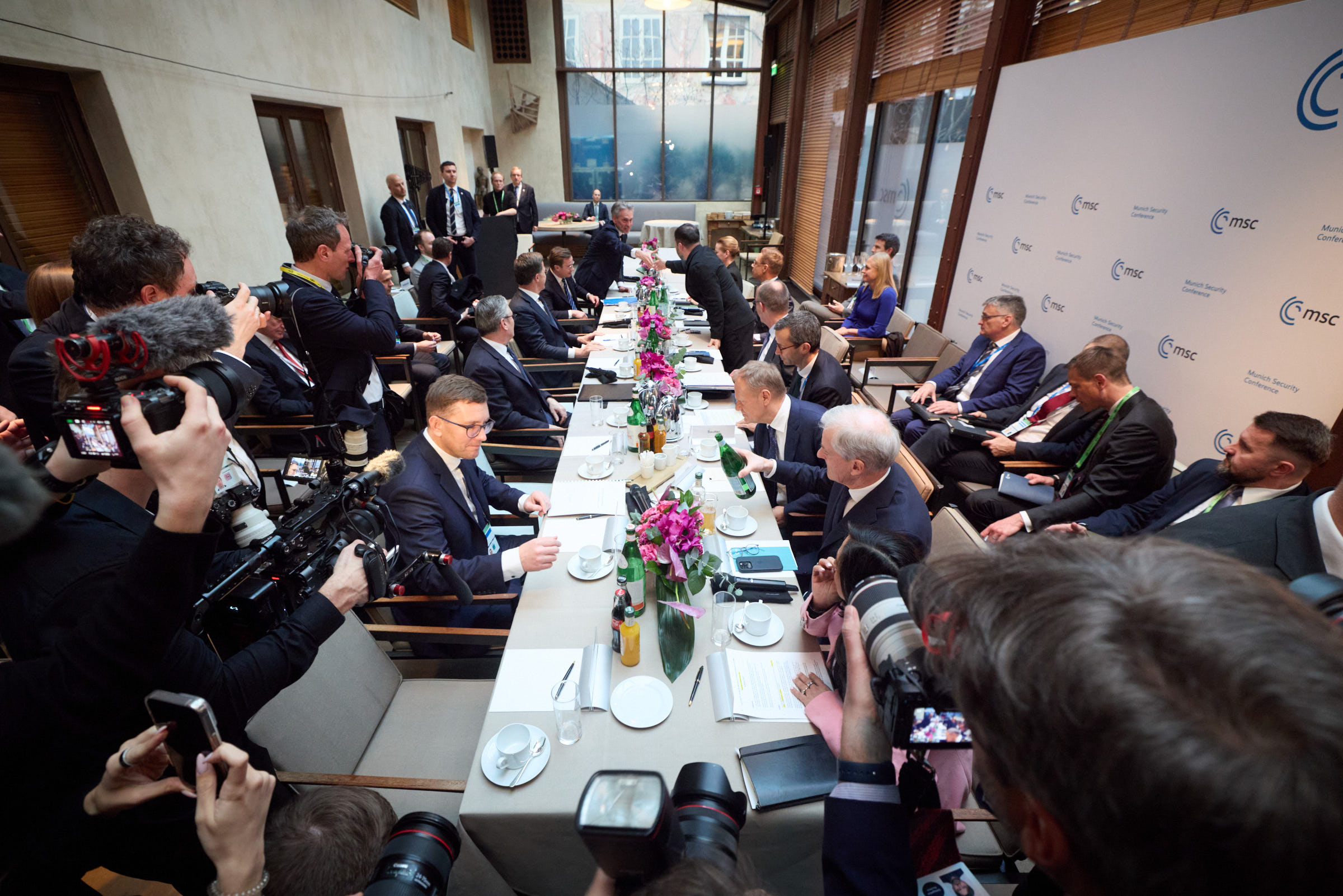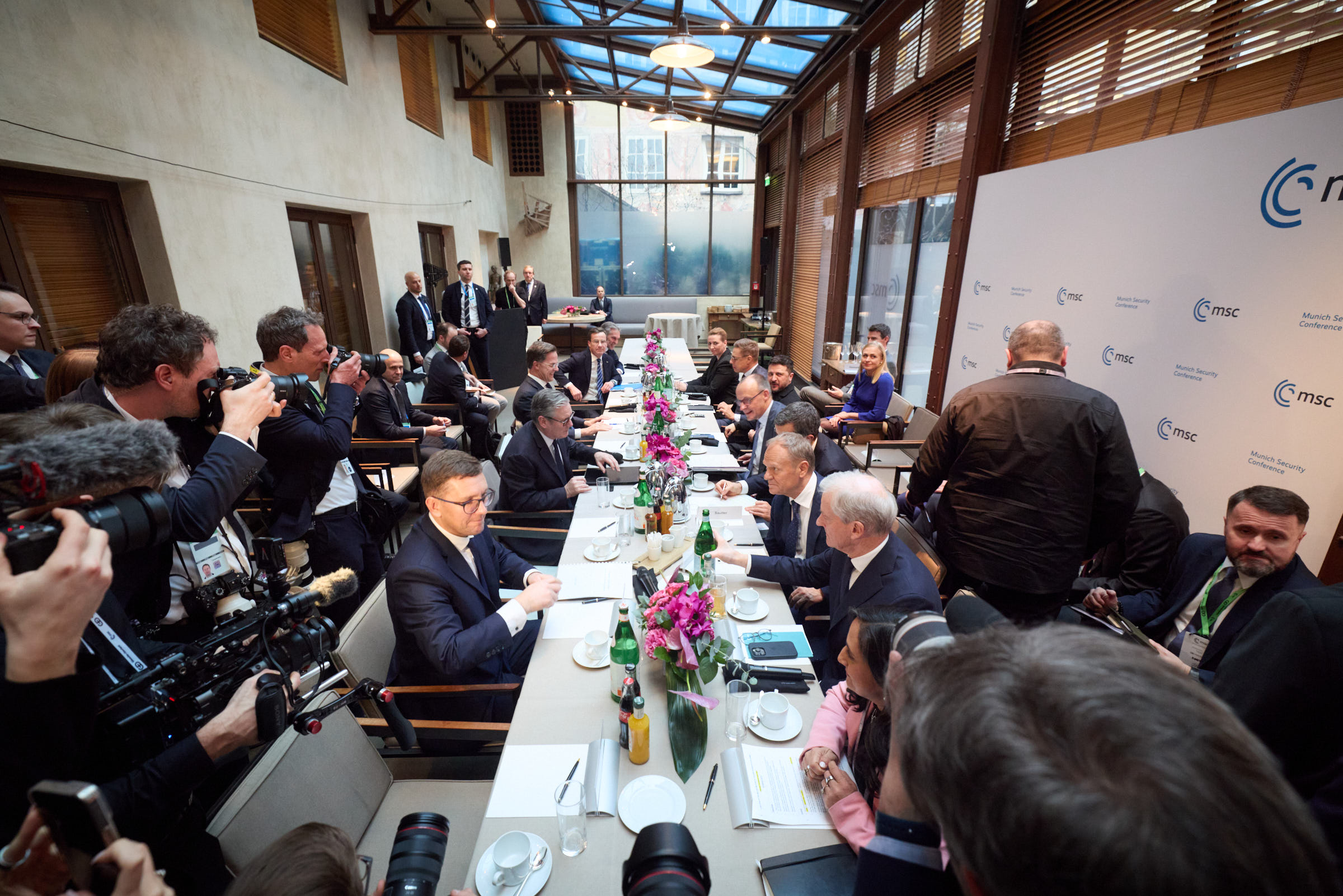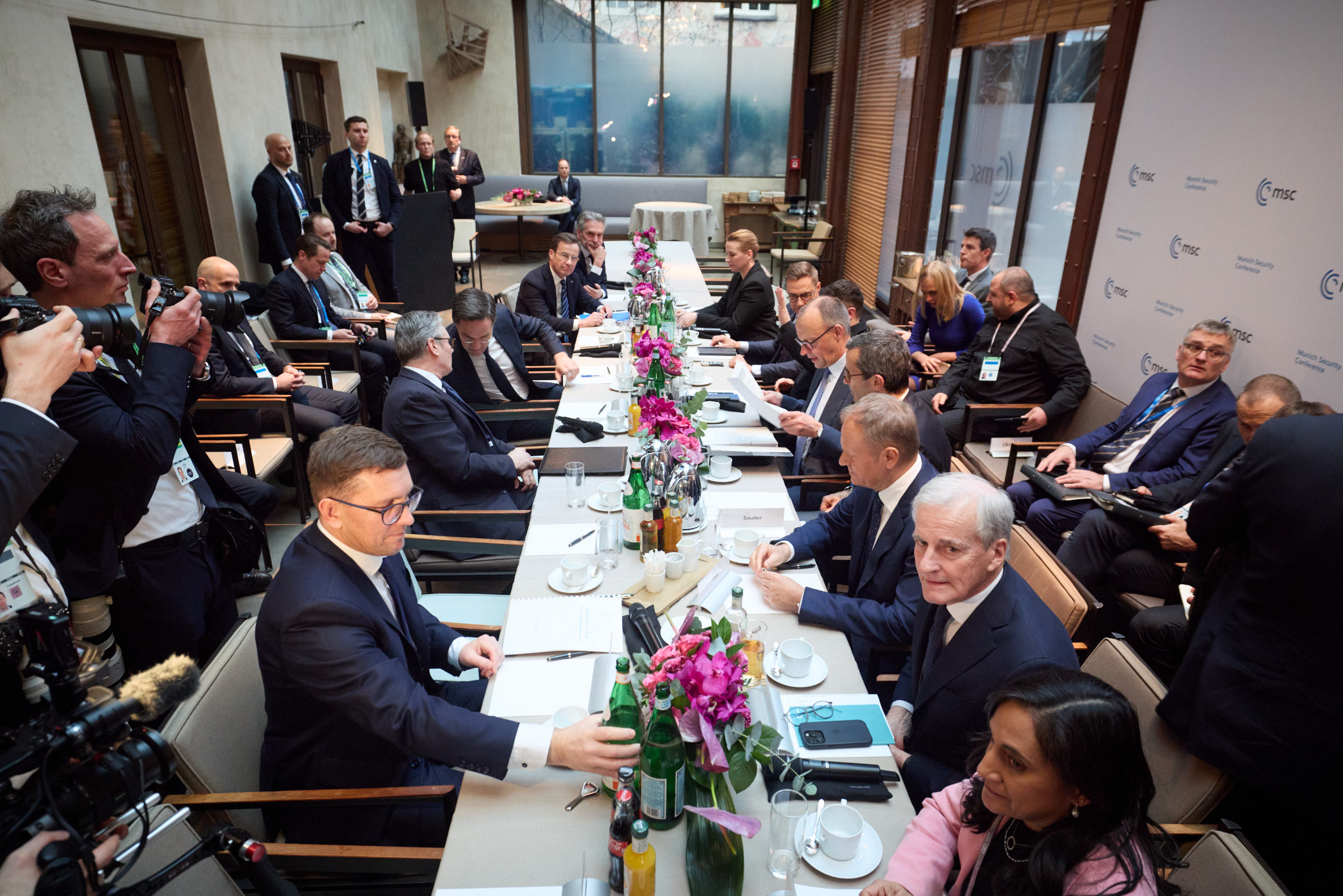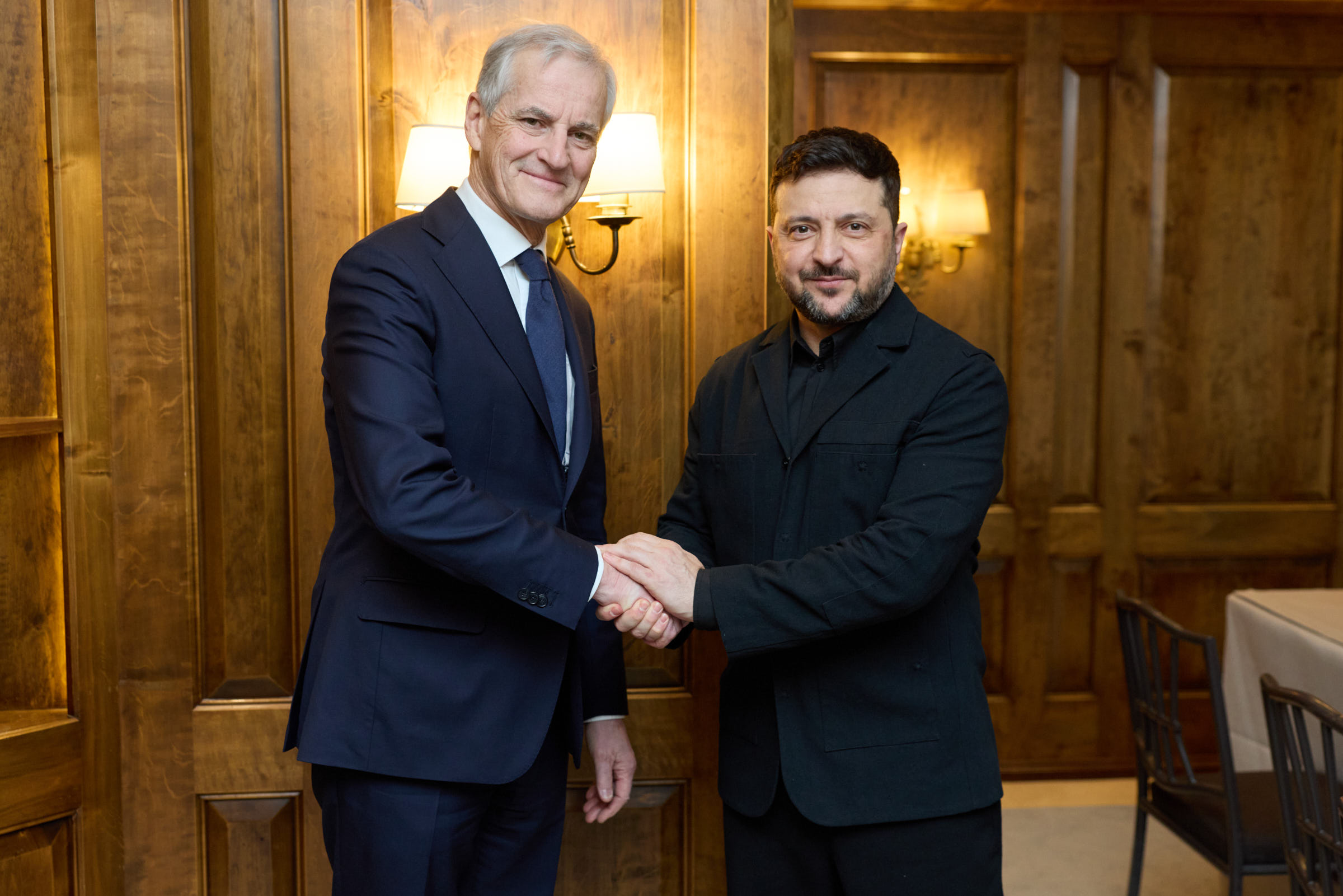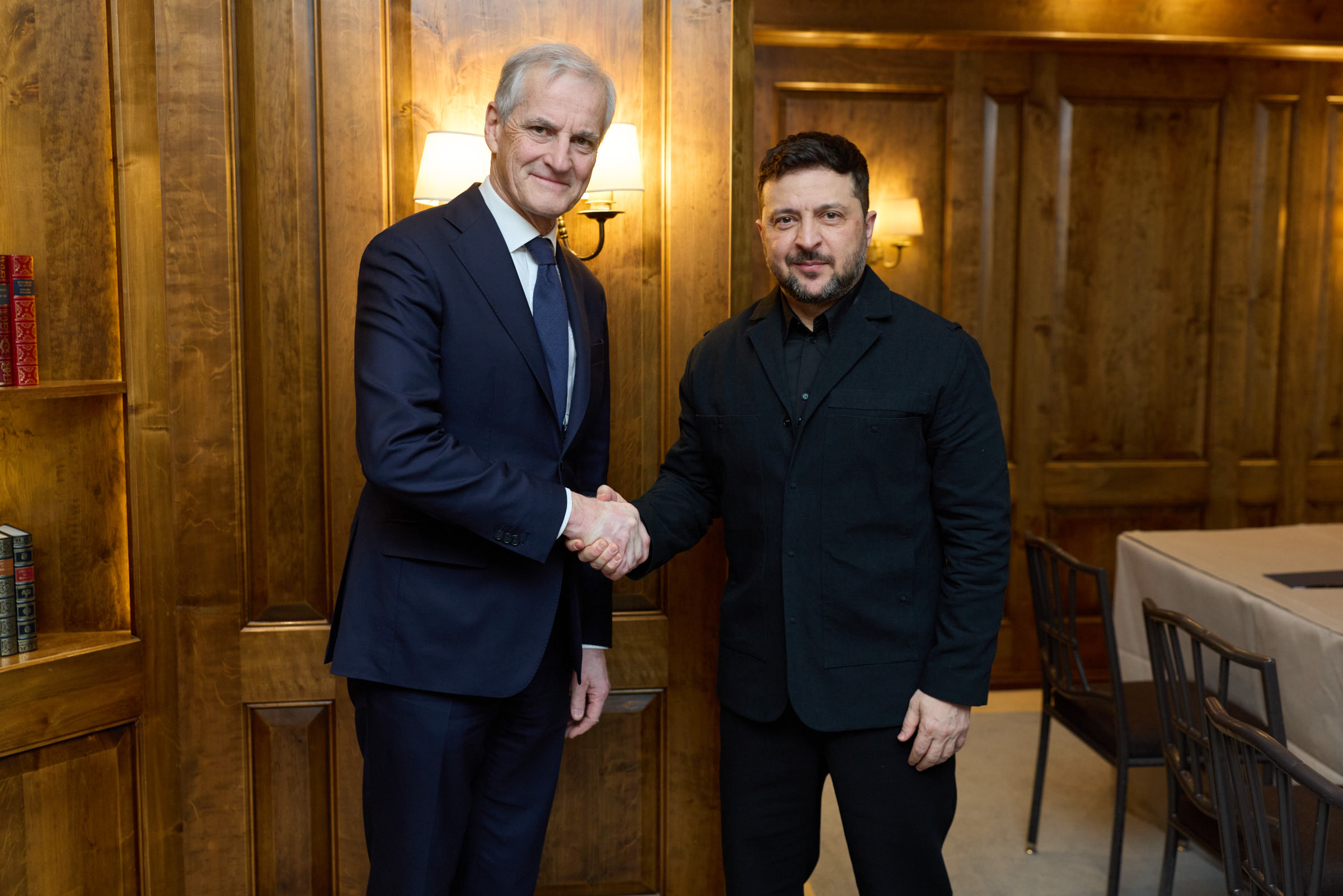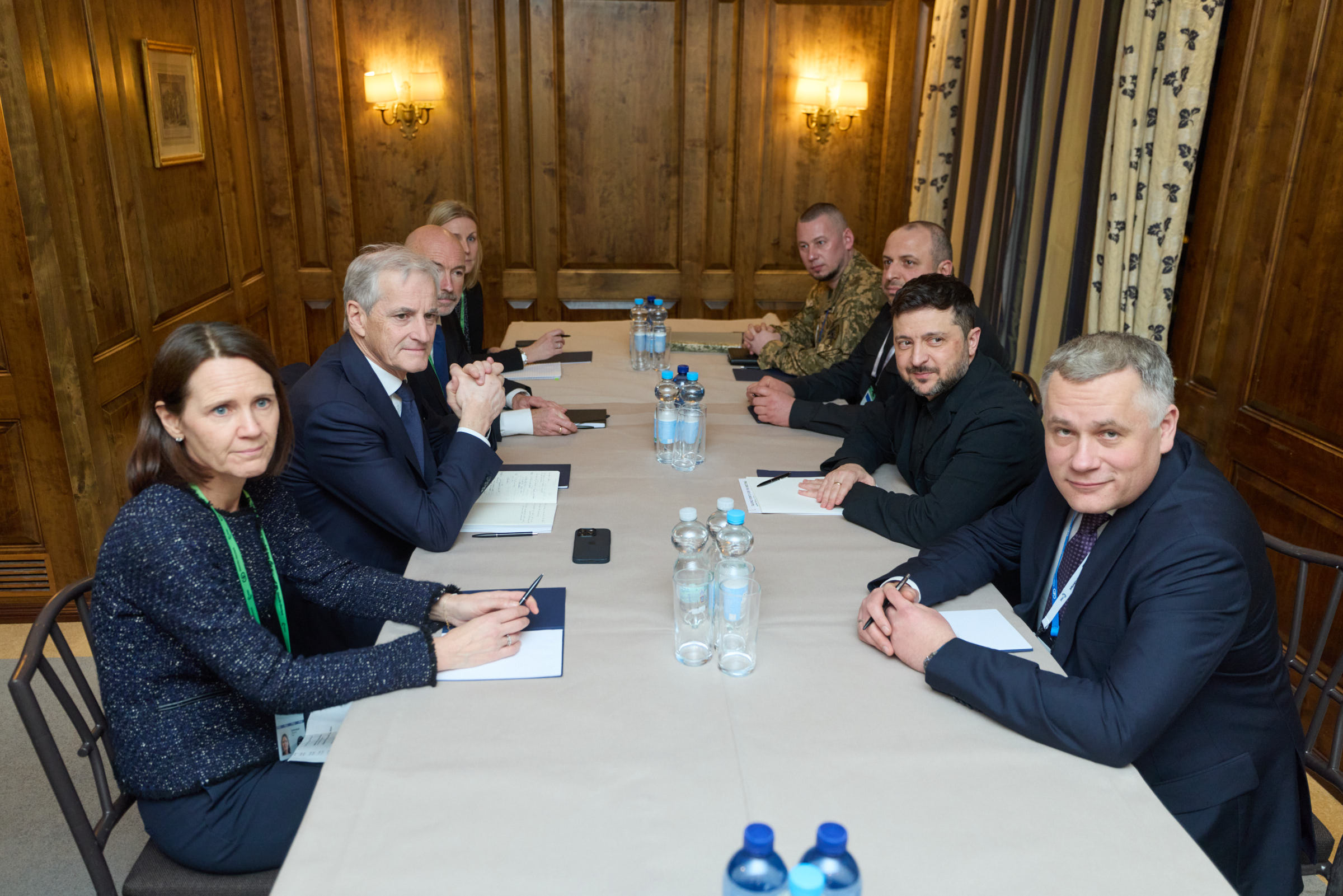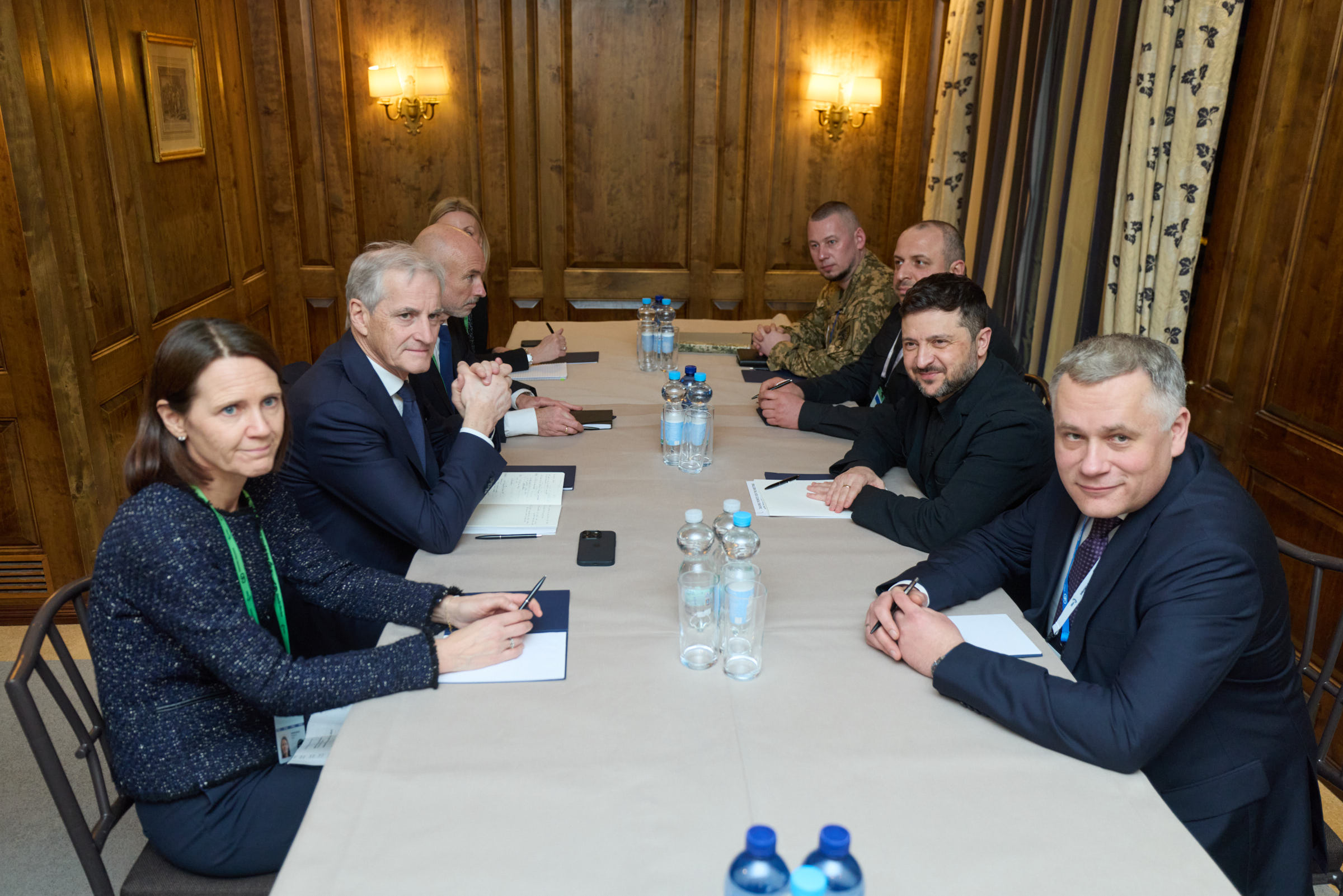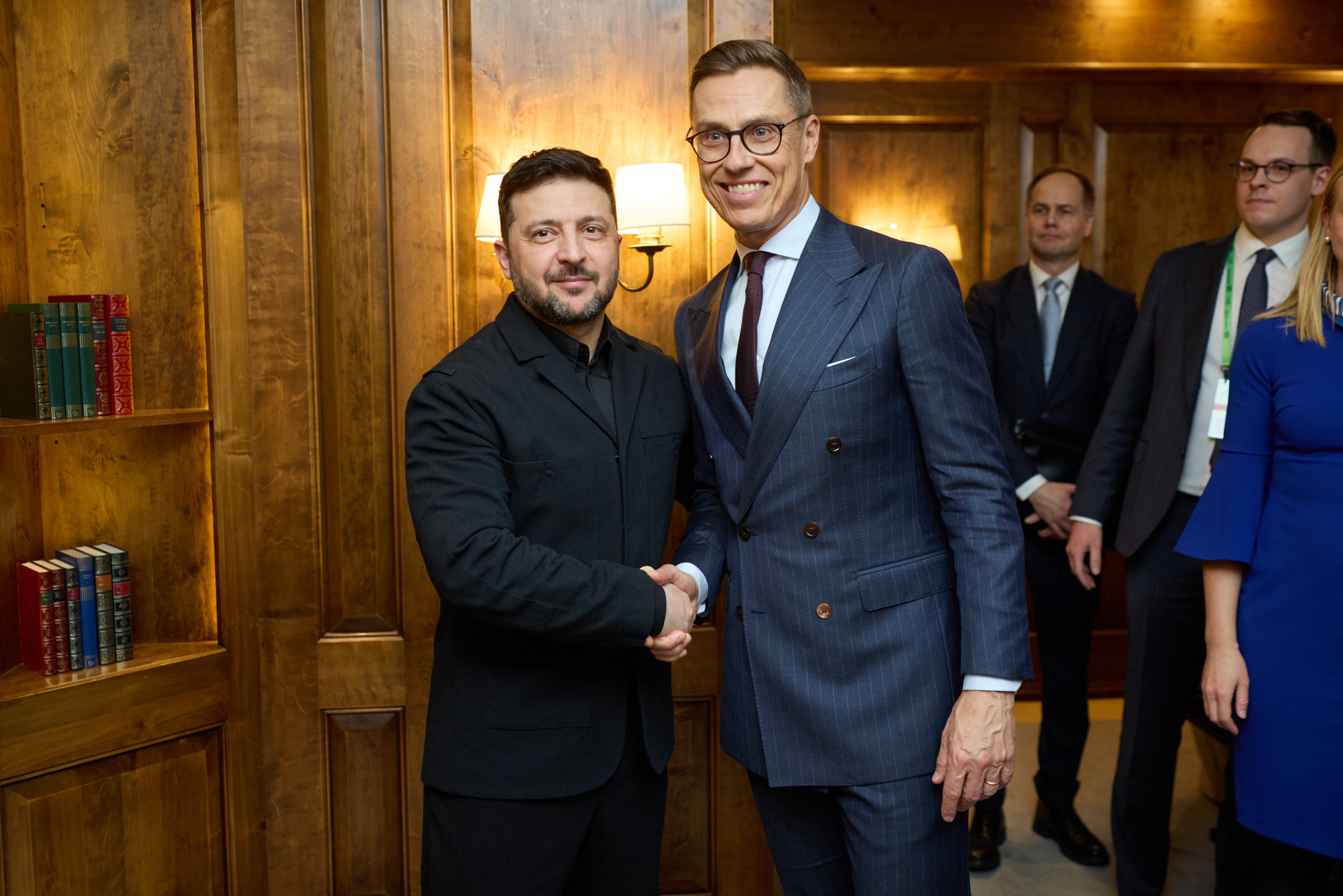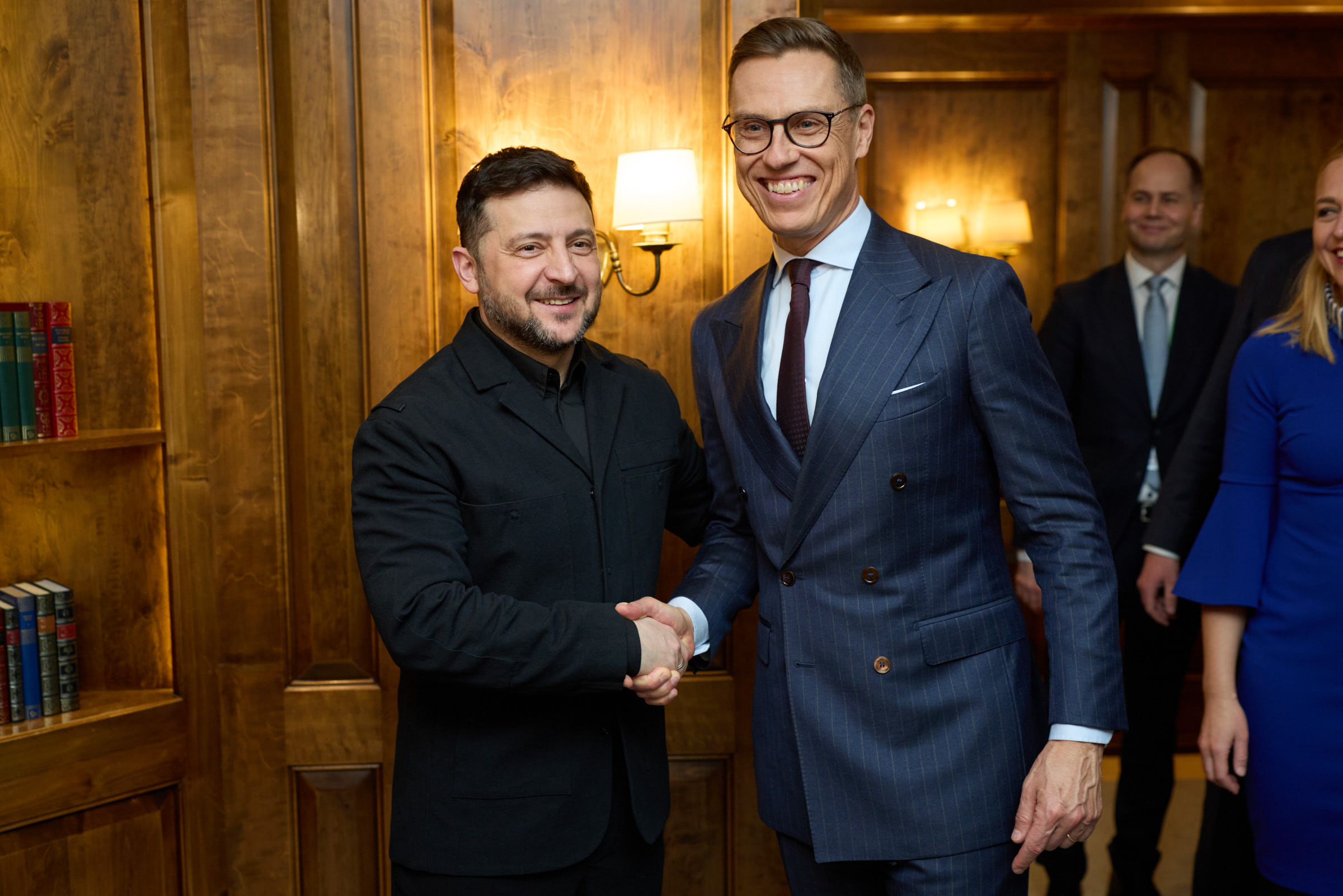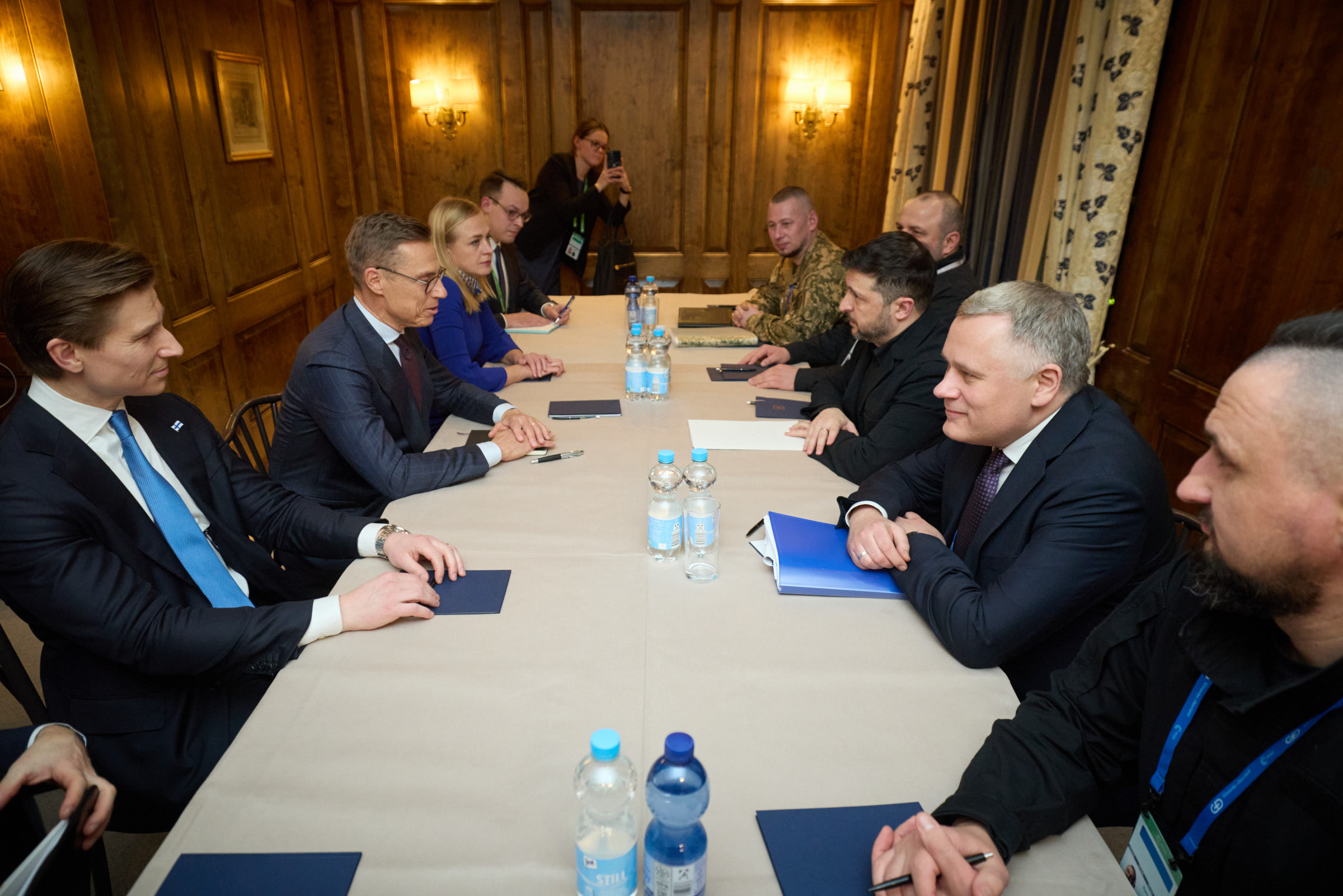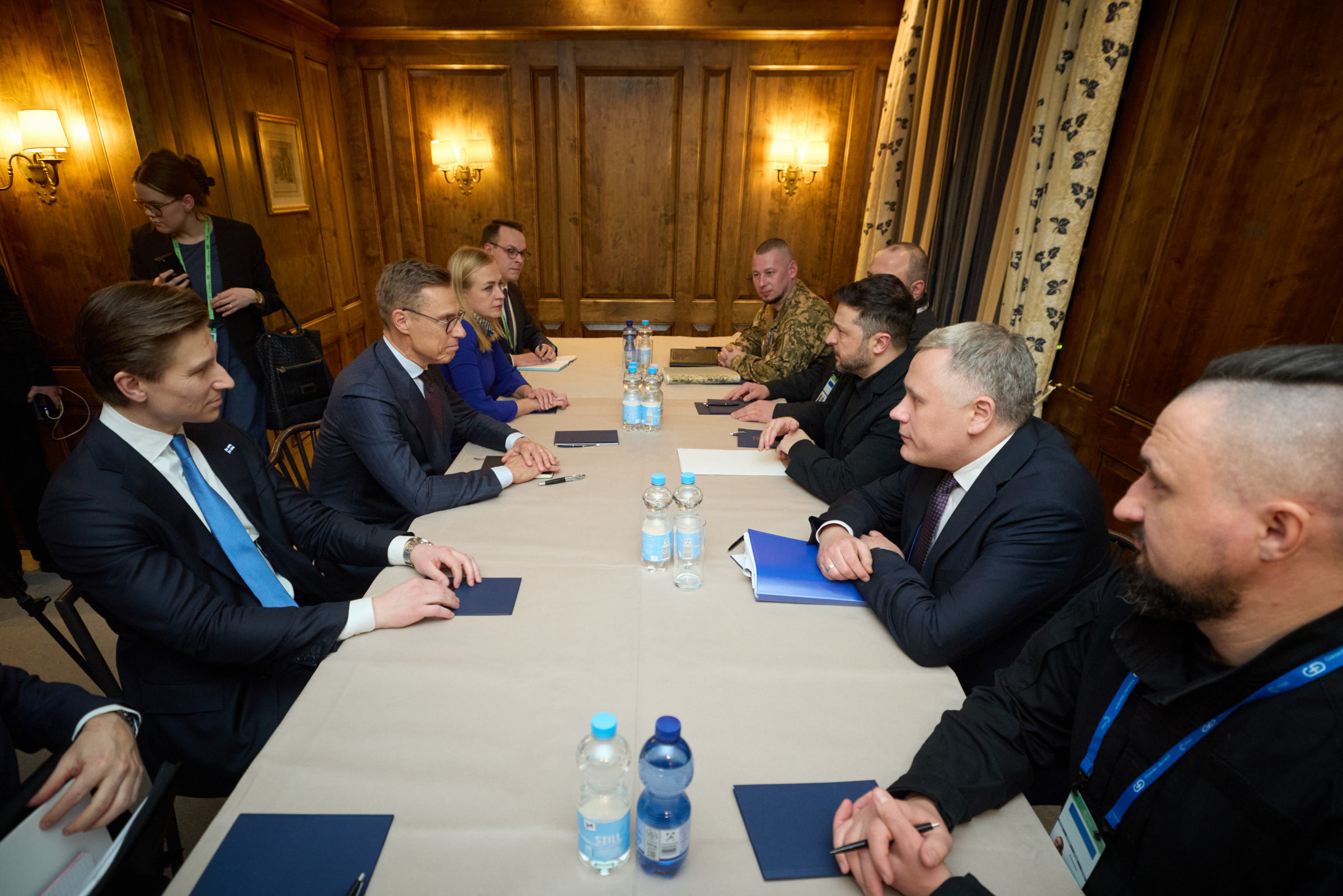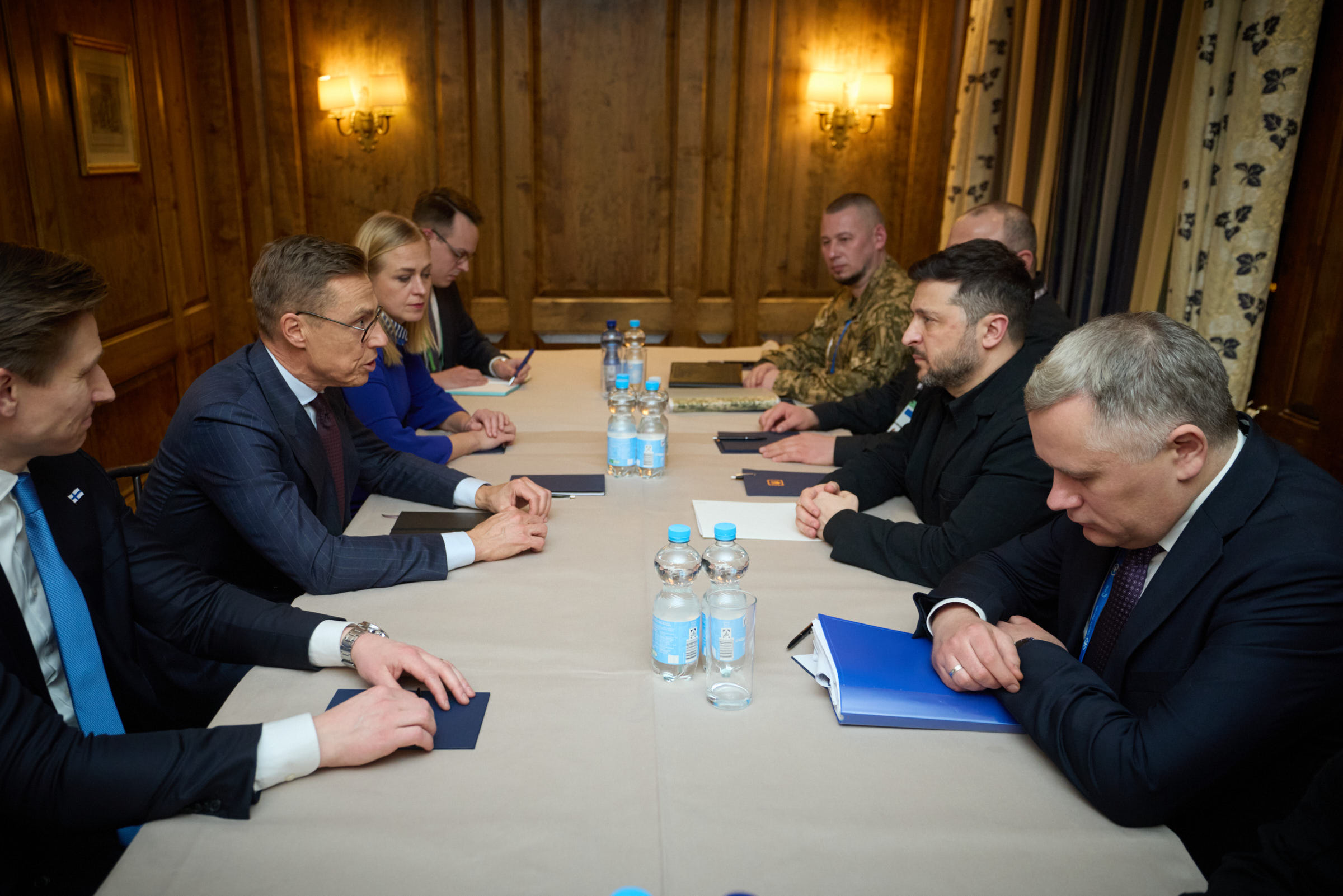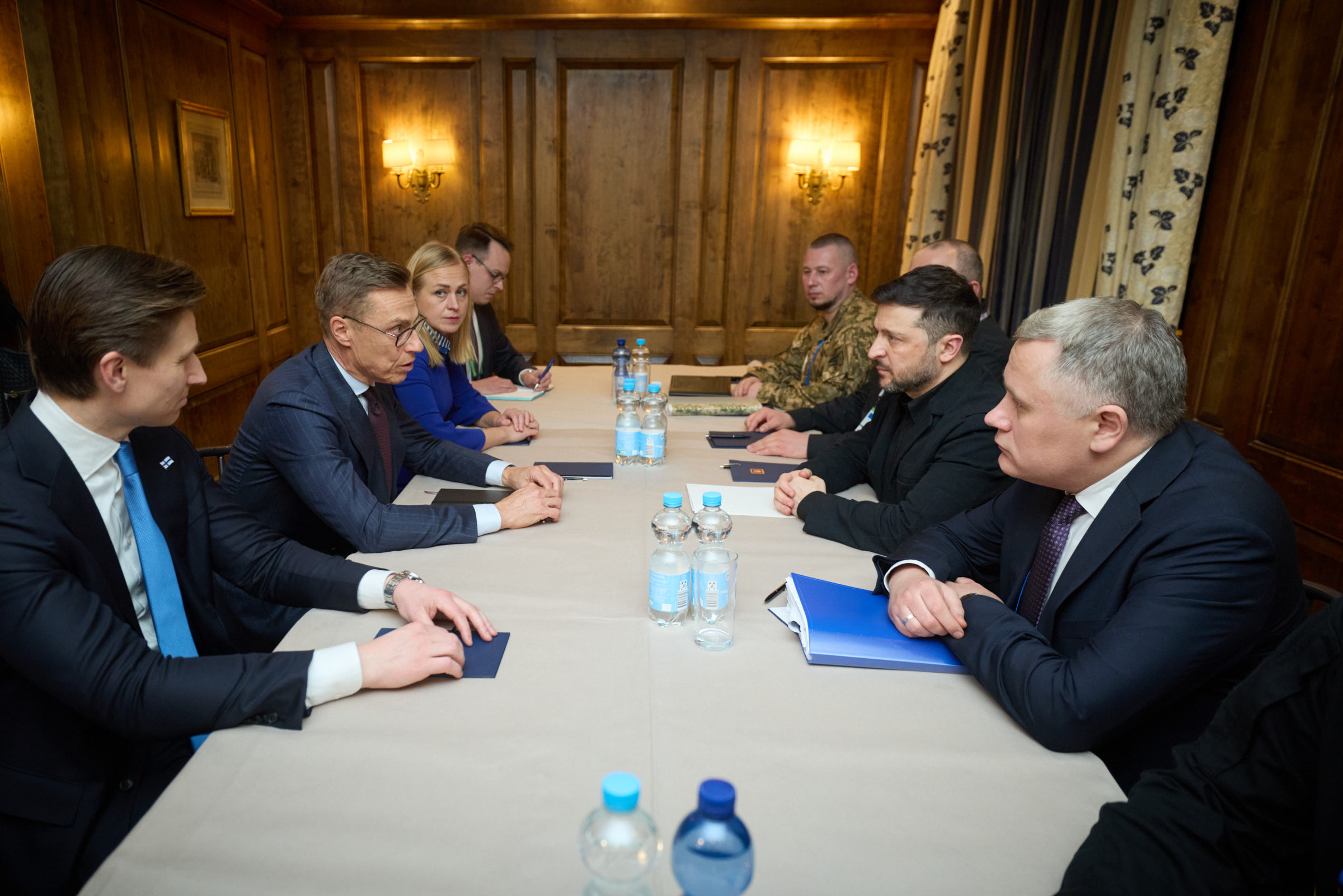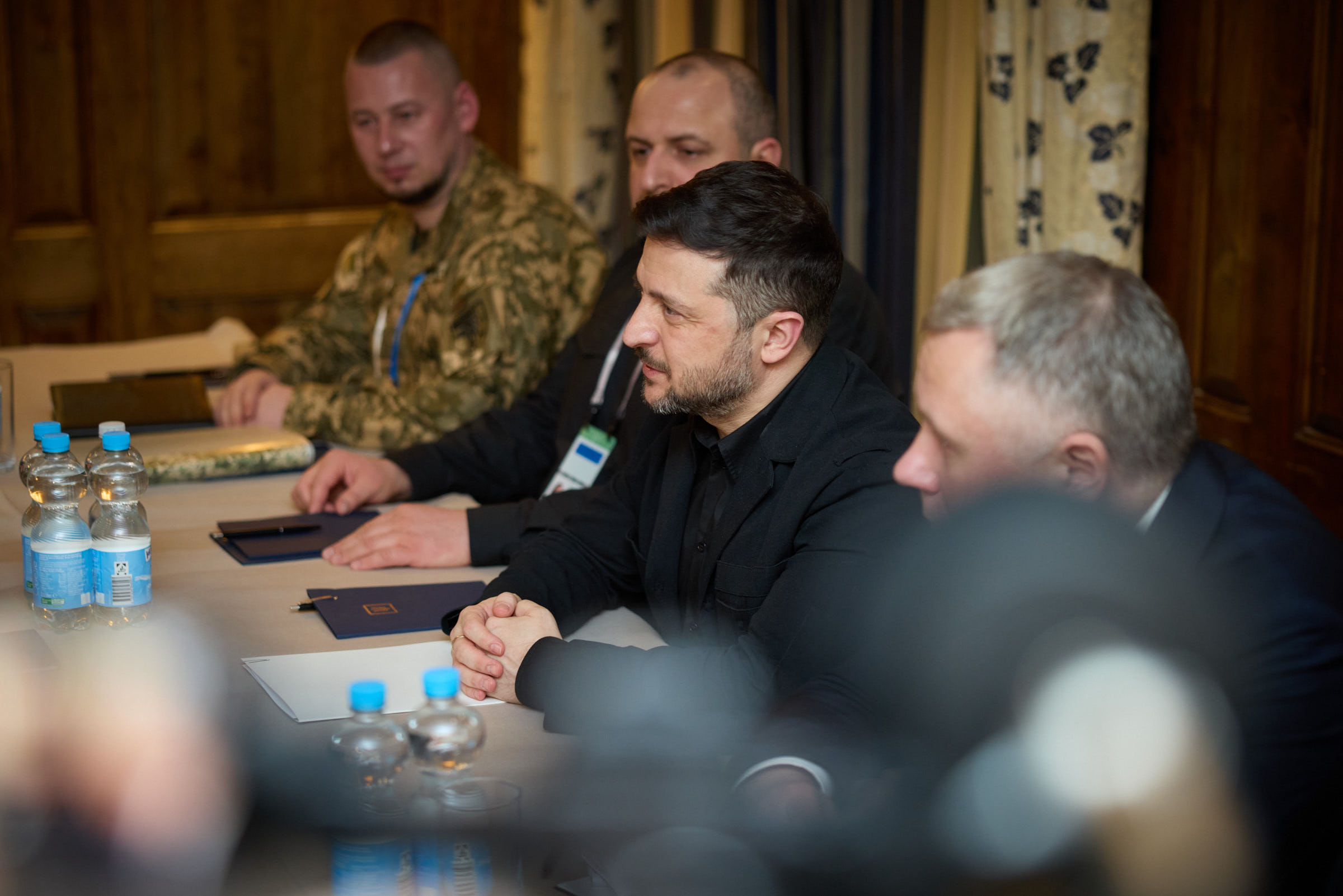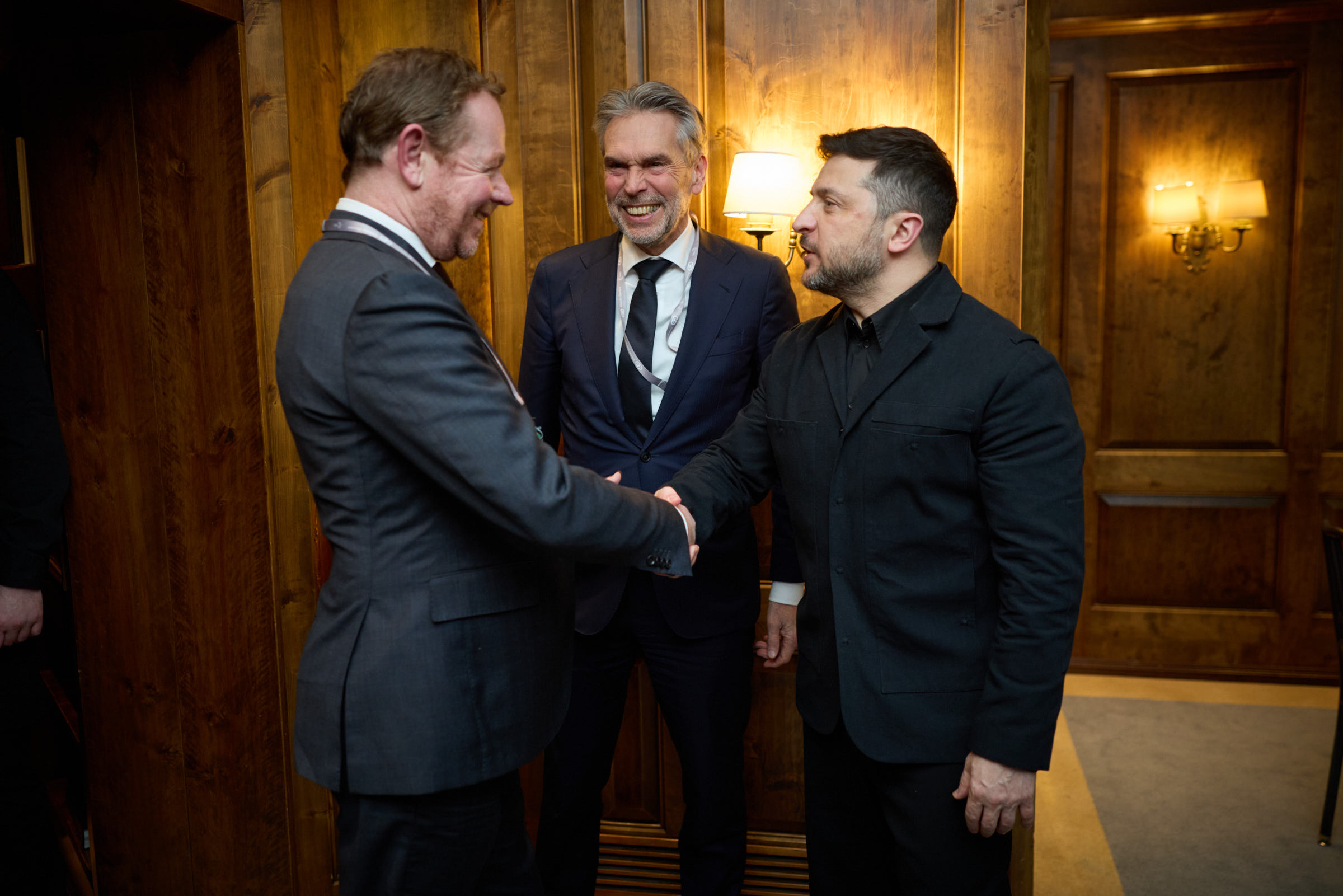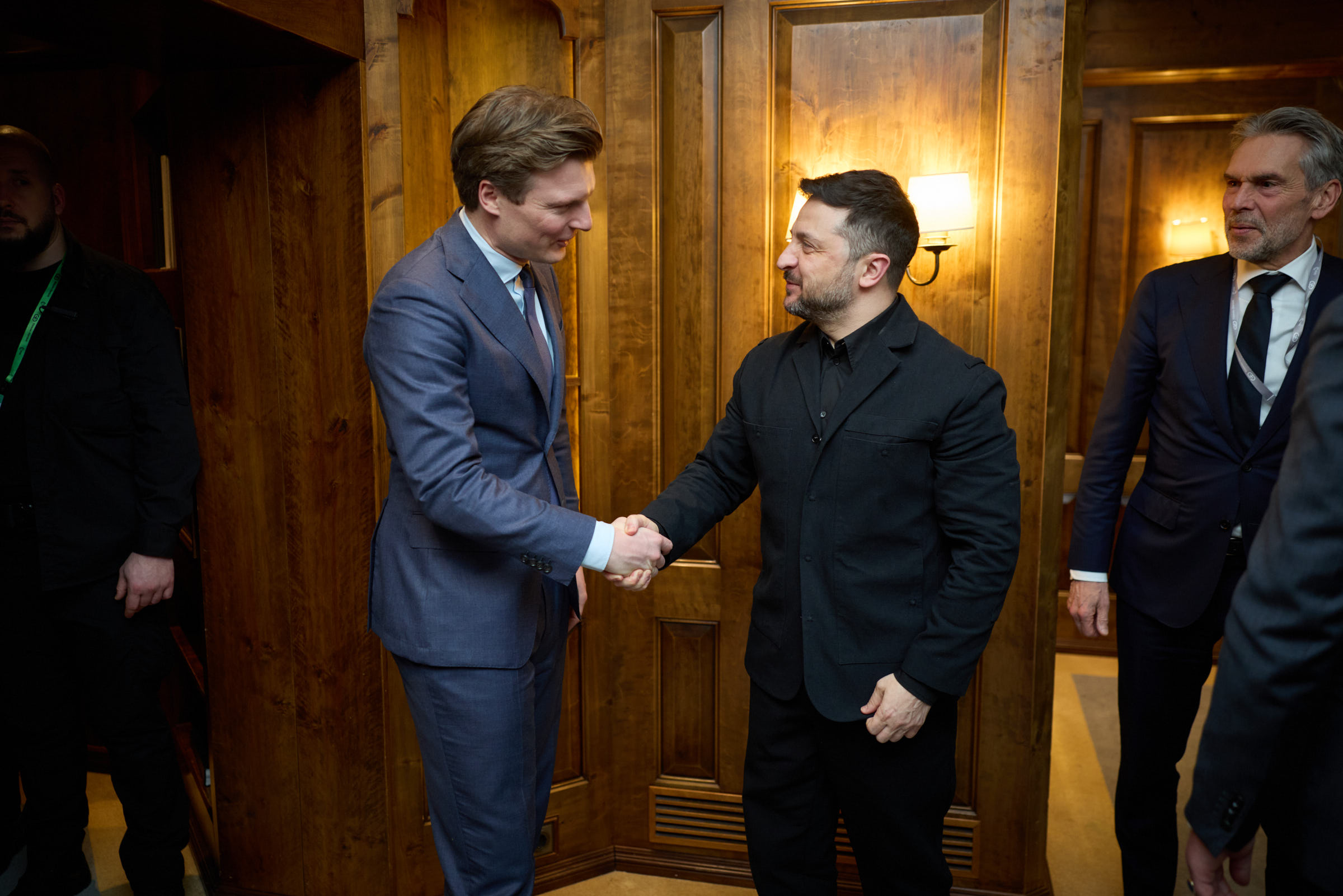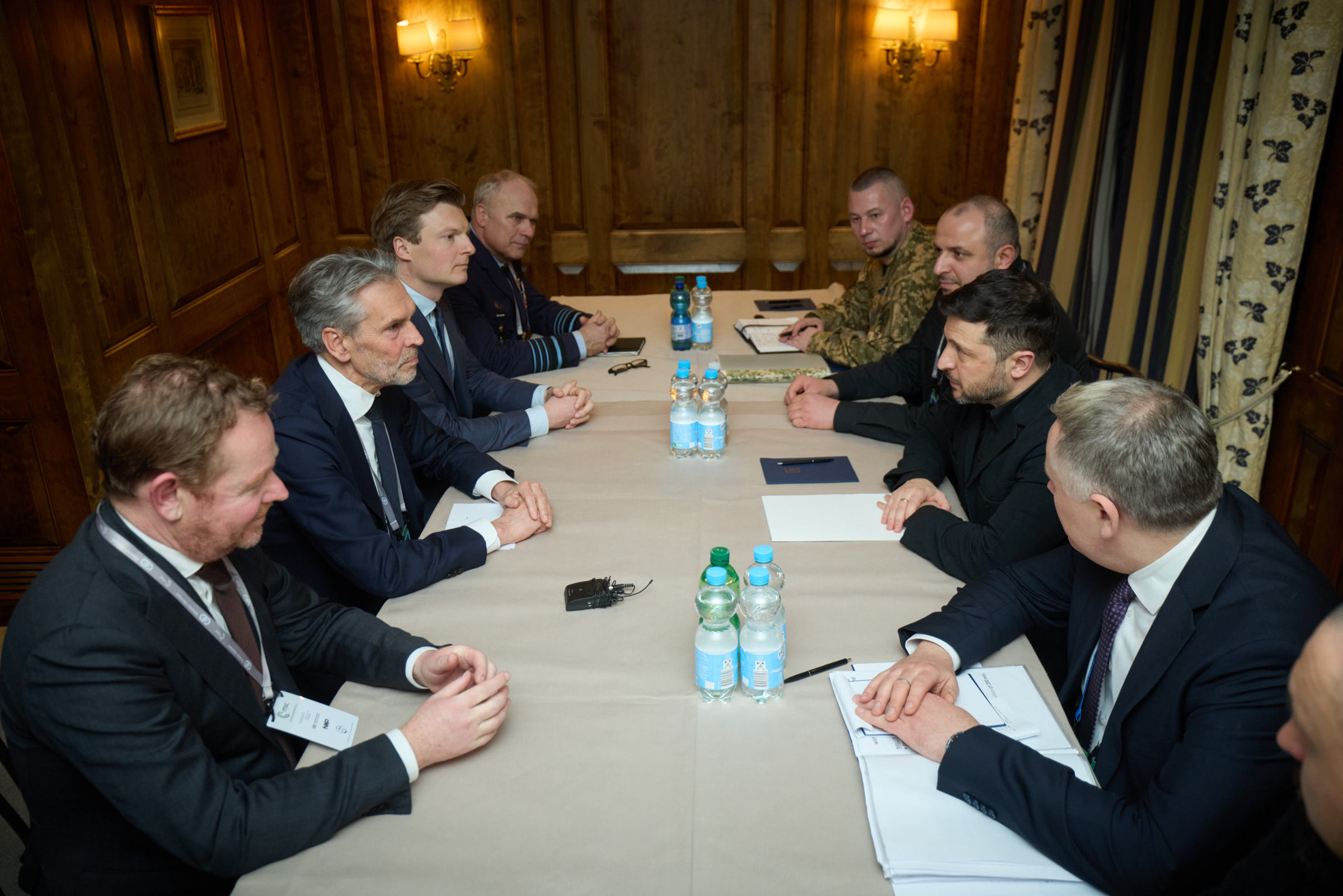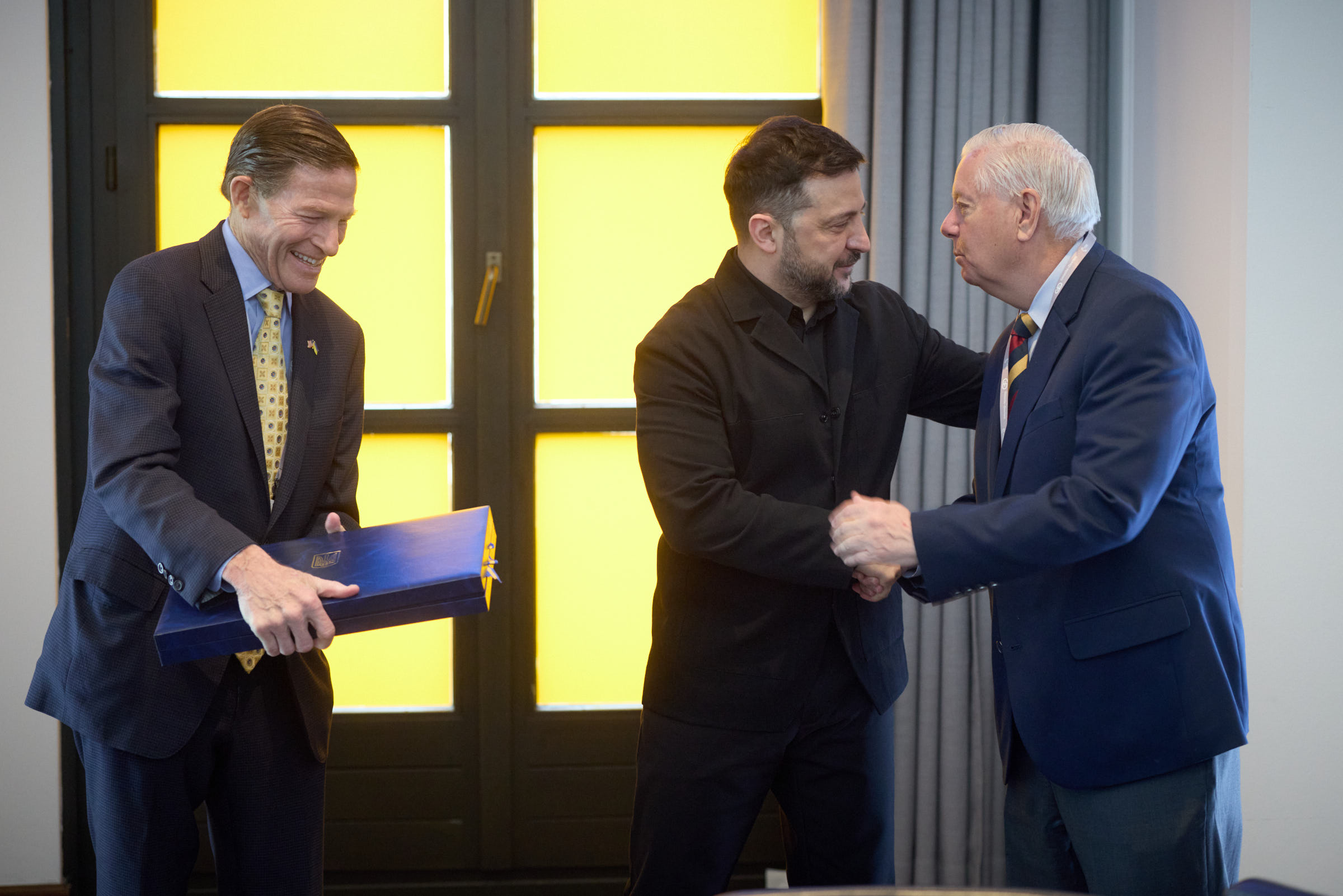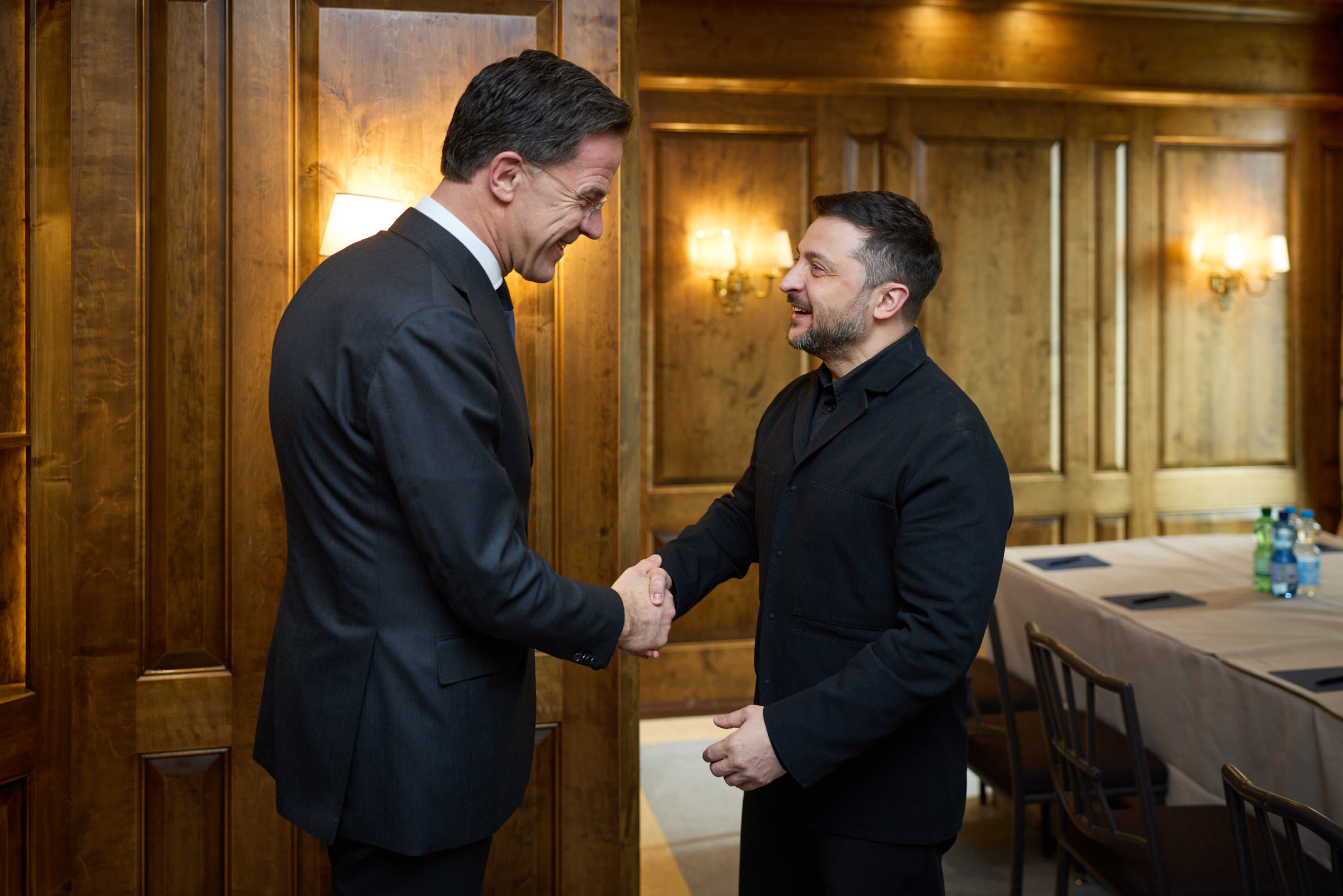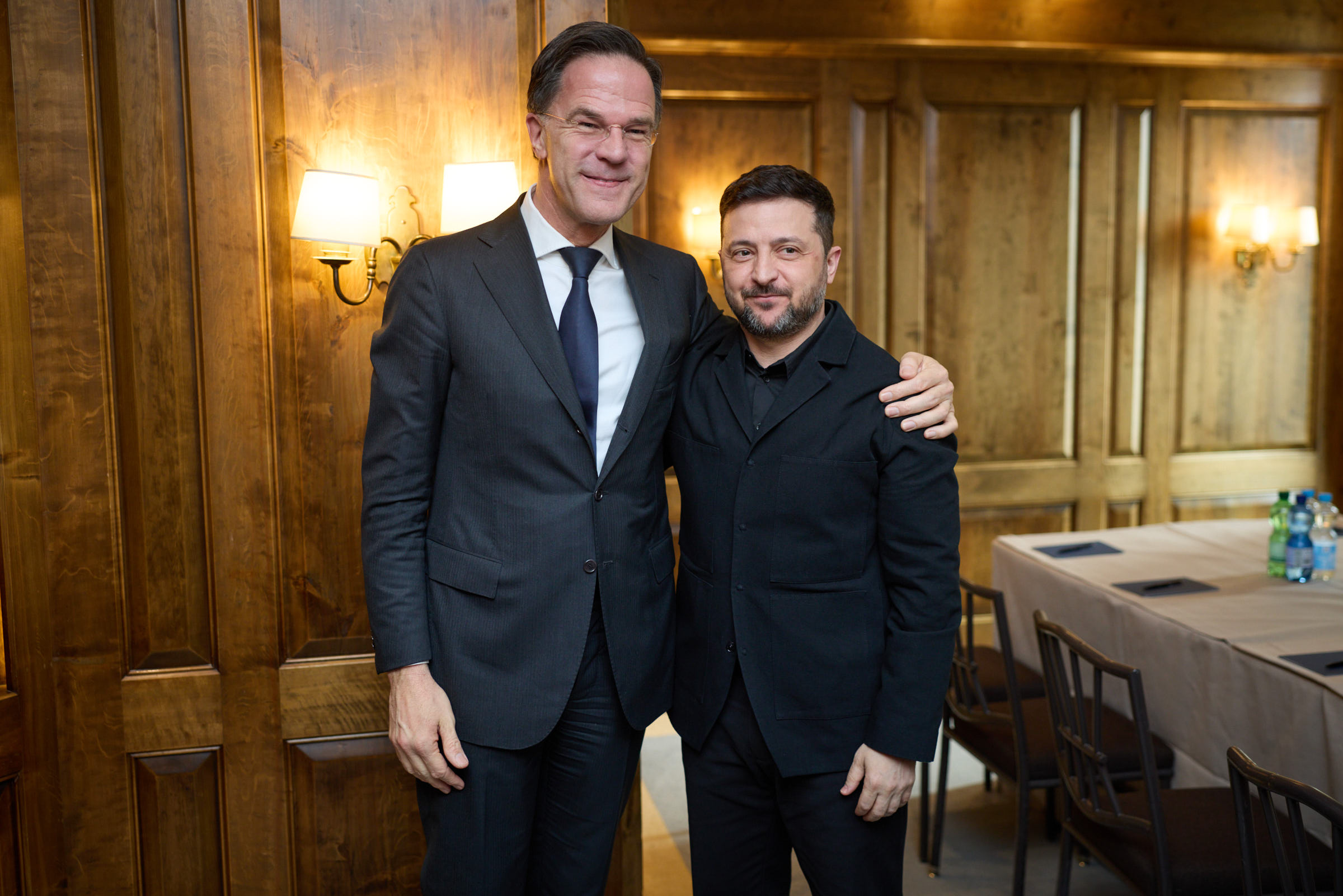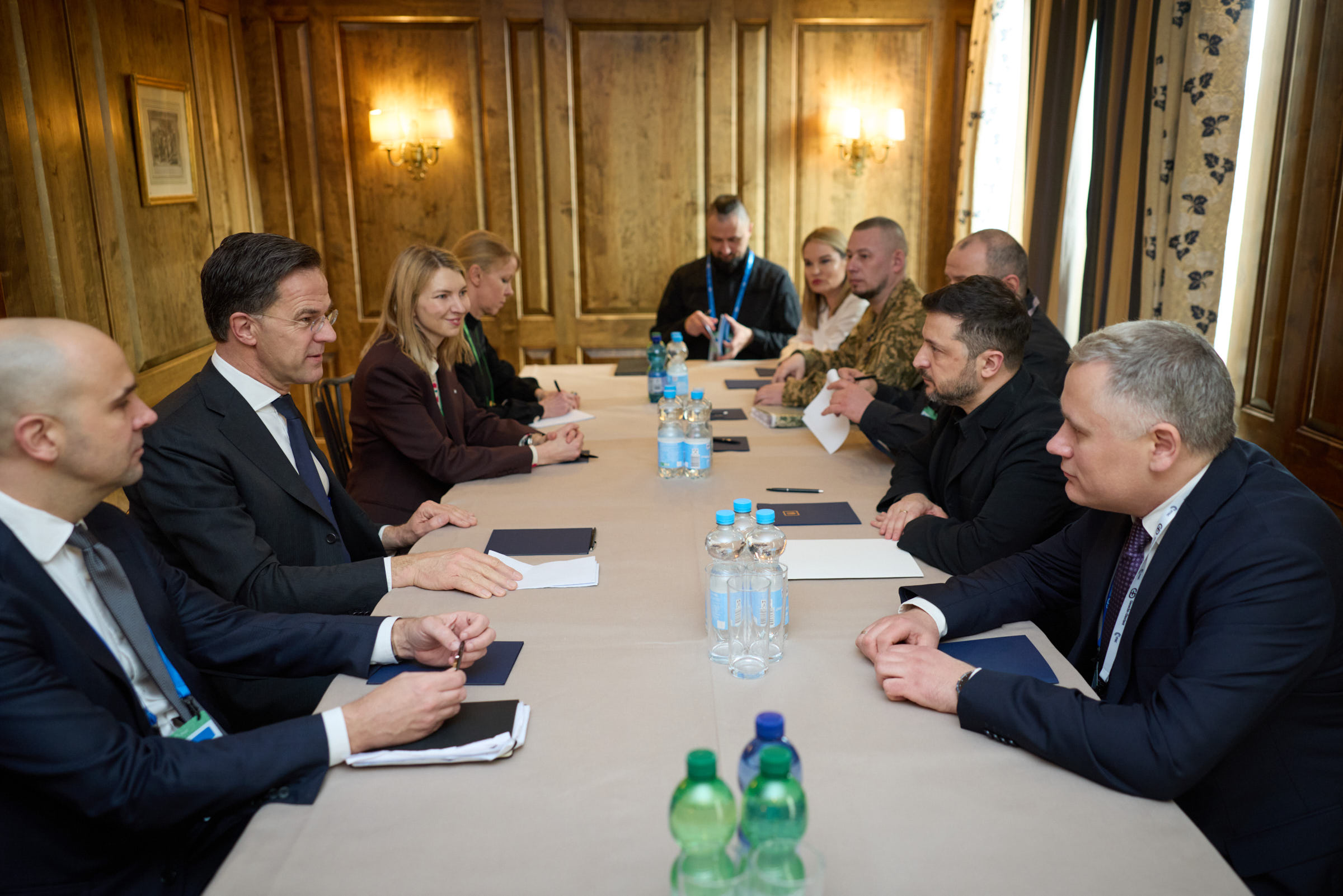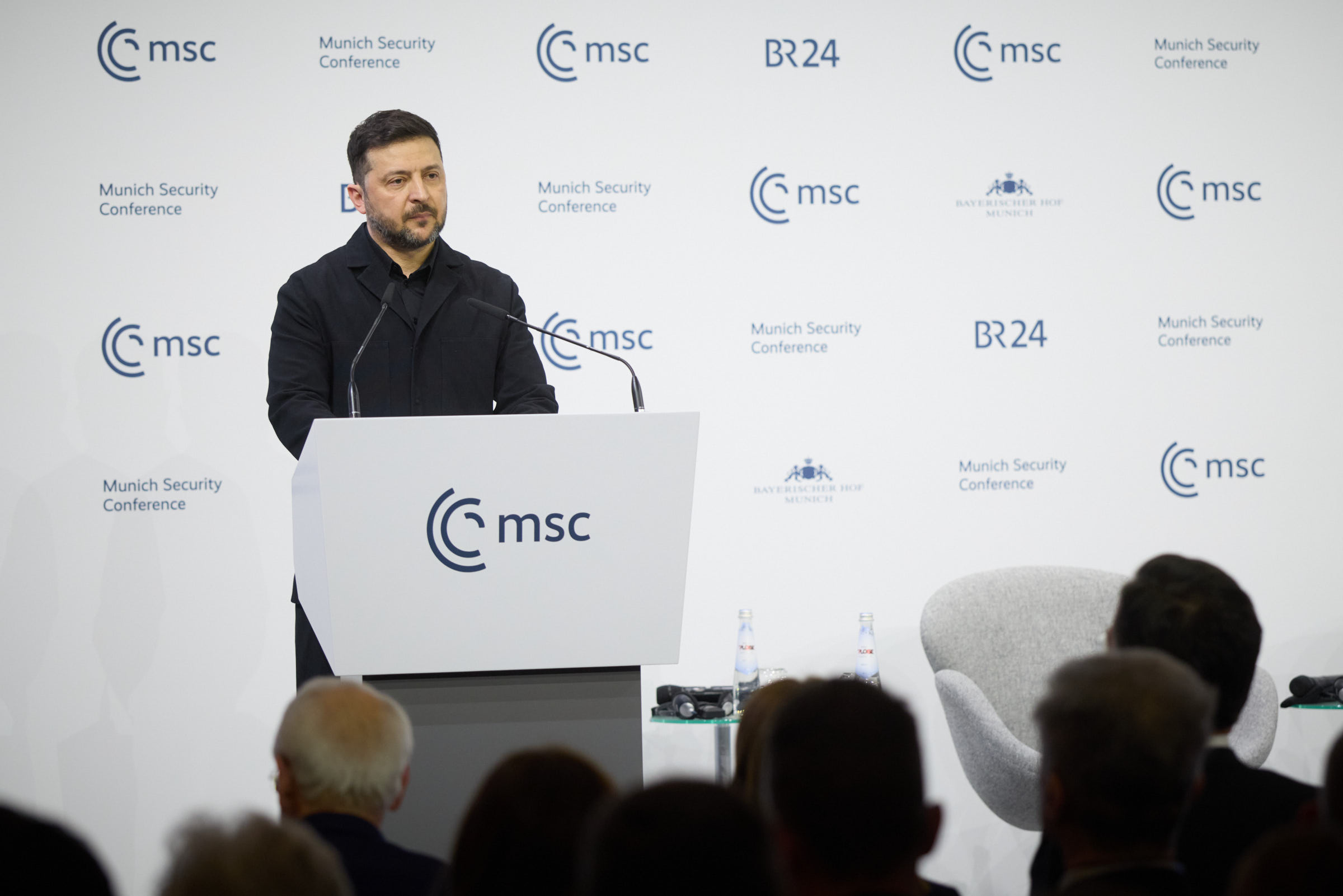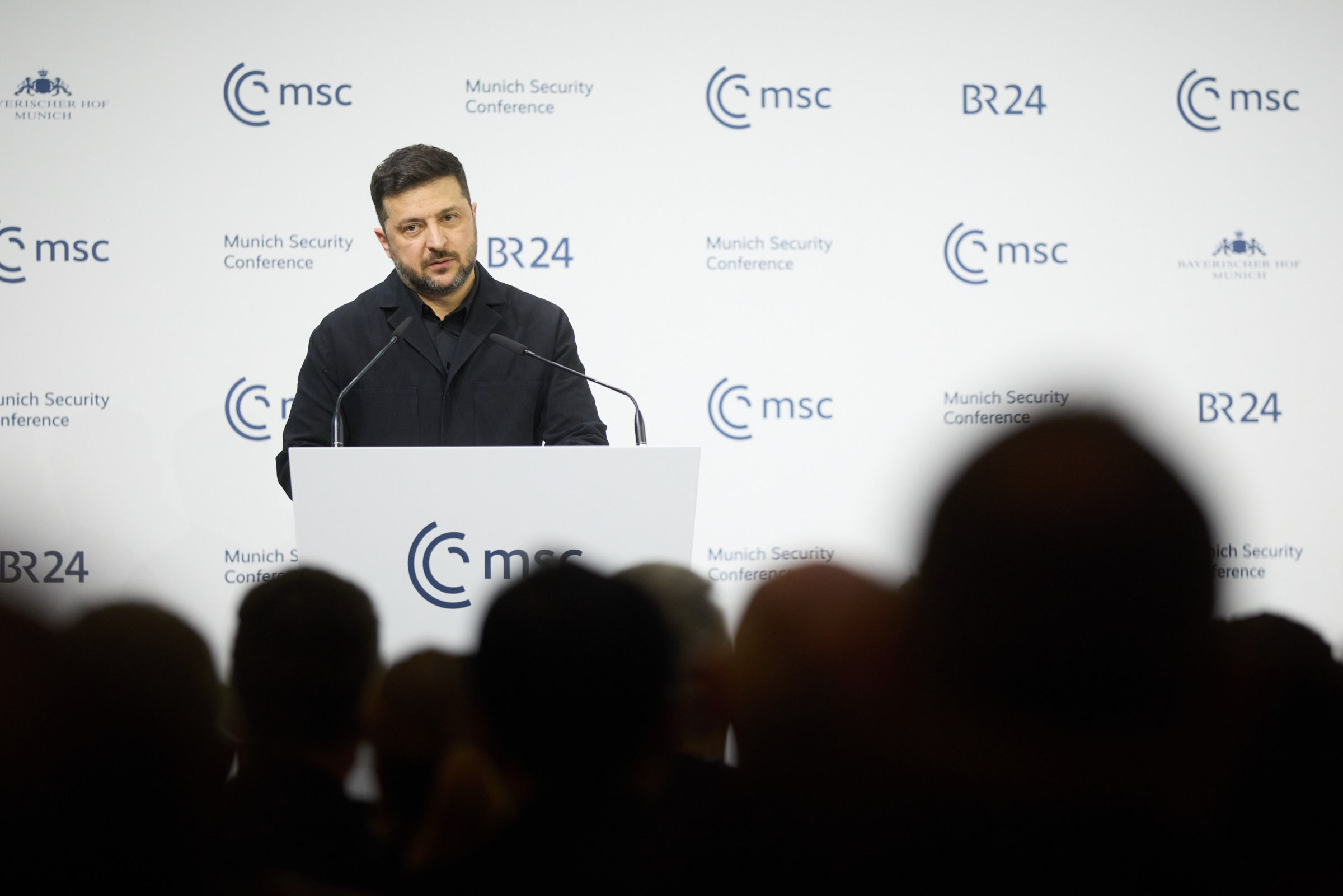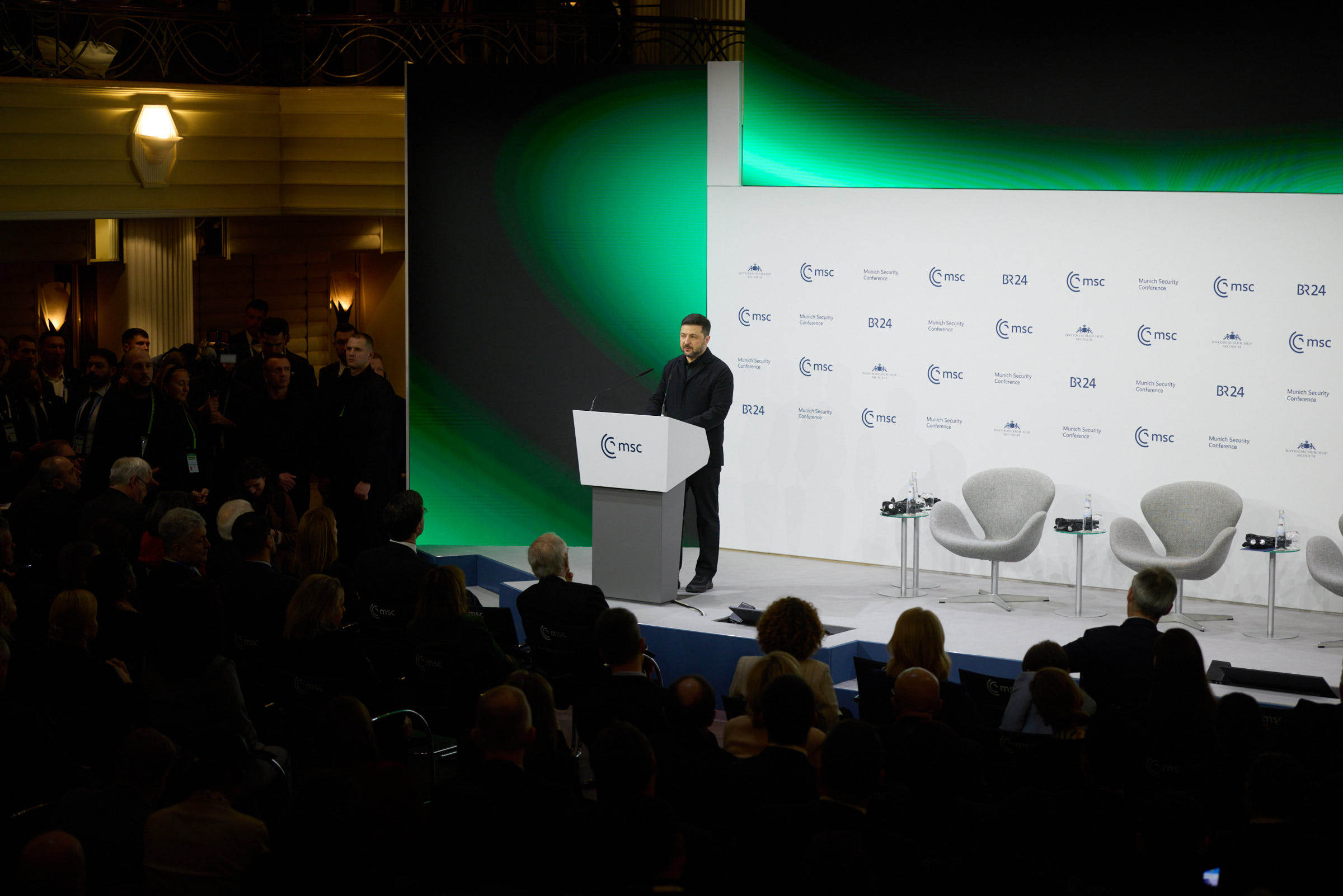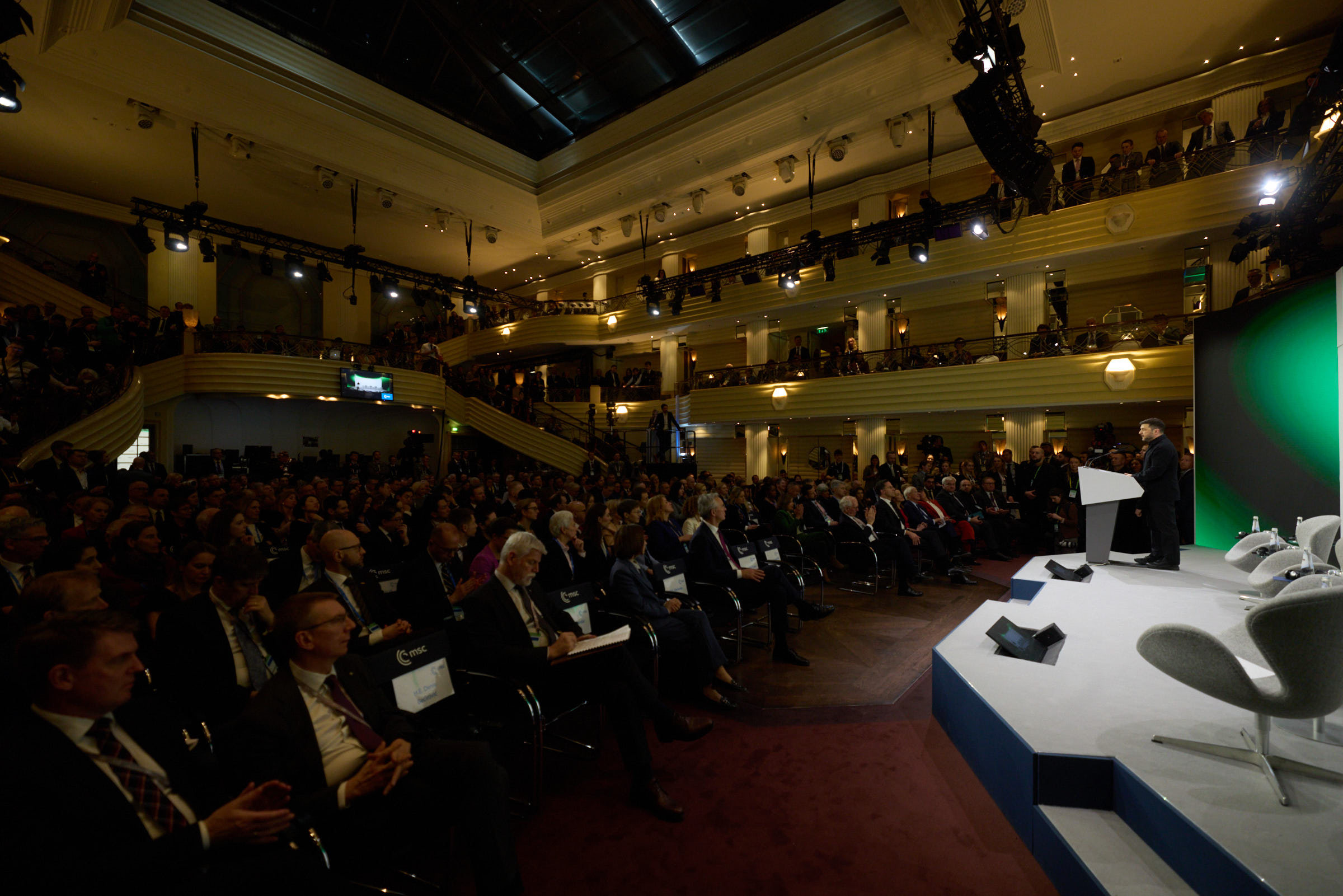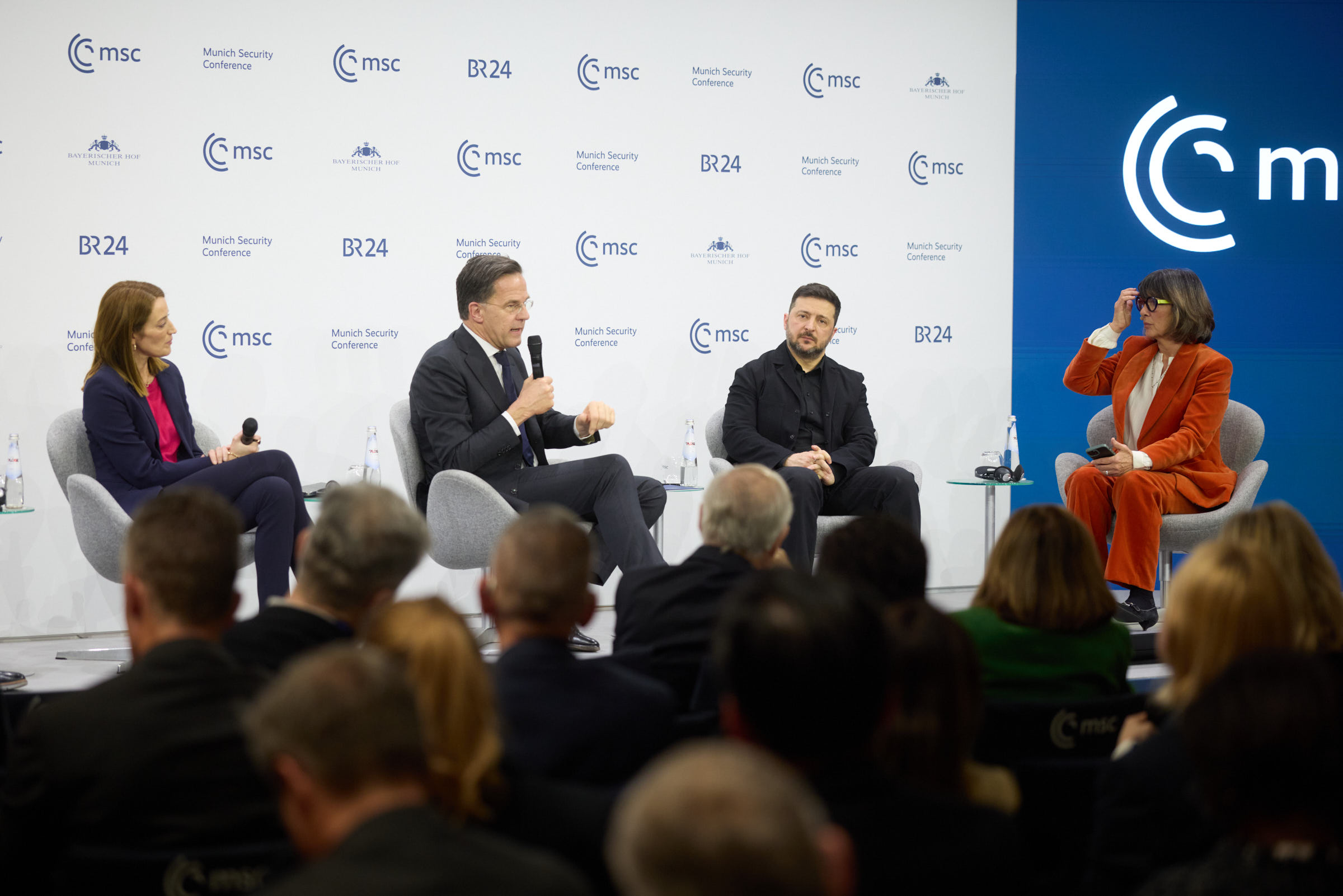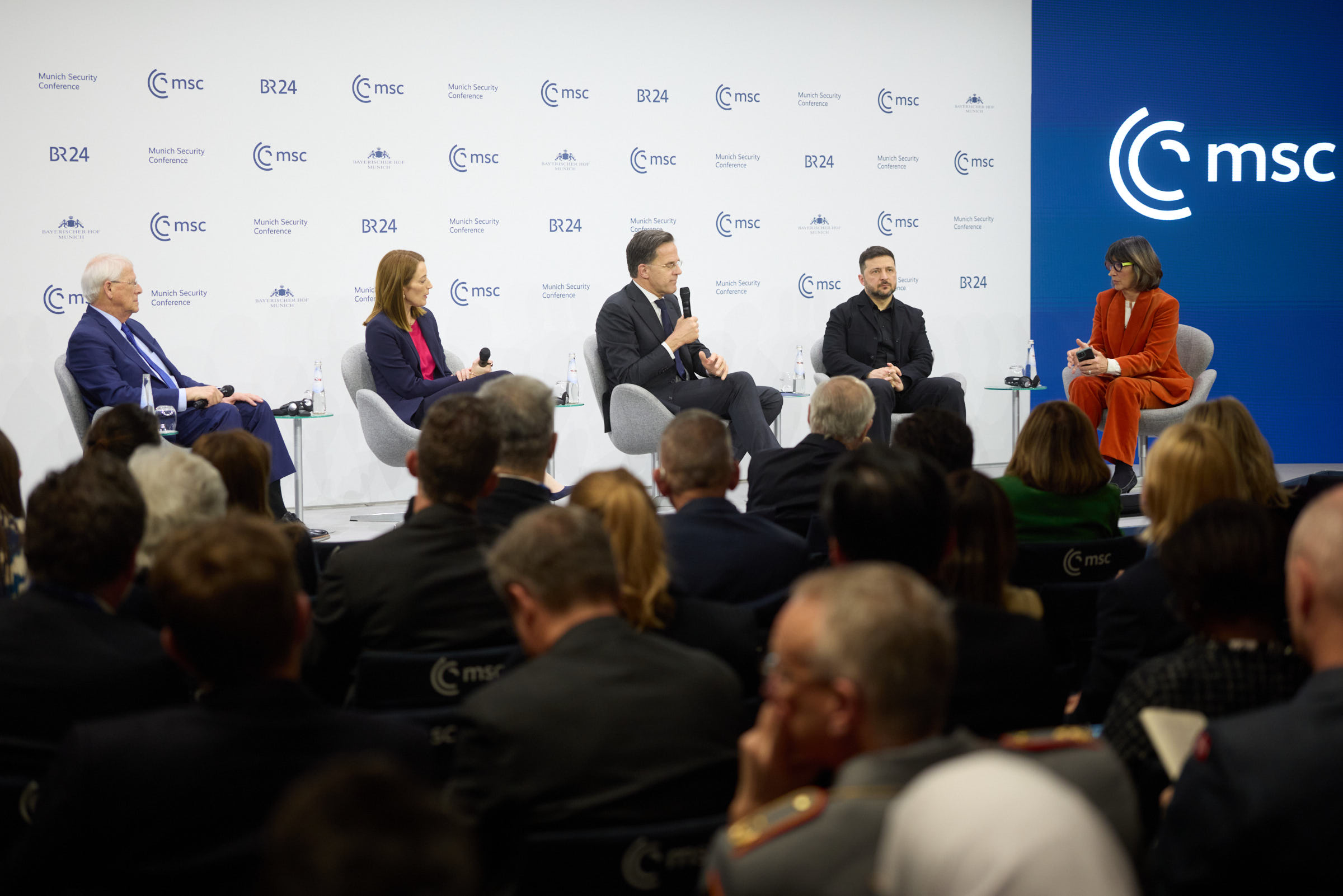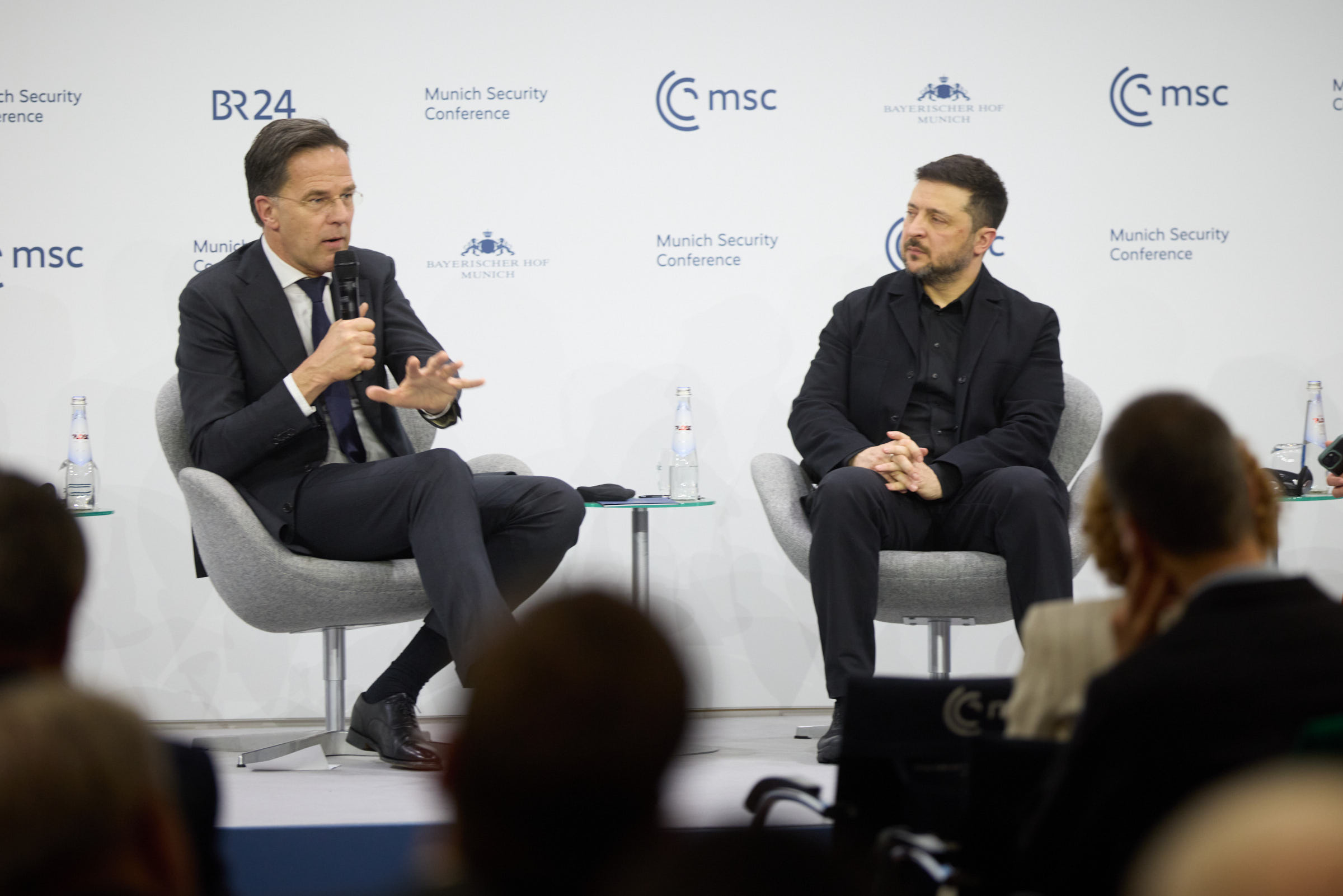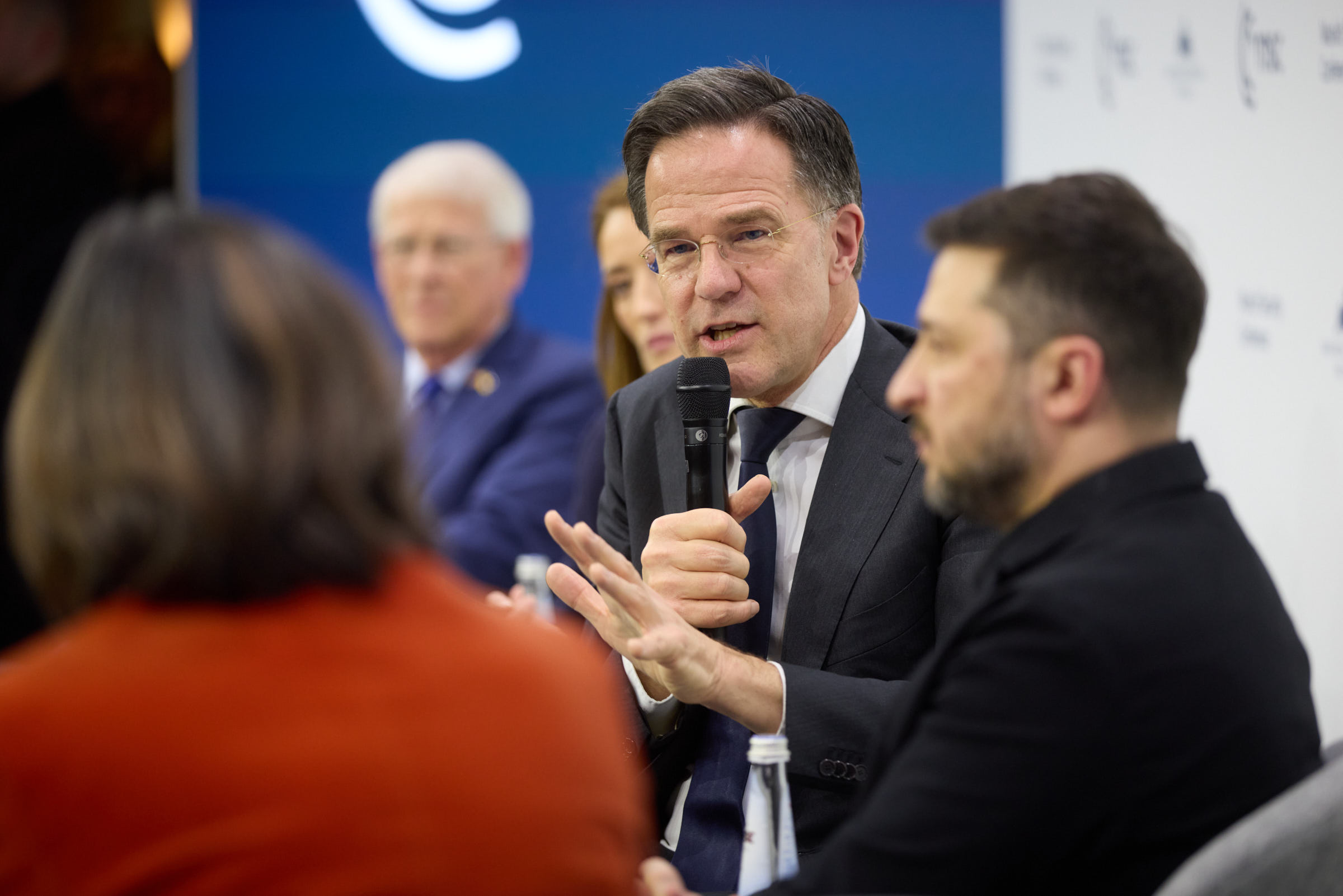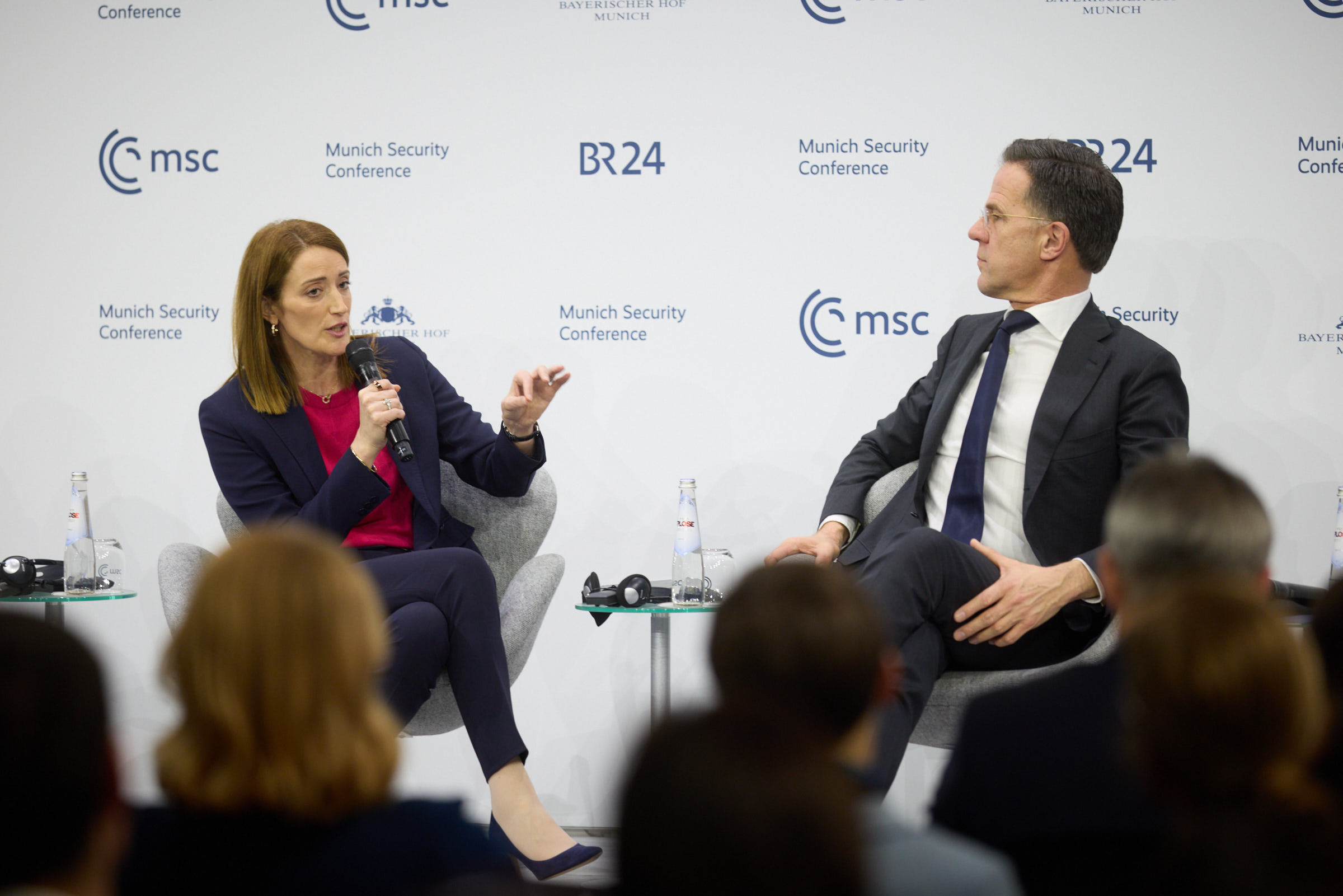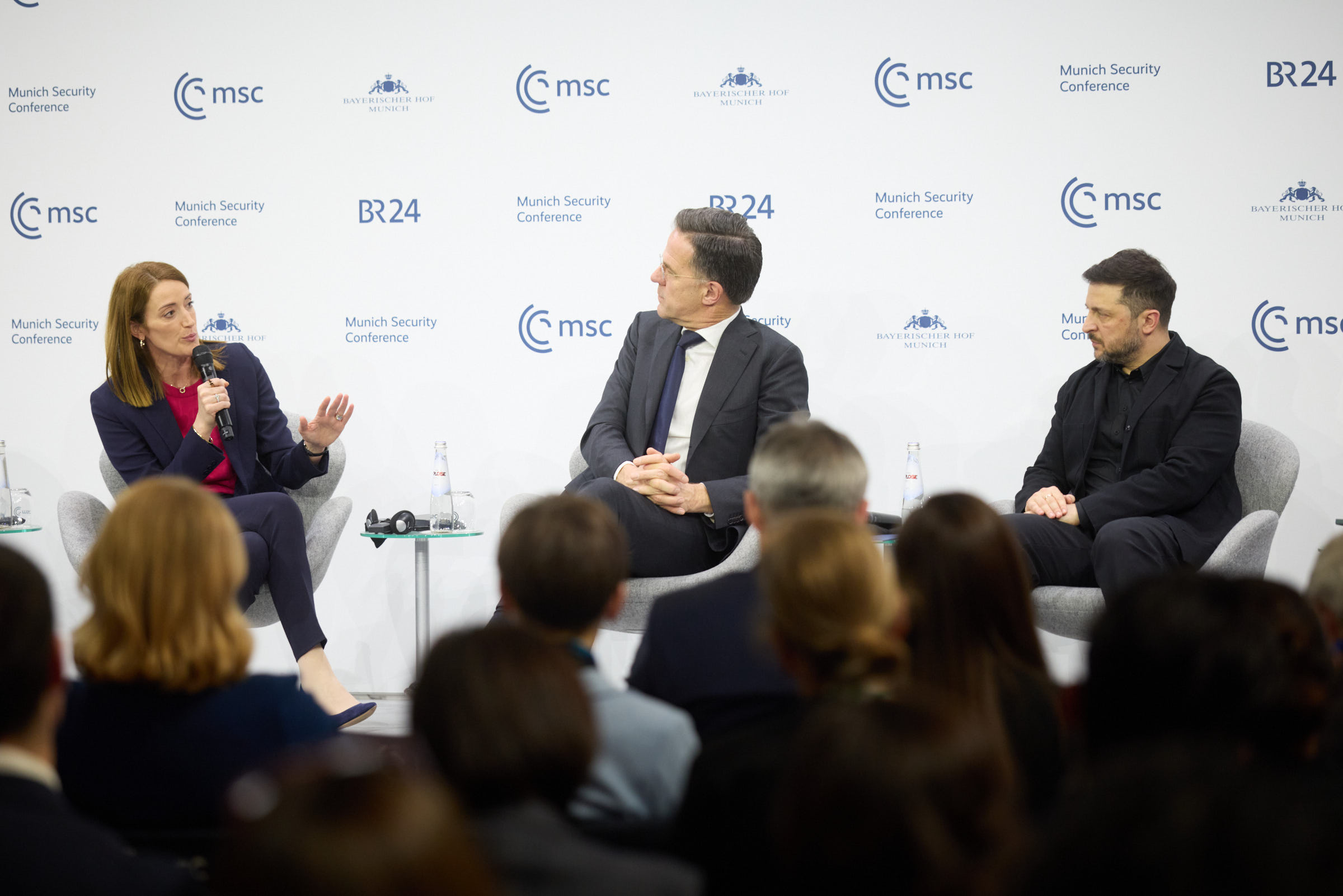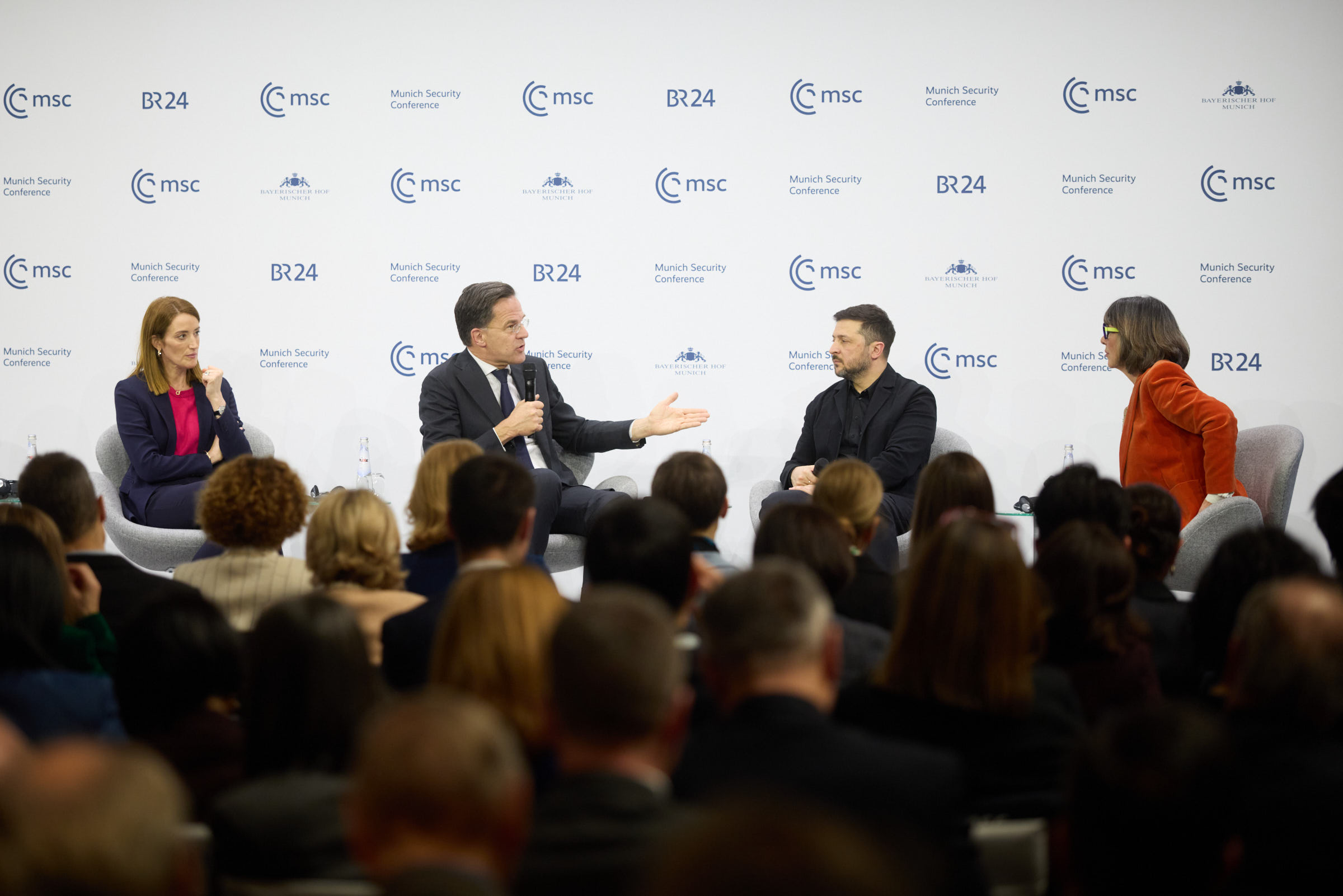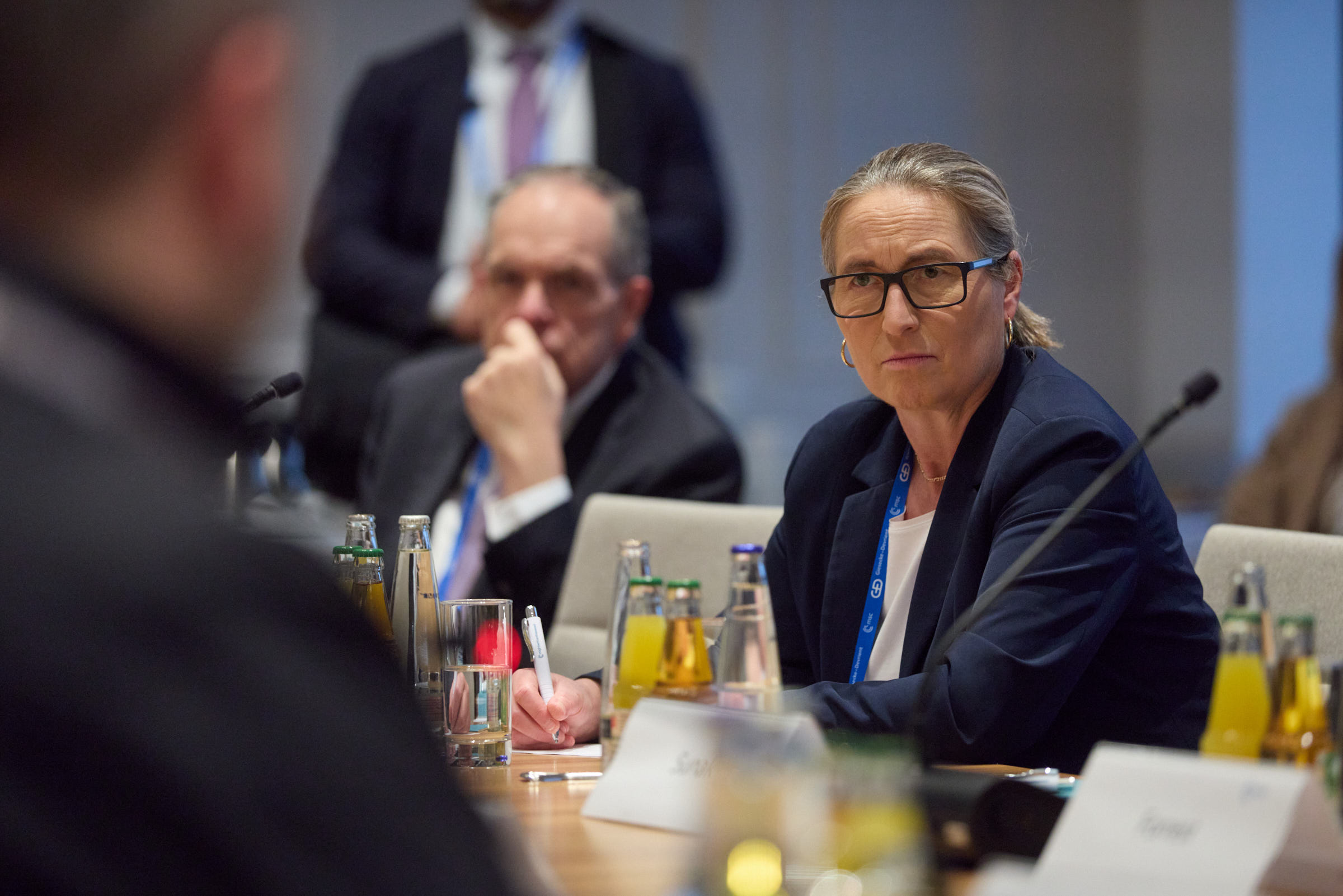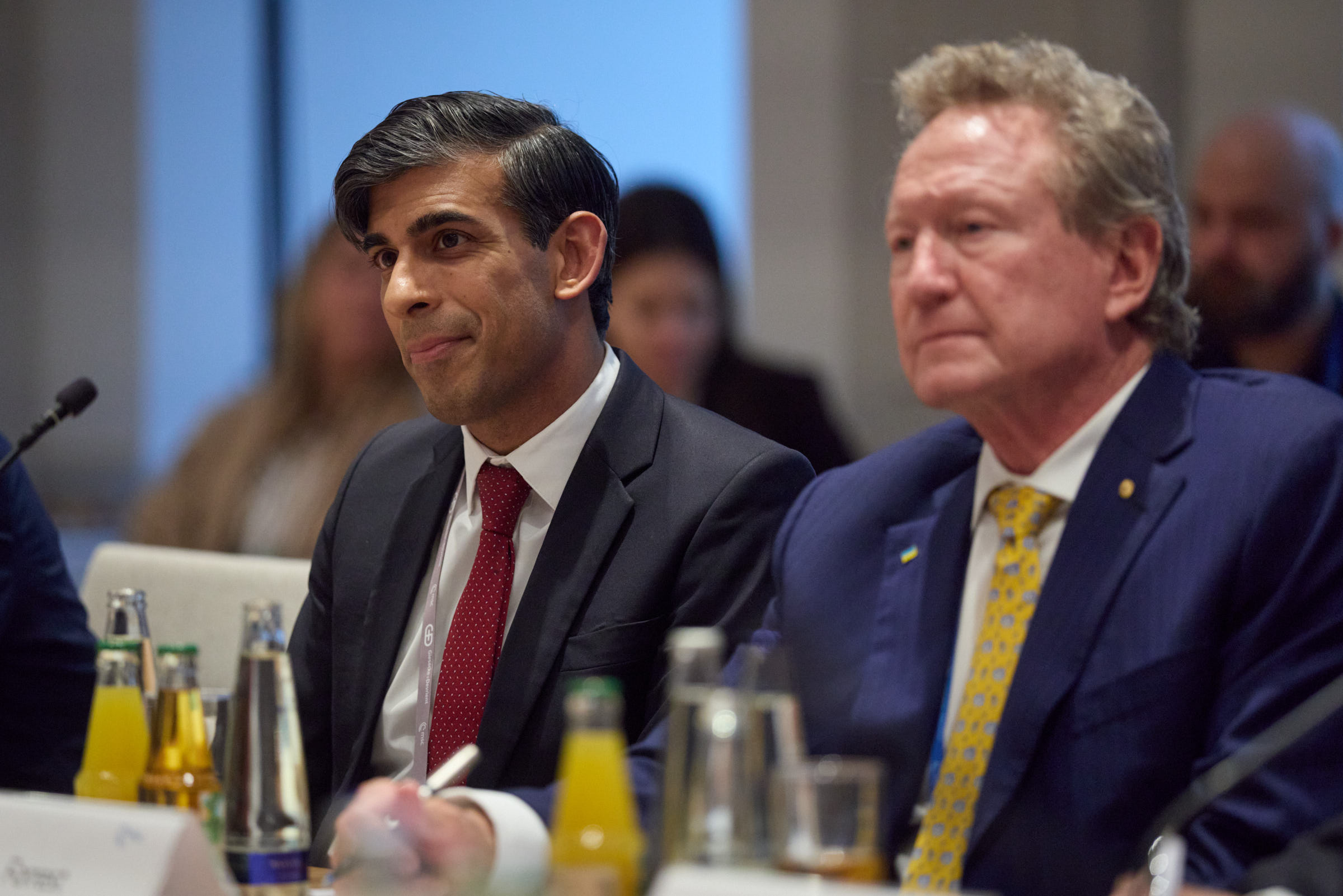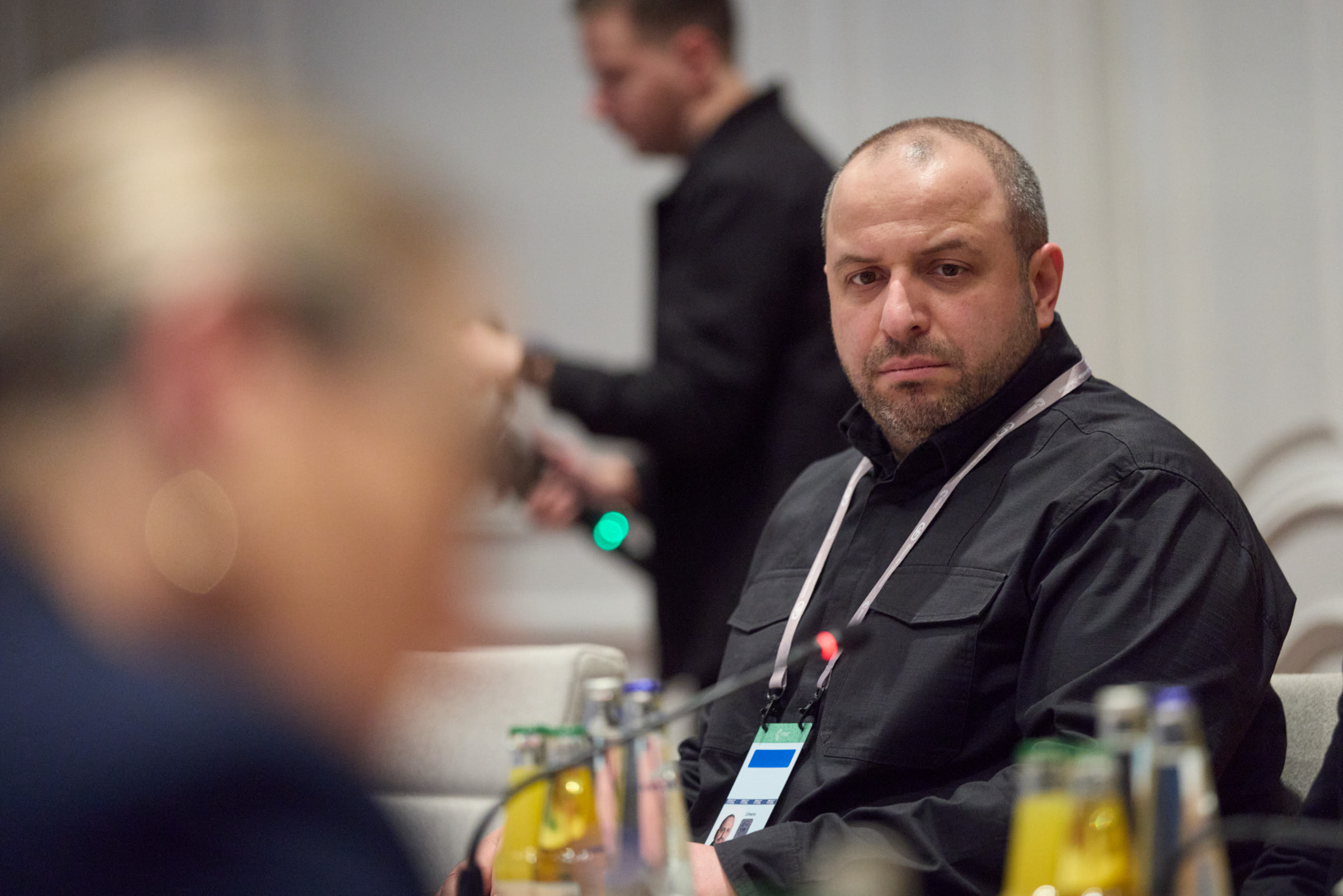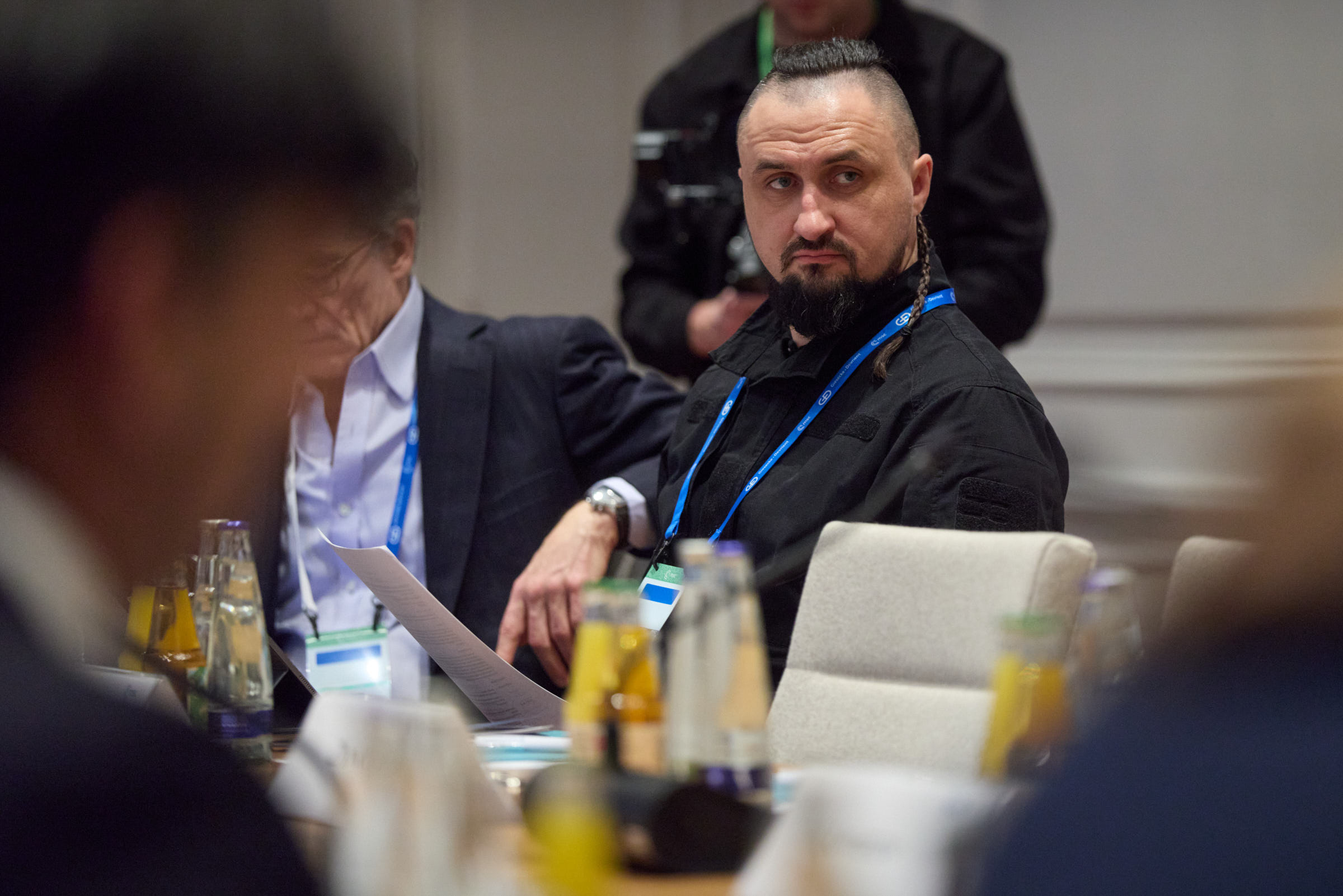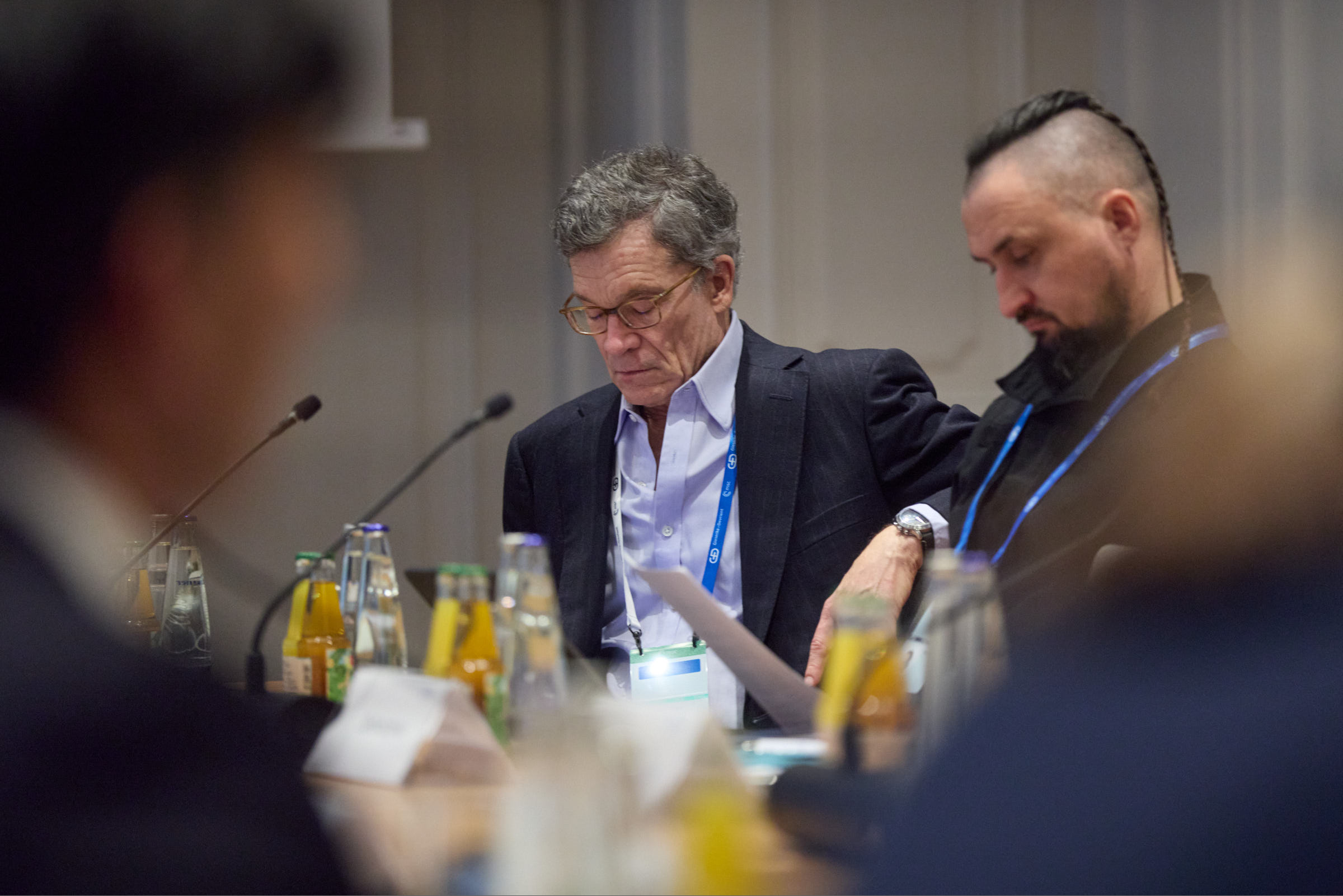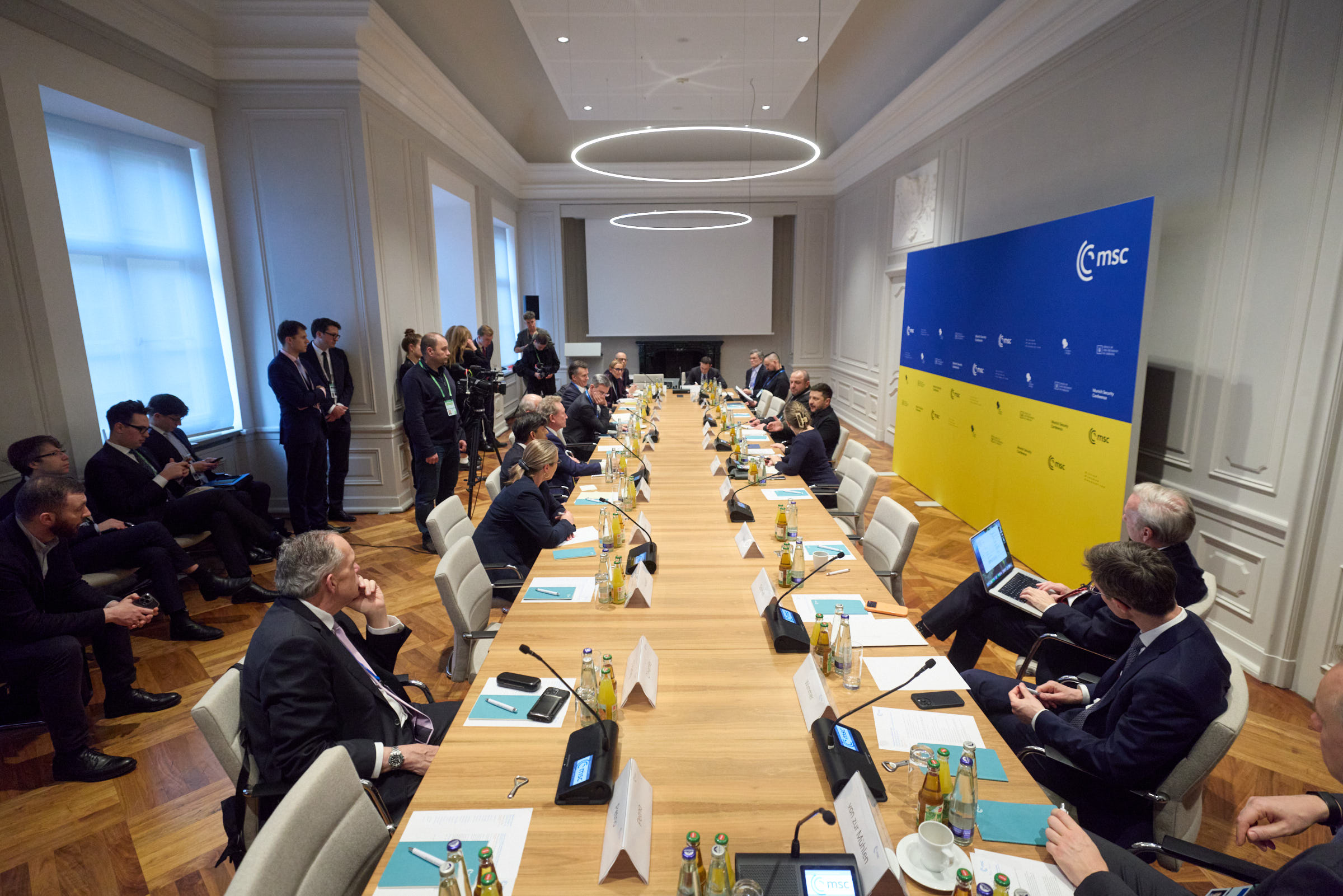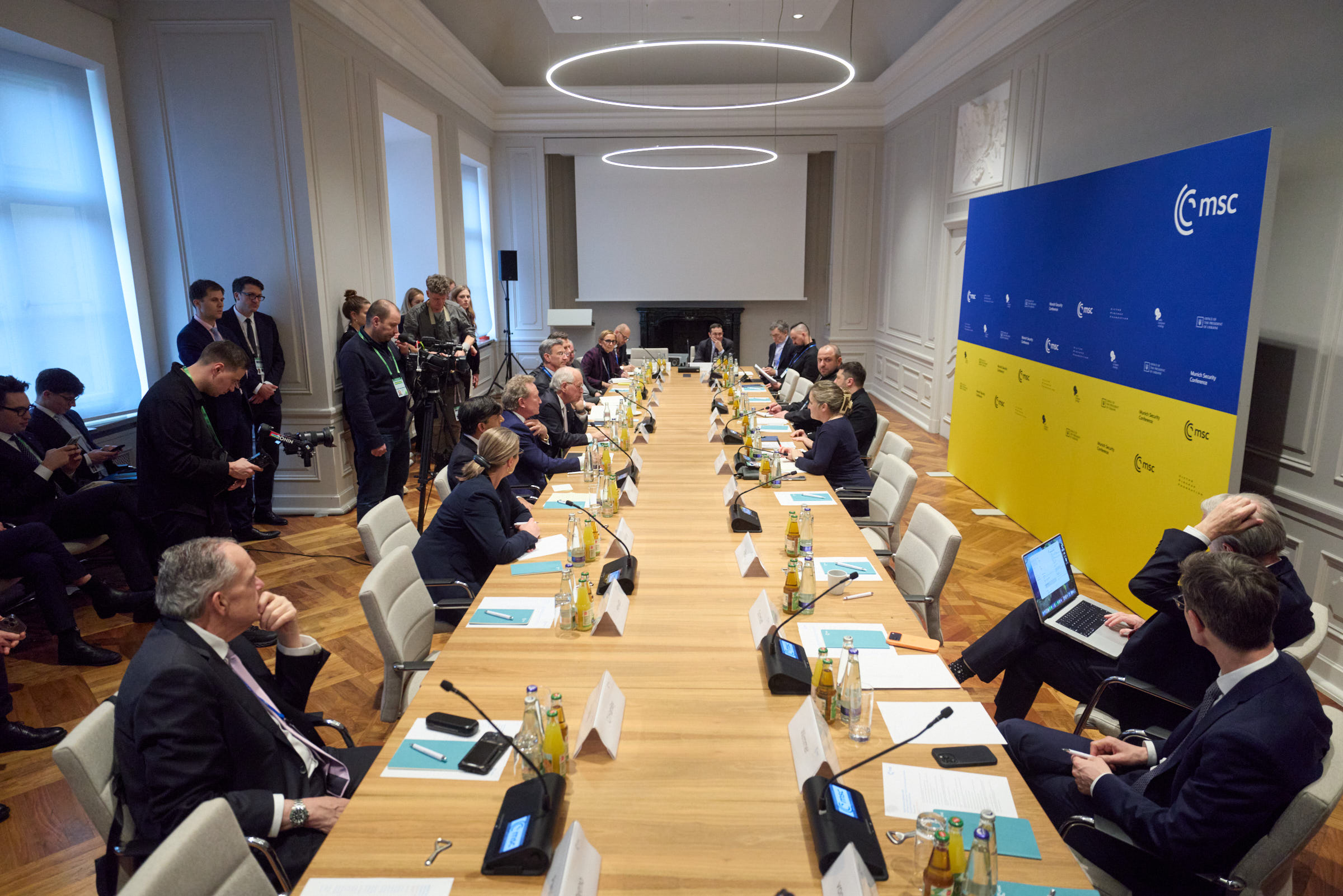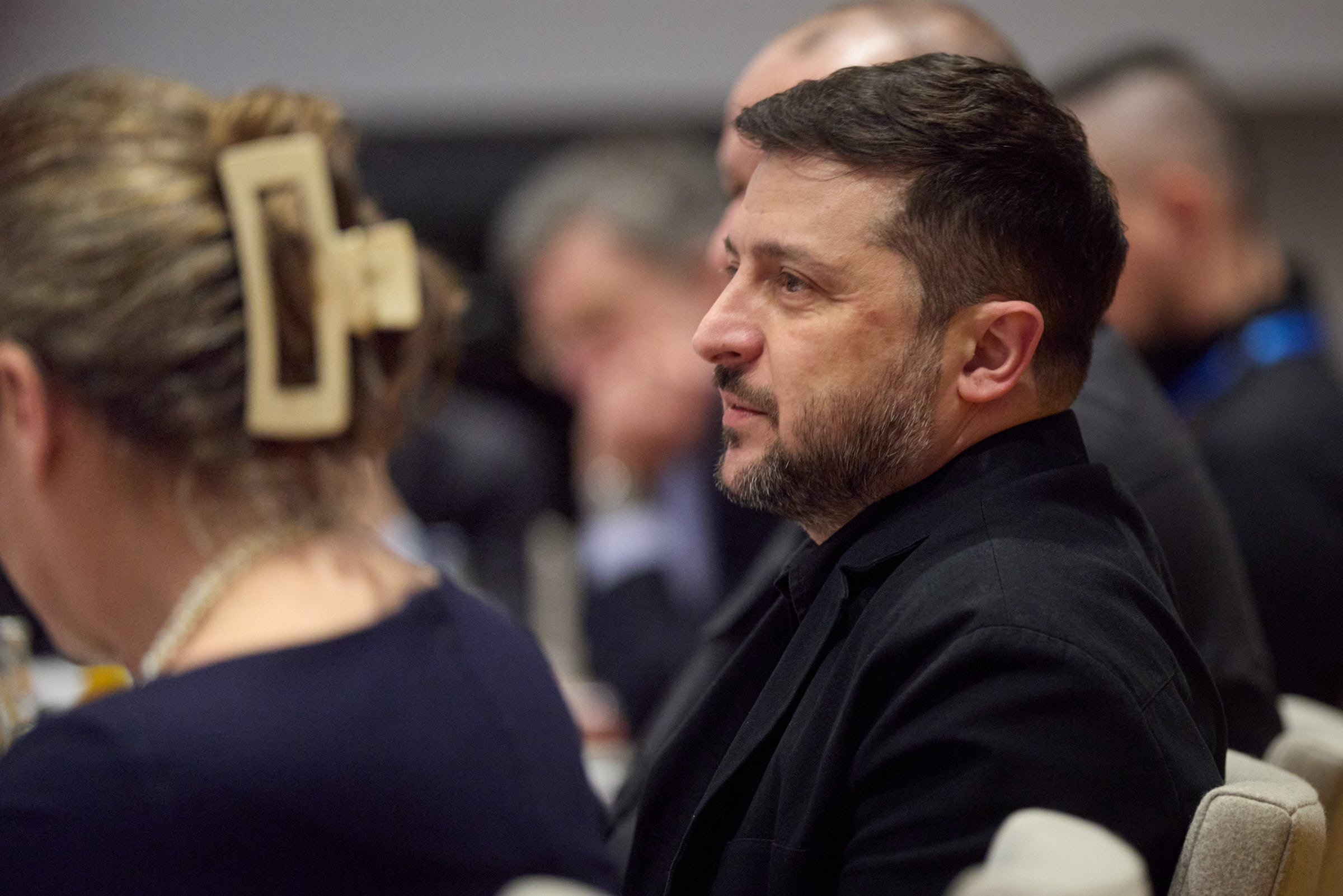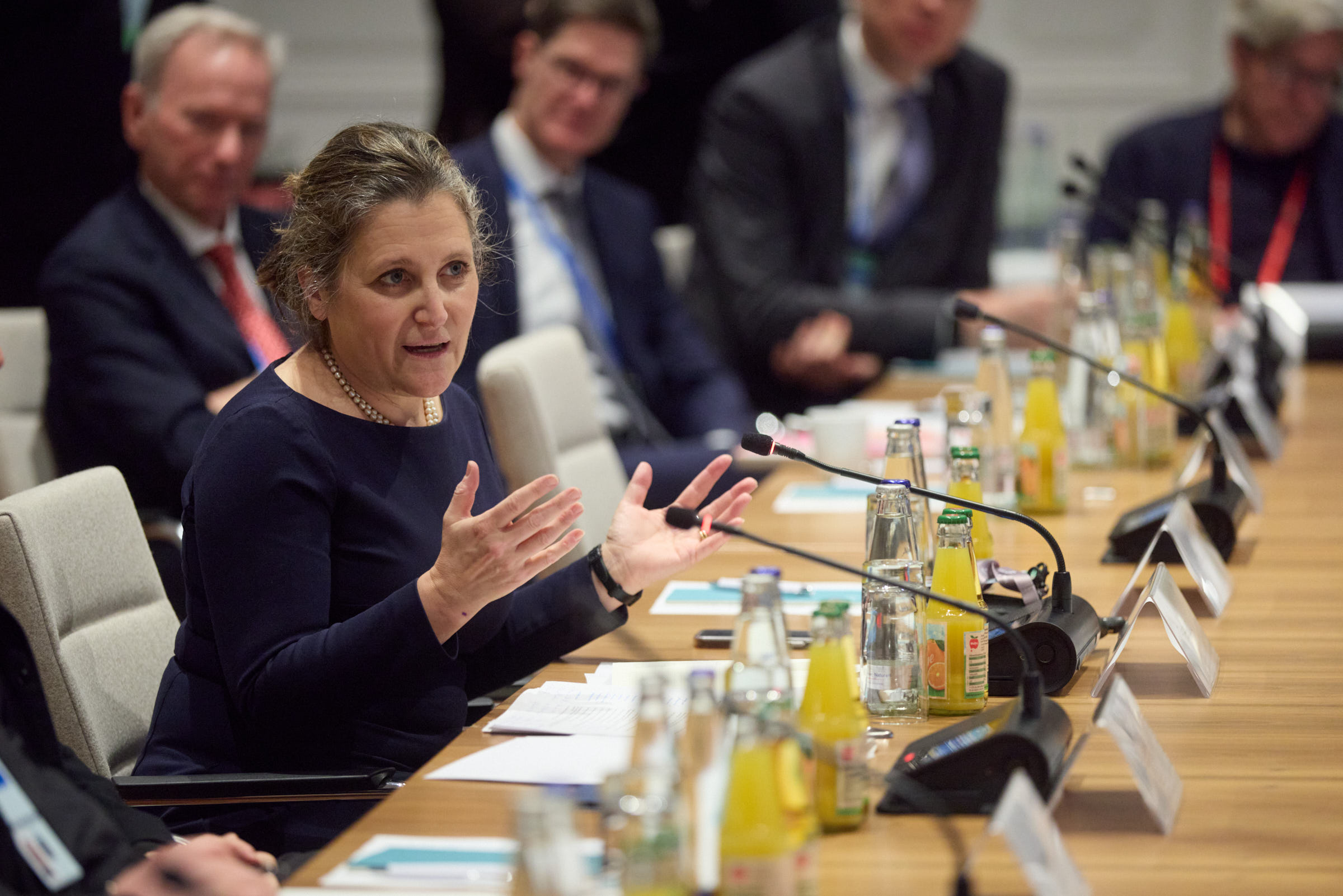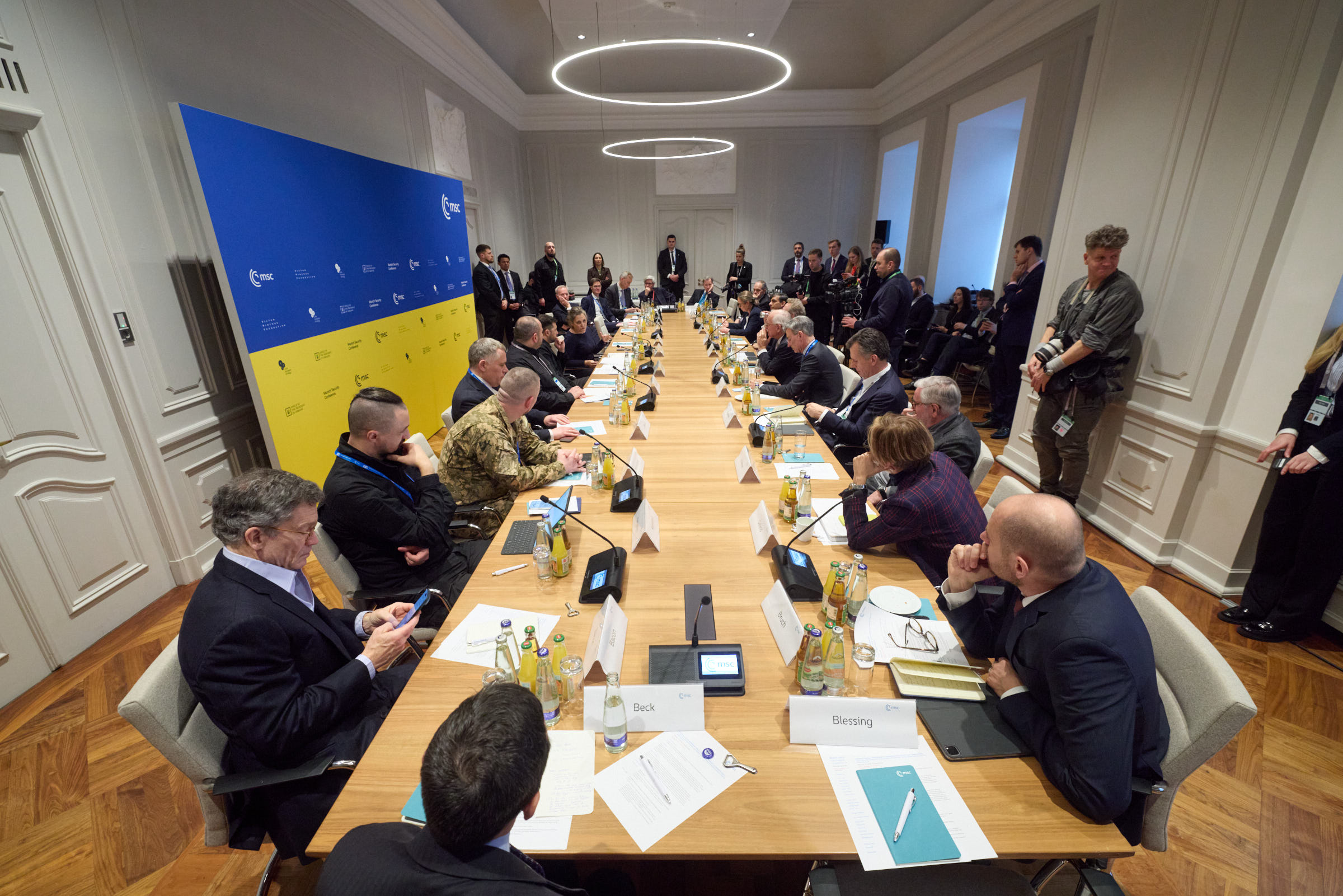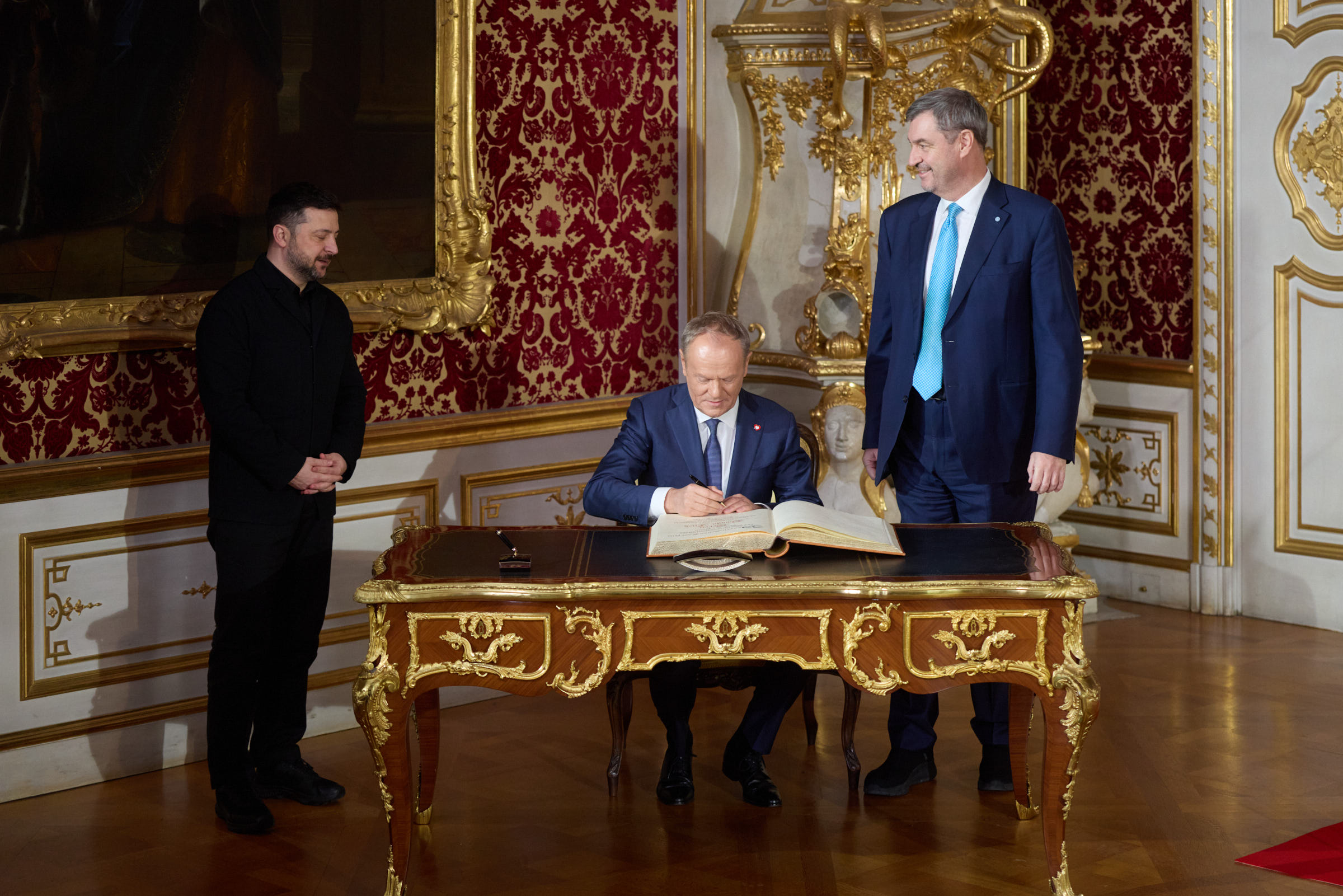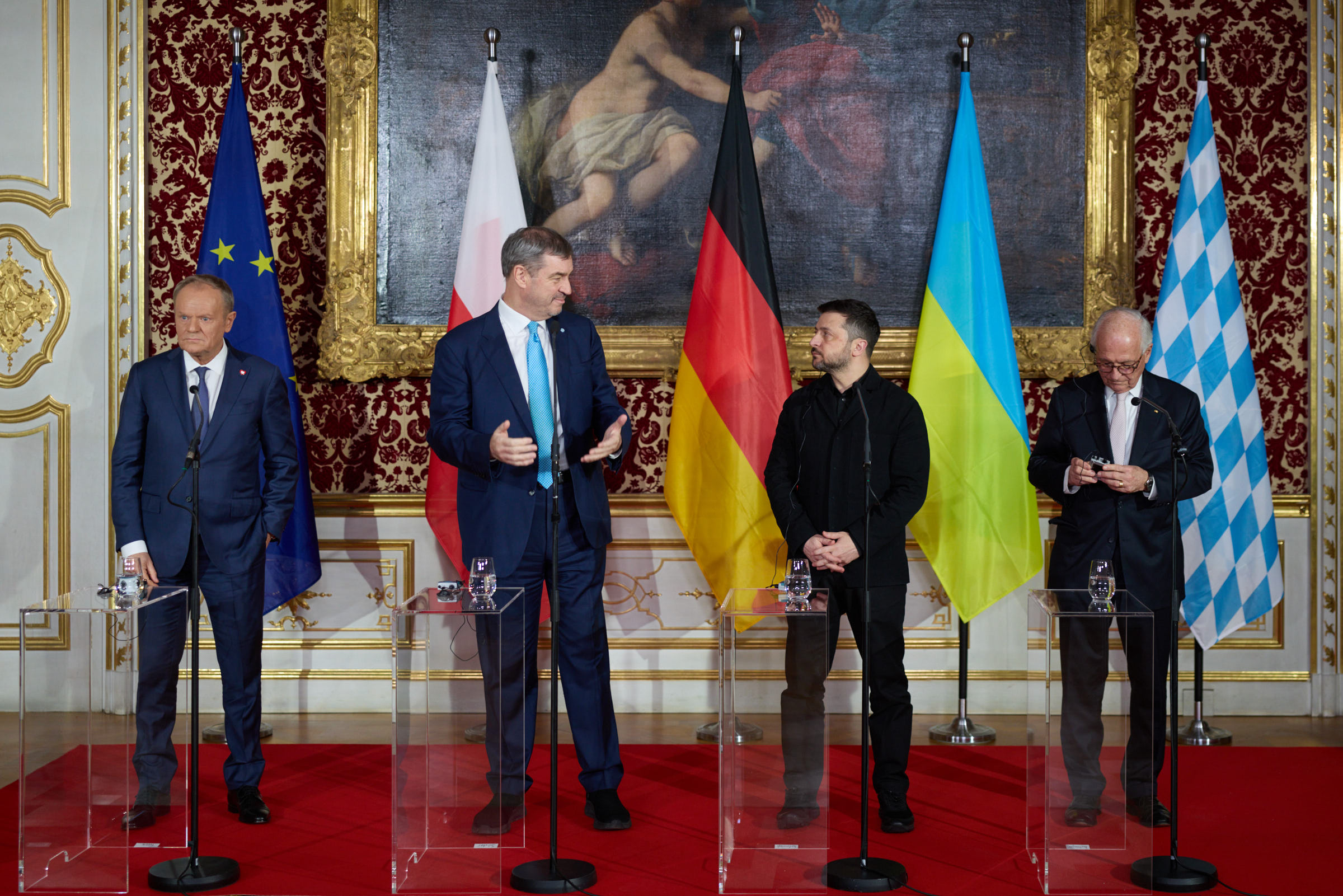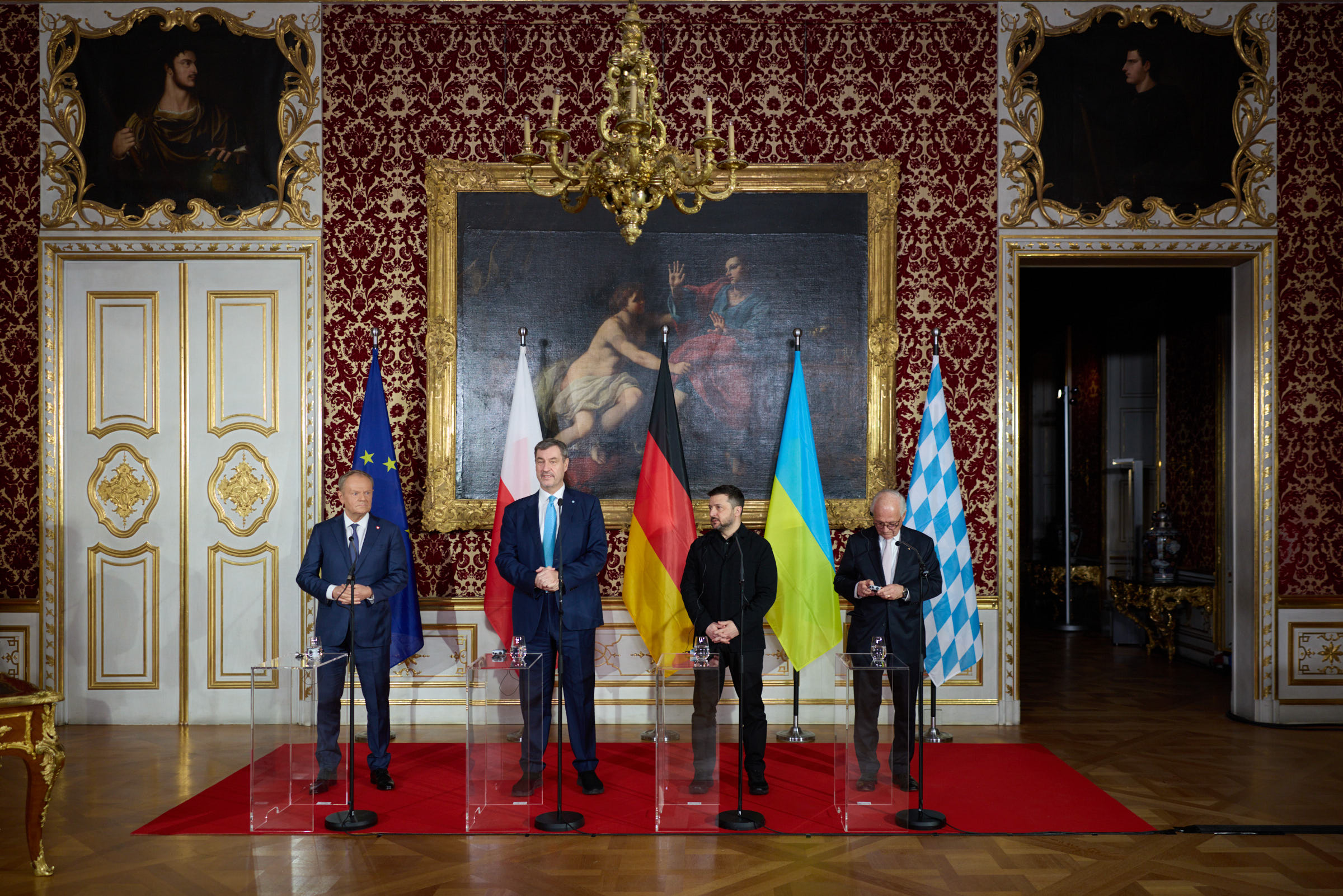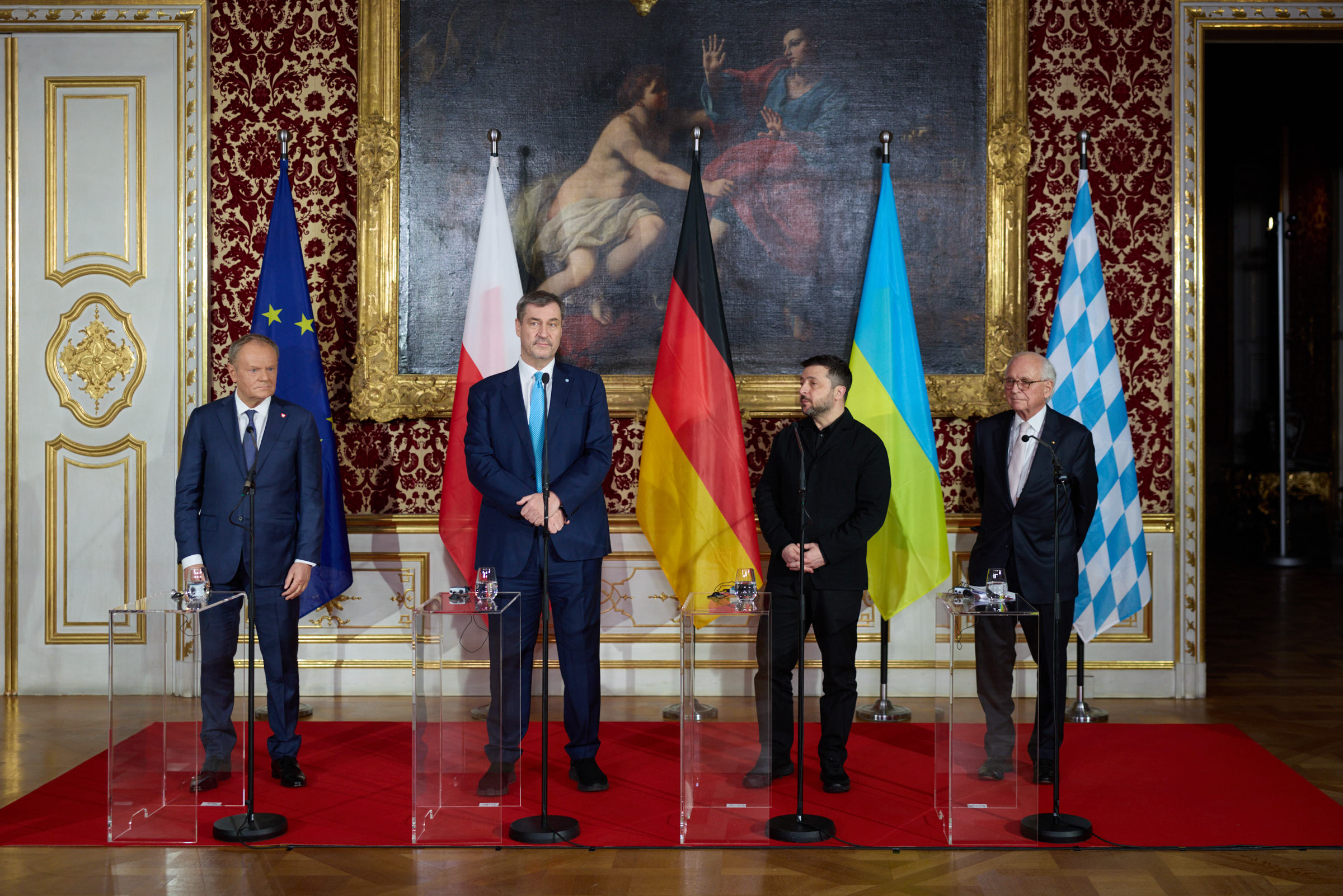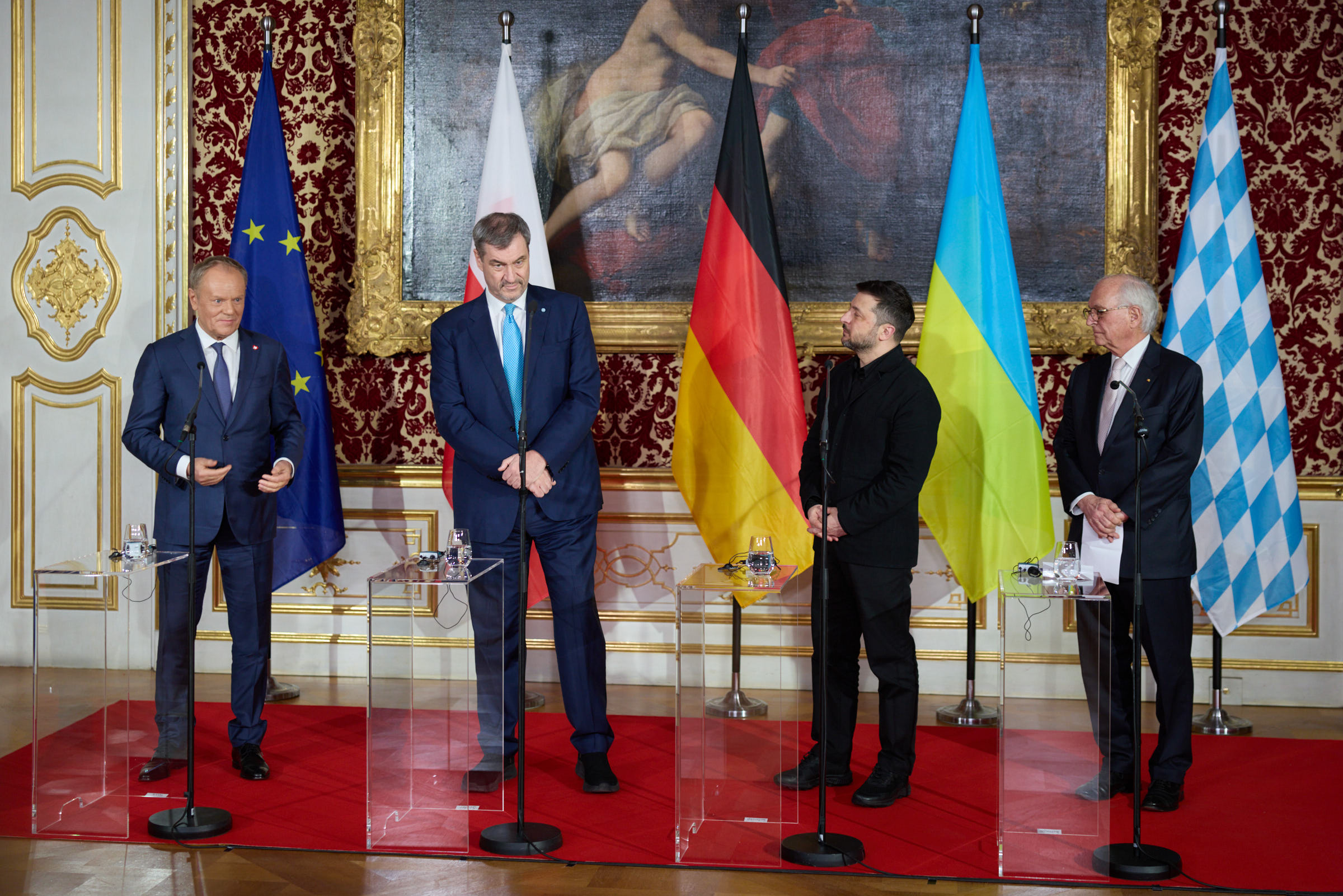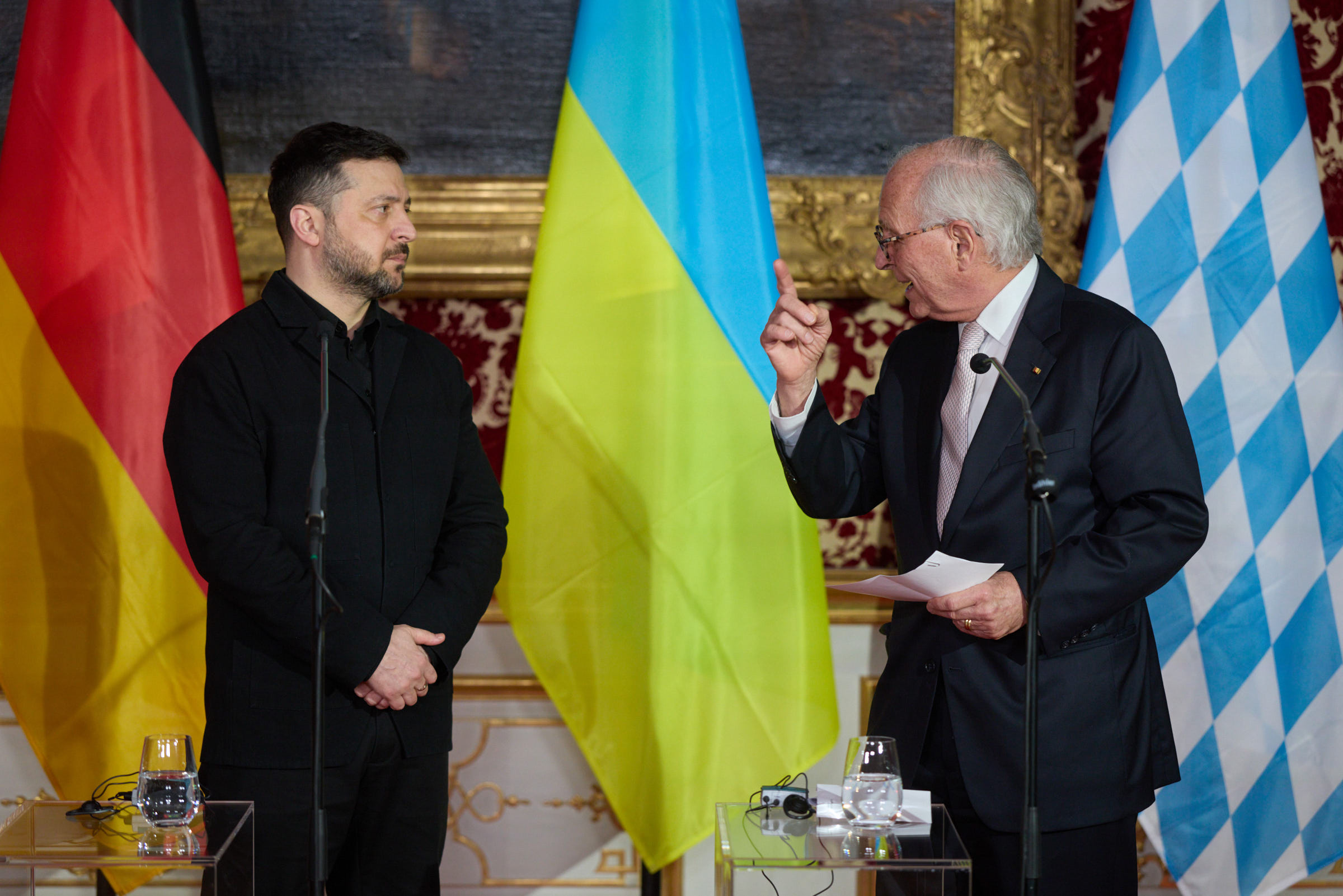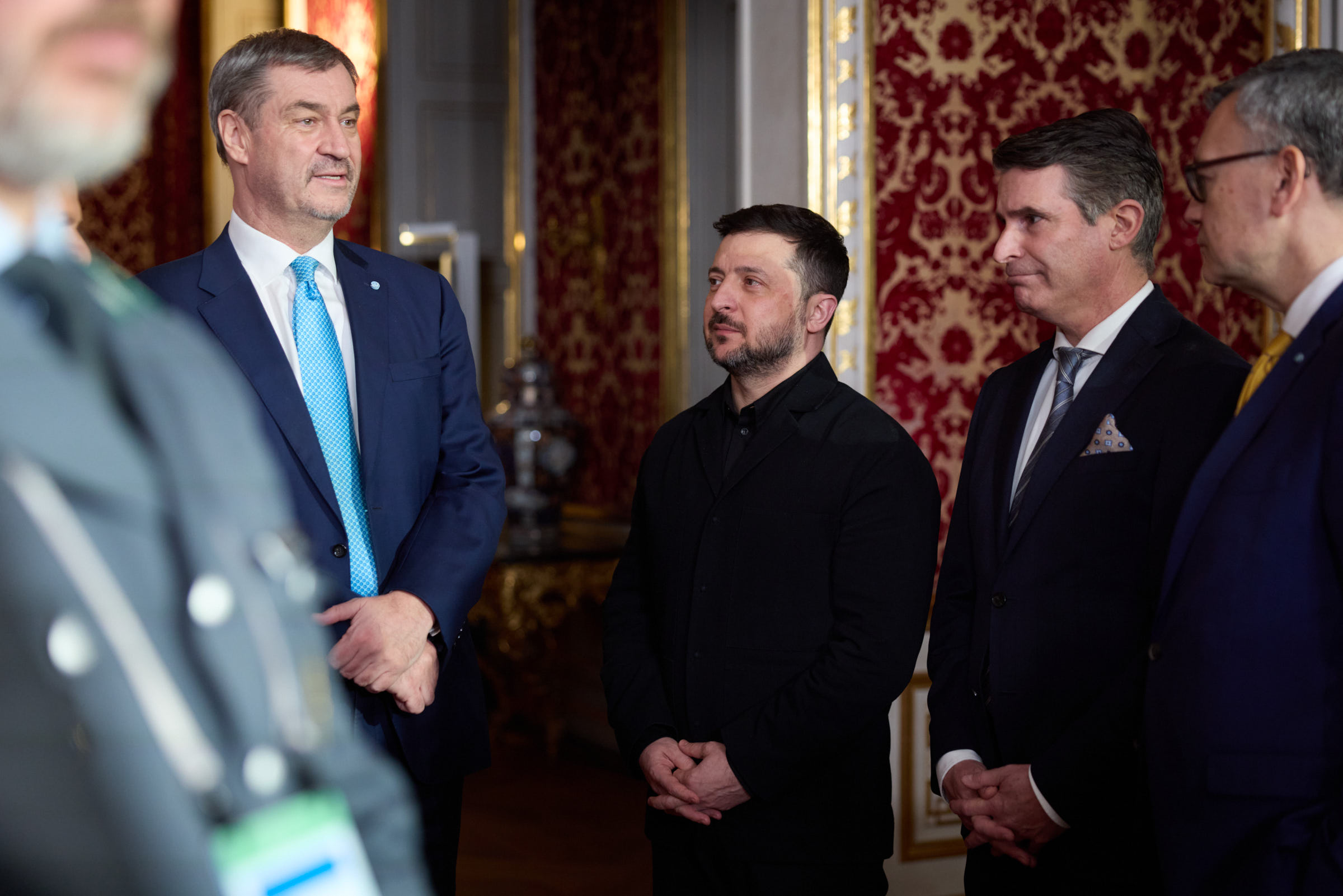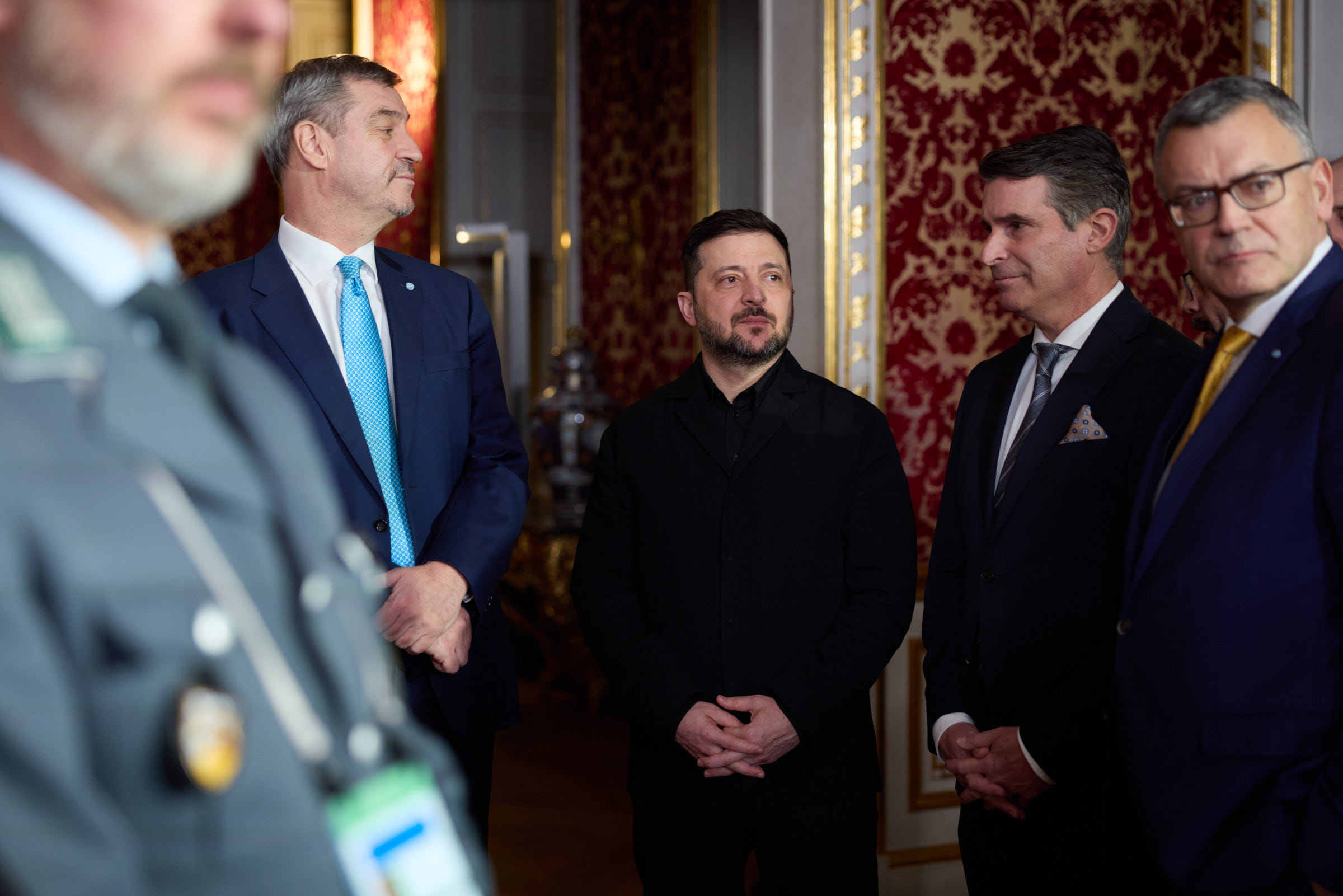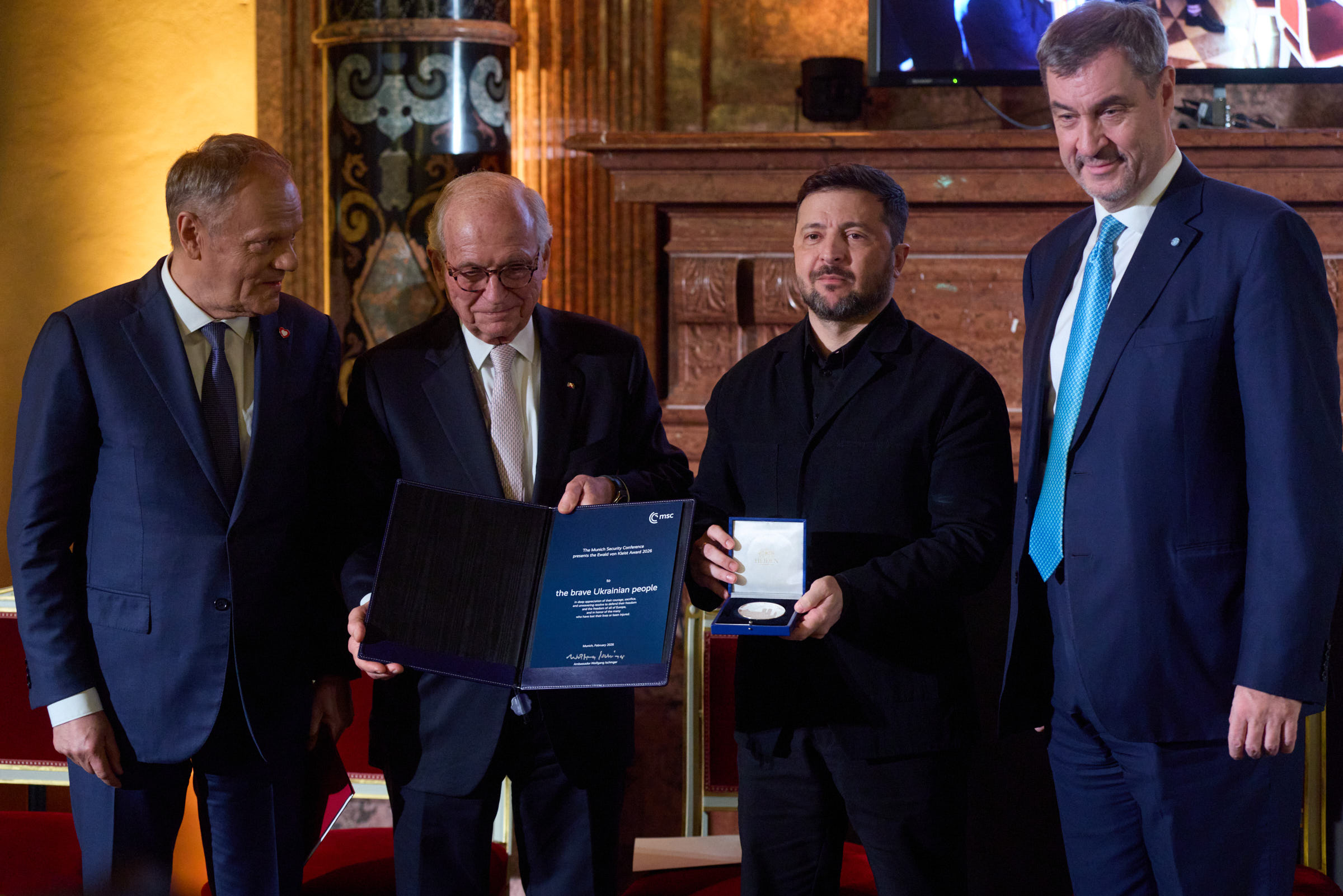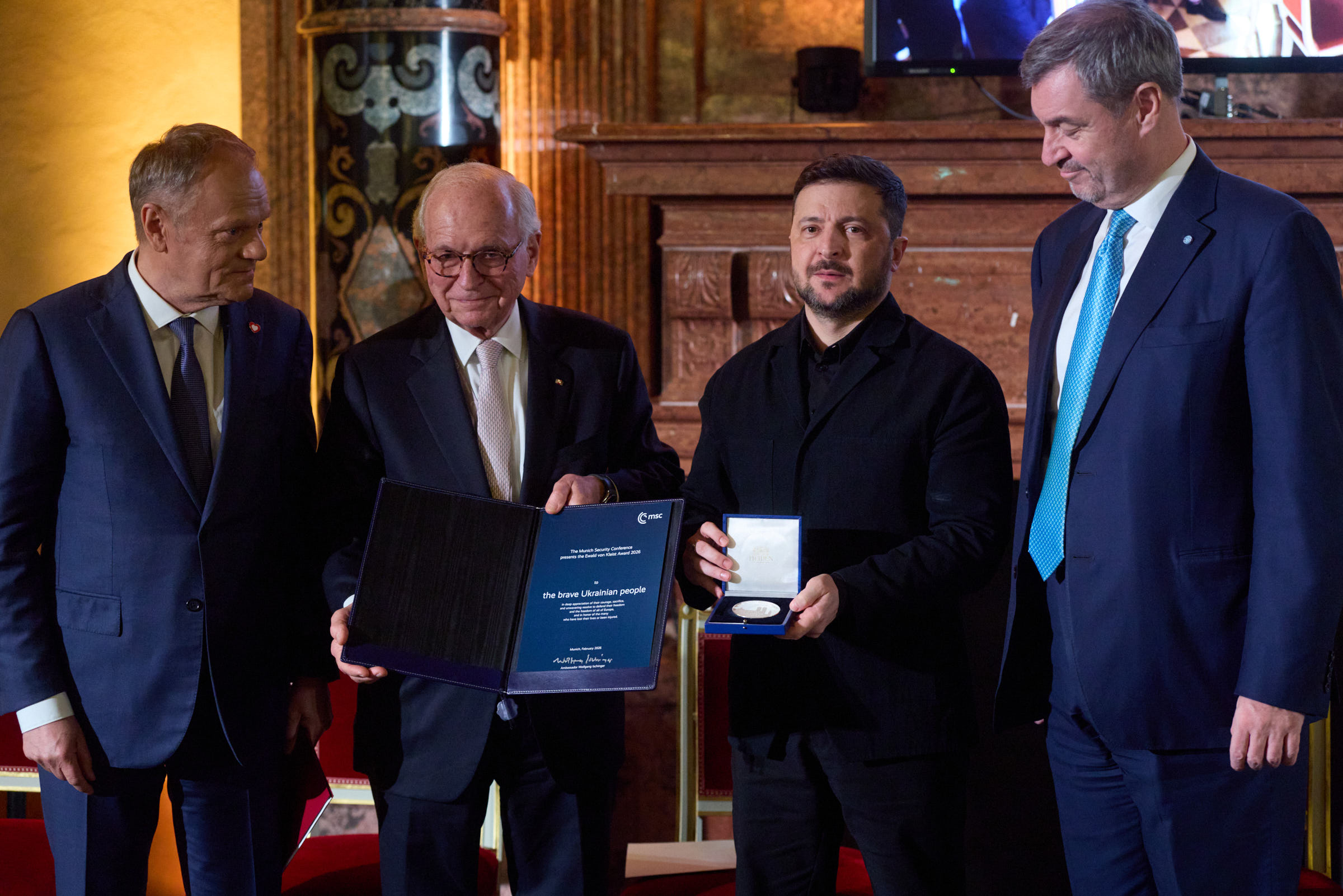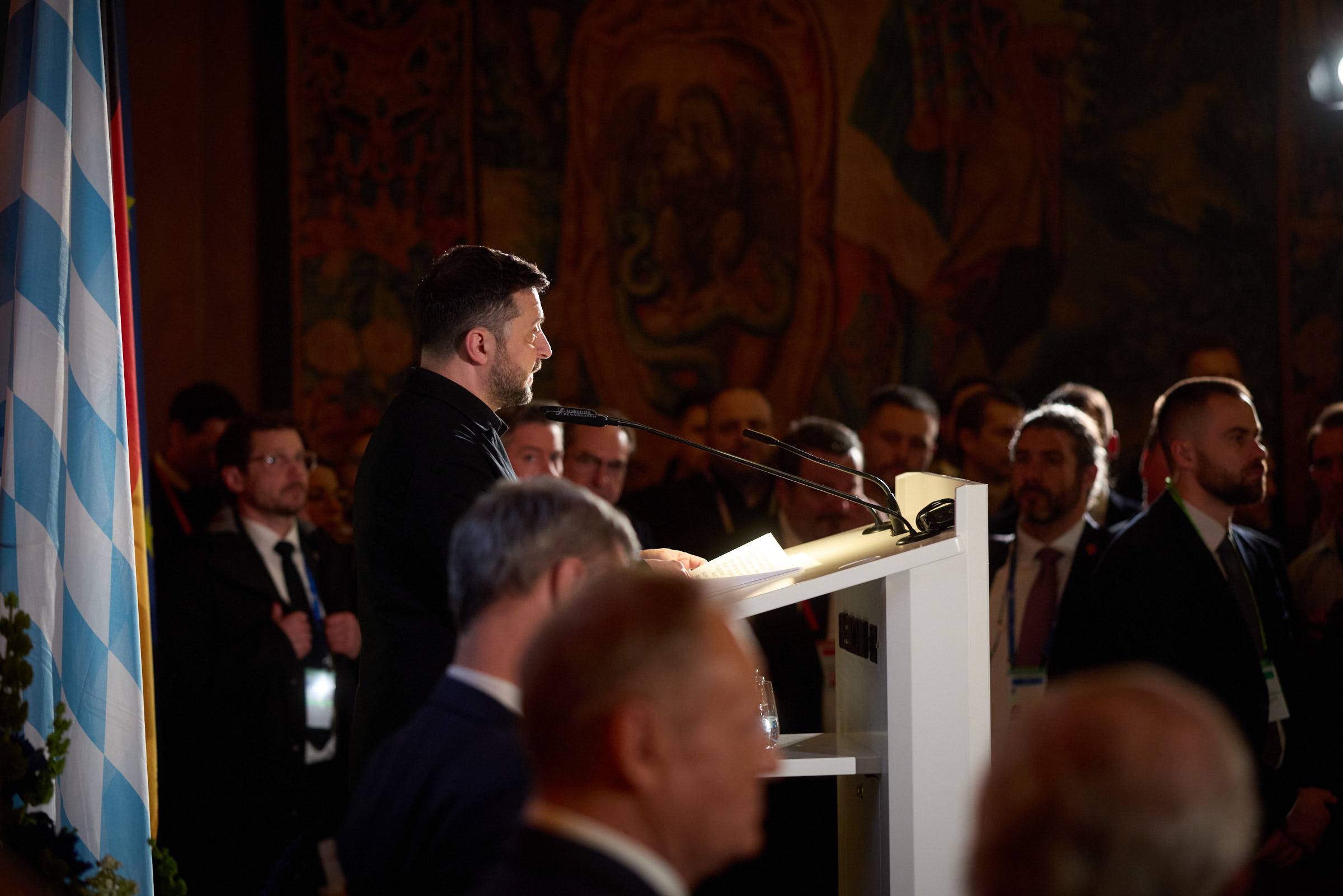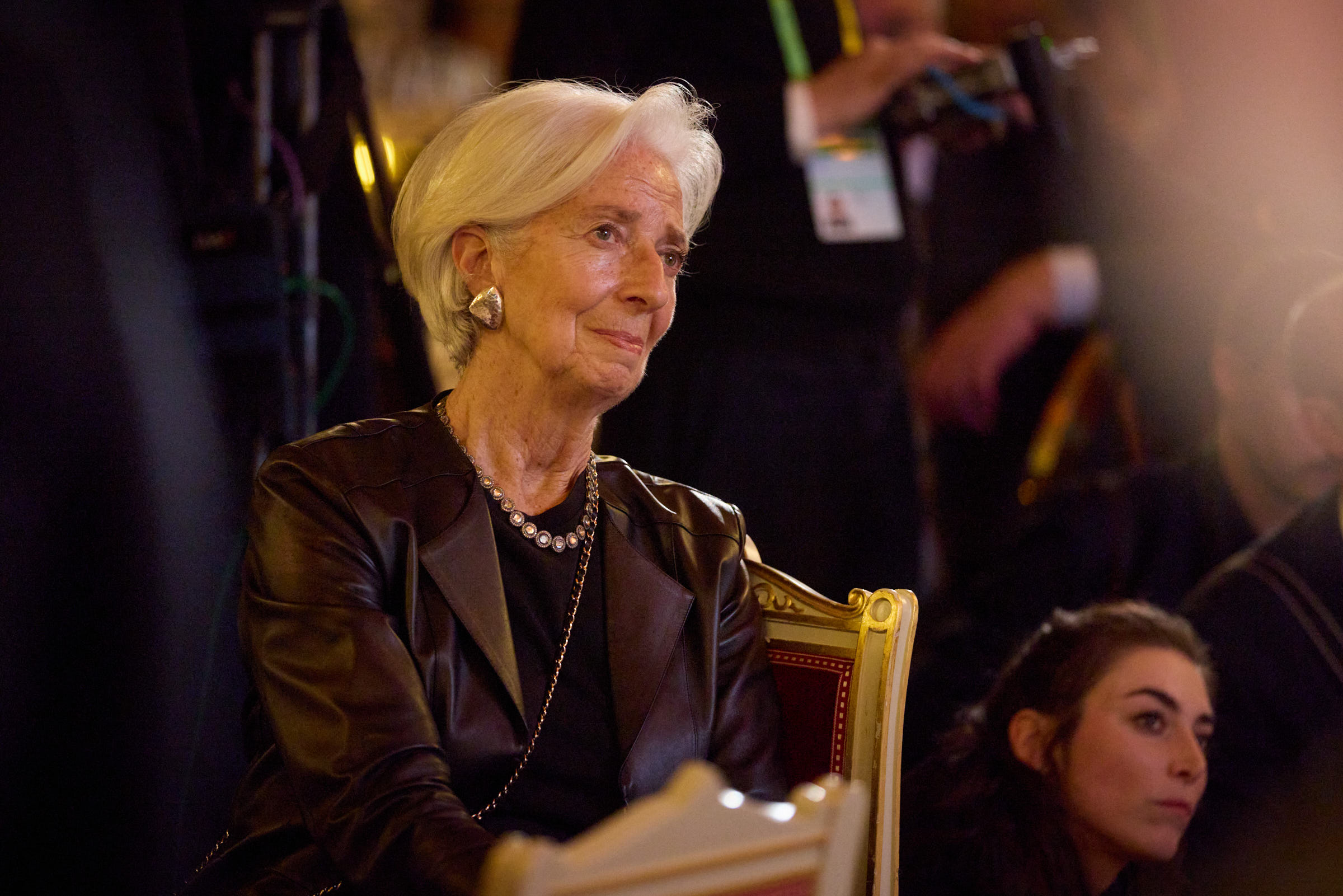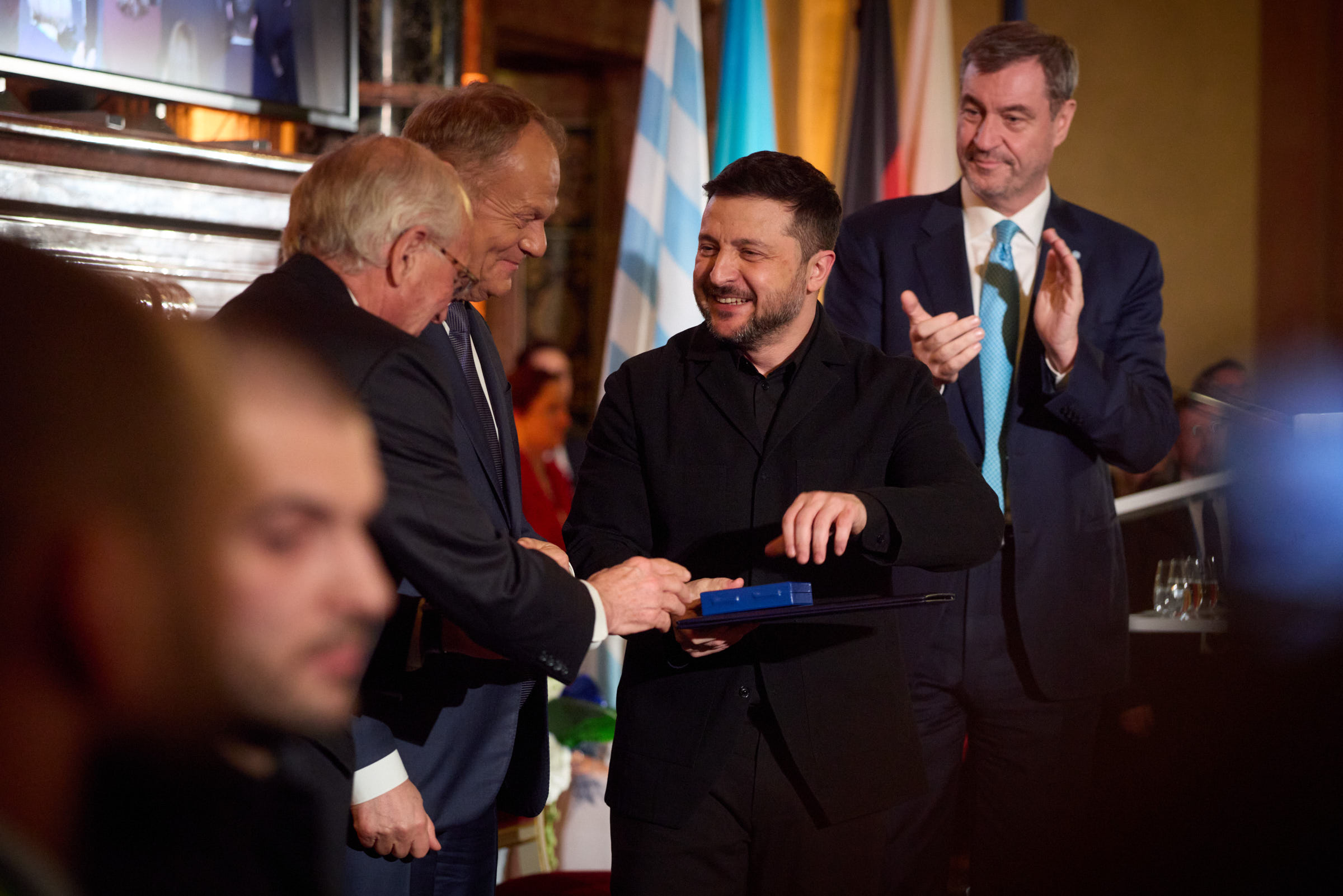
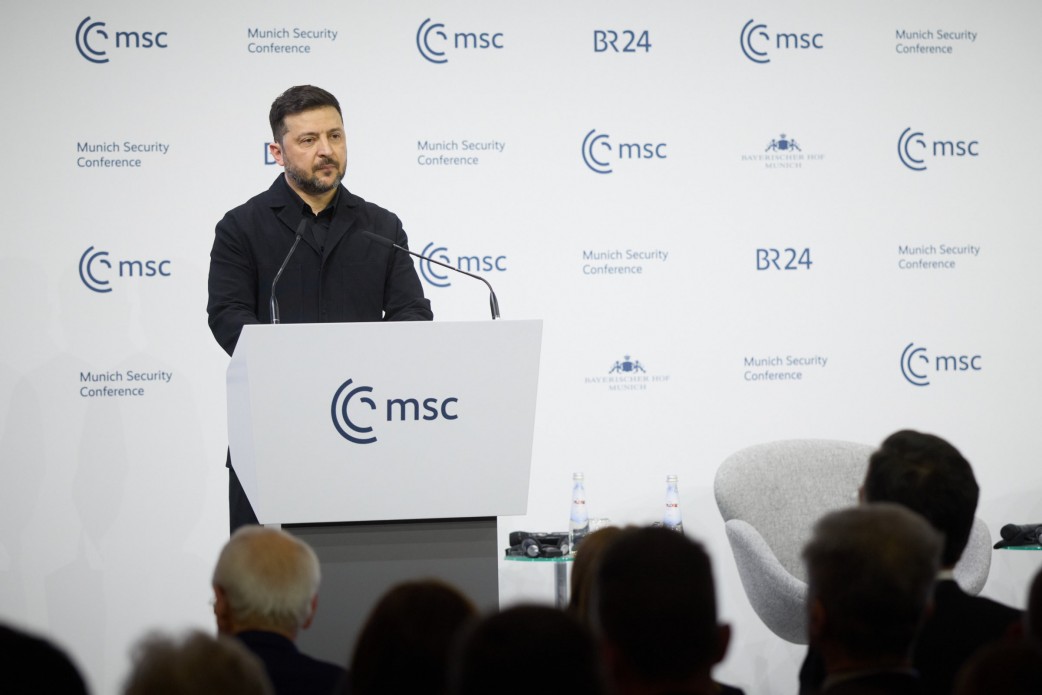
Thank you so much,
Dear friends,
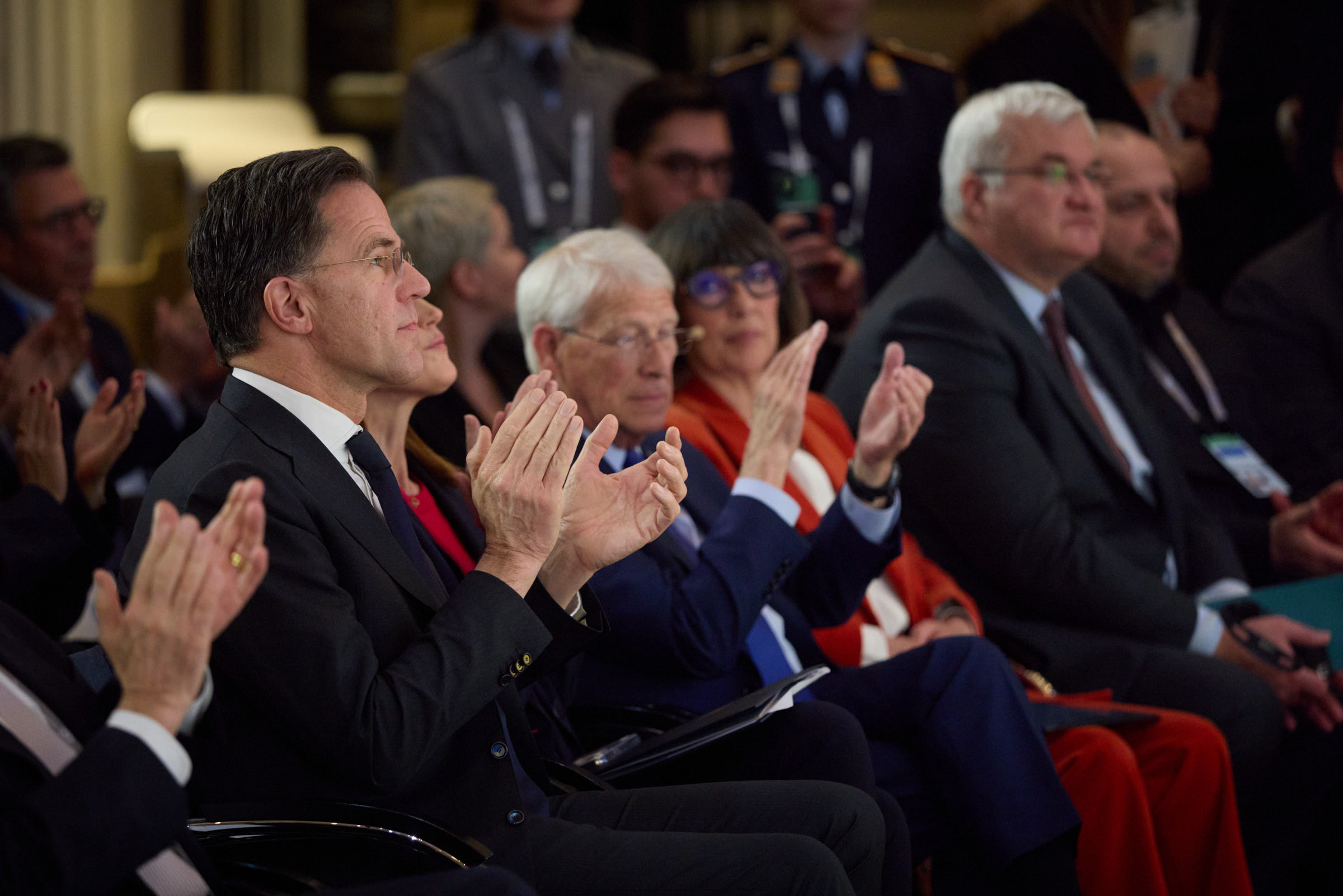
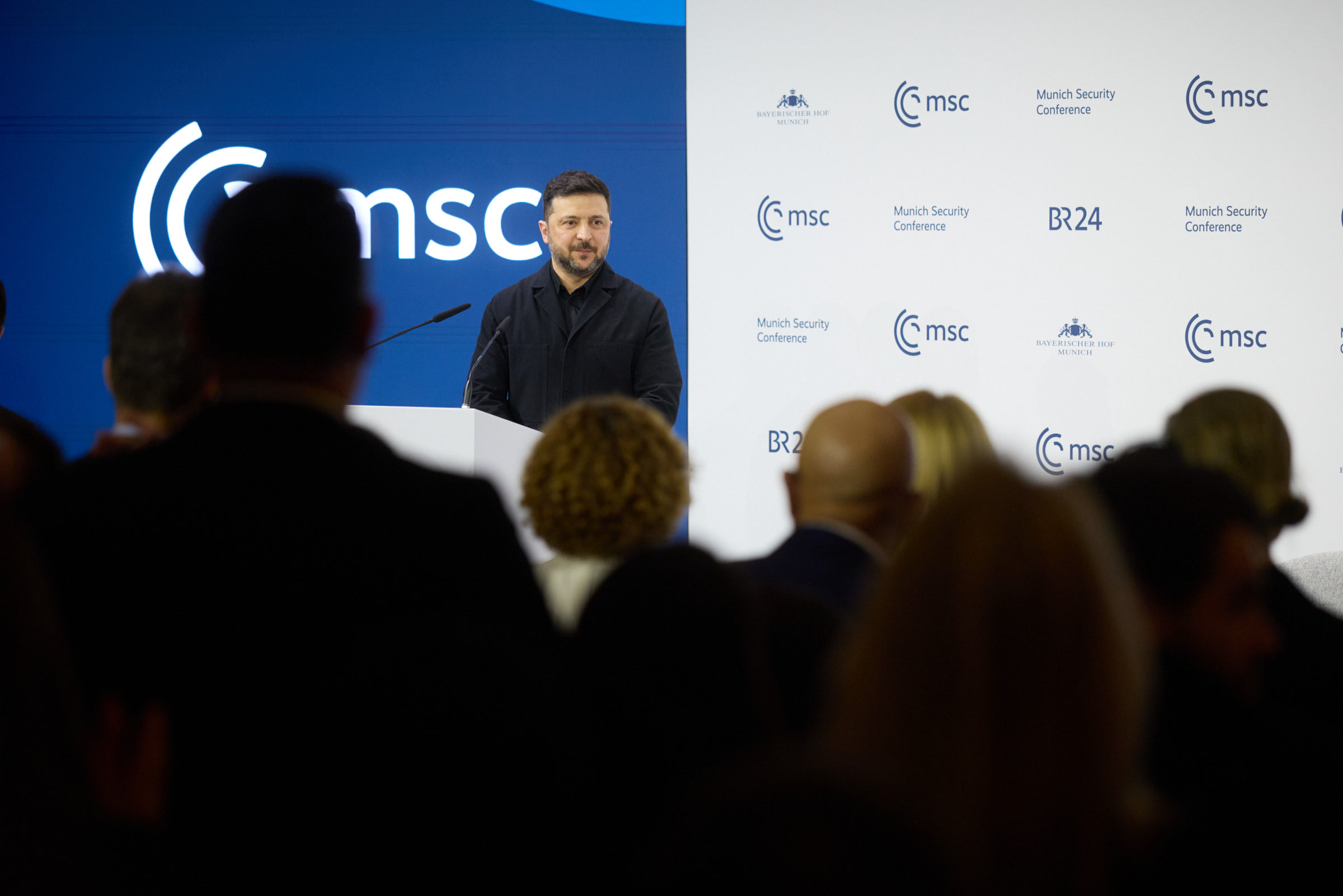
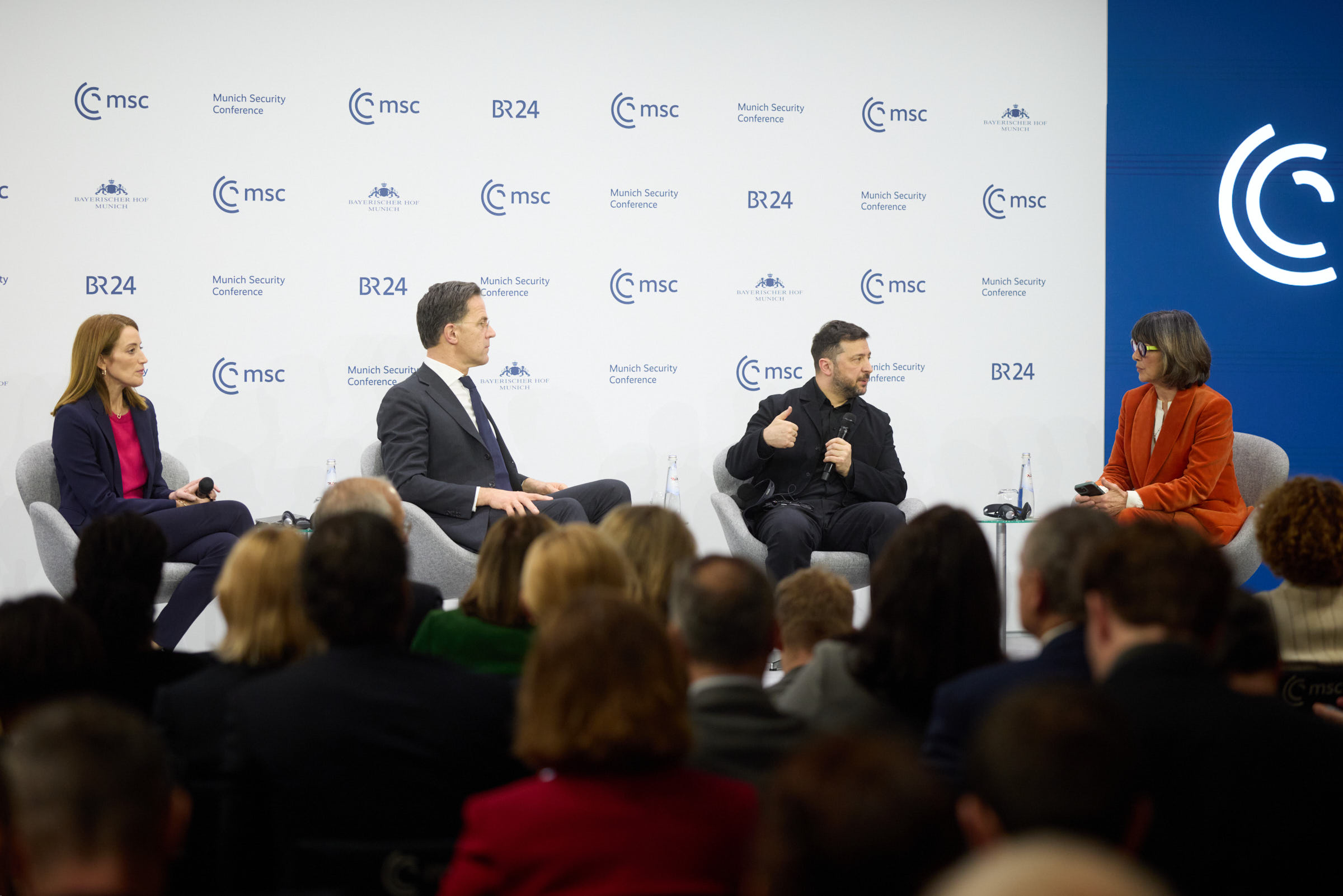
Thank you for your attention to Ukraine, Ukrainian people, and for supporting our independence and our Ukrainians. I want to especially thank those who stand with us not only in words or not only in emotions, not only in the hope for more security, but in real action – in real work – in concrete help. Like Germany, like Mark, like Ursula, António, Roberta, and all our friends from the United States and all our European friends – thank you so much for all your support. Thank you!
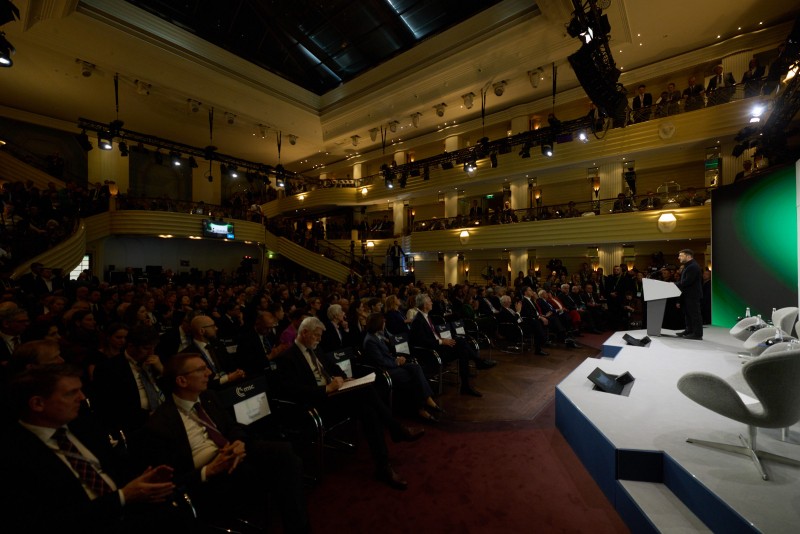 If you’re a European leader and you meet Mark Rutte, you will definitely hear the word “PURL”. And not just once. Very serious things – really. He starts and ends every conversation with a call to support PURL. And he is right to do so. Thank you, Mark! PURL is the program that allows us to buy Patriot missiles in the U.S. and other weapons that protect Ukrainians from Russian attacks, of course. Most of the air defense missiles that can stop Russian ballistic missiles come to us thanks to PURL. And PURL exists because of Europe – it’s true – Europe is paying for our ability to stop ballistic attacks. Thanks to everyone who helps us. Thank you!
And honestly, one of the worst things a leader can hear in wartime is a report from the Air Force commander saying: the air defense units are empty – they used their missiles to stop Russian strikes, and there was no resupply. And intelligence says – a new massive attack may come in a day or two. Sometimes we manage to deliver new missiles for our Patriots or NASAMS just before an attack, and sometimes – at the last, very last moment.
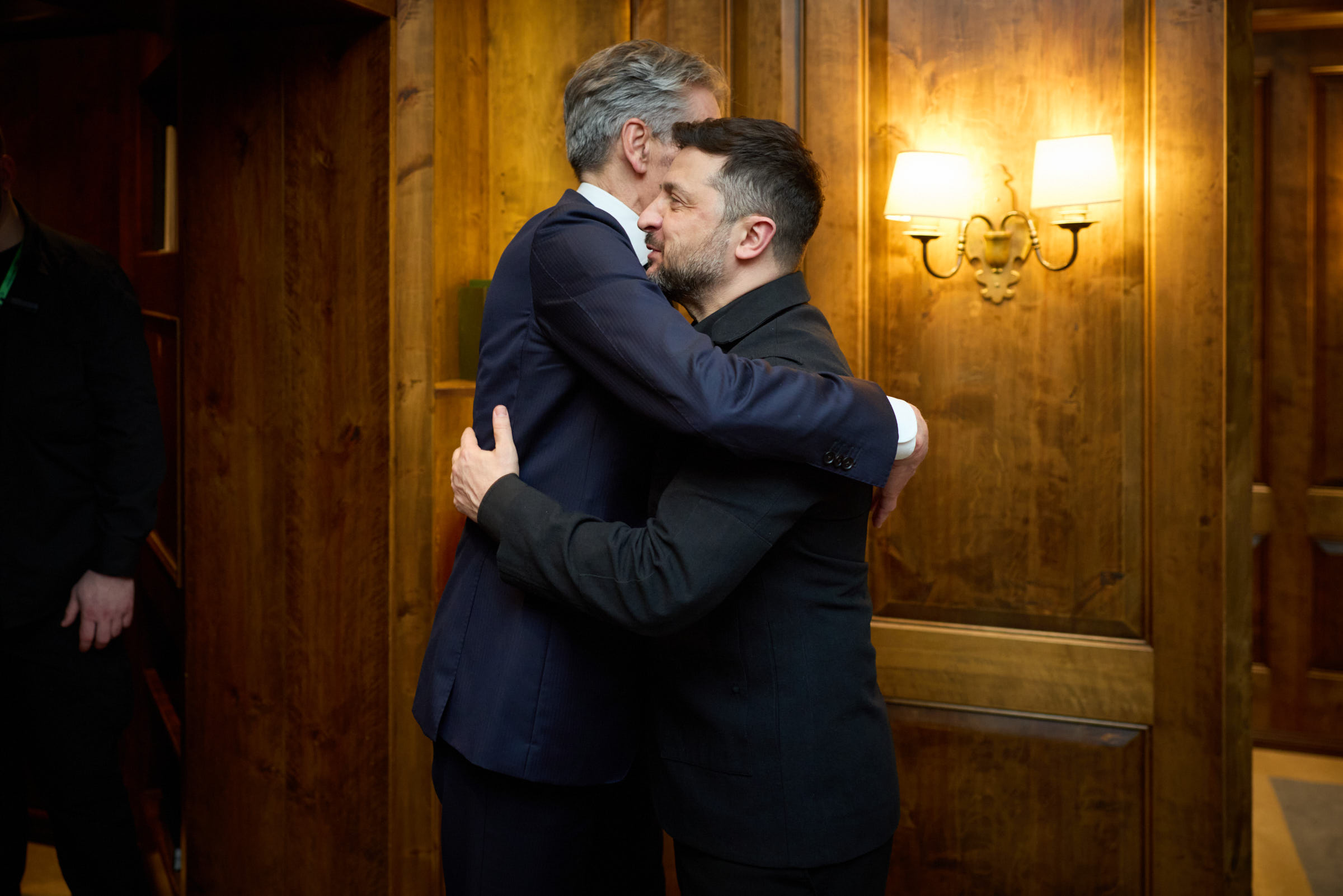
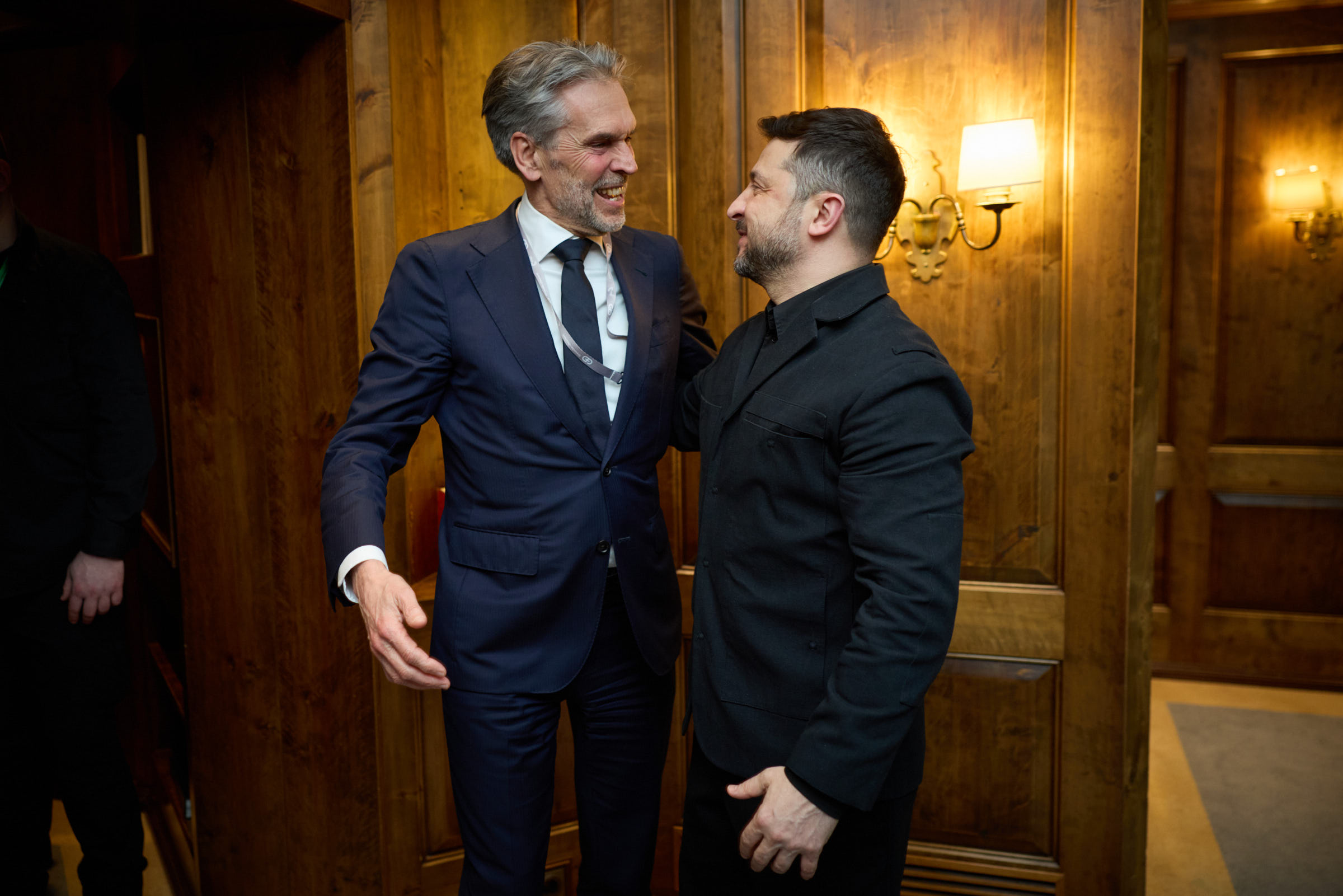
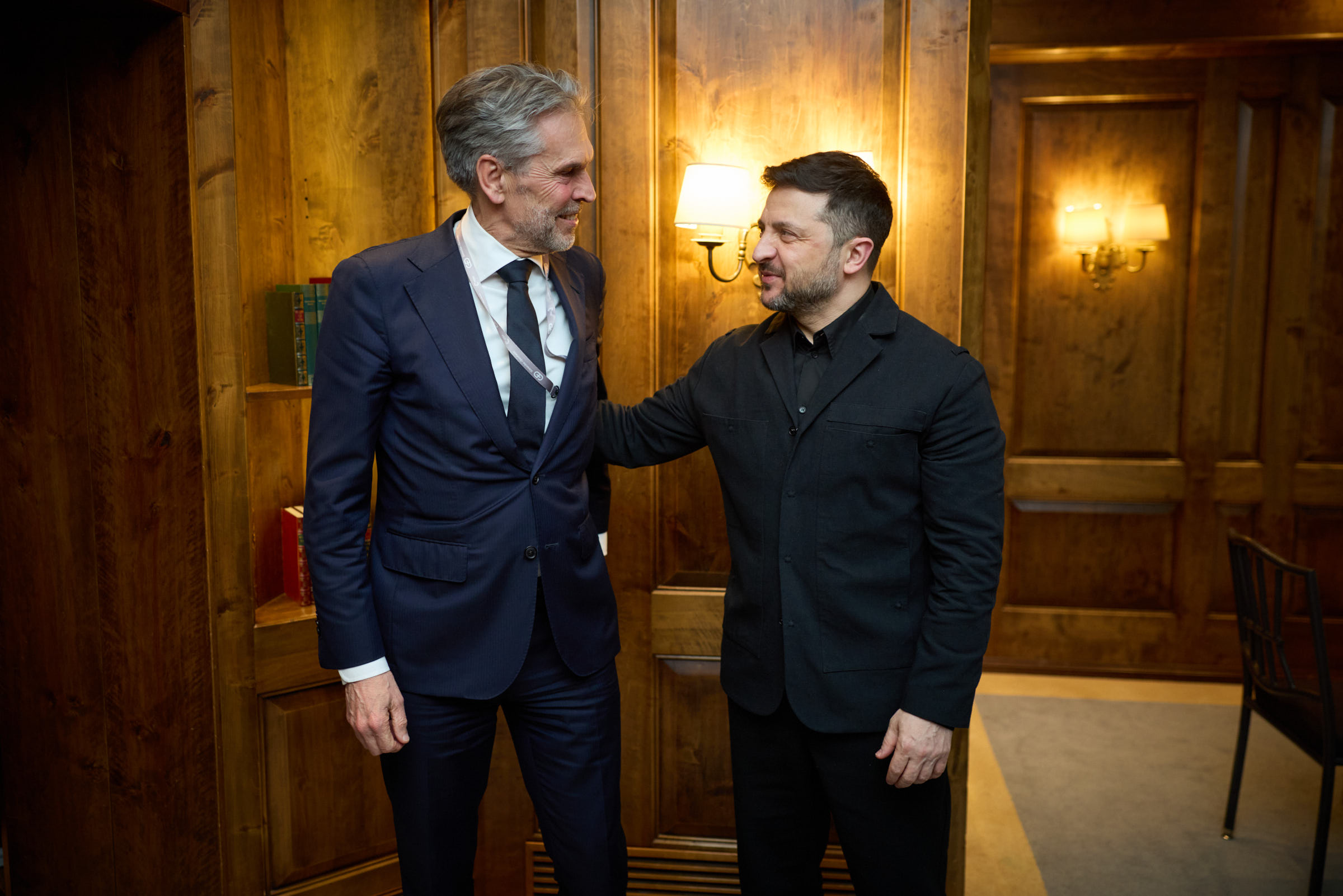
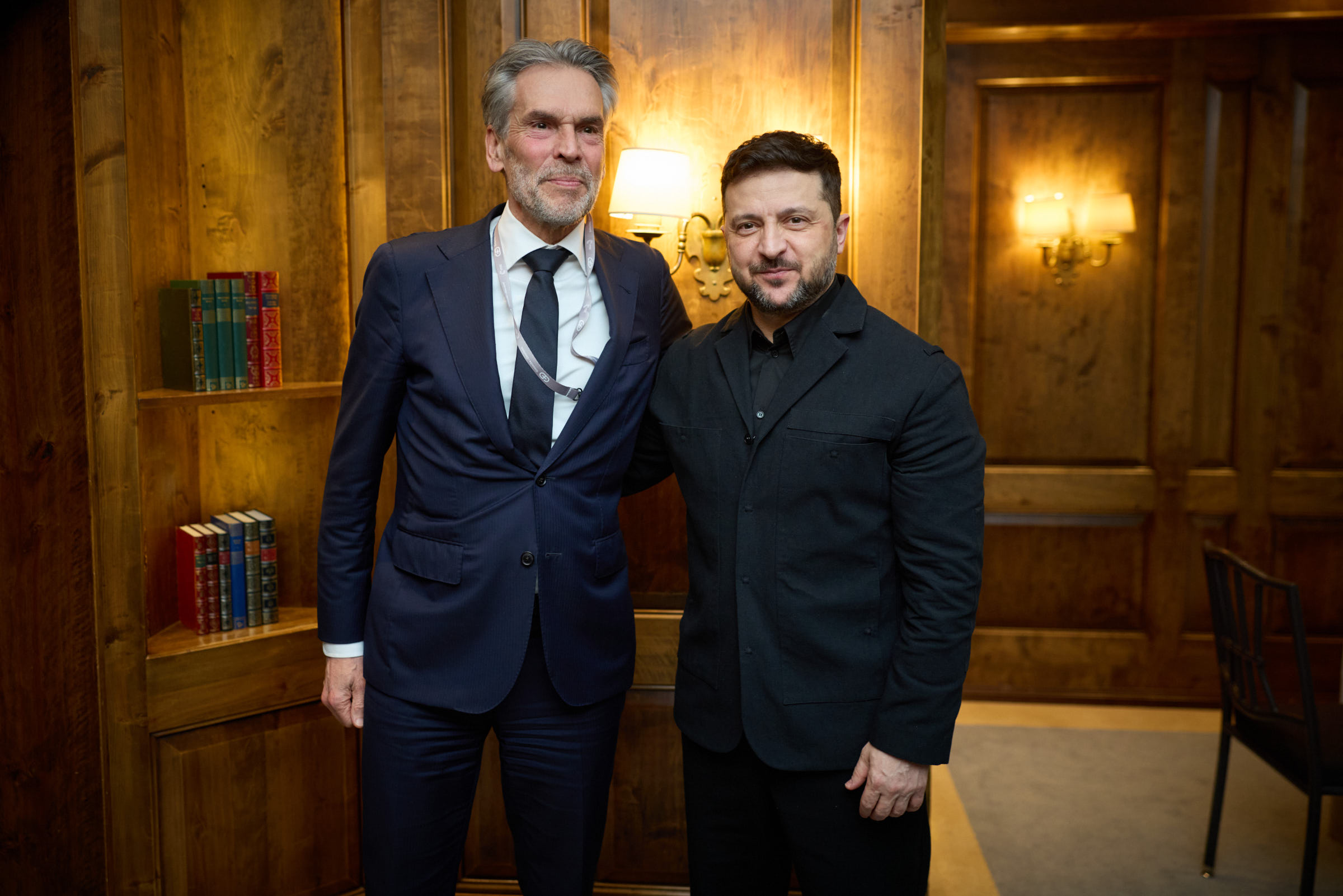
I want to especially thank Germany, Norway, Netherlands for their strong leadership in Europe in giving us air defense systems. Thank you very much! These systems save our lives. Thank you to every European leader who invests in PURL and in other joint defense programs. And I’m proud of our soldiers who repel Russian attacks, and of our logistics teams who have kept this system working for 4 years. And I am proud of our nation. And it is the courage and resilience of Ukrainians that make the difference. Our people deserve gratitude. They deserve respect. Thank you so much!
4 years of full-scale war. Today, I want to show you what that really means.
And I want you to ask yourselves: are you ready – not only for the challenges that Russian aggression brings, the challenges of modern war – but also for the constant effort to convince the world, to fight for support, to defend your country’s interests every single day, as Ukraine must do? The world is built on interests. And you have to work tirelessly to align interests and help partners see what this brings. And when you see what is coming, will you be able to convince those in power to act preventively – to stop the evil before it destroys everything?
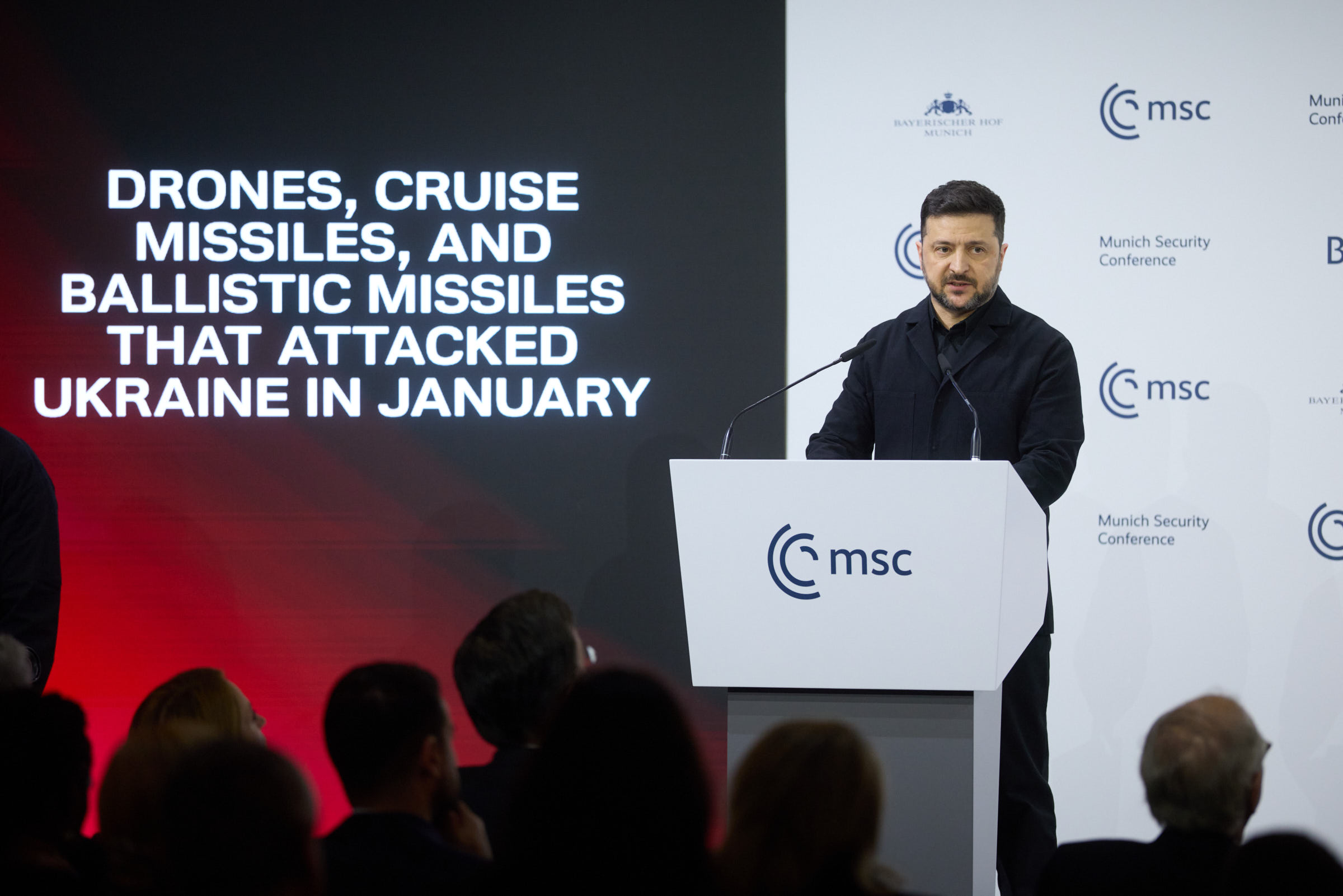
 Right now, you can see a visualization of one of Russia’s attacks. Many of you were already here in Munich when this strike took place. Russia launched 24 ballistic missiles, one air-launched guided missile, and, can you imagine, 219 attack drones. Against our cities – Kyiv, Dnipro, Odesa. Just one attack. Just one night. Our air defense used the missiles that arrived from our partners just a few days earlier. They came on Sunday – it’s true – and on Thursday night the missiles were already protecting our skies. That is just one night, but Russian attacks happen almost every night in Ukraine. At least once a week – massive strikes. Still, Ukraine has endured 1,451 days of full-scale war. Longer than anyone predicted.
I want you to understand the real scale of these attacks on Ukraine. As you can see – in just one month, this January, we had – yeah, you see it – we had to defend against 6,000 attack drones. Most of them were Shahed drones. And 150+ Russian missiles of different types. And more than 5,000 glide bombs. It is like this every month. Imagine this over your own city – shattered streets, destroyed homes, schools built underground. This is daily life in Ukraine, of course, because of Russia. For 4 long years.
Russia uses many ballistic missiles and carries out combined attacks. Most of the strikes target our power plants and other critical infrastructure. There is not a single power plant left in Ukraine that has not been damaged by Russian attacks. Not one.
But we still generate electricity. Thanks to our people. We have kept our system running thanks to physical protection of the facilities – and thanks to everyone who helps us with air defense.
Just as important, Ukraine still has power because of our people – thousands of workers who serve millions. When I see our energy workers, our repair crews, rescue teams – I see something that is often missing in politics: true dedication – the ability to work at one hundred percent, to act immediately – in a real emergency. Not in a month, not in a year or two, but they save lives here, they save lives now. All these years. And many politicians could learn – and must, I think, must learn – from ordinary rescuers, from ordinary repair crews, from ordinary electricians – how to act immediately.
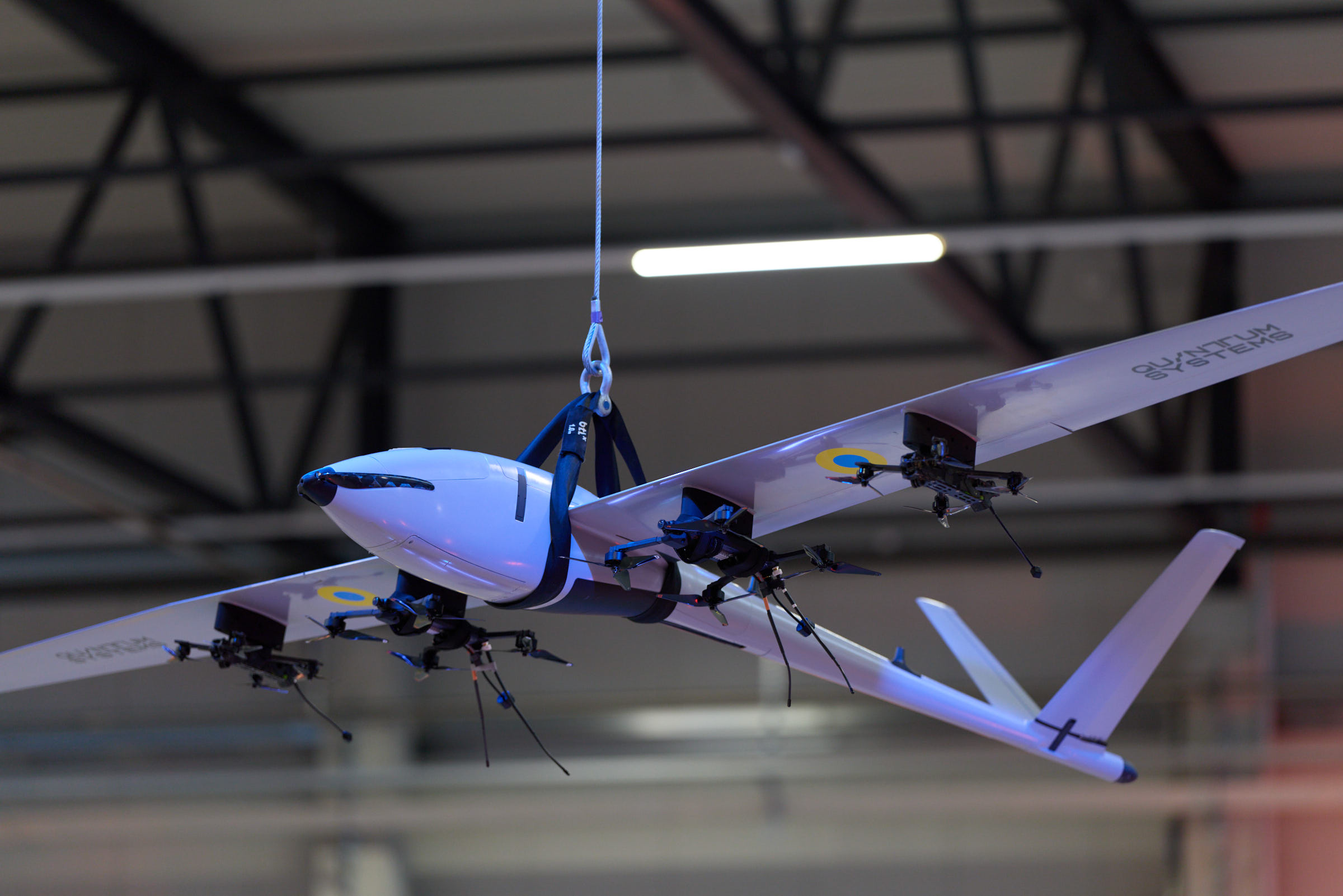
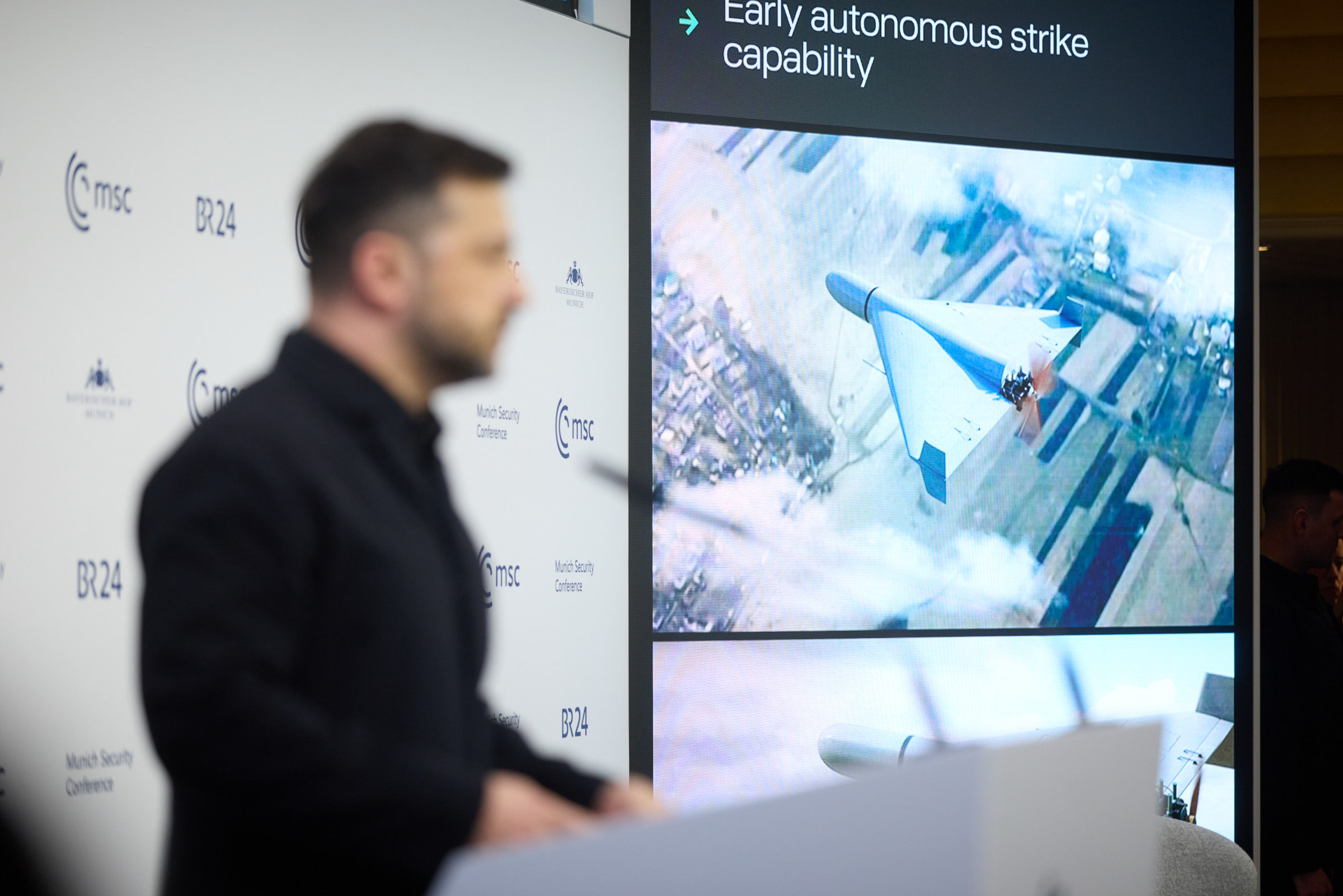
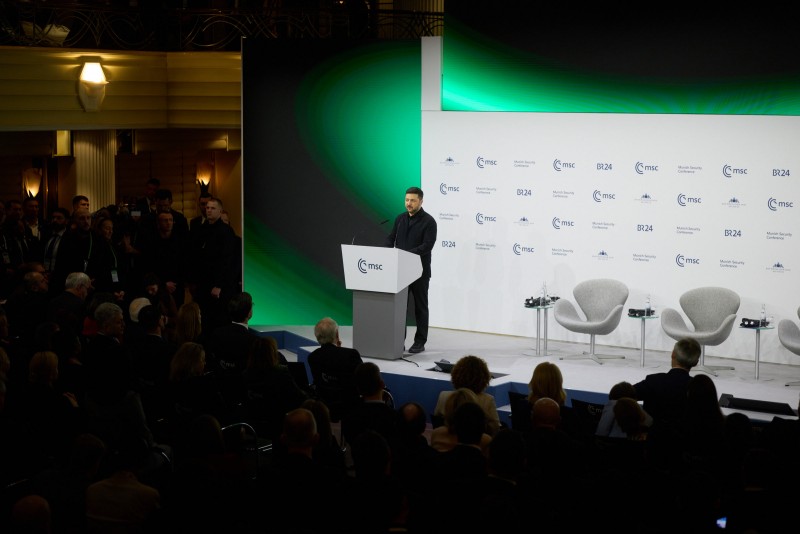 Thank you. During this war, weapons evolve faster than political decisions meant to stop them. When the Iranian regime first gave Russia the Shahed drones, they were simple weapons. They could be shot down easily. Now the Shahed is different. It has a jet engine. It can fly at different altitudes. It can be guided by an operator in real time. And it can use Starlink to reach its target. It can even carry other drones – acting as a “mother” drone for FPVs.
War reveals forms of evil we did not expect. And the longer a war continues, the more resources the aggressor receives – the more dangerous the consequences become – the more dangerous the evolution of weapons and of war itself, and the evolution of Putin.
I remember how the full-scale war was seen in the first year. We were told that support would continue – but not at the scale and speed needed for Ukraine to win, it’s true, or for Russia to lose. What did that mean? It meant time. The idea was that America could manage the pace of the war and the risks of escalation – to reach a point where Russia would no longer be able to attack, and Ukraine would agree not to return its occupied territories. Bob Woodward wrote about this approach of the previous U.S. Administration in his book “War.” He described how U.S. Defense Secretary Lloyd Austin said: “We own the clock.” Austin had told Jake Sullivan numerous times: “We own the clock.” And Woodward writes that Sullivan was “constantly learning from him.” And of course, we are grateful for all the supplies we received. But you saw how it was – how long we had to push, to push, to push to be allowed to get stronger and stronger weapons. Months for HIMARS, months for tanks, years for aircraft – everything took time. This did not make the situation easier for anyone. Because in war, the war itself owns time – and it uses that time against people, of course. That is why not a single day, not a single opportunity to protect life can be wasted.
Everyone who seeks security and peace must understand this. Every day matters. And I am grateful to every American heart that was helping us, no matter what. Thank you. Without you – Americans, Europeans, and everyone who stands with us – it would have been very, very difficult to hold on. Thank you very much!
Right now, on the streets of Munich and other cities, people are calling for support for freedom in Iran. We saw it. Ukraine does not share a border with Iran. We’ve never had a conflict of interest with the Iranian regime. But the Iranian Shahed drones they sold to Russia are killing our people and destroying our infrastructure. The Iranian regime has already done – and can still do – more harm than many other regimes could do in a century. And yet this regime still exists. And it hopes to survive everything – even this crisis.
Today, the people of Iran expect from the world what we in Ukraine needed on February 24, when the Russian invasion began – unity, determination, and speed. Of course, speed. Speed in support. And regimes like the one in Iran must not be given time. When they have time, they only kill more. They must be stopped immediately. And this is exactly what should have happened with the Ayatollah – after all the wars his regime unleashed and all the lives it took – and with Putin as well: after the war in Georgia, after Syria, after 2014 and the occupation of Crimea.
 But even in these conditions when we cannot know how long this war will last – we do everything to keep life going.
Today, Ukraine has more experience than anyone in the world in defending against all types of drones.
Every night, we face no fewer than one hundred Shahed drones. Some nights, there are 400 or even 500 attack drones. And Ukrainians shoot down almost 90, can you imagine, 90 percent of them. But still not 100. And we’re doing everything to increase that rate. Among other tools, we use different types of interceptors – and what you see now are real videos of those interceptors, by the way.
Together with our partners, we are producing more and more of them each day. And we will reach the point where we produce enough – enough to make Shahed drones meaningless for Russia. But the key words here are: together, together with partners.
There is no country in Europe that could rely only on its own technology and money to defend itself in a full-scale war. No one would stand alone. That is why, while we invest in interceptors and protection, Russia invests in breaking unity – between all of us, our unity with you, unity in Europe, unity in the Euro-Atlantic community. They want to break it. Why? Because our unity is the best interceptor against Russia’s aggressive plans. The best one. And we still have it. And I want to thank you, each of you who keeps unity alive – and makes it stronger. Our unity is what protects us.
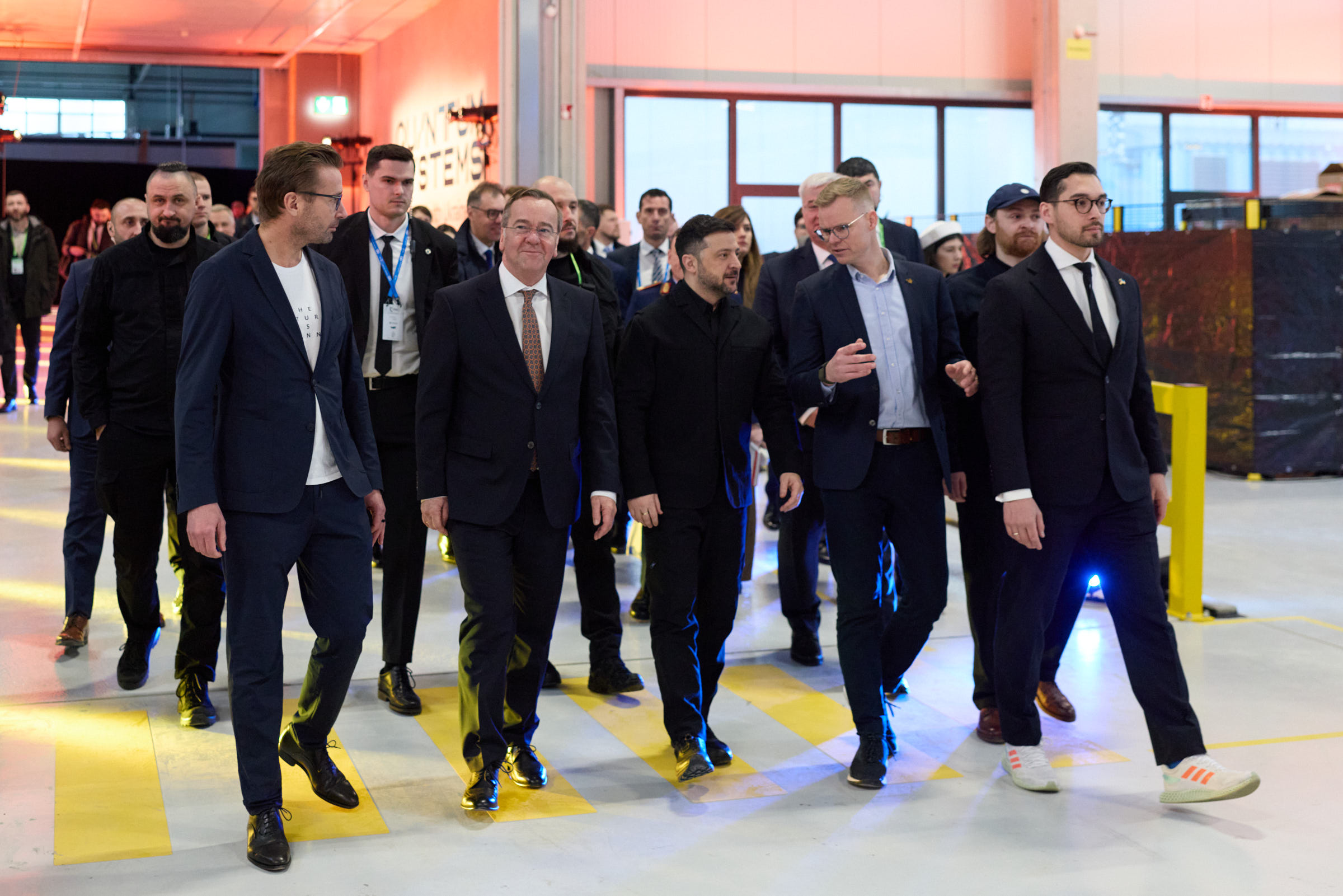
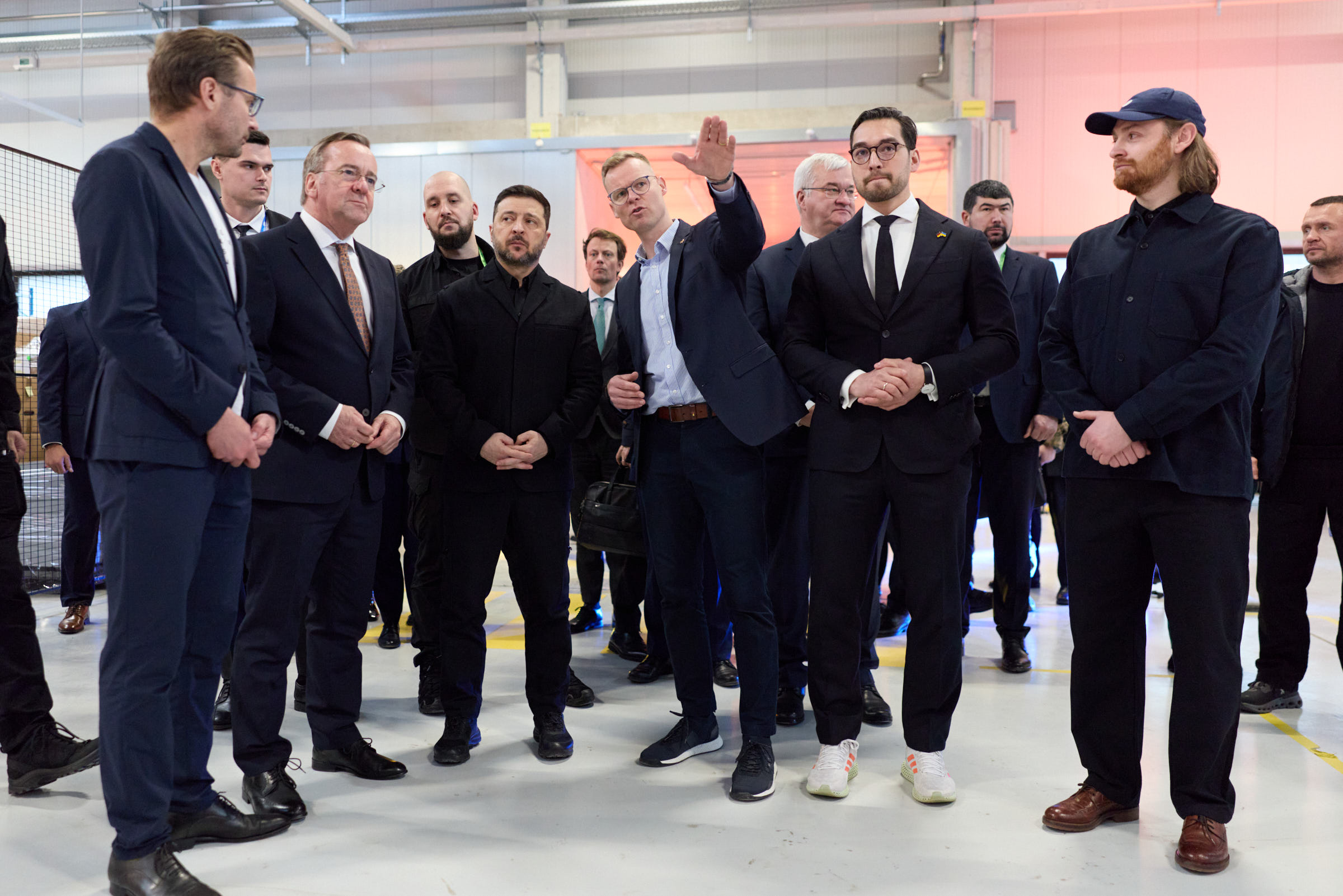
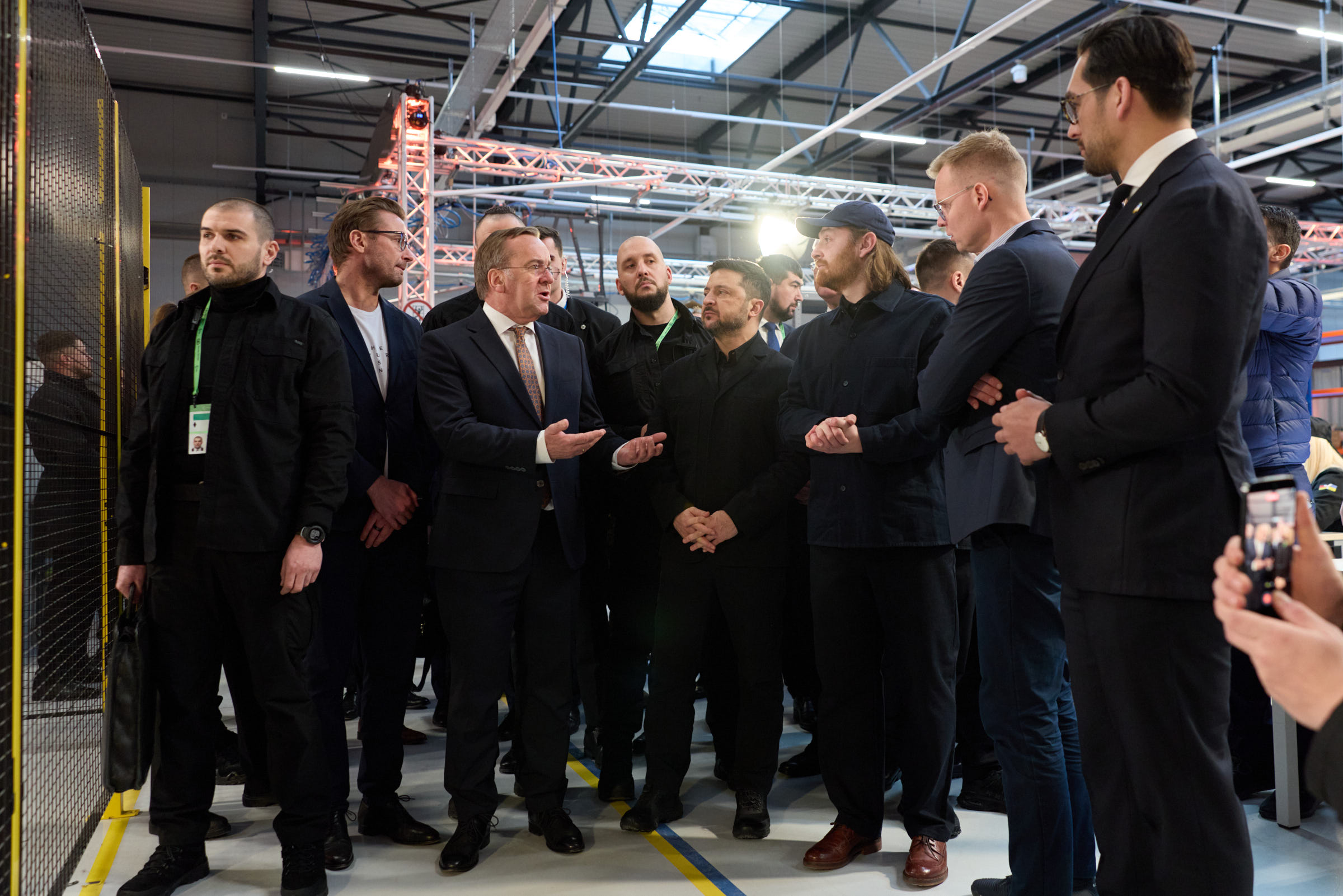
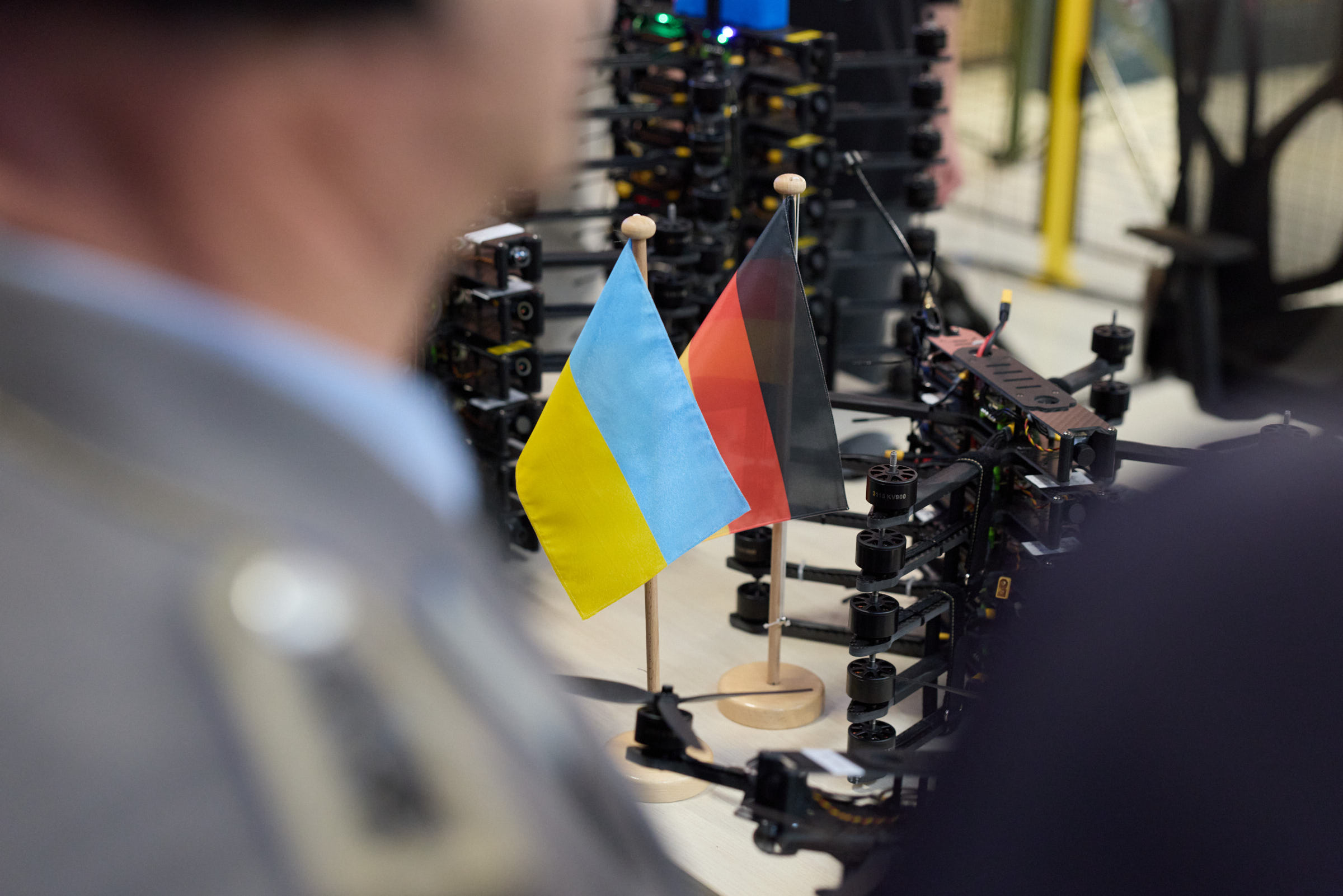
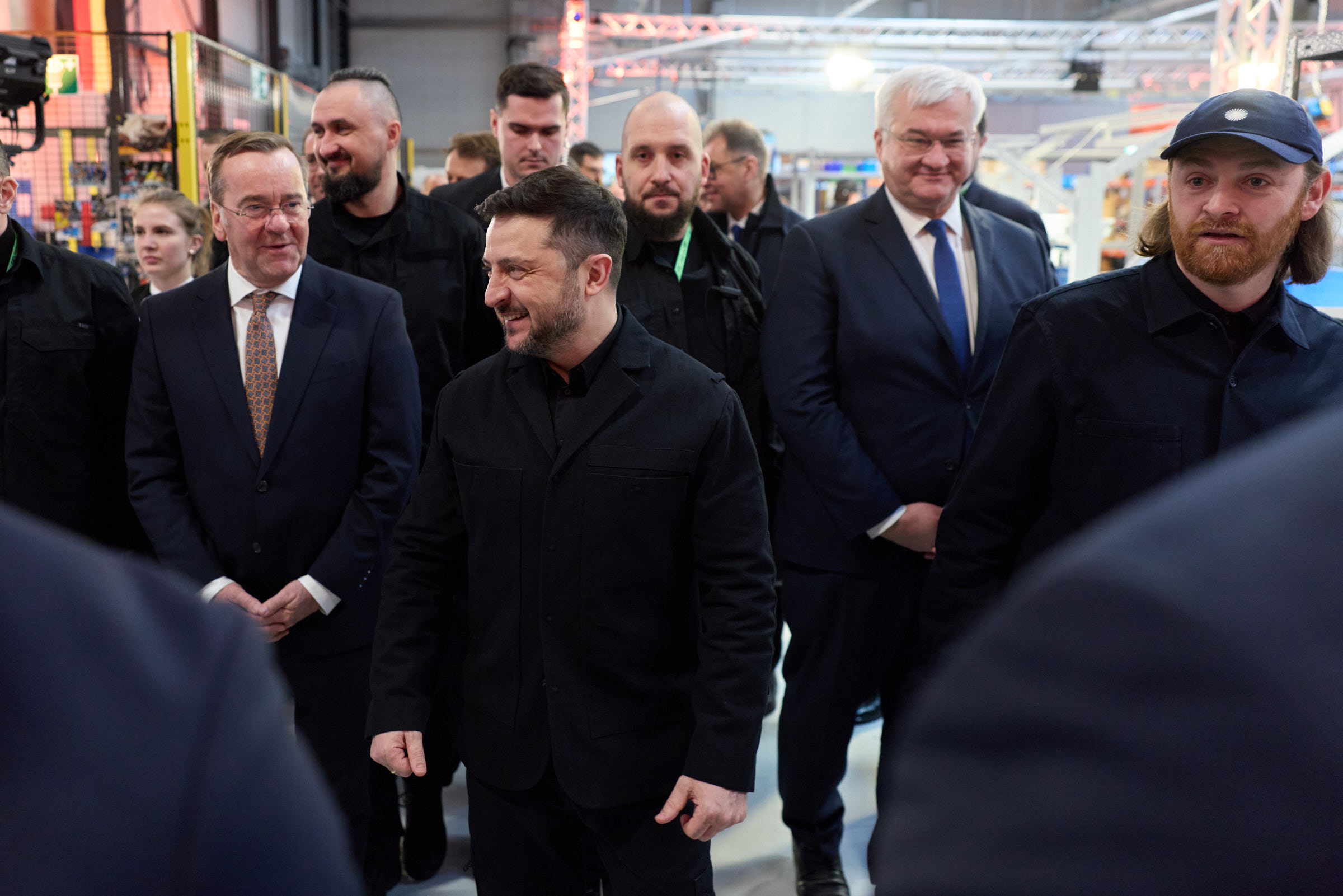
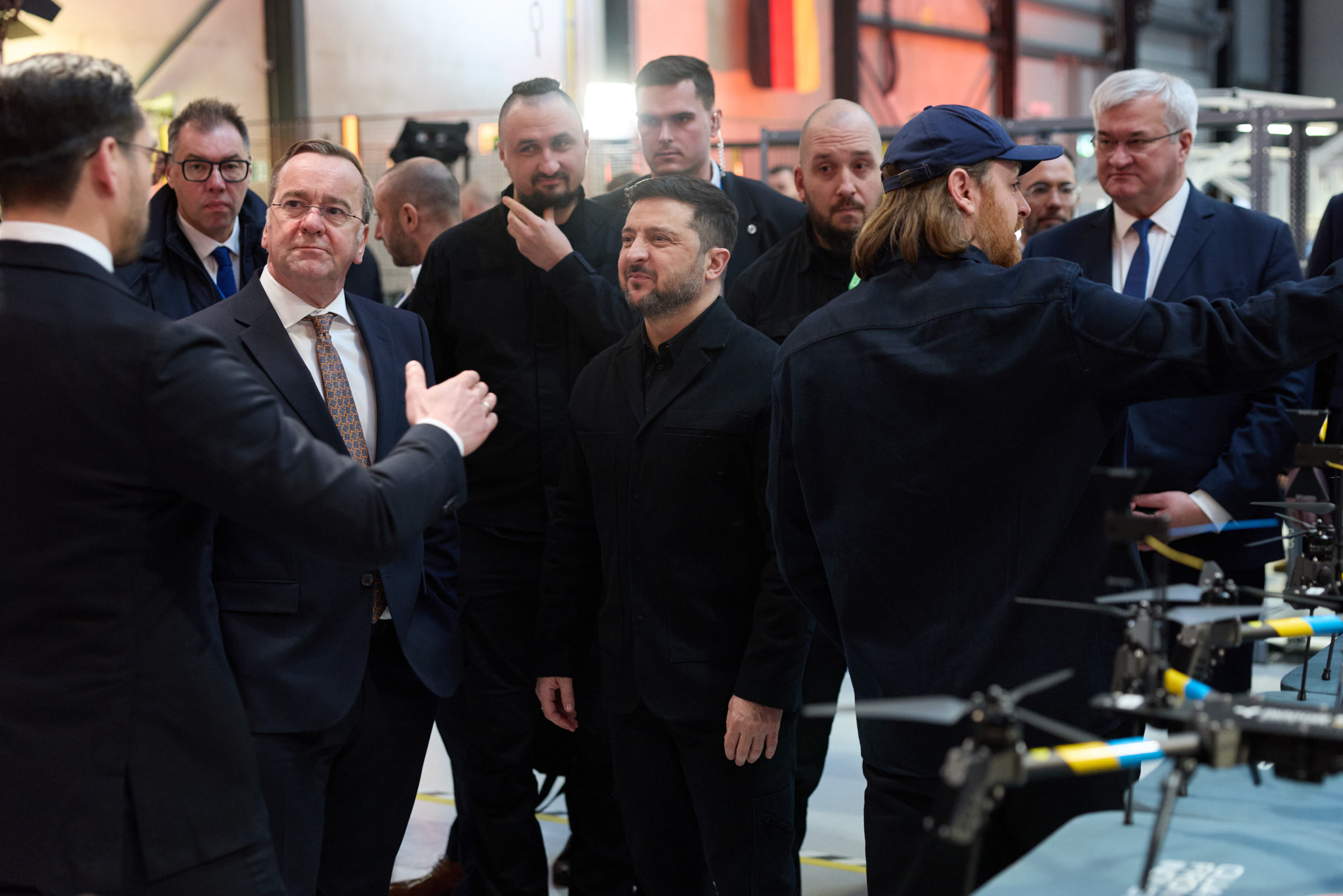
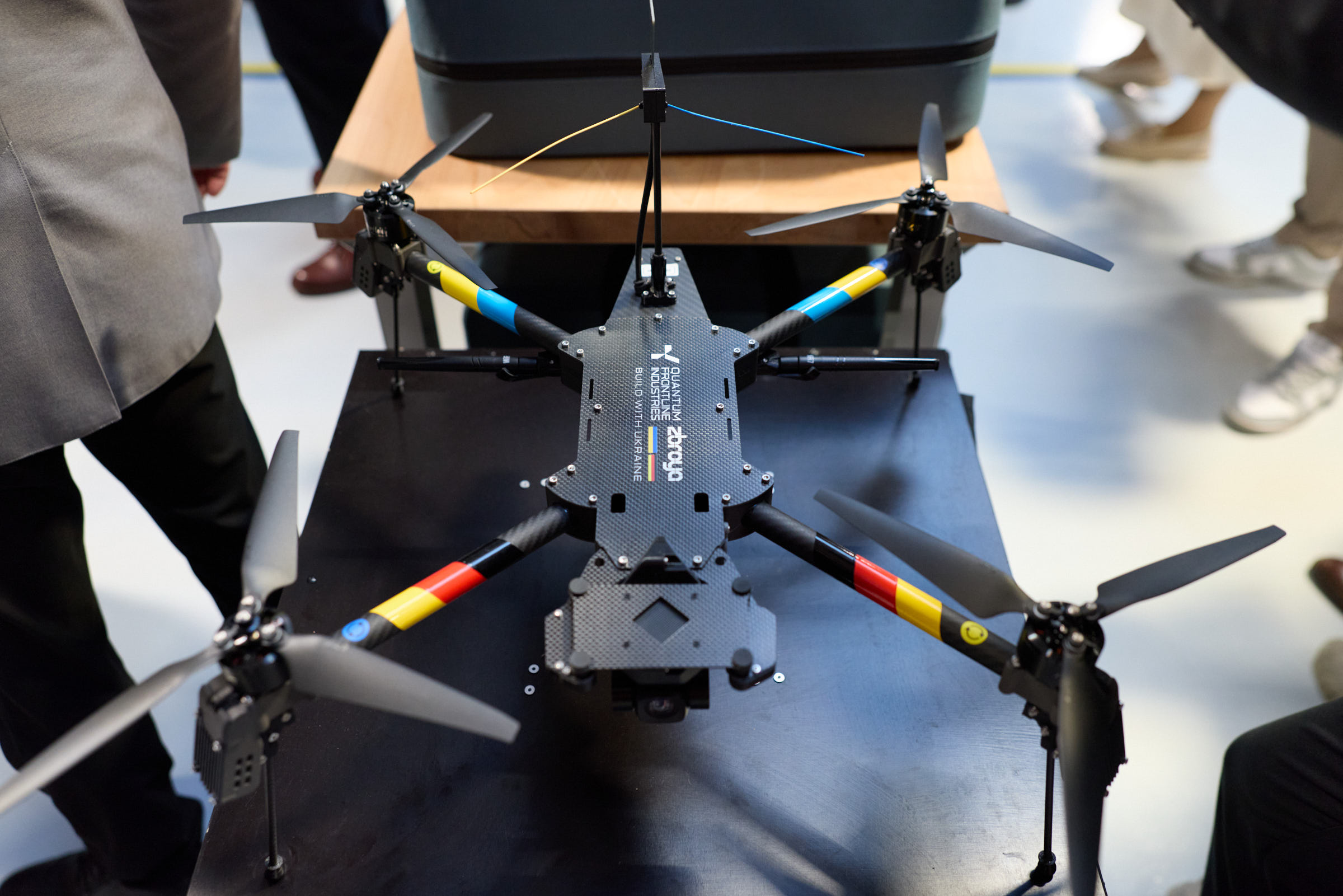
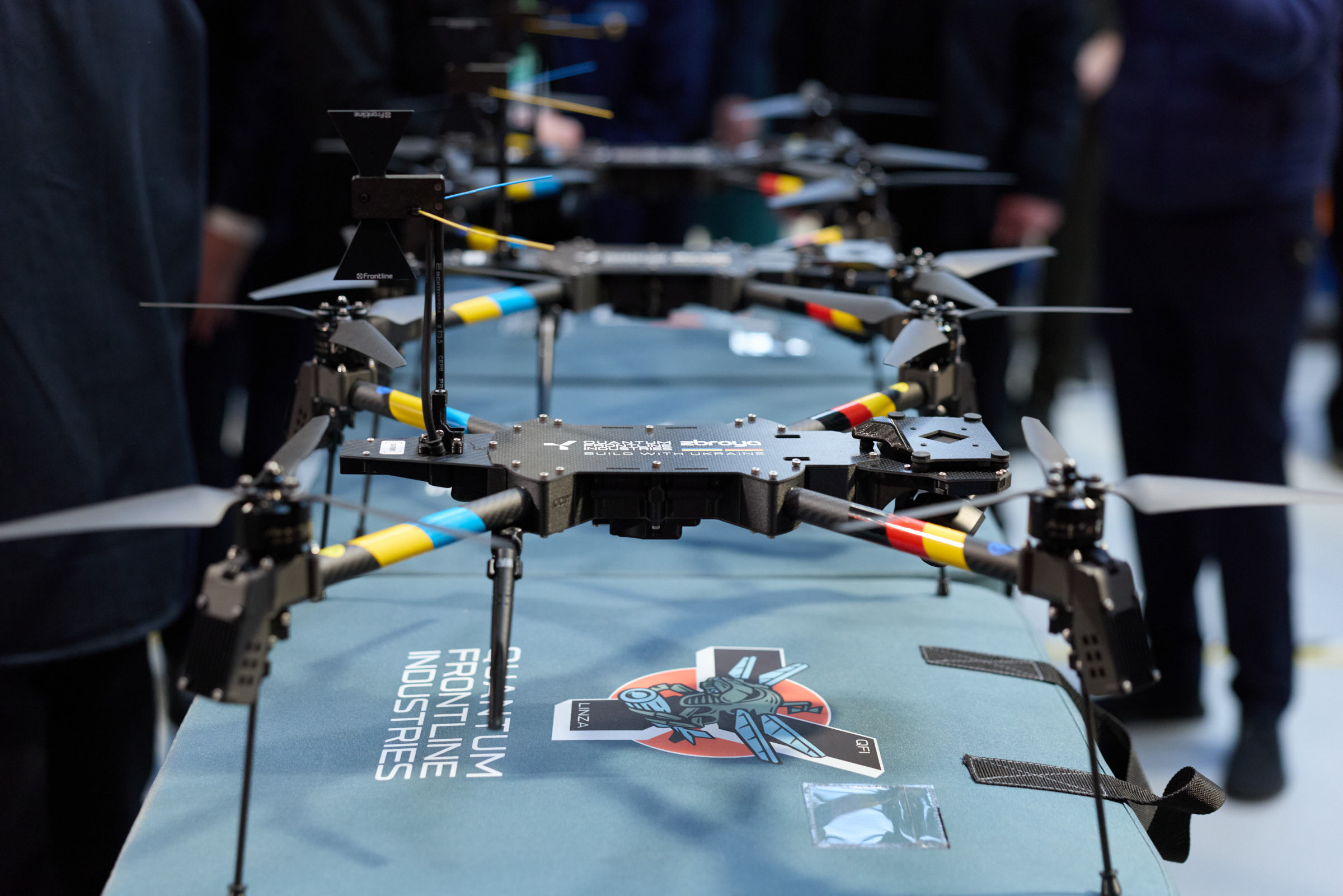
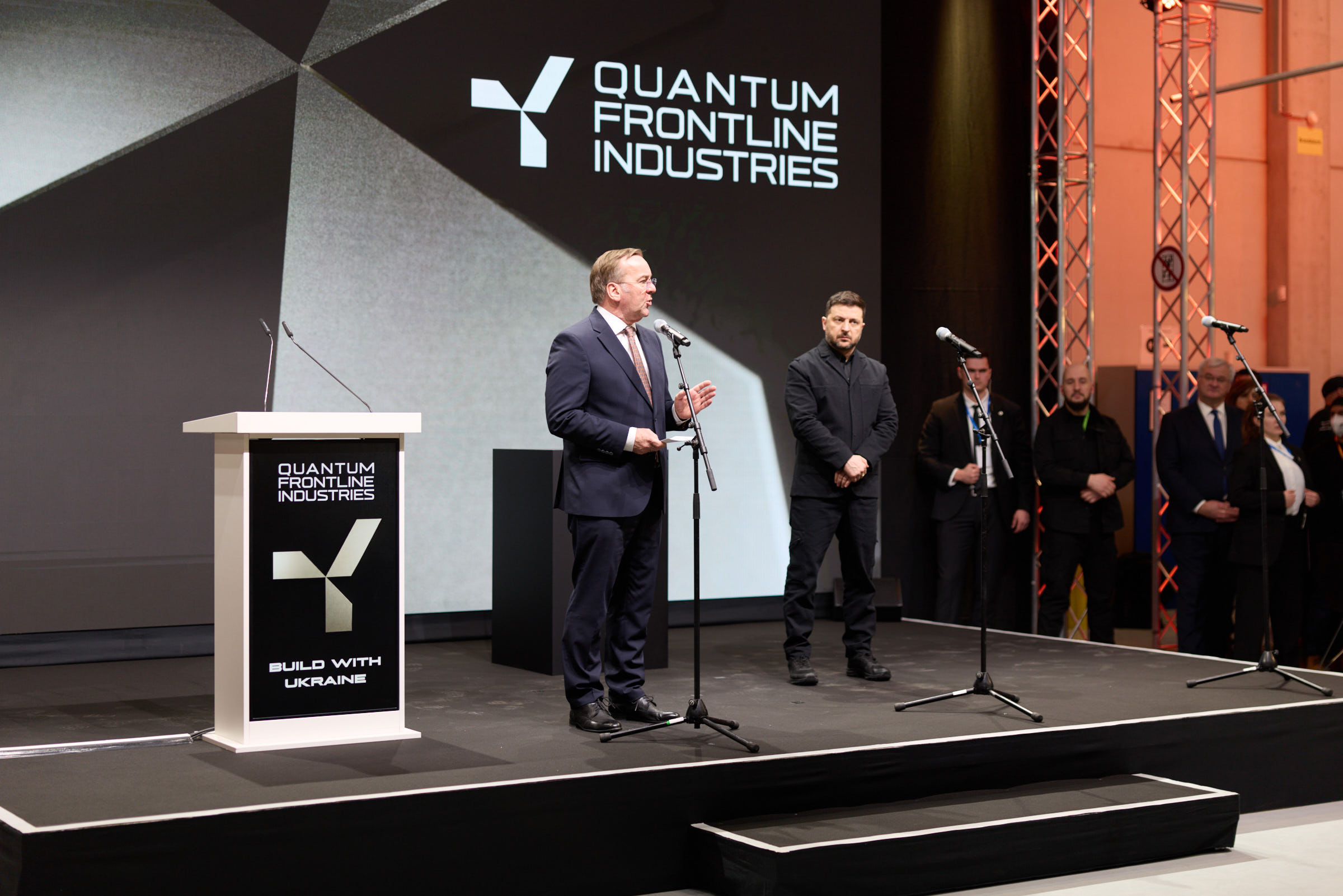
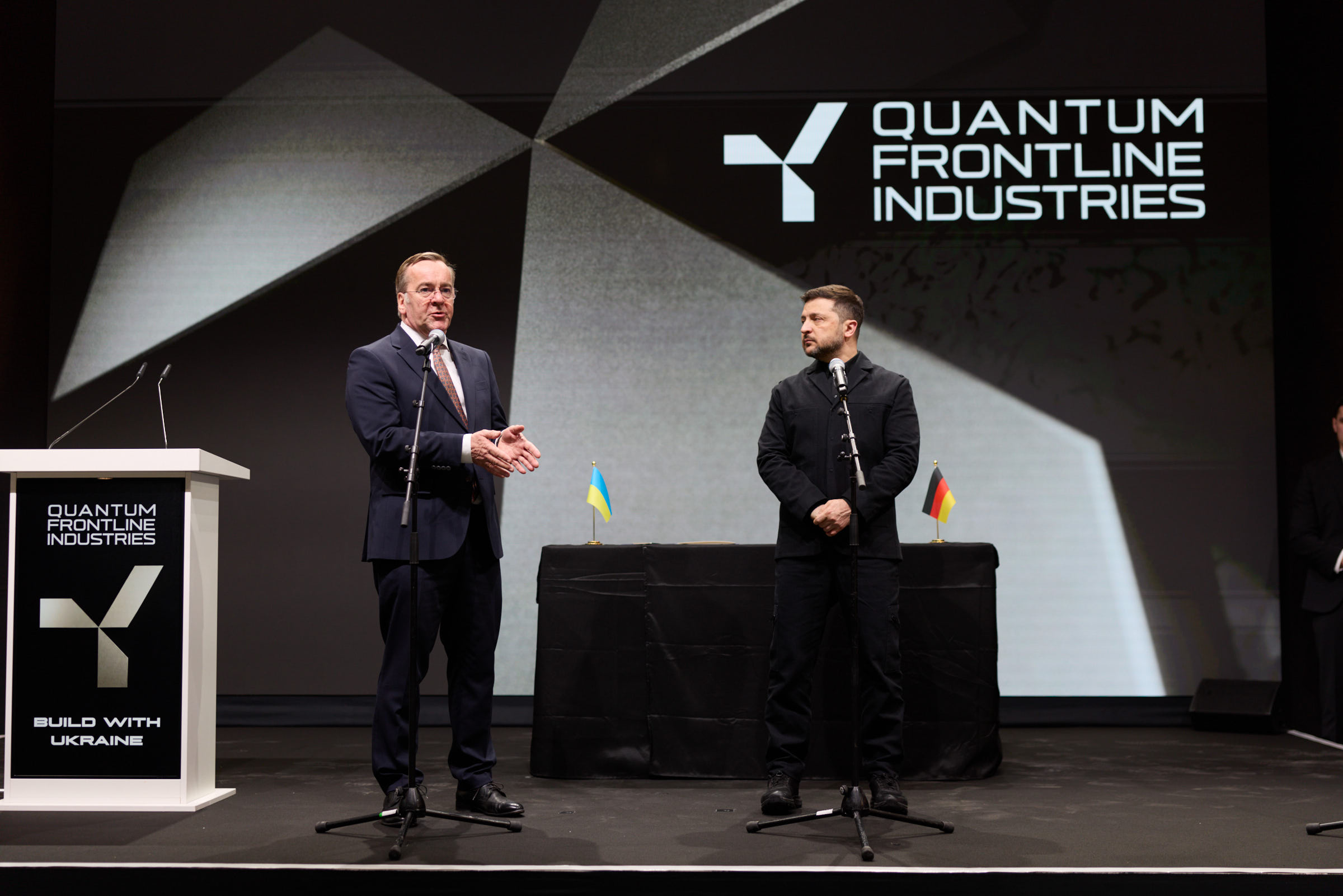
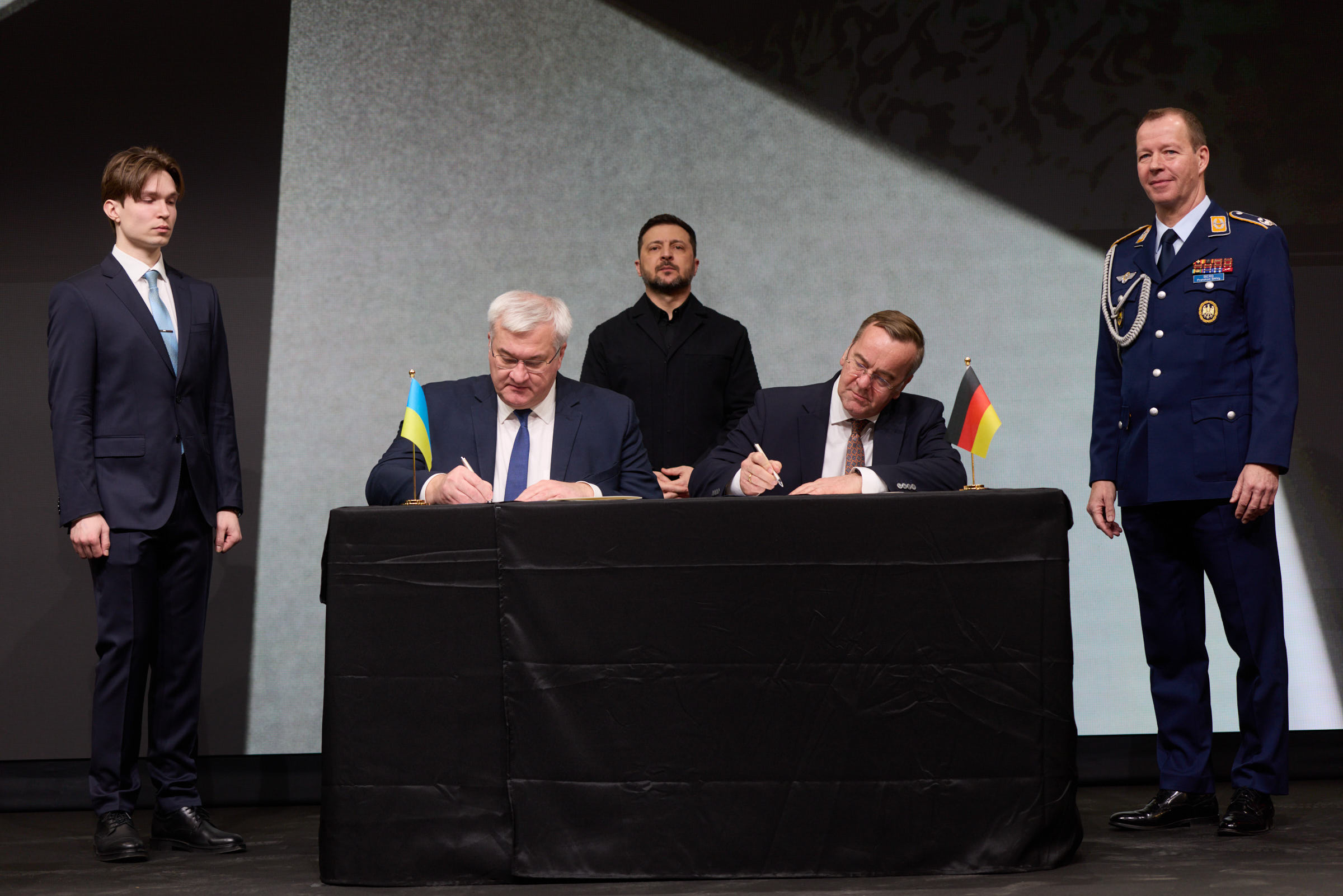
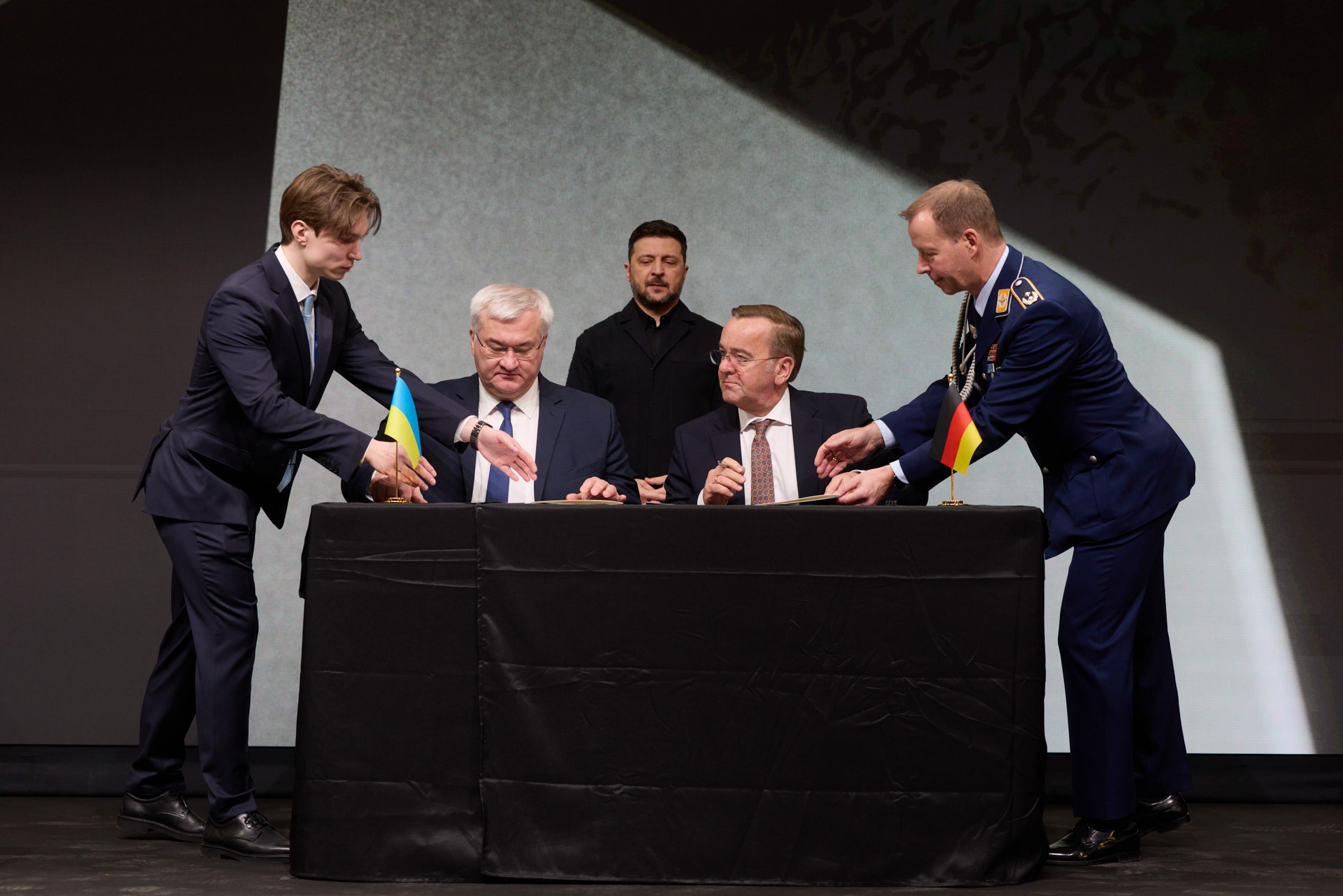
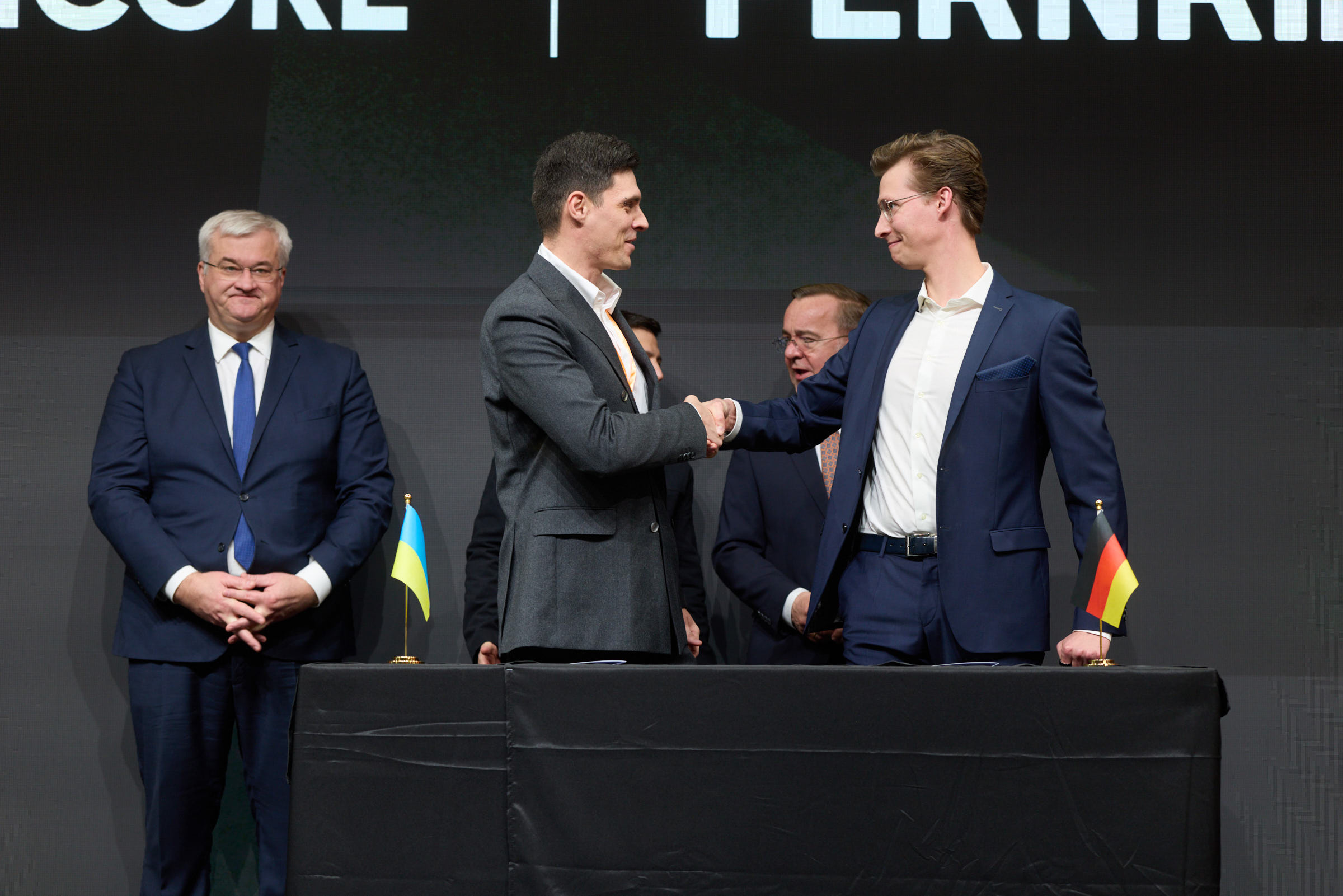
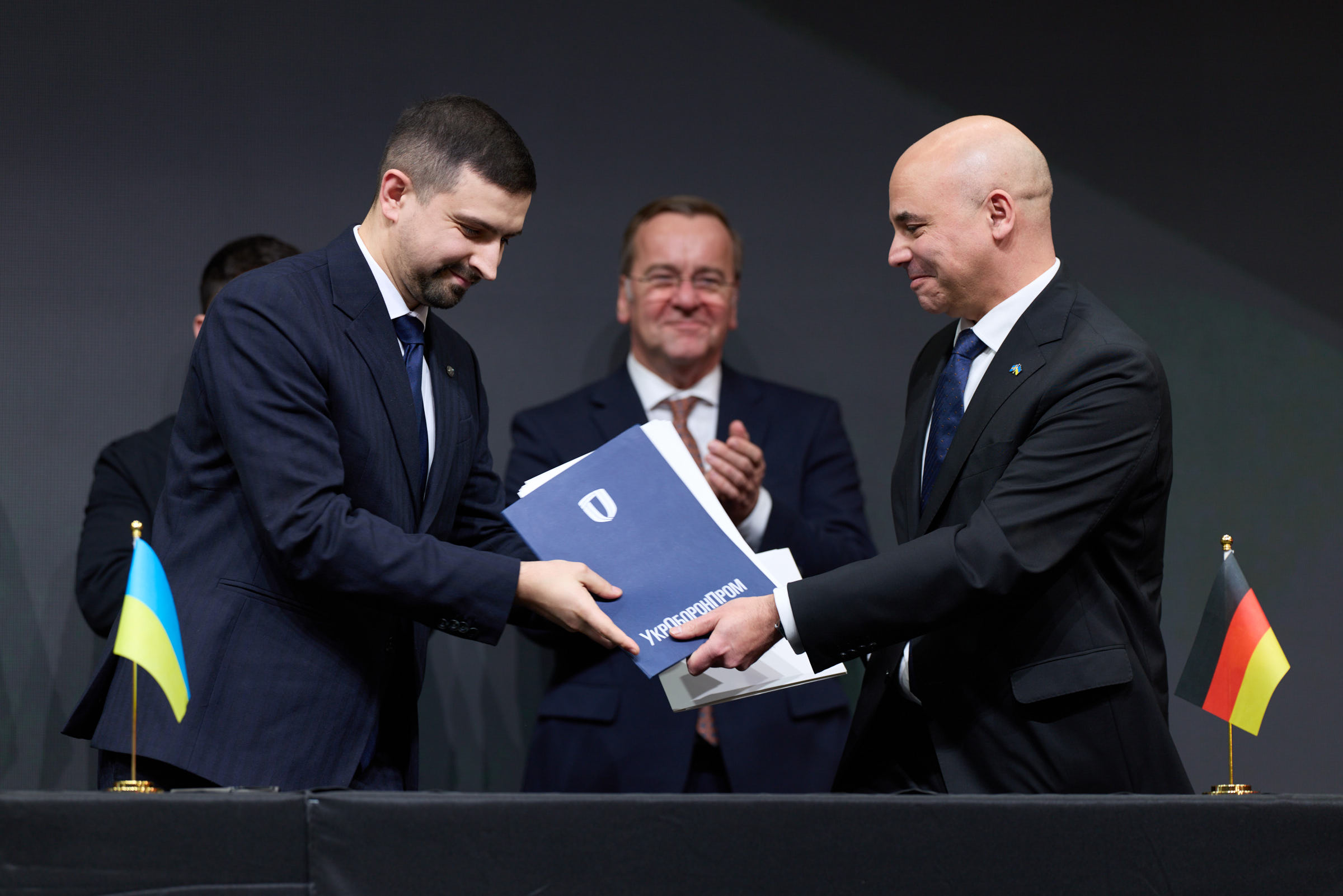
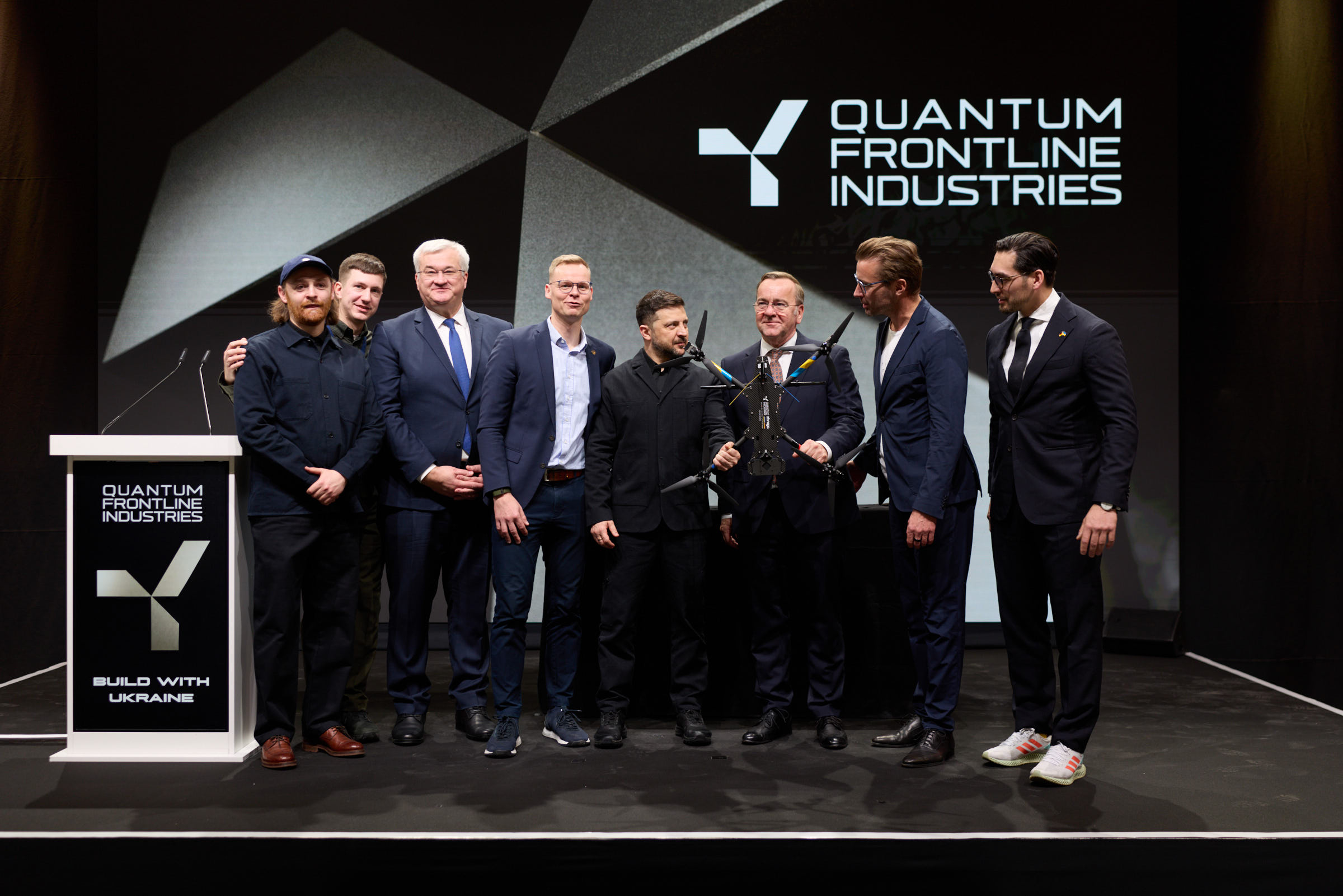
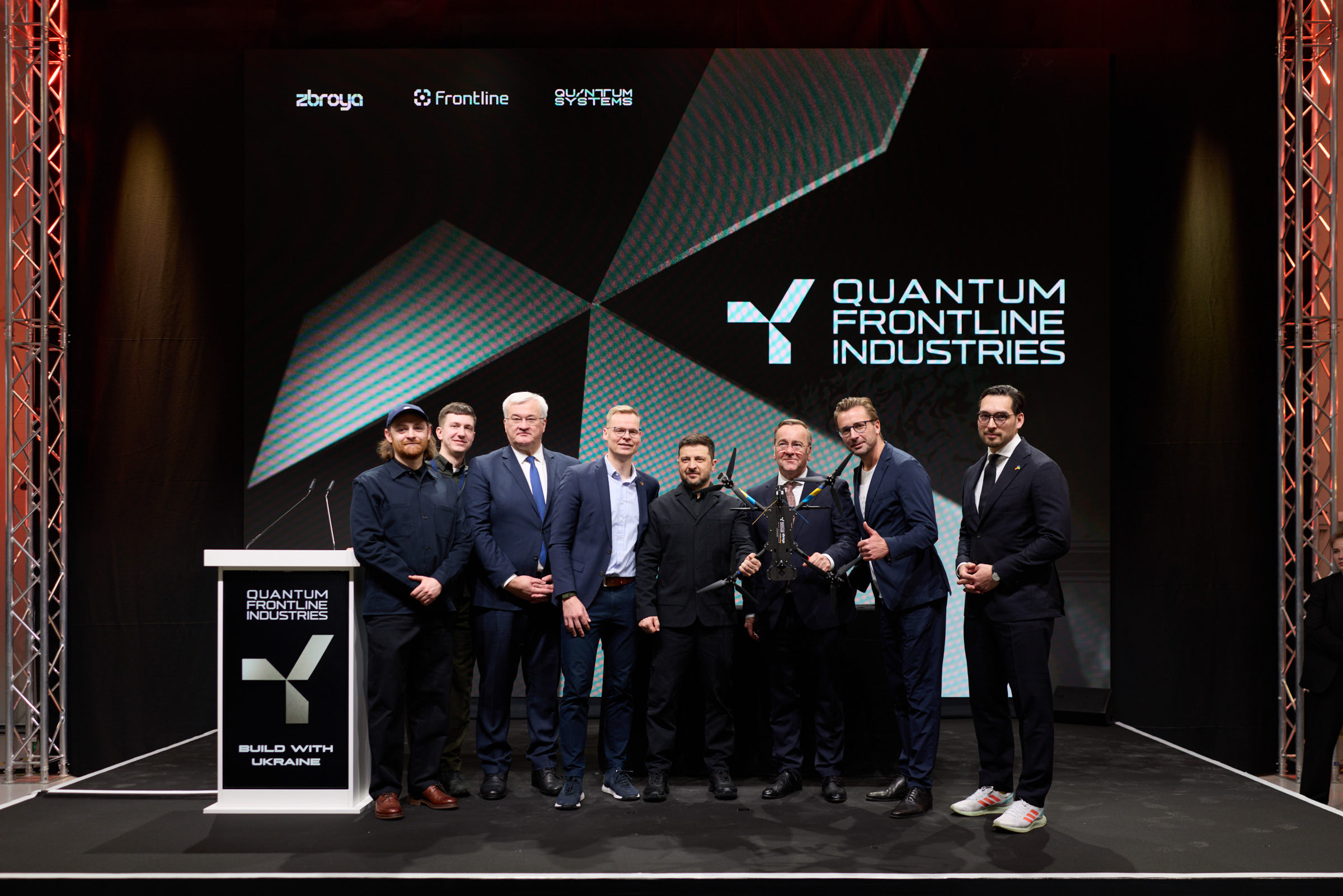
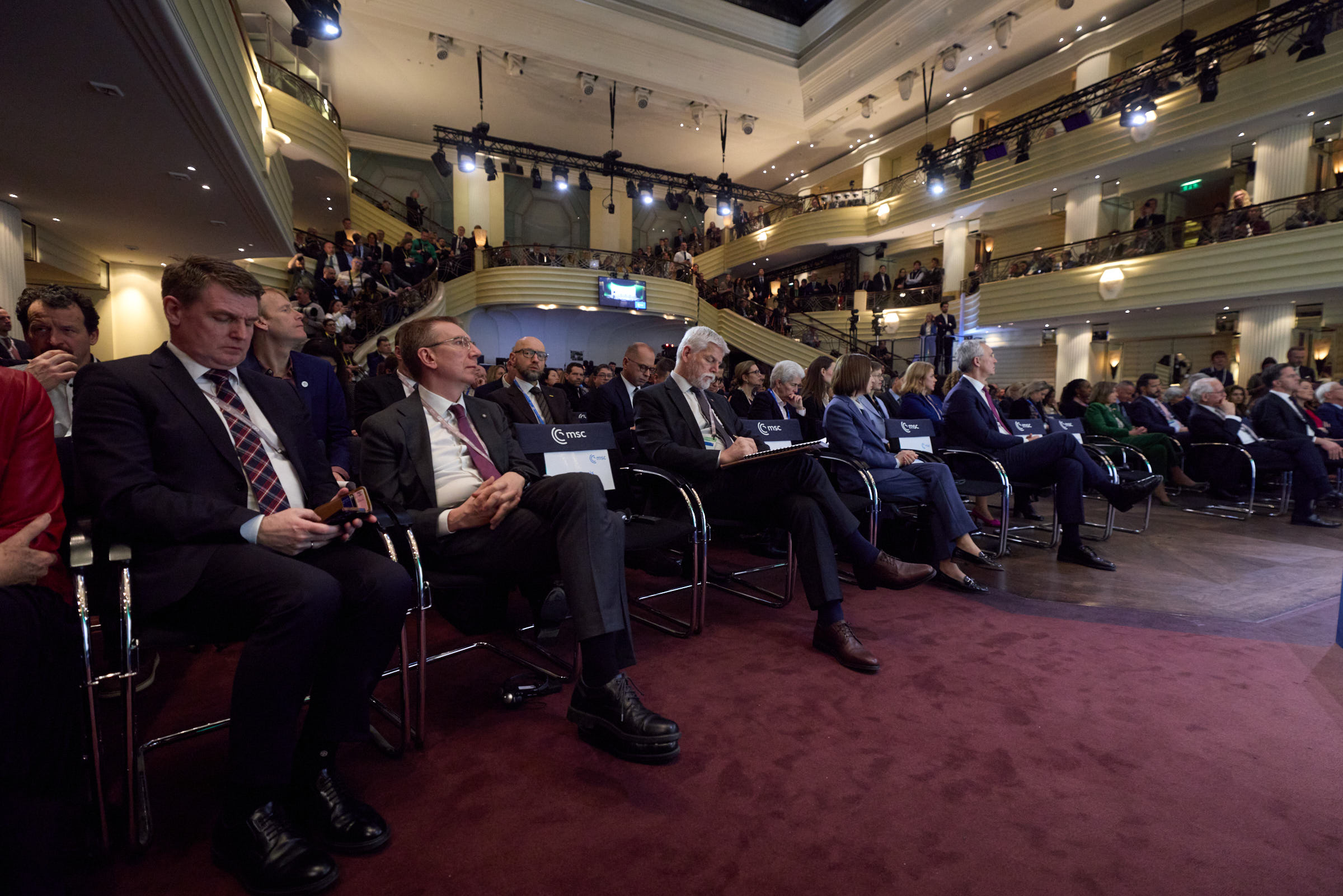
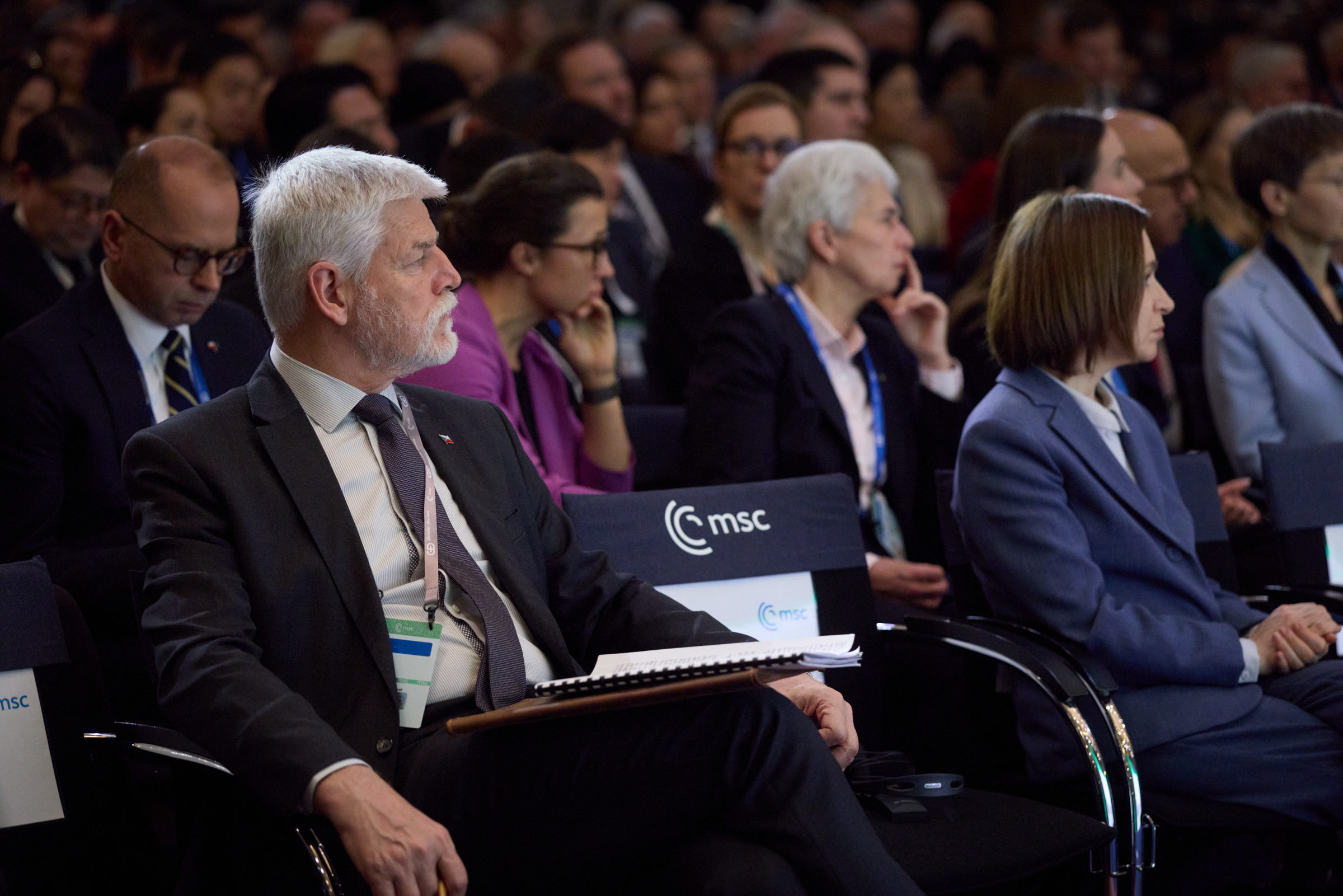
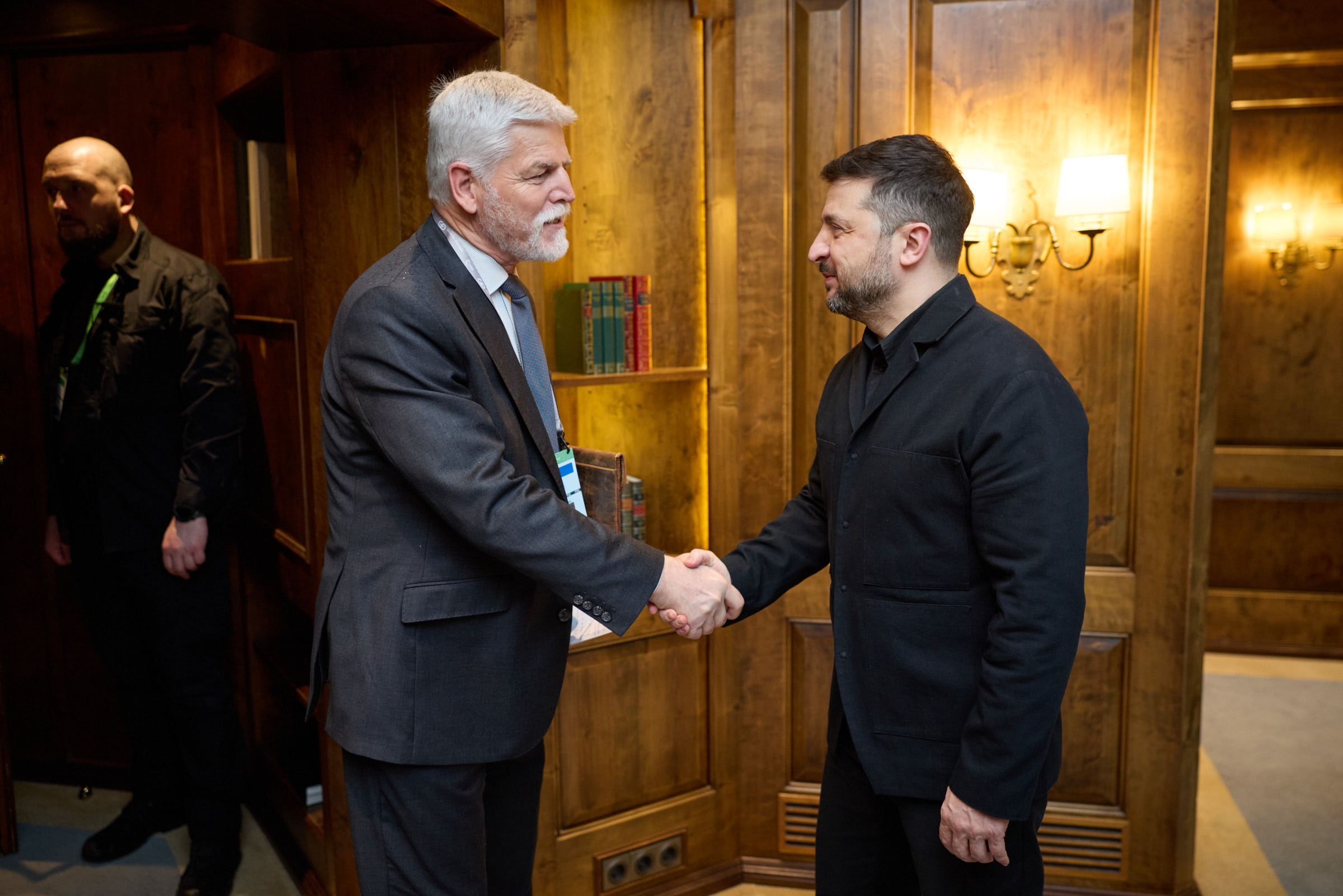
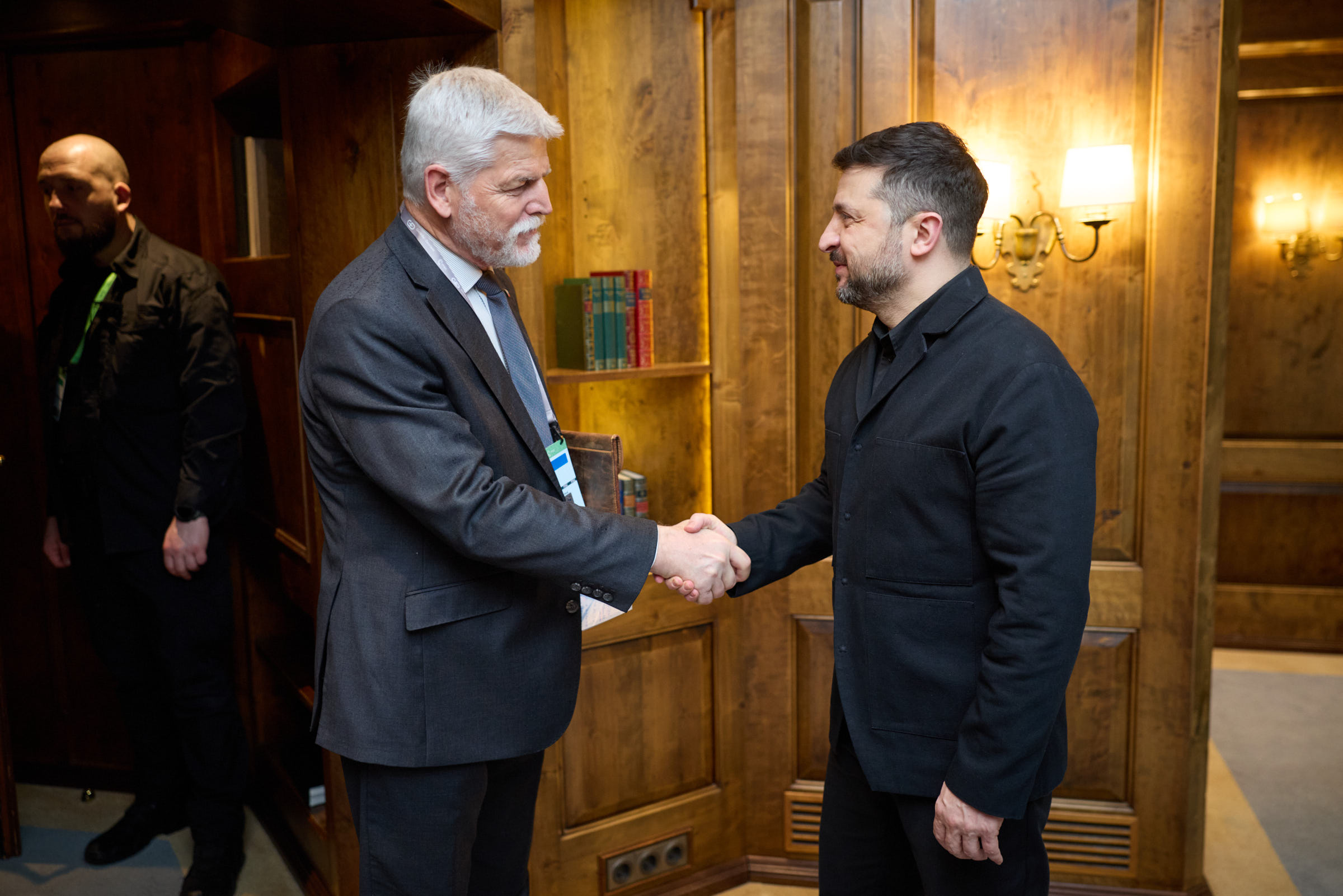
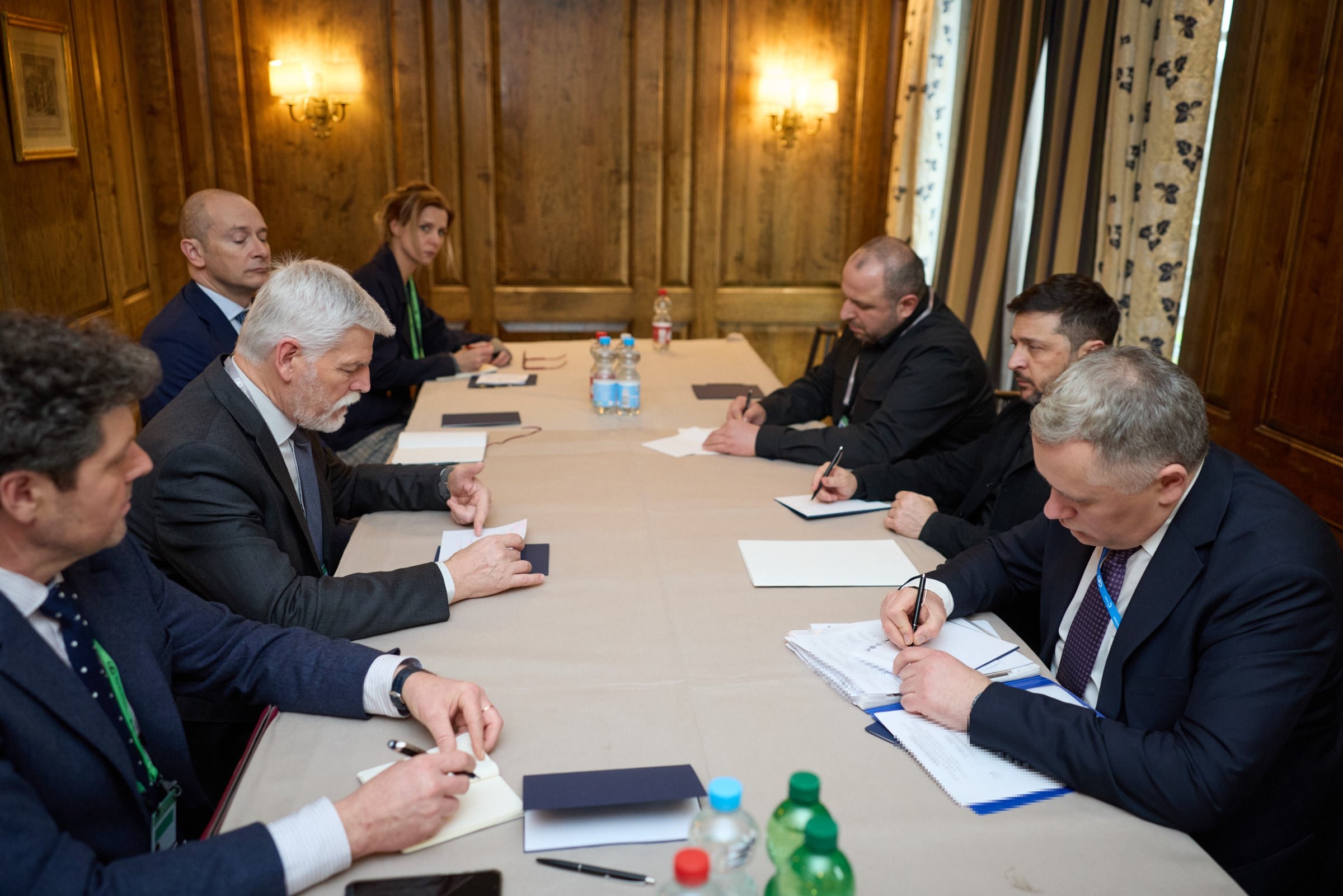
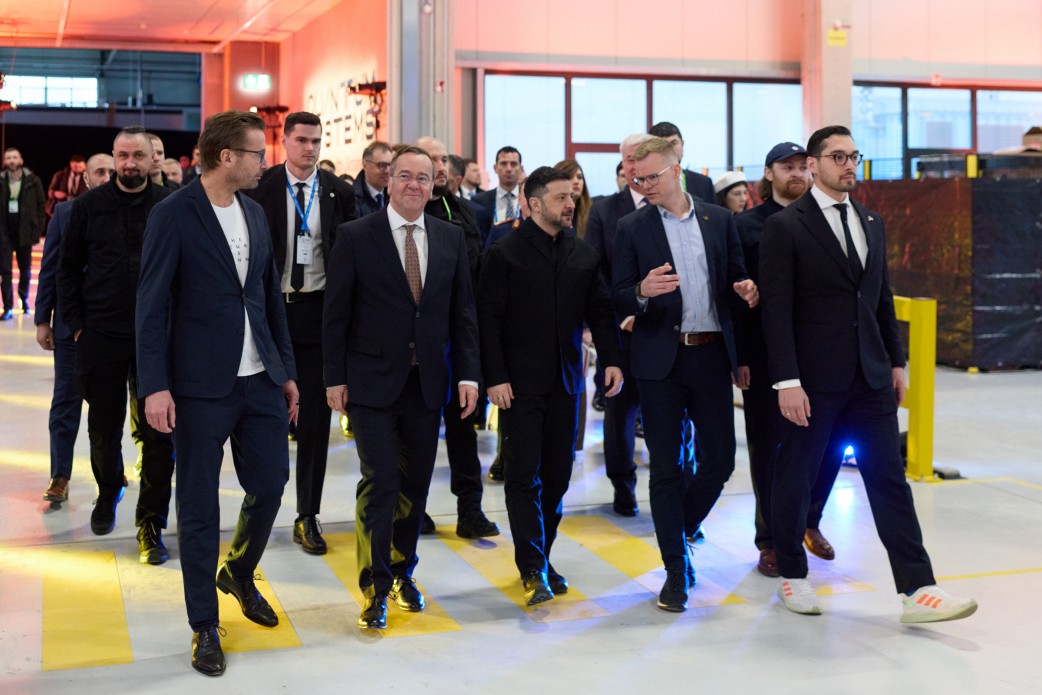
Hundreds of production sites are already operating in Ukraine and in partner countries. We have the Danish model – thanks, Mette, your team, your people – investing in weapons production in Ukraine. We have joint drone production here in Germany – it officially started yesterday. Thanks to everybody and to Friedrich. We have the joint artillery initiative with Czechia. I see… Petr, hi! Thank you so much! We are doing a lot together with the Nordic countries, with the UK, and France, Netherlands, Italy, and Poland, and the United States, Canada, and Türkiye. There are important changes in Japan thanks to the Prime Minister’s Government, and we all value that Japan stands with us in the Coalition of the Willing. There are strong decisions from Europe – including 90 billion euros for two years for us. Thank you so much! This is a serious guarantee of Ukraine’s financial stability. Thank you for every strong decision. For all our joint work.
But let’s not close our eyes to the problem: Russia still has accomplices – regimes like North Korea, and companies across the globe, many of them from China, that bypass sanctions and provide components for Russian weapons, Russian missiles.
On top of that, Putin still has guarantees of financial stability. A large part of those guarantees lies here in Europe – in European seas. Russian oil tankers still move freely along Europe’s shores. In the Baltic Sea. In the North Sea. And in the Mediterranean. In total, Russia still uses more than a thousand tankers. Each of them is, in fact, a floating wallet for the Kremlin.
And I recently discussed this with President Macron, with President von der Leyen, and with other leaders. I thank them for their willingness to fix this. We spoke about updating European legislation – so that Russian tankers can not only be detained, but blocked – this is important – to block all these tankers – and their oil confiscated – the way the United States acts against shadow fleet tankers near its own shores, and it works, really. Without oil money, Putin would not have money for this war. Let’s make it possible.
And now I want to speak about the cost of war on the ground.
What does one month of war mean for Putin?
 Just in December, our forces eliminated 35,000 occupying soldiers – killed and badly wounded. In January, there were fewer Russian assaults and, as a result, Russia’s losses were about 30,000 killed and badly wounded. There is even a clear price Russia pays for every kilometer of occupied Ukrainian land: on the Donetsk front – it’s one of the most intense areas – the price Russia pays for one kilometer now is 156 soldiers. Putin is not concerned about this now. But there is a level at which he will start to care. I’m sure.
Every month, Russia mobilizes about 40,000 people. A little bit more – 42-43 sometimes. Not all of them reach the front line. So overall, the size of the Russian contingent in Ukraine is not growing this year. For our army, the mission is clear – to destroy more Russian occupiers, because they are occupiers. The goal is specific: at least 50,000 per month. Even for Russia, that would be serious. I’m sure. And it would affect Putin’s decisions. Because we are speaking mainly about frontline troops – those leading the assaults and attacks.
Mr. Ischinger said in an interview before this Conference that as long as Ukraine is defending Europe, the danger is not so great. And if we speak plainly – and maybe a bit cynically – that is more or less the situation today. But look at the price. Look at the pain Ukraine has gone through. Look at the suffering Ukraine has faced.
It is Ukrainians who are holding the European front. Behind our people stand an independent Poland and the free Baltic states. There can be a sovereign Moldova and a Romania without dictatorship. And even one Viktor can think about how to grow his belly – not how to grow his army to stop Russian tanks from returning to the streets of Budapest. But none of our people chose to be such heroes. Ukraine did not choose this war. And it is wrong to assume that this is a permanent arrangement – that others can stay safe behind Ukrainian backs forever.
Ukrainians are people, not terminators. Our people are dying too. That is why we are doing everything to stop this war – and to guarantee security.
But the problem is this: Putin is no longer interested in anything else. Putin does not live like ordinary people. He does not walk the streets. You will not see him in a café. His grandchildren do not go to a normal kindergarten in their hometown. He cannot imagine life without power or after power. Normal things do not interest him. Putin “consults” more with Tsar Peter and Empress Catherine about territorial gains than with any living person about real life. Can you imagine Putin without war? Be honest.
Right now, his focus is on Ukraine. And no one in Ukraine believes he will ever let our people go. But he will not let other European nations go either – because he cannot let go of the very idea of war. He may see himself as a tsar, but in reality, he is a slave to war. If he lives another 10 years – we understand, it can be – war can return. Or expand.
That is why we say – there must be real security guarantees. For Ukraine and for Europe. Strong security guarantees.
We know clearly what those guarantees must include. And we have strong agreements ready to sign with the U.S. and with Europe. We think that the agreement on security guarantees should come before any agreement to end the war. Those guarantees answer the main question – how long there will be no war again. We hope President Trump hears us. We hope the Congress hears us. We hope American people hear us. And we are grateful for all the real help. Thank you.
And we are doing everything – truly everything – to end this war. And this war can end, and security can be guaranteed.
Before the invasion began, we told the world: act now. Please, act preventively, so the invasion does not happen.
 I sent our Commander-in-Chief at the time – General Zaluzhnyi – to speak with the American side and to explain what Ukraine needed to defend itself. I said – tell them we need Javelins, Stingers, real weapons, something real to stop the Russian army so they see we are not standing with bare hands. It was very important. But the most “practical” advice General Milley could give Ukraine at that time was simply “dig trenches.” That is the answer my Commander-in-Chief brought back. Just imagine. Hundreds of thousands of Russian troops on your borders, massive military equipment, and all you hear is: “dig trenches.”
So if Russian troops enter Lithuania – God forbid, just as an example – or another country on NATO’s eastern flank – what will the allies hear then?
Will they hear that “help is on the way”? I hope so. Or will they hear: “dig trenches”? Or something else…
We must have the ability to give a strong response to the threat. That is why we are talking about a joint European defense policy. That is why we need American backstop. That is why Europe needs Ukraine.
The Ukrainian army is the strongest army in Europe. Thanks to our heroes. And I think it is simply not smart to keep this army outside NATO. But at the very least, let that be your decision, friends – not Putin’s decision, please.
And today, among the things that unite Europe most strongly, there is also fear. Not fear that Ukraine might one day join NATO – but fear about whether NATO will even exist. But we support NATO and hope that each day NATO will be stronger and stronger. God bless. And right now, much of our cooperation with Europe and with other NATO partners – and cooperation inside the Alliance, including the historic decision to move toward 5 percent of GDP on defense – is a response to that fear. I think – it is a correction of past mistakes. And it is an investment in the future, in security. And it is a guarantee that NATO will not only exist – but will act, if God forbid it is ever needed.
Dear ladies and gentlemen,
More and more often now, many former officials from different countries say they “warned” about this war and that they said the invasion would happen. They “remember” what they said – and in most cases, they greatly improve their own story. But none of them can say what they actually did to prevent the invasion. All these stories are about one thing – just one thing – shifting responsibility away from themselves.
What did Russia see in 2021? Putin sat as an equal with the President of the U.S. – in Geneva. And he felt he could reshape Europe – and the world. There were no preventive sanctions against Russia, and there were no serious defense packages to show that we could stand up to Russia. Look, now, our great guy, our athlete – Vladyslav Heraskevych – was disqualified at the Olympics simply for the intention to wear a helmet showing the faces of athletes killed by Russia in this war. He was disqualified for the intention. When in 2021 we clearly saw Putin’s intent – and asked for preventive sanctions to stop the invasion, we were told – first there must be a crime, and only then can there be punishment. Kamala Harris – I remember – said this. But with Russia, you cannot leave a single loophole Russians can use to start a war. As they say in Russia – first get into the fight, and then we’ll see what happens. That is how they do everything. That is how they start wars. And that is how they conduct negotiations – not to end a war, but to avoid ending it – and just to buy time.
As people now look back at the time before the Russian invasion, what will be said about this moment 4 years from now?
And will some of today’s powerful leaders look for ways to avoid responsibility – and to justify themselves?
As there were different options before the invasion, there are options now. I think so.
When we say that Russia must not be rewarded for this war, we are saying the same thing we said before the invasion. Russia must not be given hope that it can get away with this crime. Everyone must respond already at the stage of intent – the intent to kill, the temptation to continue aggression.
Please remember the moment when Russia began to take diplomacy most seriously in these 4 years. It was when our deep strikes against Russian oil refineries began to work – and when everyone started talking about Tomahawks. That shows exactly how to deal with Russia – and what Russia actually hears. It hears strength. The stronger we are, the more realistic peace becomes.
A lot of time now is spent on negotiations. We truly hope that the trilateral meetings next week will be serious, substantive, and helpful for all of us.
But honestly – sometimes it feels like the sides are talking about completely different things. The Russians often speak about some “spirit of Anchorage” and we can only guess what they really mean. The Americans often return to the topic of concessions – and too often those concessions are discussed in the context only of Ukraine – not Russia. Europe is practically not present at the table. It’s a big mistake, to my mind. And it is we – Ukrainians – who are trying to bring Europe fully into the process, so that Europe’s interests and voice are taken into account. This is very important. And Ukraine keeps returning to one simple point – peace can only be built on clear security guarantees. Where there is no clear security system, war always returns.
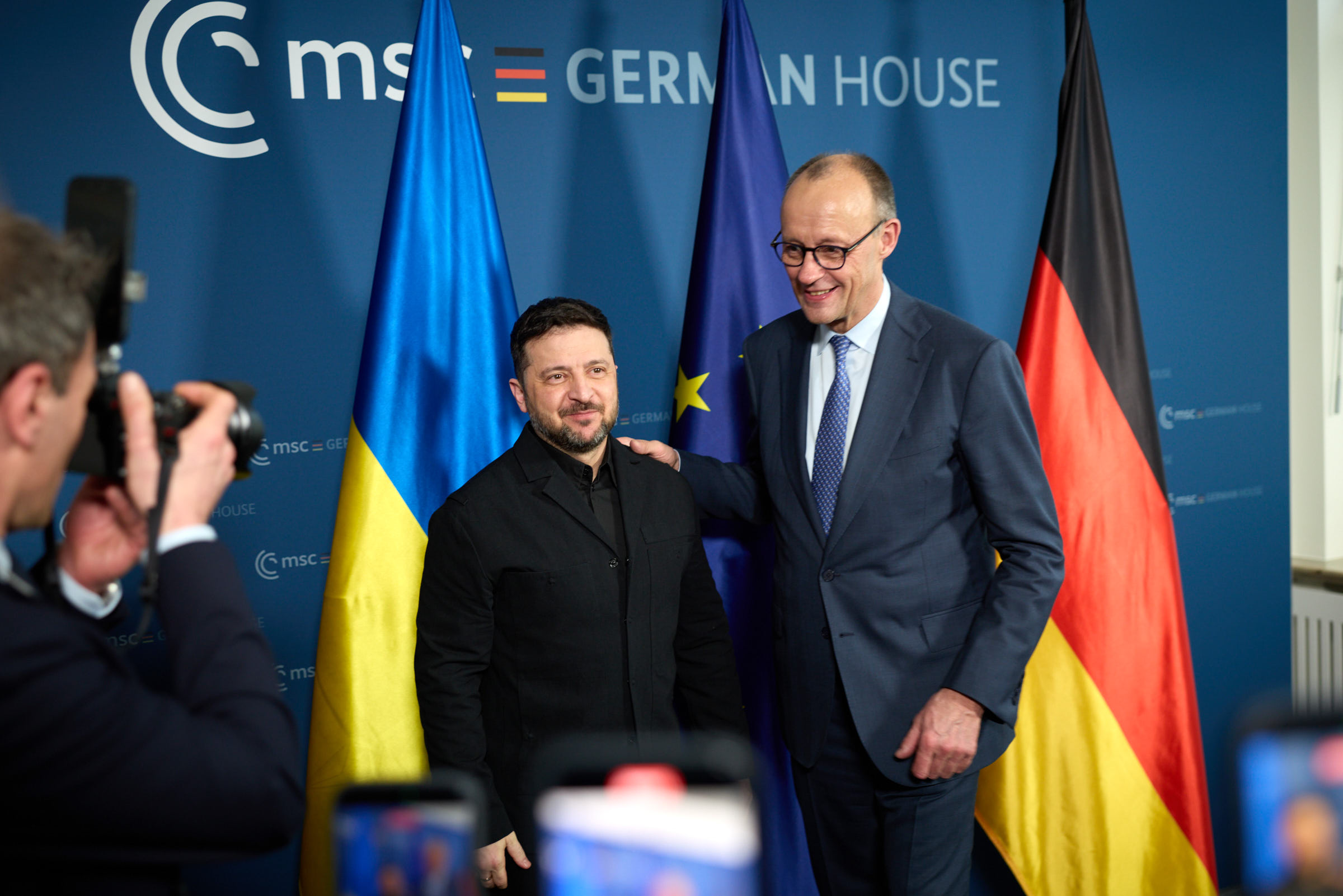
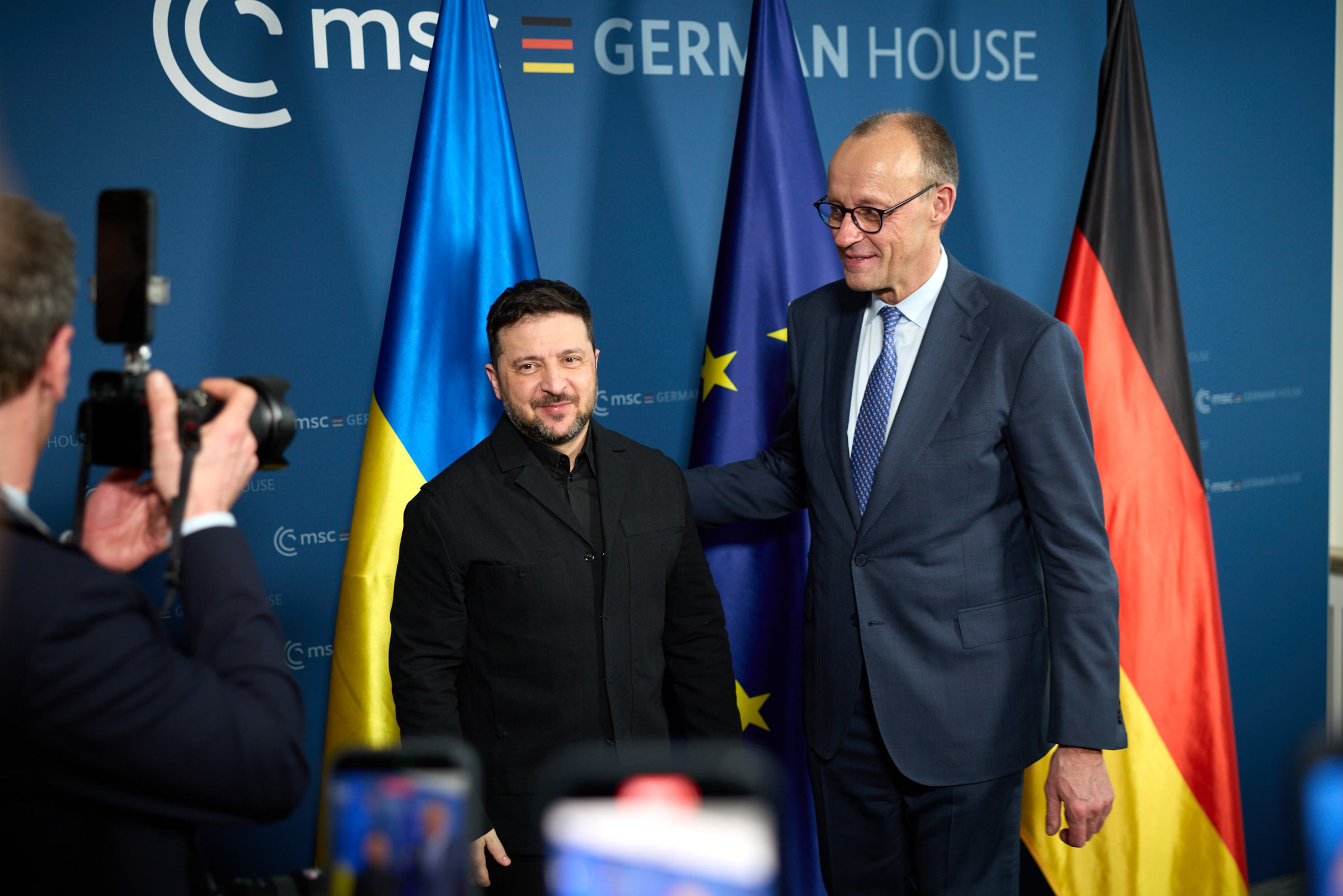
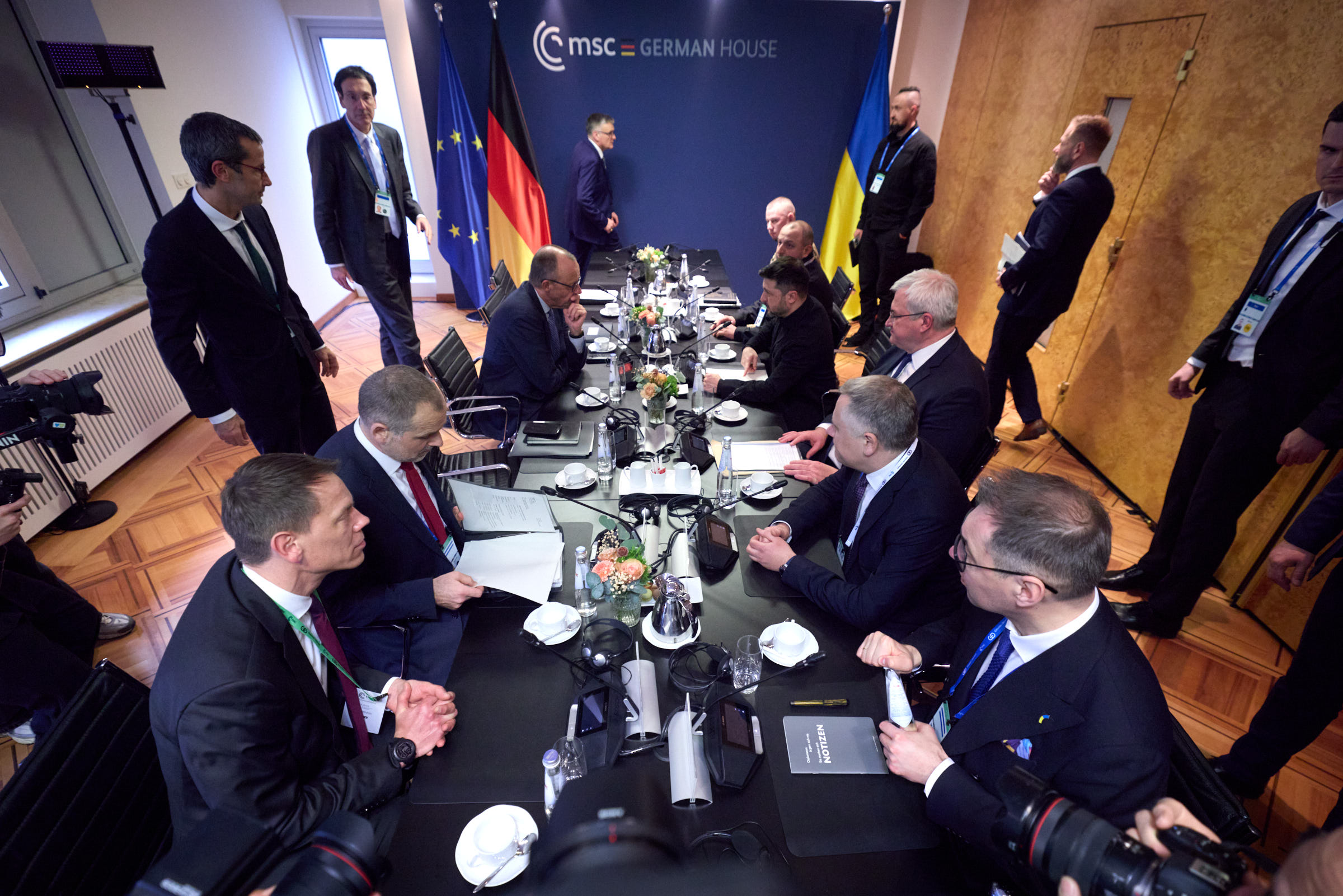
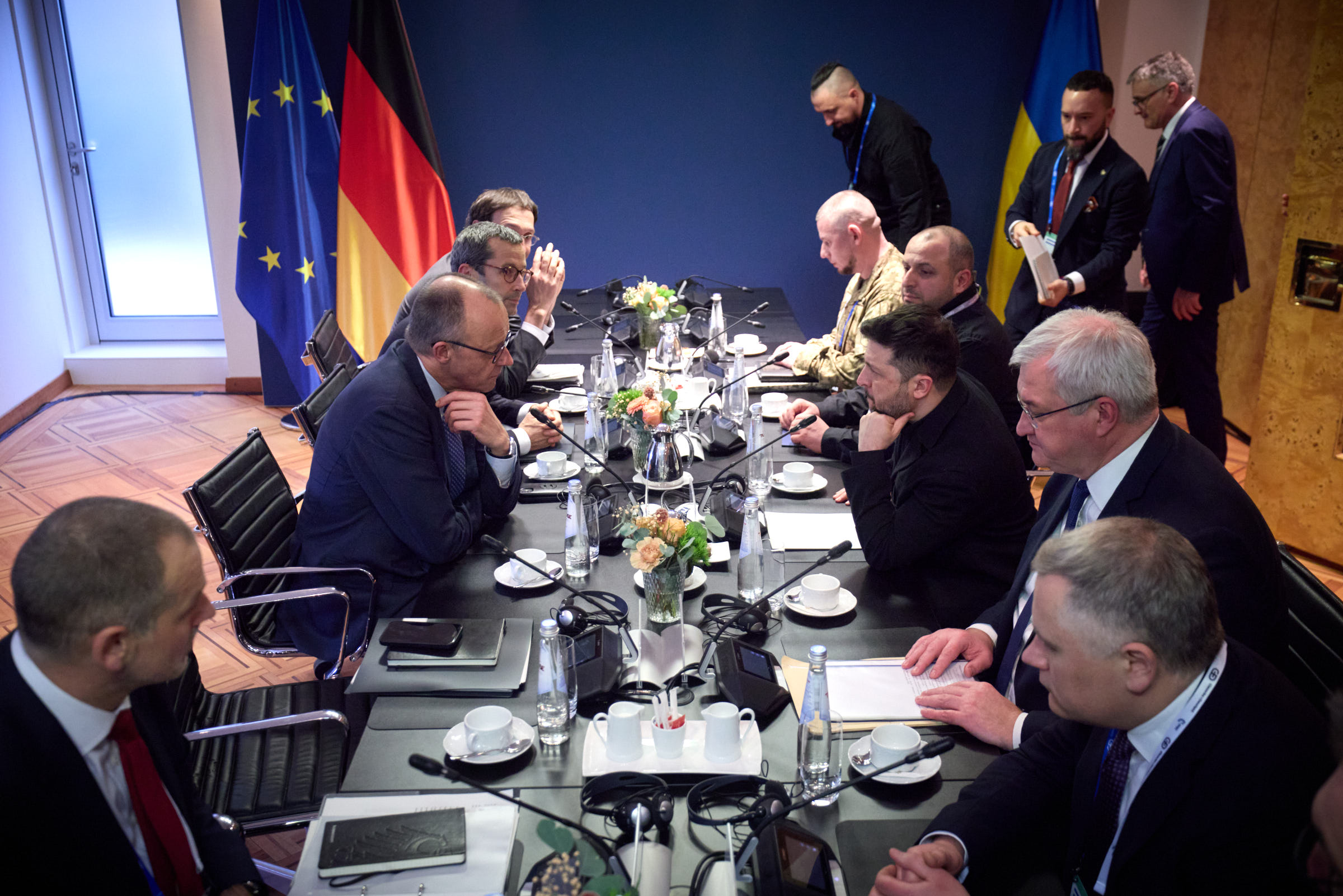
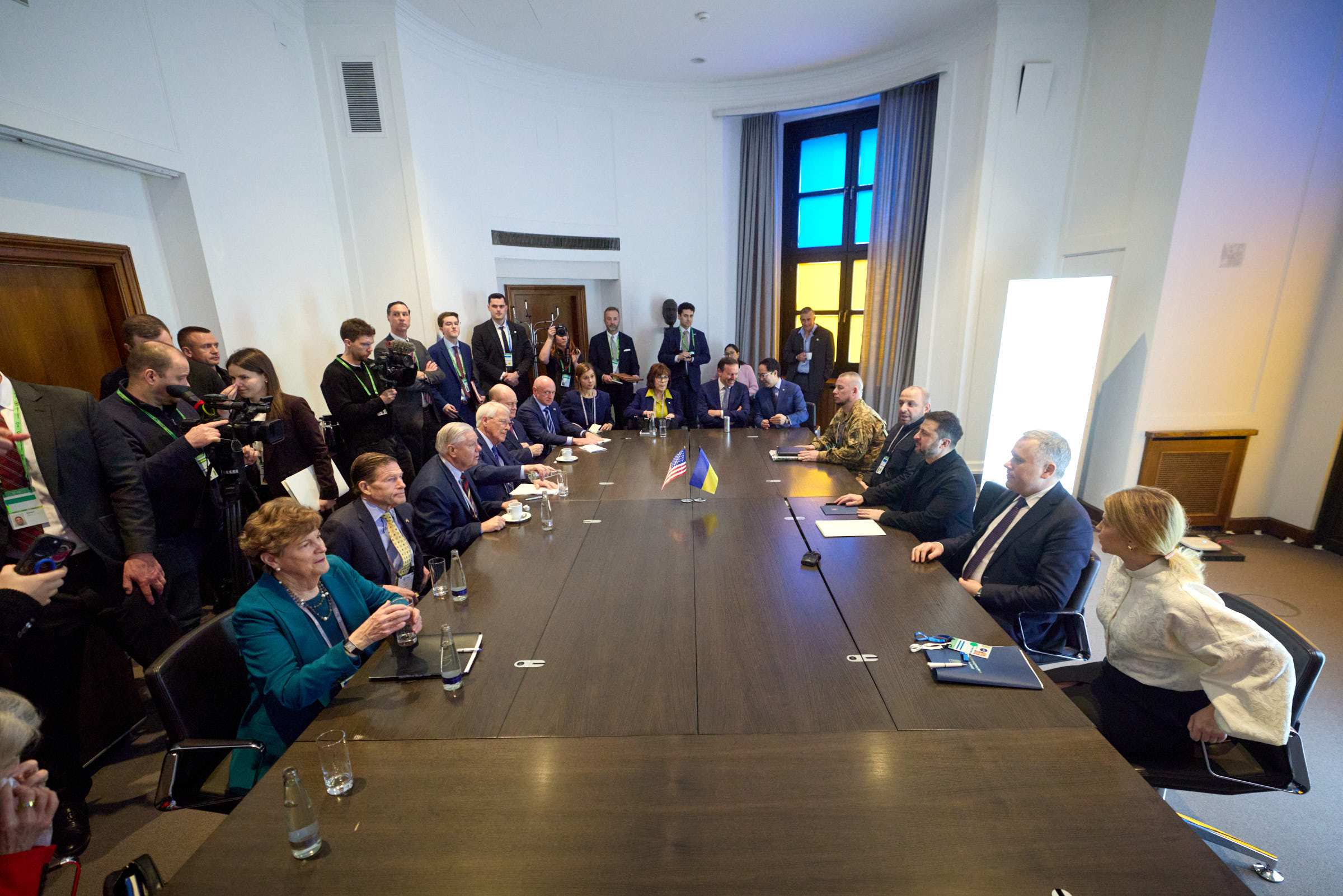
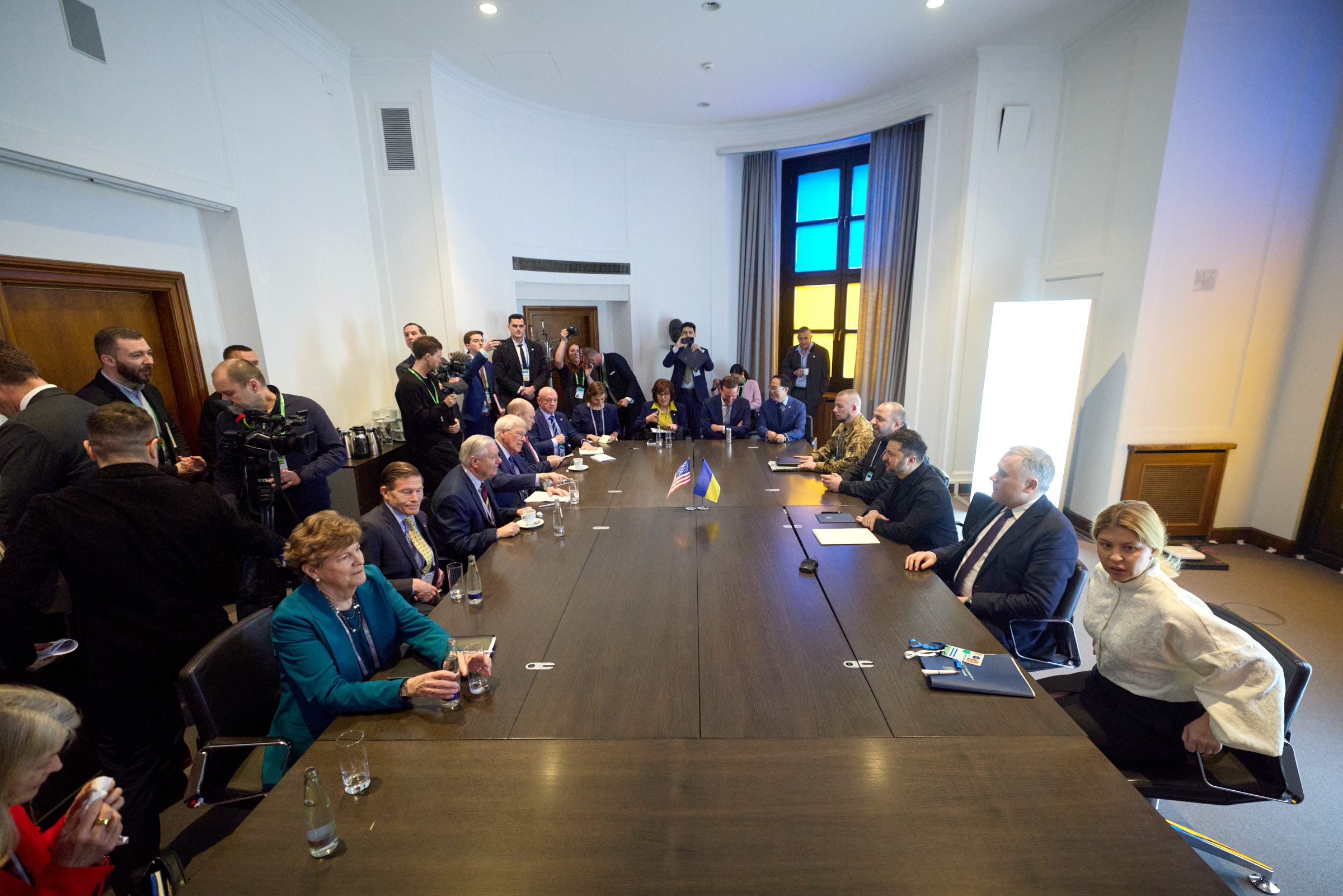
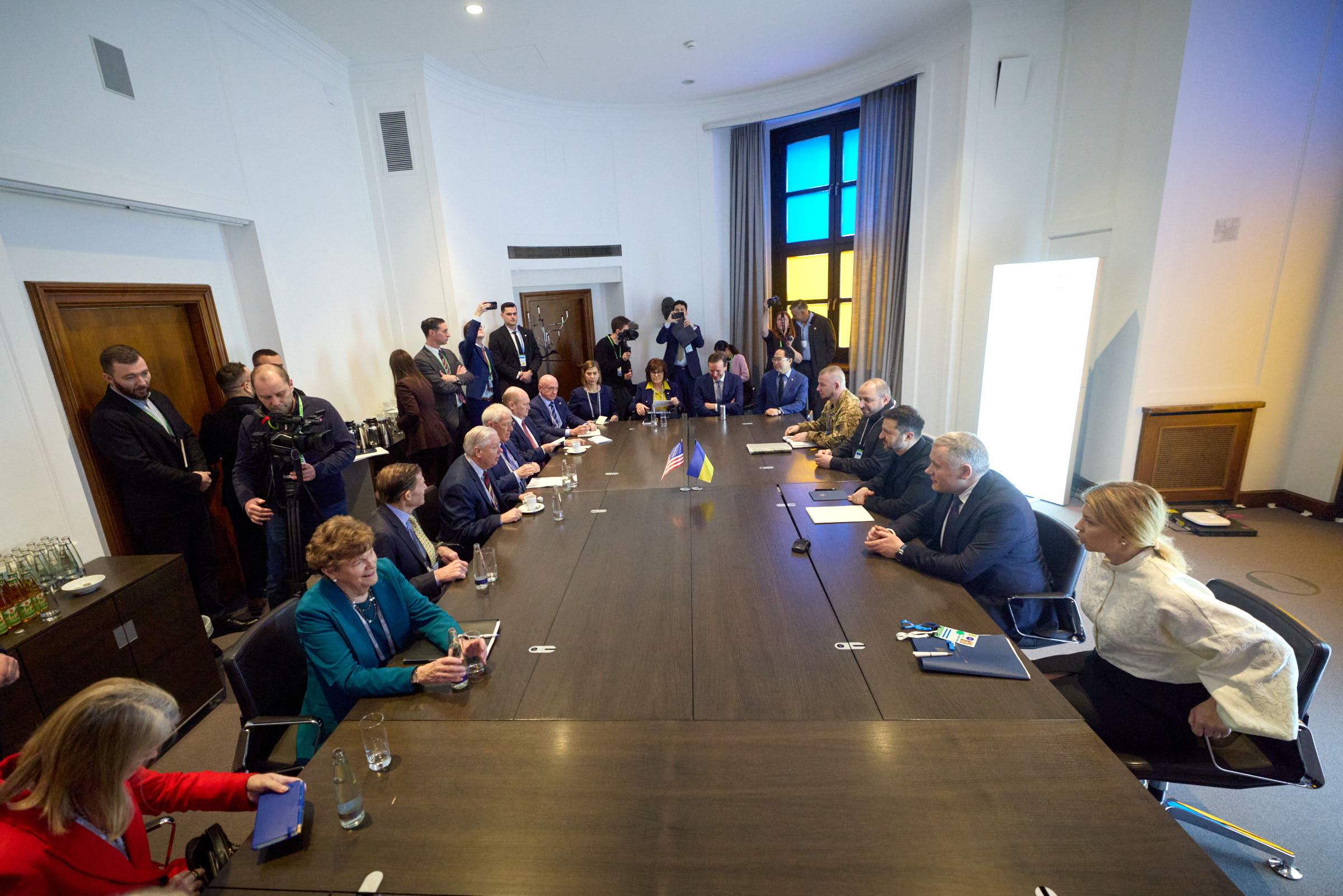
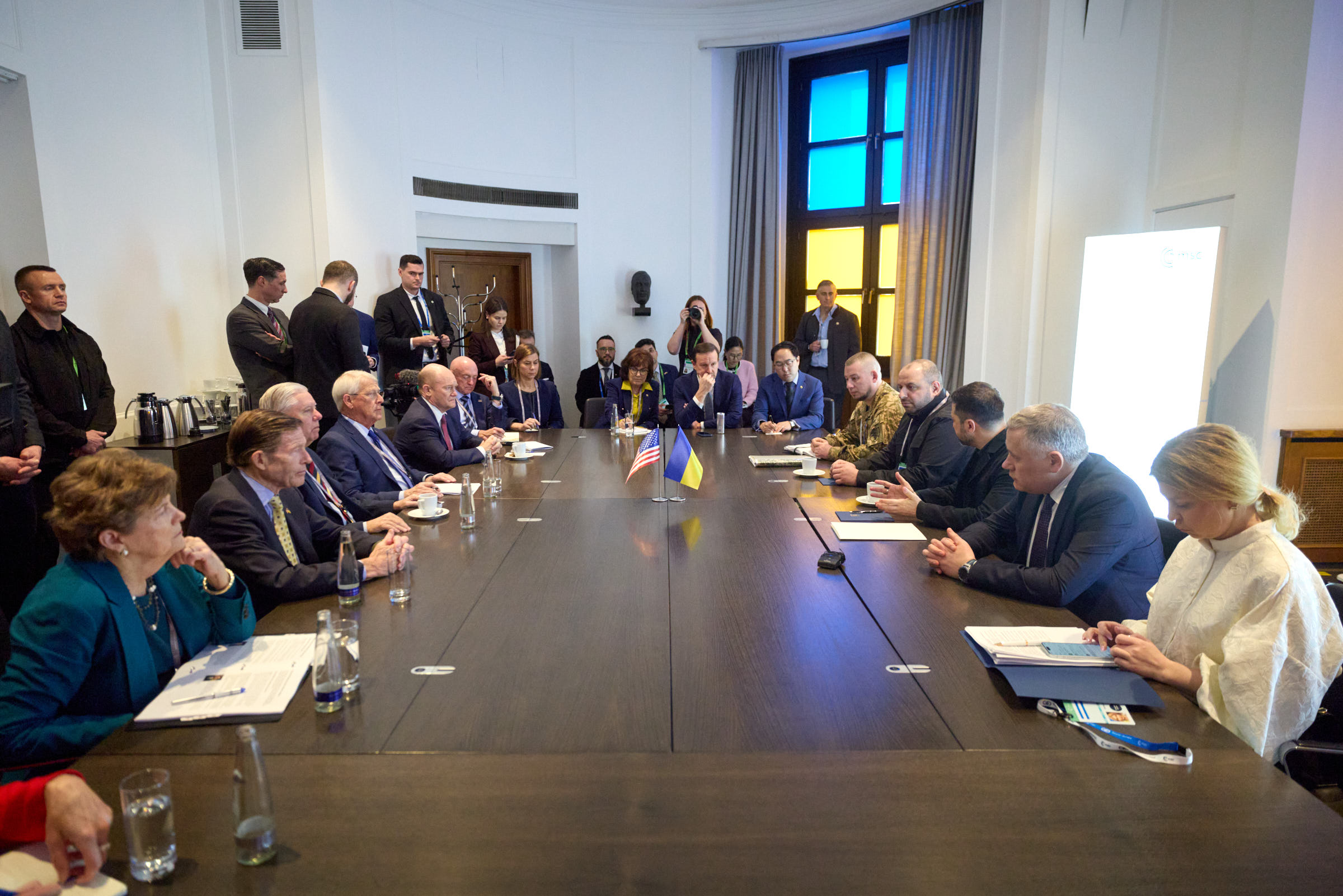
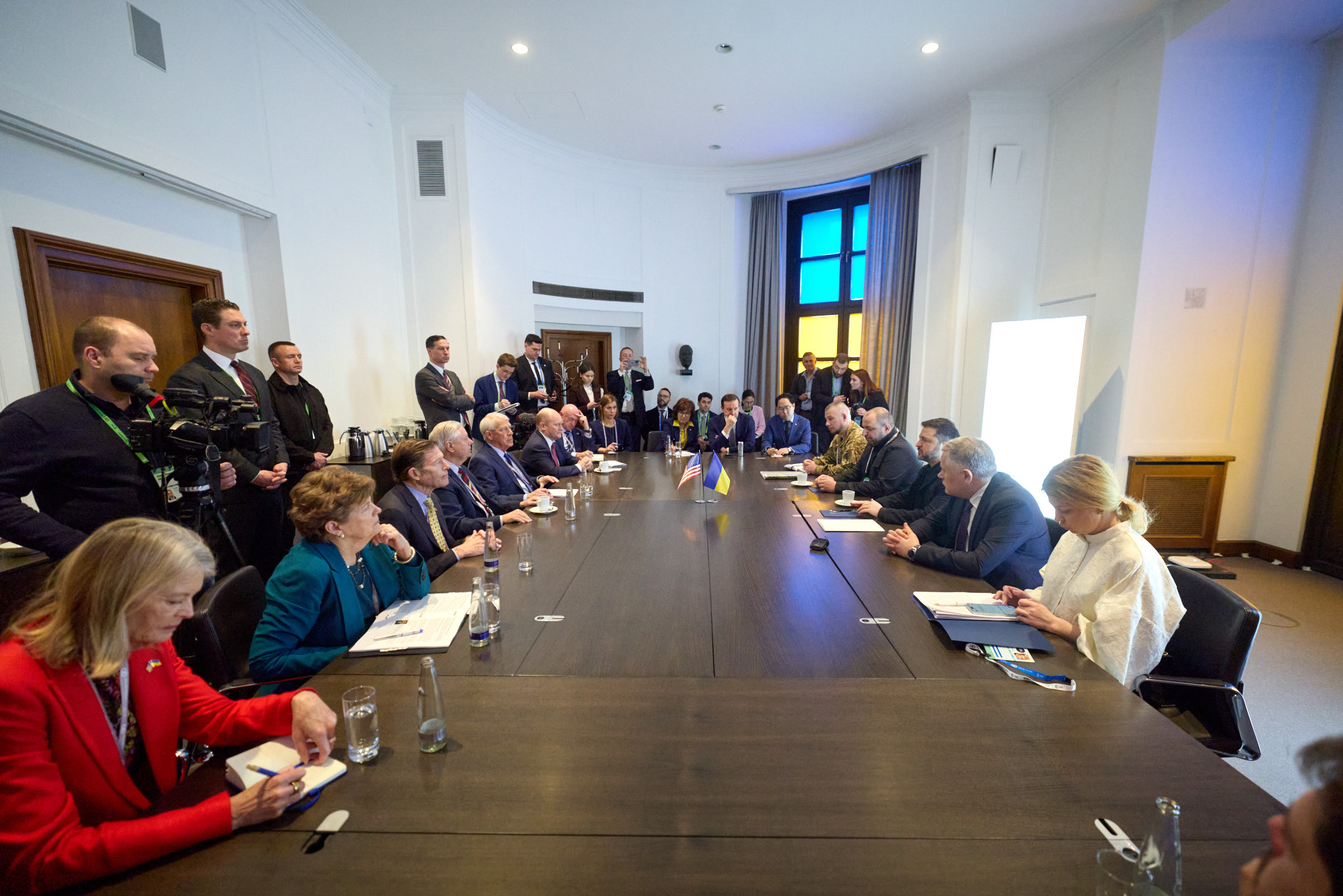
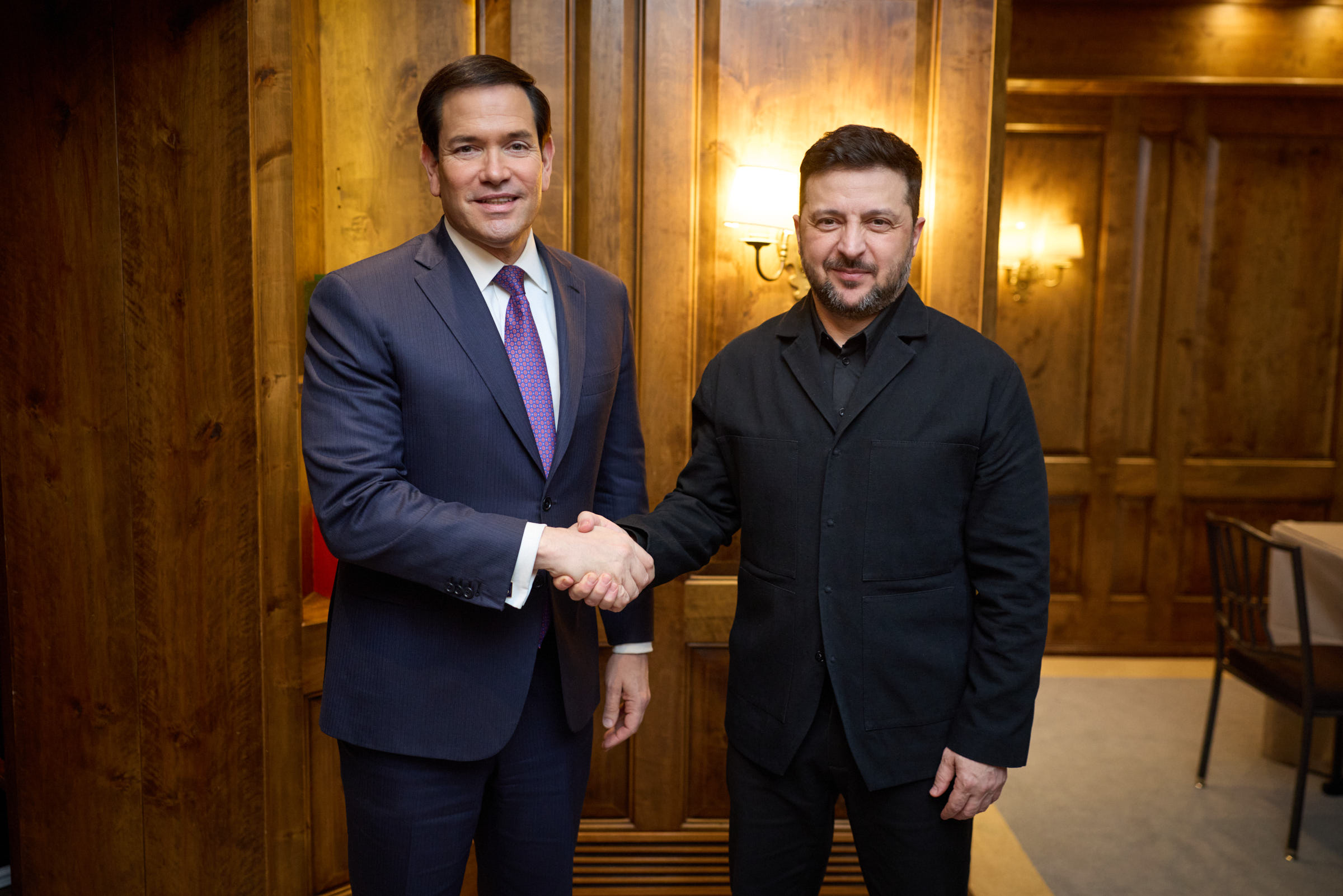
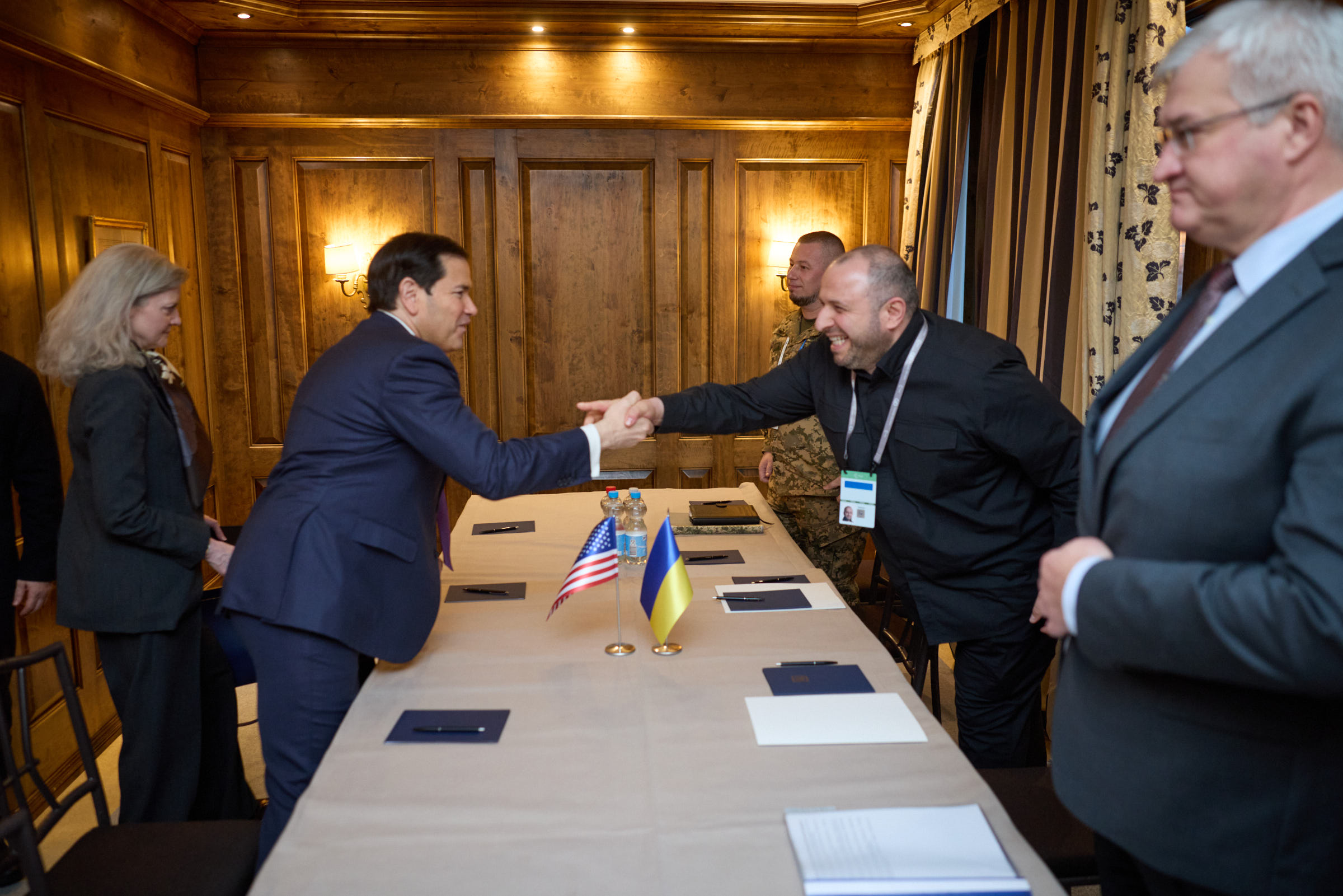
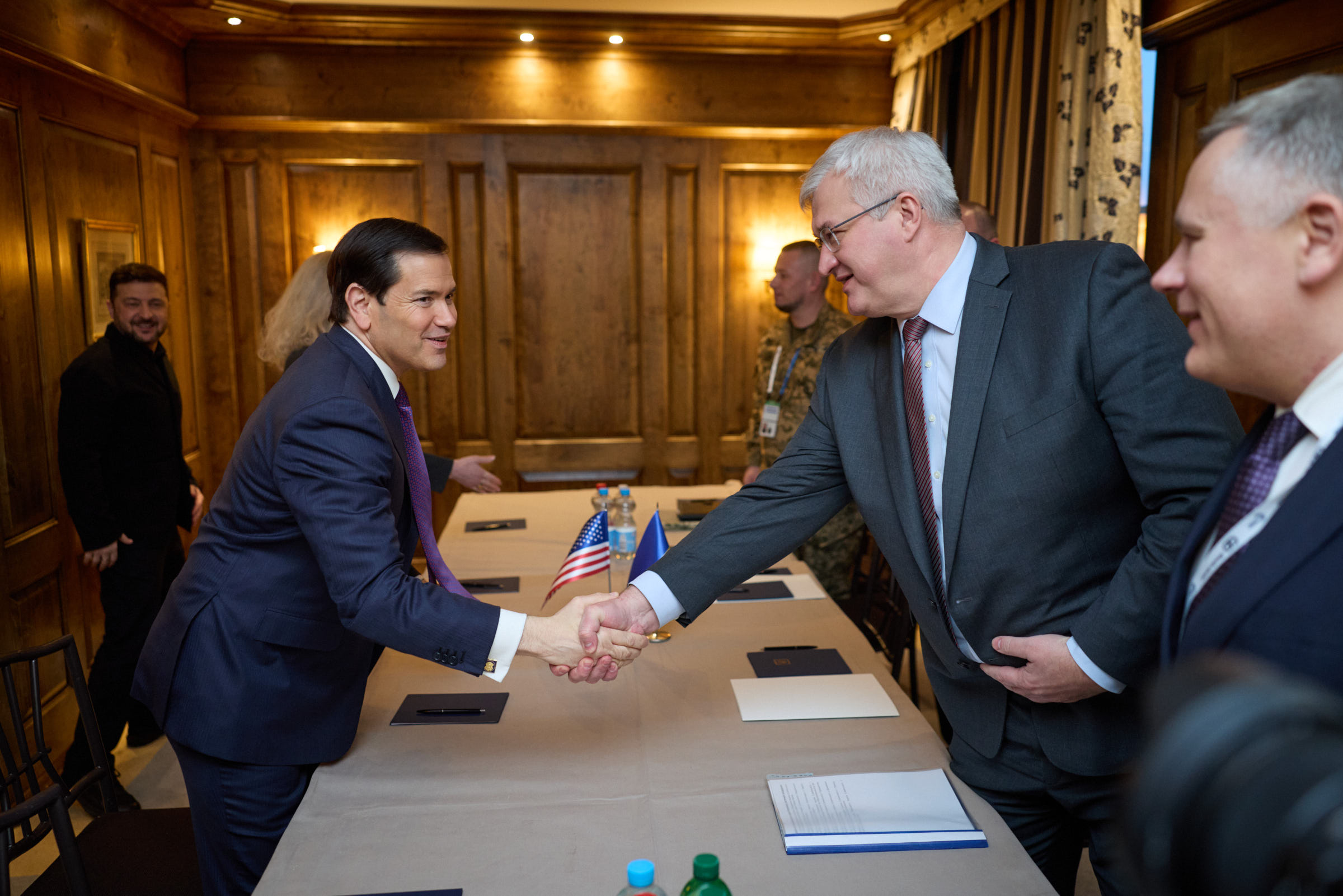
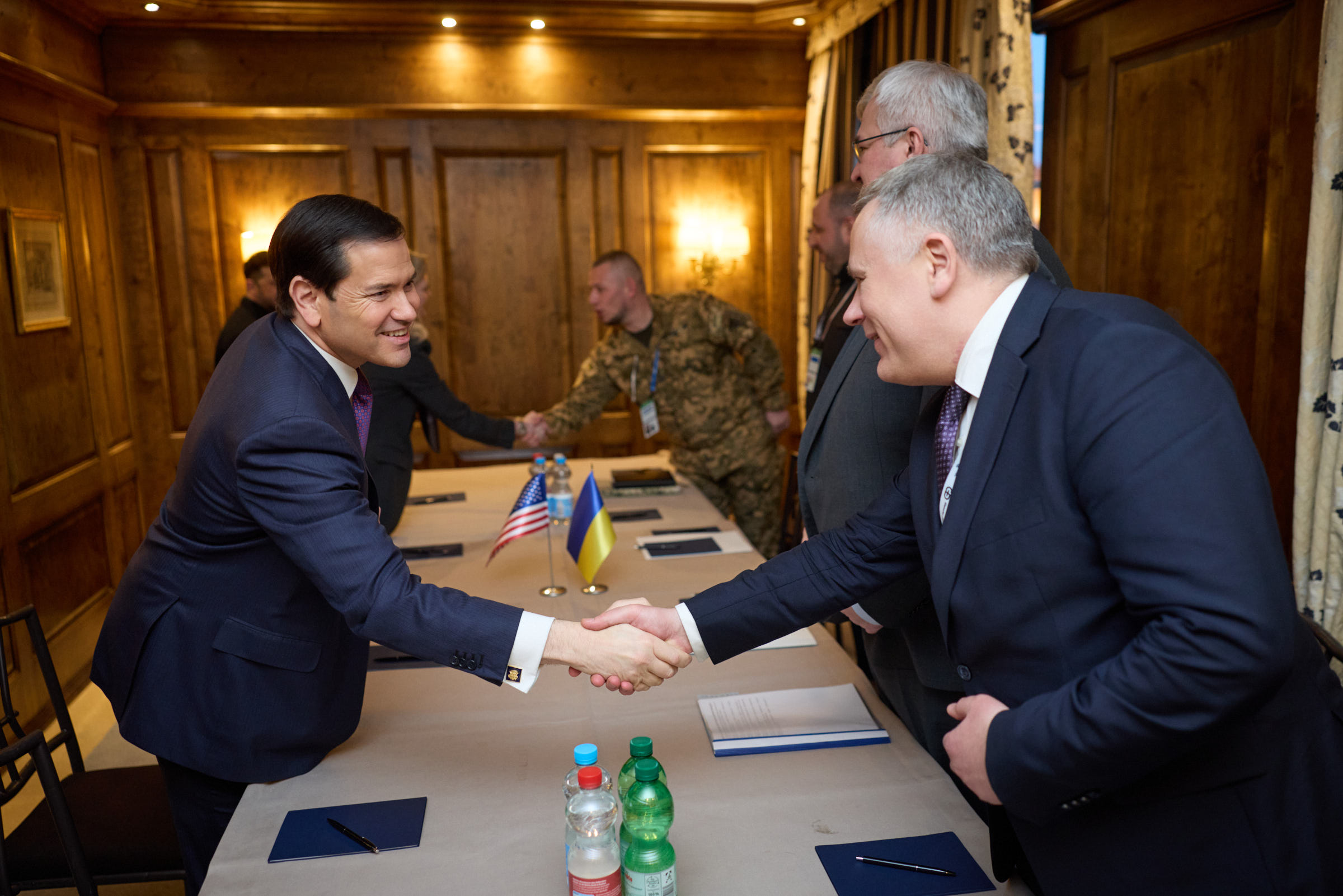
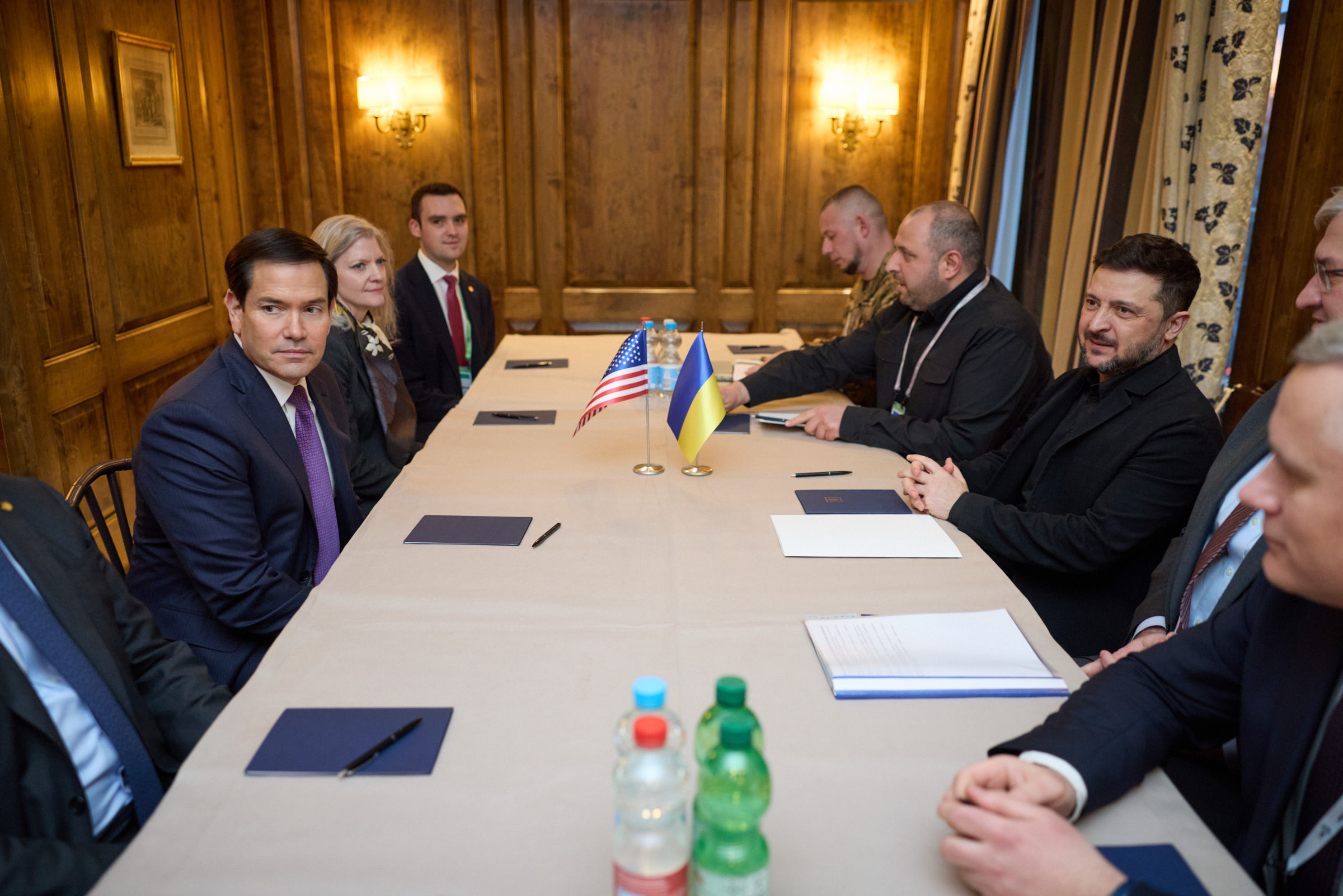
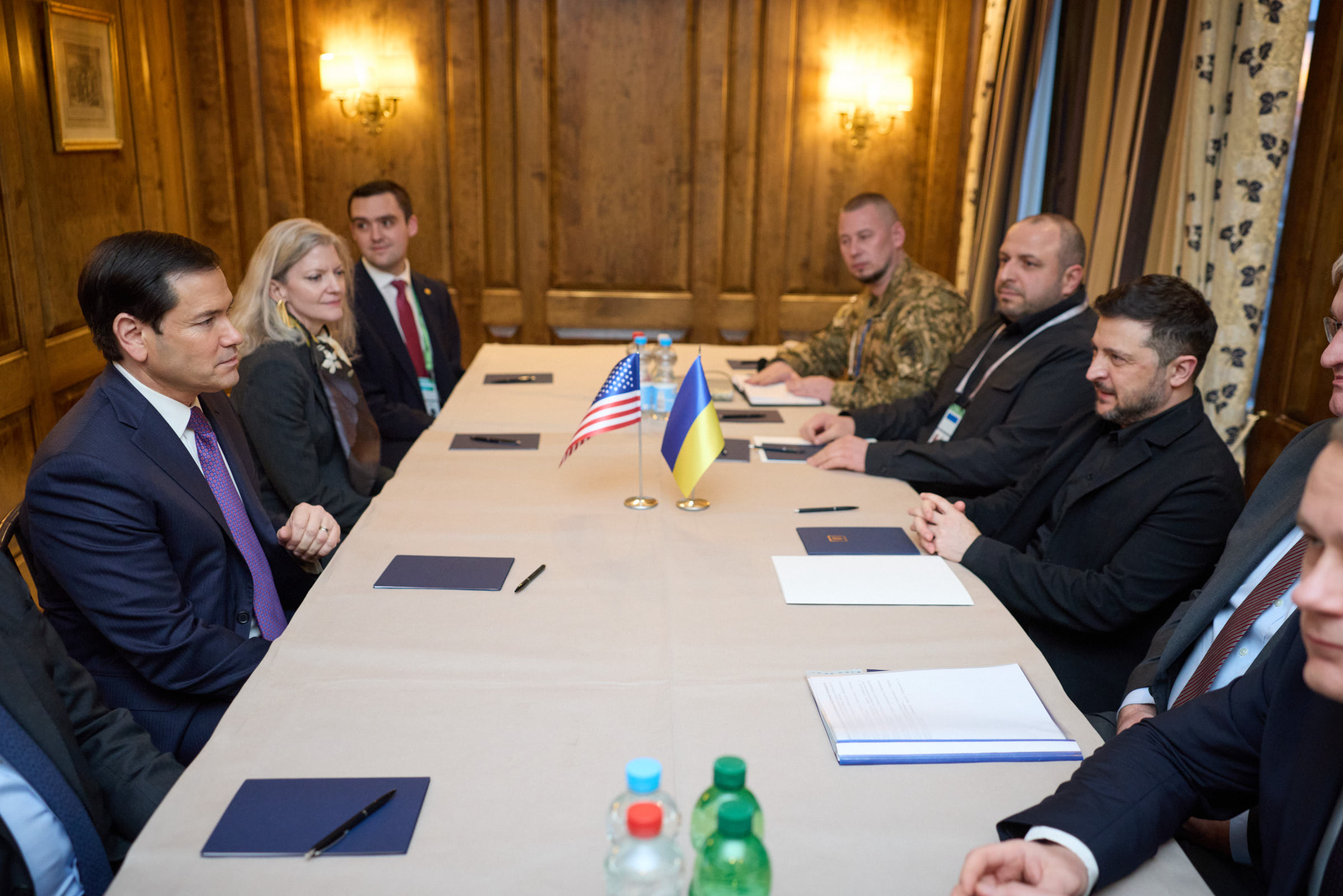
Ukraine will do everything – truly everything – to make these negotiations successful. We have invested in this process. We are in constant contact with Steve Witkoff, with Jared Kushner – and with everyone President Trump appoints. Today, we are meeting with Secretary of State Marco Rubio. And Ukraine wants the result of all these efforts to be real security and real peace.
Real peace. Not what came out of Geneva in 2021. Not what the Russians hope for – from this so-called “spirit of Anchorage”. It seems Putin hopes to repeat Munich. Not Munich 2007, when he only spoke about dividing Europe – but Munich 1938, when “previous Putin” began dividing Europe in reality. It would be an illusion to believe that this war can now be reliably ended by dividing Ukraine – just as it was an illusion to believe that sacrificing Czechoslovakia would save Europe from a greater war.
And when people ask today what the price of a deal could be, our answer is simple – the main thing is that in 4 years the civilized world is not forced to justify itself again – to shift the responsibility – and not forced again to look for someone else to blame.
Dear friends,
Ukraine is ready for a deal that brings real peace to us, to Ukraine, to Europe. I am confident that this war can be ended – and ended with dignity. This is the most important for us – with dignity. We have given our partners everything we believe such a deal must include. We are ready to invest in common security everything we have learned while defending ourselves during these years of this war. We can clearly answer most of the security questions that were raised at this Conference yesterday – and that will be raised today.
Right now, as we work together to protect lives in Ukraine, we are building a new system – a new security and response architecture, new approaches – to protect lives in any European country when needed. Our wall of drones is your wall of drones. Our expertise in drones is part of your security. Our ability to stop assaults and Russian sabotage can also be part of your defense. Europe needs a real common defense policy – just as it already has so much in common in the economy, in law, and in social policy.
Please, pay attention to Ukraine. And if exactly that had happened earlier, this war would not have begun.
Thank you. Glory to Ukraine!