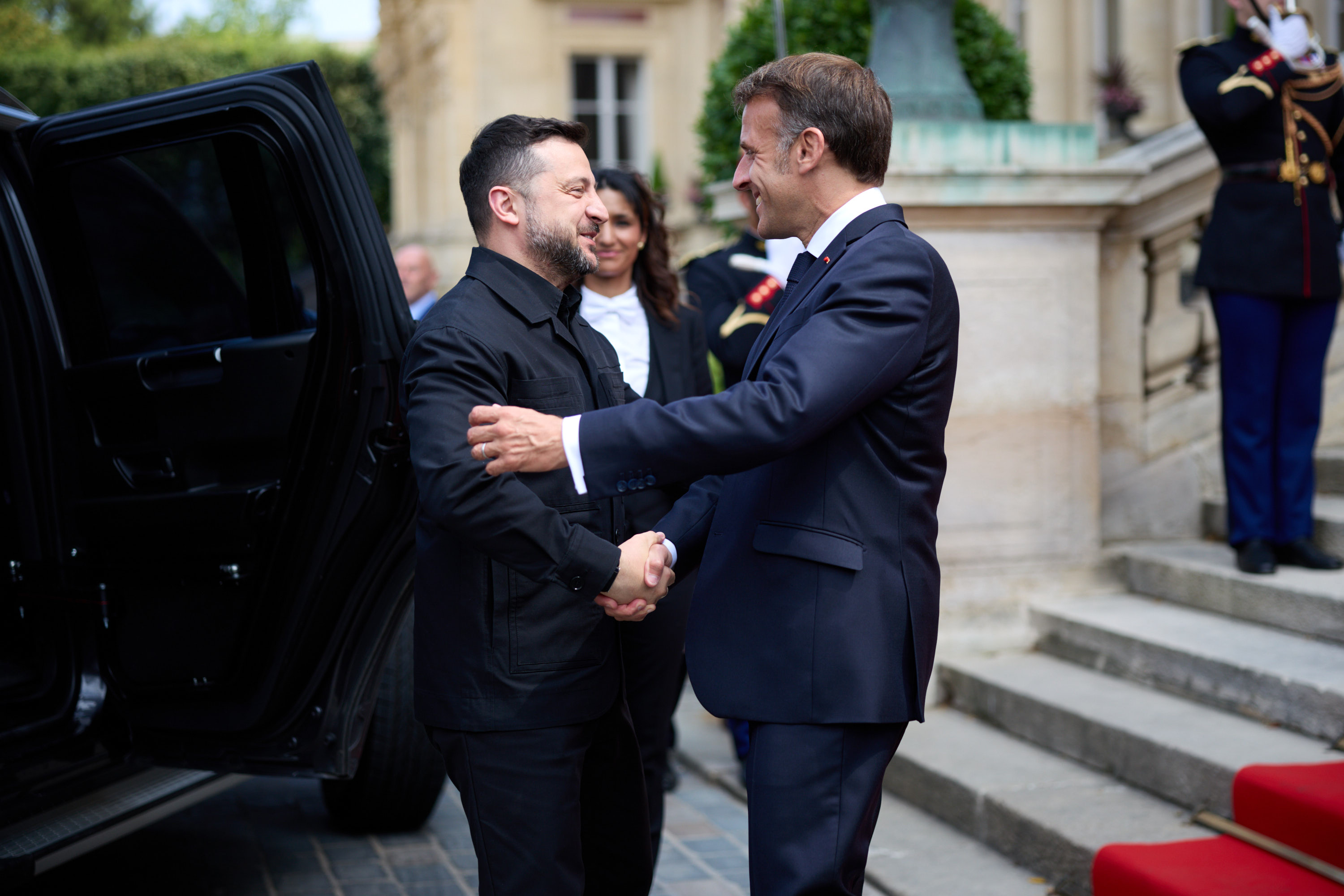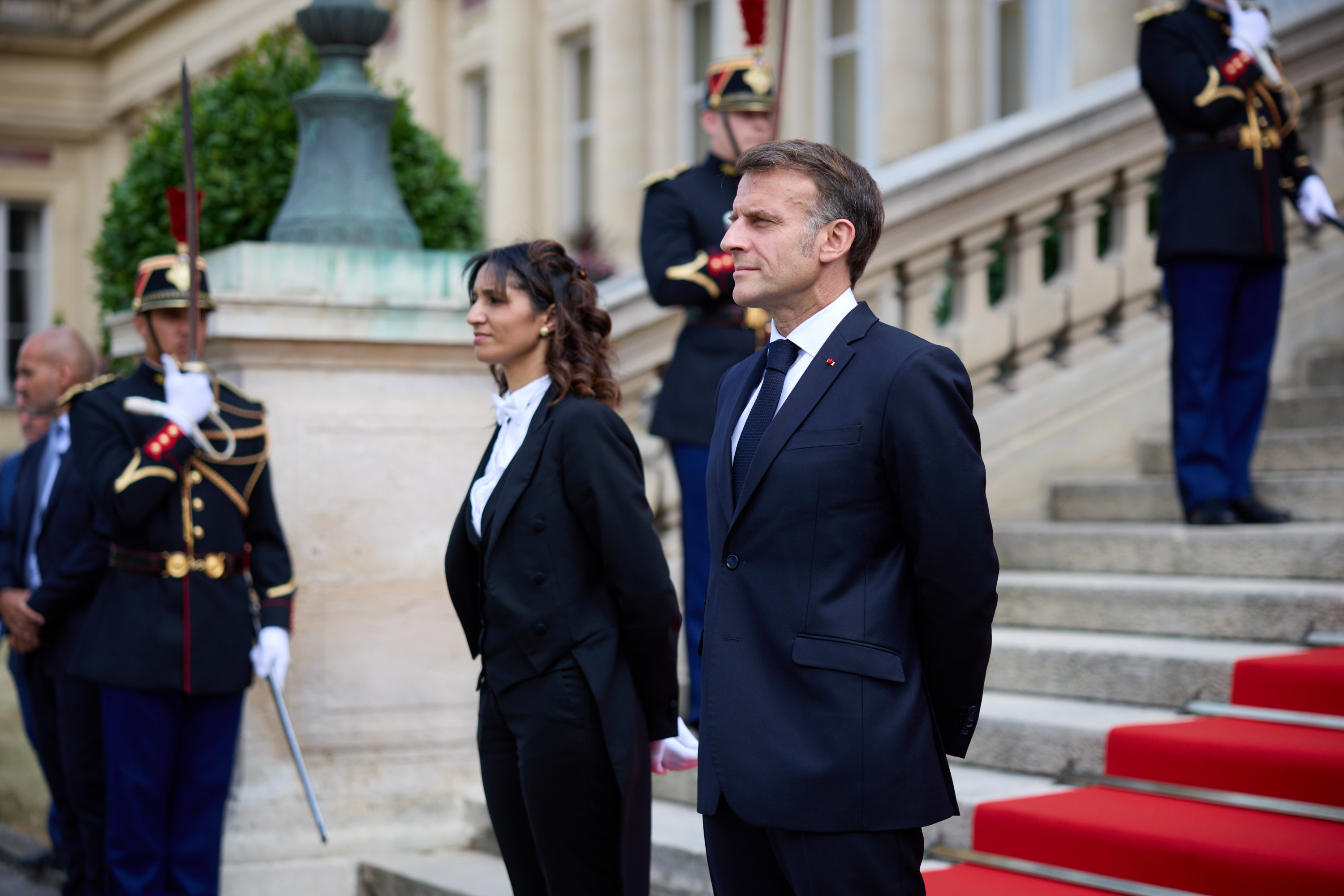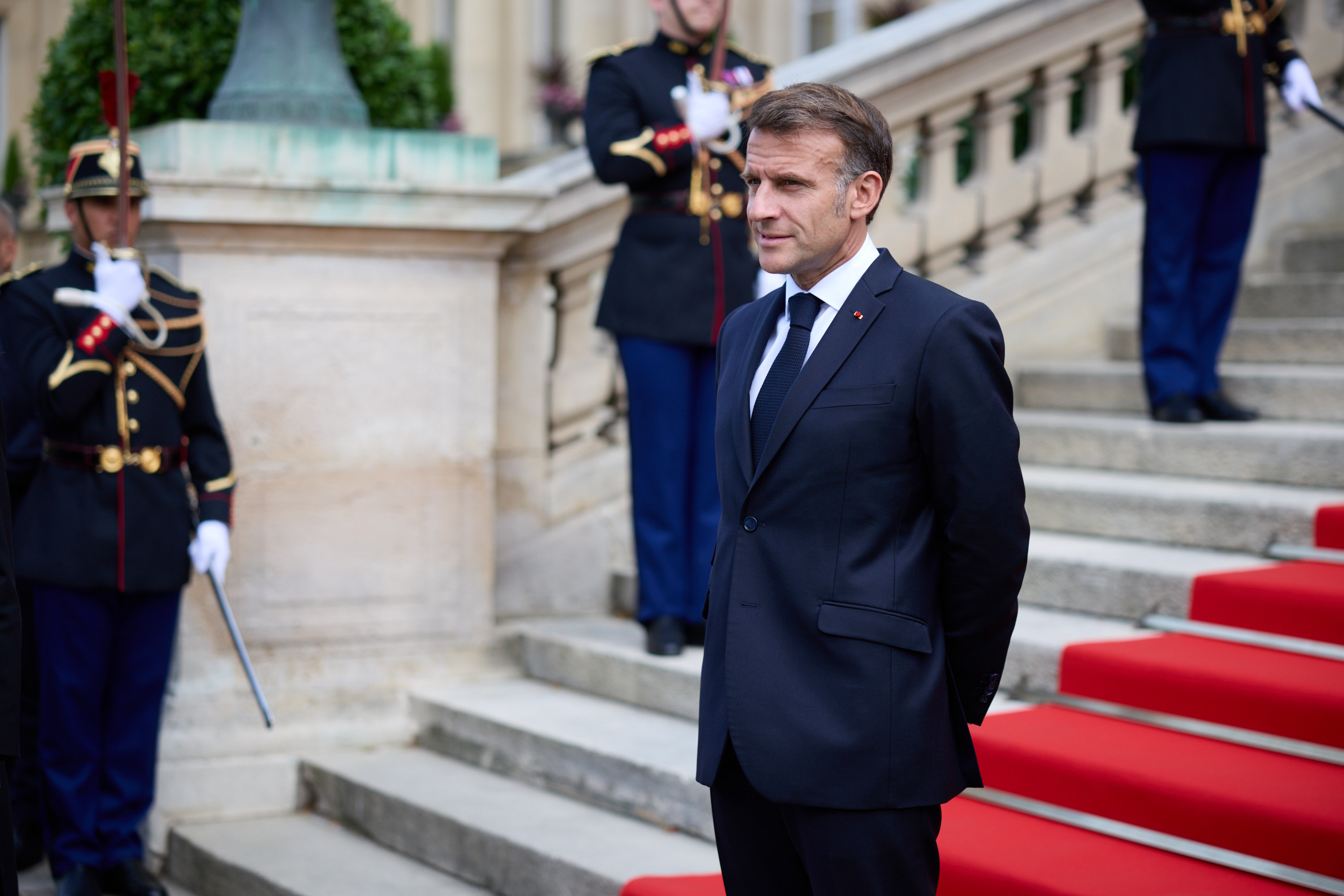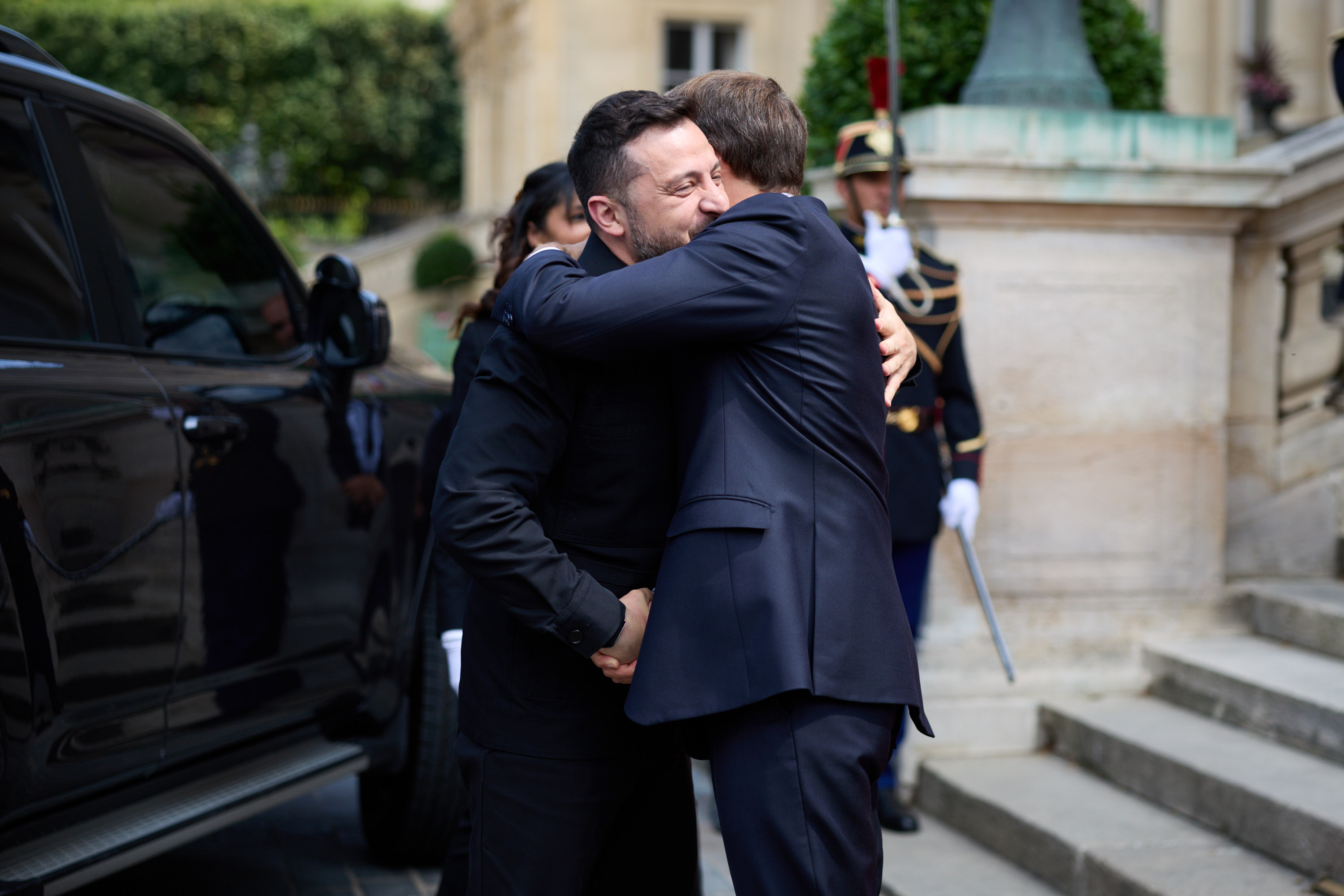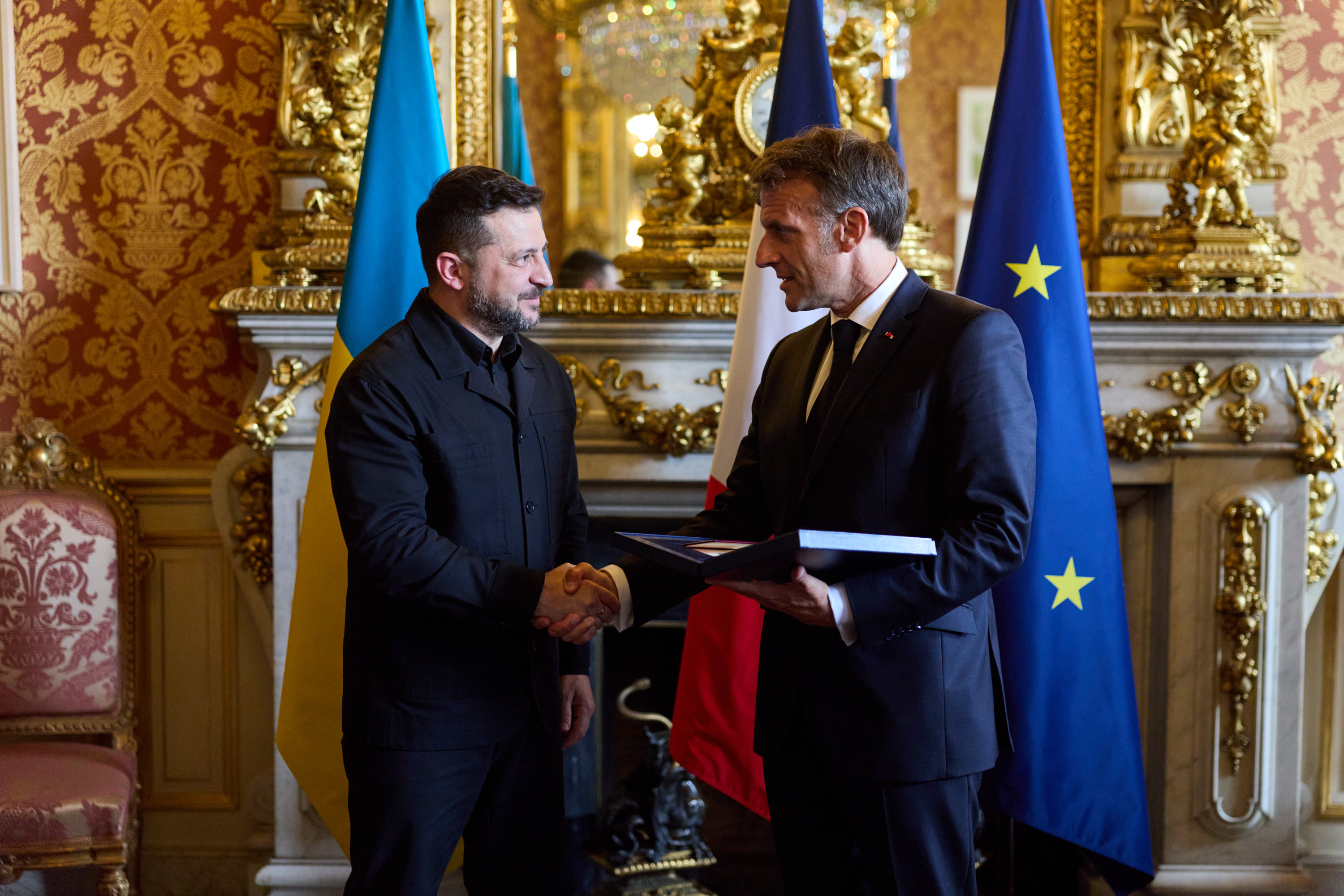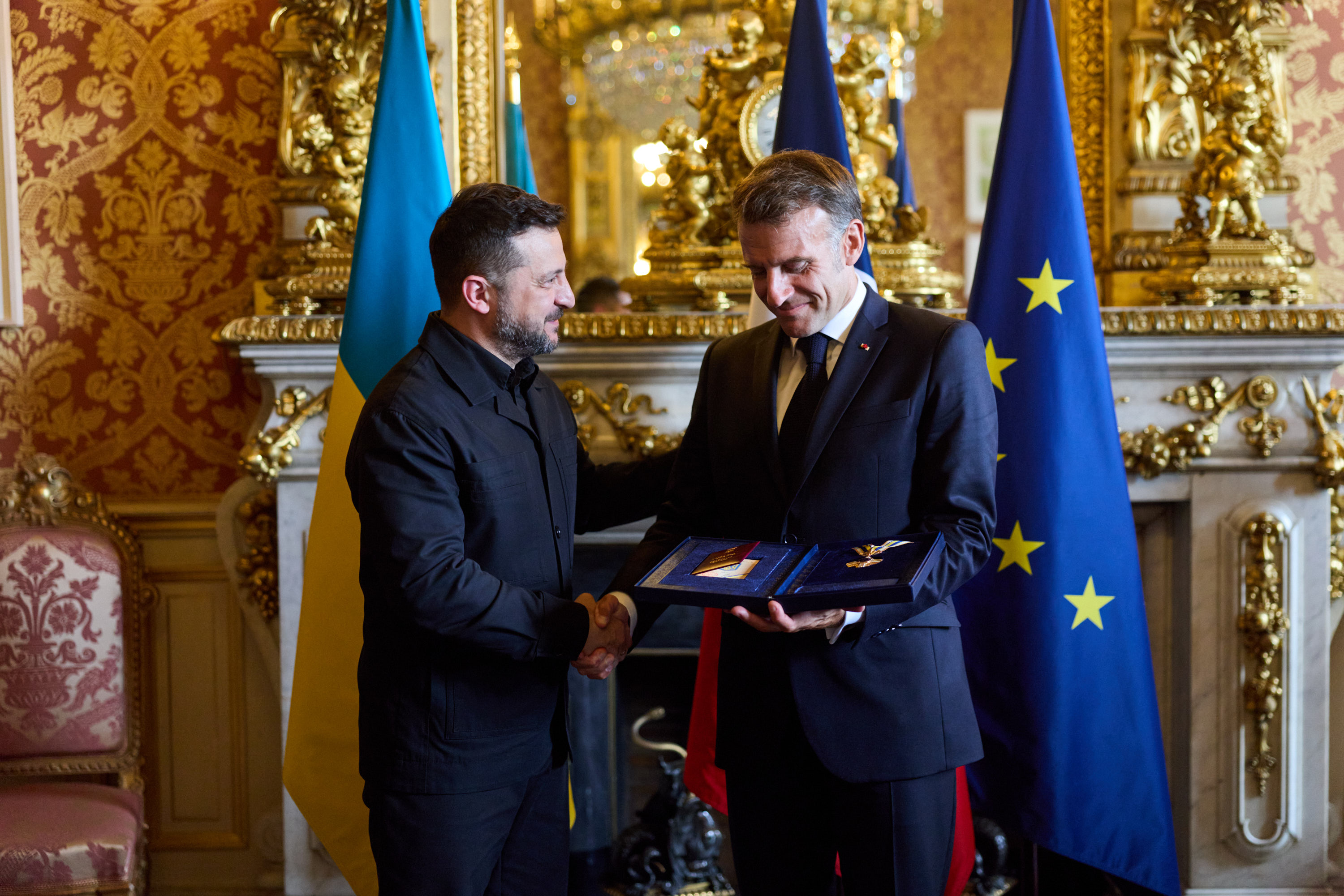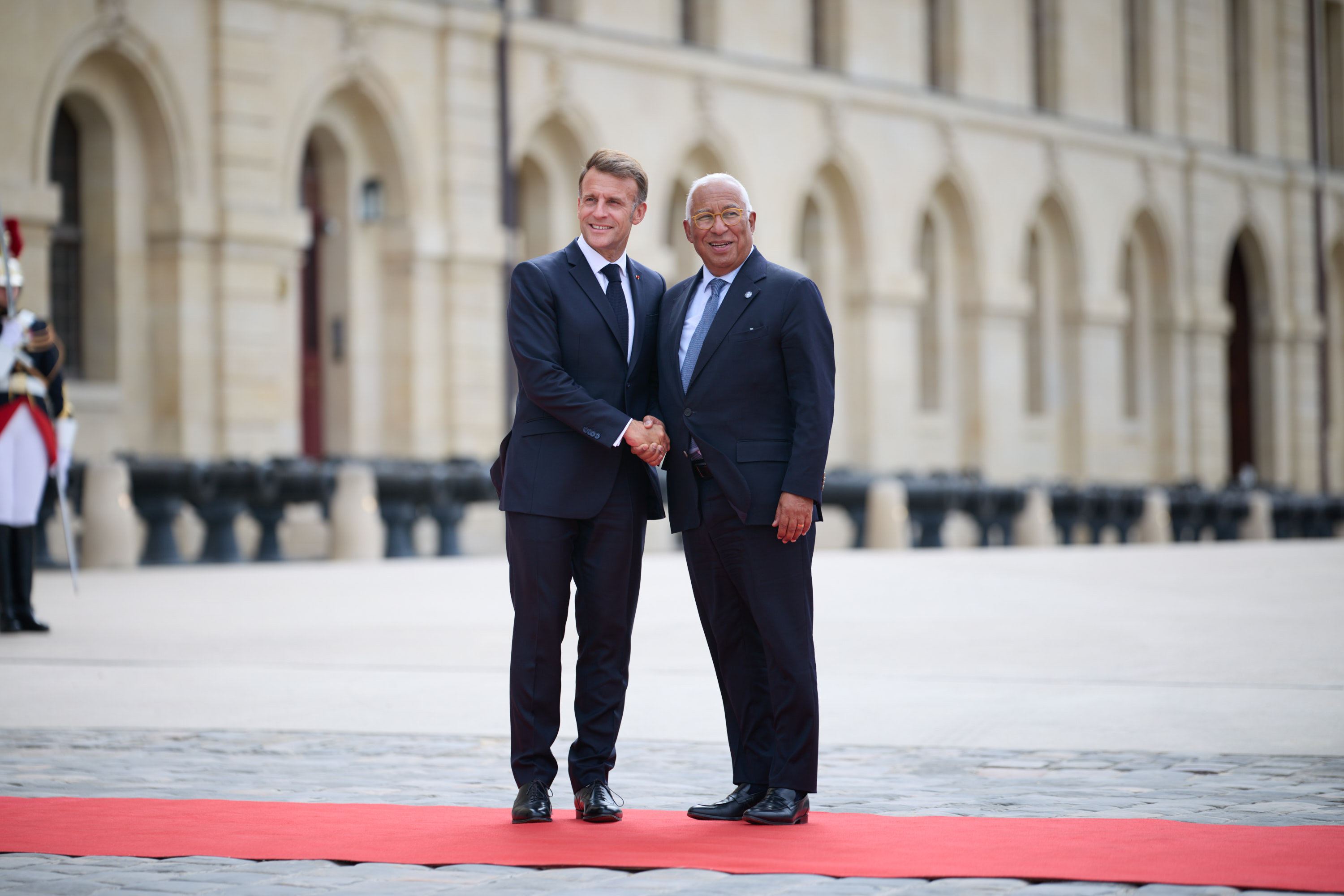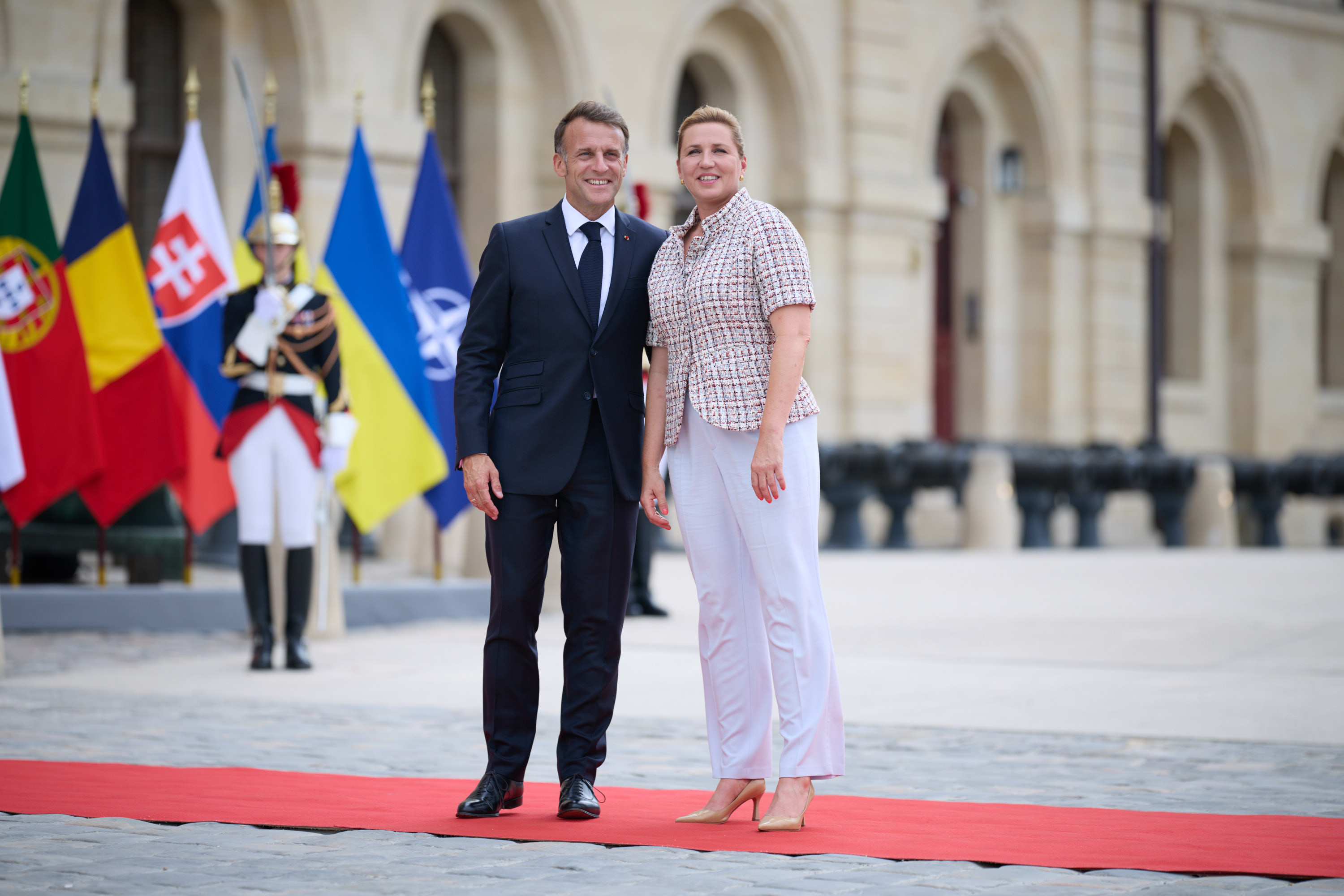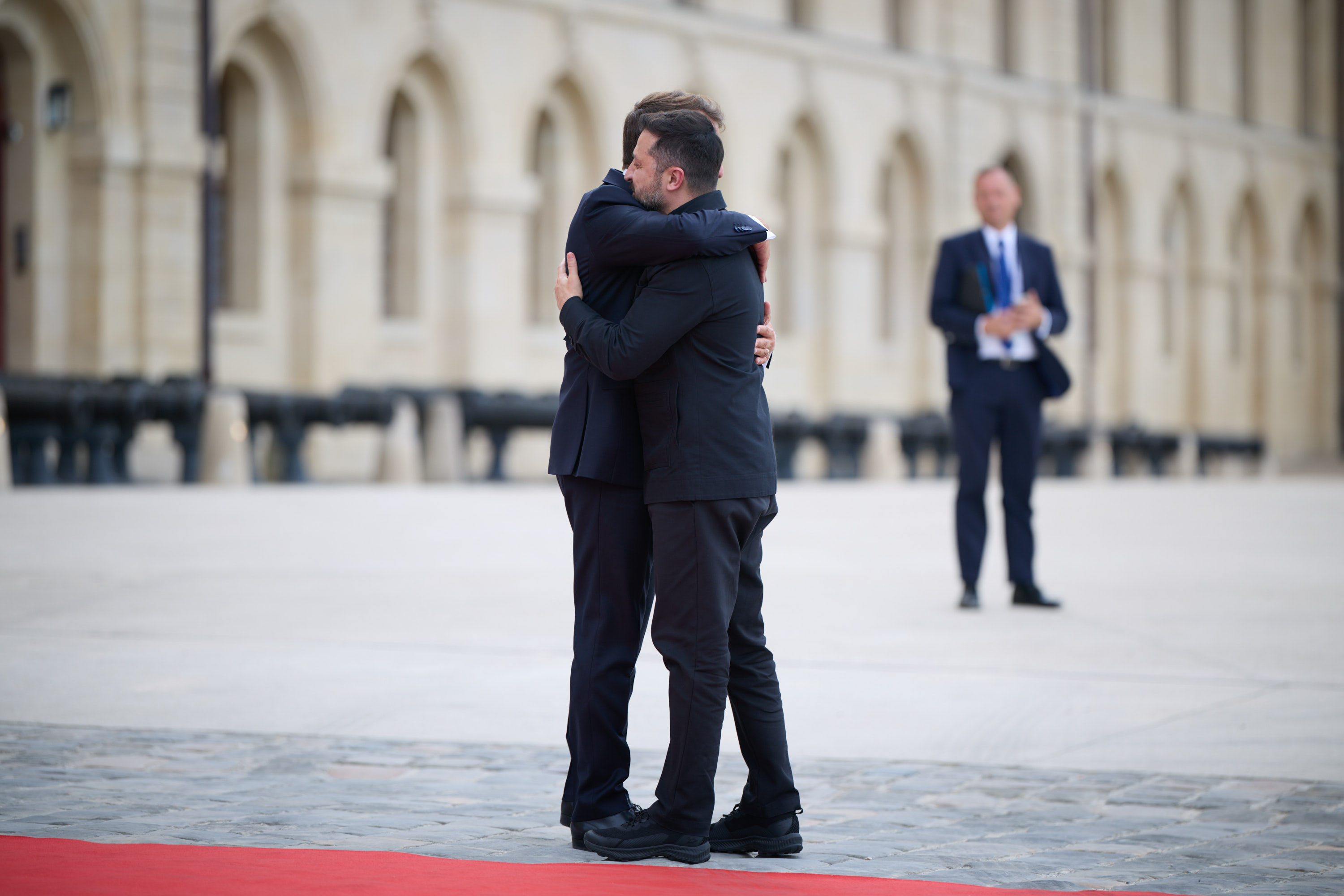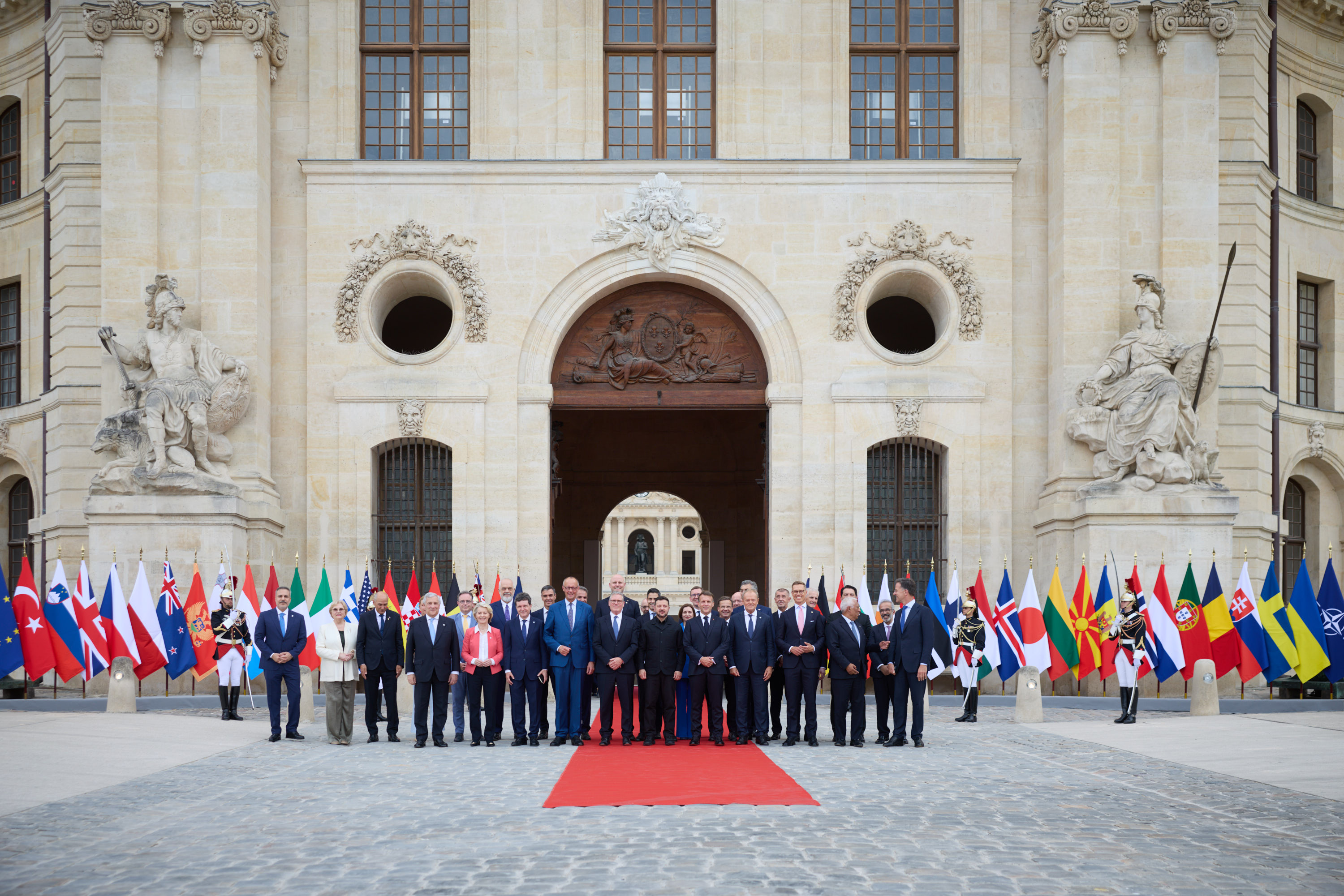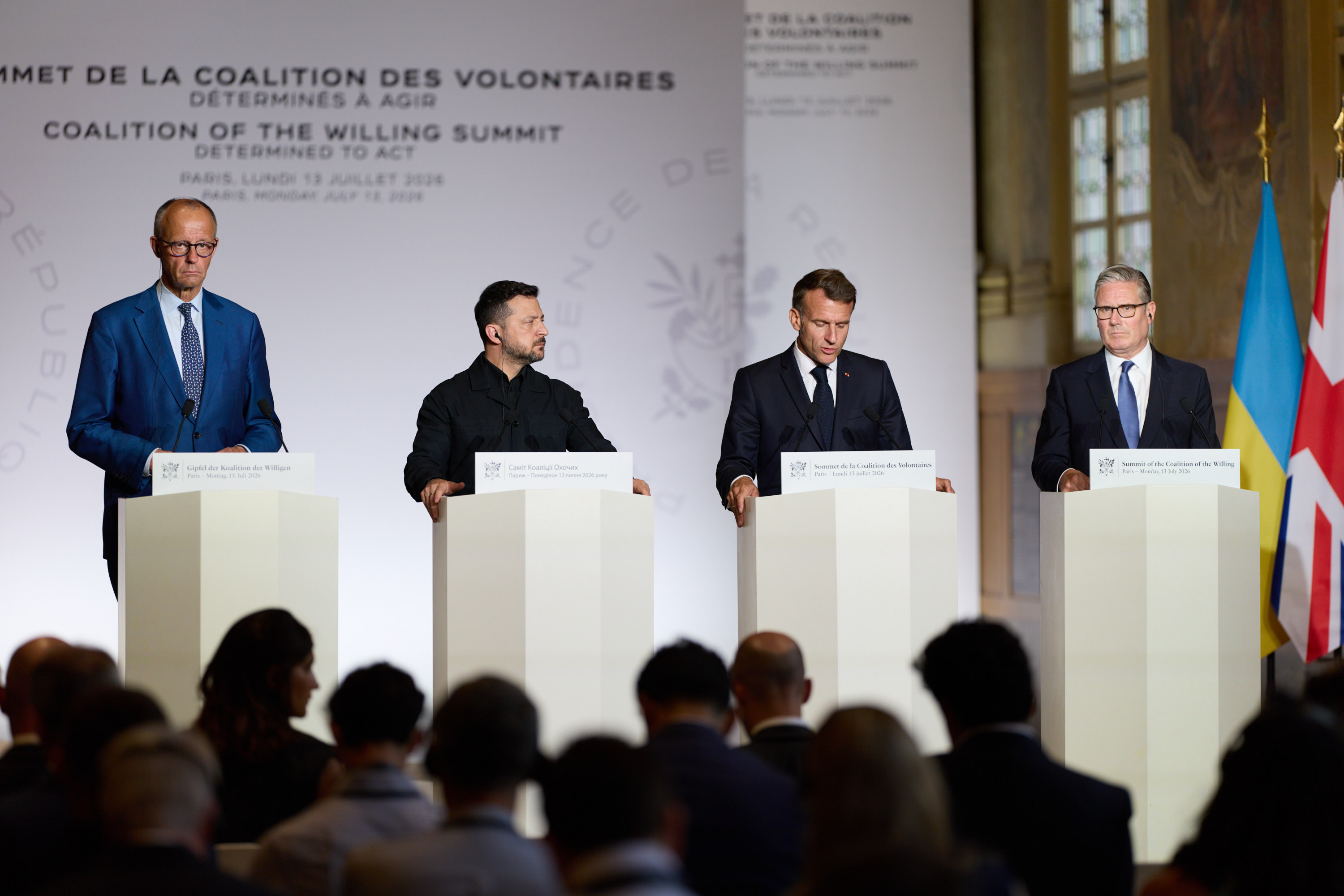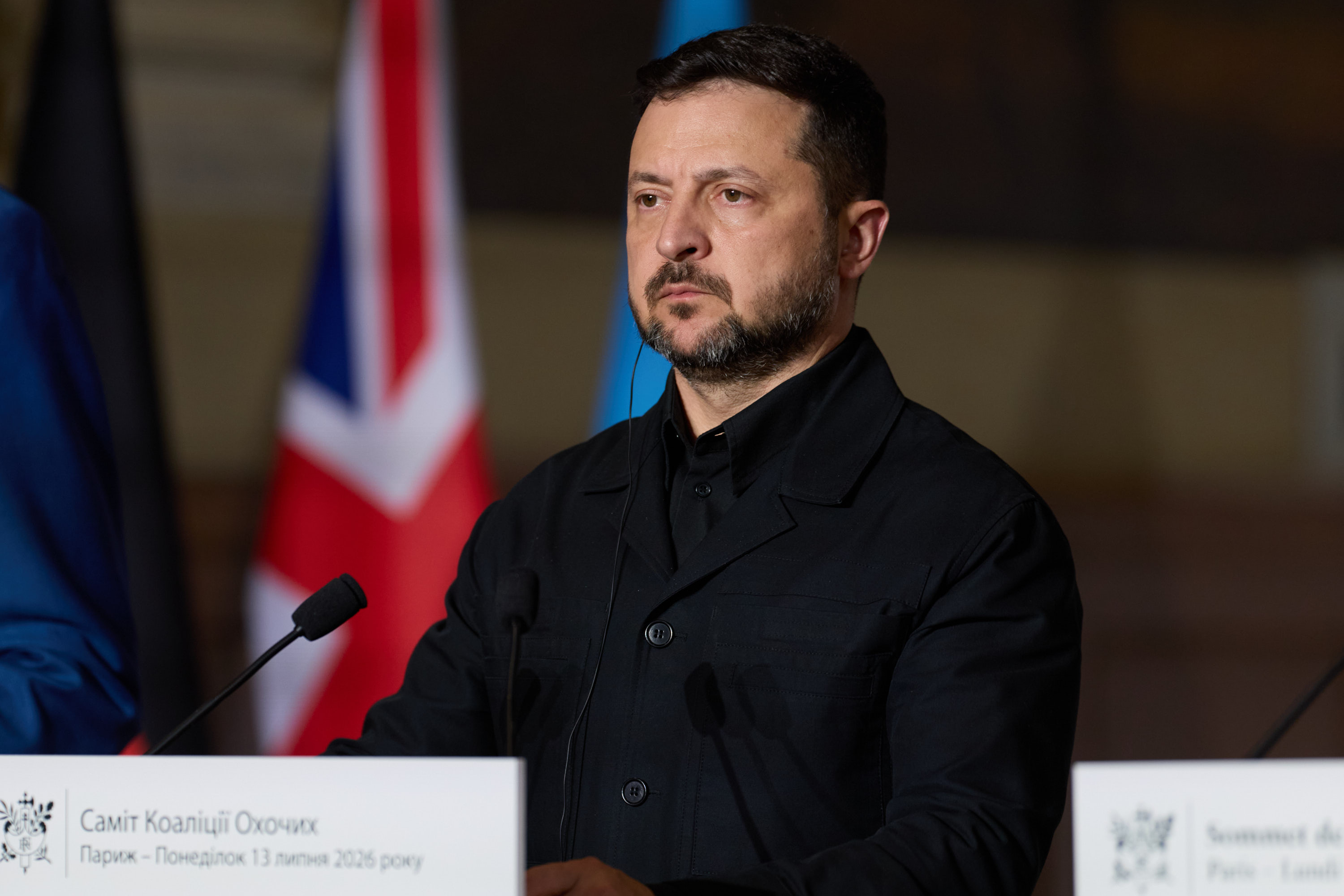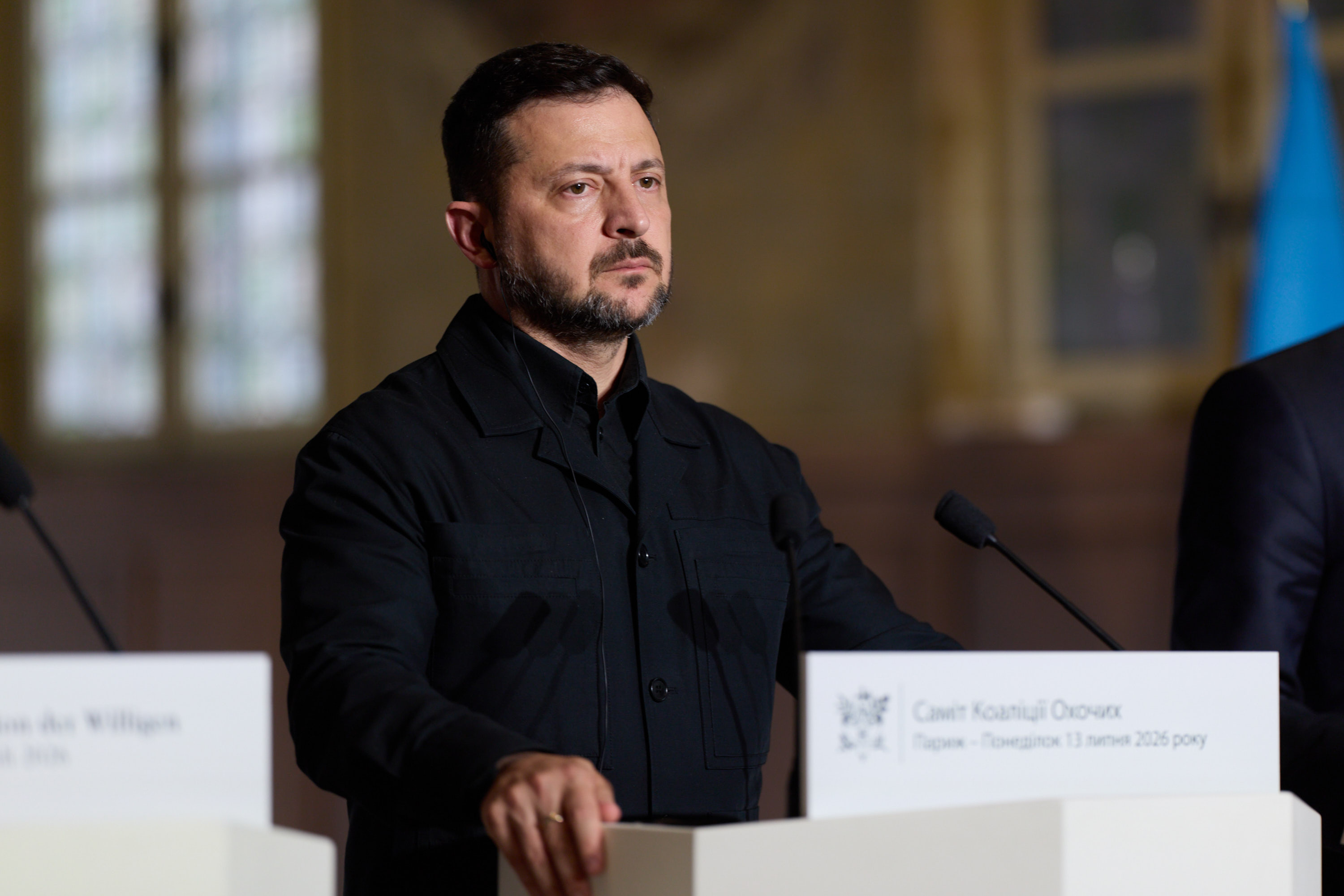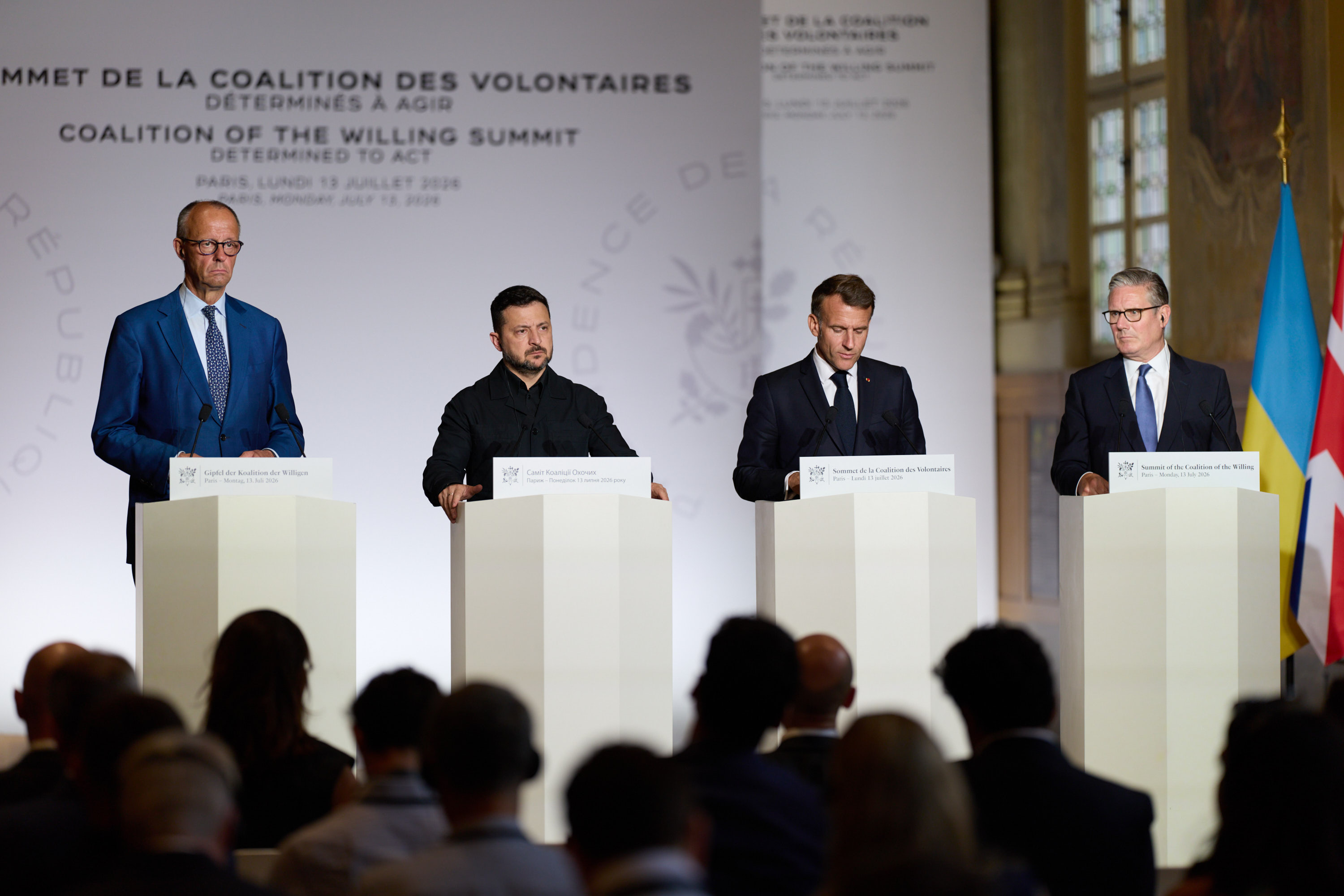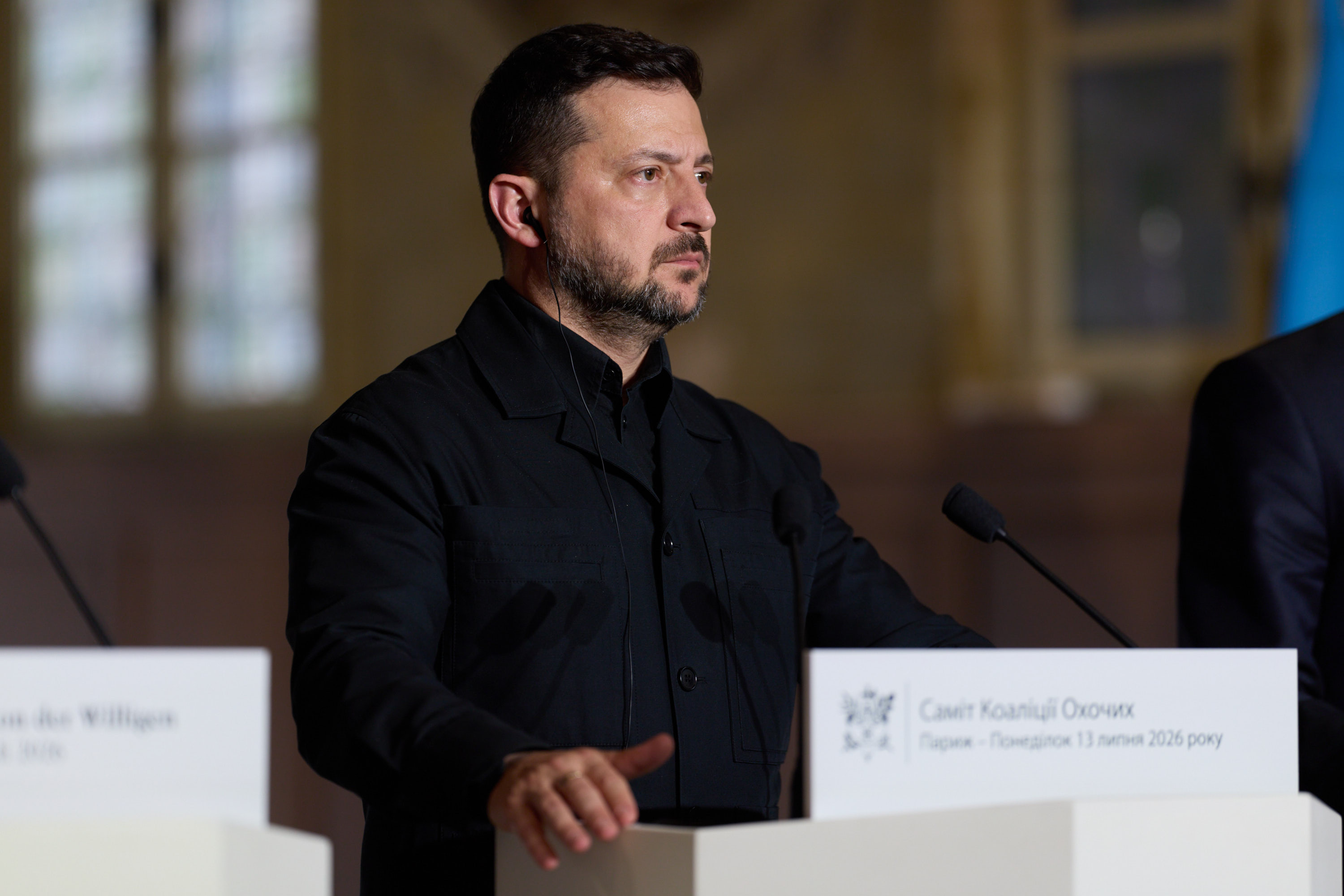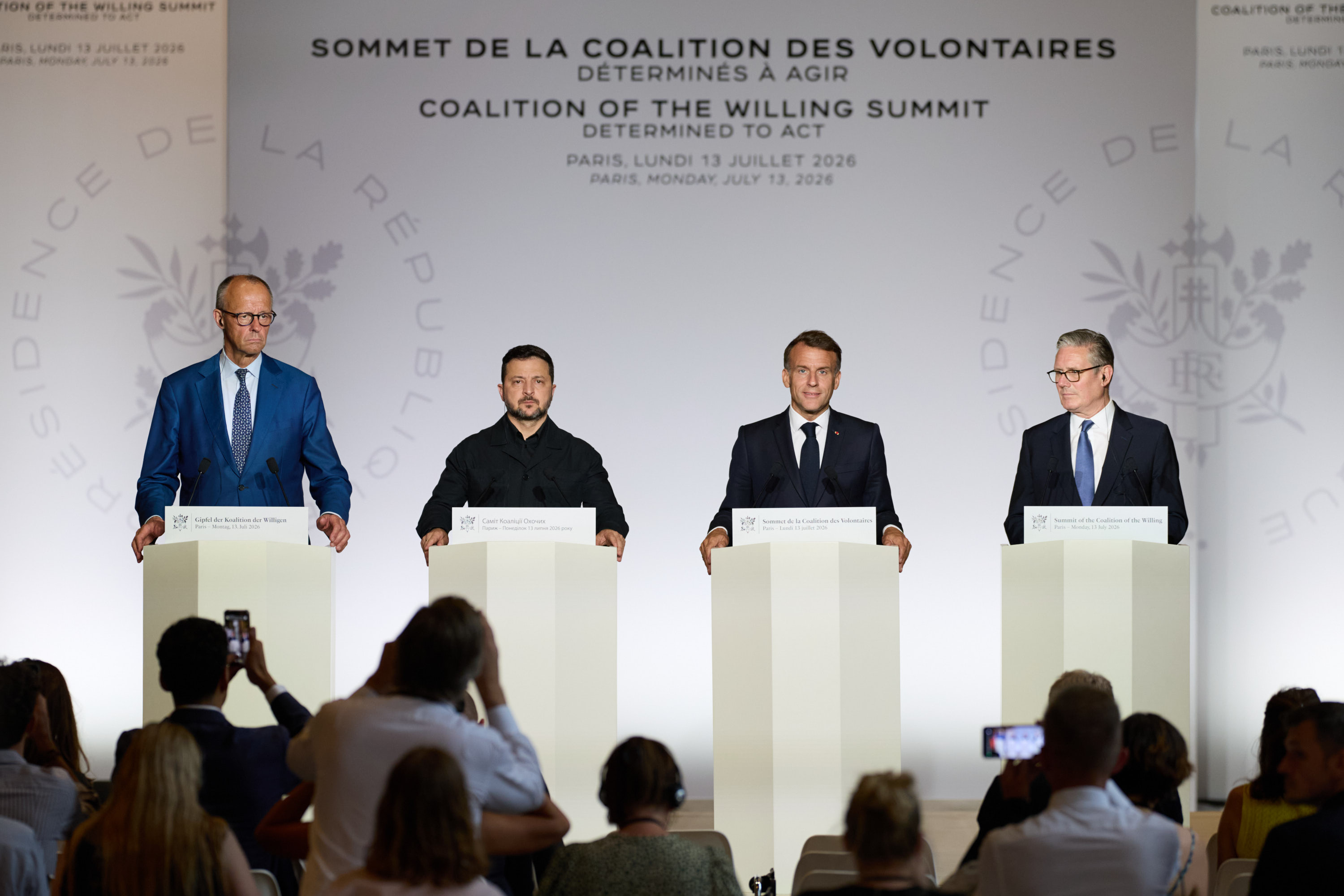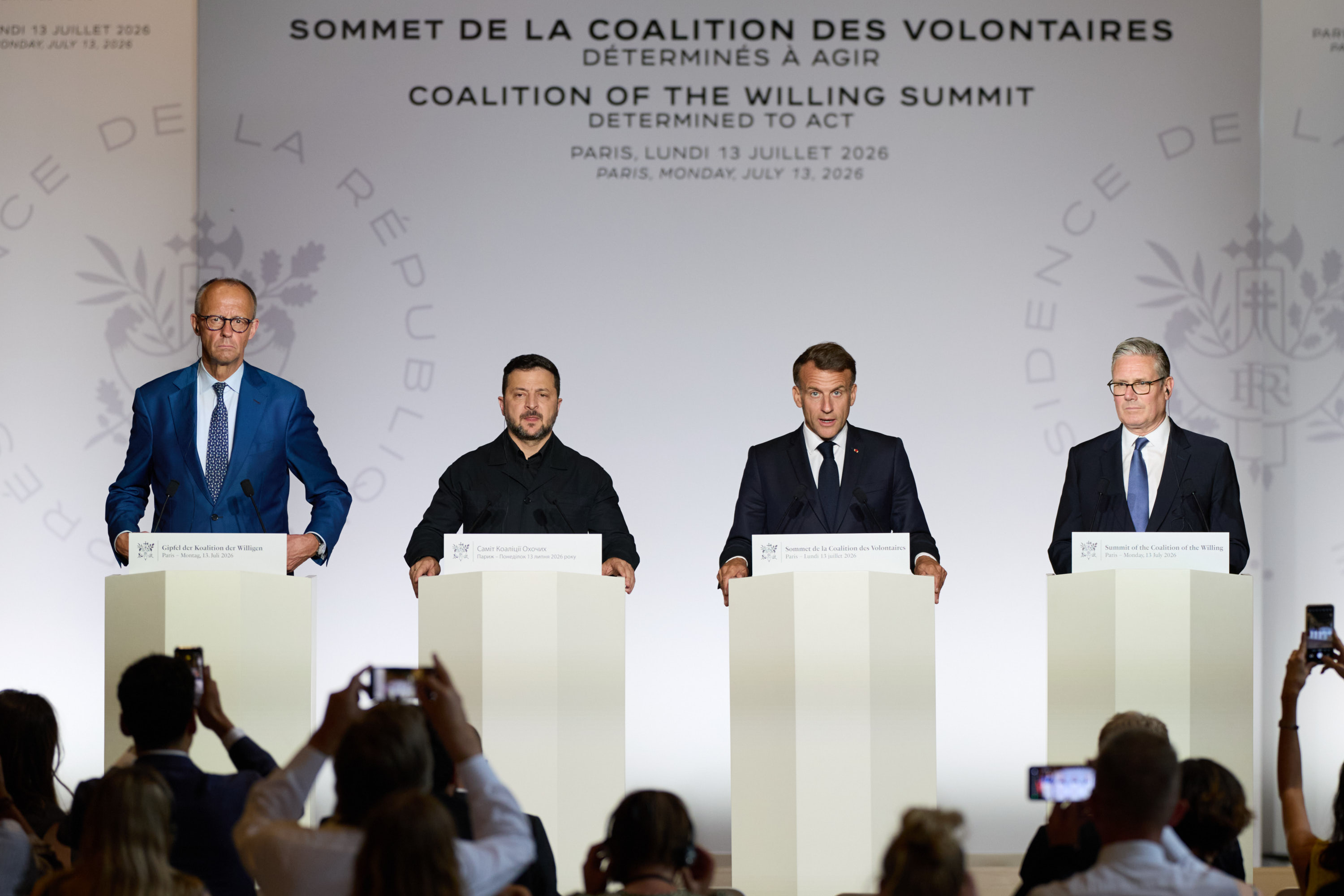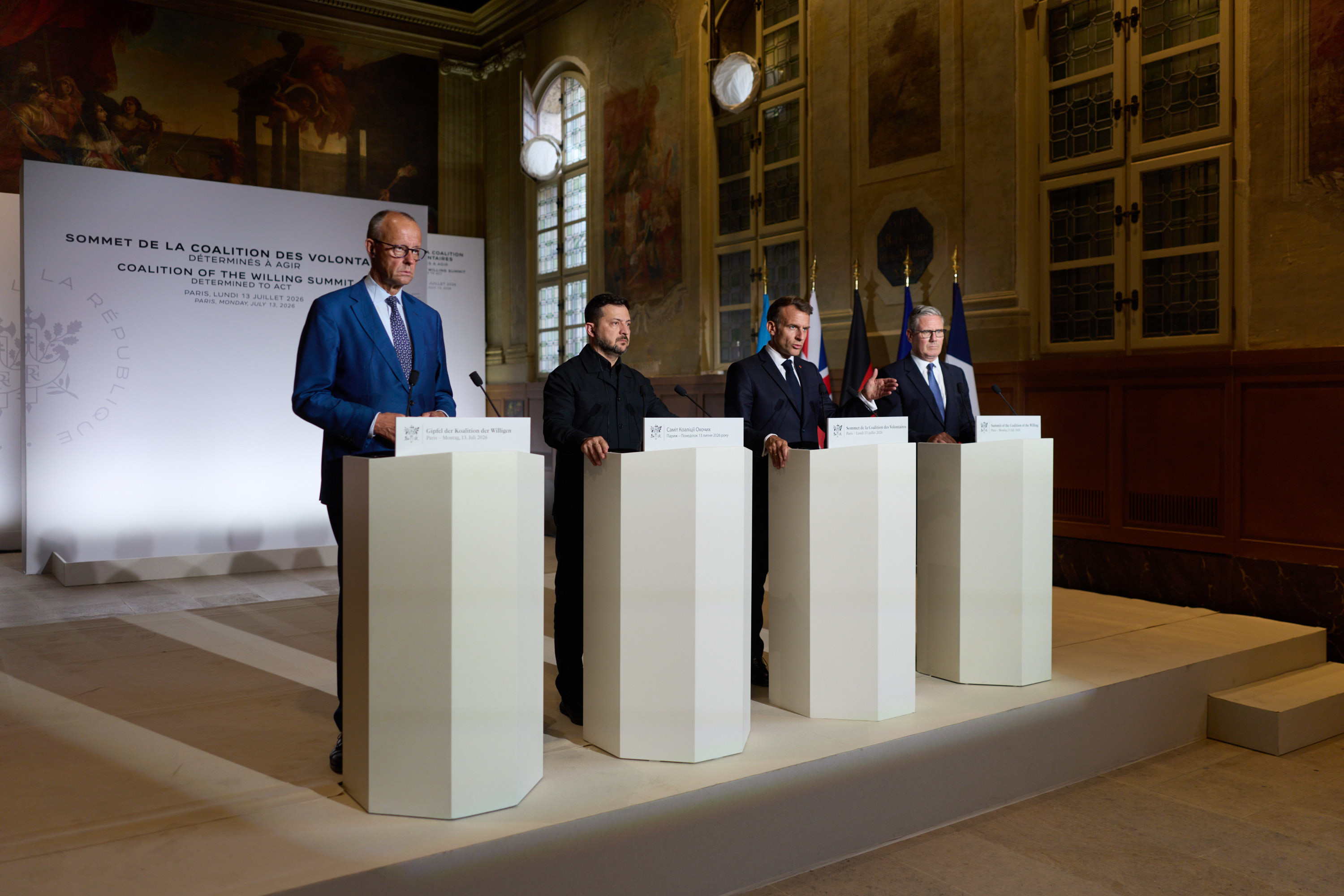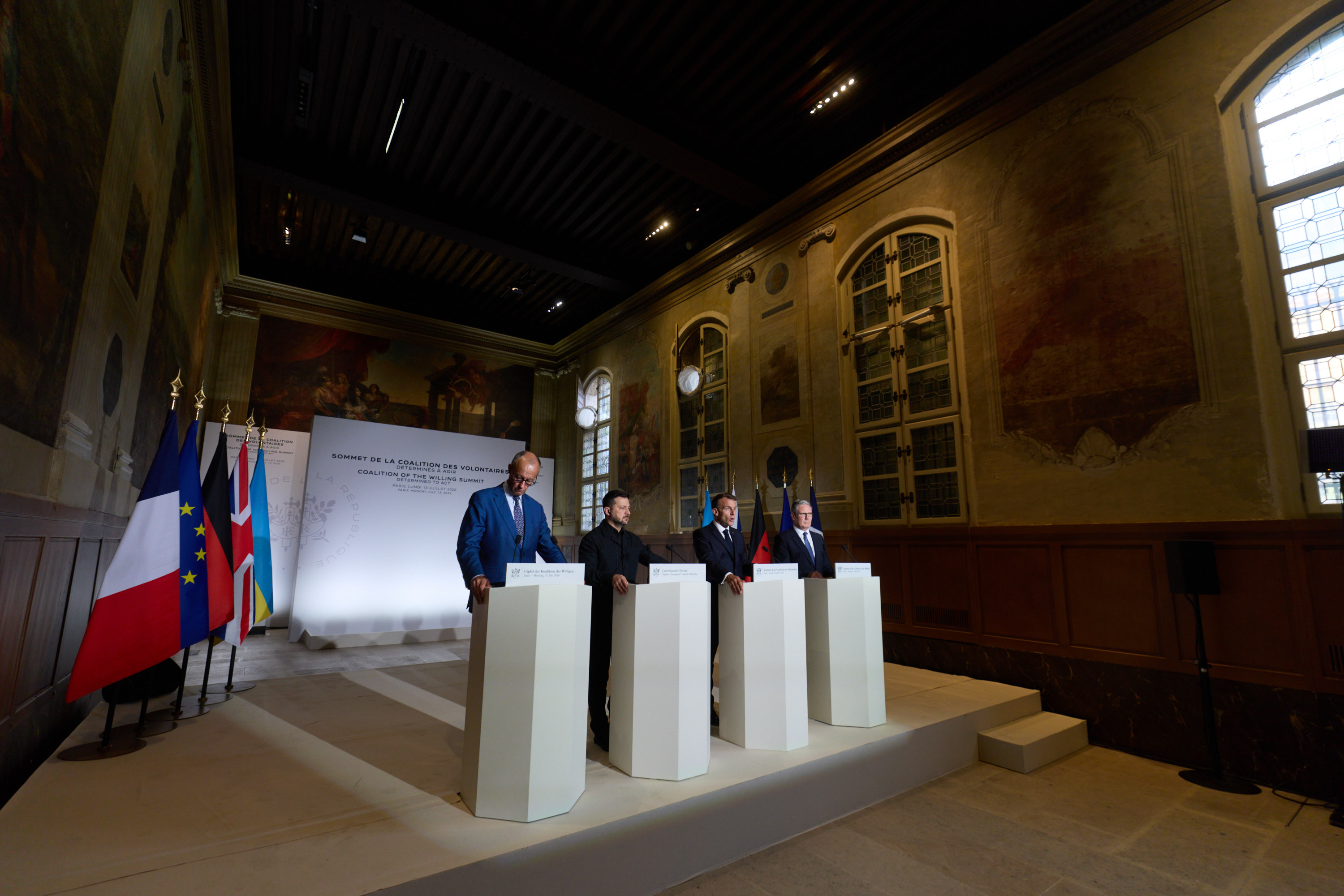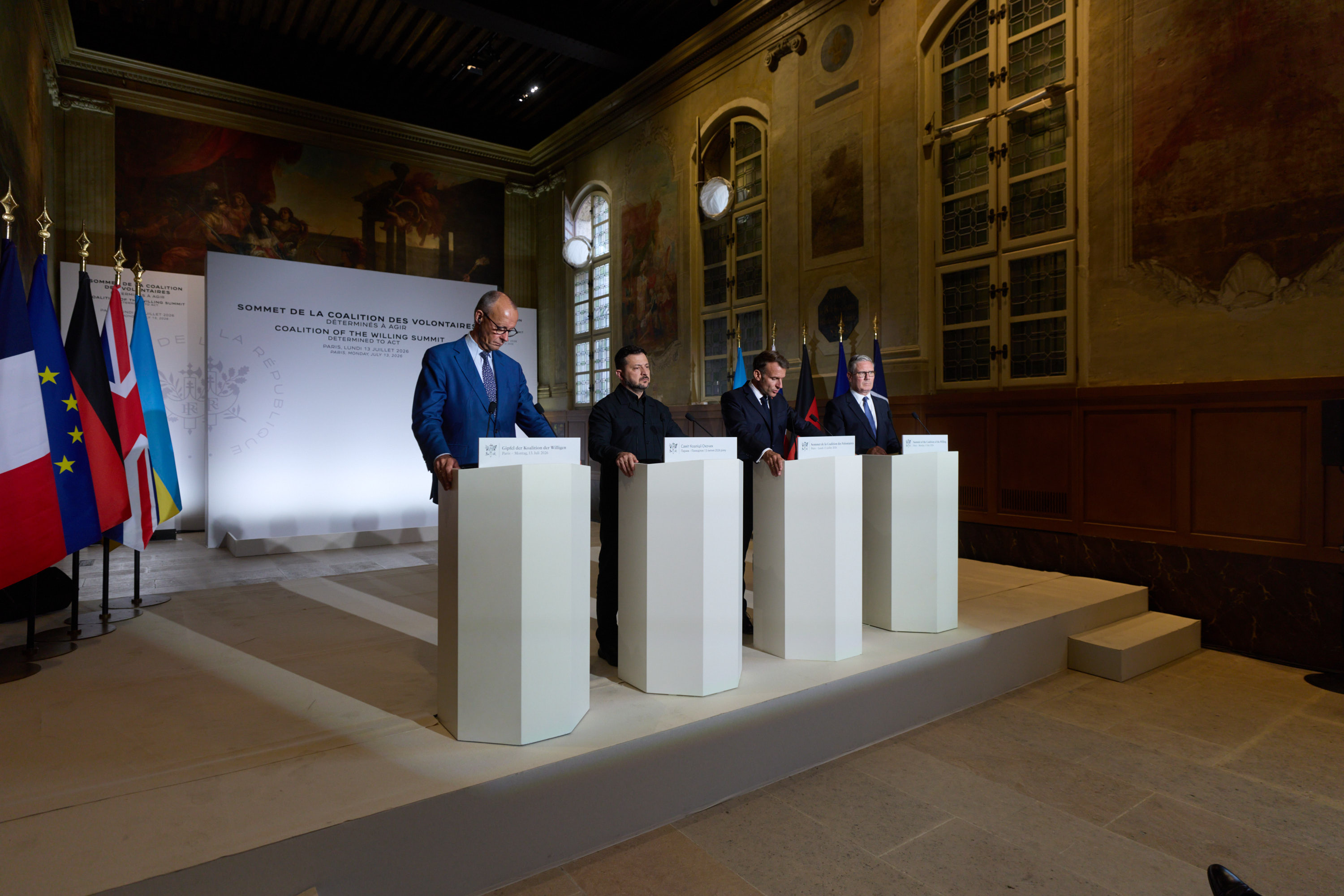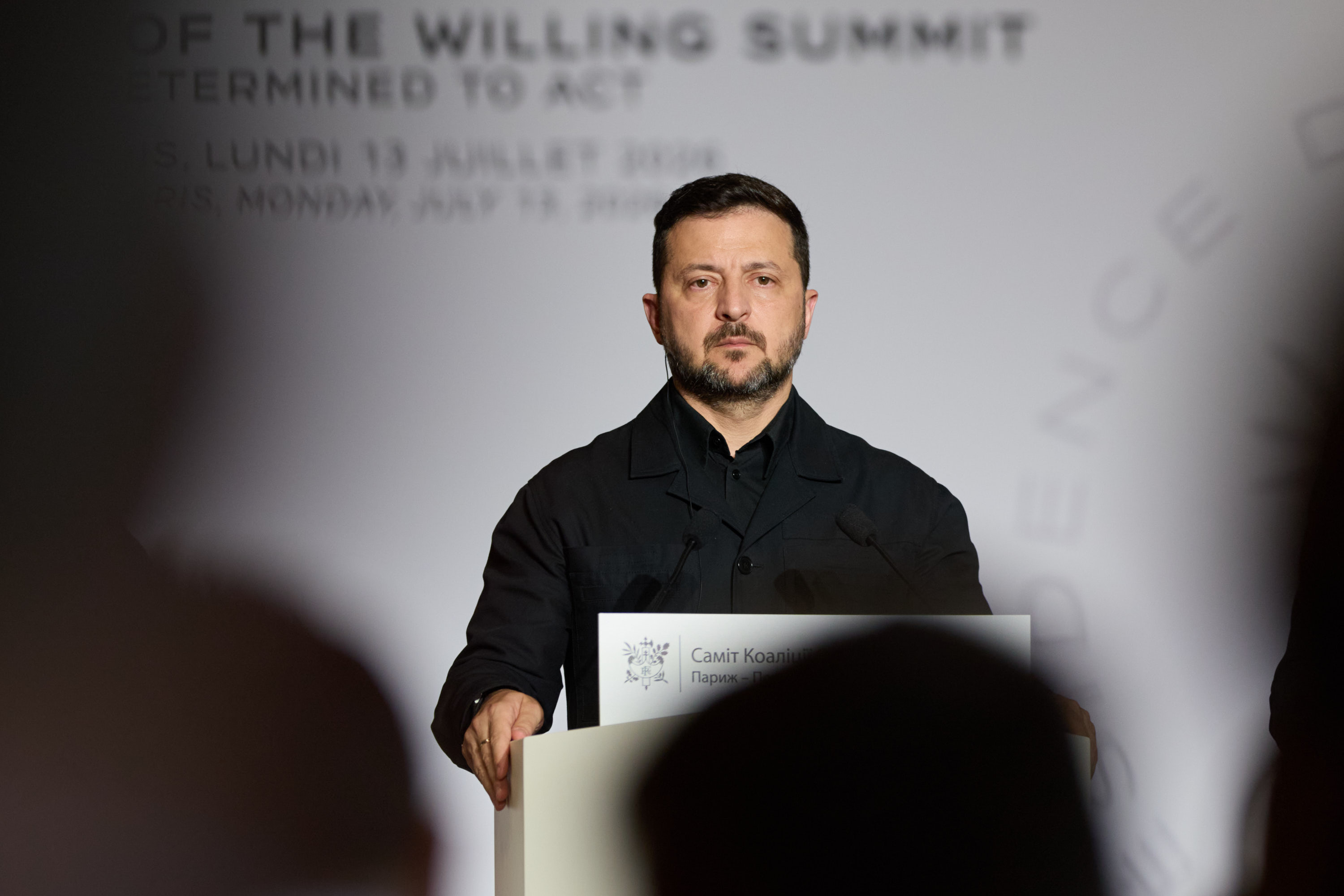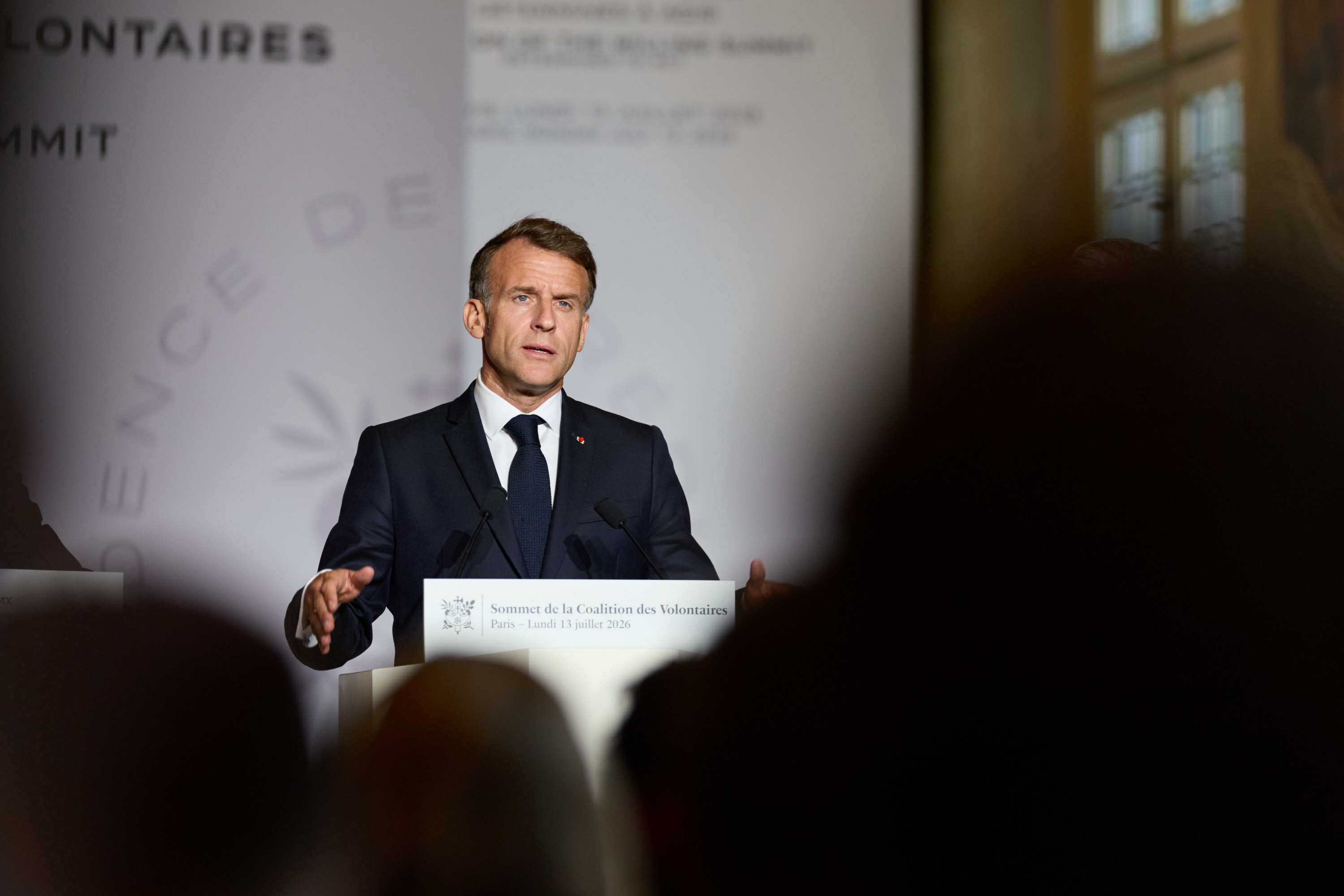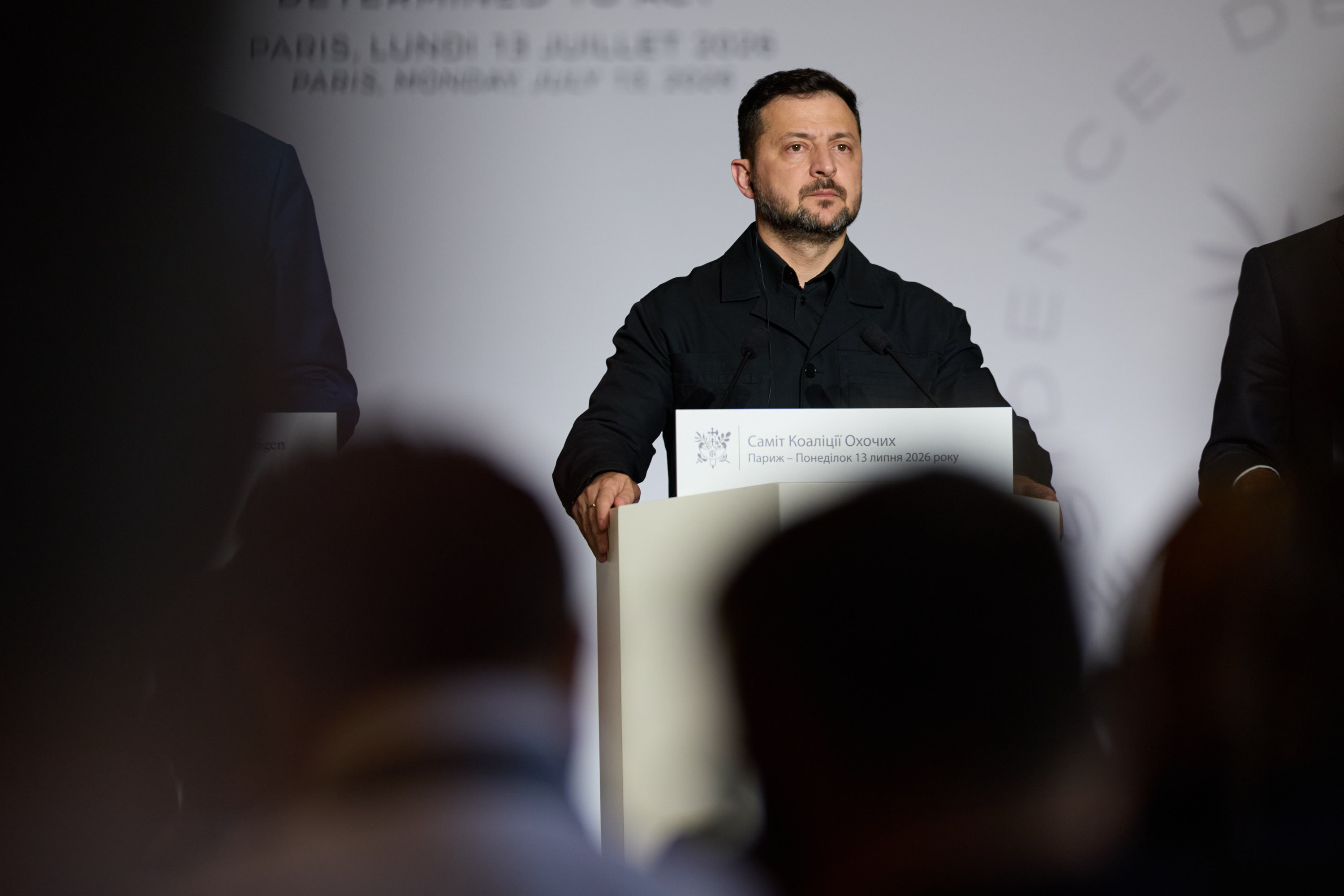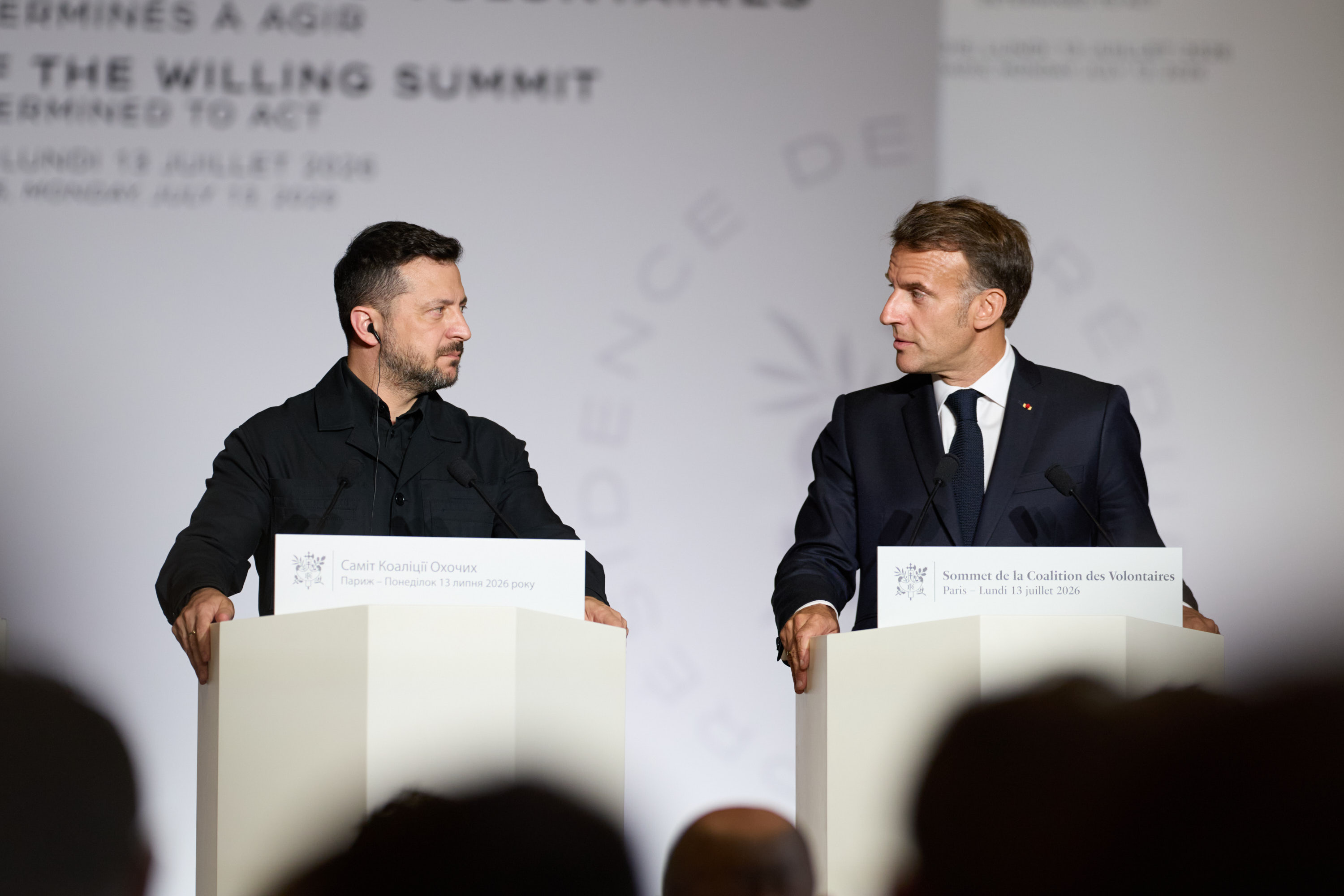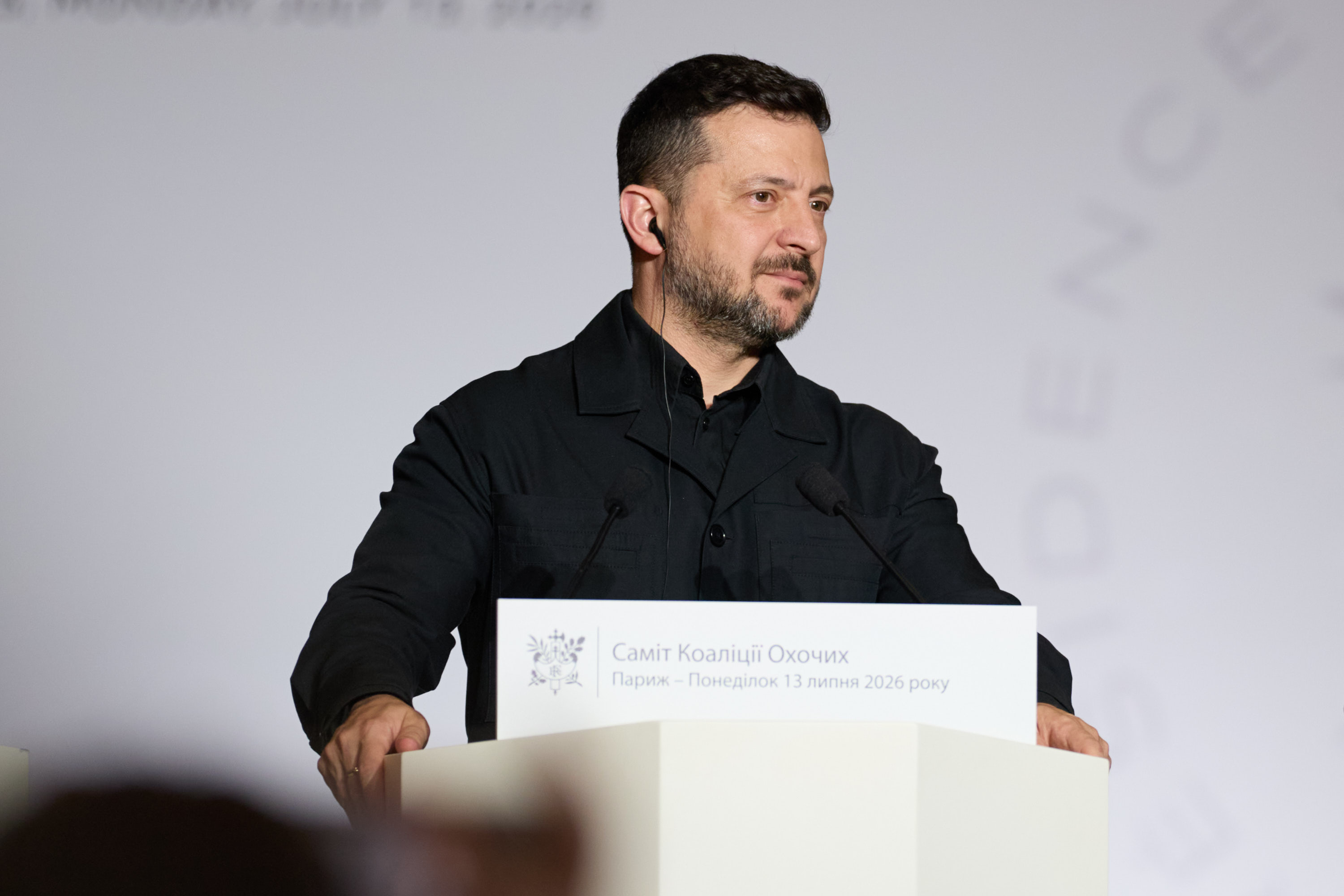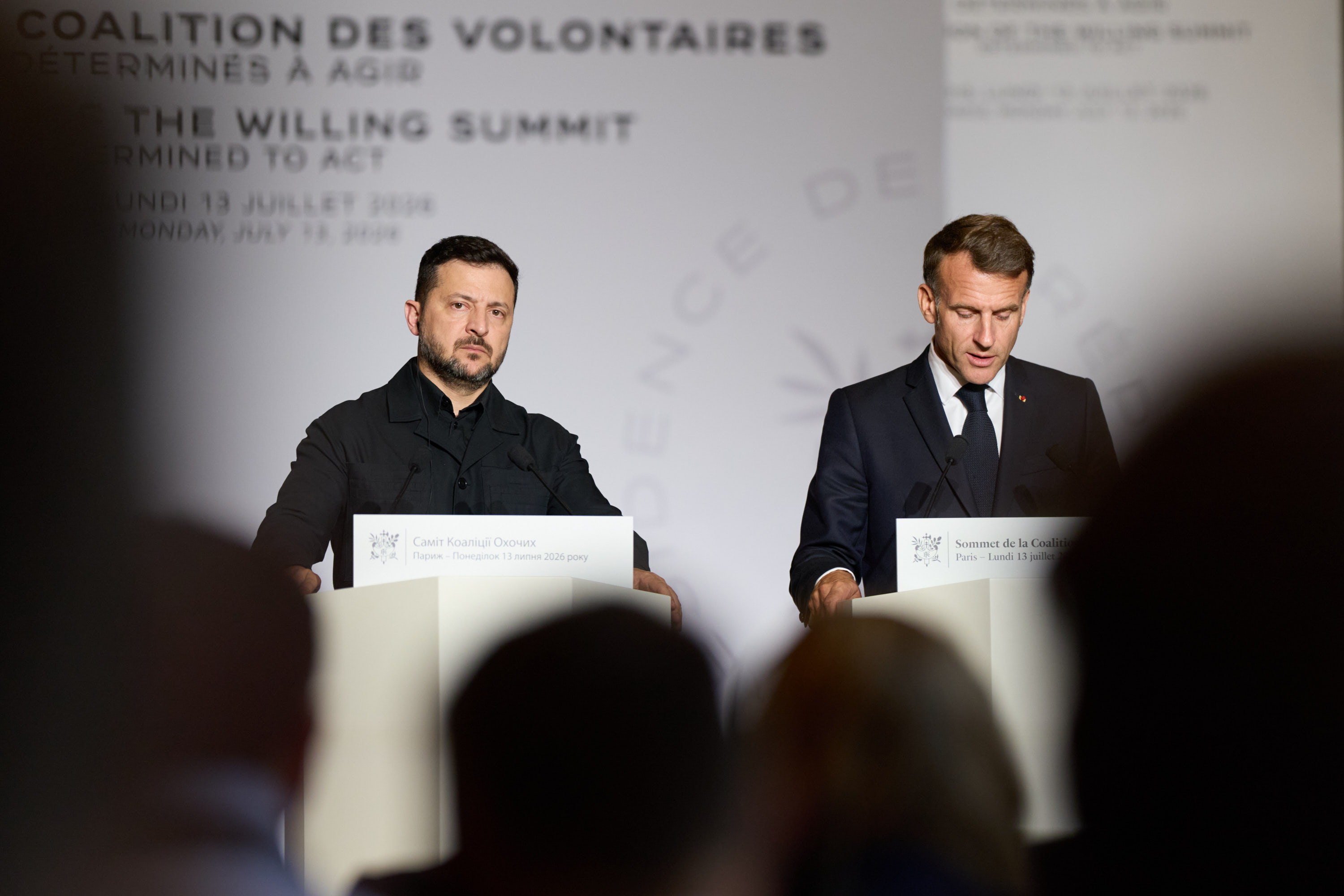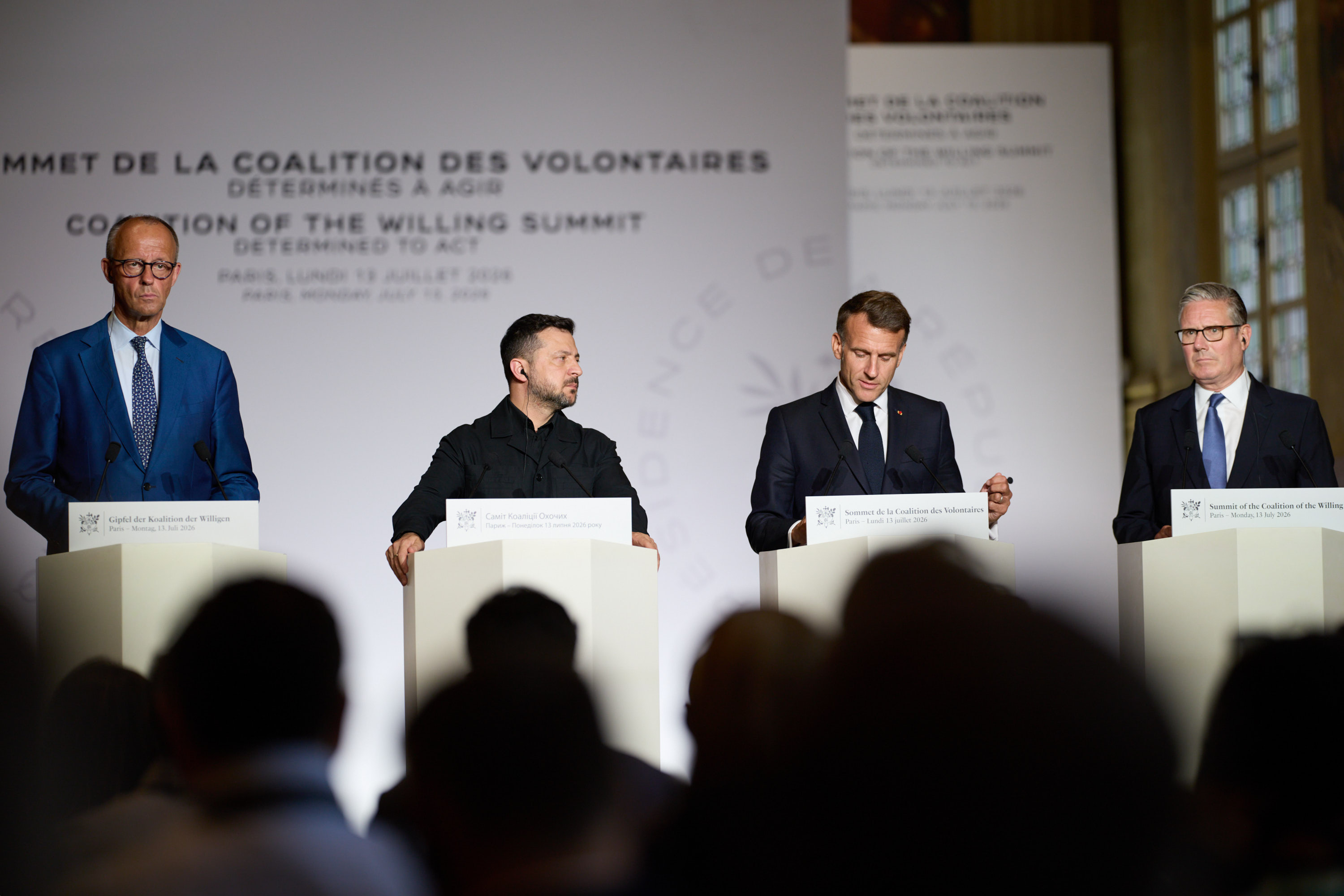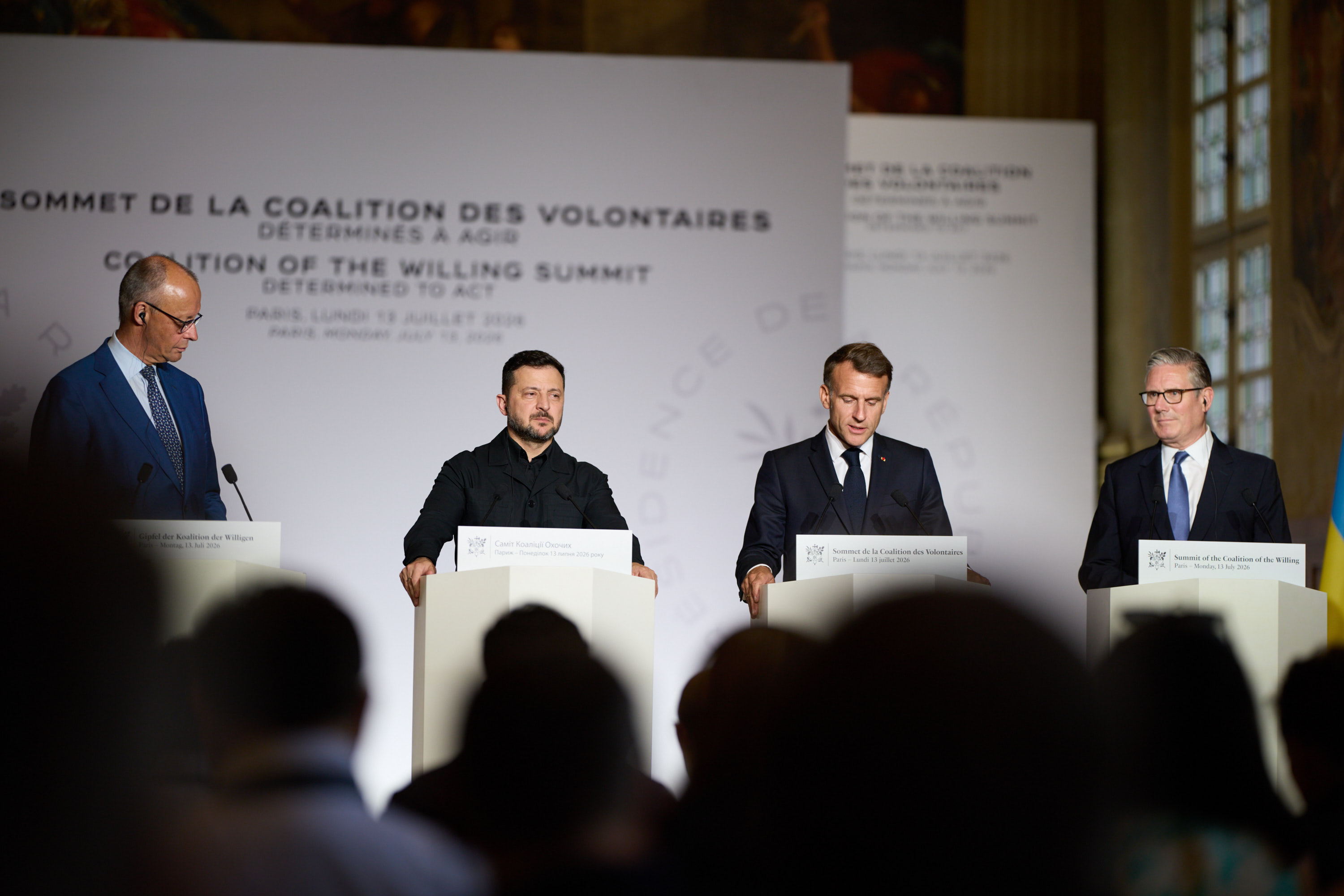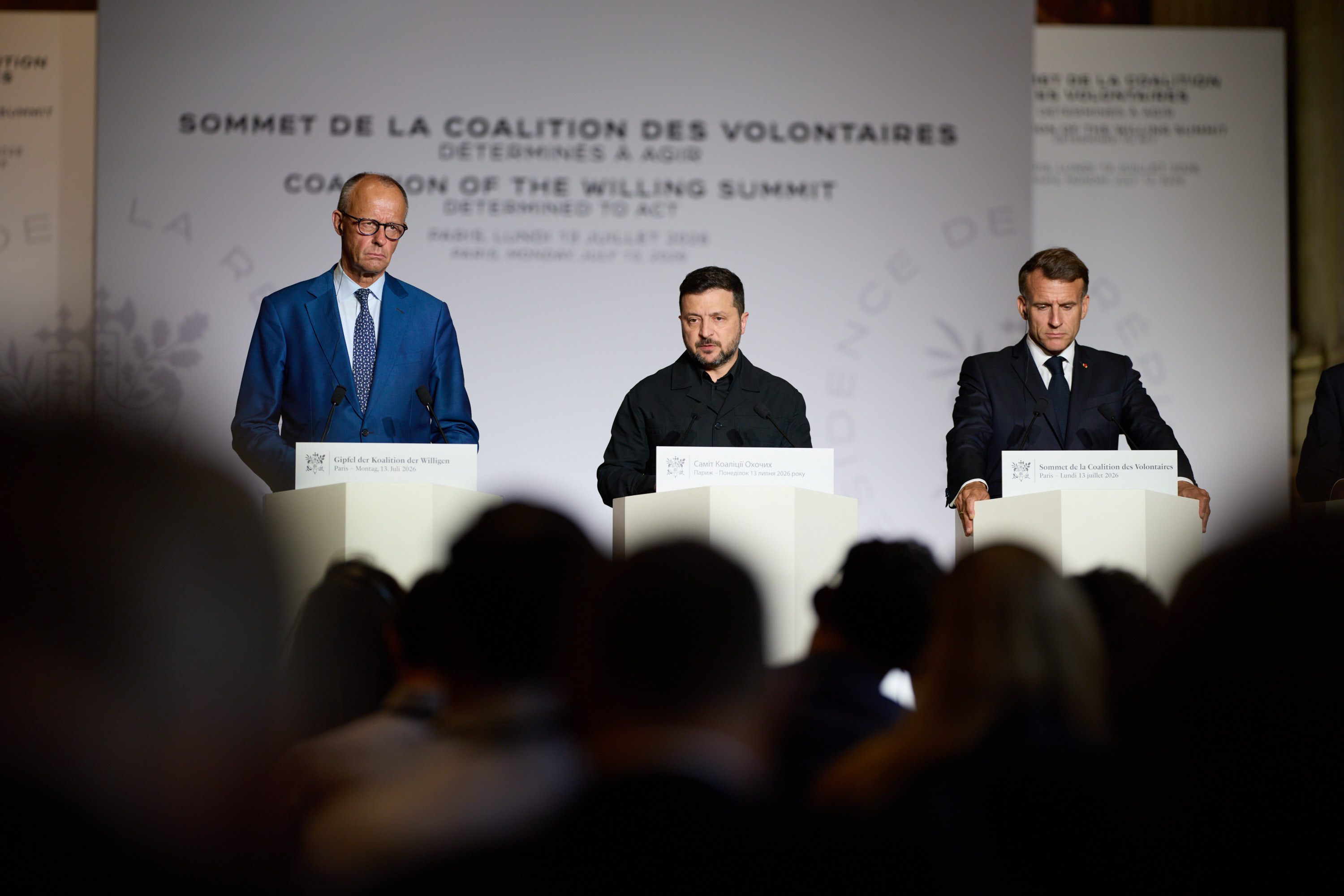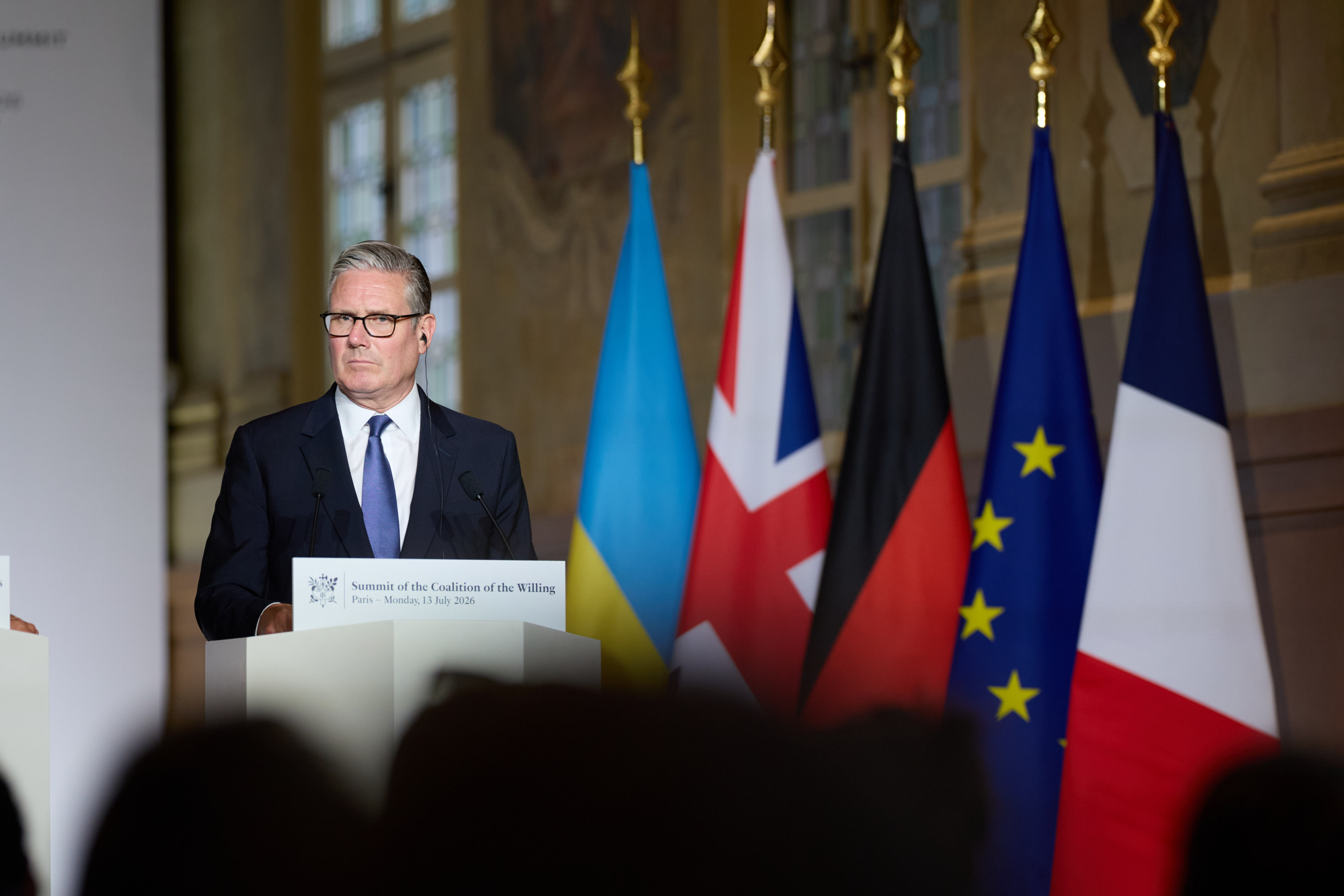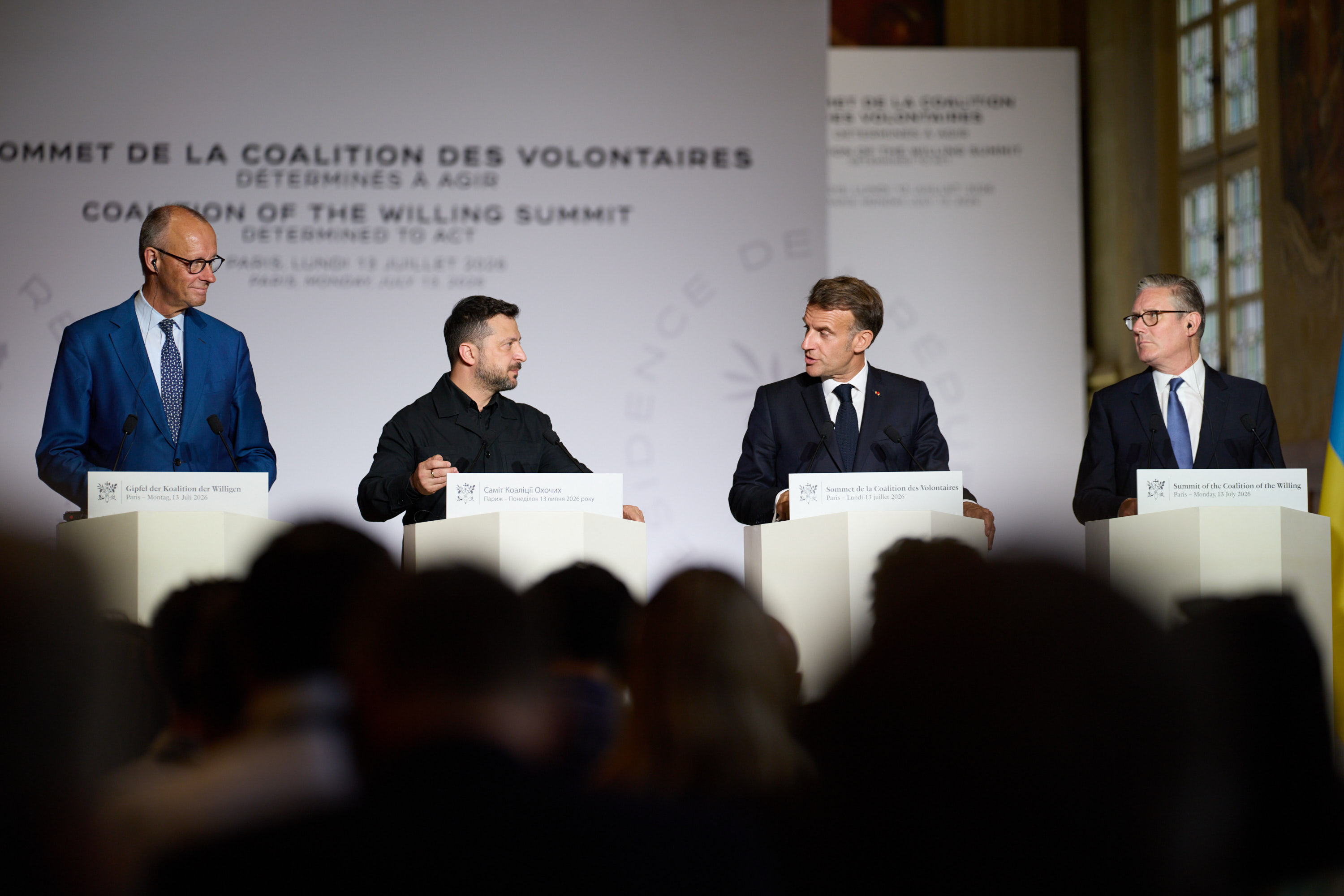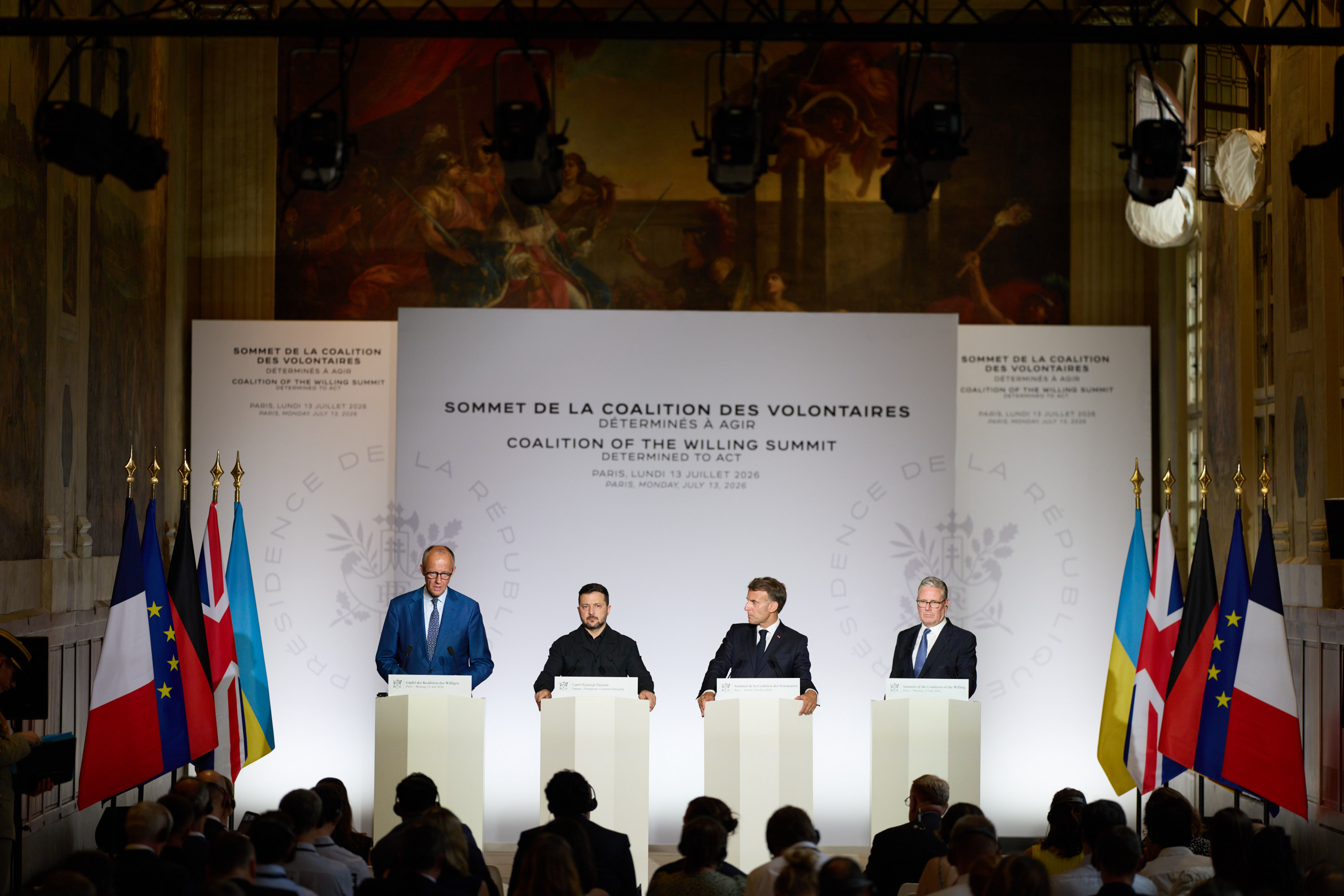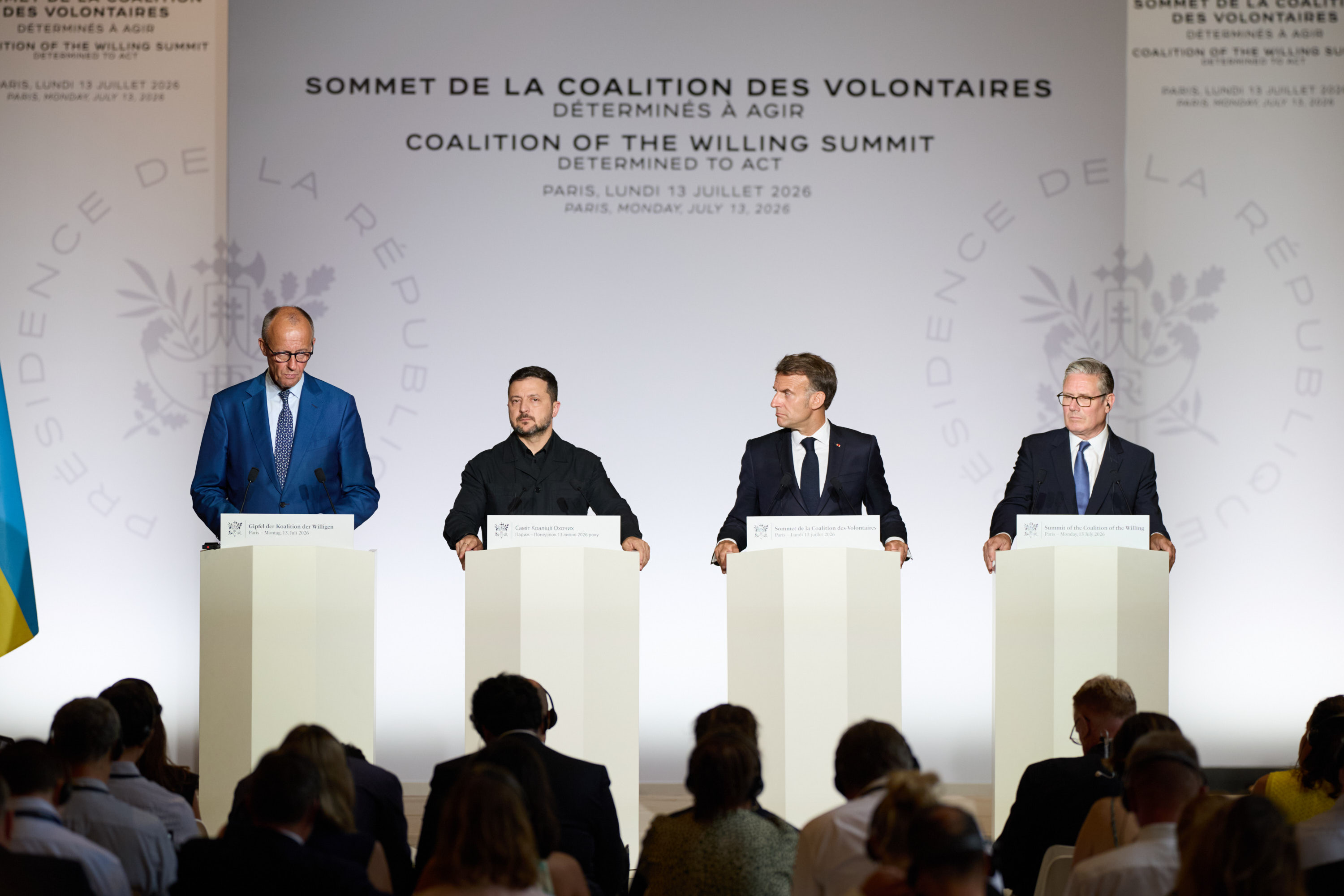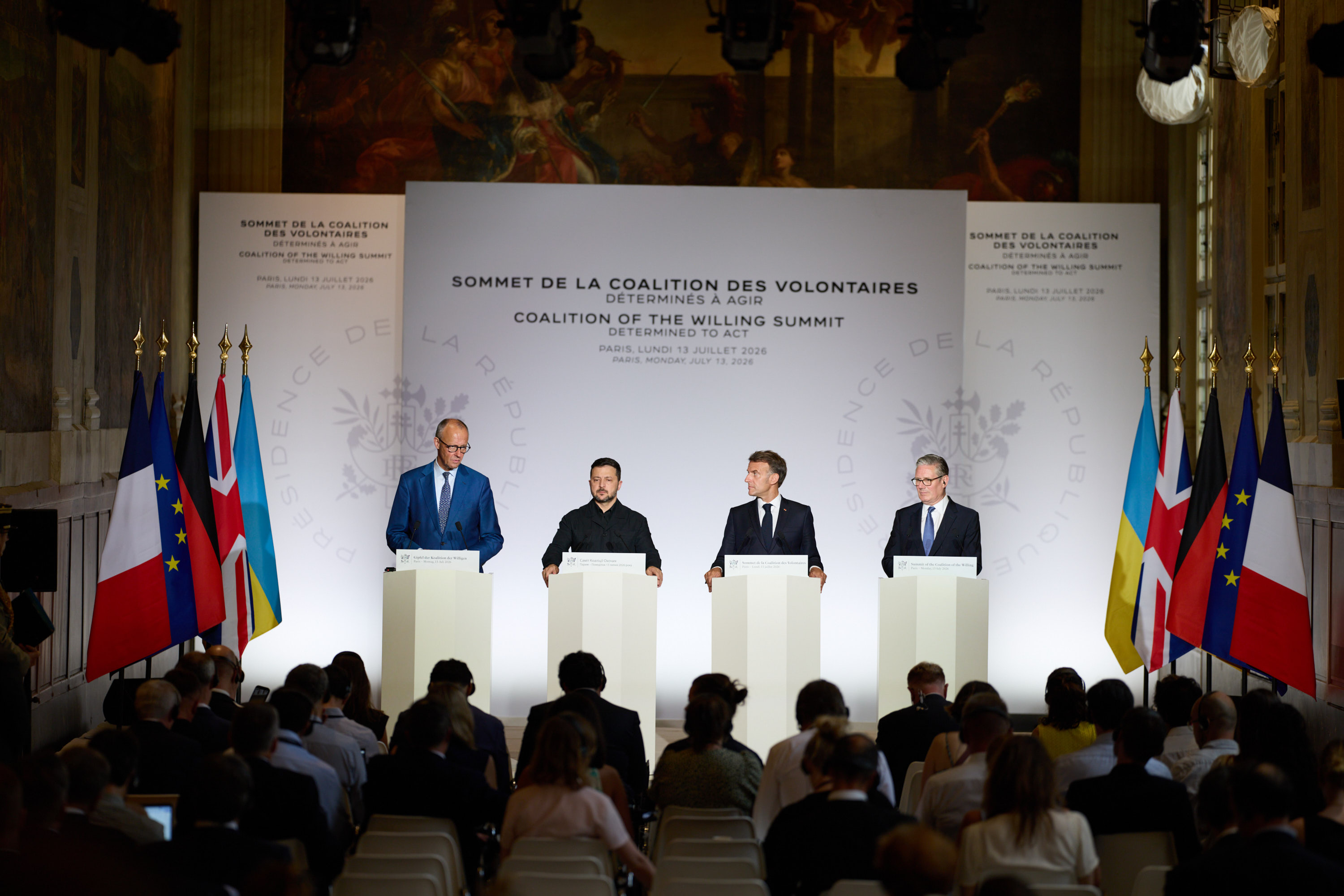
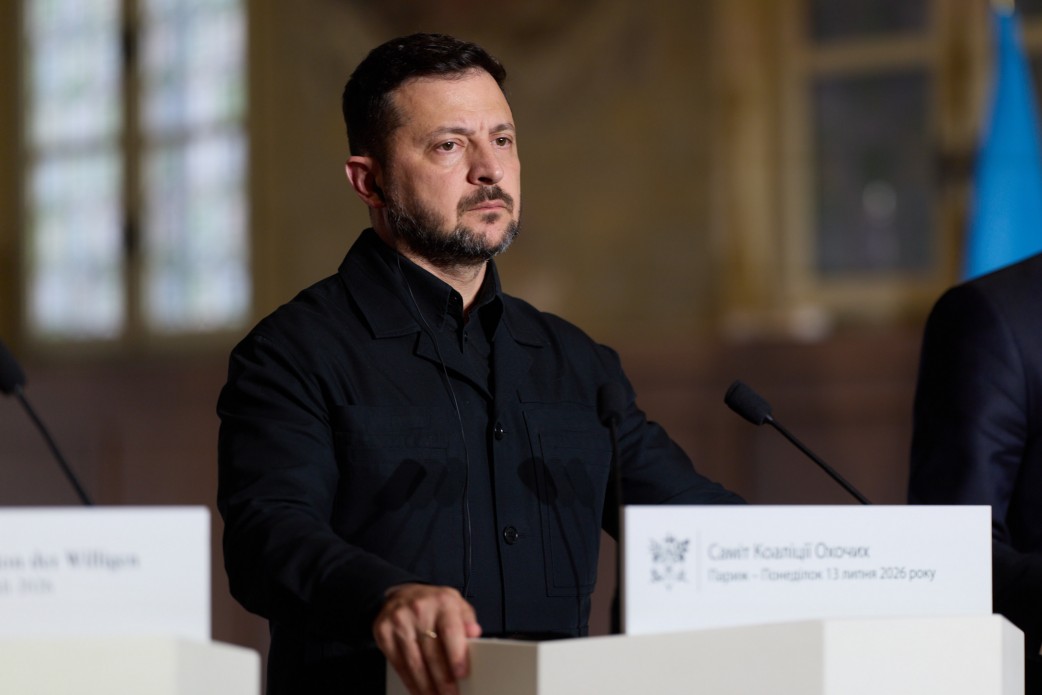
Thank you very much, dear Emmanuel.
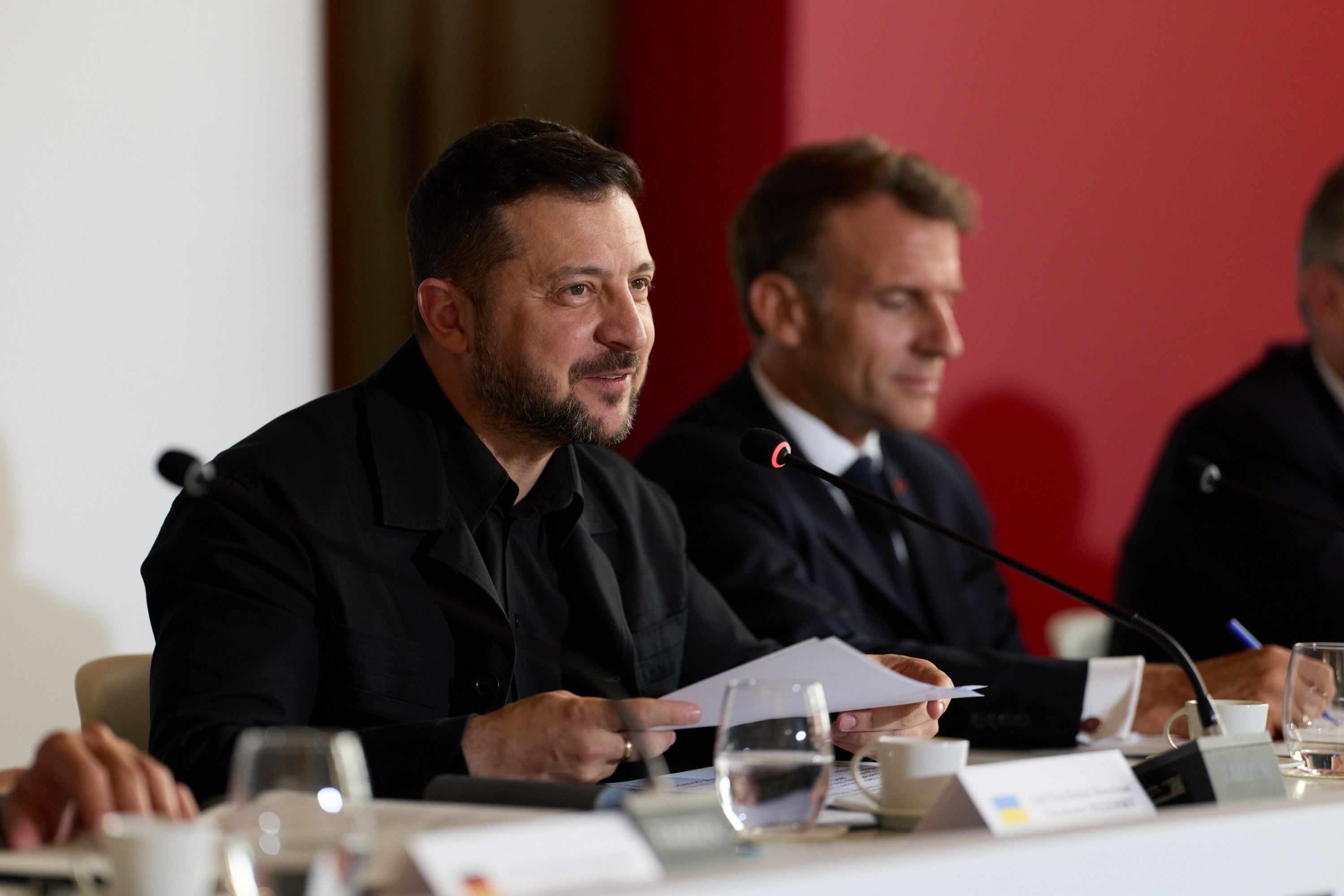
Thank you for the invitation. Thank you for our meeting and for its concrete and important results. It is also very important that there is this sense among all our allies that we stand together. We spoke about this today. It is vital for supporting Ukraine and for the security of all of Europe.
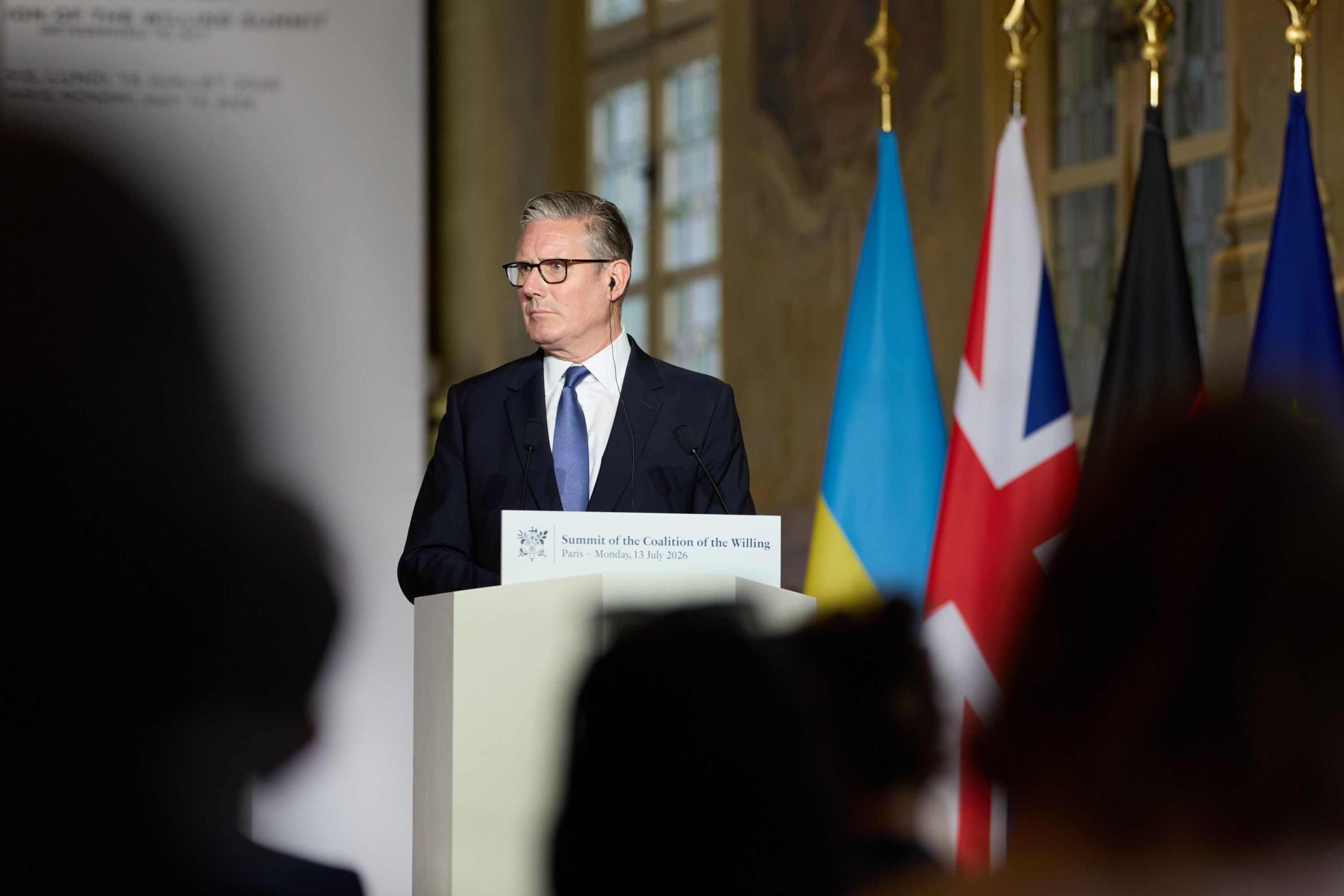
I am glad to see you today, Keir. Basically, Emmanuel has already spoken, and we all echo words of respect, Emmanuel’s words regarding his attitude toward you, his respect for you personally and for your people. And I want to say that you noted today that this is your final meeting of the Coalition of the Willing. We are grateful for your consistent position. It was during your premiership that our countries signed a memorandum on the deployment of a contingent – and this is an undeniable fact – within the framework of the Coalition of the Willing to guarantee security and stability once this war is over. Decisive steps were also taken to strengthen all of us in Europe together. Thank you once again.
Friedrich, dear Mr. Chancellor, thank you for your support.
Dear attendees, dear journalists,
Thank you all for your attention to Ukraine and your respect for our people and our country.
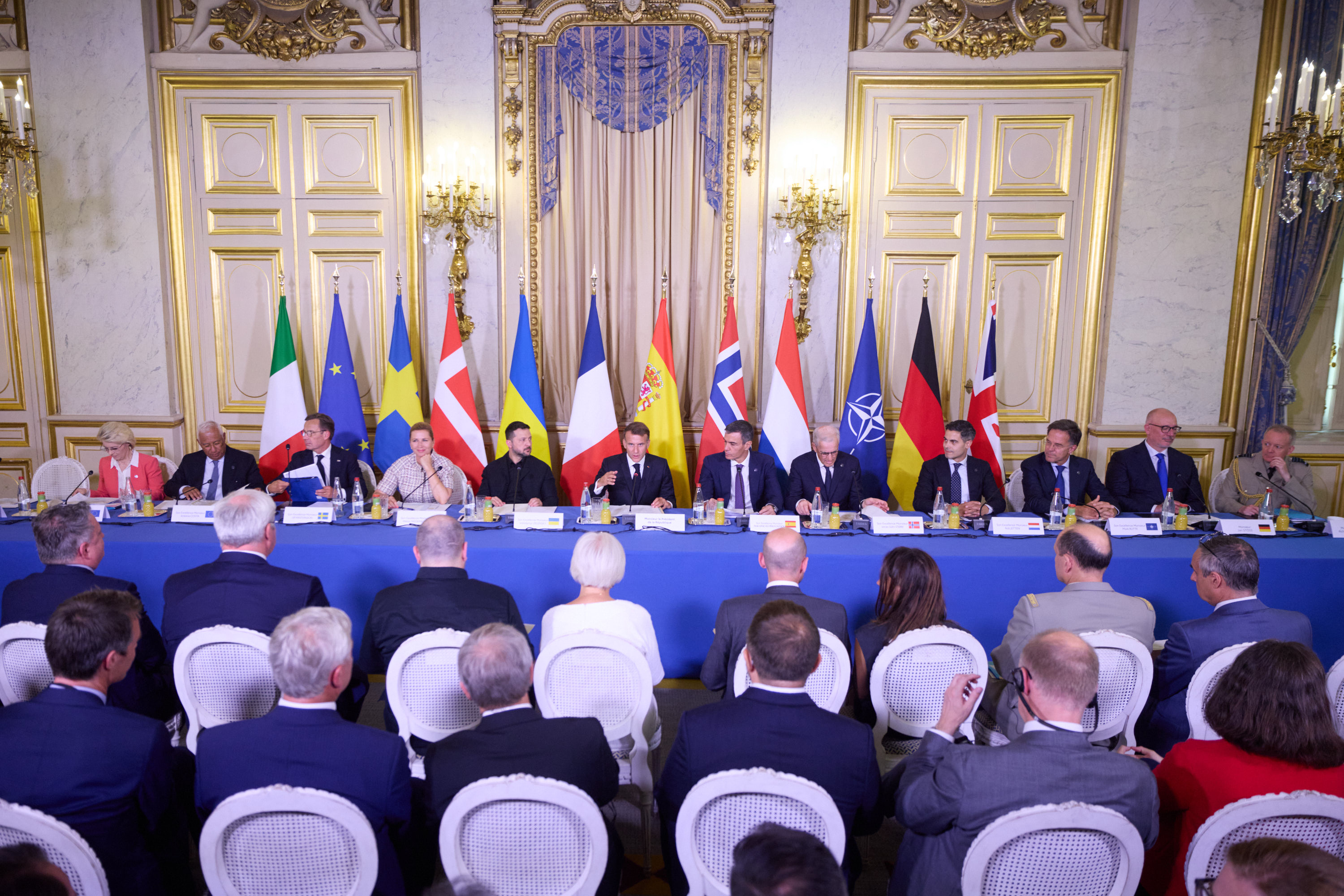
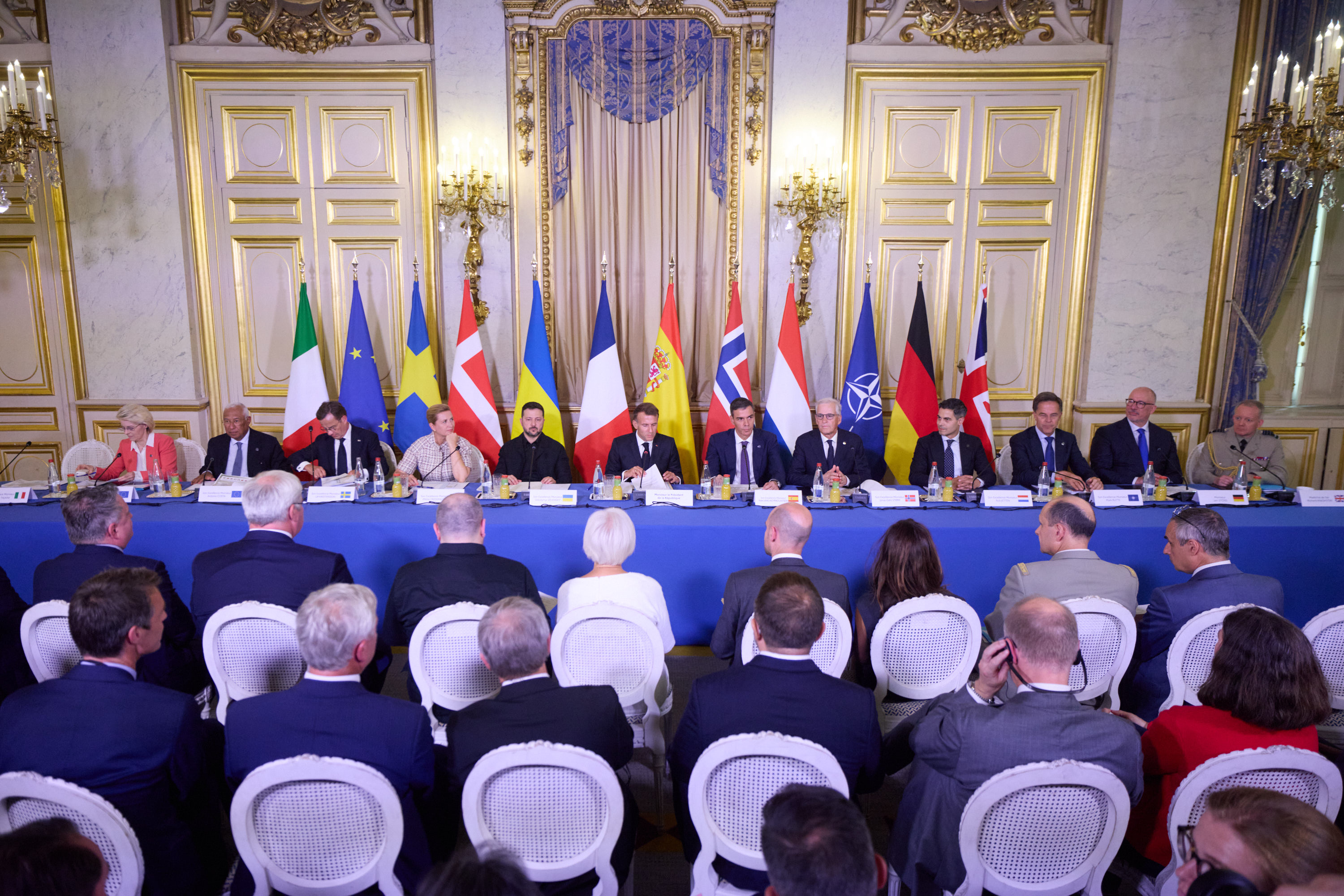
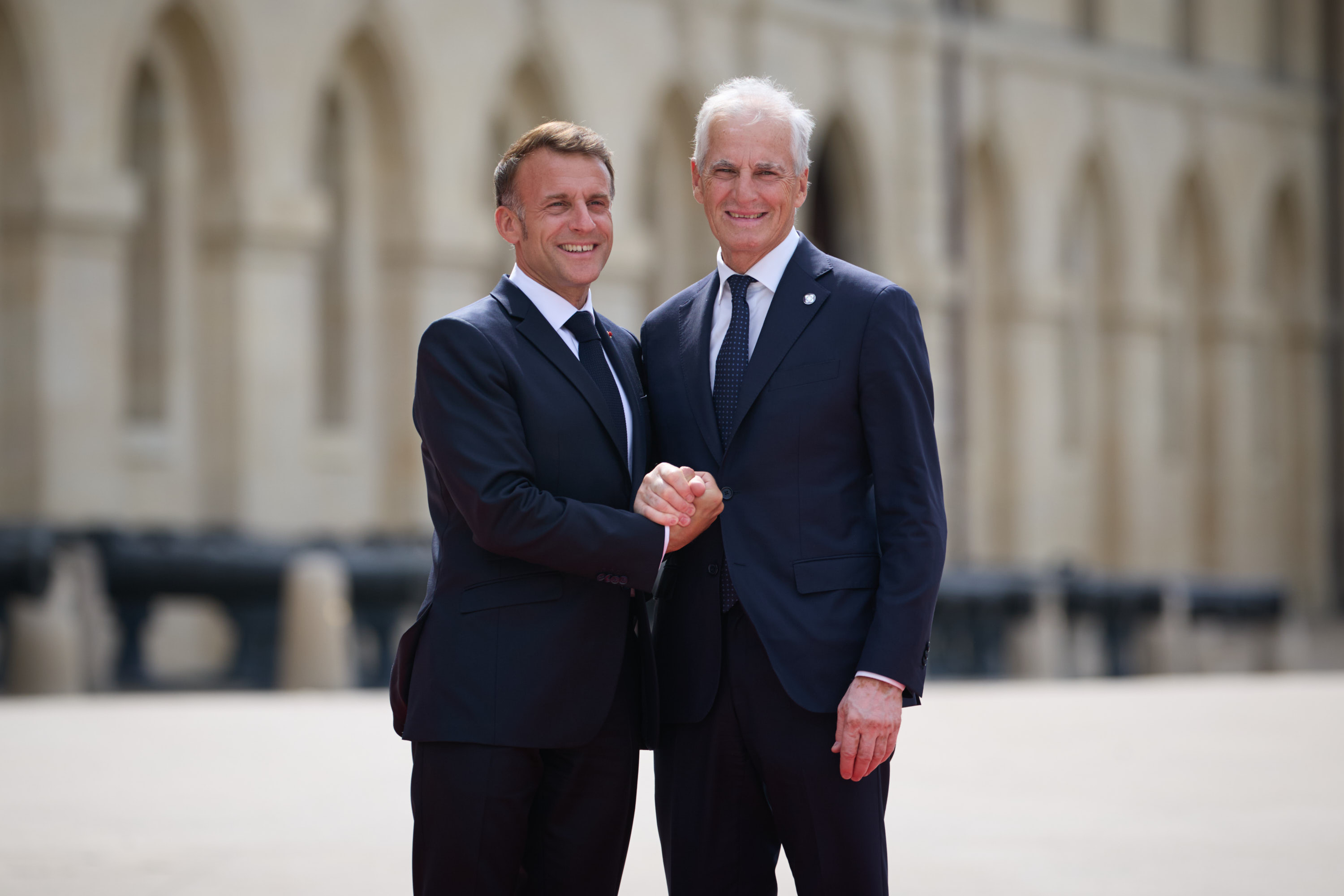
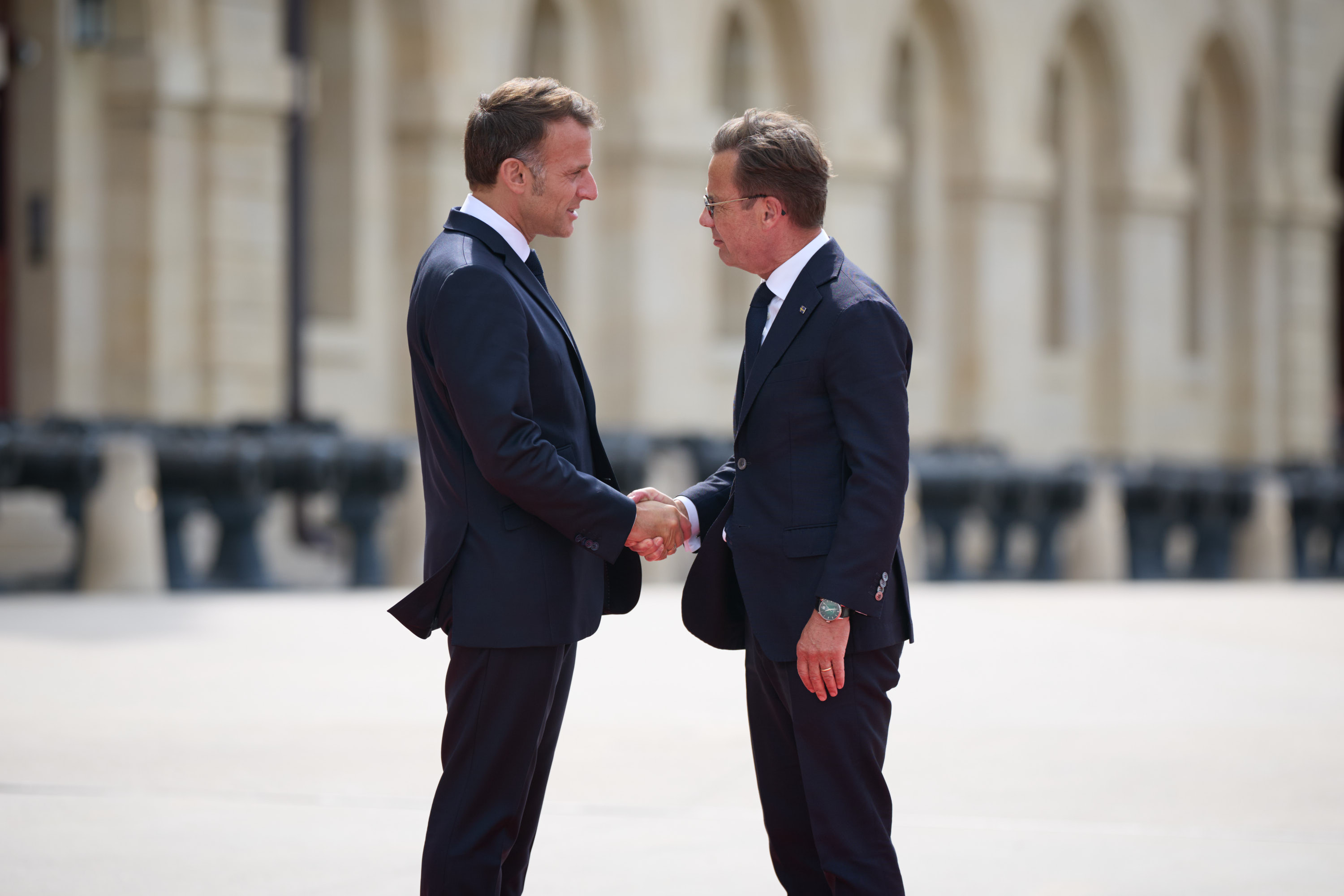
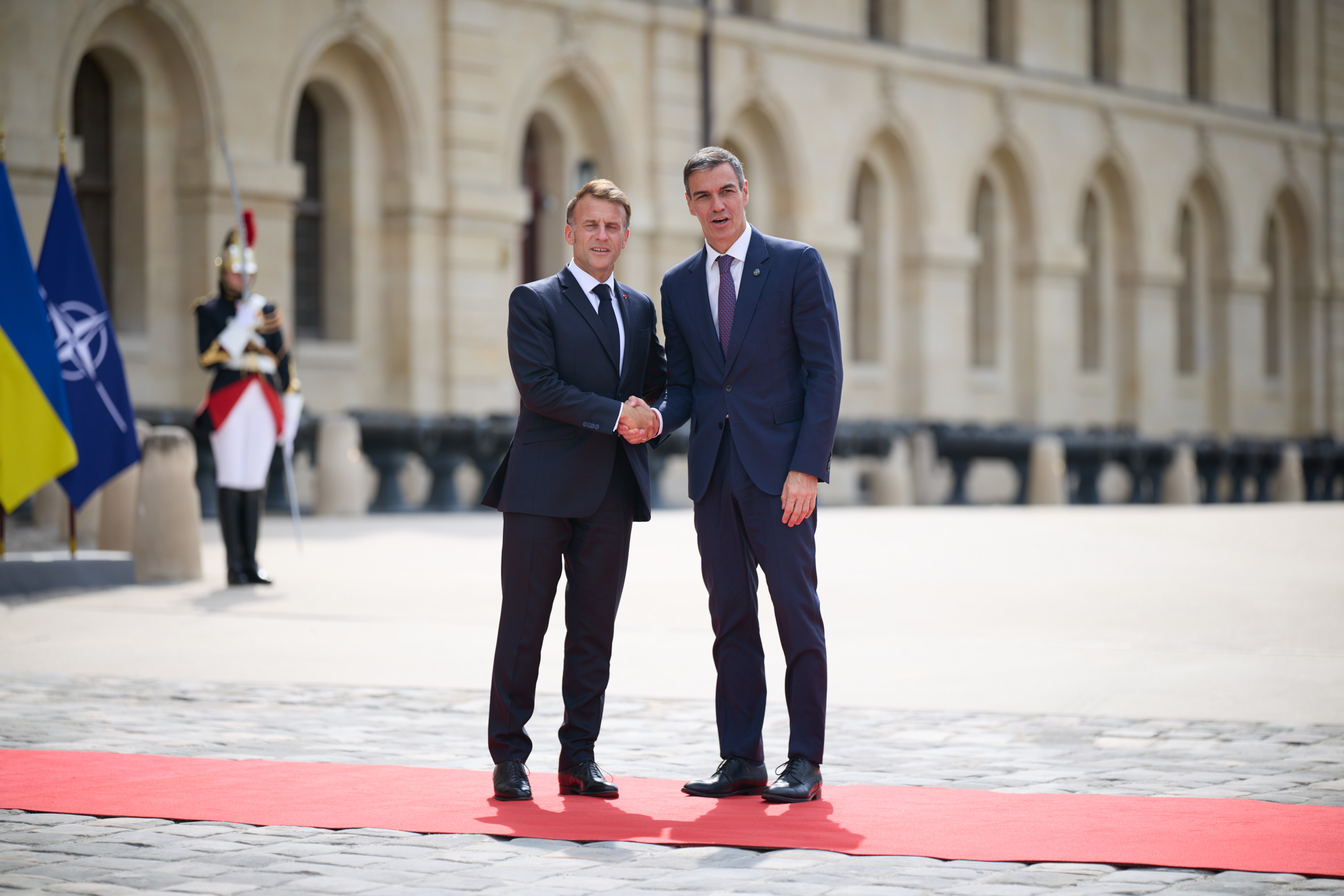
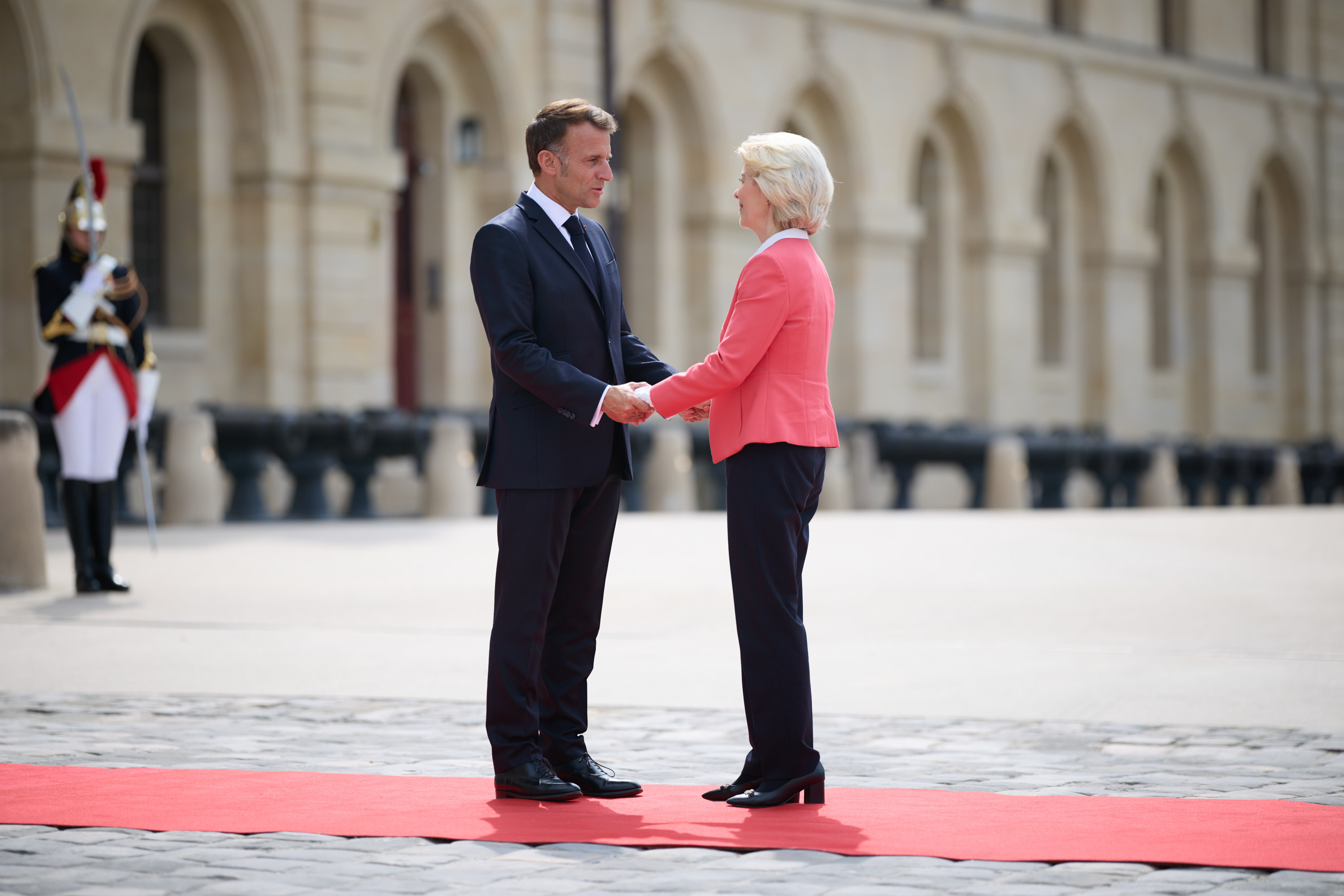
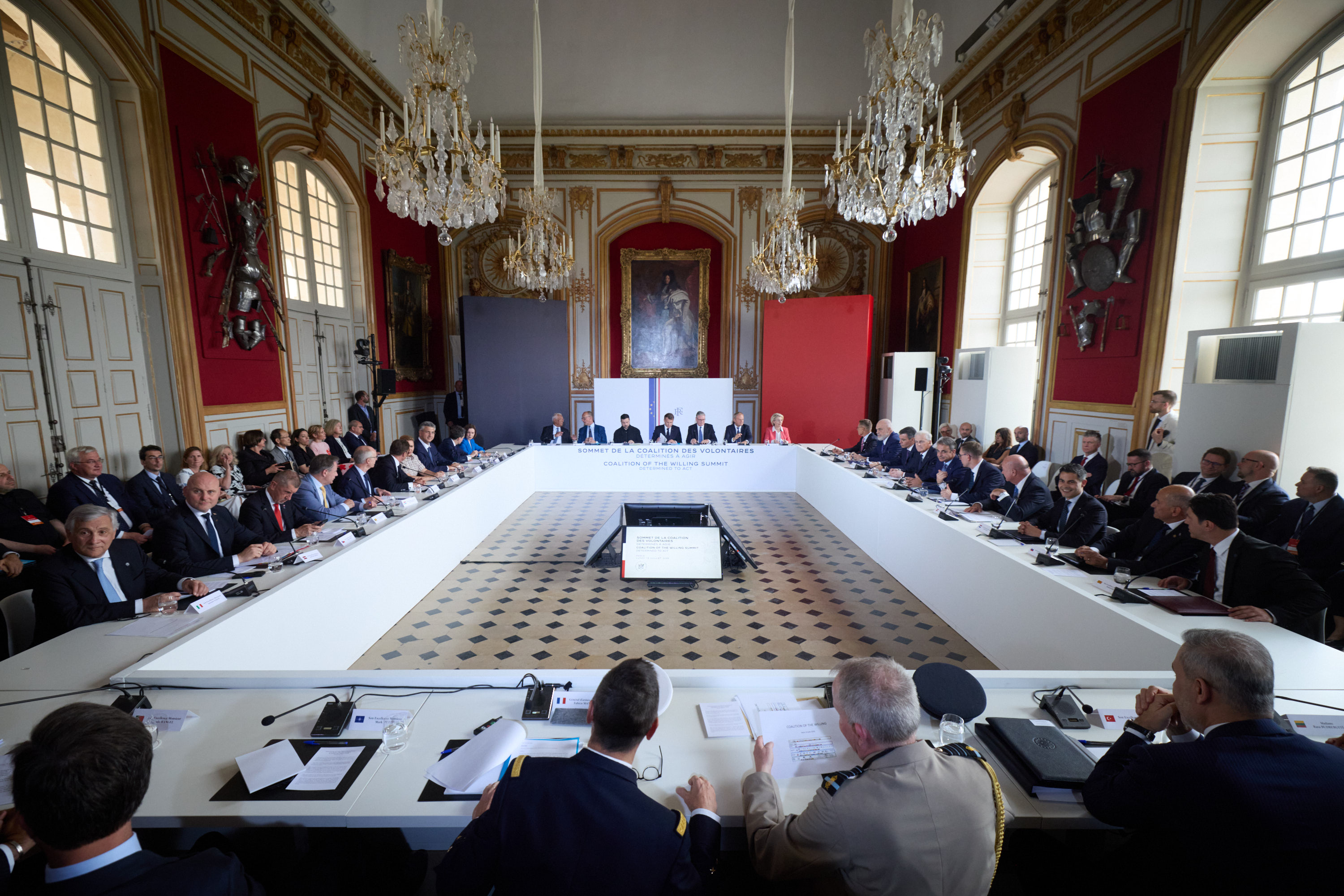
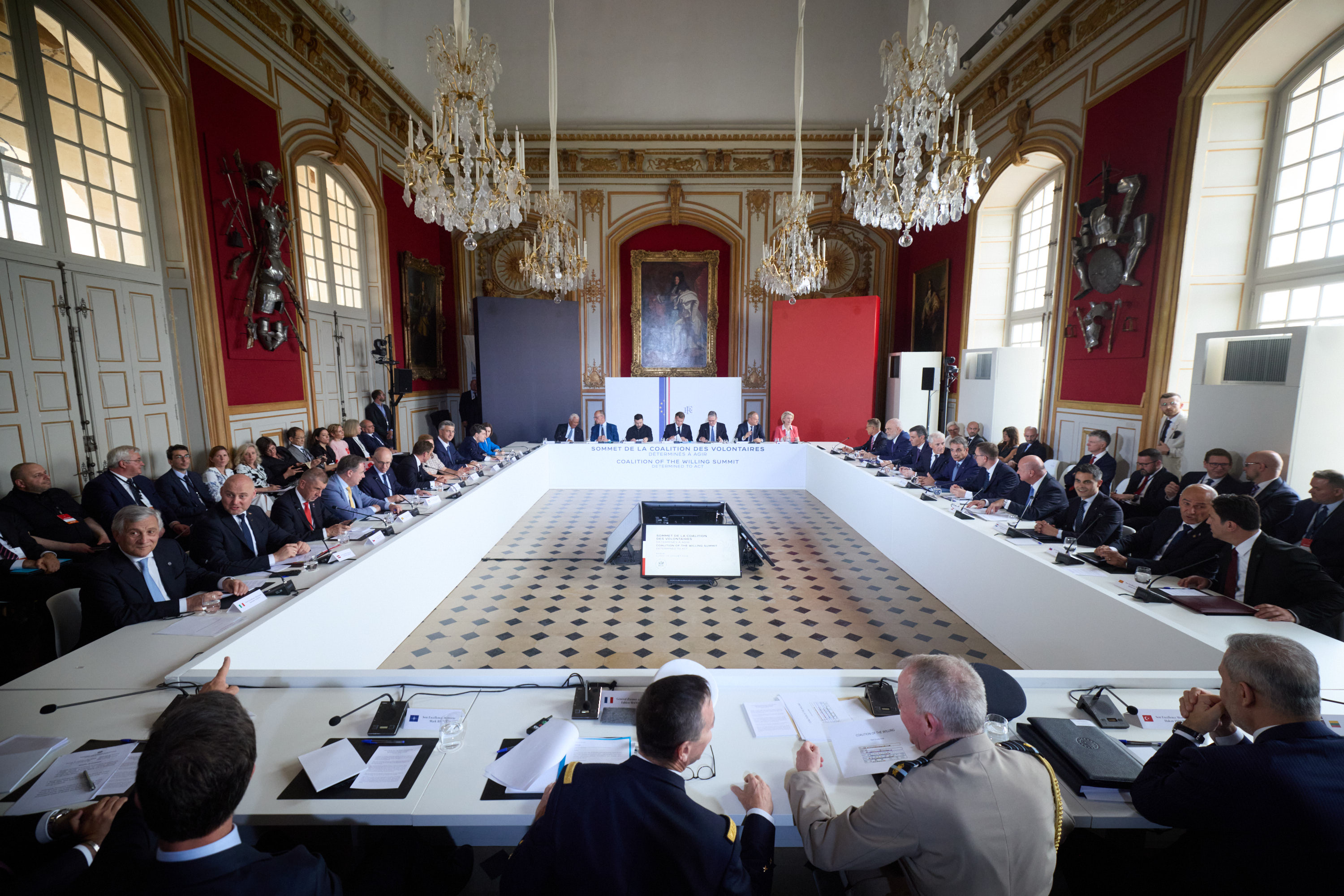
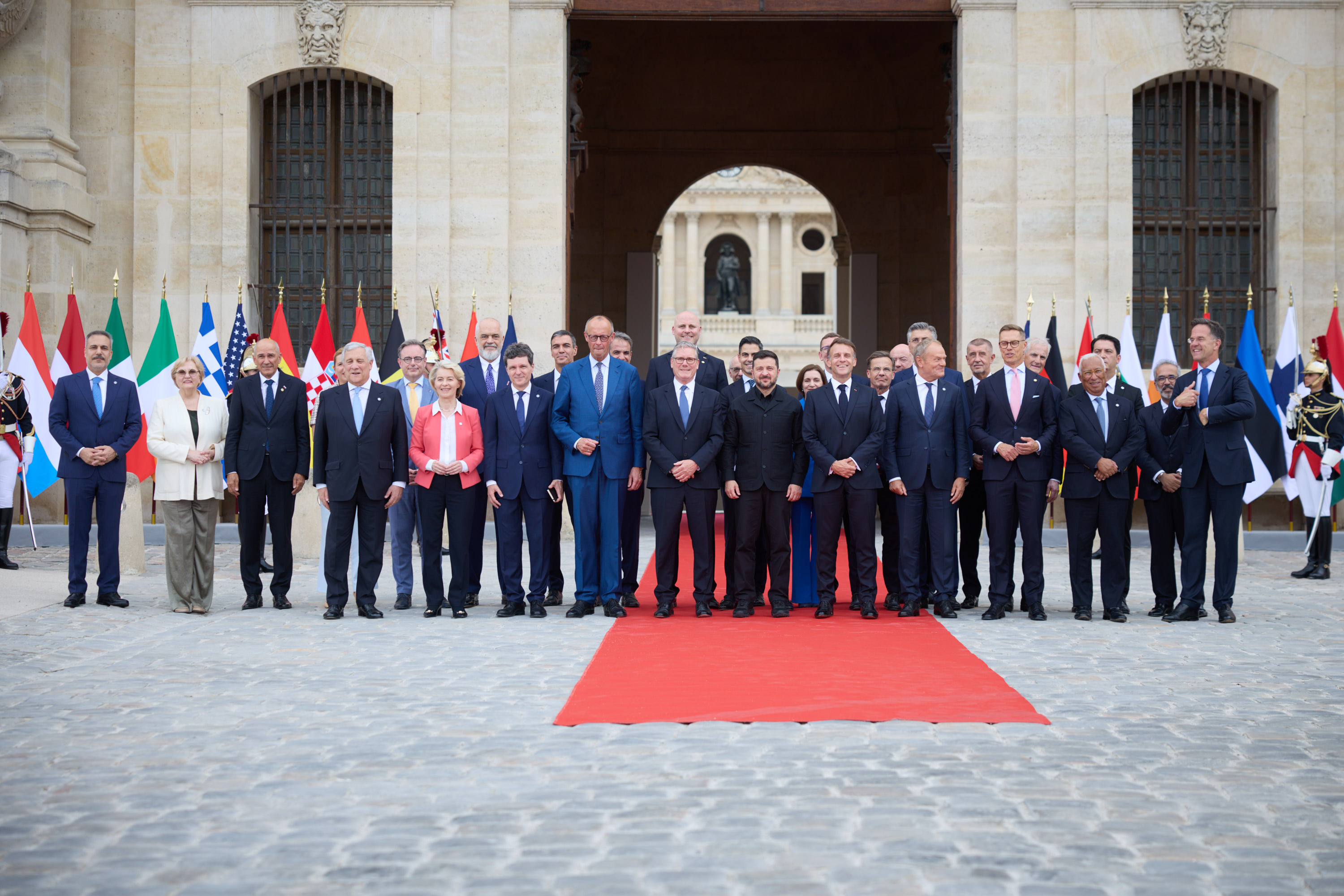
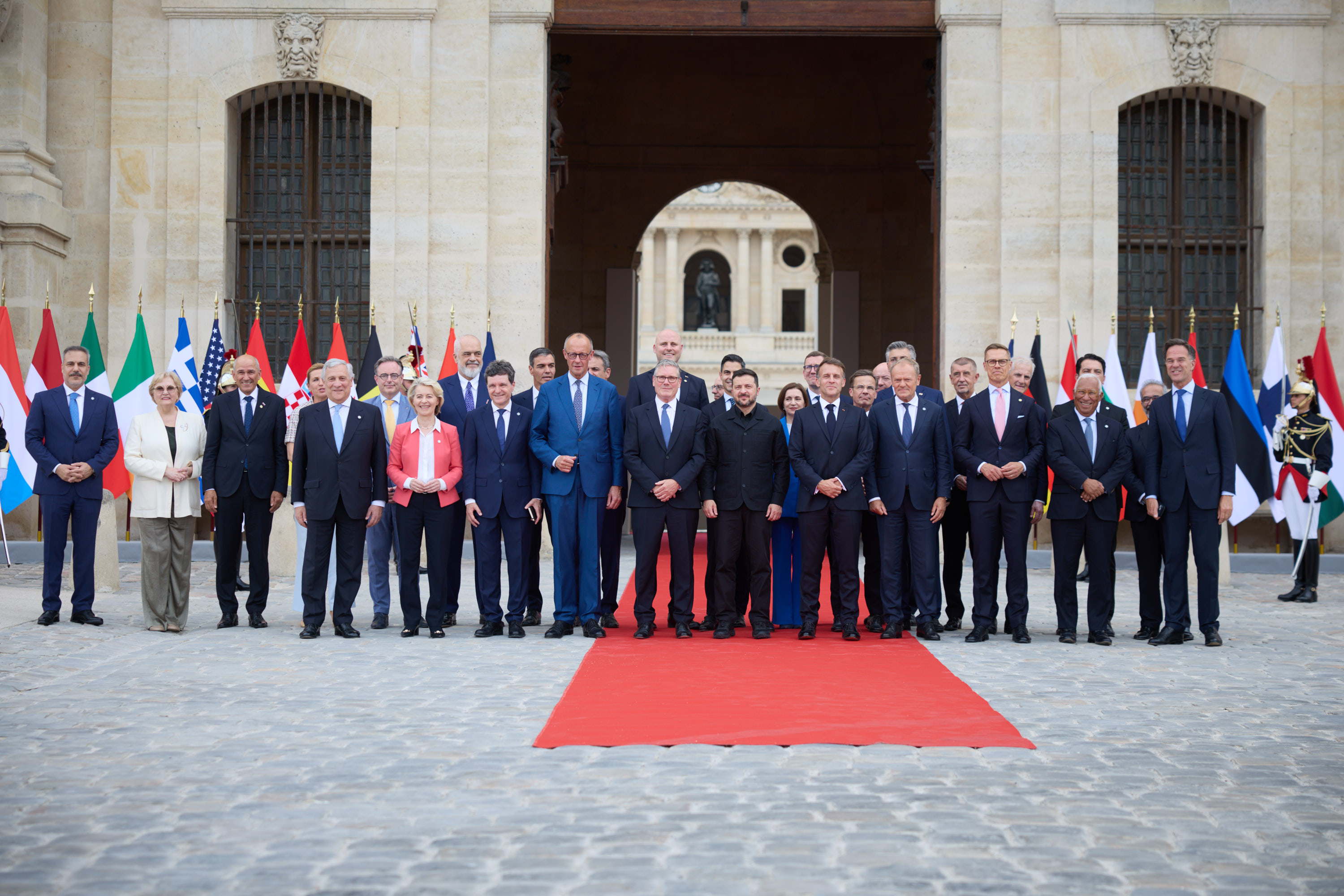
It is deeply symbolic that today, here in France, all of us together – Ukraine, France, the United Kingdom, and Germany, joined by our other European partners: Italy, Norway, Denmark, Sweden, the Netherlands, Spain, as well as representatives of the European Union and NATO – launched the Anti-Ballistic Missile Program. This is the FREYJA anti-ballistic system and missile, which can become one of our shared strong contributions to protecting lives, strengthening Europe, and enhancing Europe’s global capacity to prevent conflicts.
All of you can see the threat posed by ballistic missiles today. In Russia’s war against Ukraine, ballistic missile strikes have become Russia’s final bet – truly his final means of prolonging this bloody war. Throughout all the years of the full-scale war, Putin has been trying to break us – each and every one of us – to break Ukraine and Ukrainians, to break our motivation, our morale, the morale of our people. The battlefield does not allow him to do that. And this year, our positions – the positions of Ukraine on the front – are stronger than in any other year of the war. Emmanuel is absolutely right: we must identify precisely what, under the current conditions on the front, can support us and allow us to put pressure on Russia, of course, for the sake of diplomacy. Putin has tried many different means of applying pressure, killing, and destroying. And ballistic missiles are the means that are objectively difficult – really difficult – for us to deal with. We see the same in the Middle East and the Gulf – how much suffering ballistic missile strikes can cause when they are combined with massive drone attacks. Ukraine has been defending against this for years, and literally every day we need new interceptors for our anti-ballistic missile systems.
Europe currently has several options for this kind of protection against ballistic missiles. First and foremost, there are the American Patriot systems and missiles for them. France, together with Italy, is developing its own system – the upgraded SAMP/T. There are also IRIS-T systems, and we are grateful to Germany for supporting us with these systems. The challenges surrounding the American systems are clear. Production is, of course, being ramped up, but there are not many of these systems. They are high-quality, but limited in number. And the President of the United States has said that significantly more missiles will be available to protect lives in the coming years. But the United States already has to help sustain its allies’ arsenals, defend itself and its bases against strikes from Iran, and, of course, respond to what is happening in Europe – in the war, Russia’s full-scale war against Ukraine.
We are grateful to all partners who are helping us with anti-ballistic missile capabilities – both through the PURL program and bilaterally. Thank you, friends – France, Germany, and the United Kingdom. Nevertheless, the reality in Ukraine right now is that sometimes we do not have the missiles needed to intercept ballistic missiles. That is a fact, and it is the truth.
That is why we launched a new Anti-Ballistic Missile Program that includes coordination across the political, governmental, and industrial dimensions and can deliver anti-ballistic weapons at scale: the system and the missiles for it. We named the program FREYJA, and today our Anti-Ballistic Missile Coalition held its first, inaugural meeting. Thank you, friends, for your support. It is important that European companies are also represented – specifically those that manufacture critical components for defense systems.
Fire Point, Thales, Diehl Defence, Saab, Kongsberg Defence & Aerospace, Weibel, Leonardo, Sener, MBDA, Eurosam, Safran, Destinus, and others. Thank you for being here today.
Each of us individually has important – very important – pieces, very important components. Ukraine has missiles, but they are only parts of the system. Together, over the next 12 months, we can develop this missile and this system, ideally, at scale – FREYJA. It will eliminate the shortfall, be affordable, and, over time, enable all of Europe both to meet its own needs for new anti-ballistic missile capabilities and to provide sufficient quantities of its own new anti-ballistic missile systems to countries around the world that need protection. This is a historic day for all of us. I am certain of that.
Dear friends,
Of course, today we also discussed measures that can help right now.
I want to thank France for its readiness to support Ukraine with additional air defense systems as early as this year. And Emmanuel, I personally thank you for your readiness to grant licenses. This is a significant step forward. This will be of great help – licenses for ASTER and SCALP missiles. These are important decisions. We thank the United Kingdom and Germany for their consistently tangible steps to help protect lives. There will be new defense packages for Ukraine.
At every level, we discussed additional sanctions against Russia for this war. The 21st sanctions package is expected this week, and the continuous updating of sanctions prevents Putin from adapting to them. Sanctions create a serious incentive for Russia to choose diplomacy after all.
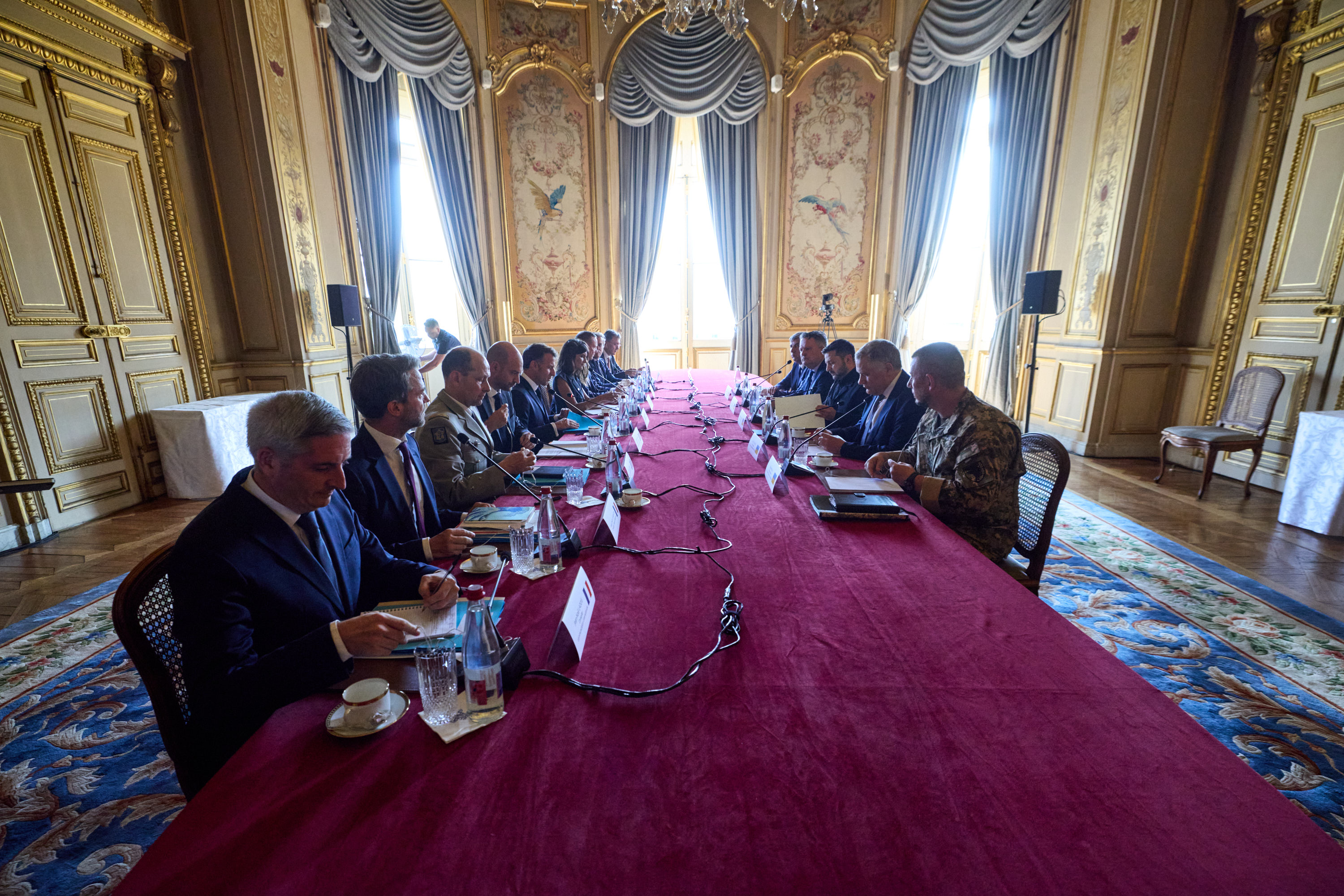
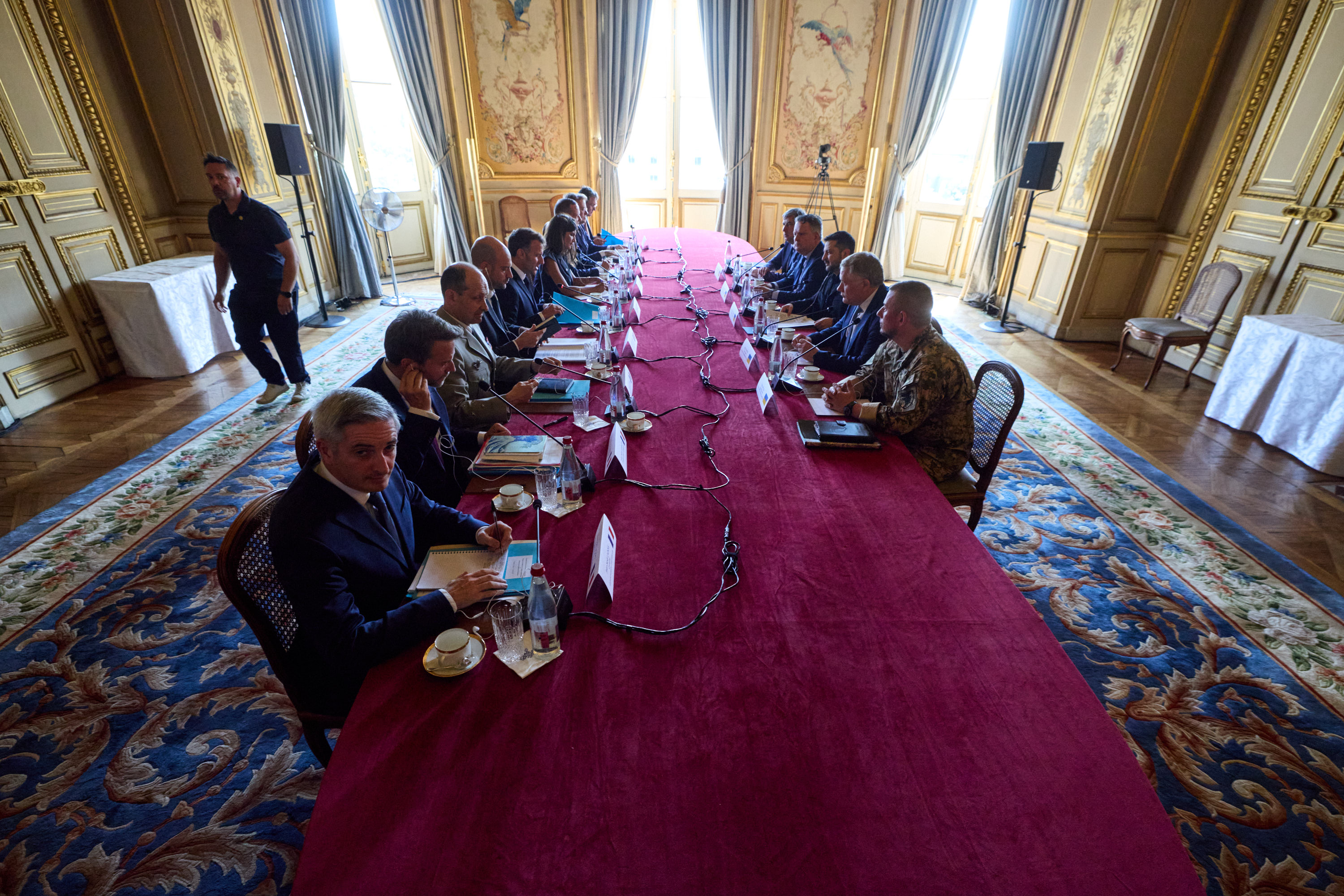
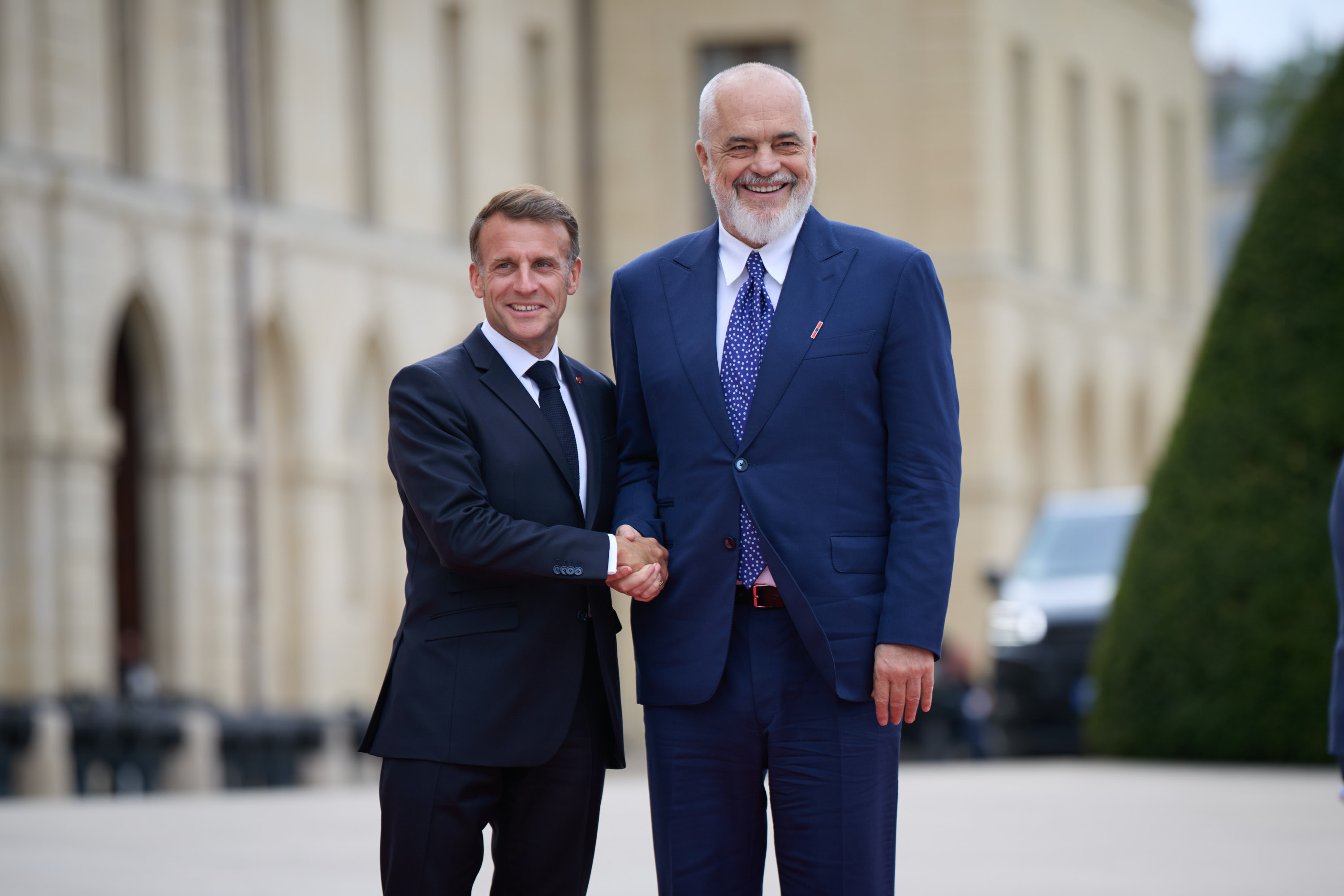
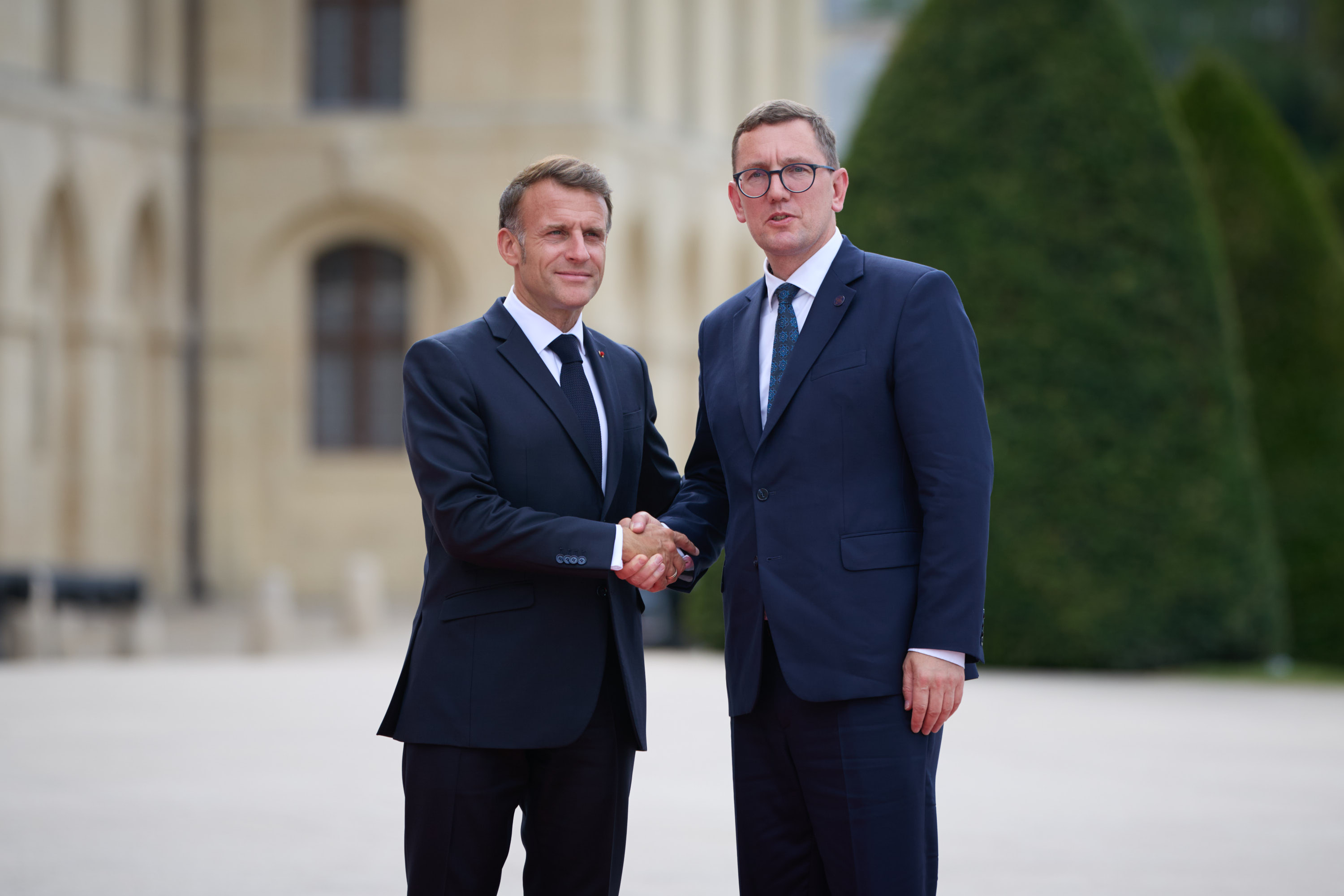
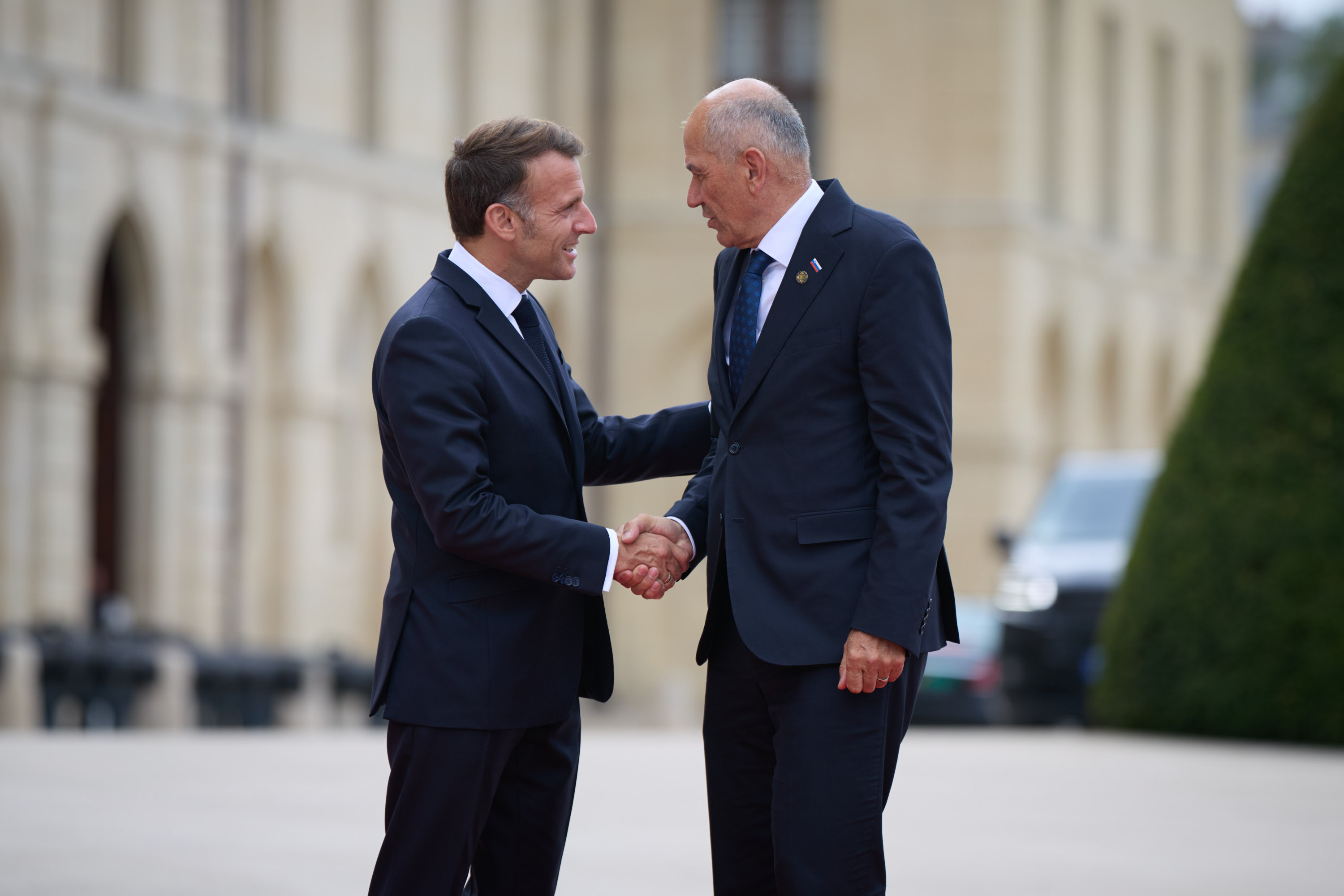
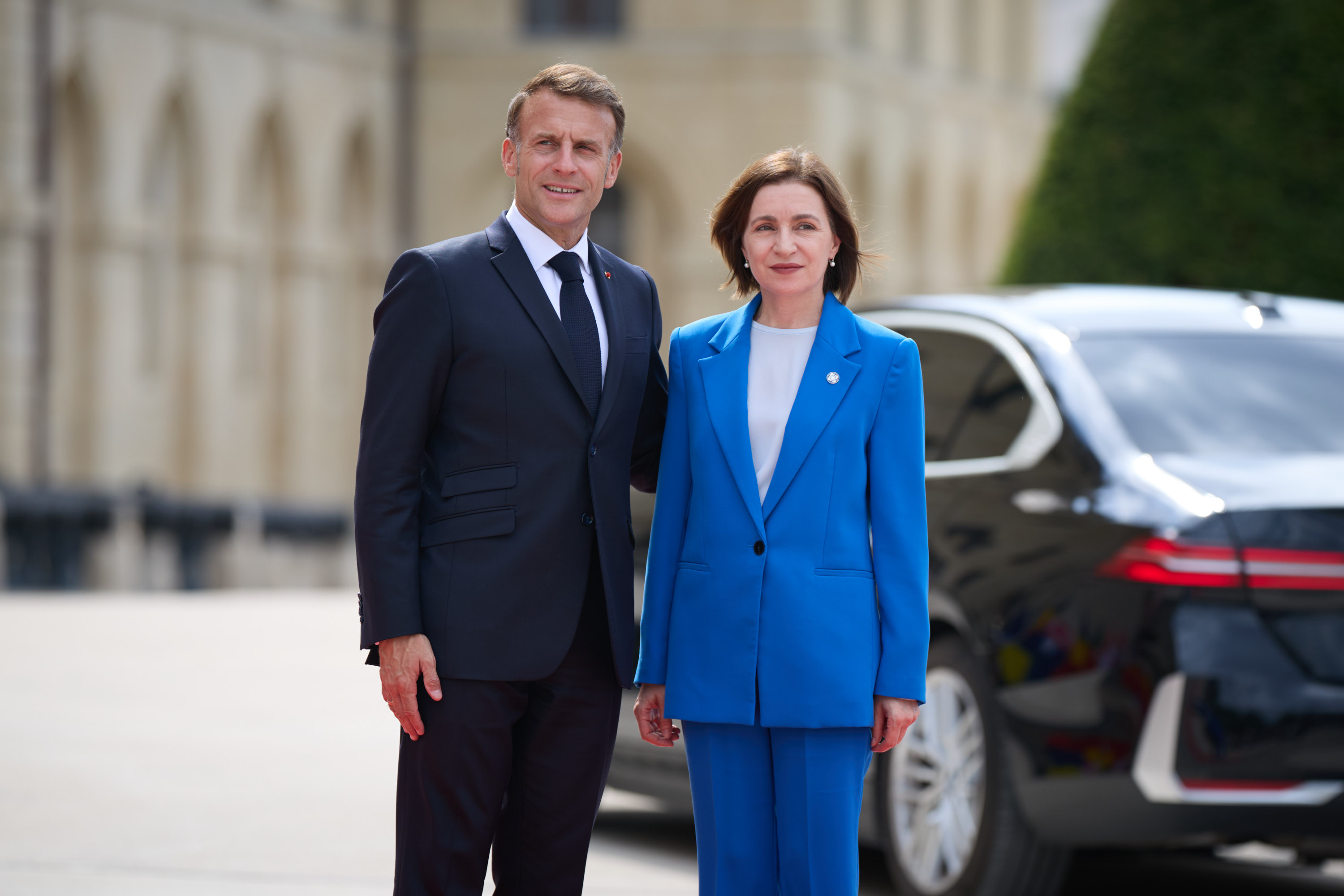
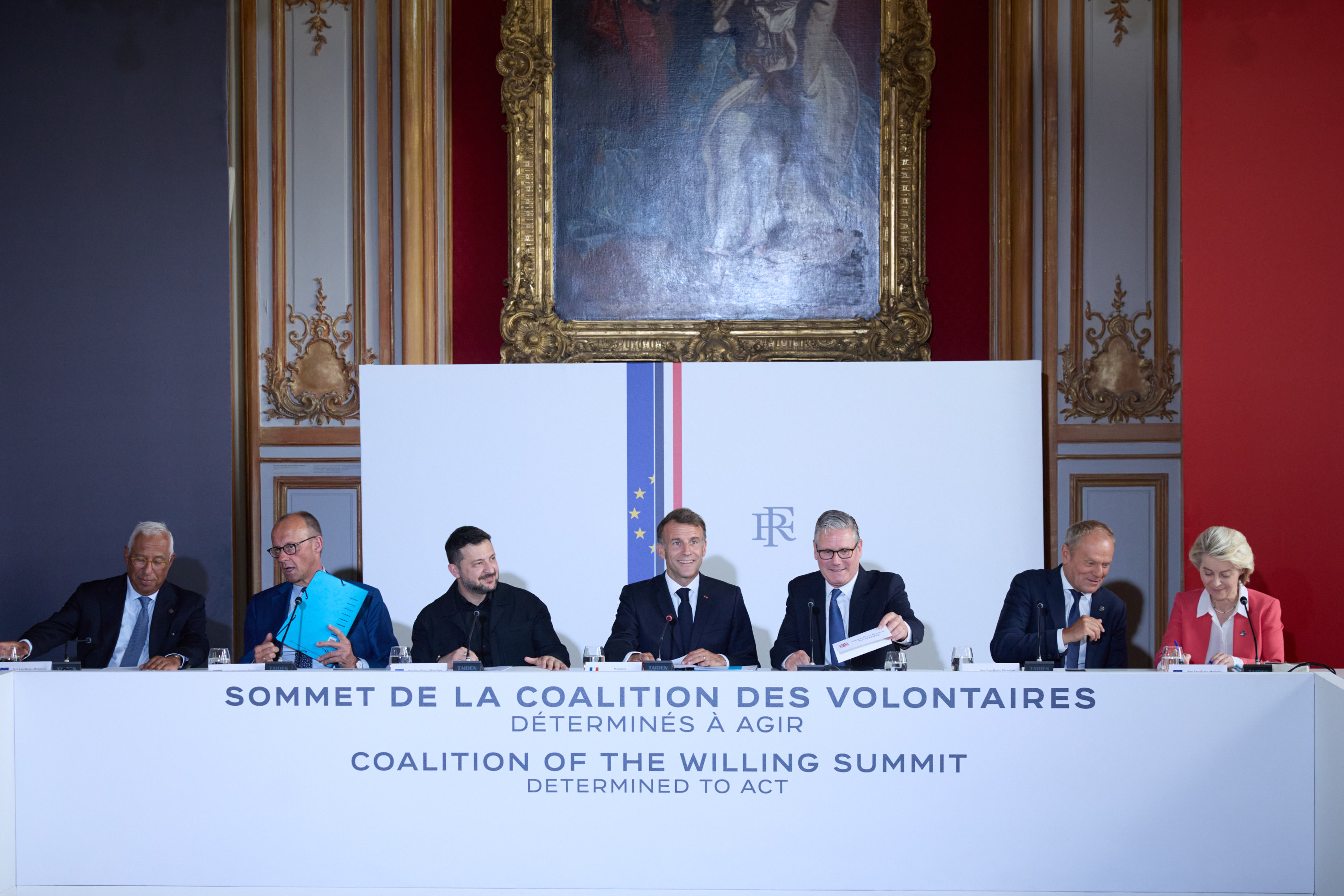
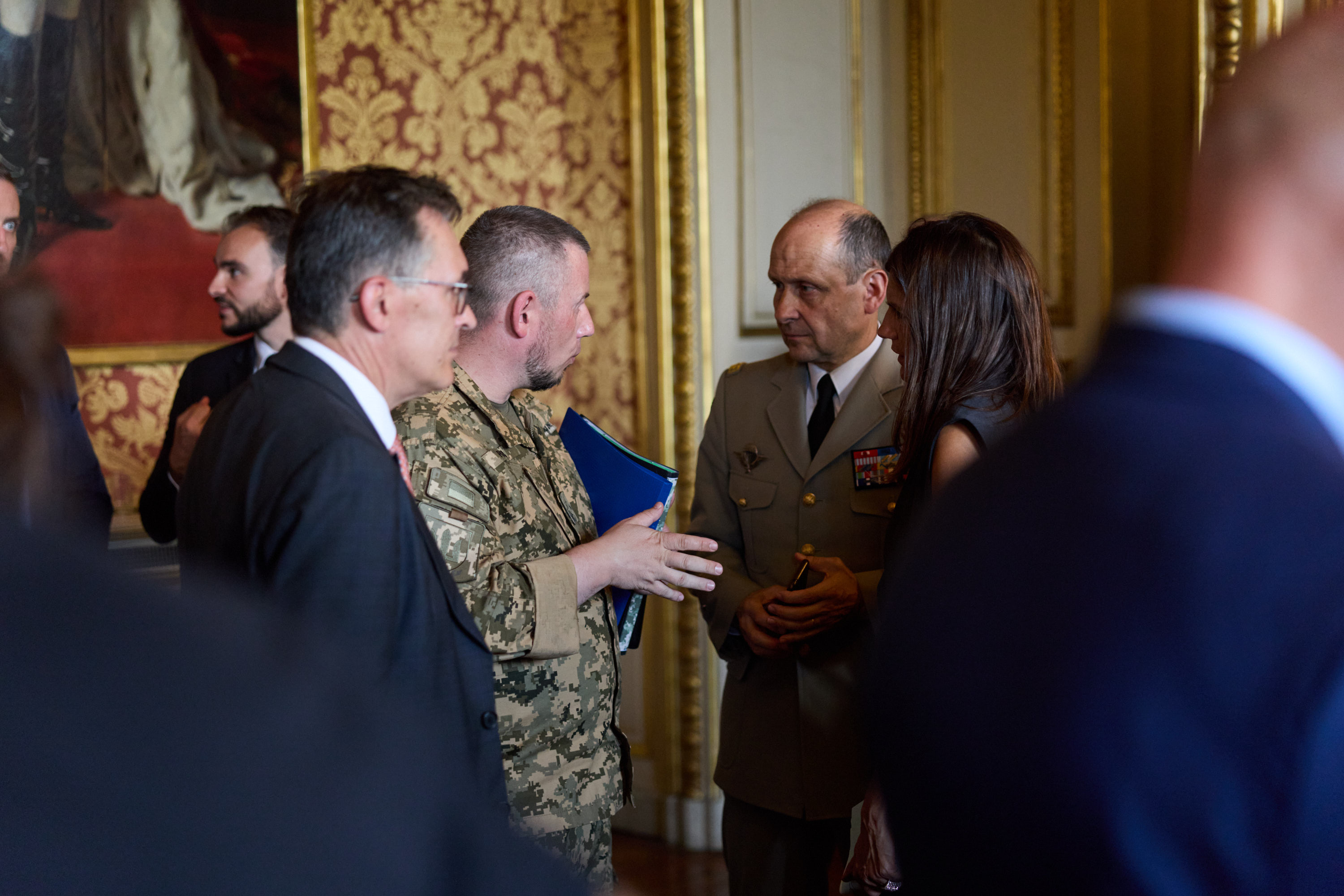
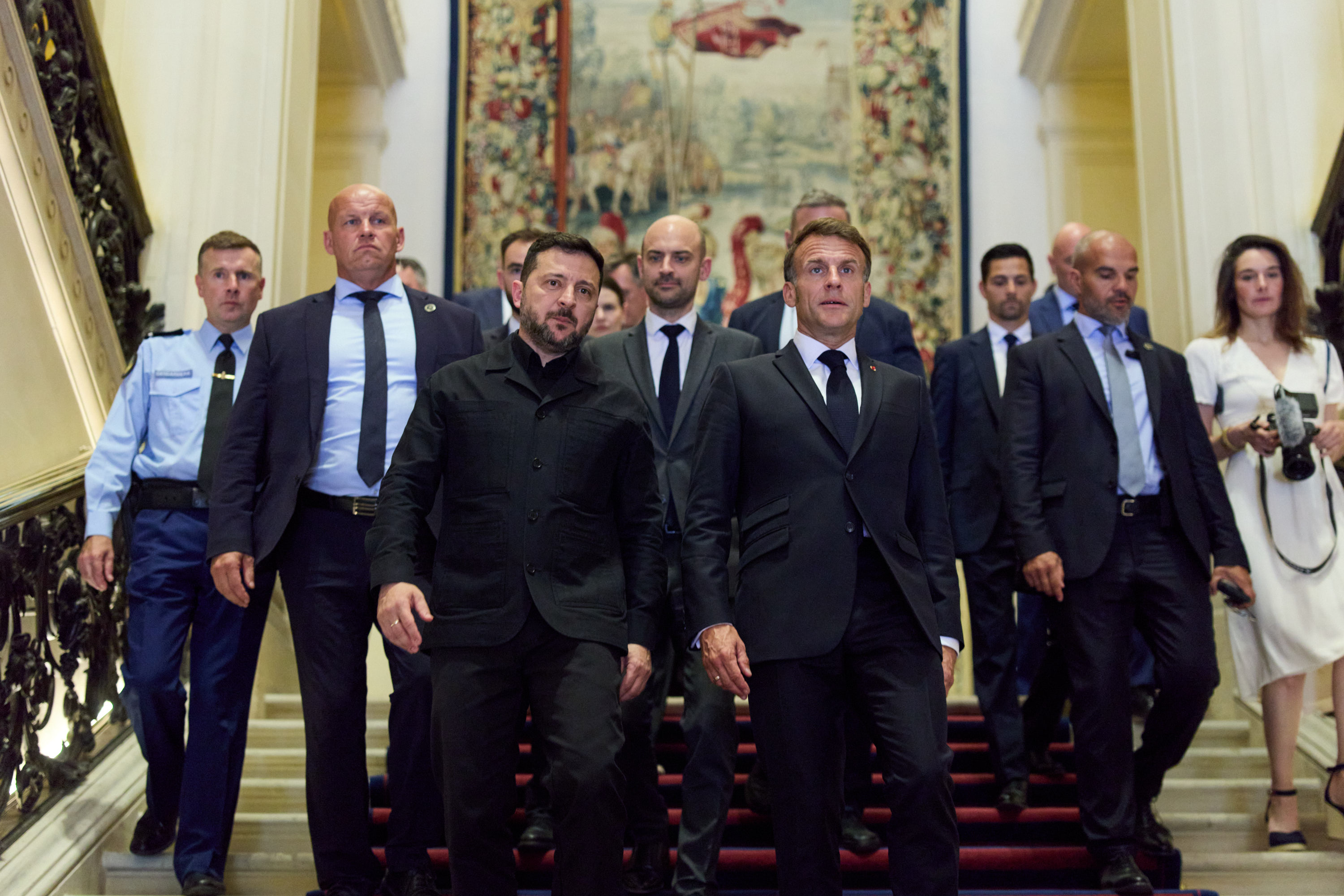
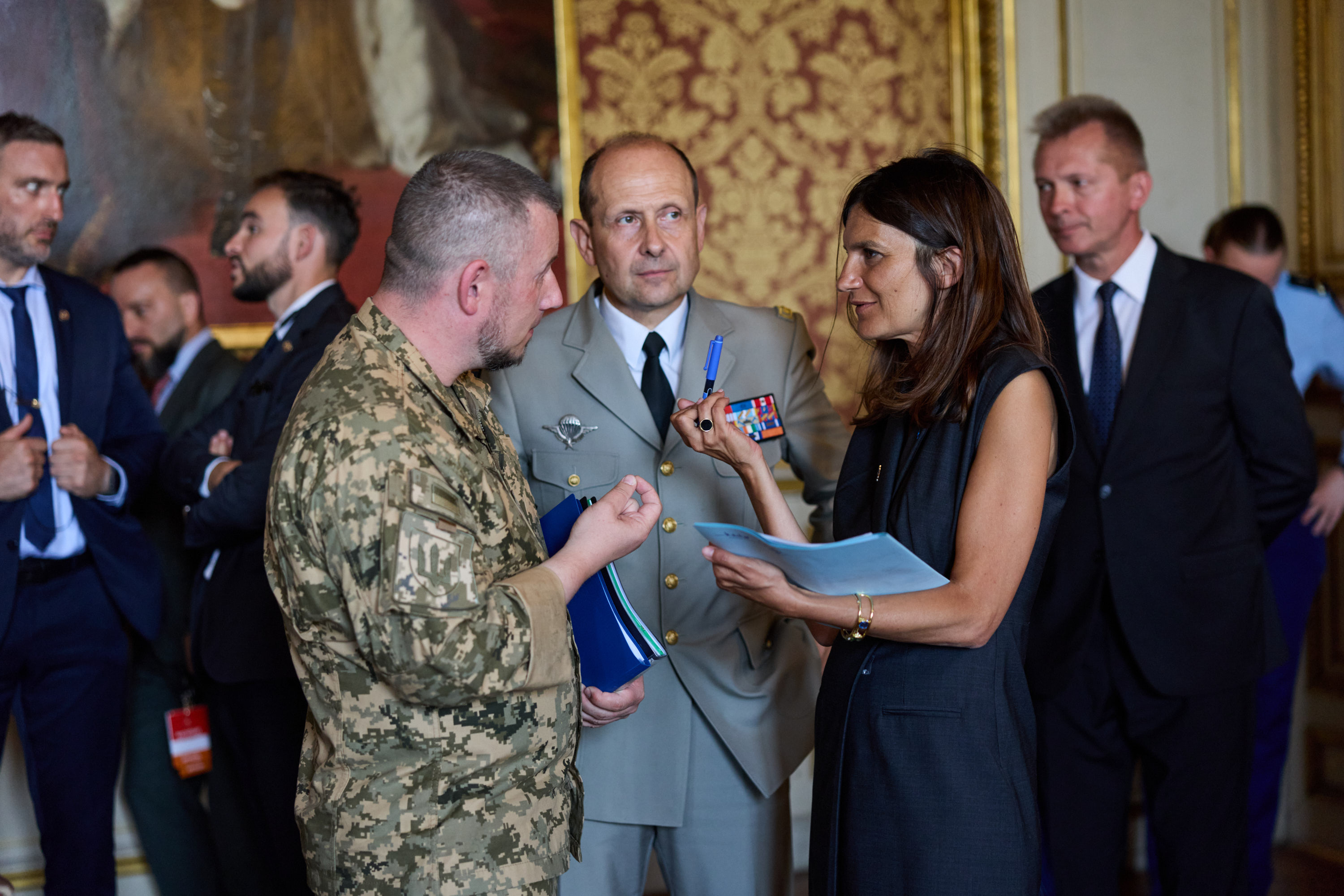
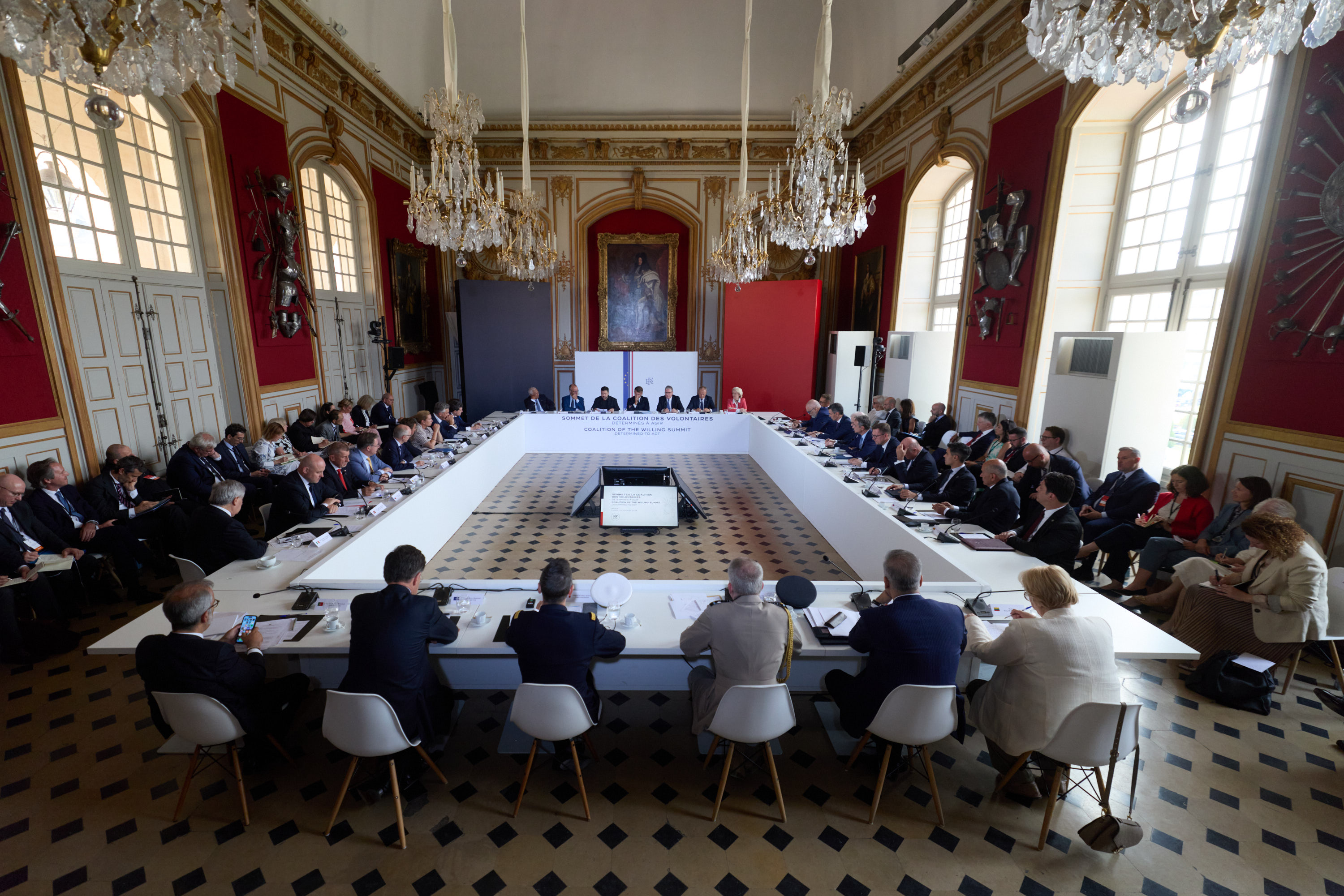
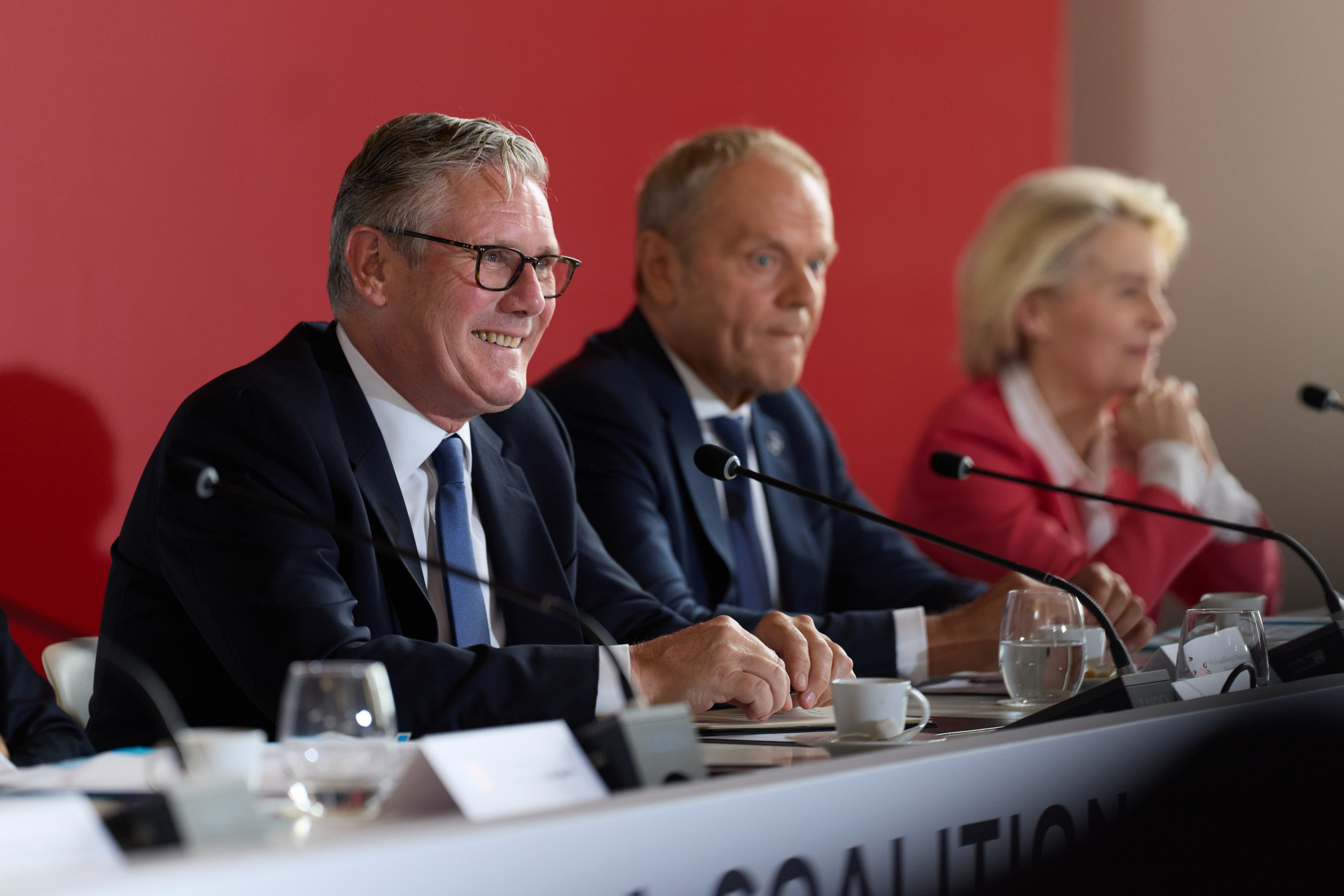
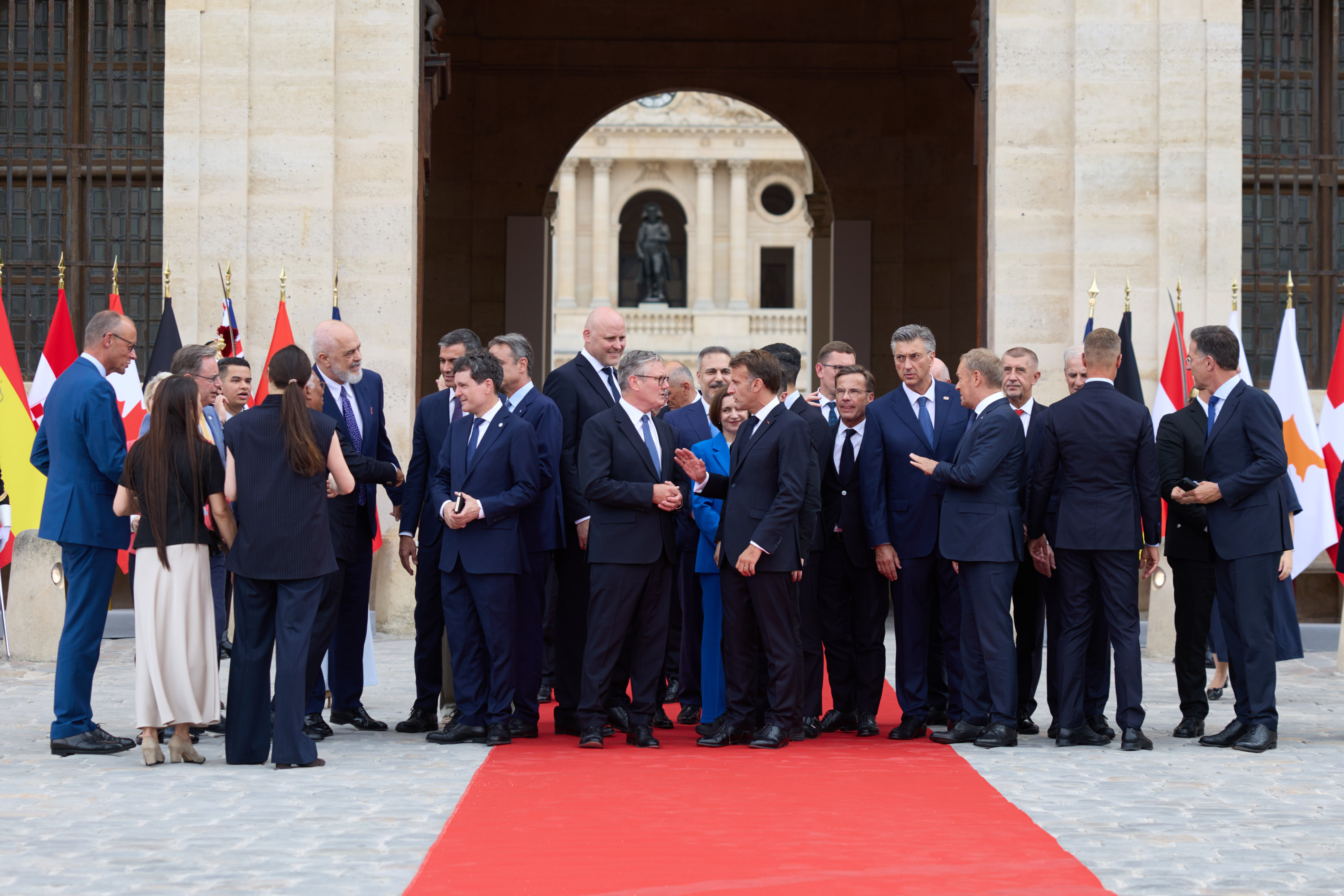
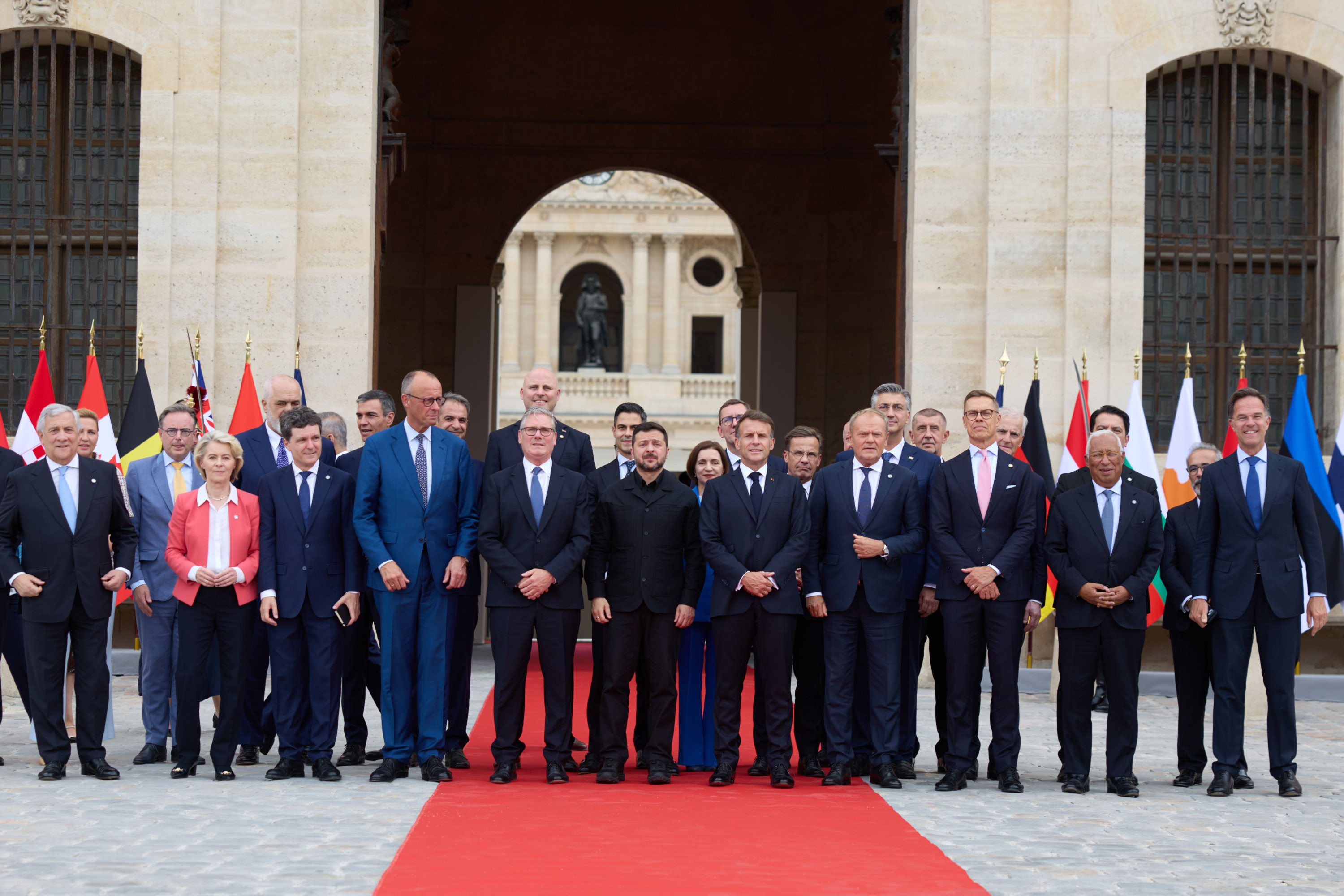
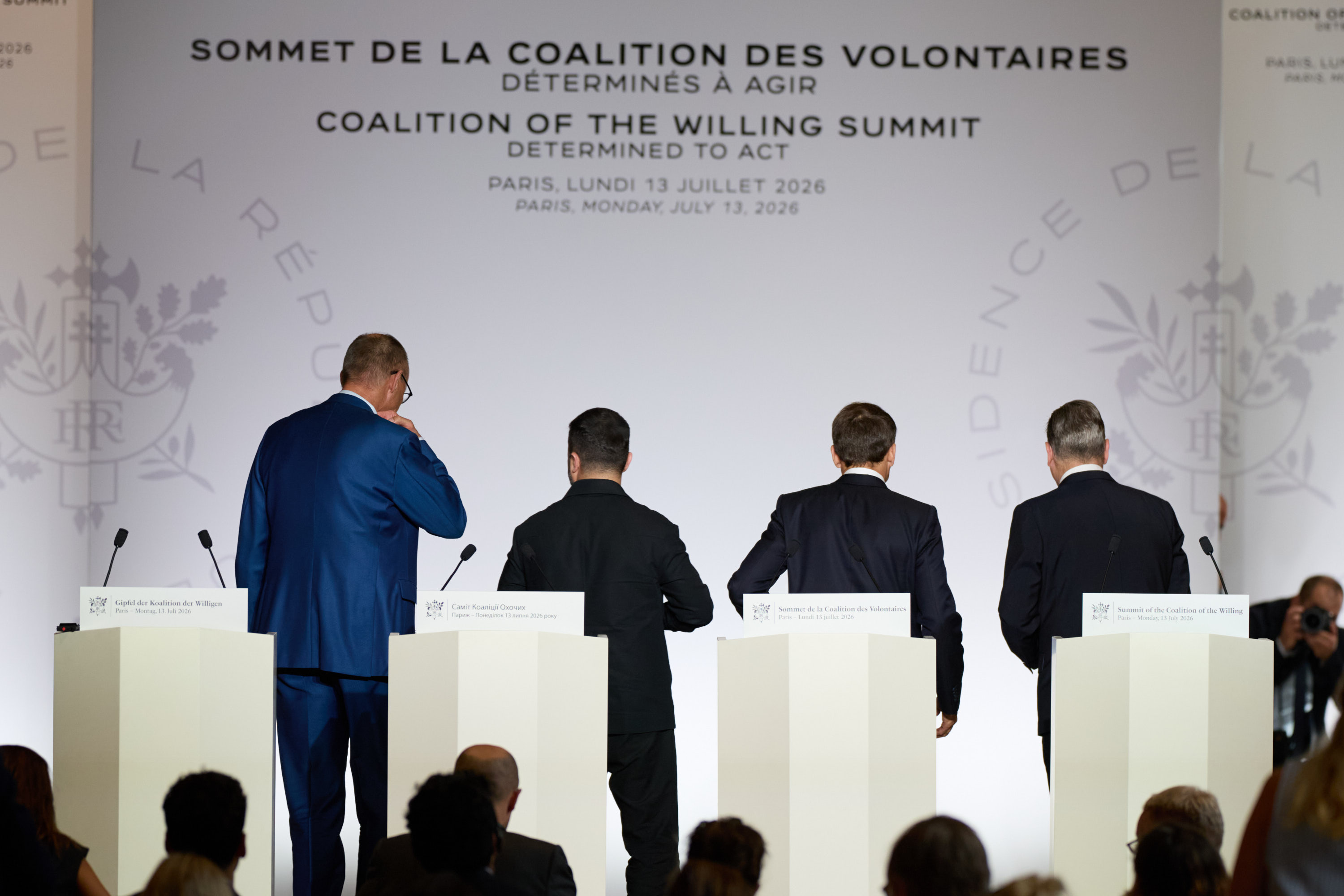
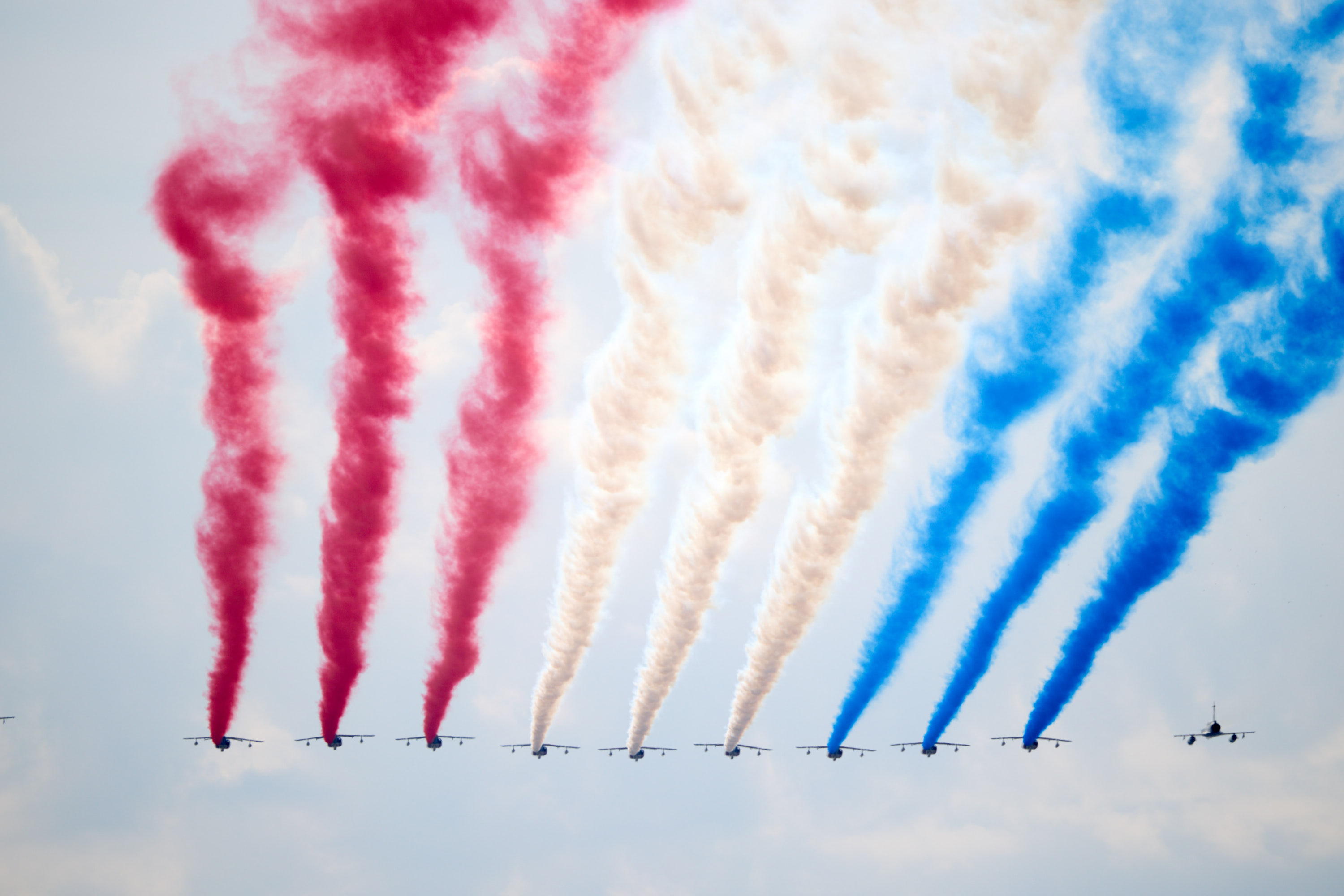
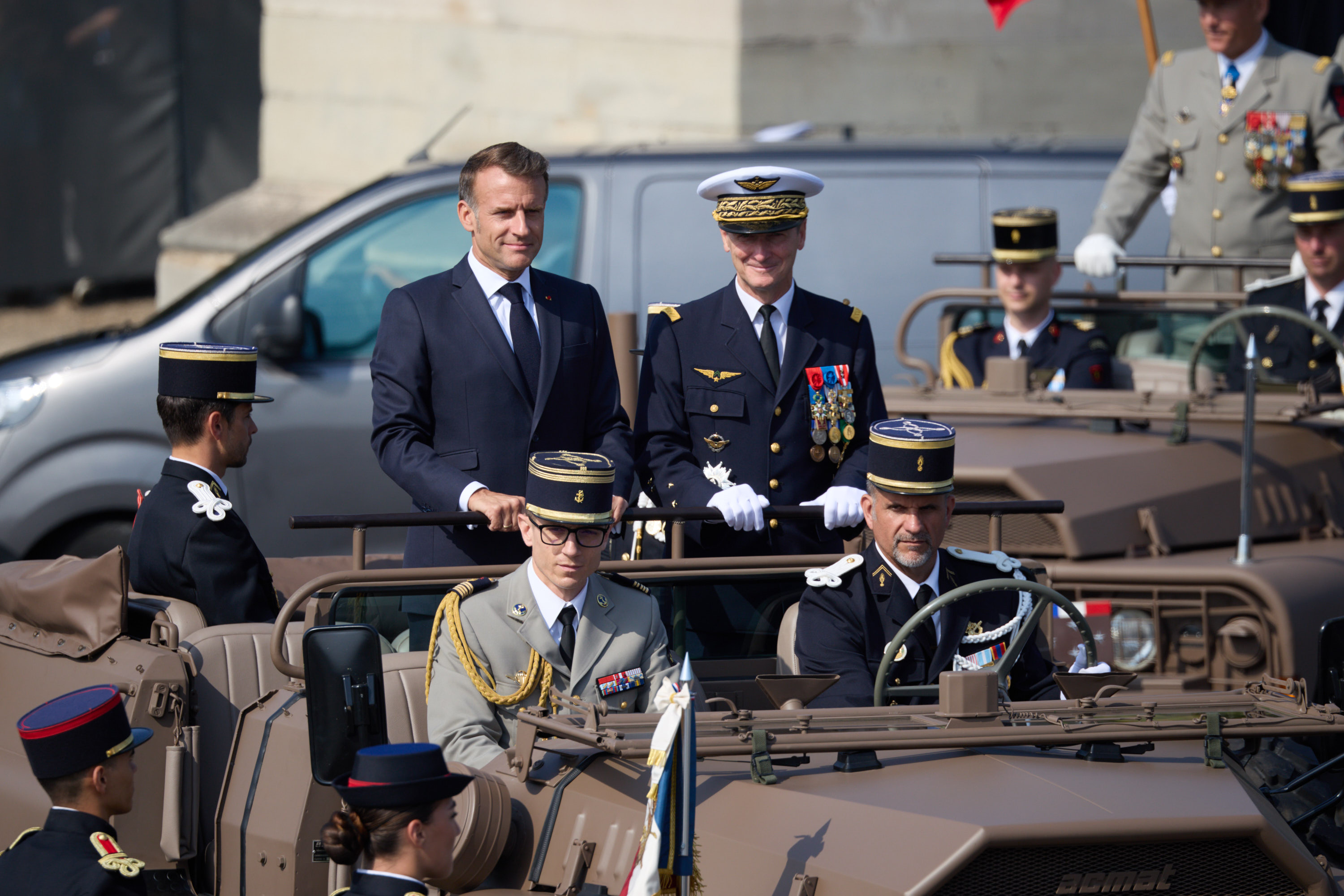
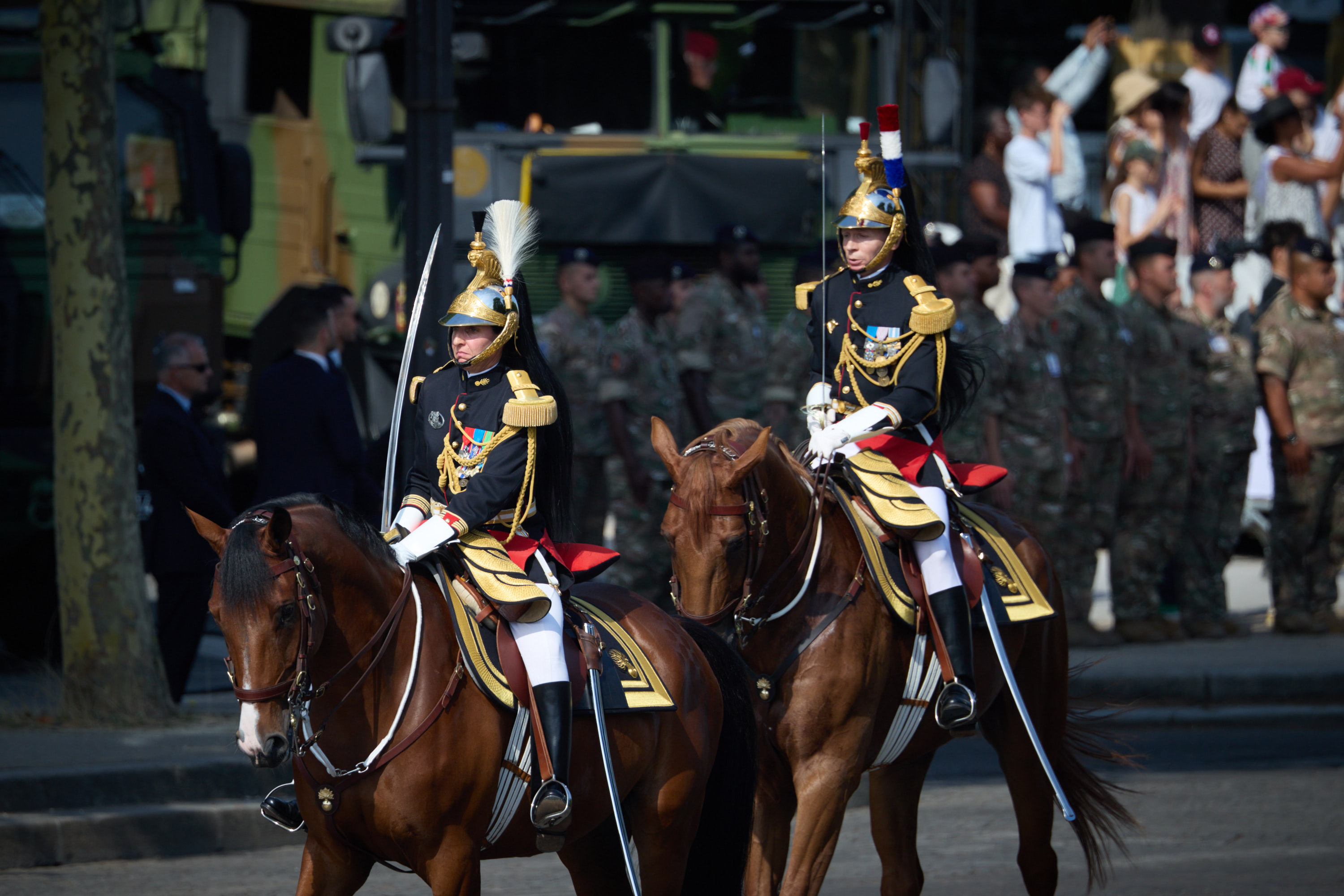
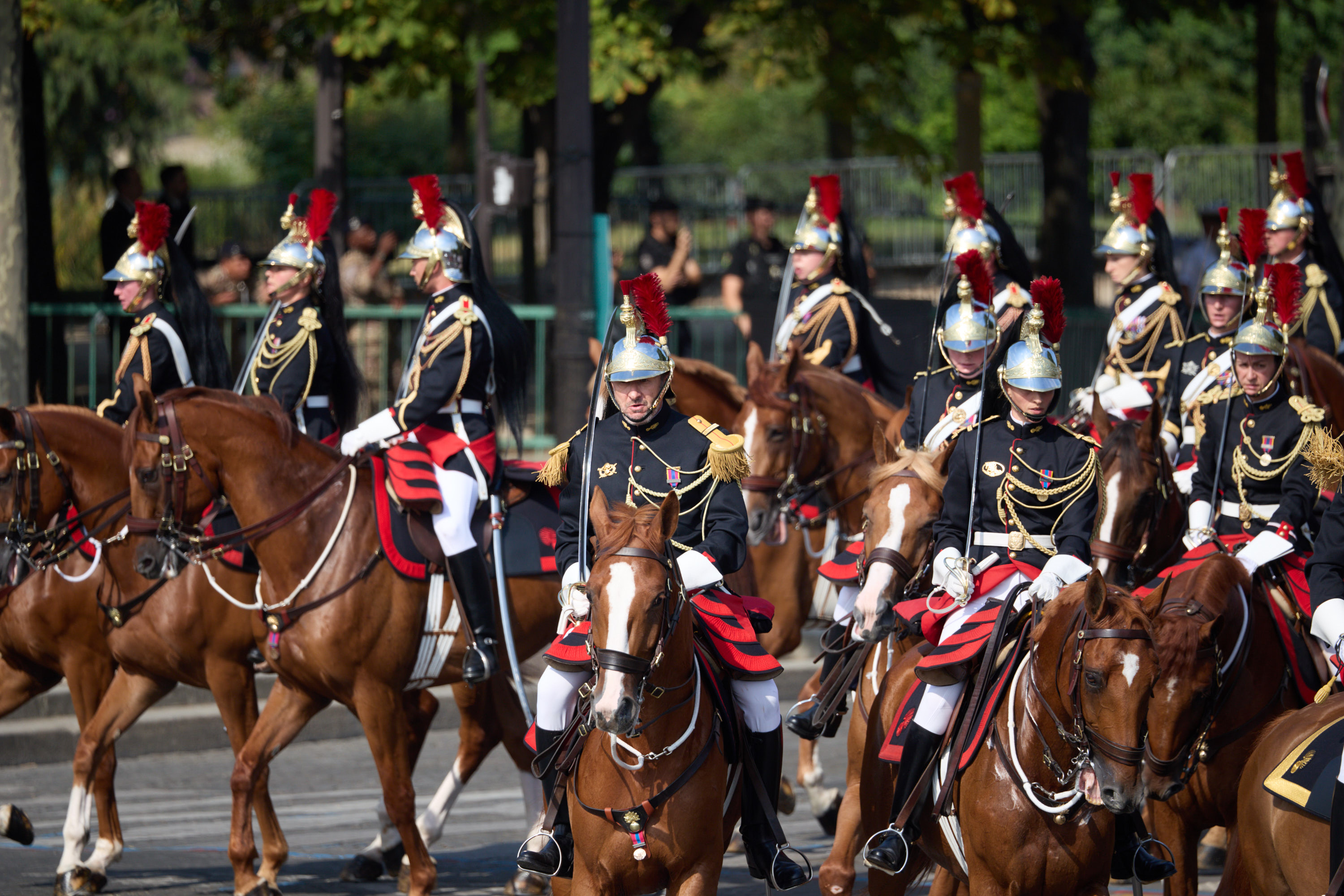
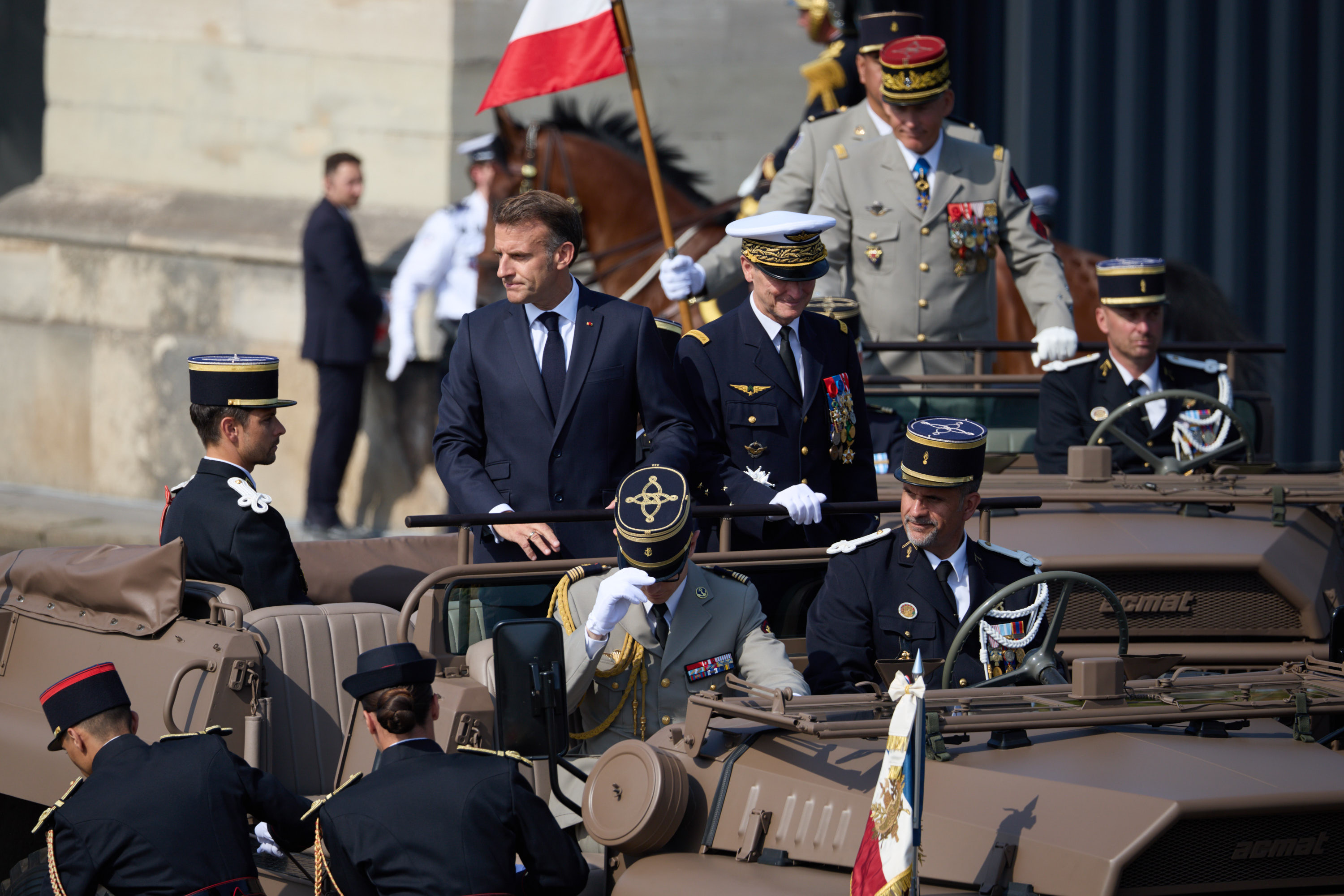
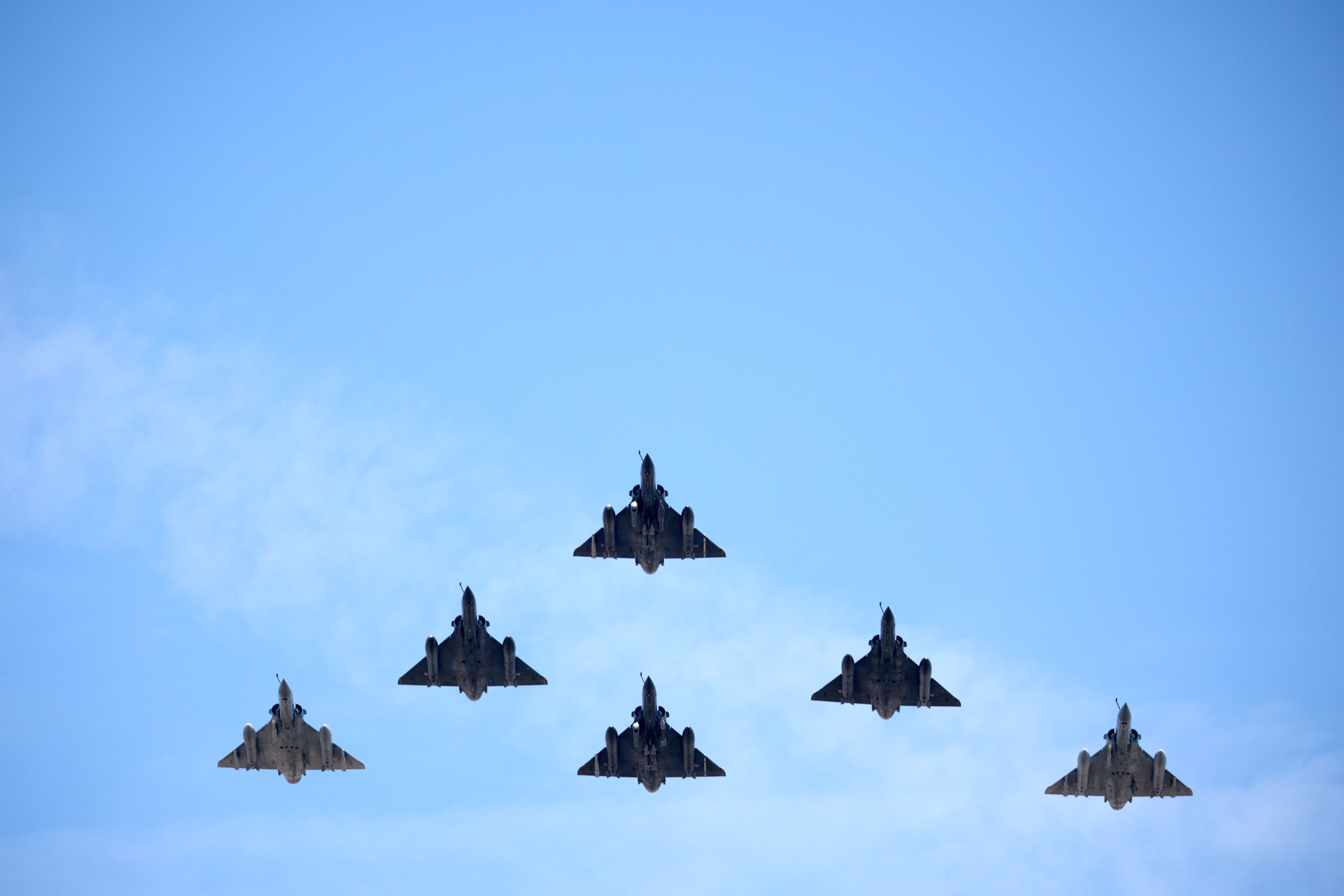
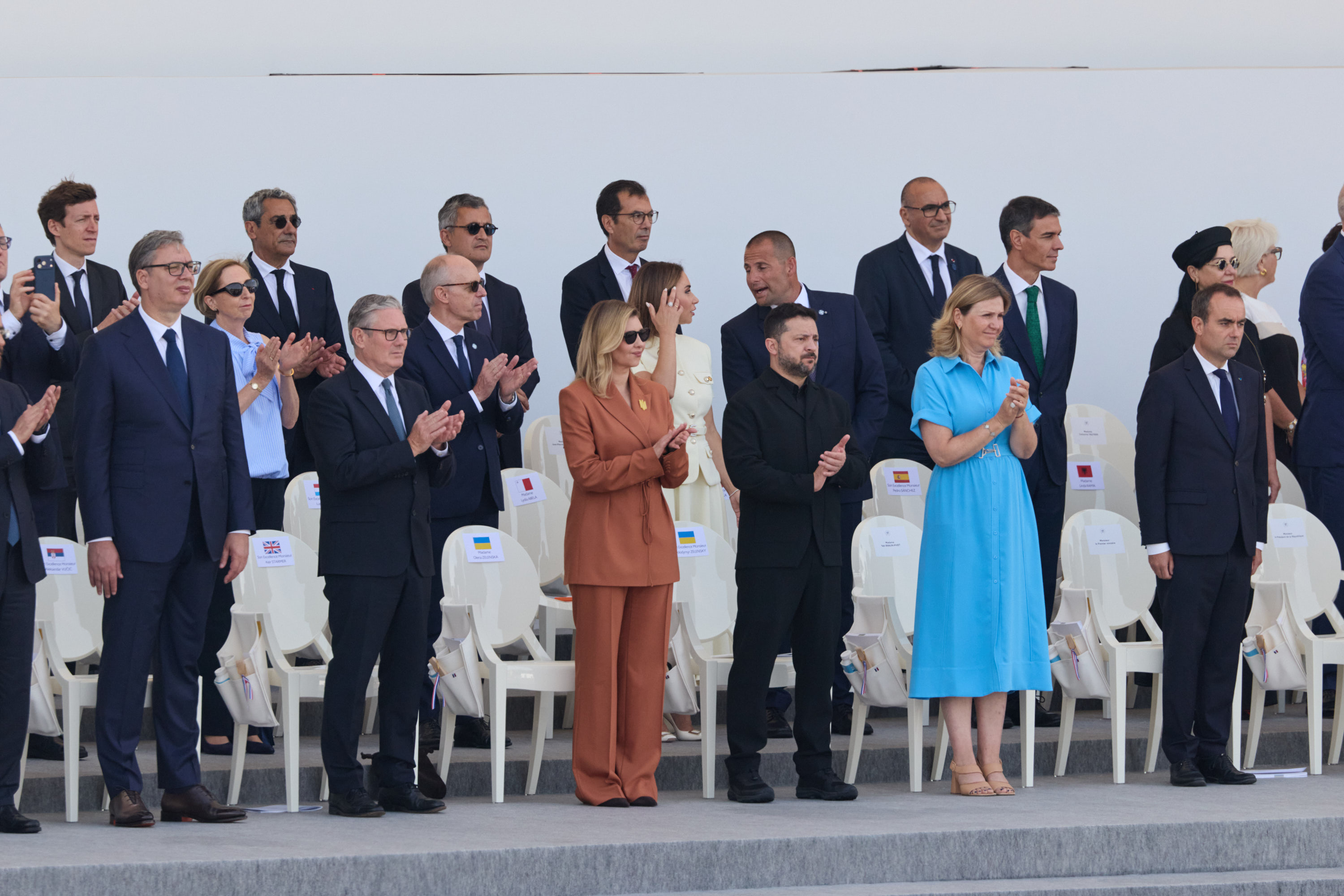
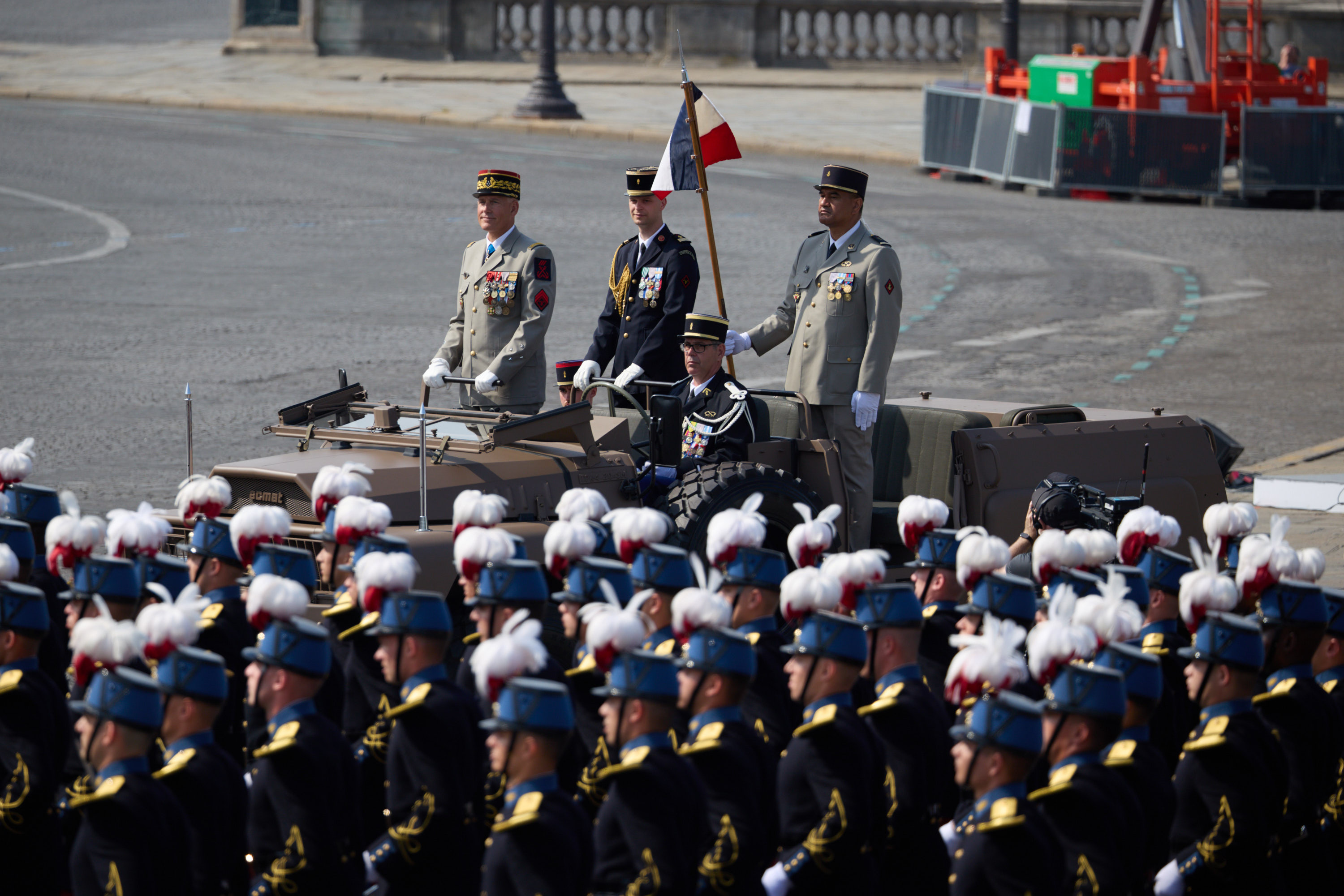
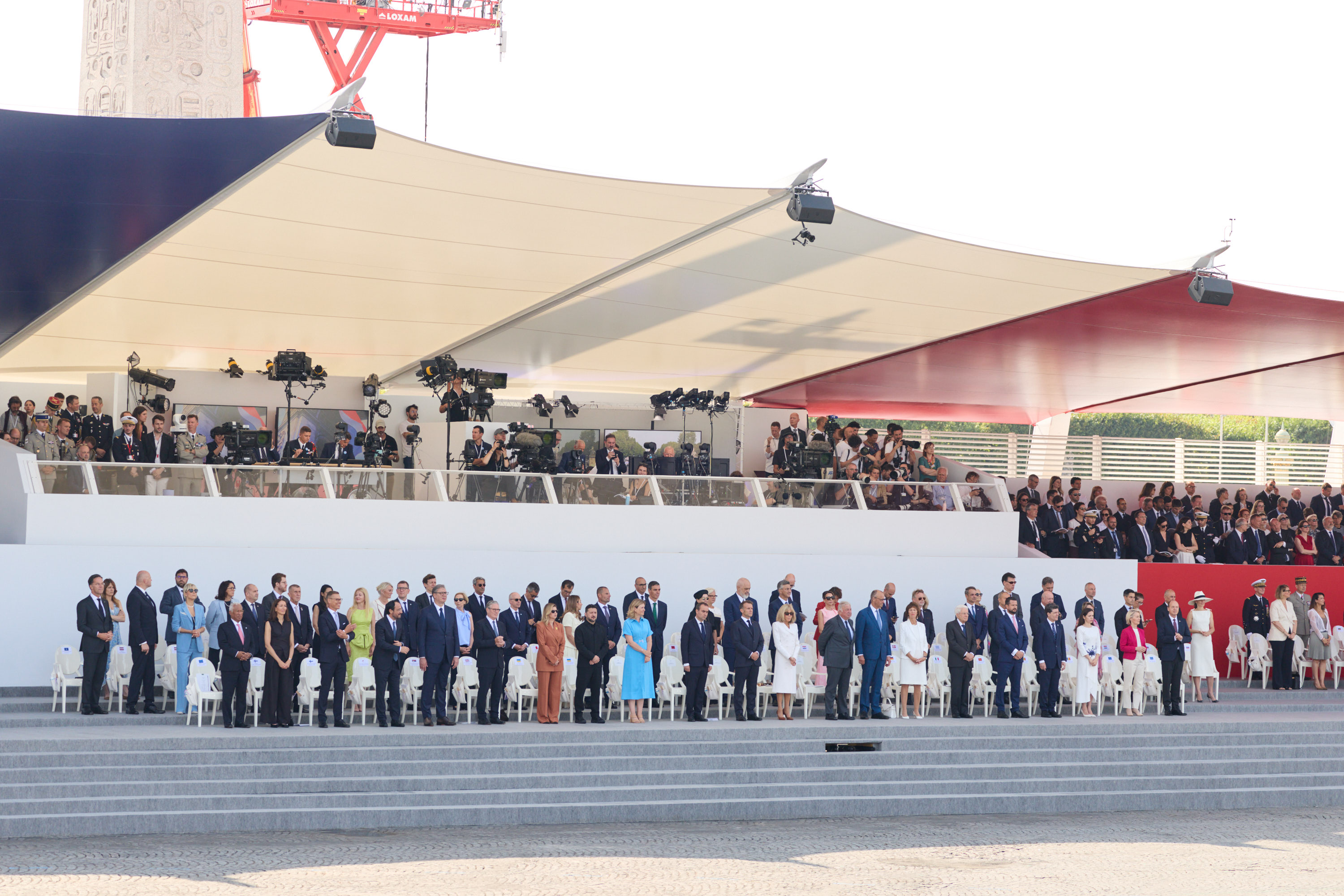
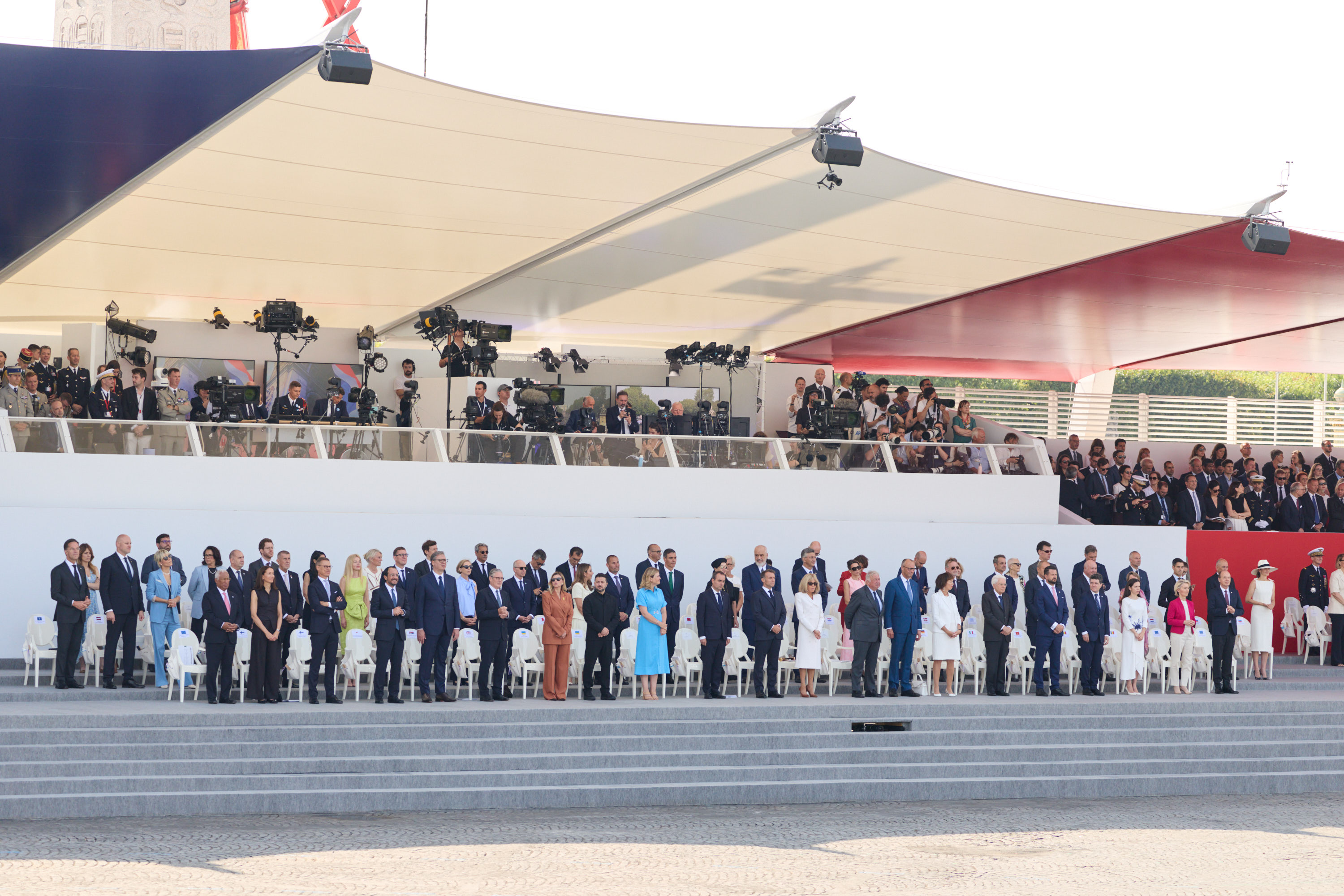
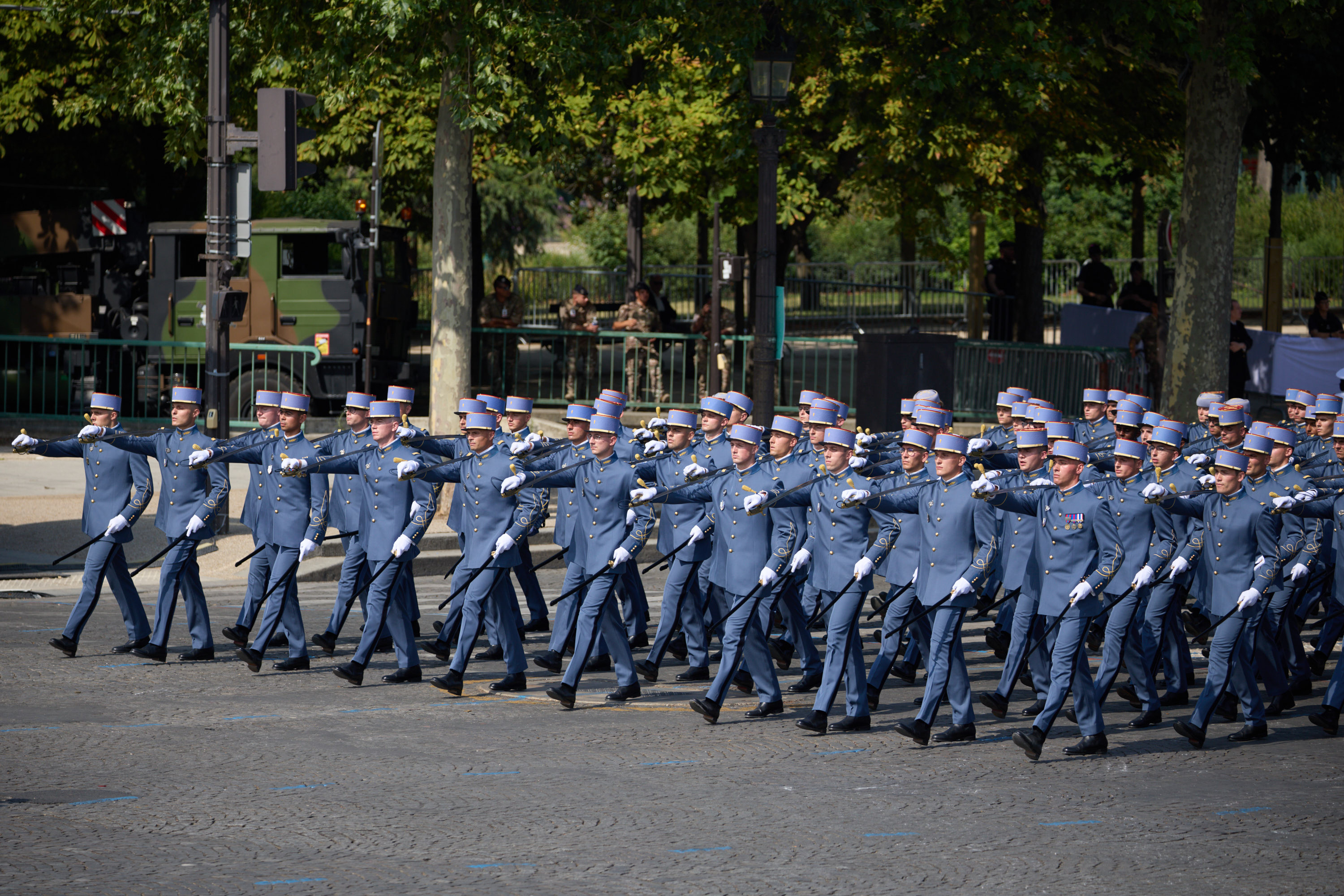
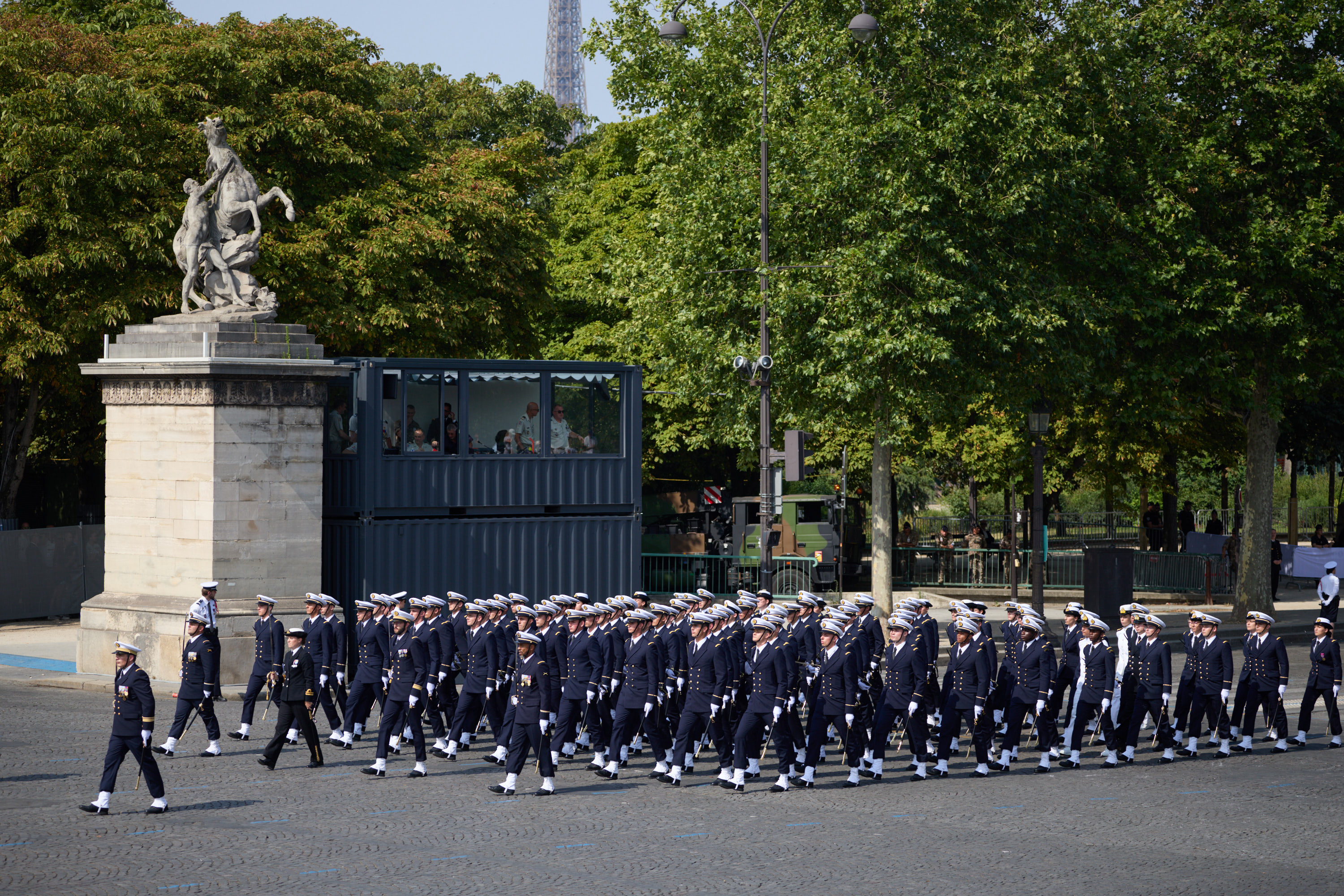
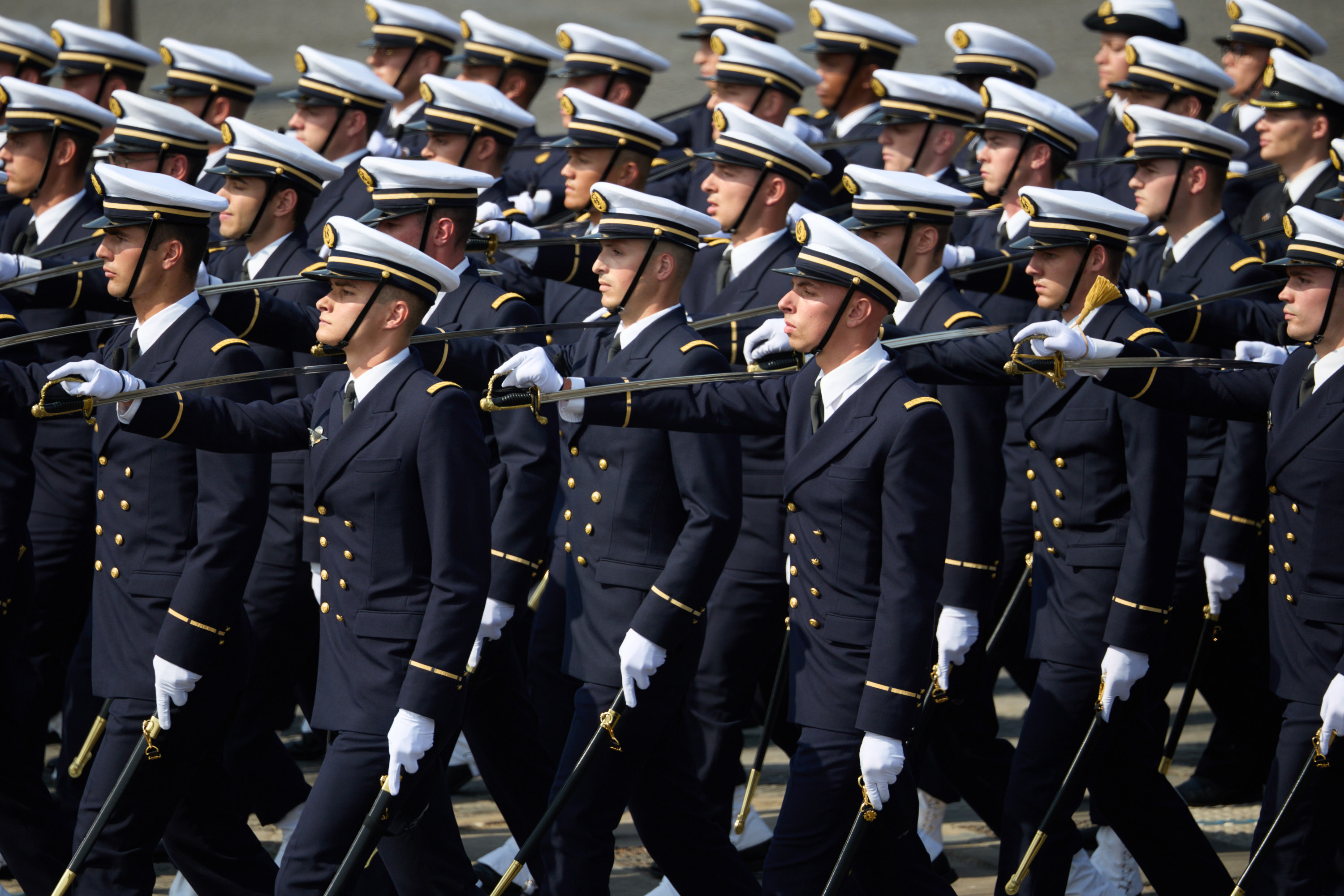
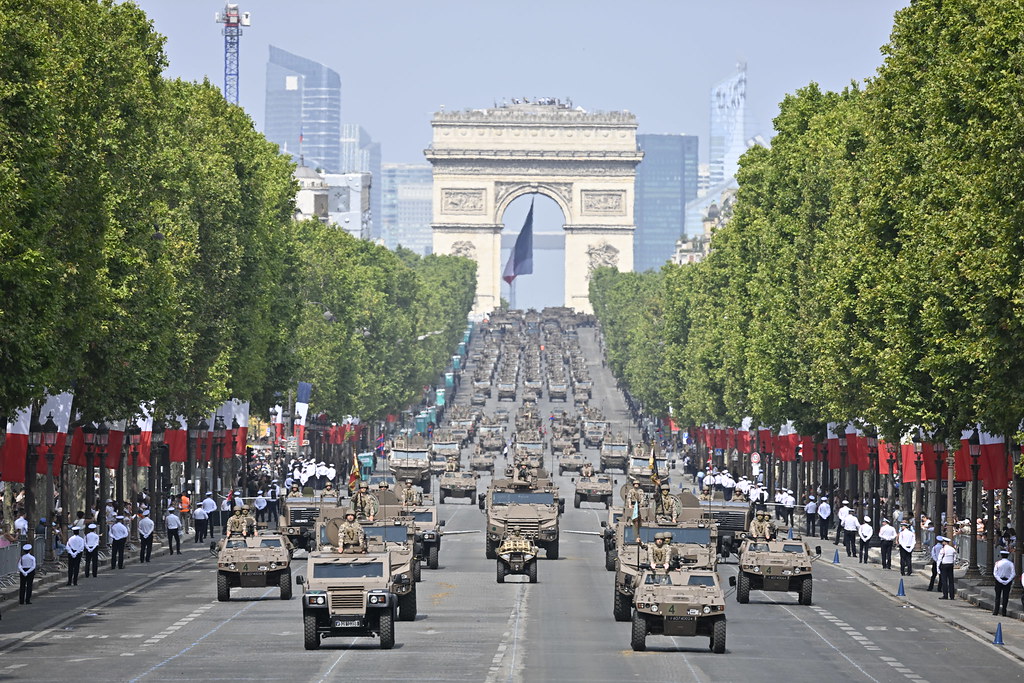
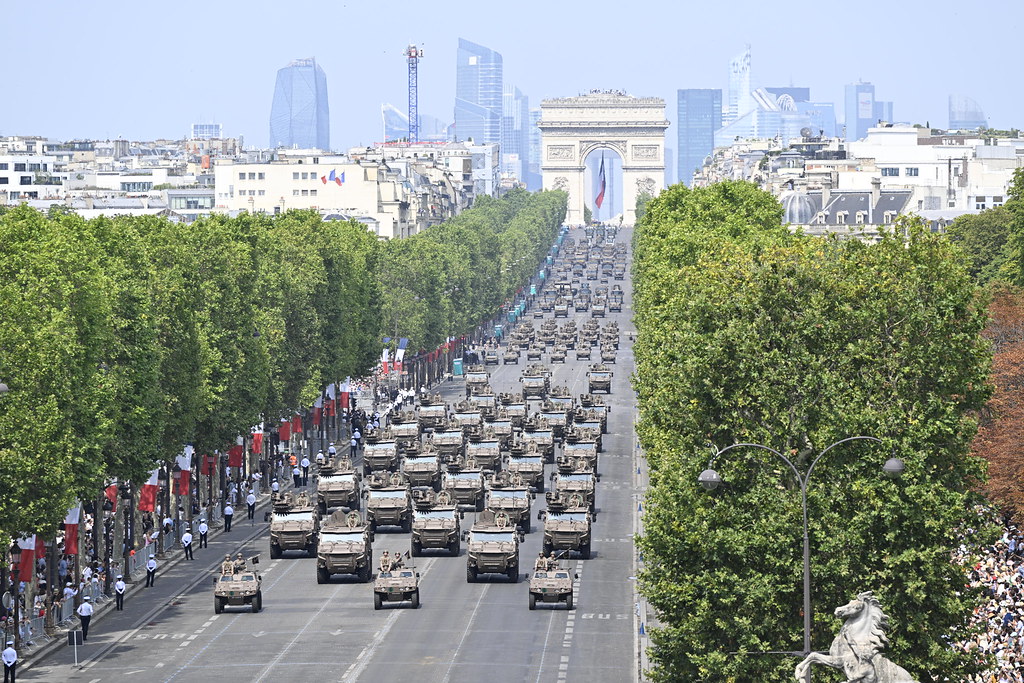
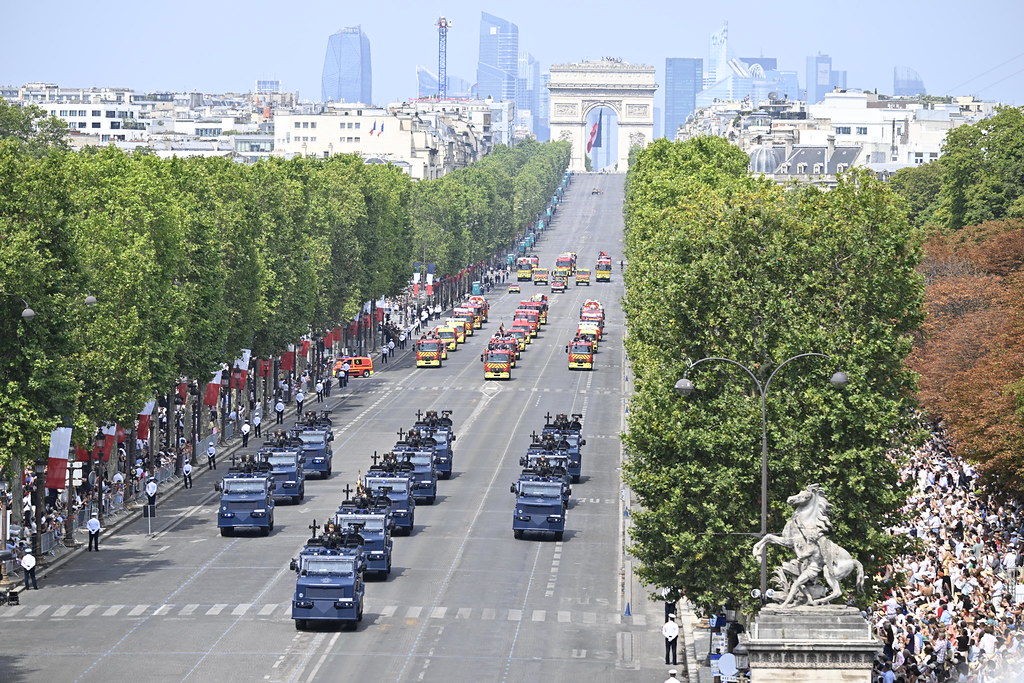
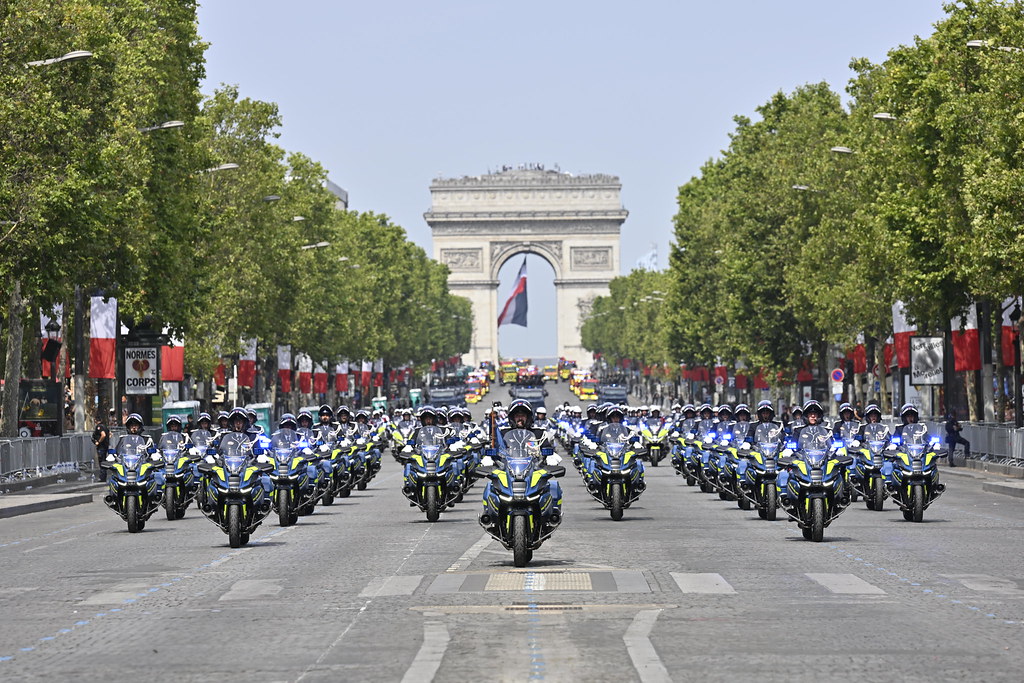
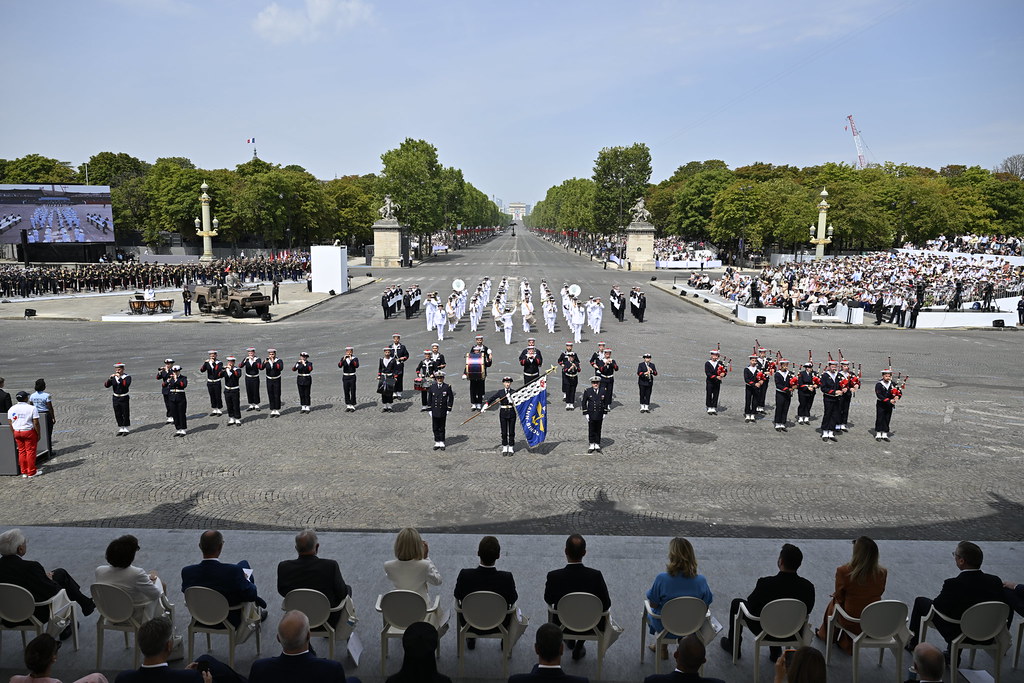
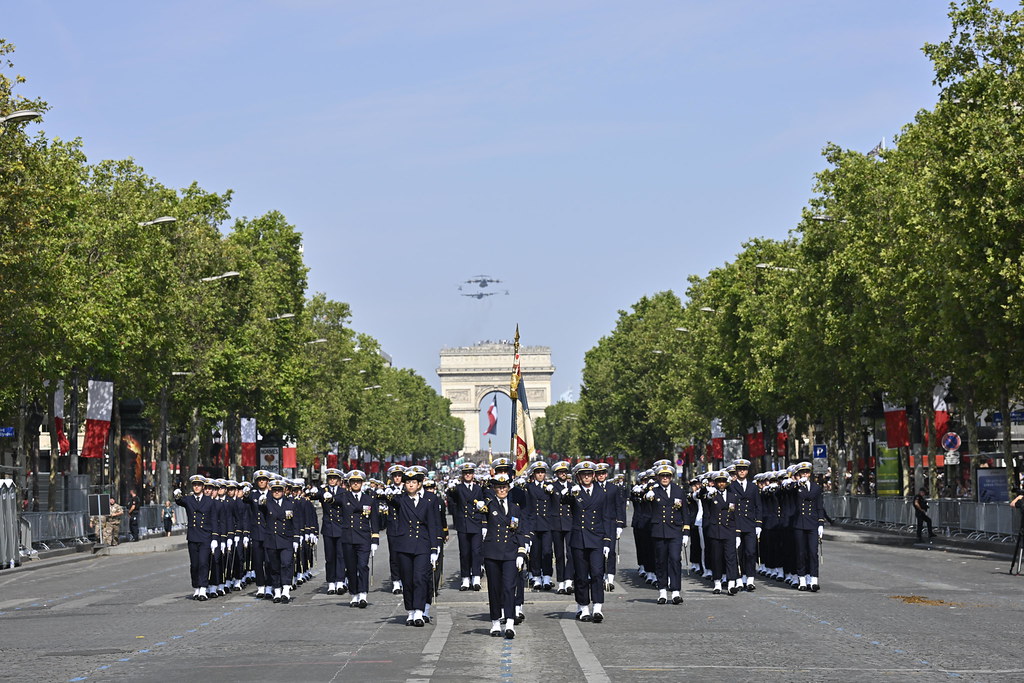
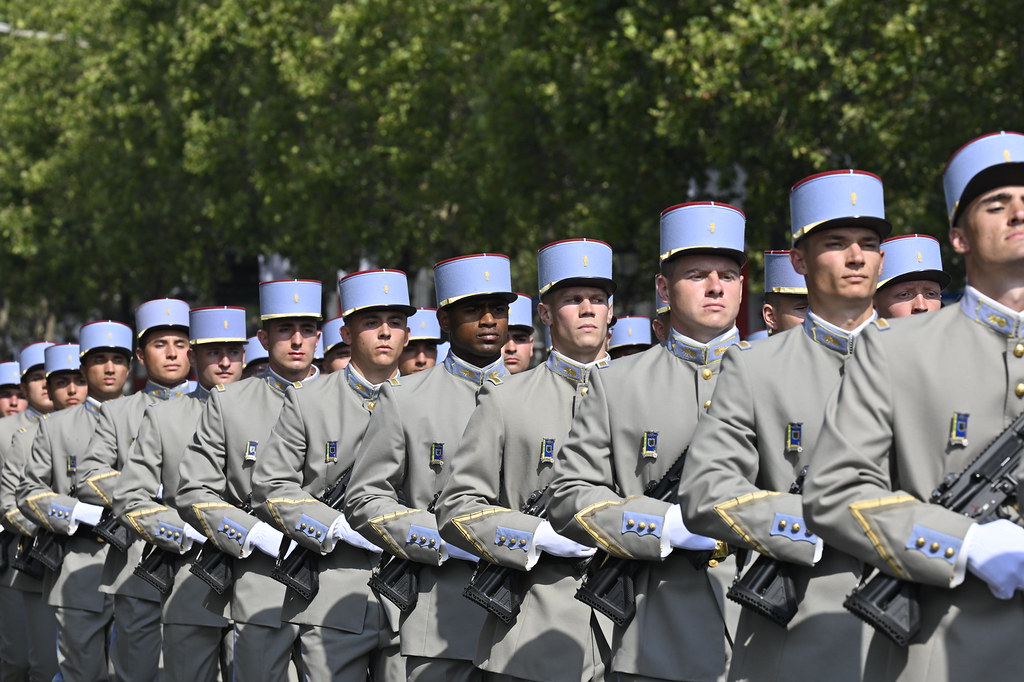
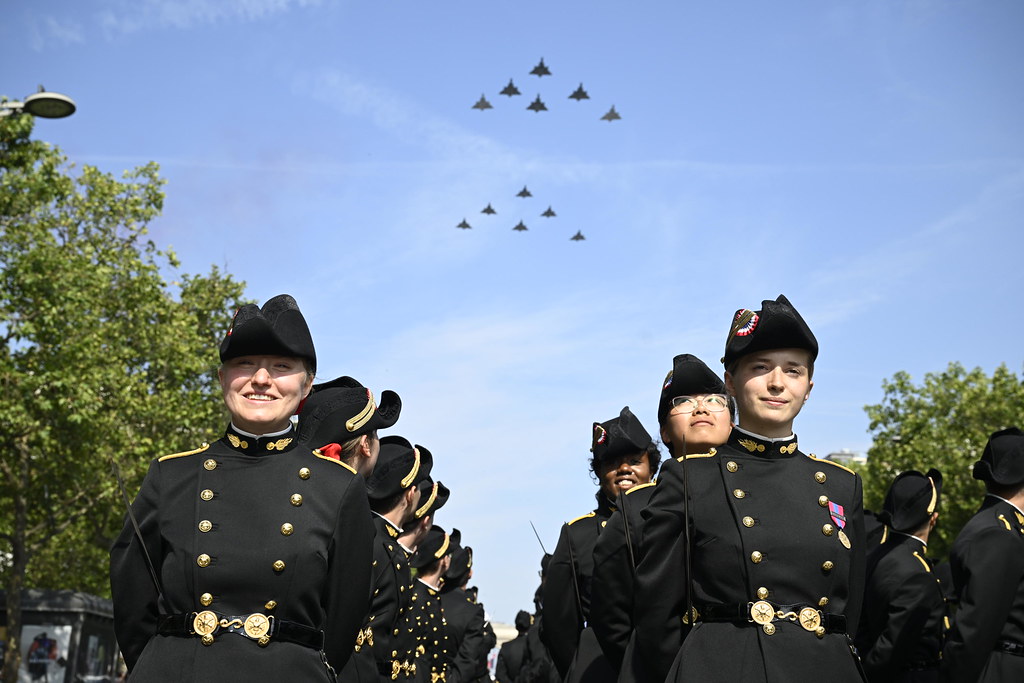
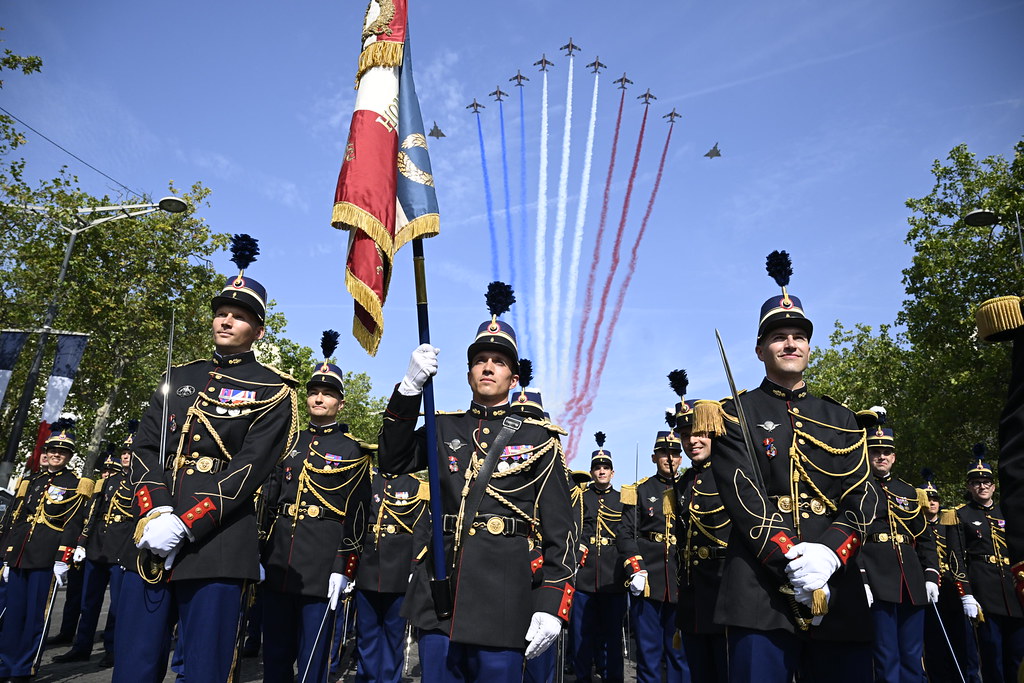
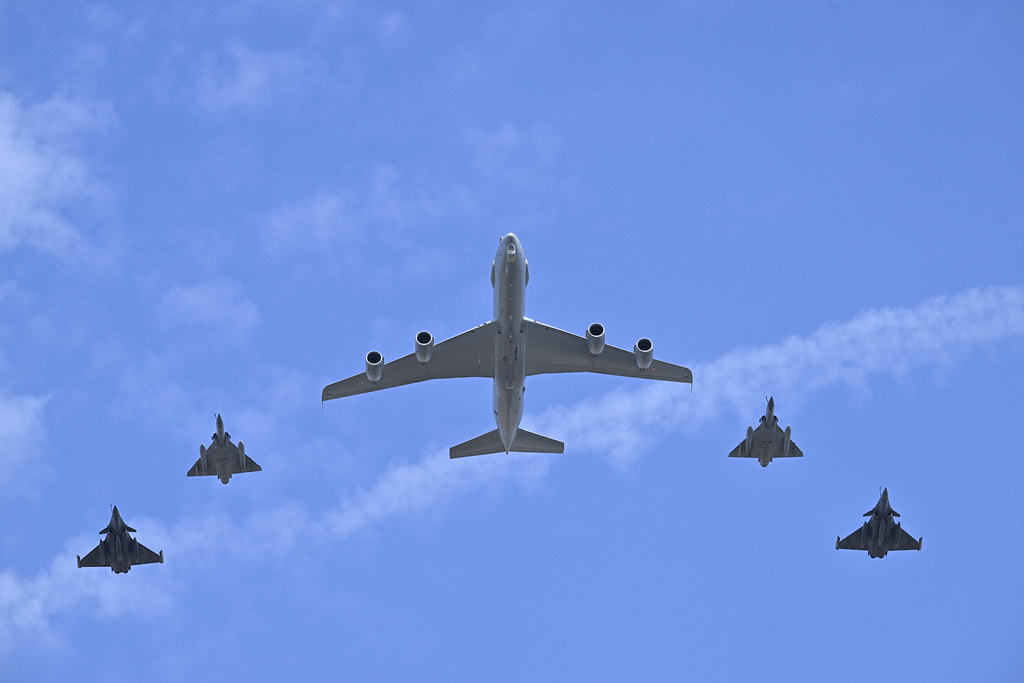
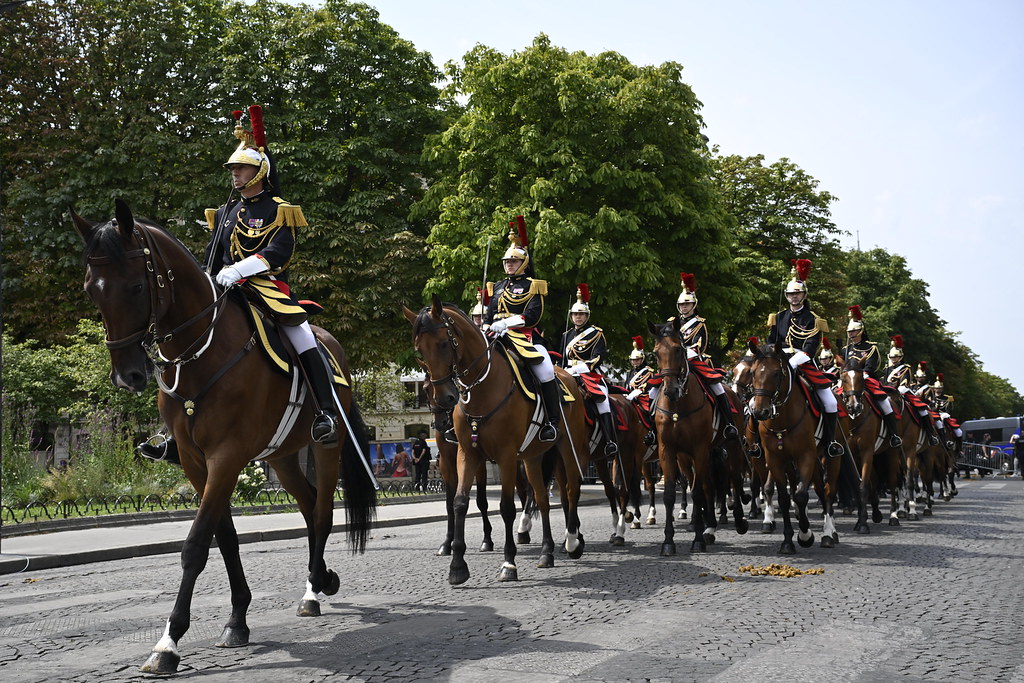
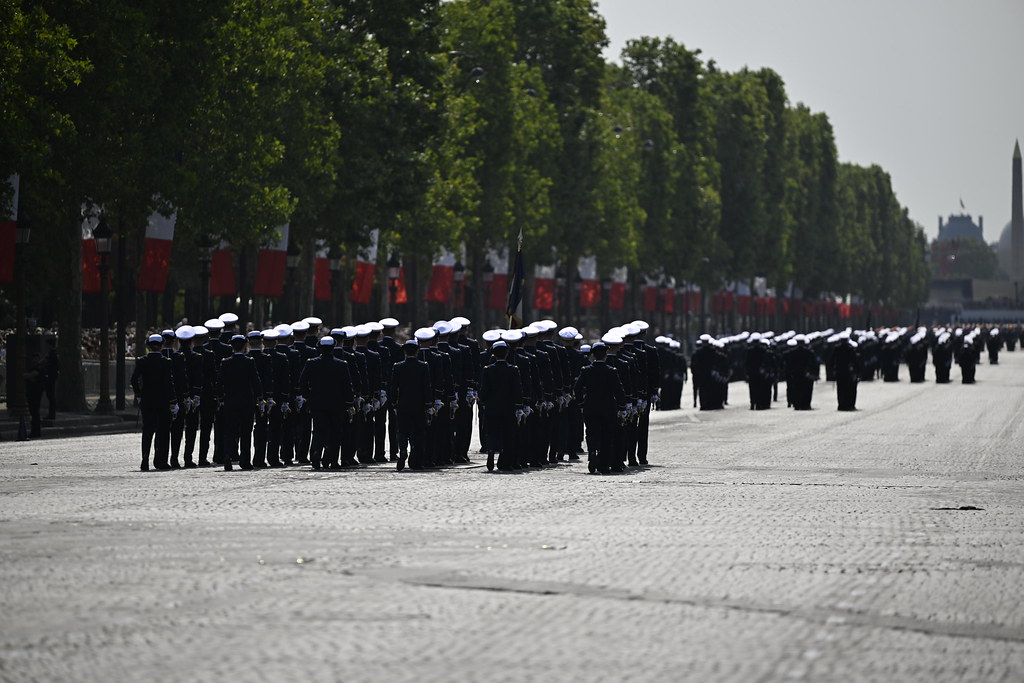
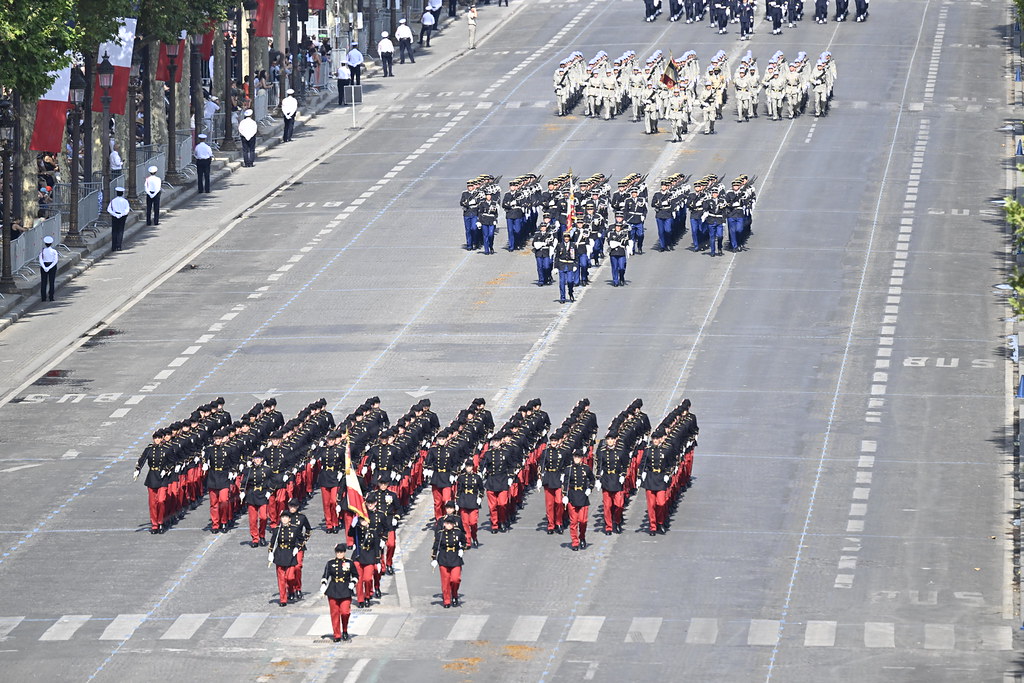
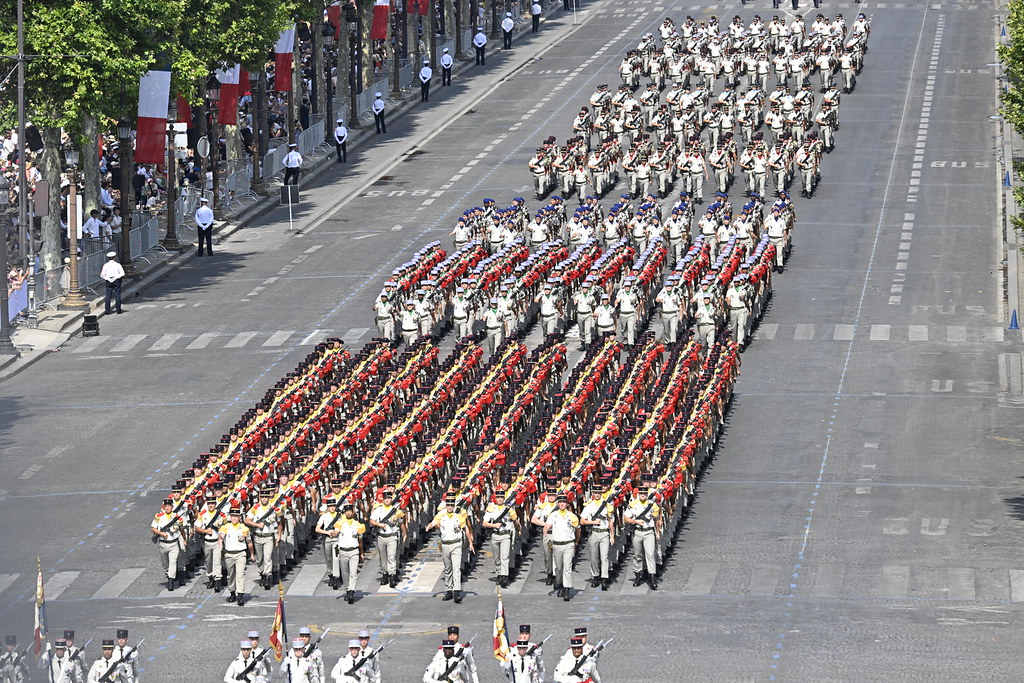
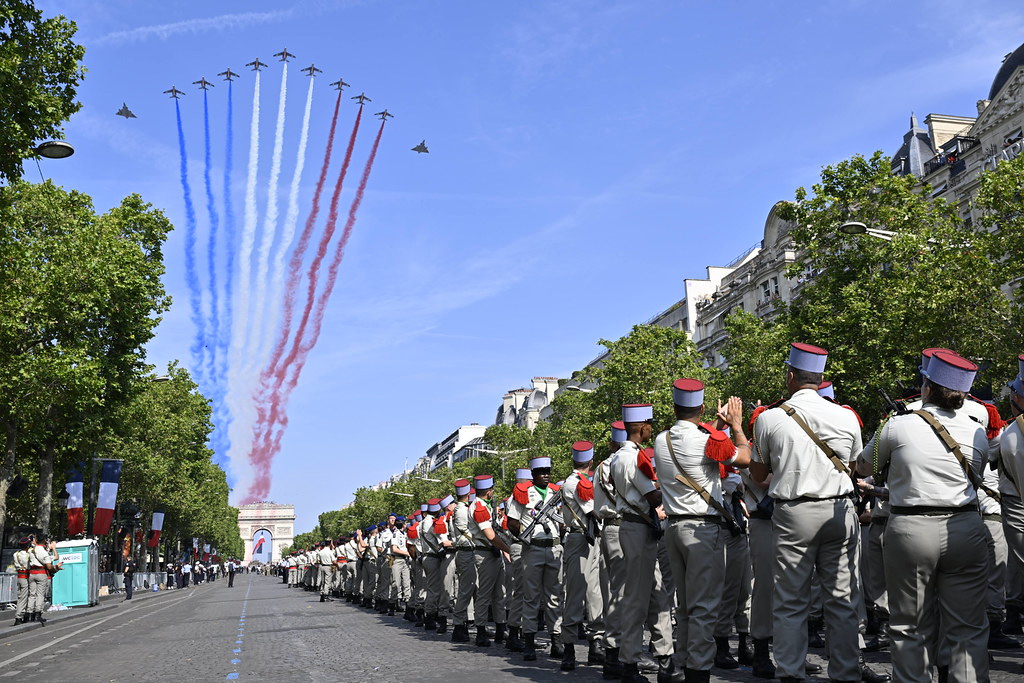
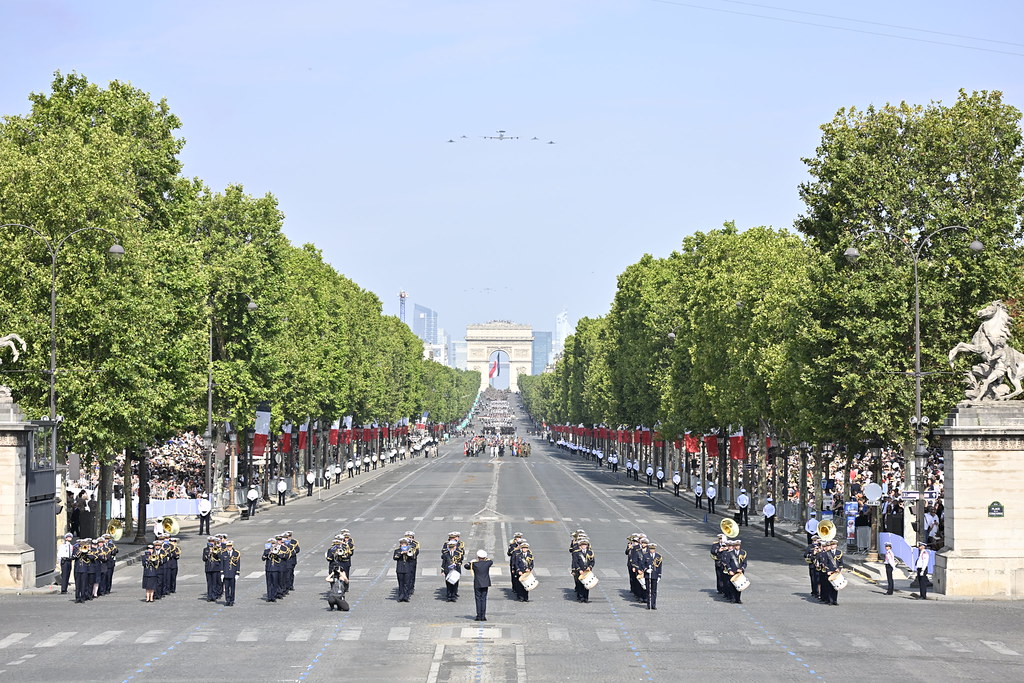
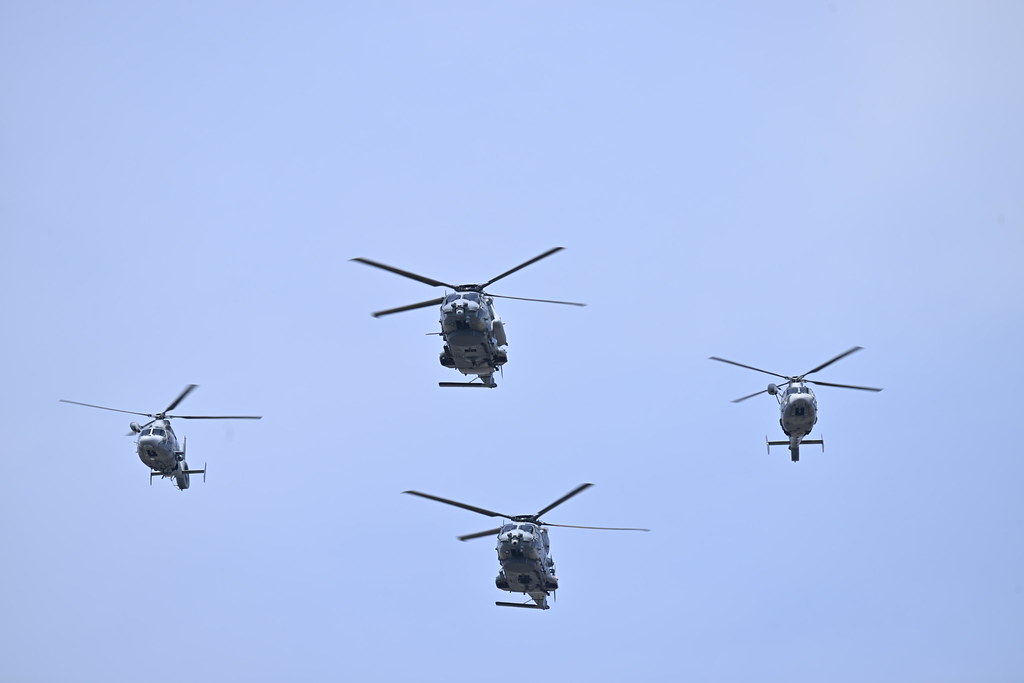
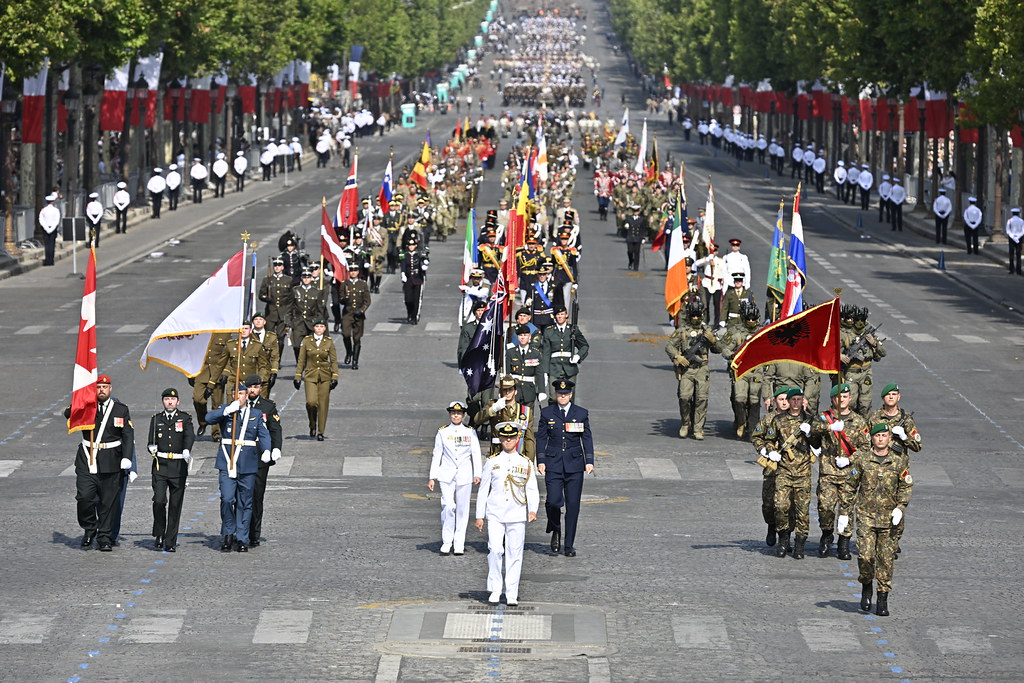
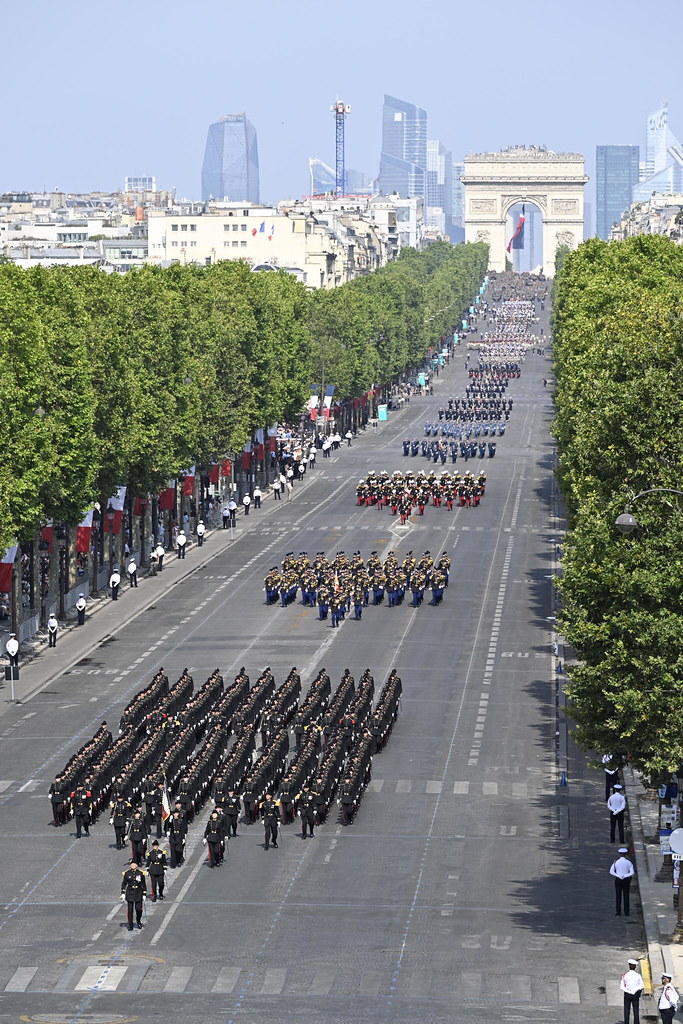
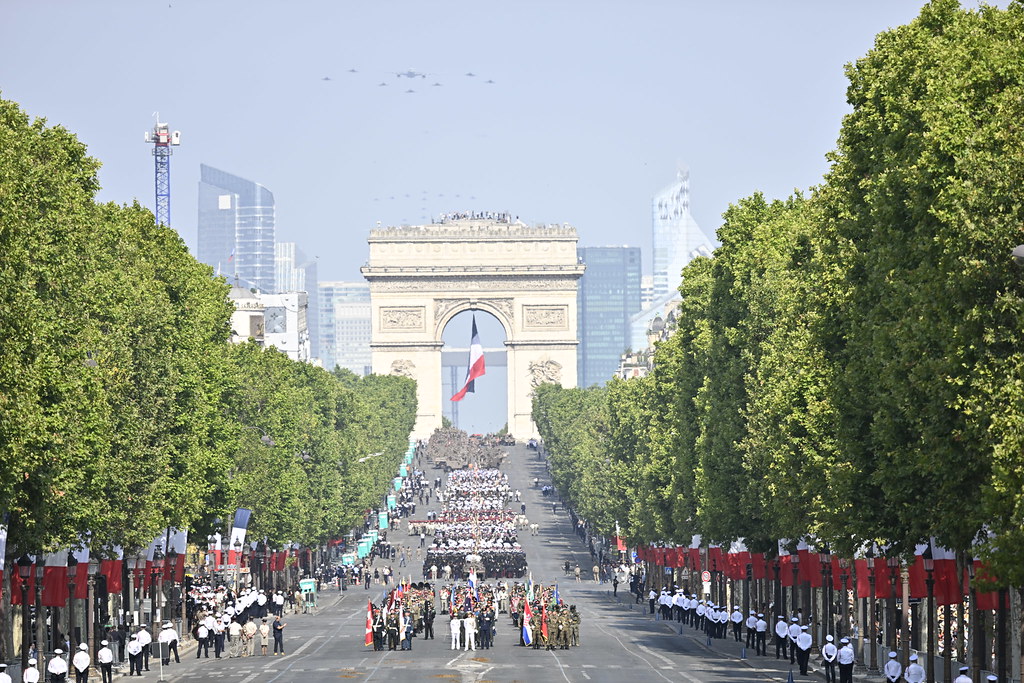
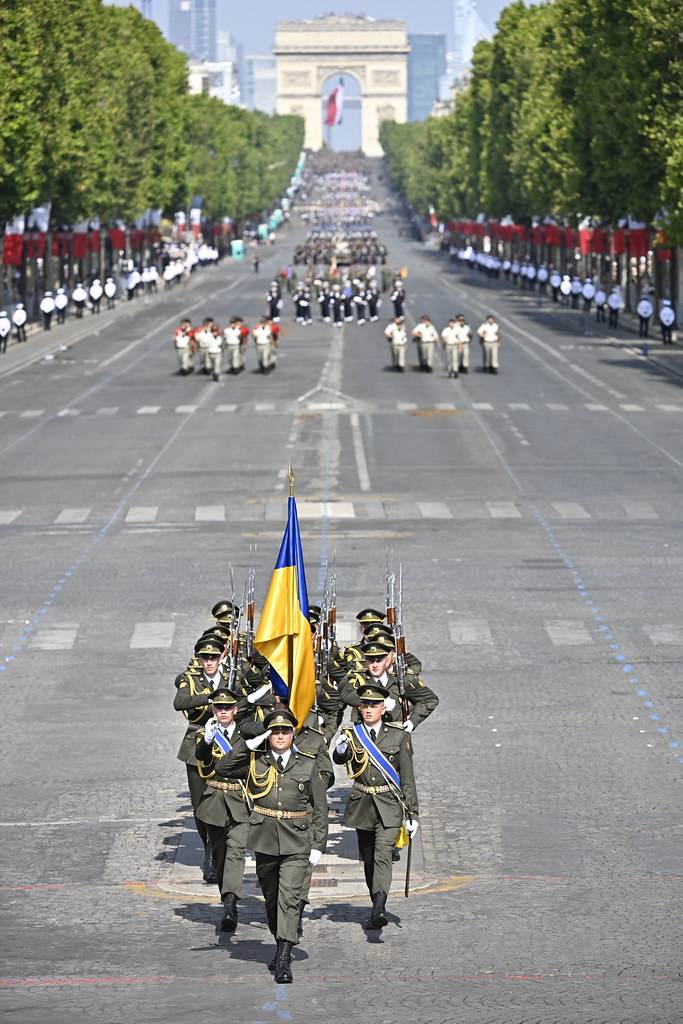
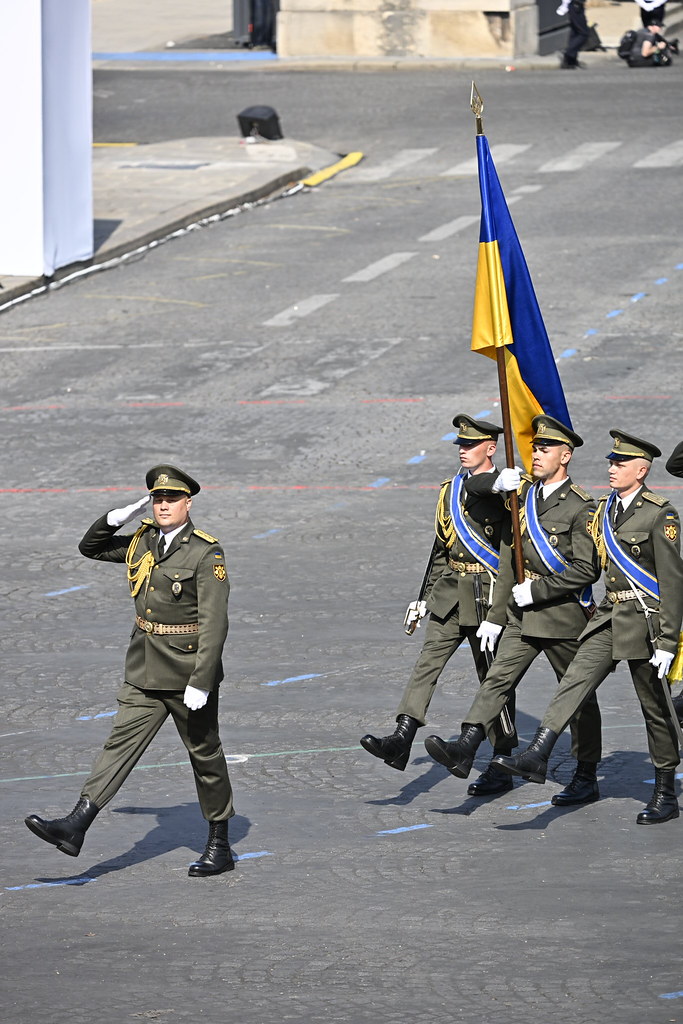
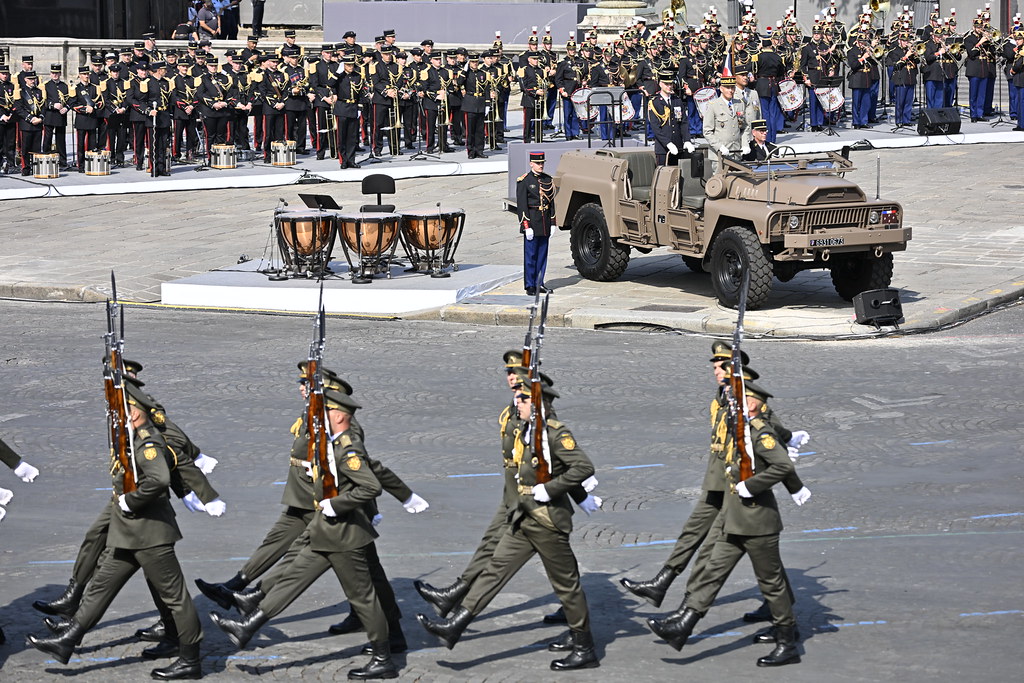
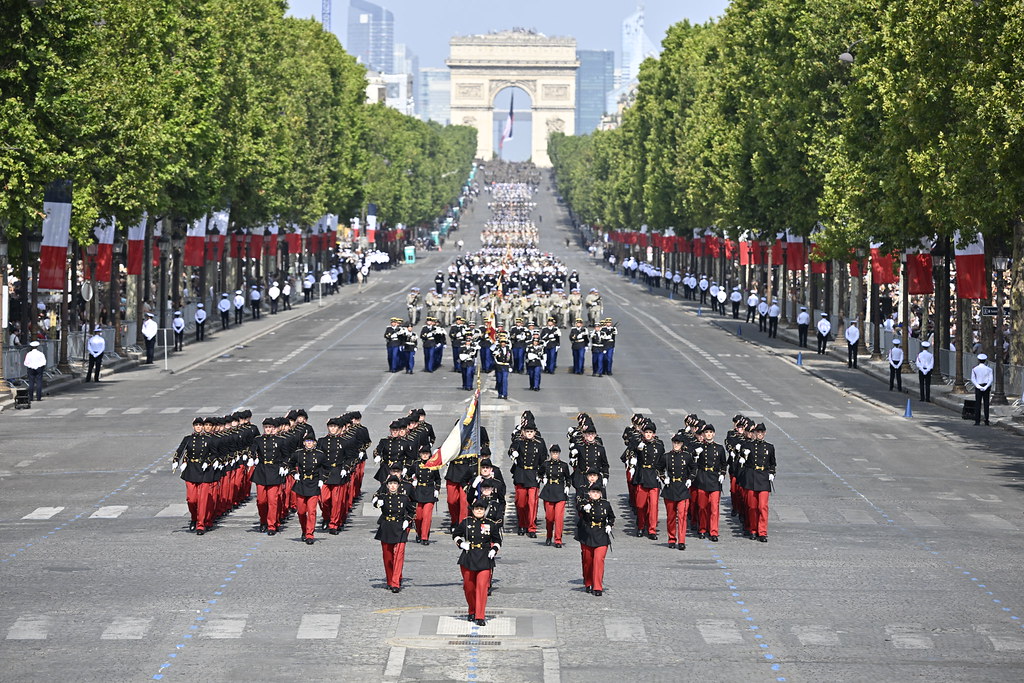
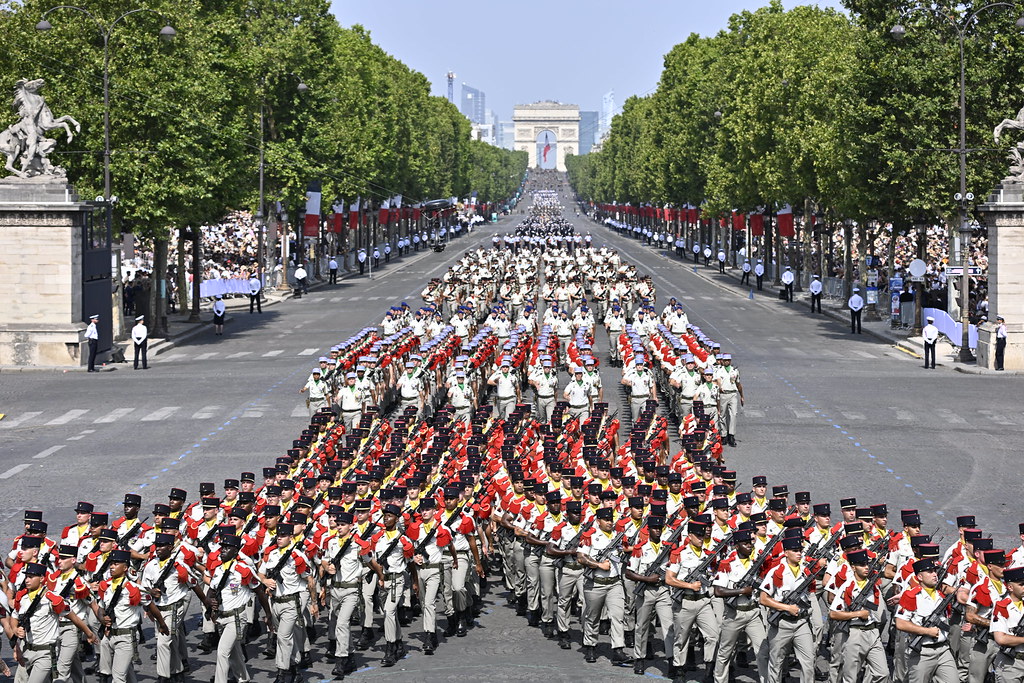
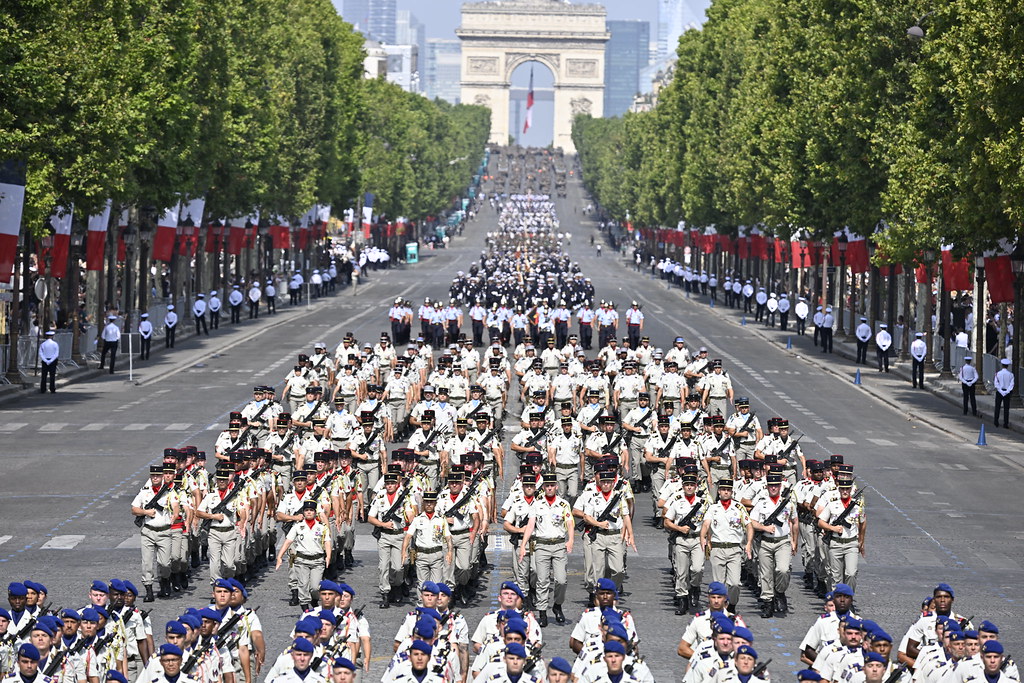
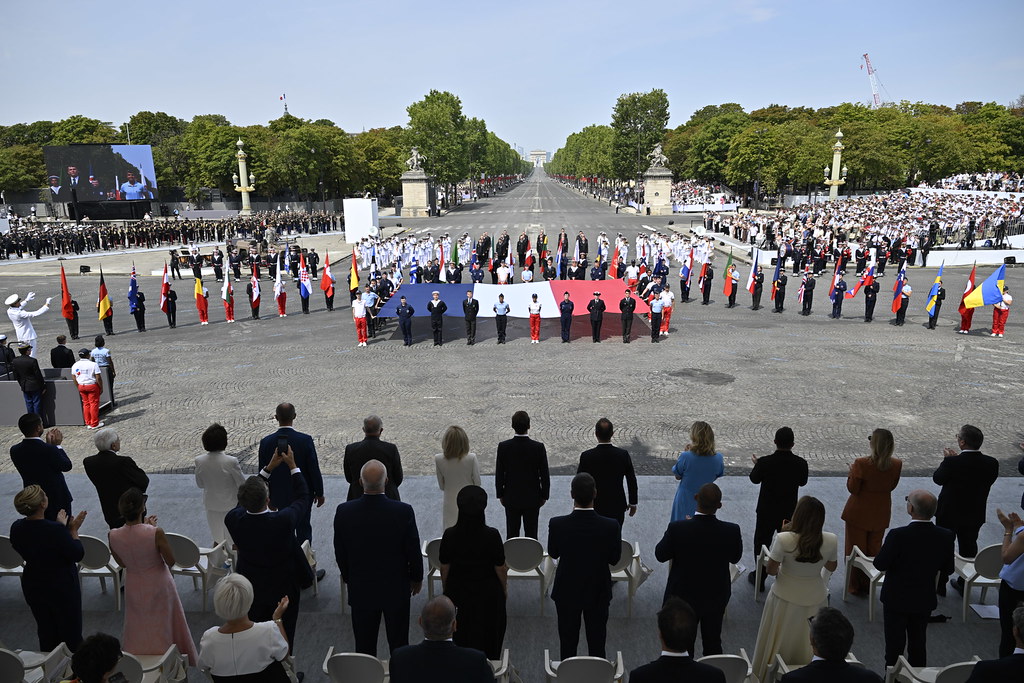
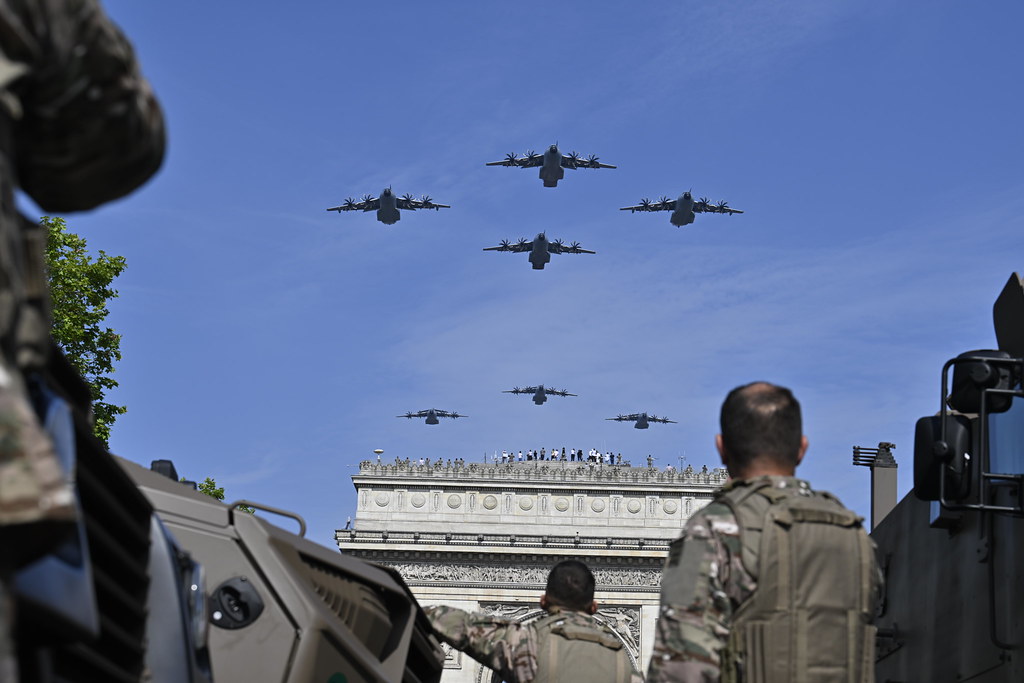
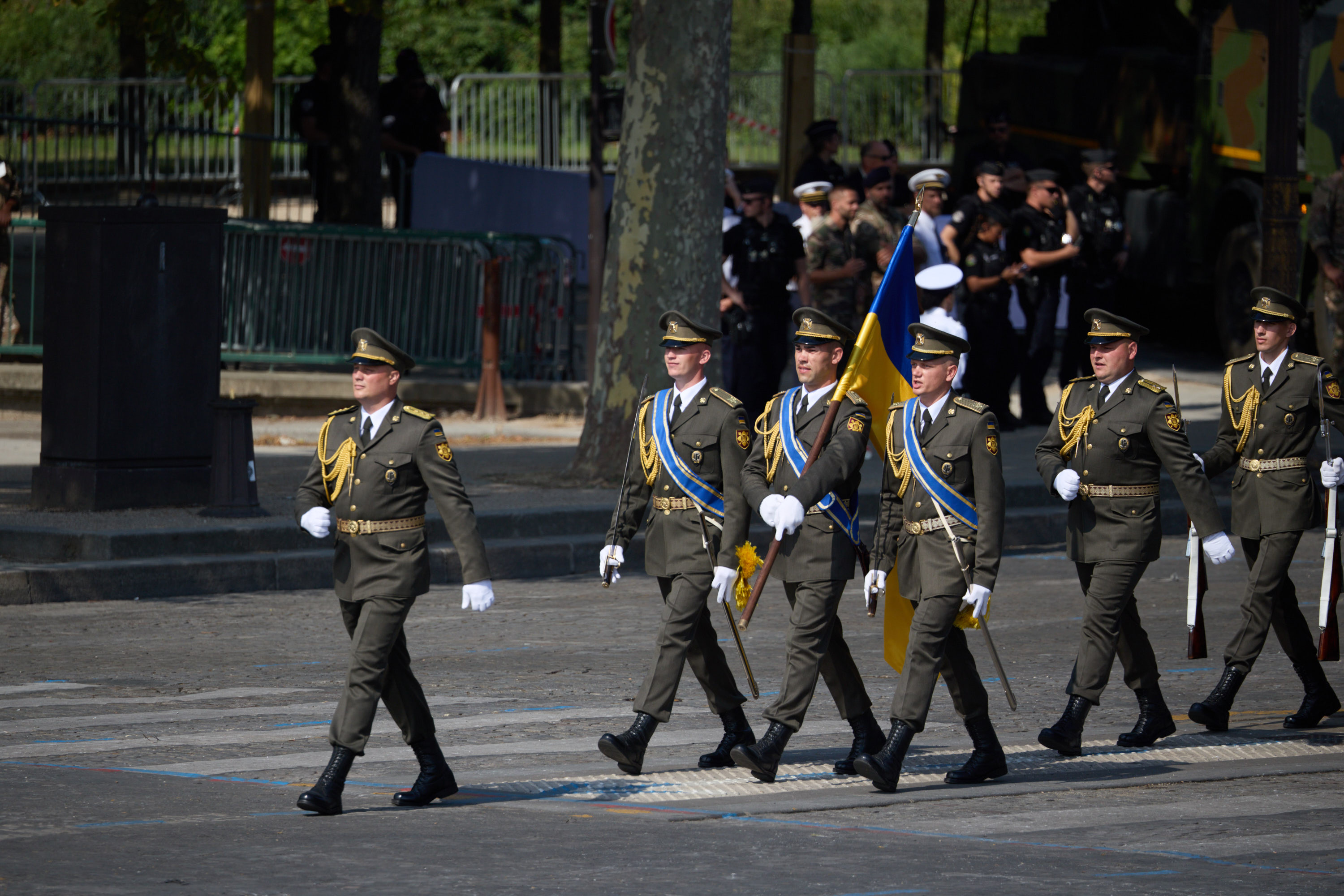
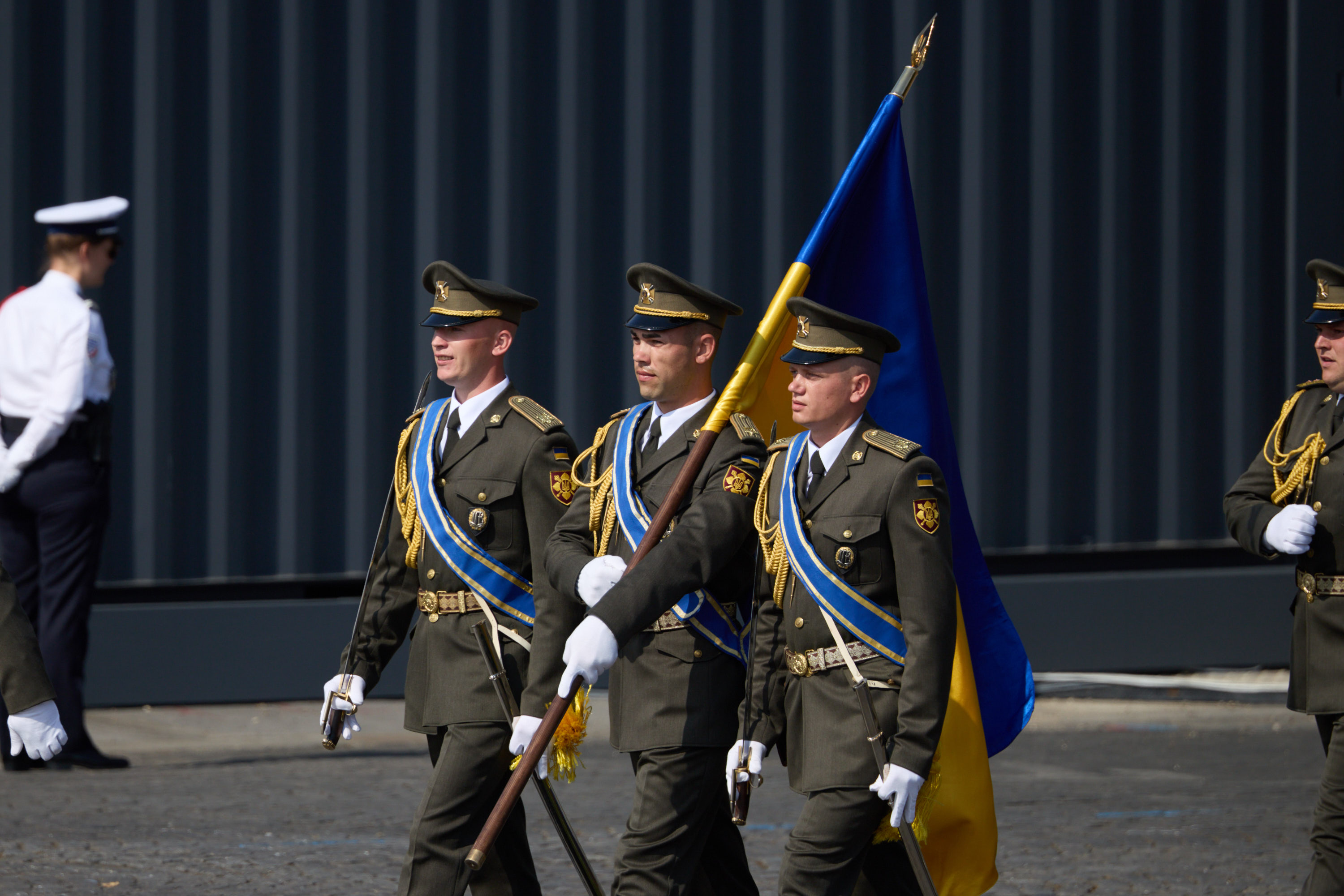
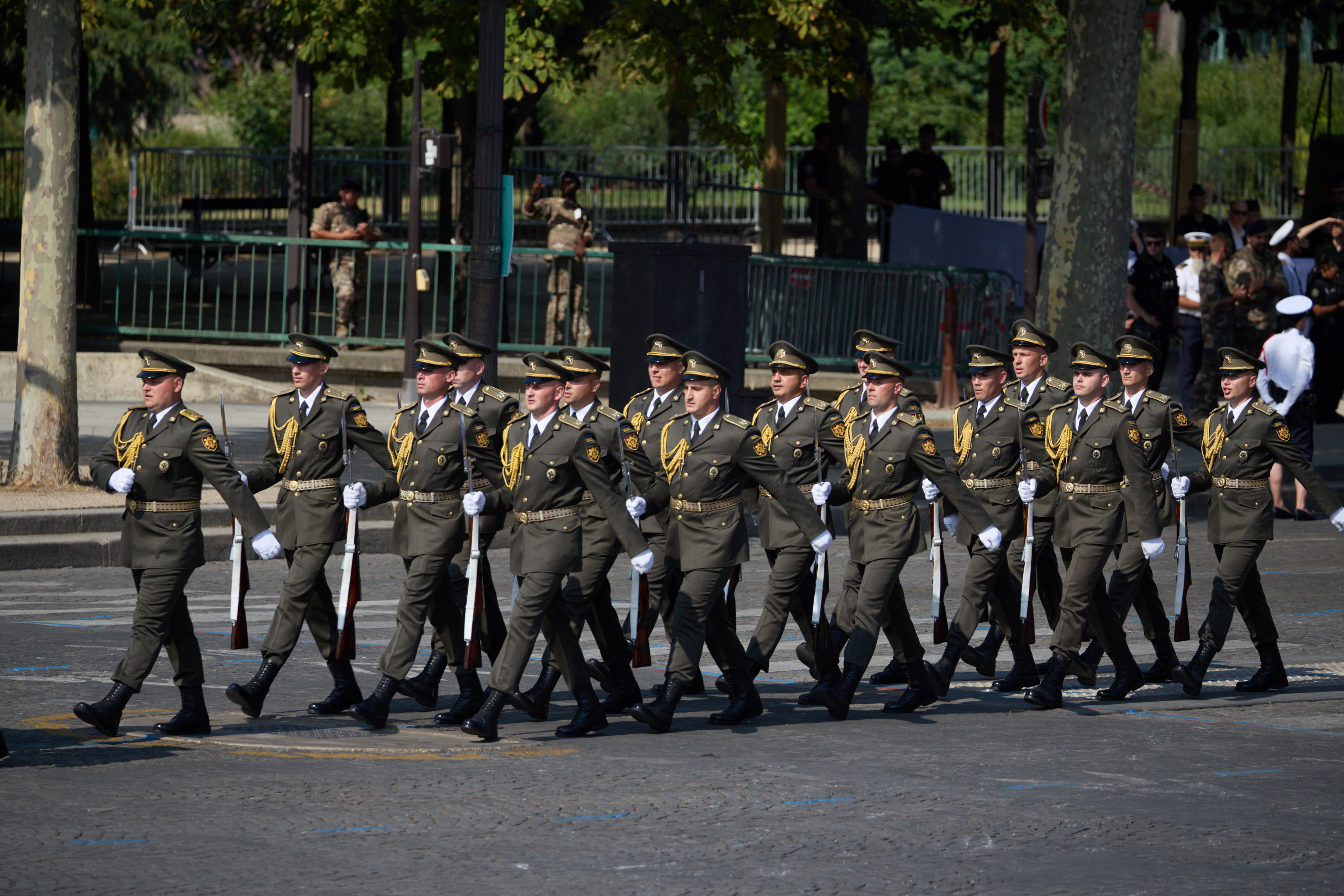
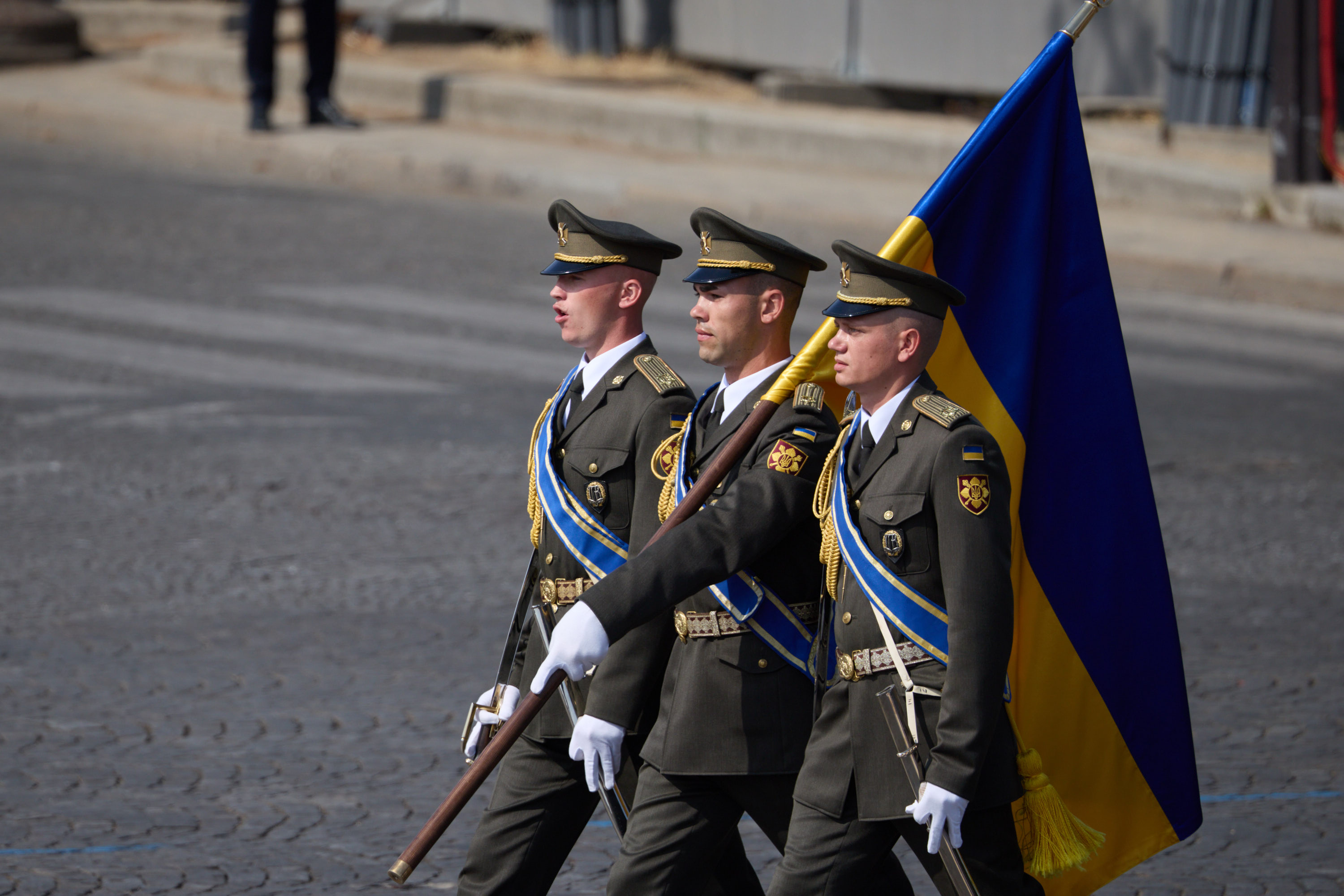
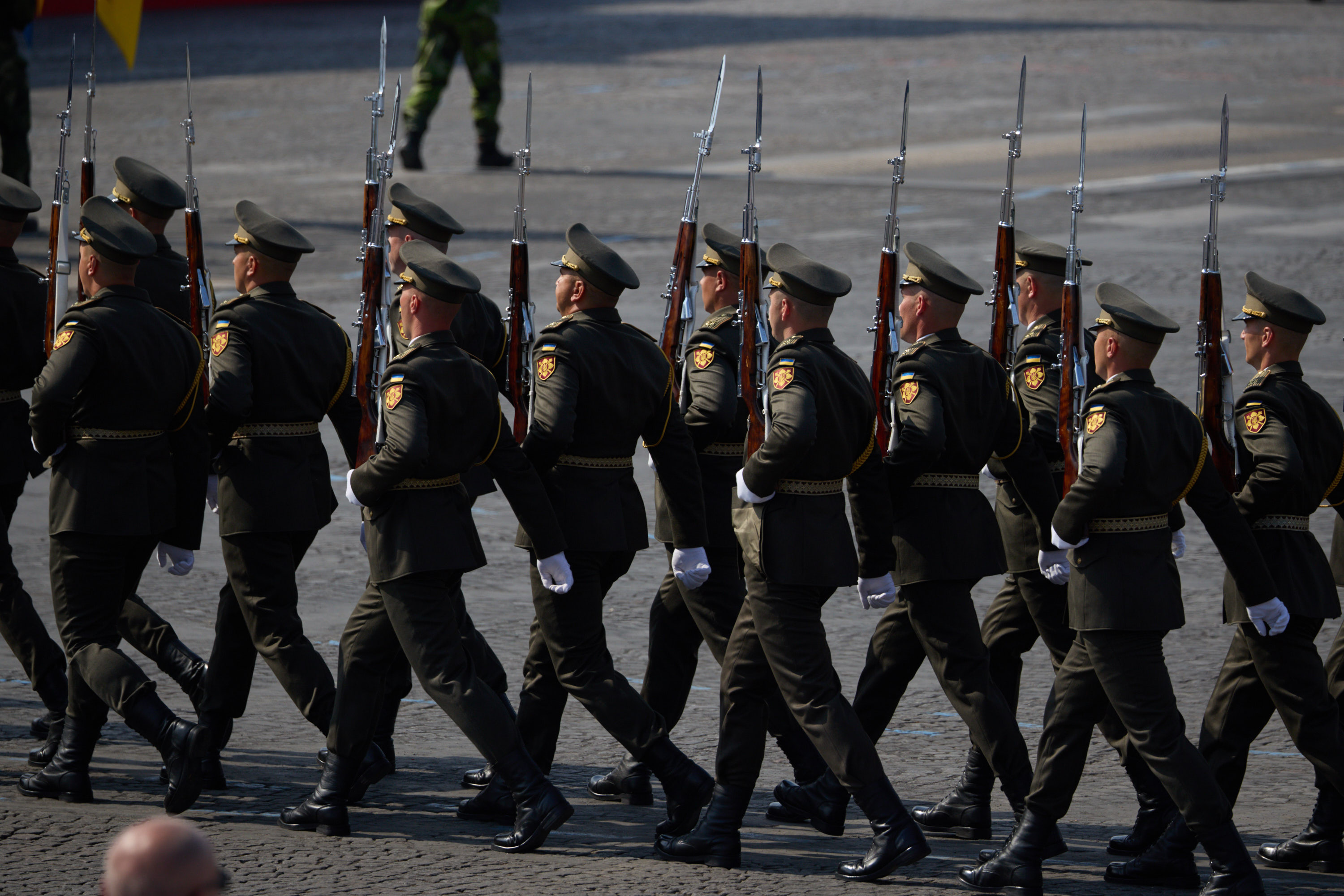
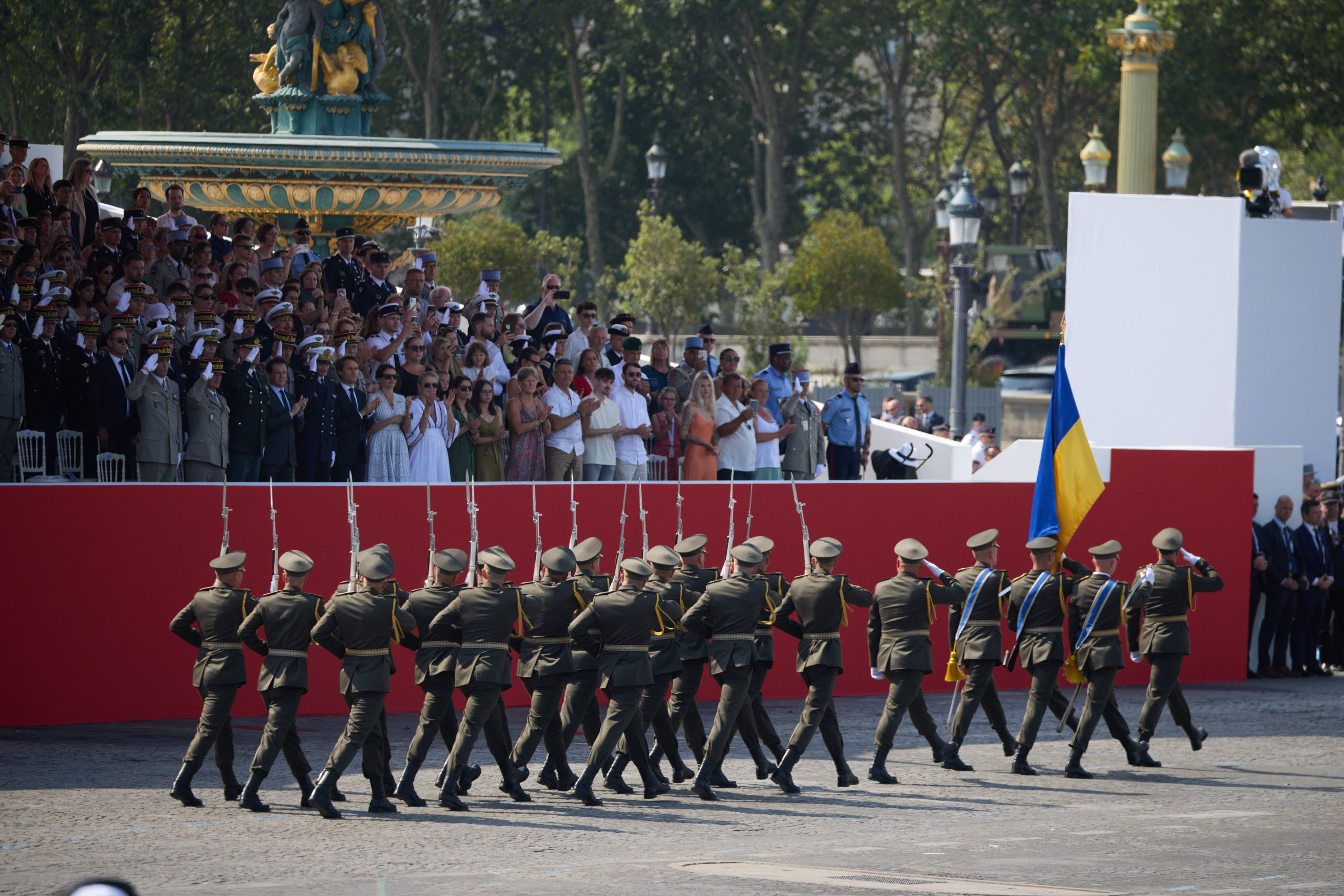
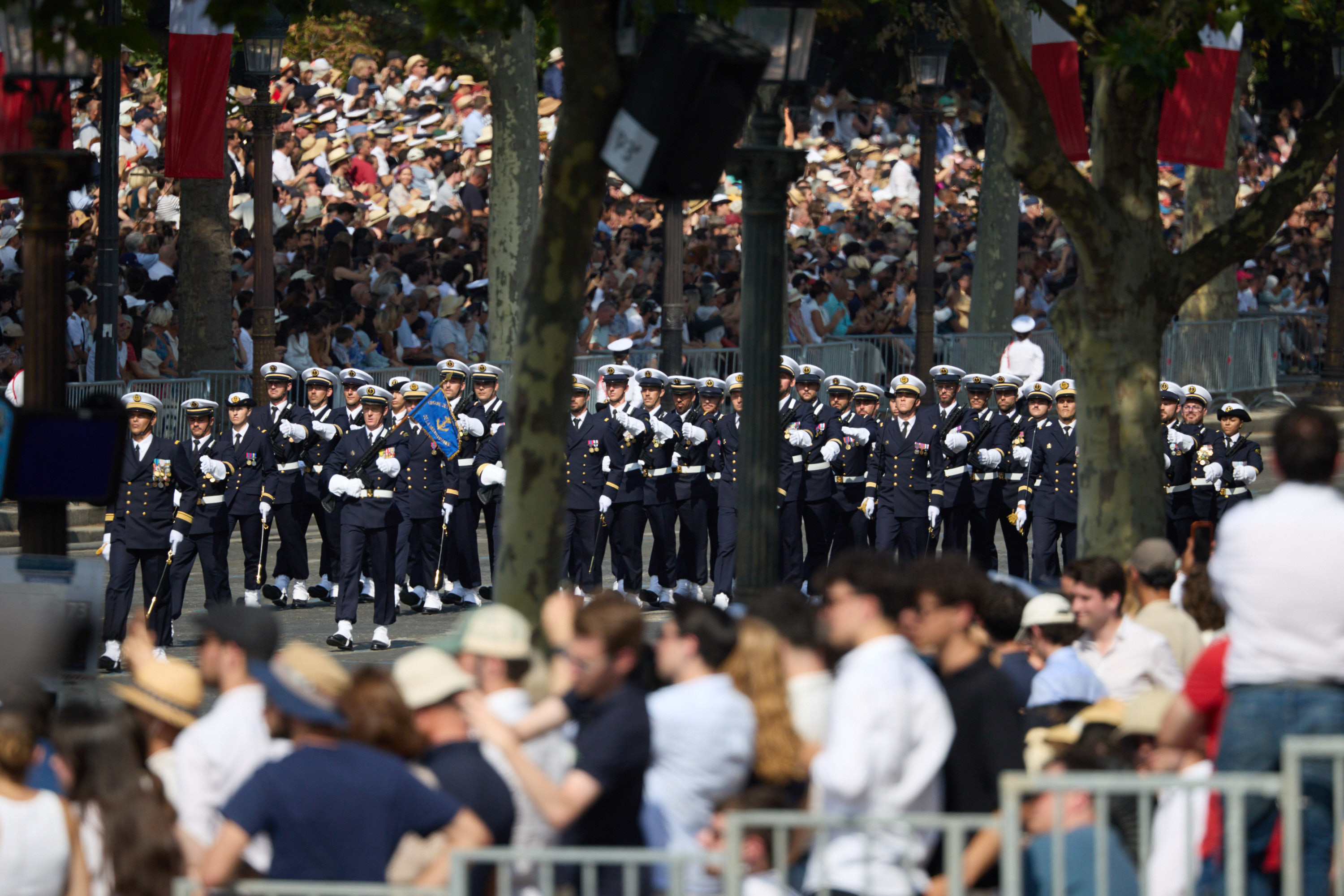
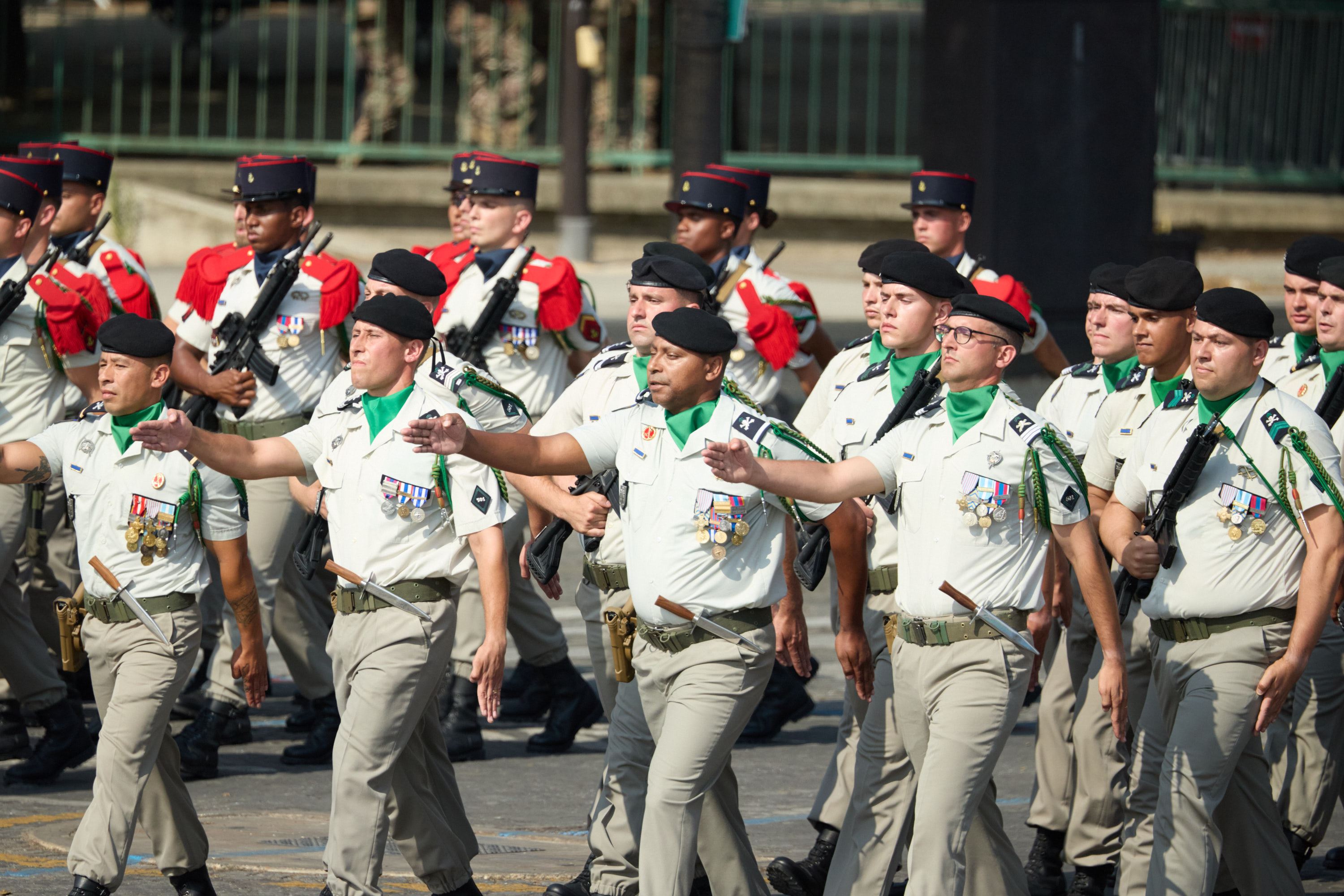
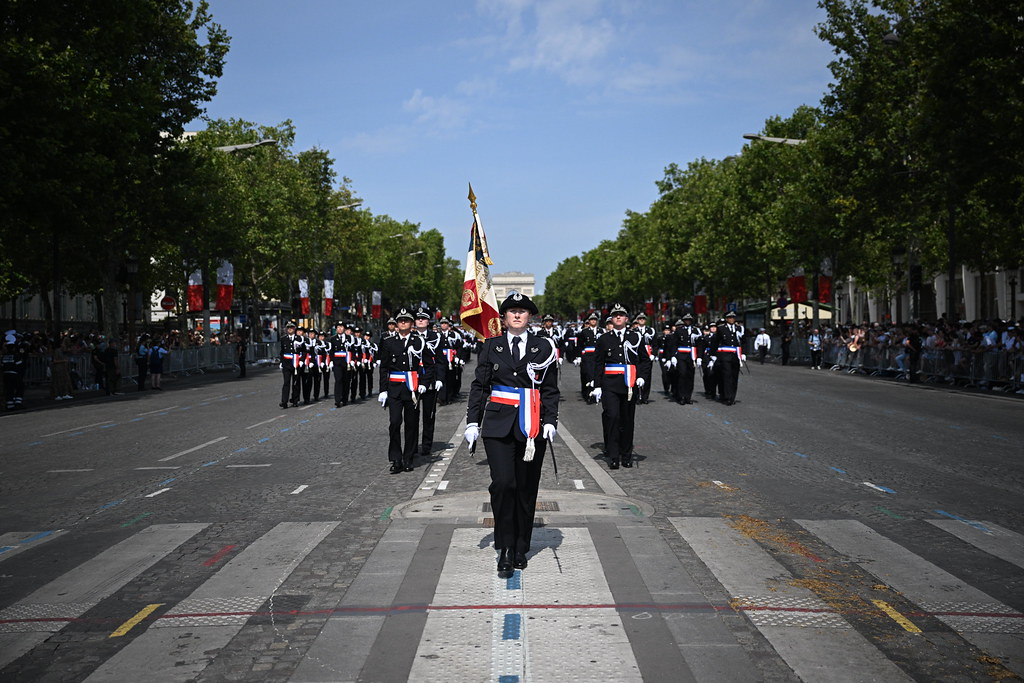
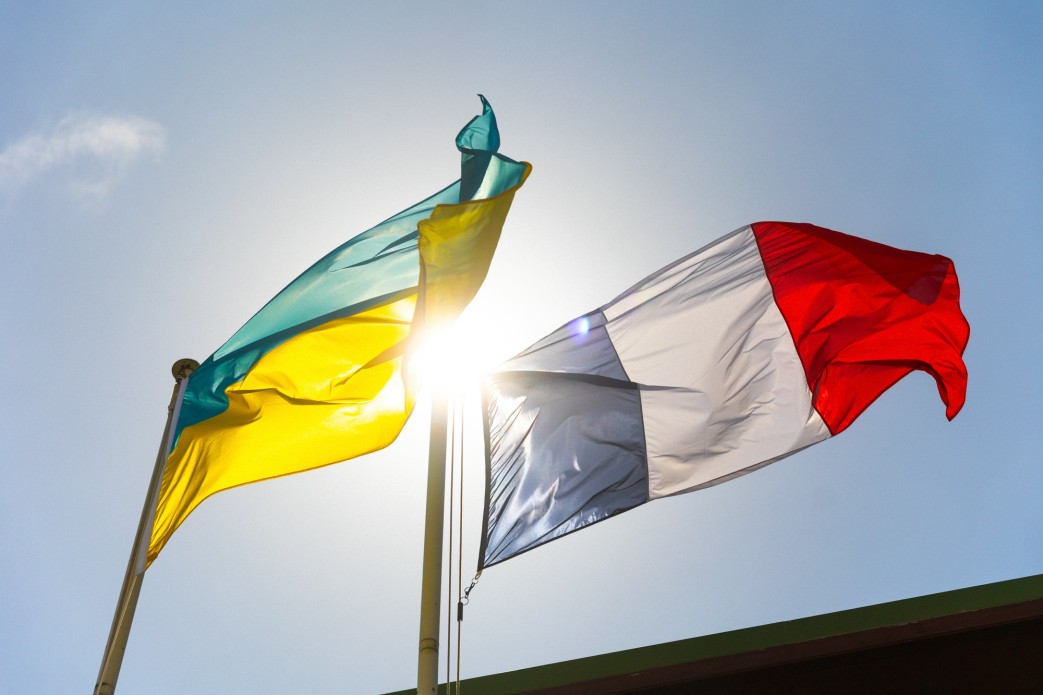
Today, we held a very important and productive meeting of the Coalition of the Willing. We are not merely maintaining this format. Within the Coalition, we are moving toward the point when we will be able to say that peace is drawing closer. And it is precisely our cooperation here in Europe, together with the United States, the President of the United States, and everyone around the world who wants peace, that is bringing the end of the war closer. There were 40 participants today, with Moldova and North Macedonia joining the Coalition. We welcome this decision. Many participants noted today that, thanks to our warriors and our operations, the situation is now unique, and our entirely justified pressure on Russia is indeed significant. We need to exert even more pressure. There must be greater cooperation in Europe. We must begin preparing for winter now, and today we discussed what is needed to prepare the energy sector. We are counting very much on our partners’ support. All Coalition participants effectively agreed on this today. I thank everyone who is acting accordingly! And importantly, we agreed to hold the next meeting of the Coalition of the Willing in Ukraine. We are deeply grateful to our partners for their support and for the fact that there will be a parade tomorrow; it is an honor for us that Emmanuel invited our military personnel. This is a true recognition of Ukraine’s strength and the strength of our Armed Forces. We thank our warriors! We thank our partners!
Glory to Ukraine!