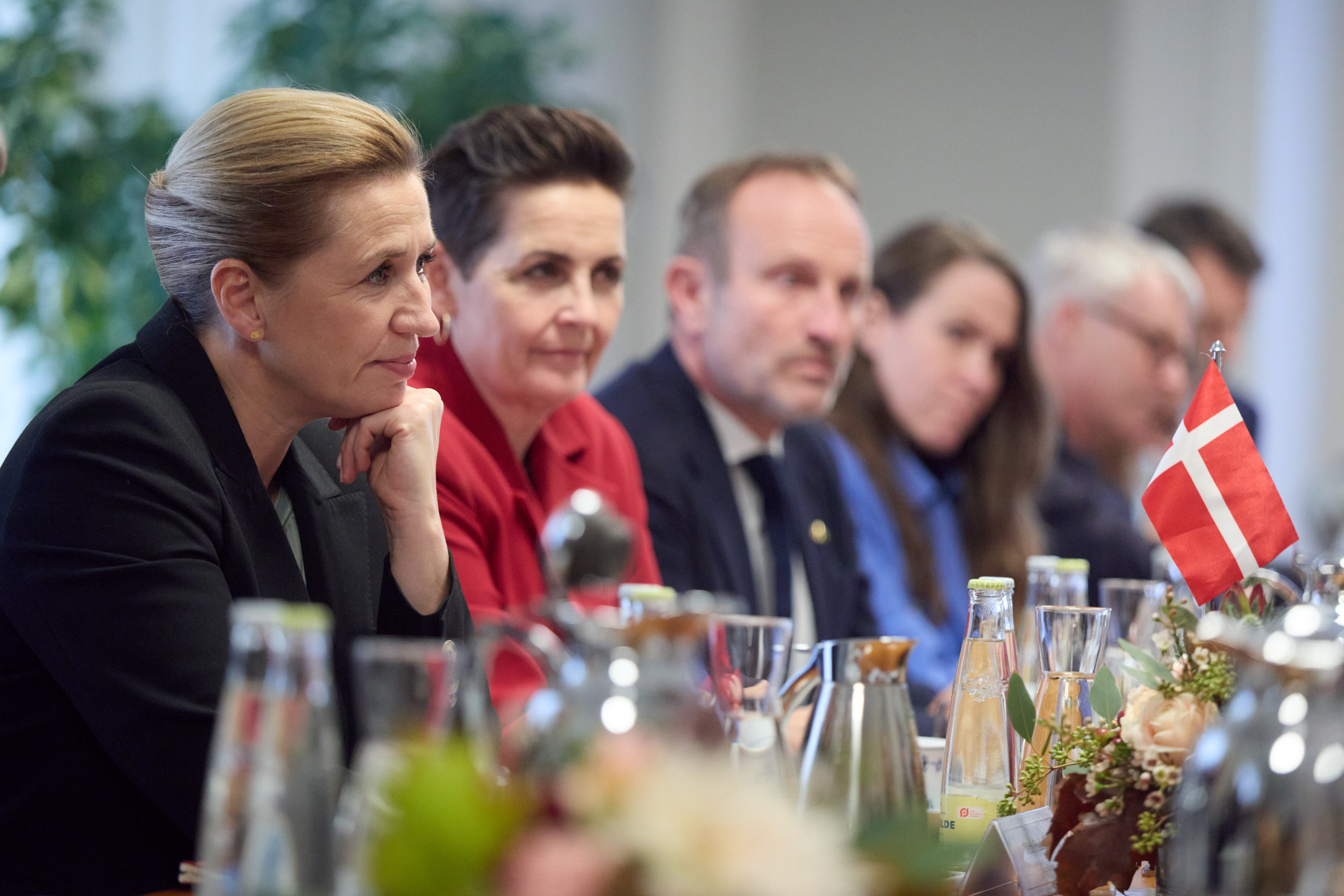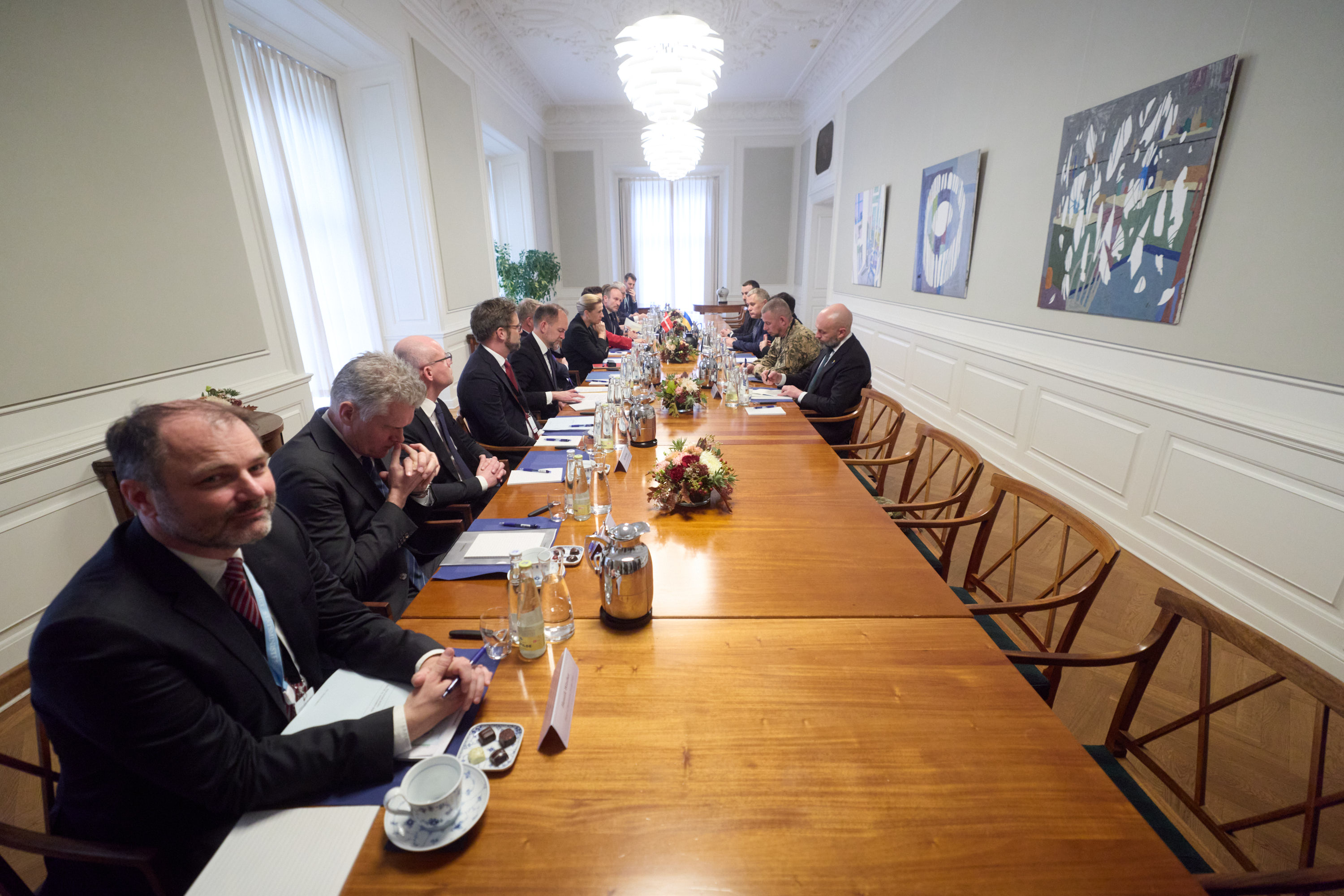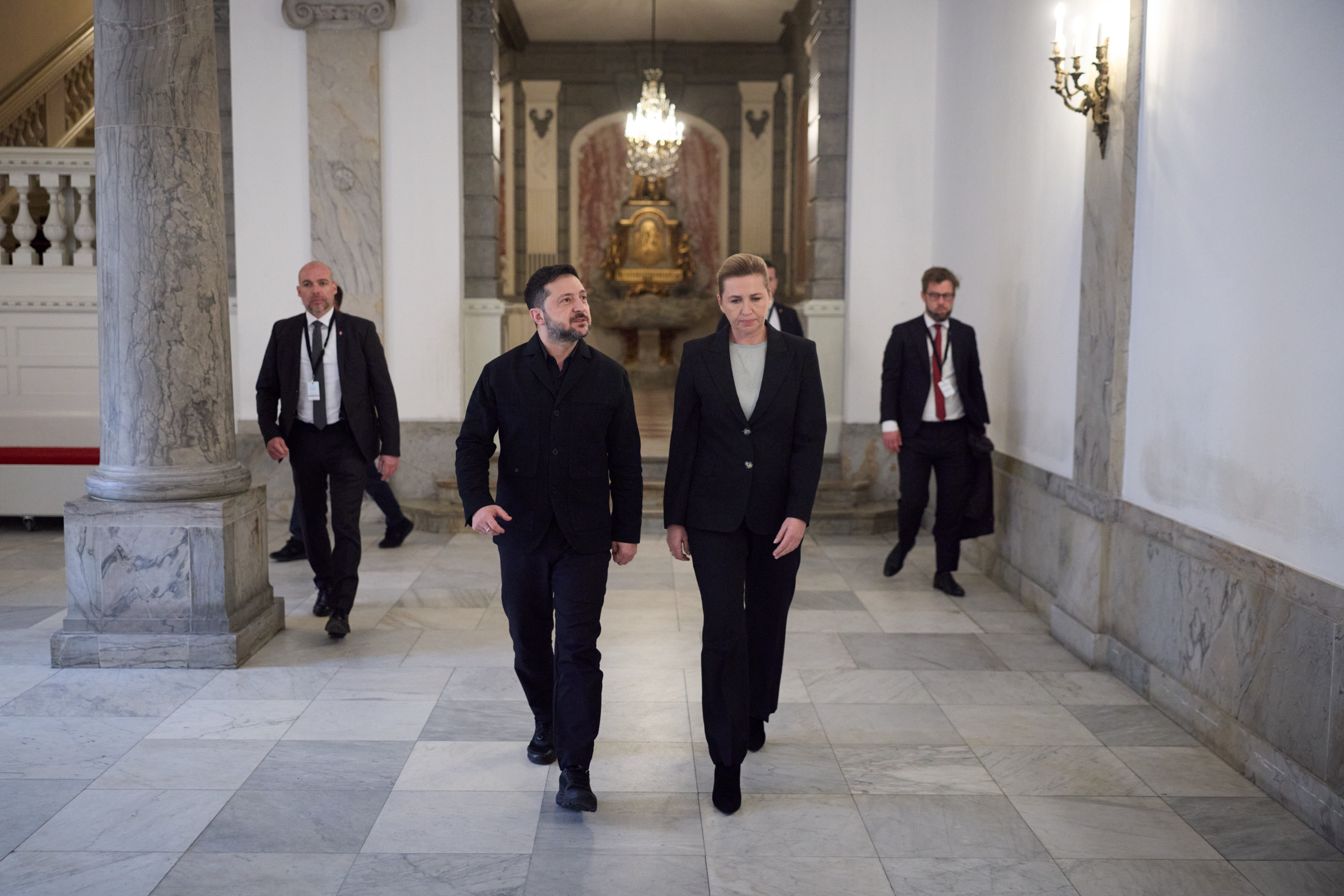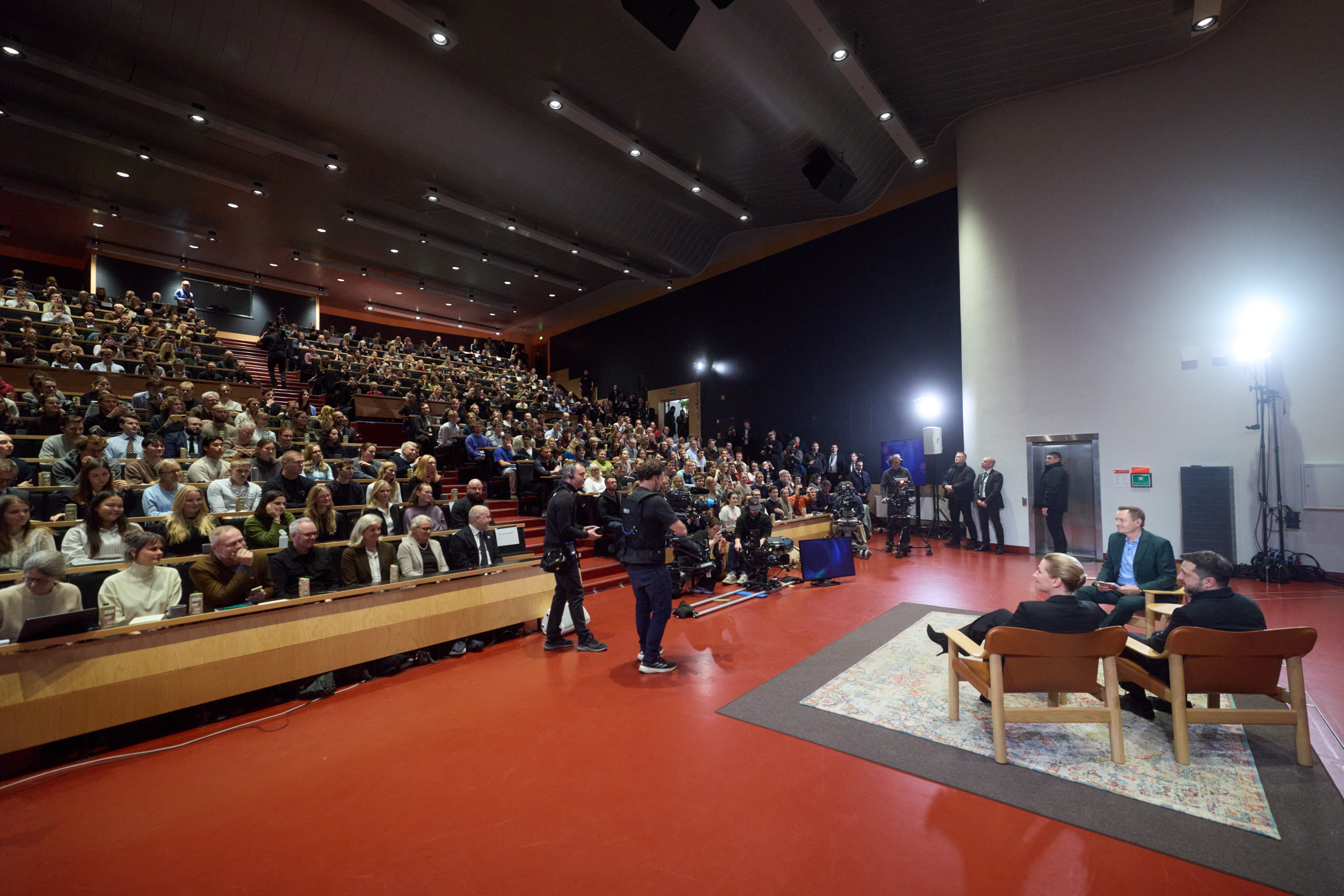
Thank you so much!
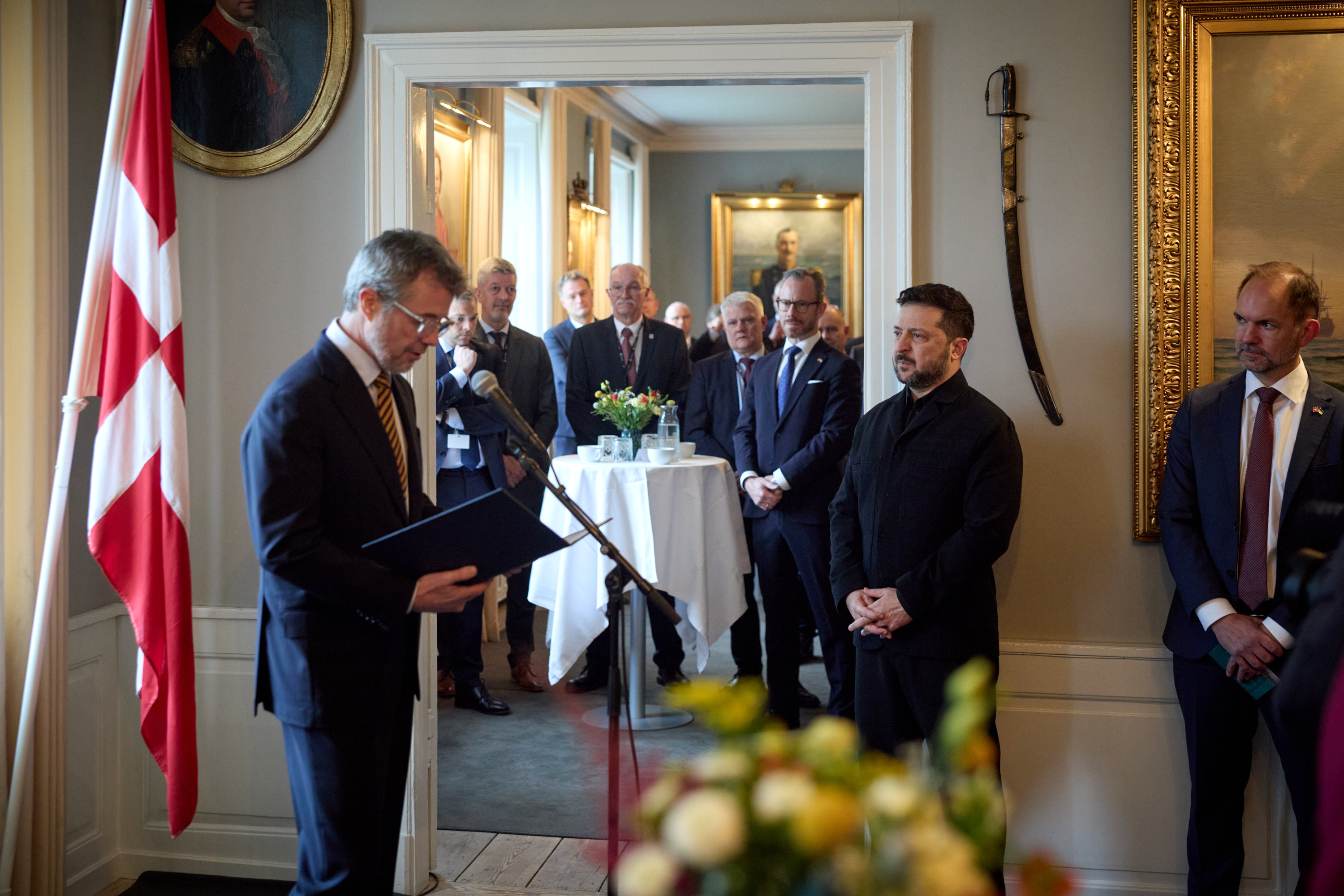
Mr. Speaker,
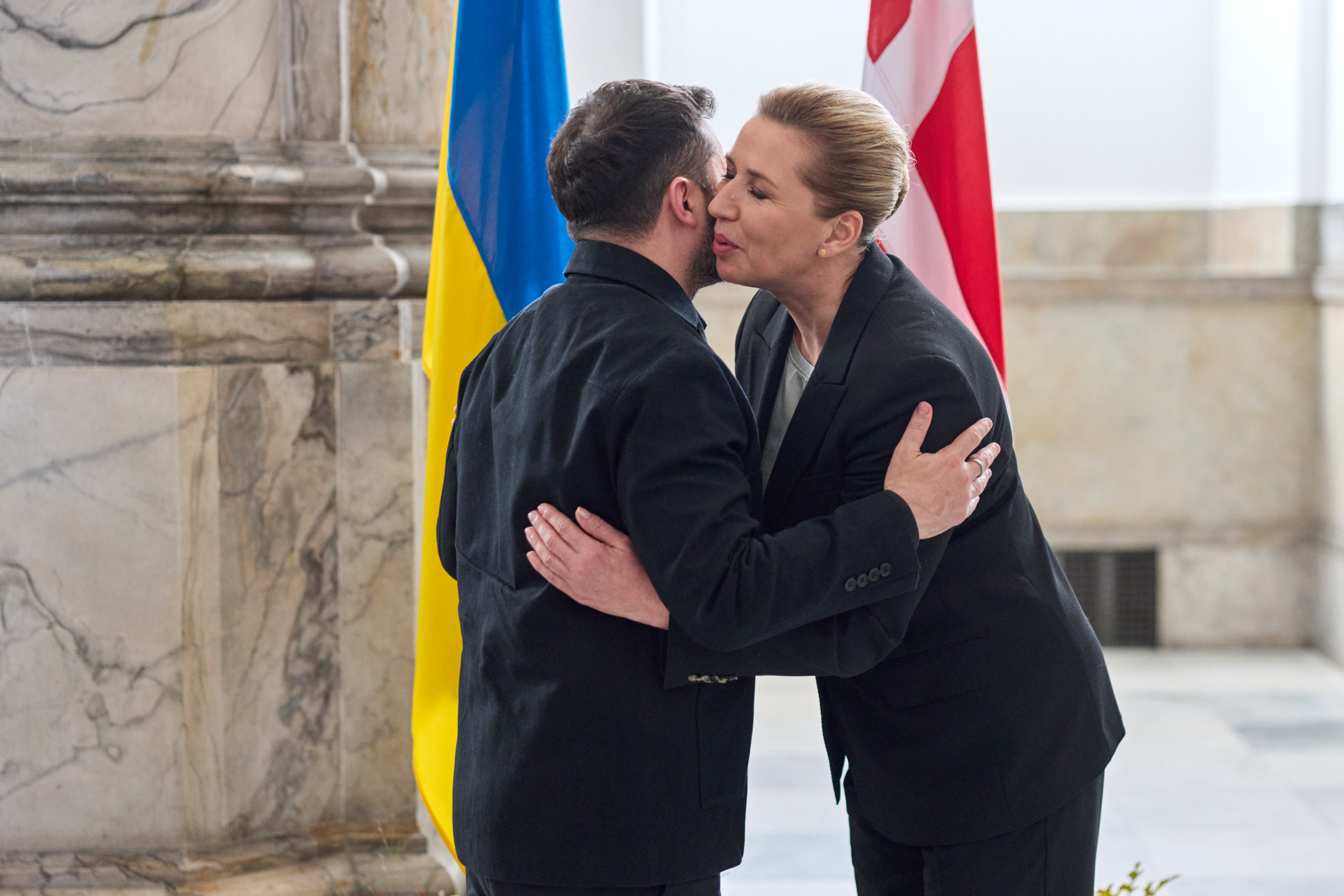
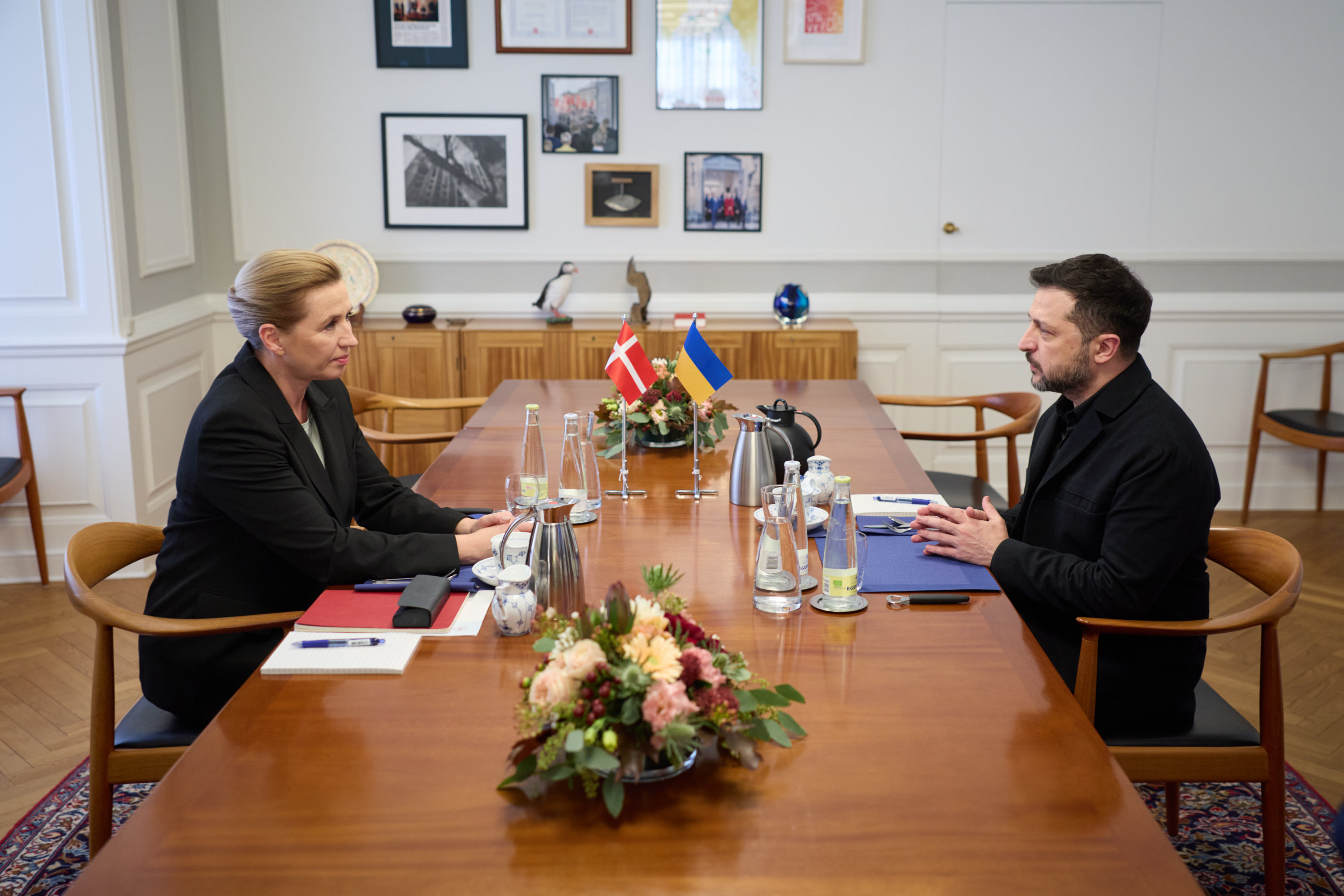
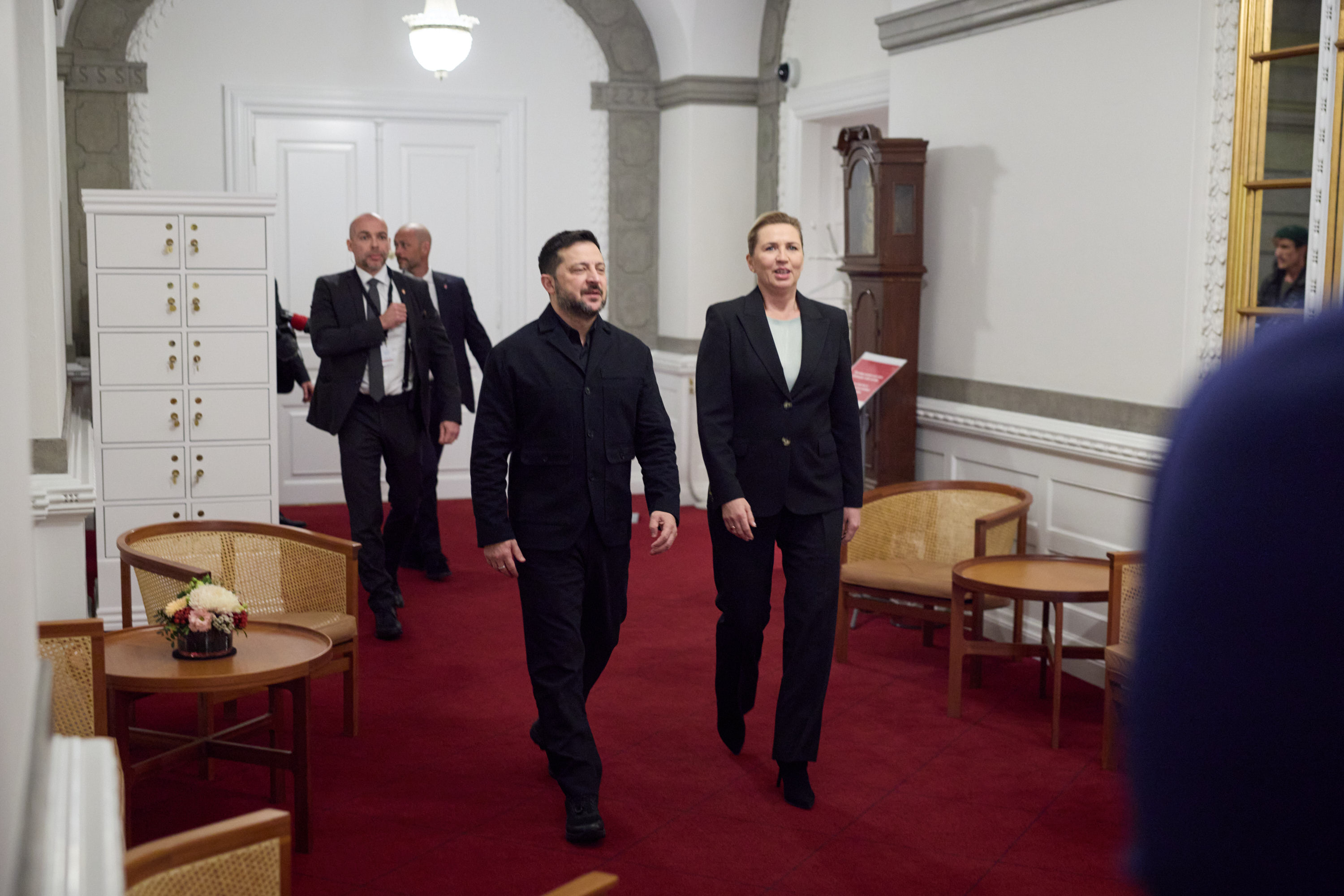
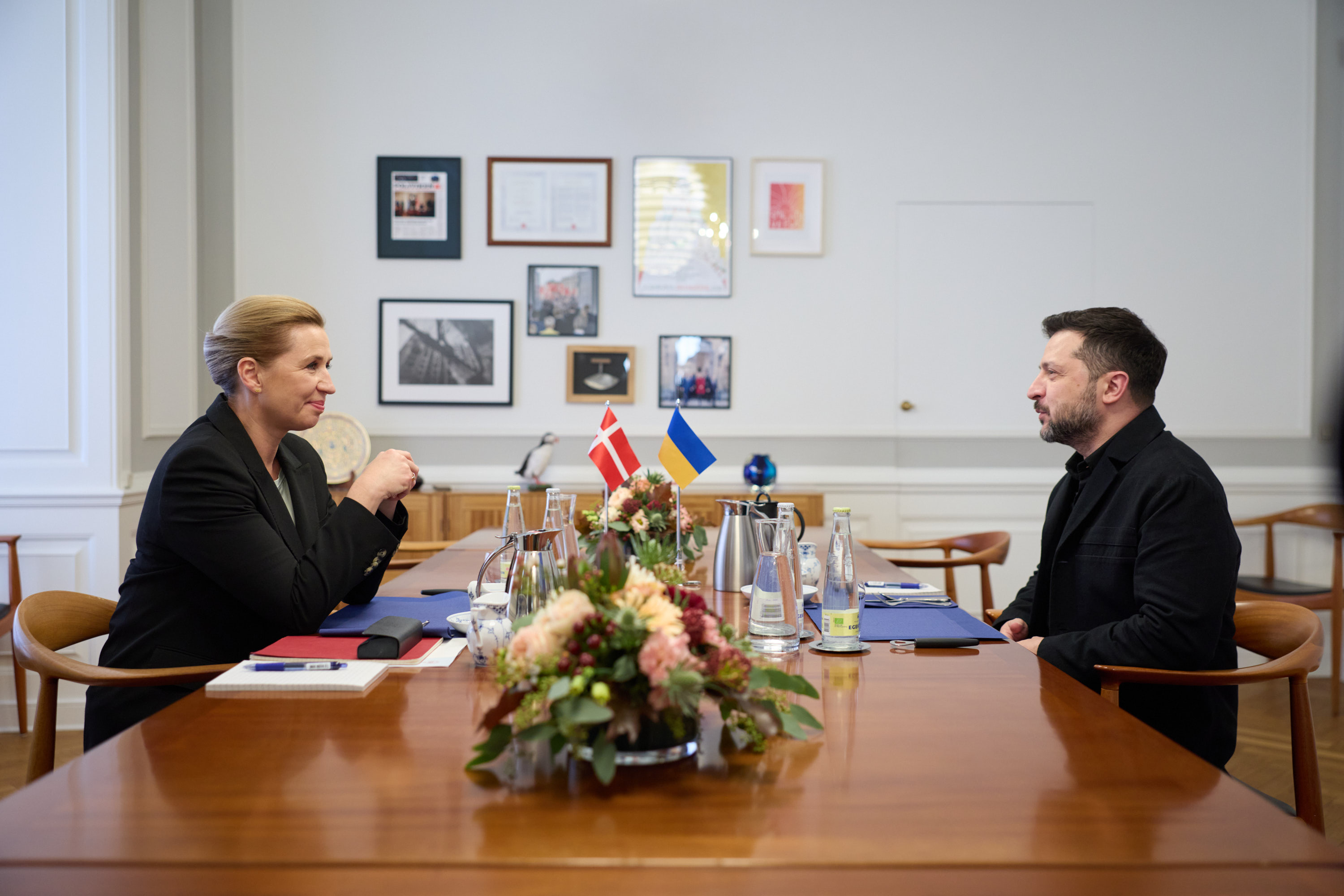
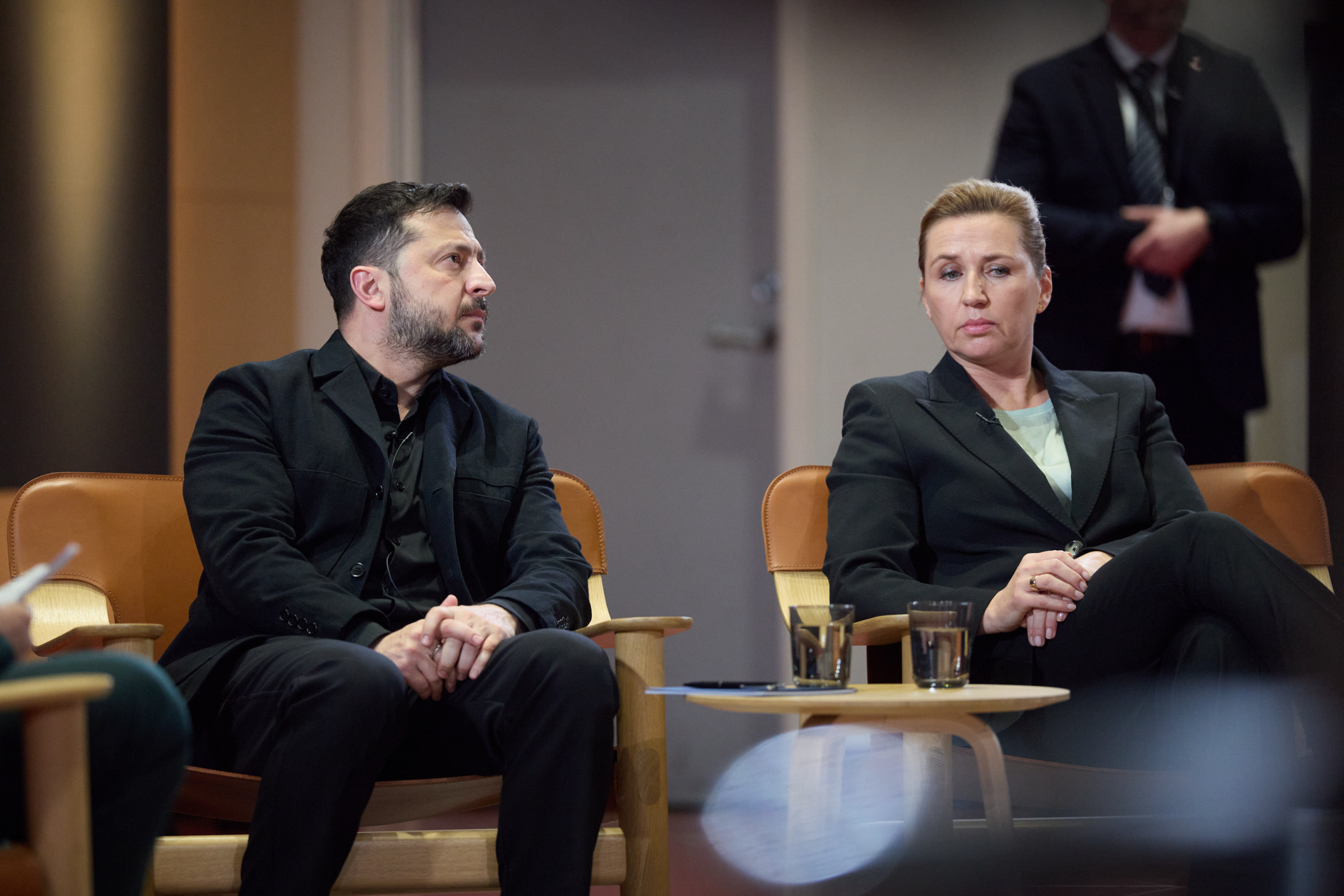
Dear Mette – Madam Prime Minister,
Honourable members of Parliament, and all the guests here today,
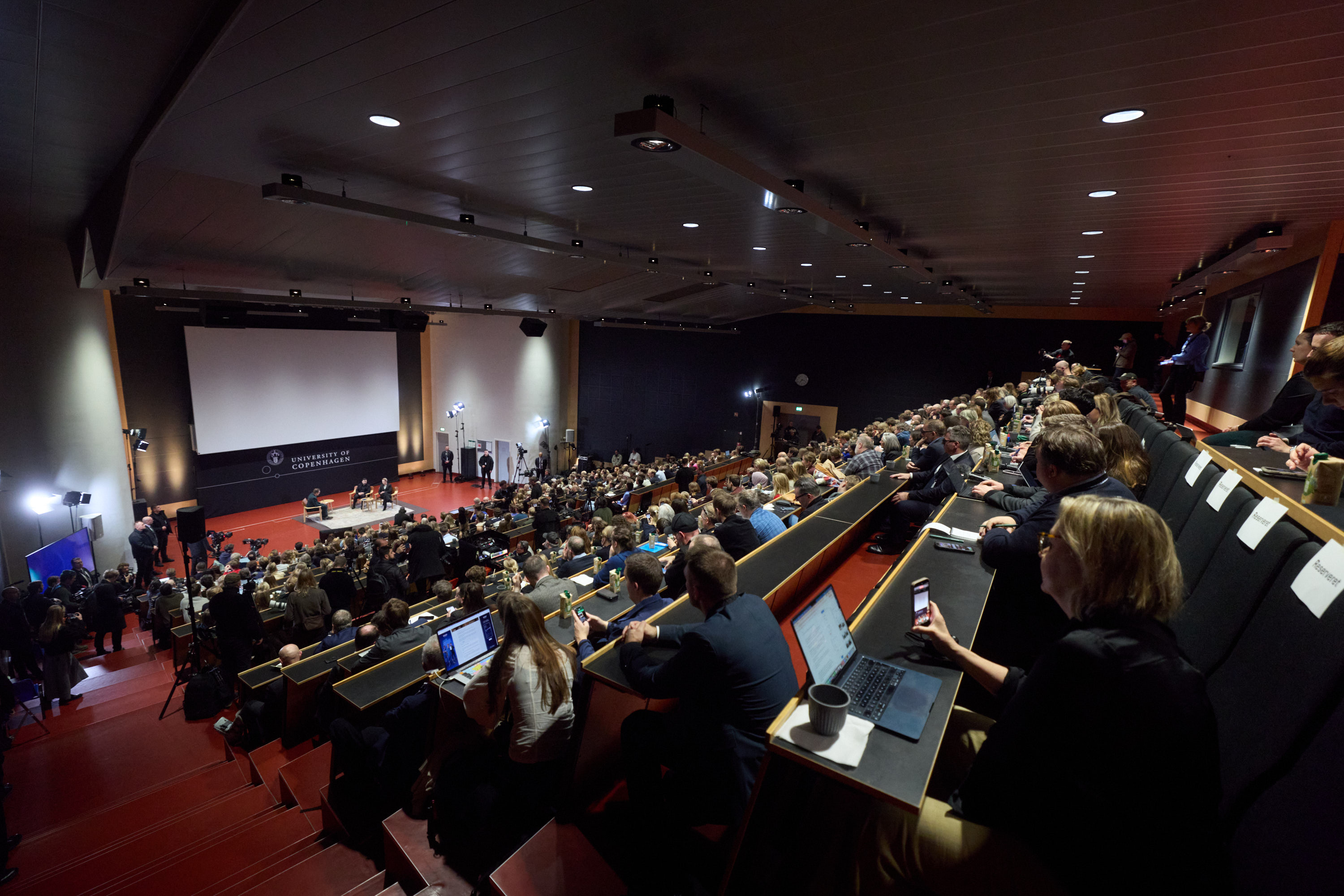
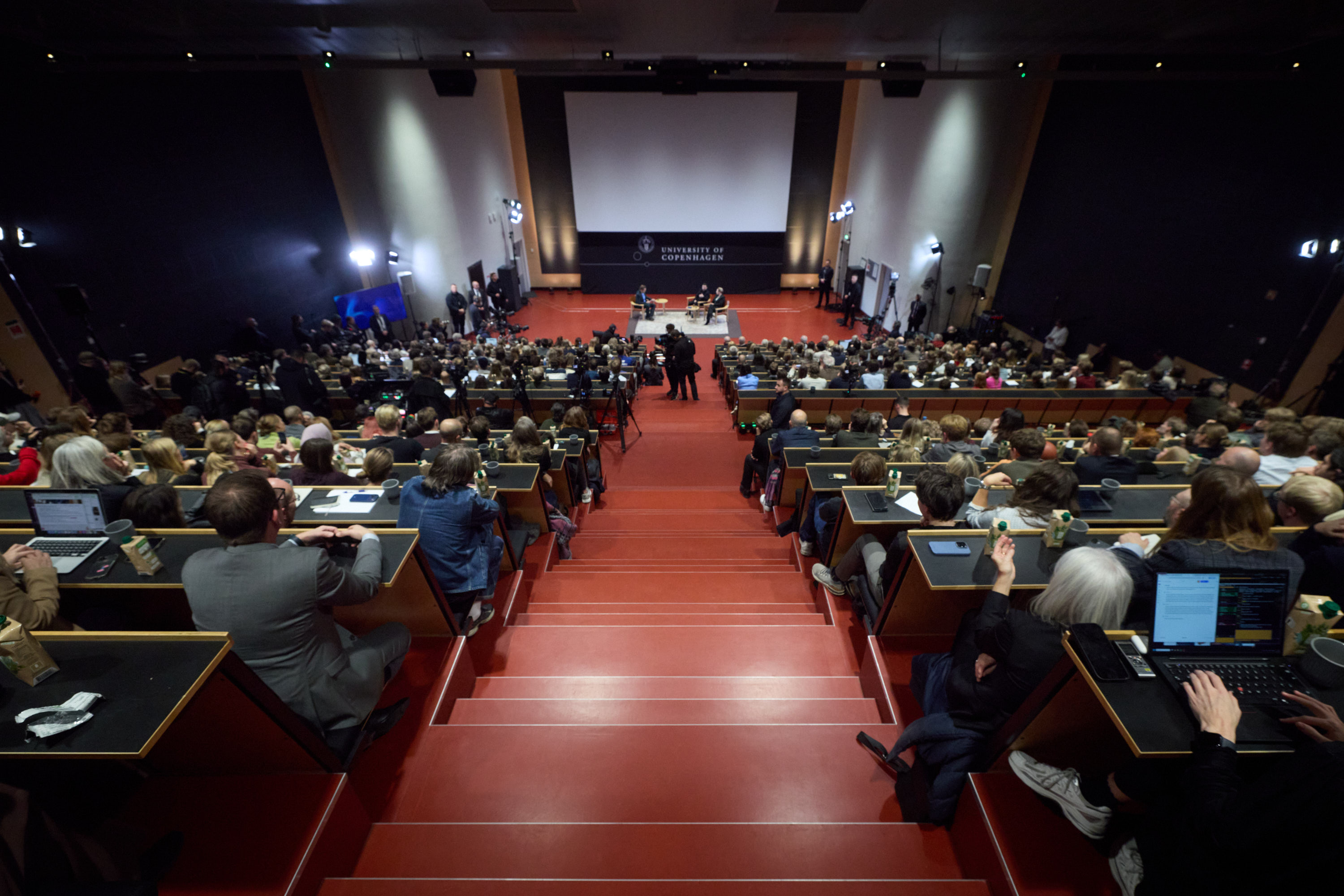
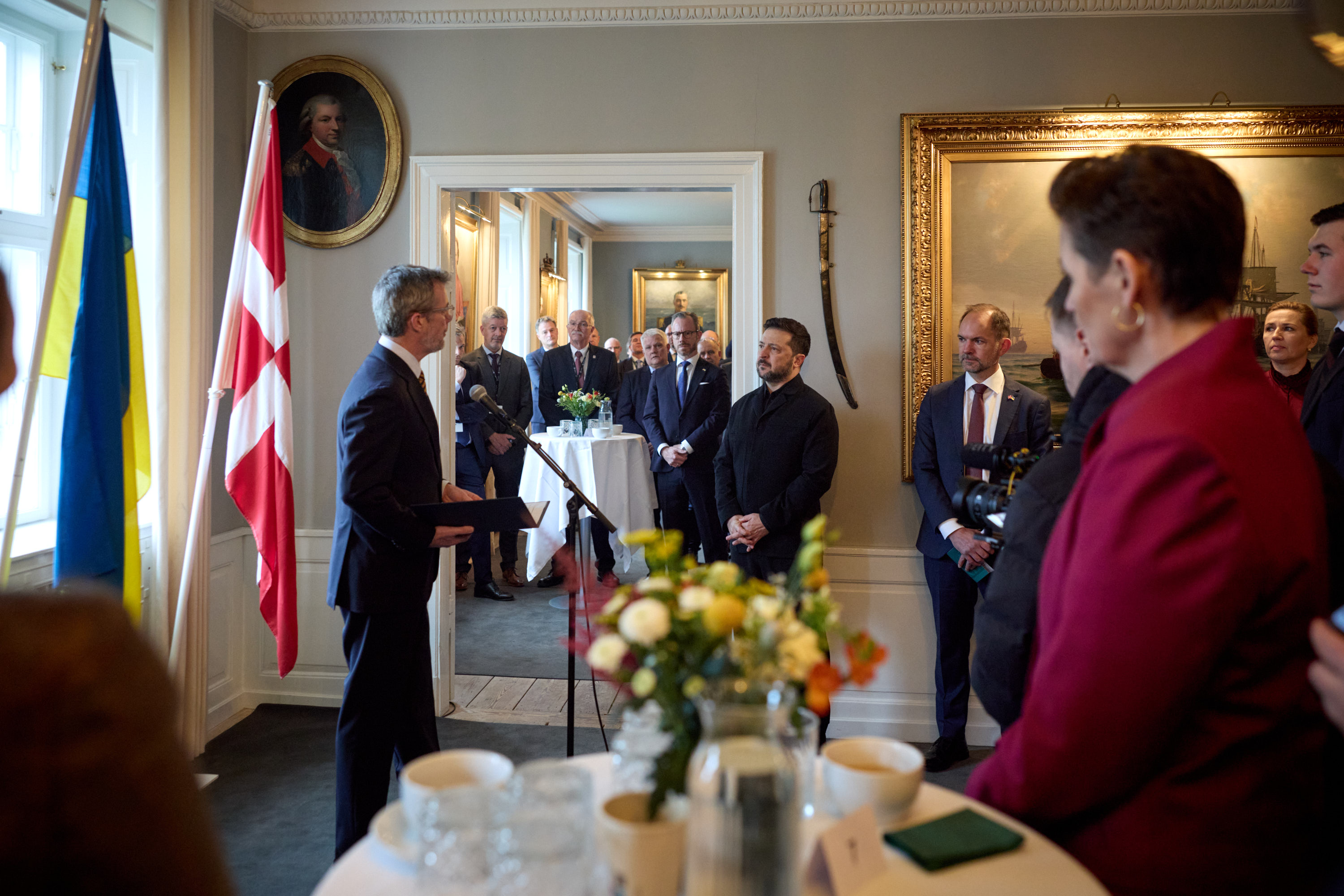
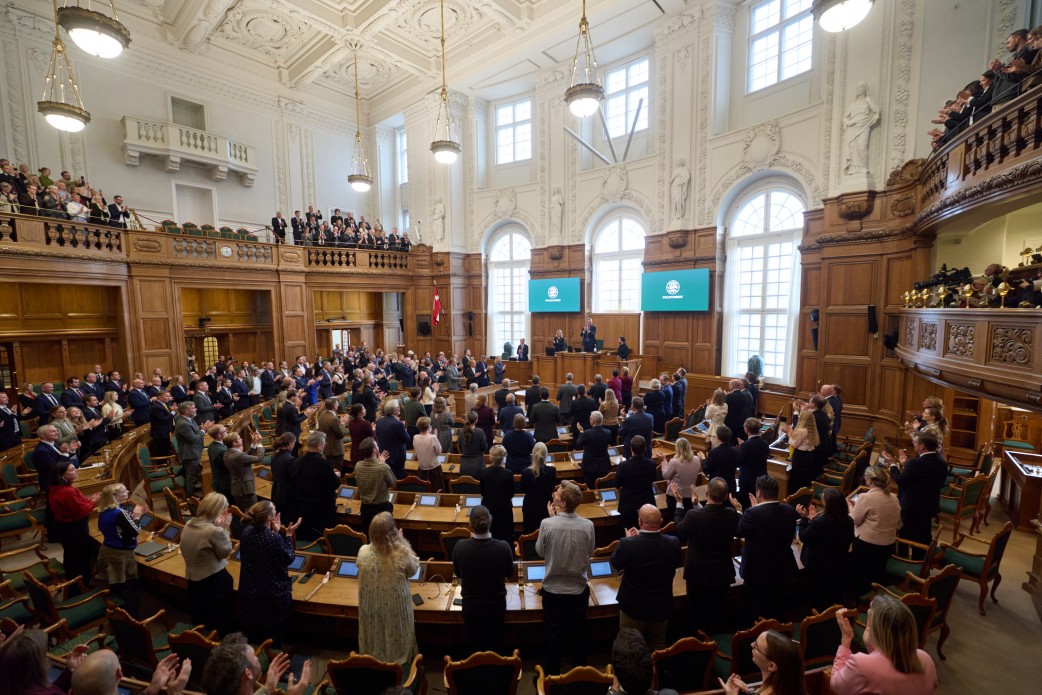
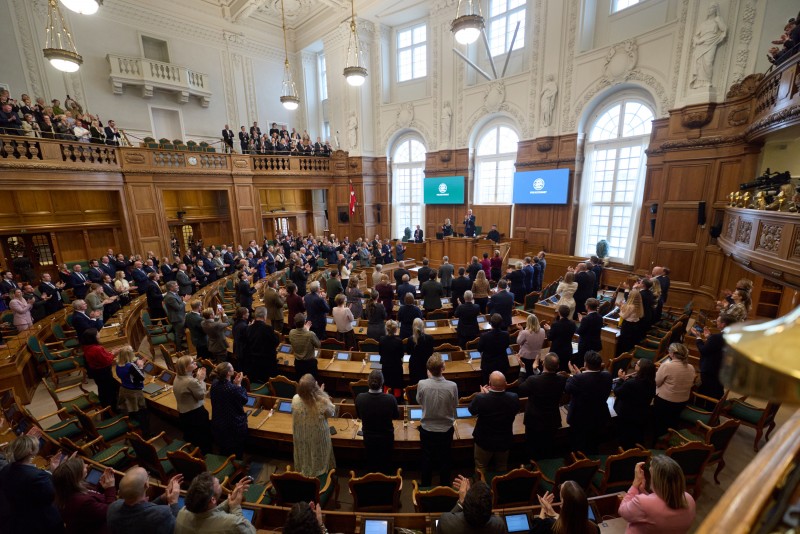
Really, it is a great honour for me to stand here and to represent the Ukrainian people – all our people, our country, and our fight – in this chamber of Parliament. This is the first time a foreign leader has been invited to address Parliament here, in this chamber. I’ve heard that many leaders wanted to be here, to speak here. One of them was even the President of the United States. That was back in 1997. In the end, the American President spoke to the Danish people in a different place.
A great honour to be here. So to be here today – to be welcomed by you in this chamber, and to be a friend – this is what is very important – and to be a friend of Denmark – a friend you can always trust – no matter what – is a great honour for every Ukrainian. And it is one more proof that Ukraine and Denmark are not just friends, but like-minded nations – we see the world in much the same way. We share the same respect for human life, and for every nation’s right to peace.
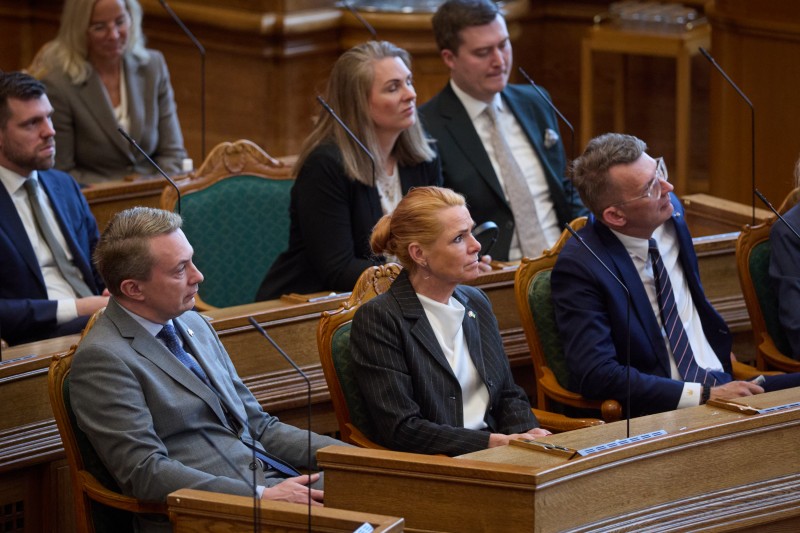
And thank you for giving us the confidence that, at any moment, Denmark stands with us, with Ukraine, with our people, with our children, with our soldiers – and that Denmark truly wants the best for Ukraine. There is something really special about this feeling – knowing that someone truly wishes you well. I feel this every time I speak with Mette. And every time I speak with people from your great country – with journalists, for example, or yesterday at the university – it was a great meeting – or today, here in Parliament with representatives of all political parties who truly stand together when it comes to security. And also, with representatives of Danish companies, with whom we are working so closely…
Every time, I feel the same thing – your intentions are truly good. And I think it’s because this is simply who you are. And because you understand something very simple, but very wise – treat others the way you would want to be treated.
And this is part of your spirit – what you call in Denmark “samfundssind,” sorry for pronunciation – the belief that we are responsible not only for ourselves, but for others too. In today’s world, treating others this way is truly priceless. Thank you for that – thank you for being Denmark – a country that acts with heart and confidence, a country that we in Ukraine – and everyone in Europe, I’m sure – can always count on.
And there is one thing we might regret today – that Ukraine and Denmark do not share a border. You have much better neighbours than we do – after all, we have Russia as our neighbour. And having a neighbour like Denmark is something any country would dream of right now.
And maybe when someone in America wanted Greenland, he didn’t even realize that what he really wanted was not the land – but to become a little more Danish. And who knows? Maybe that was exactly what he needed.
Ladies and gentlemen,
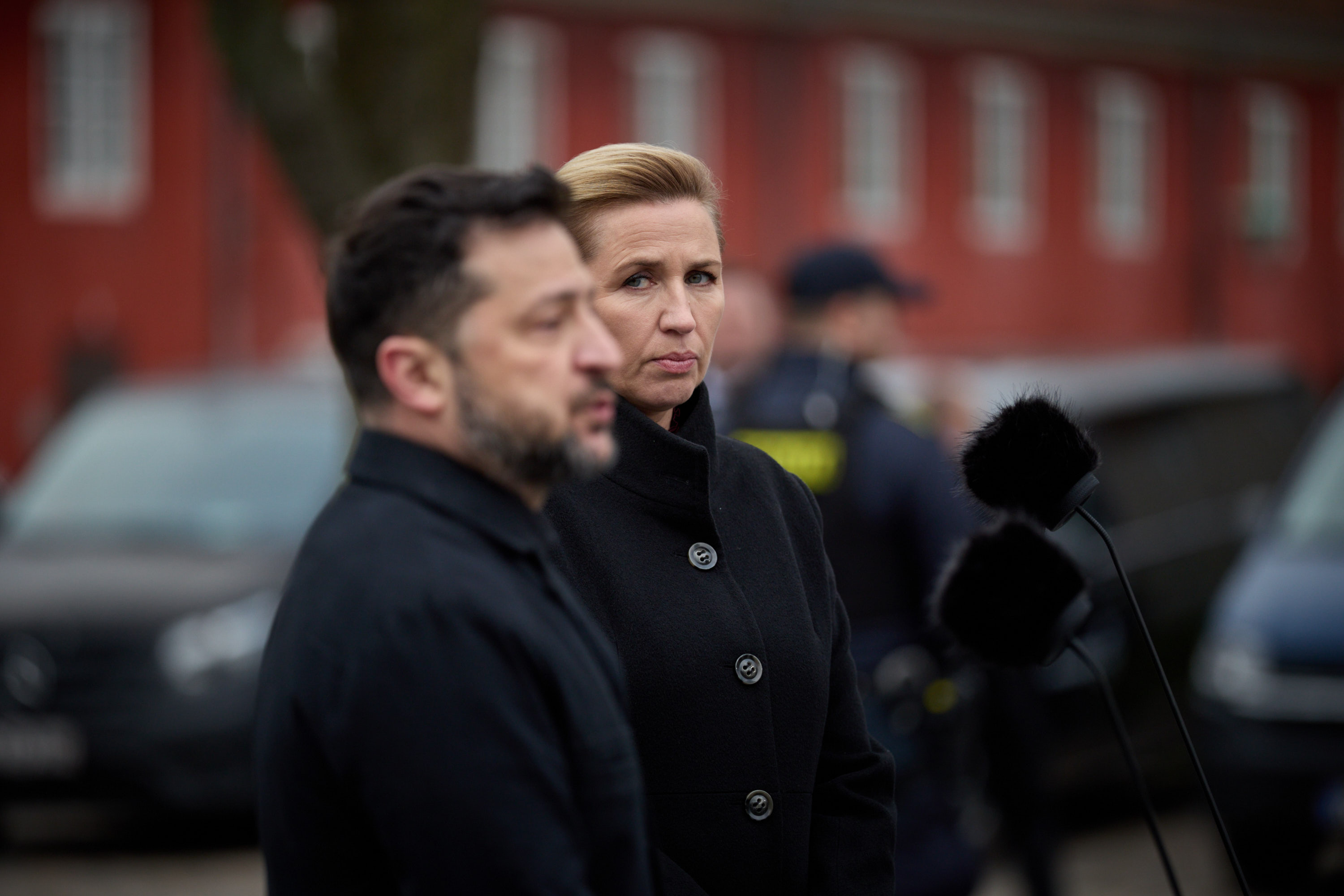
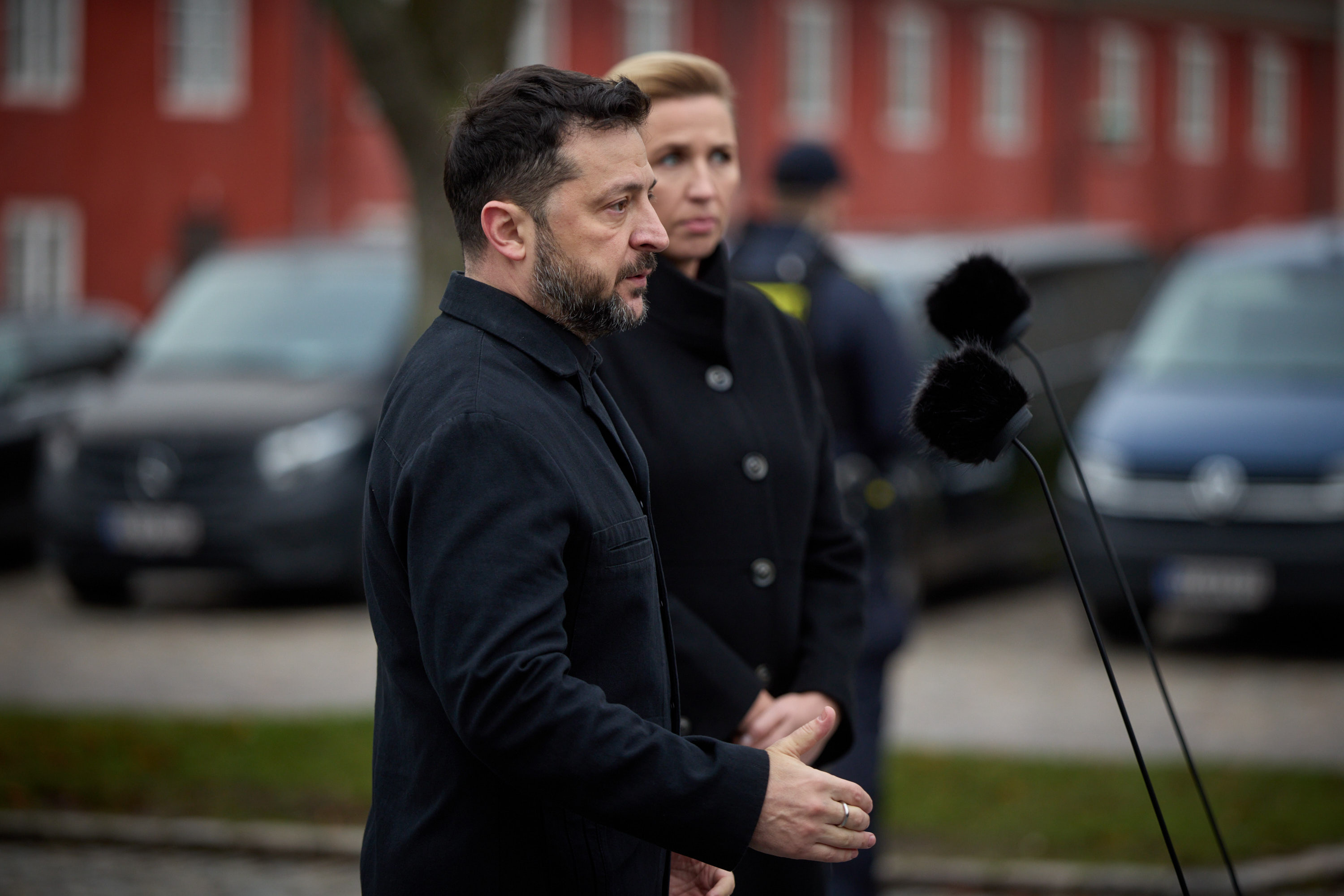
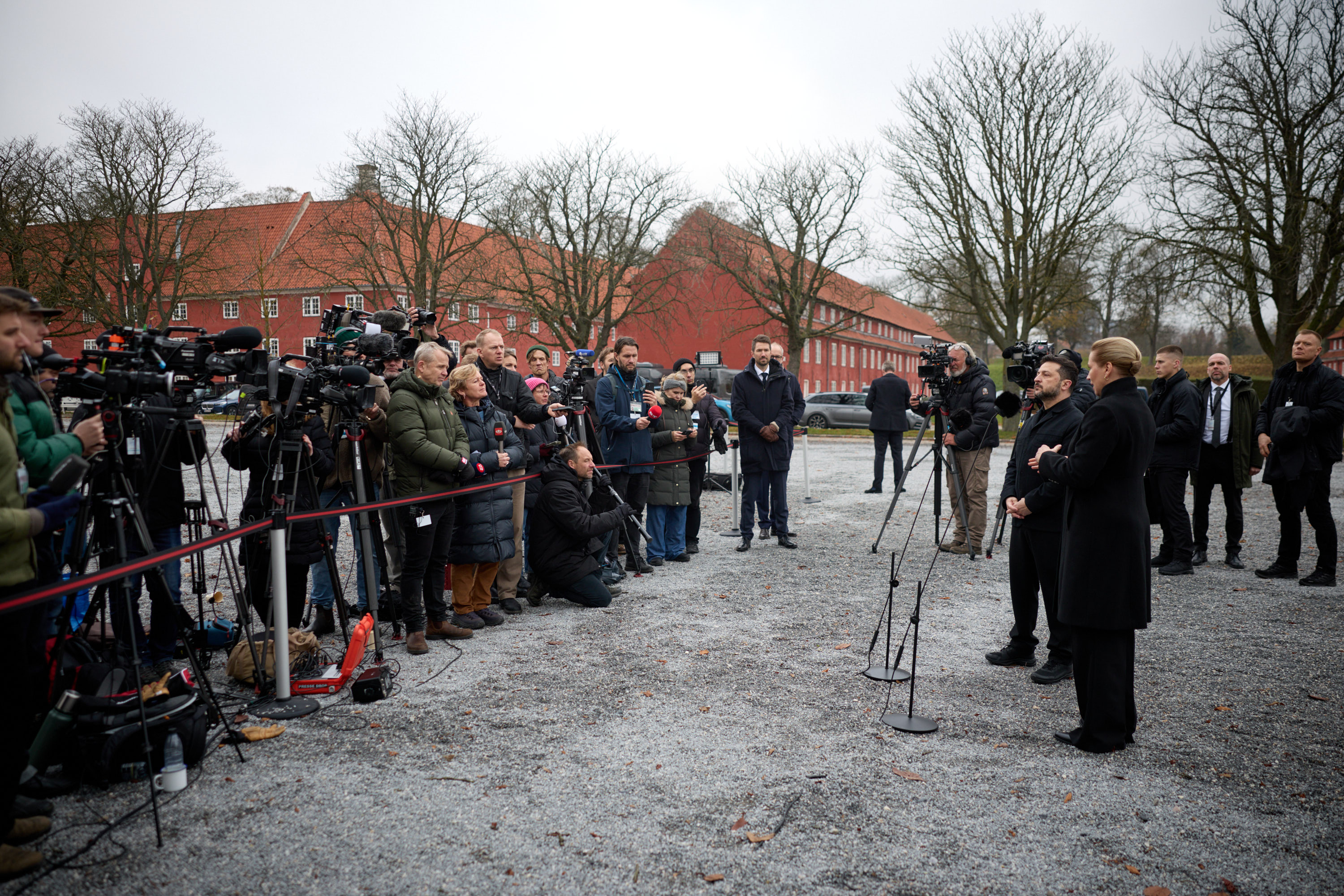
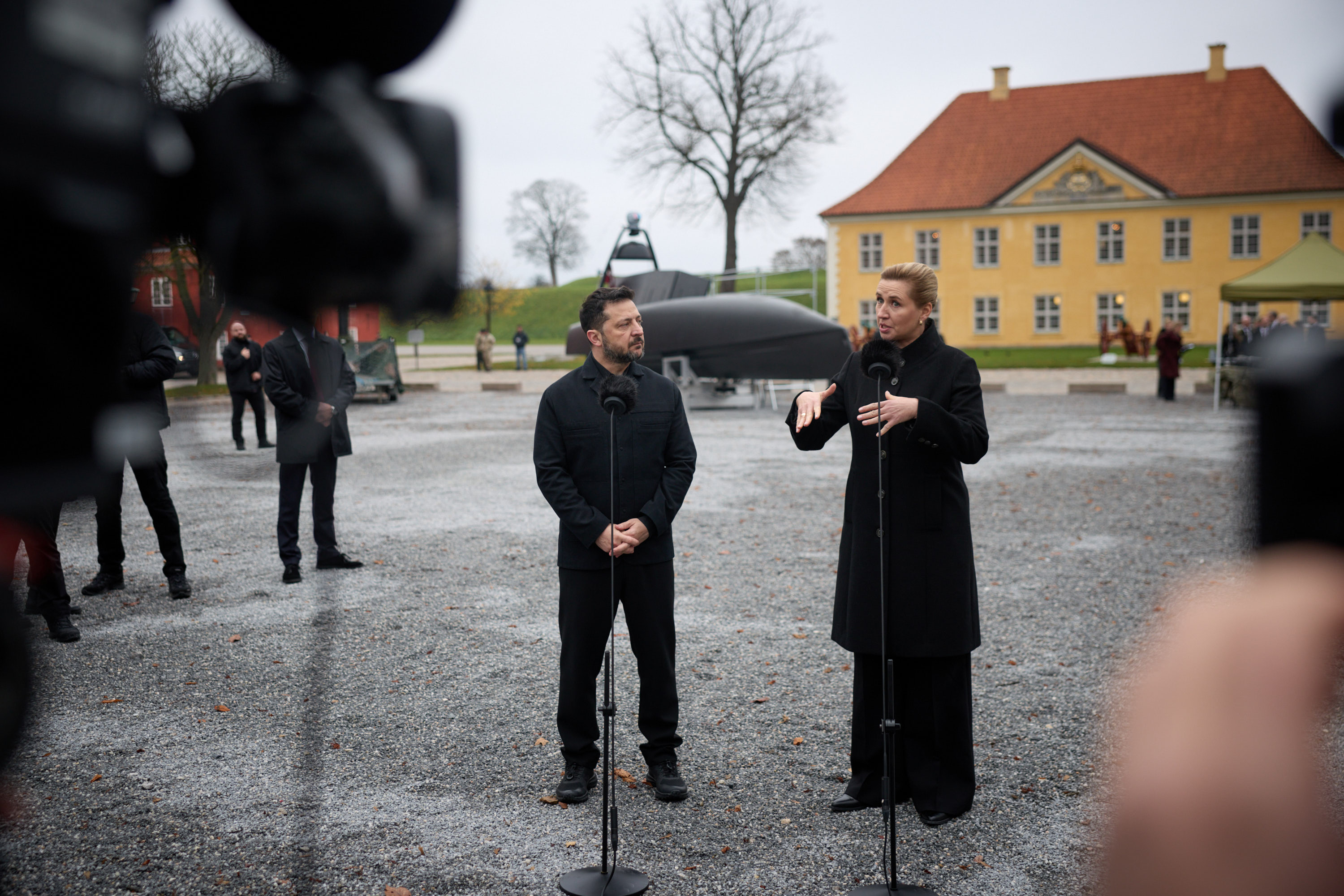
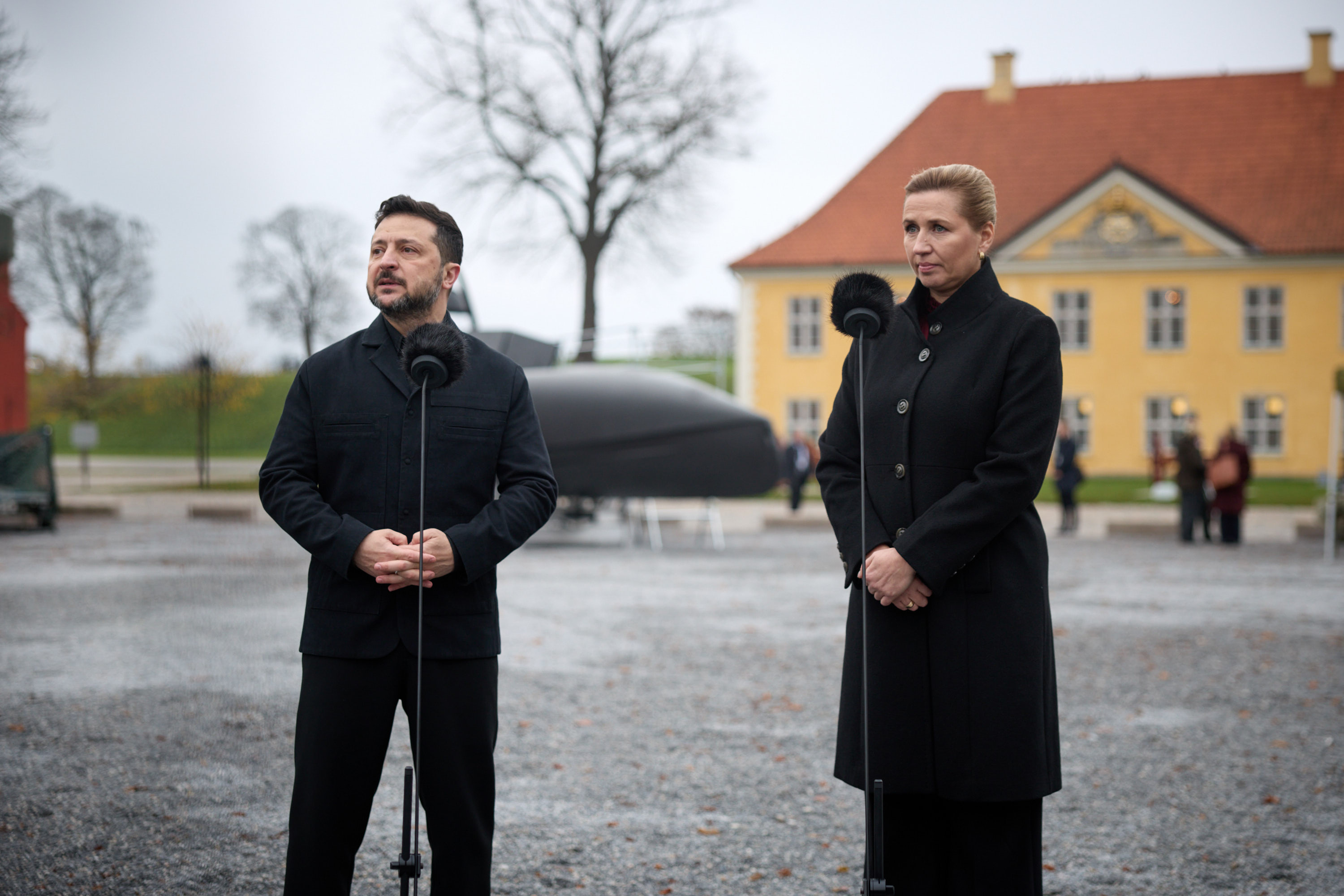
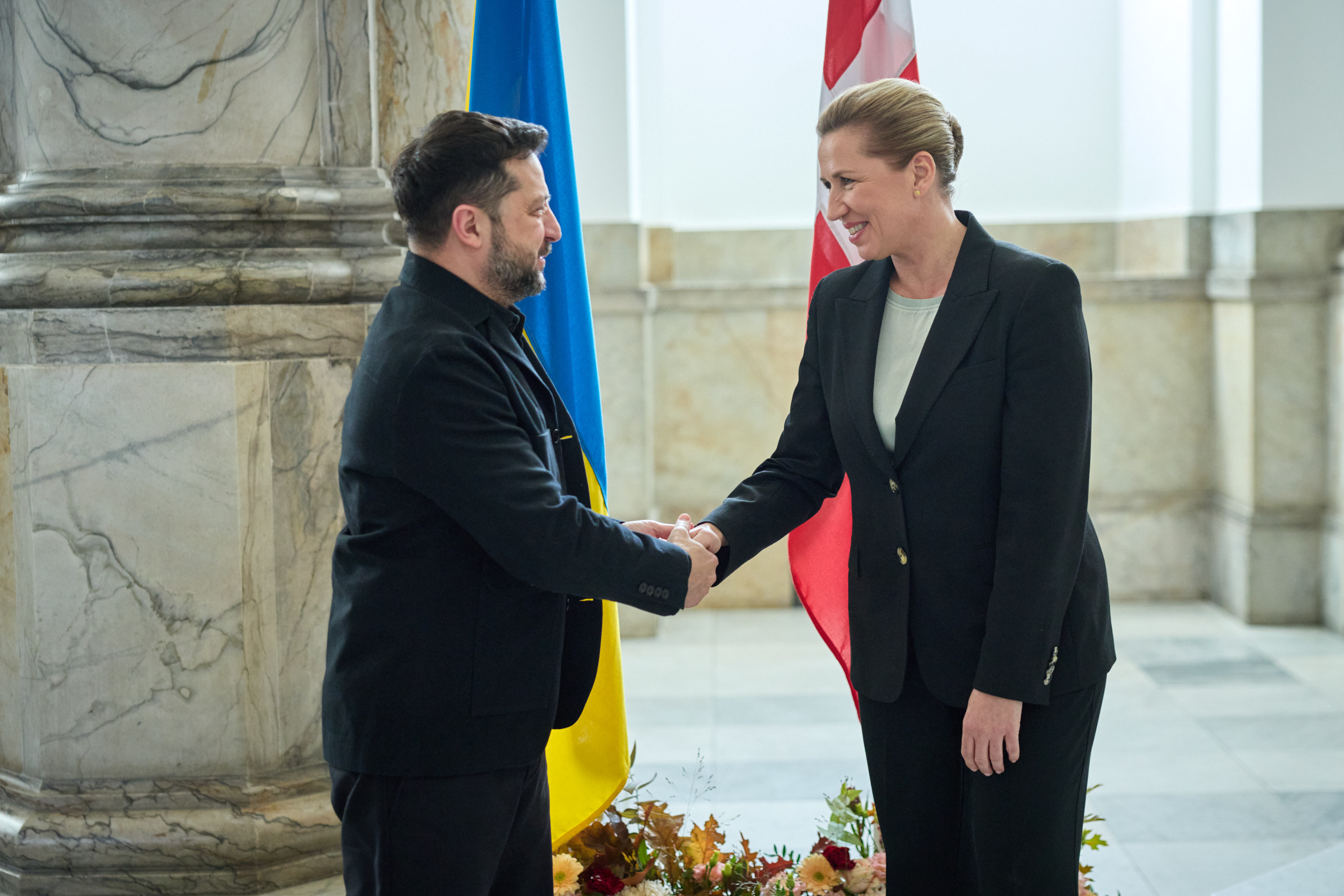
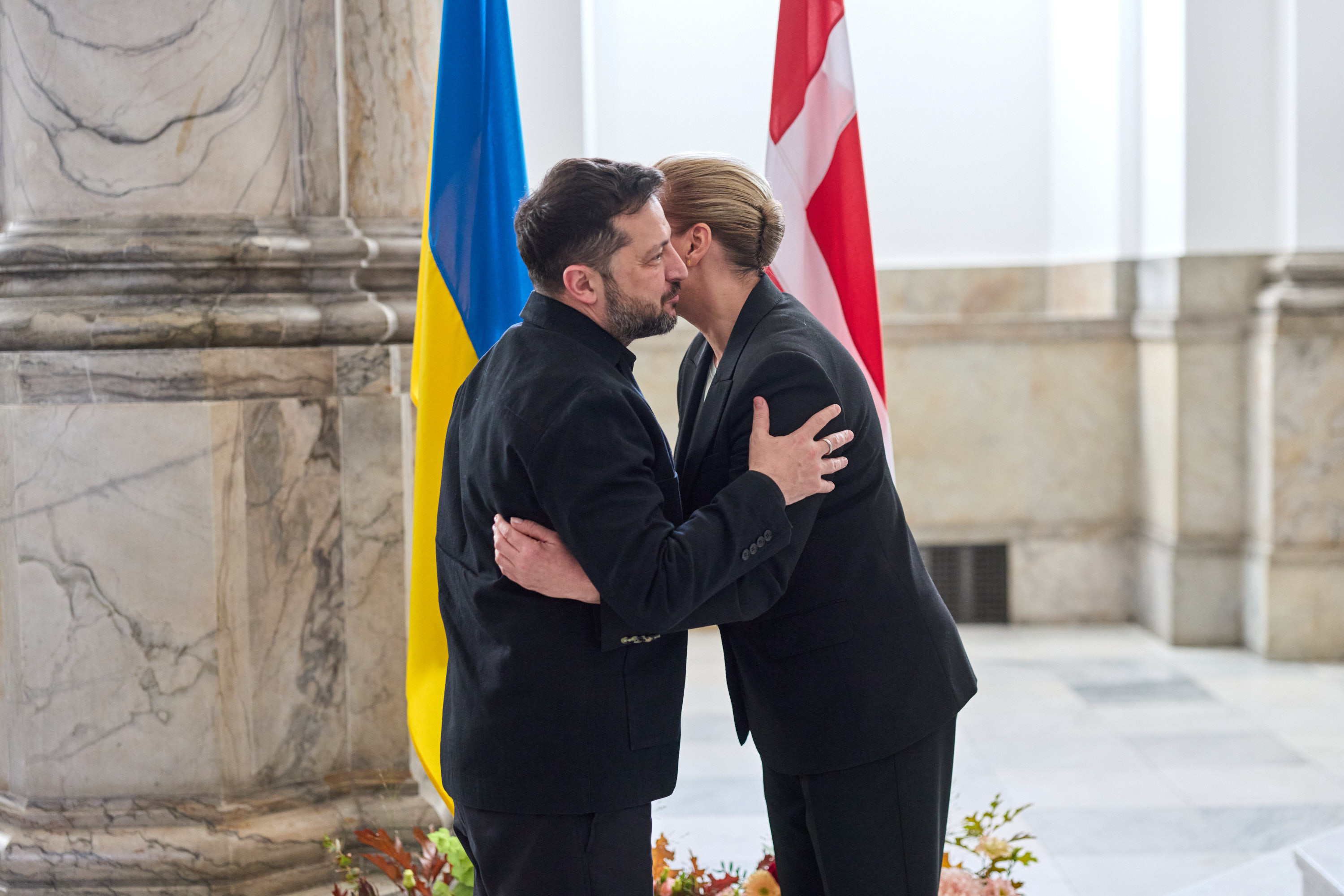
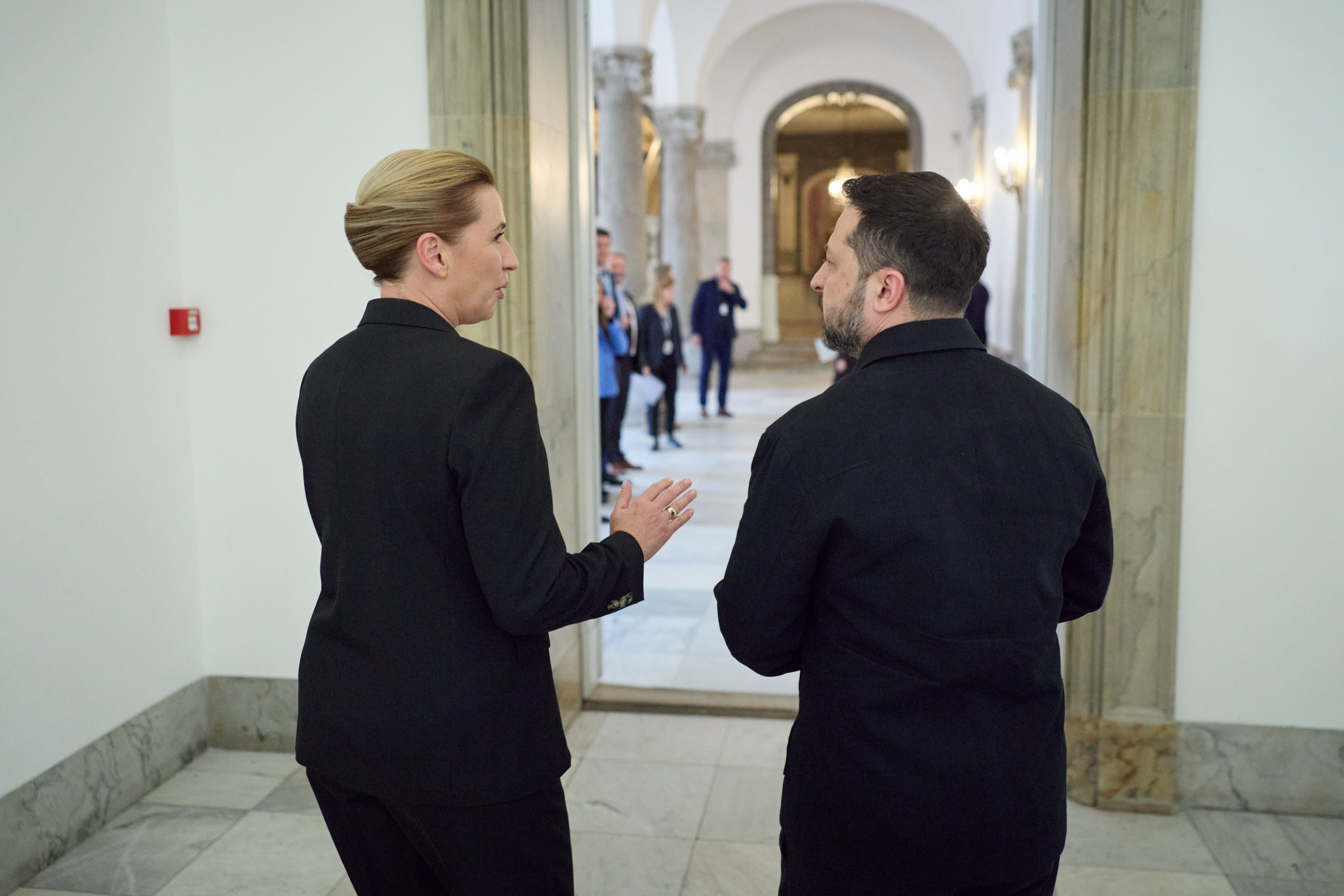
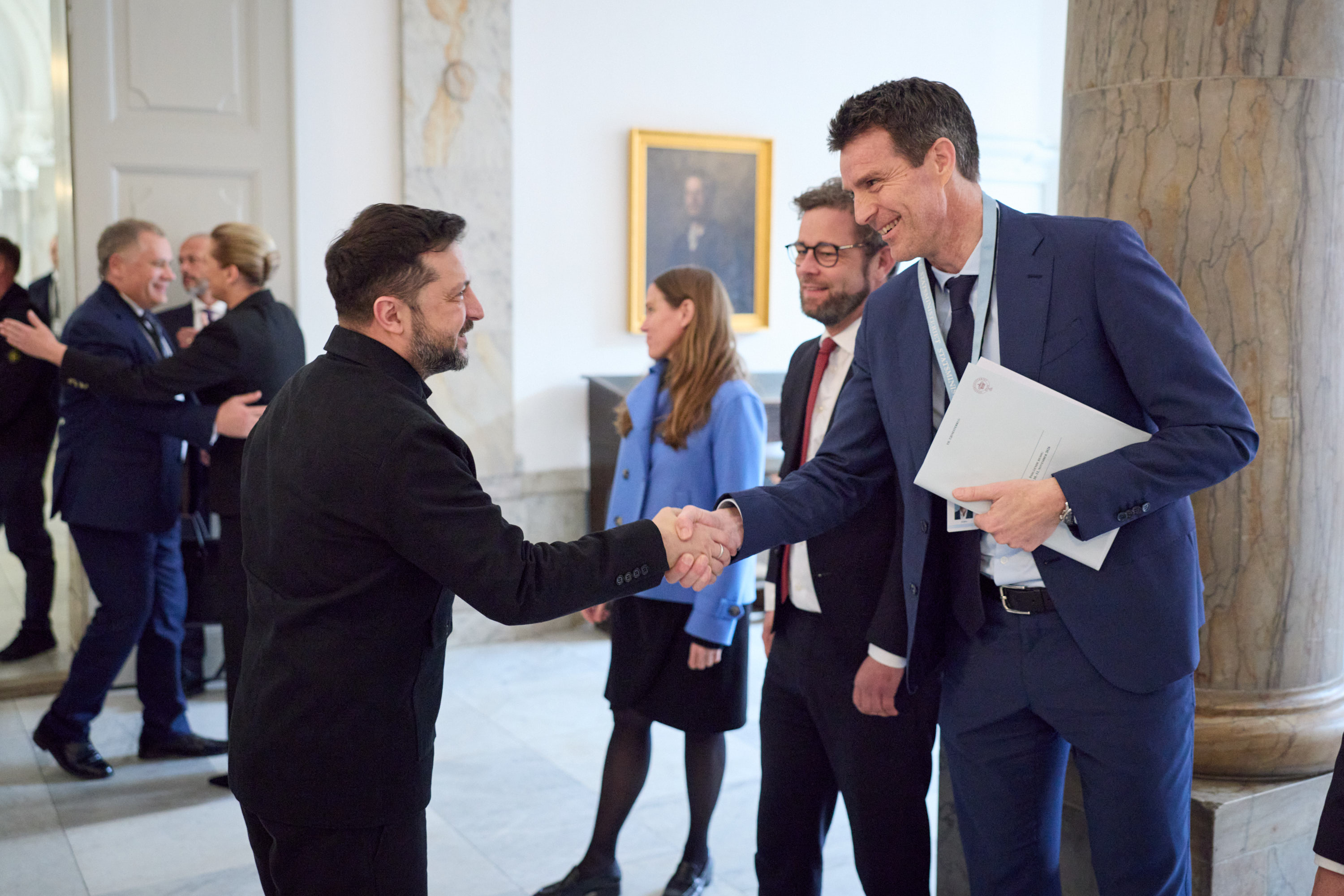
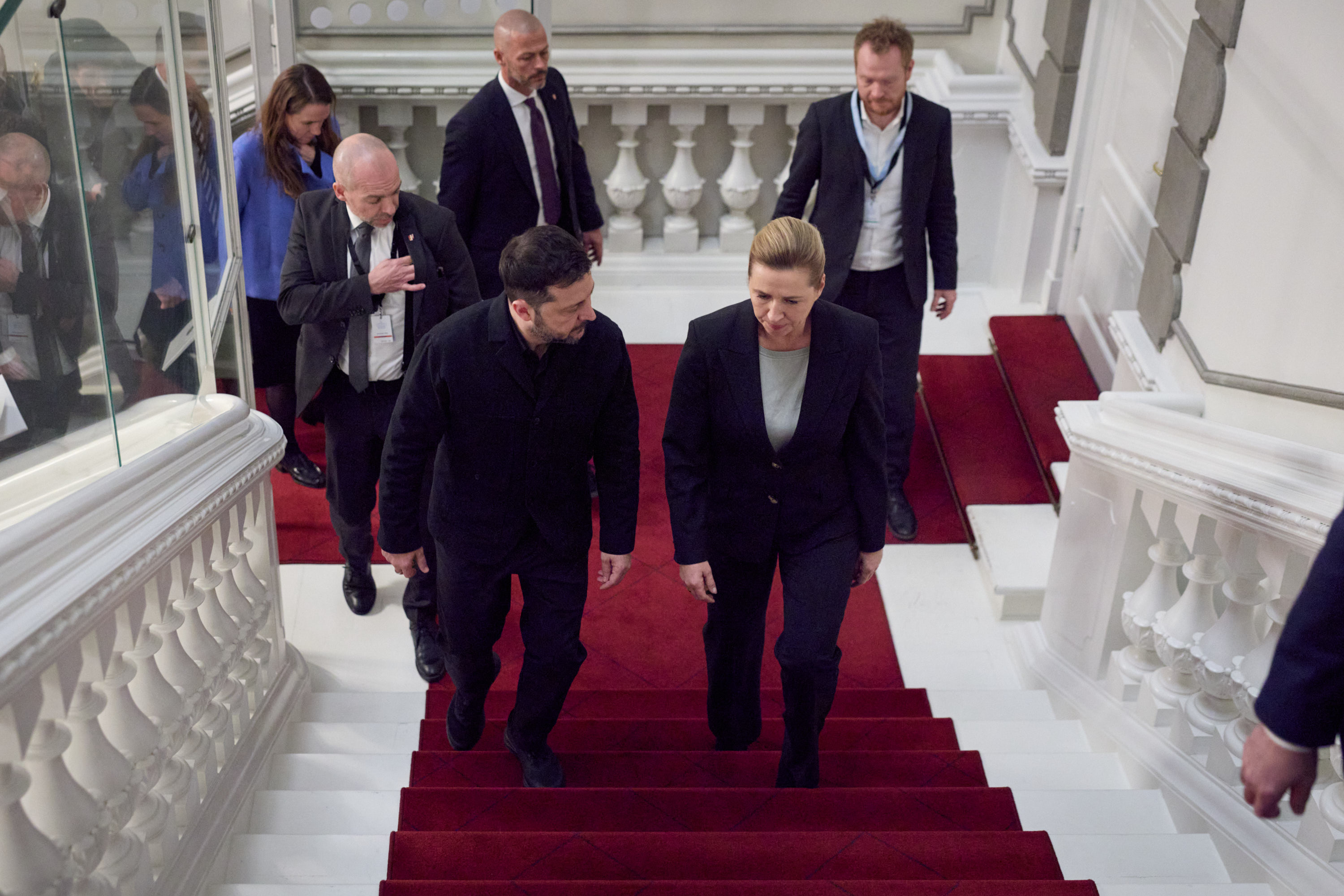
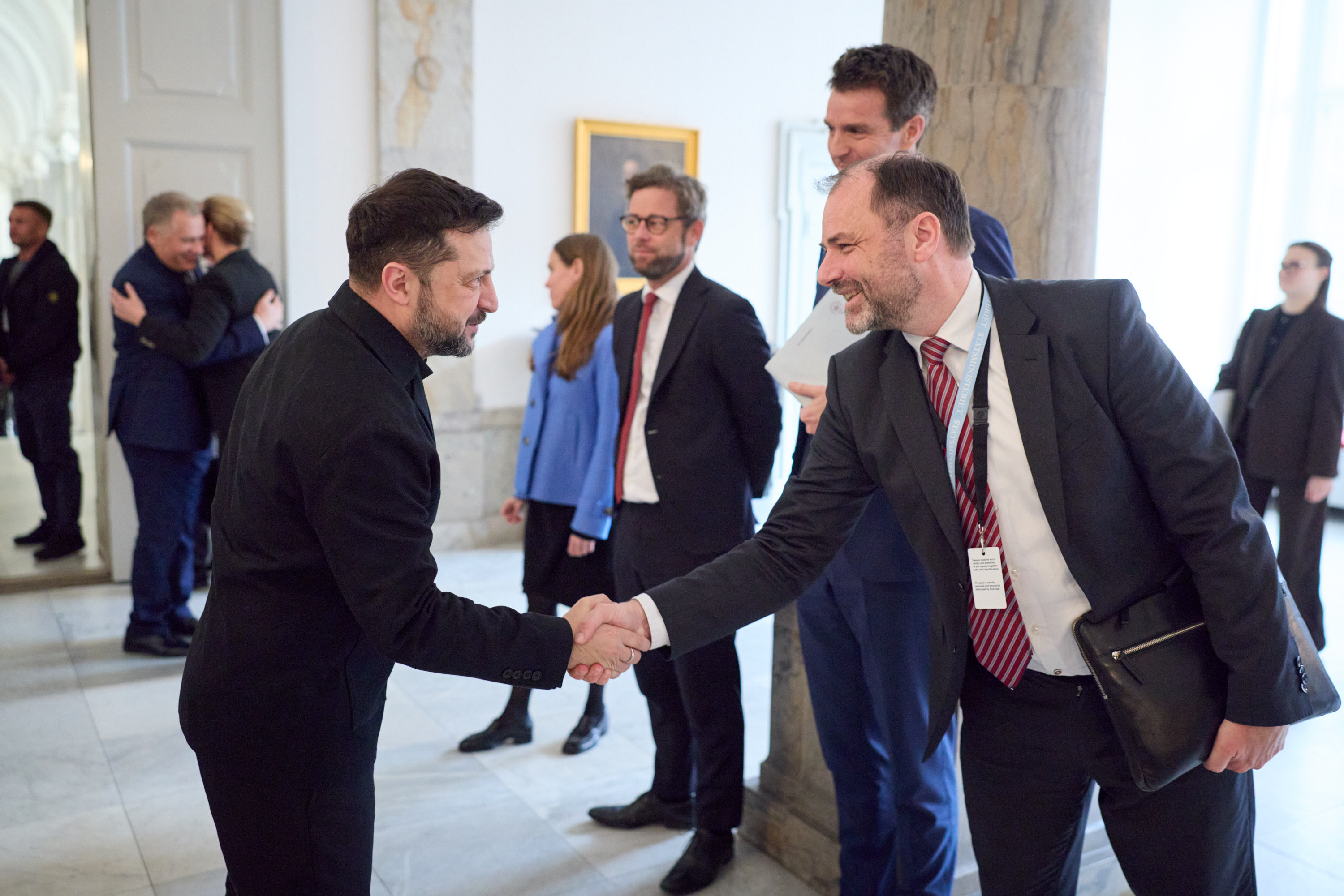
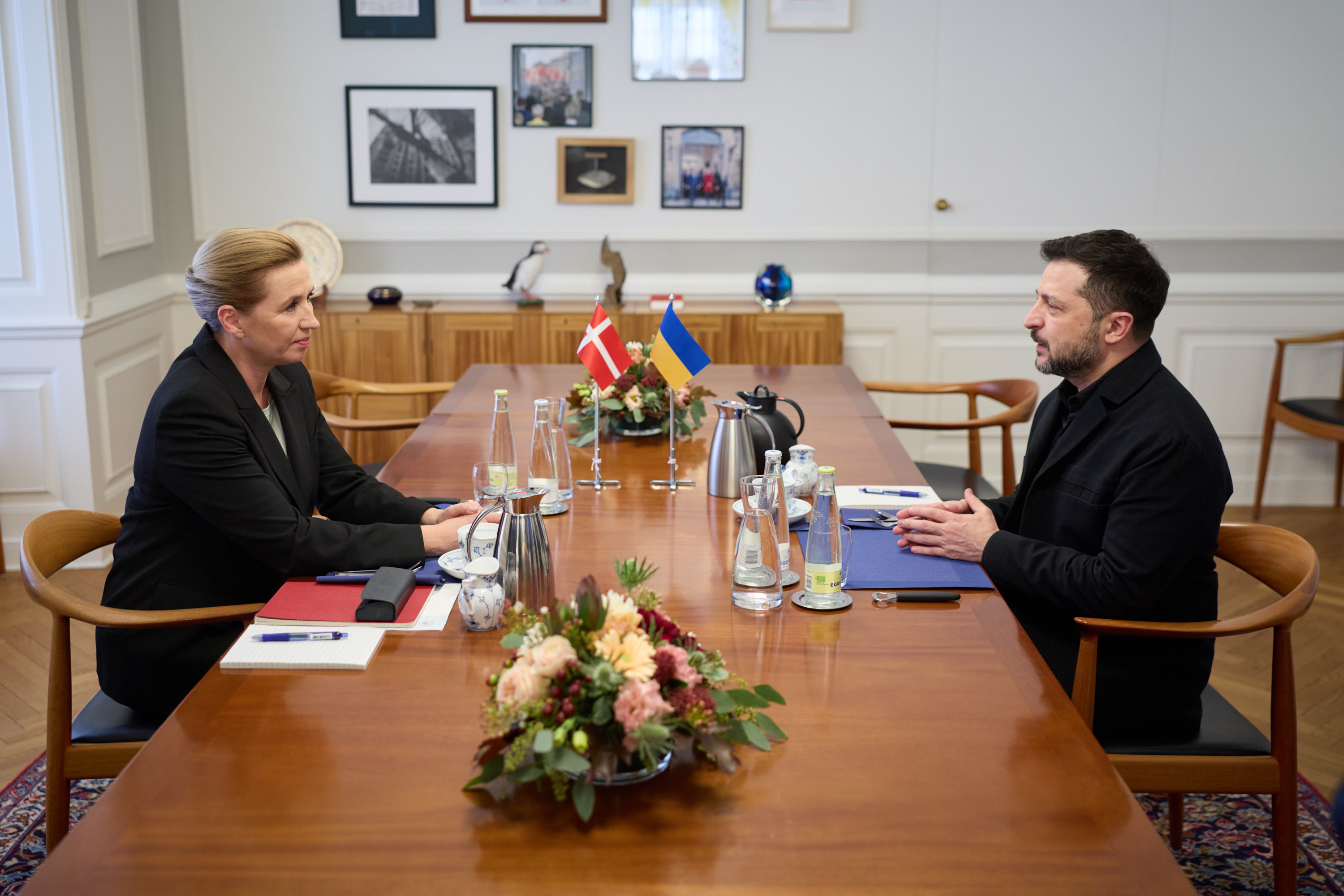
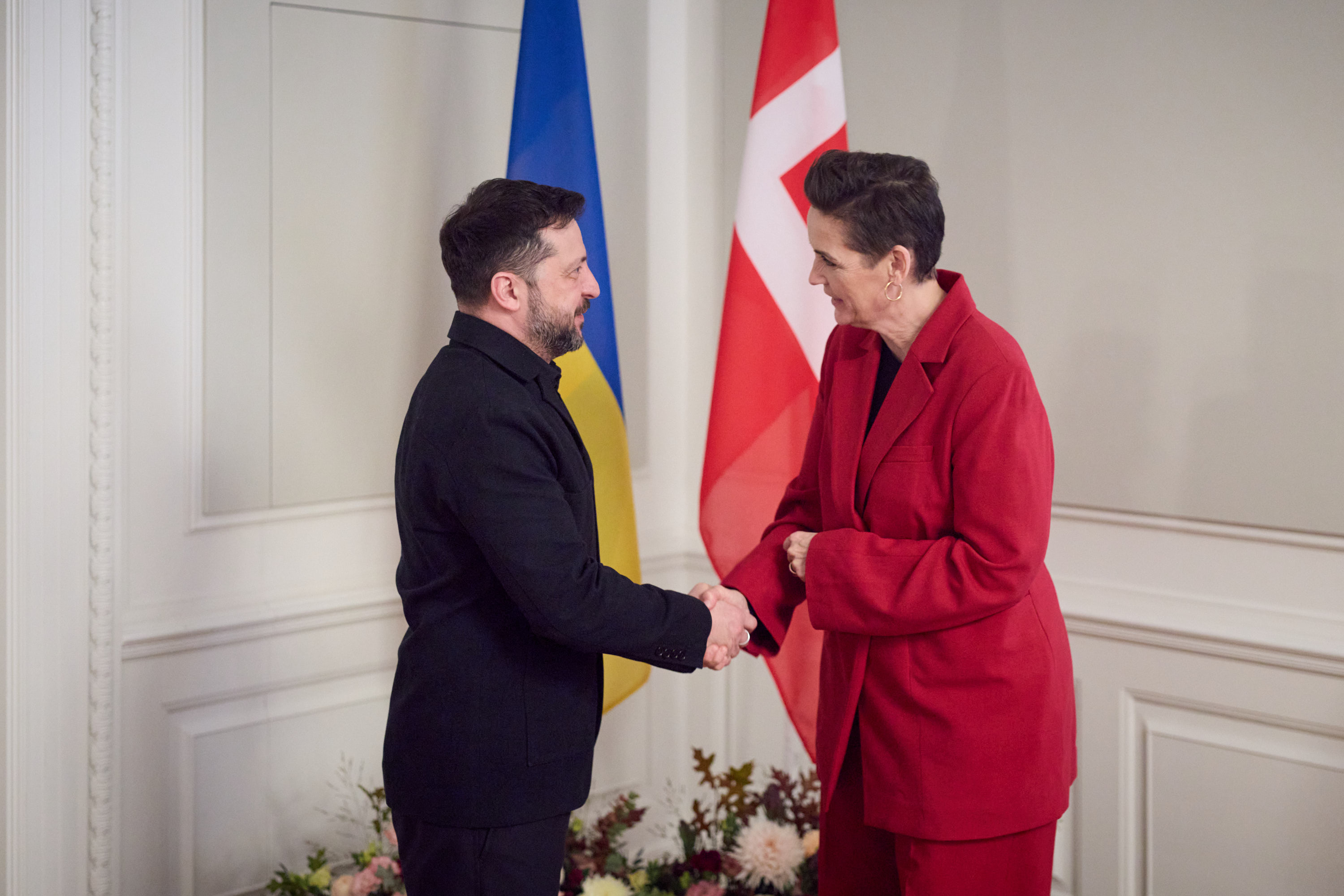
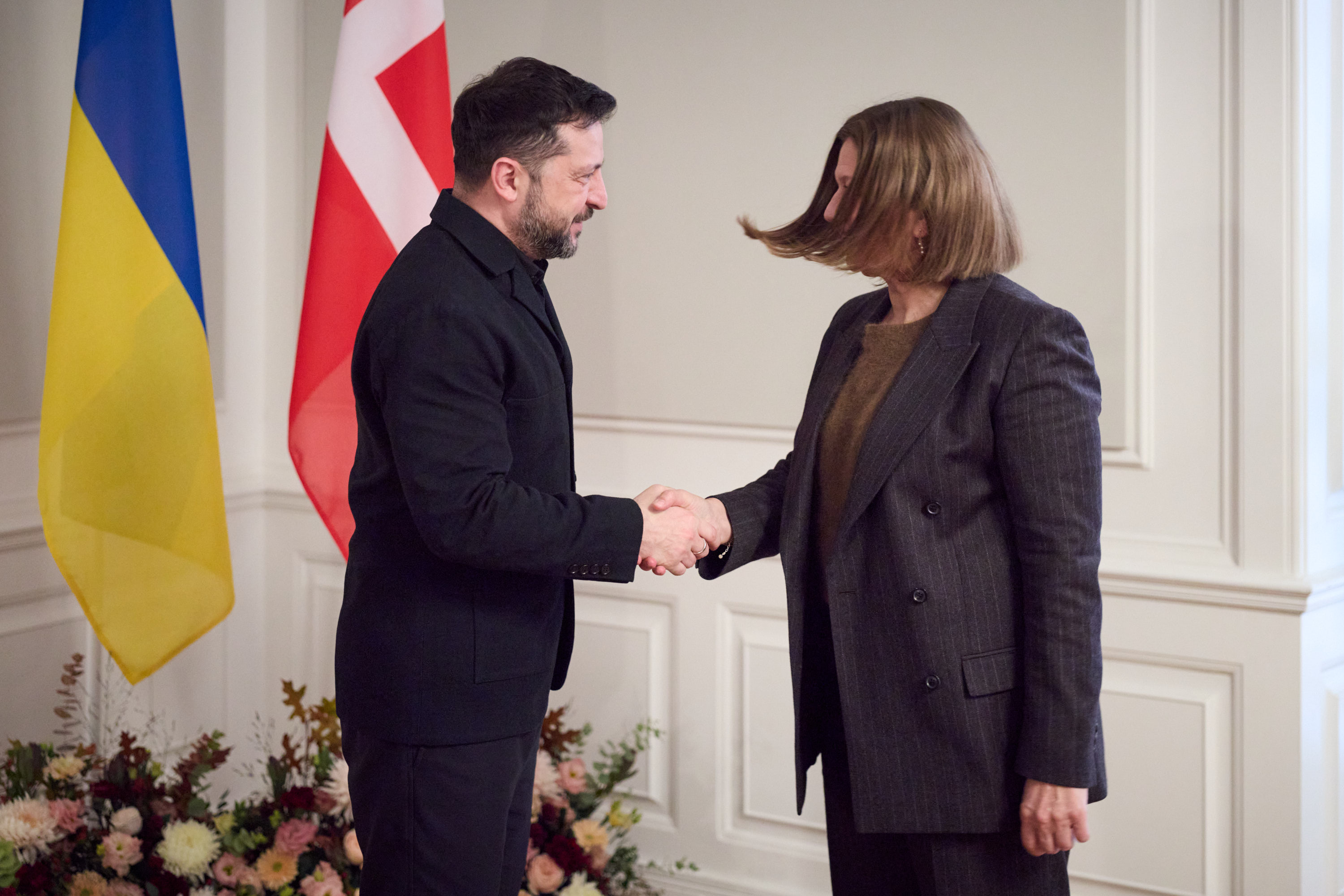
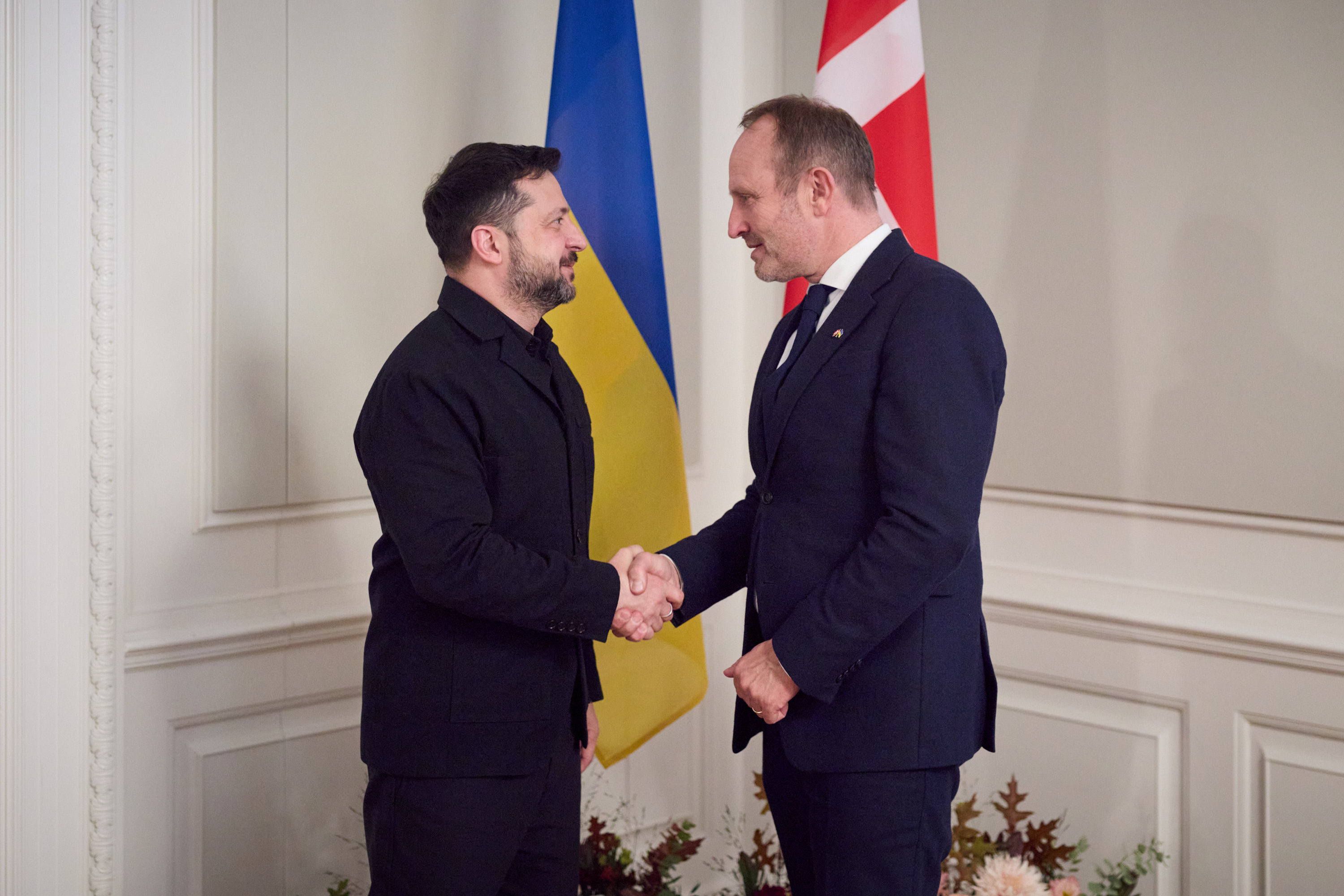
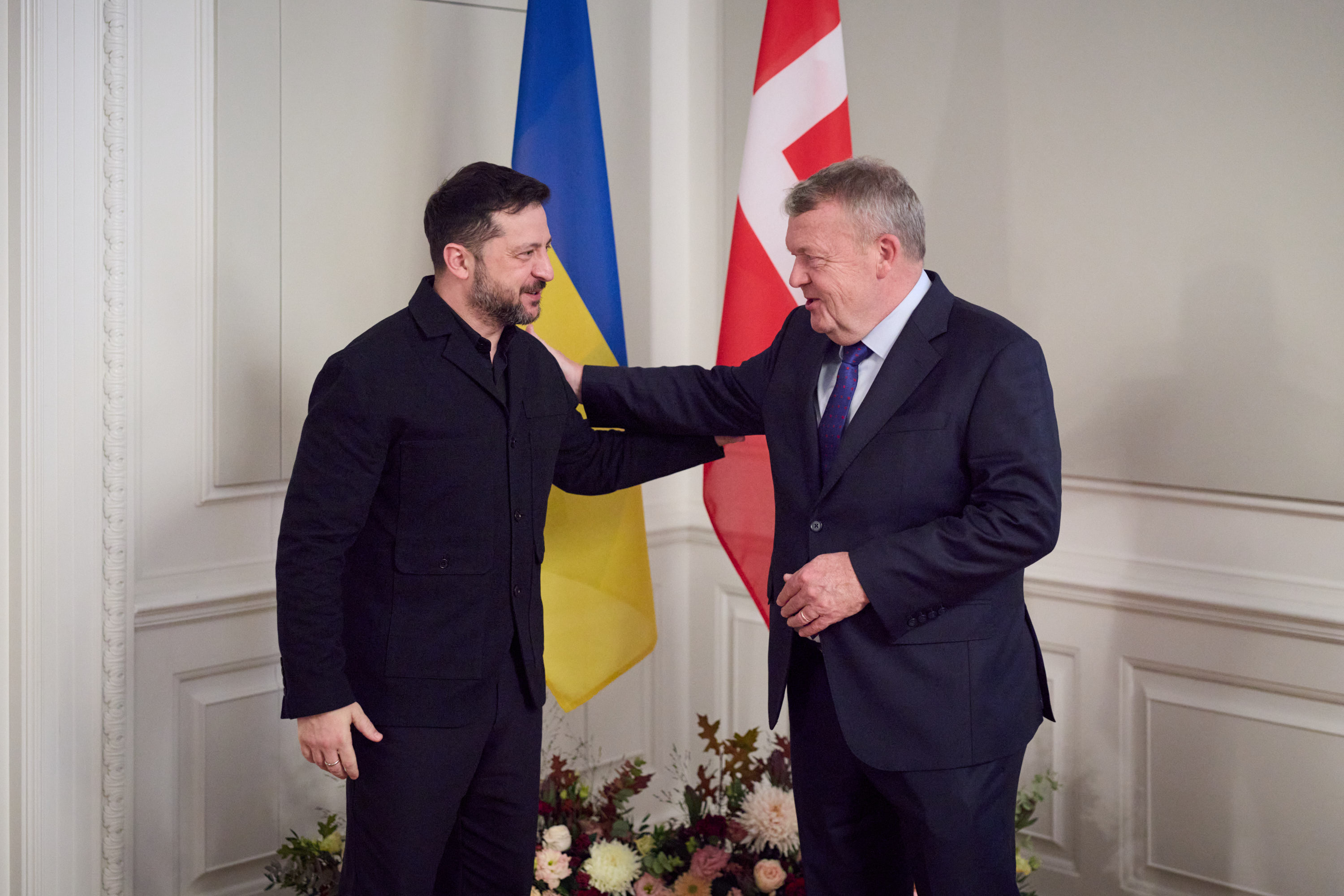
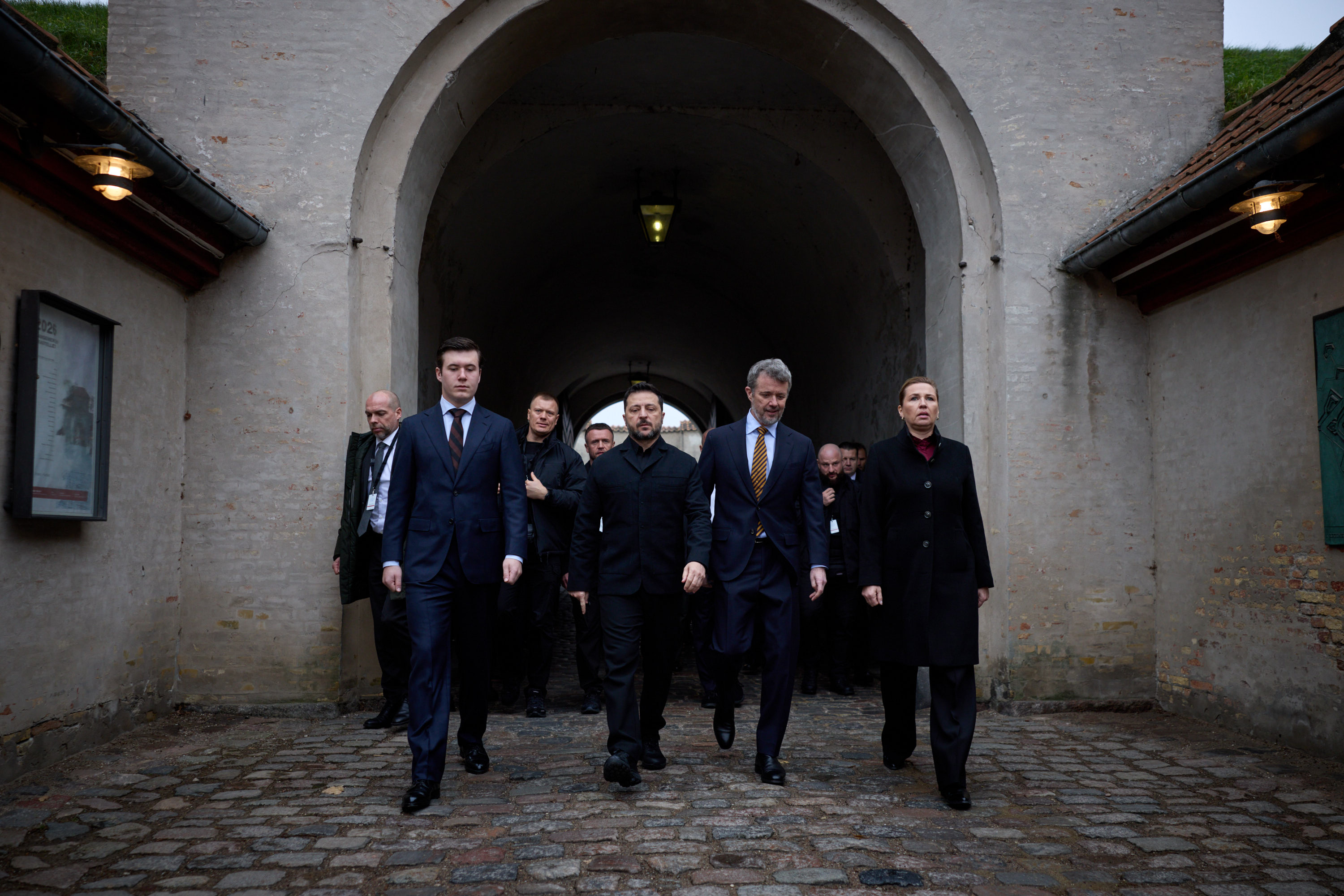
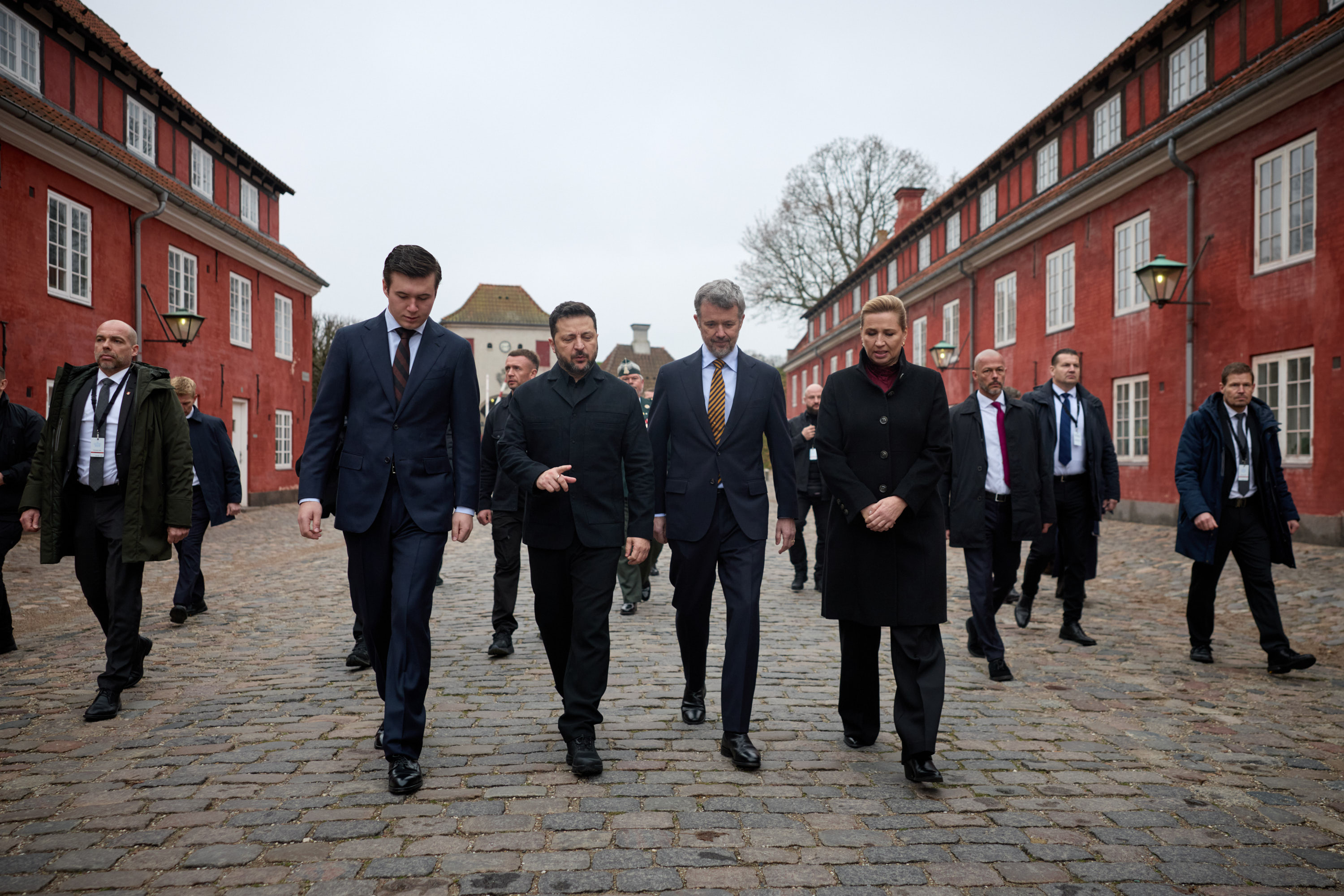
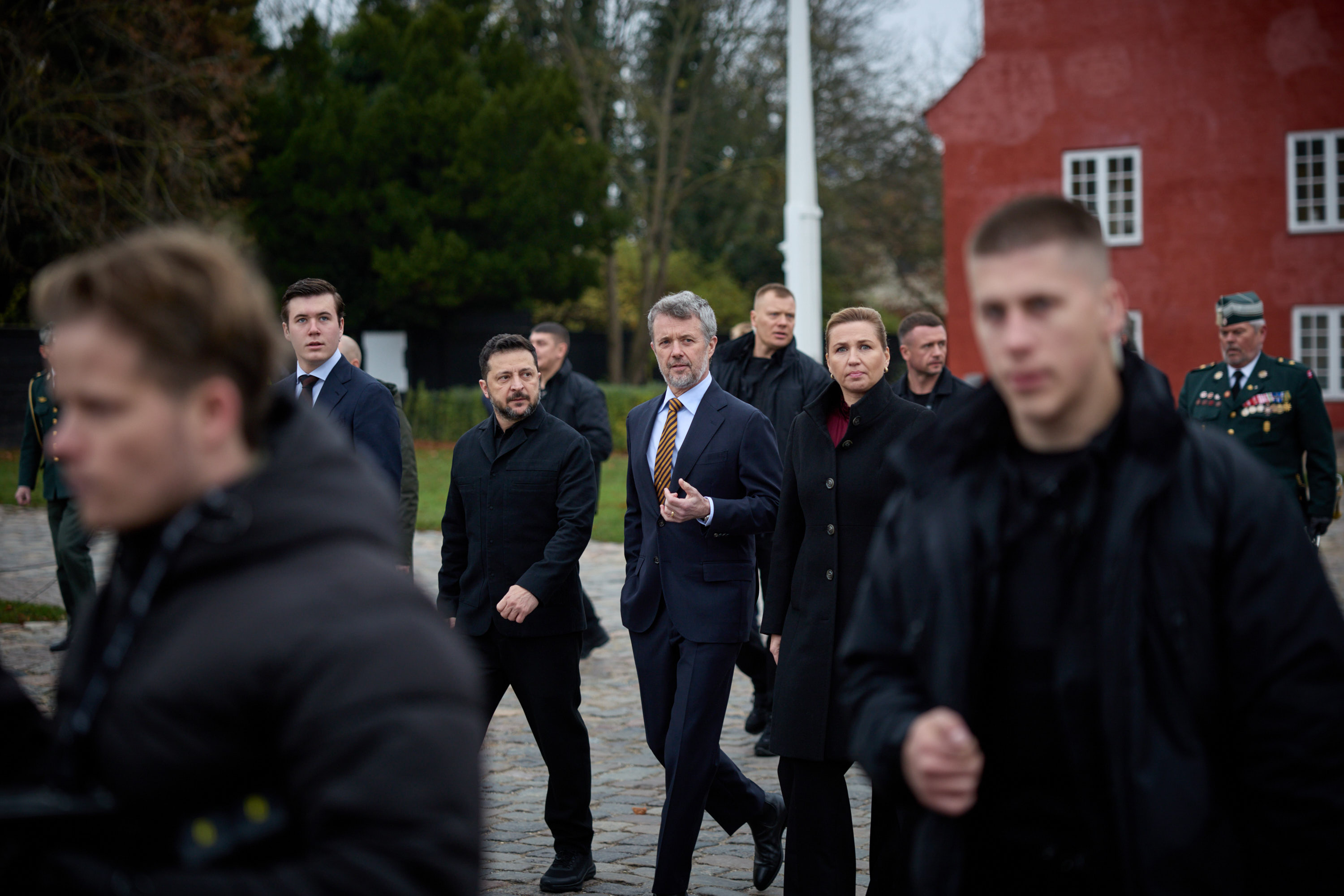
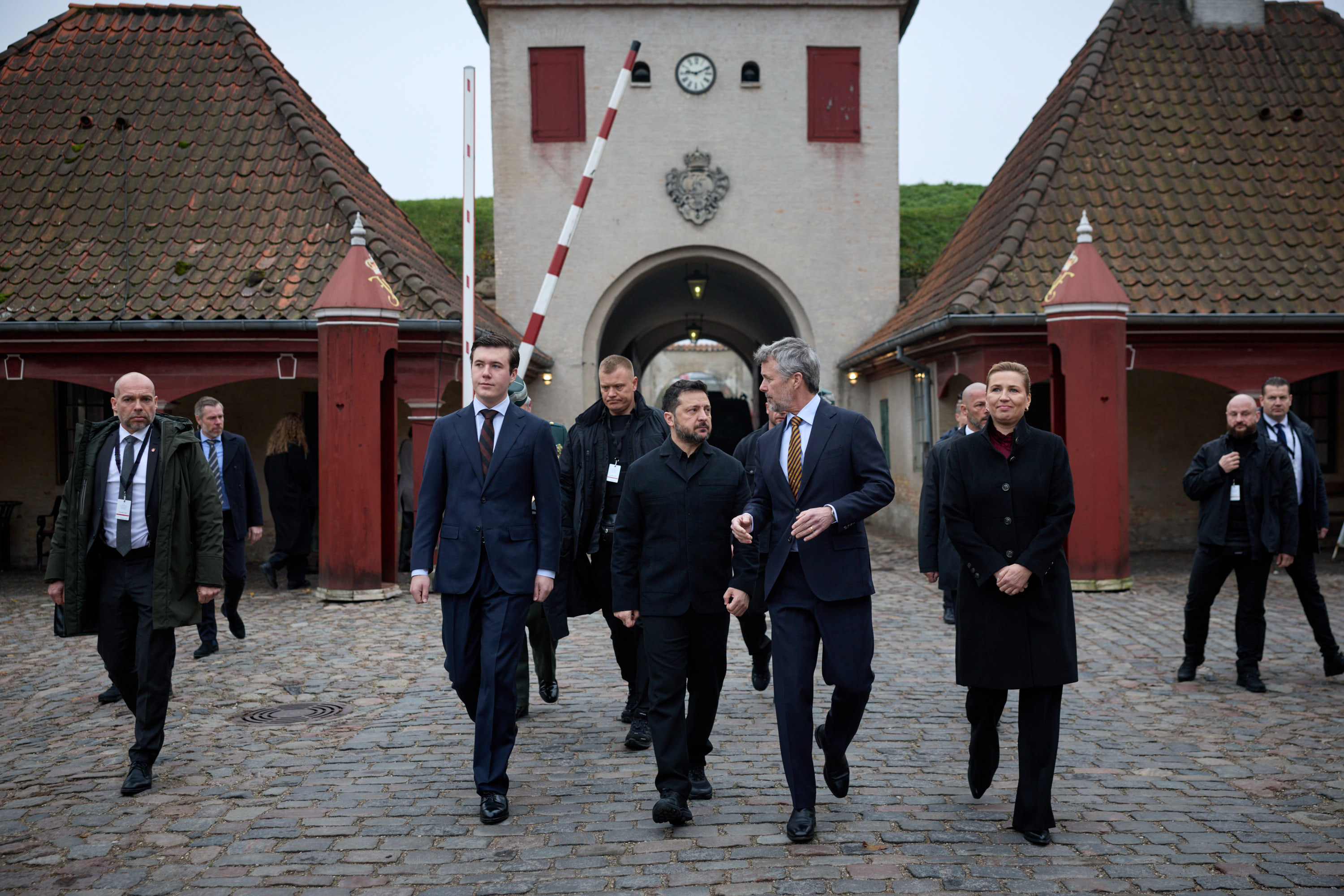
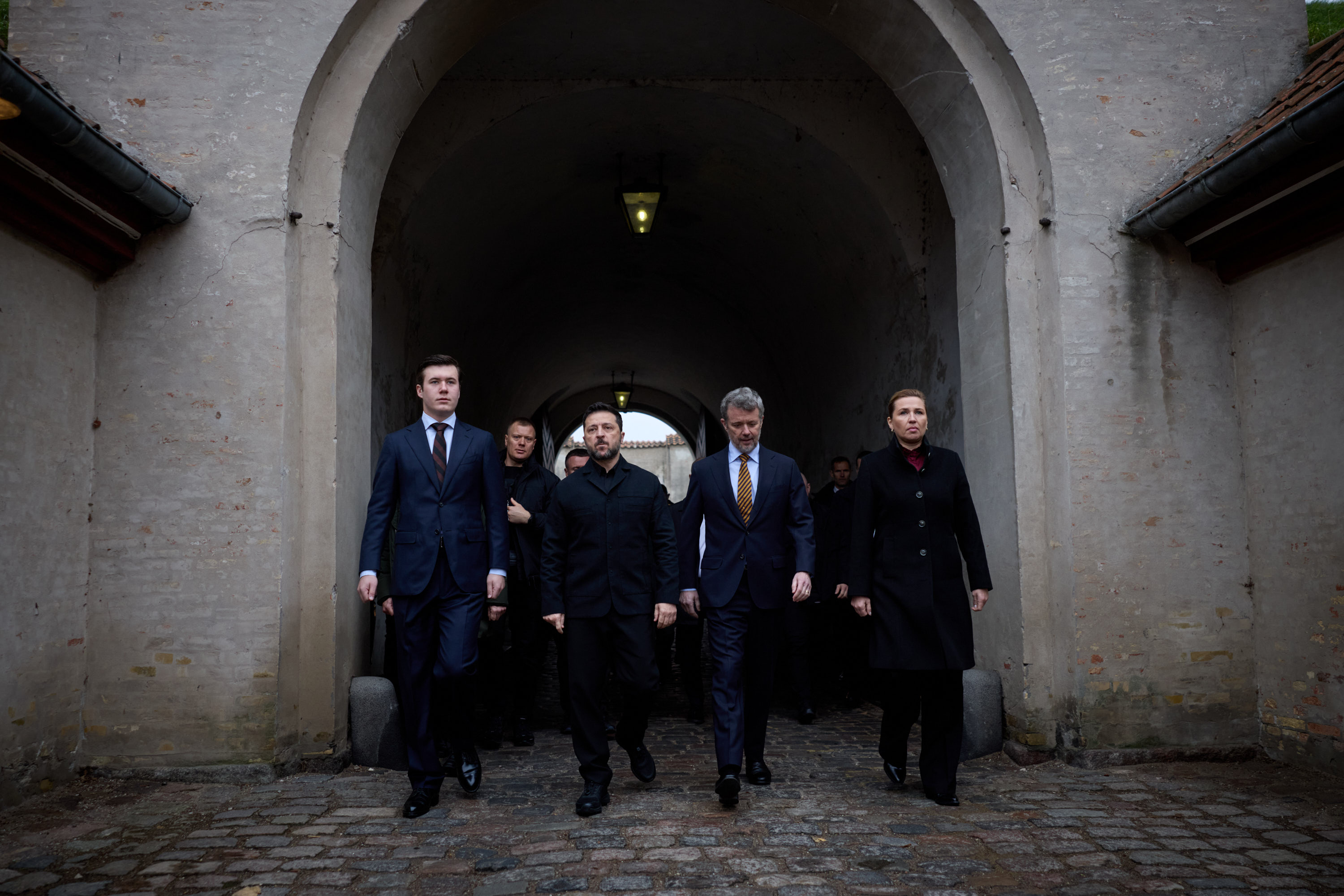
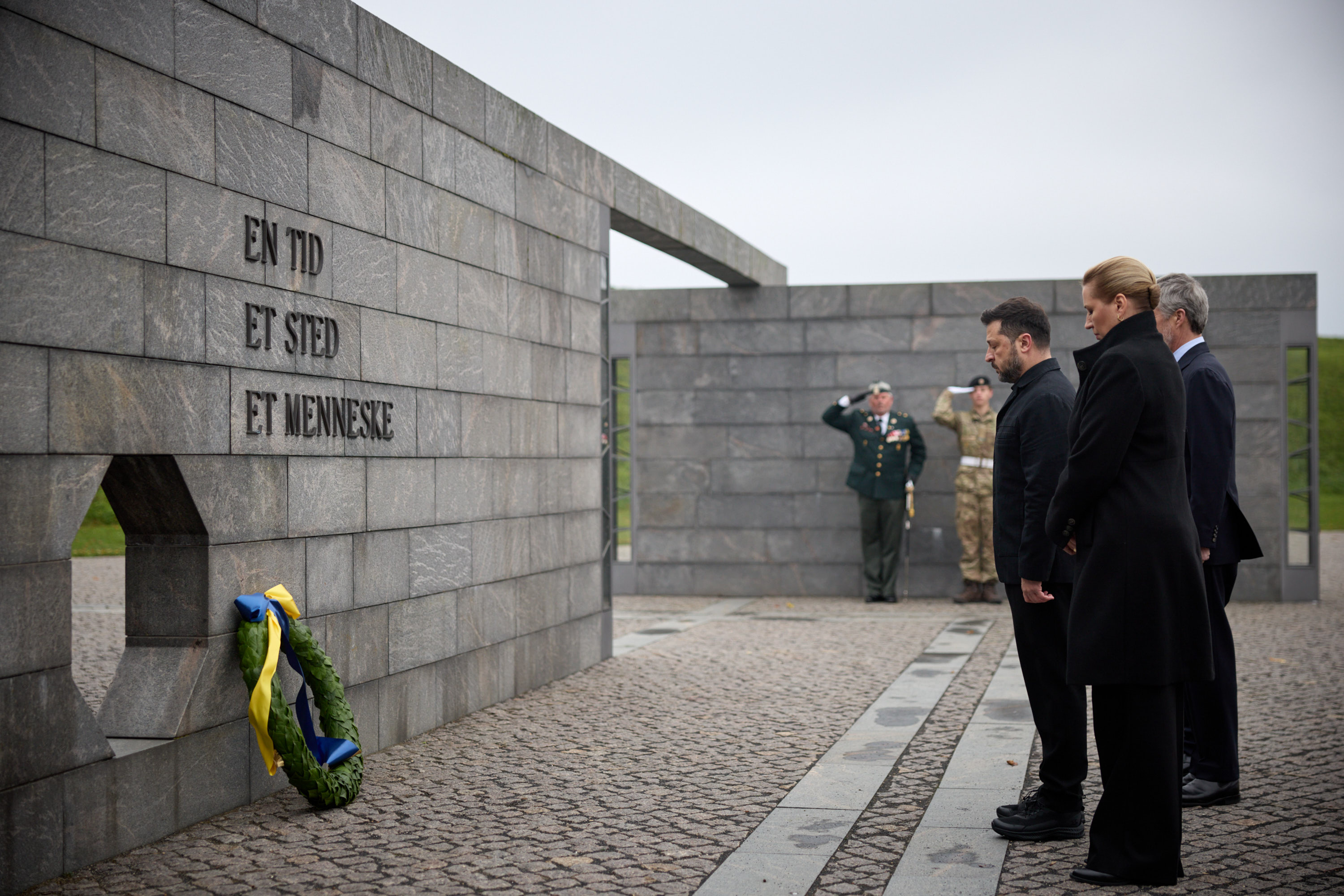
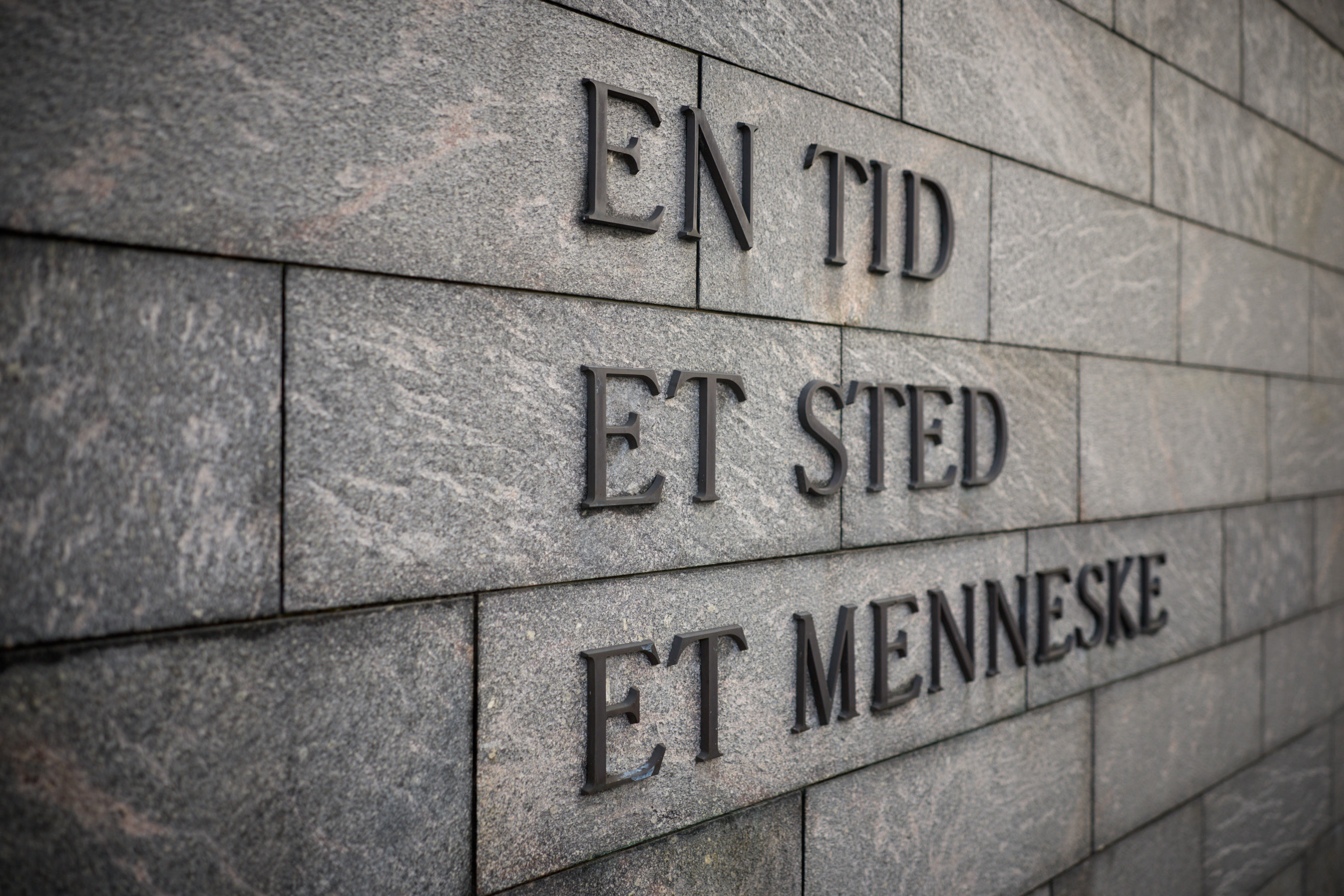
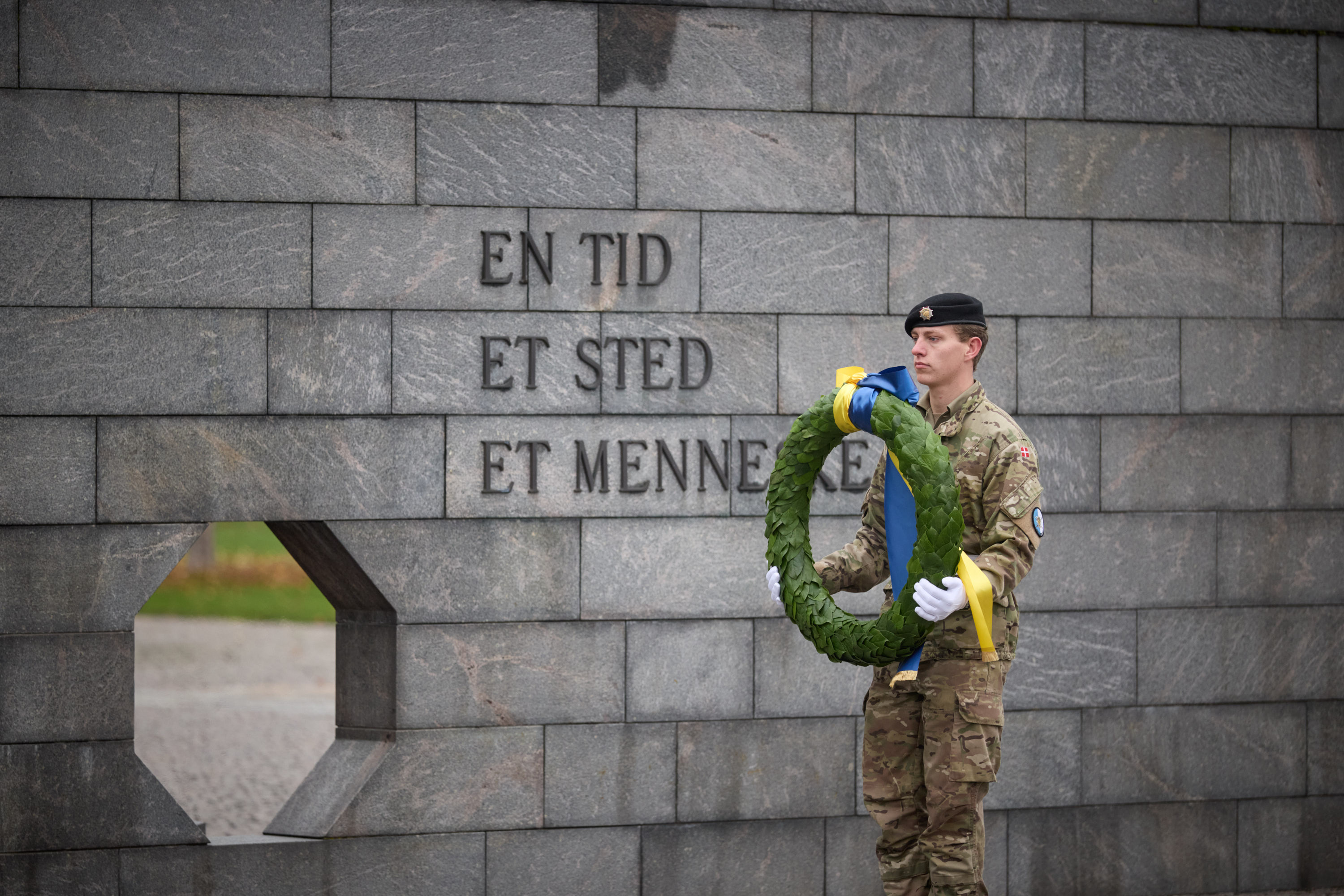
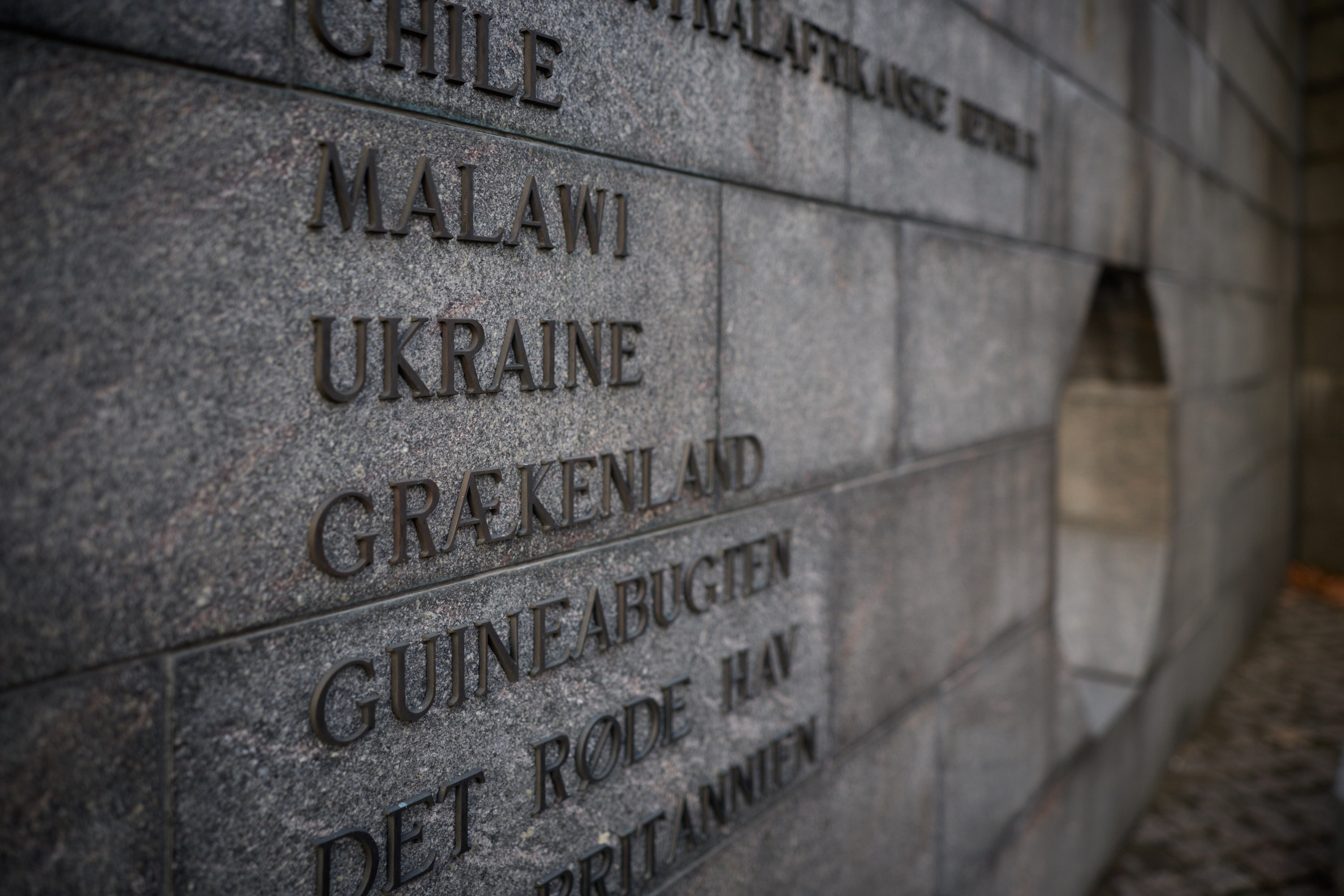
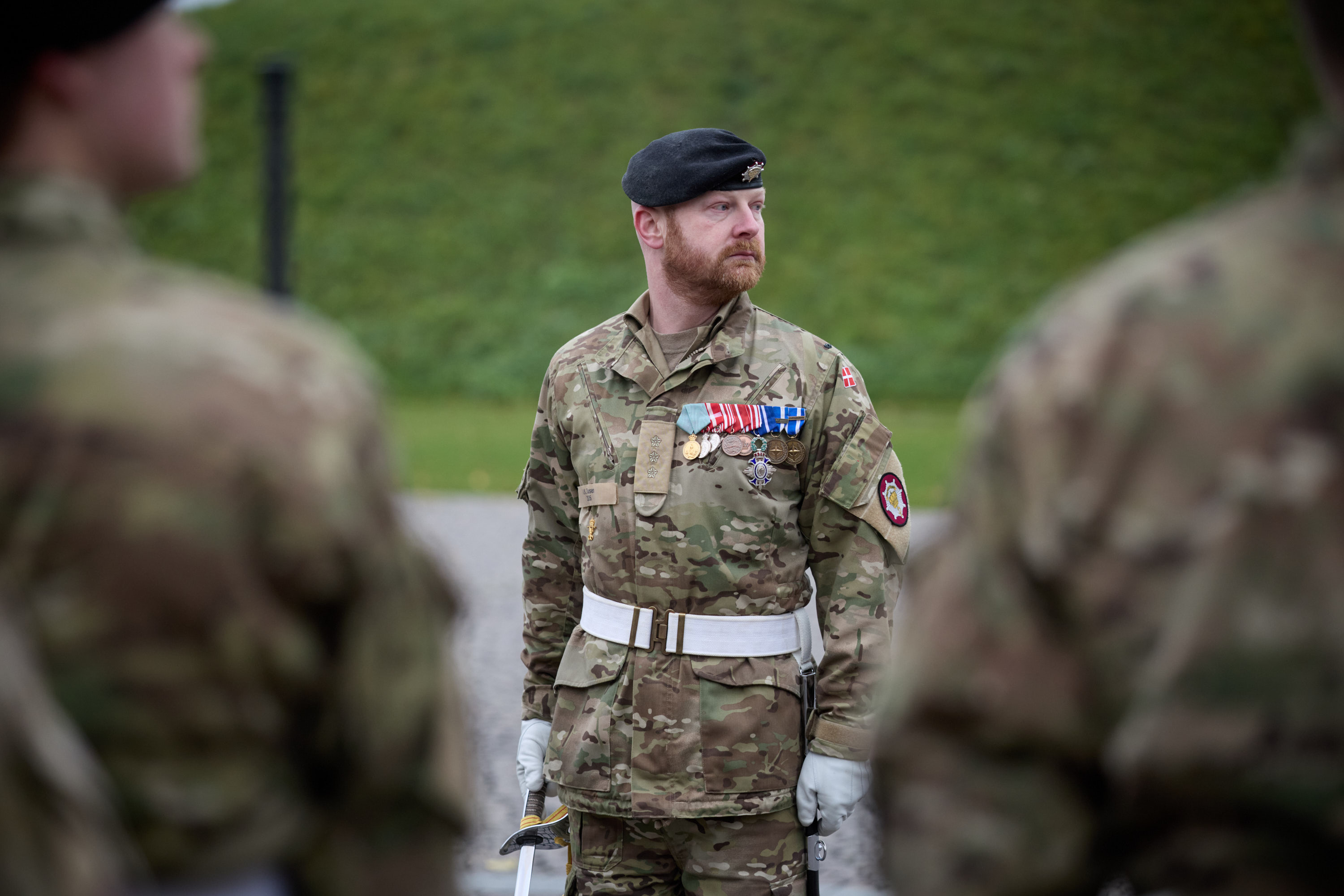
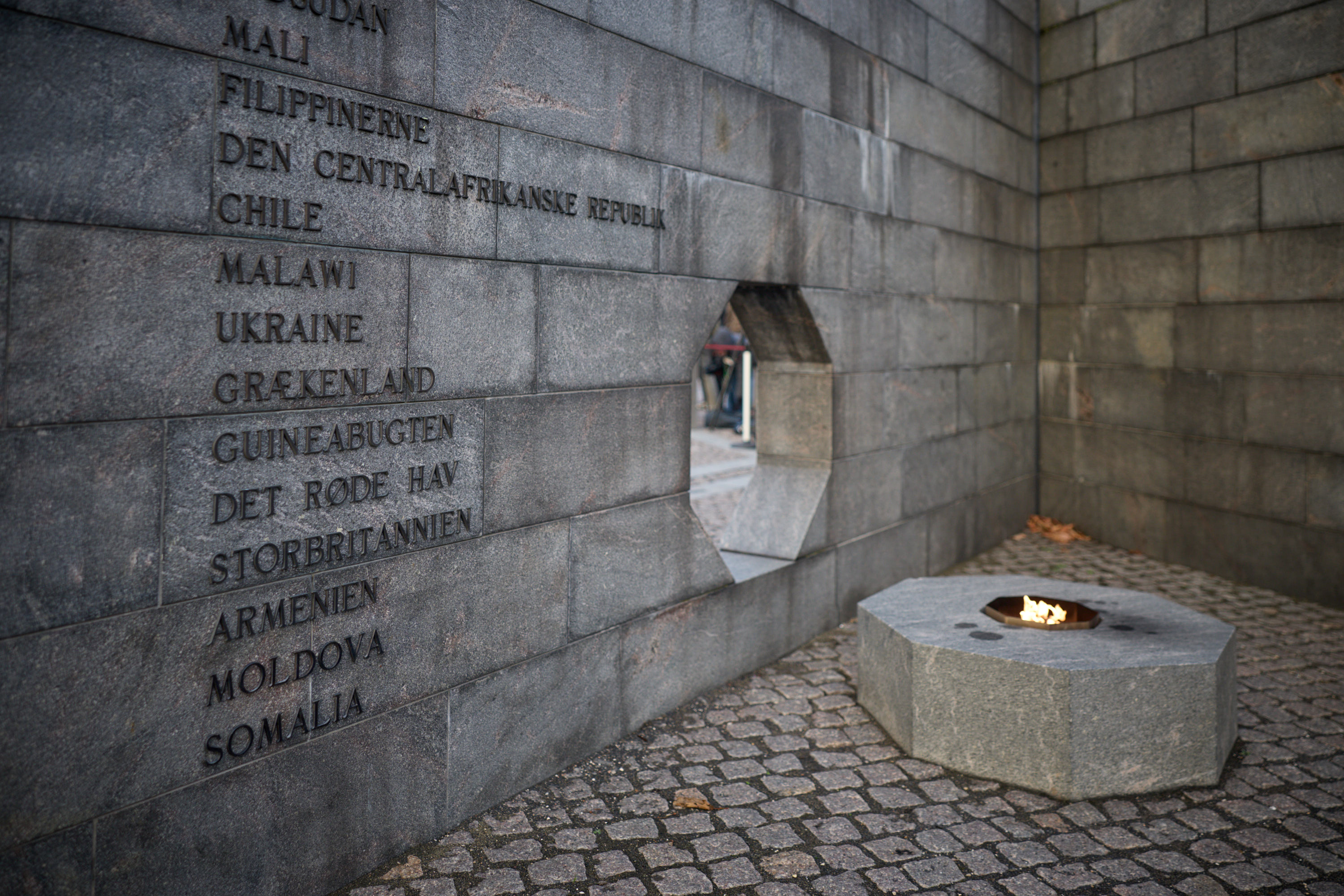
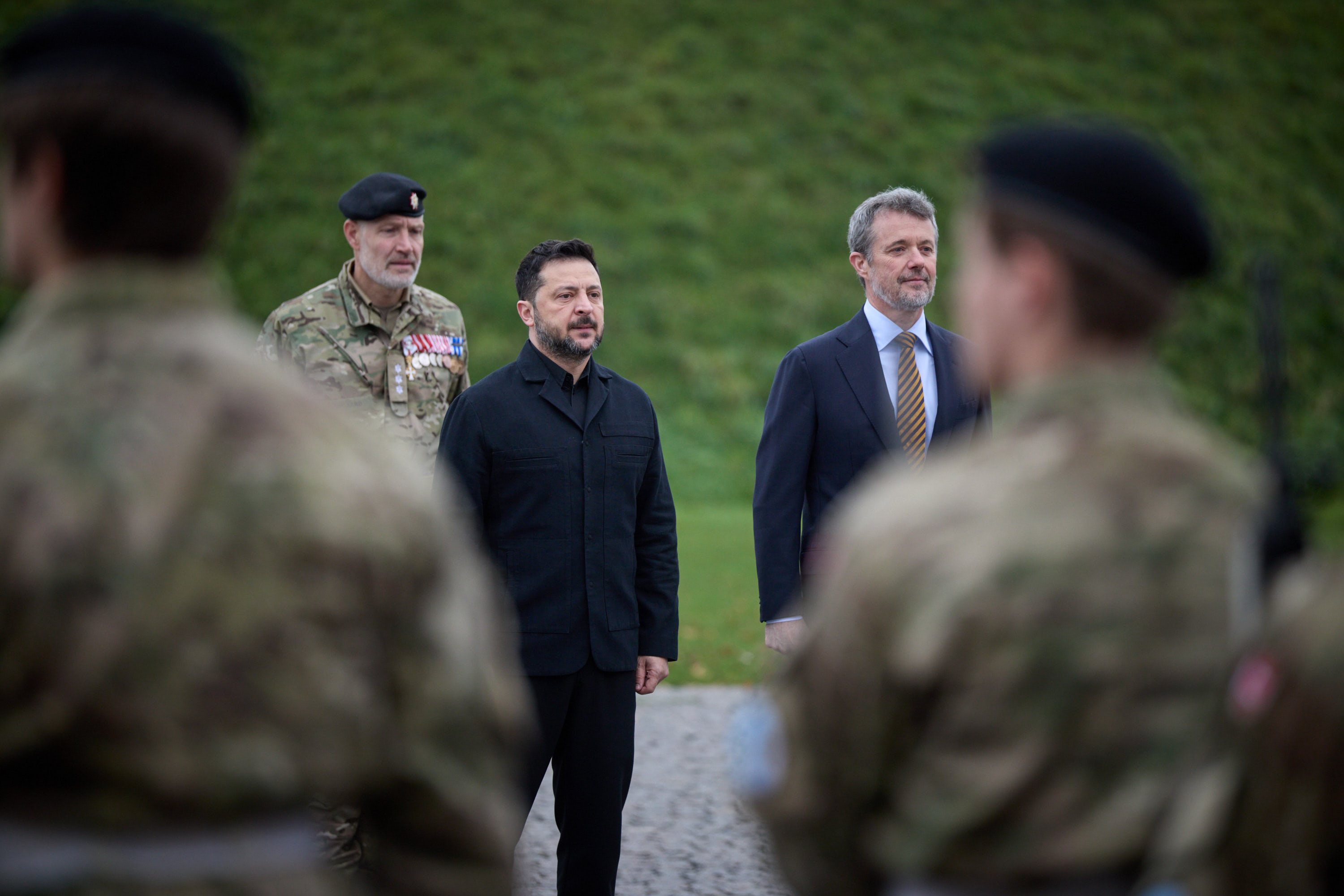
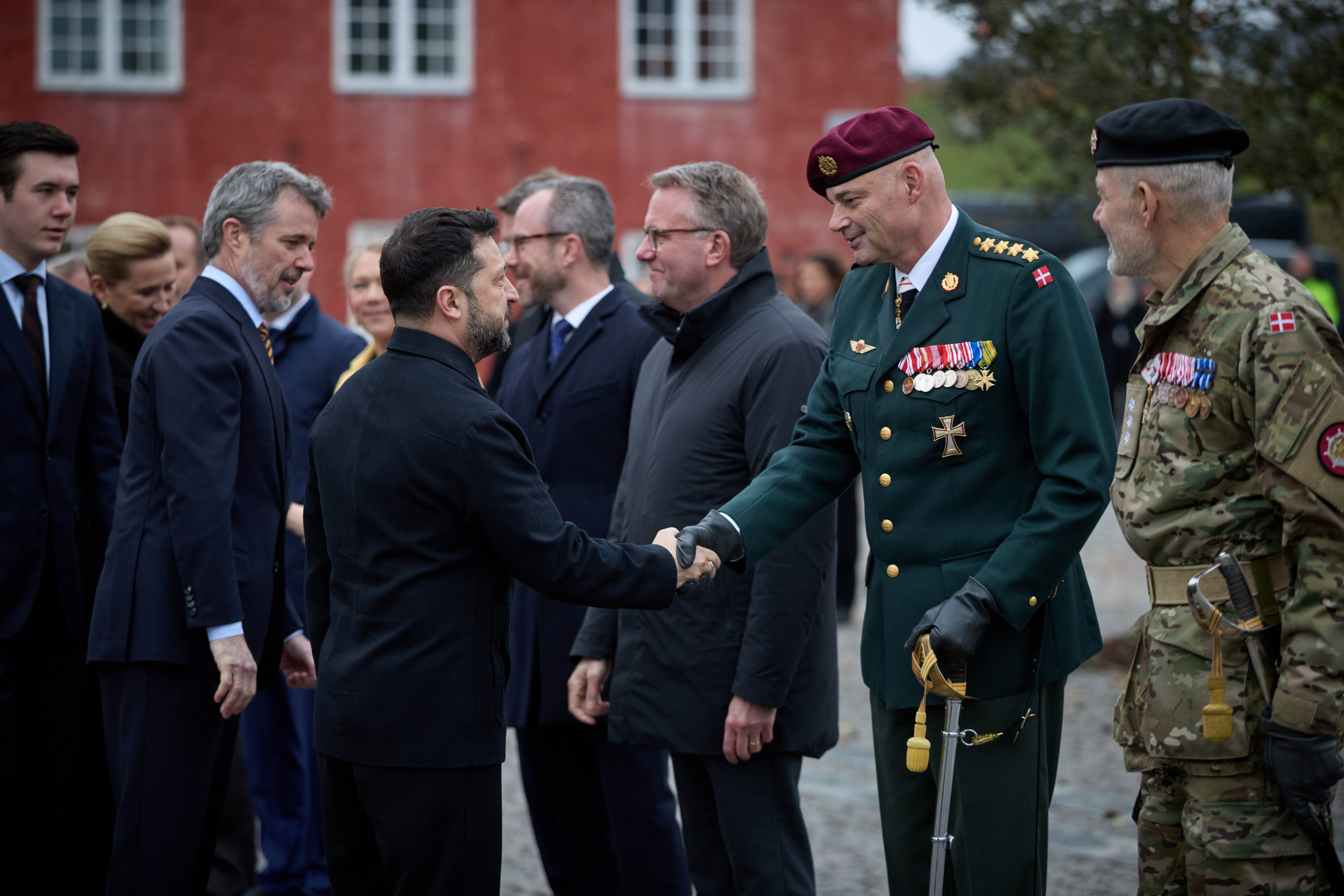
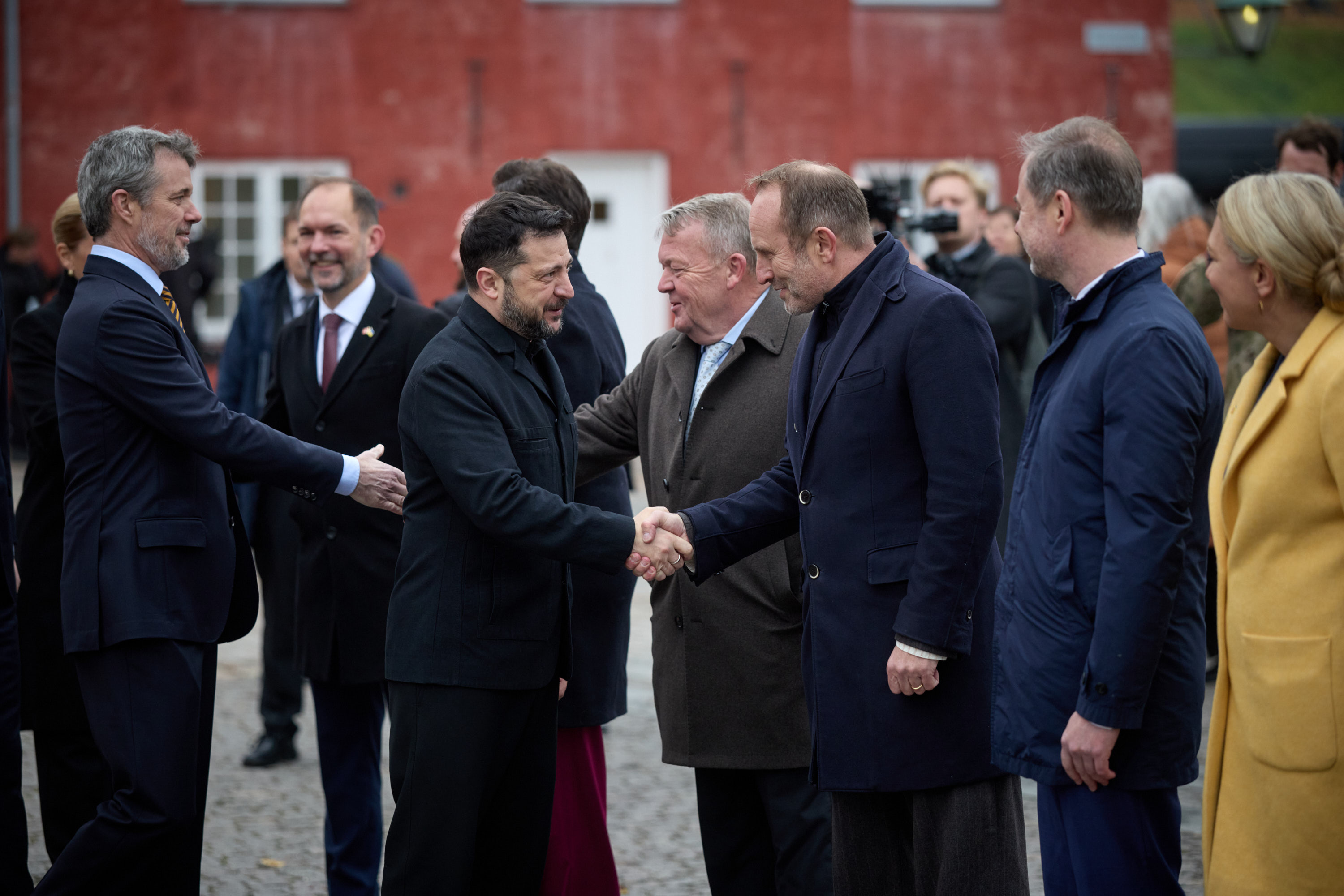
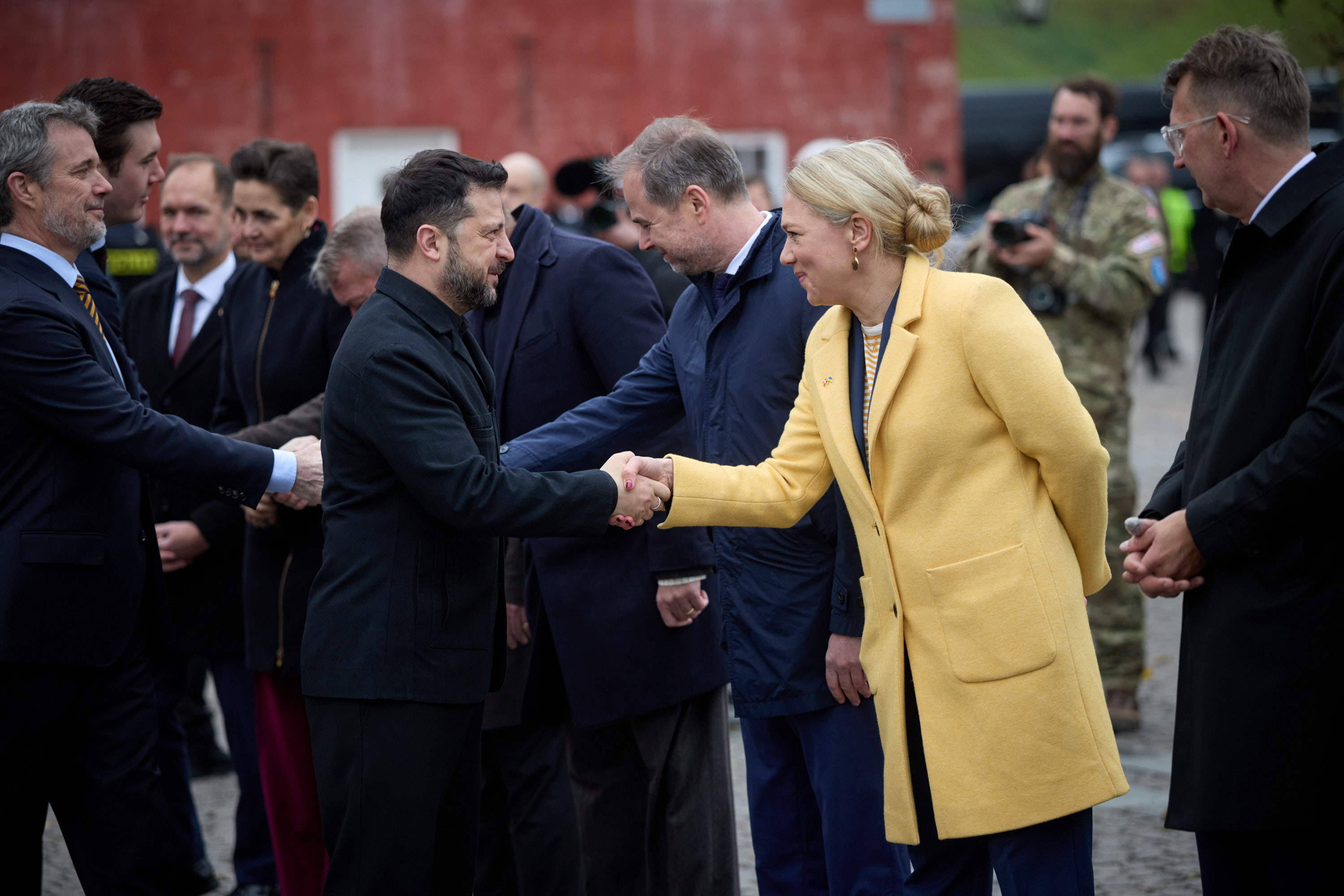
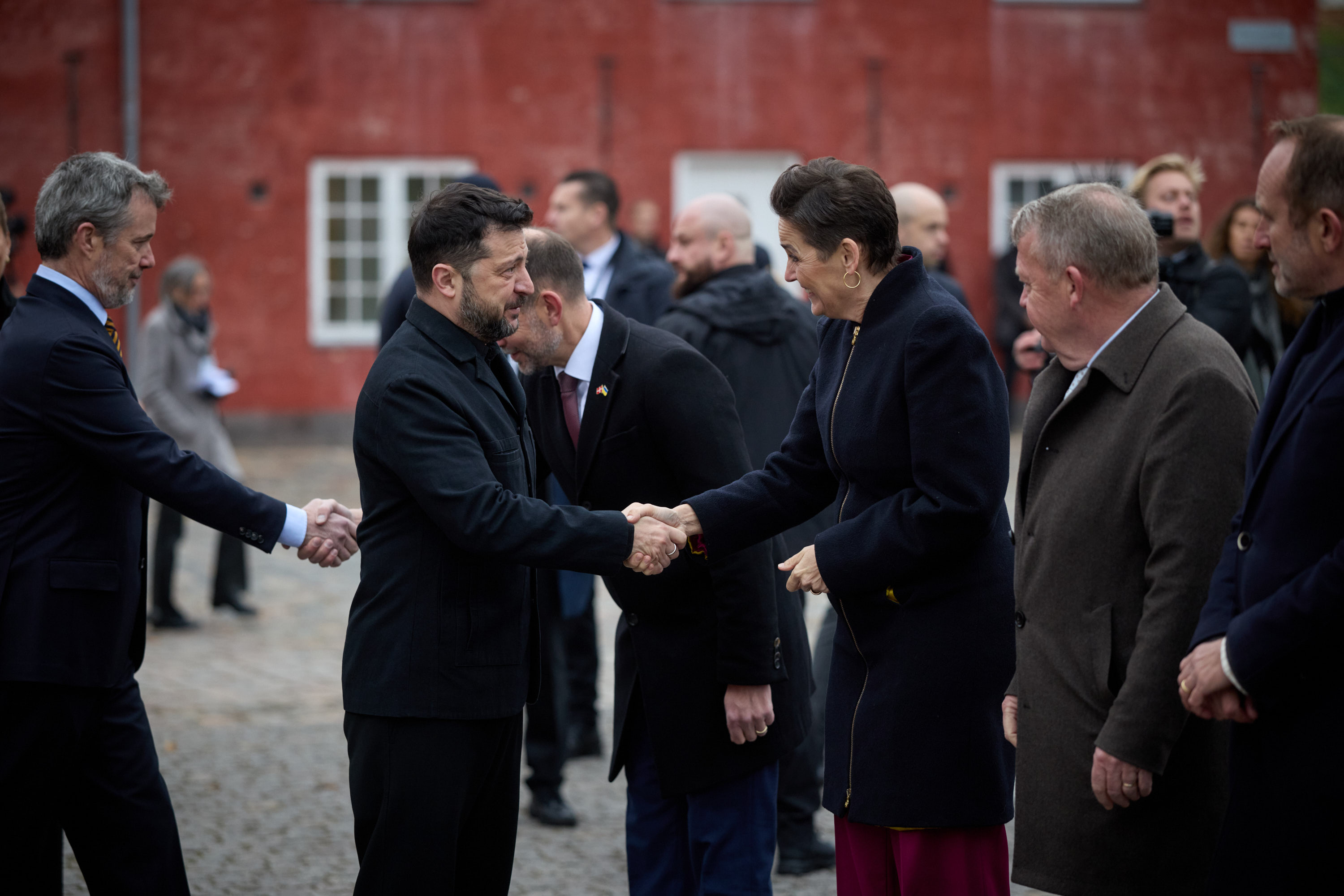
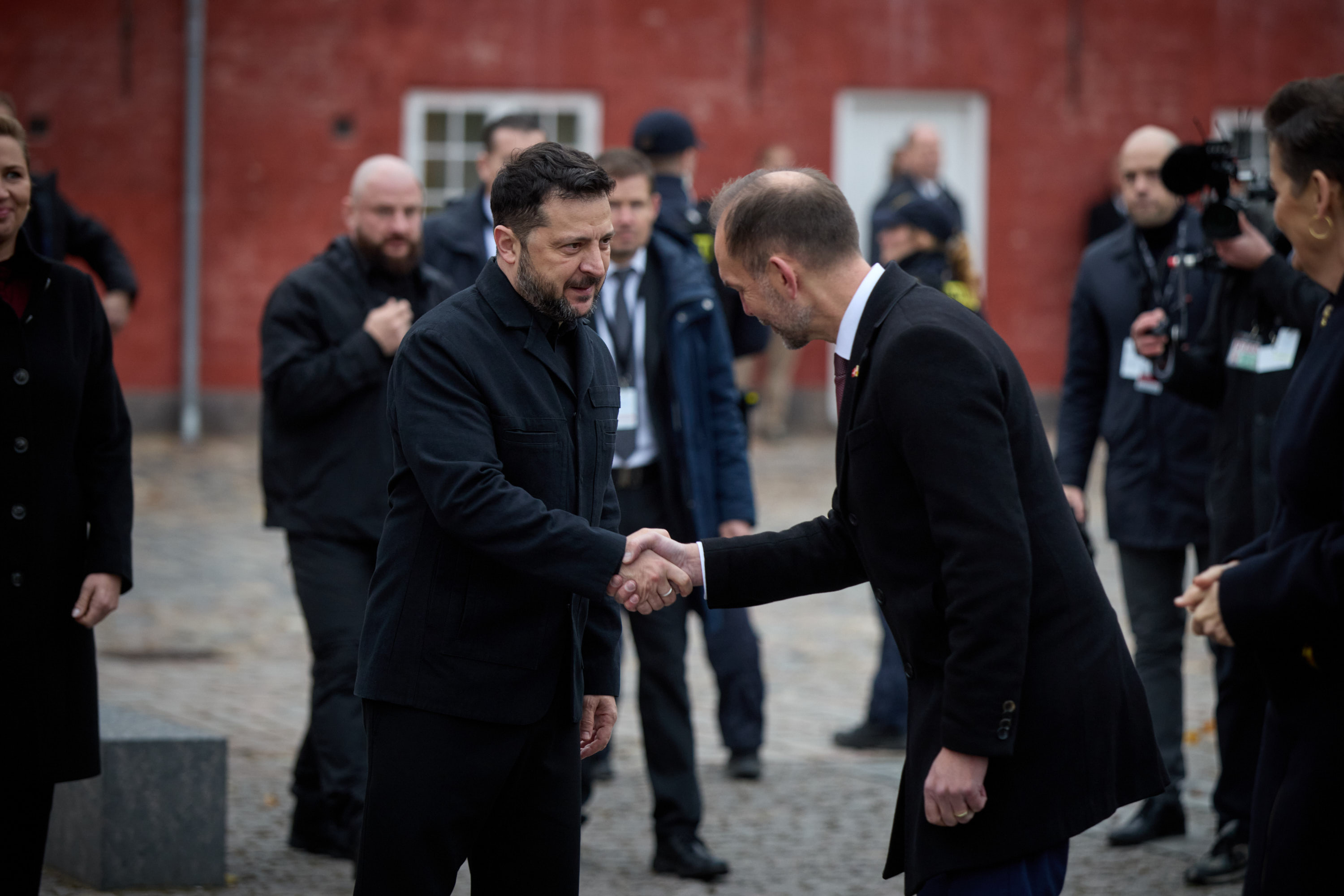
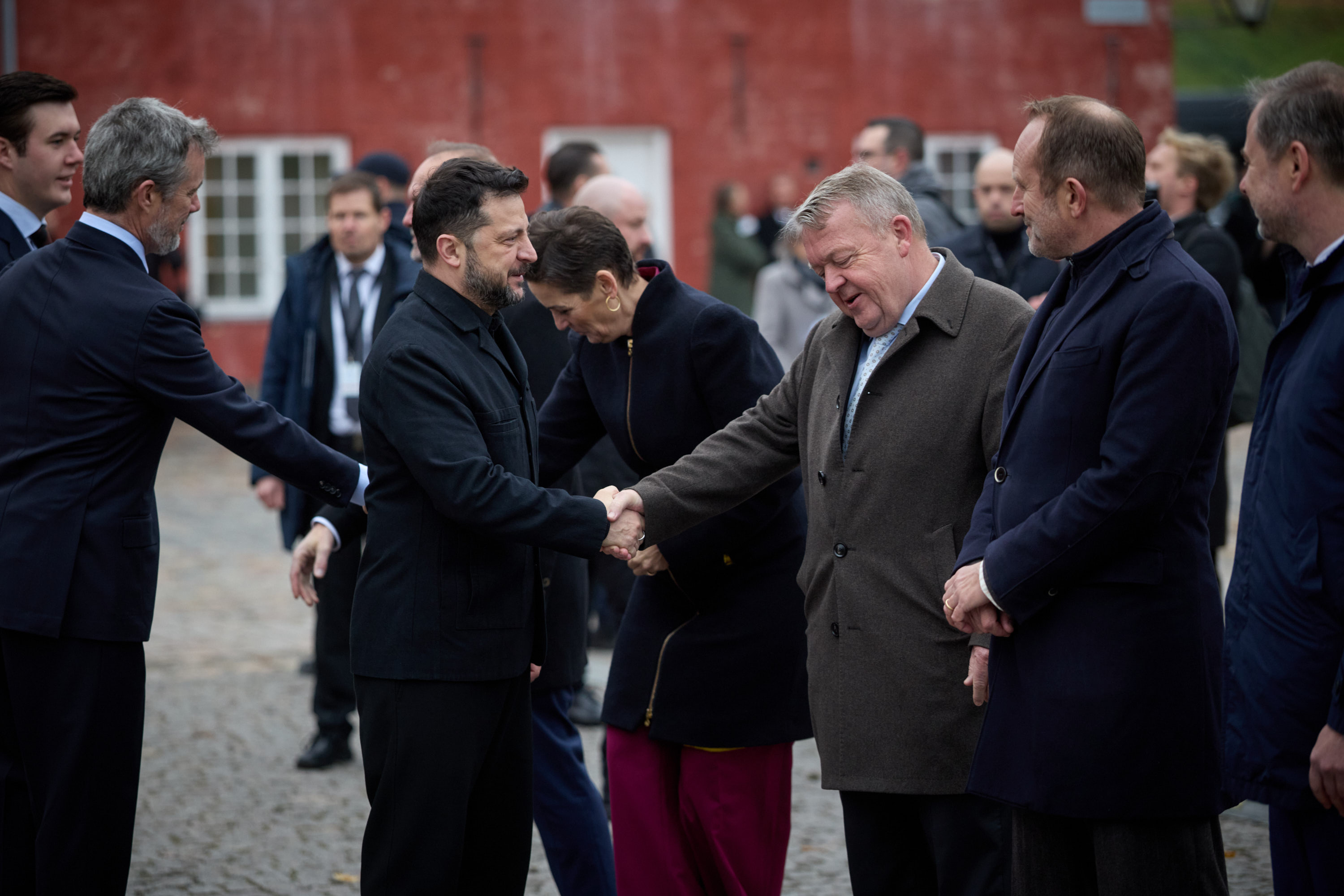
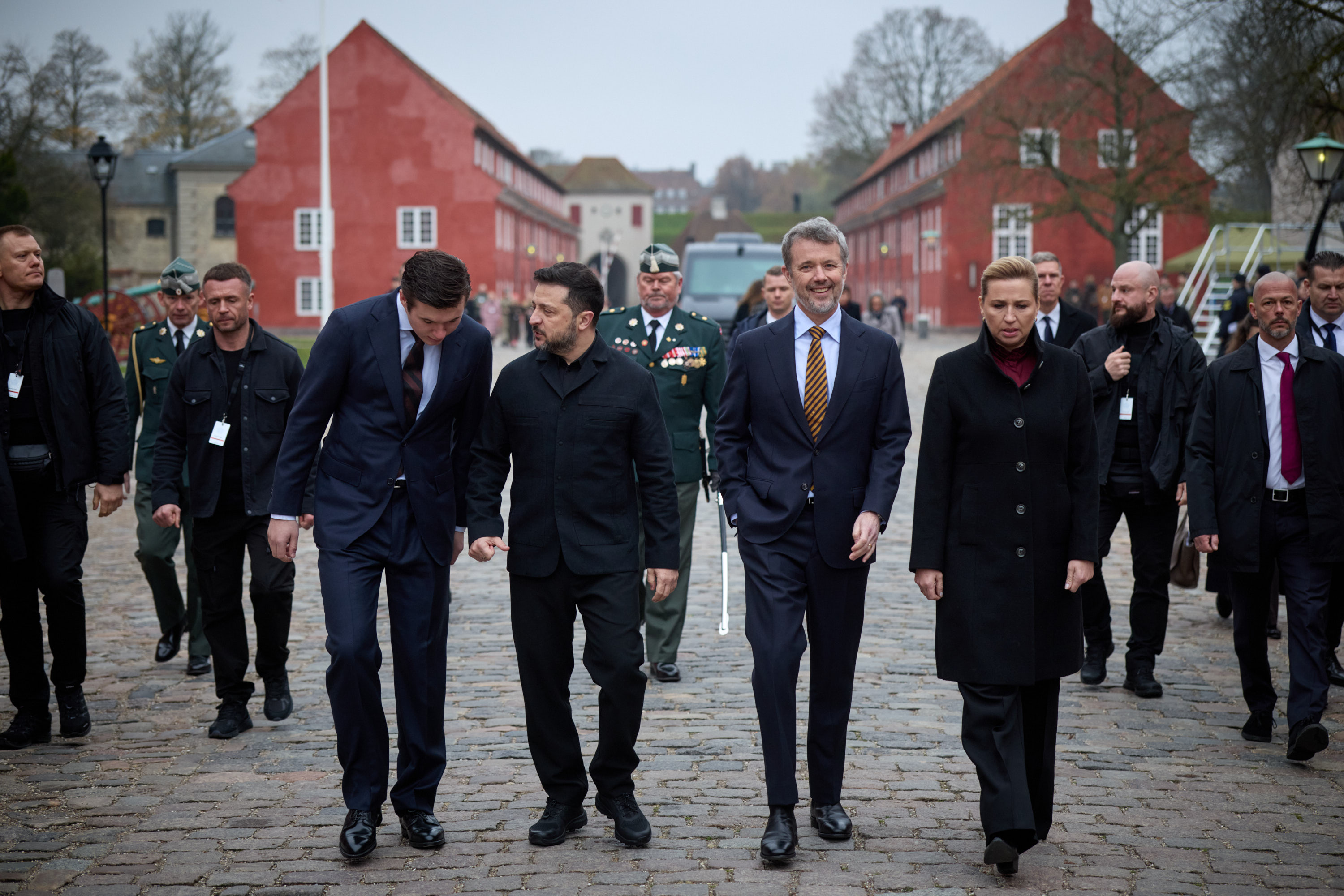
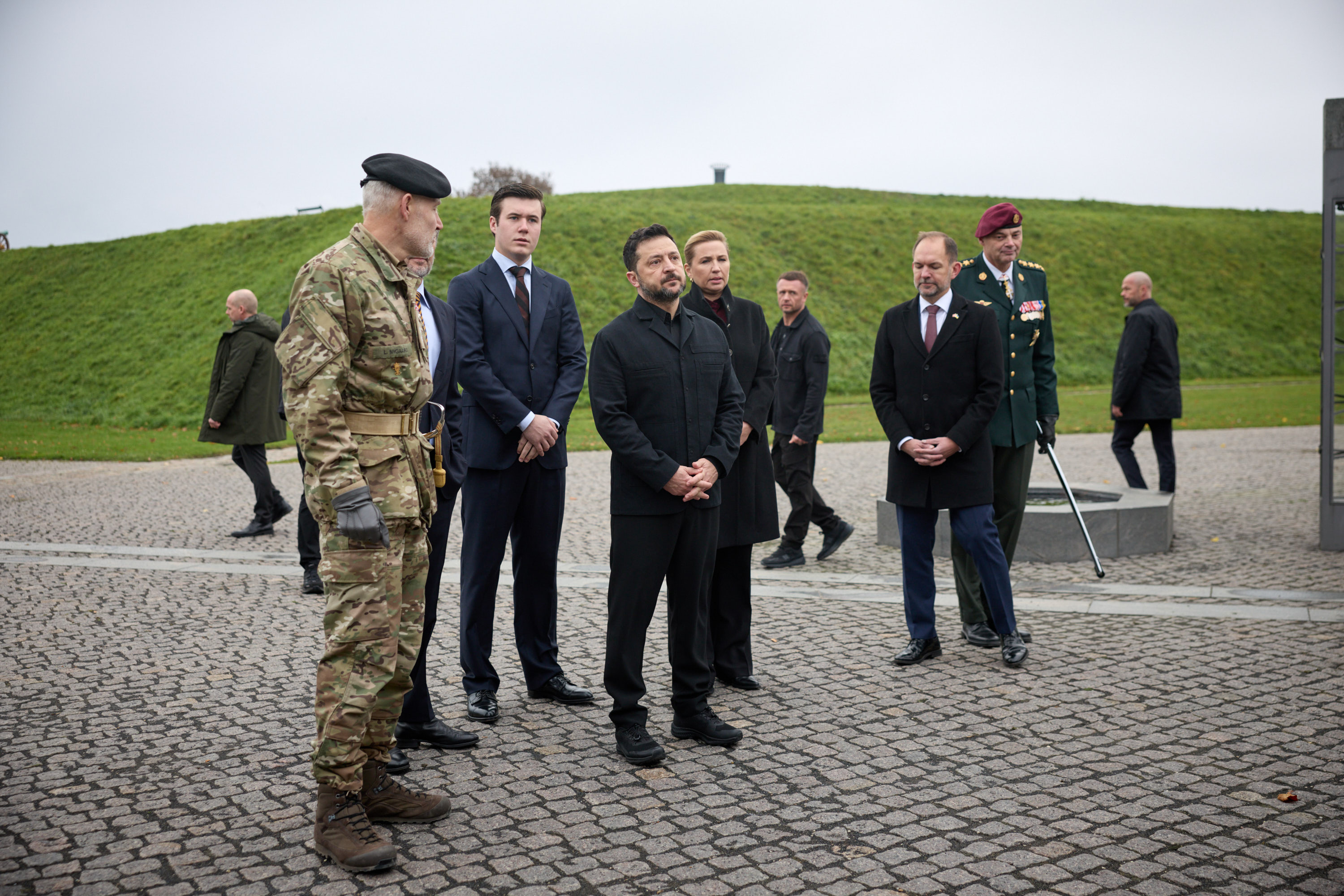
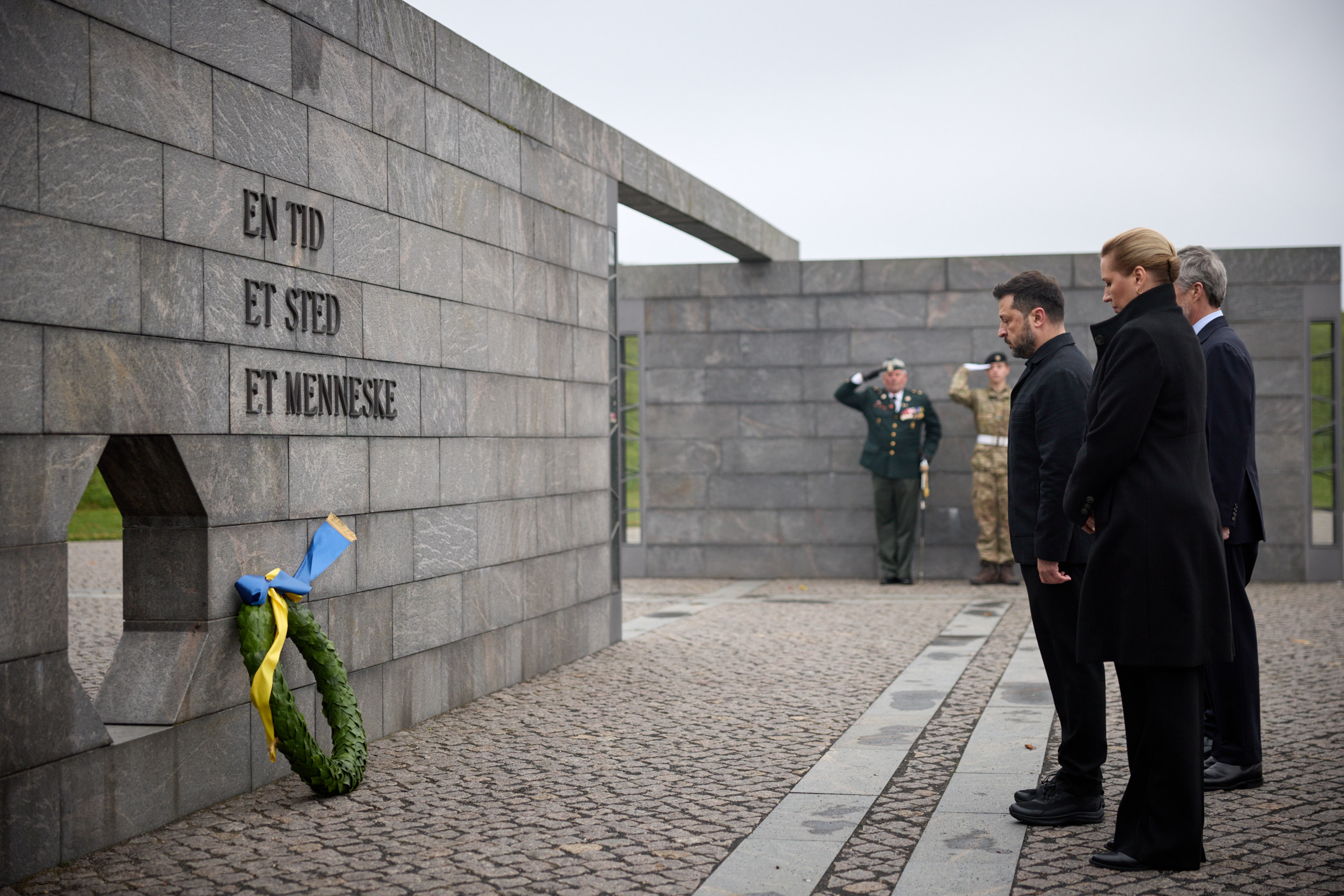
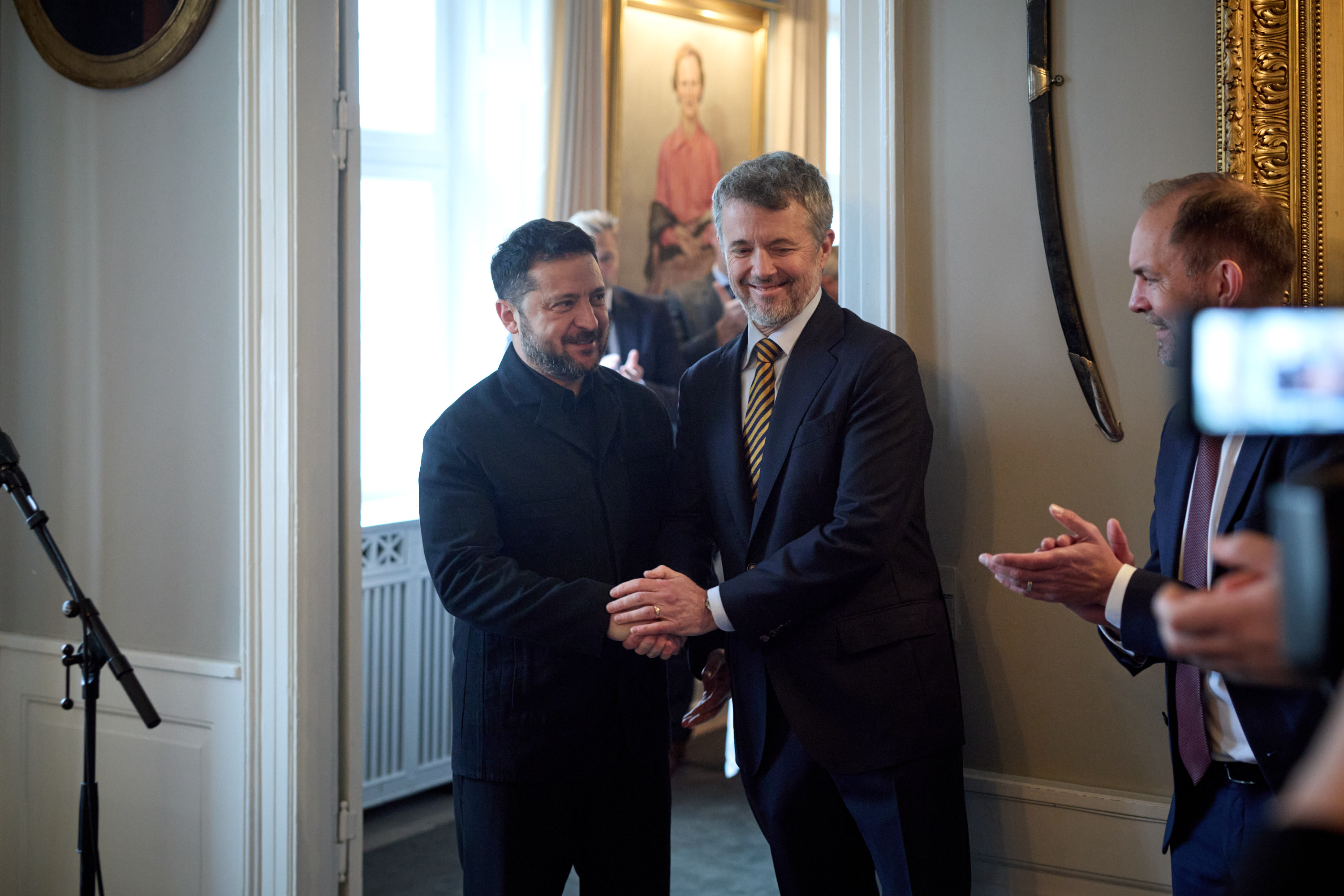
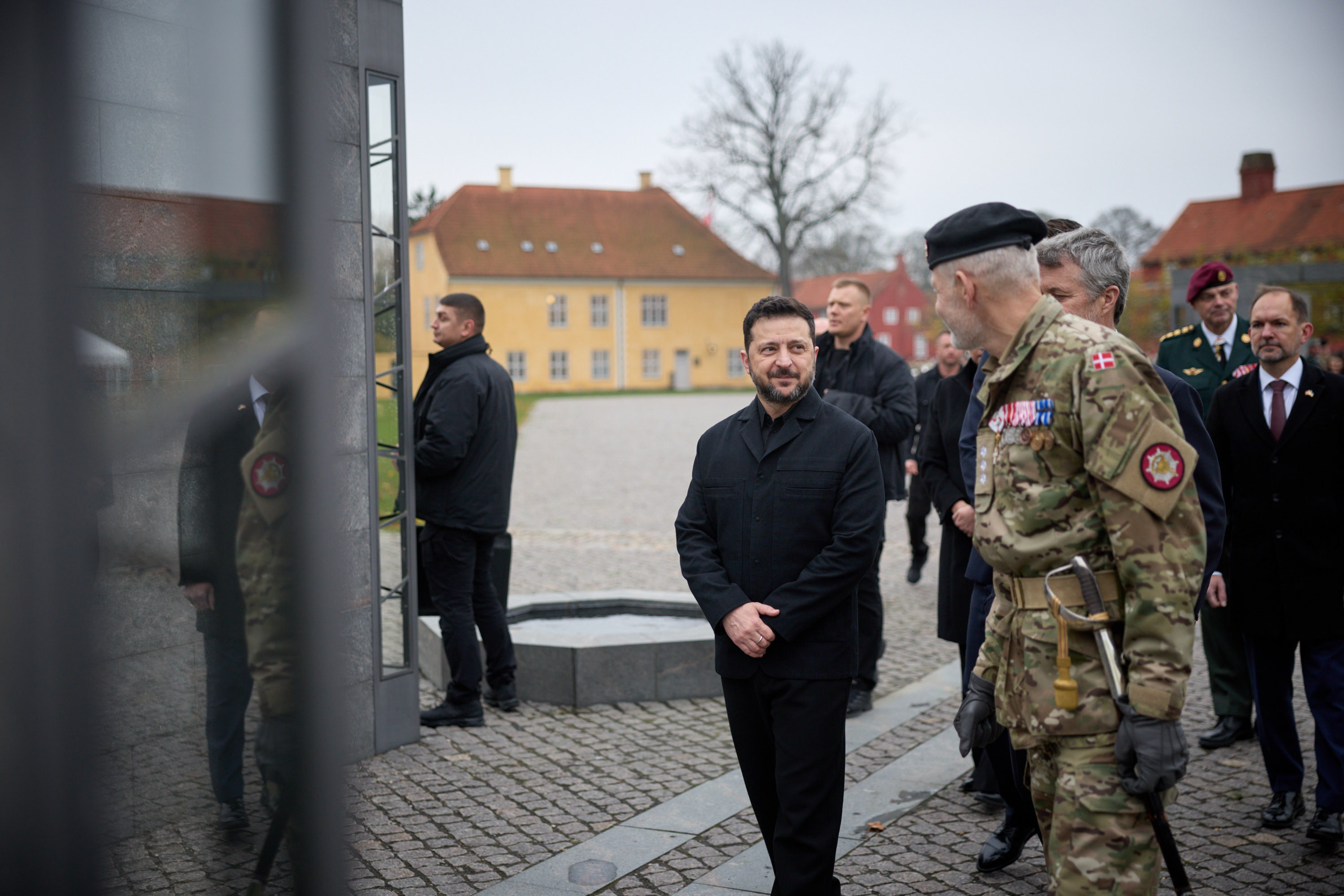
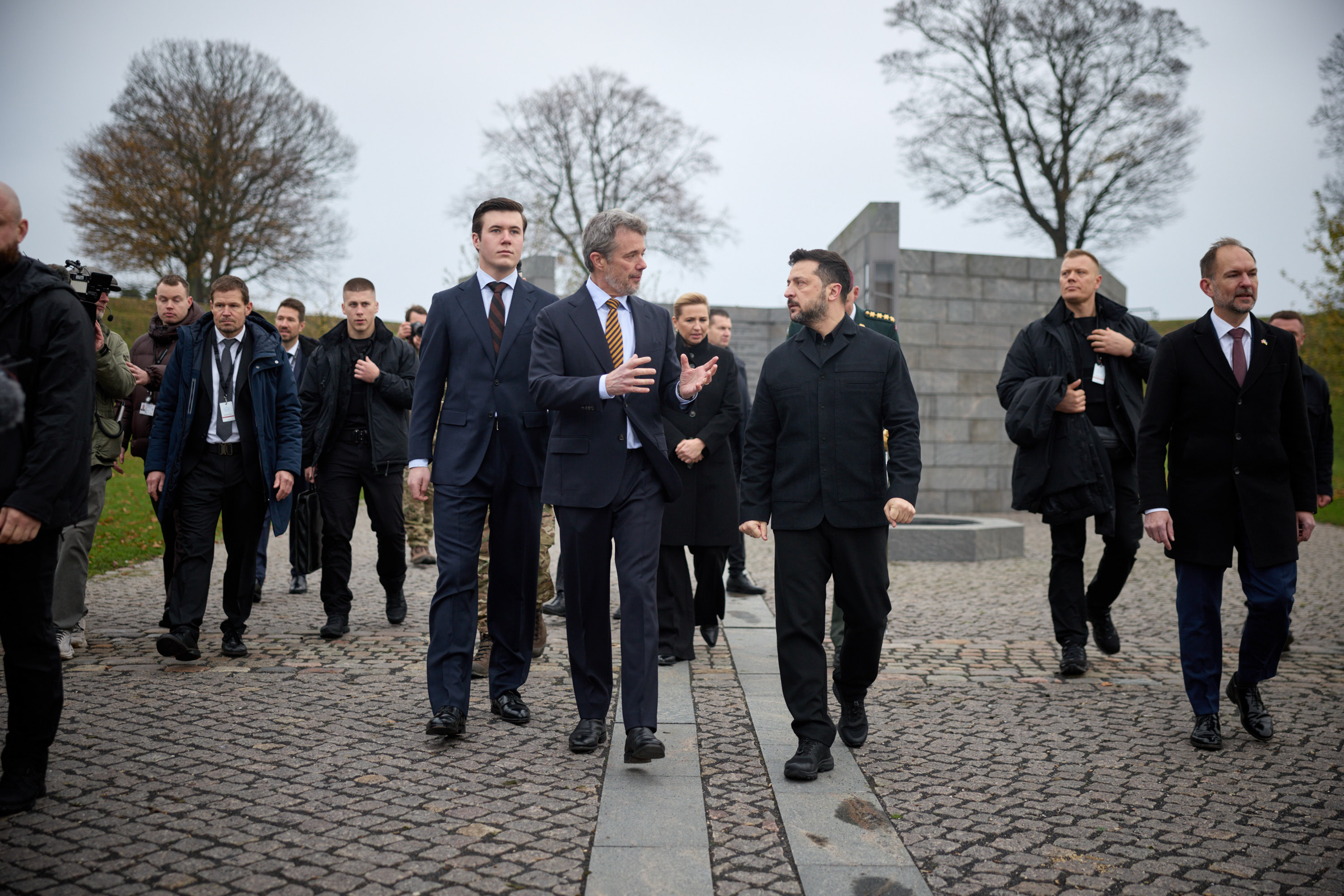
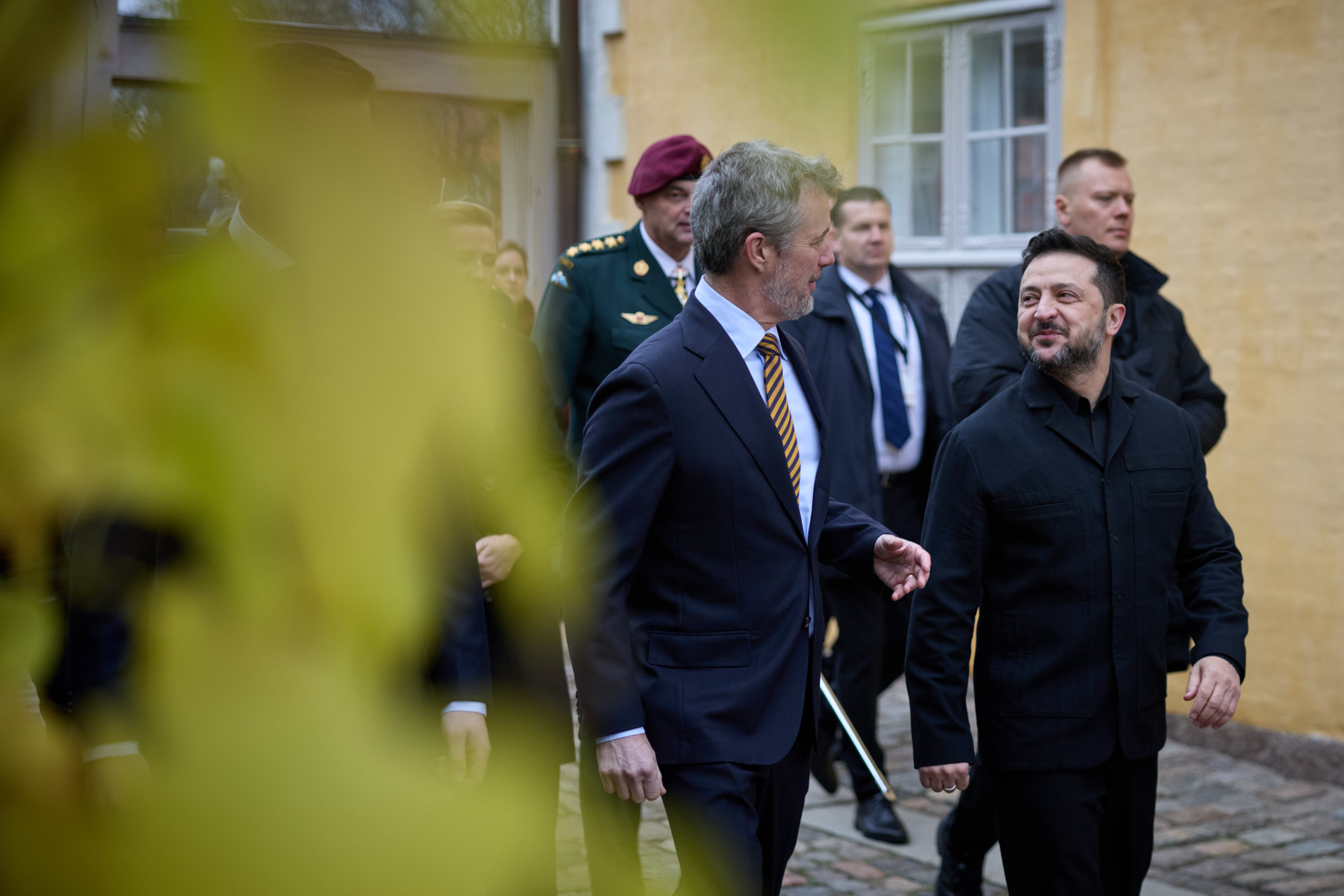
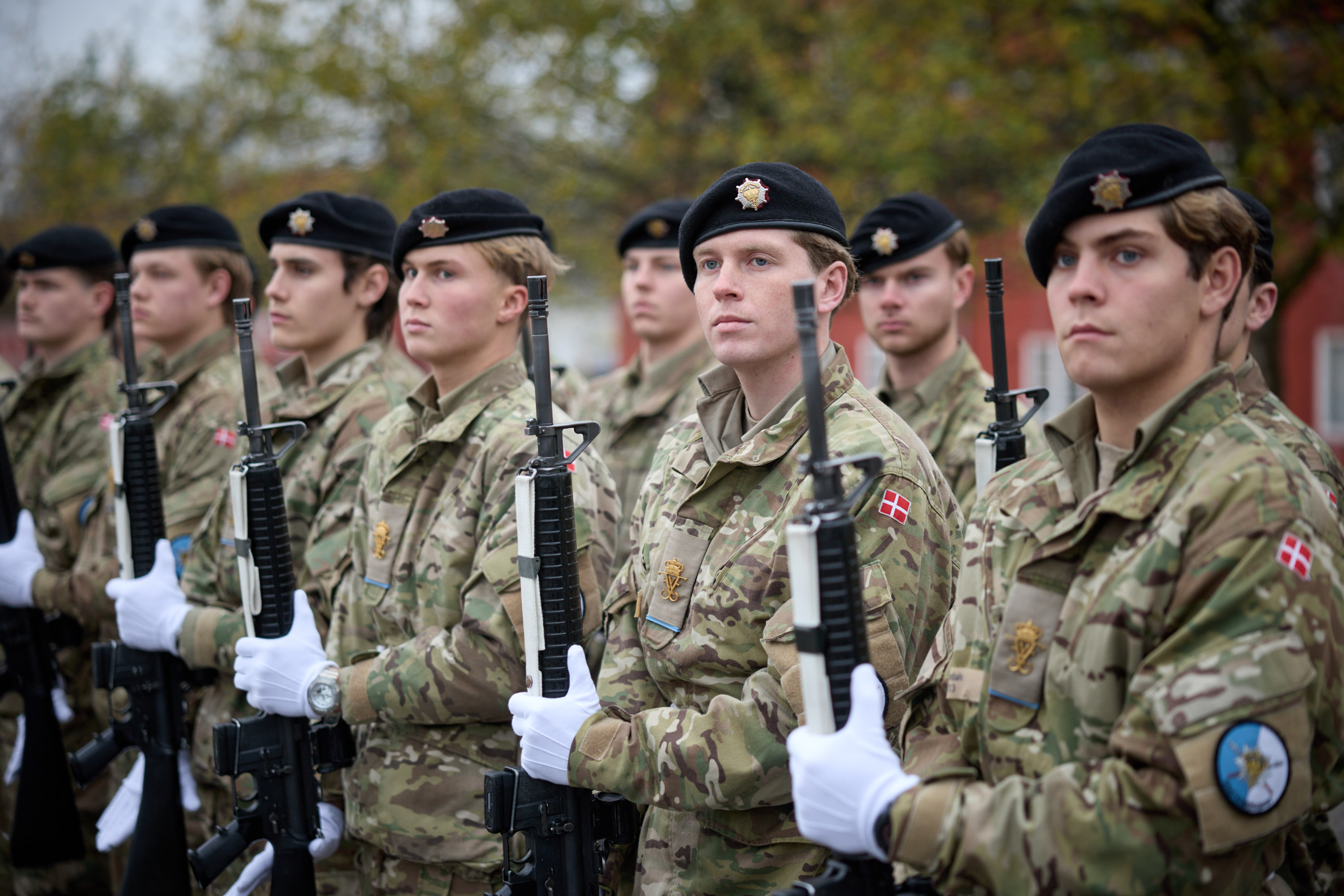
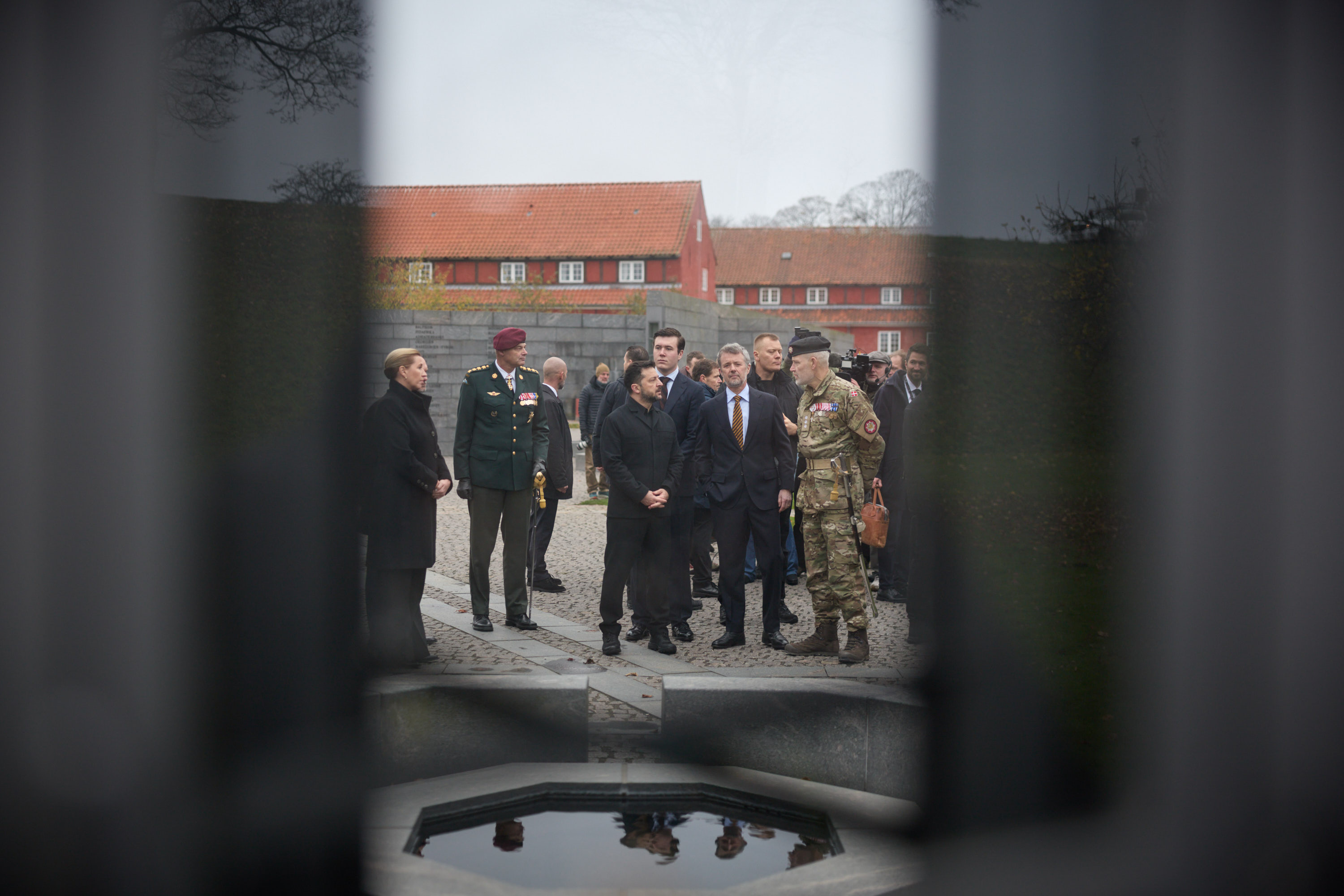
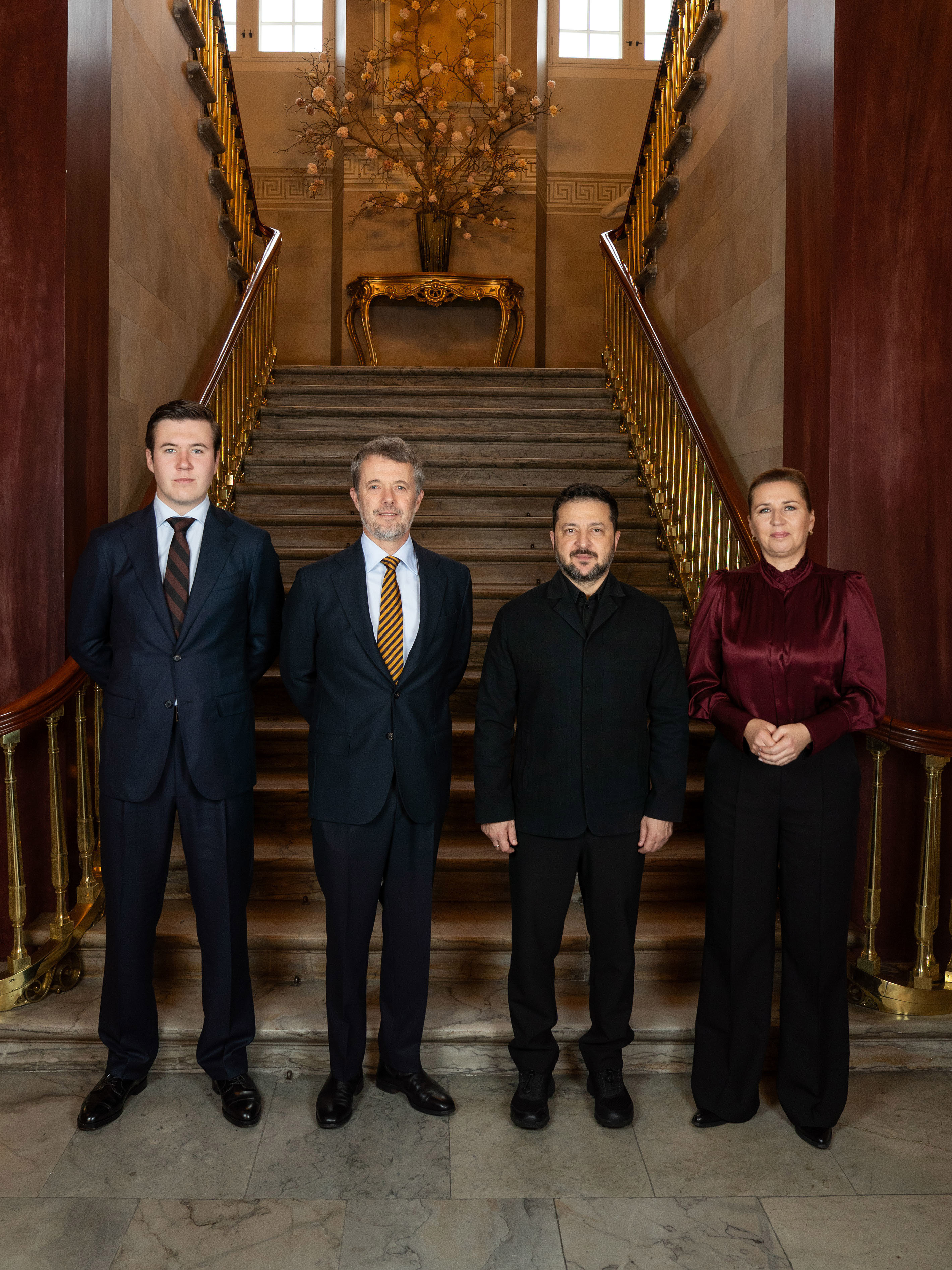
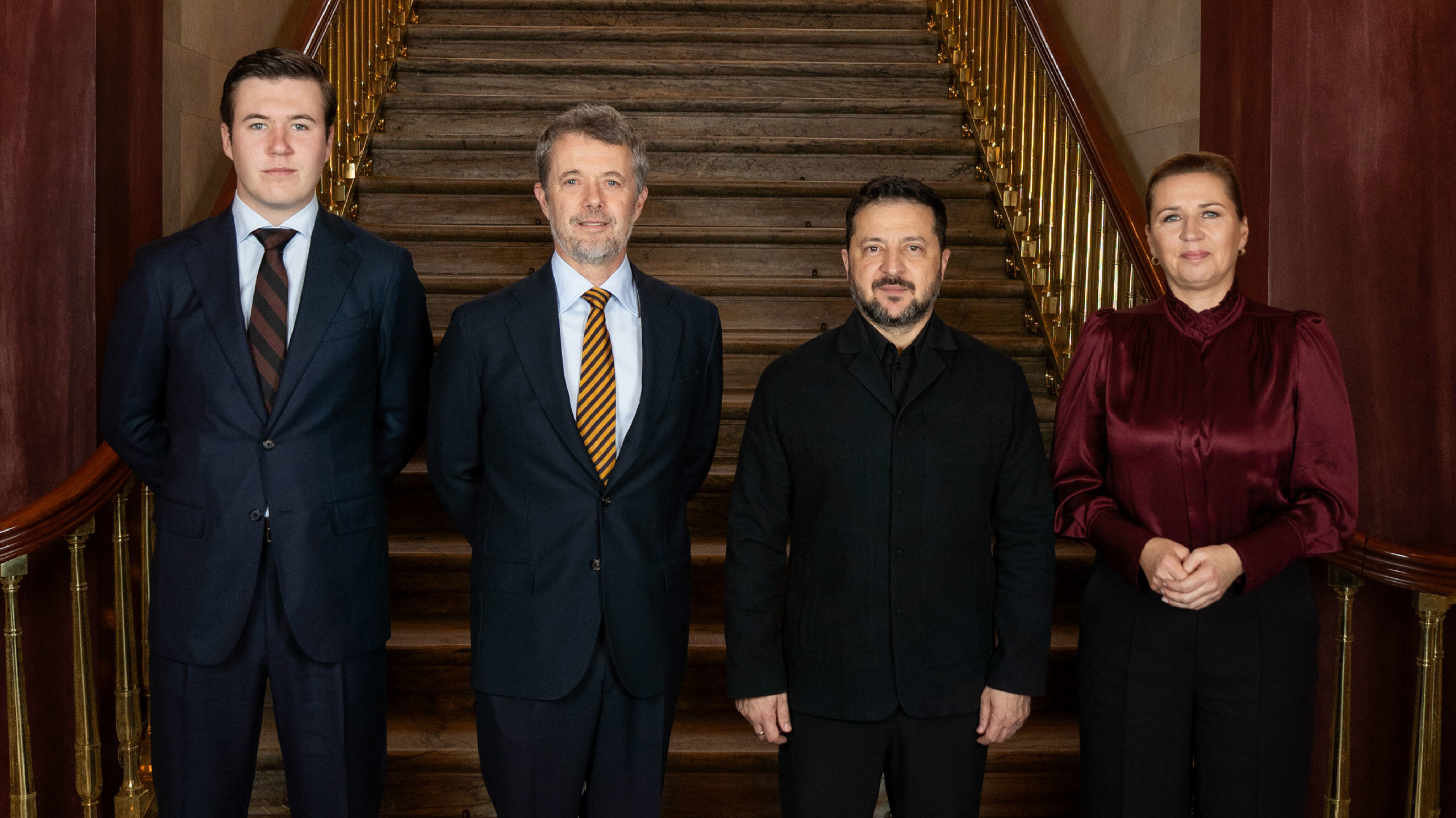
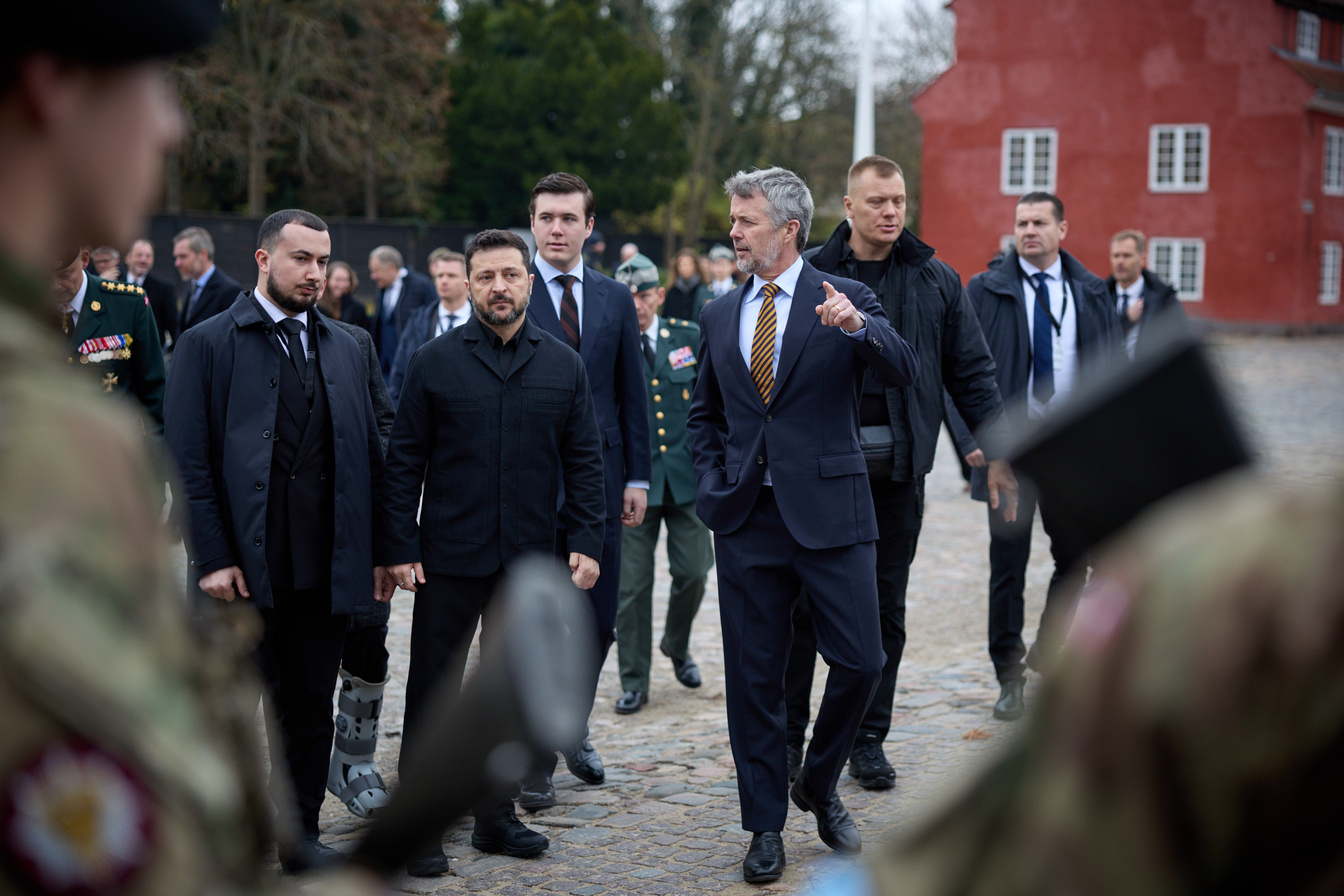
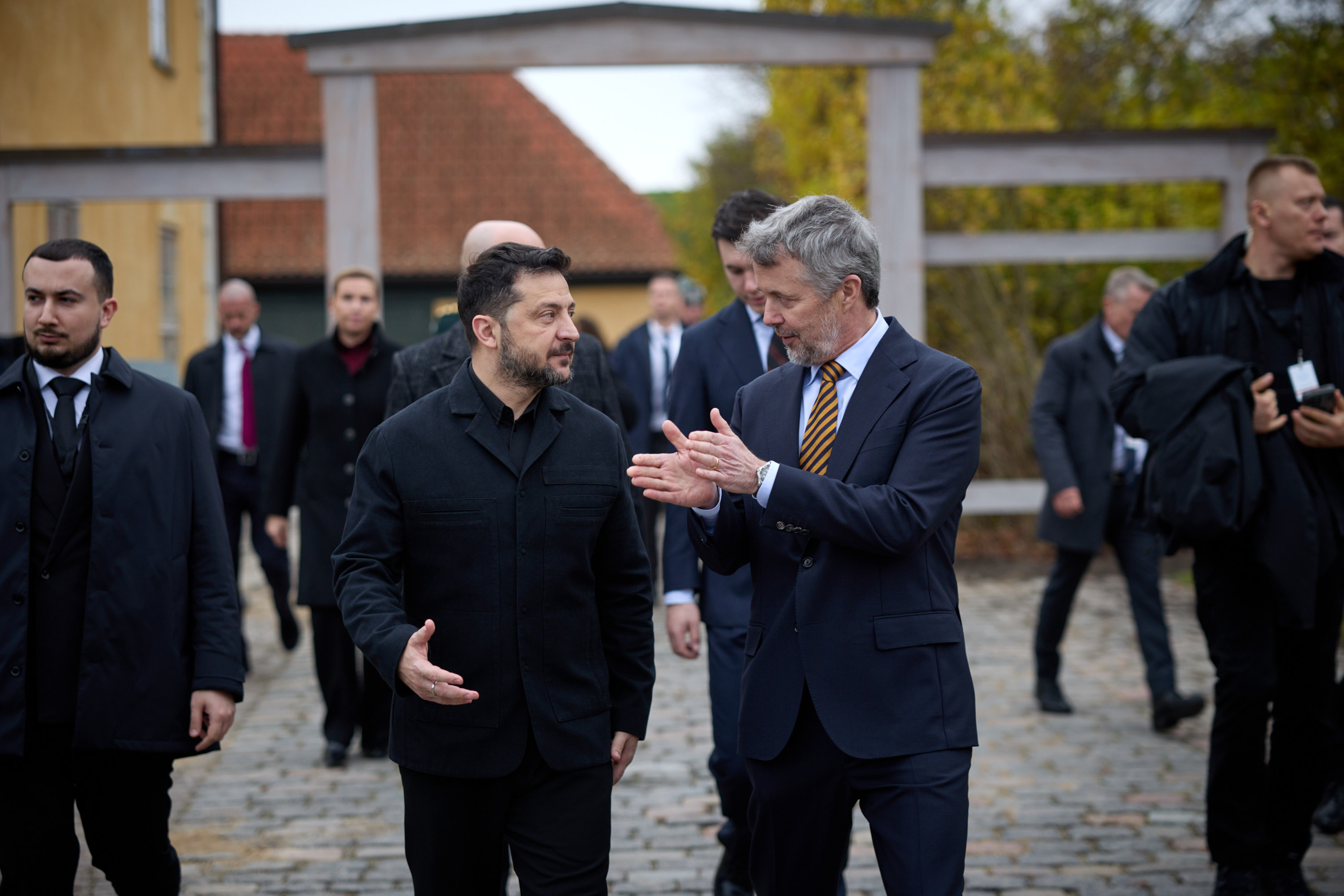
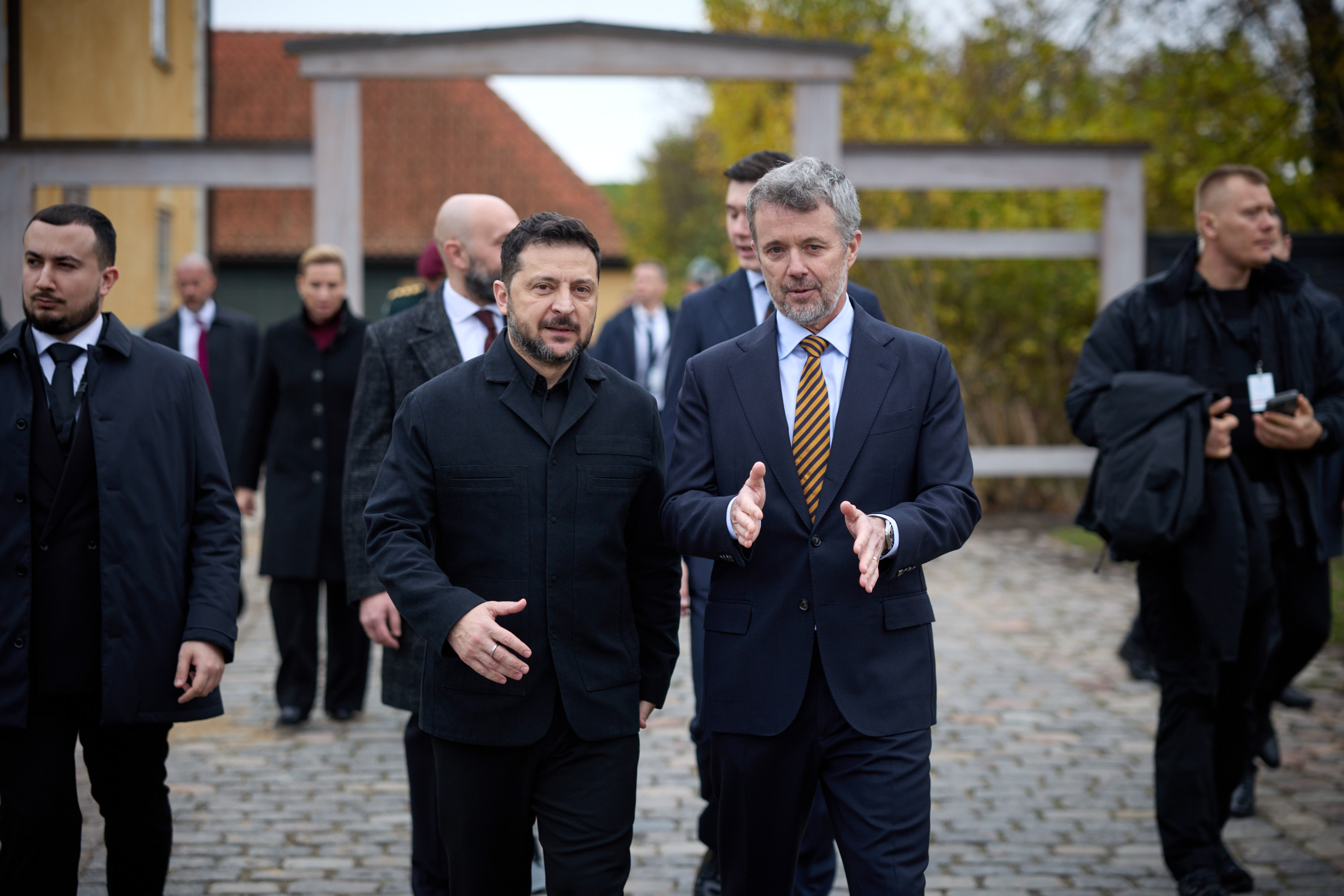
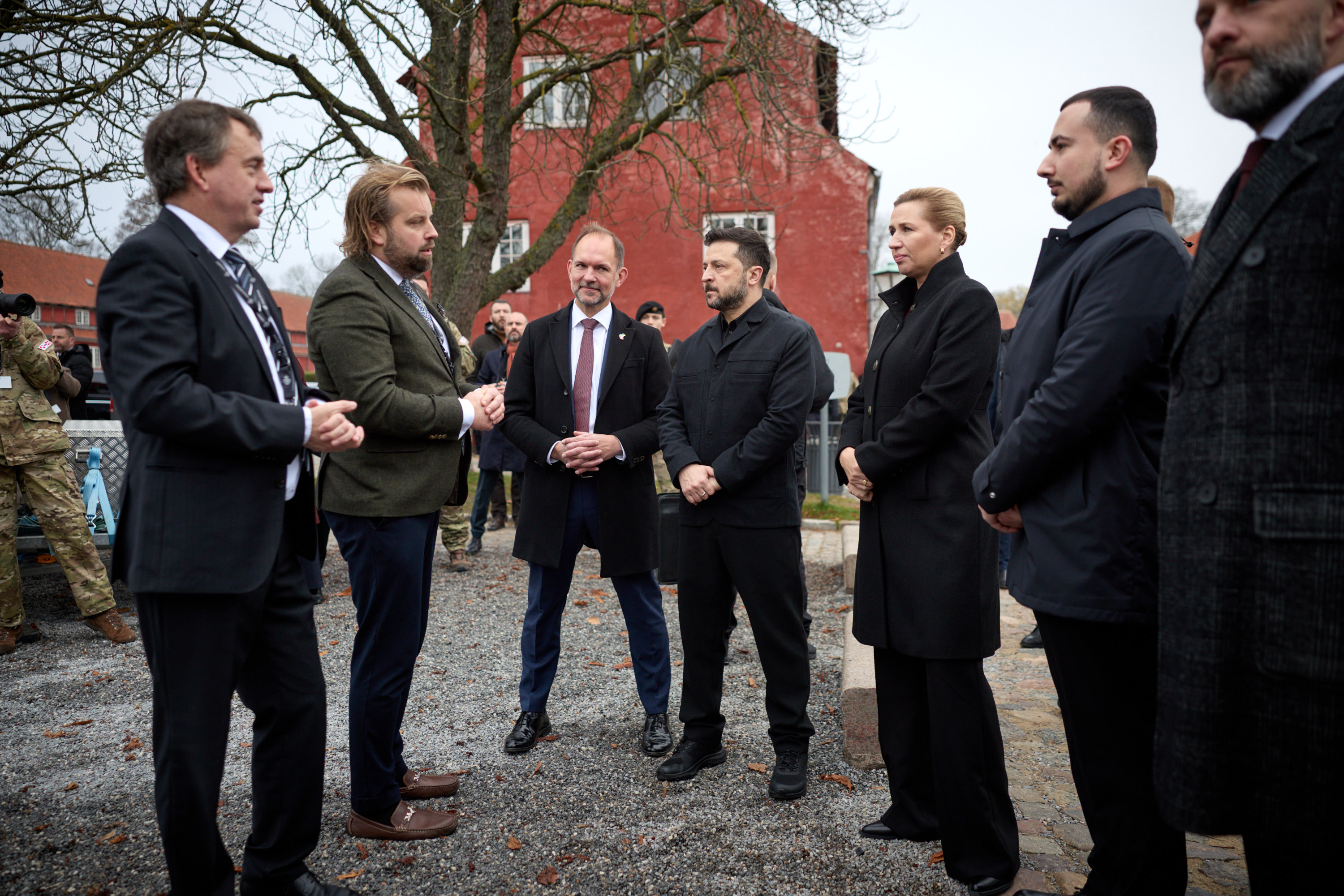
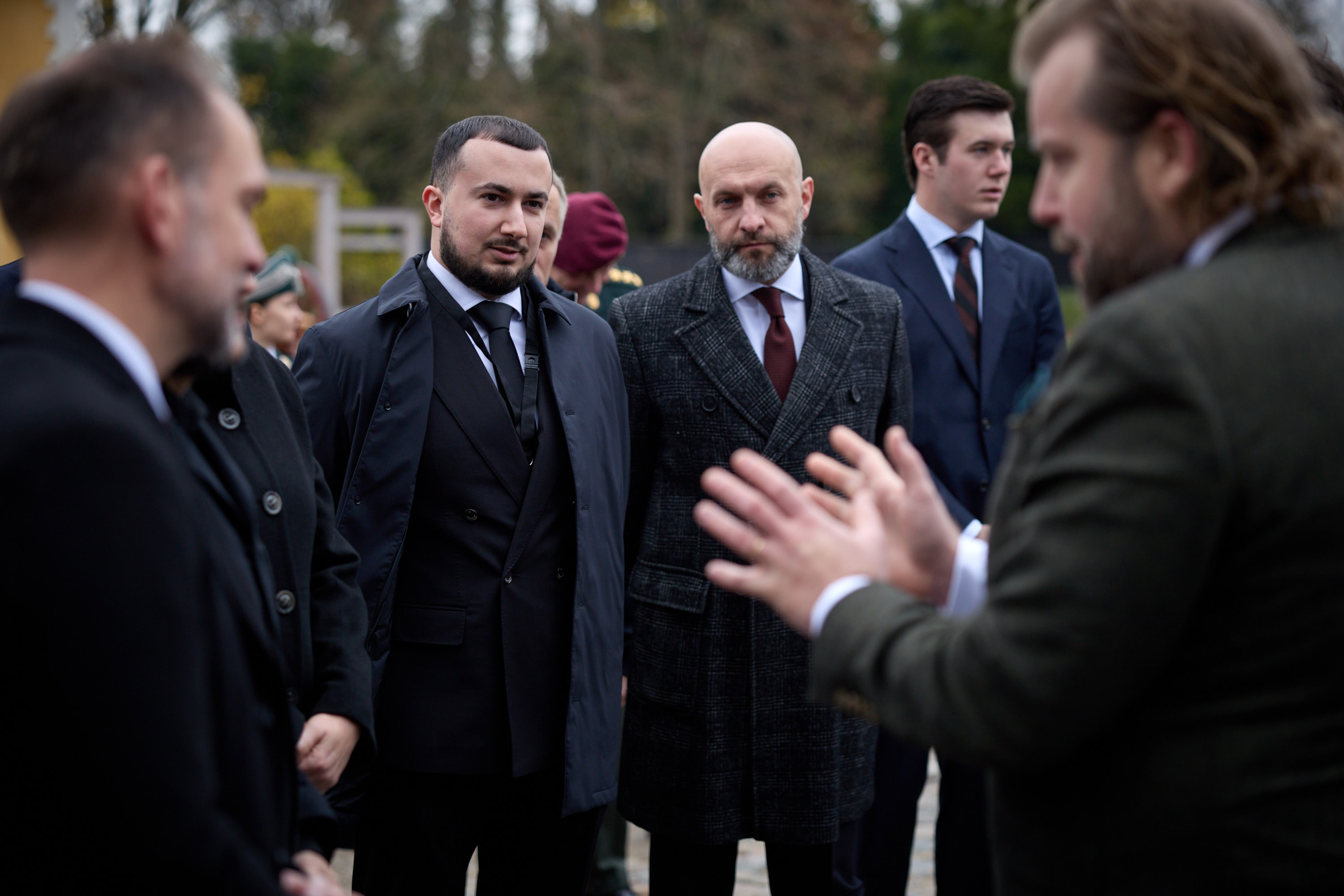
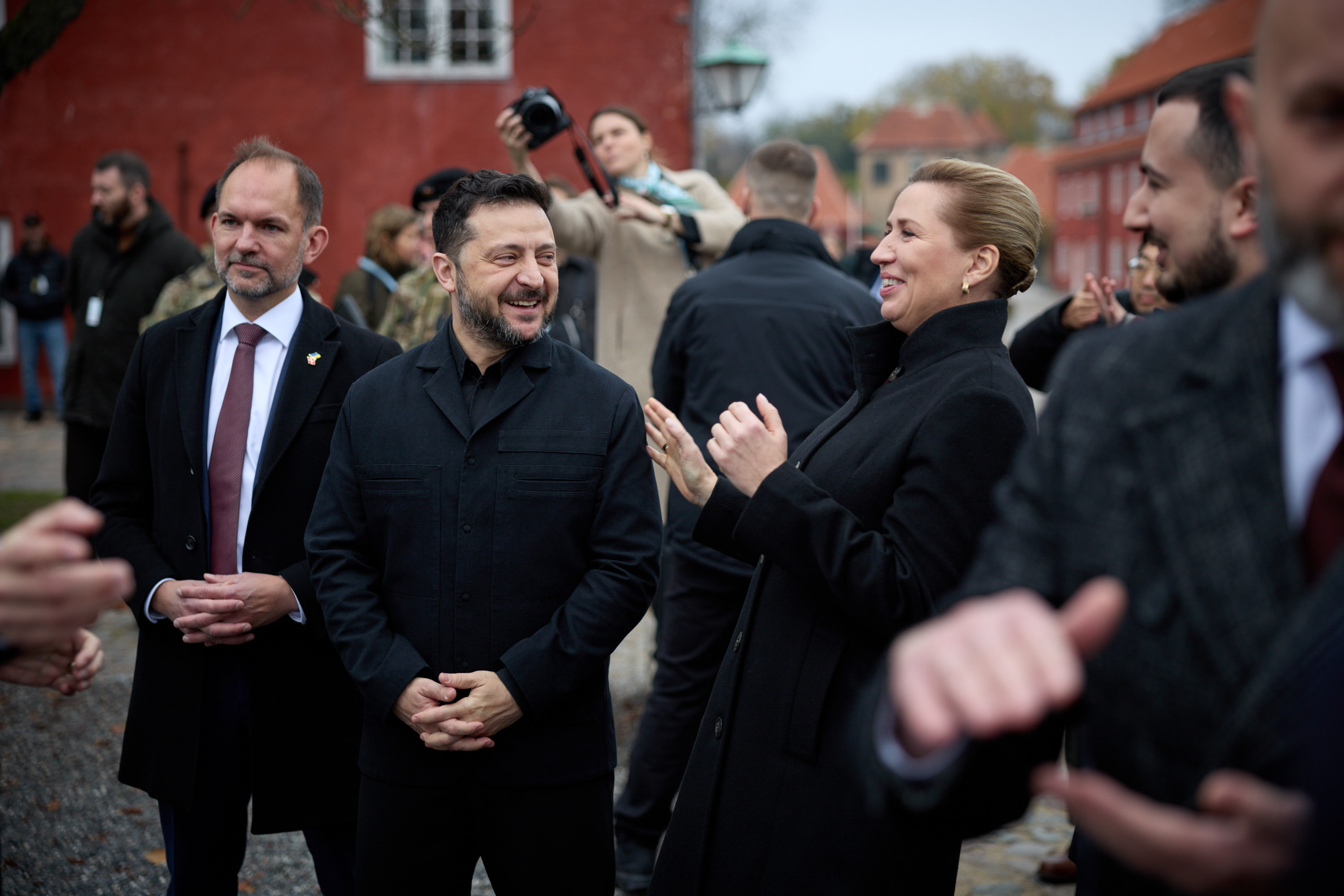
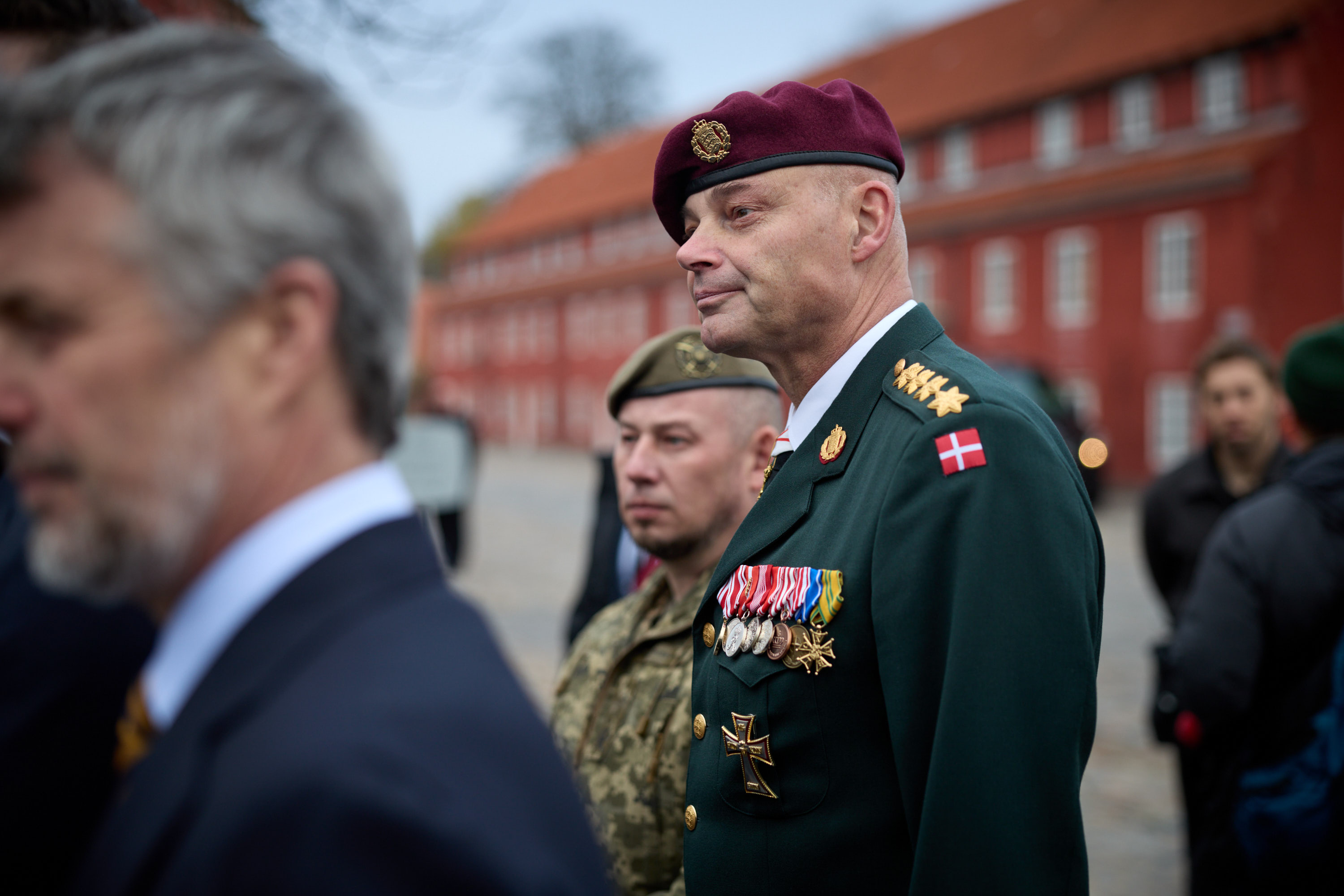
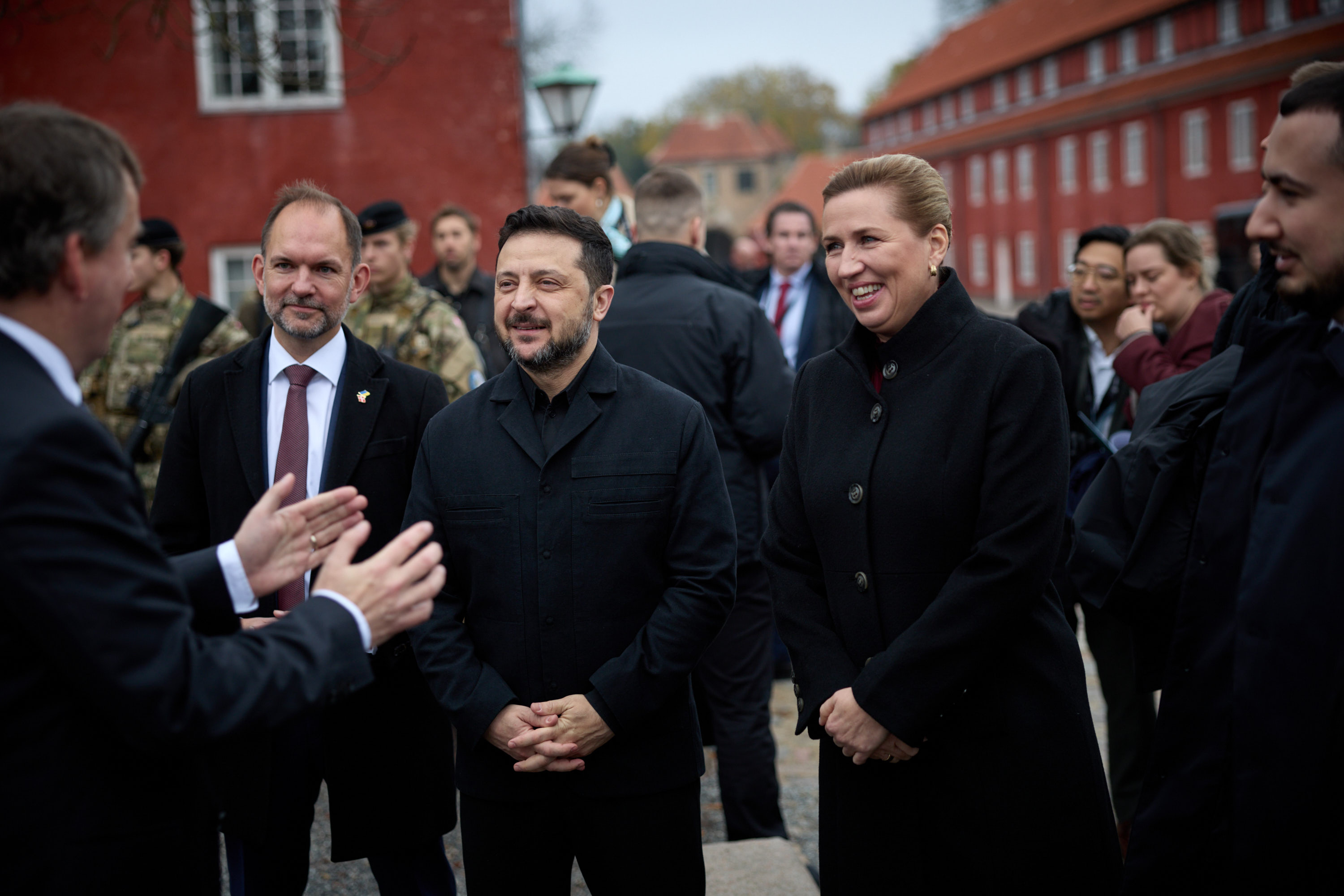
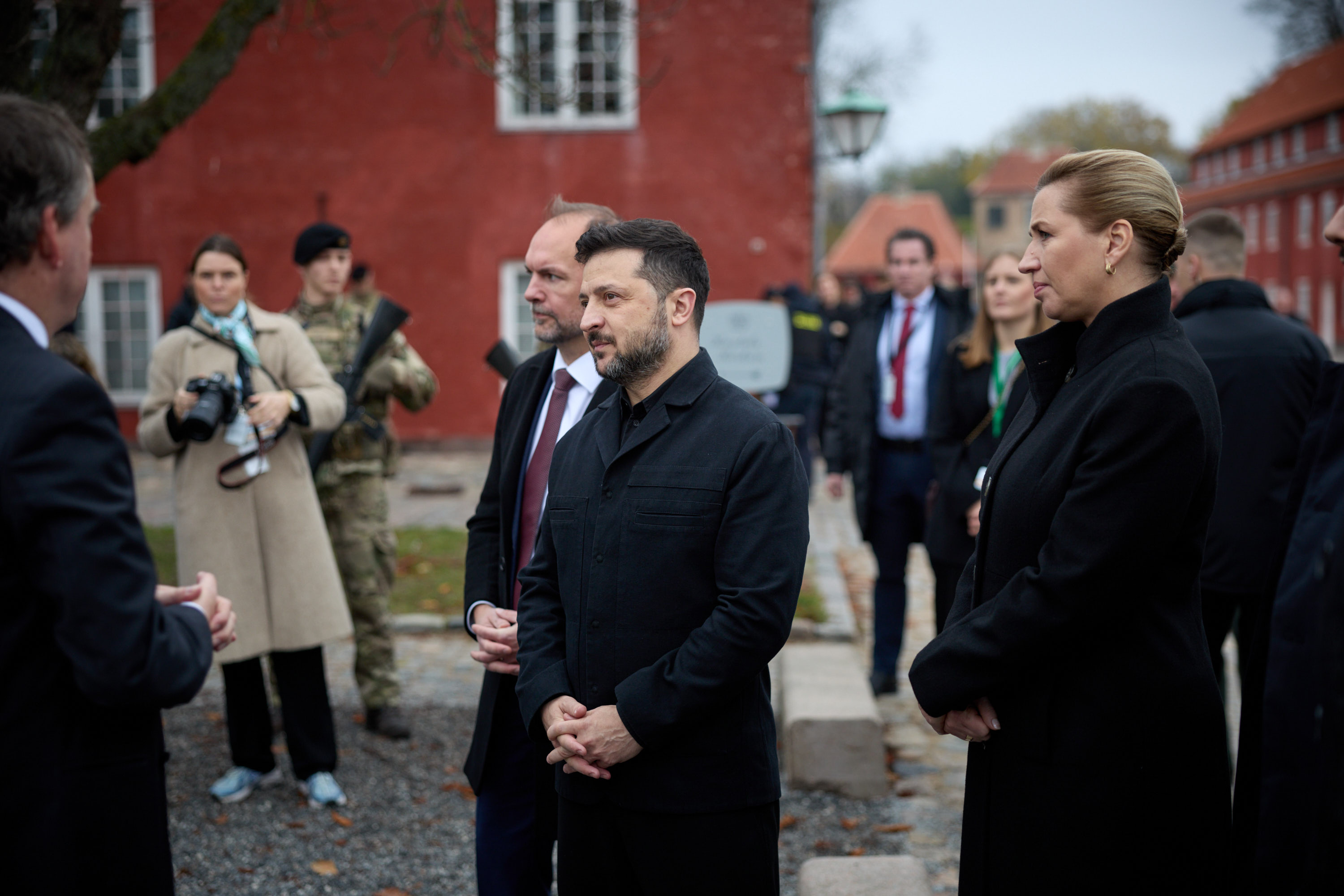
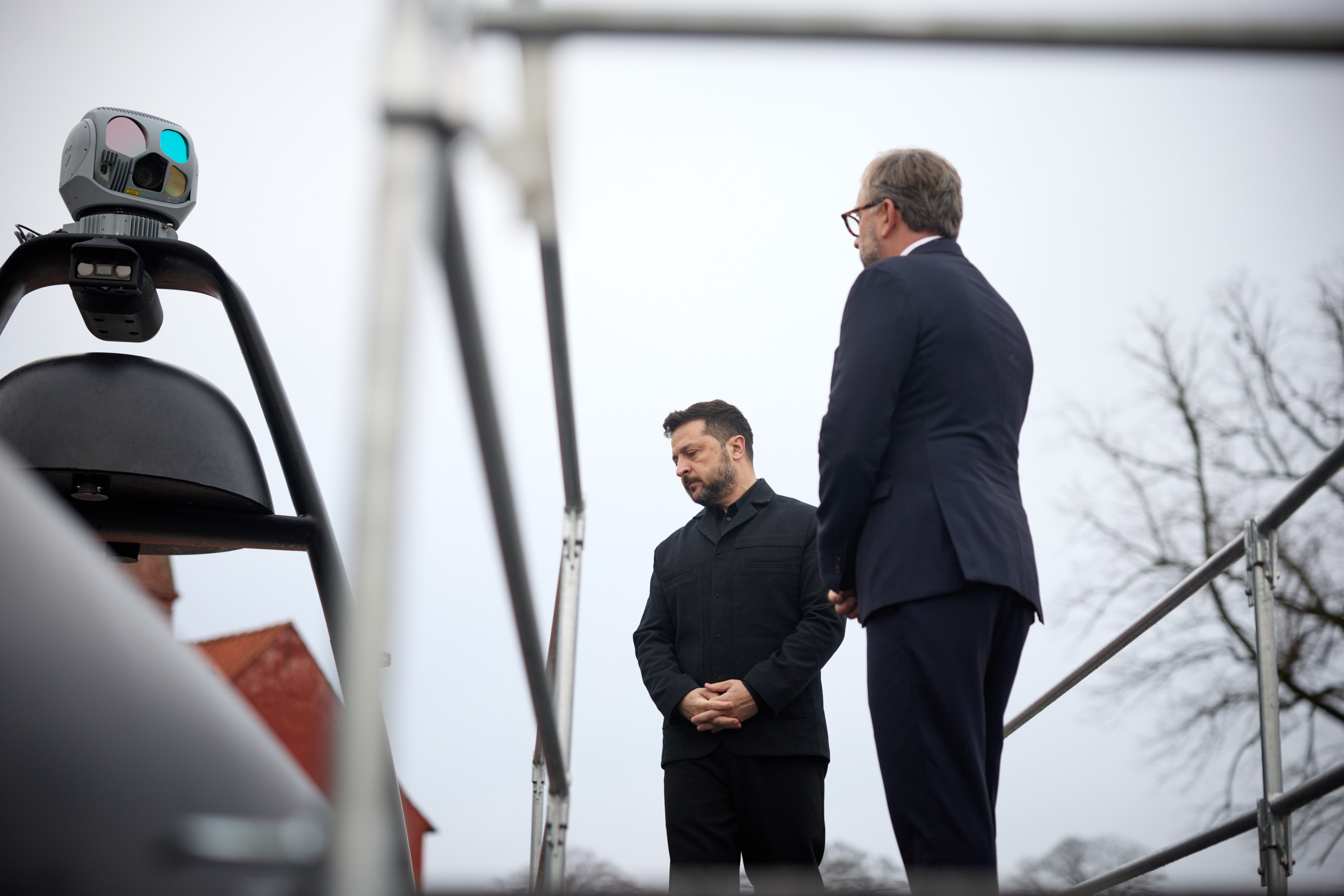
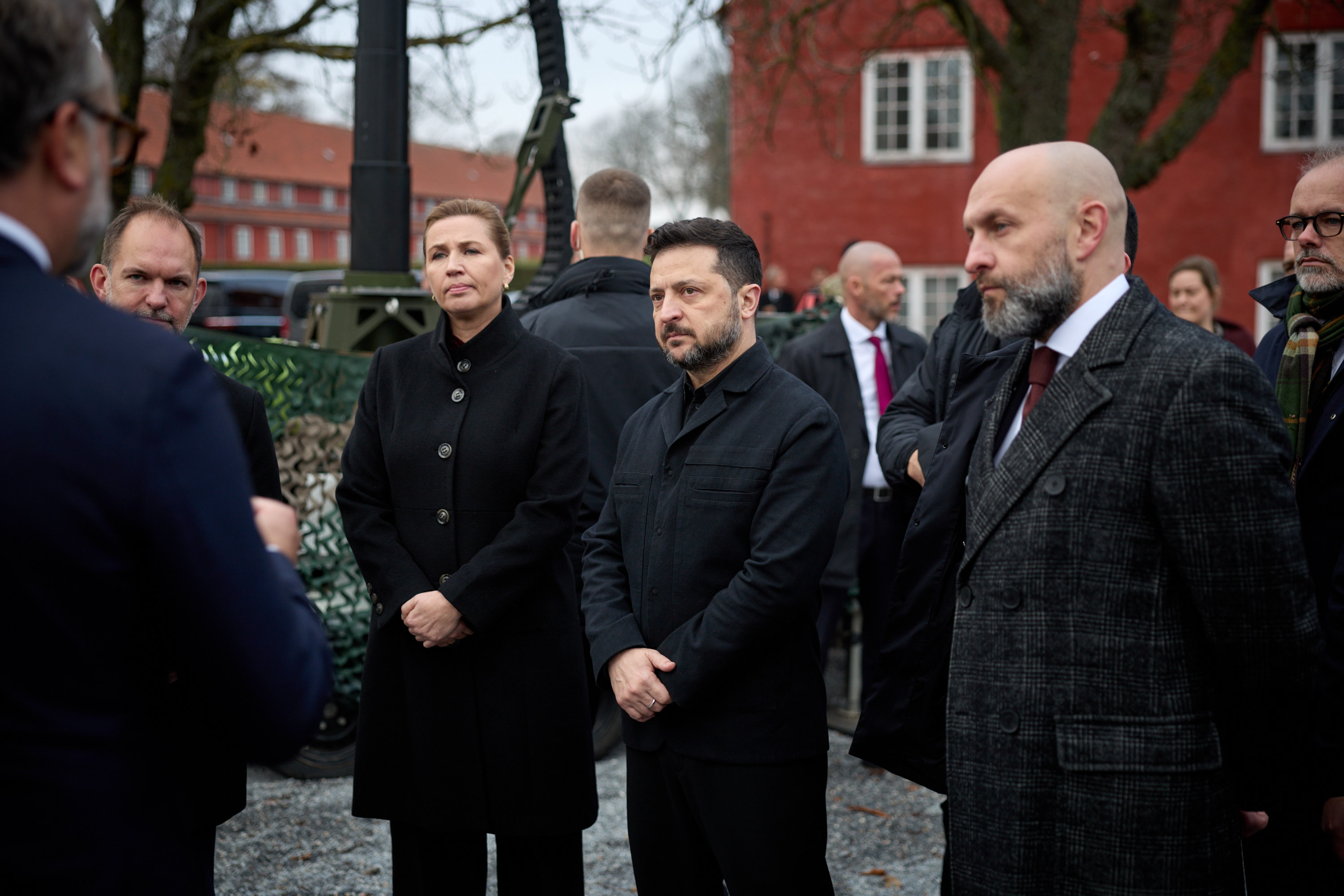
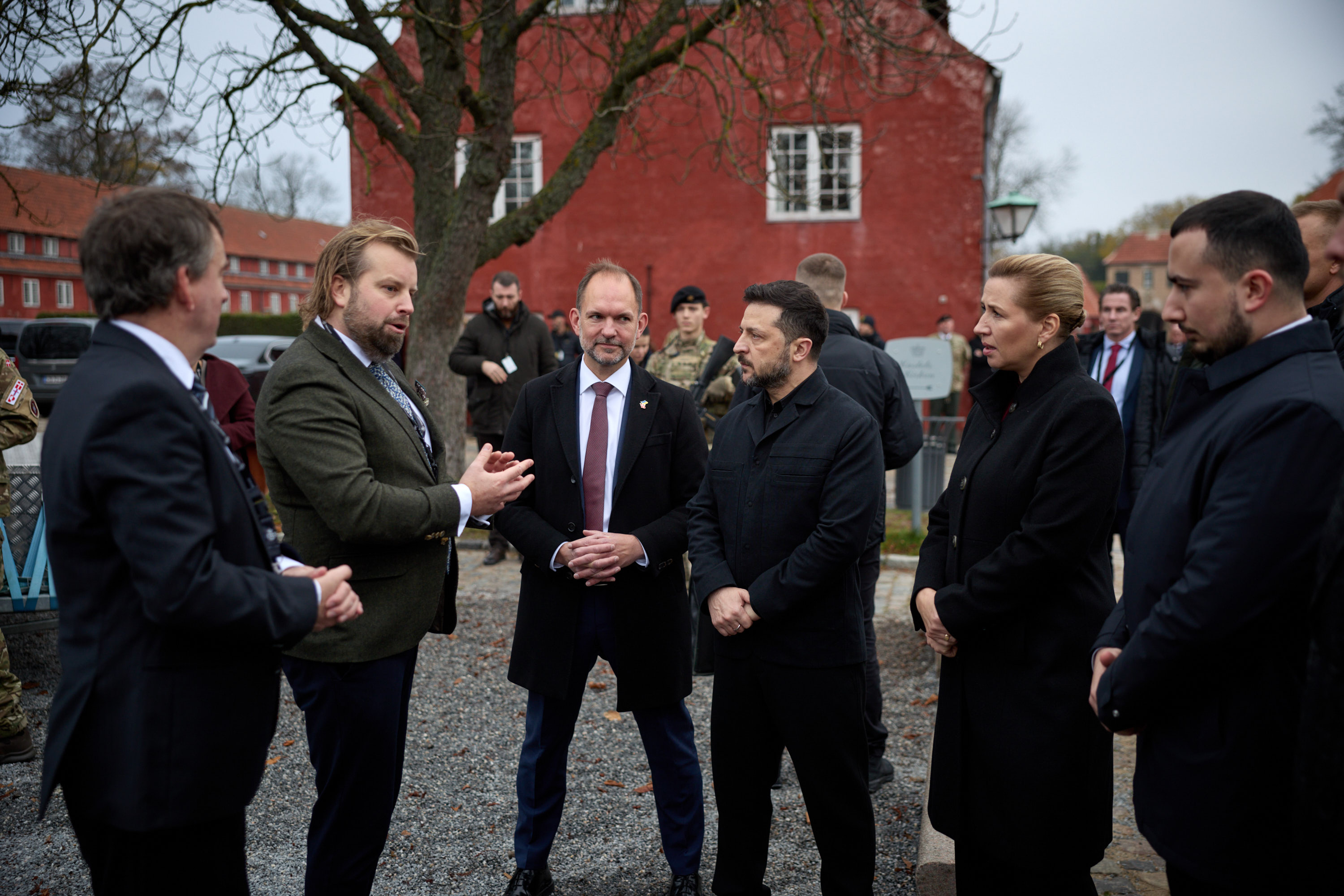
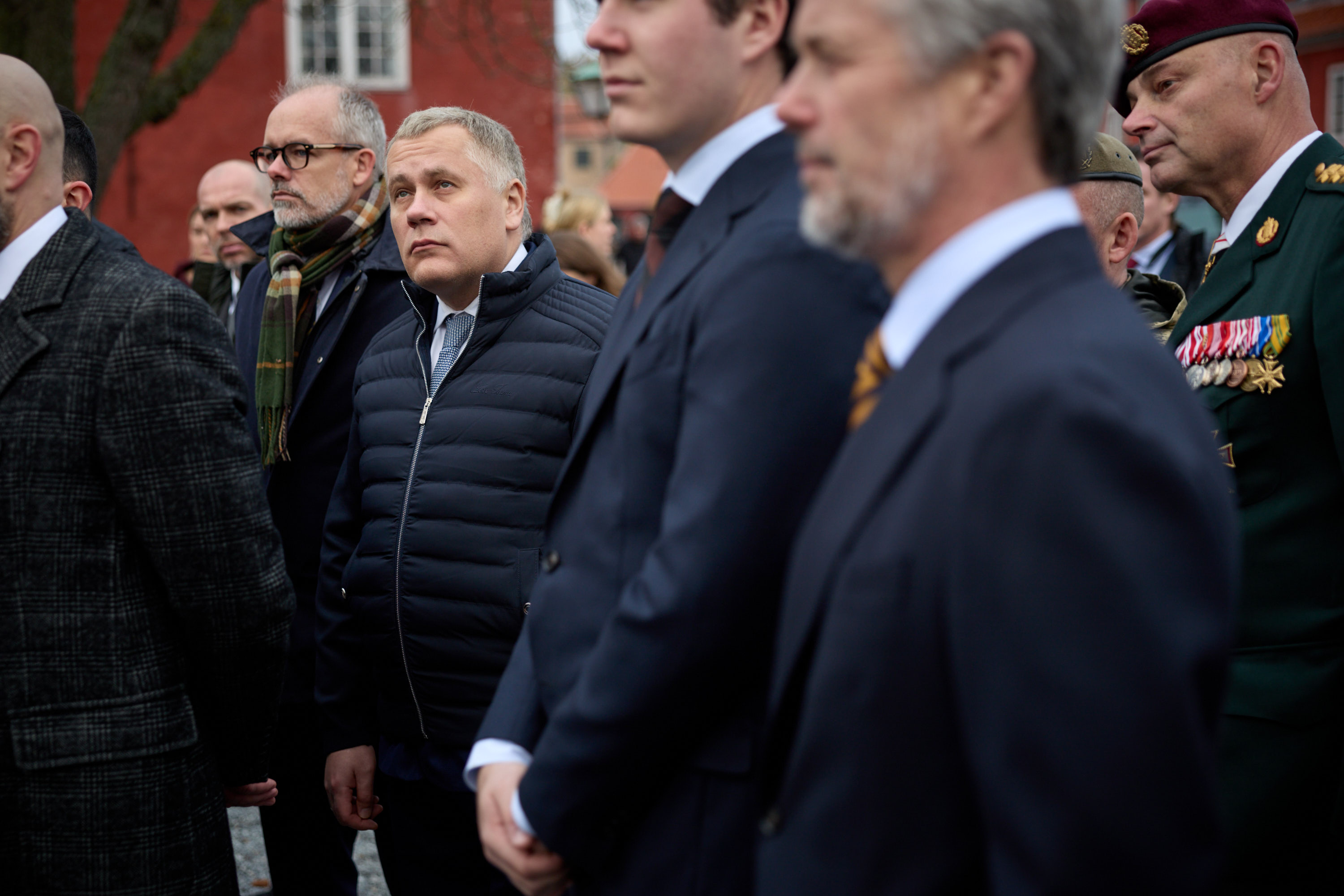
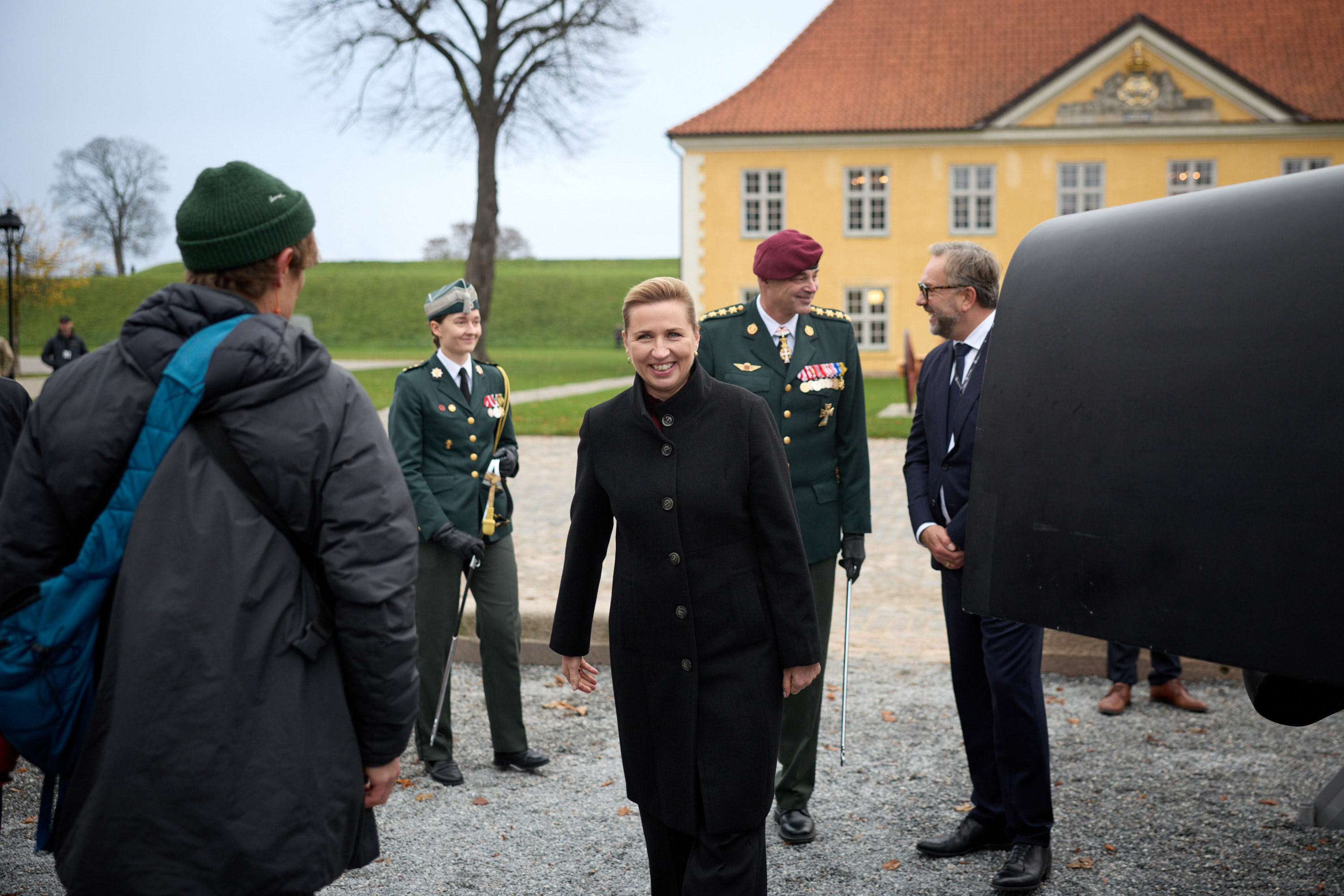
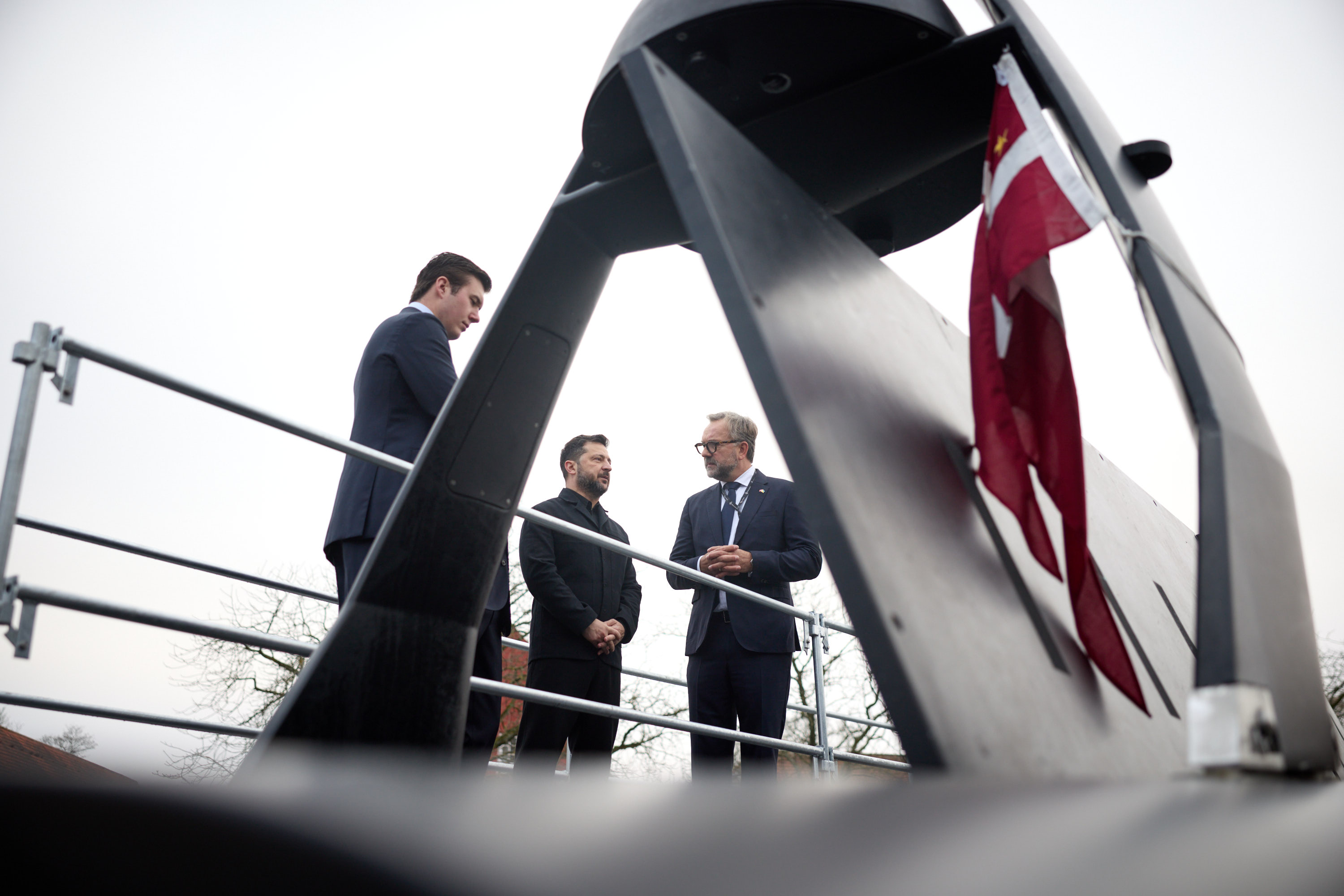
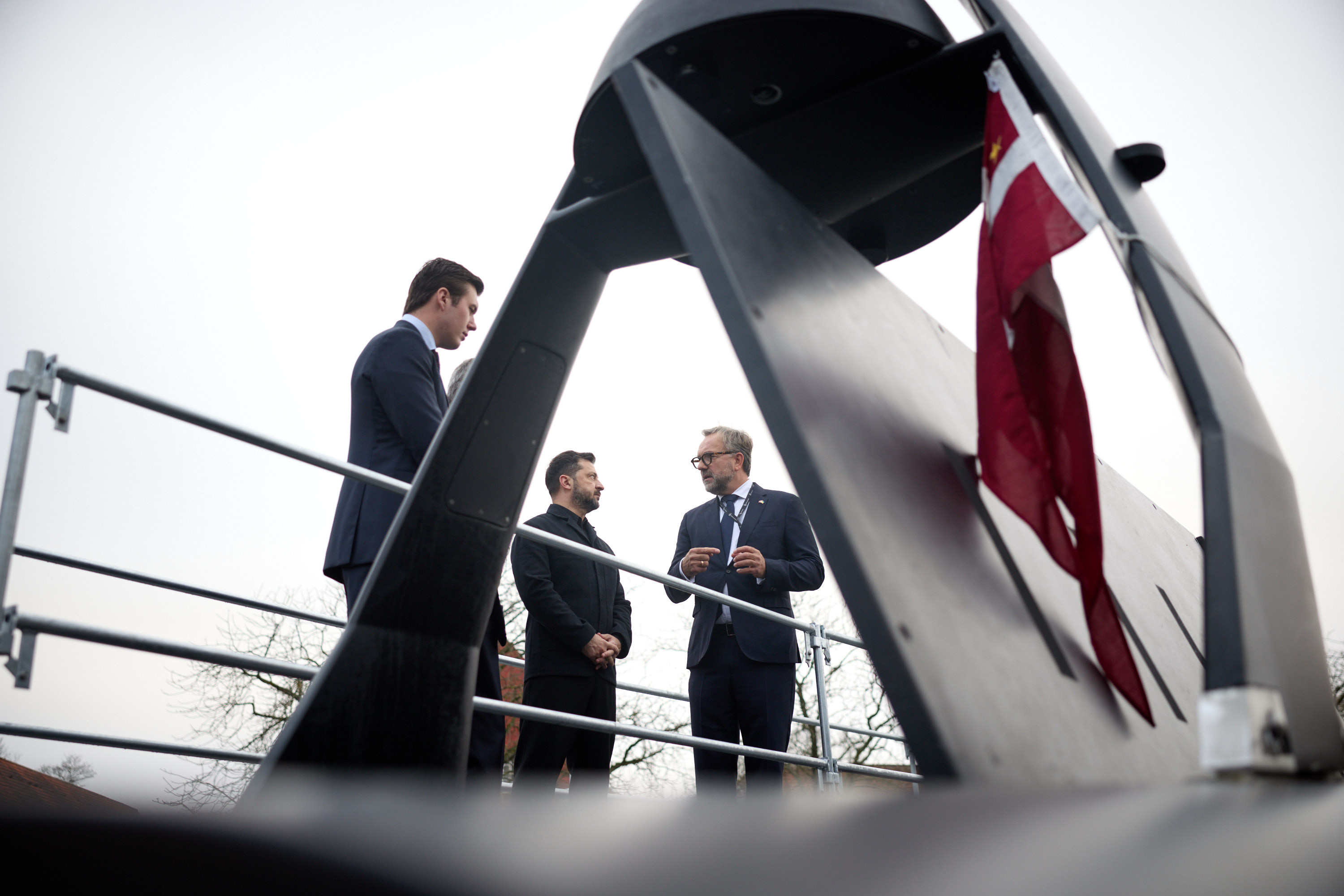
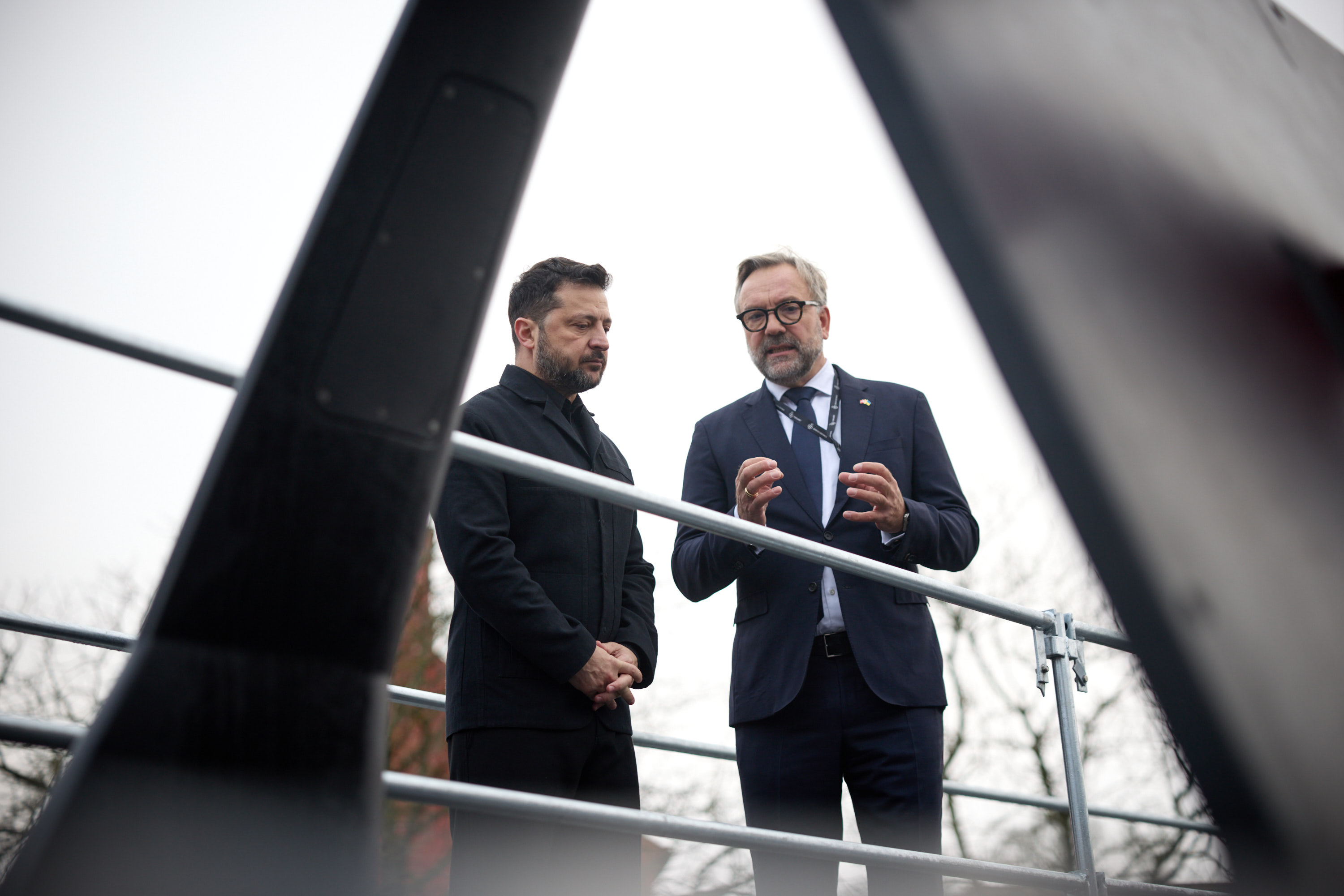
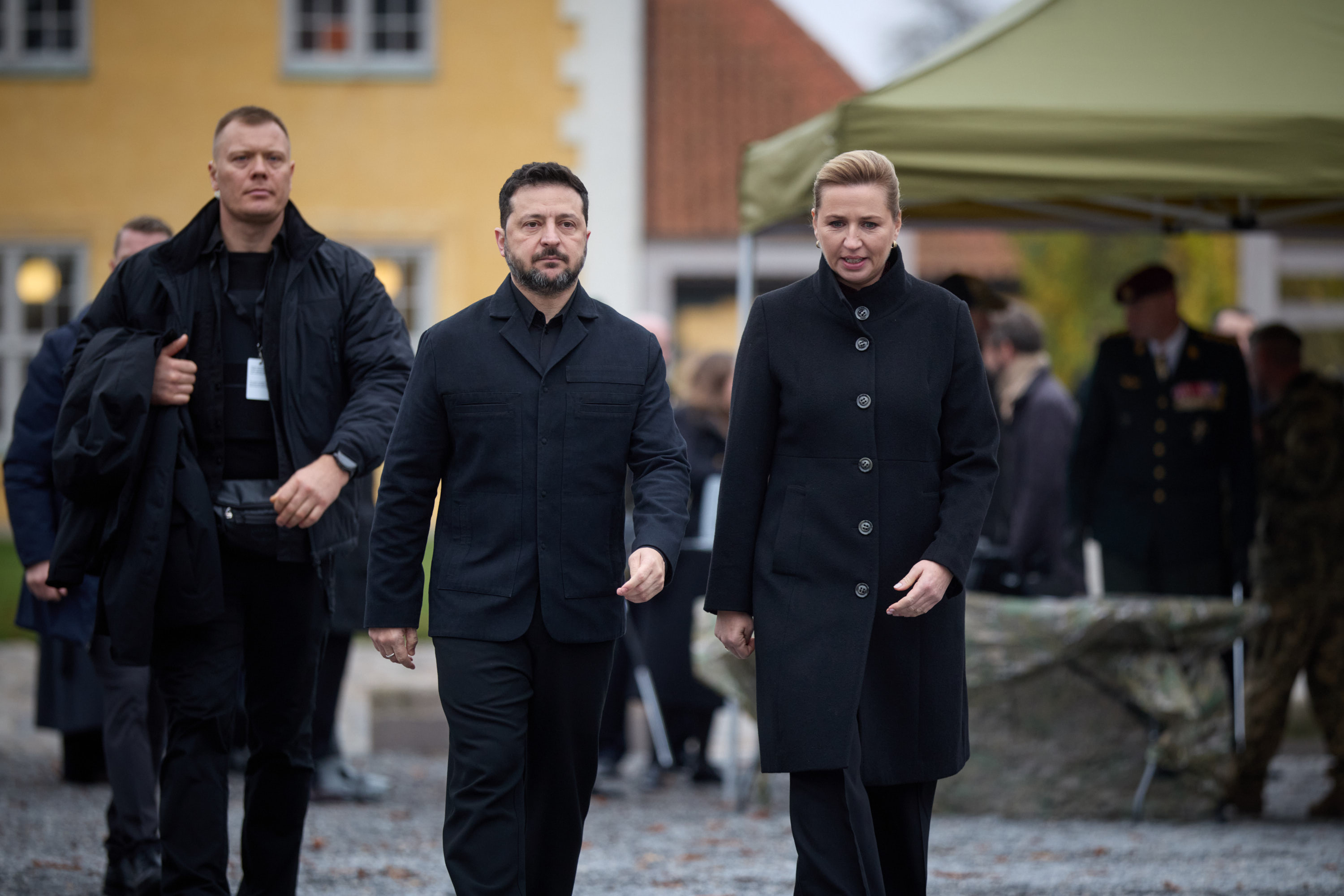
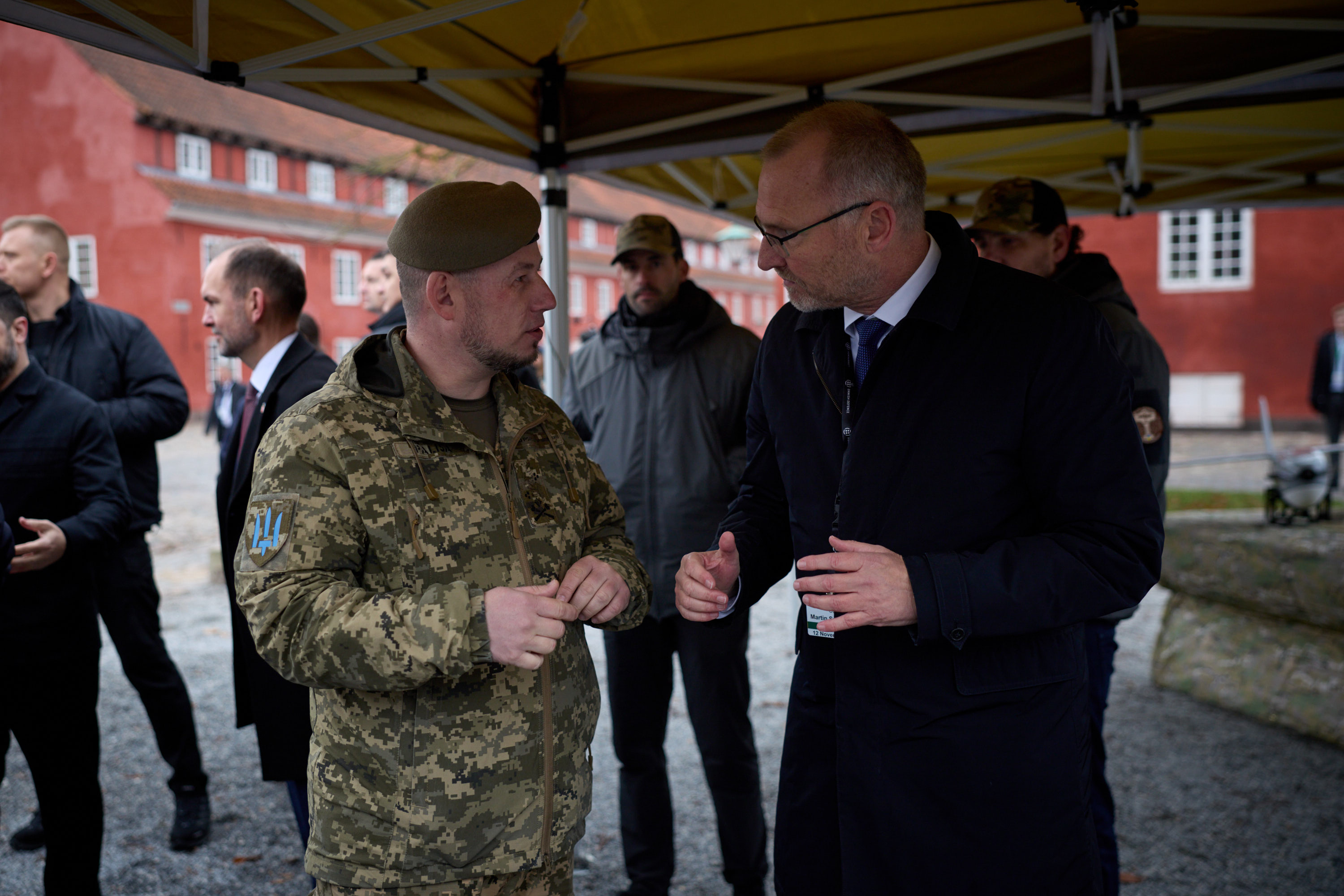
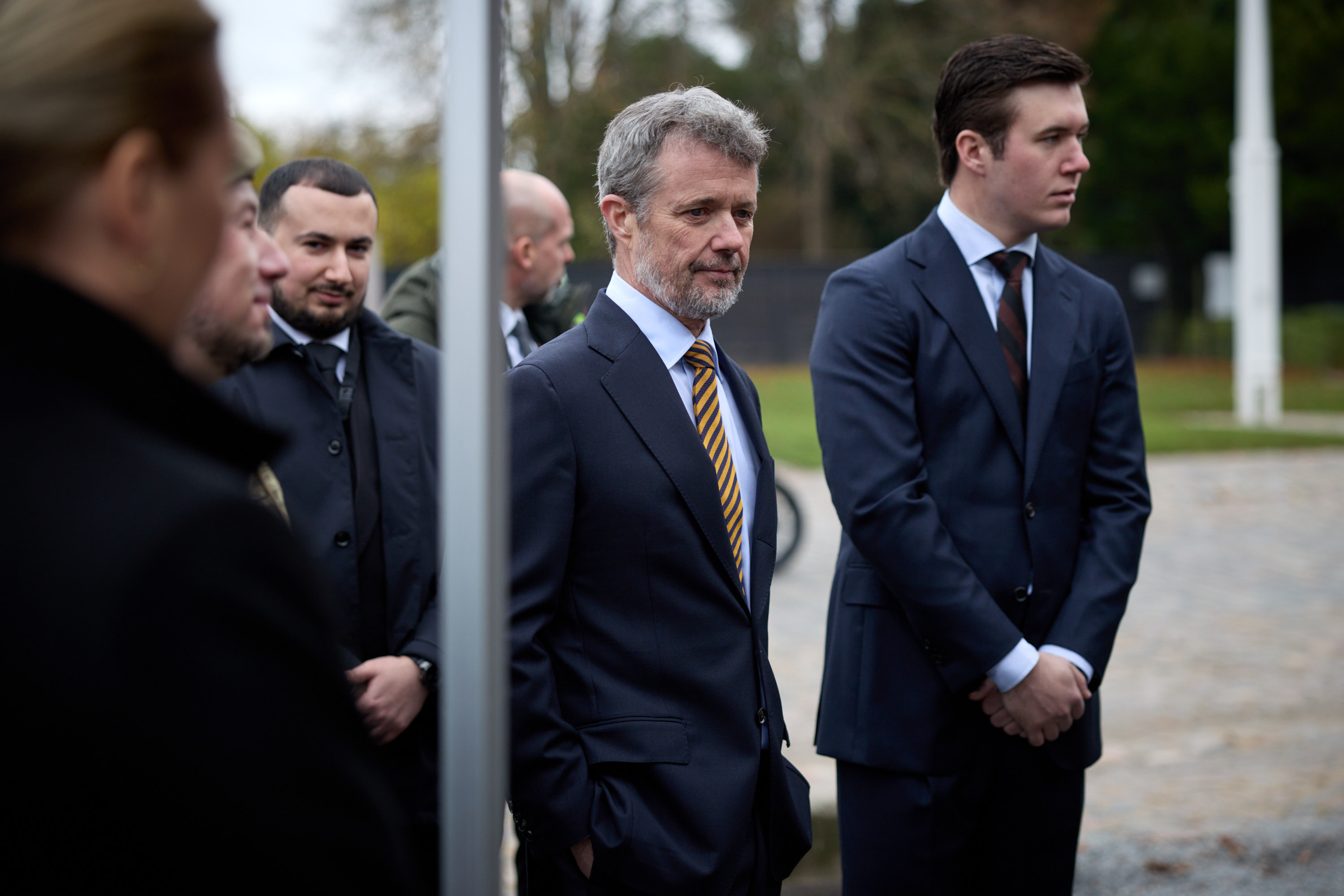
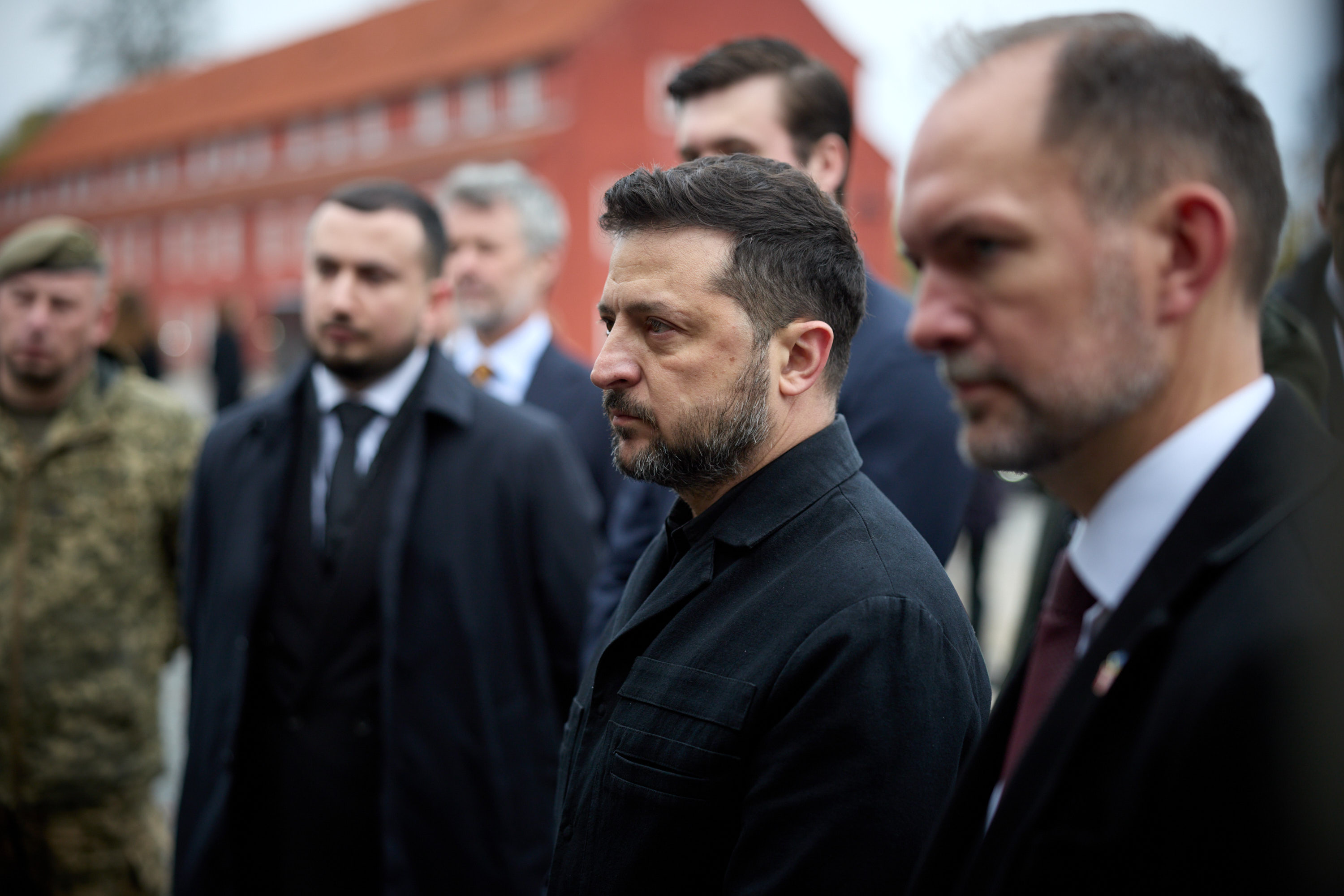
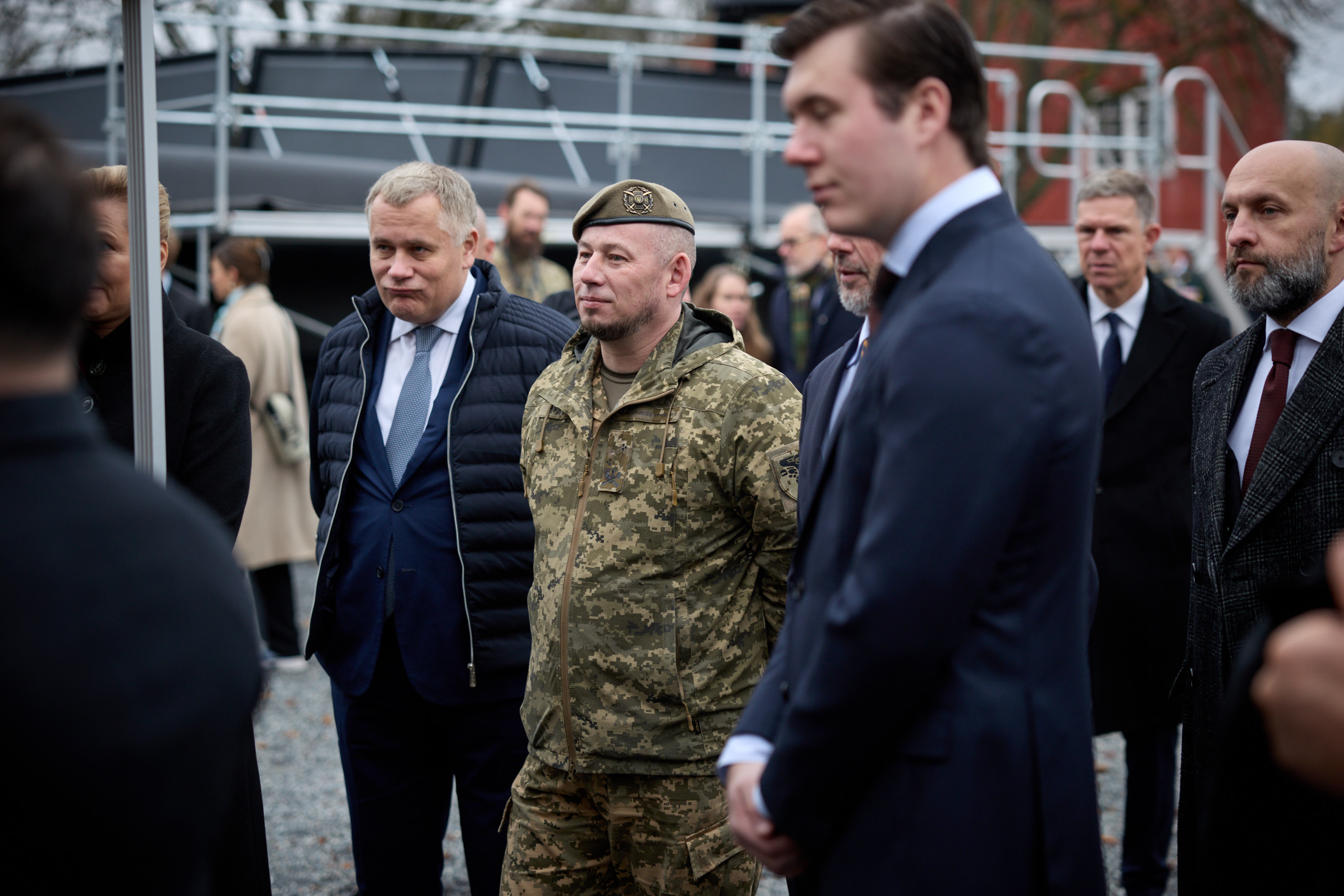
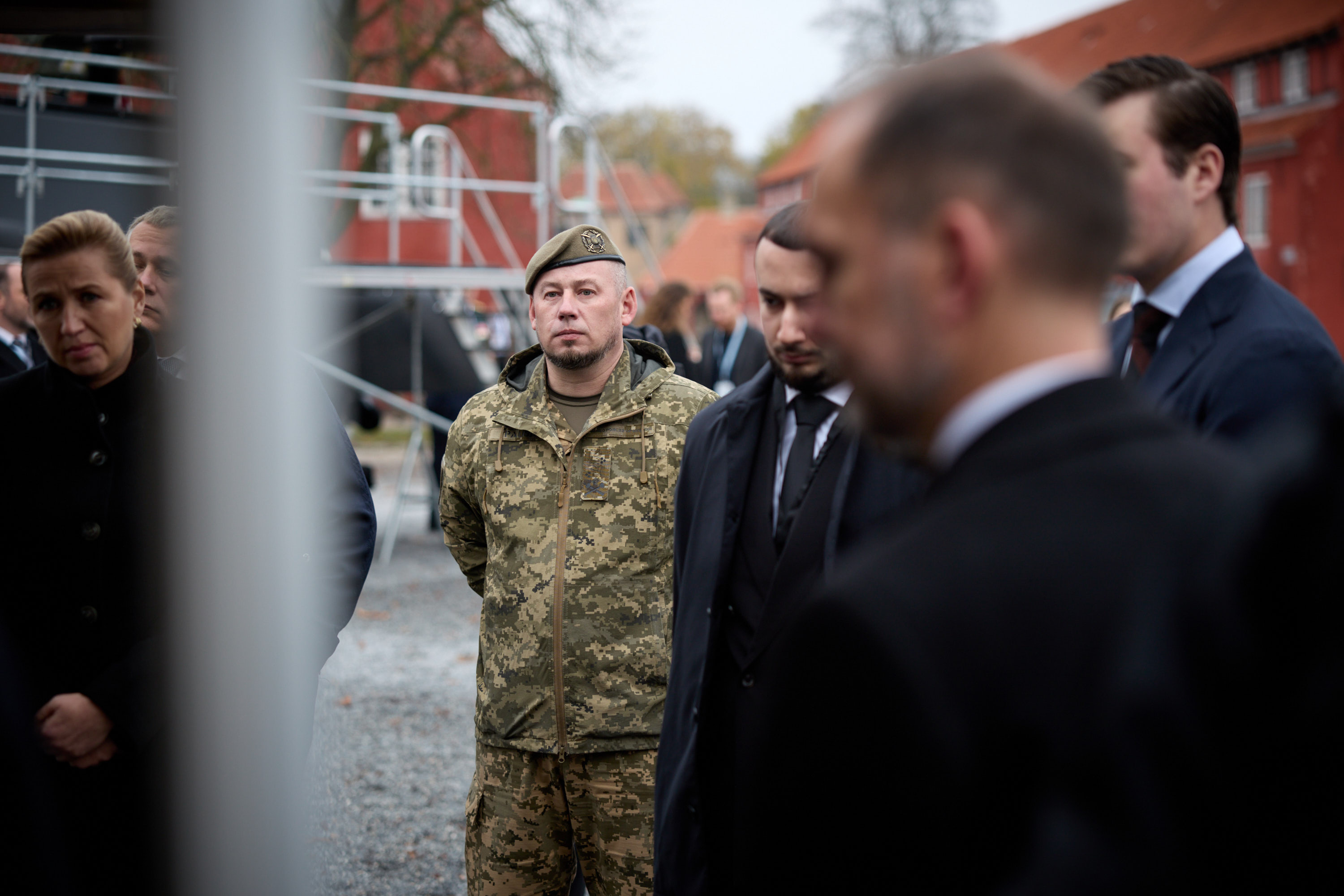
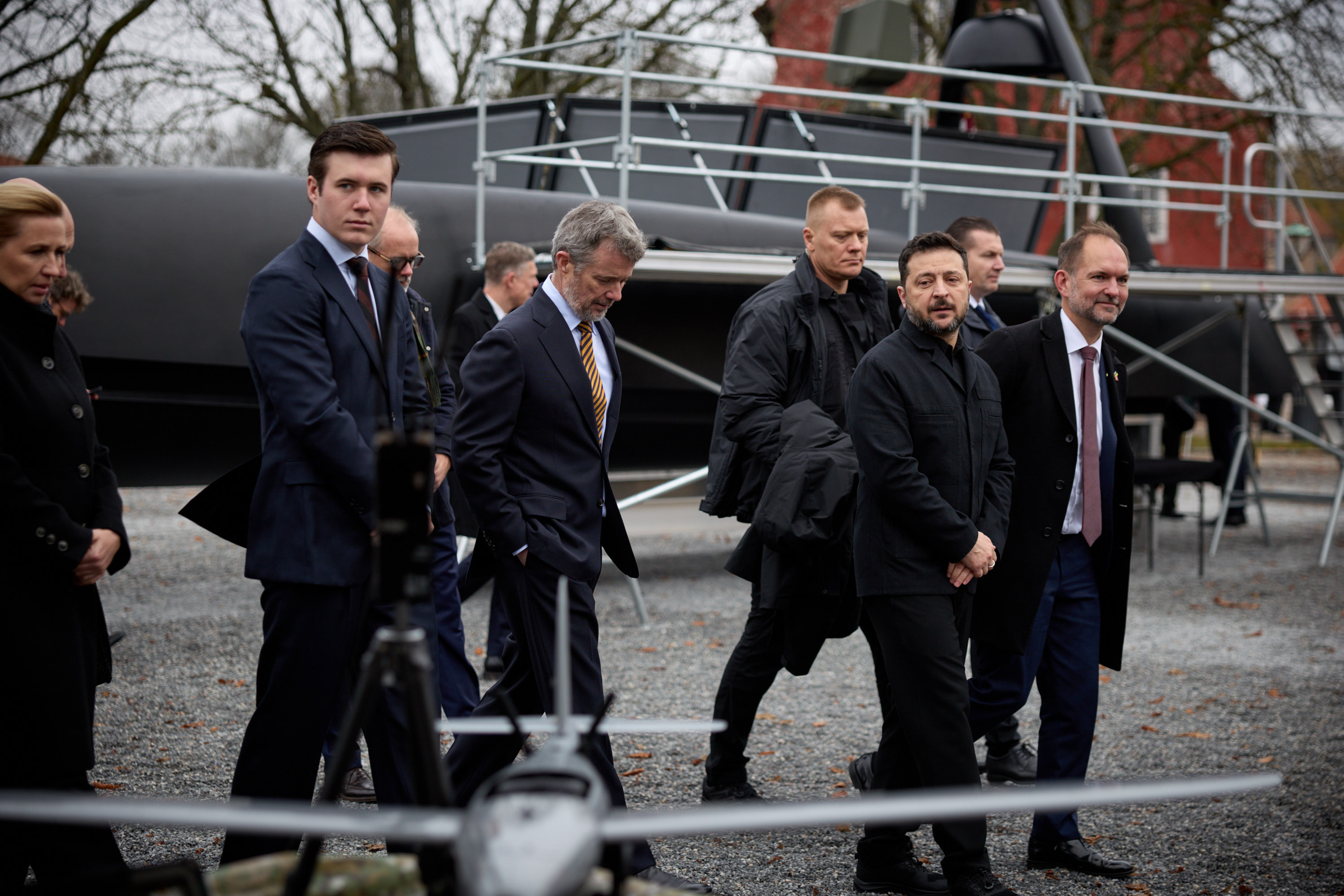
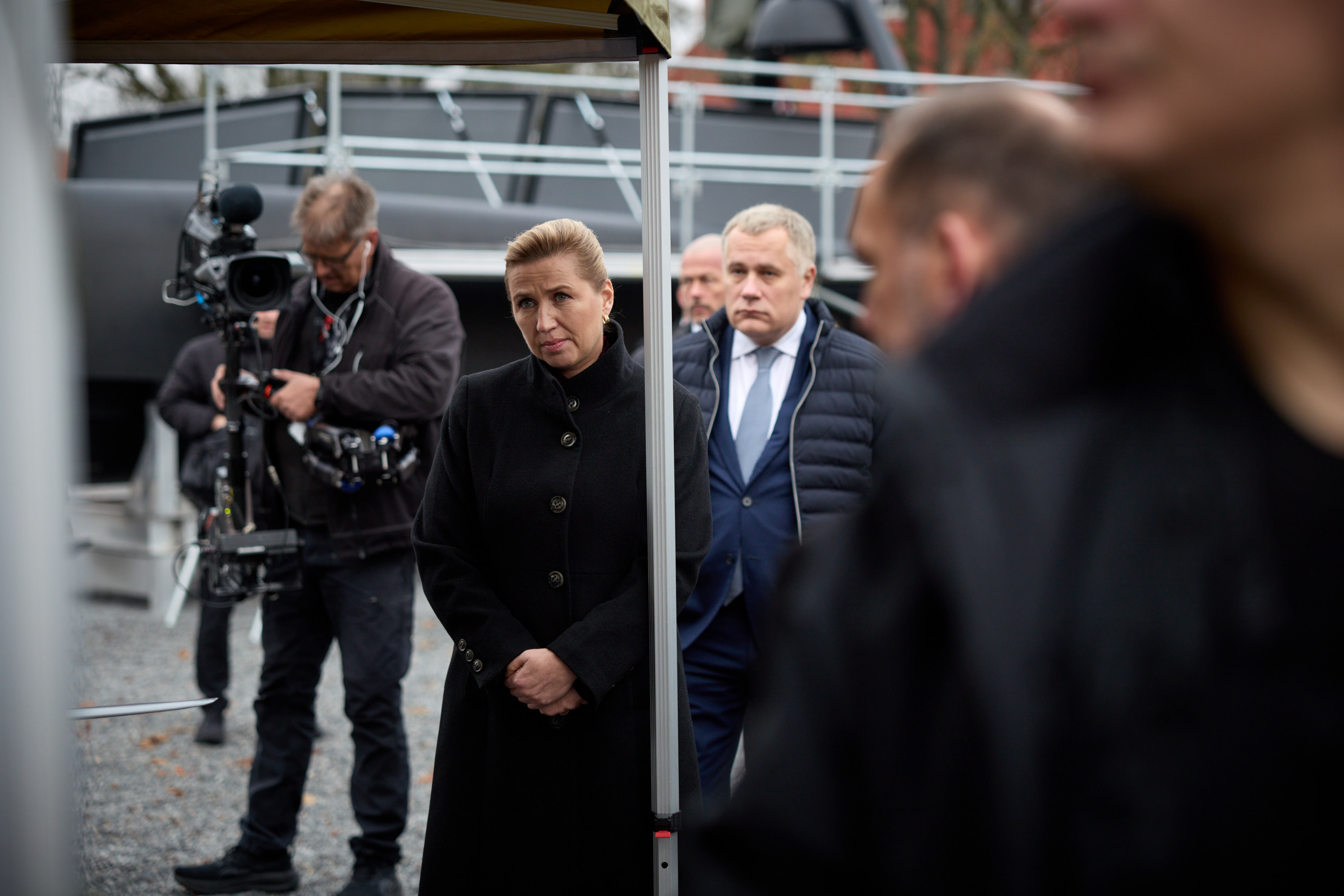
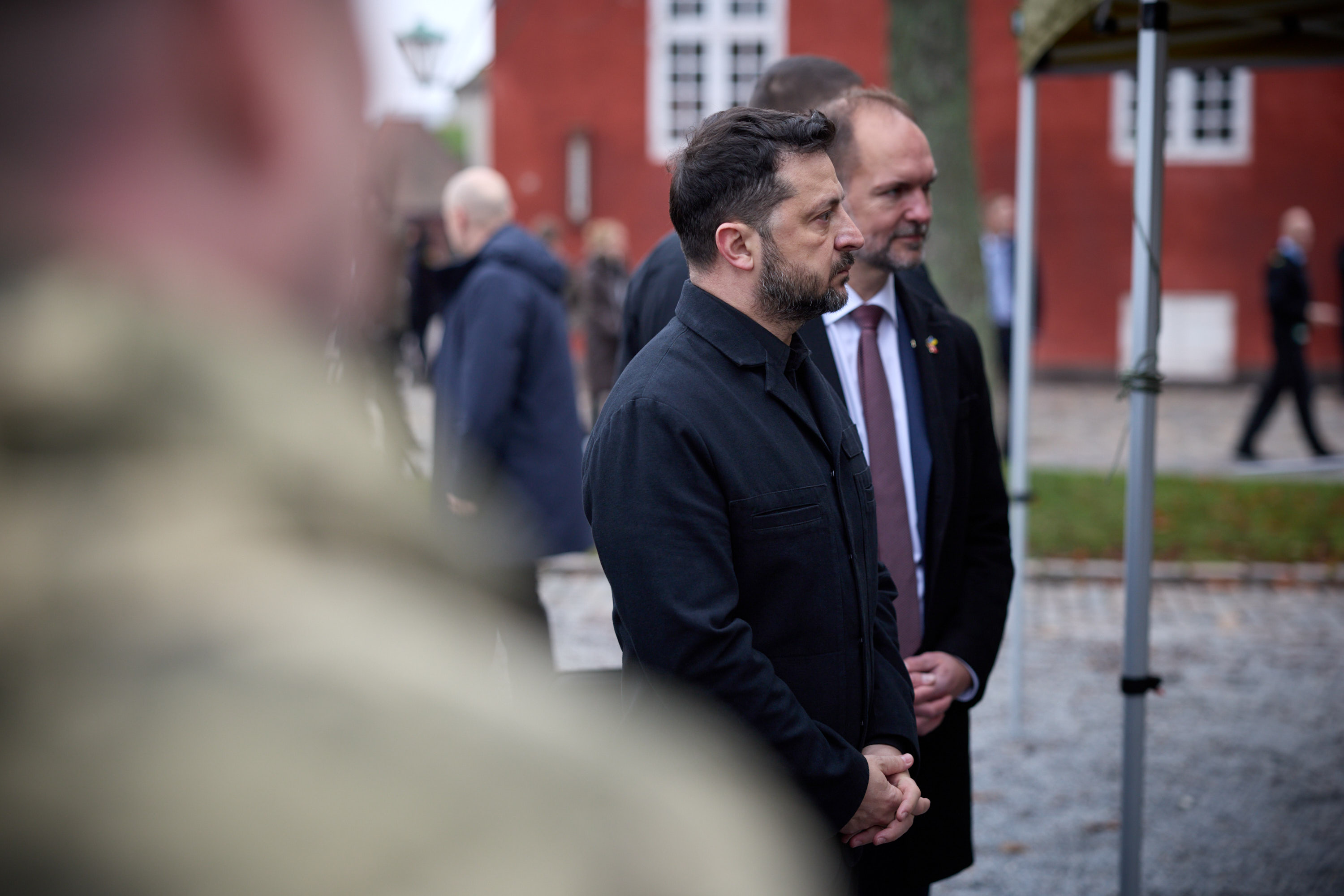
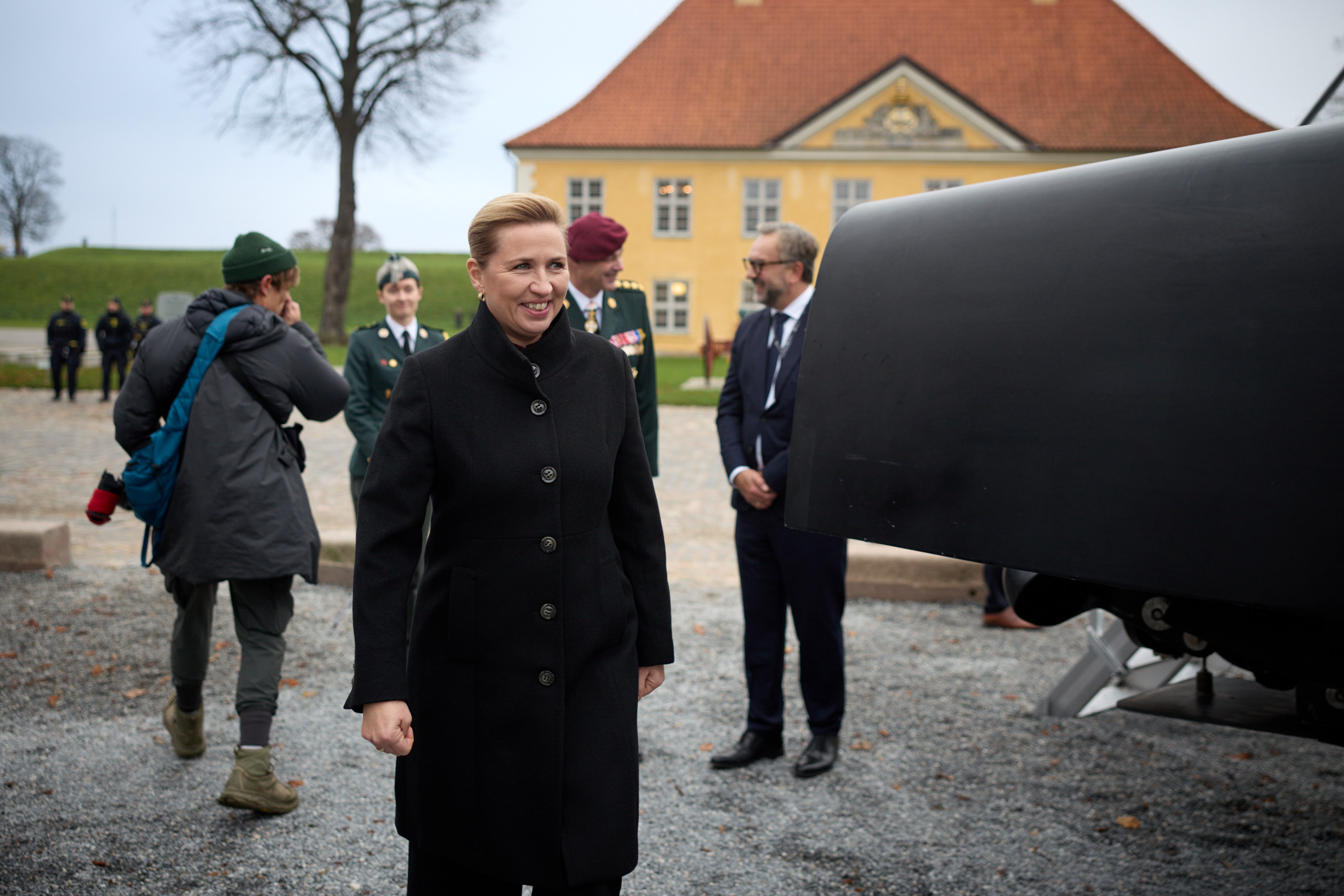
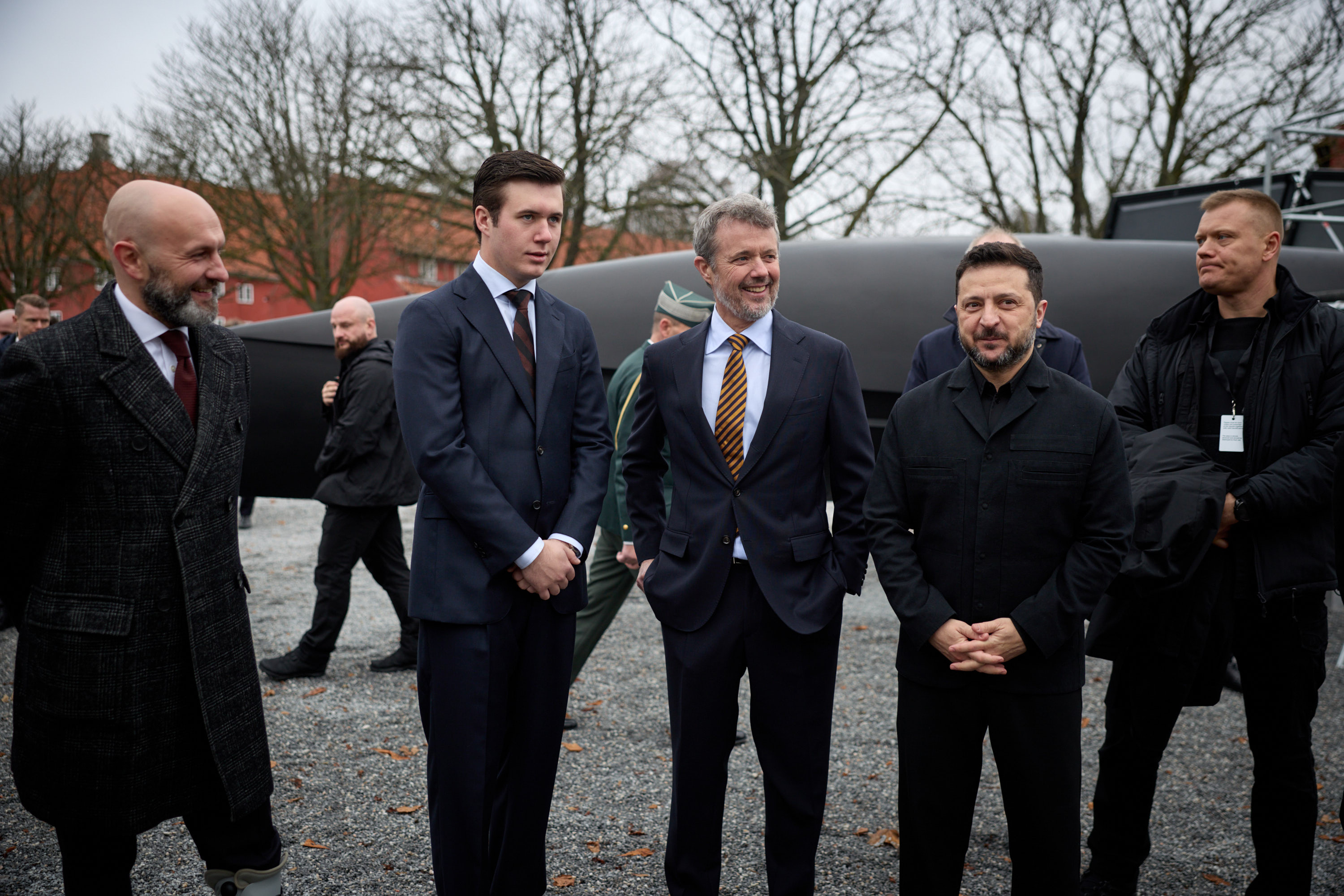
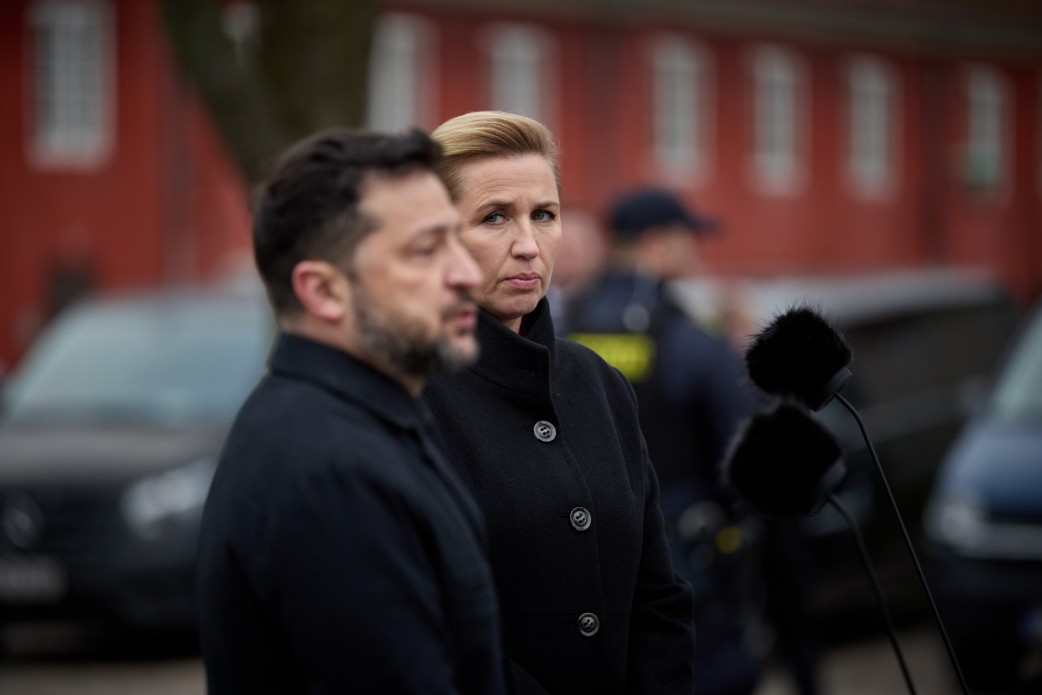
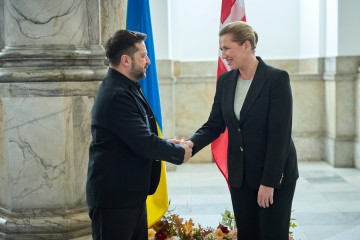
Today, I had a very symbolic morning. Thank you again. First, I had an audience with His Majesty the King of Denmark – and I am grateful to His Majesty for such a warm welcome. And today, together with His Majesty, His Royal Highness and the Prime Minister of Denmark – we honoured the memory of the soldiers who gave their lives for freedom. And on that monument – where we were today in the morning – Denmark honours those who fought, who stood up for what they believed in, and who left behind a memory – the memory of people who fought for life.
Ukraine is mentioned there too. And this means a lot for us. And this means a lot both to us and, I’m sure, to you. And we must remember how deeply war affects people – and how important it is that people care. Thank you.
Today is November 11. On this day, people in many European countries remember those who lost their lives in war – on the anniversary of the end of the First World War. And this is not just some distant history.
Unfortunately, what is happening in the world today brings our thoughts, our feelings, and our fears back to those times – when Europe and the whole world were turned upside down. People who lived through the First World War said that everything had changed. And none of the leaders who started the First World War, or took their countries into it, really understood how much things would change. They thought it would be just another war. A war that would bring more land. A few more colonies. More power and influence to those who started it. They thought the war would be short. They thought their armies were ready. And they thought their generals knew what they were doing. But things turned out very differently.
Even after the First World War – which people who lived through it hoped would be remembered as the last war – the world went through another World War. And then came the Cold War and the nuclear arms race.
So some people who rule nations have learned nothing. And this reminds us of how easily the world got into wars that are now so difficult, absolutely difficult, to end – here in Europe, and also in the Middle East.
Russia has fallen for the same illusion as back then, more than a hundred years ago. The illusion that it could simply grab more land, a few more colonies, more power and influence – at the cost of Ukraine’s independence. And that was a terrible mistake.
This war has also turned out to be much longer, much bloodier, and much harder to end than those who started it expected.
Just as machine guns and tanks made swords and cavalry almost useless, these years – in Russia’s war against Ukraine – drones, electronic warfare, and AI have changed the fighting so much that this is now a completely new kind of war. Putin invaded Ukraine to grab more land. But what he actually brought about was the development of even deadlier weapons.
Now the whole world needs a different approach to security and defence – just as it did after the First World War. Back in 2022, no one imagined that there would be kill zones where cheap drones could wipe out everything – people and military equipment alike. And today, we cannot even imagine how far drones and all the other weapons may develop as artificial intelligence keeps advancing.
And something else happened in the Middle East this year – something dangerous that has changed the way we think about war. After the bombing of Iran began, the forces of the Iranian regime and their allies turned natural sea passages into weapons – against their neighbours and against the entire world.
Now the world is going through one of the worst cost-of-living crises – mainly because of rising energy prices after what happened in the Strait of Hormuz. And this is not just “some problems.” There are straits and seas in this world that matter not only to the people who live along their shores, but also to other nations – to hundreds of millions of people in different parts of the world.
Russia’s blockade in the Black Sea caused suffering far beyond Ukraine – from Egypt to countries in South Asia.
And what if Russia tries to do the same in the Baltic Sea? What if someone tries to repeat what happened in the Strait of Hormuz – this time in other major shipping routes and straits around the world? And who will protect European interests?
Ladies and gentlemen,
Now, as we keep worrying about whether the United States will bomb Iran again – and how many countries and how many people could suffer because of it – we are not just waiting to see what happens next in that region. We are actually waiting to see what happens to our own societies – because of price spikes, because of shortages of weapons we need for our defence. Not offensive, we are speaking about defence, air defence. And we can already feel these shortages.
When we look for Patriot missiles to protect our people, our cities and communities from Russian ballistic attacks, we face the same problem again and again – the missiles are going to the Middle East. And what do we have? Empty Patriot systems and Russian ballistic missiles that, in most cases, we have nothing to shoot down with.
So today, everyone in the world can see just how connected everything is.
In our world, nothing stays local – nothing – especially wars and injustice.
And it is especially symbolic to say this today – on the anniversary of the end of the First World War. When a war drags on – and no way out is found – other countries and other people around the world may also find themselves with no way out.
That is why every country must care. Every country should act. Every country must pay attention to what is happening in the world. And every country must adapt fast – before it is too late.
We must learn not only how to defend ourselves – that is obvious, of course. But also how to make sure that the good in our societies – values like “tillid” – trust – and “fællesskab” – togetherness – and all the good things we build between our nations – can actually shape the international order.
Dear ladies and gentlemen,
Yesterday and today, our Ukrainian team, together with the American team, has been talking to the Russians in Abu Dhabi. Putin started this war thinking he could break Ukraine in just days or a few weeks. But here we are – in the fifth year of the full-scale war. The Russians have to sit across from our representatives, and have to listen to Ukraine, and talk to us as equals about what comes next.
They wanted to decide Ukraine’s future without us, without Ukrainian people. But they failed. And today, they have to talk to us about the future. And our independence, our sovereignty, our right to choose our own future – these things are not in question. Just as we have said from the very, very, very beginning.
Ukrainians have defended this right with our own courage – with everything we have built and developed during this war. But we also understand very clearly that none of this would have been possible without our partners – and without everything we have done together.
In particular, our ability to defend ourselves in this war took one of its biggest steps forward thanks to the Danish Model of financing Ukrainian production.
Today, this model is part of a system of hundreds of deals and agreements that help us get drones, artillery, and other weapons to the front.
But back then – in 2024 – Denmark opened the door for us to work with many other partners around the world.
When Denmark trusts Ukraine and works with us – others begin to trust us and work with us too. That was a historic step – the Danish Model. And I am truly grateful for it. Thank you.
Since then, Ukraine and Denmark have taken many more historic steps together, to my mind. And now, when we see how much warfare has changed, Ukraine and Denmark can be sure of one thing: we will not fall behind. Our shared capabilities will always be strong, modern, and battle-tested.
I am grateful to you for every package of support. And the way all parties in your Parliament stand together in supporting Ukraine, in providing military aid, shows that you truly respect human life – and the right of every nation to live. I’m grateful for every joint production project we have built together with Denmark.
By helping Ukraine, you are investing in yourselves – in your own ability to defend Denmark, in the air, on land, and at sea.
All our experience, everything we have learned to do, everything we have learned about defending ourselves – all of this can become part of your security too.
And now we have a chance to take one more truly historic step. We’ve already started working on it with our own anti-ballistic defence programme, FREYJA. The whole world is now waiting in line for Patriot interceptor missiles to stop ballistic threats. For your own security. And there are only a handful of countries in the world that can produce anti-ballistic systems.
I believe Europe must become truly independent in this area. Europe needs its own anti-ballistic defence system – one that can be produced on a large scale, at low cost, quickly, and that really works. And we can build such a system – FREYJA.
11 countries have already joined the programme. And every country can bring its own components, its own experience, and its own investment. And together, we will get shared protection. I’m glad we have already prepared everything to open the FREYJA Office right here, in Copenhagen, together with our Norwegian friends. I urge you to support this programme.
When Europe has enough of its own anti-ballistic defence so that Europe no longer depends on anyone else – Russia will have to take Europe much more seriously. Ballistic missiles are still the most dangerous weapons Russia has. And Russia will be largely toothless once we have enough interceptors to shoot down its ballistic missiles. And this will also make Europe much stronger within NATO.
So first – drone technologies that Europe is already developing. Second – modern military training based on real battlefield data and experience that we already have and can learn from. And third – our own anti-ballistic defence. And together with Denmark, together with all our real partners – we can make it happen.
And last point – the security architecture. You know, these days, last days, at many different levels, we keep hearing again that Russia supposedly needs security guarantees. Even though no one has attacked Russia for many decades. And since the Second World War, Moscow has not gone through even one decade without starting a war or using military force against another country.
So when the Russians now talk about a security architecture for themselves, or about security guarantees for Russia – they are hardly talking about real security. And peace. What they really want is to freely interfere in the affairs of other countries, and to use force whenever they want, and to make sure that no one can support liberty inside Russia because Putin wants to keep his personal power forever and pass on his imperialist and, in many ways, simply fascist views to the next generations.
And when decisions are being made about what the next decades will look like here in our part of the world – including in talks between America and Russia – Europe must be at the table. This is our firm position in Ukraine. And I know this is your position too – the position of Denmark.
We must coordinate as closely as possible – all of us in Europe – to make sure that both the Americans and the Russians hear Europe’s position.
When the question comes up – who will protect Europe’s interests? – there must be a clear answer. Europe.
Europe is strong enough, united enough, and determined enough to protect its own interests – the interests of every European, in every country in Europe. The interests of Denmark, the interests of Ukraine.
And whenever Europe does not believe in its own strength, others try to impose their decisions on us. But we know how to prevent this. Today, we work together in so many ways that previous generations of Europeans simply could not.
And this gives us a chance – a chance to make Europe a true global player. Not just a major market for the world – but a major force in defending human rights and international law. And that means strengthening security. And that means protecting peace. And that means building trust – and getting real results, of course, together. So let us keep moving in this direction. Ukraine. Denmark. And all of Europe.
Thank you! Thank you all for your support and for never turning your attention away from Ukraine. And please – don’t forget about FREYJA!
Thank you so much!
Glory to Ukraine!