

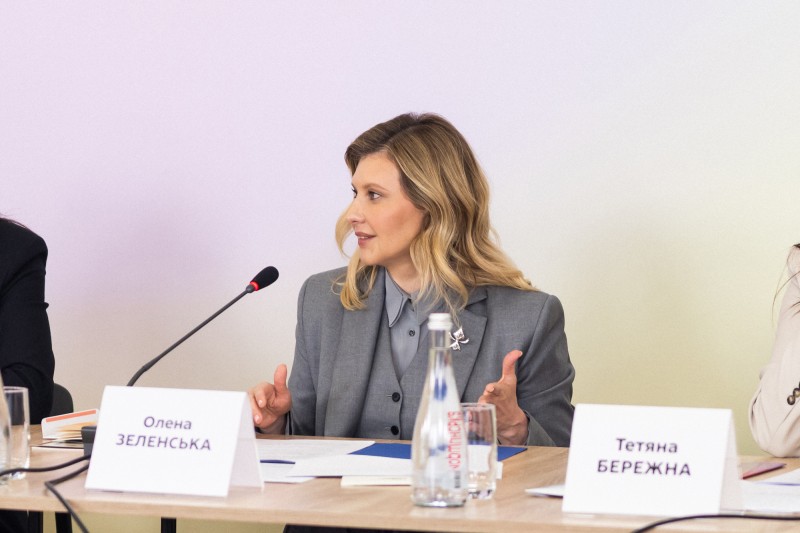
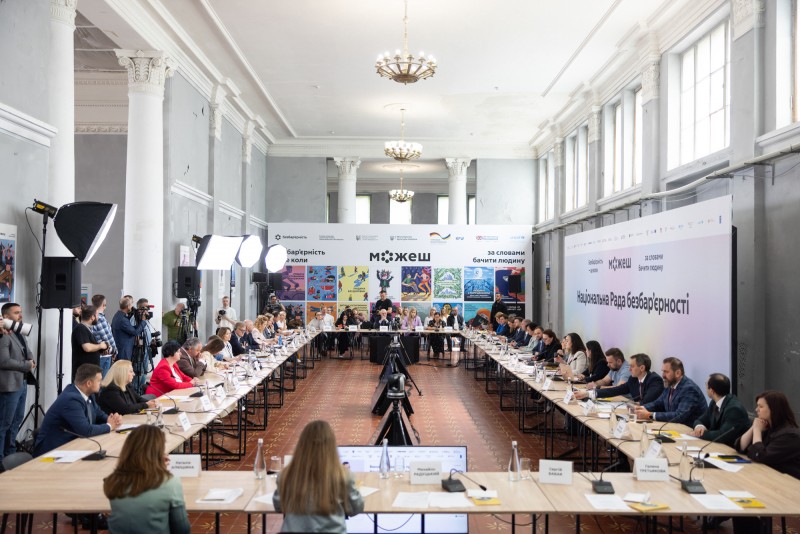
First Lady of Ukraine Olena Zelenska took part in a meeting of the National Barrier-Free Council together with Prime Minister of Ukraine Yuliia Svyrydenko, representatives of central executive authorities, regional military administrations, international partners, and the expert community.
 The Council opened the annual National Barrier-Free Week, which is taking place in Ukraine from May 25 to 31.
The participants focused not only on reviewing the implementation of the barrier-free policy in the first quarter of 2026, but also on developing systemic solutions in the areas of barrier-free language and education.
“Unfortunately, hurtful labels such as ‘invalid,’ ‘Down,’ and ‘homeless person’ still appear in headlines, texts, and stories – and therefore in the speech of readers and listeners. This does not mean that society does not want to change. Knowledge points the way, but it is a habit that guides us every day. That is why change happens when new actions become habitual. And for that to happen, we must see the person behind the words,” Olena Zelenska emphasized.
Correct communication was also the focus of a lecture by writer and founder of the NGO Visible Olena Pshenychna.
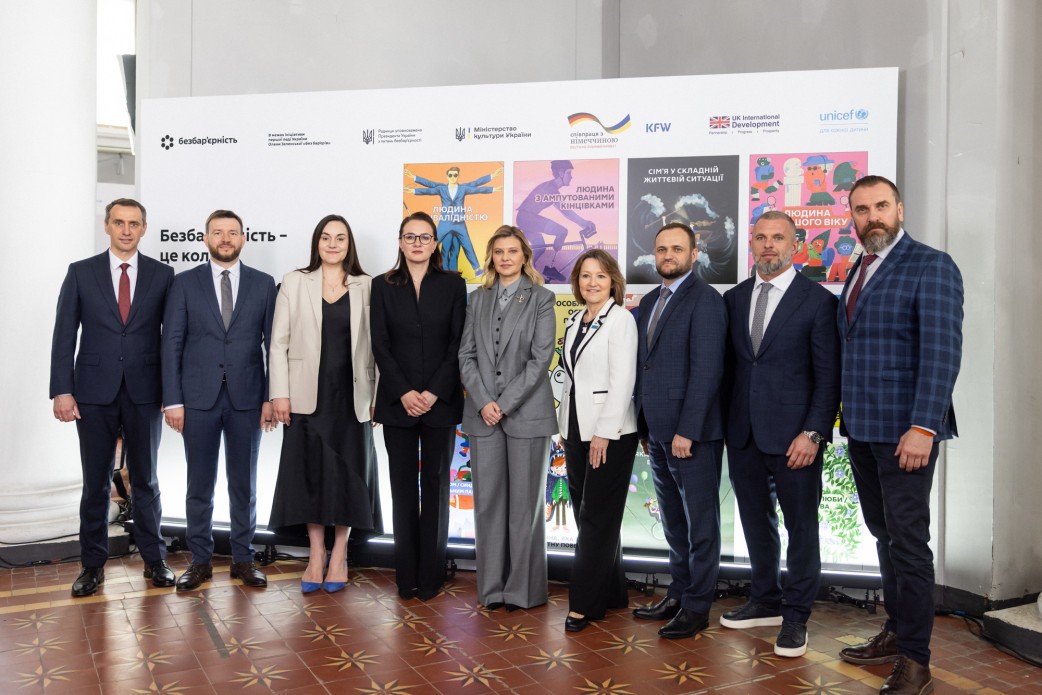
 The artistic project “Barrier-Free Means Seeing the Person Behind the Words” presented a visual representation of barrier-free language. The project was created jointly with UNICEF, the NGO Barrier-Free, the Ministry of Culture of Ukraine, and Advisor – Commissioner of the President of Ukraine for Barrier-Free Environment Tetiana Lomakina as part of Olena Zelenska’s “Without Barriers” initiative.
Through art and public space, the project draws attention to the importance of barrier-free language and demonstrates the need to see the person first – not their diagnosis, status, or life circumstances.
“This series of exhibitions will be rolled out across the country at once through the network of barrier-free ambassadors. And this matters: not a single event in the capital, but a sustained dialogue in communities. This is how culture changes – not from the top down, but everywhere at the same time,” the First Lady noted.
According to a UNICEF survey, 63% of Ukrainians say they have seen examples of barrier-free solutions in their communities. For example, 25% of people already correctly define information accessibility, 26% have recognized the economic dimension of accessibility, and 28% correctly understand educational accessibility.