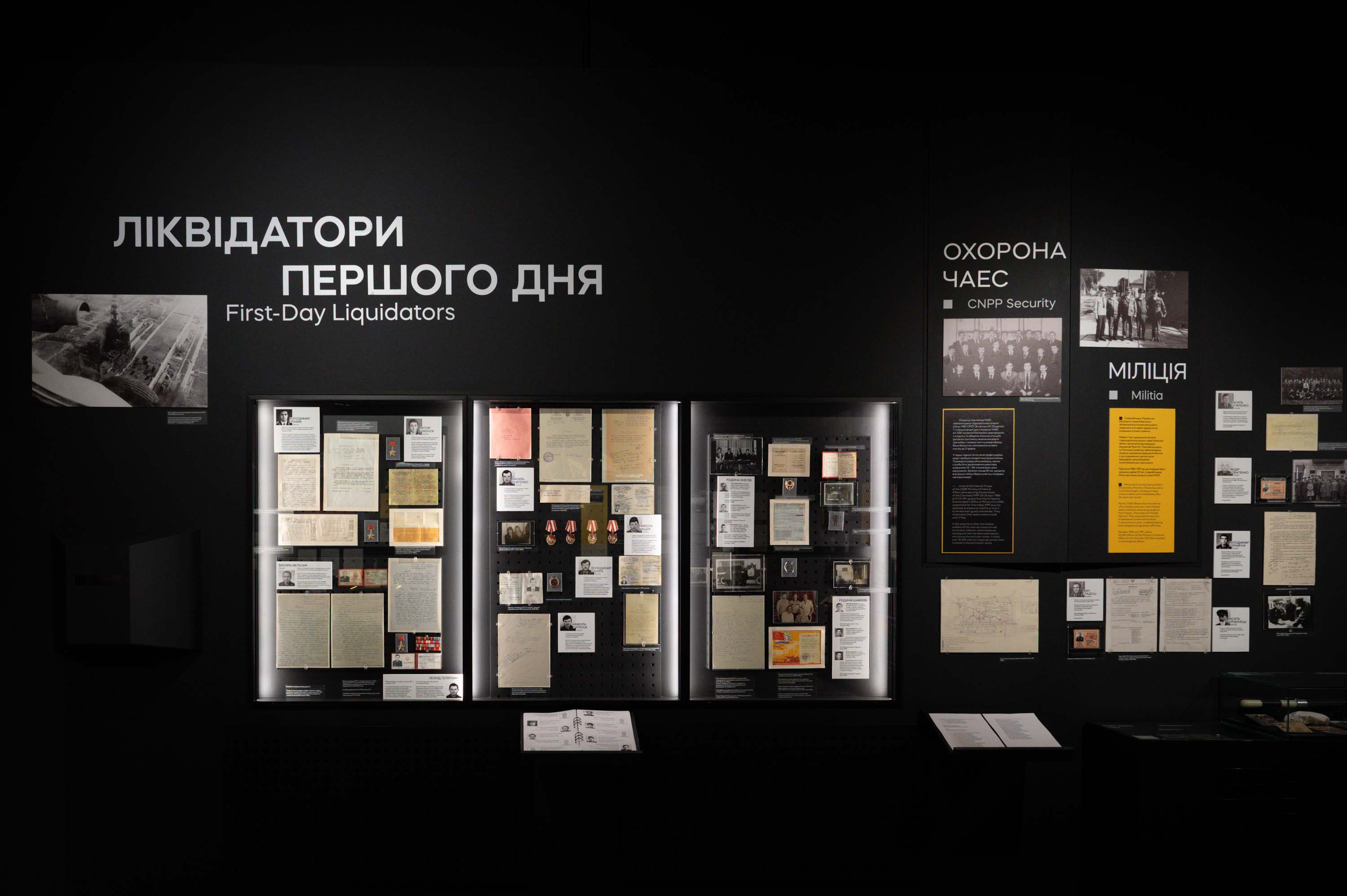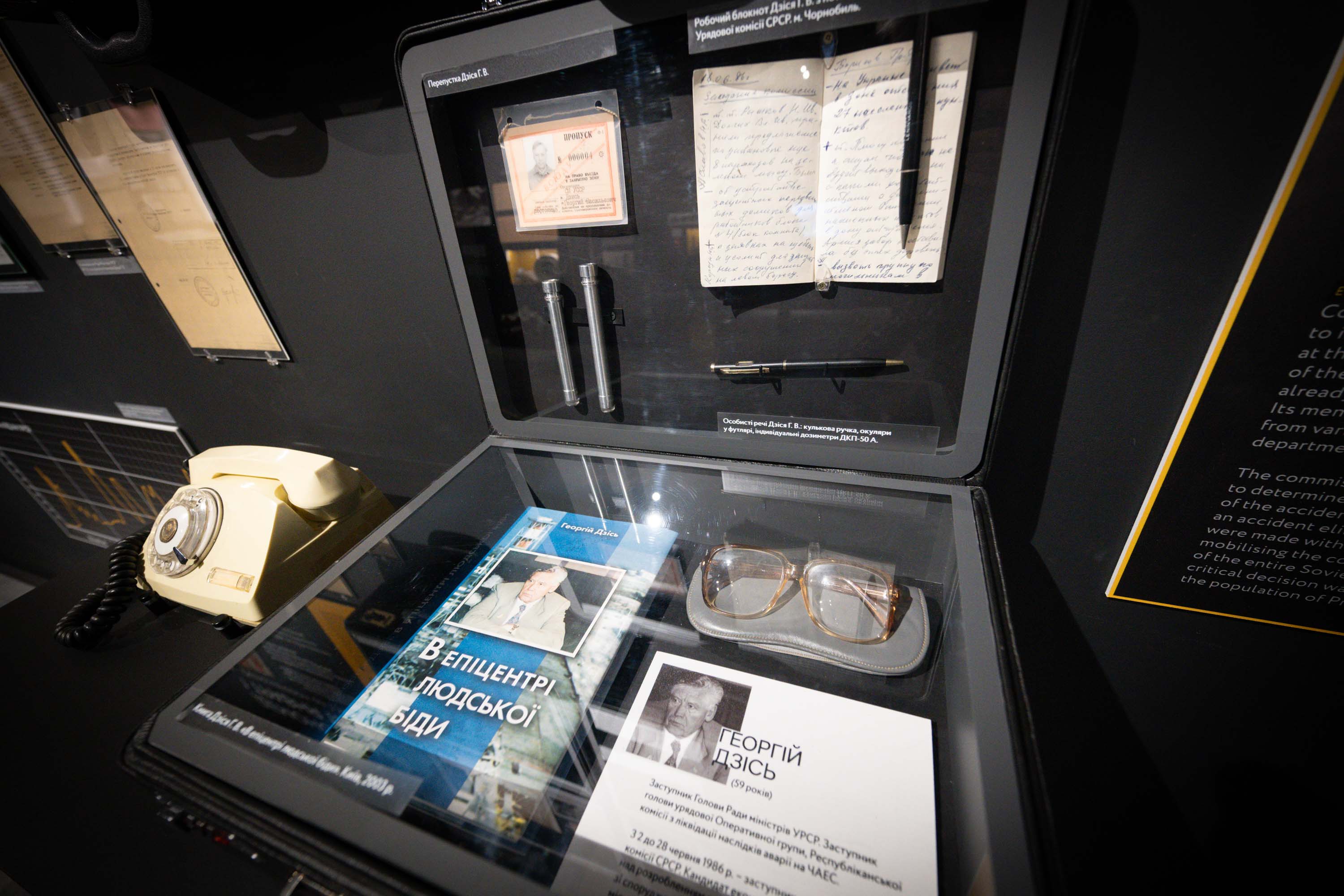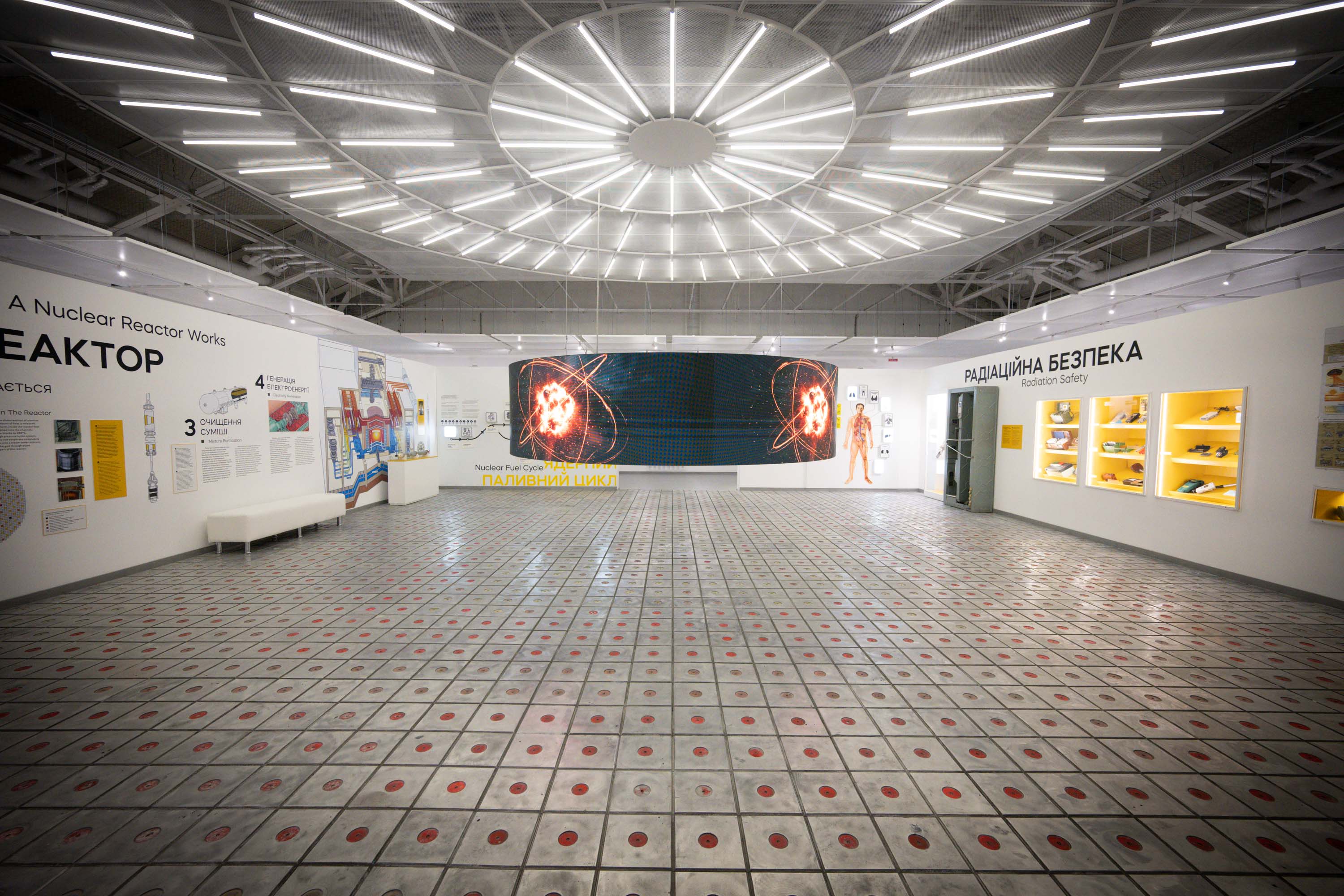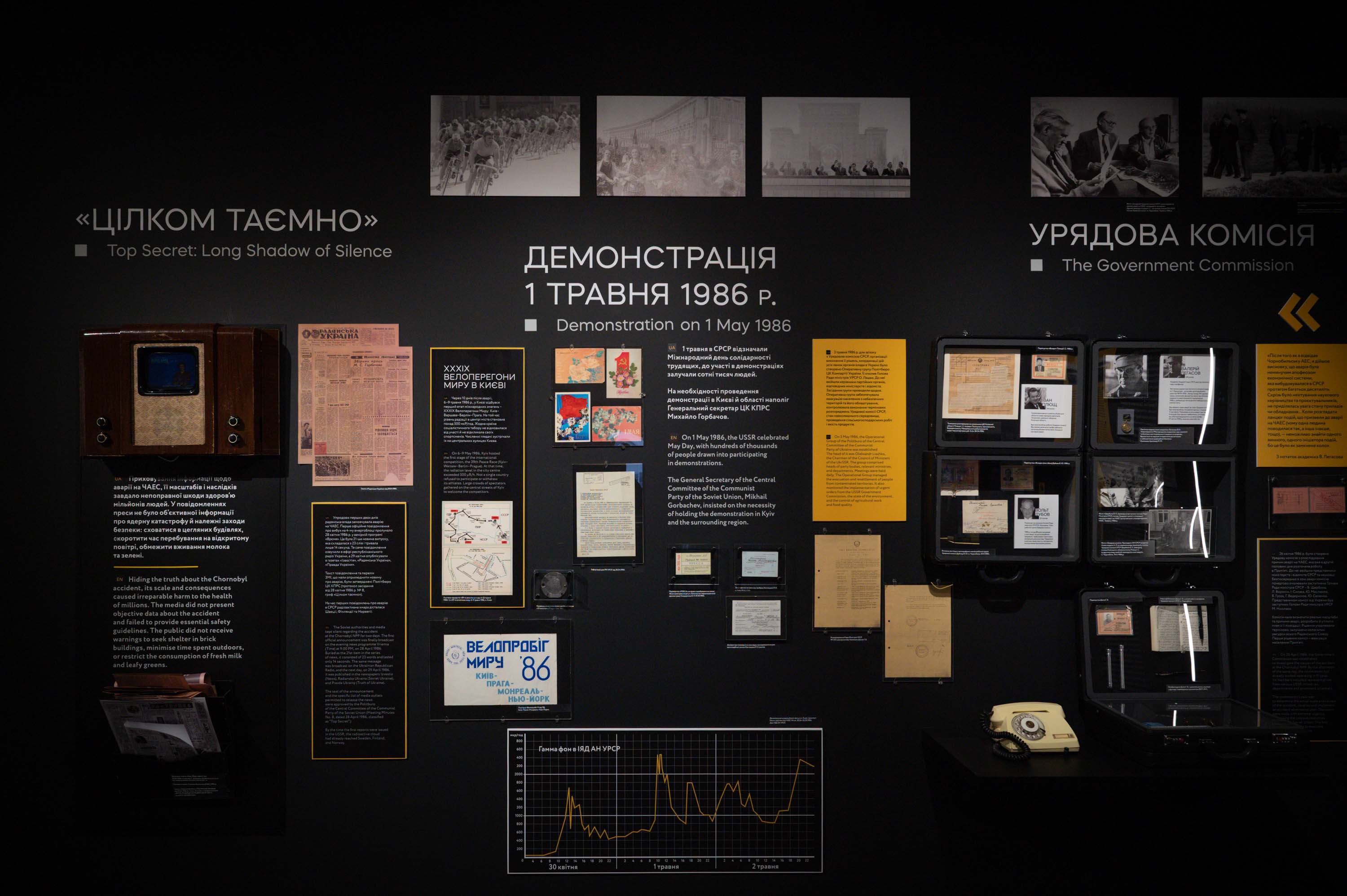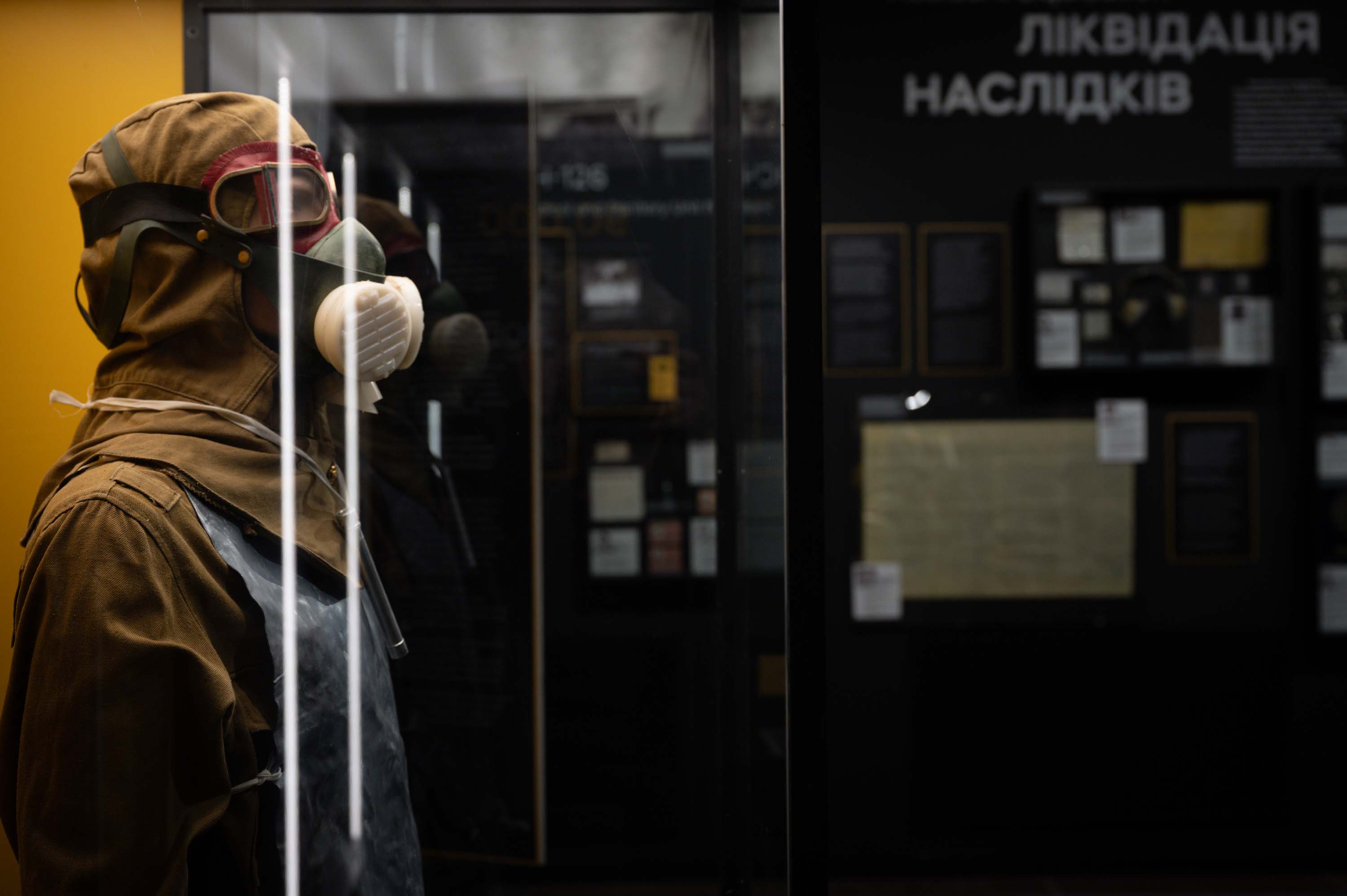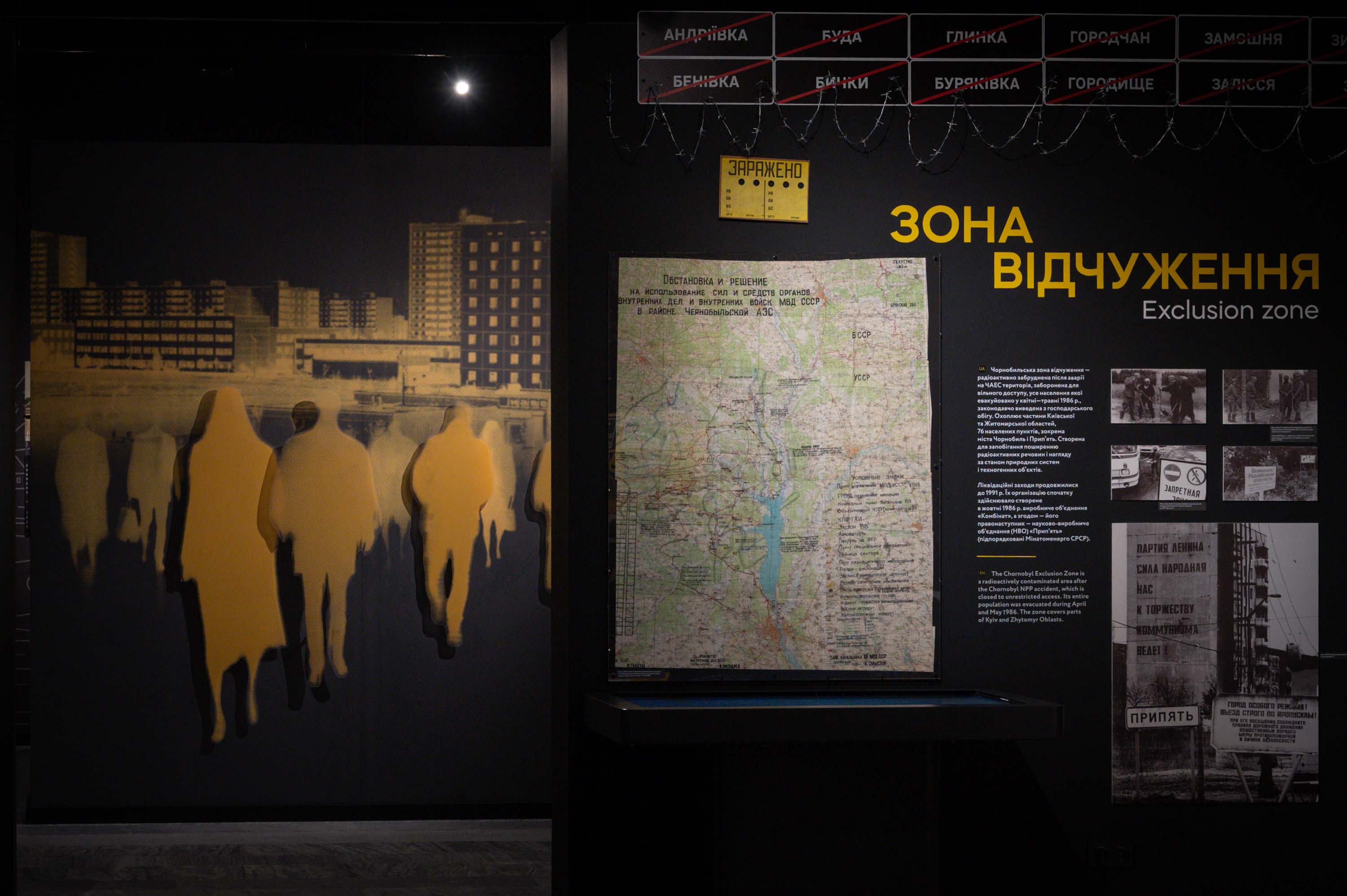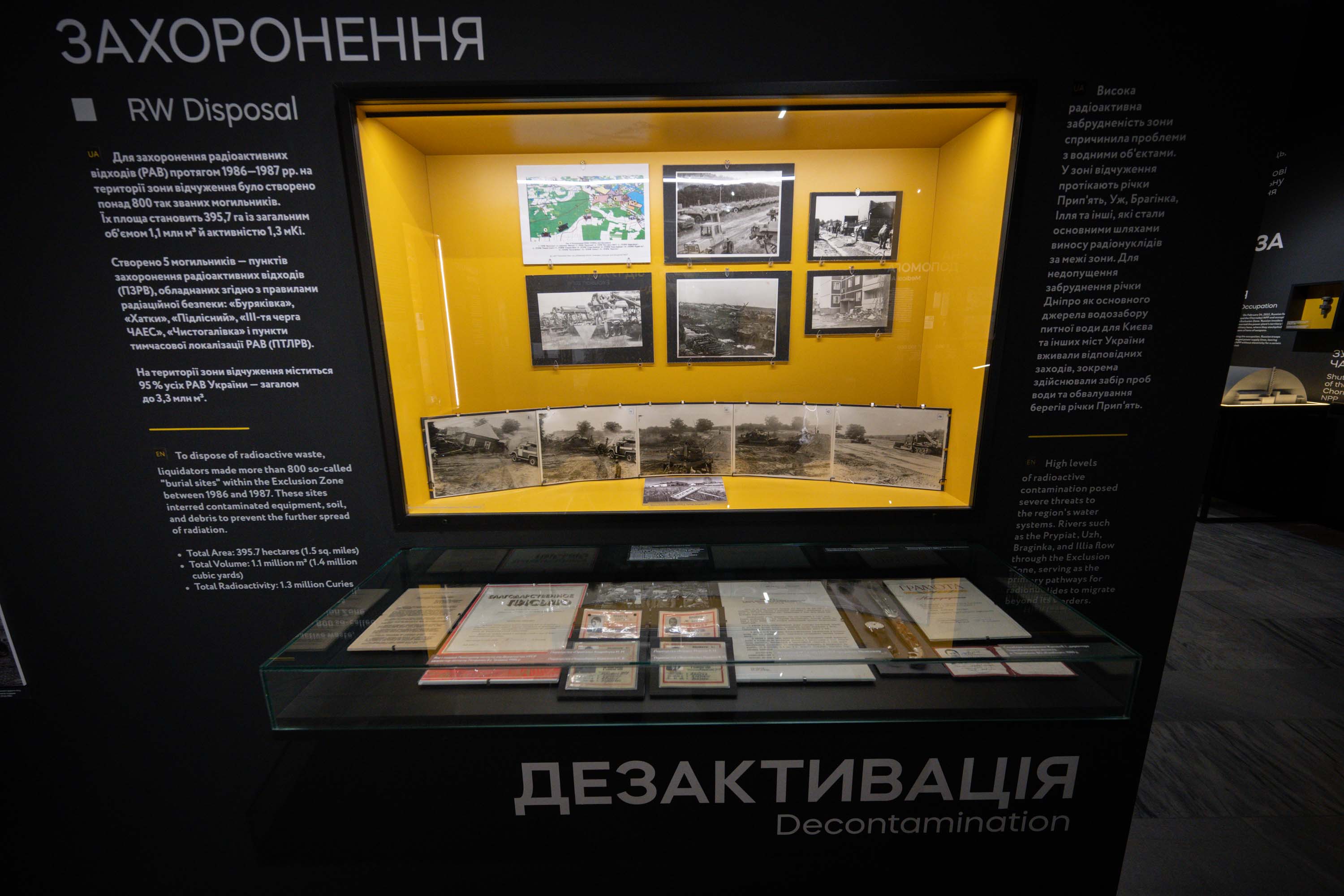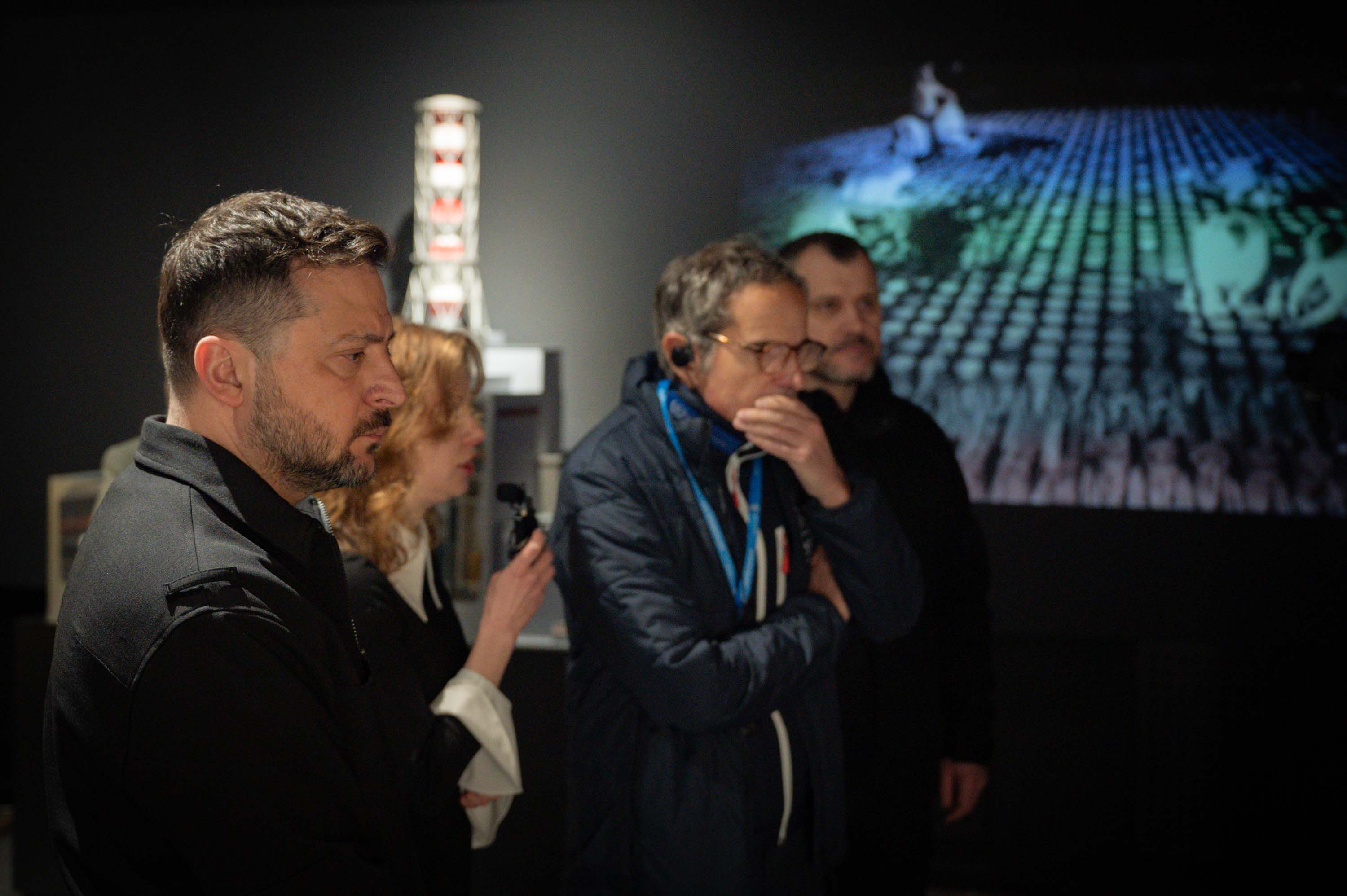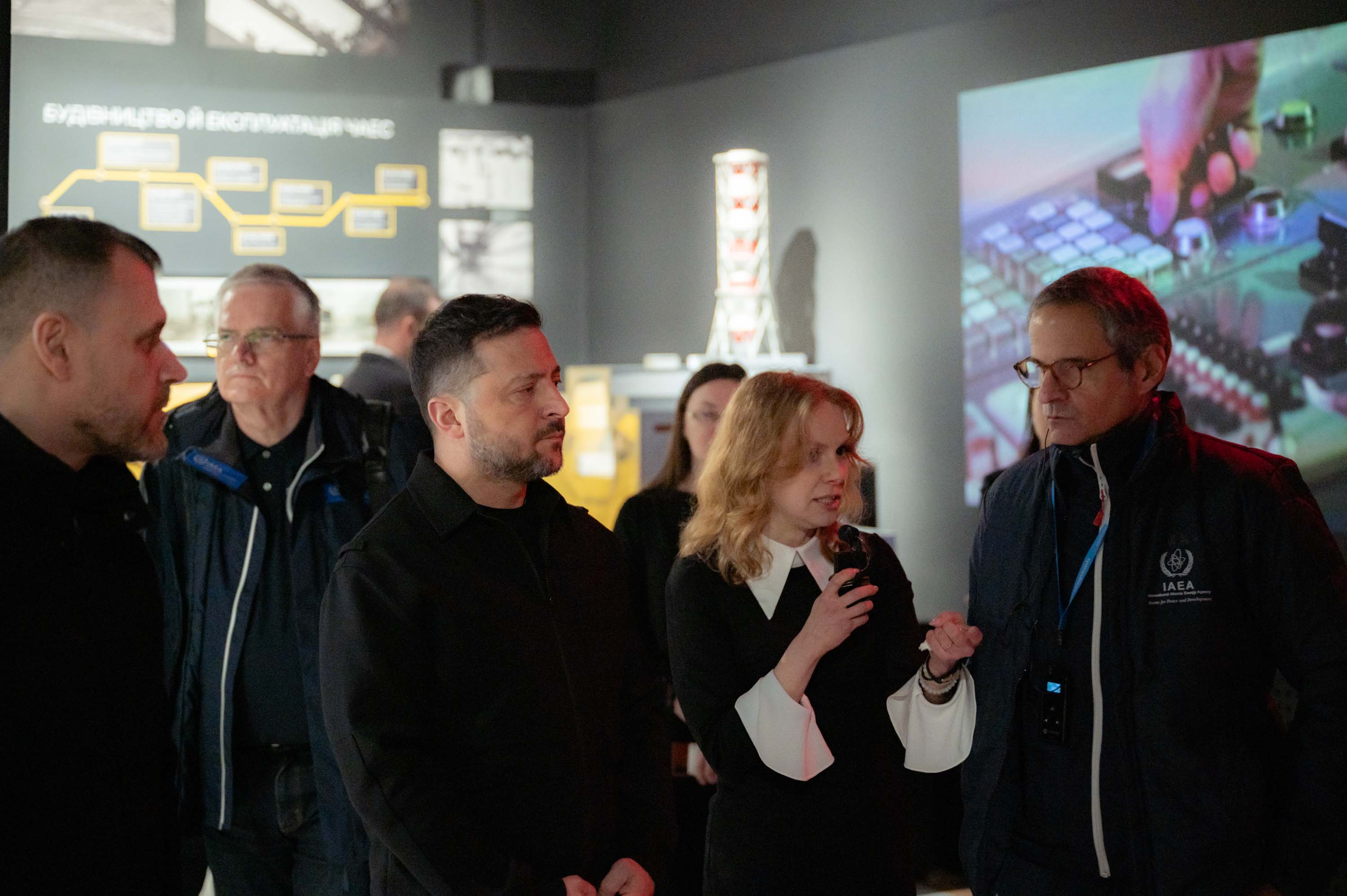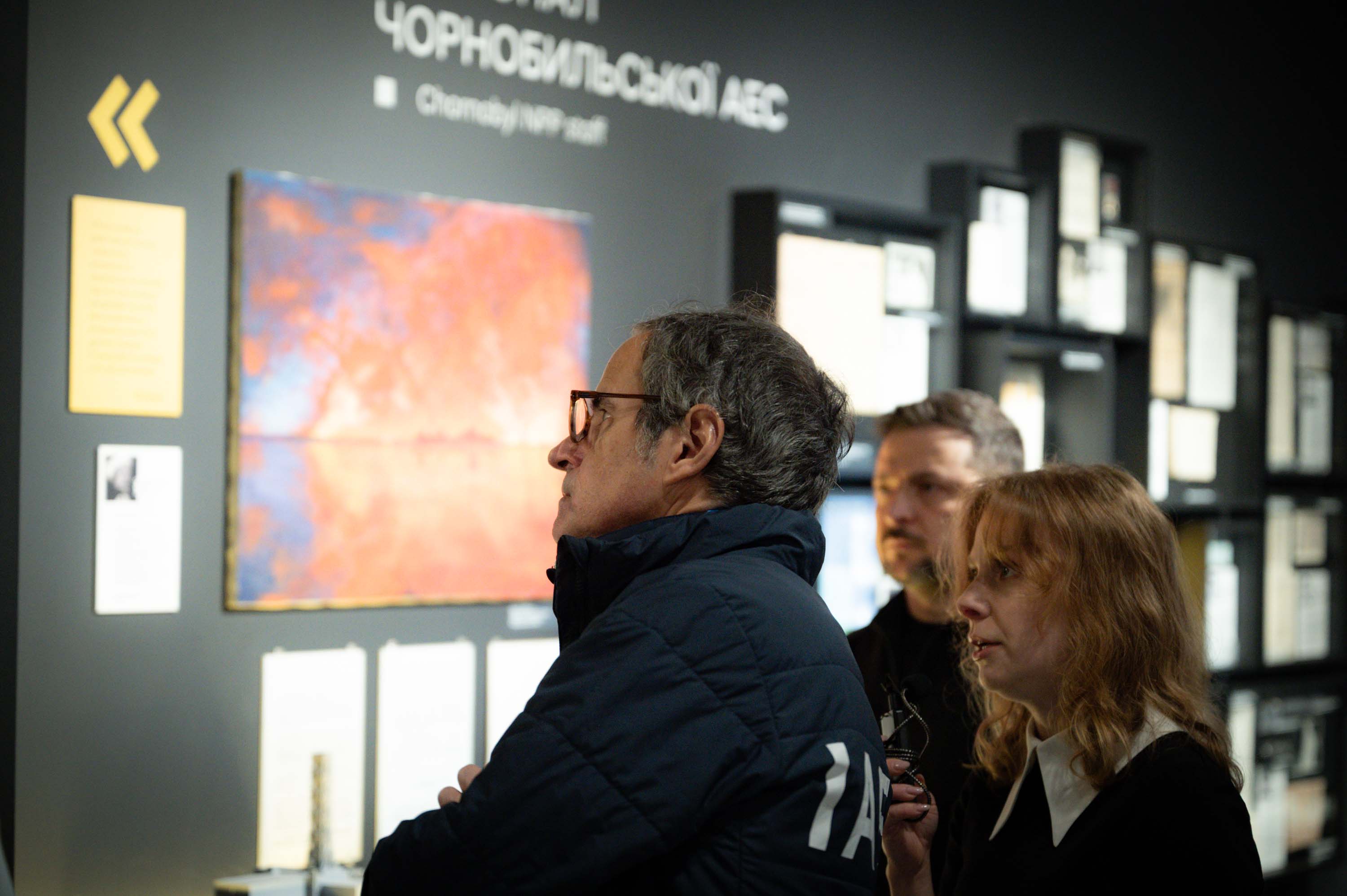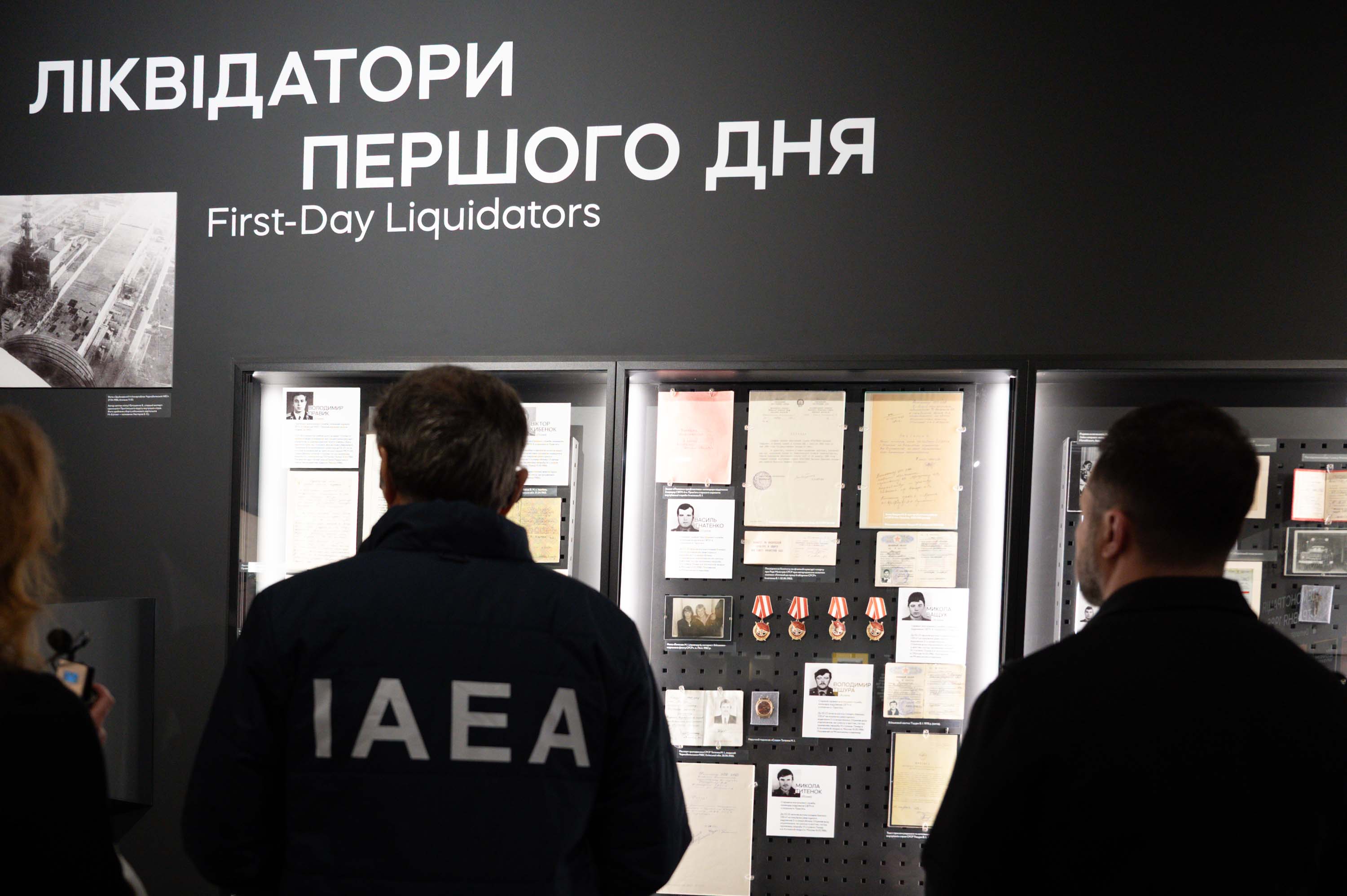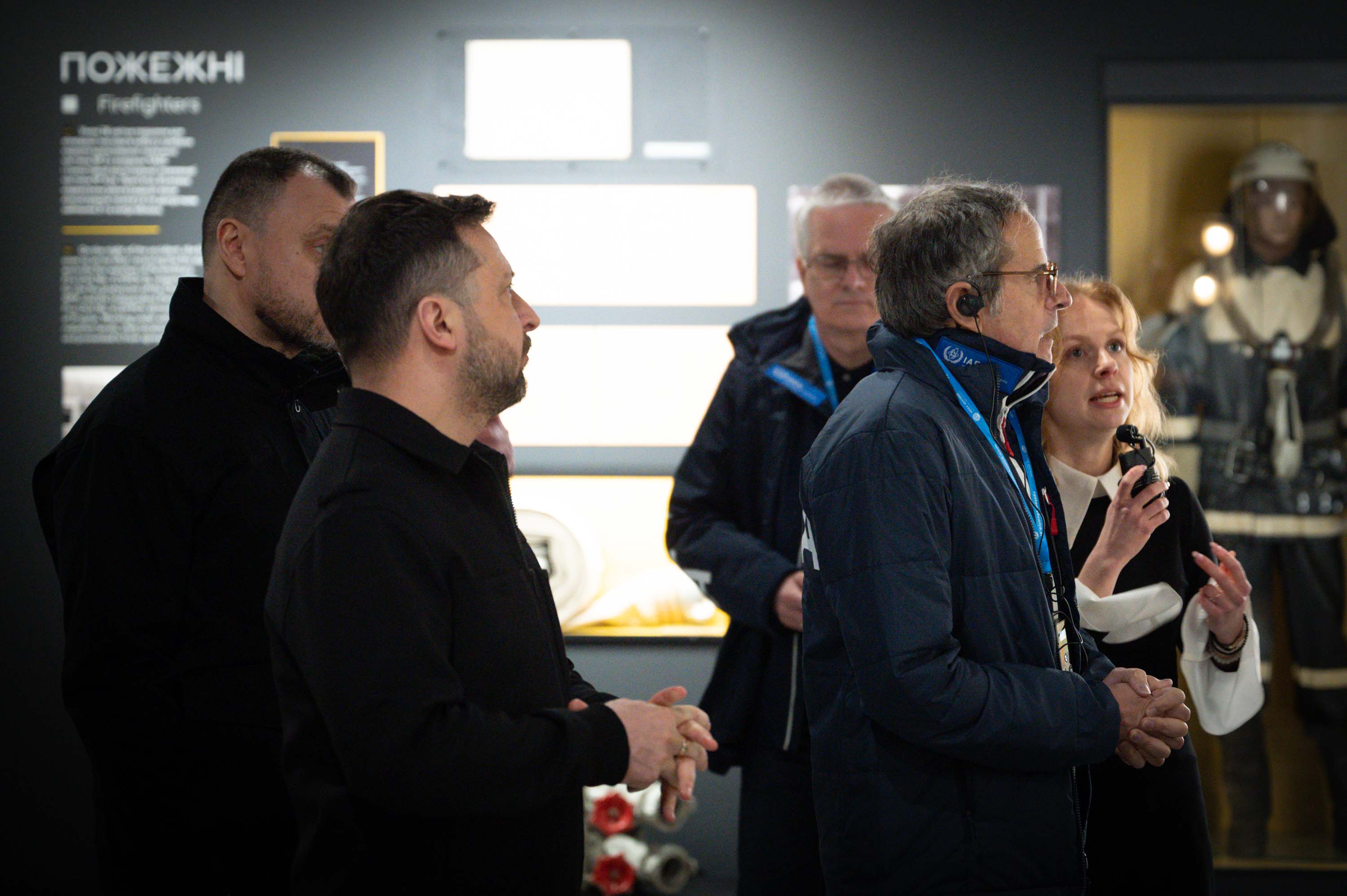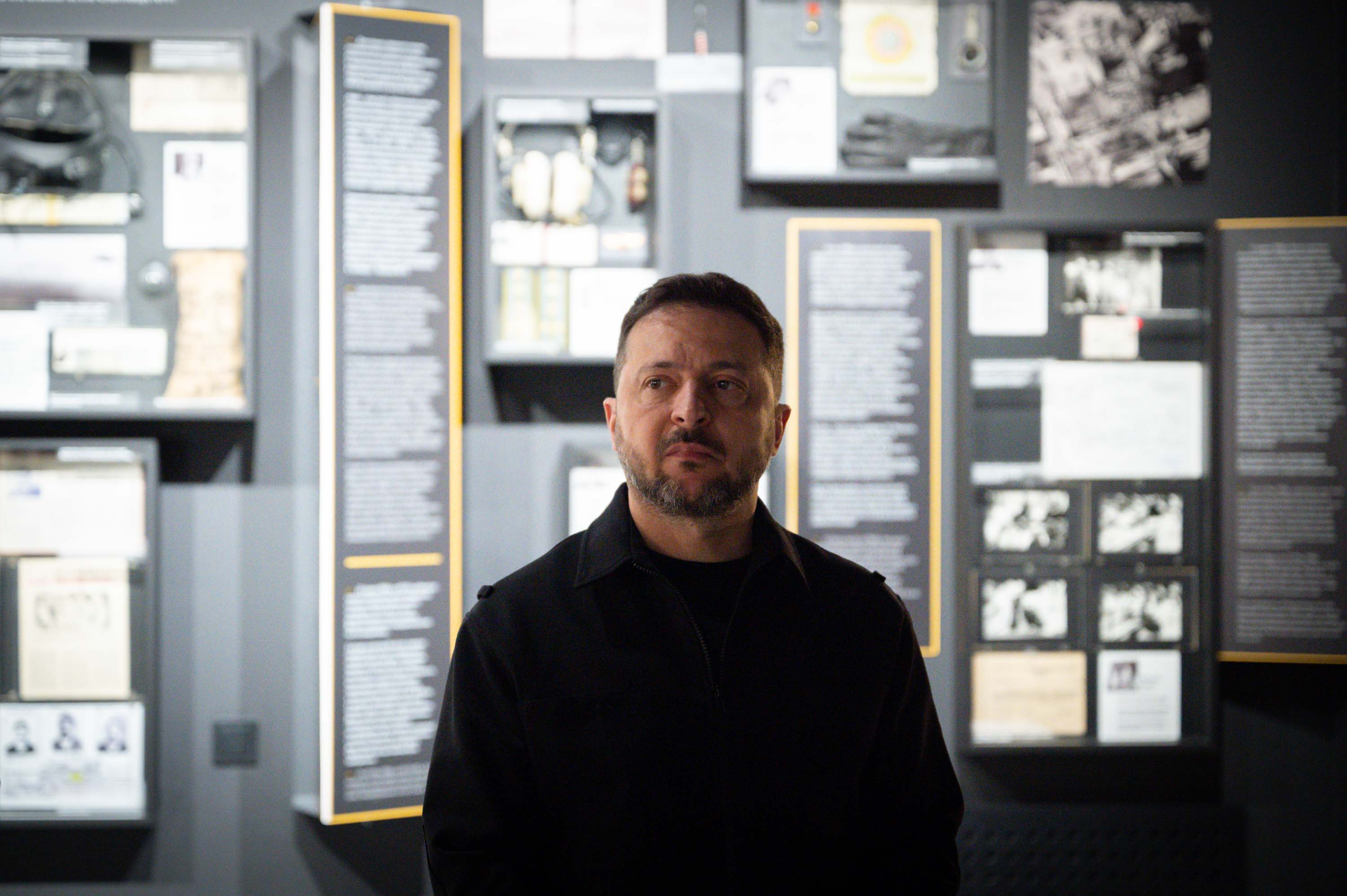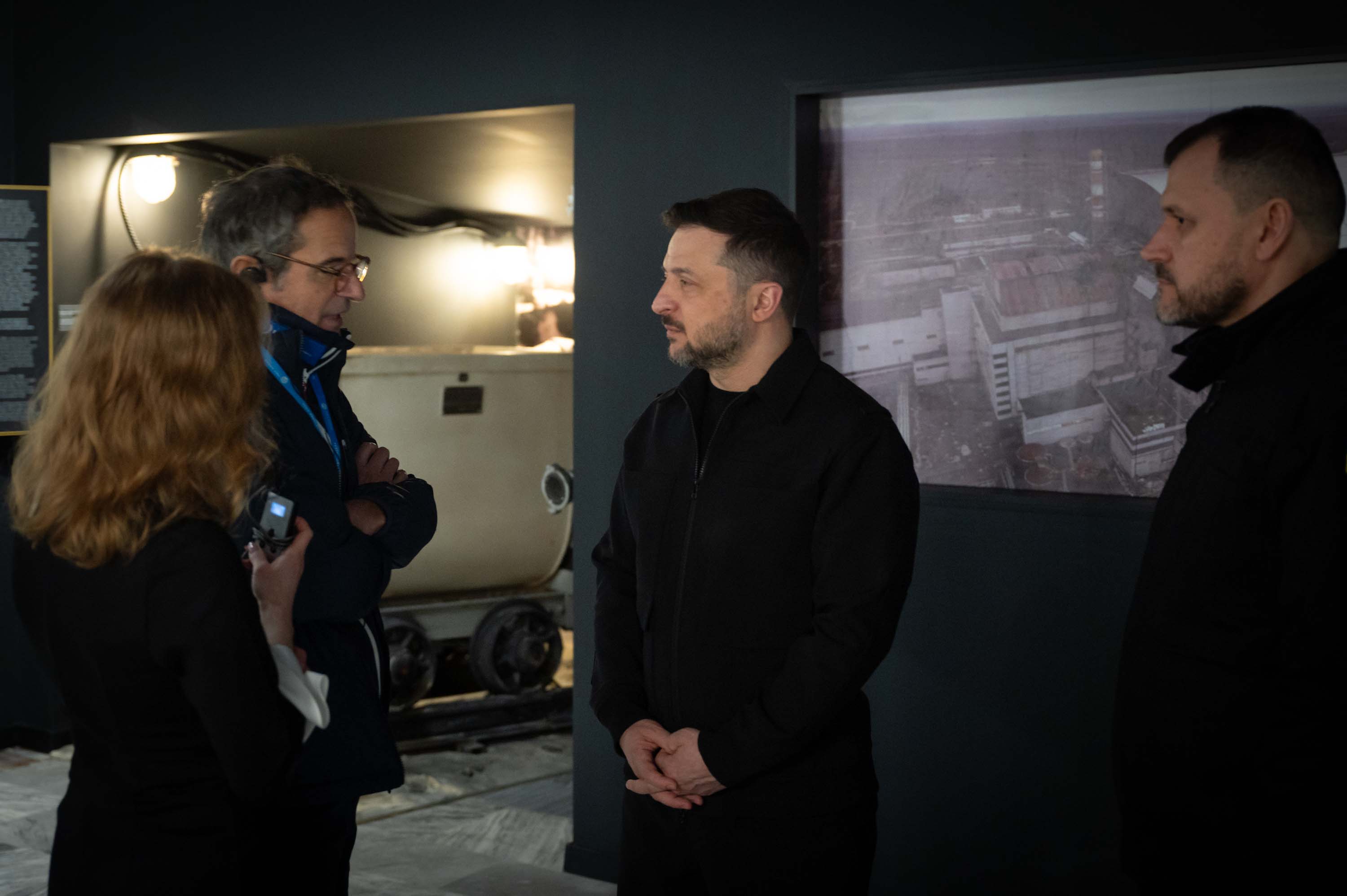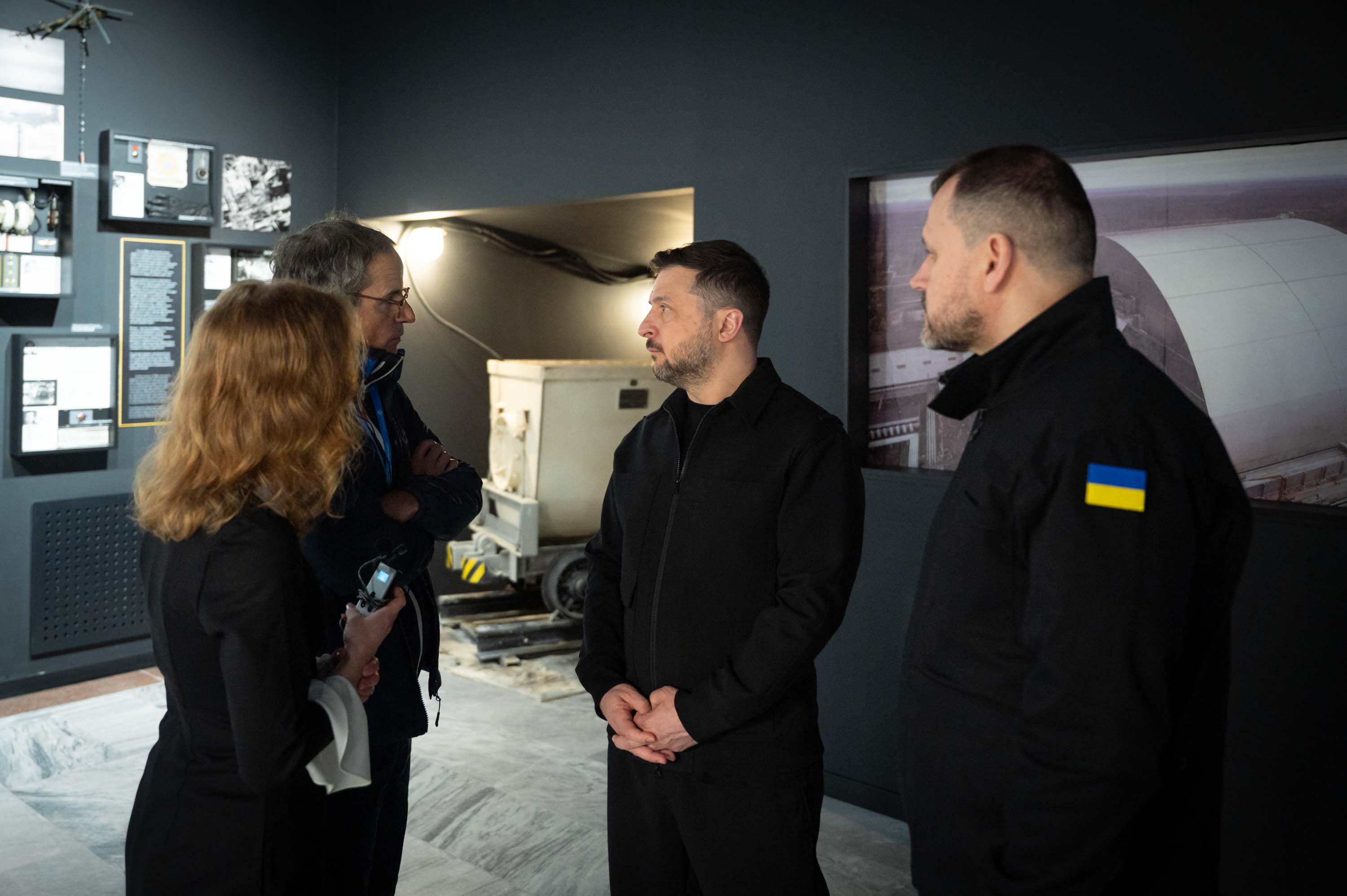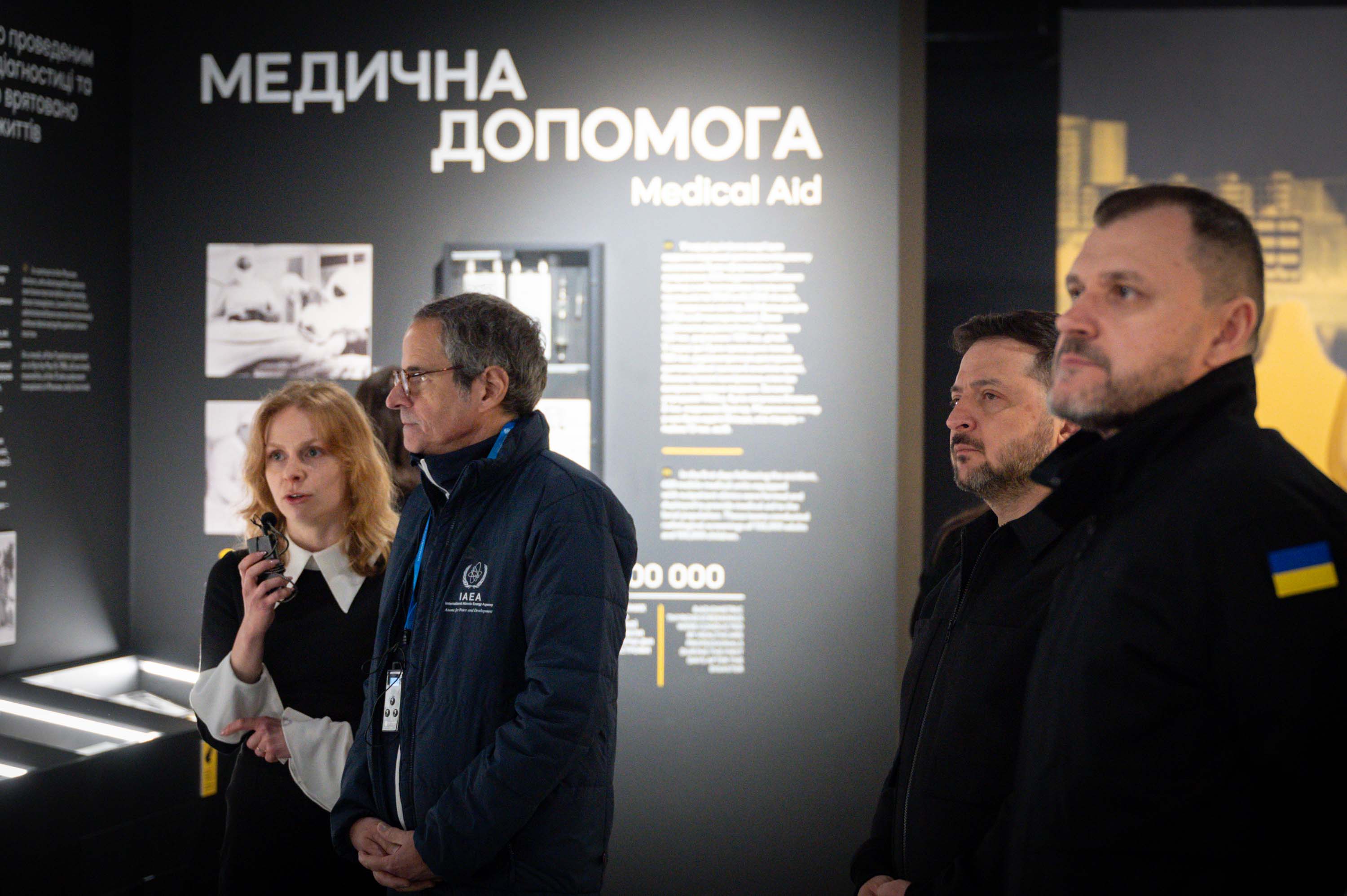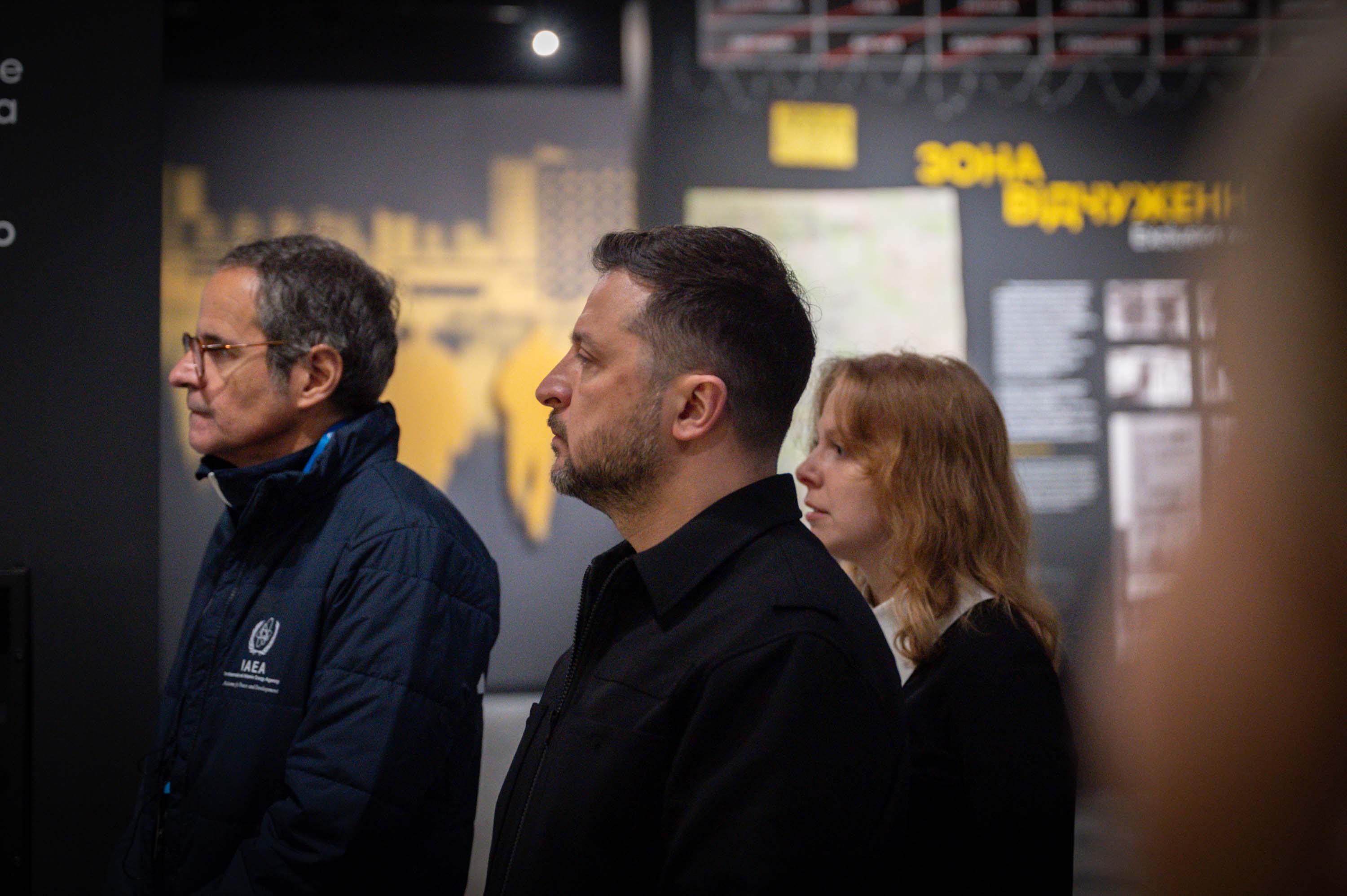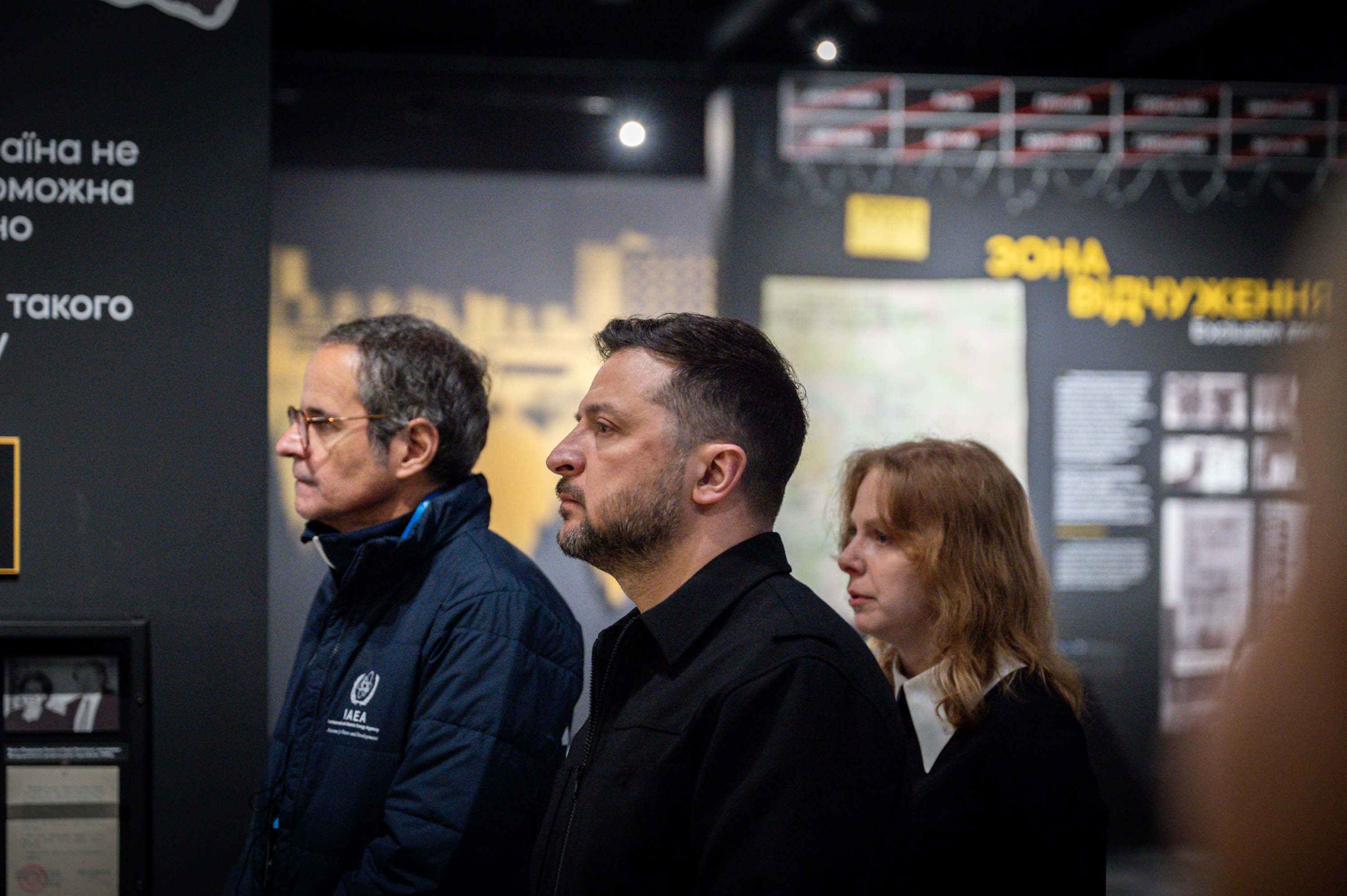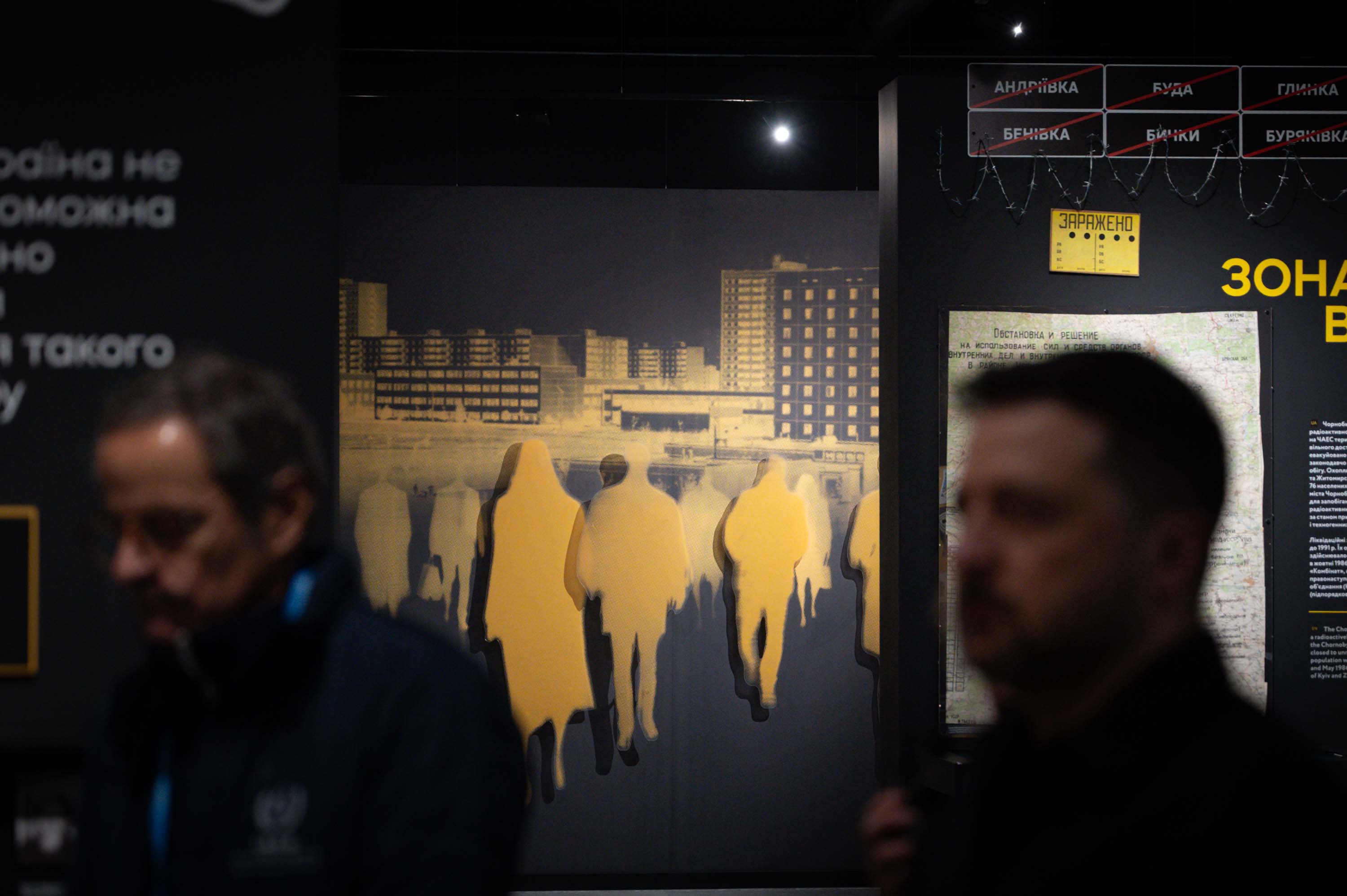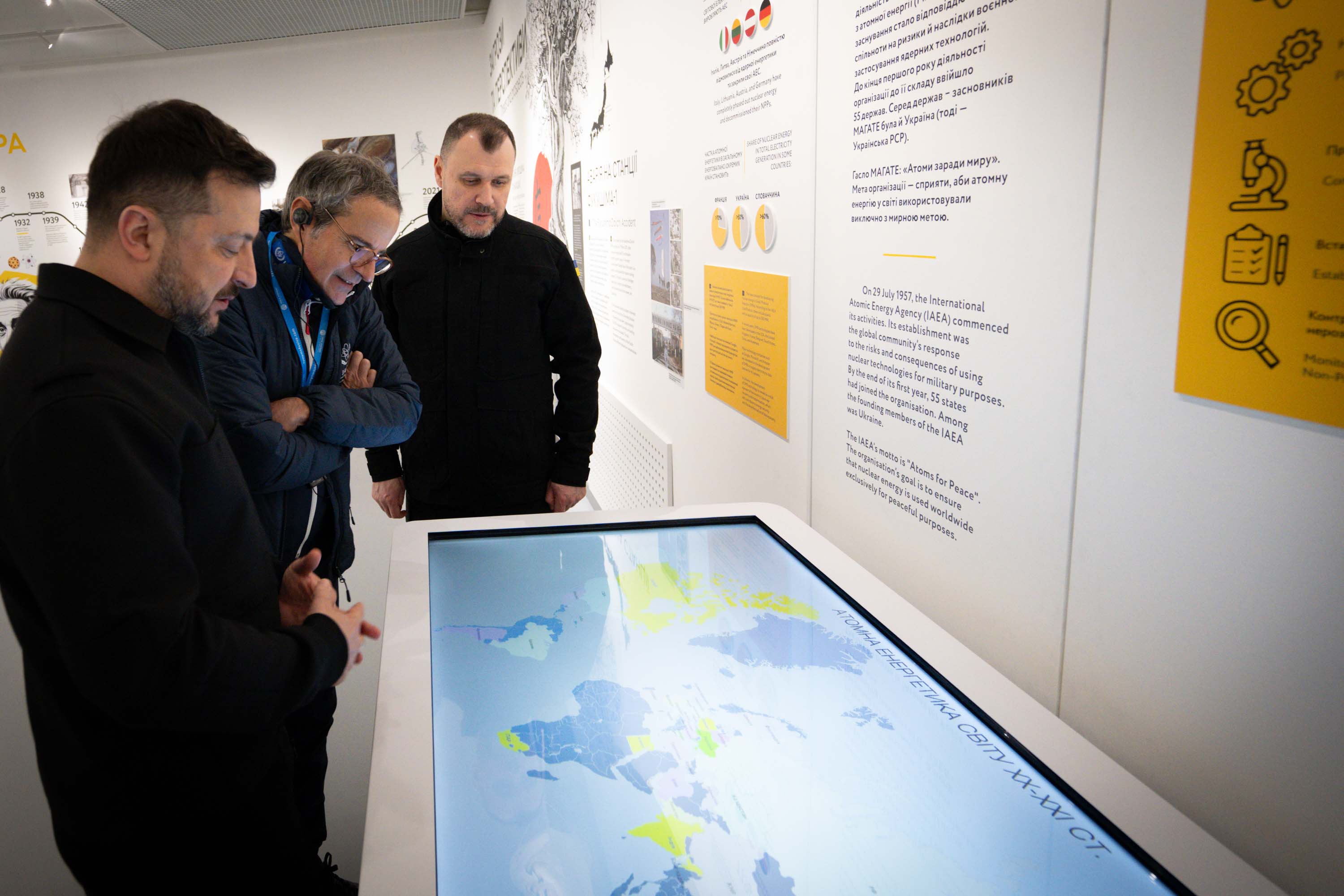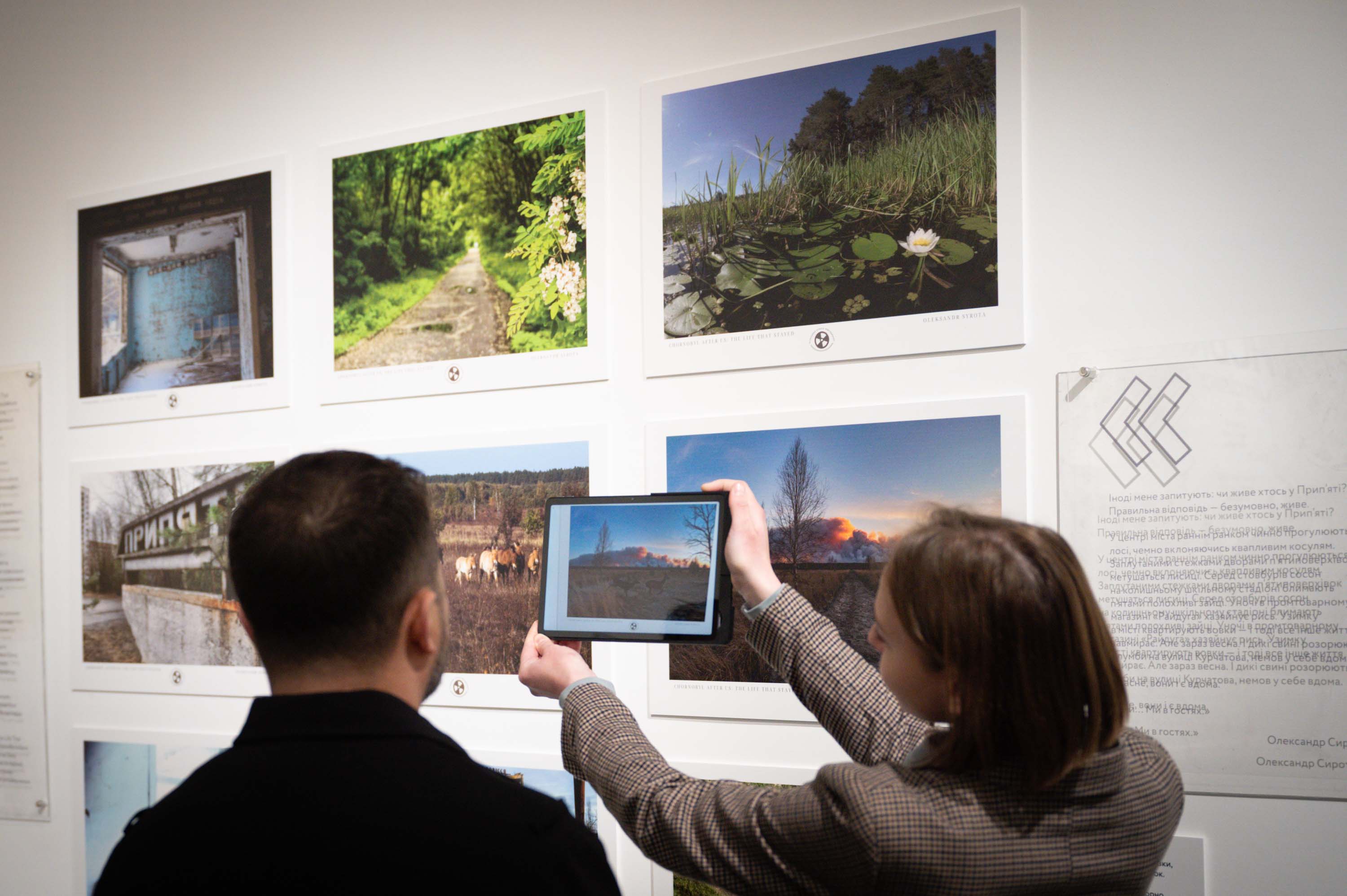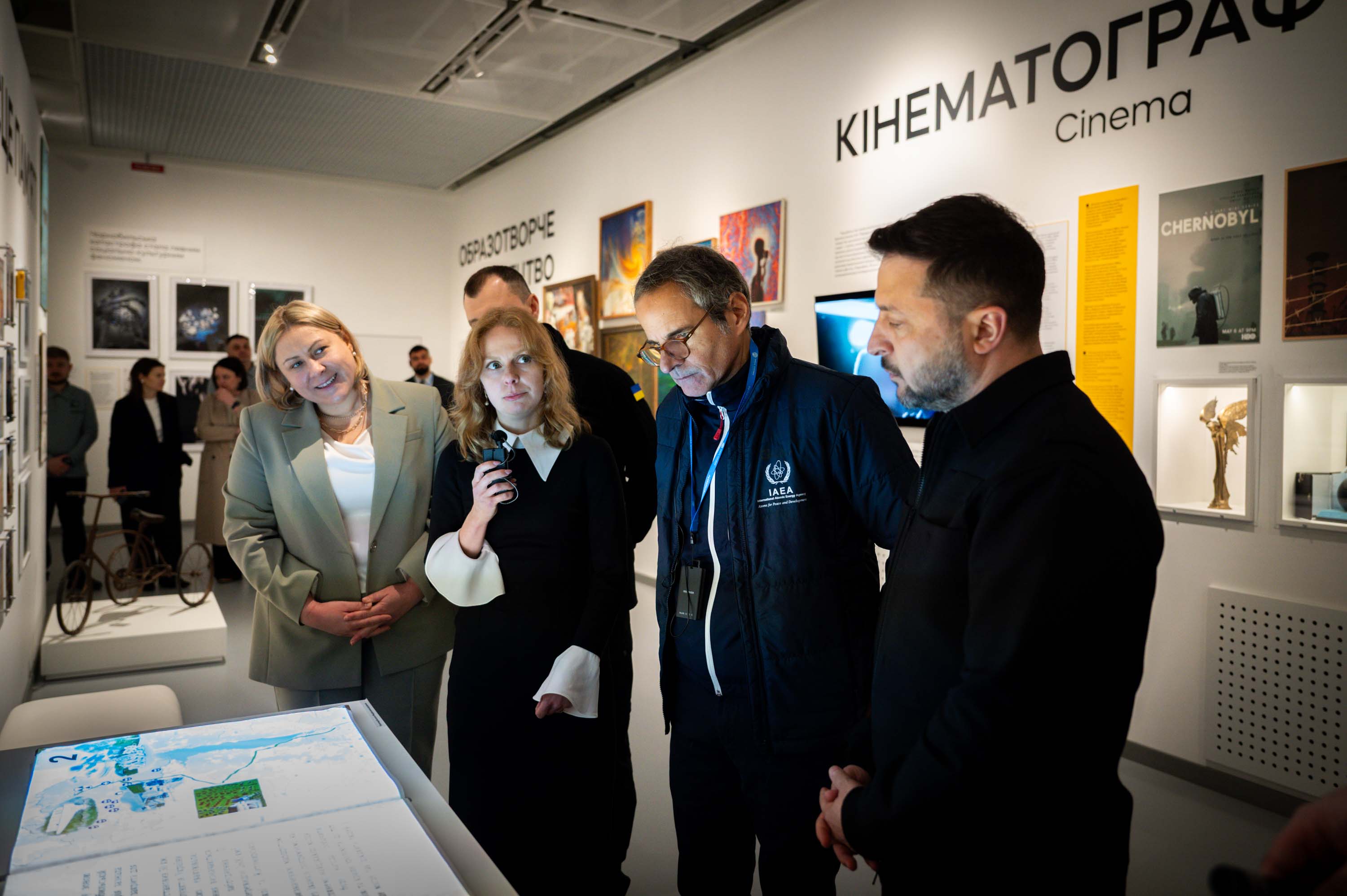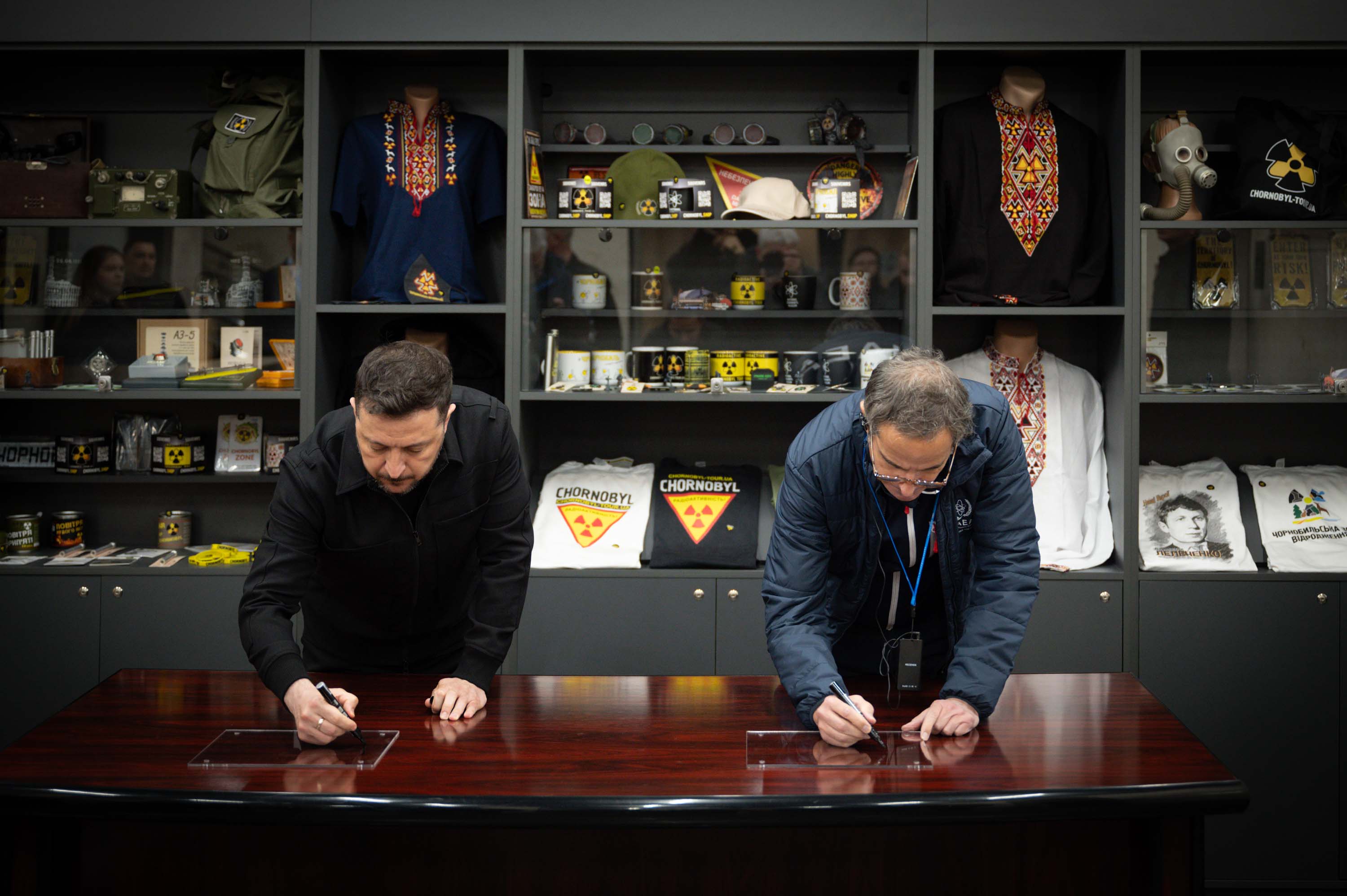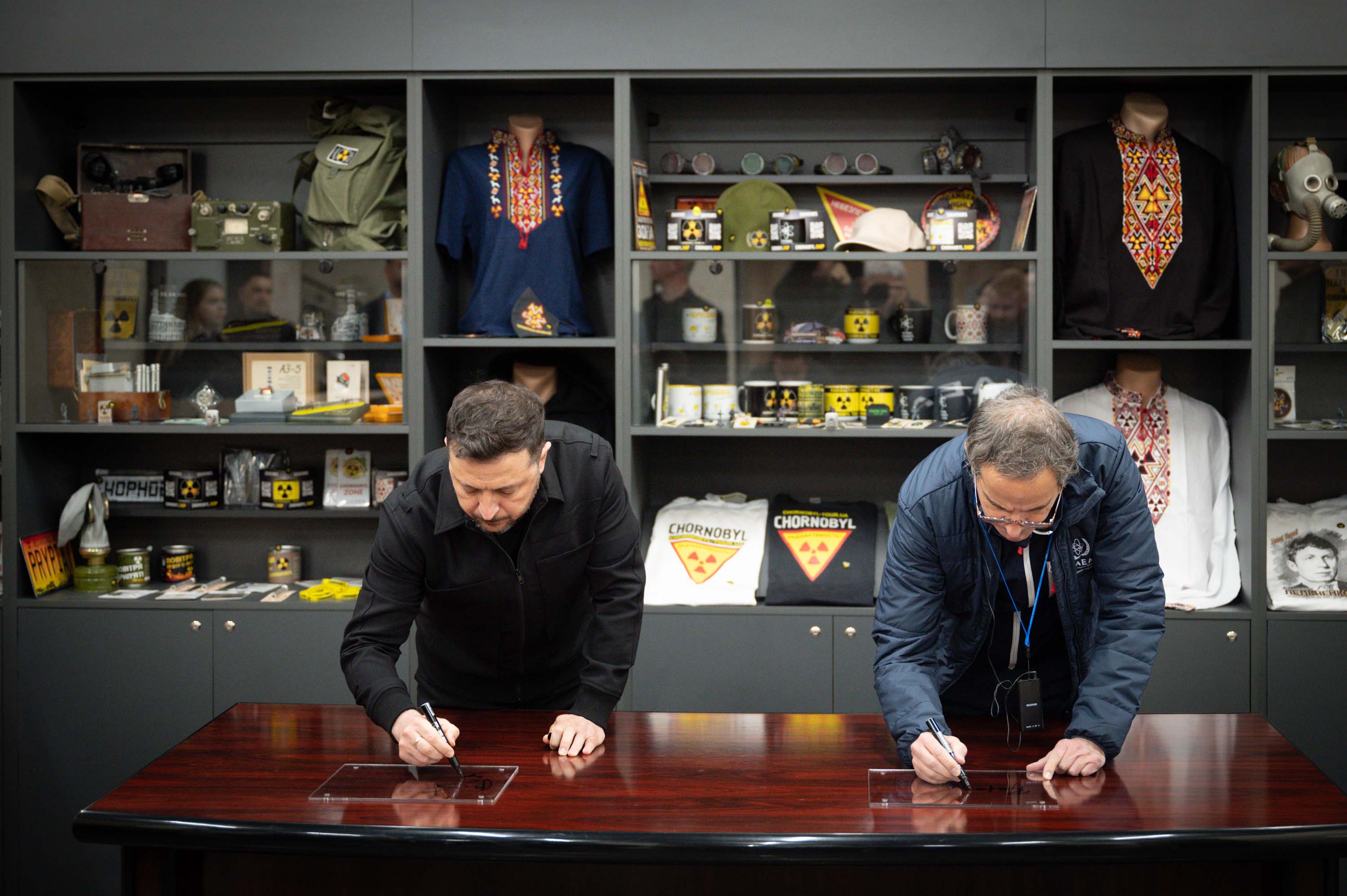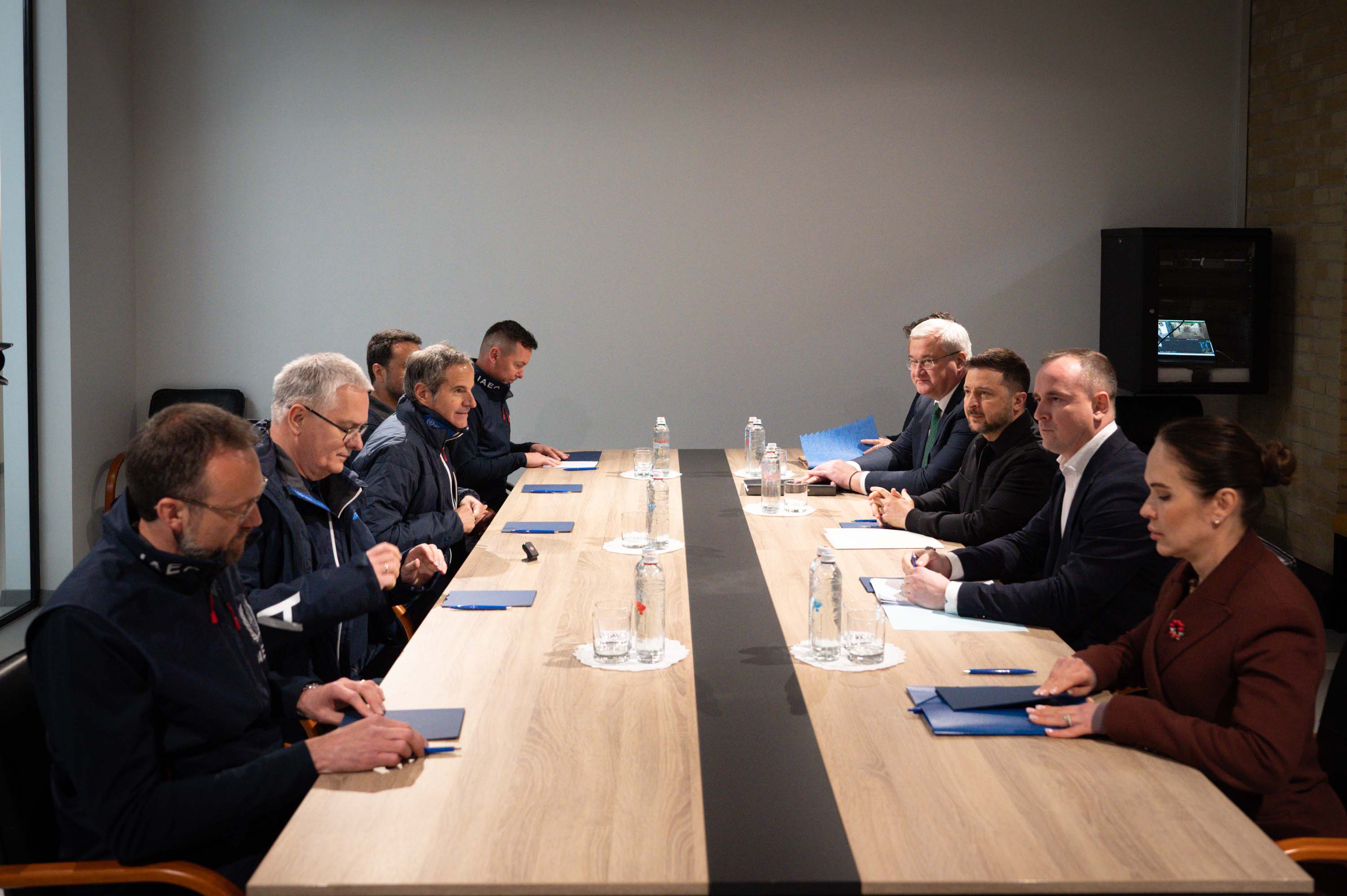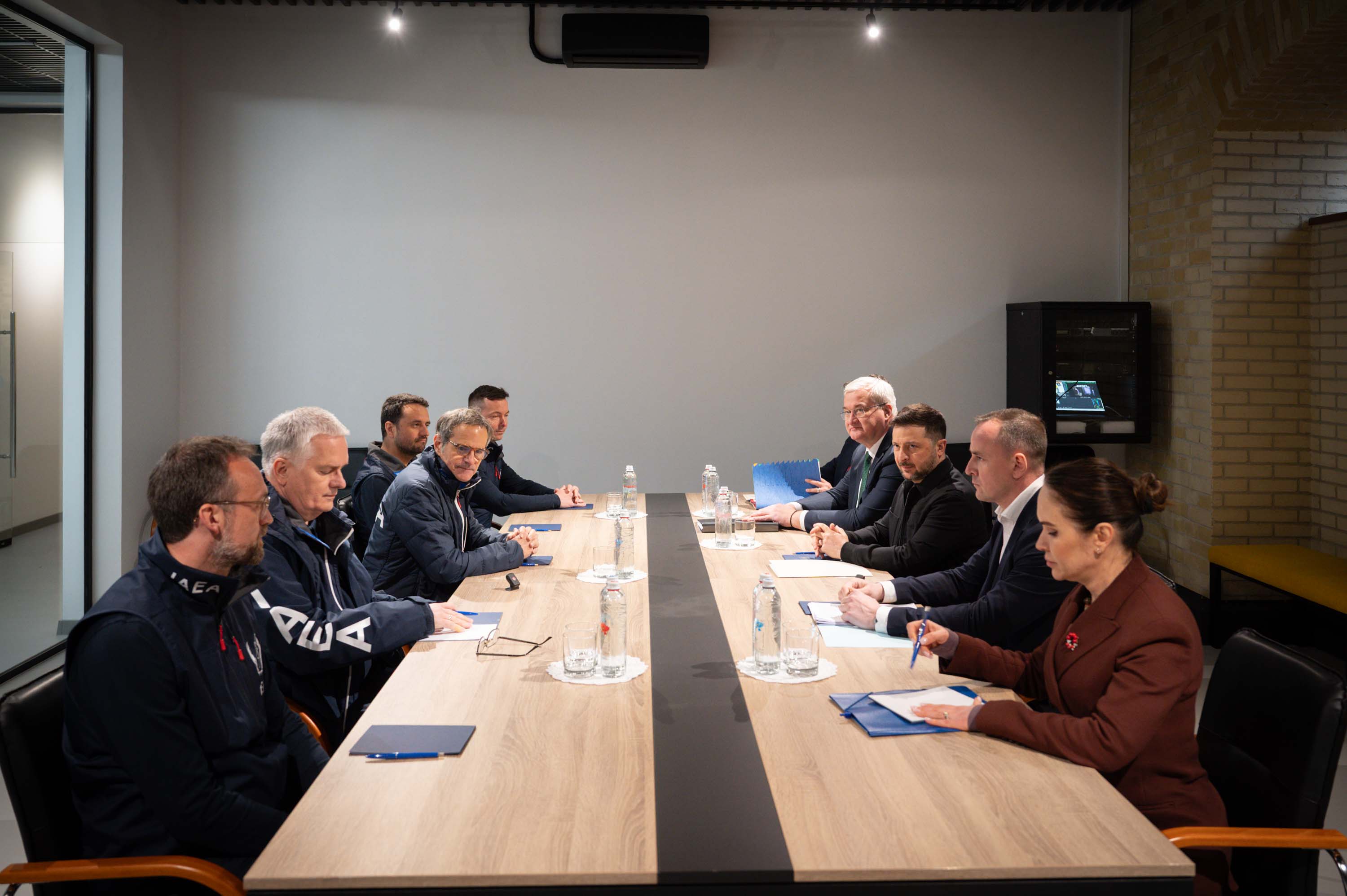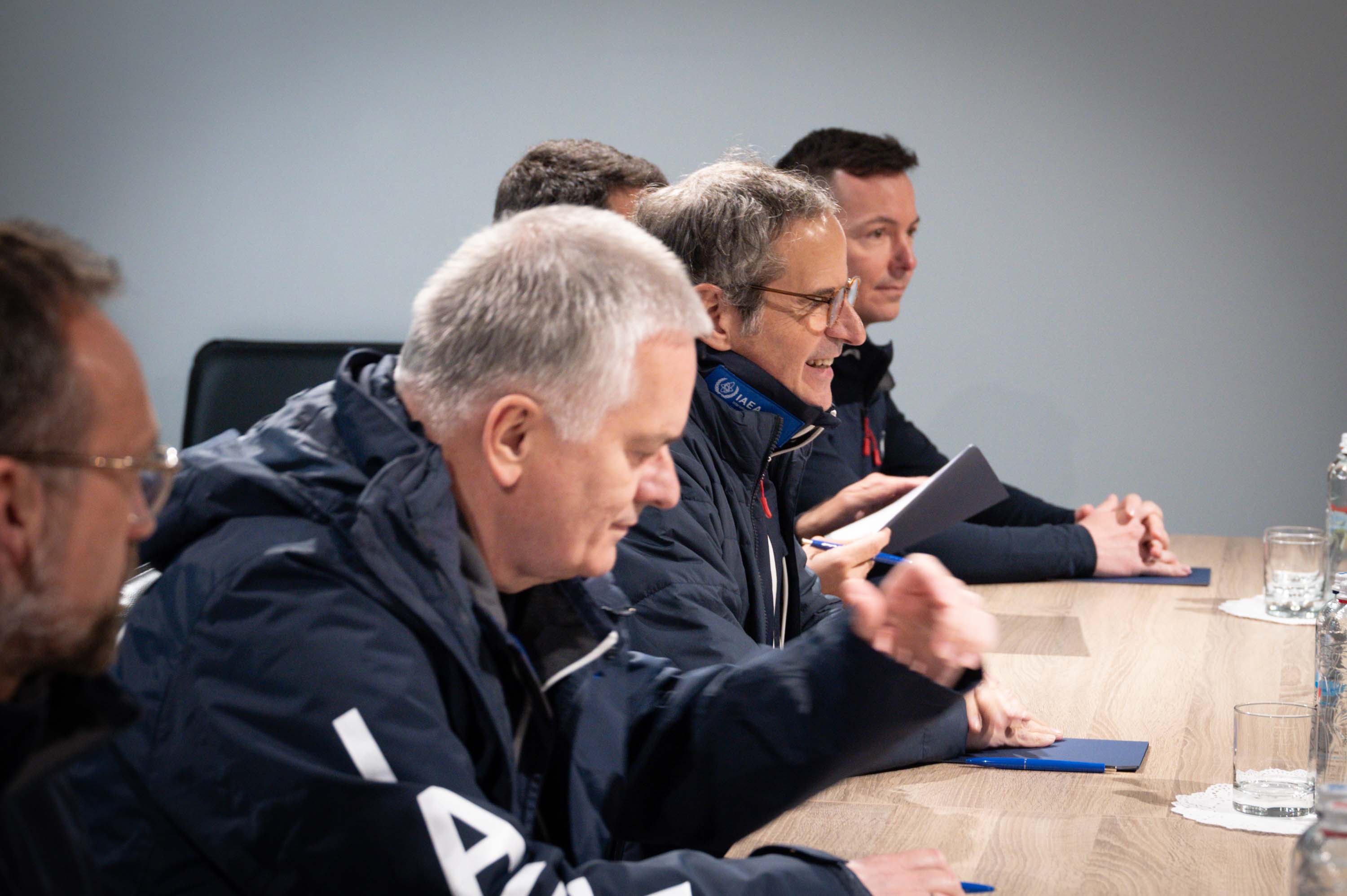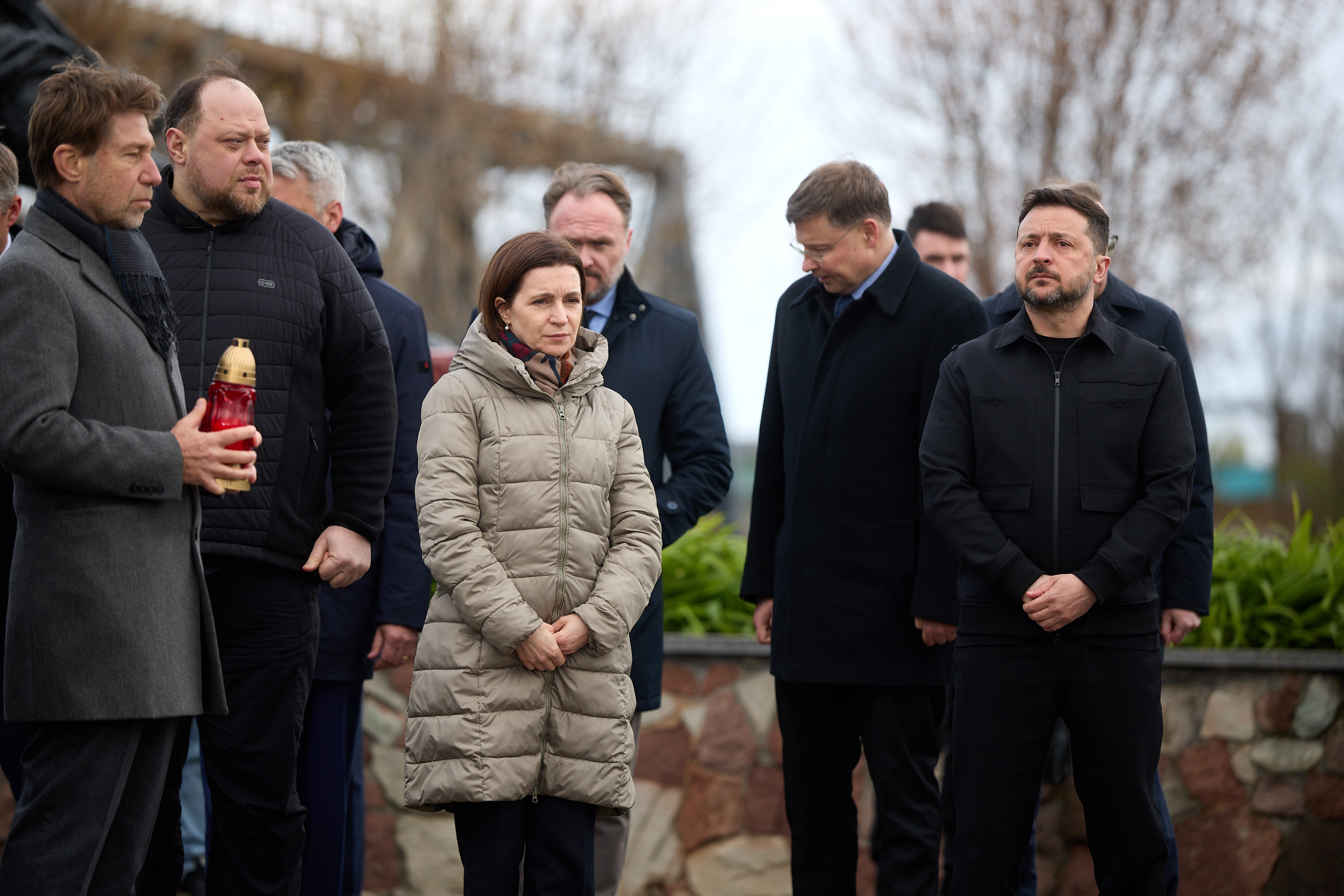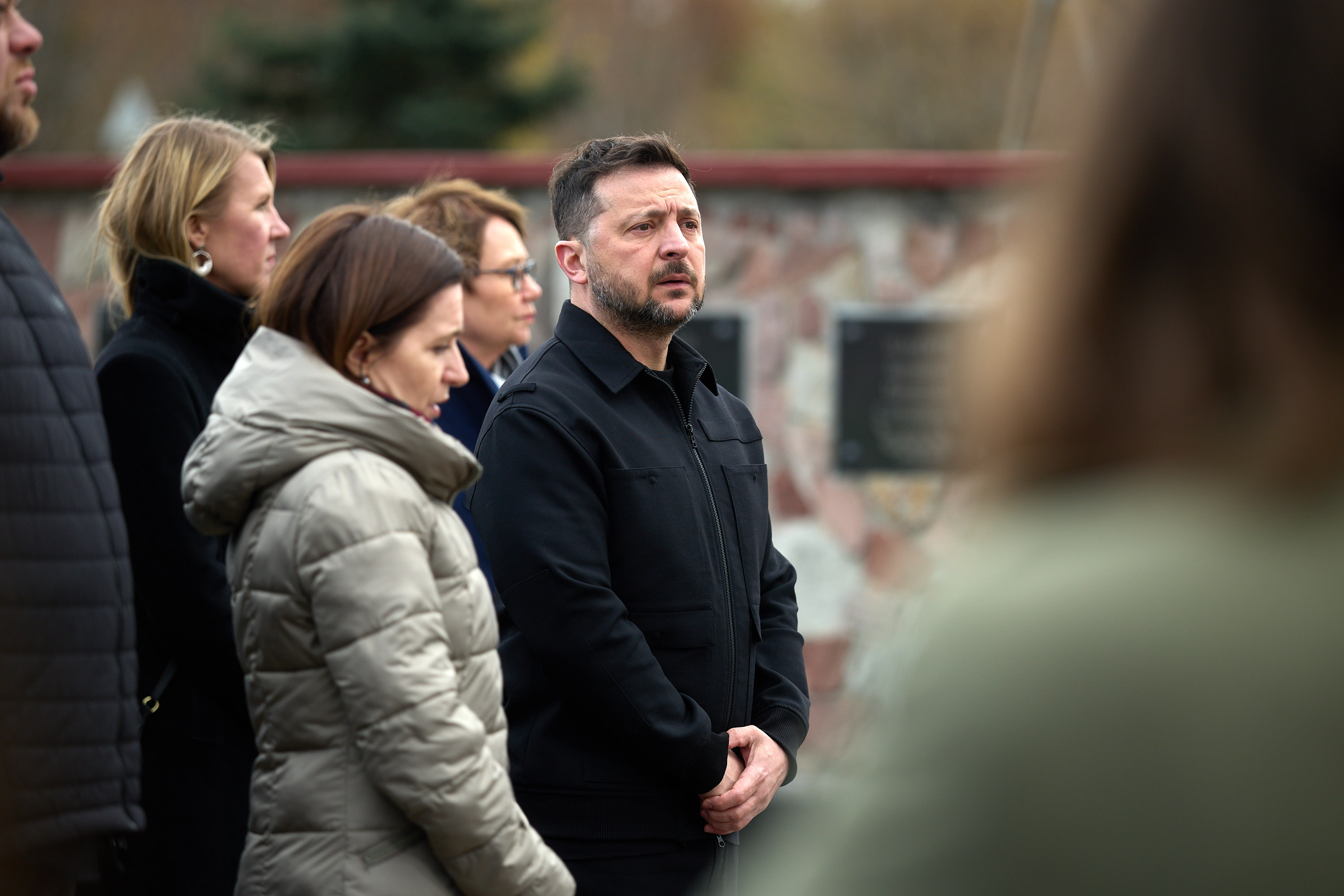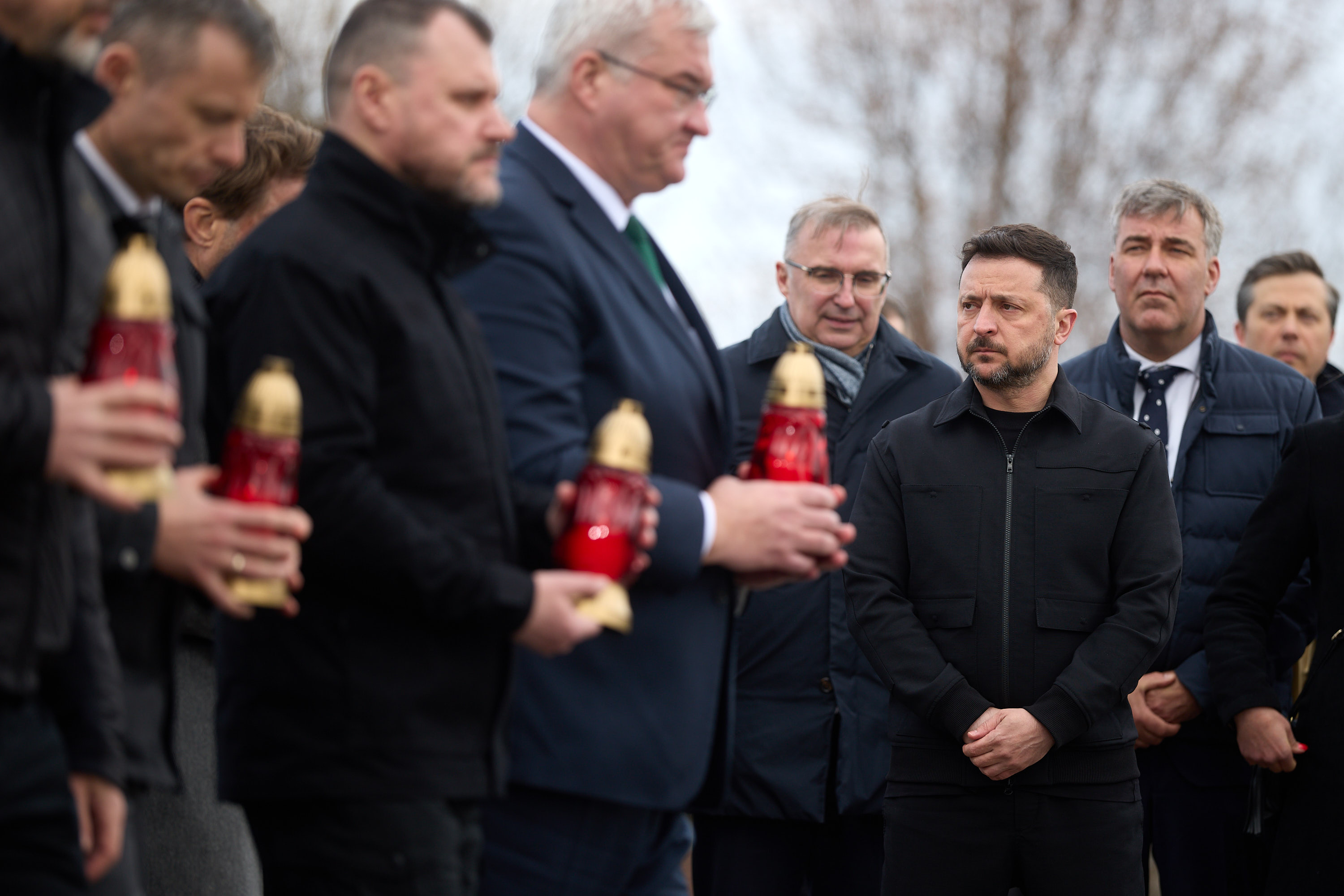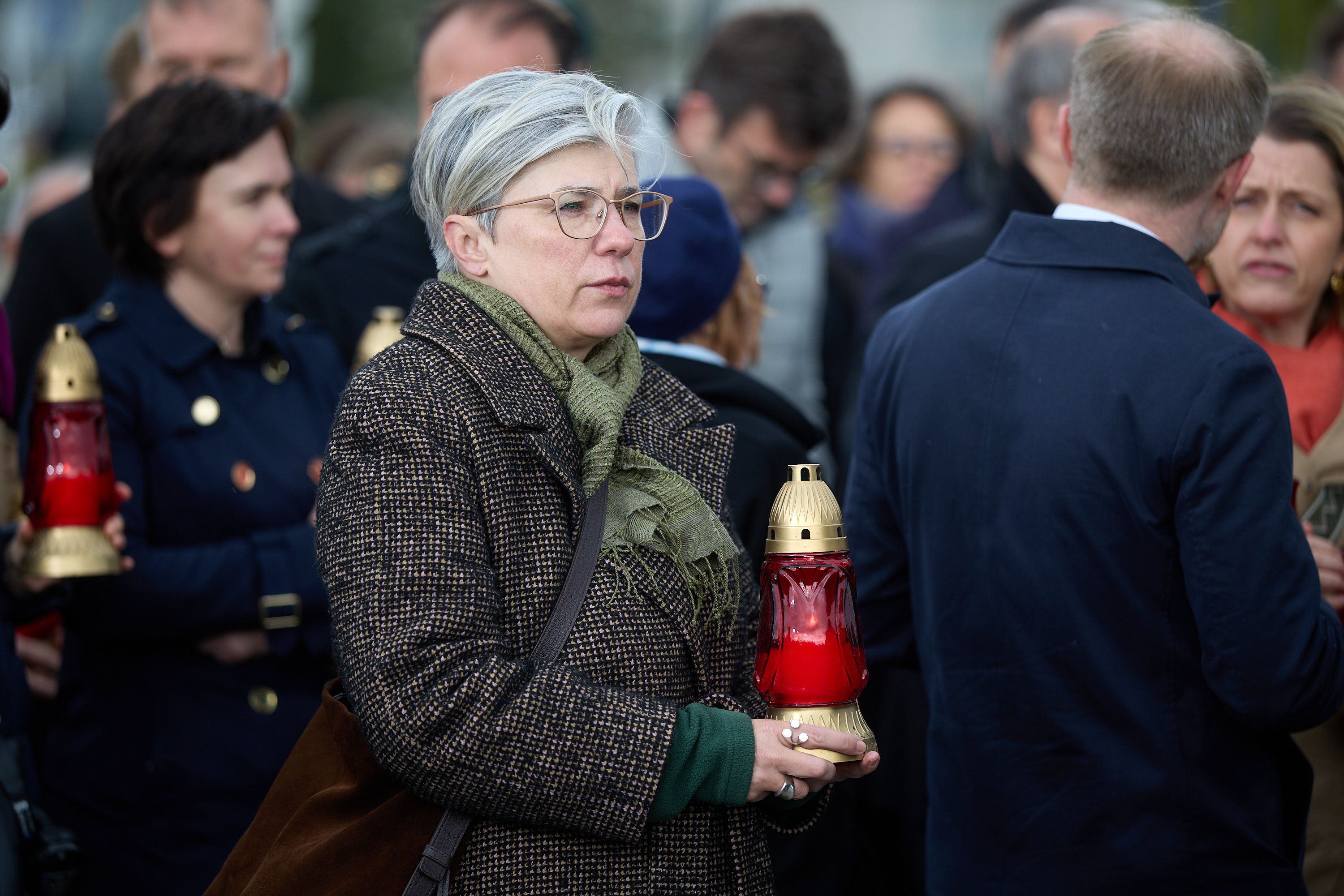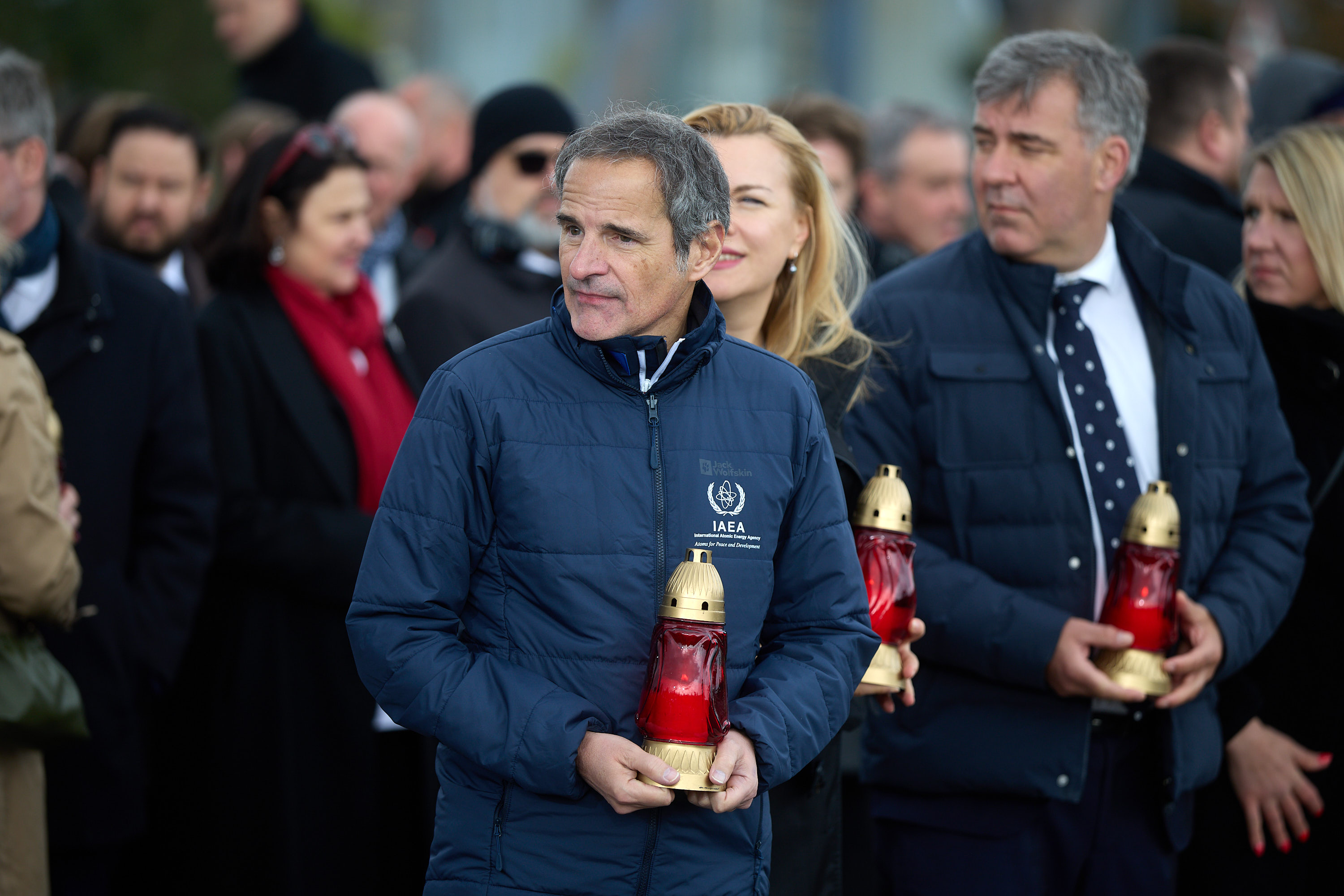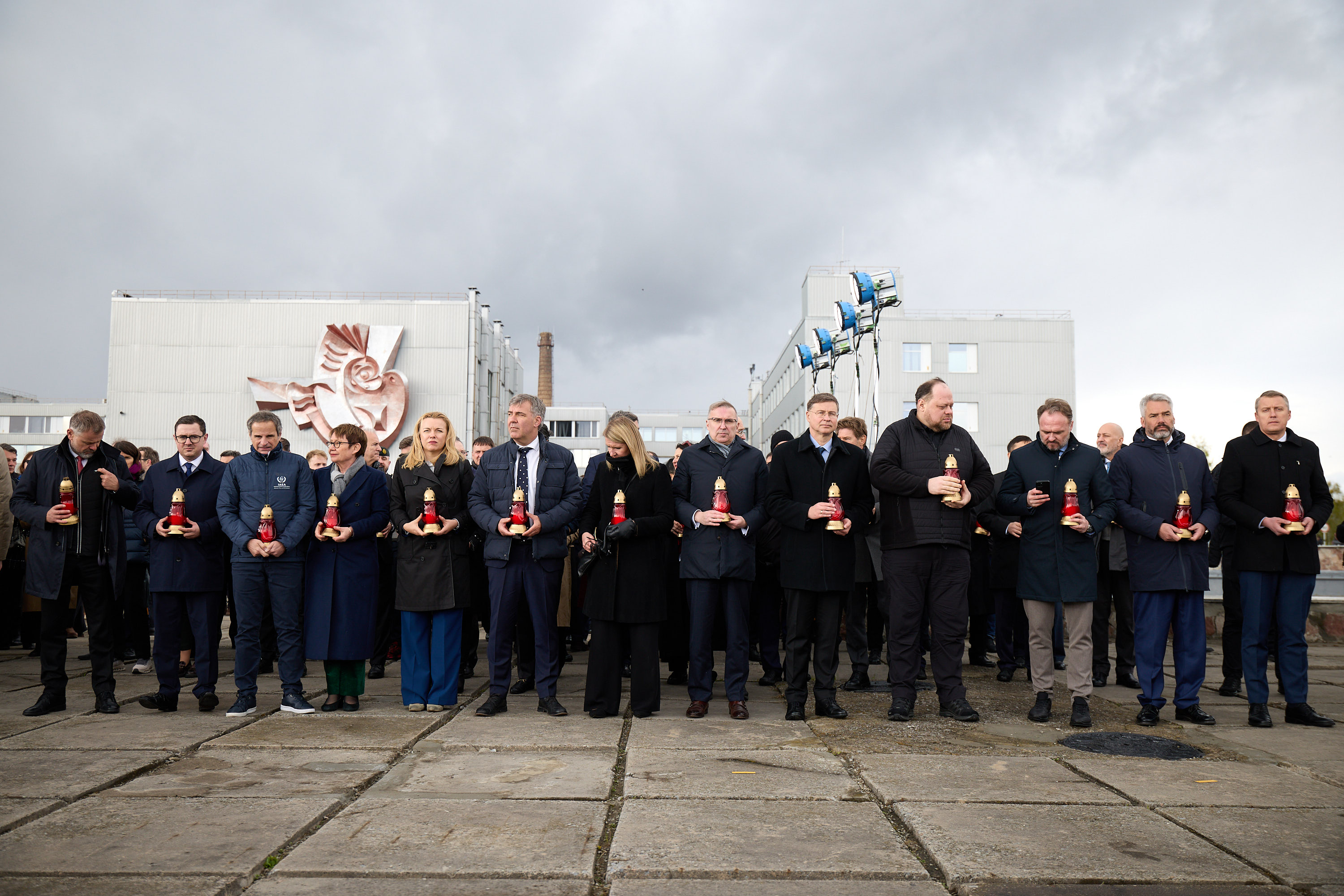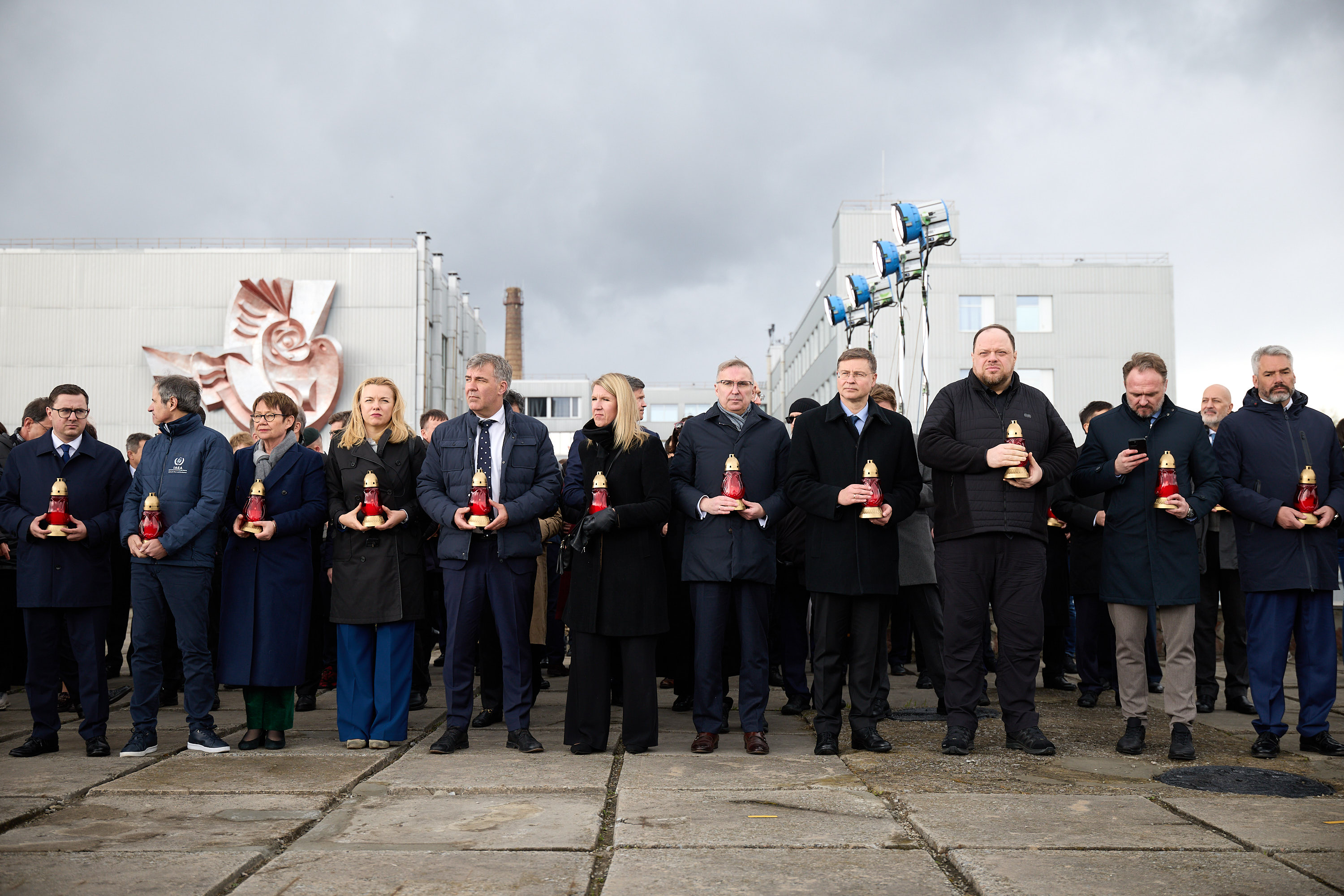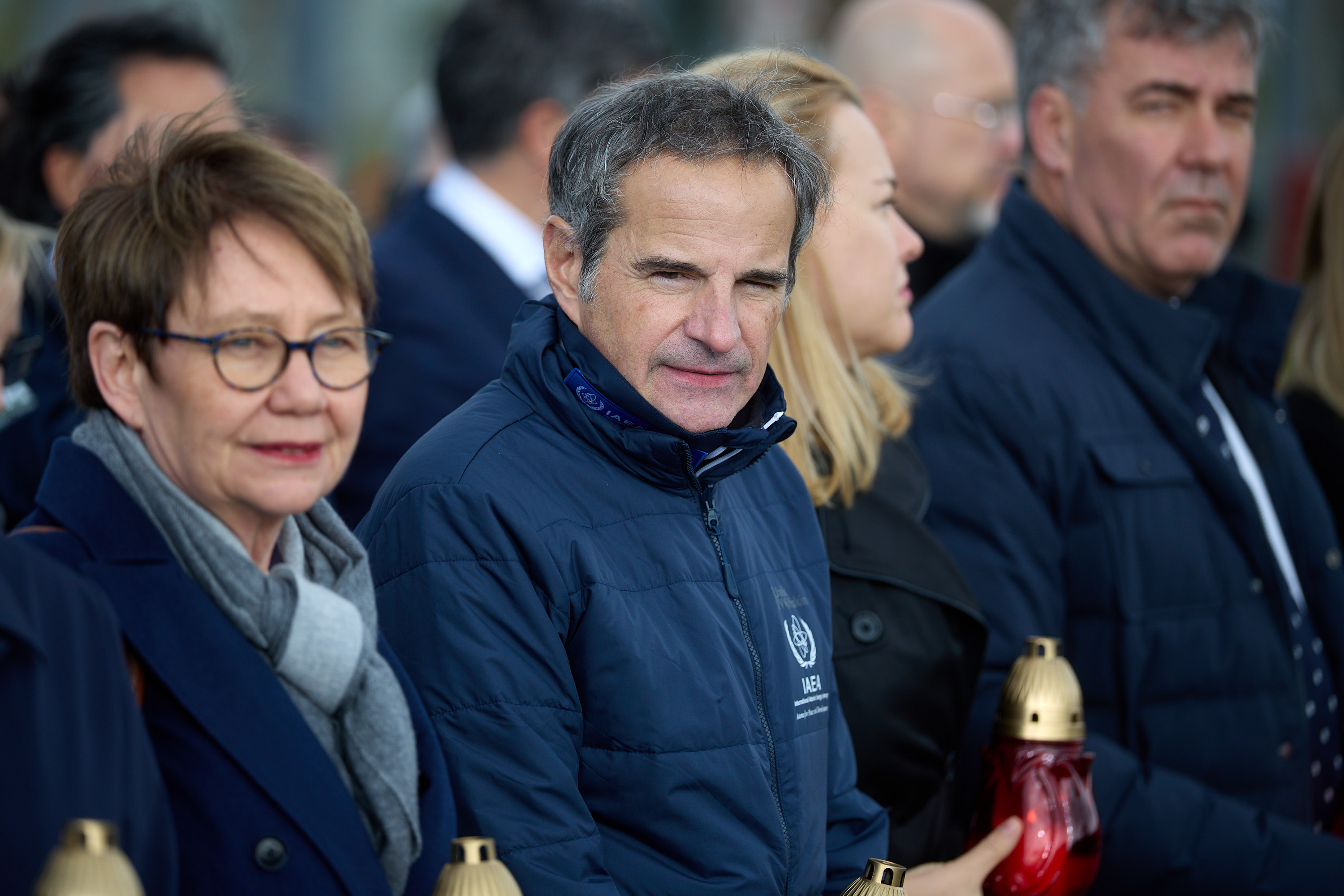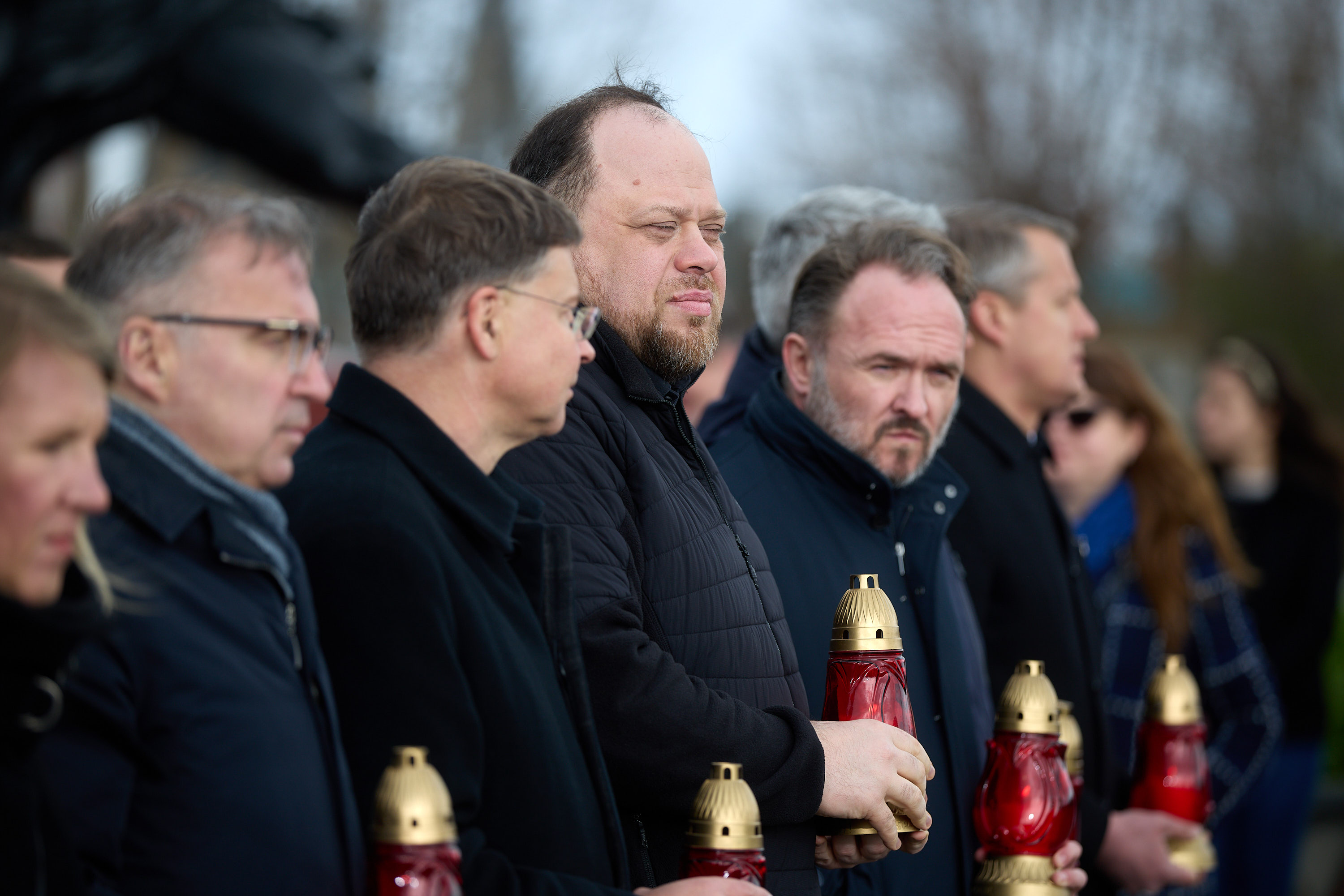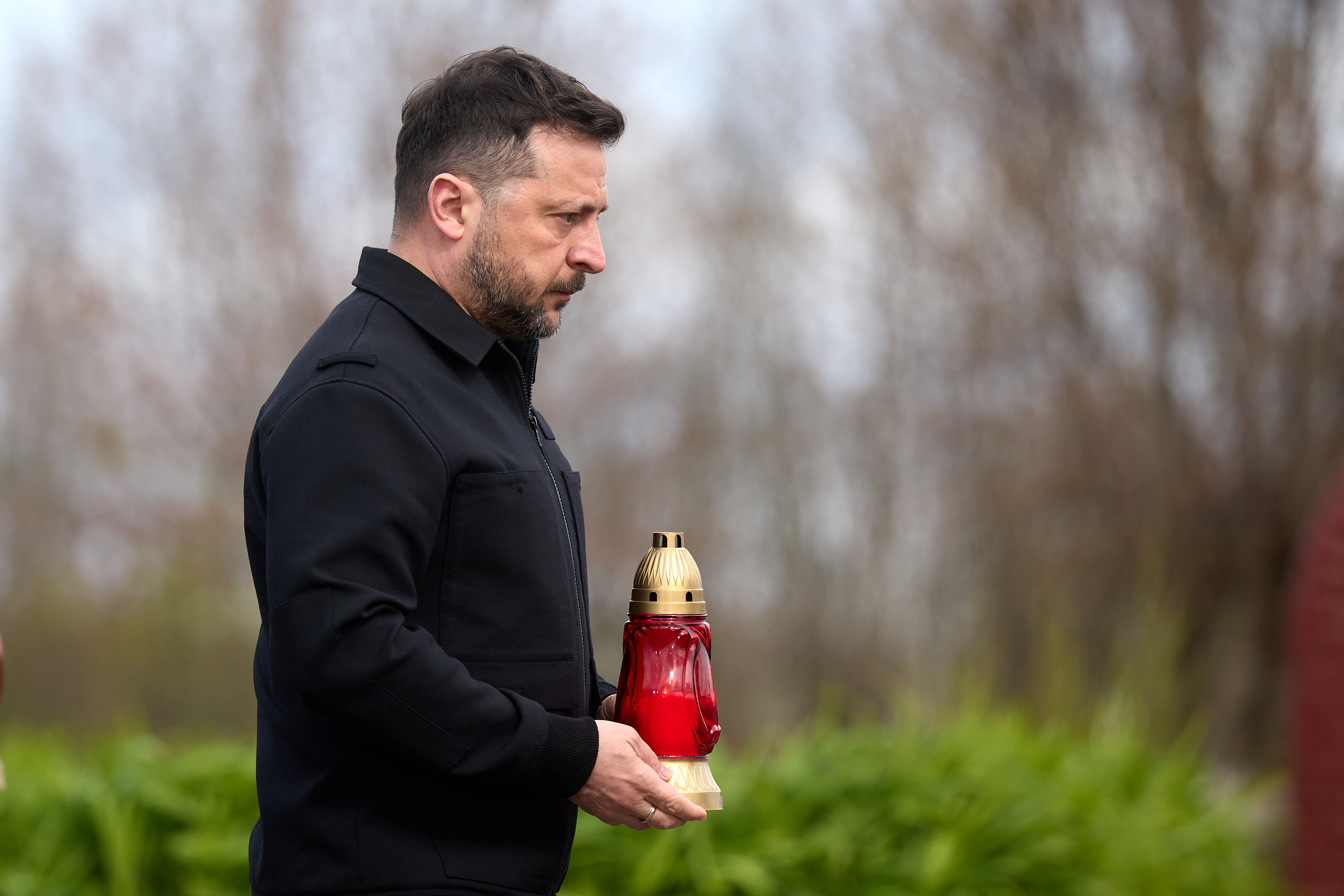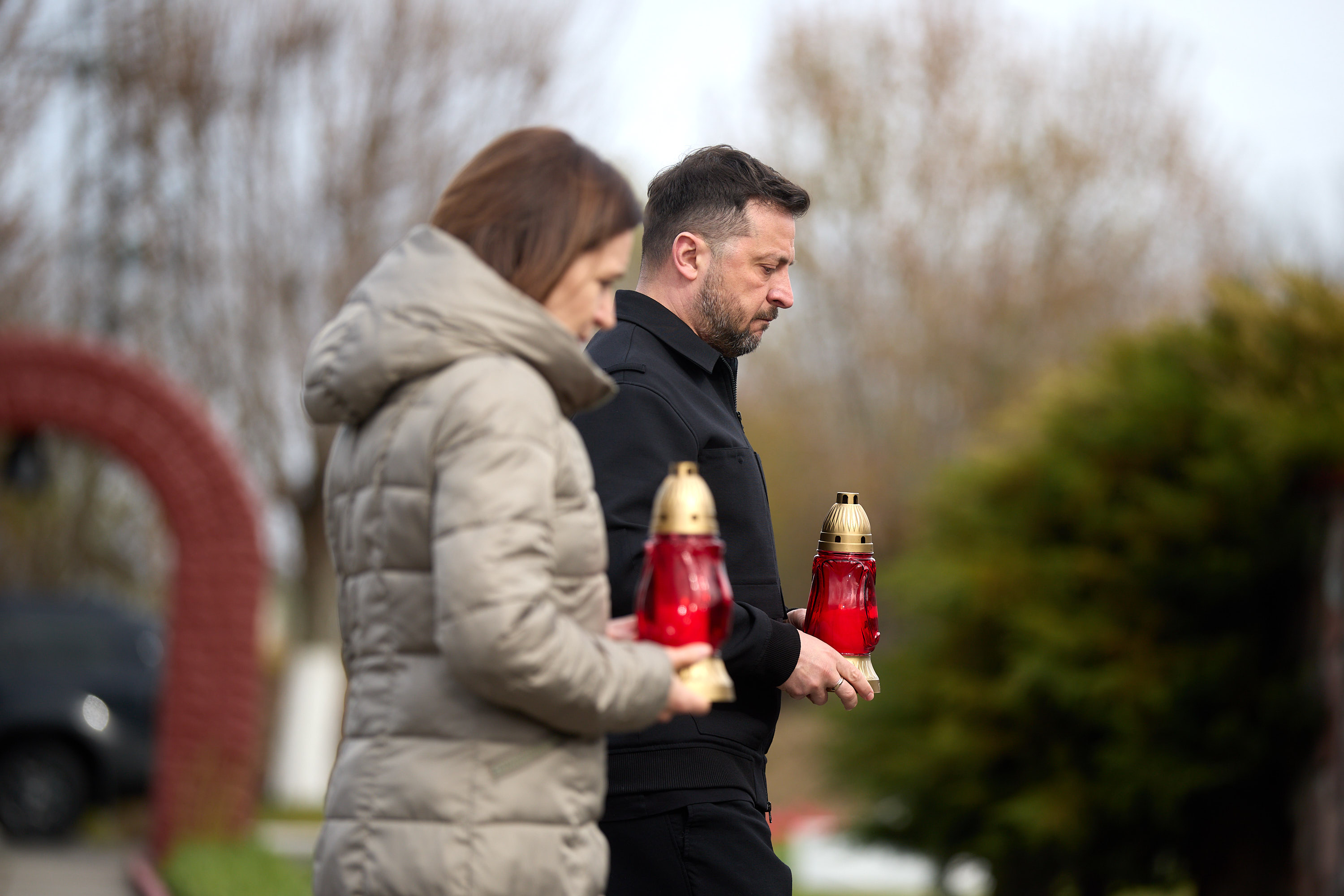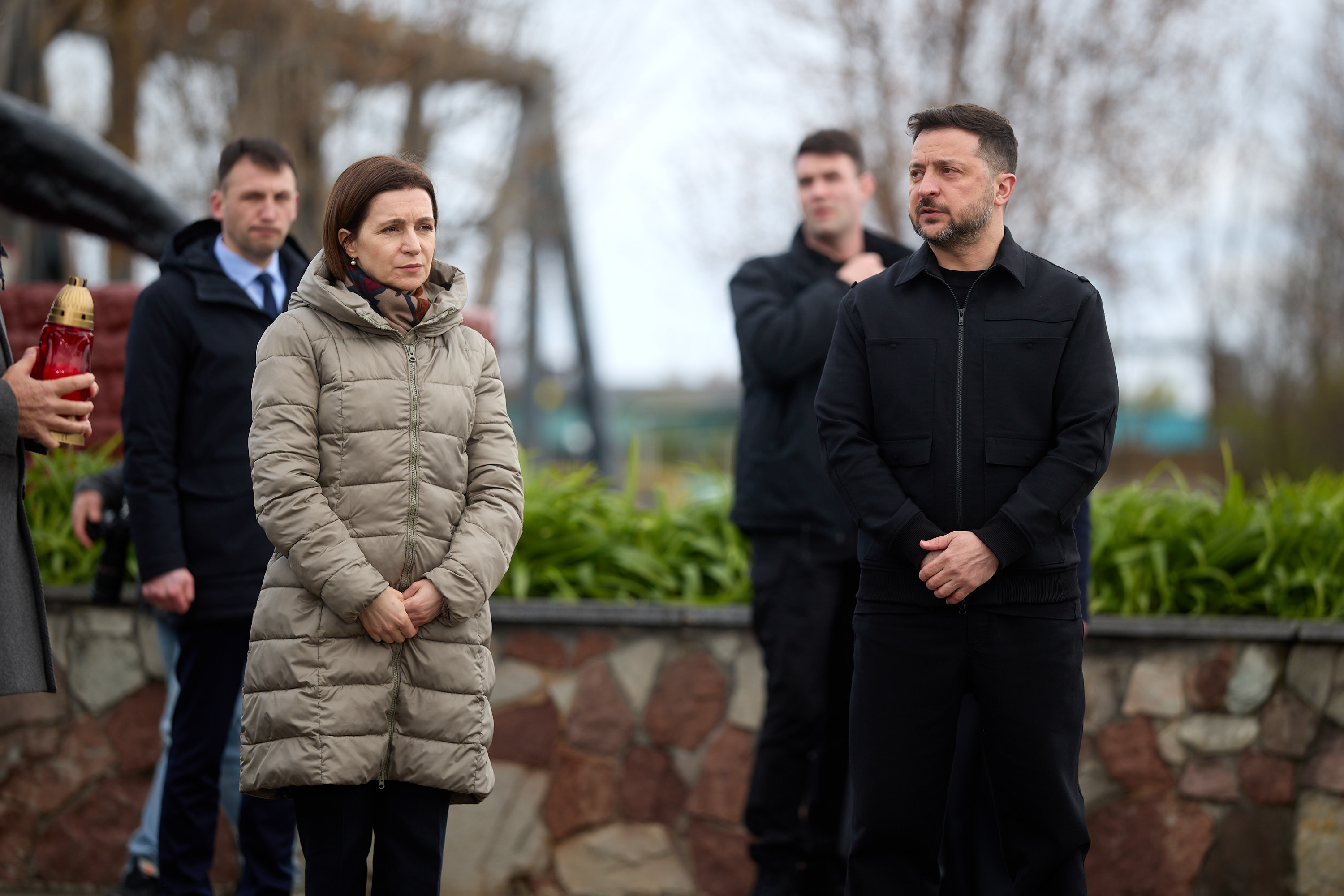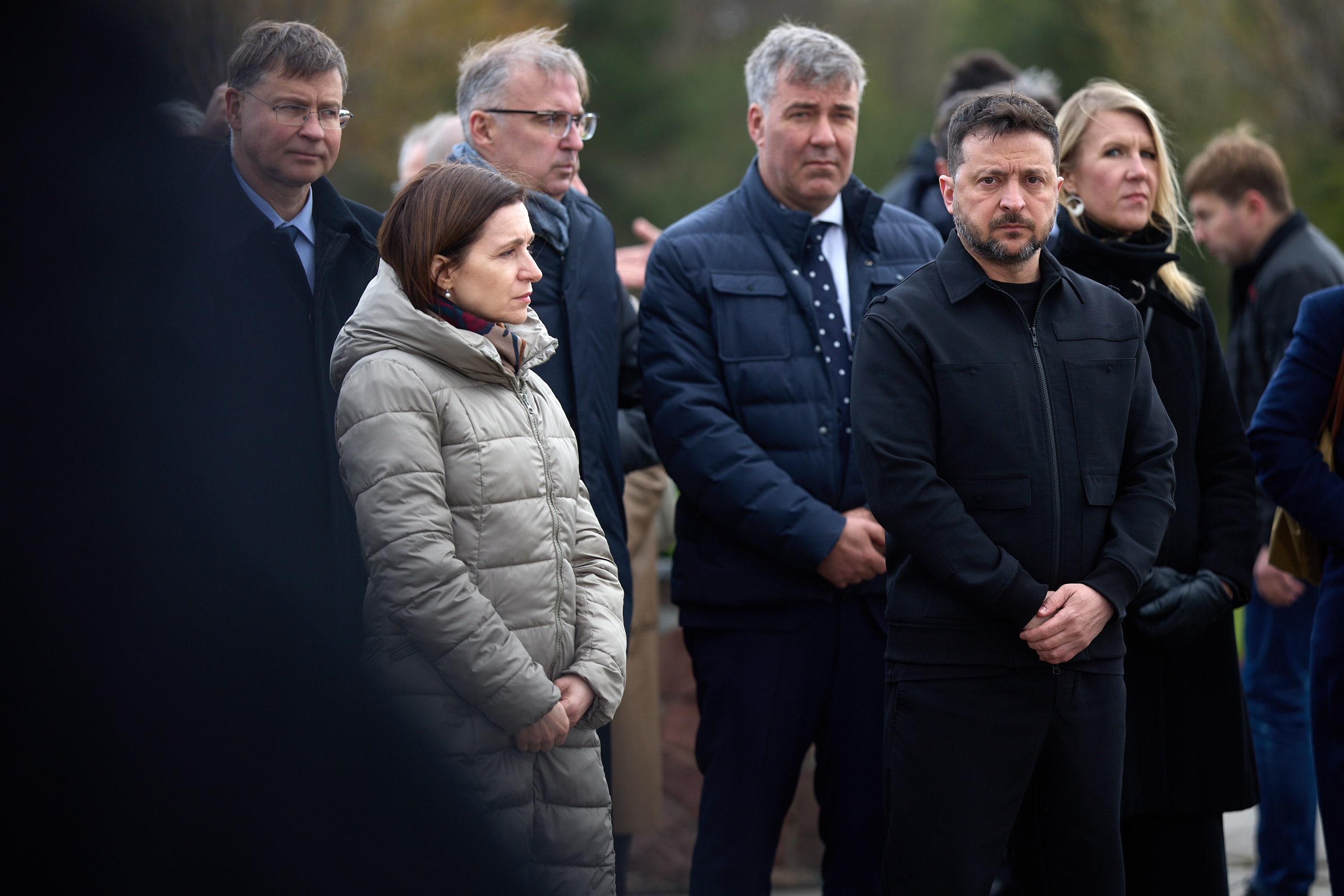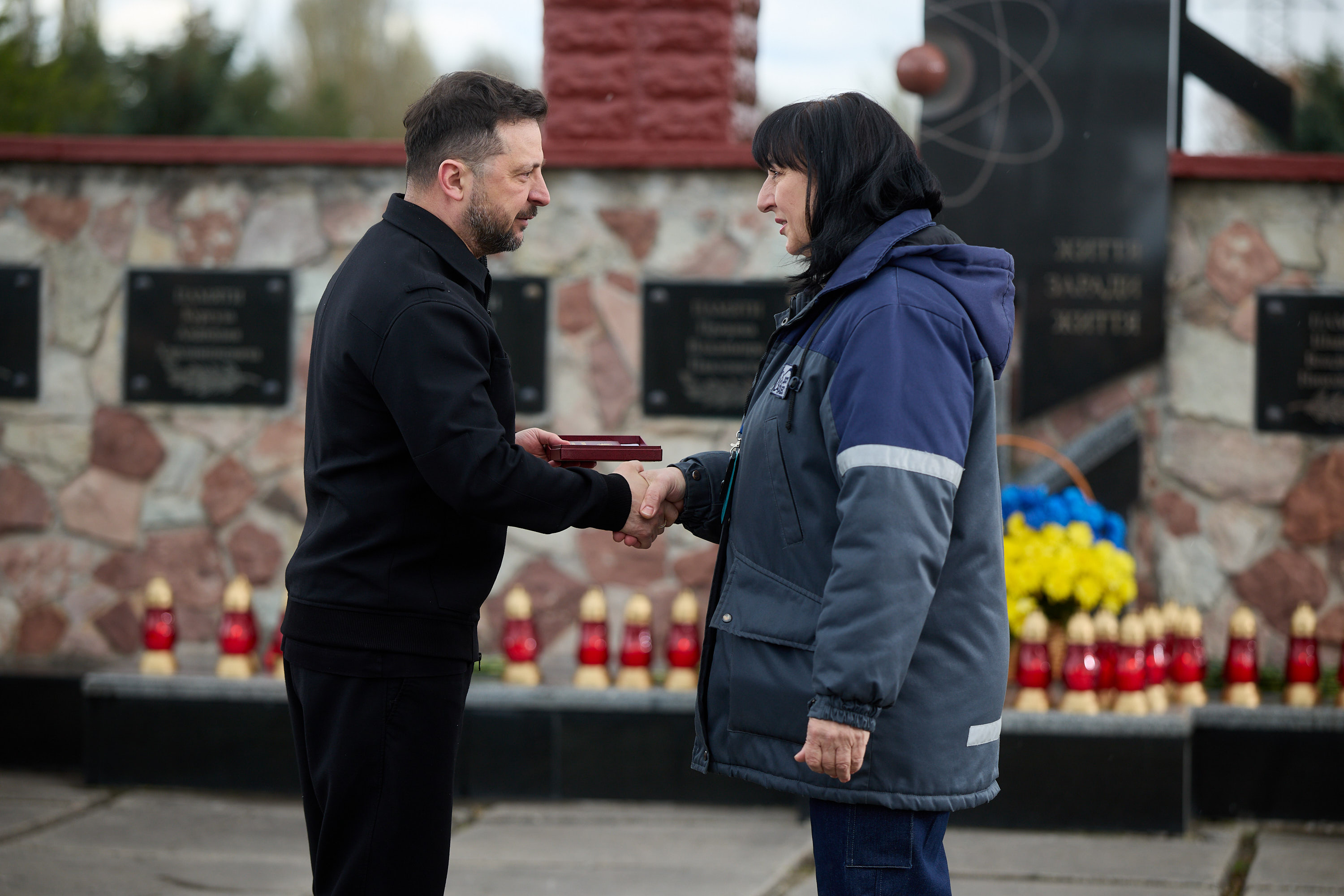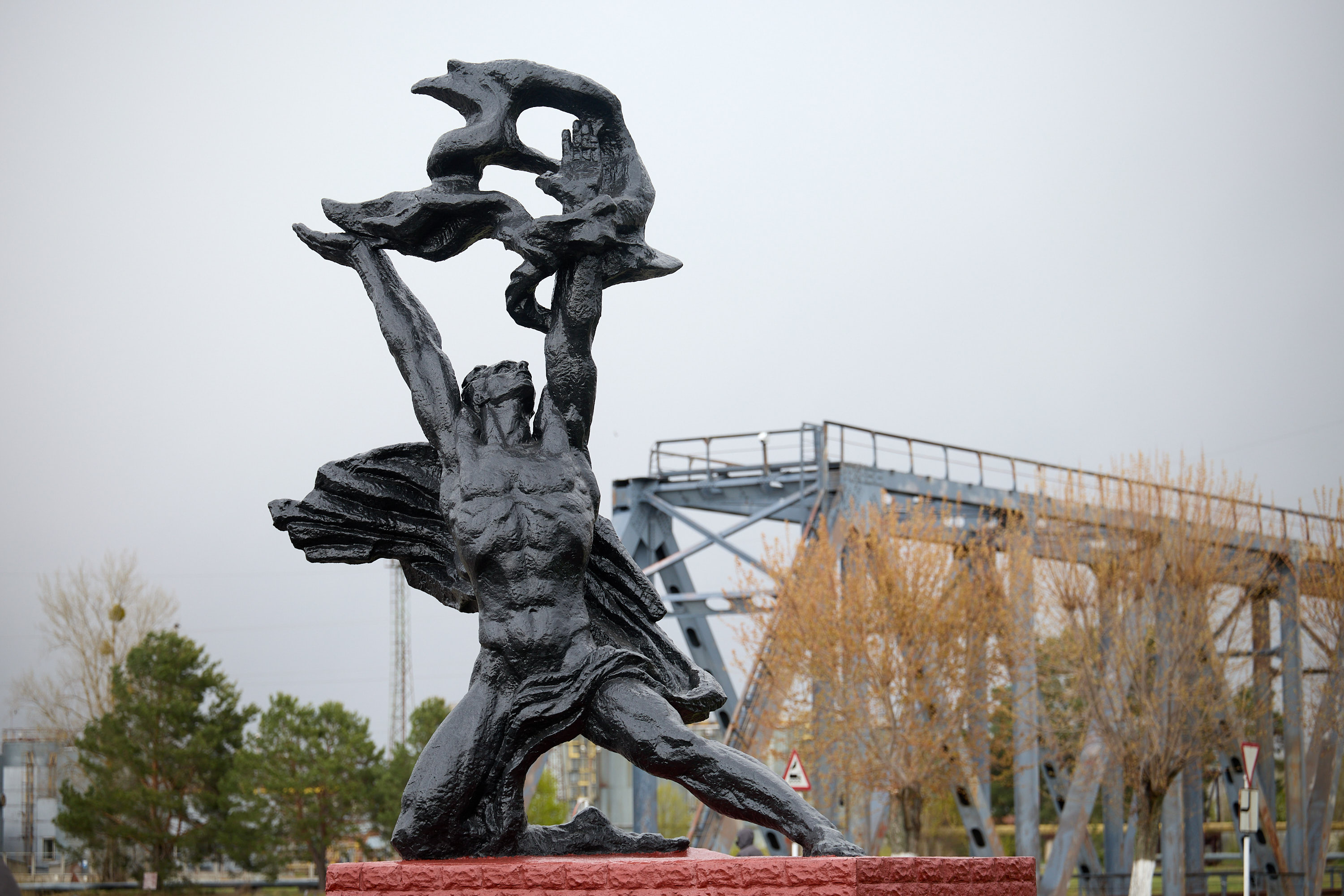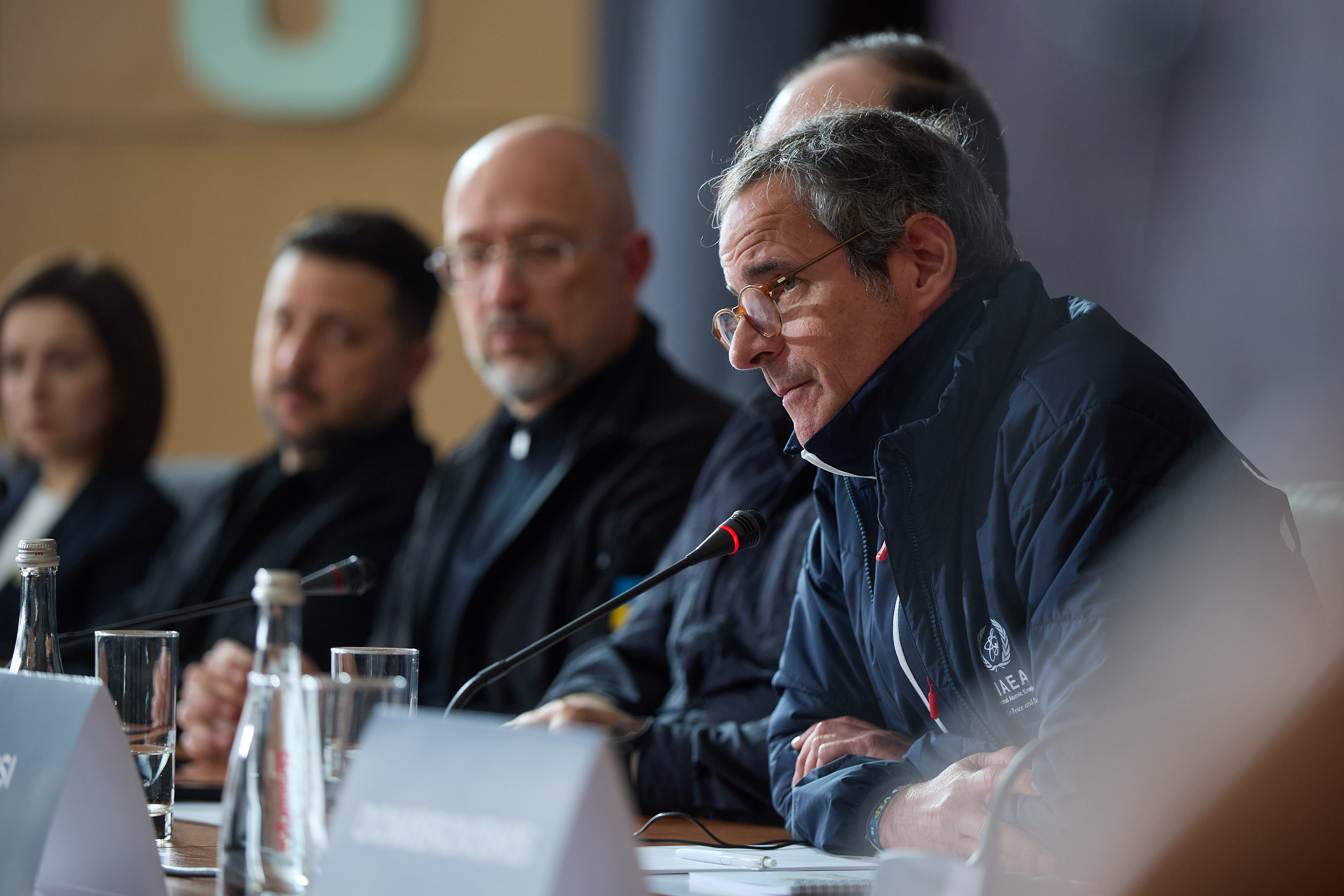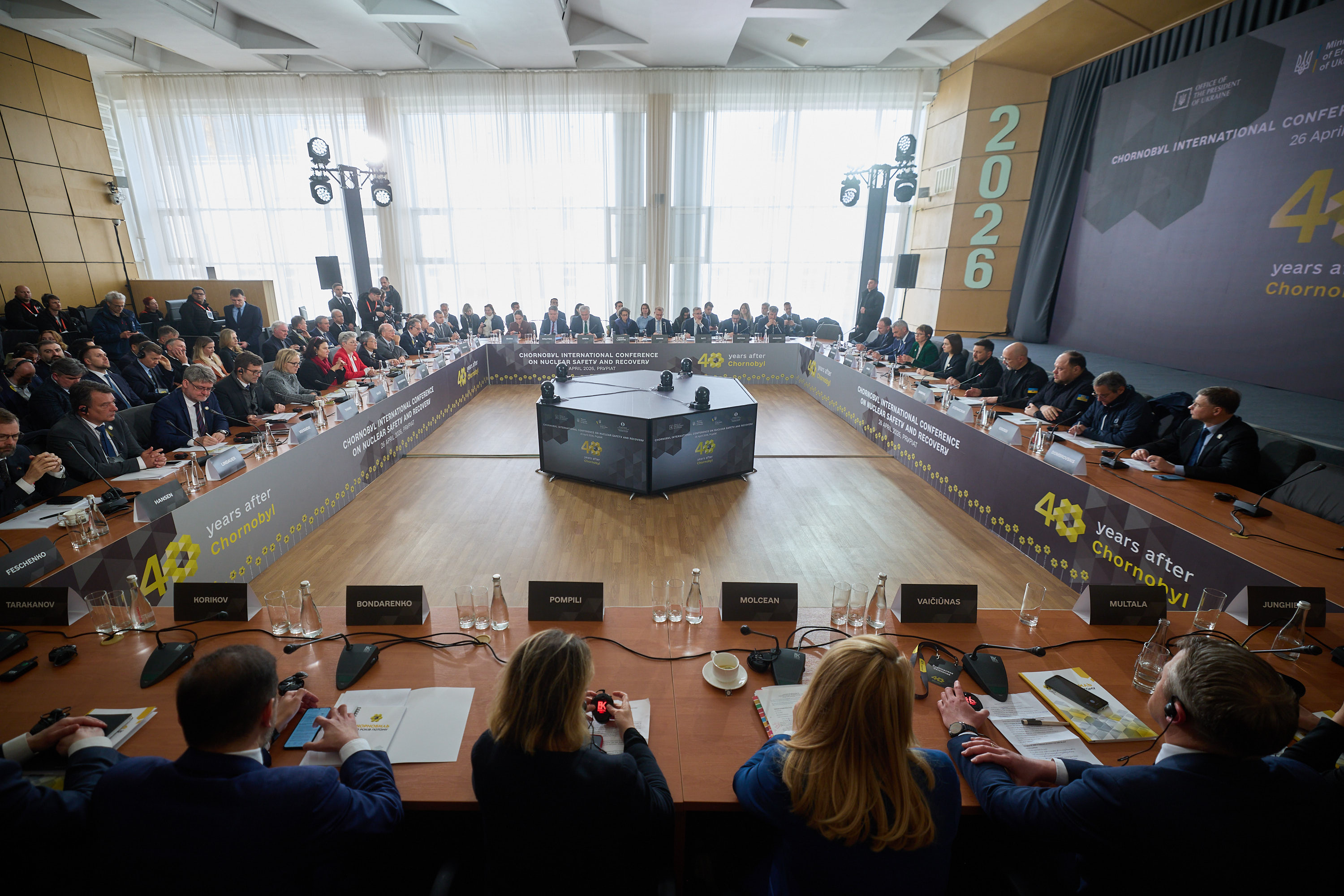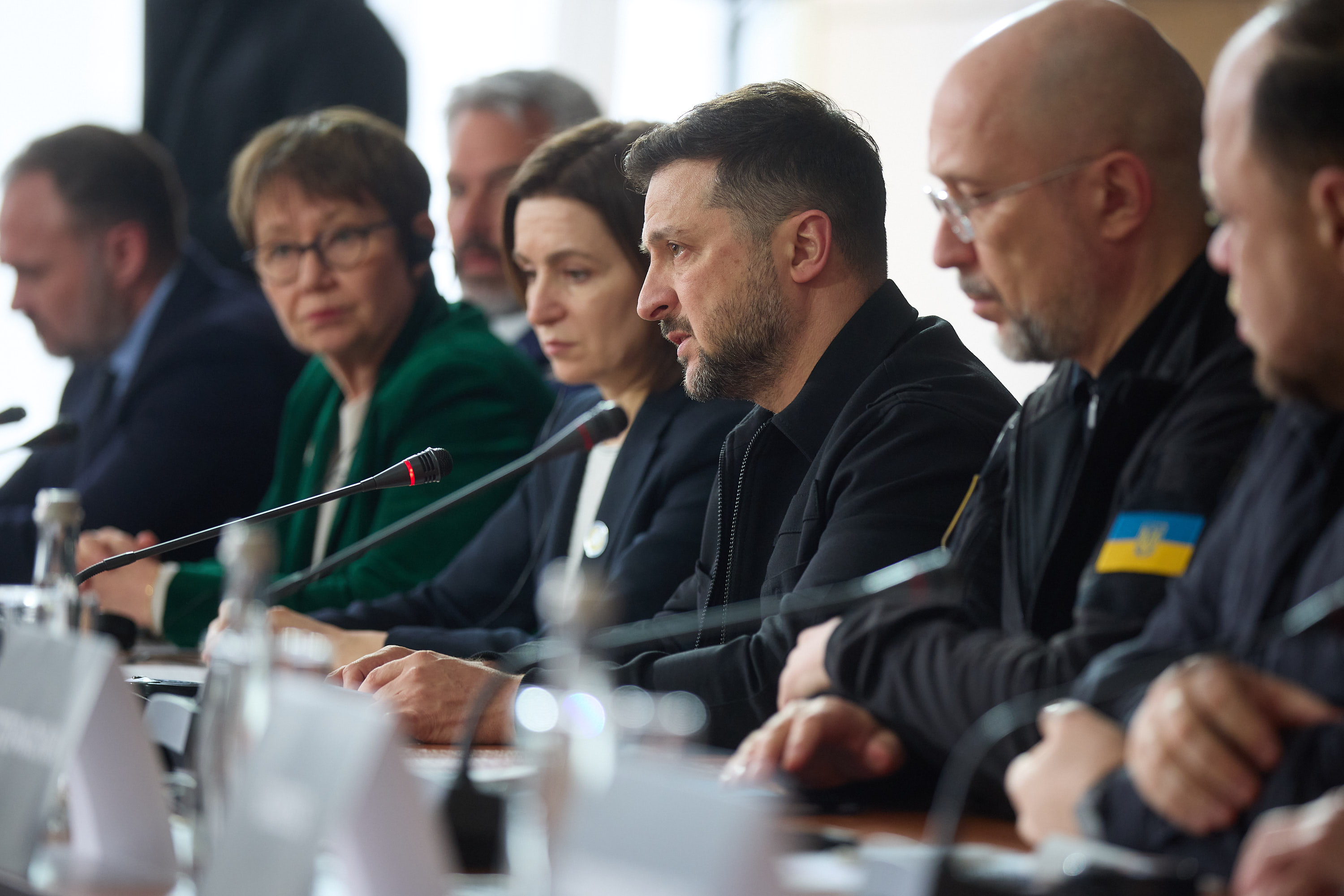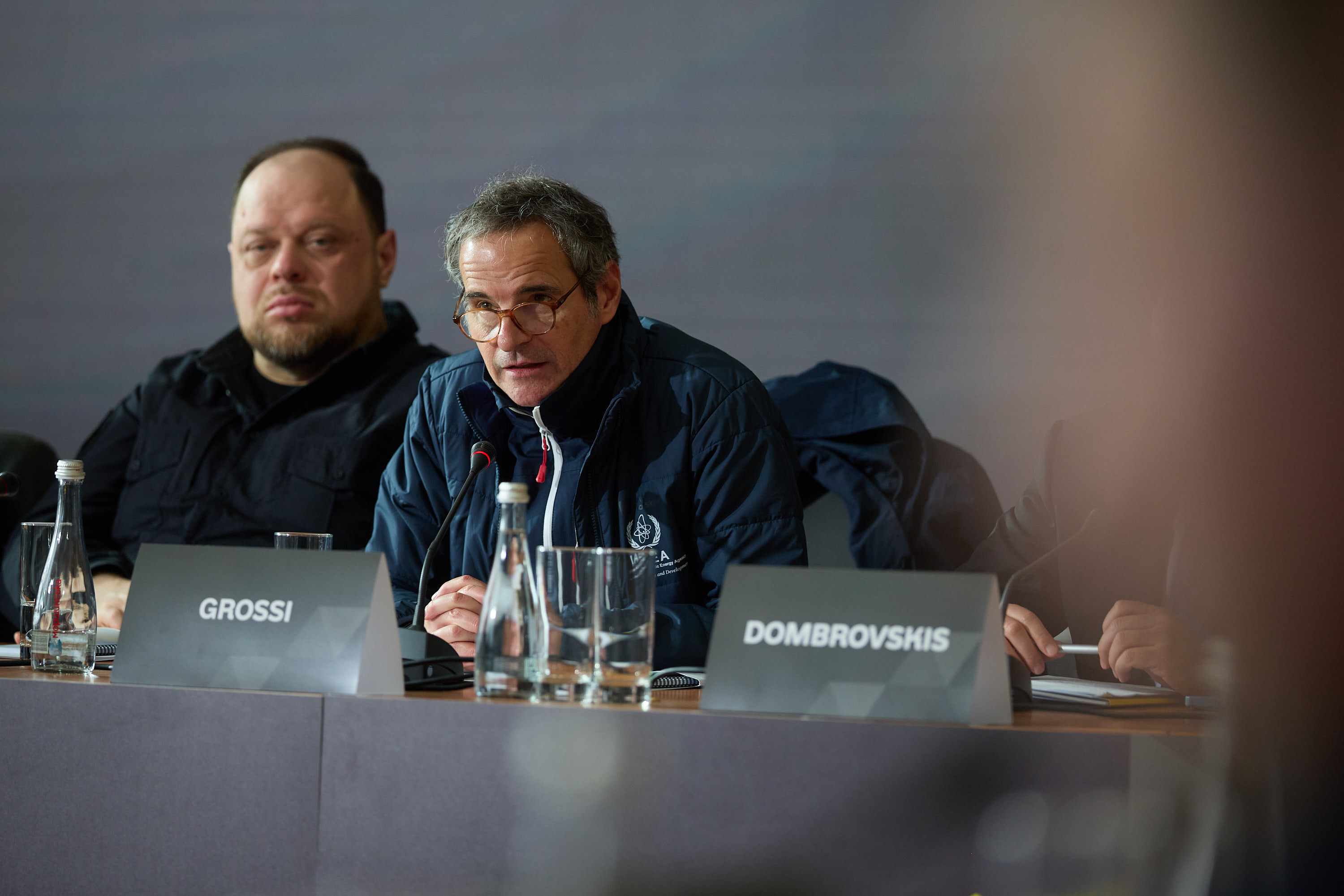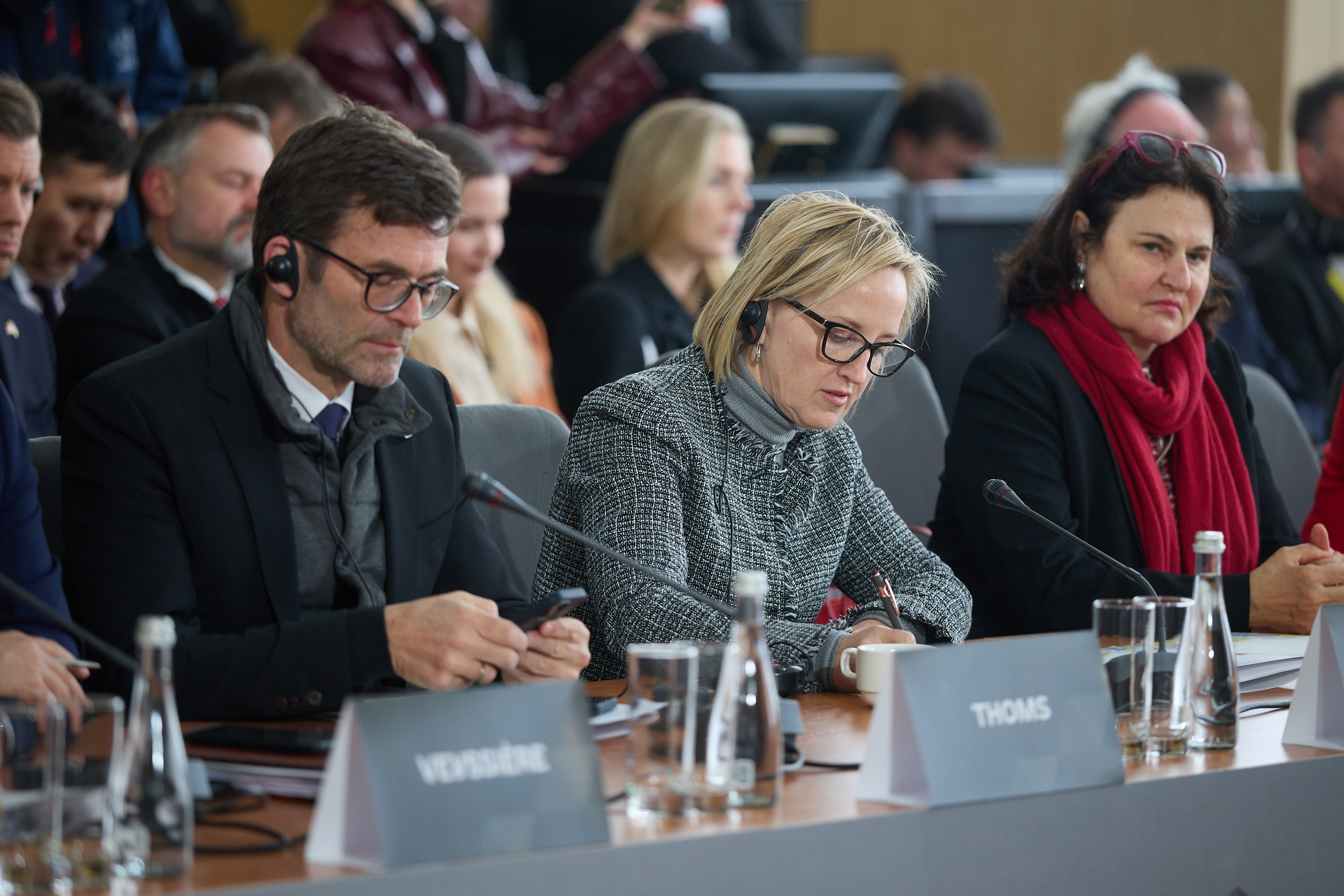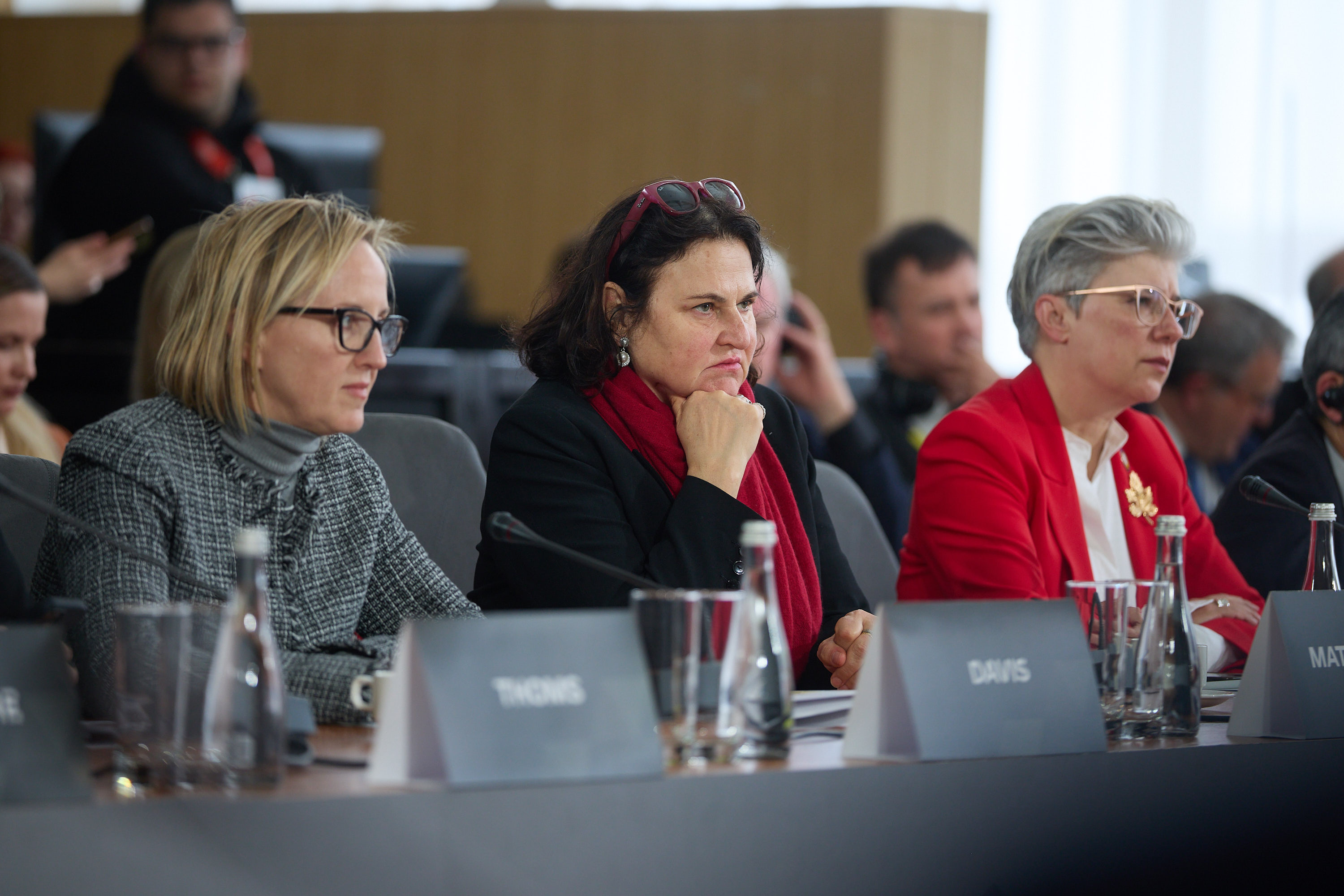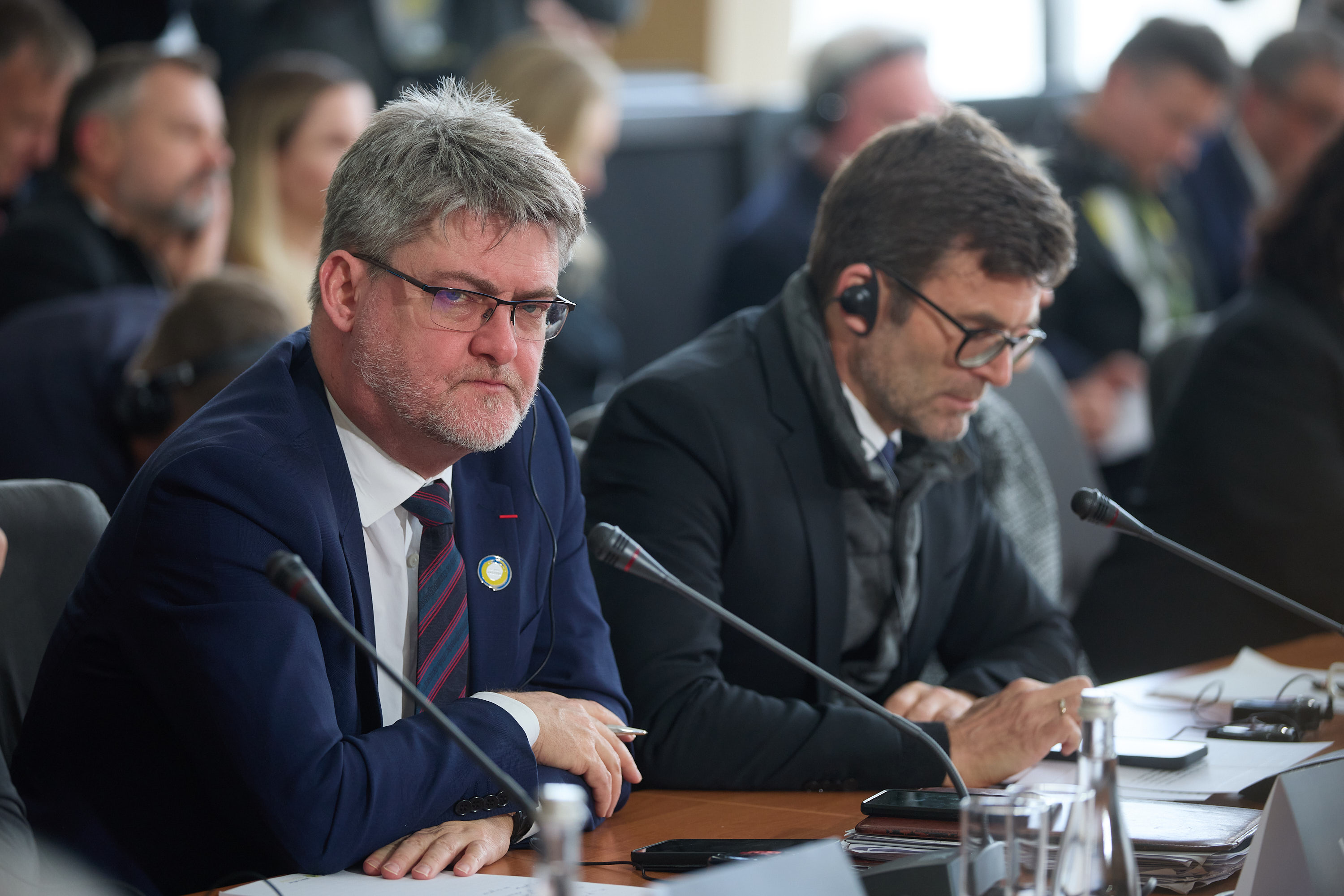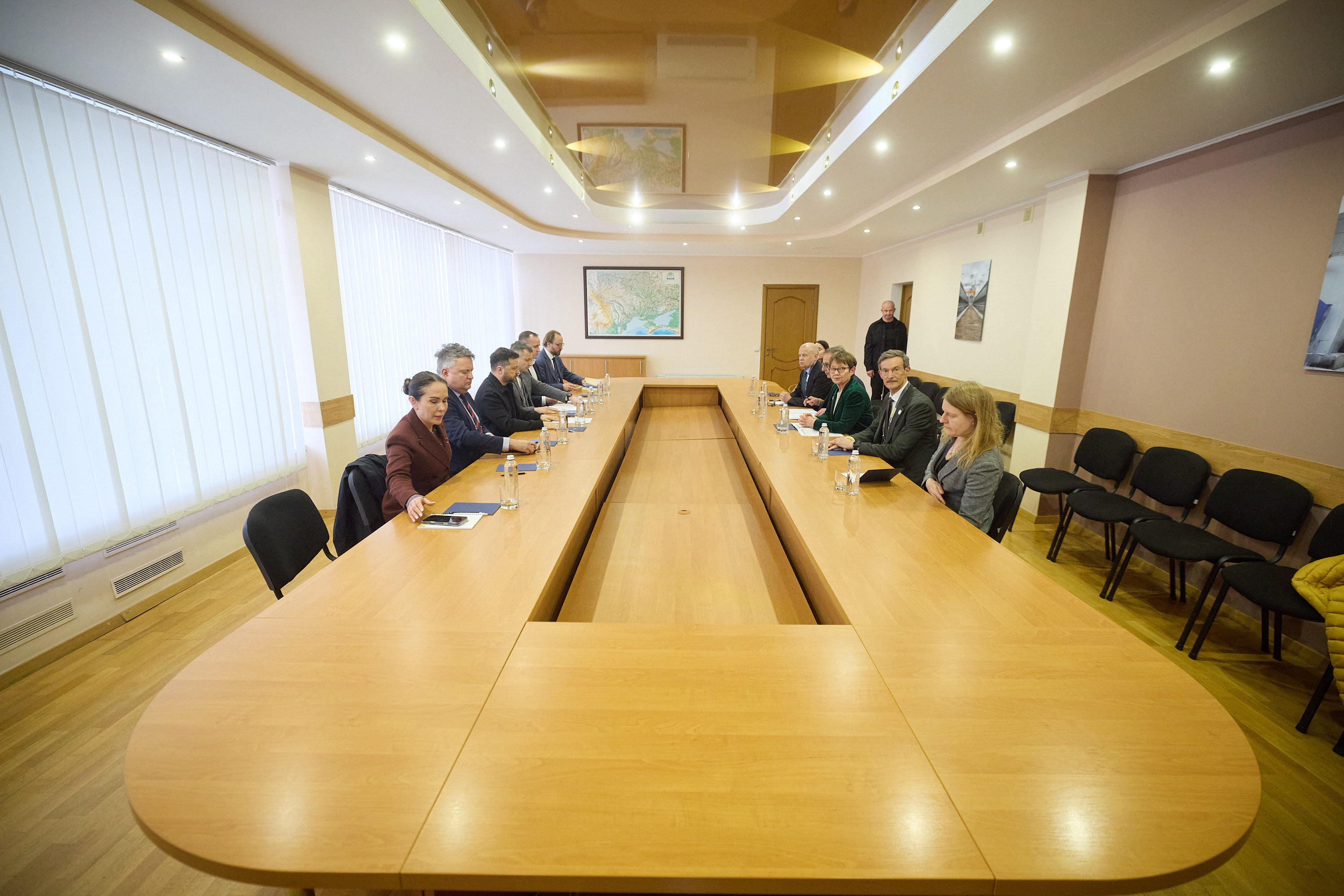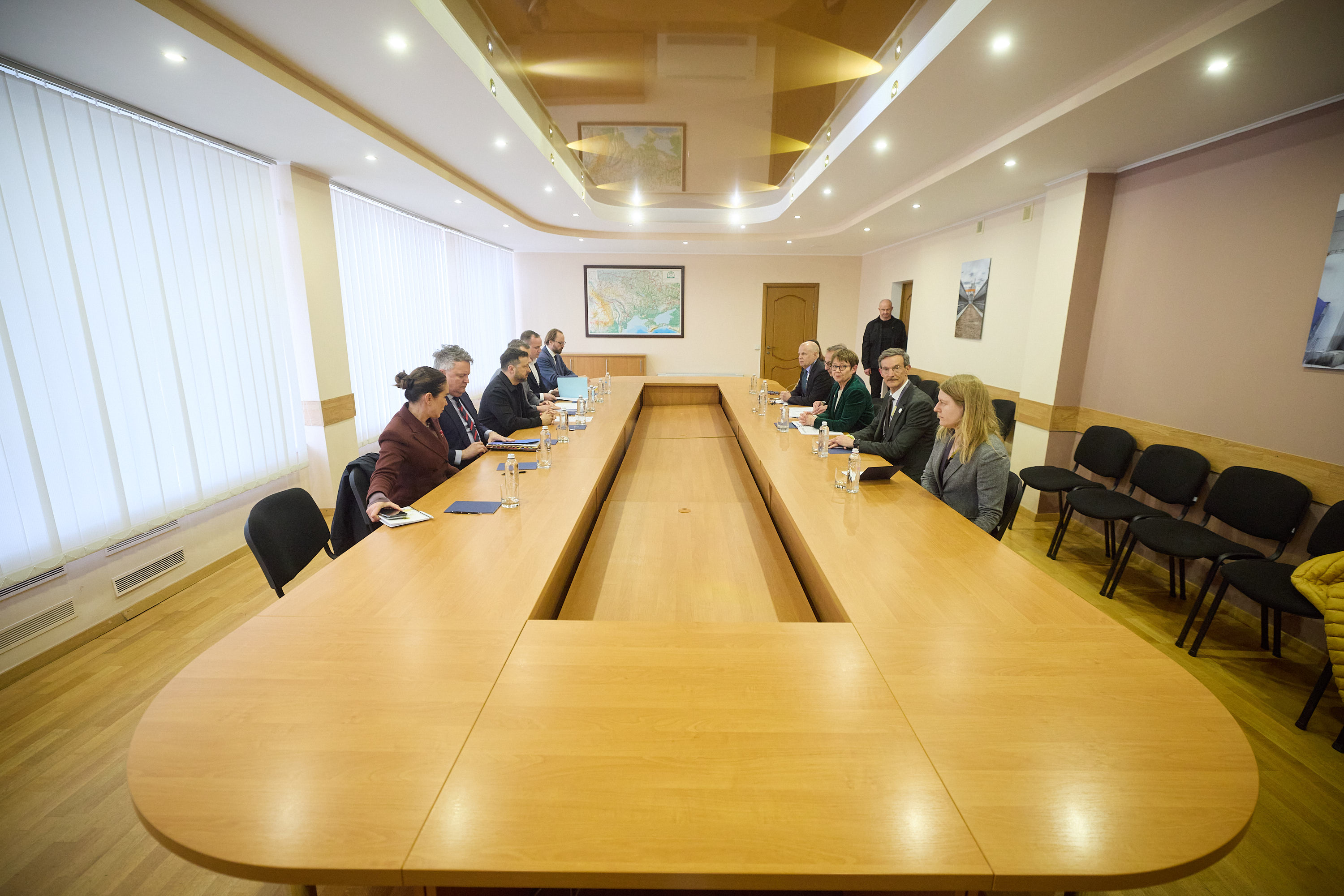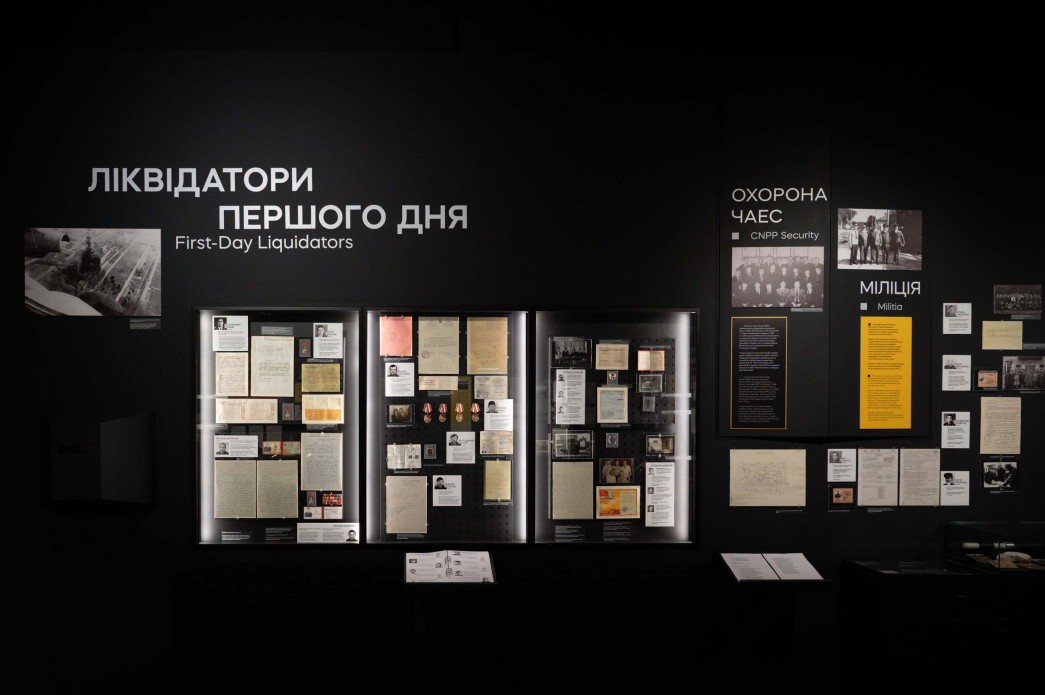
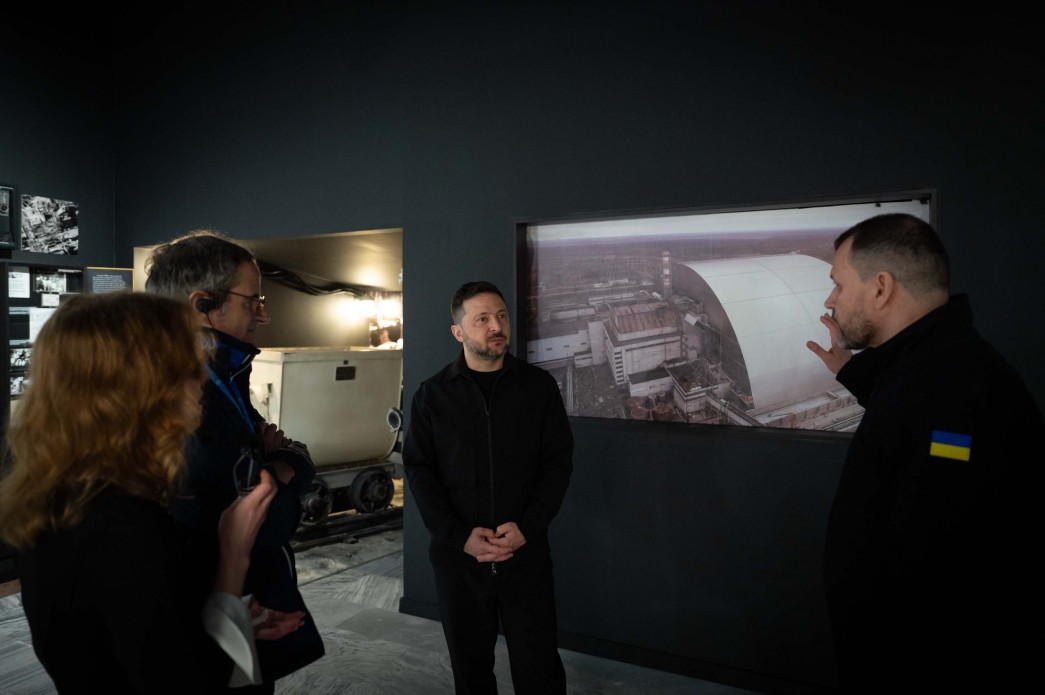
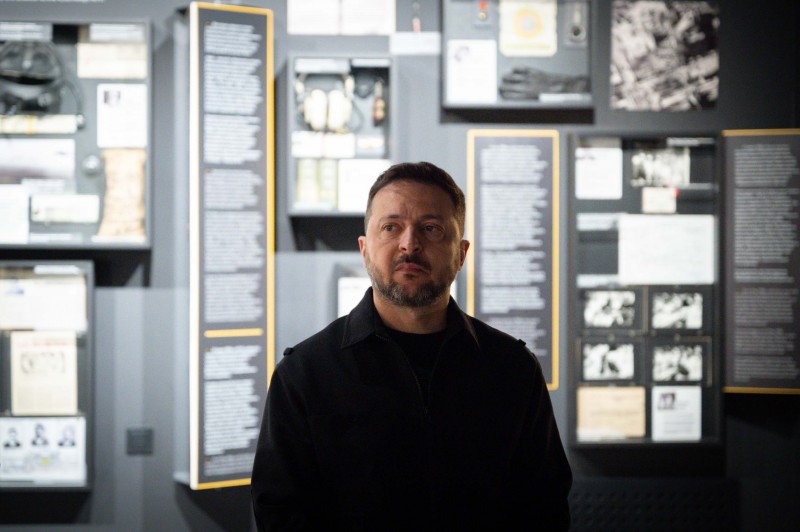
On the occasion of the 40th anniversary of the Chornobyl disaster, President of Ukraine Volodymyr Zelenskyy, together with IAEA Director General Rafael Grossi, took part in the opening of a new permanent exhibition at the National Chornobyl Museum: “Chornobyl: People and Meanings.”
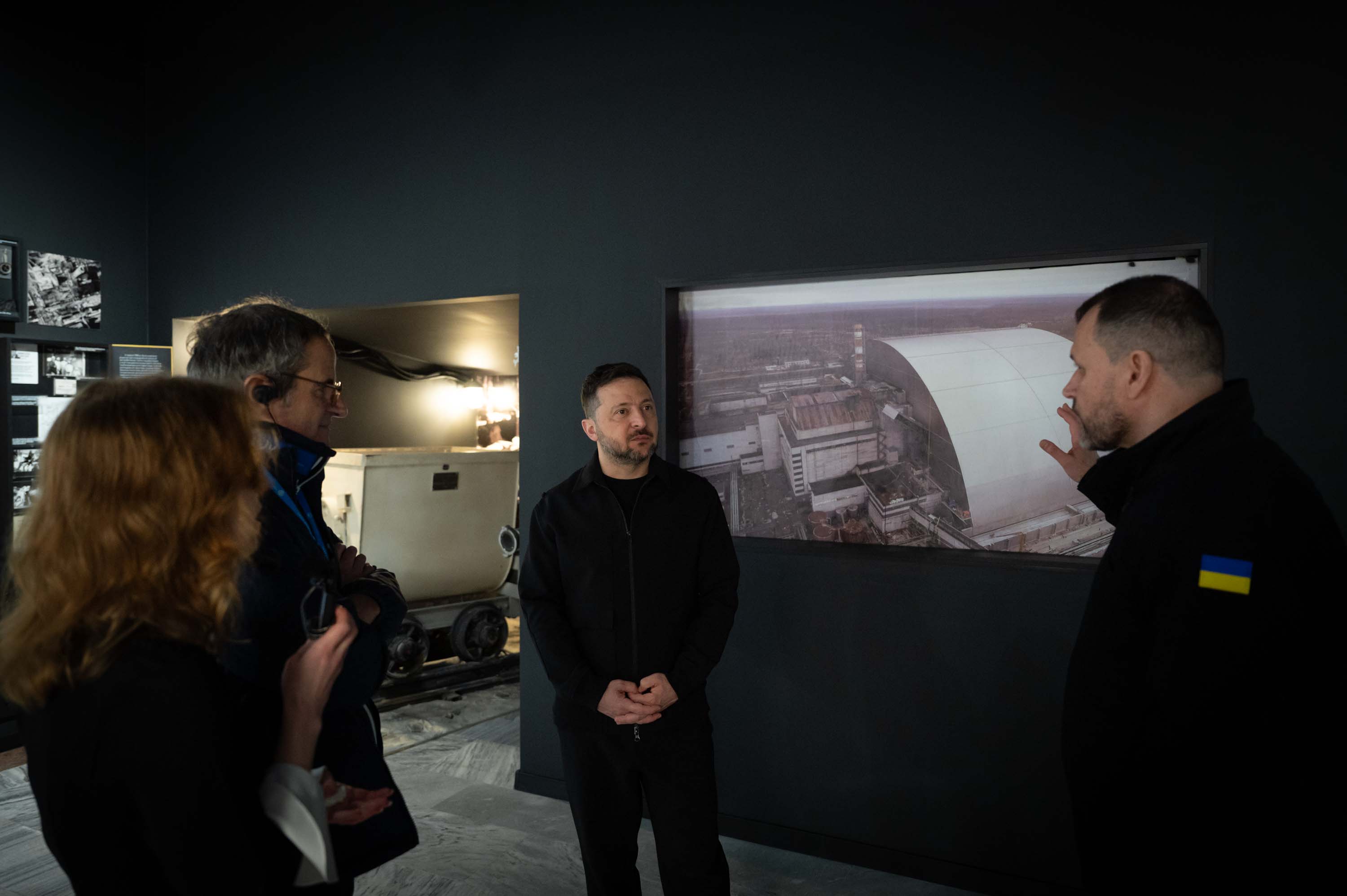
 Minister of Internal Affairs Ihor Klymenko reported to the Head of State on the work already carried out to address the consequences of the Russian strike on the confinement at the Chornobyl Nuclear Power Plant on February 14, 2025. He also outlined further necessary steps and the importance of continued support from international partners.
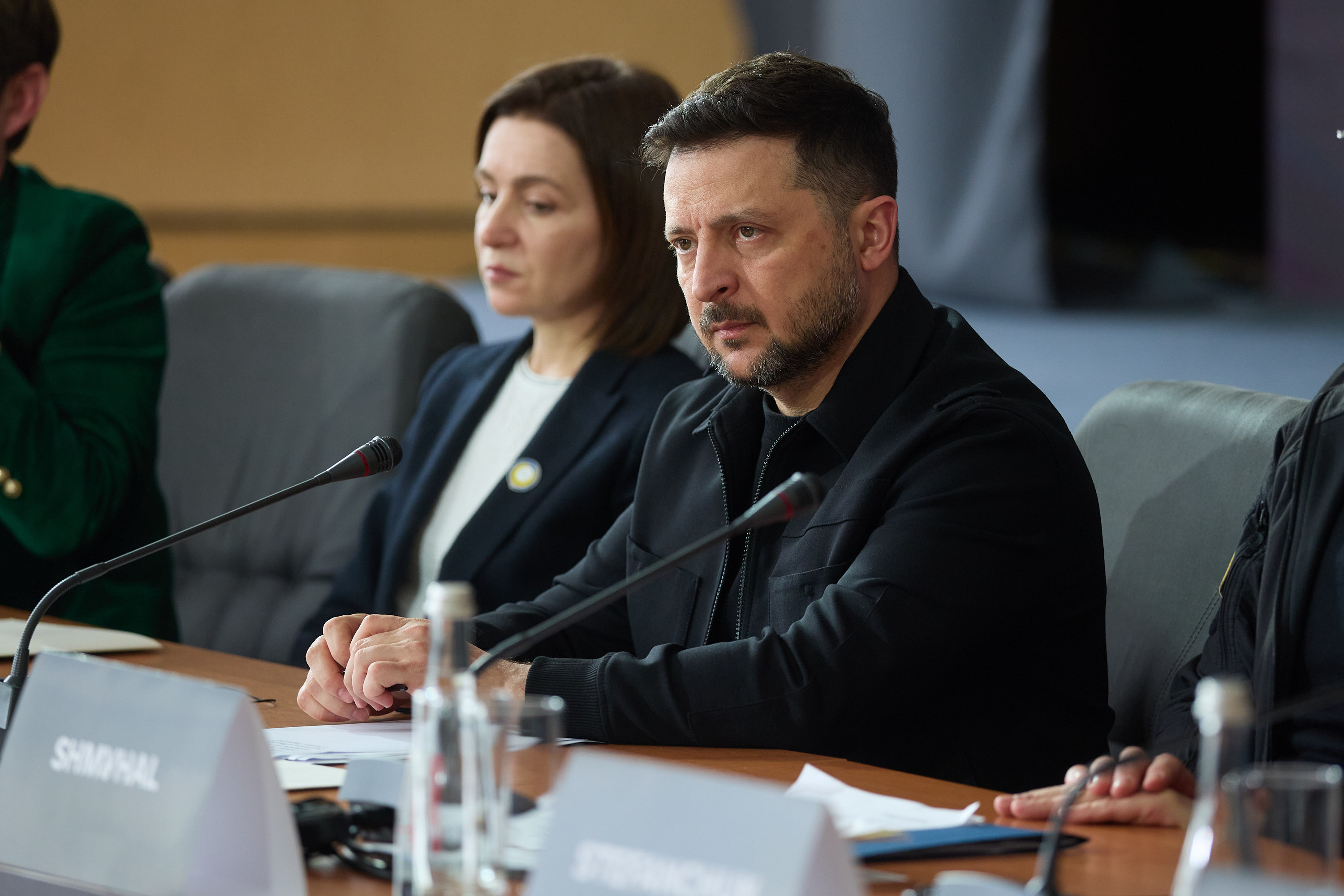
“We brought together our partners – those who were helping. Many countries were involved in building the sarcophagus. And we engaged our partners again to rebuild it all as quickly as possible. Partners have joined in, but all these risks still remain, of course, because the war has not ended,” the President emphasized.
Volodymyr Zelenskyy and Rafael Grossi discussed what efforts and resources are needed to fully restore the confinement. This issue, as well as the occupation of the Chornobyl Nuclear Power Plant during Russia’s full-scale invasion of Ukraine, is covered in one the exhibition’s sections.
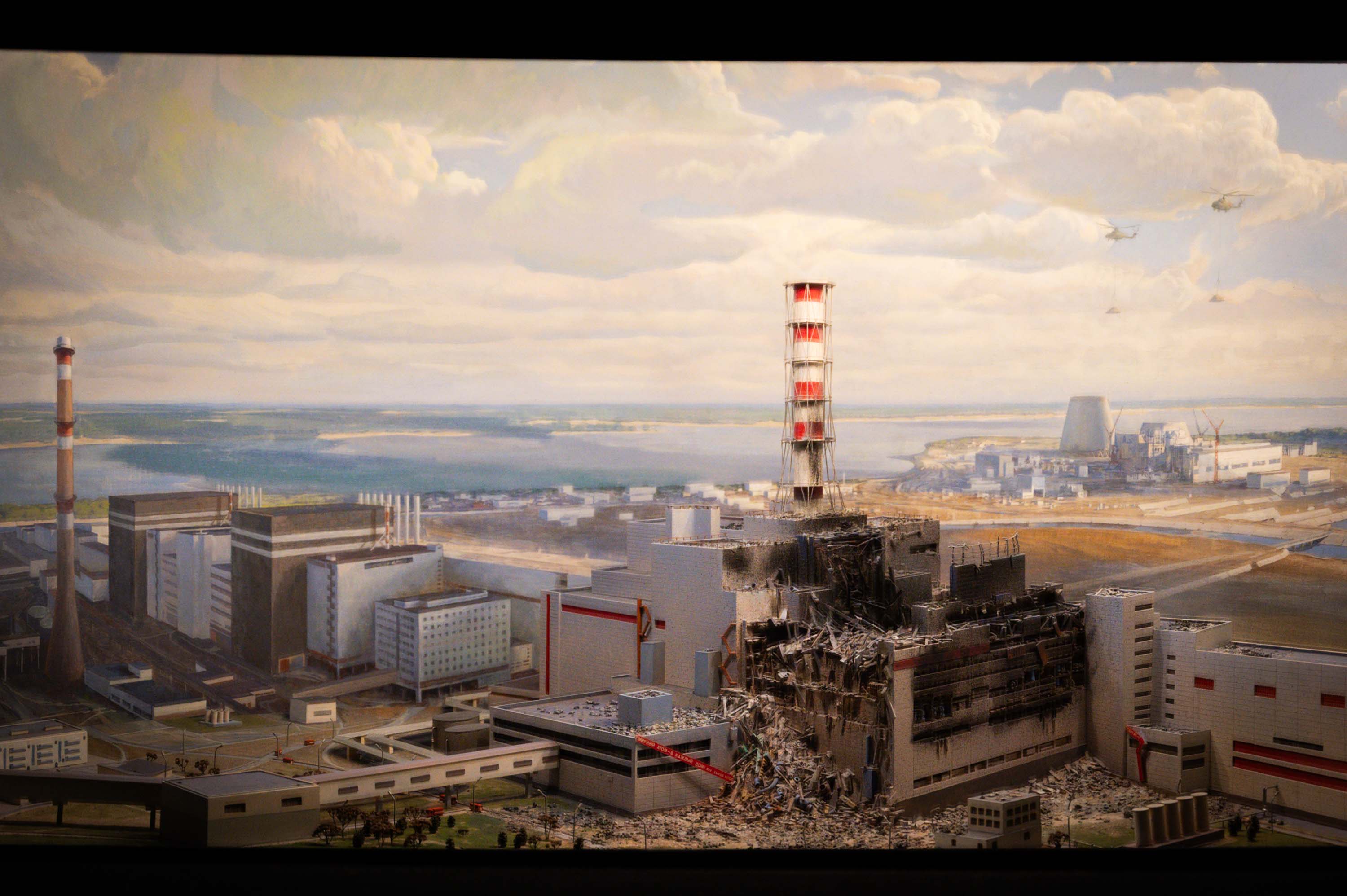
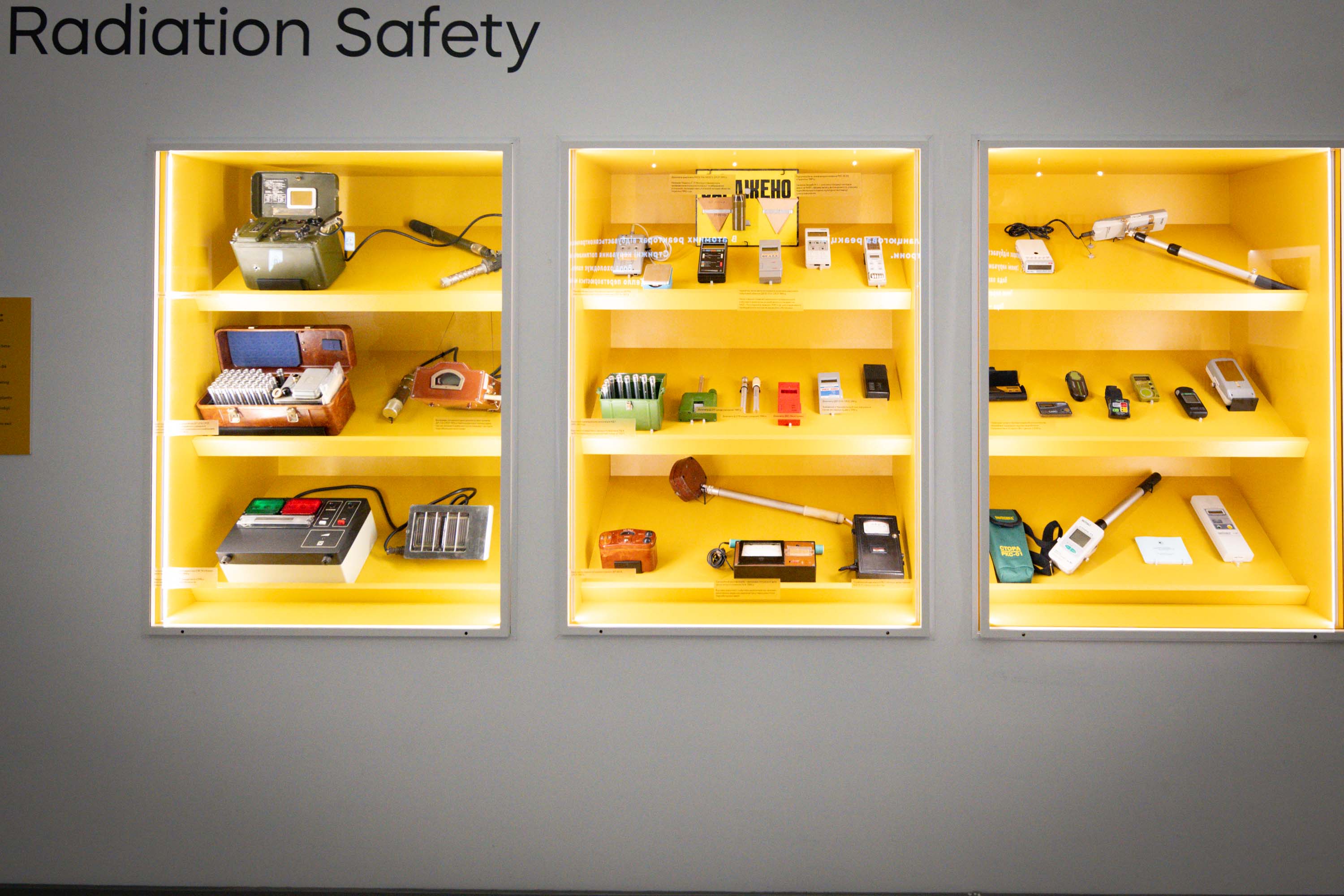
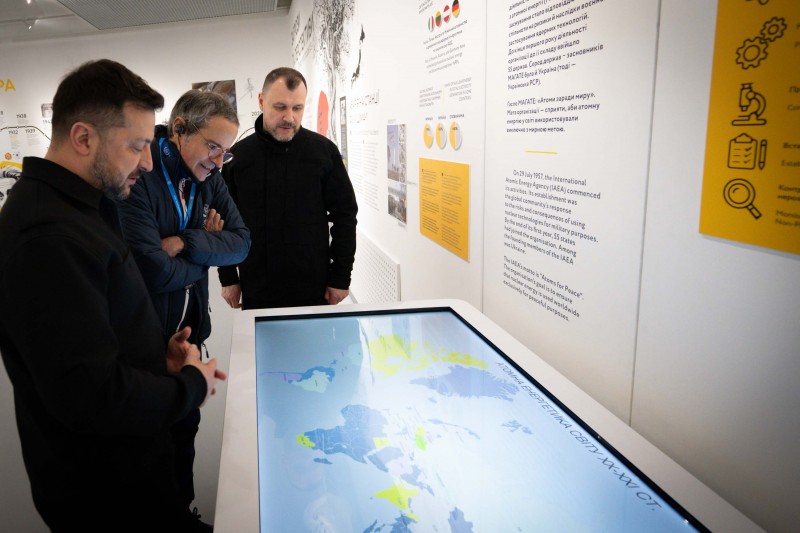 Director General of the museum Vitalina Martynovska informed the Head of State that the exhibition includes around 23,000 items related to the construction and operation of the Chornobyl Nuclear Power Plant, the accident, the response to the man-made disaster, the establishment of the Exclusion Zone, the construction of the “Shelter” object, life in the city of Prypyat, and personal belongings of the liquidators.
Background. On the night of February 14, 2025, Russia carried out a deliberate drone strike on the arch of the New Safe Confinement at the Chornobyl Nuclear Power Plant. The attack damaged both the outer and inner shells of the arch, as well as equipment of the main crane system.
According to preliminary estimates, more than €500 million is needed to fully restore the functionality of the confinement. An initial support program has already been approved, and the European Bank for Reconstruction and Development, together with partners, has begun mobilizing the necessary resources.