

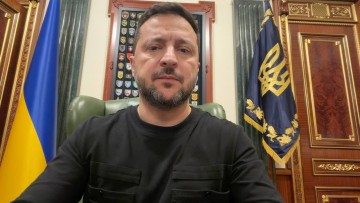

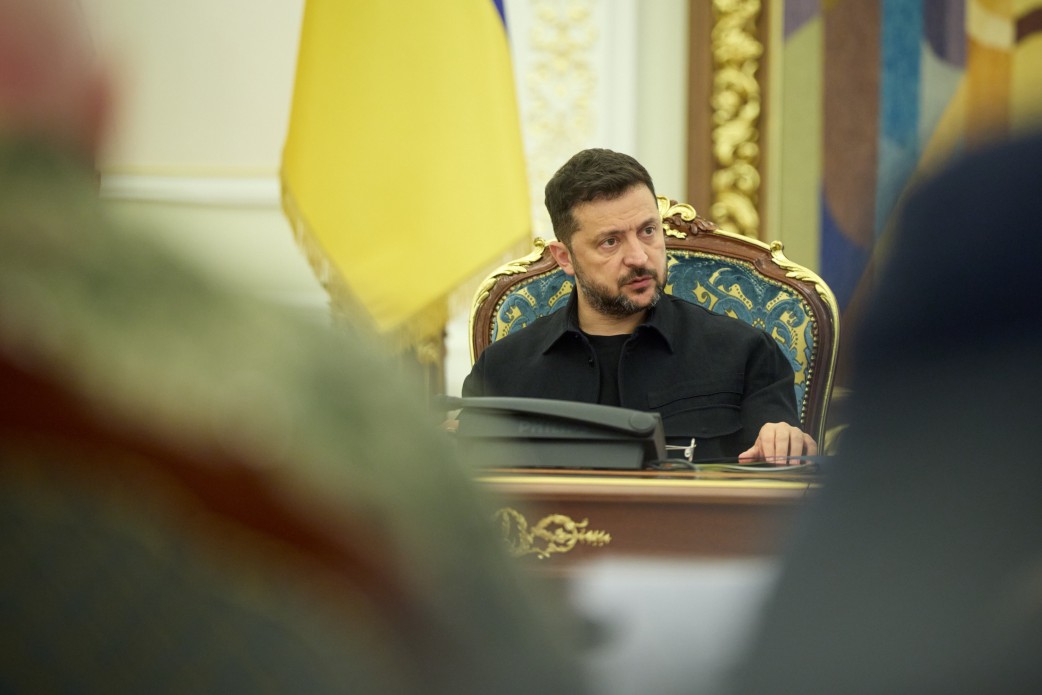
President Volodymyr Zelenskyy chaired a meeting of the National Security and Defense Council of Ukraine, during which participants reviewed the implementation status of comprehensive resilience plans in several regions and approved Kyiv’s comprehensive resilience plan.
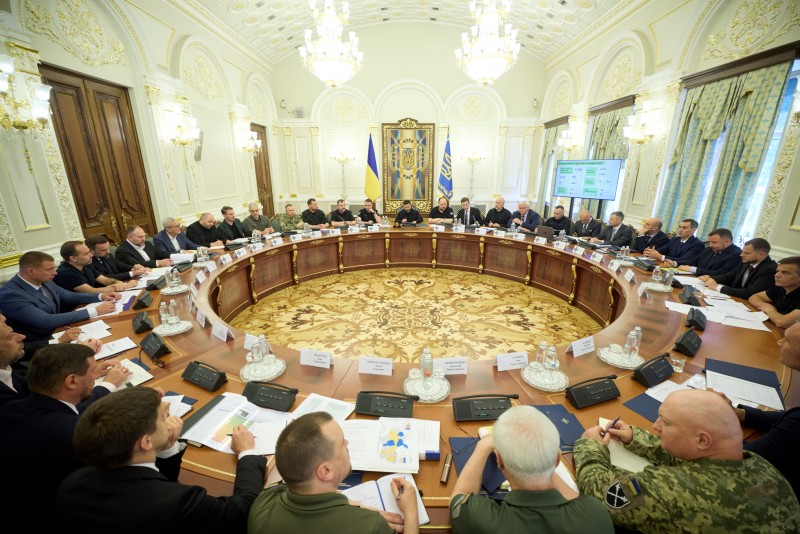 At the beginning of the meeting, the Head of State identified three key priorities in preparing for winter: strengthening the protection of critical infrastructure, ensuring the necessary number and quality of shelters, and increasing anti-ballistic capabilities.
The President emphasized that since the beginning of 2026, Ukraine has been receiving nearly three times fewer anti-ballistic missiles than before. According to Volodymyr Zelenskyy, this is, in particular, due to the hostilities in the Middle East. That is why the Ministry of Foreign Affairs and the Ministry of Defense must do everything possible to increase supplies of interceptor missiles. At the same time, Ukraine’s defense industry must work with partners to build a domestic air defense system.
“The other side involves the challenges of winter. We cannot postpone winter – that is clear and natural. Nor can we postpone our work on internal resilience. Therefore, one factor that does not depend on partners, but depends entirely on us, is our resilience plans – specifically, strengthening the protection of our energy grid, electricity, gas supply, water supply, and the country’s critical infrastructure, so to speak,” he said.
The President emphasized the importance of analyzing the implementation of the resilience plans and identifying the specific needs of the regions as they prepare for winter. According to him, unfortunately, some cities and regions are falling behind in implementing the resilience plans, and responsibility for their implementation is personal.
“I very much expect every community, every region – everyone – to take resilience plans and their fullest possible implementation seriously,” Volodymyr Zelenskyy noted.
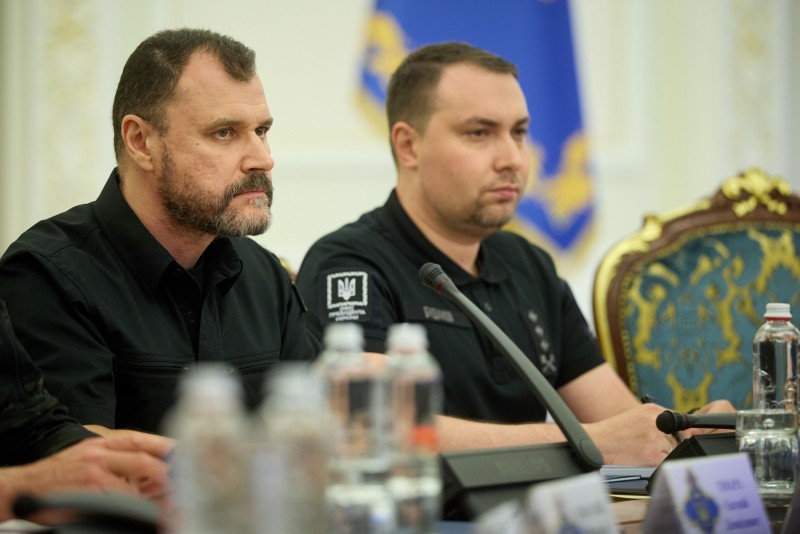 Secretary of the National Security and Defense Council Ihor Klymenko said that Russia is still trying to destroy Ukraine’s energy system in order to leave the country without water and heat.
“Strikes on critical infrastructure continue. Last night’s attack on Kyiv and communities in the Kyiv region, the numerous civilian casualties, and the destruction of civilian facilities confirm the aggressor’s hostile intentions. Starting in the fall, the terror against civilians is expected to intensify,” Ihor Klymenko emphasized.
Prime Minister Sergii Koretskyi reported on the financing of the resilience plans, the implementation of construction and restoration work at infrastructure facilities, the provision of backup power and alternative energy sources, and the protection of energy and gas equipment.
“Local governments bear separate responsibility for ensuring that the internal infrastructure of residential buildings, especially apartment buildings, is ready to operate without external power. Because if backup power is available and the system is working, but the building is not ready, then everything that was prepared beforehand is wasted. Therefore, local governments bear special responsibility for auditing and improving everything that must be provided,” Sergii Koretskyi said.
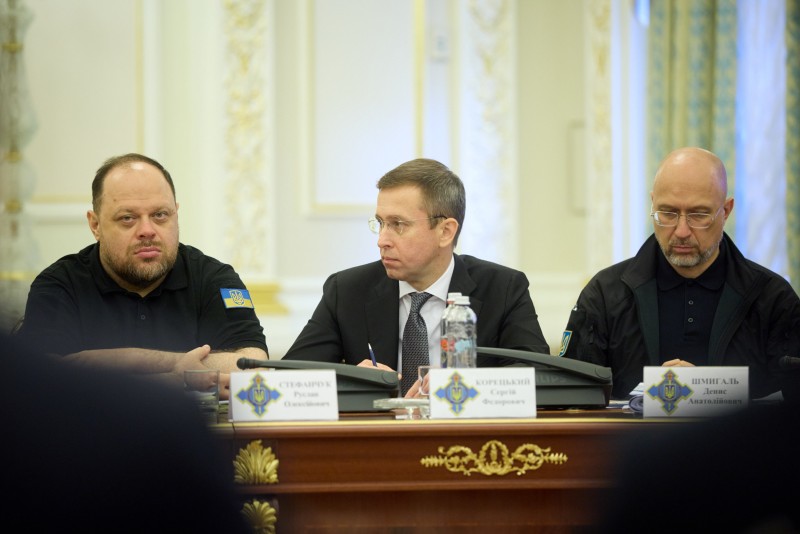 According to him, it is also important to conduct an audit, identify priorities for active protection, and ensure repair reserves and stocks of diesel fuel.
First Deputy Prime Minister – Minister of Energy Denys Shmyhal reported on agreements with partners to support Ukraine’s energy infrastructure.
Chairman of the Board of Ukrzaliznytsia JSC Oleksandr Pertsovskyi provided information on the protection of electrical substations, the restoration of rolling stock, and the construction of mobile shelters at railway facilities.
The heads of the Dnipro, Odesa, Lviv, Kherson, Chernihiv, Zaporizhzhia, and Poltava regional military administrations, as well as the Mayor of Lviv, reported on the implementation of the resilience plans. Key issues included protecting energy, heat, and water supply facilities from enemy attacks, restoring infrastructure, and building additional energy capabilities.
Head of the Agency for Restoration Serhii Sukhomlyn and Kyiv Mayor Vitali Klitschko reported on the restoration and construction of the capital’s infrastructure facilities under the resilience plan.