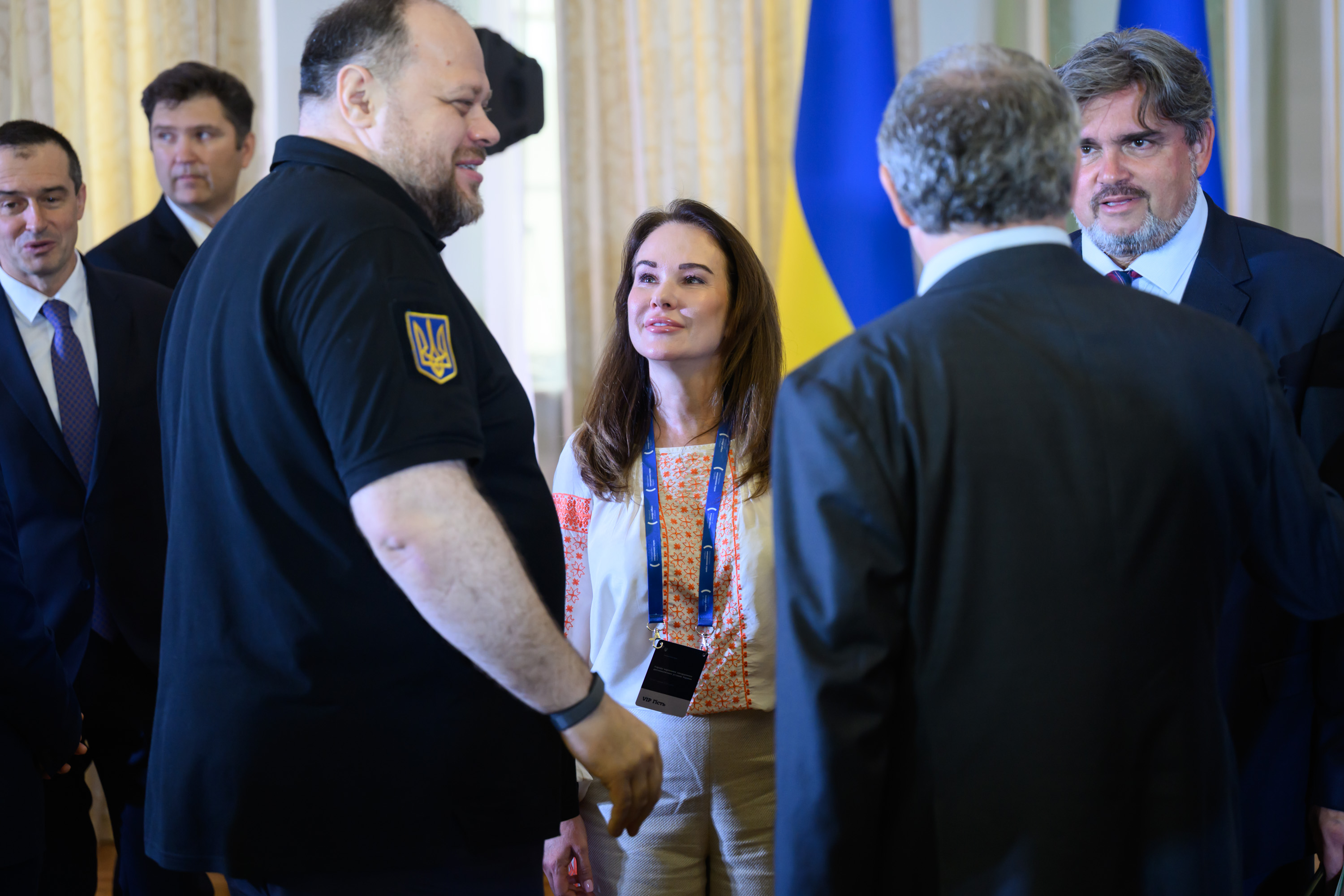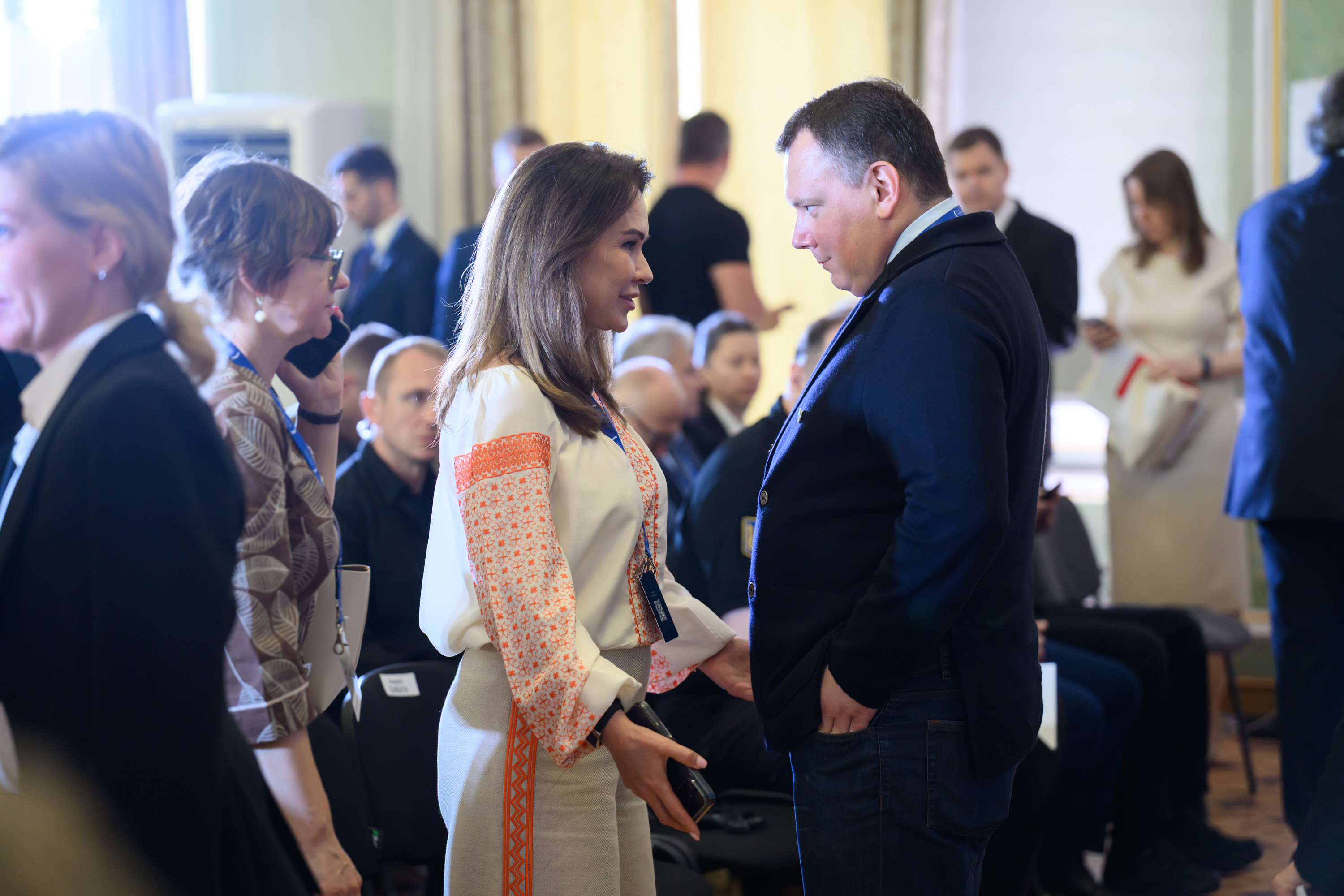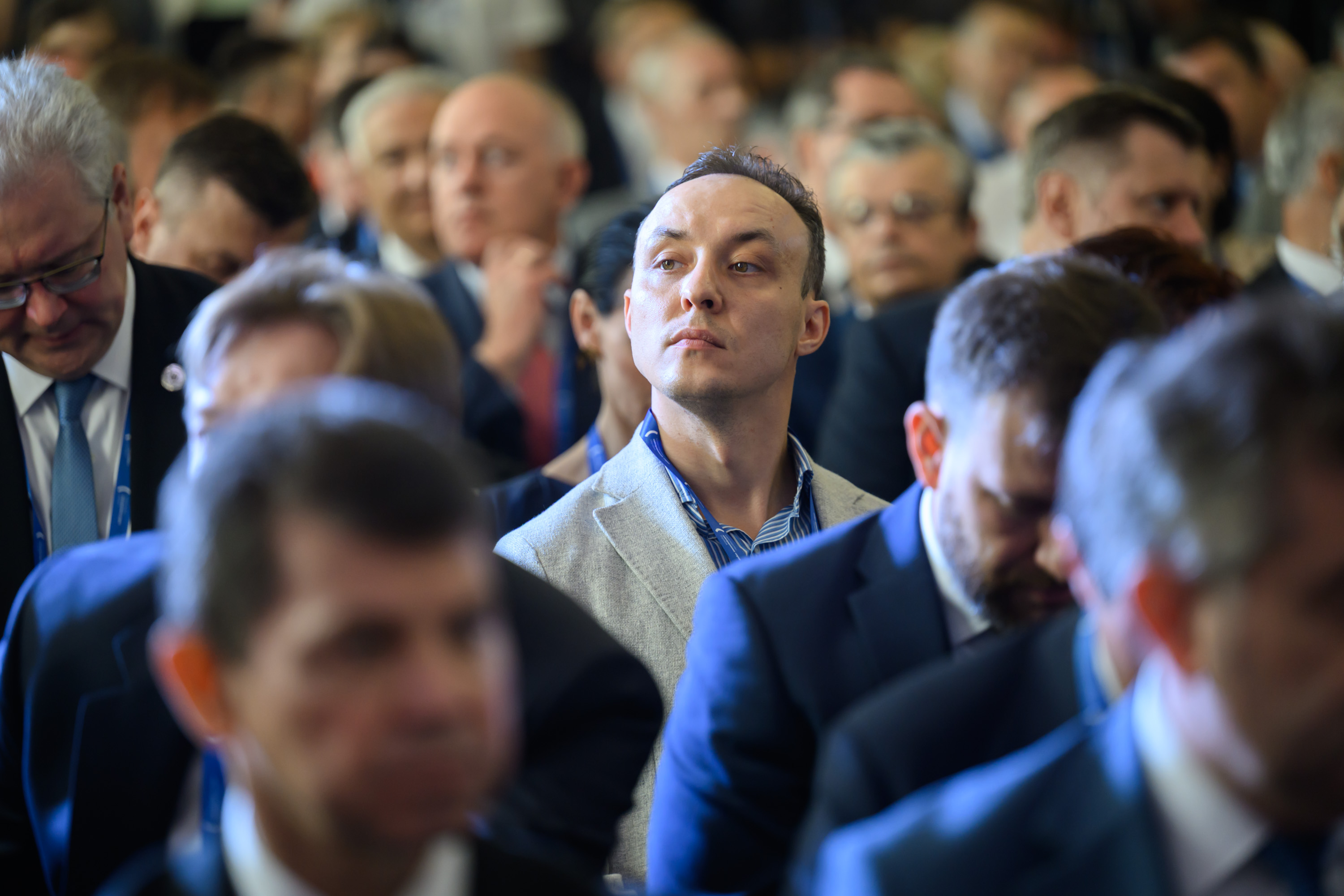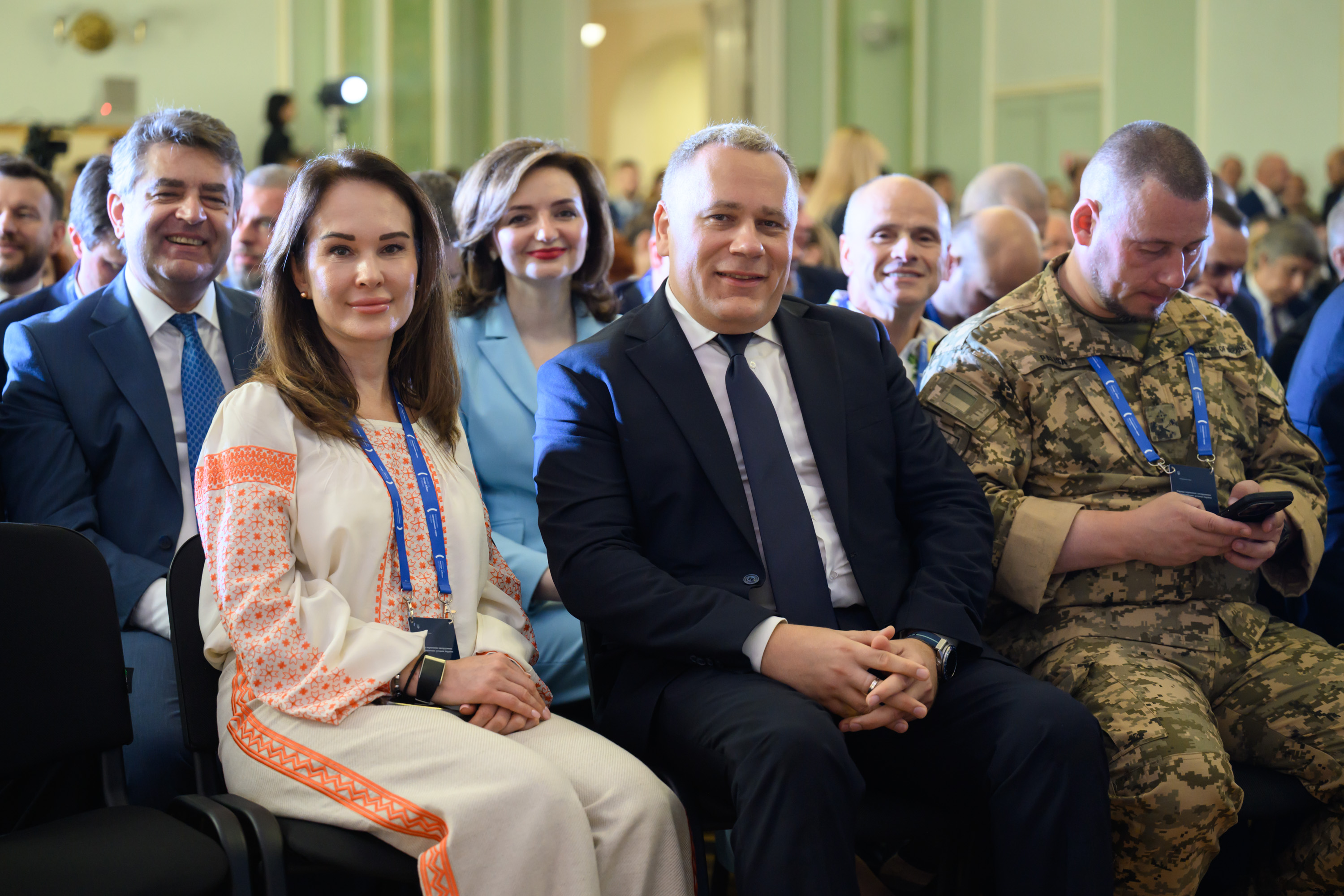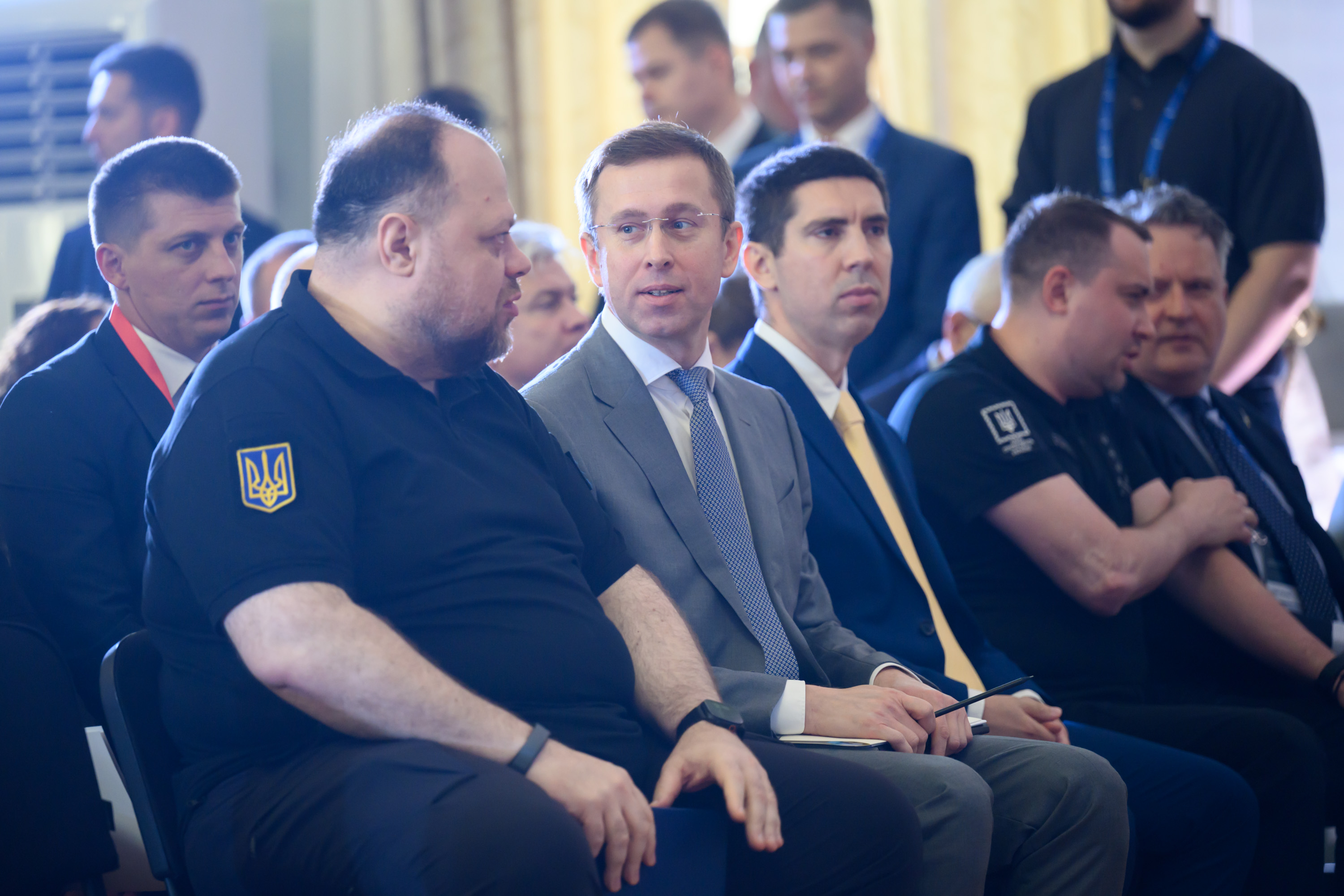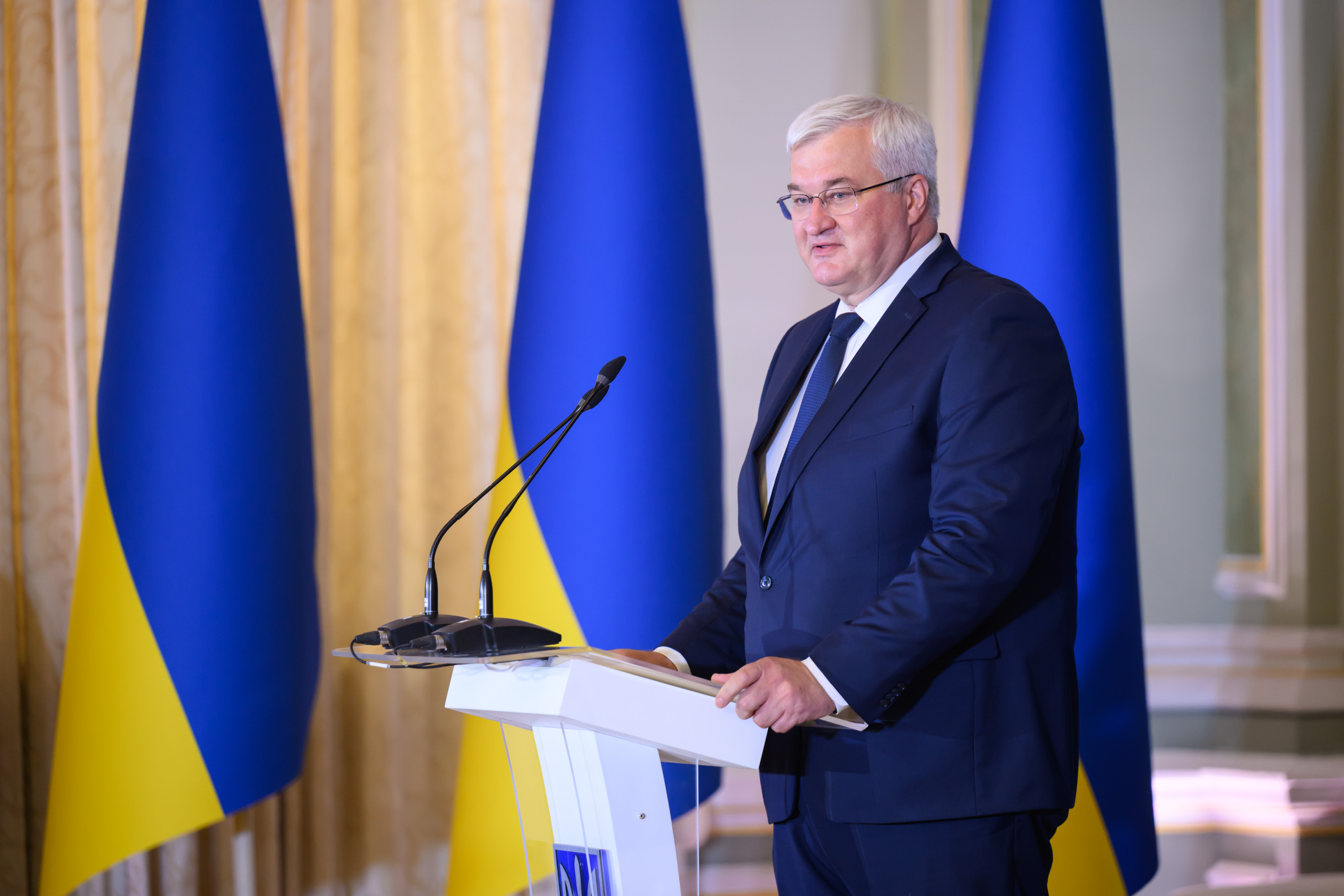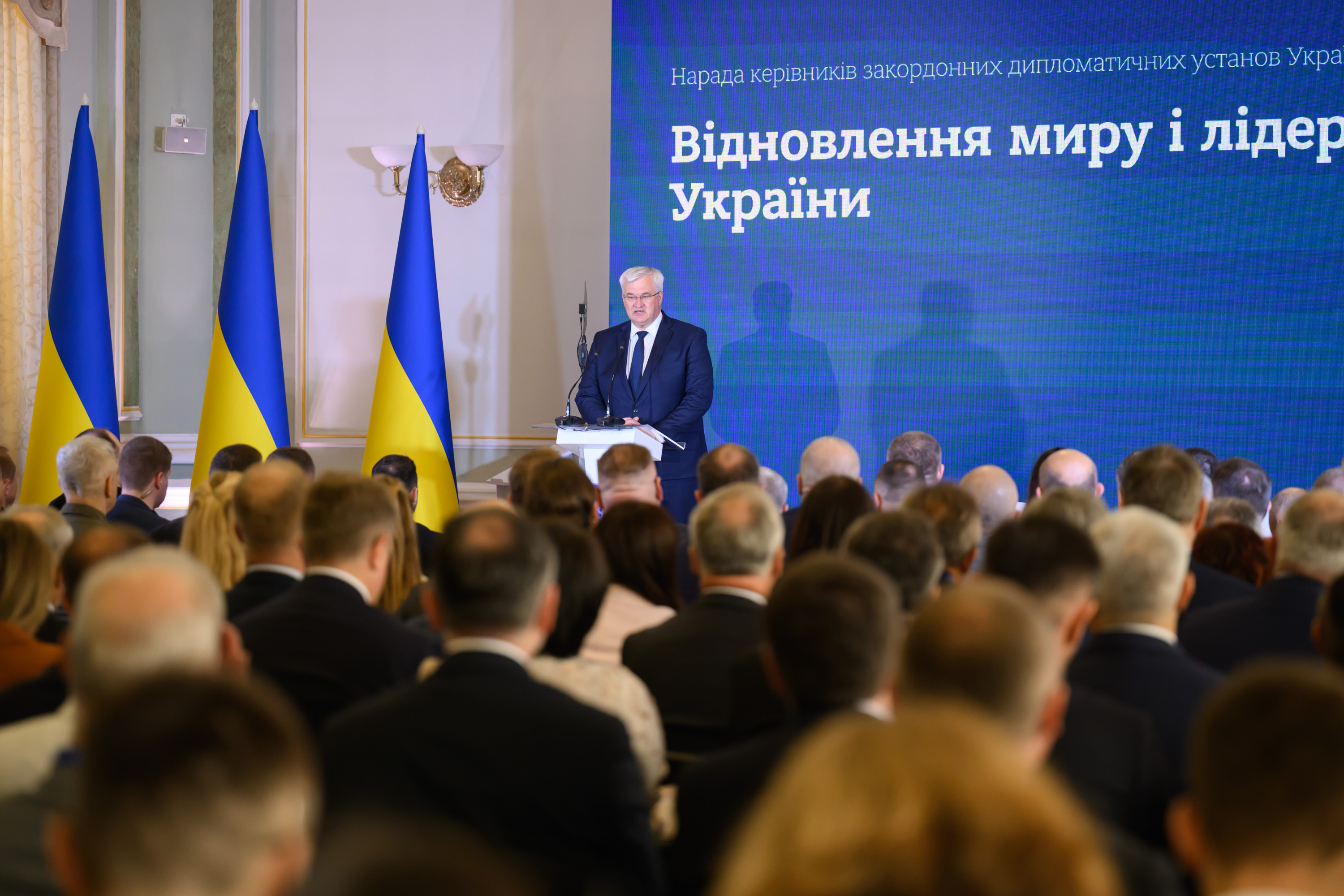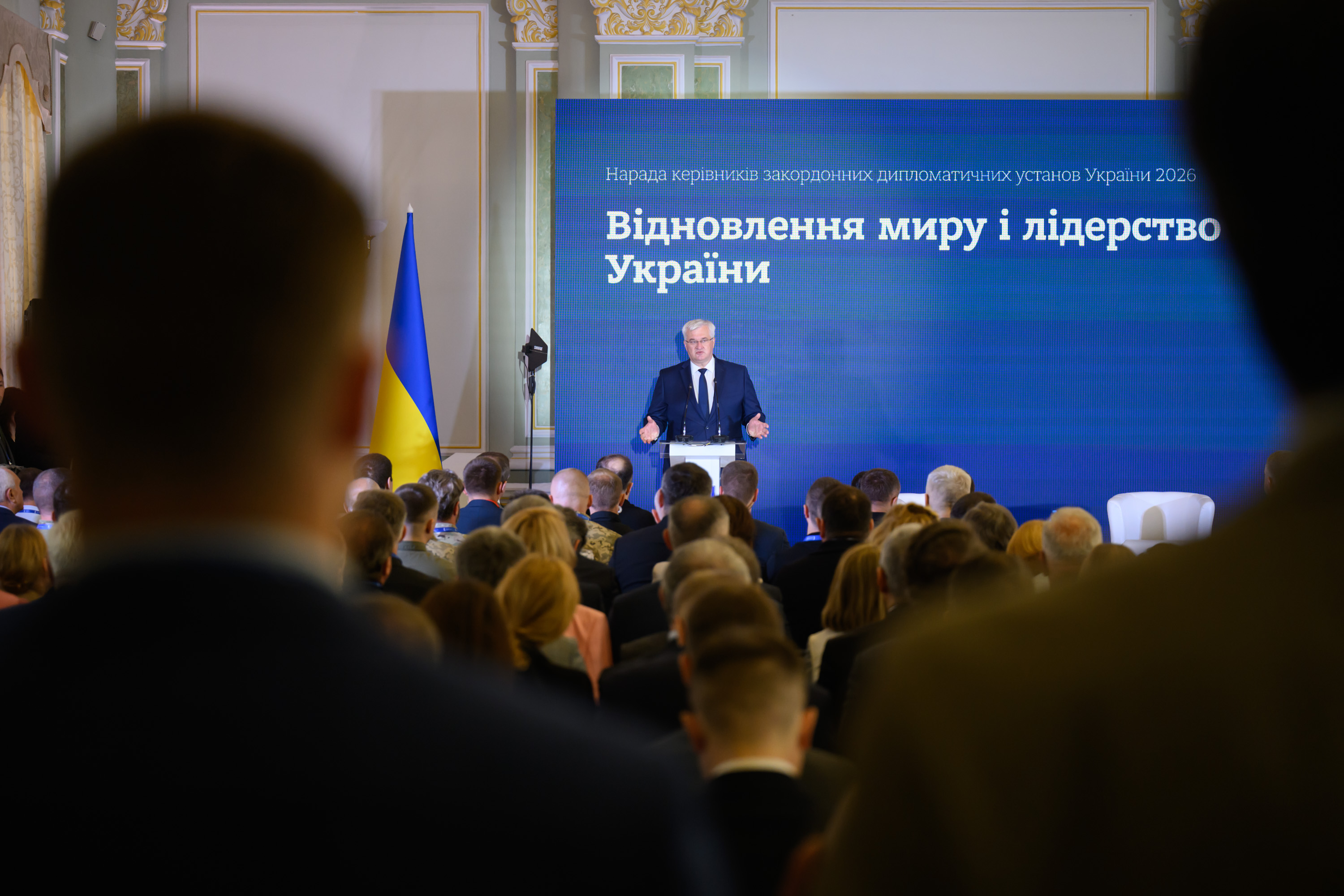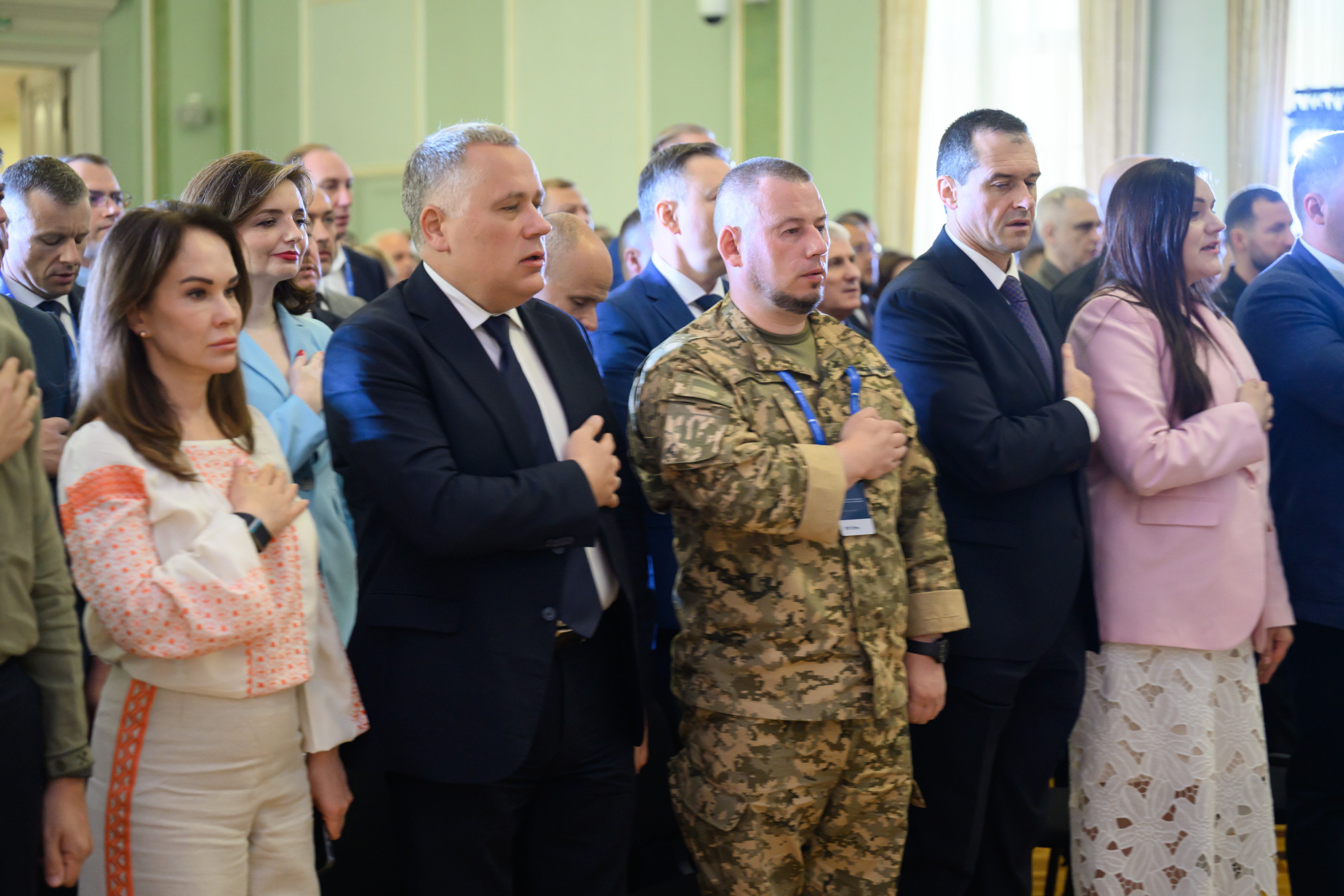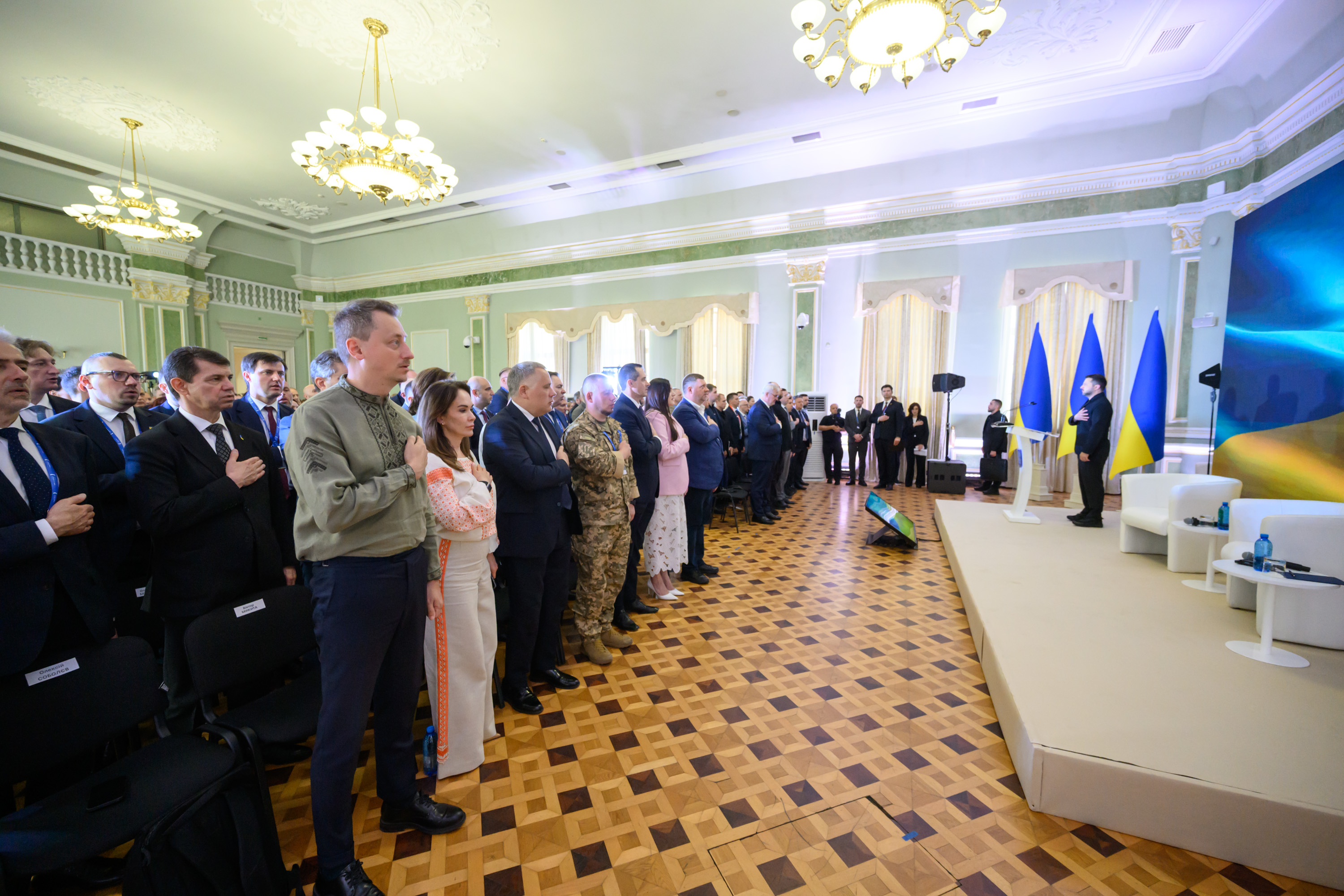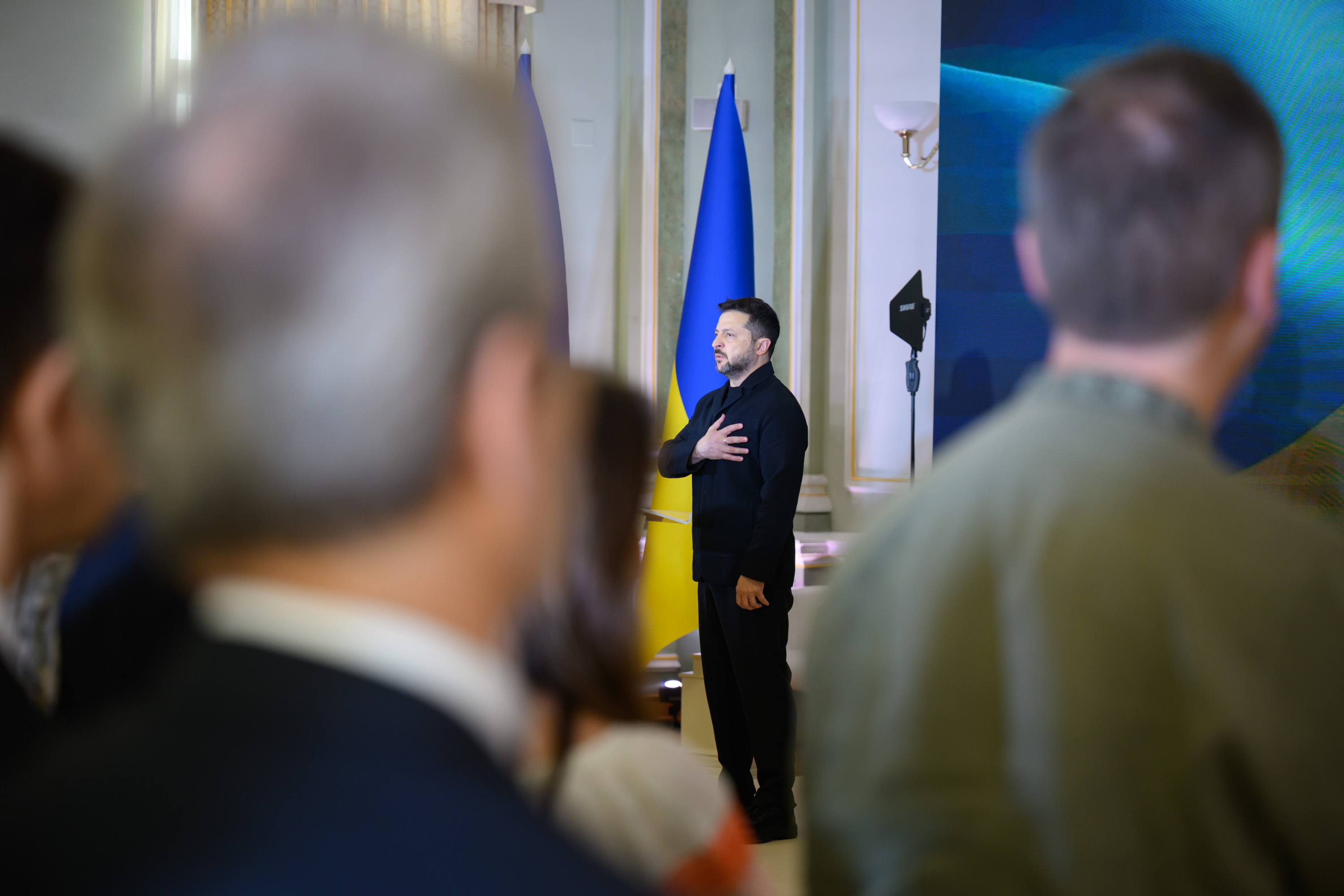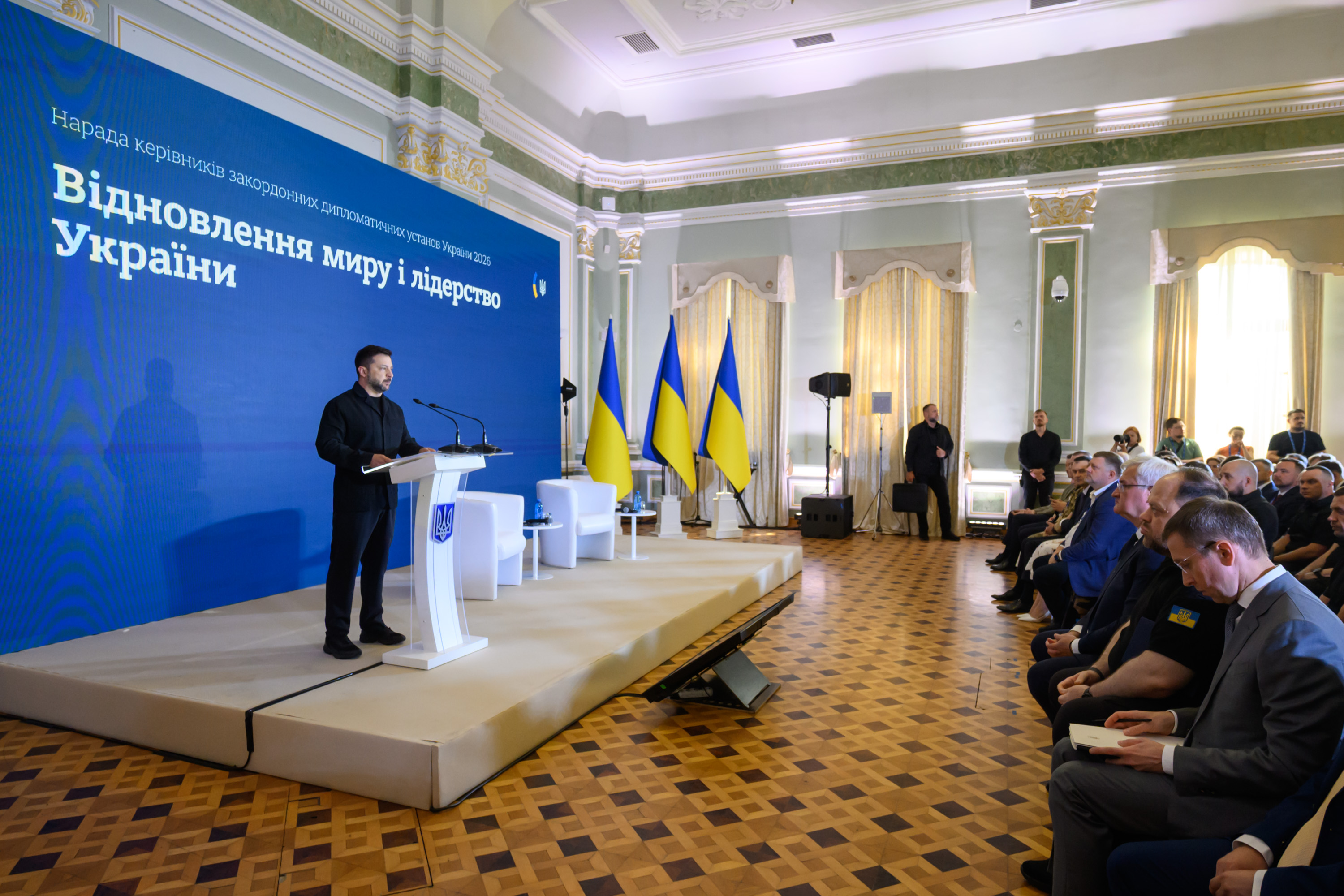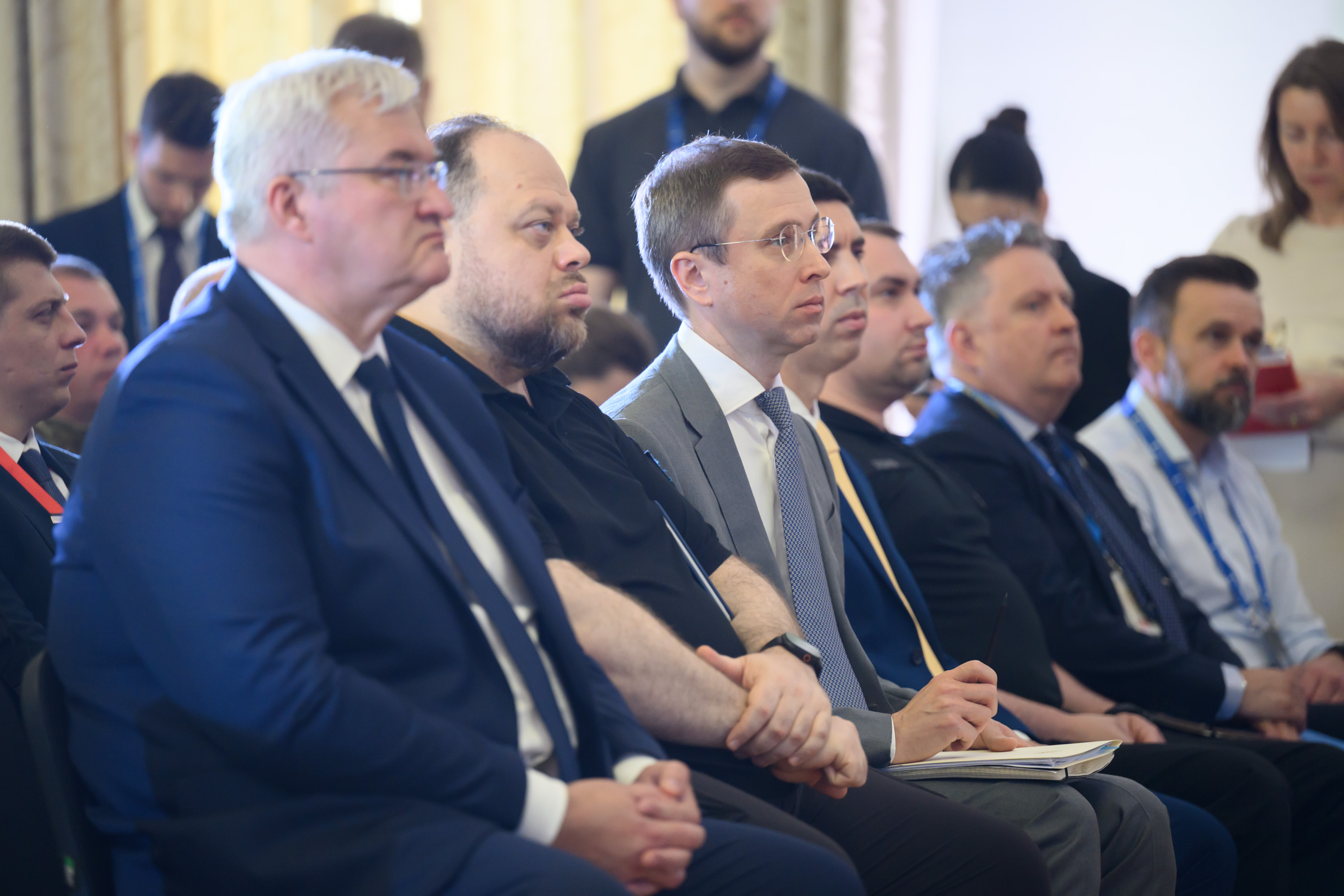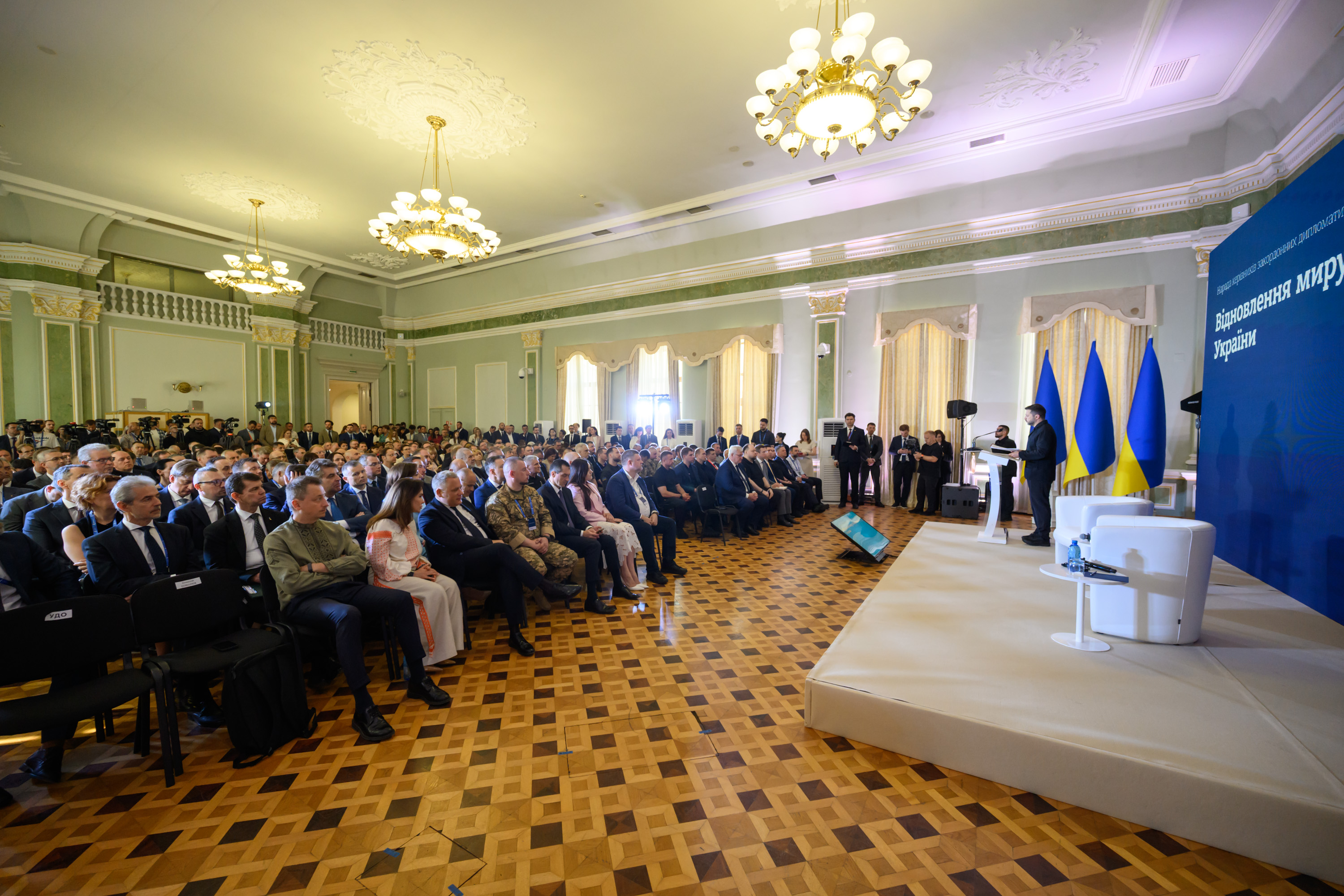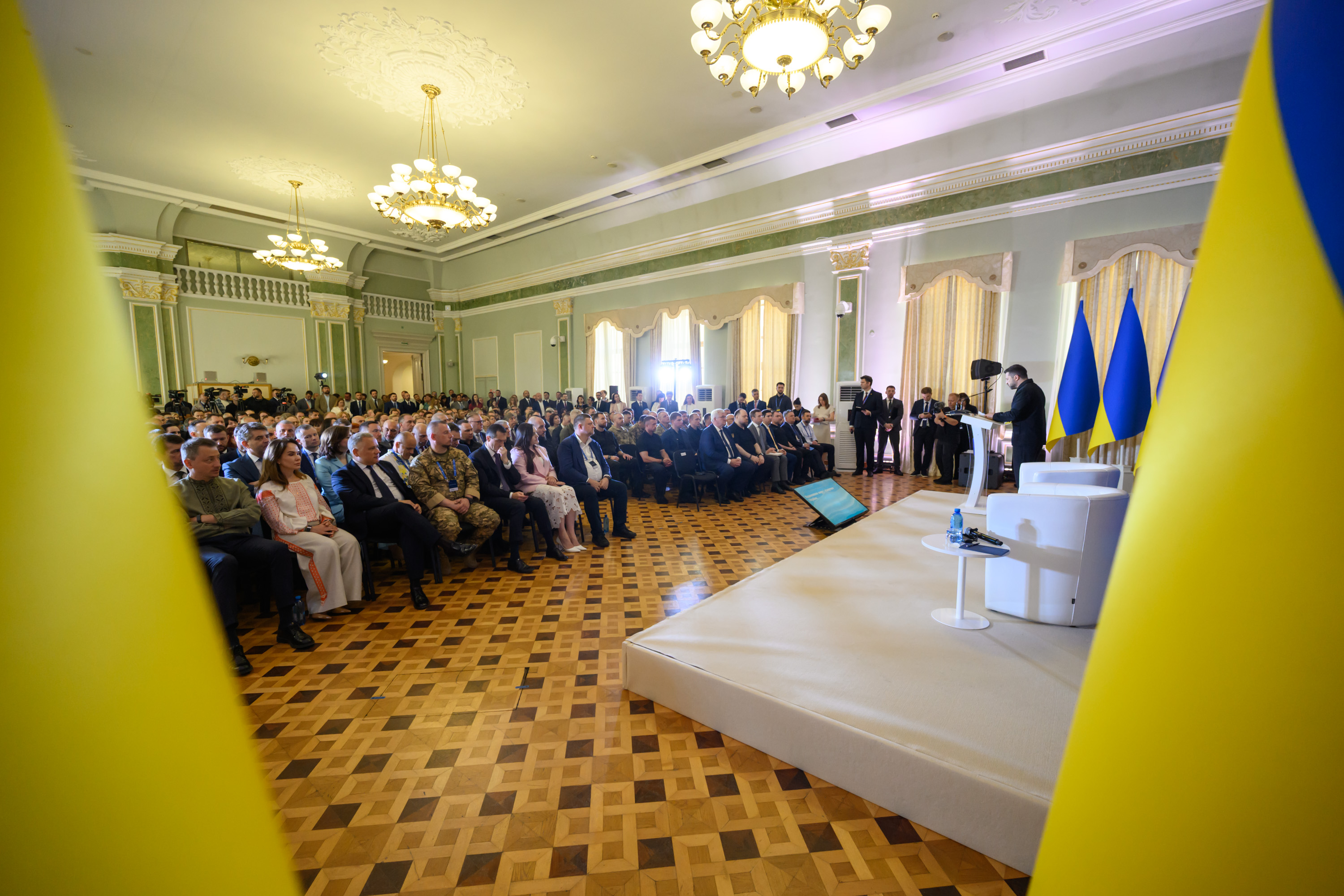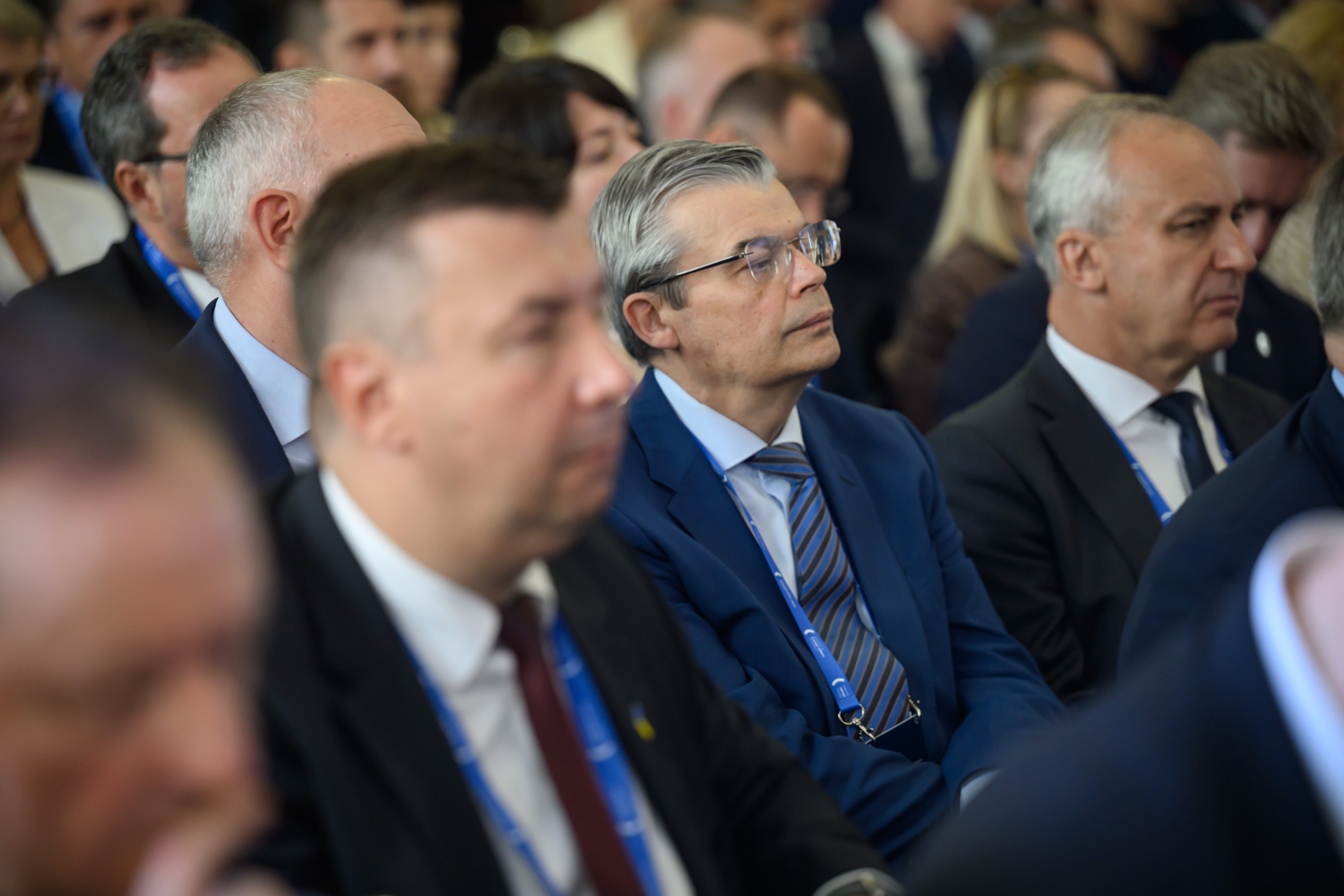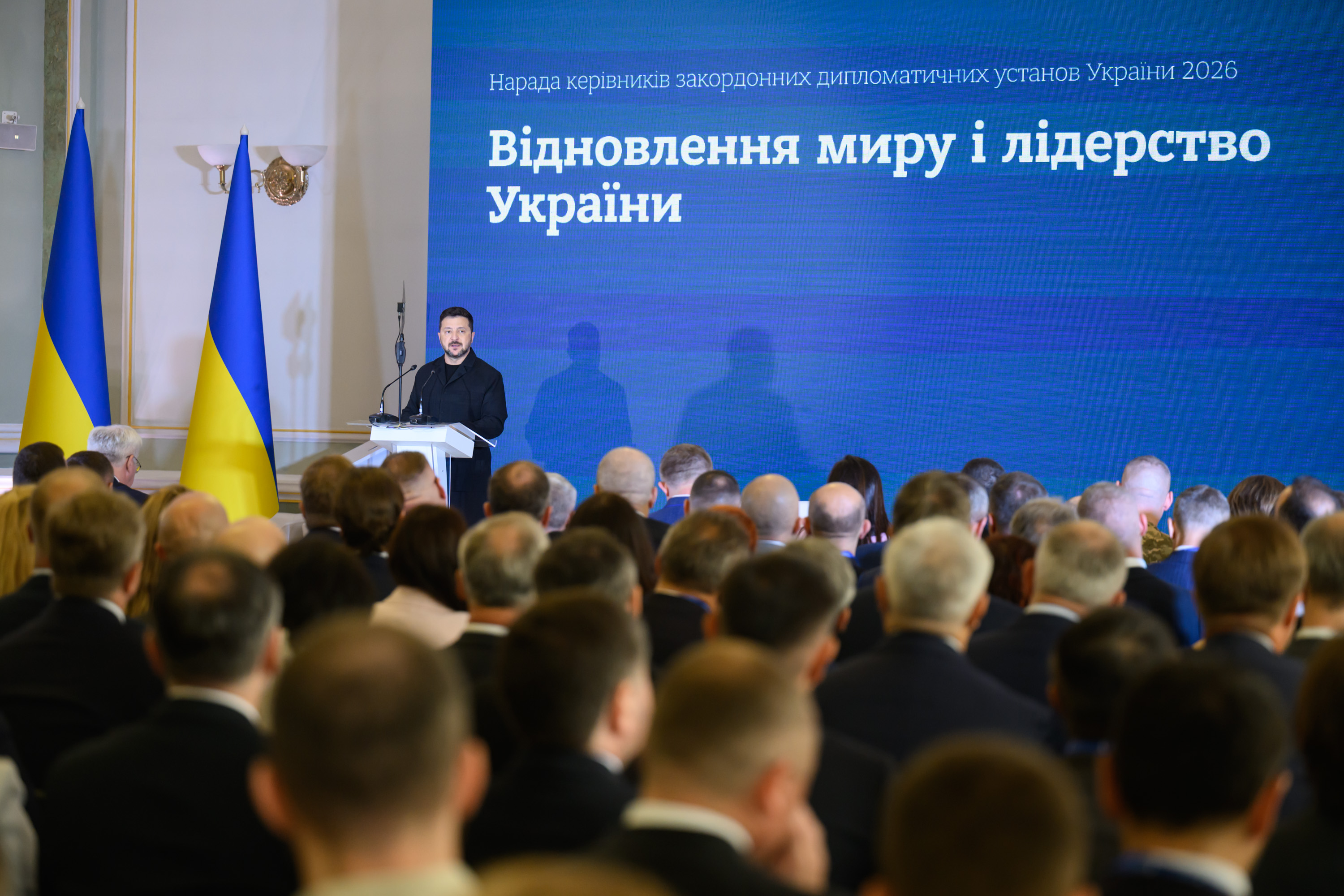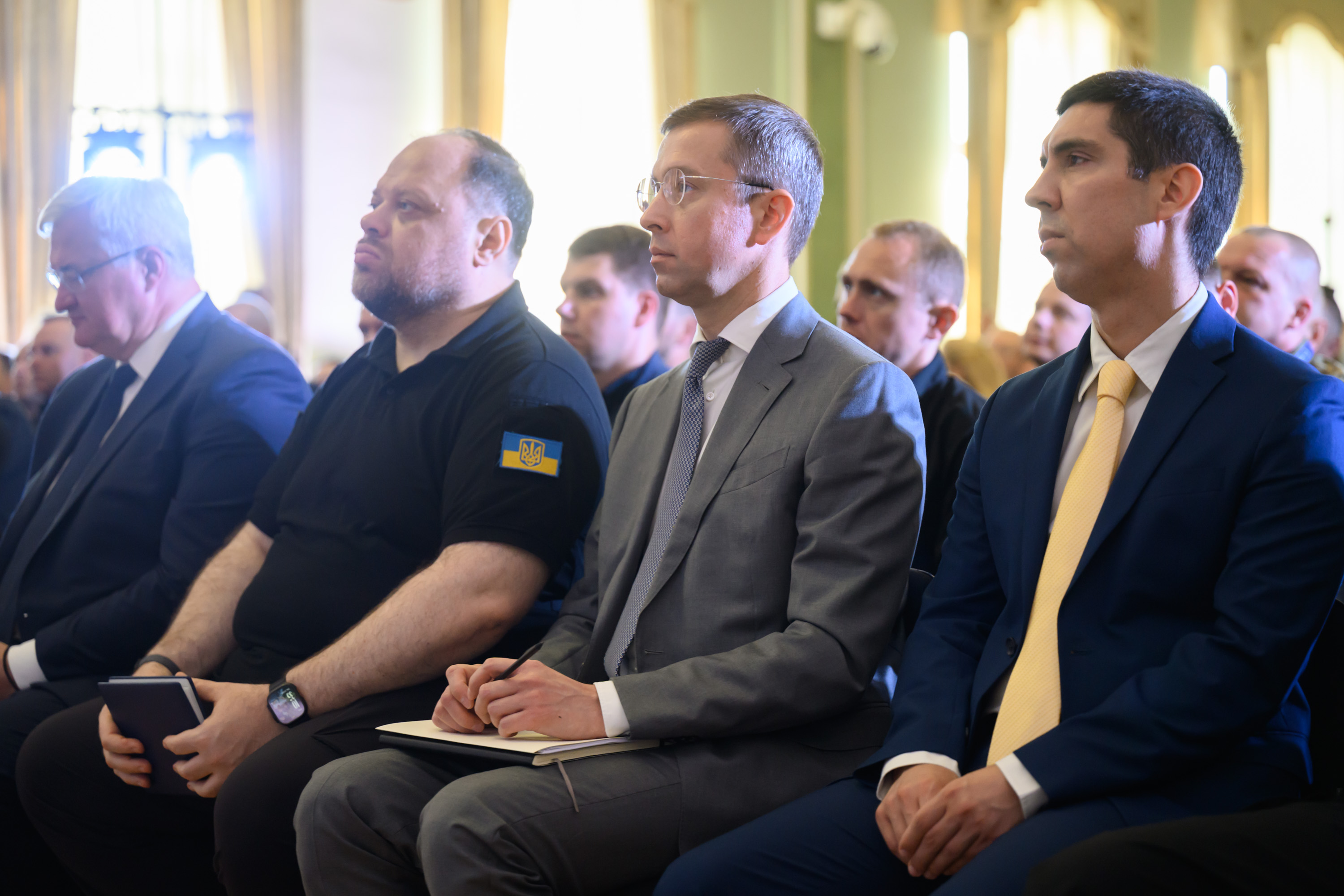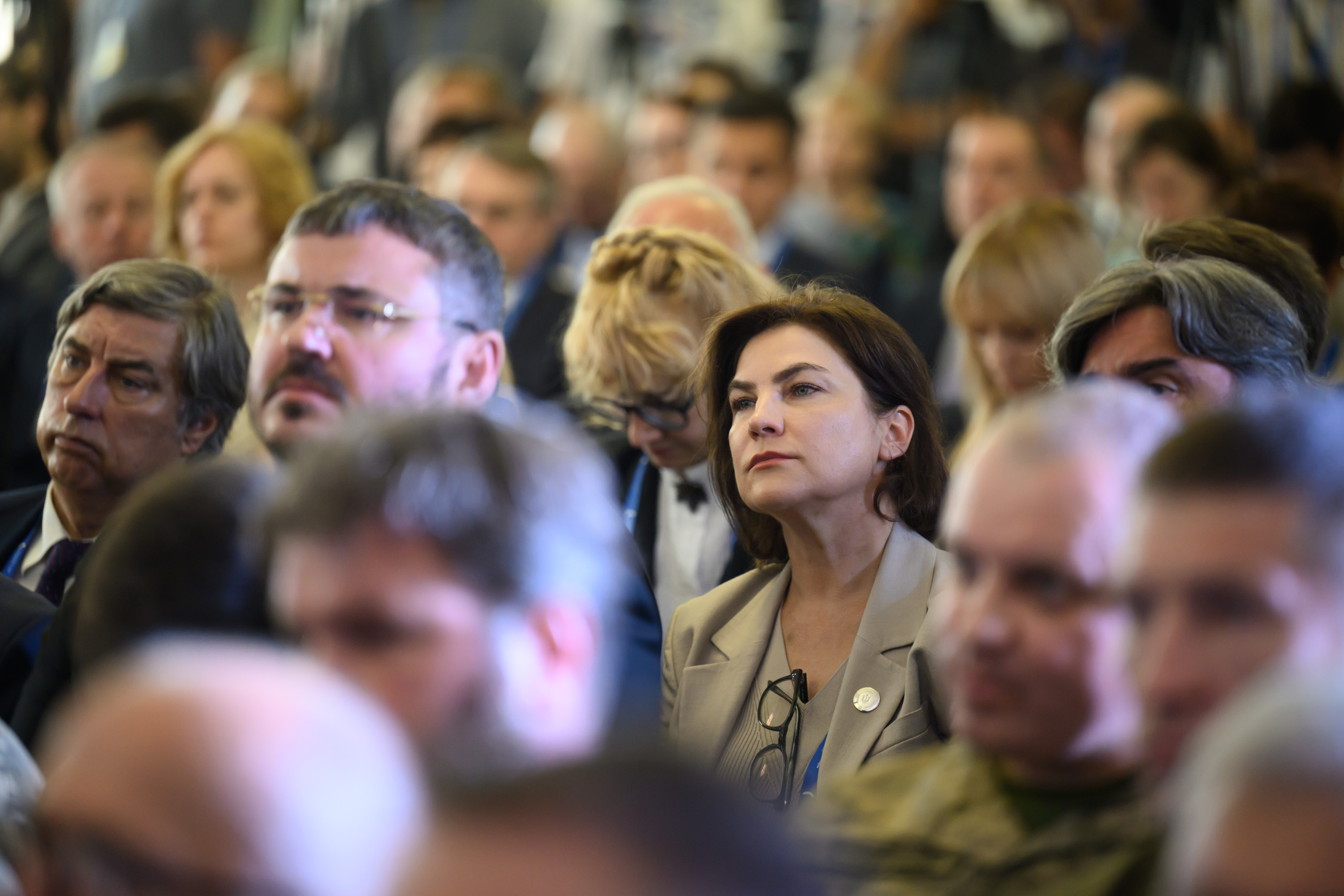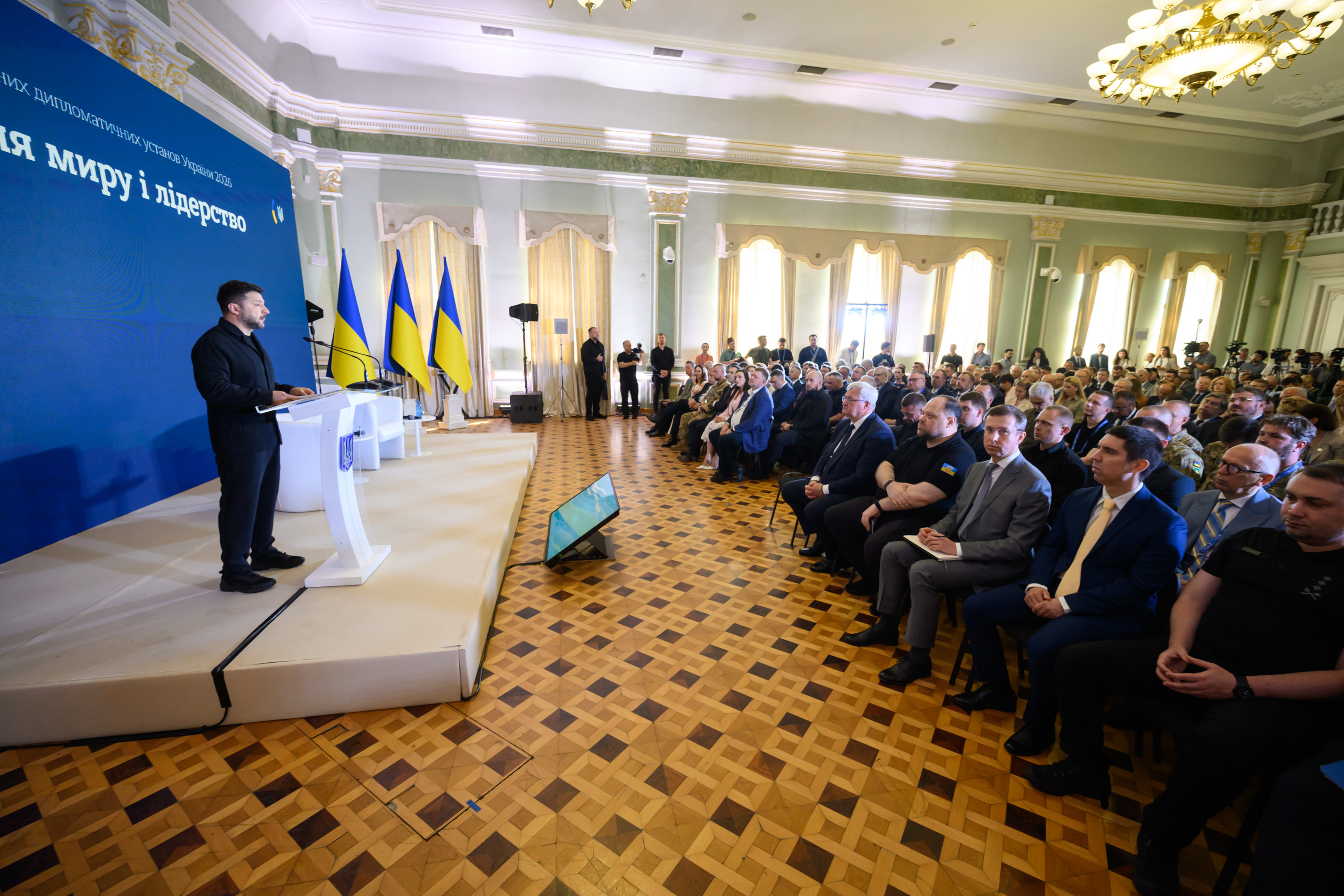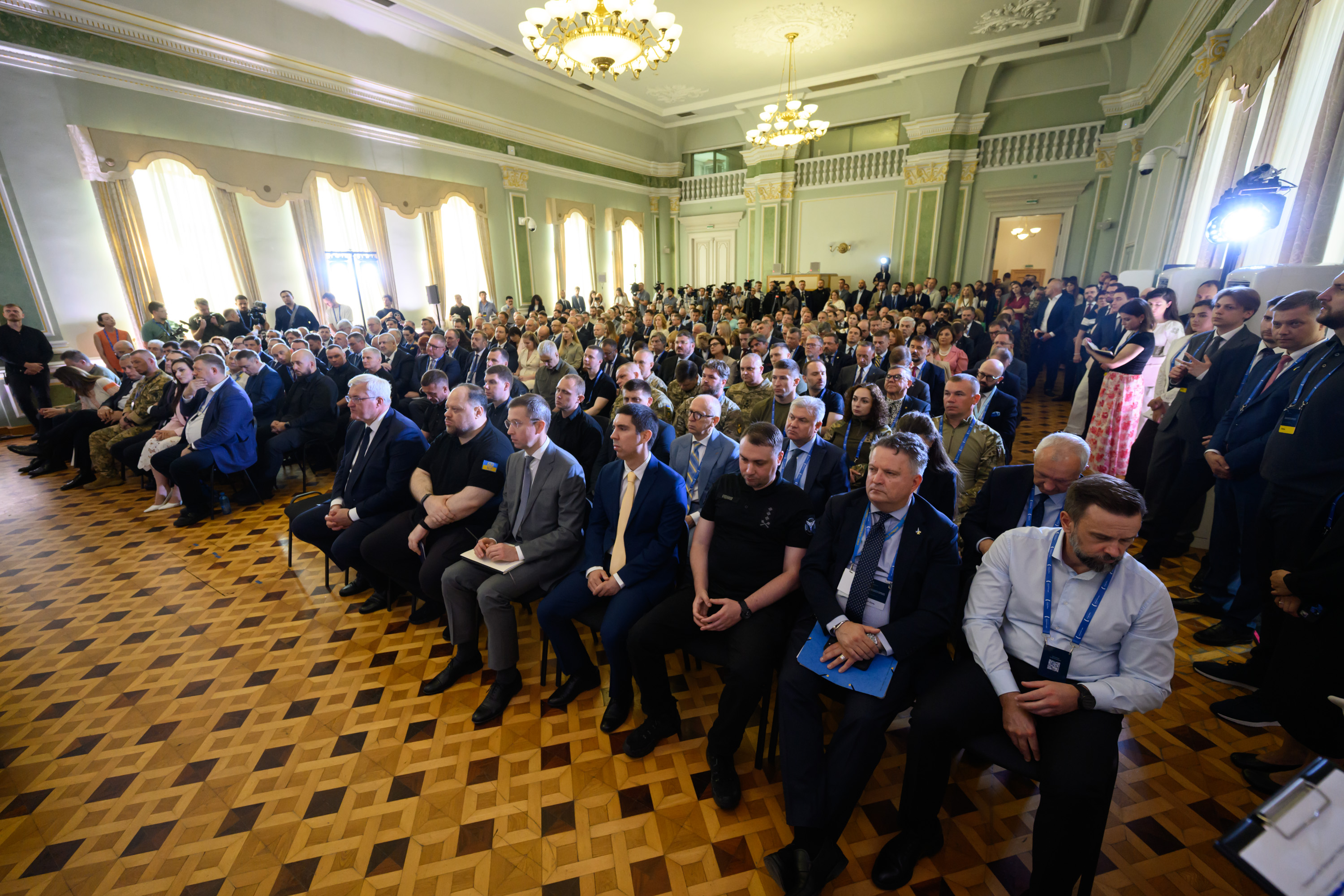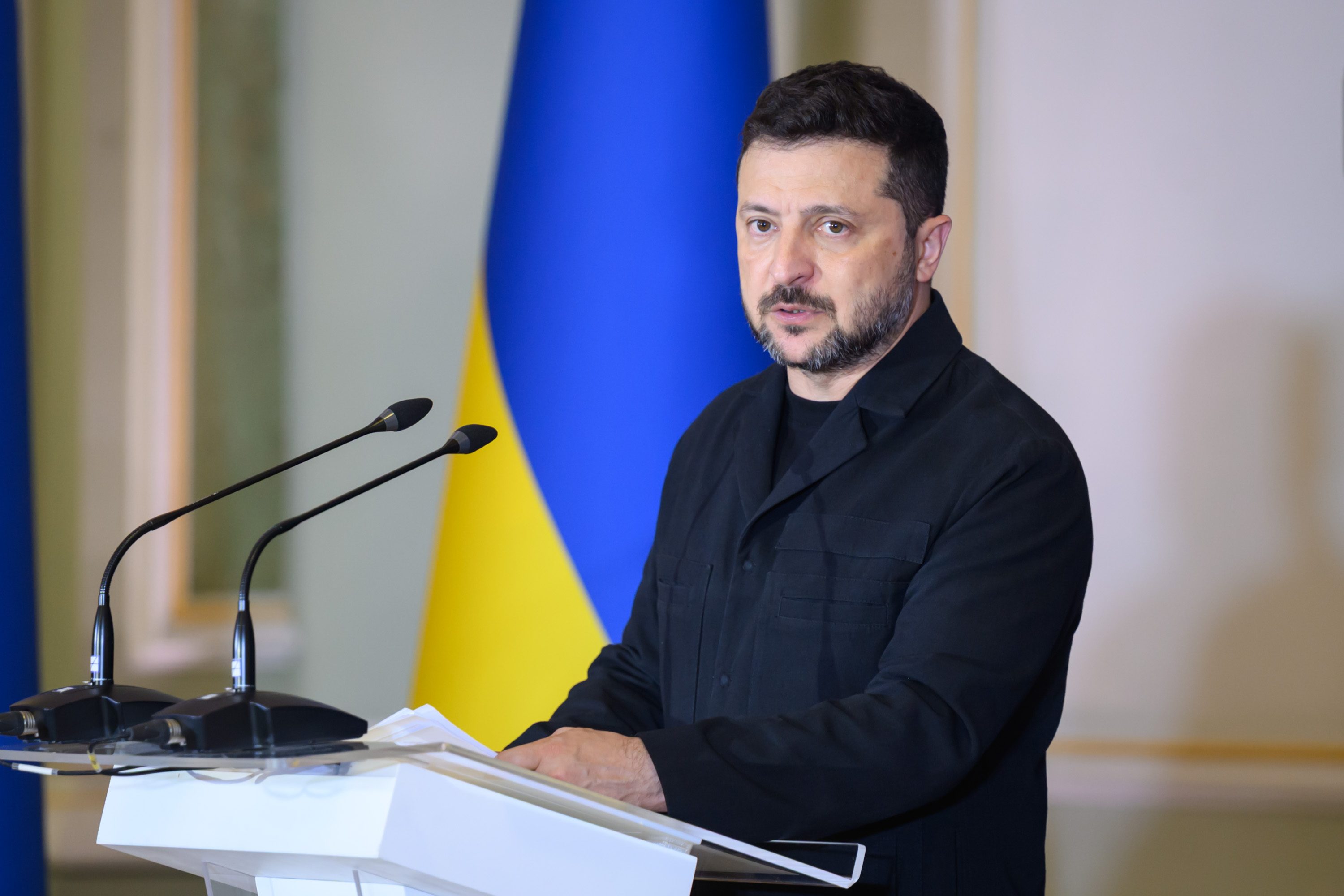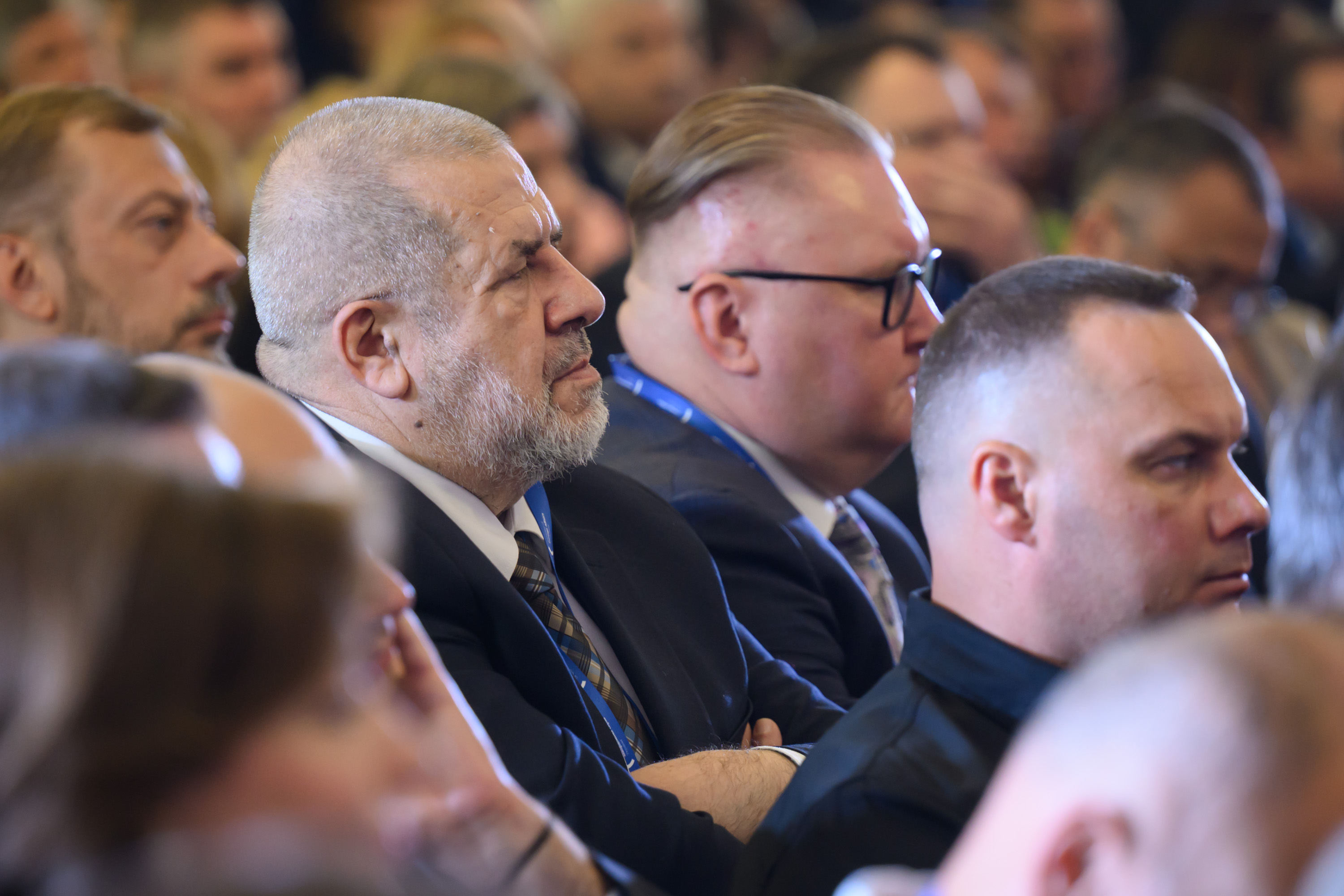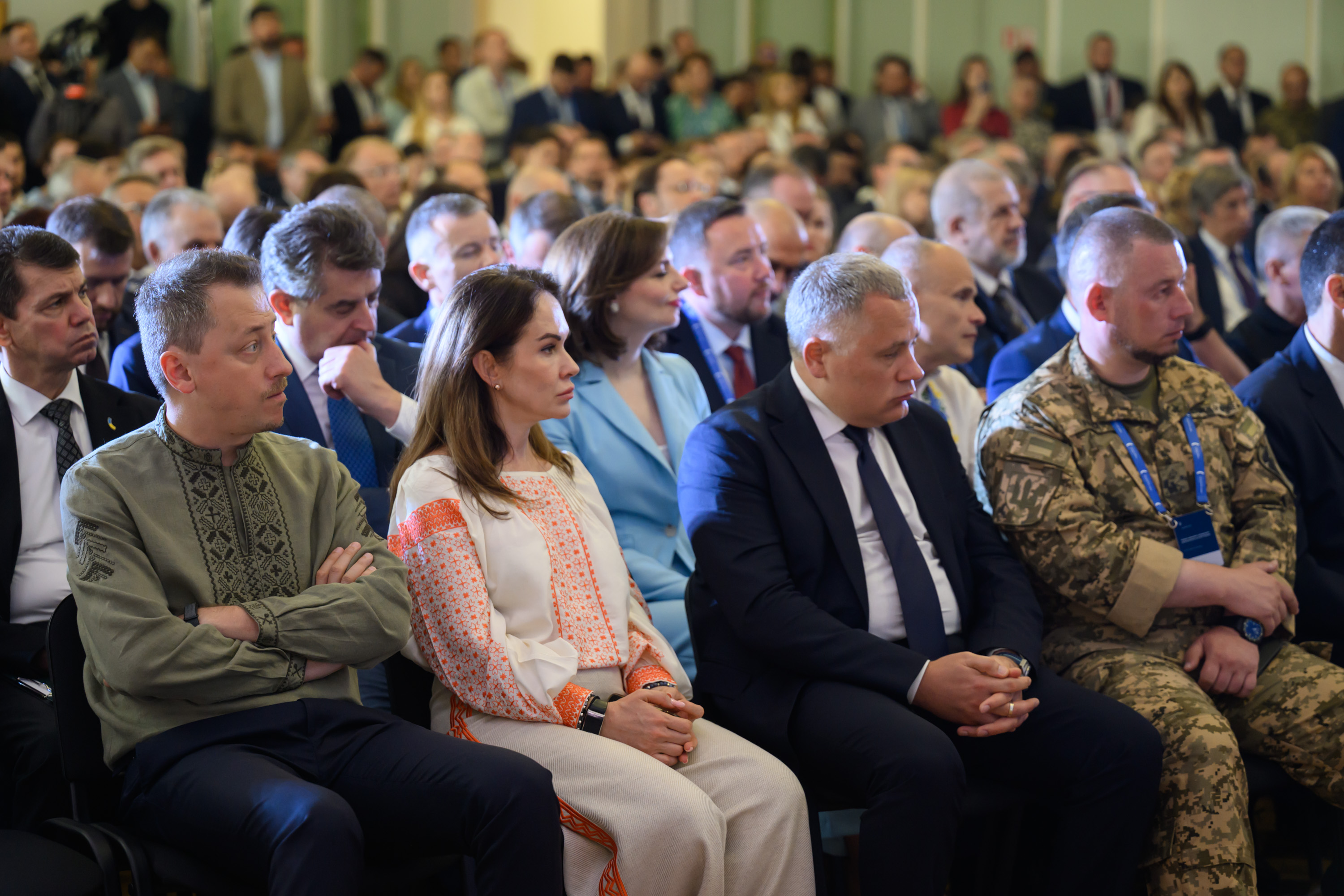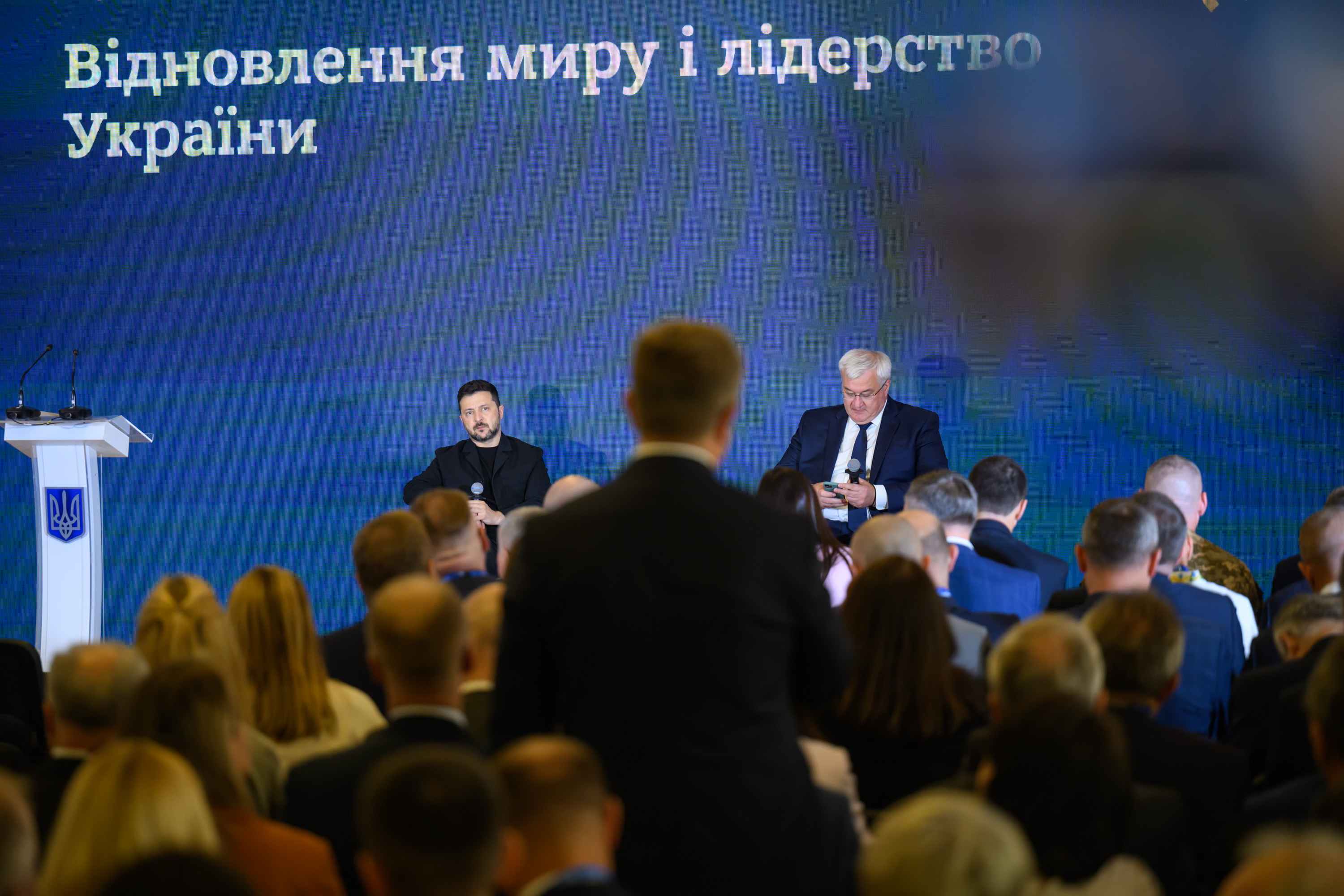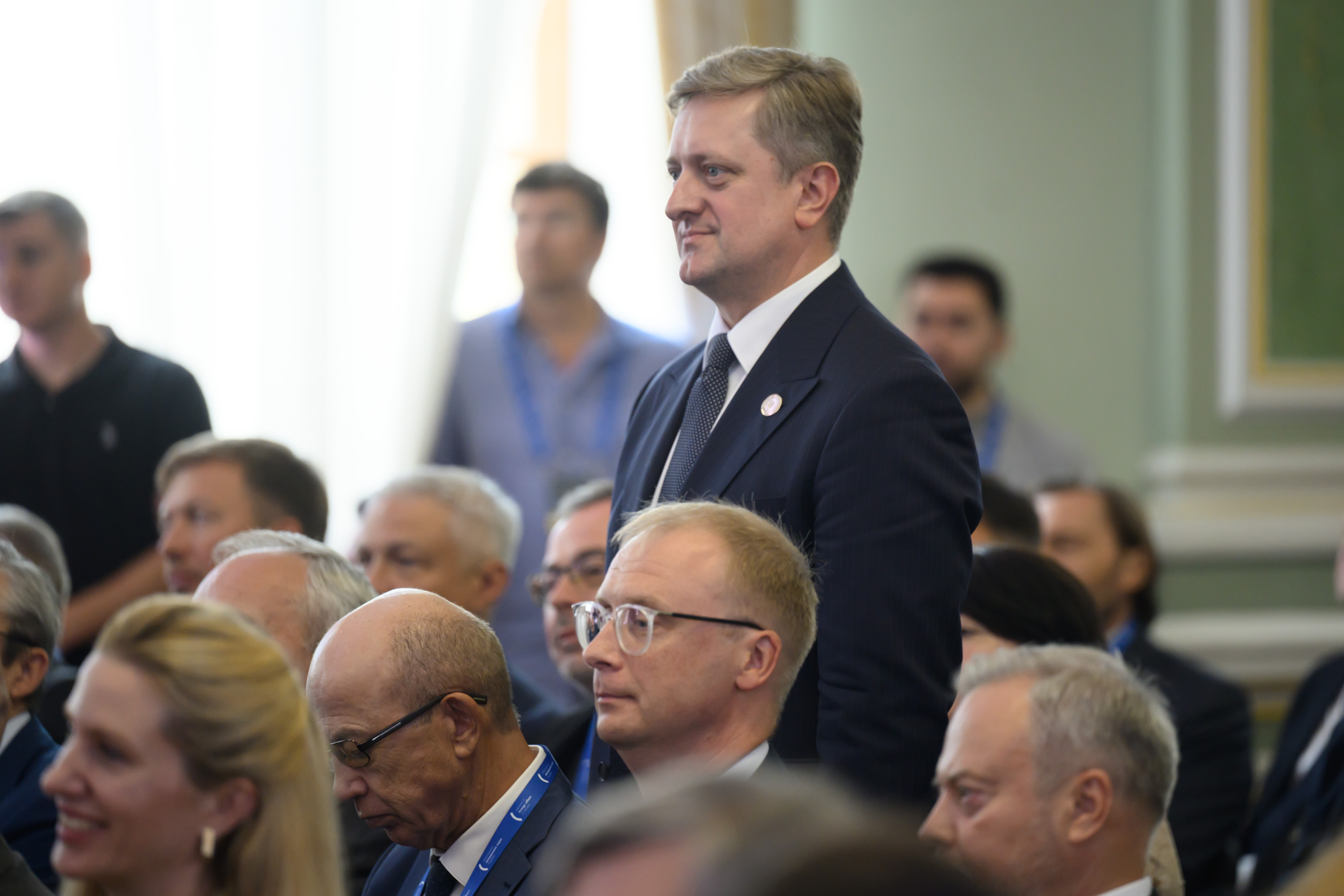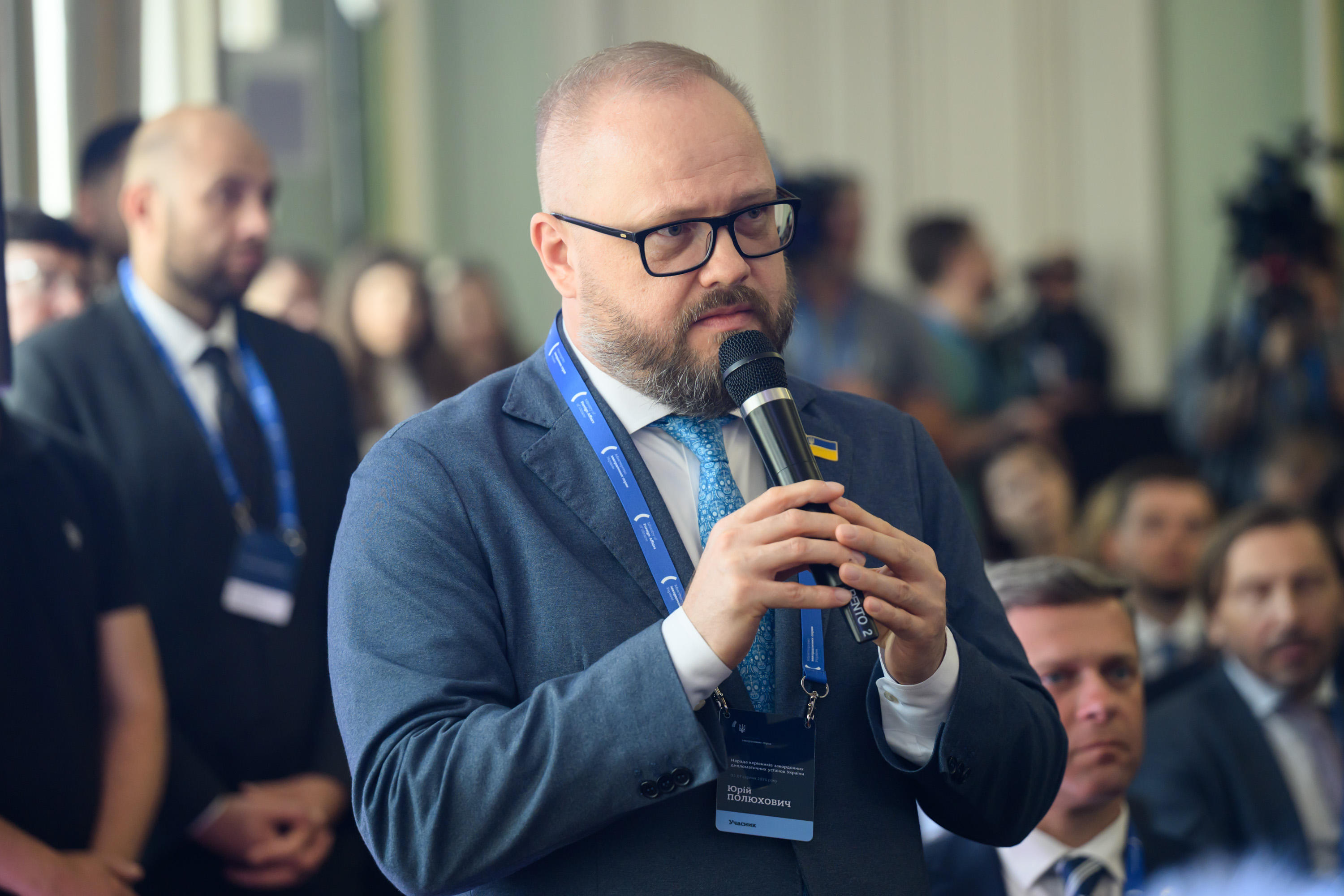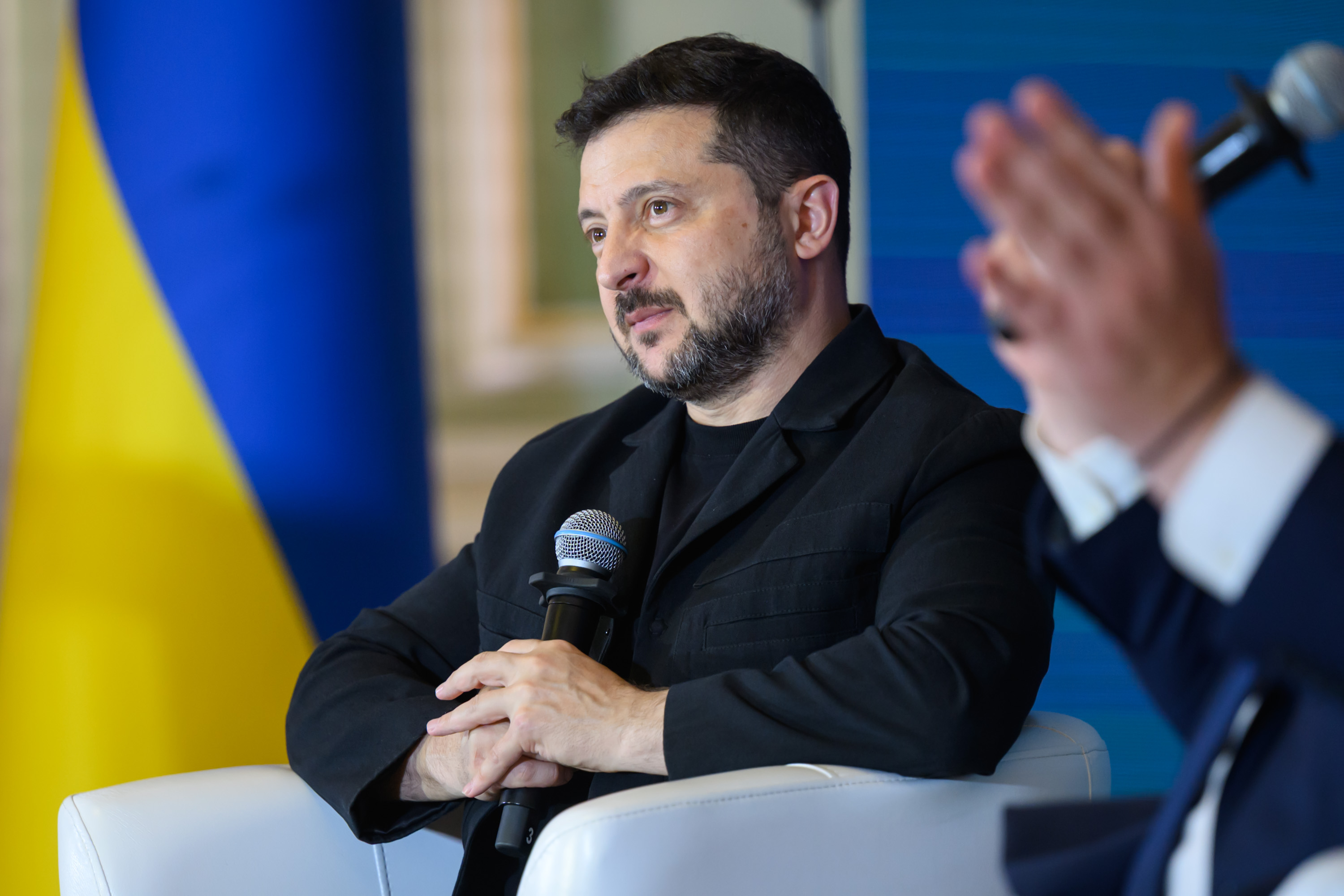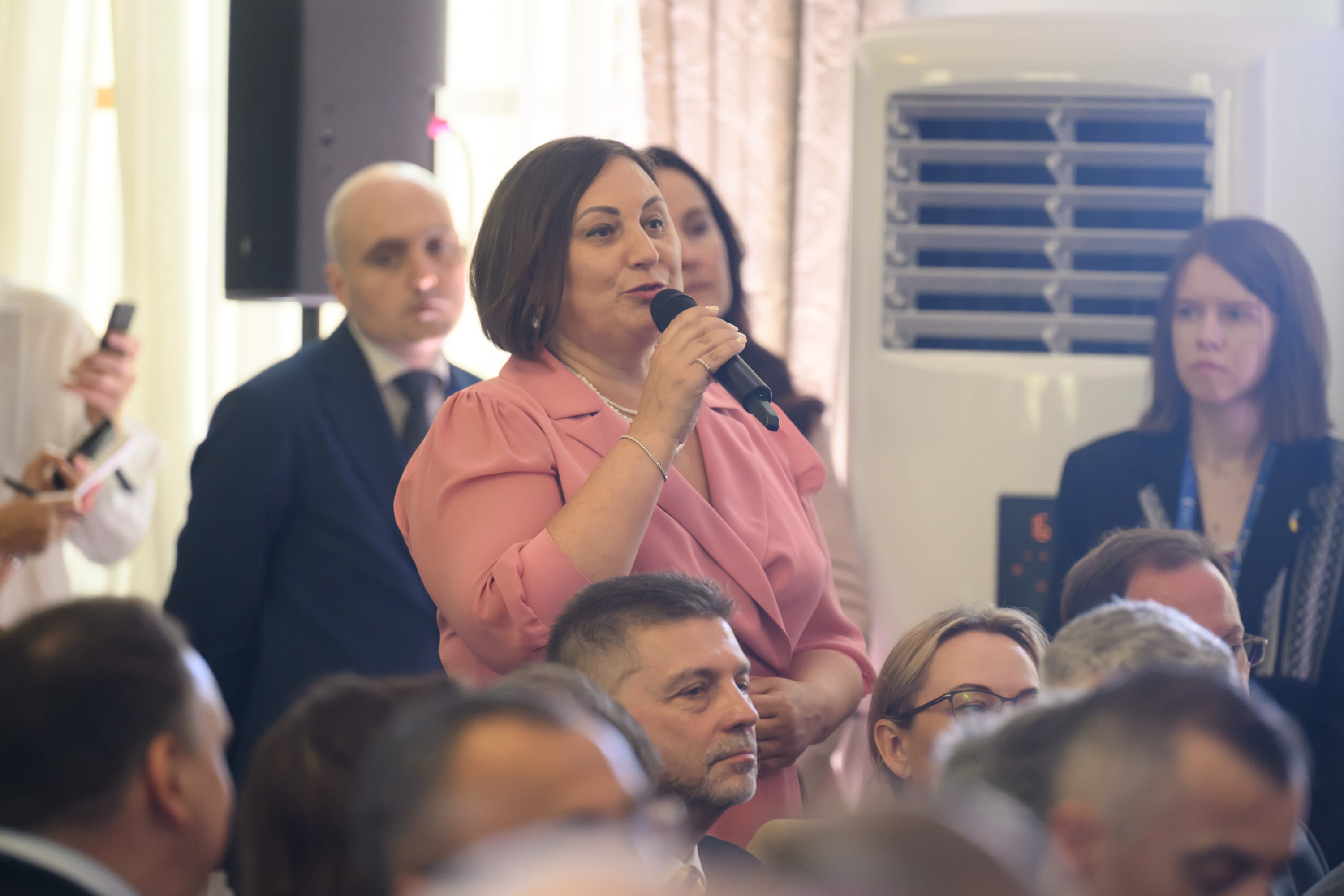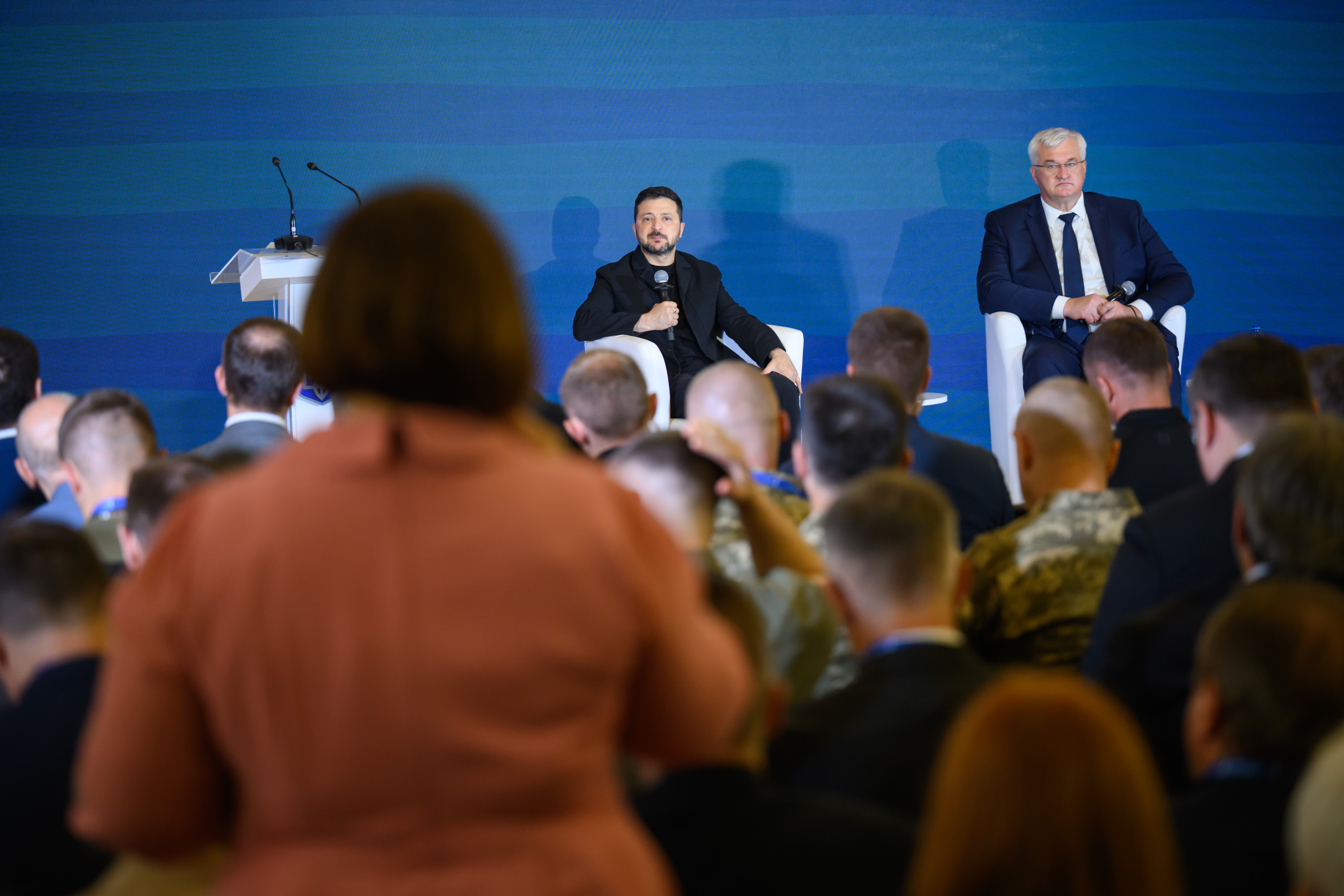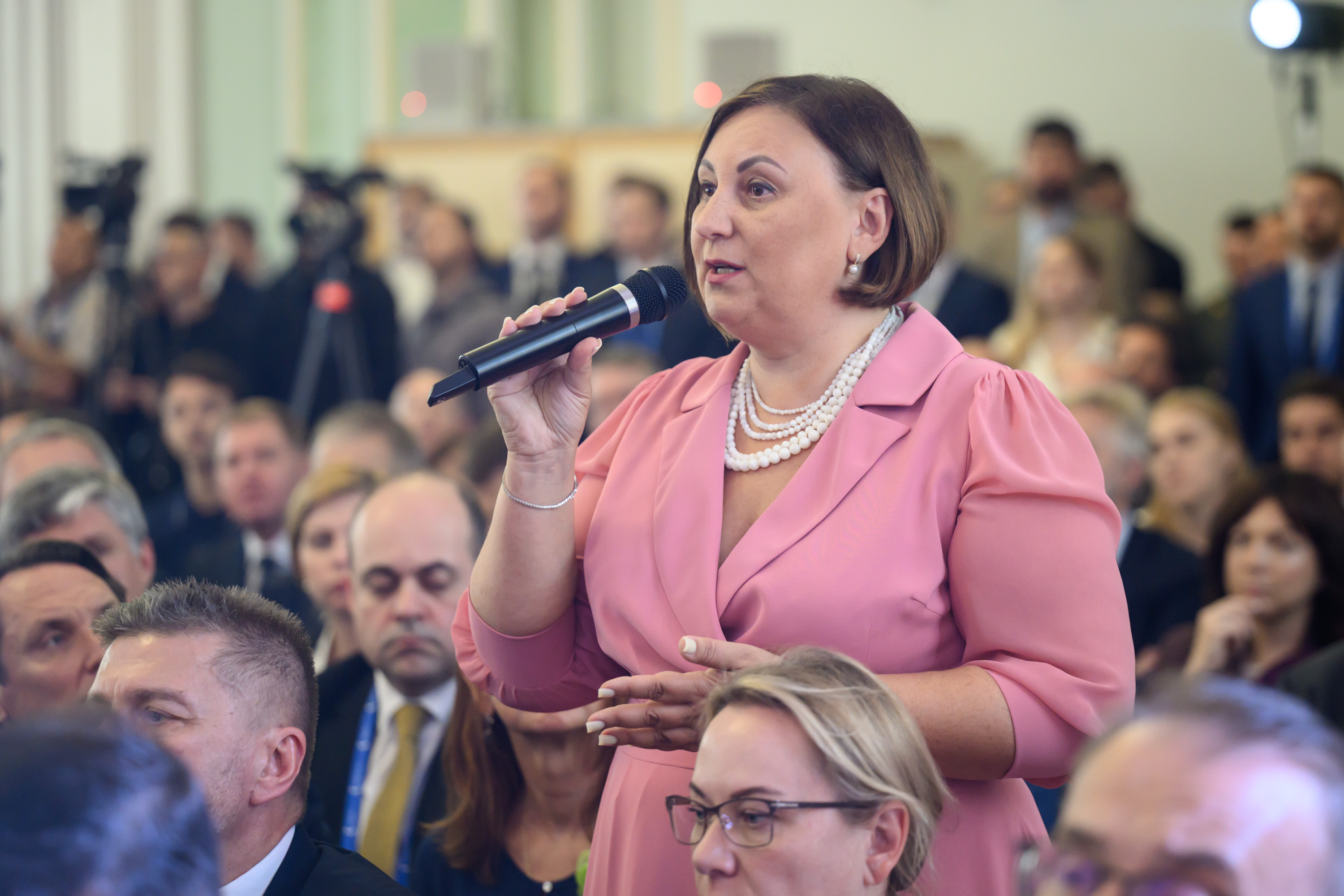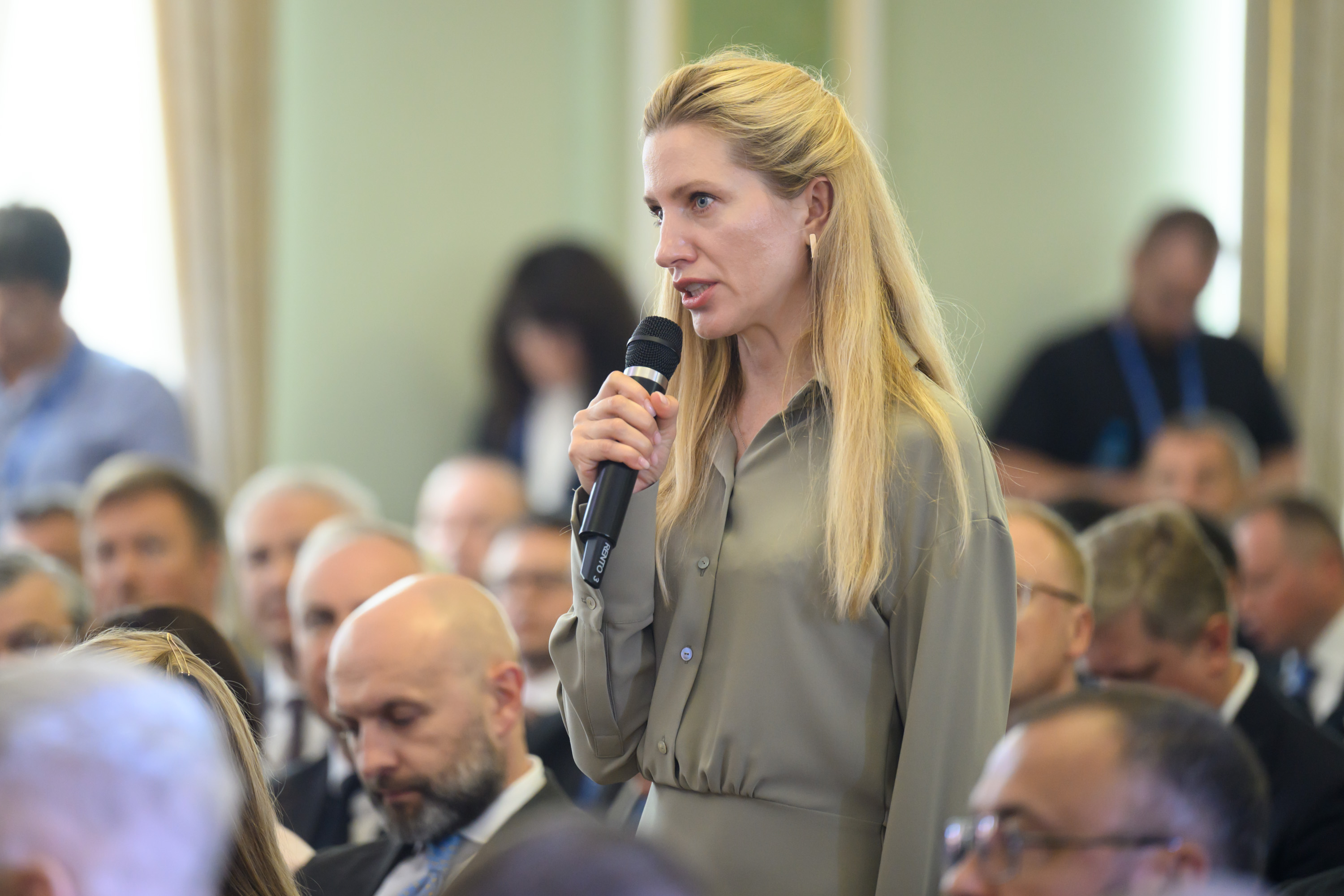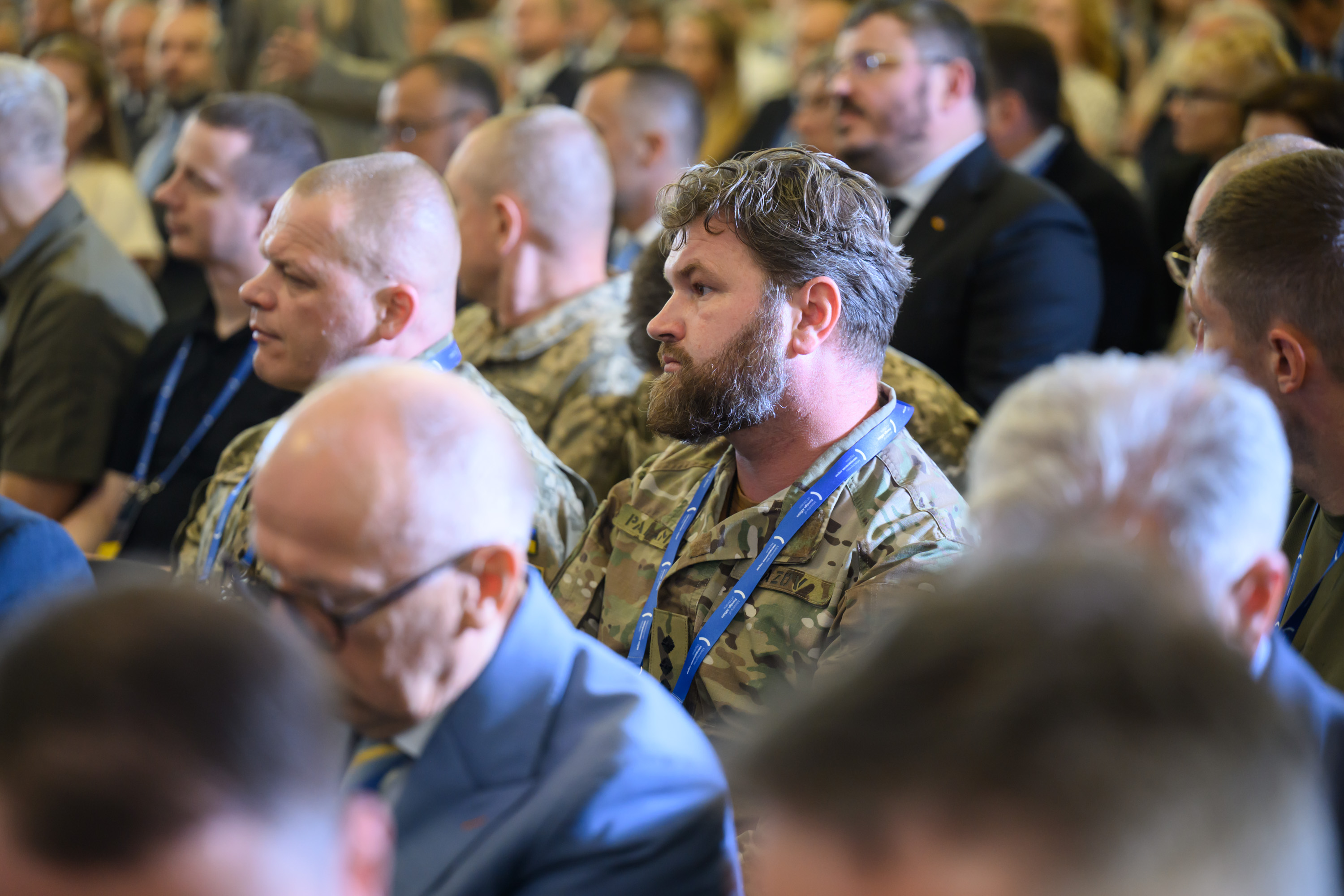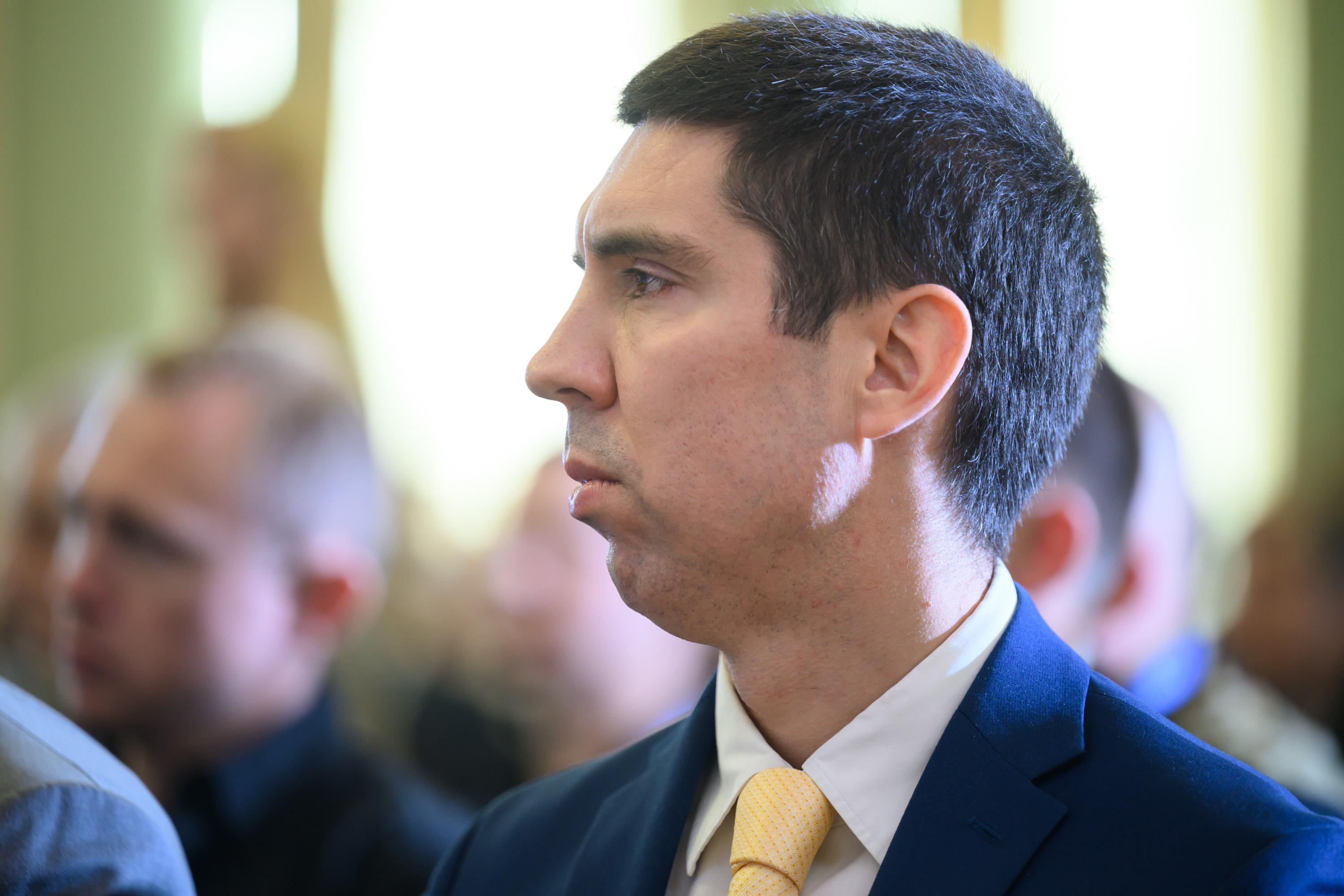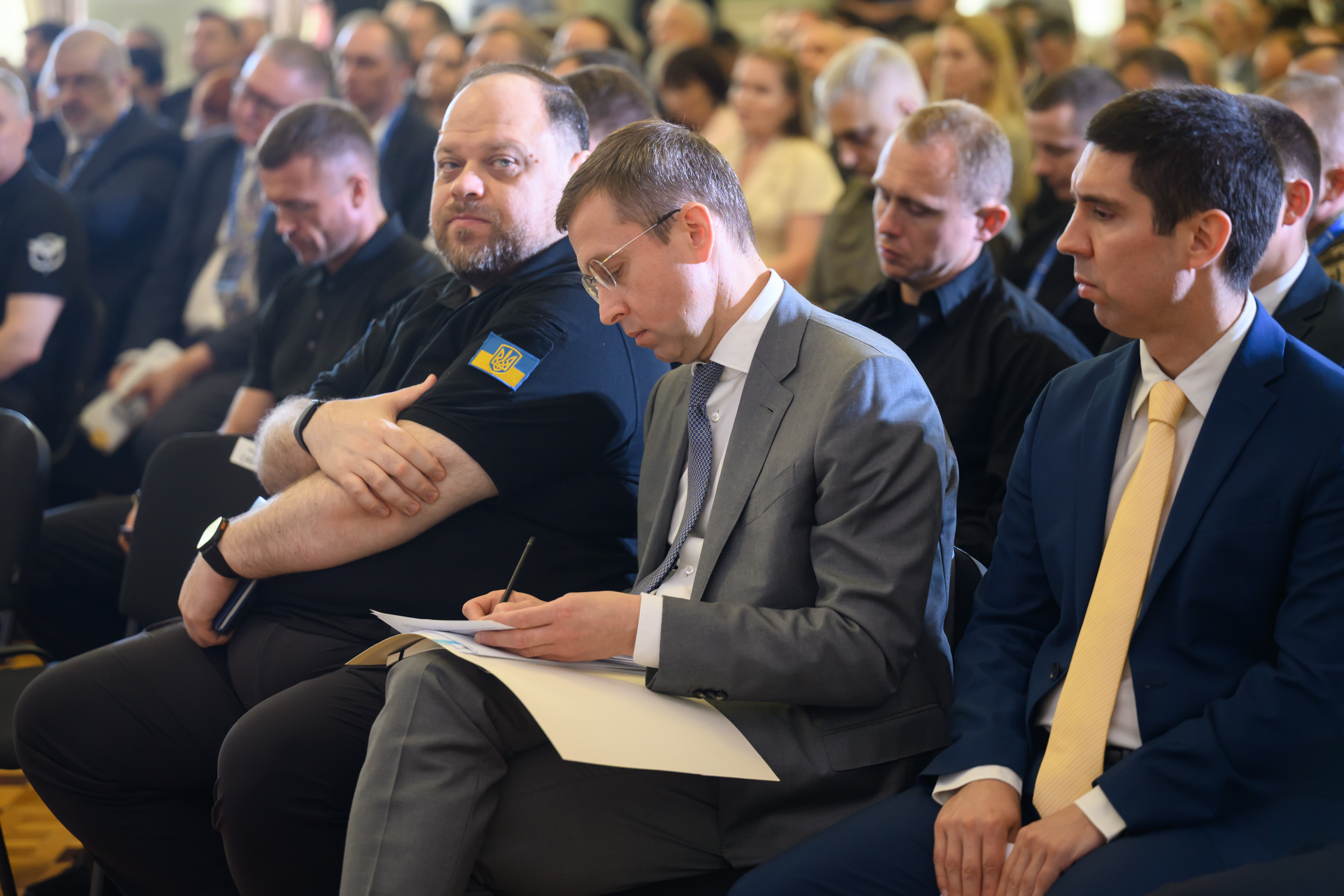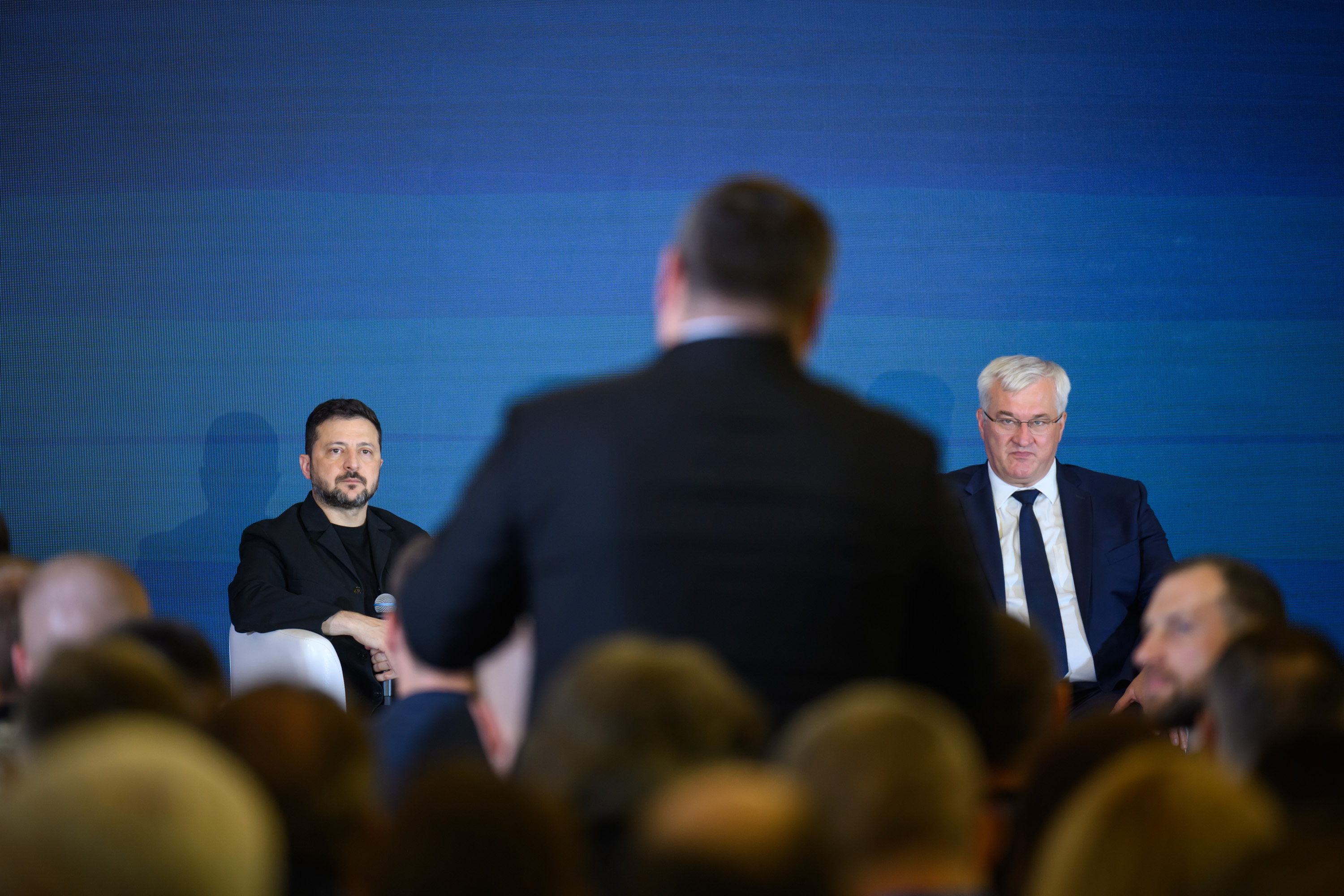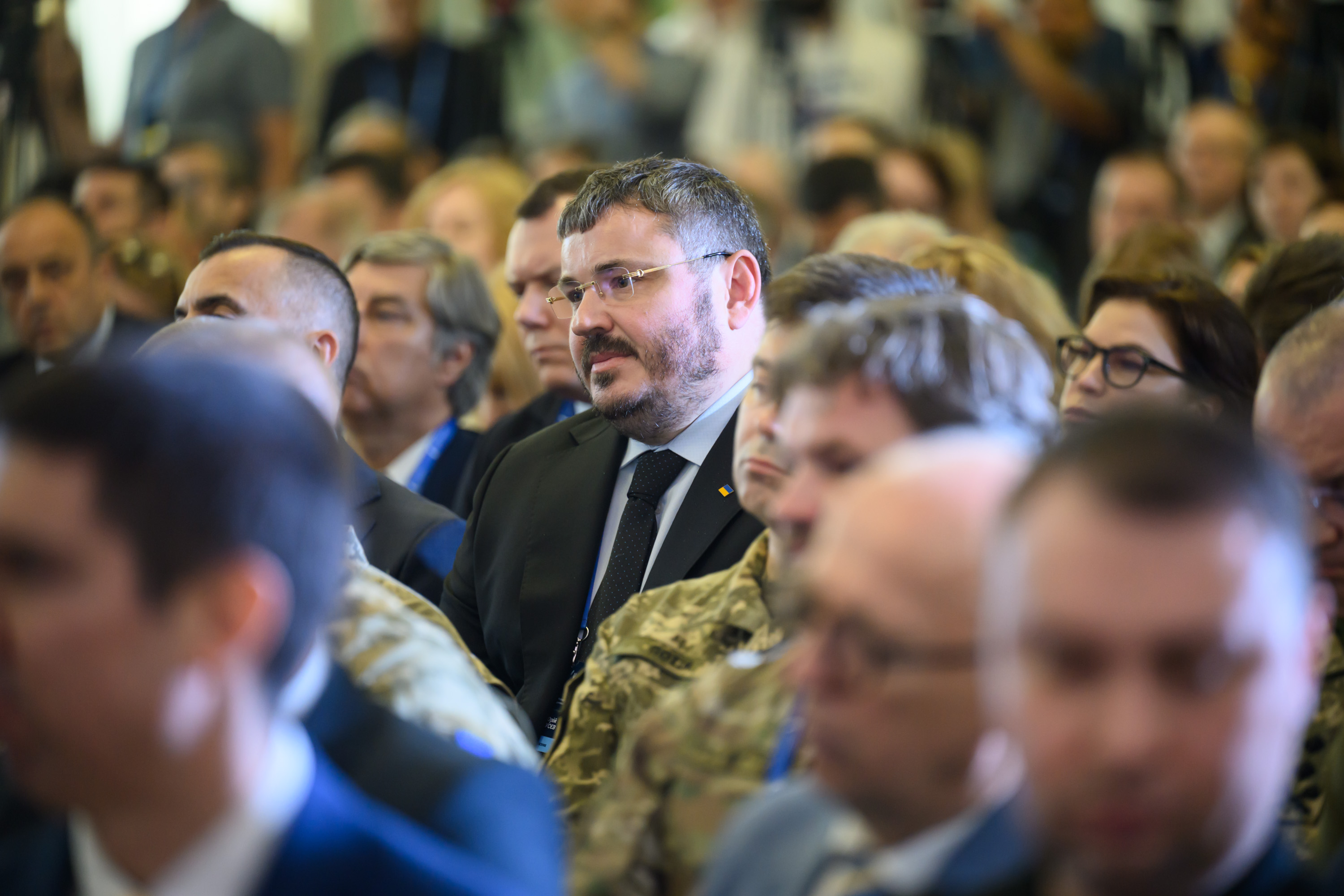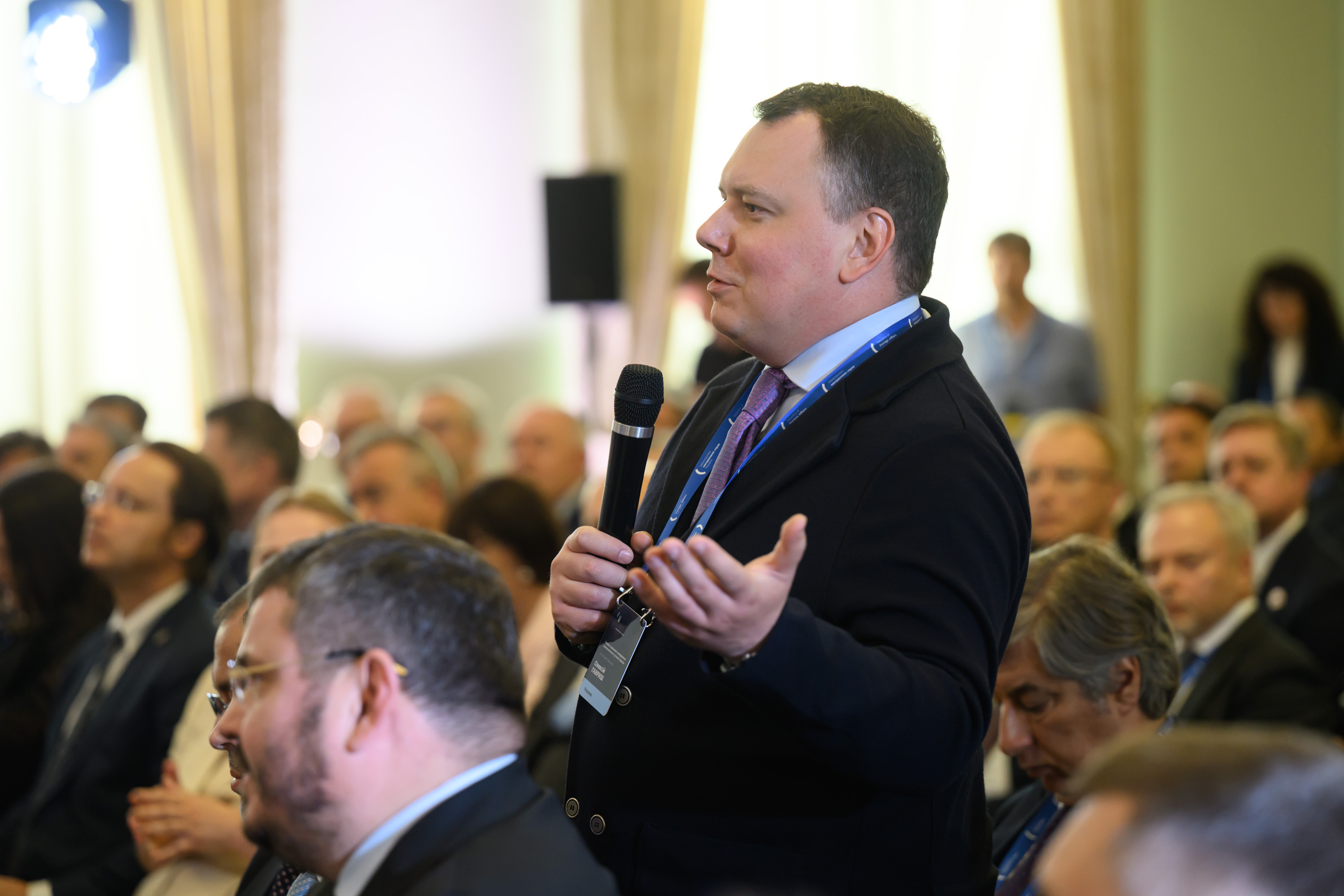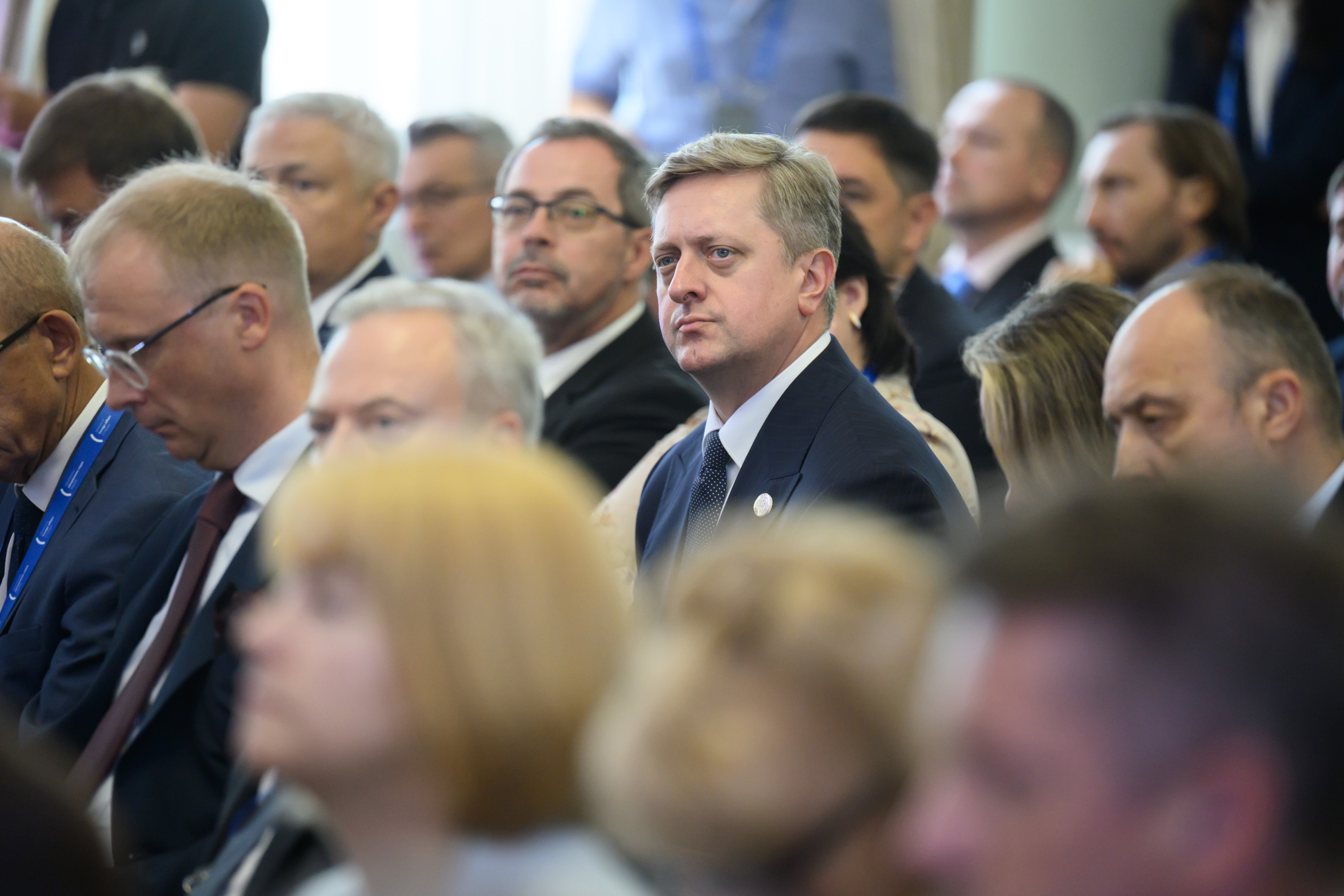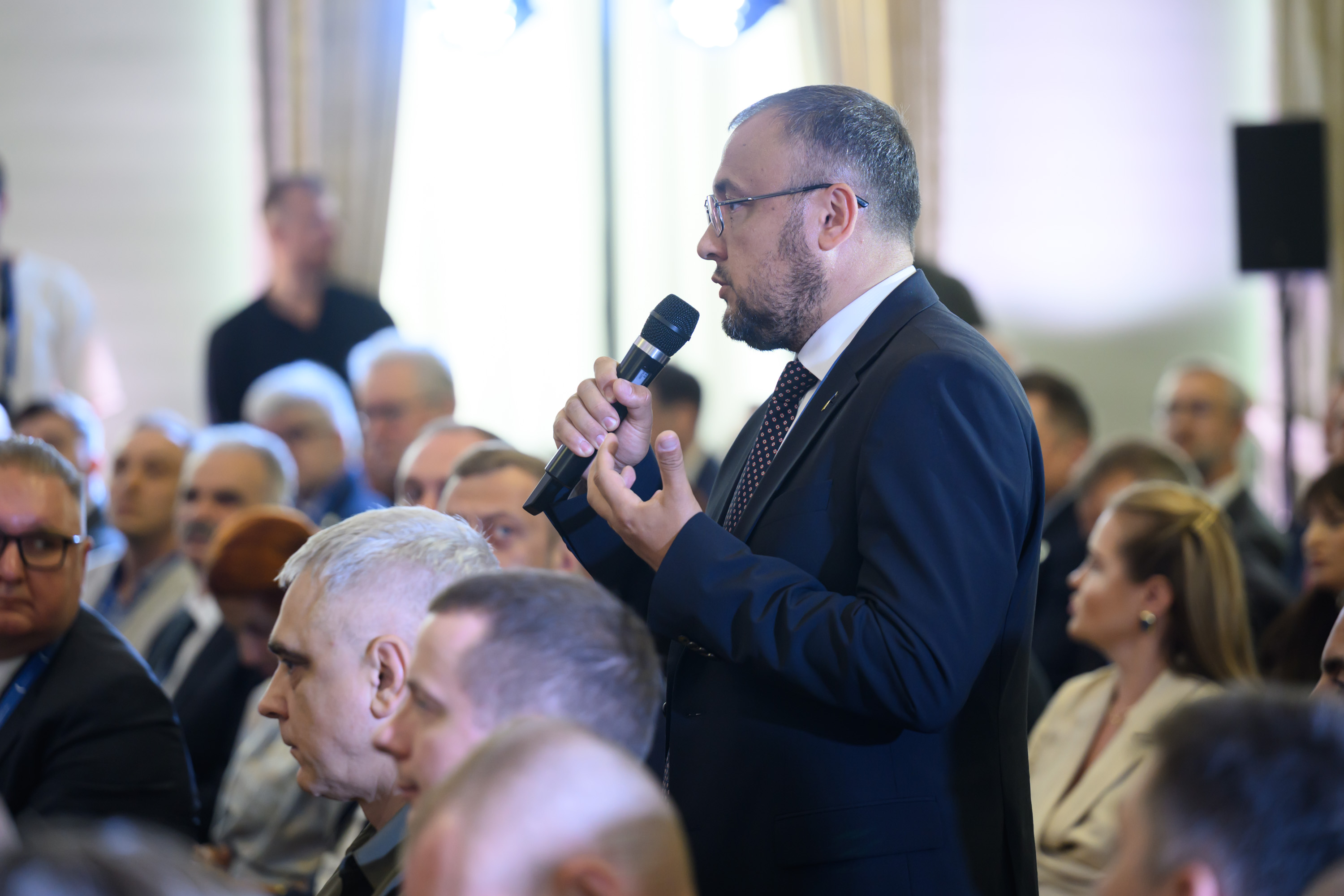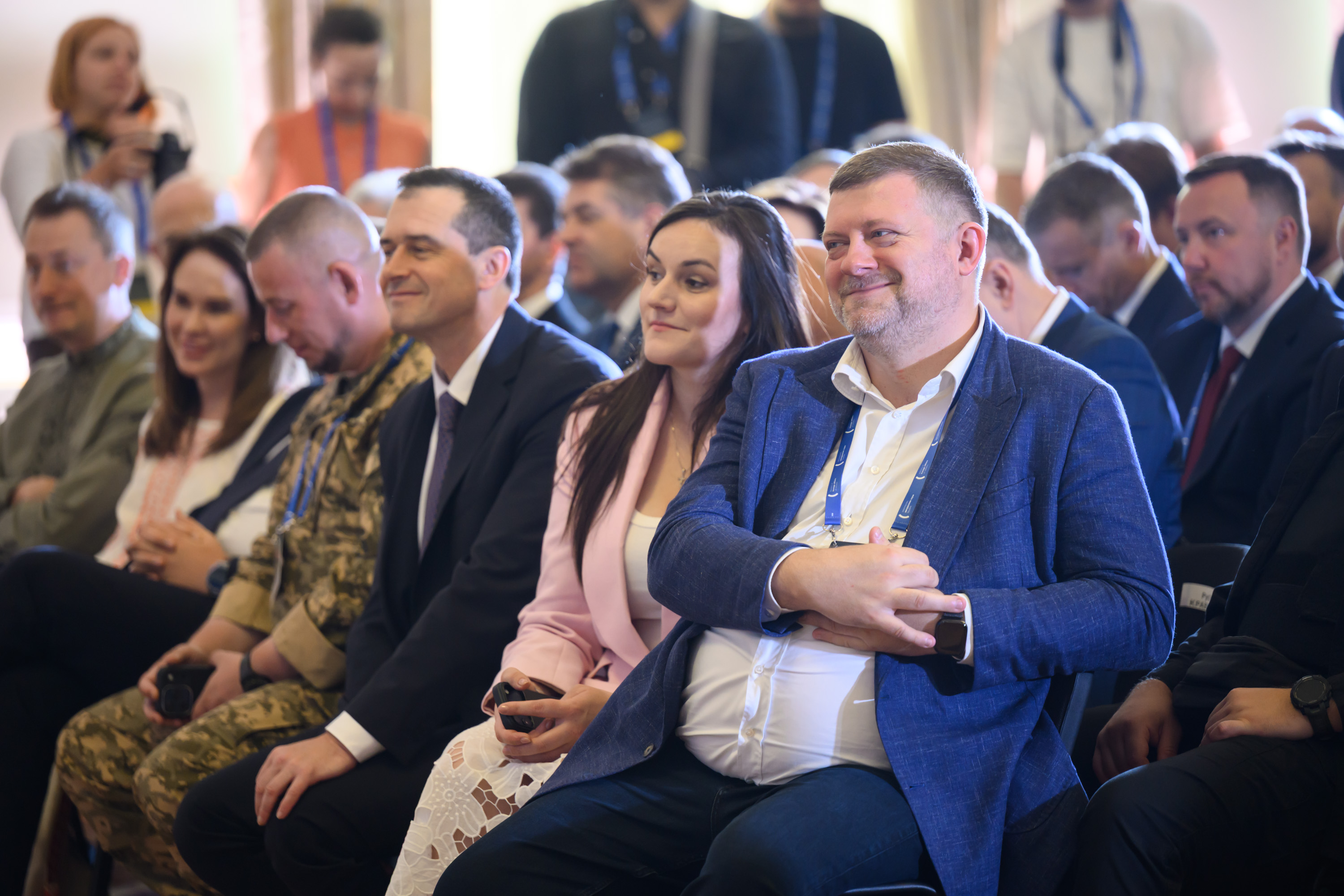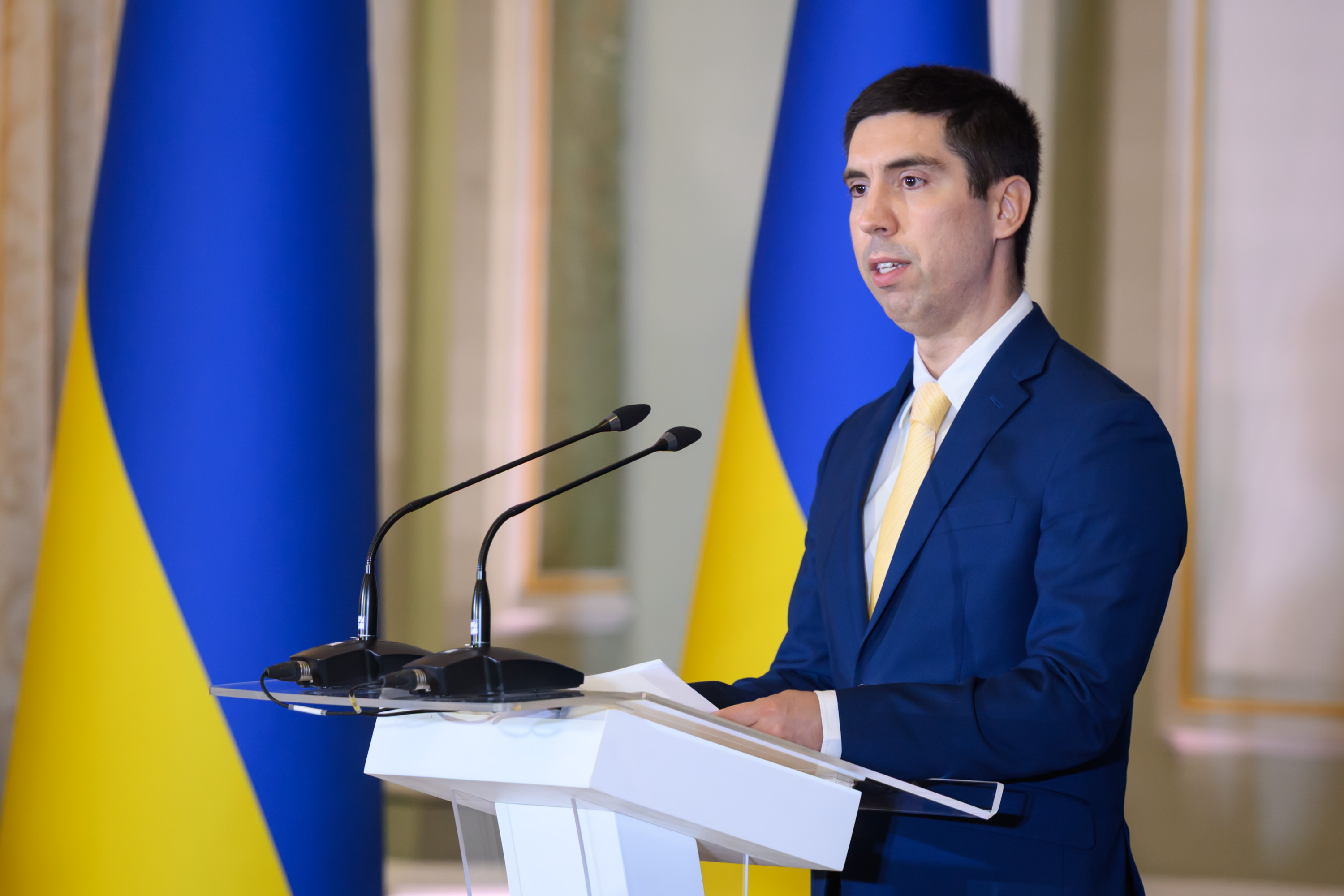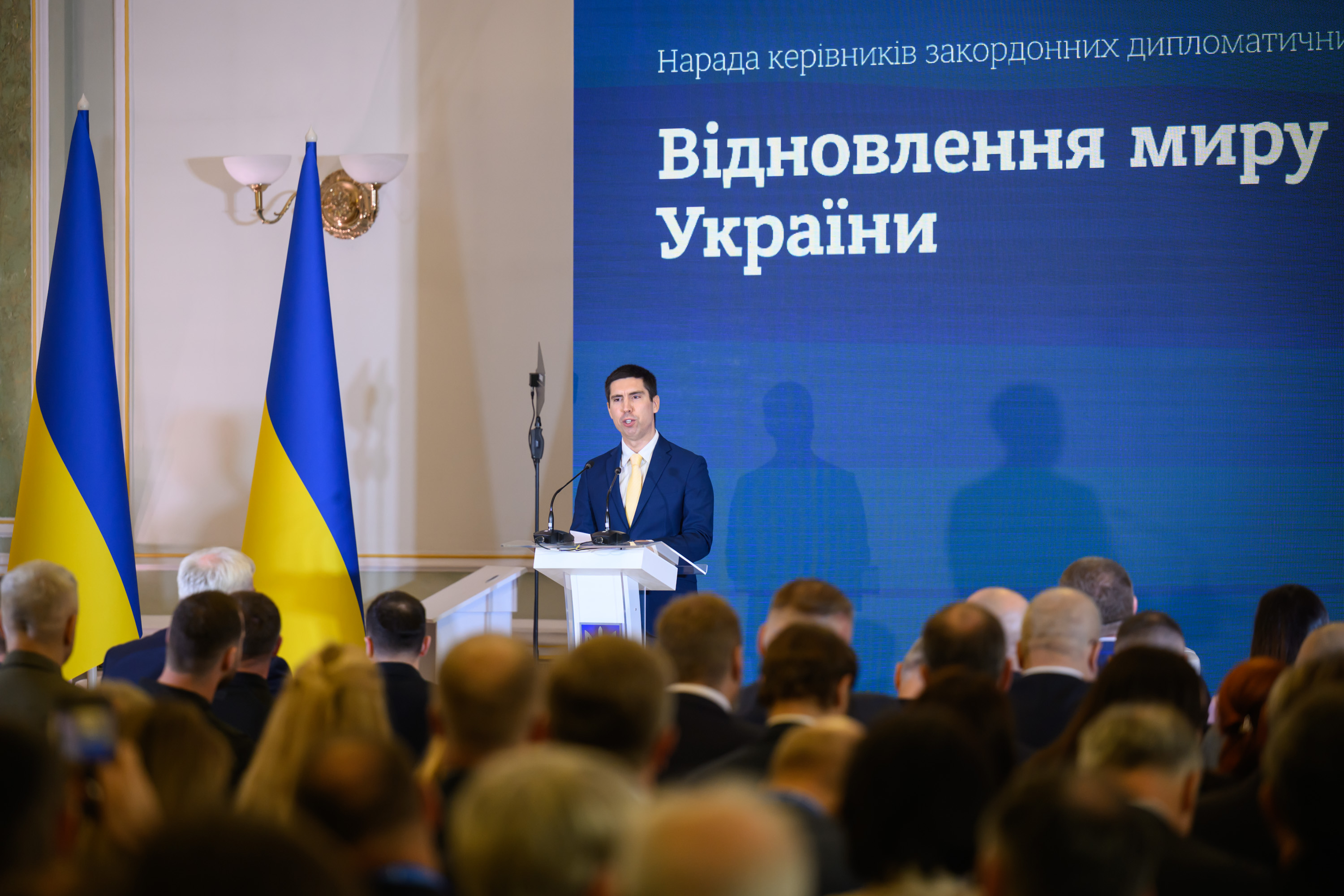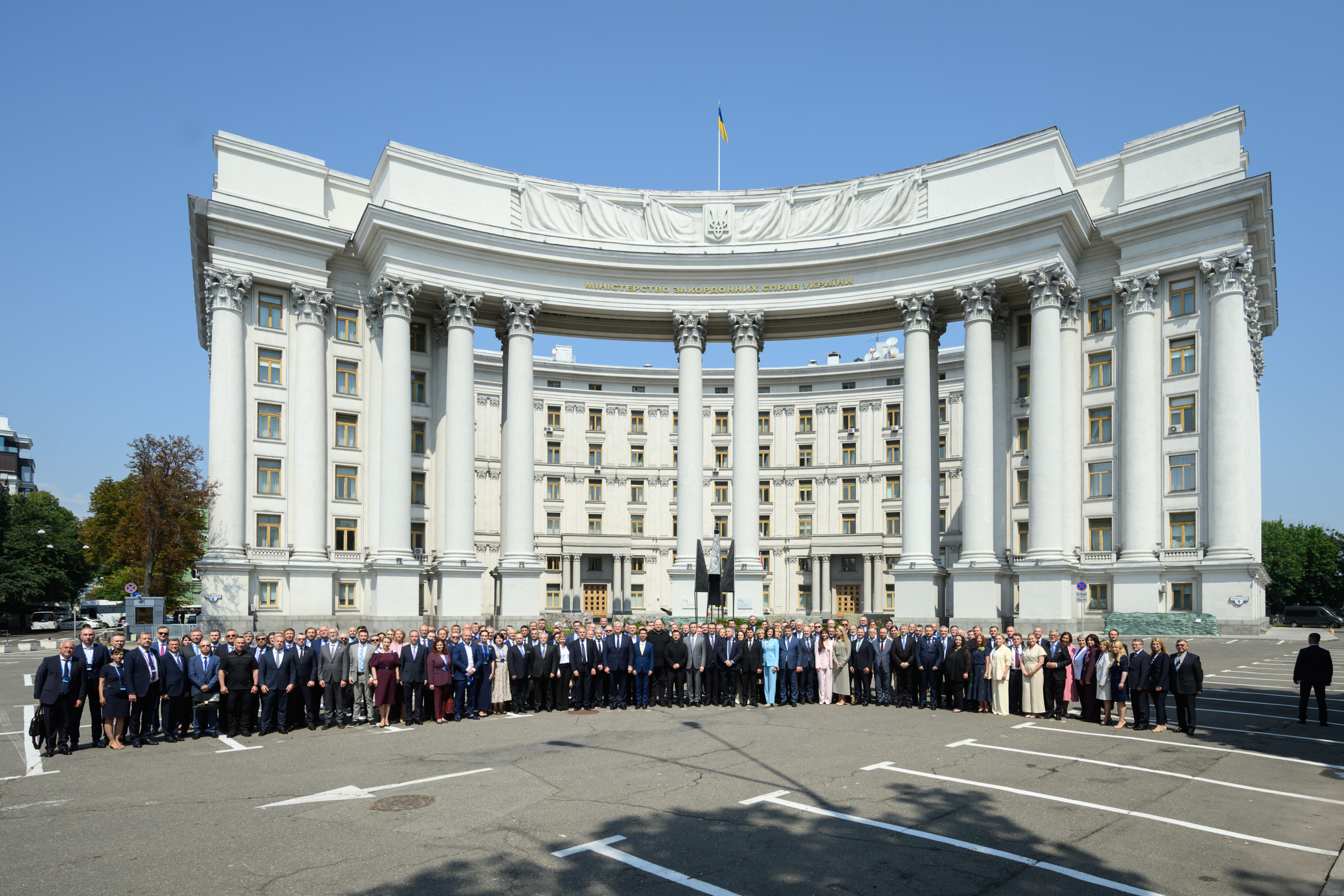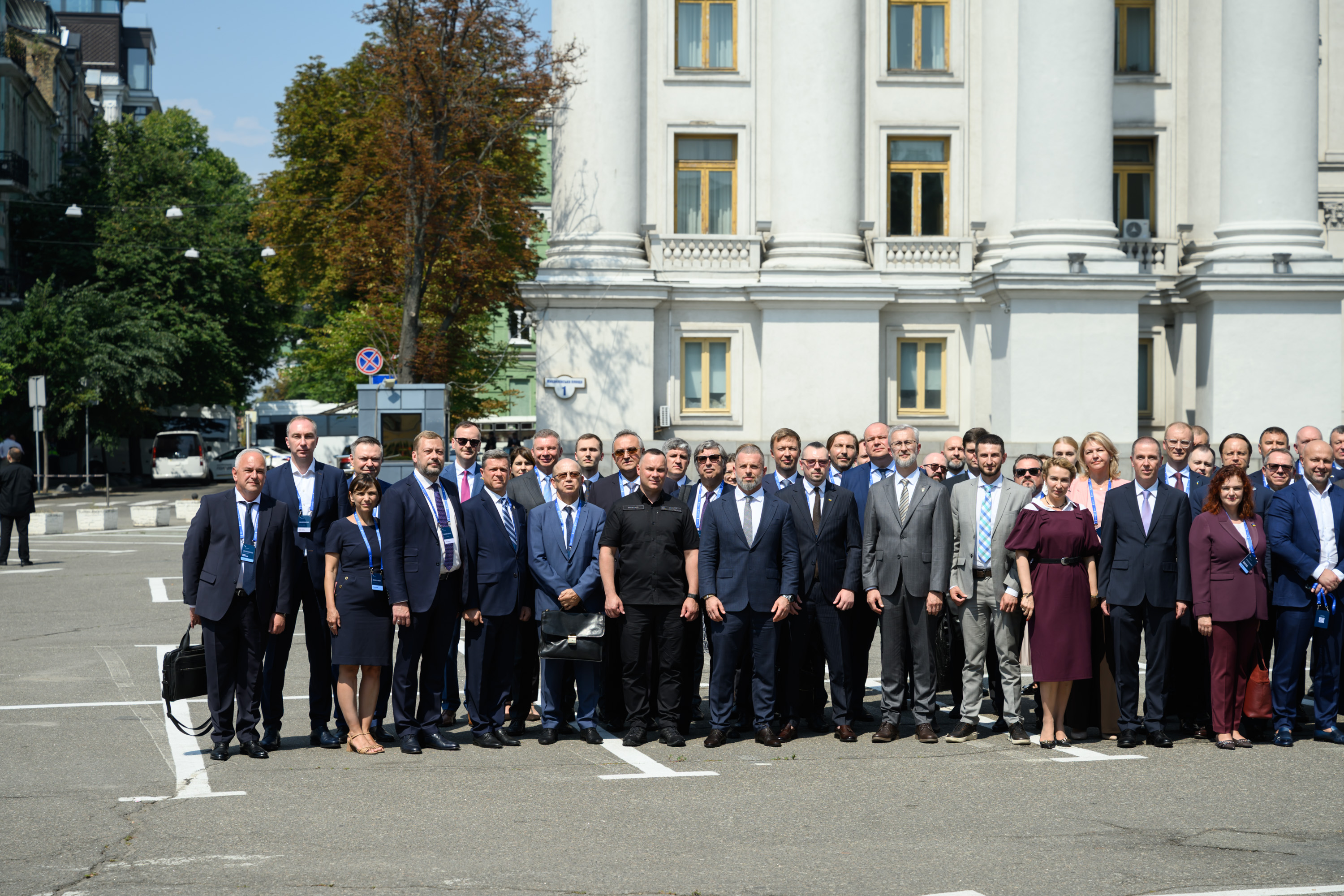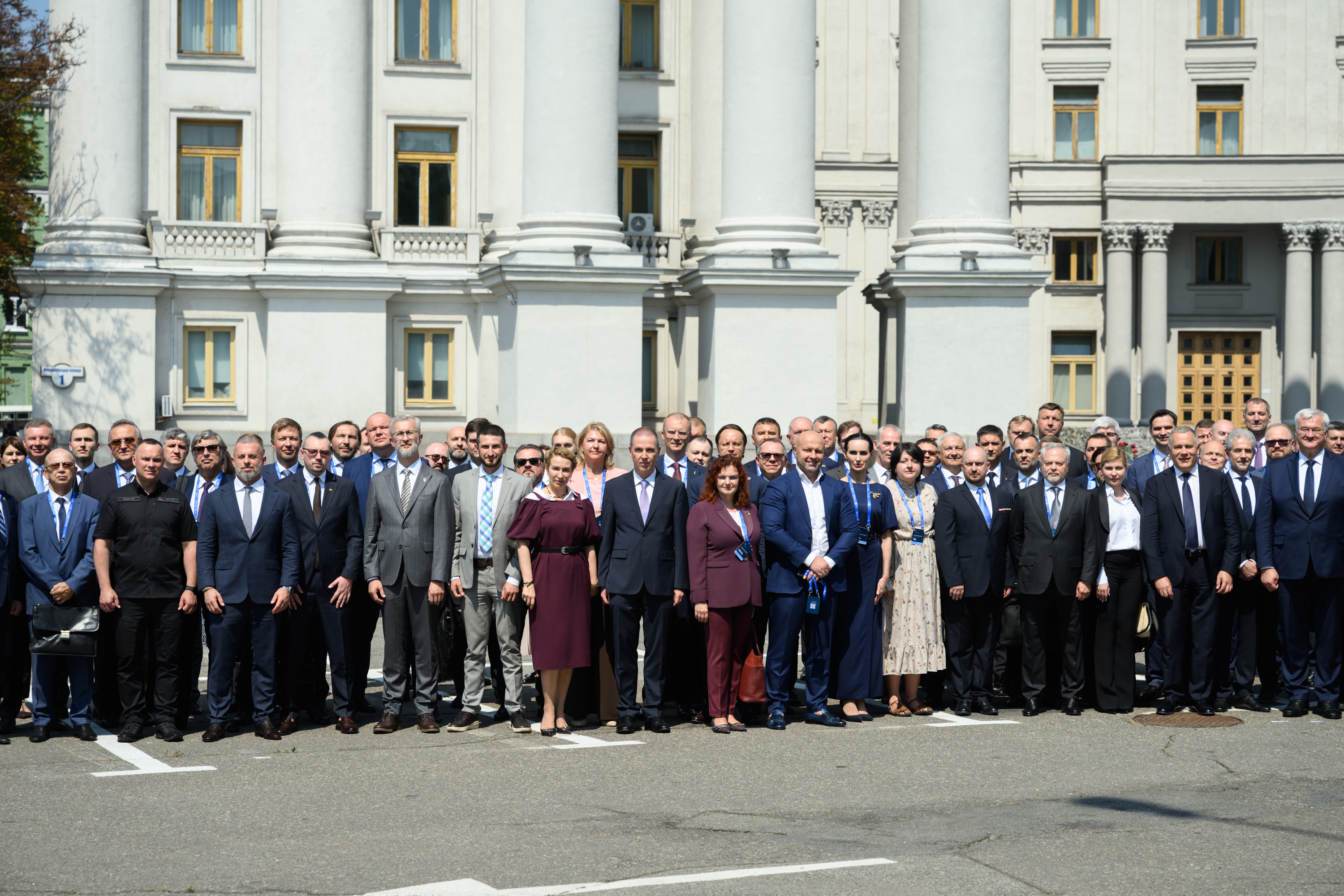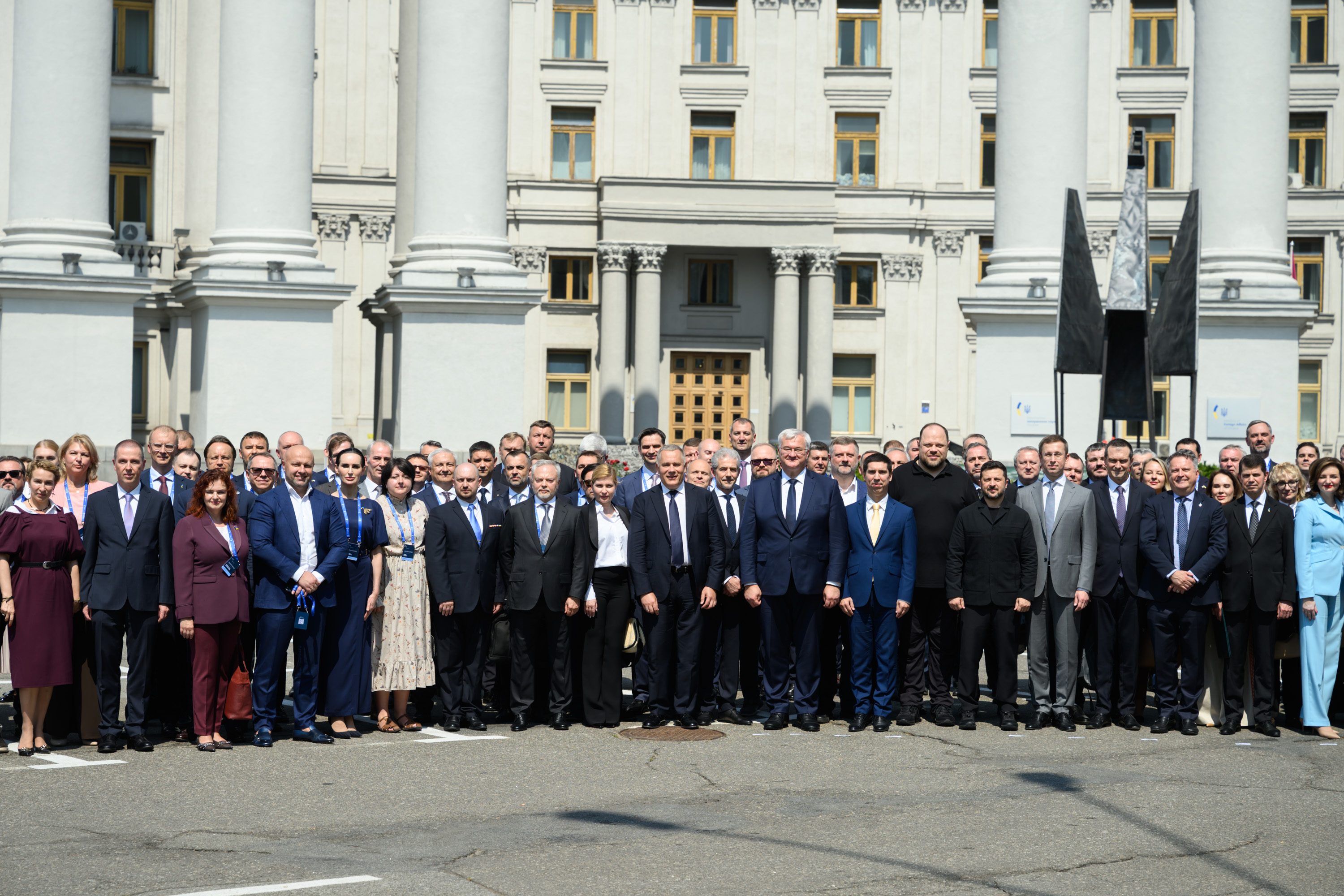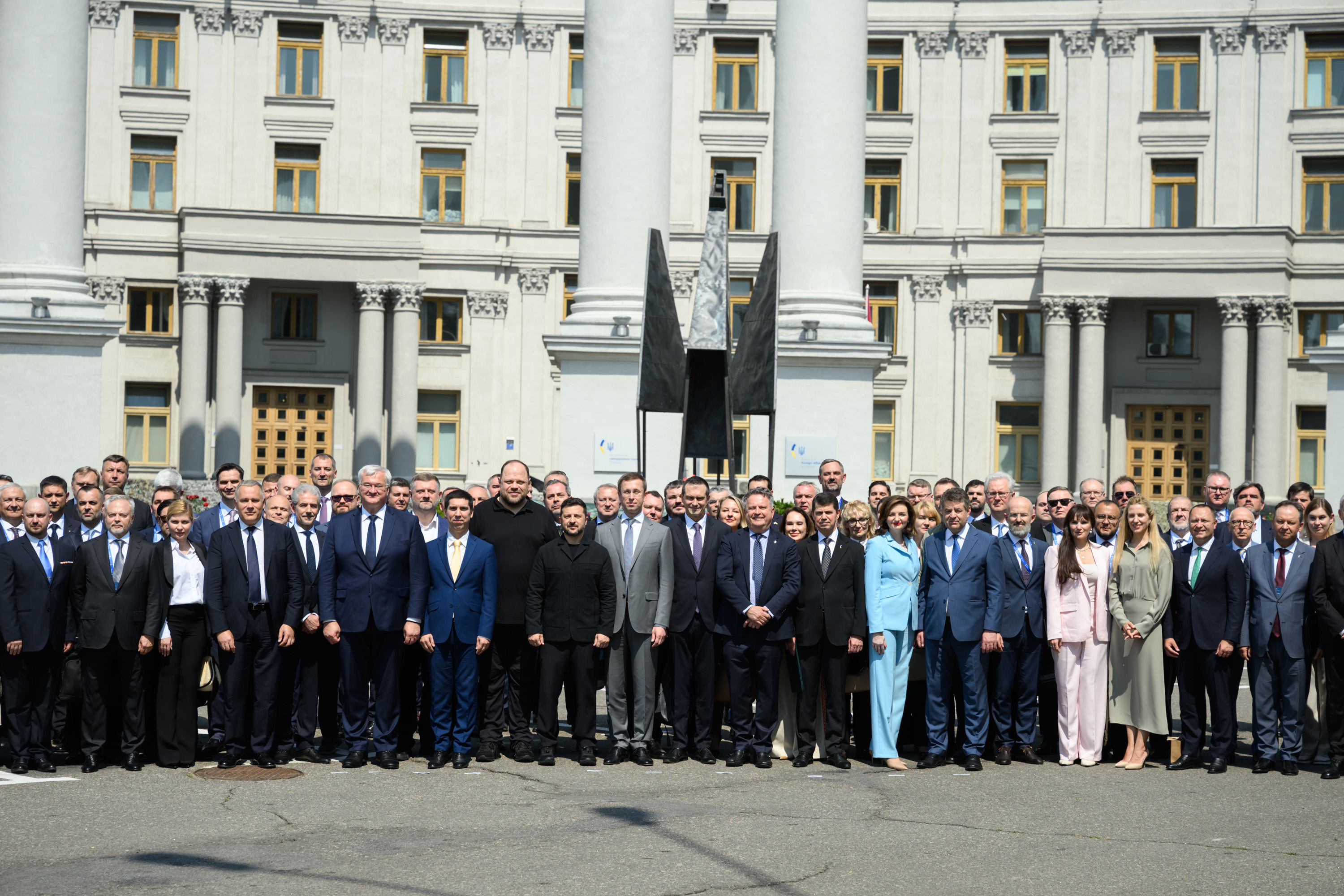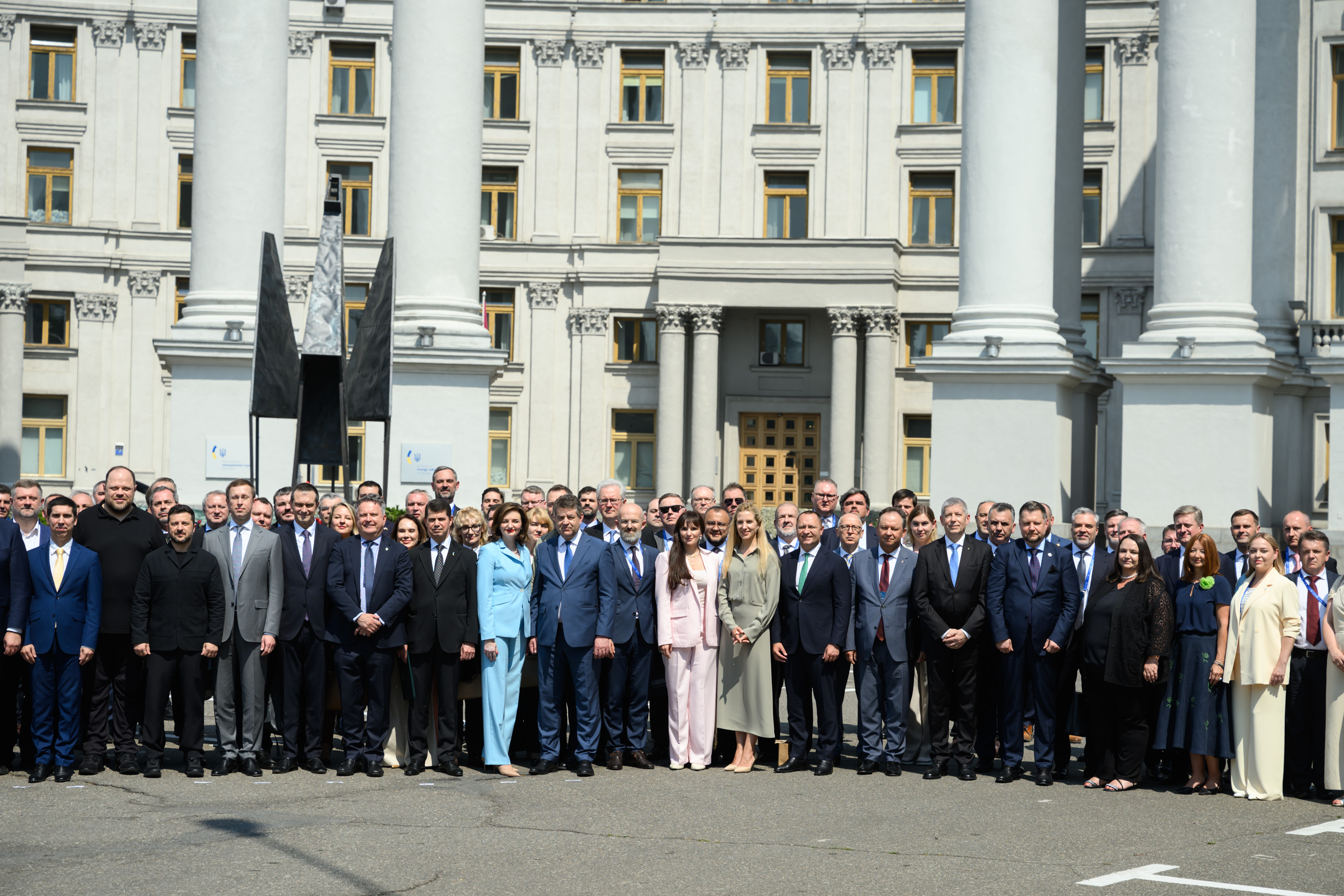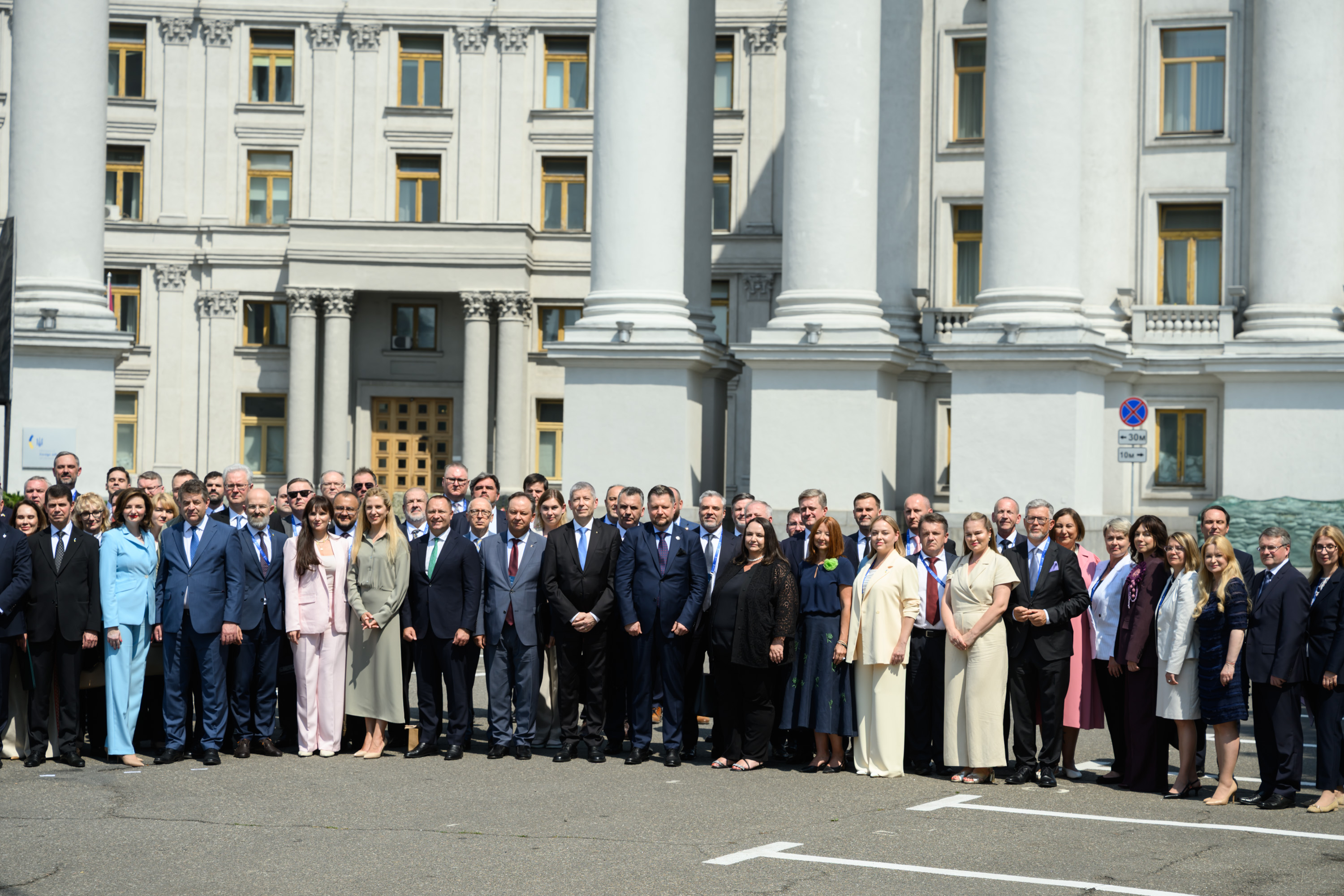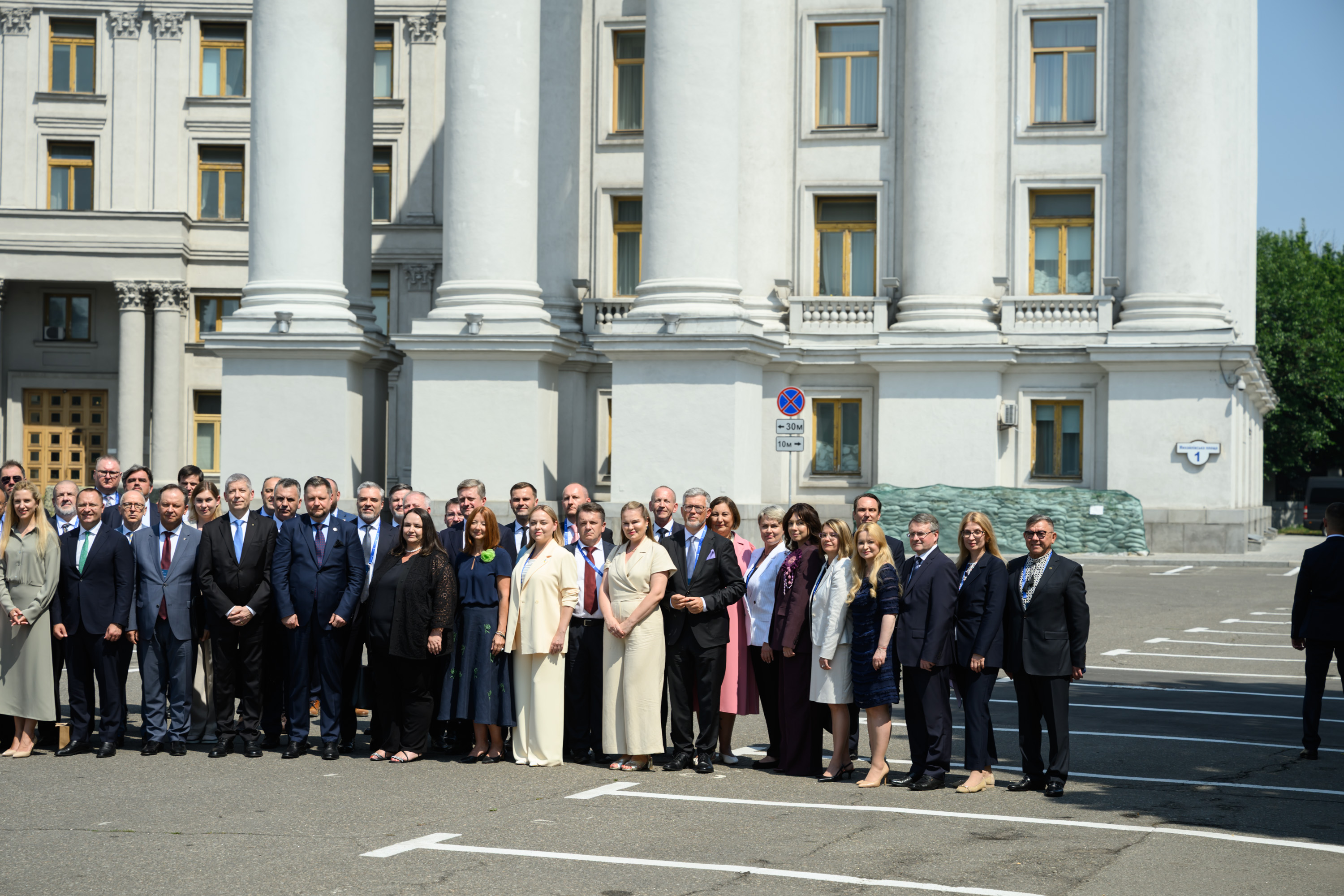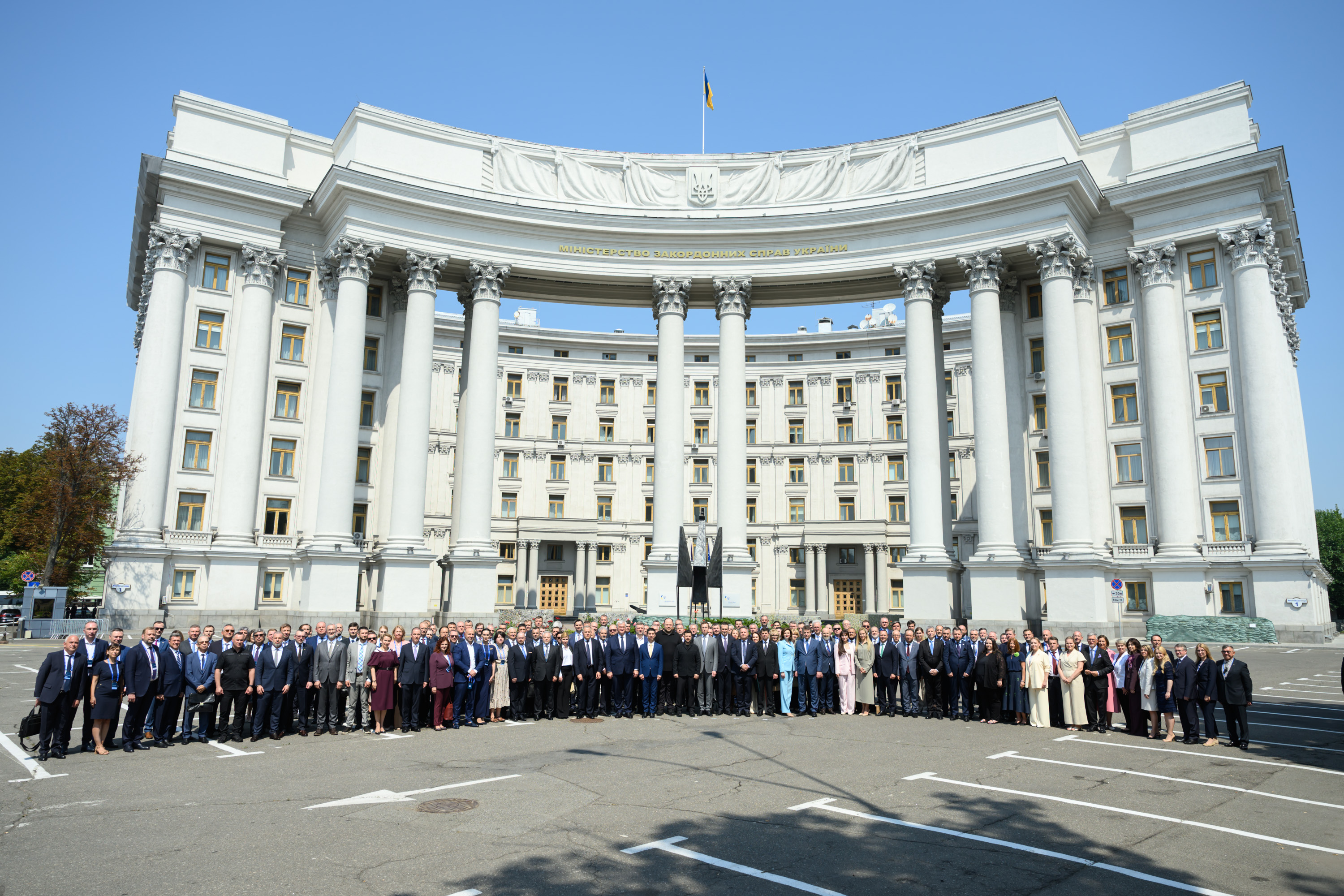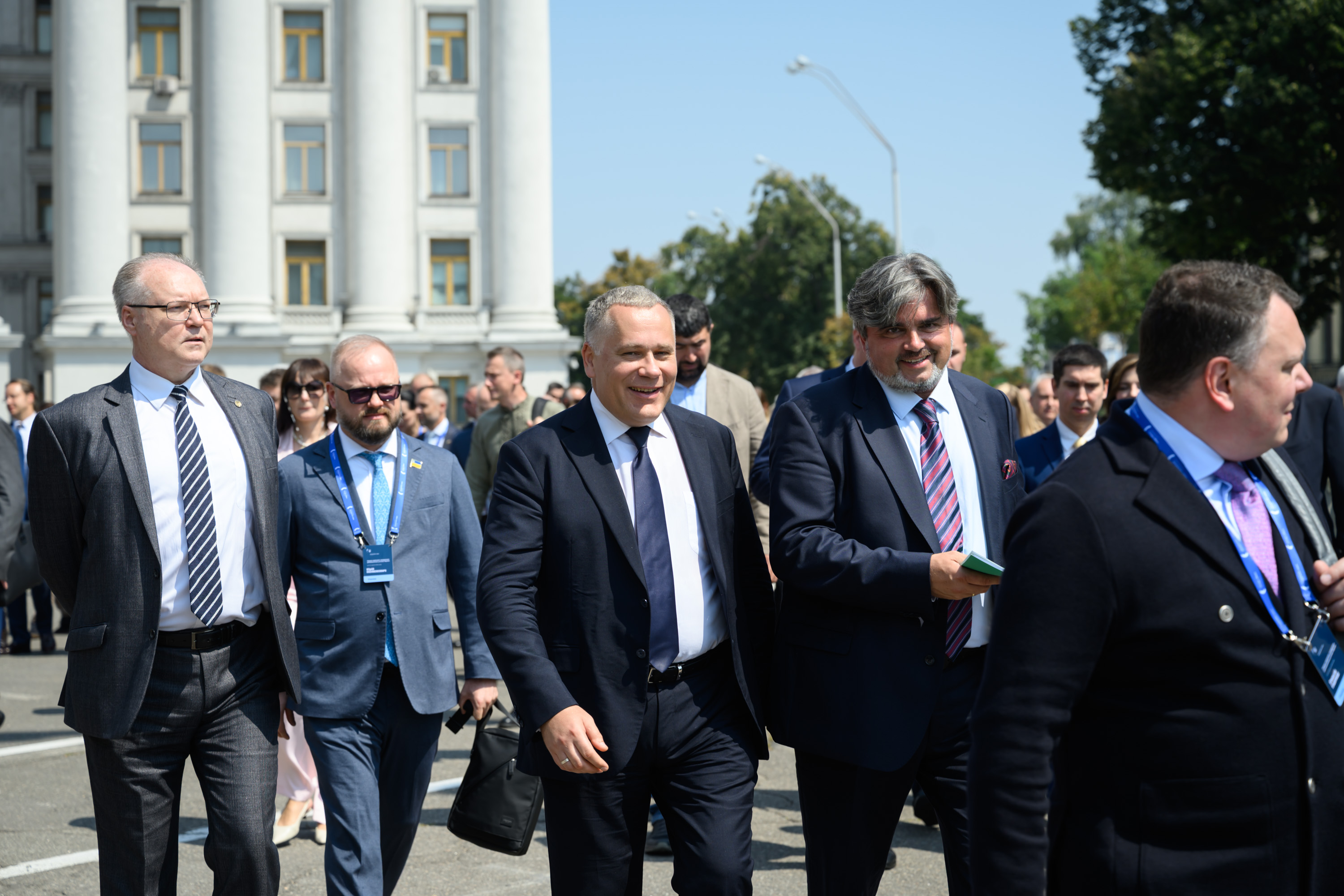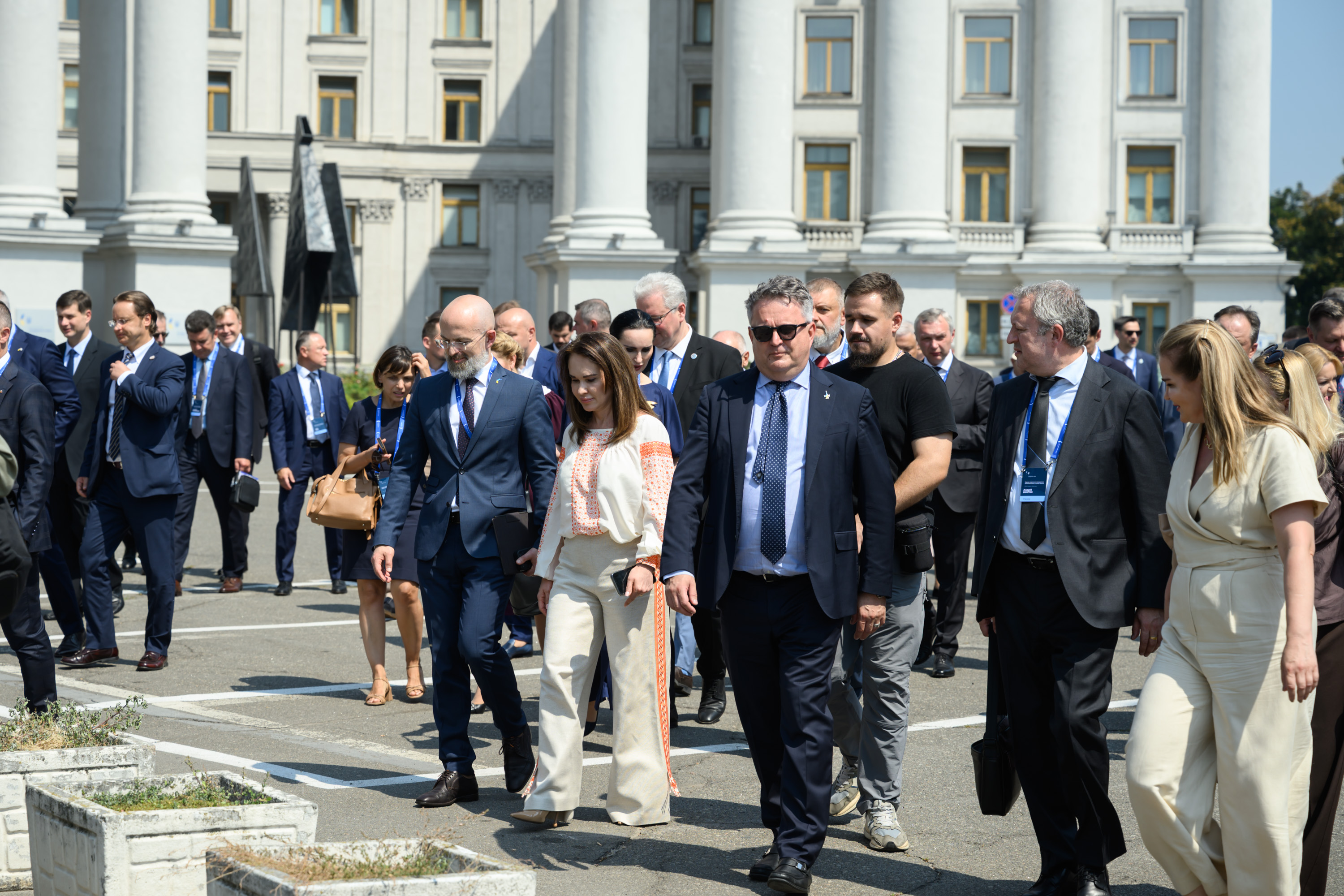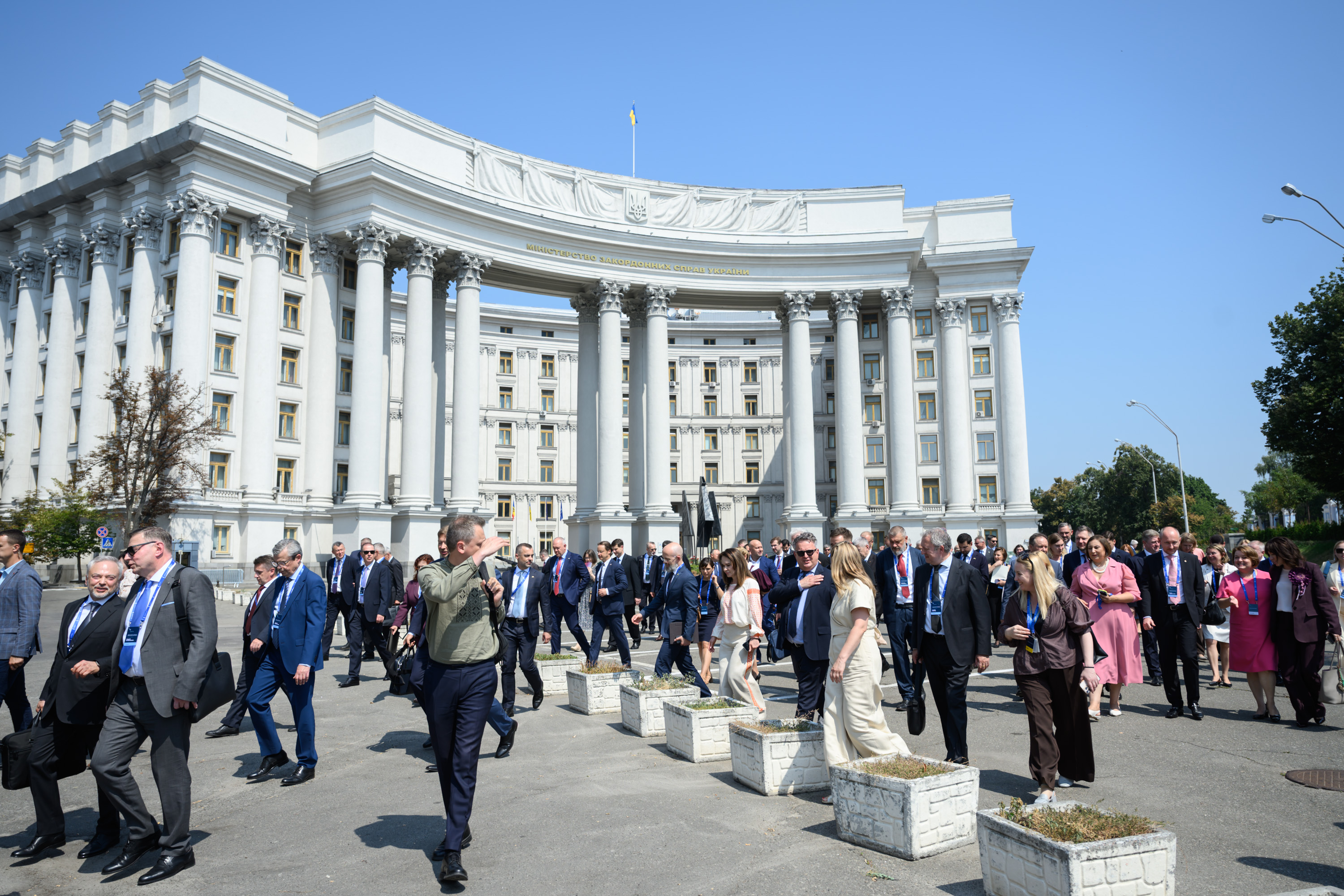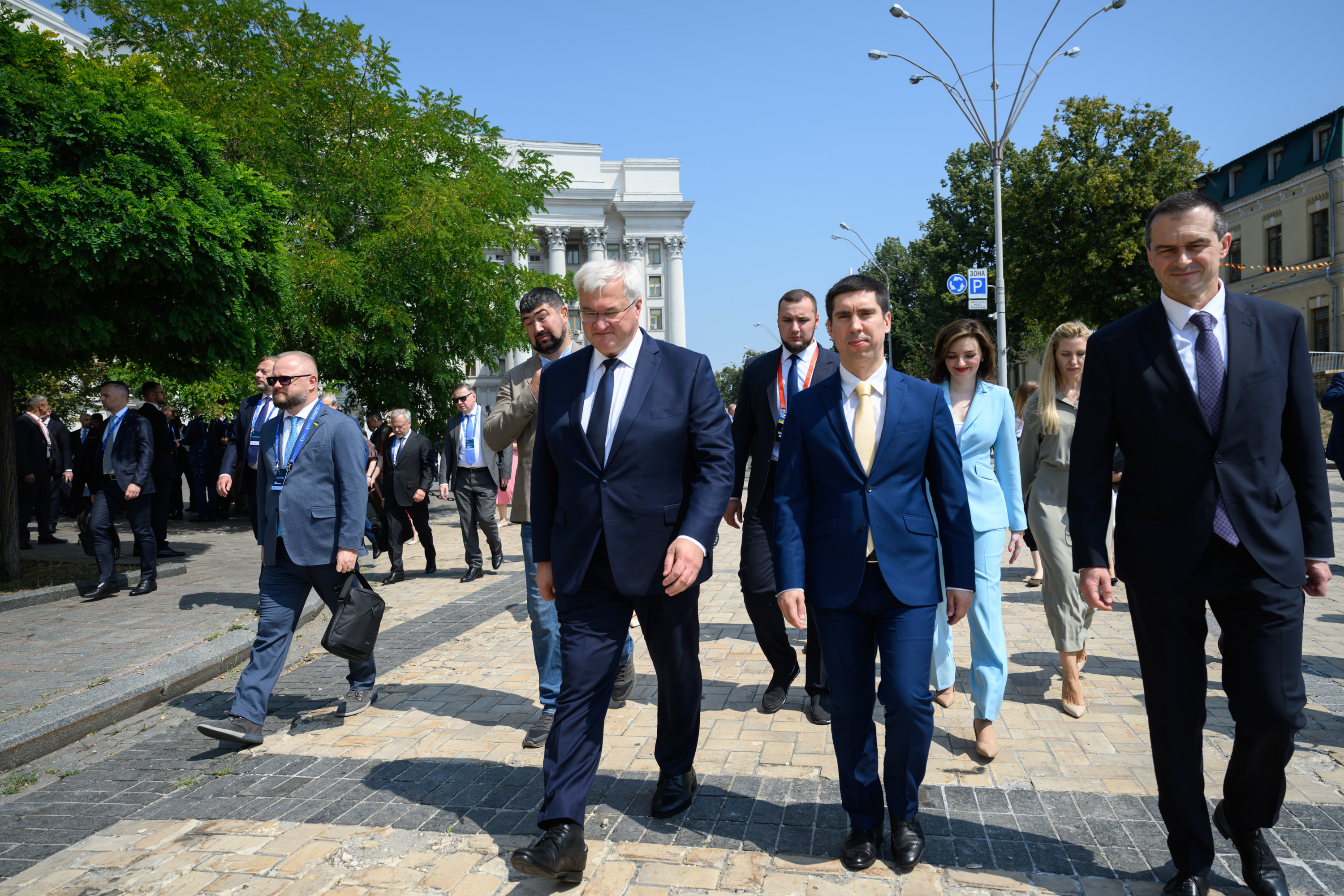
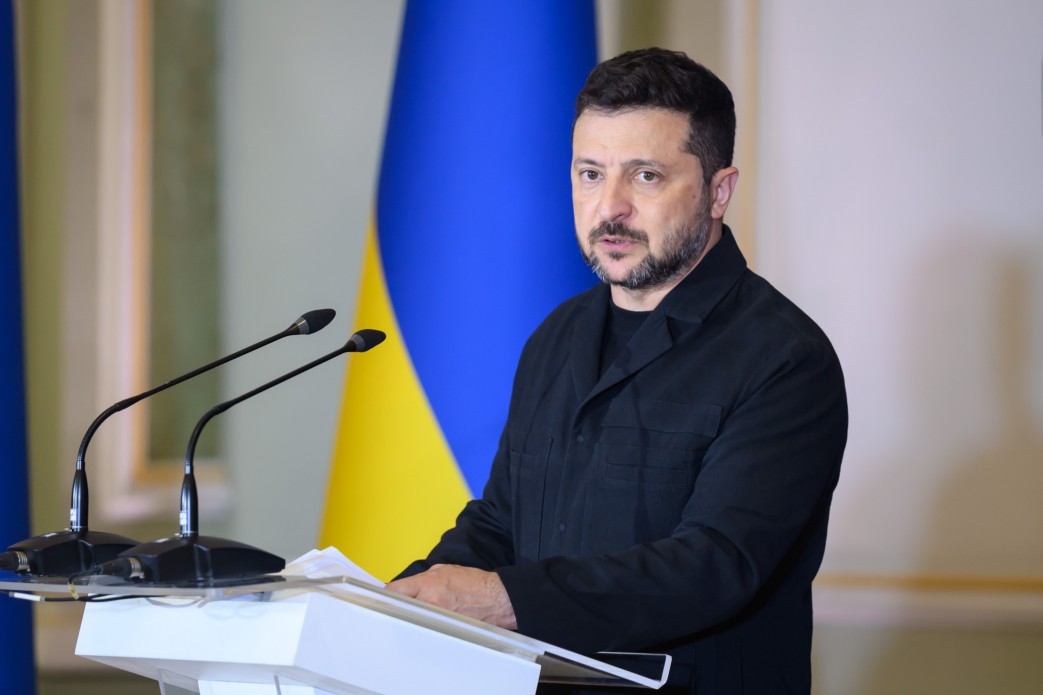
Ukrainian diplomats must strengthen efforts on sanctions against Russia, scale up the Drone Deals, PURL, SAFE, Anti-Ballistic Coalition, and FREYJA projects, ensure preparations for winter and the delivery of interceptor missiles, and strengthen bilateral relations. President of Ukraine Volodymyr Zelenskyy stated this during the annual meeting of heads of Ukraine’s foreign diplomatic missions, “Restoring Peace and Ukraine’s Leadership.”
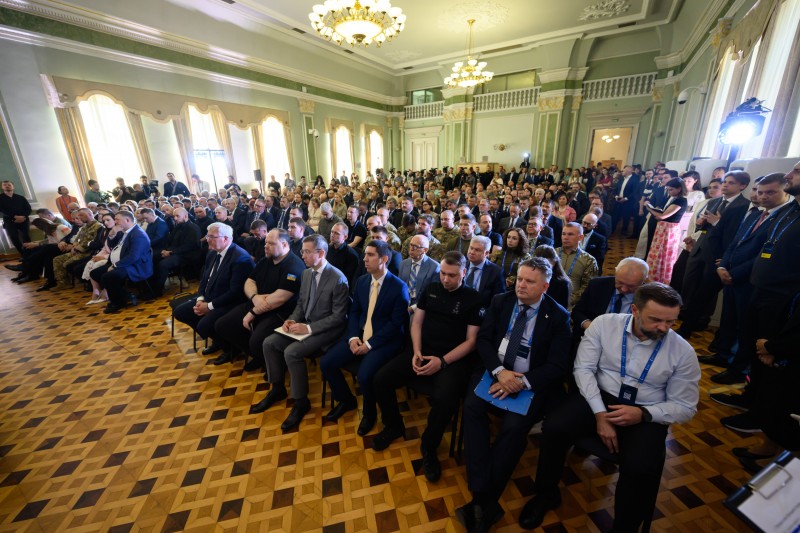
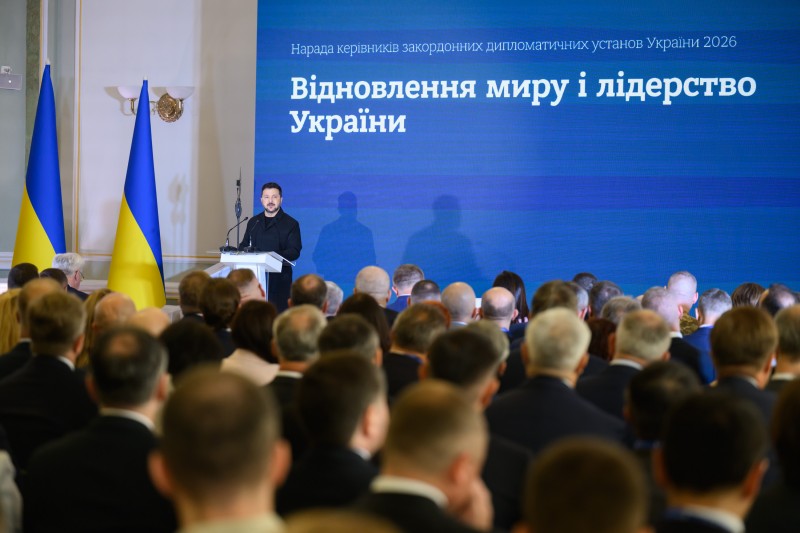 The Head of State commended the work of diplomats over the past year to ensure resilience and strengthen our country. In particular, this included work on Ukraine’s accession to the European Union, military support, joint production with partners, new contributions to the PURL program, the transfer of air defense missiles, preparations to make it through the winter, energy support, and efforts to rebuild Ukraine.
“This year, winter is once again an obvious priority for everyone. Your task this year is to provide the Government of Ukraine with the strongest possible support on the external track and in our relations with partners,” the President said.
According to Volodymyr Zelenskyy, the Prime Minister and every diplomat should have a clear list of what Ukraine needs.
“Of course, missiles for Patriots. Of course, missiles for our air defense. Of course, for IRIS-Ts, Hawks, SAMP/Ts, NASAMS, and so on, as well as all the weapons needed for our combat aircraft, are an absolute and unconditional necessity. The same applies to the implementation of resilience plans by regional and local authorities and Ukrainian communities. But every Ukrainian ambassador must understand which transformers we need to look for and who to look to for them. There must be specifics in everything,” the President emphasized.
The Head of State noted that Ukraine has reached a new level of military cooperation with key partners specifically through the Drone Deals format, and that this work must continue. To date, 9 agreements have been signed with partner countries, while another 15 documents are in the works.
“Through the Drone Deals format, Ukraine receives long-term, annual funding for the country and for Ukrainian defense manufacturers – a stable financial foundation for the defense industry,” Volodymyr Zelenskyy said.
 The President noted that diplomats must pay particular attention to scaling up the FREYJA Anti-Ballistic Missile Program. According to the Head of State, both Russia and other potential aggressors can see the harm caused by ballistic missiles, so Ukraine and the world must work together to counter this threat.
“Our FREYJA can become a shared European system providing integrated protection. FREYJA will be quick to produce and battle-tested,” Volodymyr Zelenskyy added.
He stressed that diplomats must deliver clear results in bringing partners into the Anti-Ballistic Coalition and Drone Deals, as well as in strengthening air defense and aviation capabilities.
“The quality of an embassy’s work must be measured by the amount of weapons Ukraine receives, the funding that supports Ukraine, and the political decisions and concrete steps that put pressure on the enemy. That is the clear, central framework,” the President noted.
The Head of State emphasized the importance of reforming the diplomatic service. In particular, ambassadors and consuls must establish more personal contacts that help secure support for Ukraine. Particular attention should be paid to language proficiency, depending on the country in Europe, Africa, or the Middle East where an embassy employee serves.
“Our diplomatic service has a traditional, longstanding weakness – and this is true: when it comes to every language other than English – it’s true – for the most part, we face a shortage of proficiency. Please develop systemic solutions capable of changing this. You must have a deep understanding of the values, holidays, and pain of the people in every country where you serve, understand their culture – and, of course, know their language. I also ask that ambassadors’ views be taken into account more often when deciding who is sent on rotation to an embassy and who returns from an embassy to Ukraine,” Volodymyr Zelenskyy said.
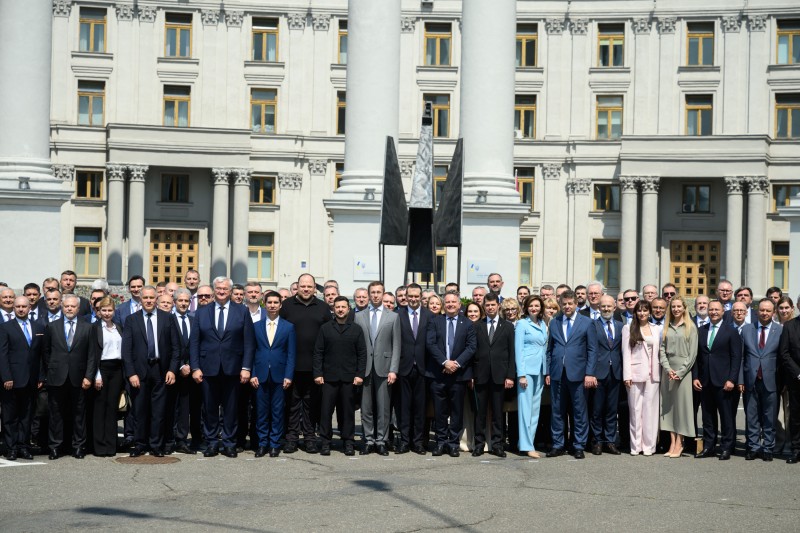 According to the President, it is also important for diplomats to spend more time in Ukraine and understand how the regions live and what they need, enabling them to defend Ukraine’s interests abroad more effectively.
Particular attention must be paid to countering Russian disinformation, including the false claim that Ukraine allegedly does not want to end the war. The Head of State stressed that diplomats must consistently, persuasively, and credibly refute all such false accusations.
“It is Ukraine that wants peace. It is Ukraine that has never wanted this war – not for a single day. It is Russia that is doing everything possible to prolong this war and inflict as much damage on human life in Ukraine as it can. We are working toward diplomacy,” he stressed.
The President called on diplomats to be more active in countries where elections will soon be held. Ukraine needs support not only from individual politicians, but also from societies.
“Ukraine’s position, our opinion, our perspective, our narratives, if I may put it that way, and our needs must be present and clearly communicated across these platforms – in podcasts, on social media, through bloggers and influencers, and so on. At the same time, they must also be present in every traditional media outlet that has influence, continues to be cited, carries political weight, and has a real ability to keep the spotlight on Ukraine – and thus strengthen support for Ukraine and respect for our community within that country,” Volodymyr Zelenskyy said.
Protecting Ukrainian citizens abroad must become an important part of the work of Ukrainian ambassadors and consuls. The President instructed them to step up this work.
“Diplomacy can no longer be solely classical or static; it must constantly adapt to the ever-changing conditions in a given country,” he noted.
The Head of State called for greater efforts to develop relations with countries in the Far East, the Middle East, the Gulf region, Latin America, Africa, and especially the former CIS countries, which would make it more difficult to support Russia.
“We in Ukraine have all grown accustomed to Ukraine being present in Davos and to the Munich Security Conference not taking place without Ukraine, without a clear and strong Ukrainian position. But there are other forums that we sometimes miss. The Shangri-La Dialogue in Singapore and all other major security, economic, and political formats in Asia must include Ukraine – and at a level that is truly felt across the region,” the President emphasized.
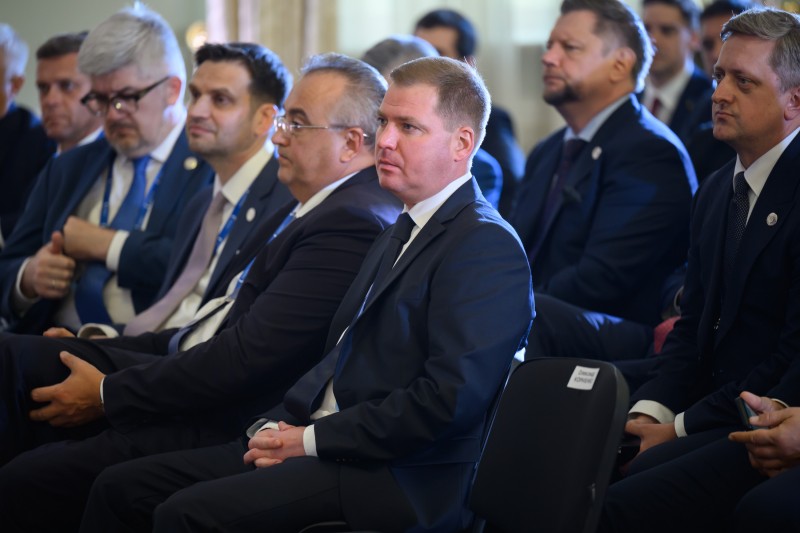 Volodymyr Zelenskyy recognized the efforts of diplomats, members of Parliament, government officials, and the team of the Office of the President toward Ukraine’s accession to the European Union and the opening of the first negotiation clusters, and called for this work to continue.
“Every level of Ukraine’s engagement with the European Union and its member states must bring us closer to that goal,” he said.
The Head of State emphasized that attention must also be focused on engagement with NATO structures. Assistance packages announced during the NATO Summit or meetings in the Ramstein format must be delivered as quickly as possible, with Ukrainian diplomats responsible for overseeing their implementation.
Volodymyr Zelenskyy noted that ambassadors must work with partner countries to strengthen the sanctions regime against Russia, including measures concerning individual accountability, banks, businesses, and the defense industry.
“Some key Russian enterprises involved in ballistic missile production are still not under sanctions imposed by the United States, the United Kingdom, Japan, Switzerland, and other jurisdictions. Of the seventeen key Russian enterprises – just imagine – involved in producing ballistic missiles, most can exploit sanctions loops in the jurisdictions of various partners,” the President emphasized.
Finally, the Head of State drew attention to soft-power diplomacy and support for the projects of First Lady of Ukraine Olena Zelenska. In particular, it is important to expand ties between universities and cultural institutions, work within communities to preserve and restore cultural heritage, and develop veteran-to-veteran cooperation and support.
“These tasks require considerable attention, but they consistently foster the most lasting respect and goodwill toward Ukraine, as well as the strongest emotional bonds and impressions,” the President concluded.