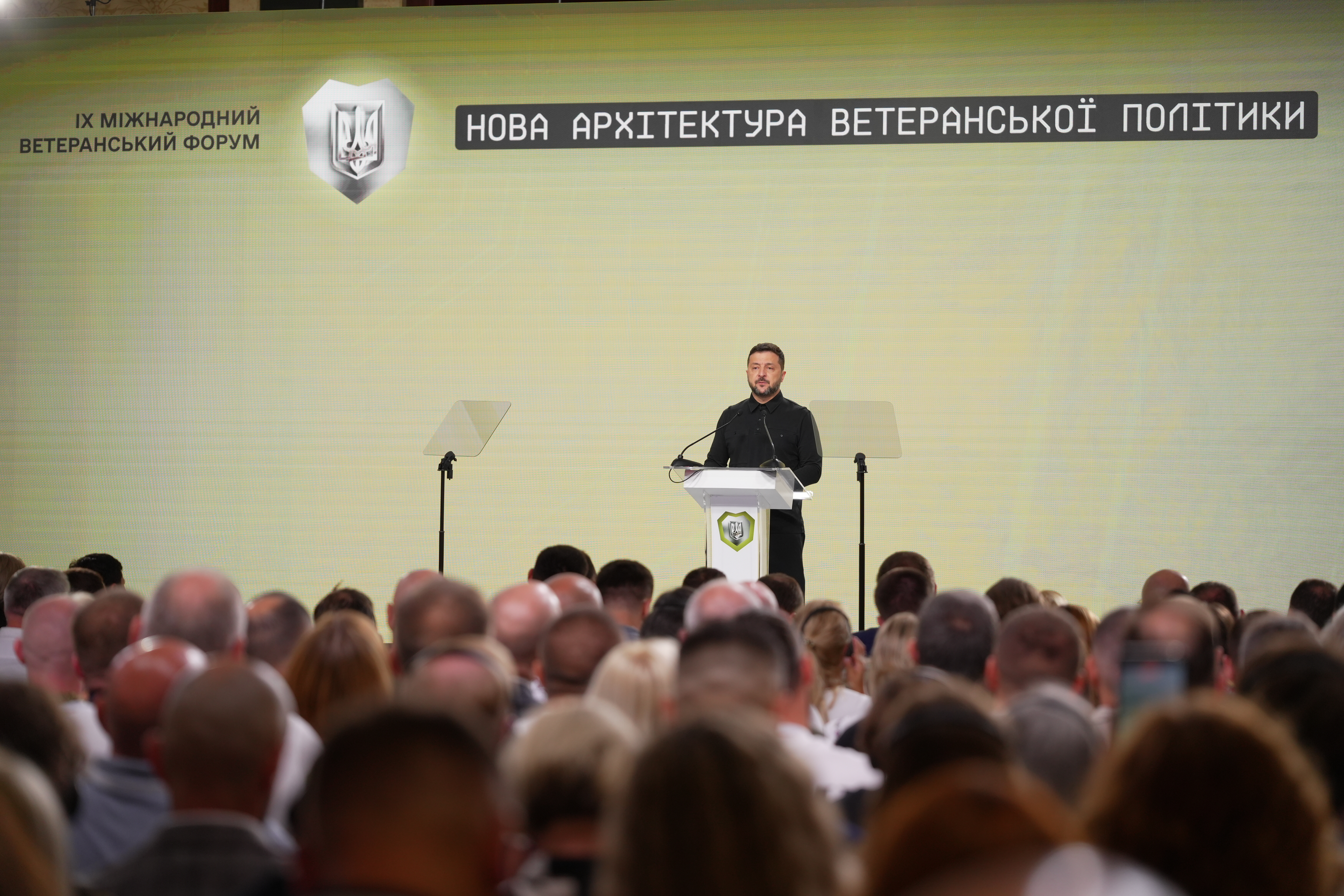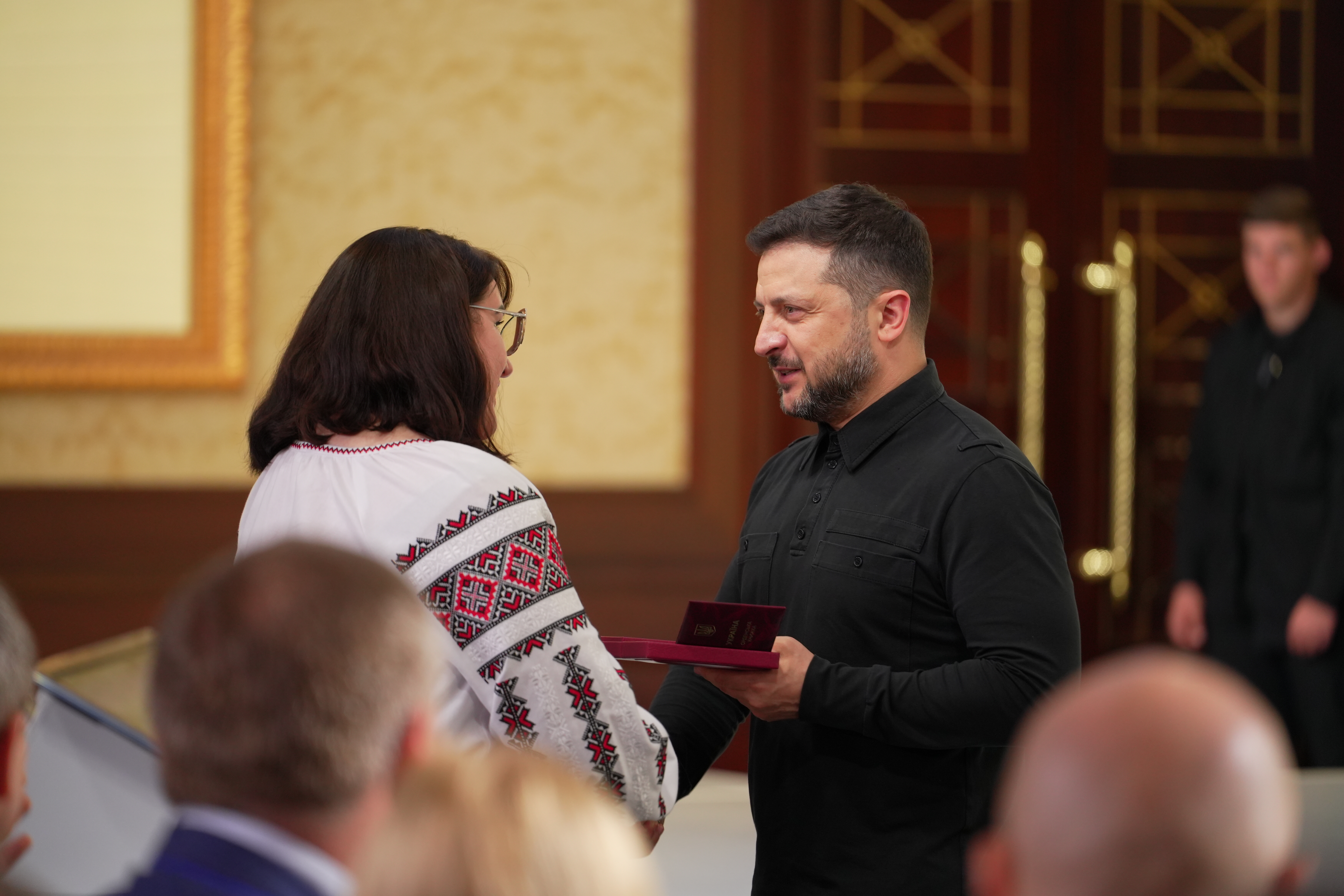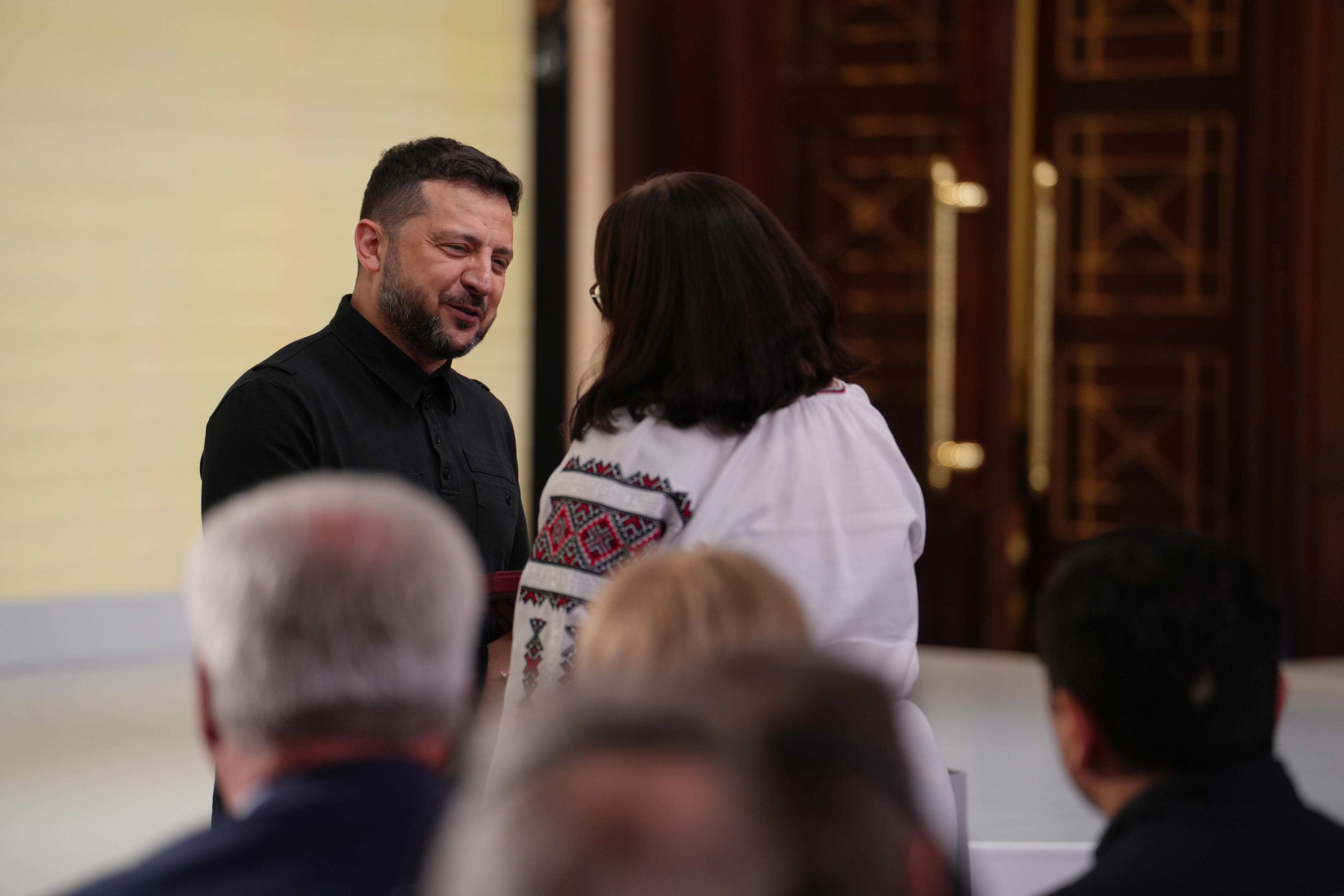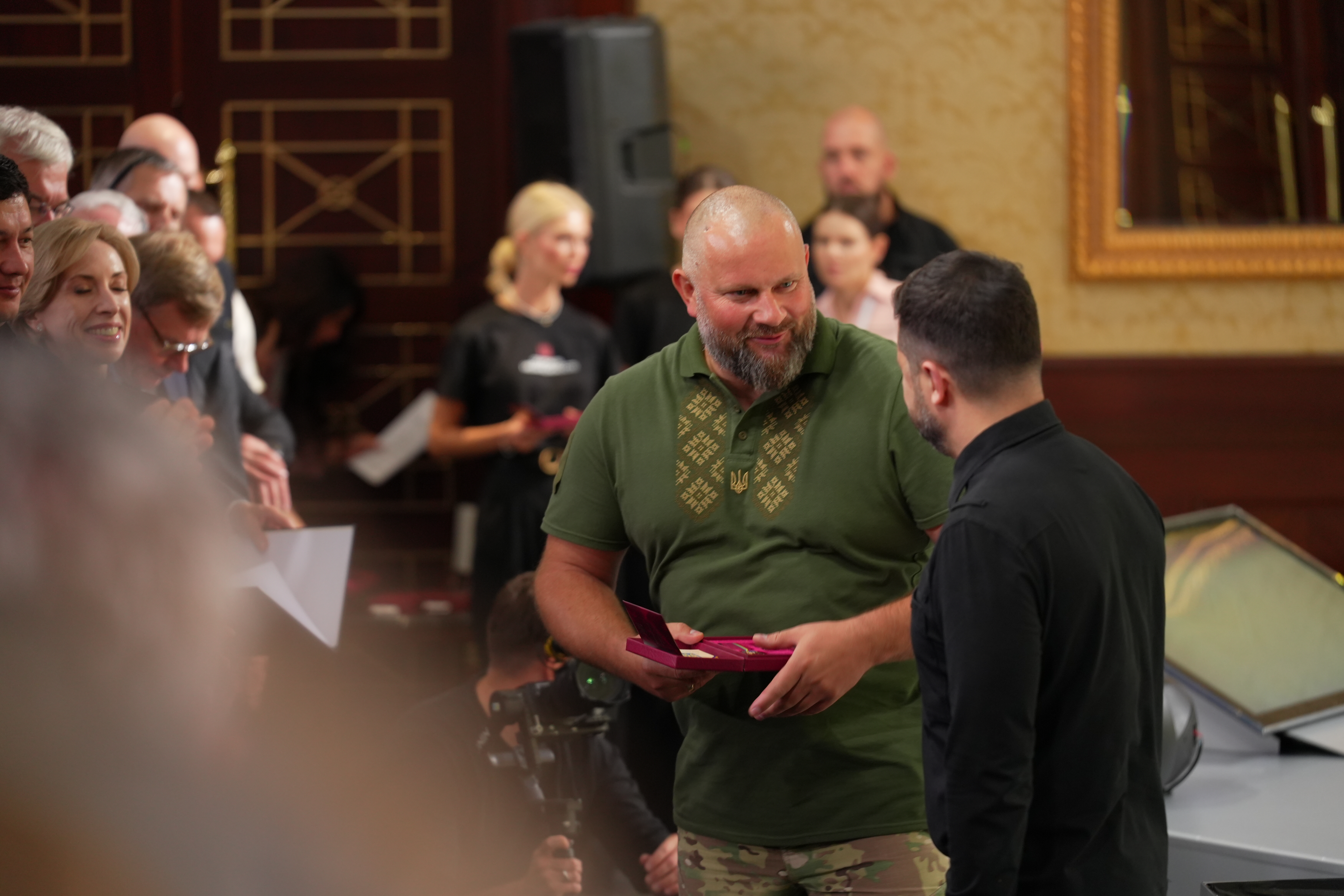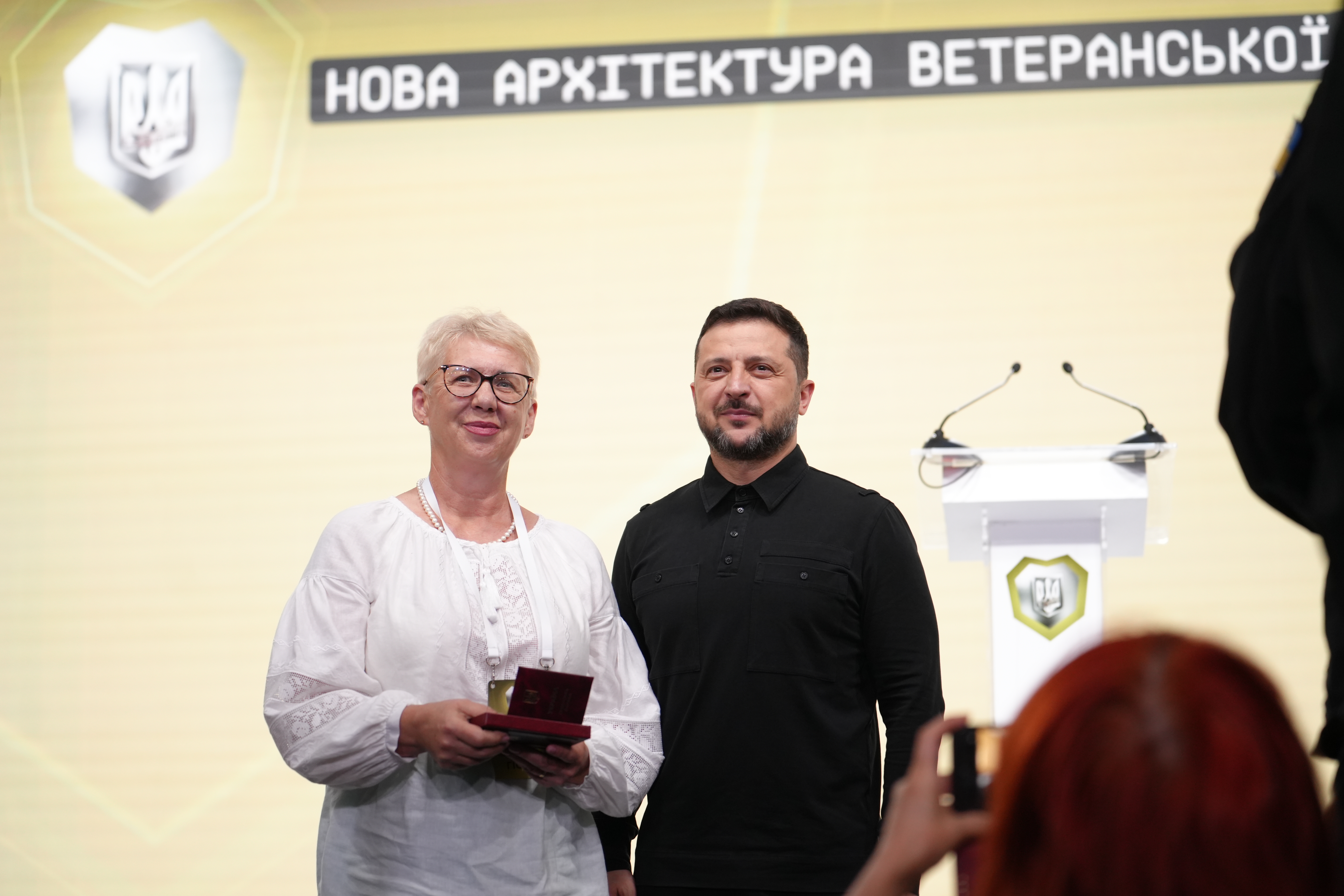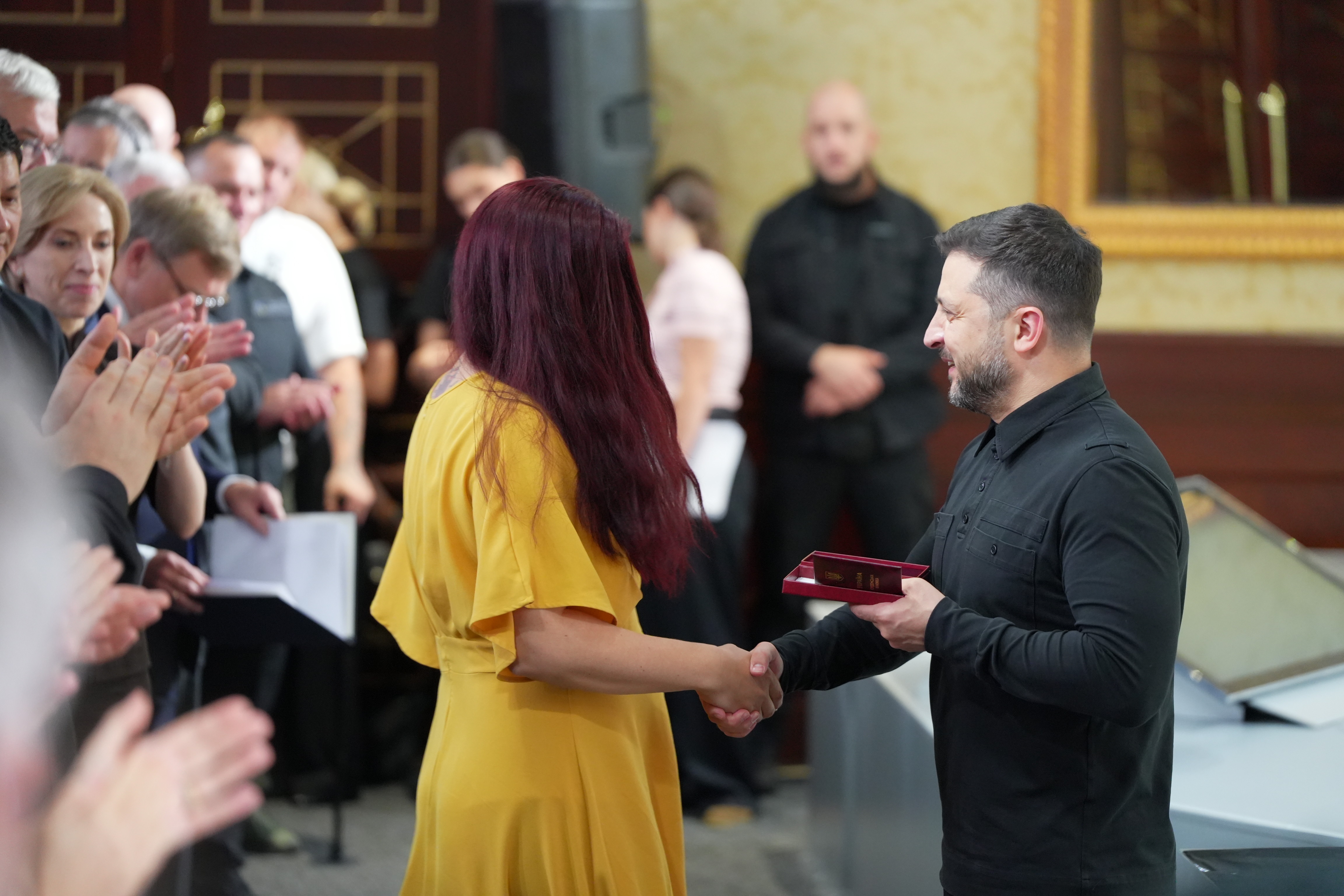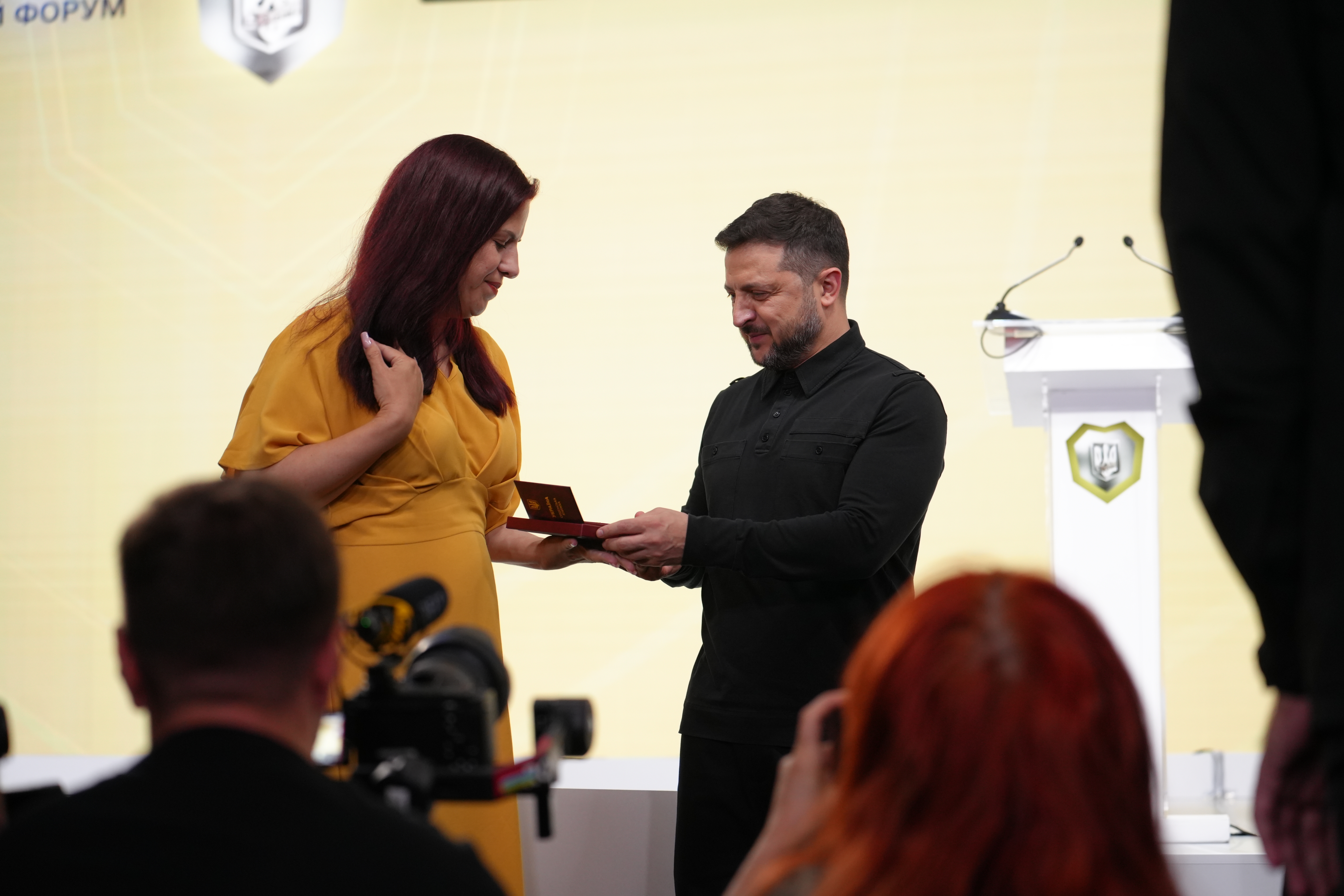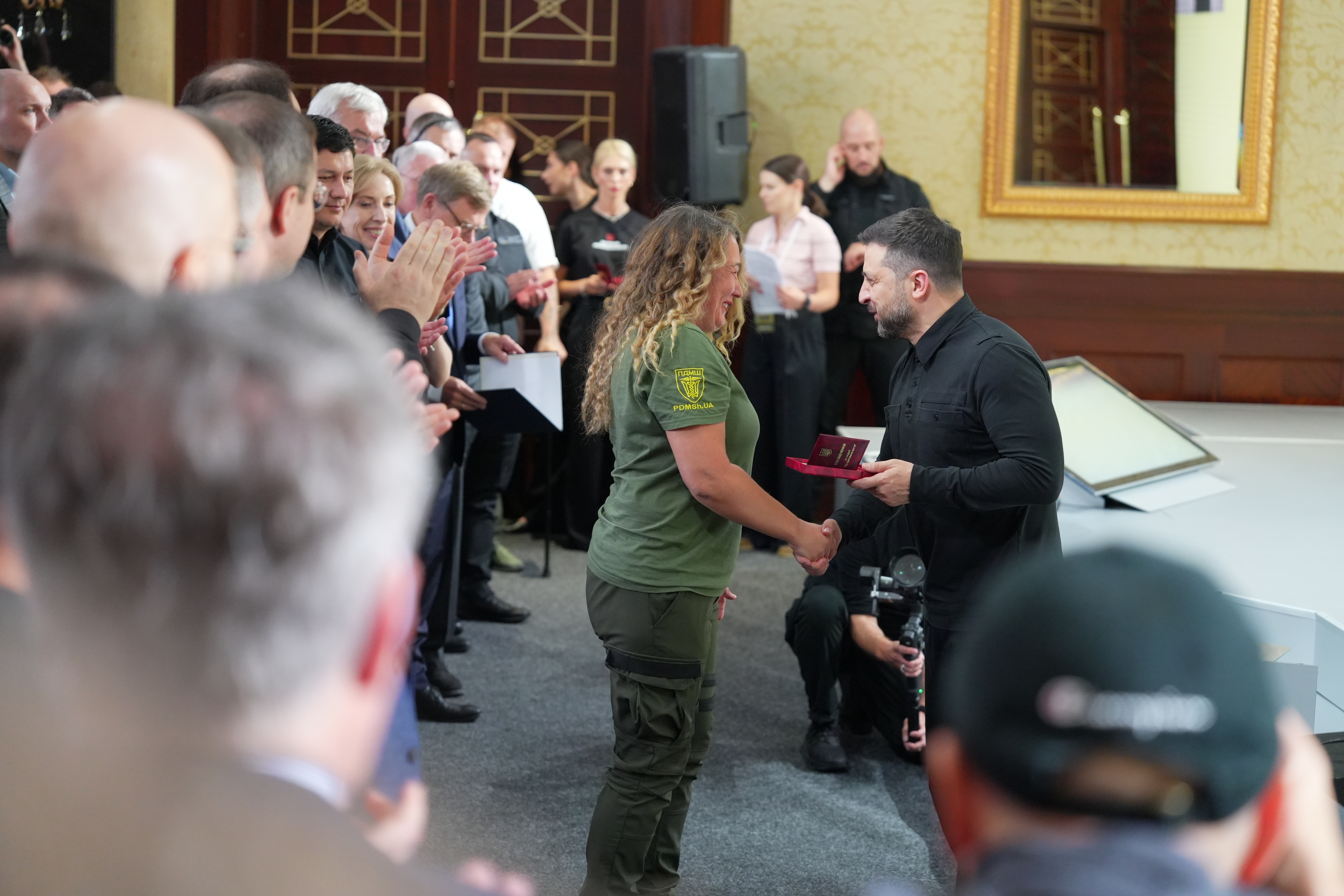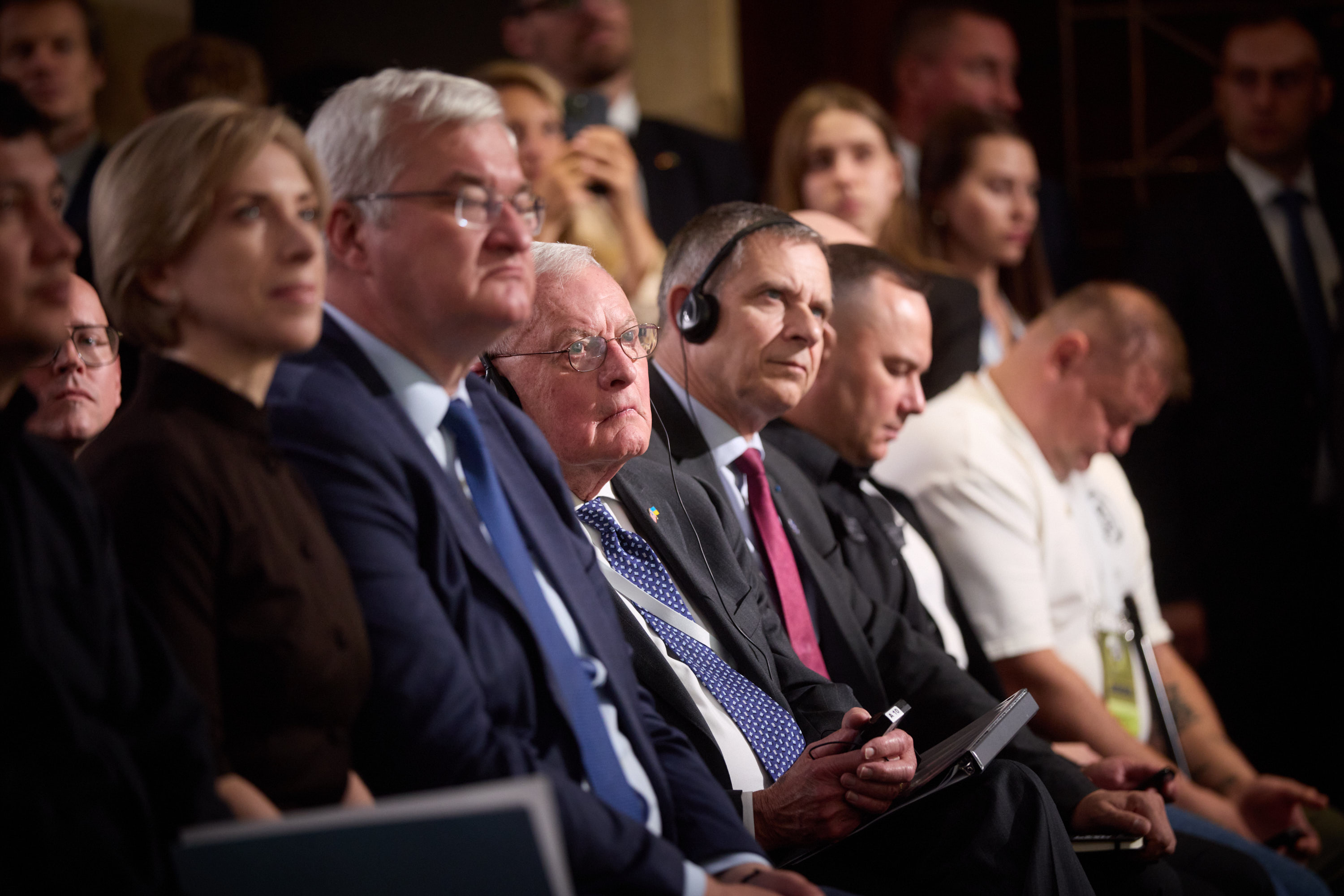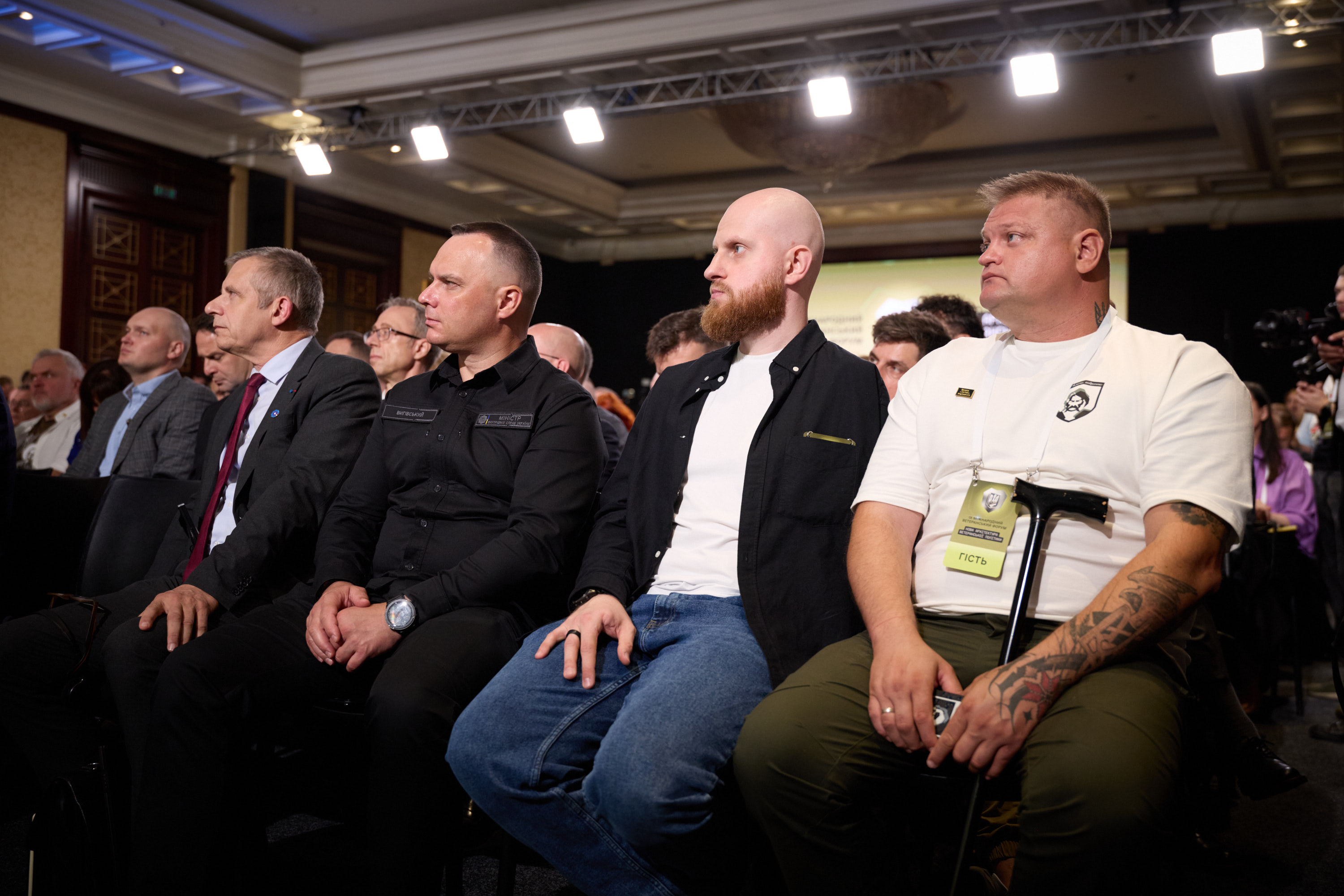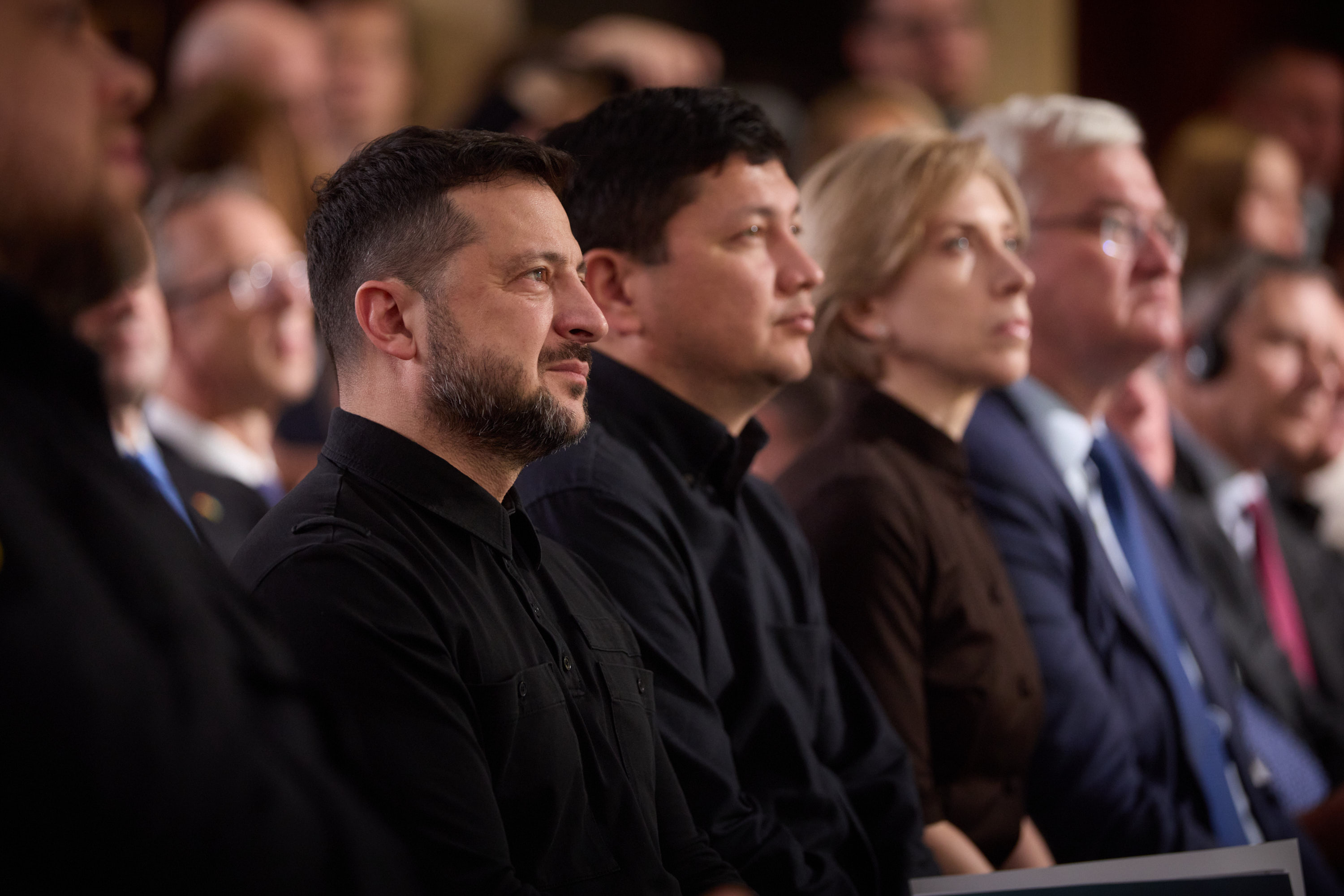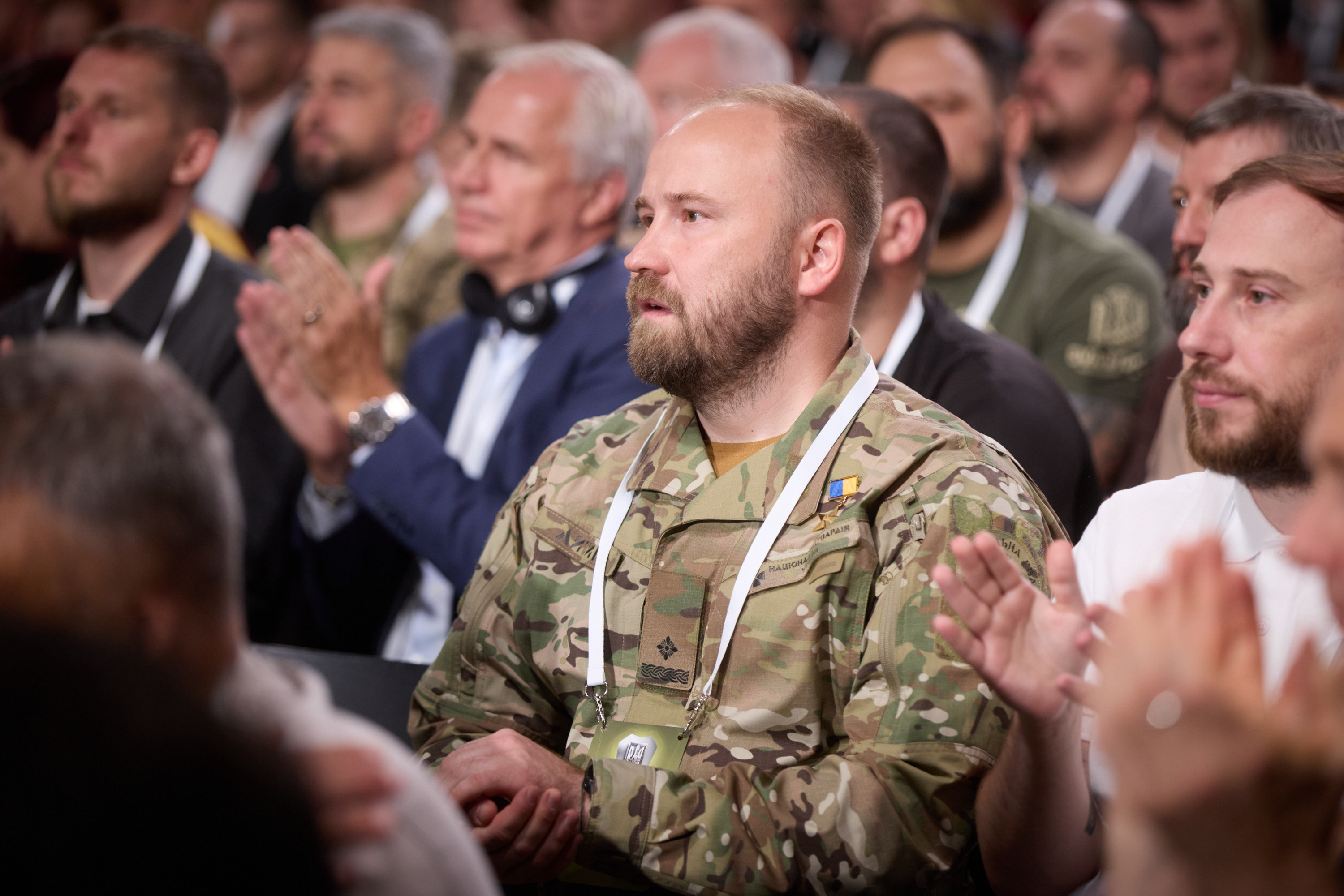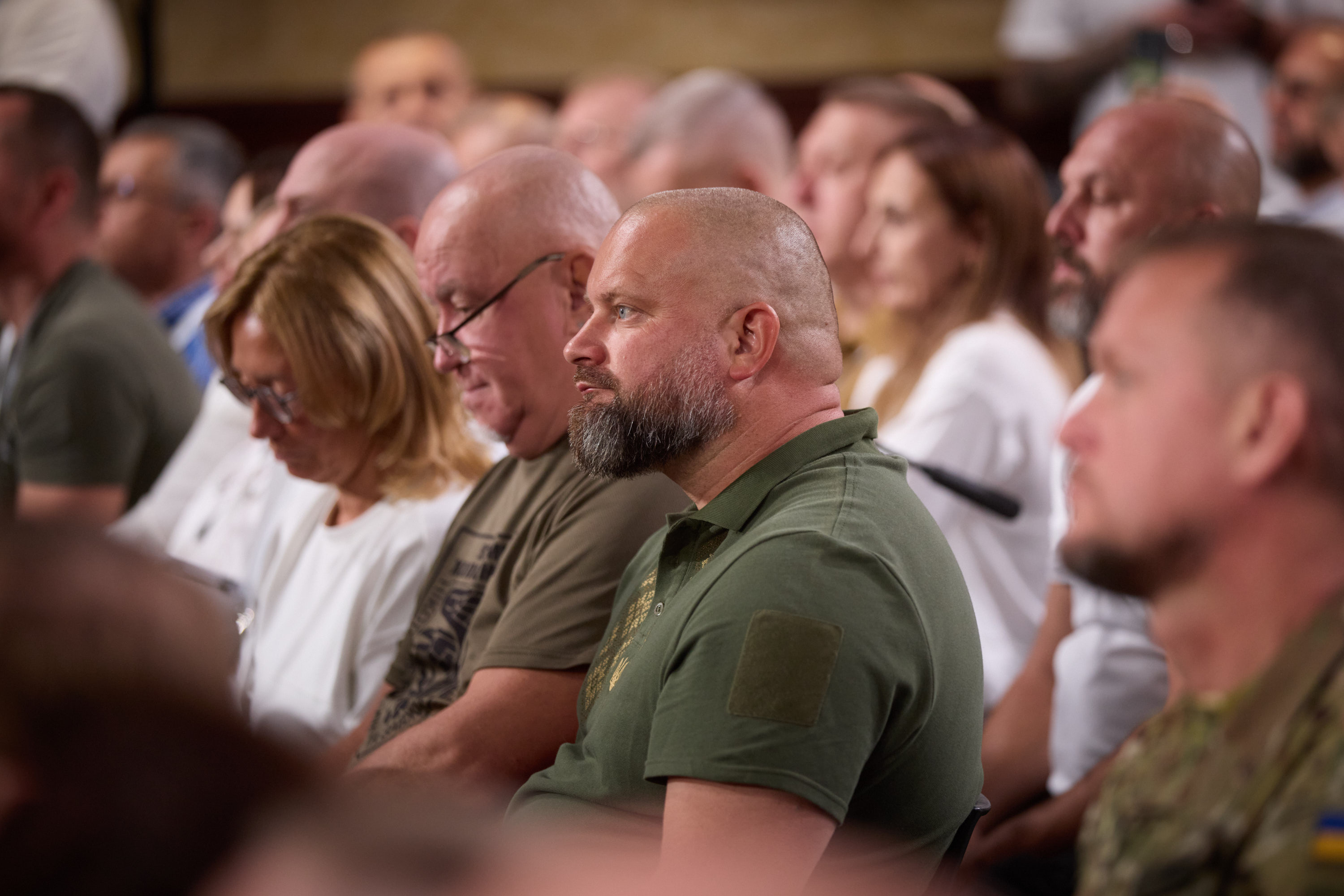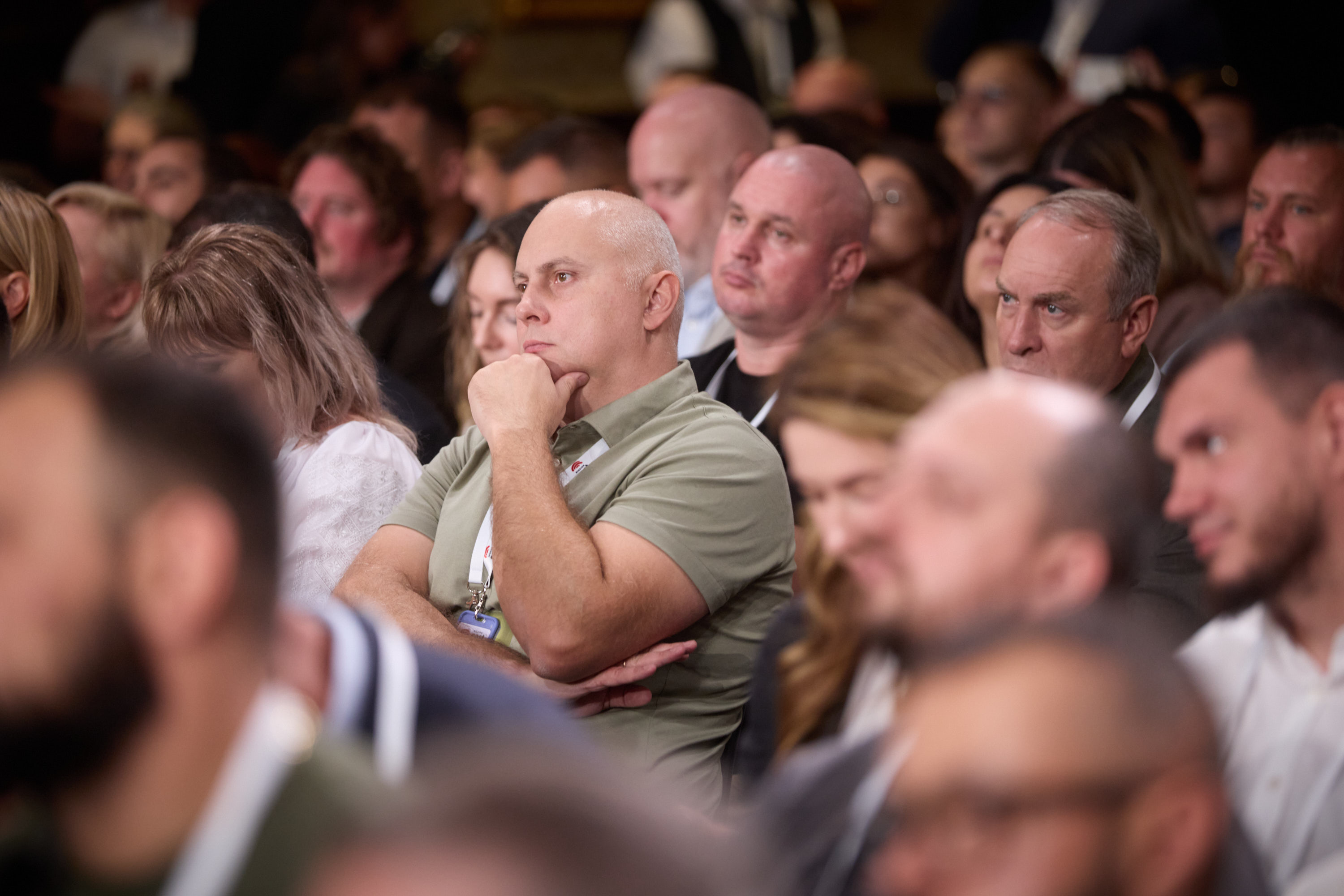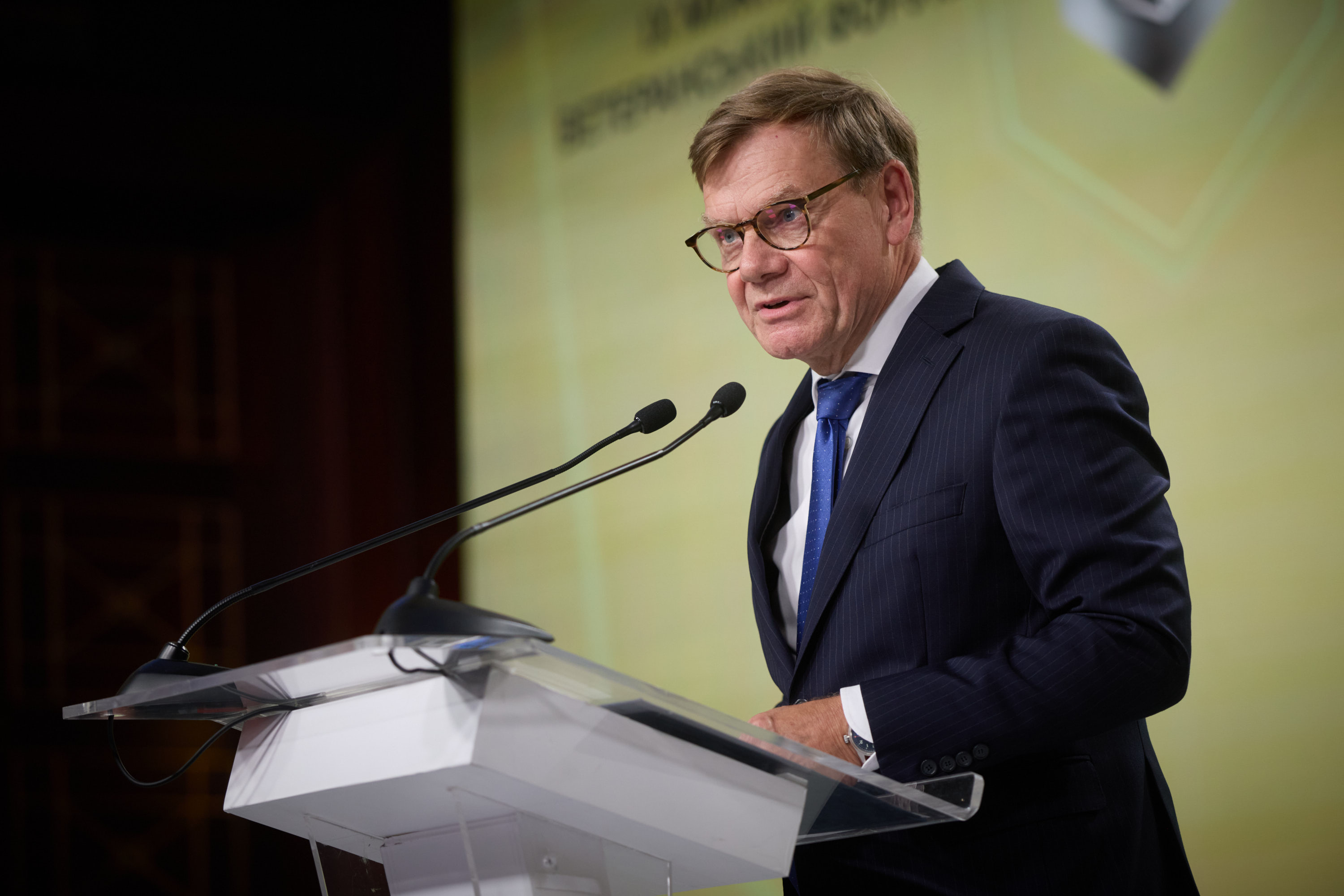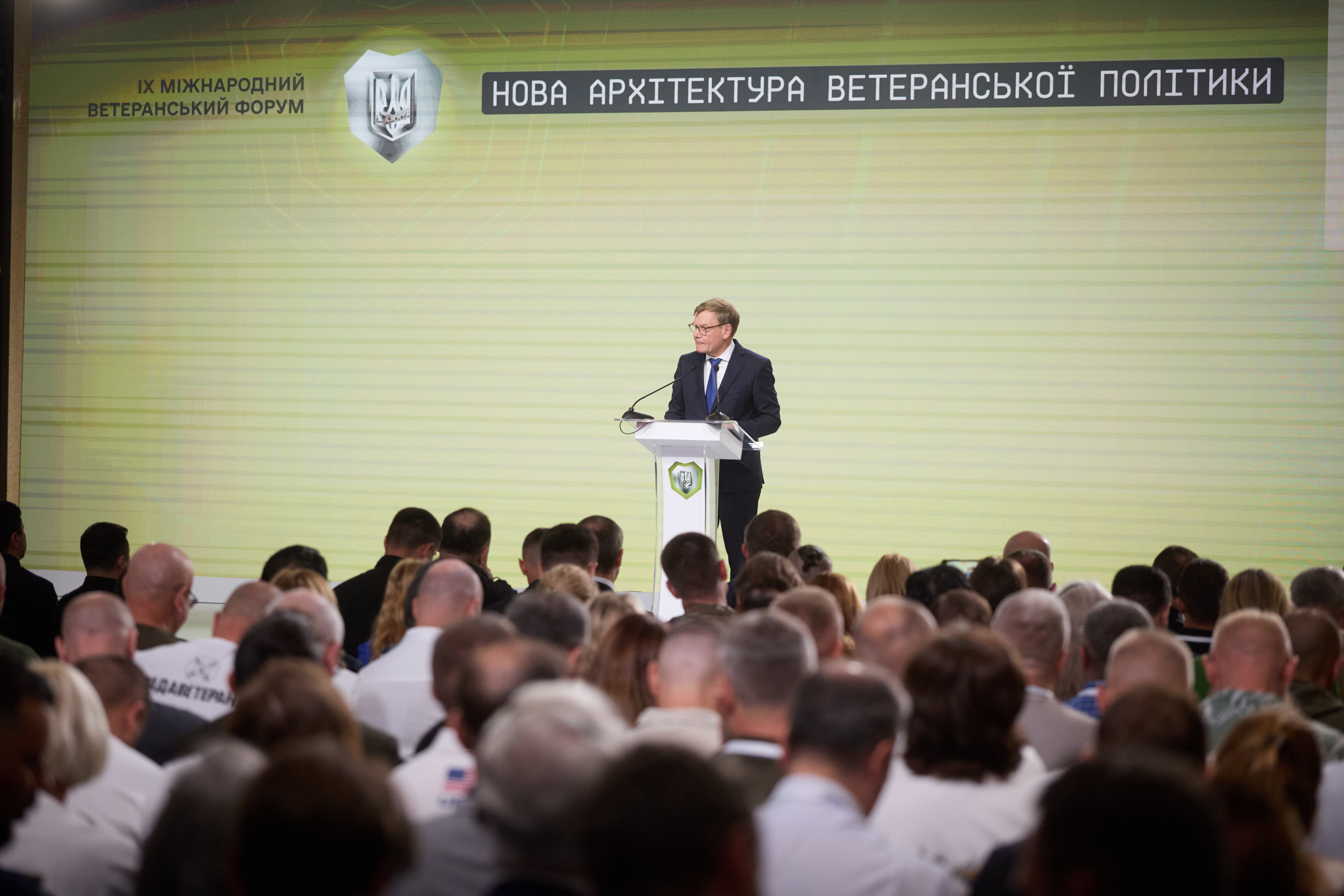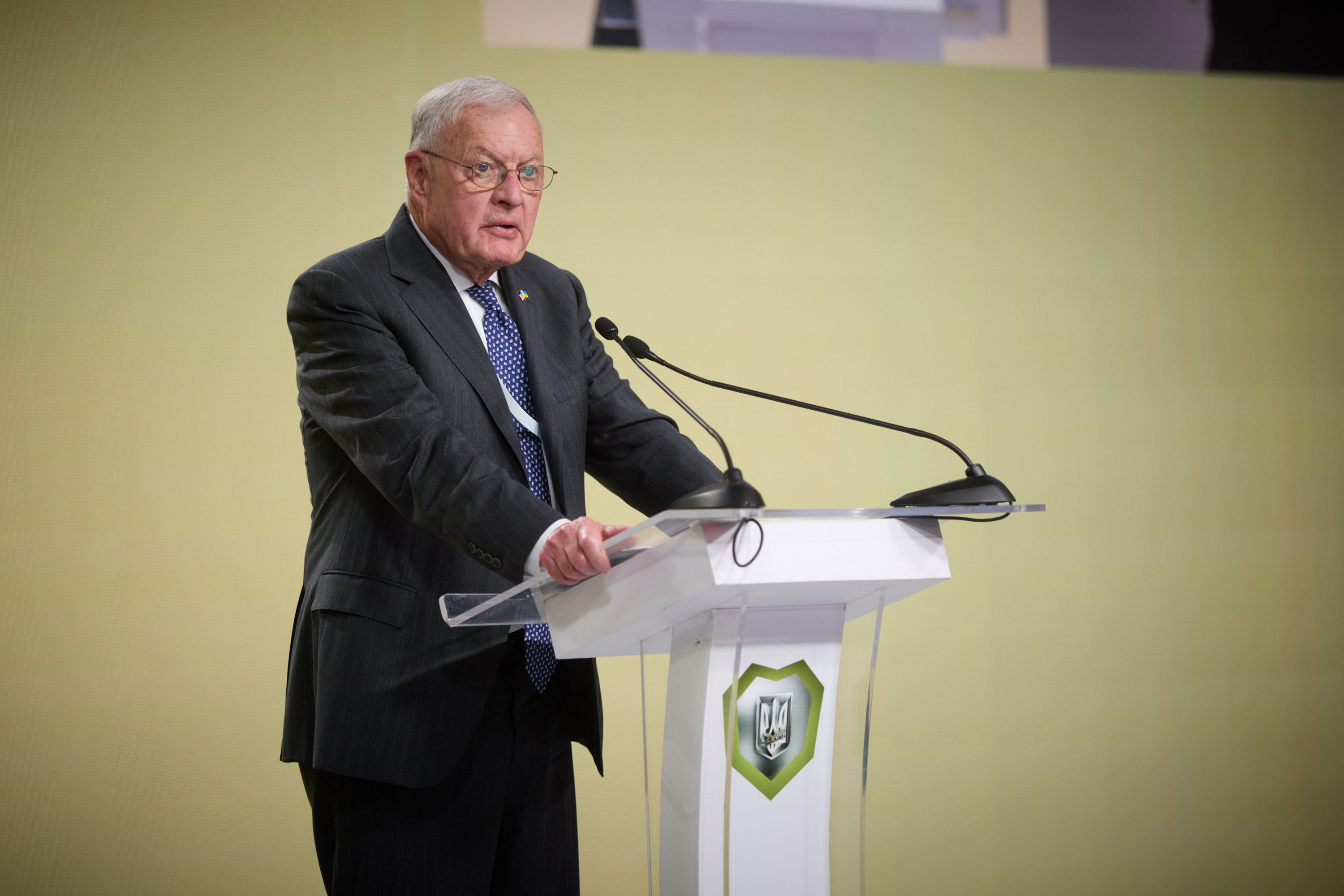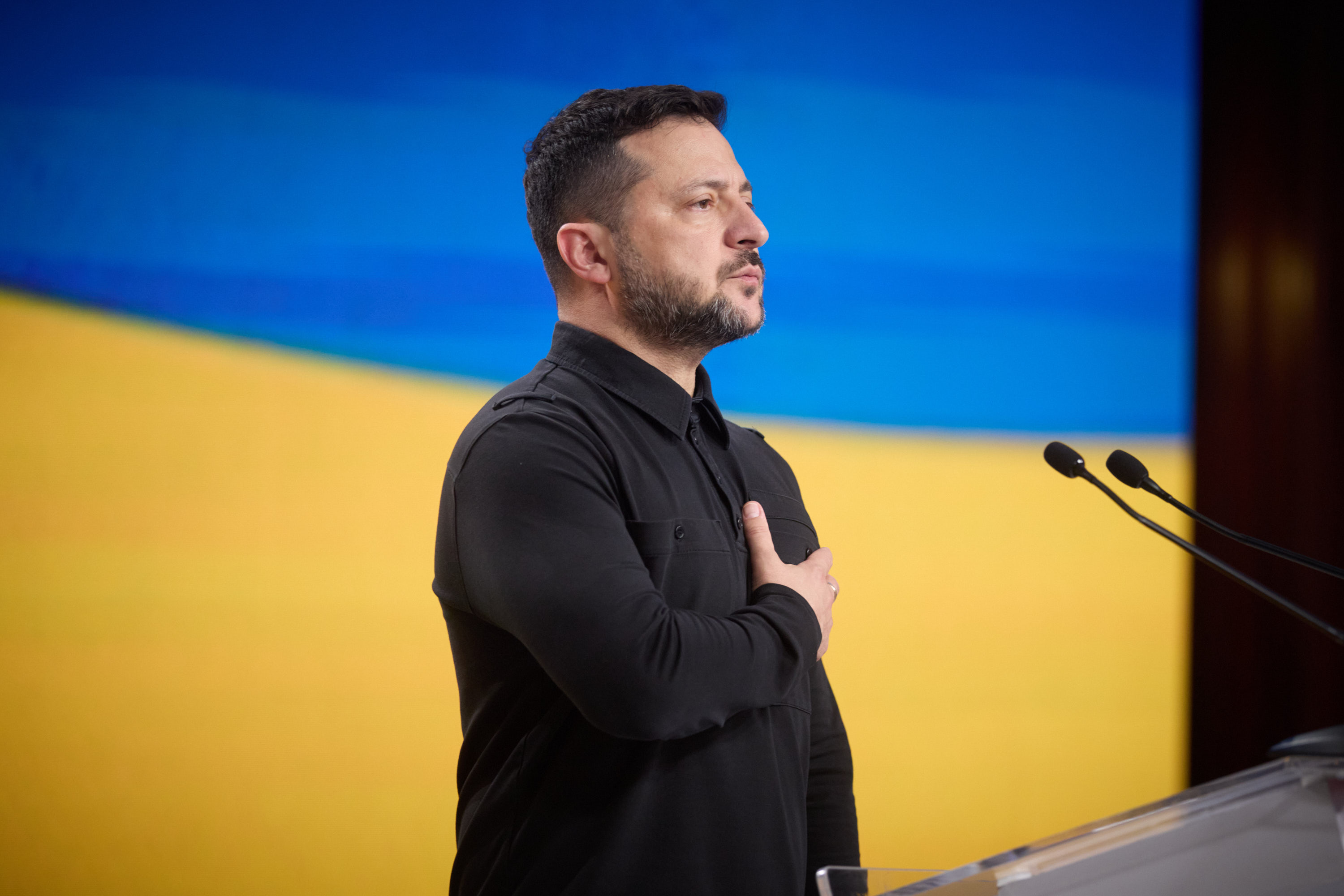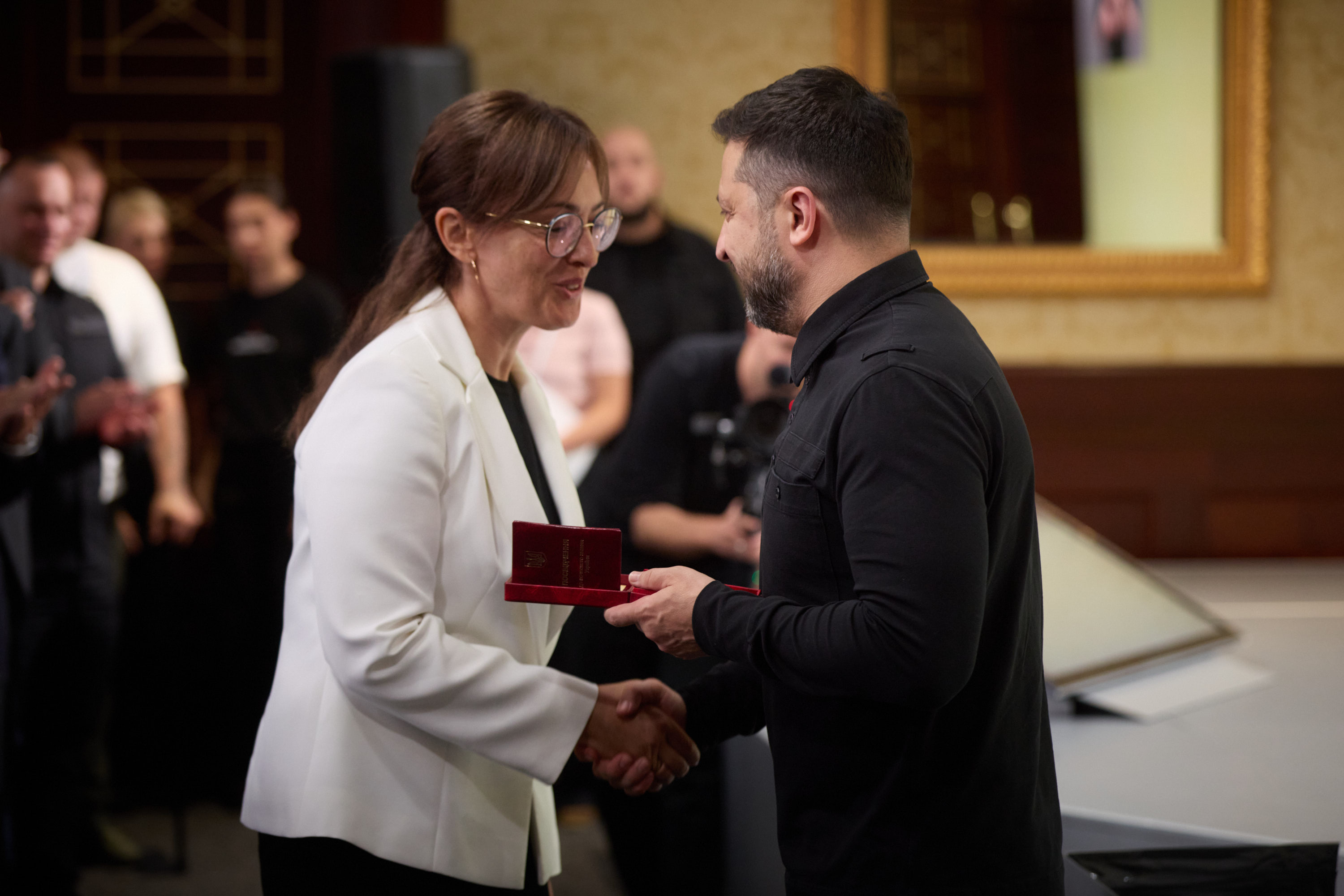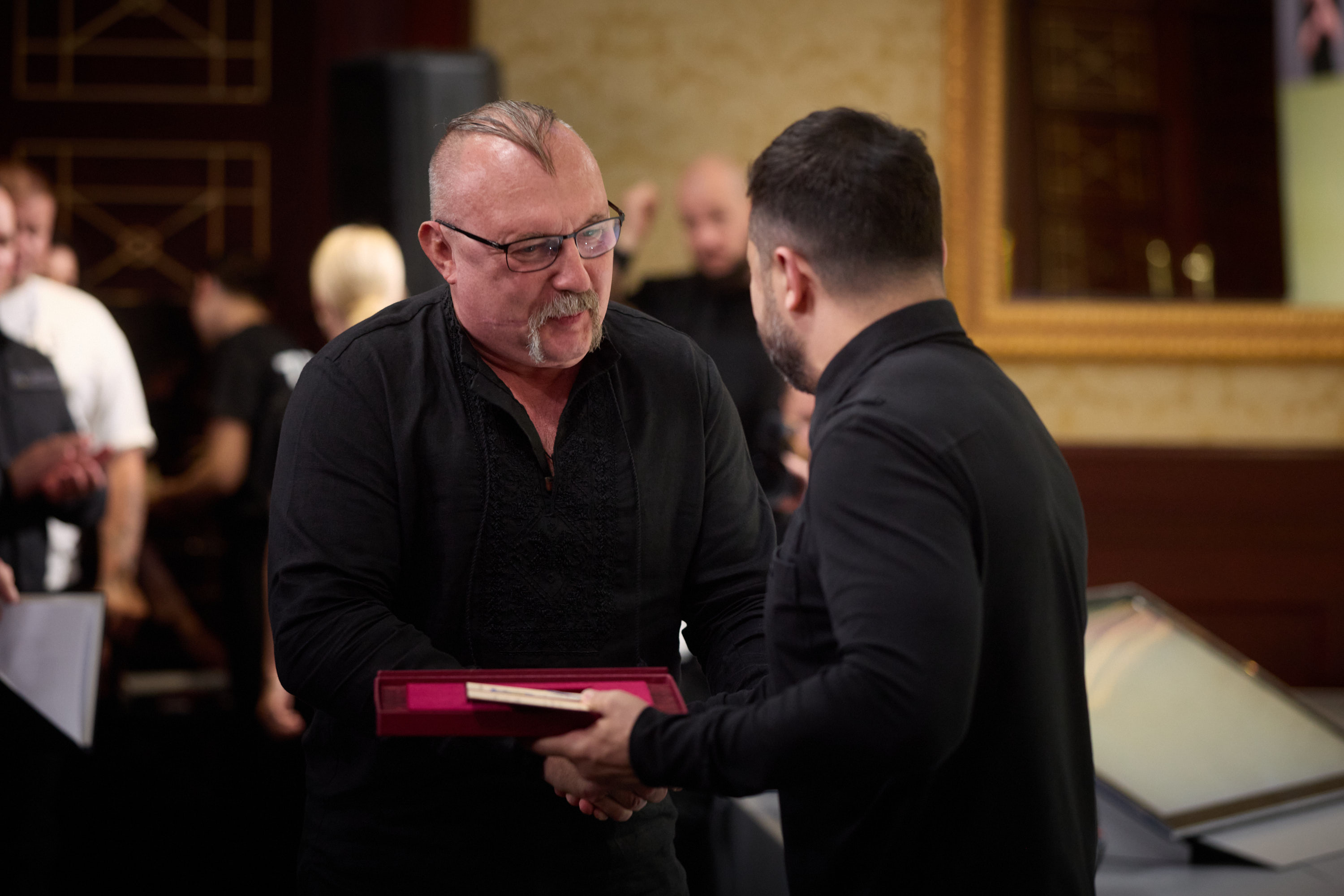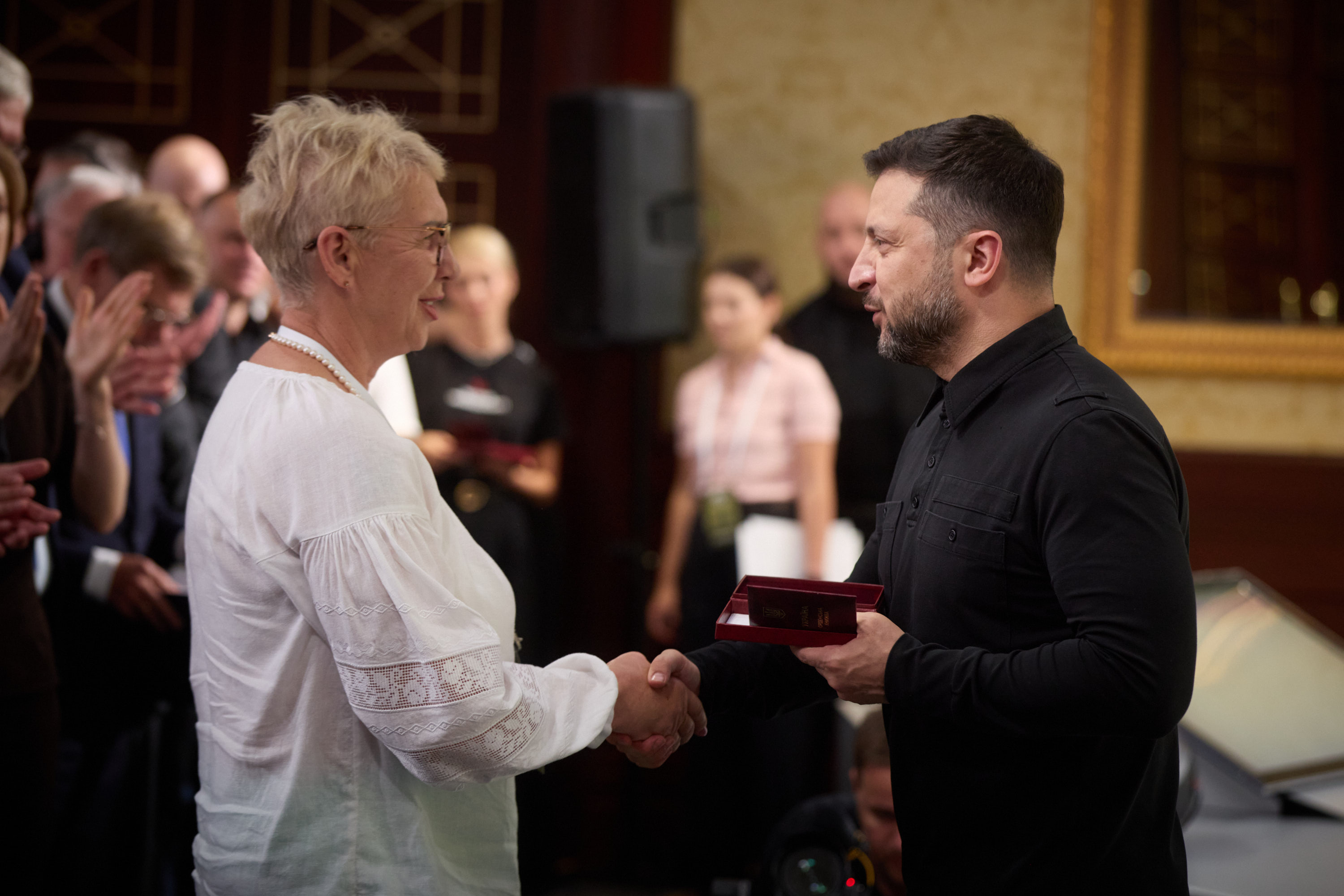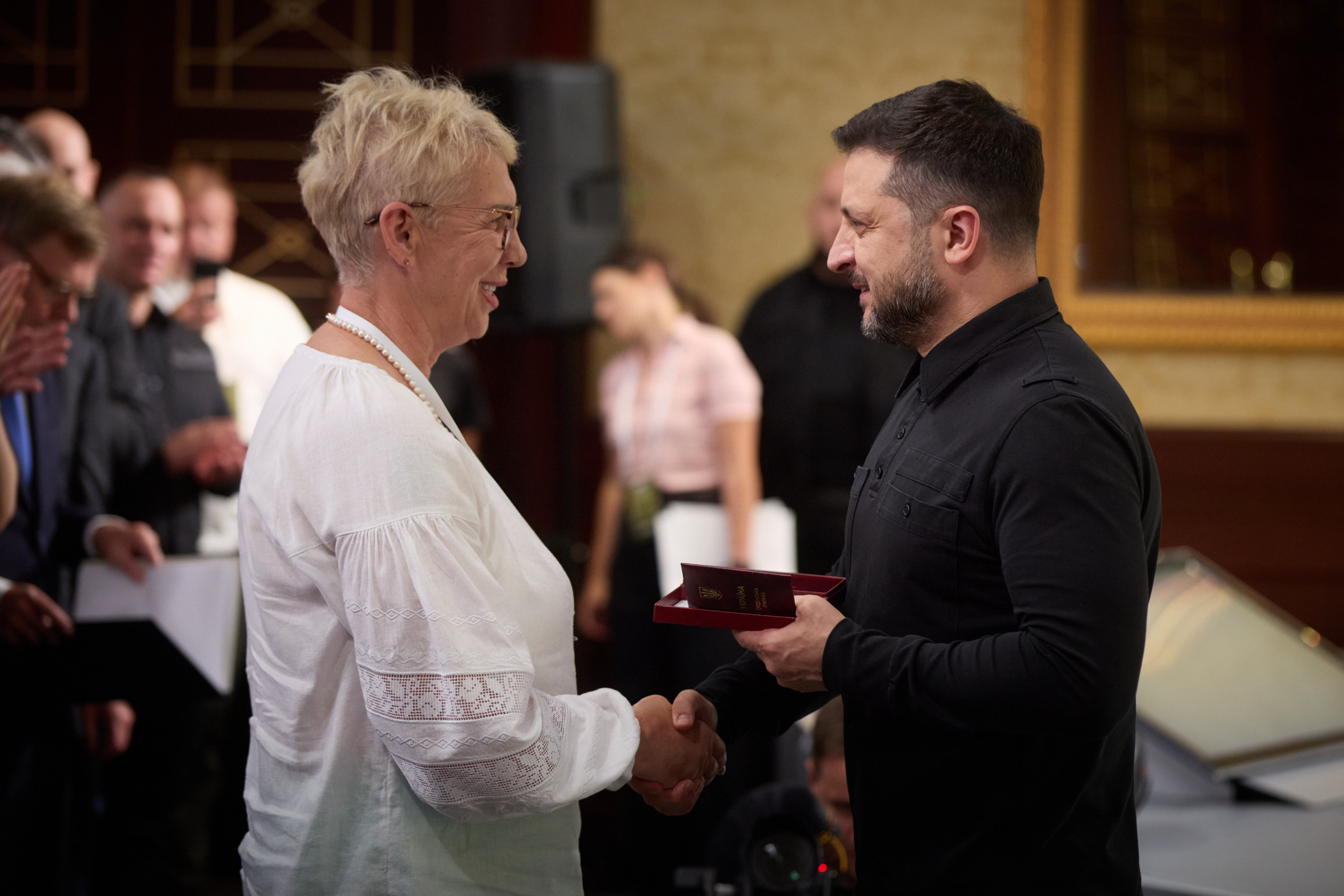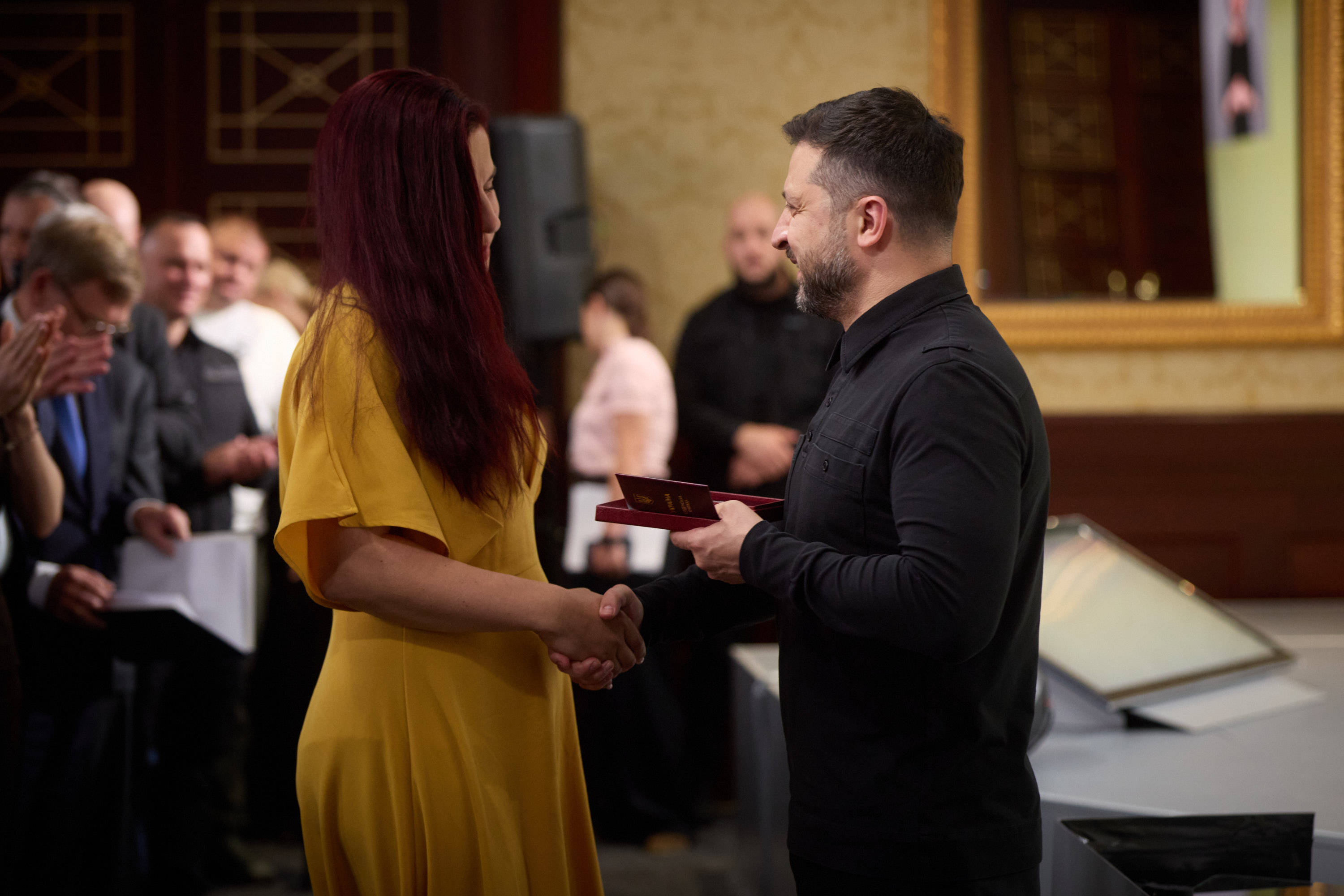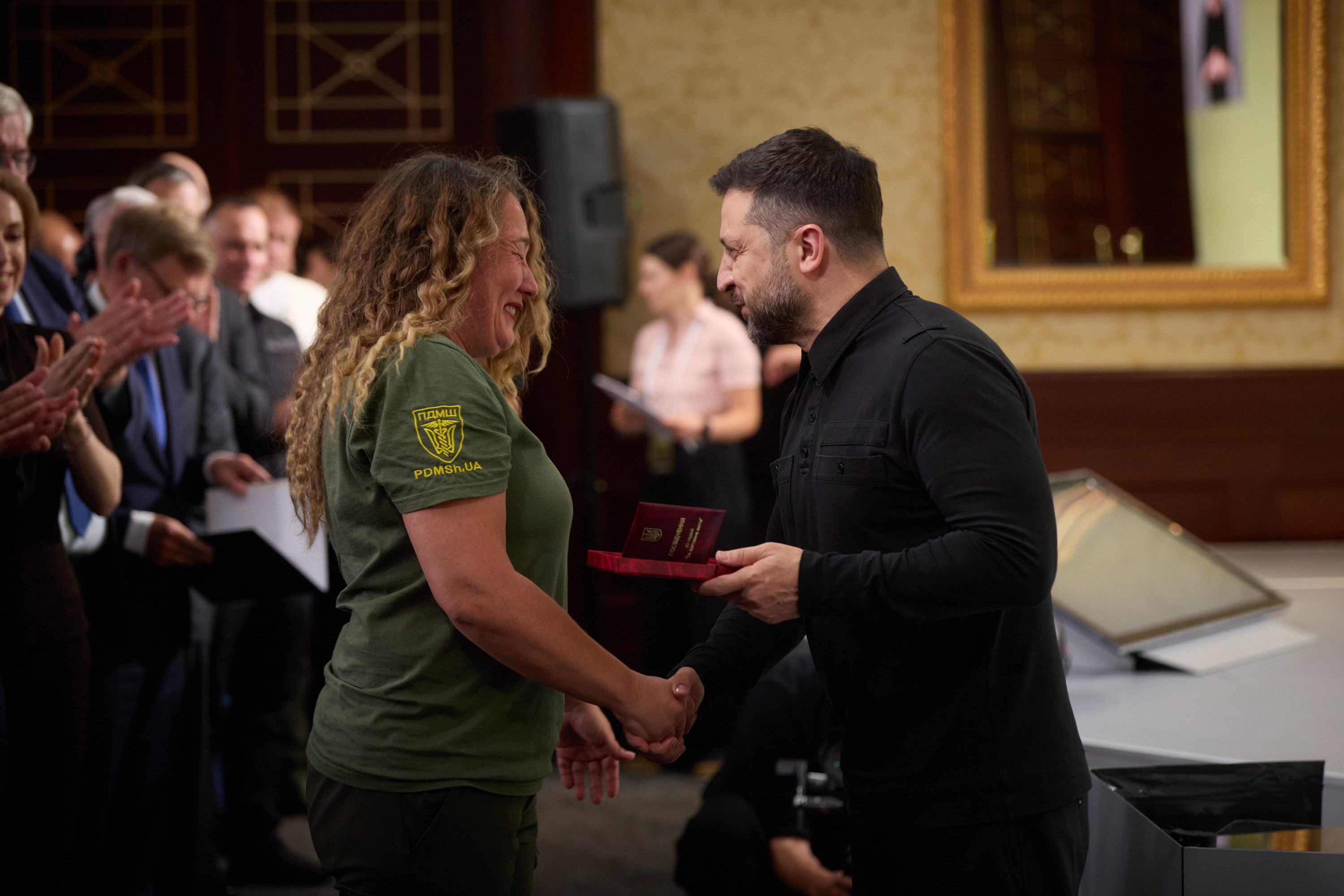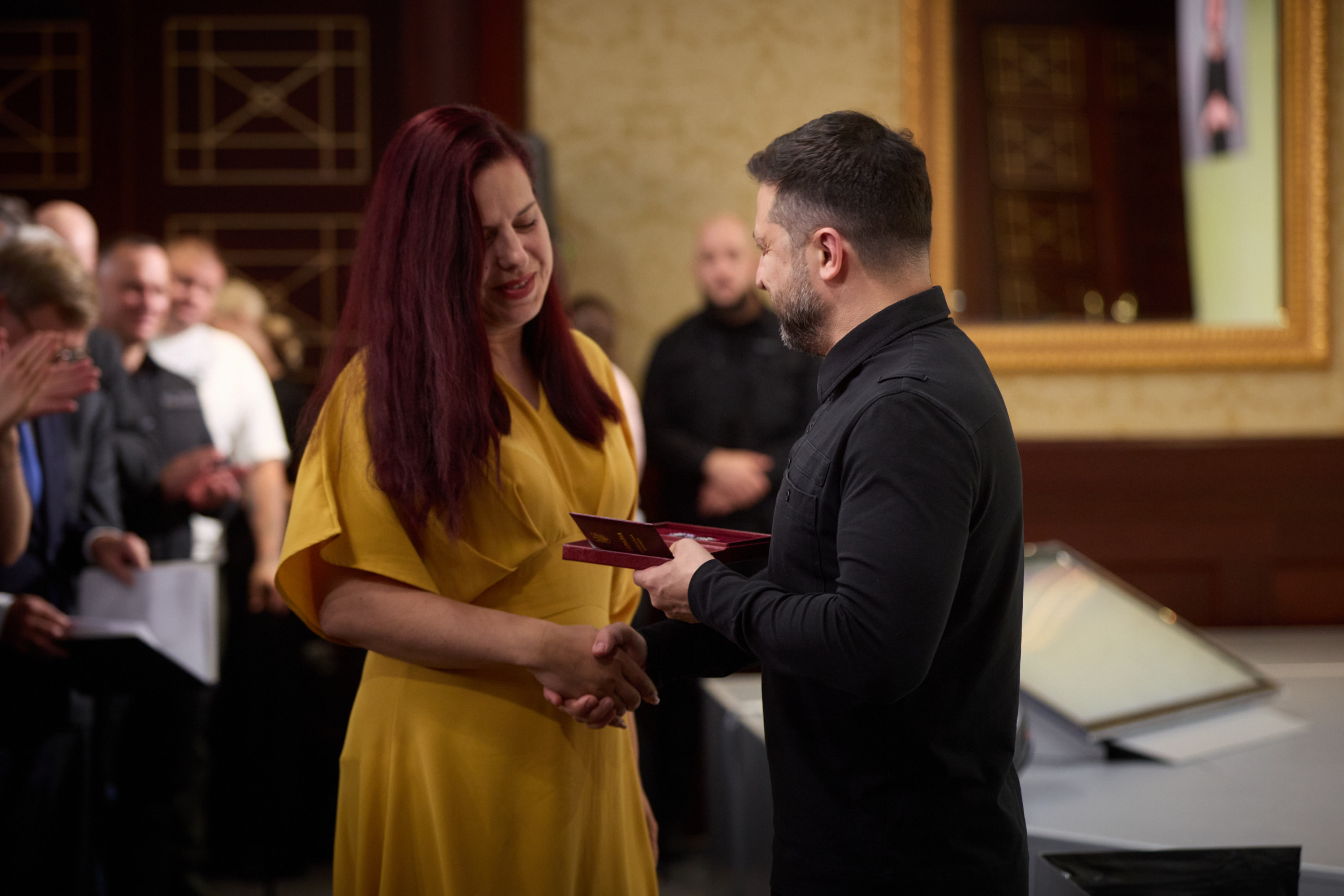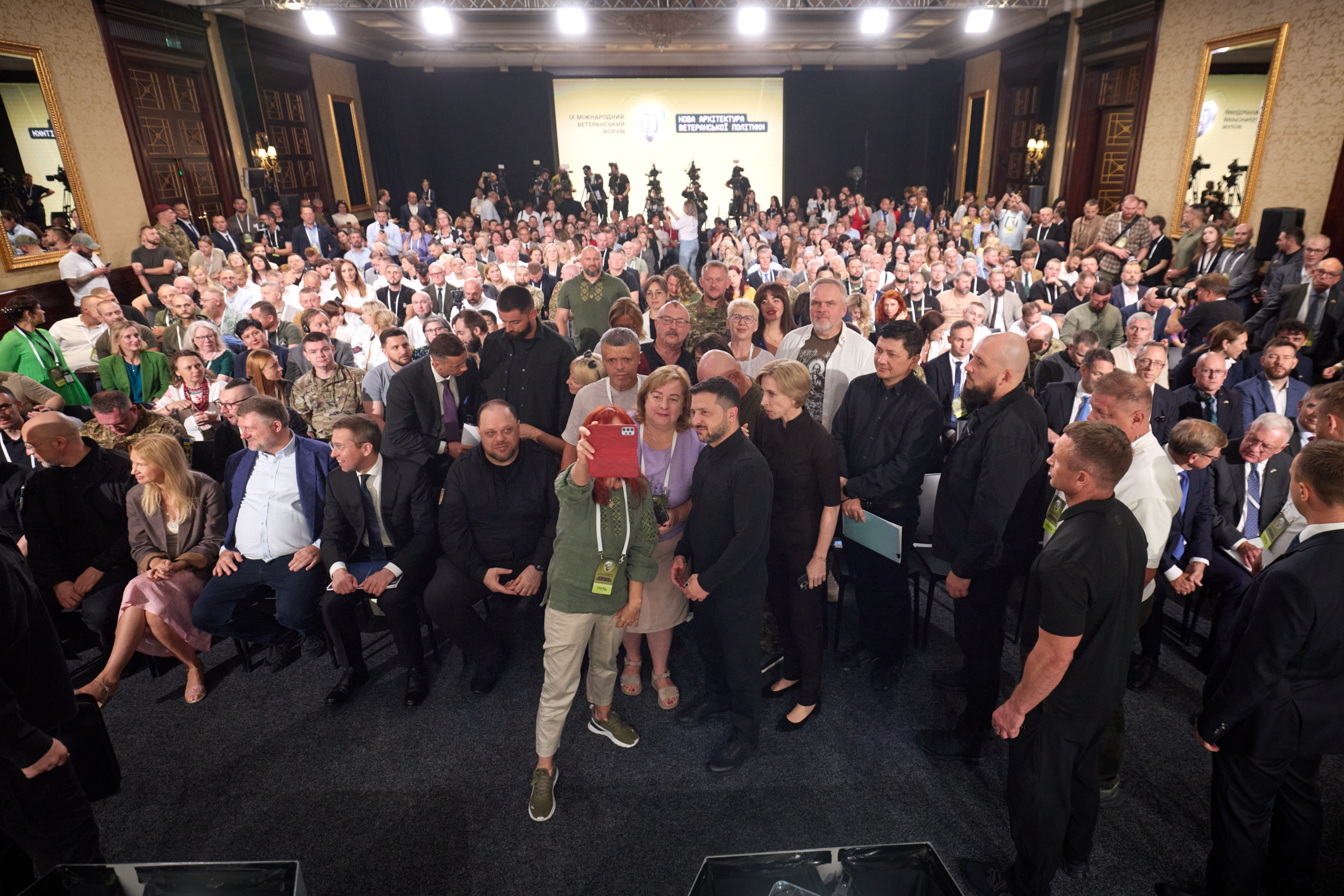
Glory to Ukraine!
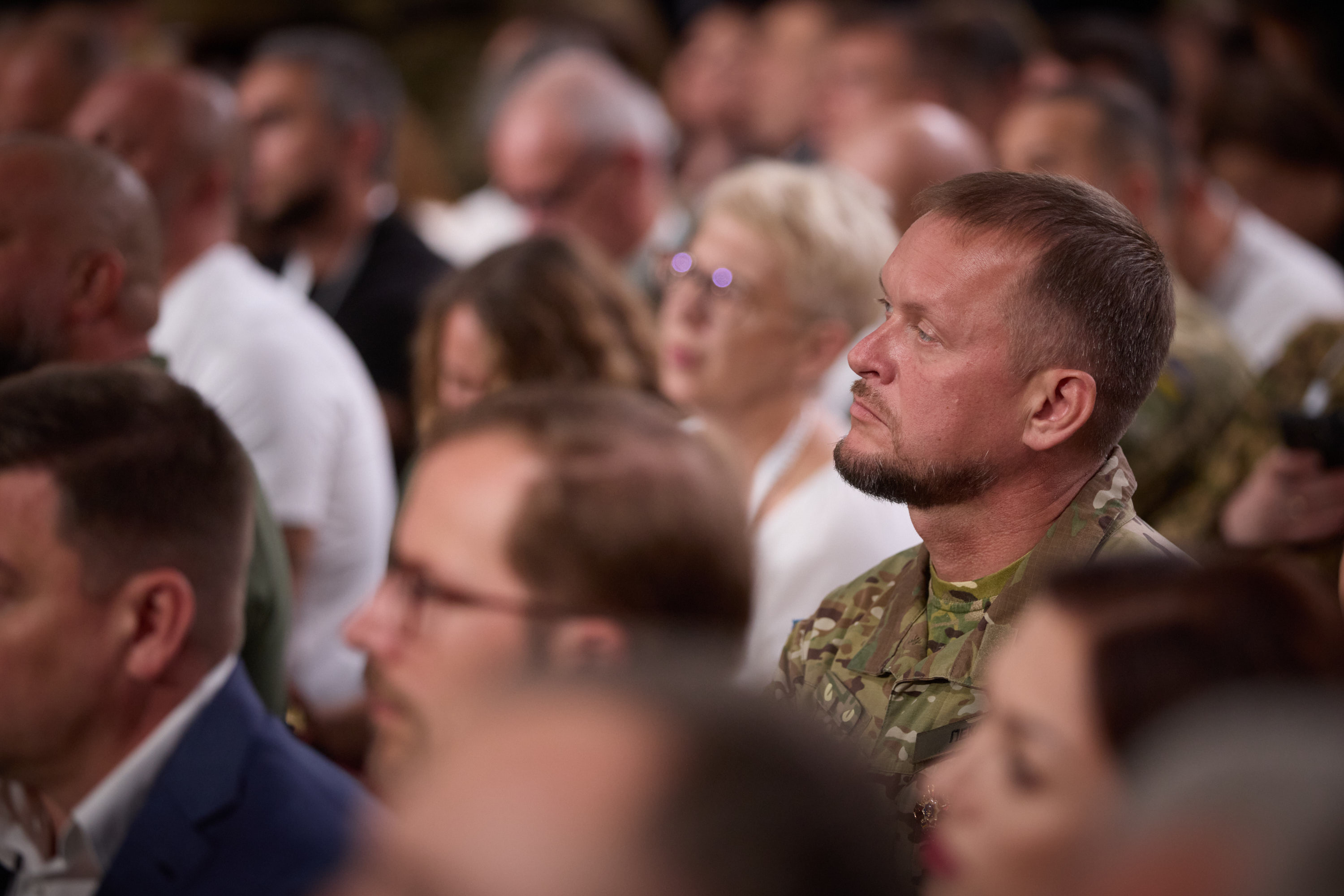
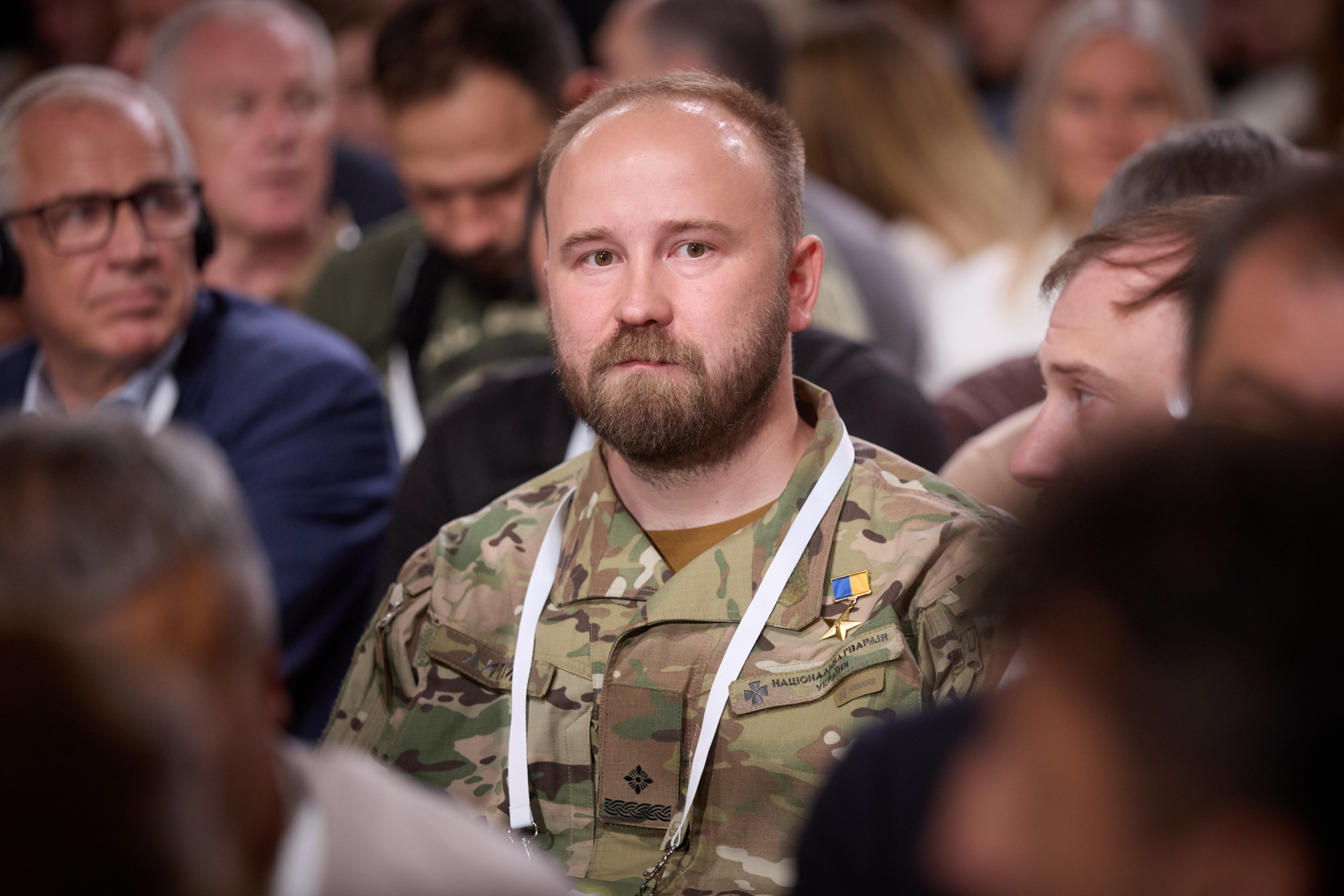
Our dear warriors – all our defenders of Ukraine, dear Ukrainian veterans!
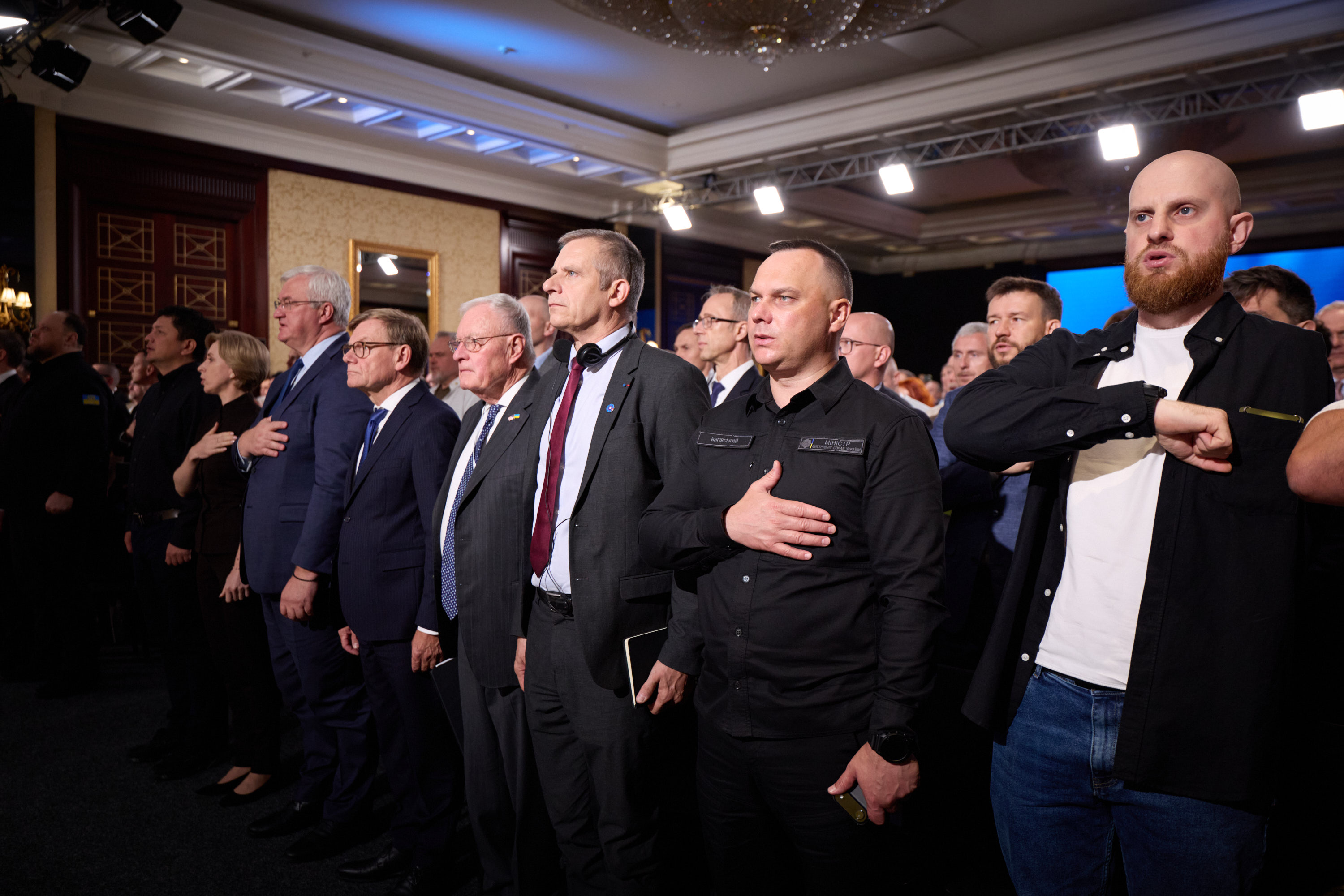
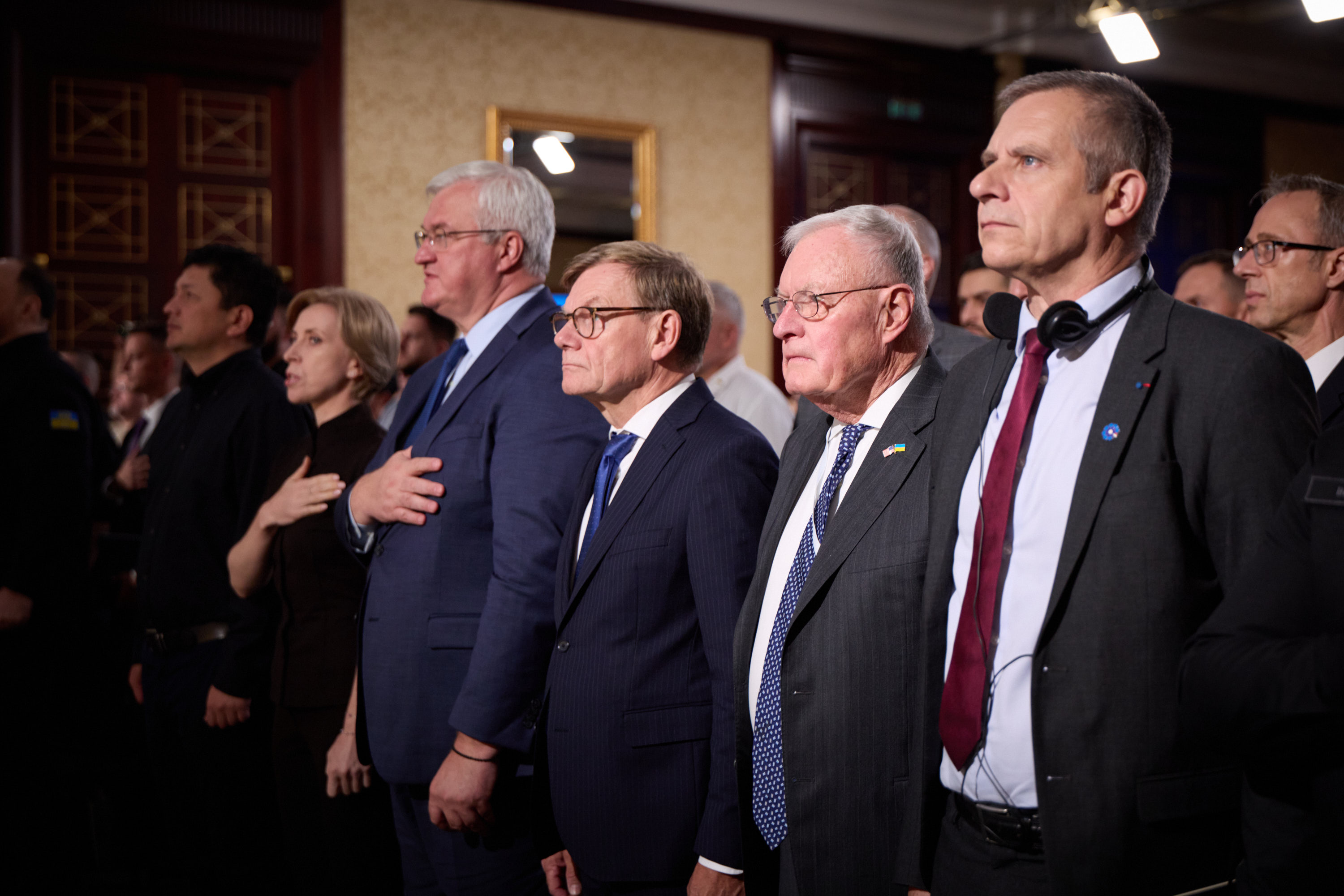
Dear guests of our Forum – Minister Wadephul, General Kellogg!
Everyone present here!
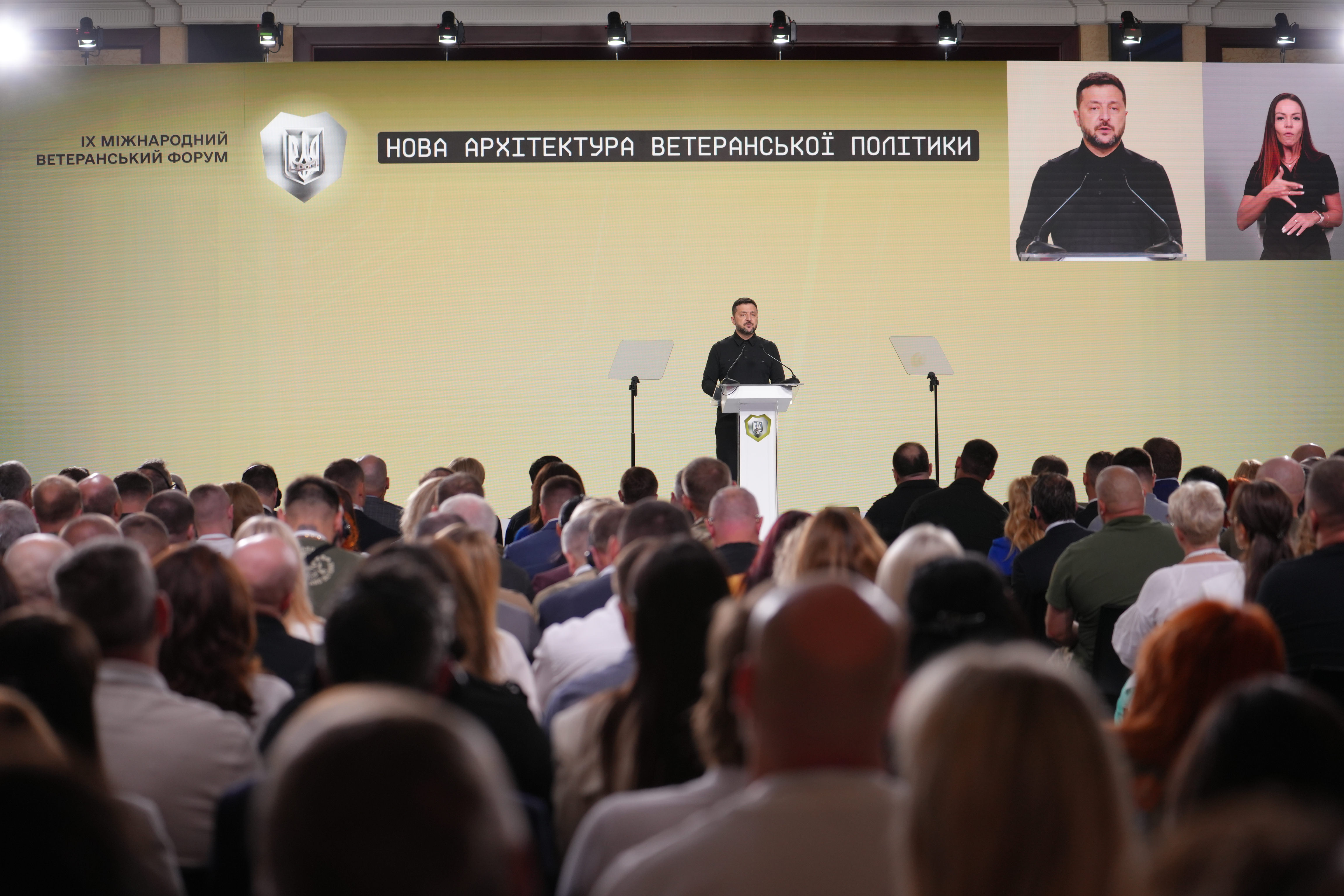
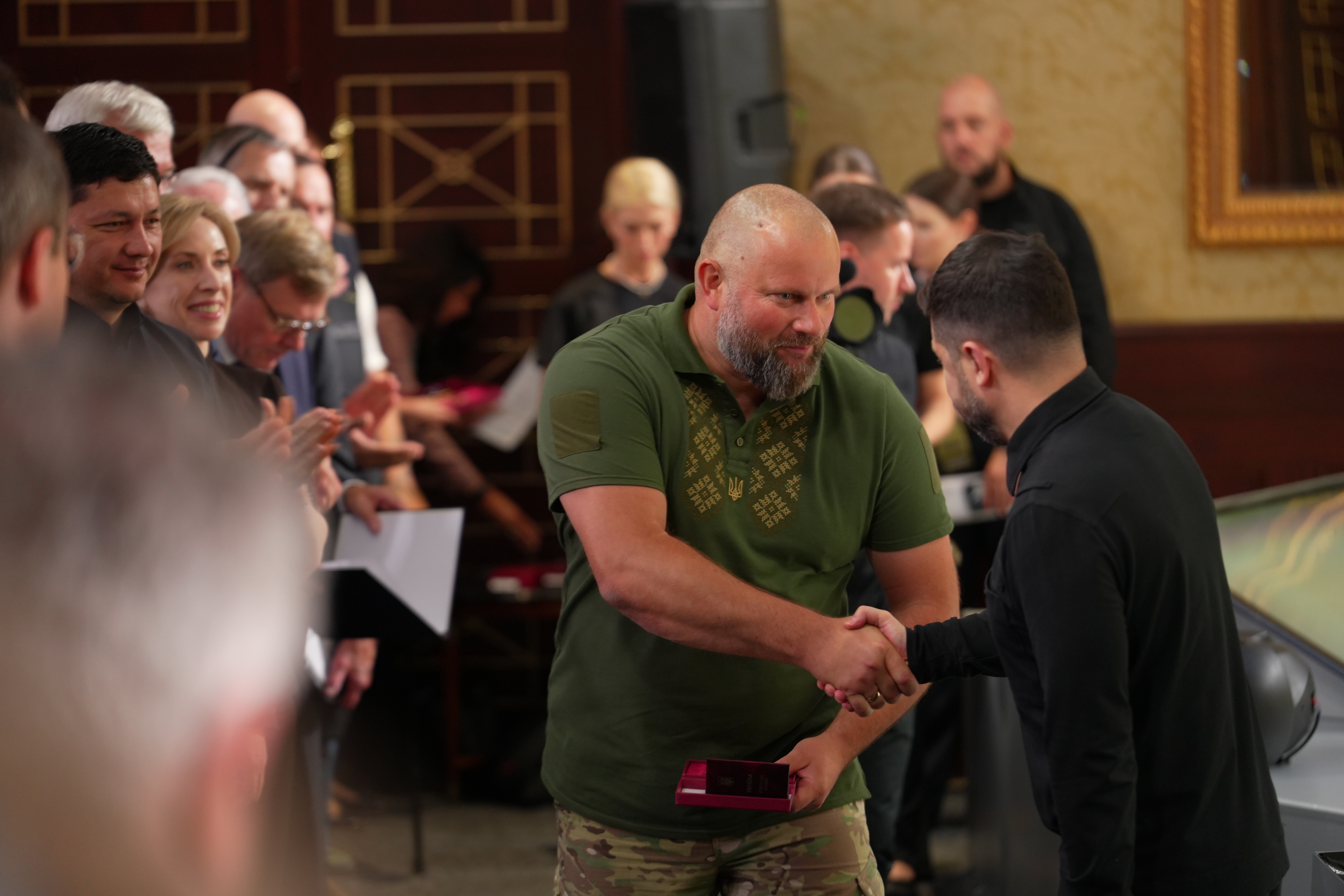
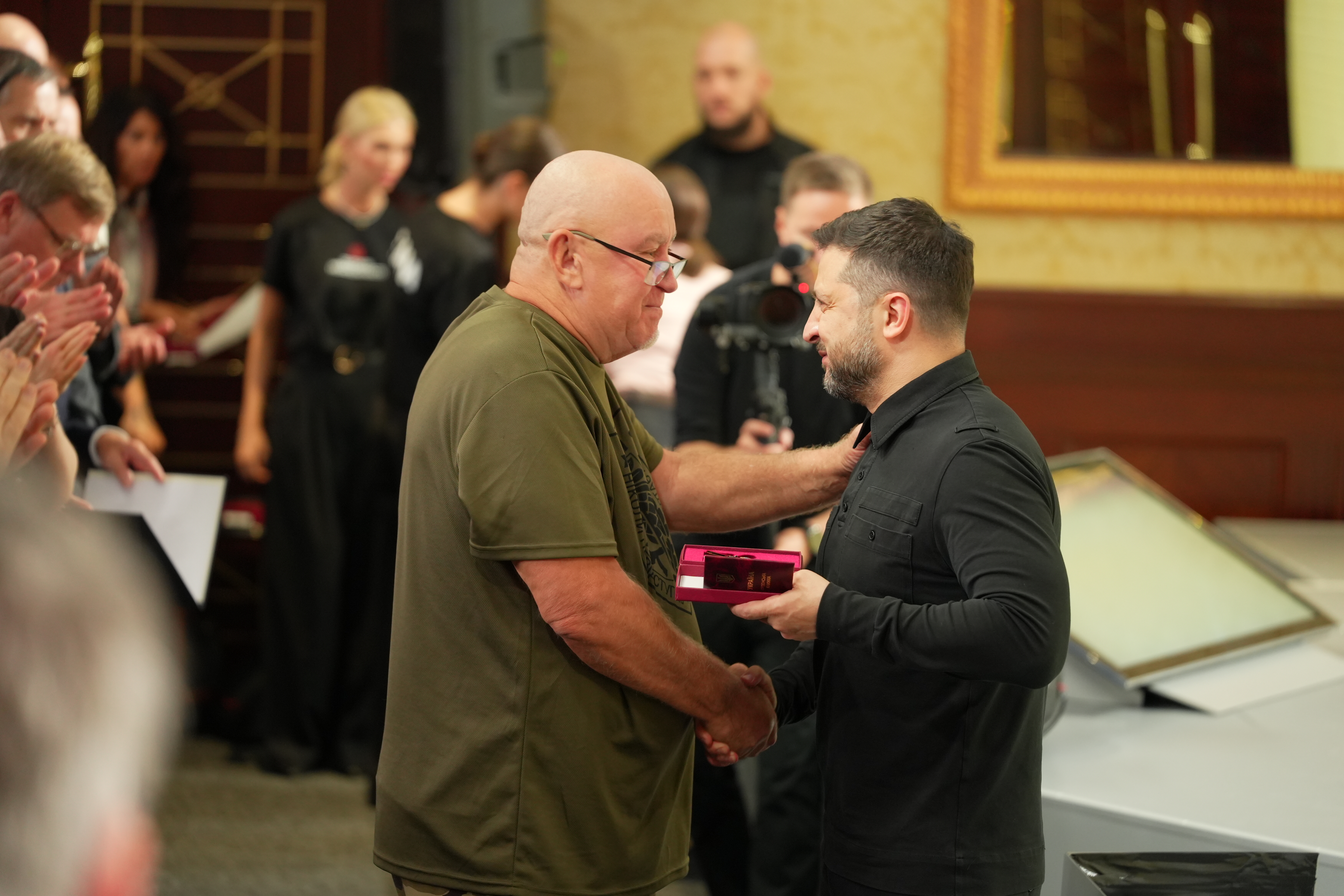
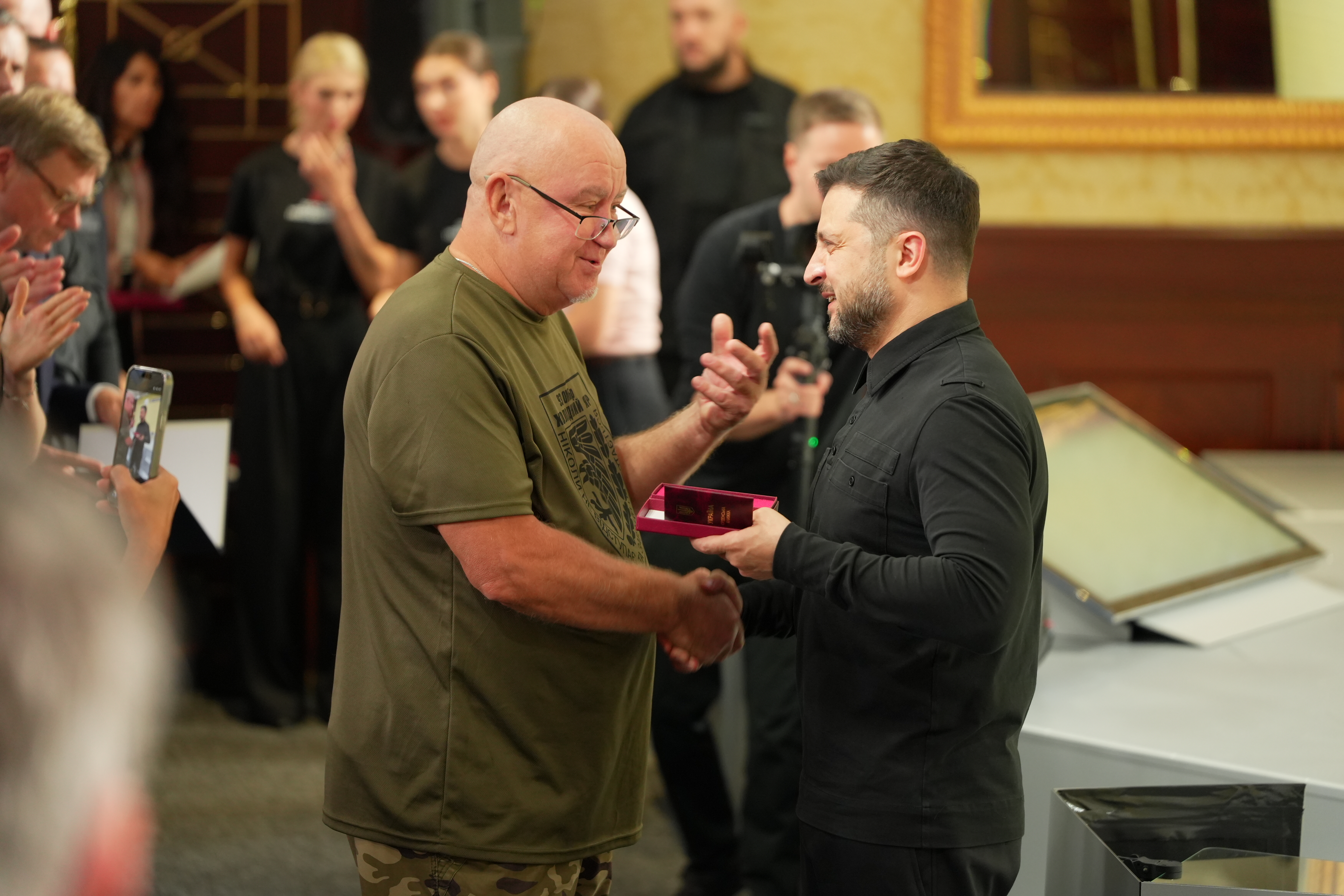
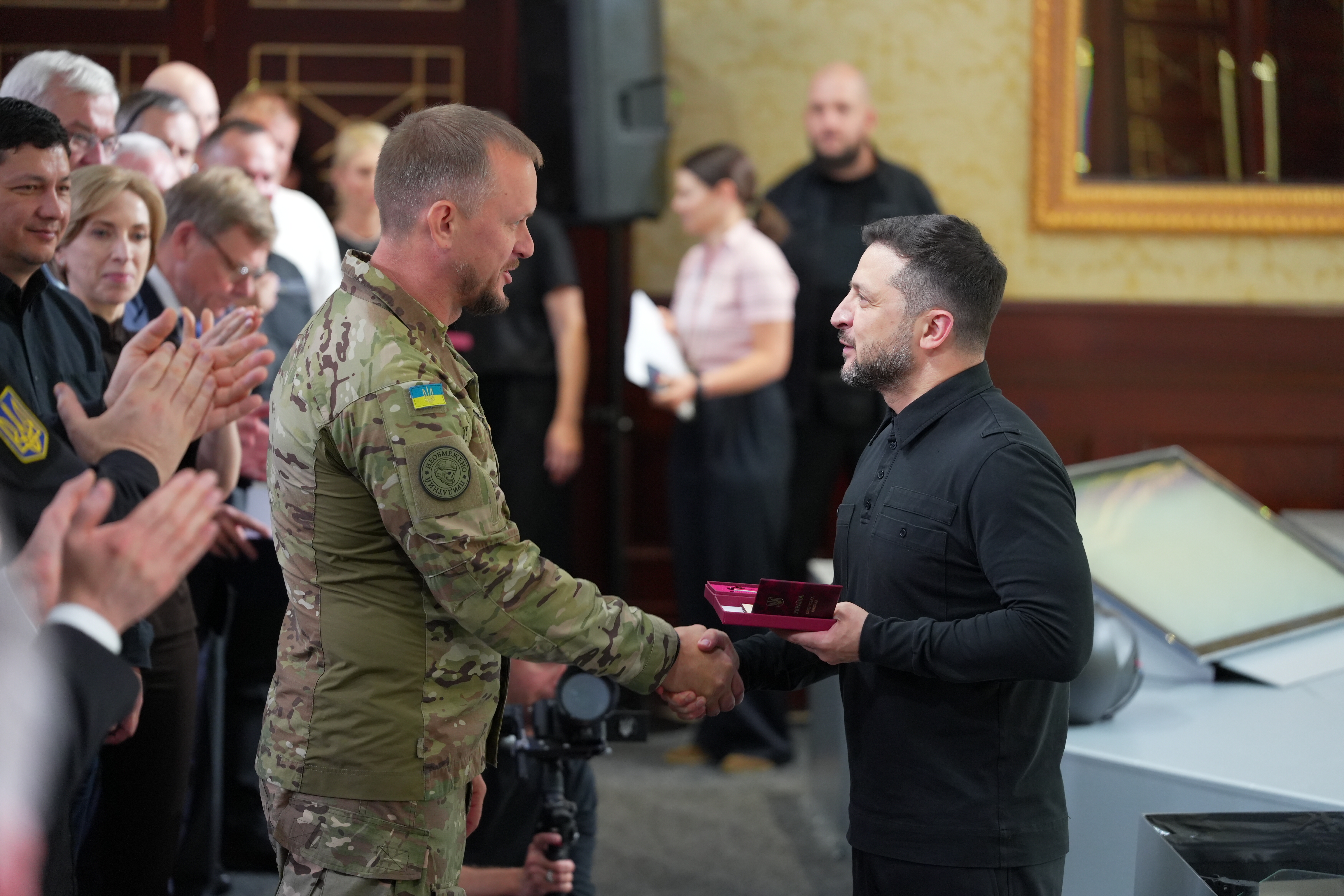
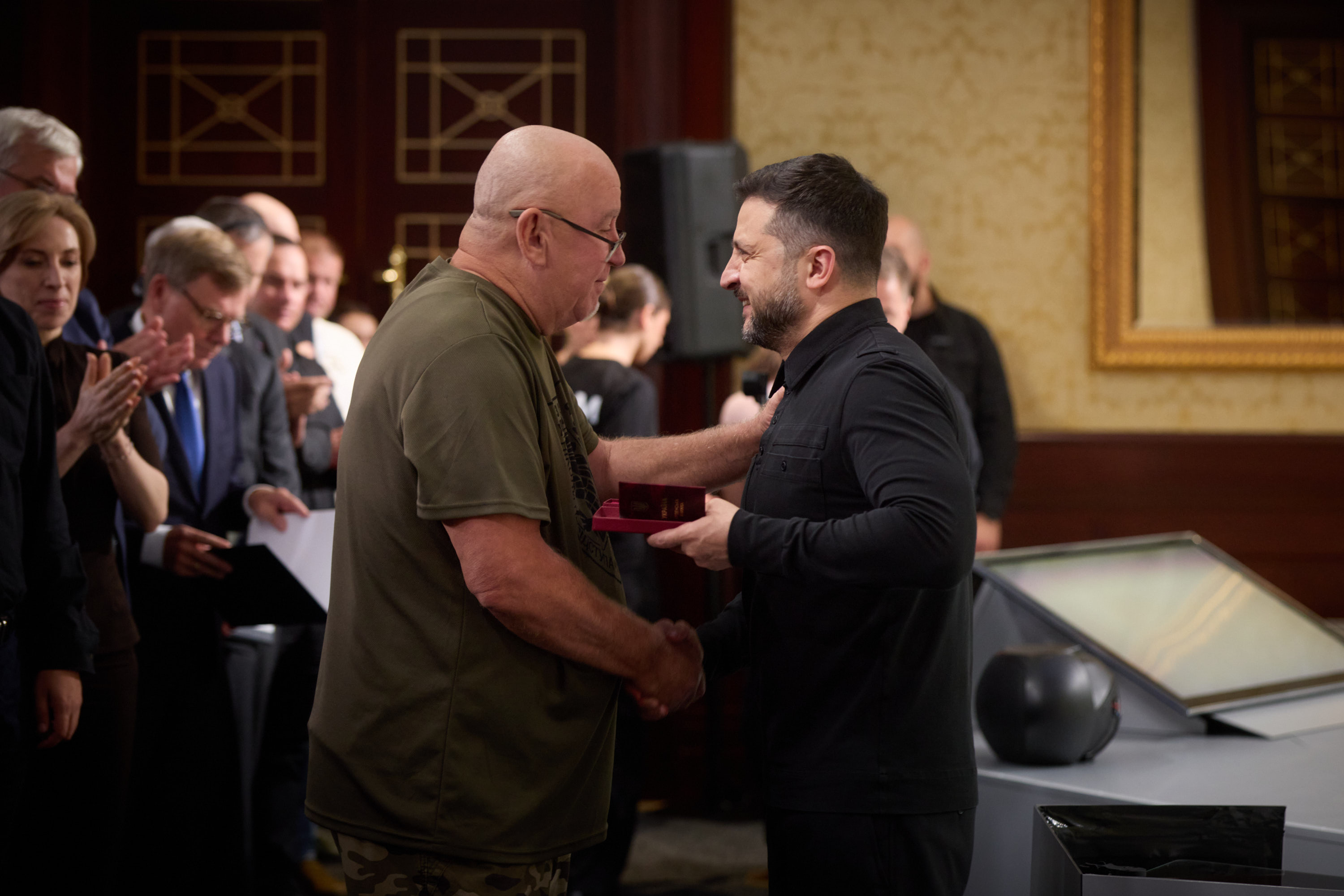
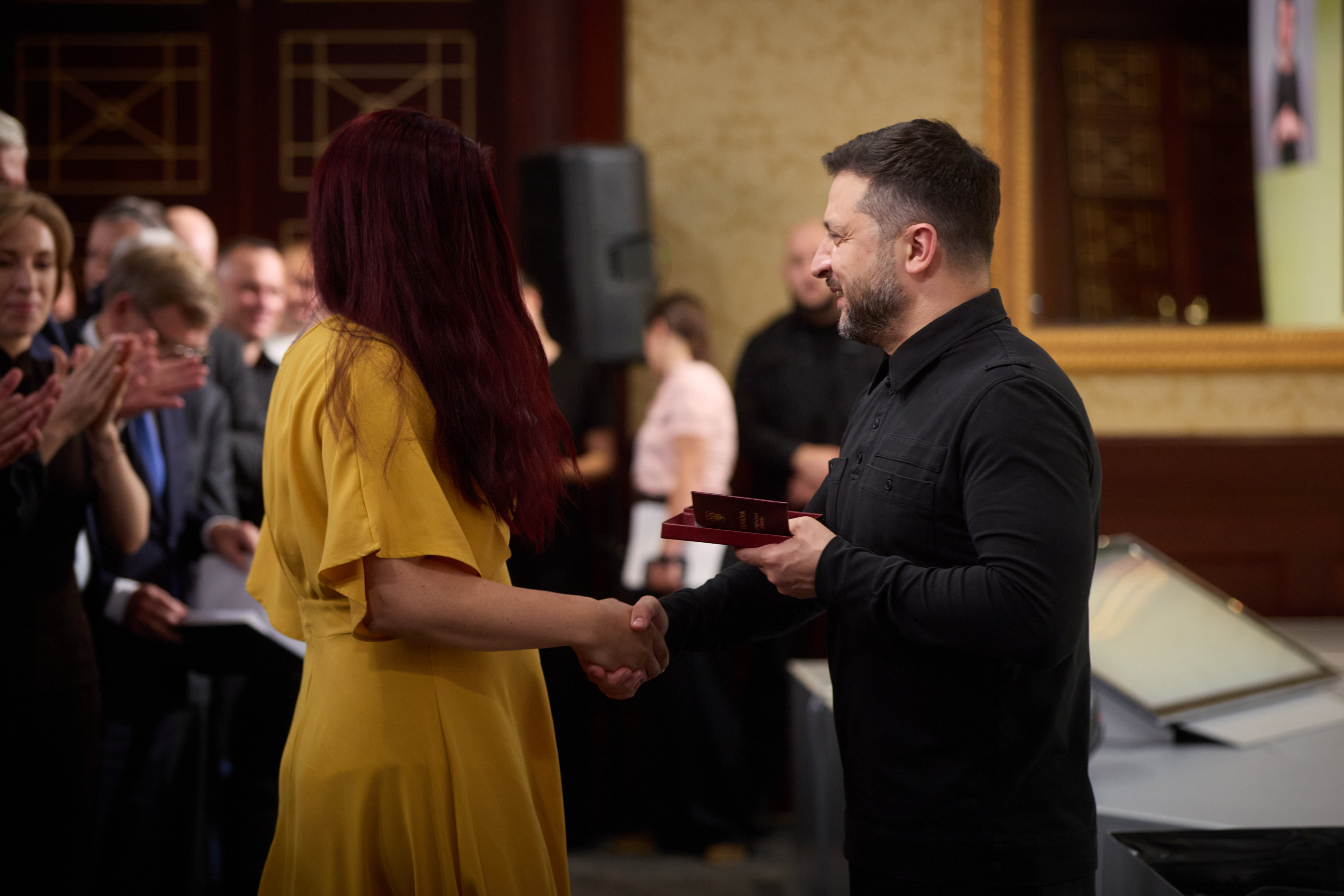
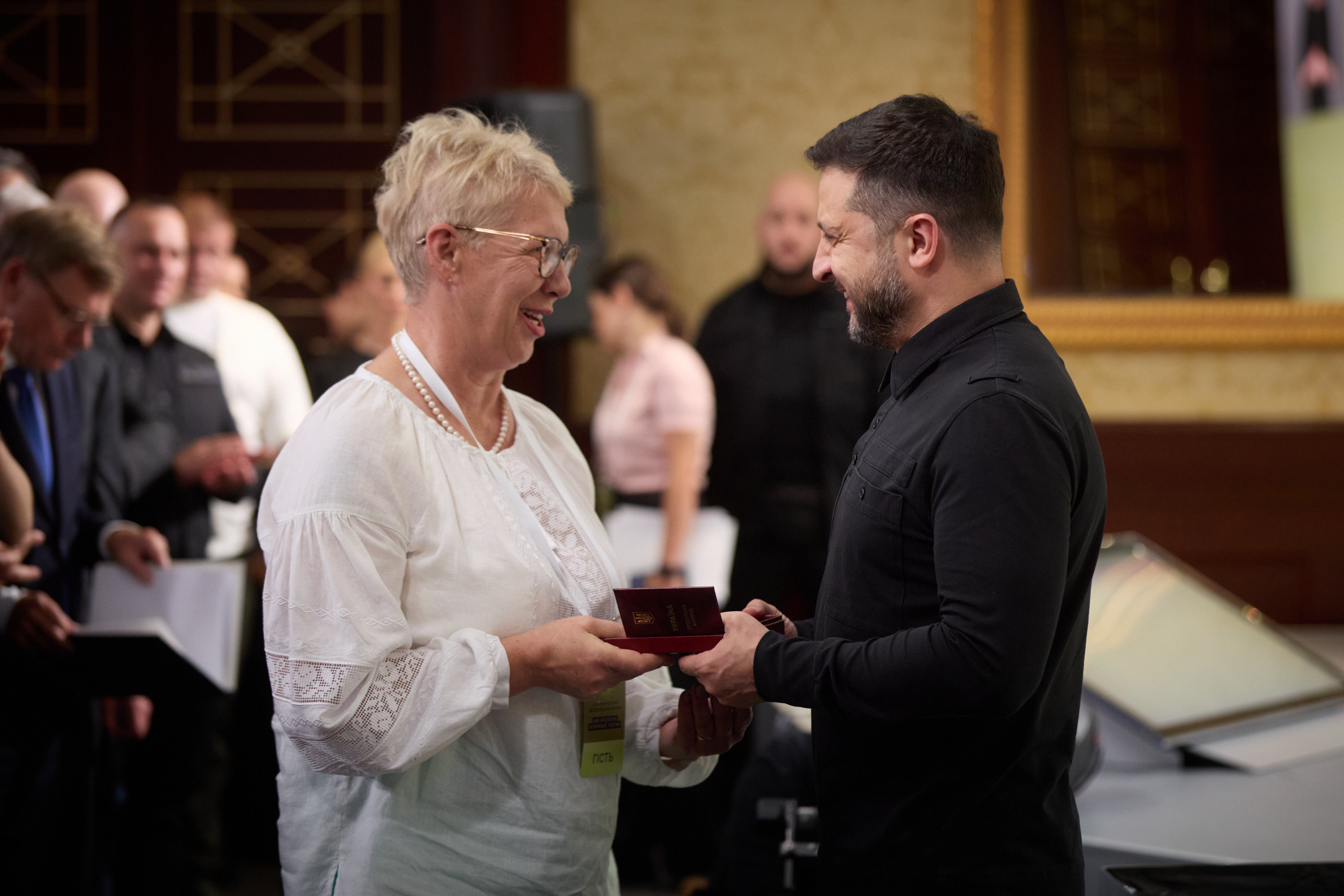
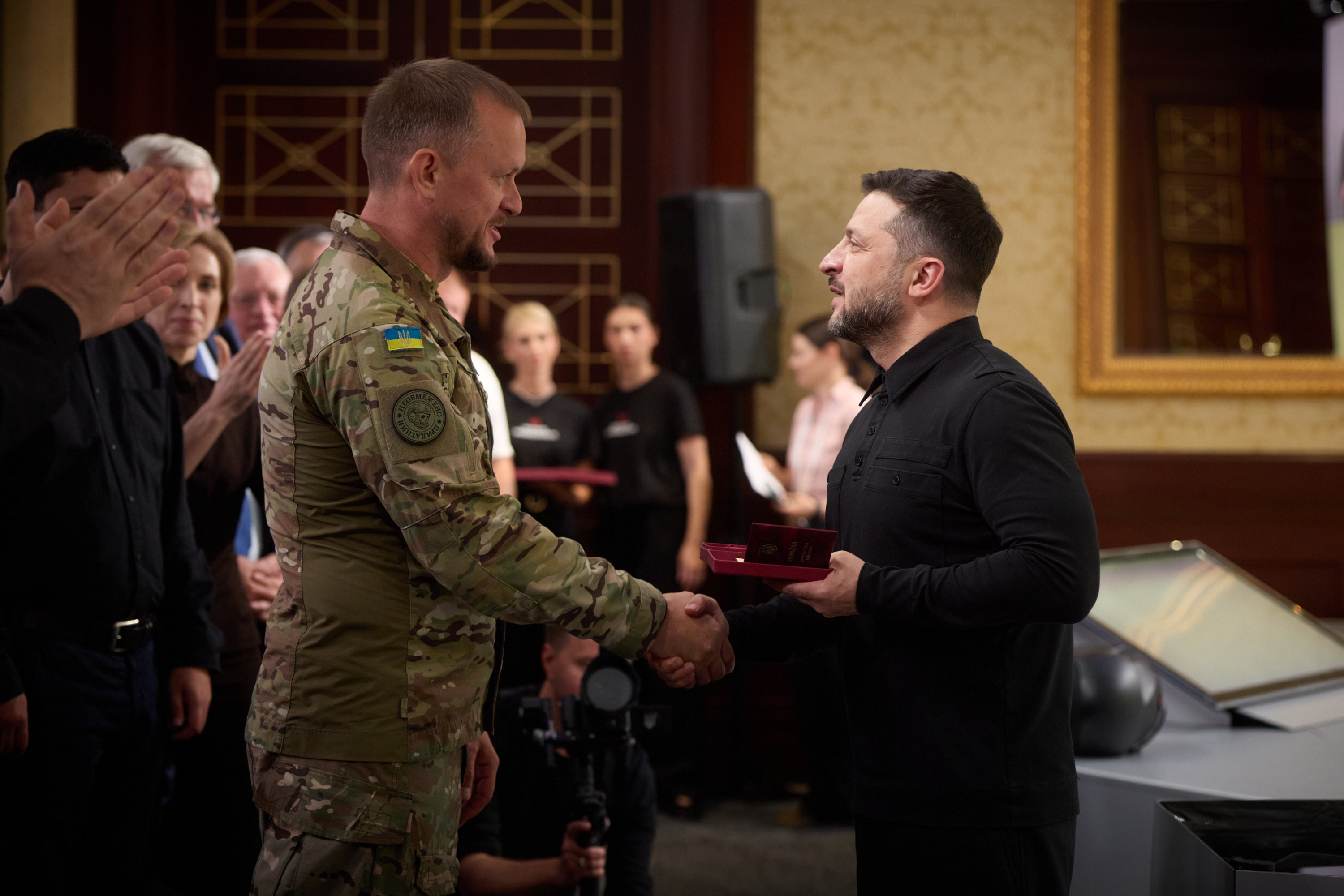
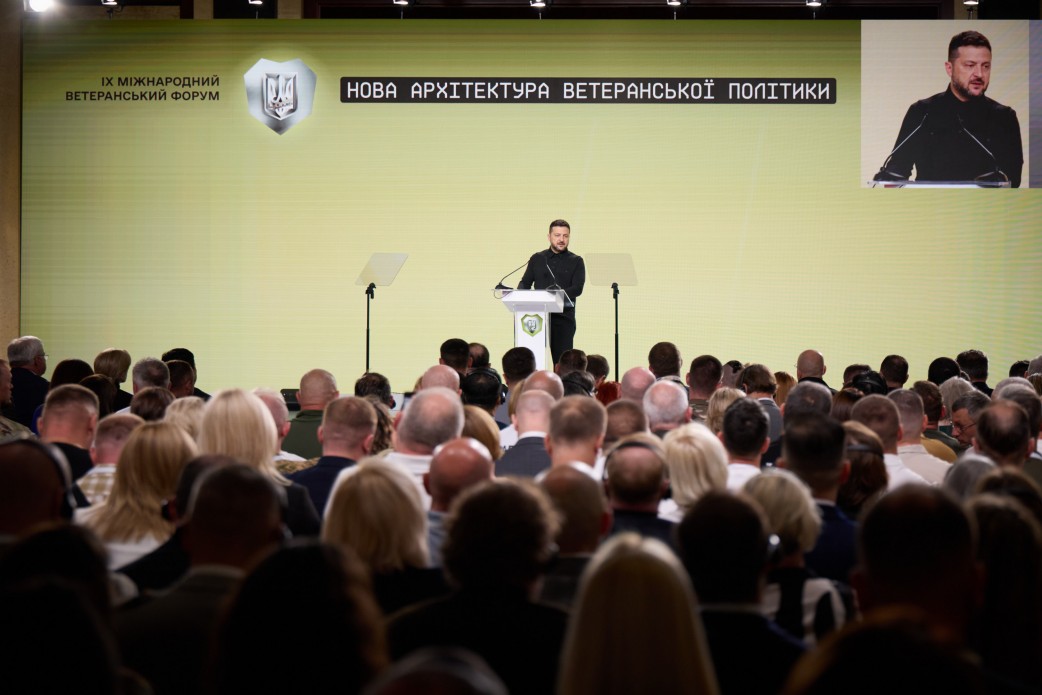
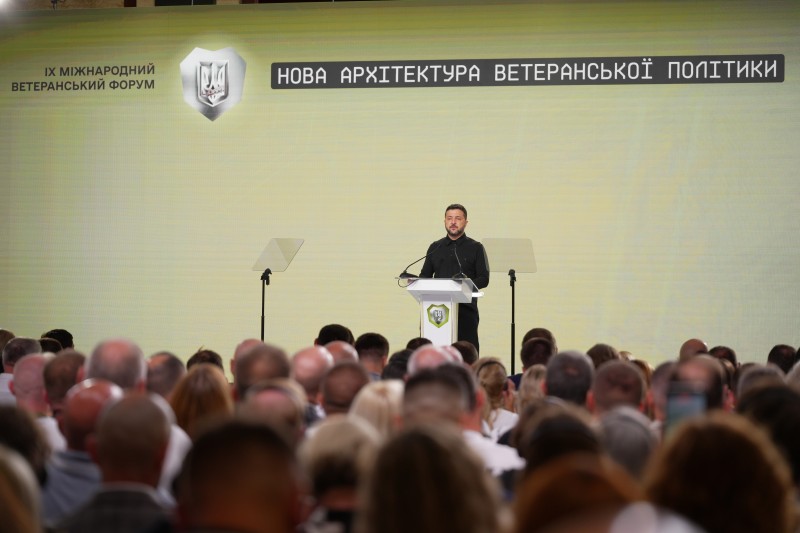
Thank you all – everyone who continues the tradition of holding this kind of Veterans Forum on the eve of Ukraine’s Independence Day. And thank you very much for defending our state. With great respect for all our Ukrainian veterans. We thank you.
This, in my view, is a very symbolic event, and I am sure that for decades to come it will send a very clear message to every new generation of Ukrainians ahead of our greatest national holiday: Ukraine’s independence rests on the shoulders of those who defend it, those who are ready to fight and win for it. We thank our warriors.
Independence is not simply one moment in our country’s past. Although these days we all remember that one day in 1991 – August 24, when Ukraine restored its independence after many years of foreign domination – each of us can name many other moments and important days, decisions and battles when the fate of our state was being decided. And it is being decided now, at this very time – in the war that continues and which no one has the right to forget. It is being decided in the heroism of Ukrainian warriors, which remains unchanged; in the strength of our people, who will surely achieve peace for their independent, sovereign, strong state. And we must honor not only that day, August 24, 1991, but every day, every act, every battle that has protected Ukraine from Russia – both since 2022 and since 2014 – and that are manifested here and now in each of you: in our warriors, our veterans, and the loved ones of our defenders. I would like to thank the families of our warriors and veterans – their children, wives, husbands, loved ones, fathers, and mothers – to thank everyone for supporting our warriors and our veterans. Thank you.
May every such Forum and every expression of our shared attention to veterans’ affairs be an enduring reminder that Ukraine simply would not exist – I am absolutely certain – without its defenders – without all those who are with us today, who are fighting for Ukraine today, and those who gave their lives so that our independent state could exist. And we exist today; we have a beautiful Ukraine, and with us forever is the memory of the fallen warriors – the finest sons and daughters of our country.
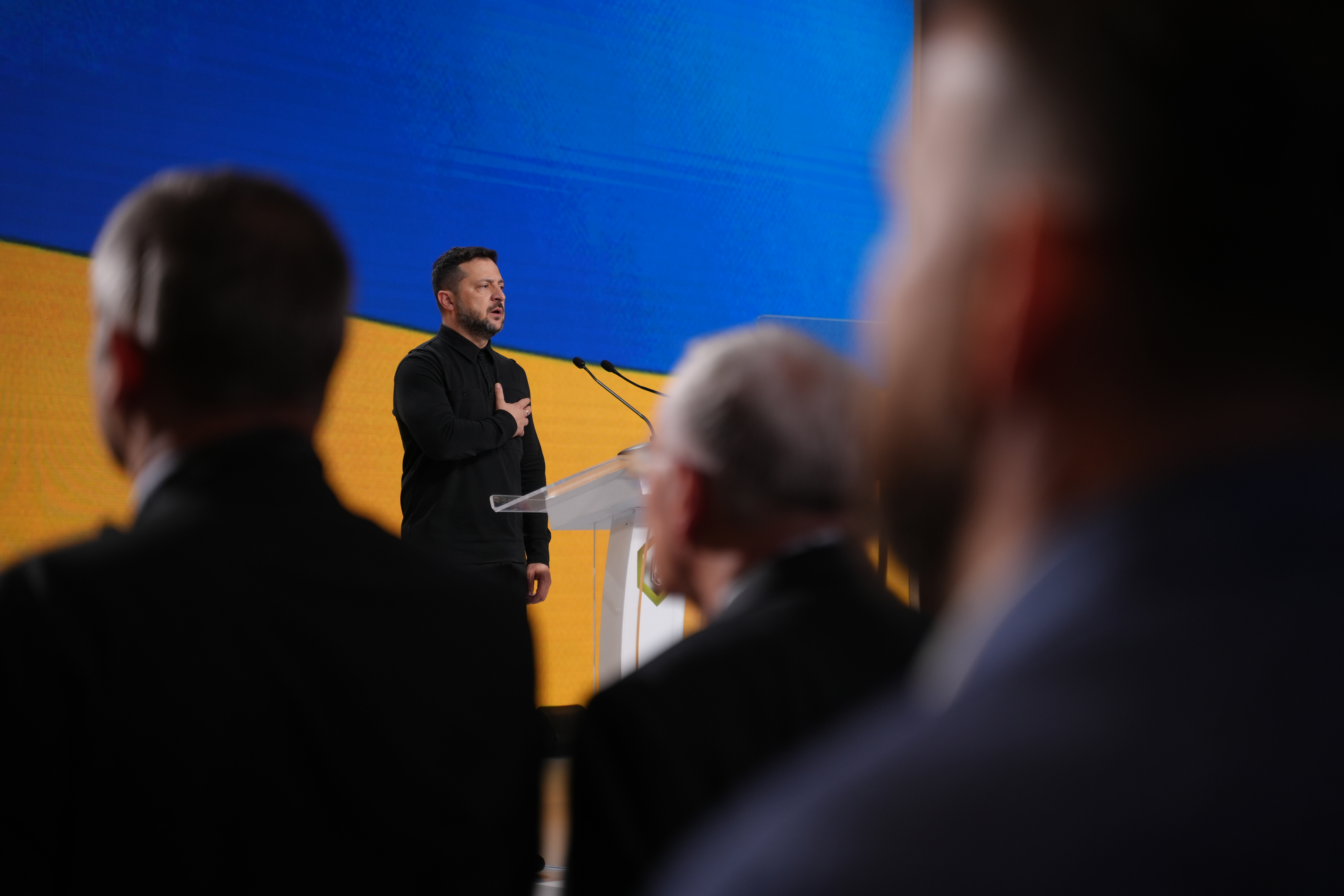
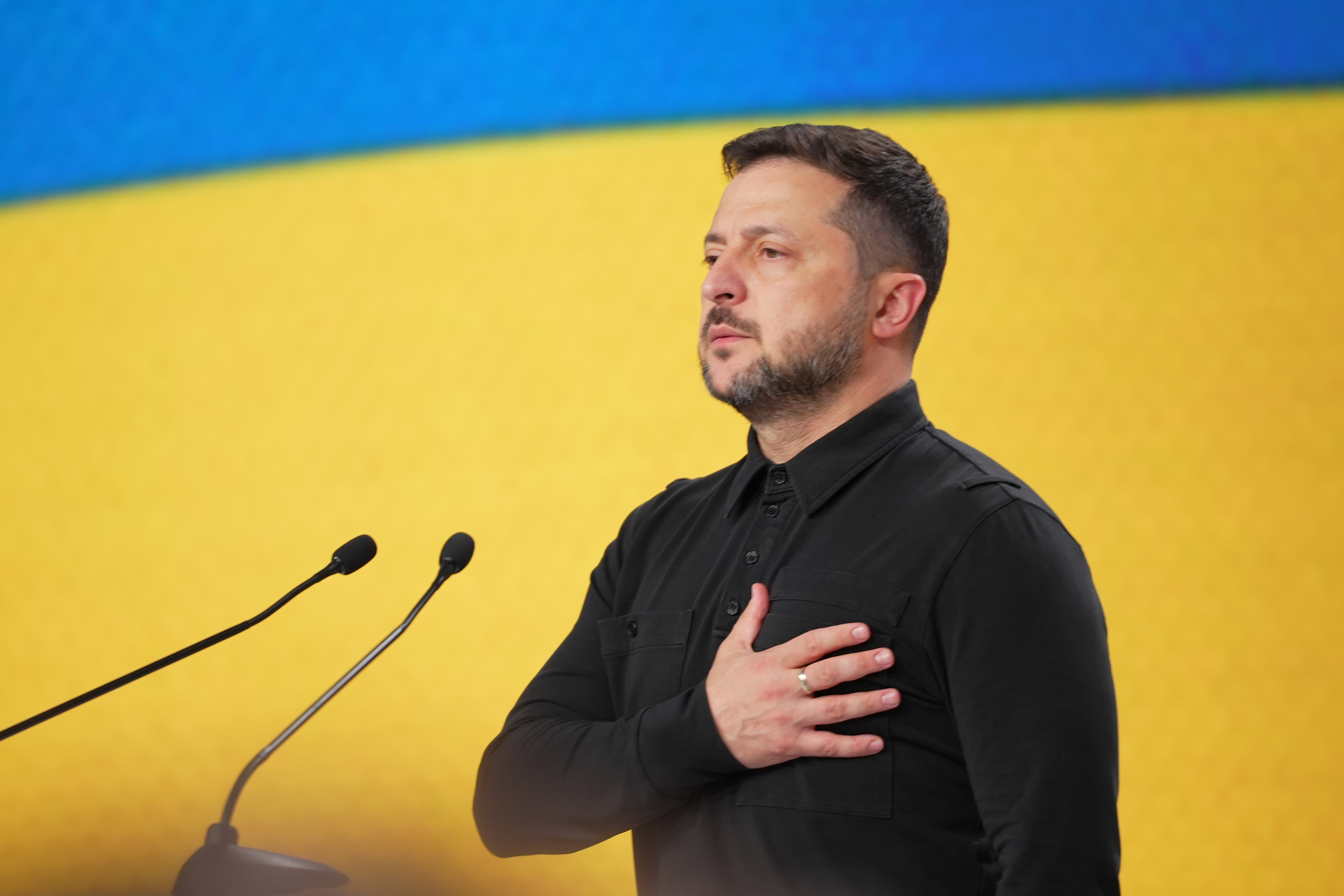
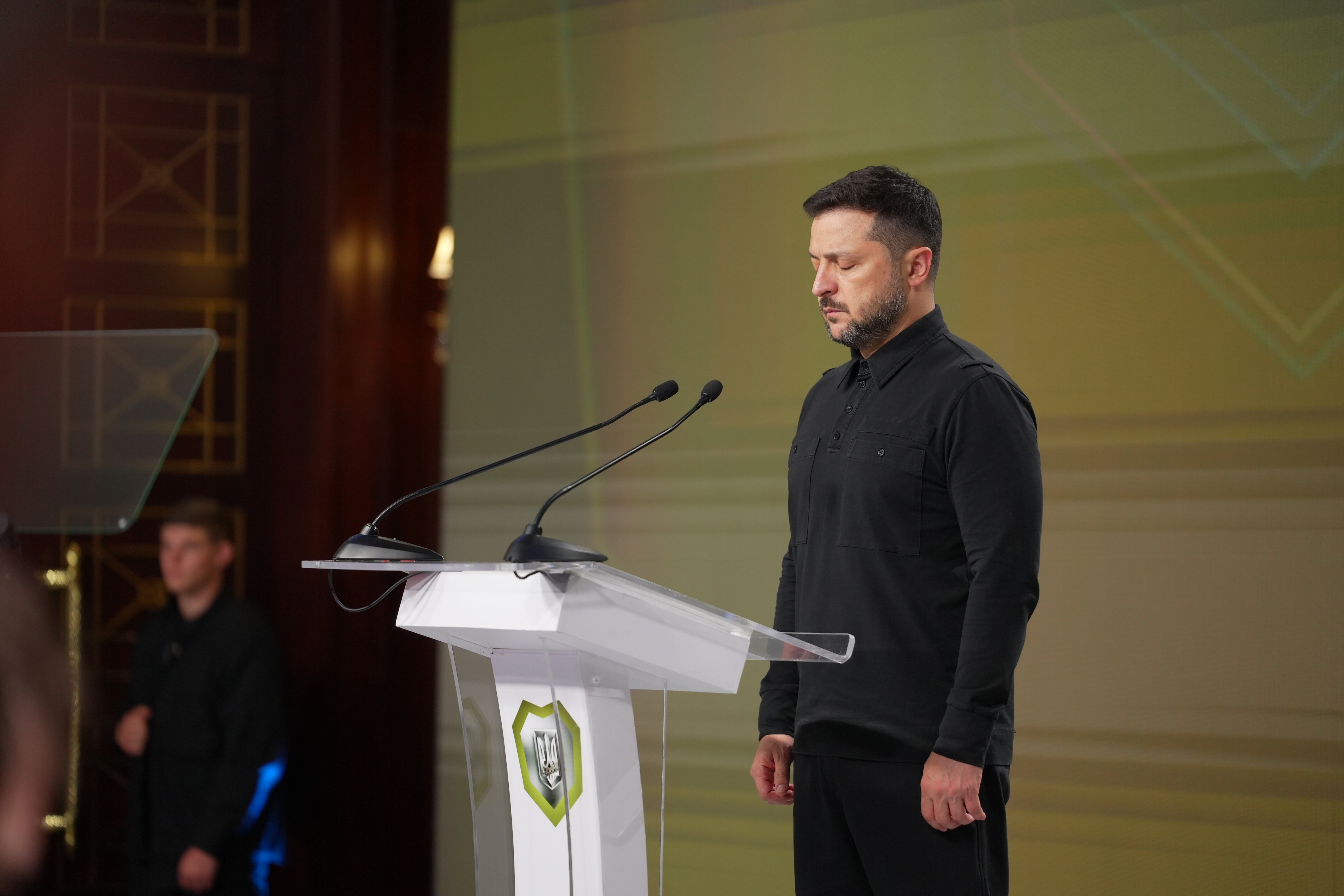
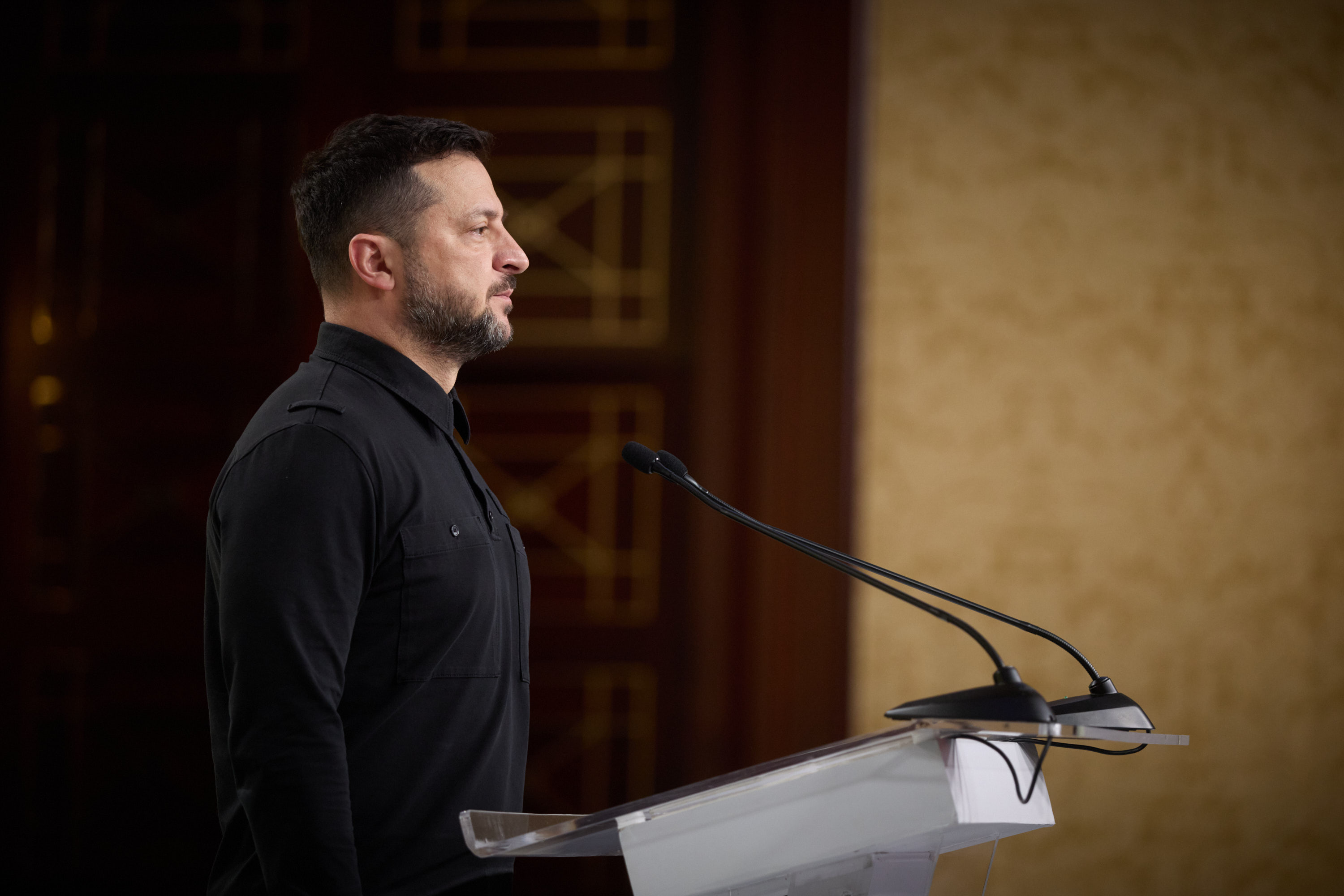
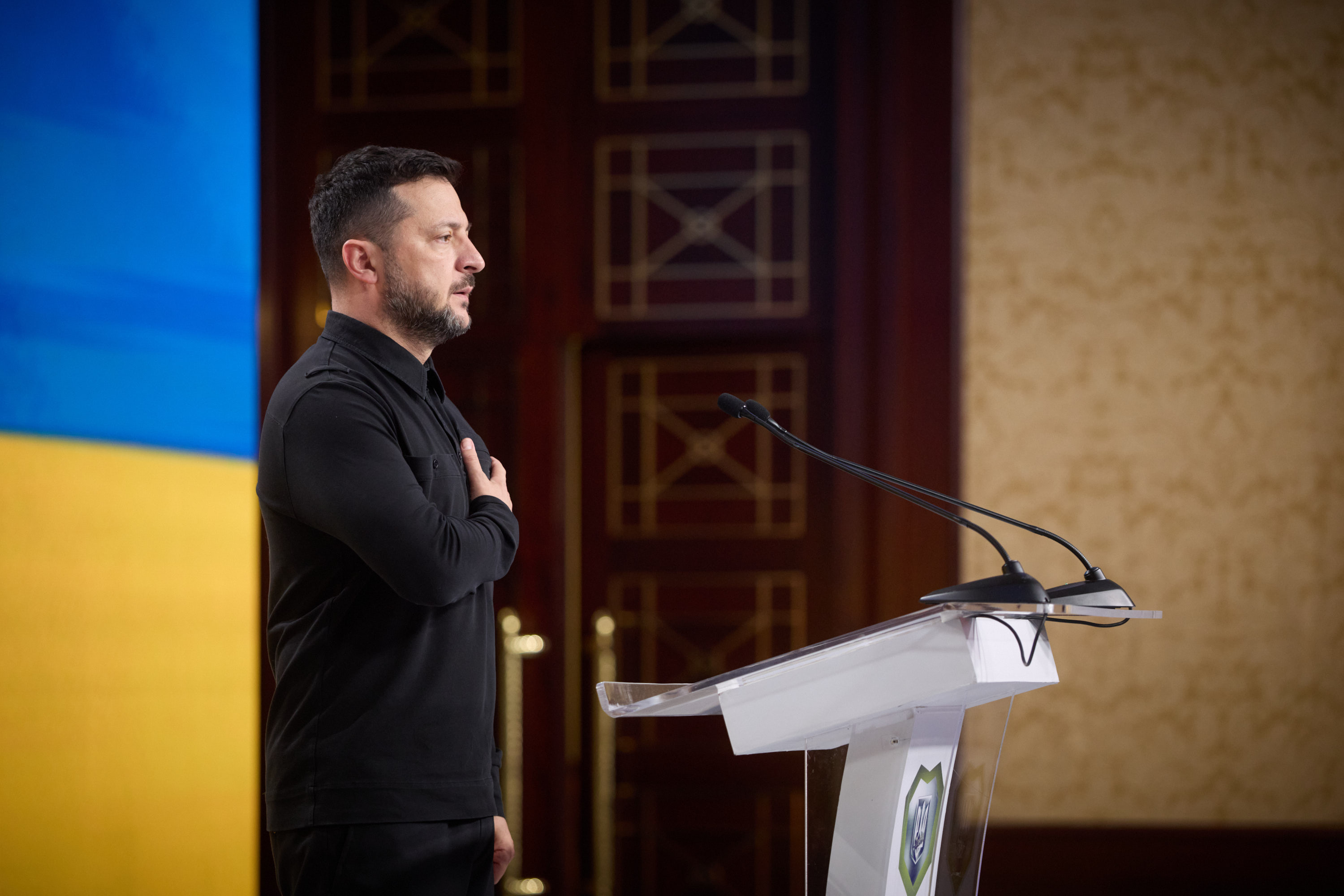
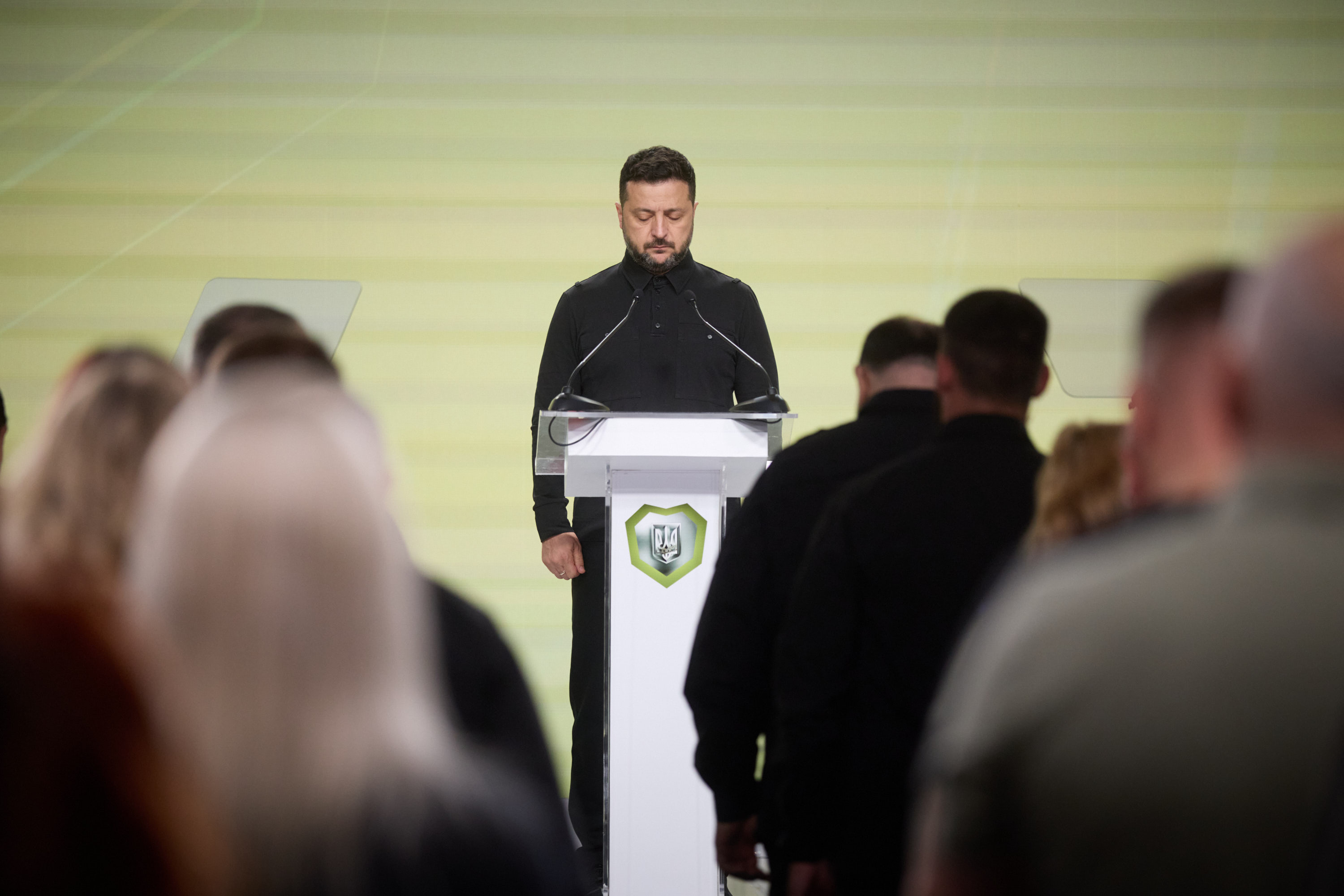
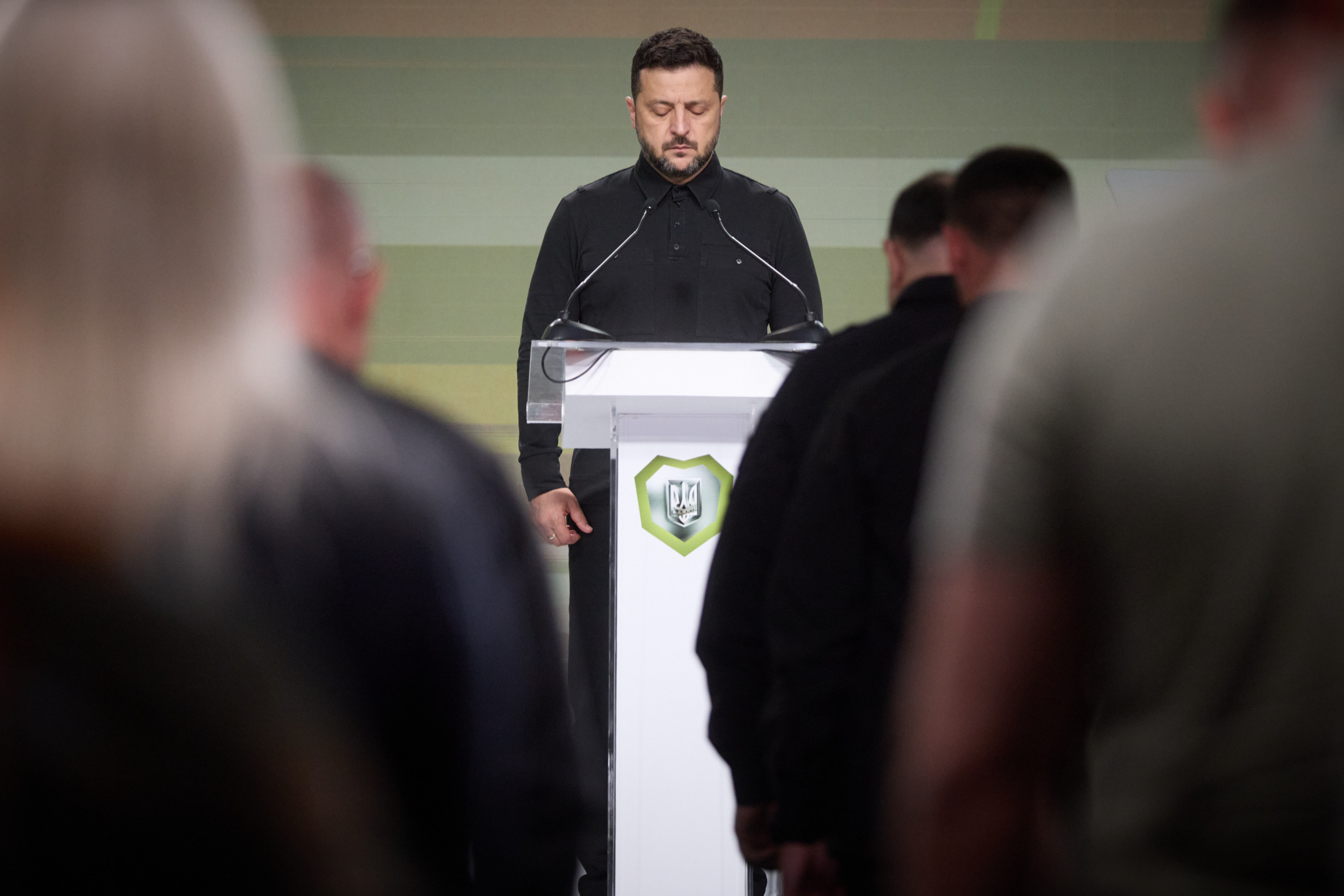
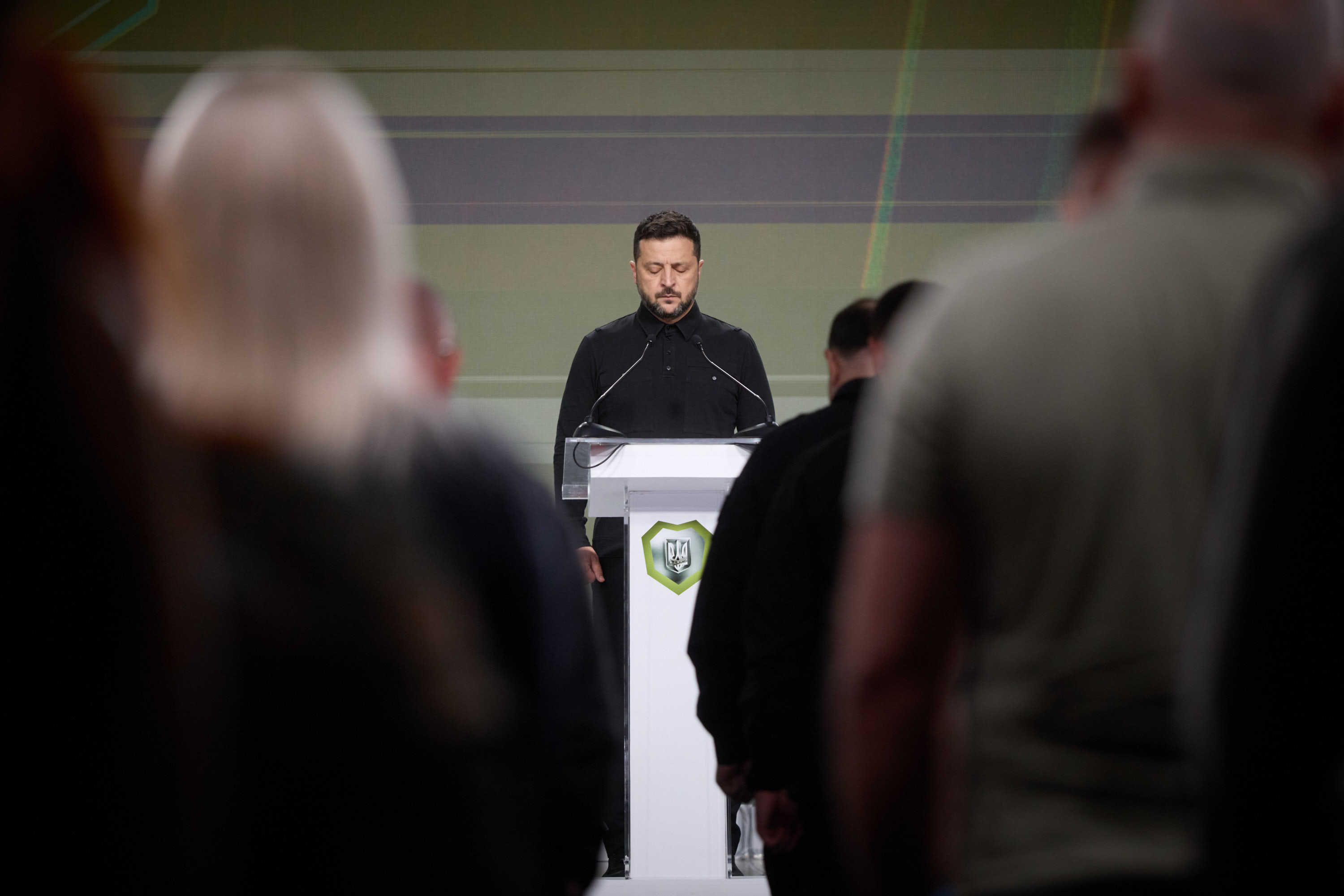
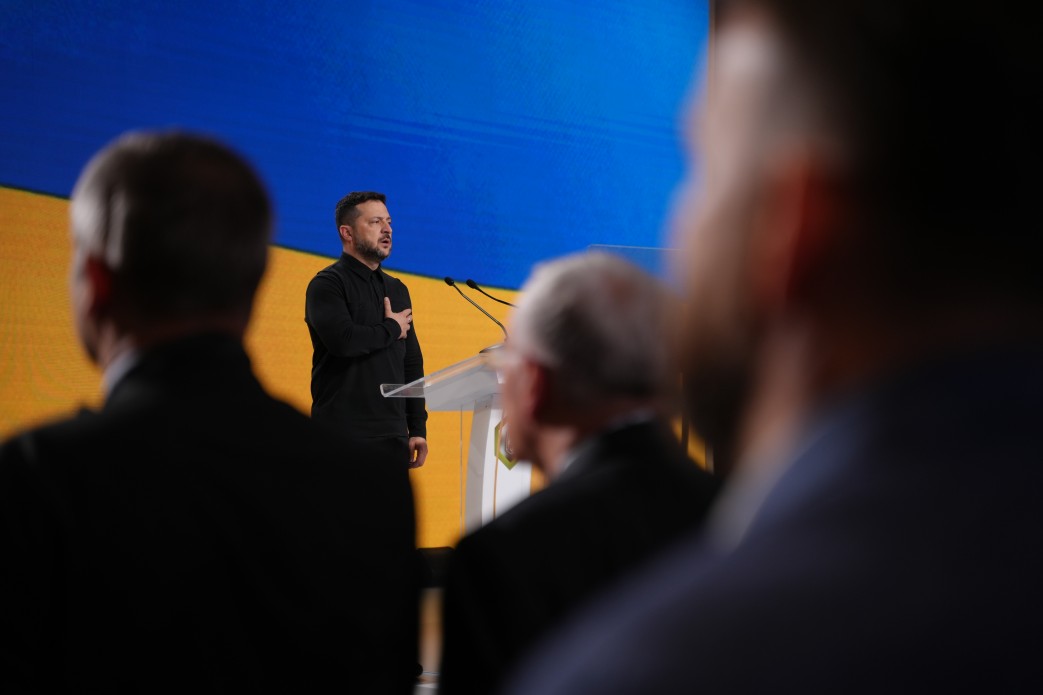
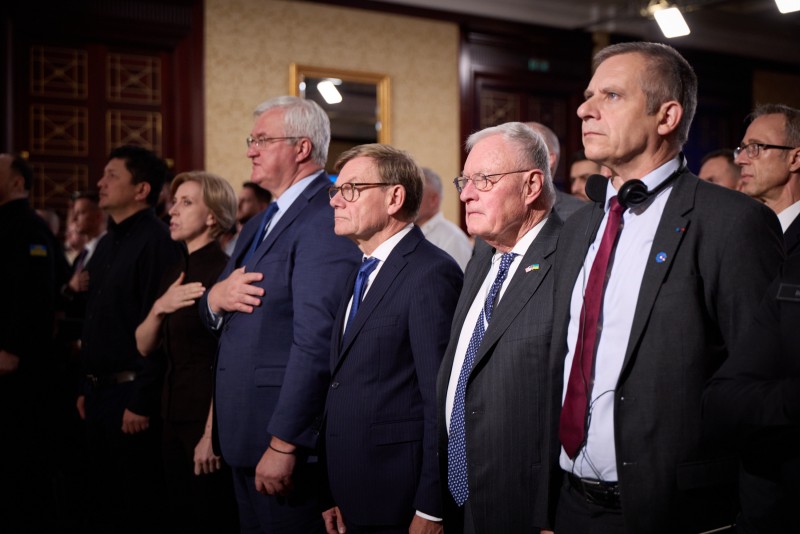
I now ask everyone to honor the memory of our fallen warriors with a moment of silence.
We thank them. And we thank you. Please, take your seats.
Dear Ukrainians!
Dear everyone present, our dear parliamentarians, our dear government officials, heads of communities!
Ukraine needs a truly fresh and deeper perspective and a genuine, effective systematization of veterans policy. Our respect for veterans must be reflected in concrete, systematic work by state institutions and in our communities.
First, it has long been time to revise the legislation so that veterans are not simply treated as some kind of “additional category” alongside someone else in the state. Unfortunately, the law still primarily views veterans as beneficiaries among other beneficiaries. With all due respect to everyone, nevertheless, this must be corrected. In my view, this must be corrected. We need modern, dignified legislation specifically for veterans – exclusively about veterans – without mixing this large and very important community with other groups in society. Veterans deserve separate legislative attention and special respect. And this must apply not only to veterans themselves, but also to veterans’ families. Unfortunately, this is still not fully reflected in our state policy or in communities’ work. But the family of a veteran, the family of our fallen warrior, the family of our warrior, of a prisoner of war, of someone missing in action – families must be full-fledged subjects of veterans policy. I would very much like to ask the Government of Ukraine, together with the Prime Minister, our parliamentarians, and the veterans themselves, to prepare the relevant legislative proposals. And perhaps, if there is a need for it – in your view, at your discretion – to consider it, if there is a need for it, and to ensure proper respect – perhaps we should codify the legislation. We need to talk about this. I understand that this is very difficult, but when it comes to a code concerning veterans, we need to take a close look at this idea. We have 1.5 million veterans, and we have families – more than 1.5 million of them – families, the families of veterans. We understand that this is truly a large part of Ukrainian society. So I would draw attention to this, to the very possibility of a Veterans Code. Discuss it among yourselves, and make sure to provide feedback, if possible.
Second. We need a great many practical changes in what exactly constitutes the substance of veterans policy – what fills it, and what specific opportunities and prospects we create for veterans. Unfortunately, there are bureaucratic obstacles, and they are often stronger, to be honest, than the support our veterans can receive from their state. Unfortunately, social support for veterans is still not structured fundamentally in a way that truly addresses the problems, all problems veterans face. Unfortunately, there is not enough support for veterans and their families when a warrior needs long-term rehabilitation and care after a serious injury. Unfortunately, it happens again that veterans’ spaces in communities – and we have seen this – stand empty. Sometimes the spaces have not been built – it’s one problem. Now we are seeing another problem: the spaces have been built, but they stand empty because they were built – but apparently could not be filled with the meaningful substance, quality services, and real assistance that veterans and their families need, not what someone thinks that assistance should be – but what the veteran needs, and again, I emphasize, the veteran and their family.
I ask the Government of Ukraine as a whole, and the Ministries of Veterans Affairs, Defense, Health, Social Policy, and Finance, and also involve our team, involve parliamentarians and heads of communities, to propose solutions for the necessary changes in all aspects of social support for veterans and members of our heroes’ families; in the veteran’s transition from military service to civilian life; and in the system of state and local services for veterans – so that they reflect today’s realities. Everything is changing, our lives are changing, and therefore our approaches need to change. There are also many outdated norms and approaches. The state has the ability – and the obligation – to create prospects for veterans and for the families of our heroes. It often happens that the state, with all its potential and resources, is by no means a veteran’s greatest source of support; nor is the community – and not even the person formally called a veteran’s assistant in a community or a veteran support specialist in a civilian hospital. Instead, it is another veteran, or an effective patronage service of a certain brigade, or some particular veteran community in a municipality or region. We need to direct state resources effectively and coordinate community resources. I very much expect this to be one of the key objectives of the Ministry of Veterans Affairs. We also need to do more work with our partners around the world to ensure support for veteran programs here in Ukraine. There is actually very little awareness of them. There are proactive countries that have great respect for Ukrainian warriors. They know what a veteran is, they understand all the challenges, and they know from their own history. They have been through – not a war like this one, but they nevertheless faced their own challenges. They have the infrastructure, and they understand it all – maybe not everything, but a lot. But there are many other countries that we need to work with more. Especially, you know, those countries that, because of their own internal political and constitutional issues and their domestic legislation, cannot help warriors with weapons, but definitely want to help our warriors in other ways. The alternative is clear – services, infrastructure, assistance for our warriors, our veterans. And I would very much like our Government, if possible – but I would really like us to develop this, try to systematize everything by the Feast of the Intercession, and propose an appropriate reform program.
Next, I want to thank the members of Parliament in particular for the law recently adopted by Ukraine on ensuring the right of service members, veterans, and prisoners of war released from captivity to proper medical care, rehabilitation, and prosthetics. Thank you. This law lays an important foundation for further steps. But we cannot limit our efforts to this alone. Over the past few years, a lot has been done in veteran policy based on what the Government calls “experimental resolutions.” Many of these resolutions worked. They were issued by the Ministry of Veterans Affairs, as well as by the Cabinet of Ministers and various ministries. We need to give all of this a more reliable foundation – with a targeted focus both on veterans and on veterans’ families. If the relevant resolution and programs supporting, for example, dental treatment and dental prosthetics have proven effective, then we need to expand them and use these concrete measures as a starting point for addressing all the other needs and prospects that are highly relevant – both for a veteran and for their family. So that it is not only the veteran, but also the family that supports them, waits for them, and devotes itself to them, that receives all the necessary assistance and is not left alone with all the challenges. So that a veteran and their family can have the opportunity to rest and adapt. We discussed this with the Minister. I think he will go into more detail about these proposals for this program today. I mean, I really want the whole family to be able to rest together and have this opportunity, and I want us to consider not only state-run facilities. There should be a wider choice. That choice does exist in the Ukrainian market. And I want us to be able to direct not only at the veteran – I want to emphasize this – but also at their families, state and community housing programs, educational programs, everything related to supporting veteran businesses, everything related to supporting veteran sports. I have seen this myself and understand how strong our veterans are. I cannot compare myself to them. And we need to support all these veteran activities, as well as veterans’ participation in patriotic education in schools. Unfortunately, it sometimes happens that some people in society, in state institutions, and in communities see our veterans exclusively as recipients of one form of assistance or another. But a veteran is our asset – an asset to the state, someone who can, in fact, help the state itself. The veteran community is one of the foundations of our social order. And that is exactly how we must shape our policy – a true policy of heroes, not a policy of trying to give something to a veteran only to stop noticing them afterward.
Next, State policy toward veterans and veterans’ families must be based on clear data. We need to analyze the relevant paths of the veteran – from military service to civilian life, when a particular service from the state is needed, and when a veteran is active in their community and interacts with state institutions. There is not enough such data today, in my view. We must clearly understand which specific decisions were made previously, which of them worked – which are still working, which are viable, and which, excuse me, need to be changed. And the solutions that are still viable, the ones that deserve to be expanded – we need to make decisions like these very quickly. And there are decisions that deserve to be reconsidered. And this must go far beyond solving the problem of the constant lines and endless waiting that veterans and their families, unfortunately, have to deal with. And we need to address this – a veteran absolutely should not have to act like a “courier” between government agencies, carrying documents back and forth. I know that there are also proposals from the Ministry of Veterans Affairs and from government officials. I am very much counting on these problems being resolved. We need to digitize every bit of paperwork and create conditions where information is available automatically, so that veterans and their families absolutely do not have to worry about getting one document or another. We must also ensure clear, professional training across all our institutions – including veteran assistants and other specialists. It is important that they do not have to guide veterans toward nonexistent services. We need clear data on what should form the basis of decisions by the state and communities, so that the decisions we make always work in practice.
And one more thing – about the resilience of our policy of heroes.
Our parliamentarians, the Verkhovna Rada of Ukraine, have adopted a law to create the Ukrainian Pantheon. This is another step of ours toward implementing the principle that Ukrainian heroes from different eras who fought for Ukraine, for our independence, and who now inspire Ukrainians to be strong, and strong means free – all our true heroes deserve to be properly honored. The Ukrainian Pantheon will surely become a reality. And only Ukrainians will decide for themselves who our heroes are. And this must happen not only at the national level – here, in the capital. I ask all government officials and representatives of our Ukrainian communities to involve the veteran community much more in implementing the policy of honoring our heroes and the heroism of the Ukrainian people. It should not be someone else deciding on behalf of Ukrainian warriors and veterans what should constitute an honoring of their strength and how it will be. But those who won freedom for Ukraine must have a direct say in how that strength is preserved in the history of our state, and not only our state, but history as a whole, in the memory of the people and society, and through memorial sites in our communities. Ukraine is a country that honors its defenders in every sense of the word. It respects them and, of course, makes them part of the process. This is very important.
Thank you all!
Glory to Ukraine!
…Glory to the Heroes!