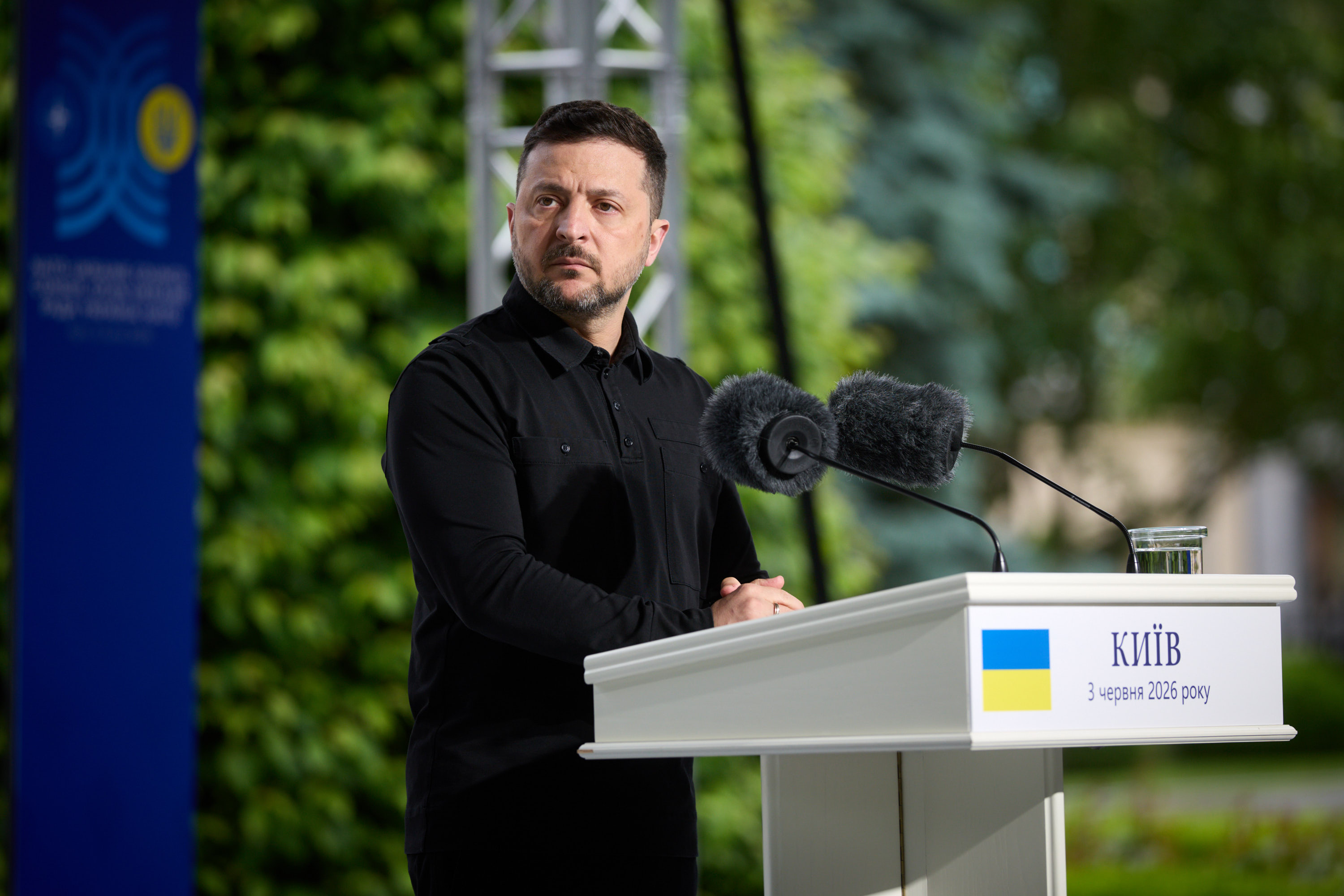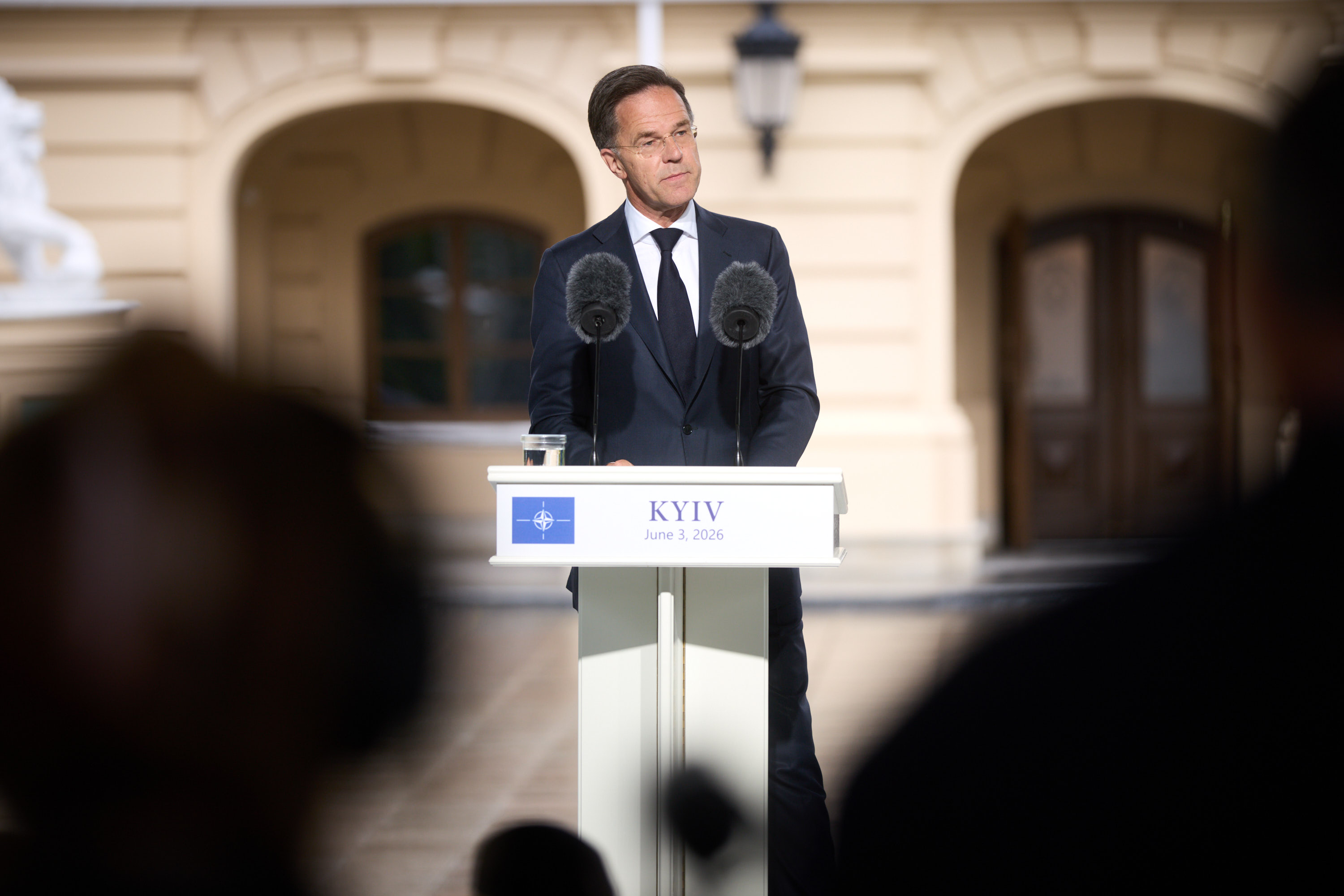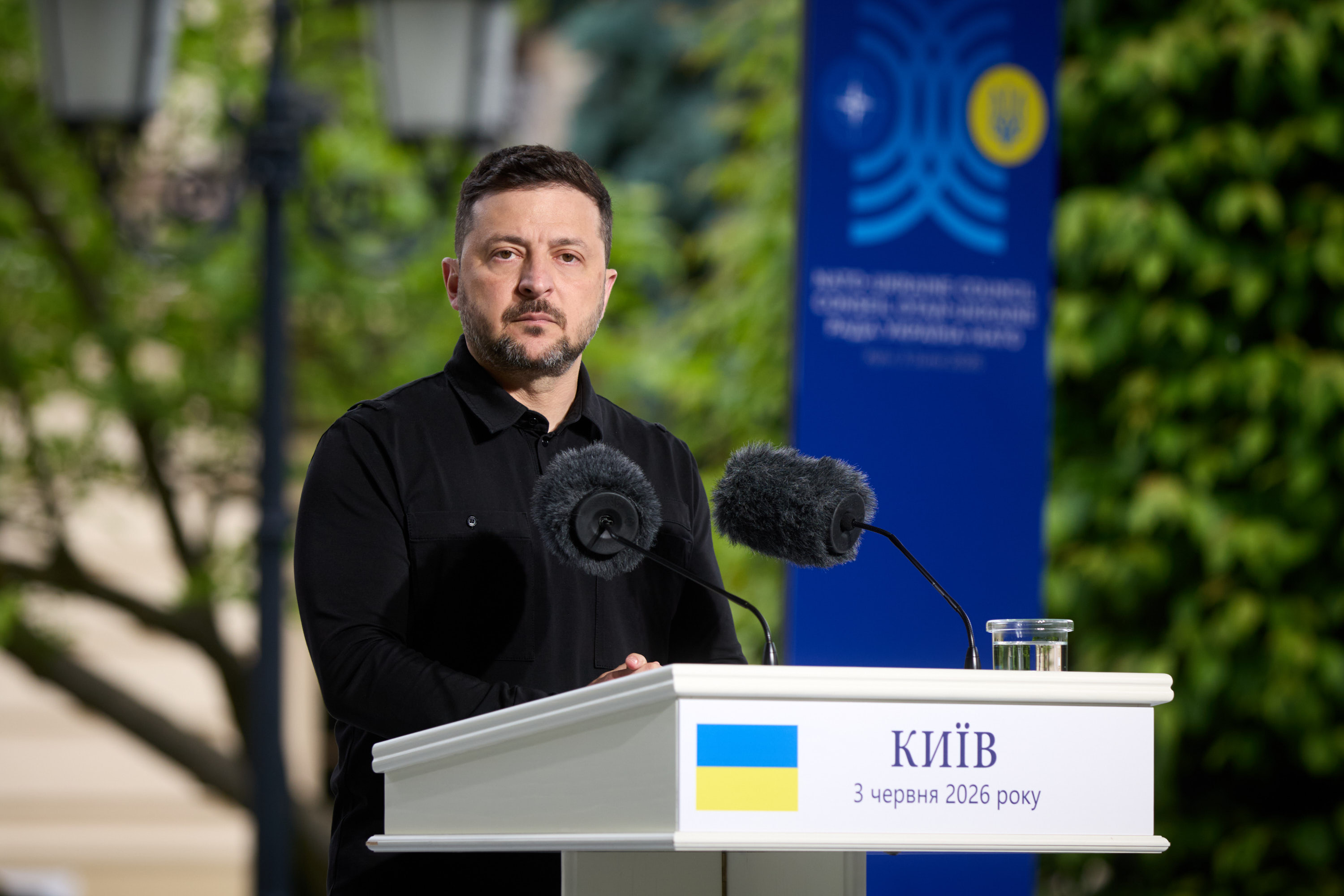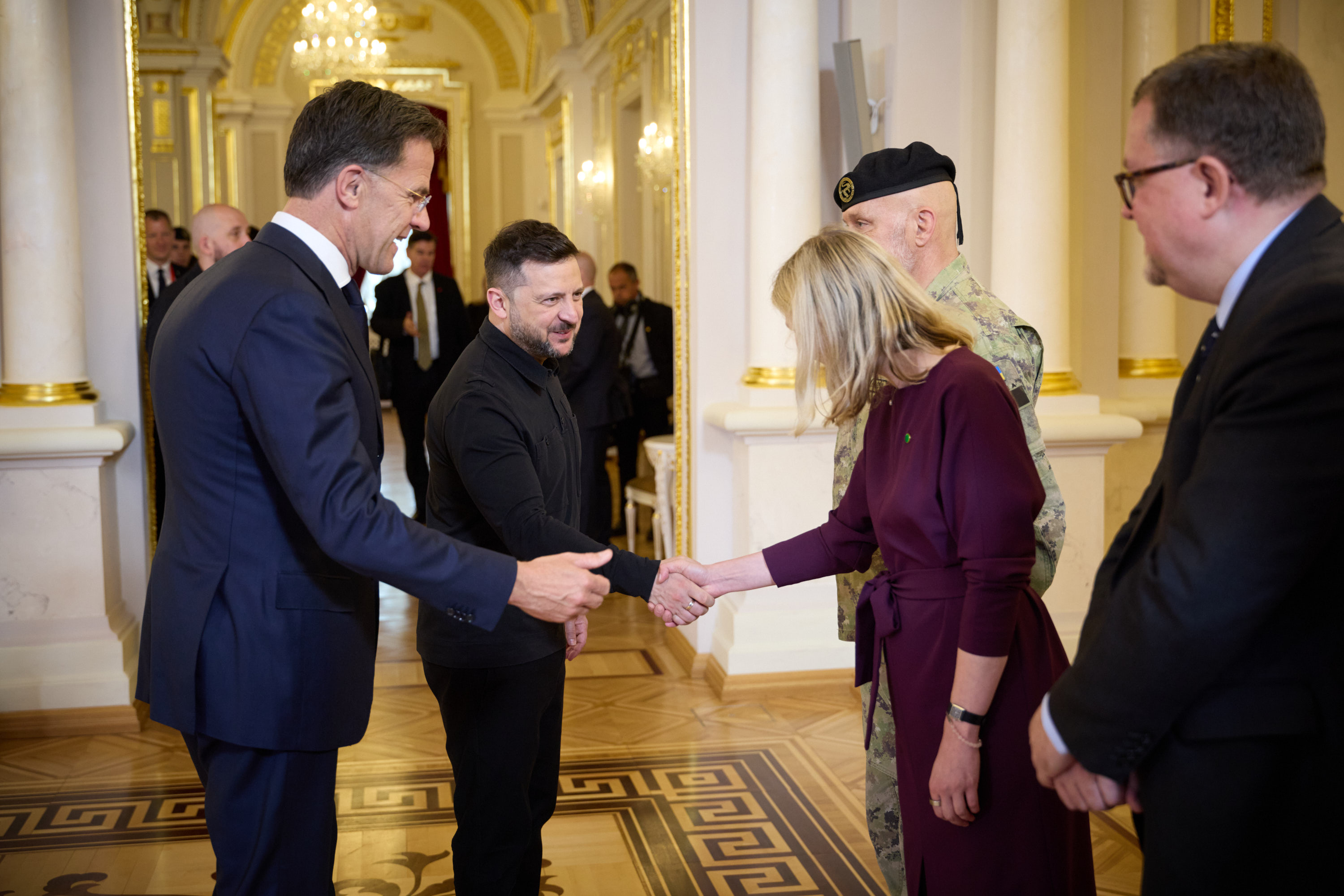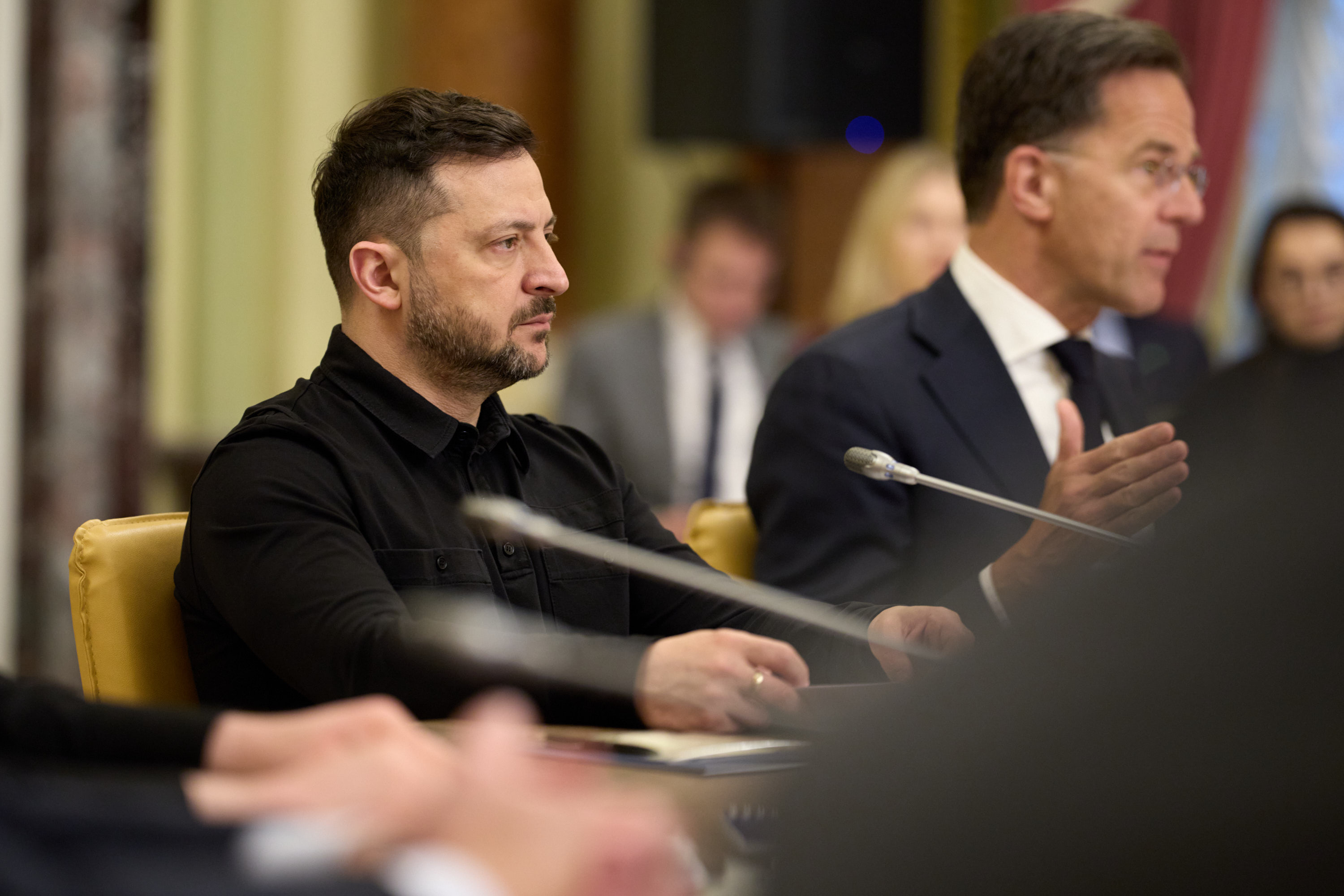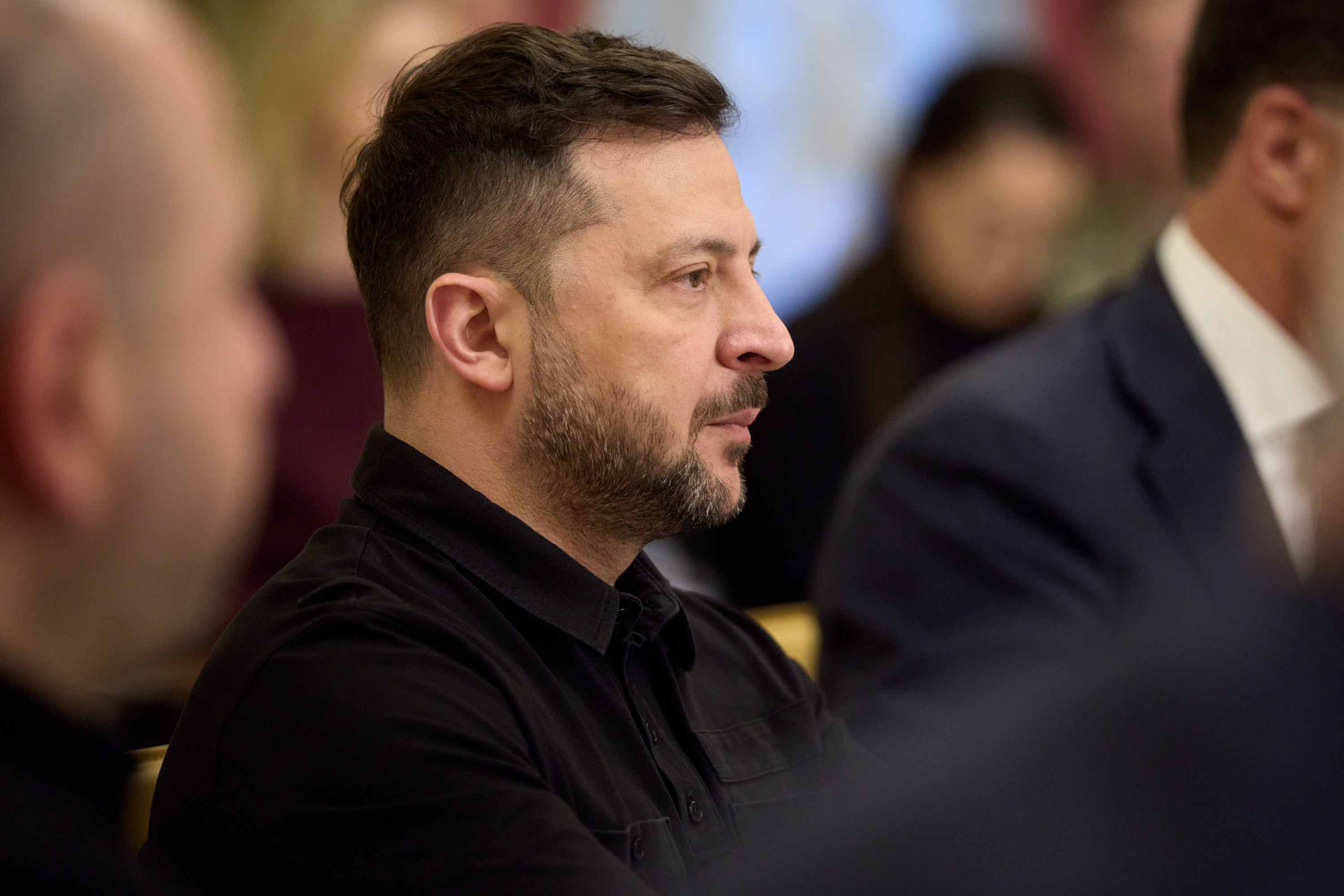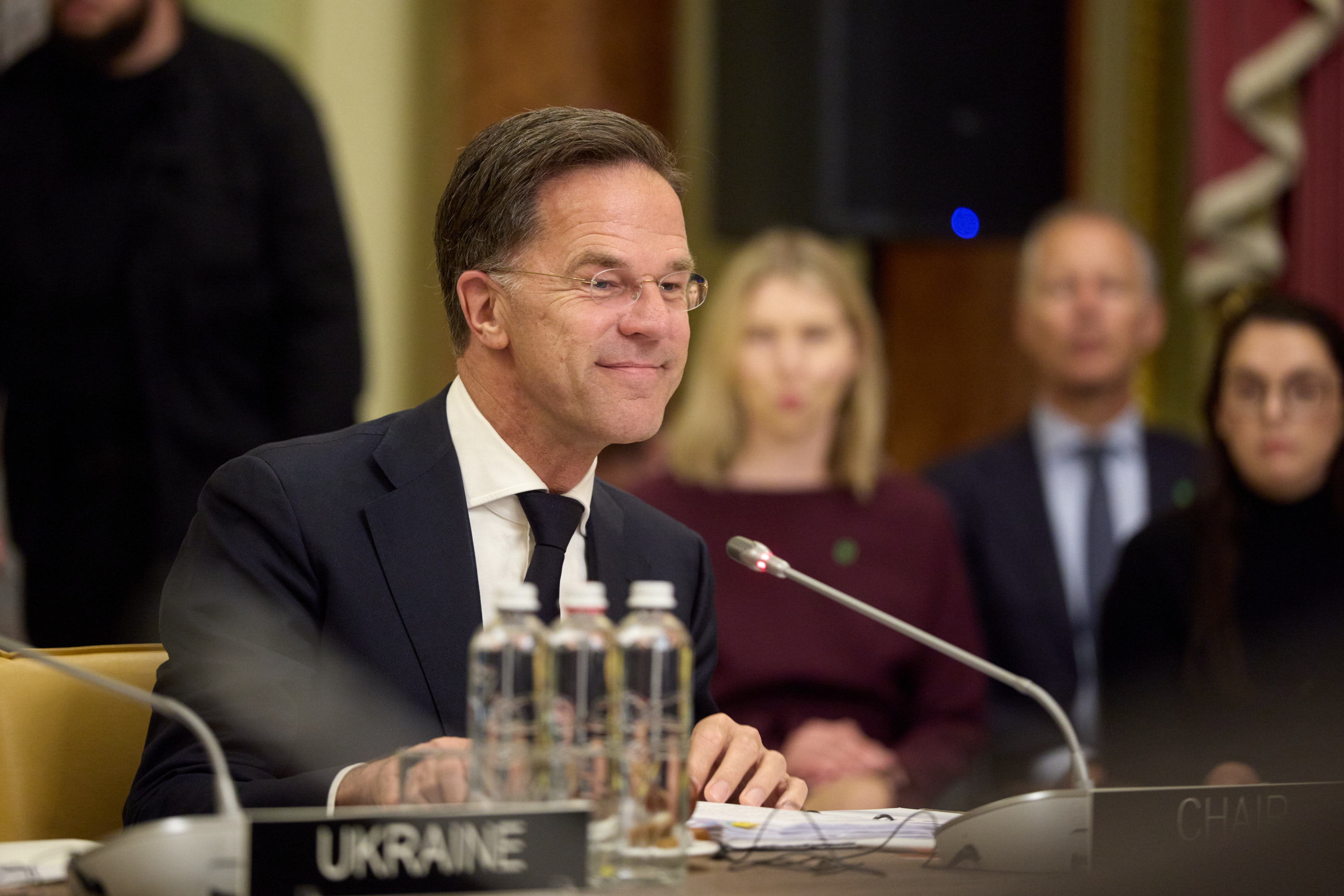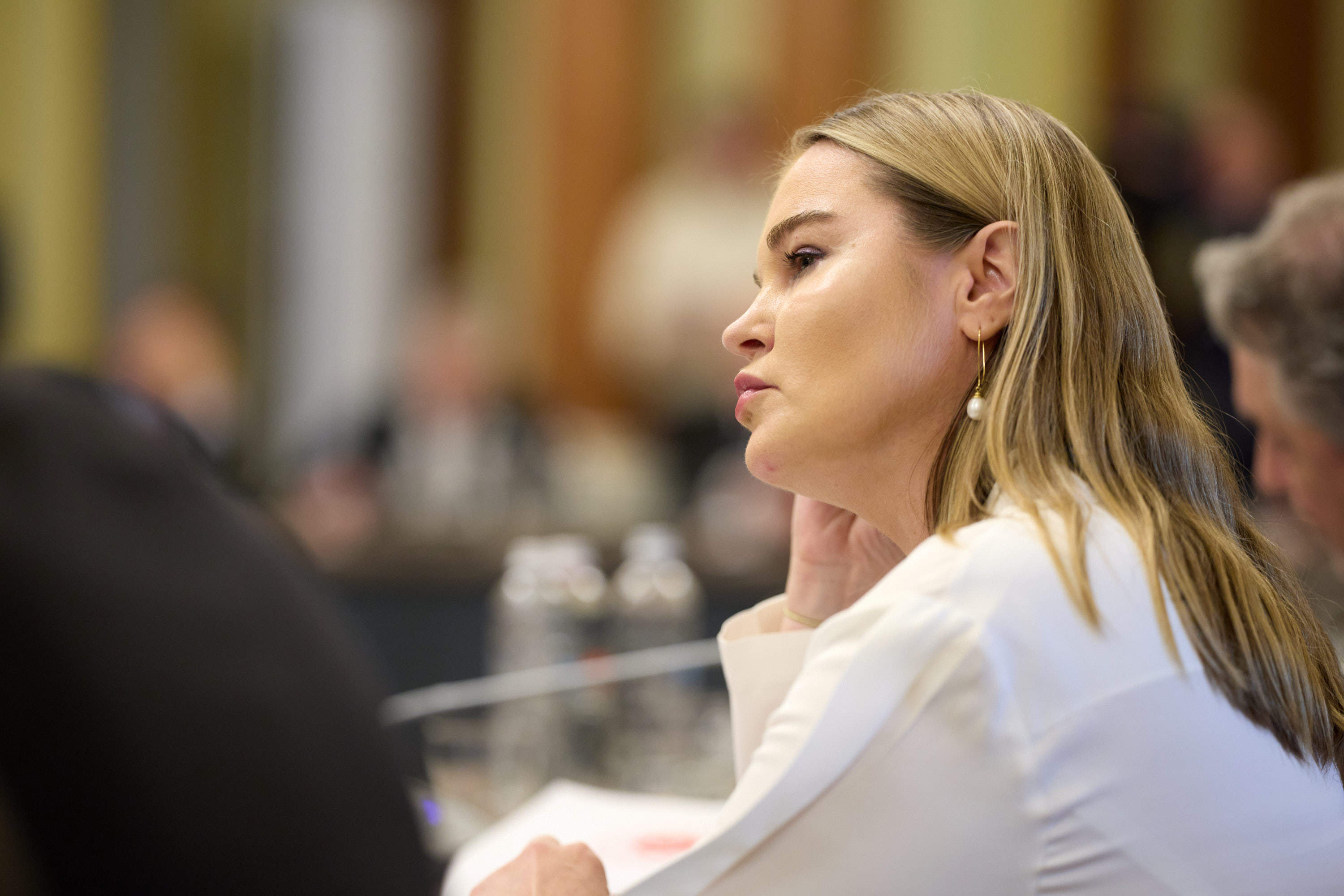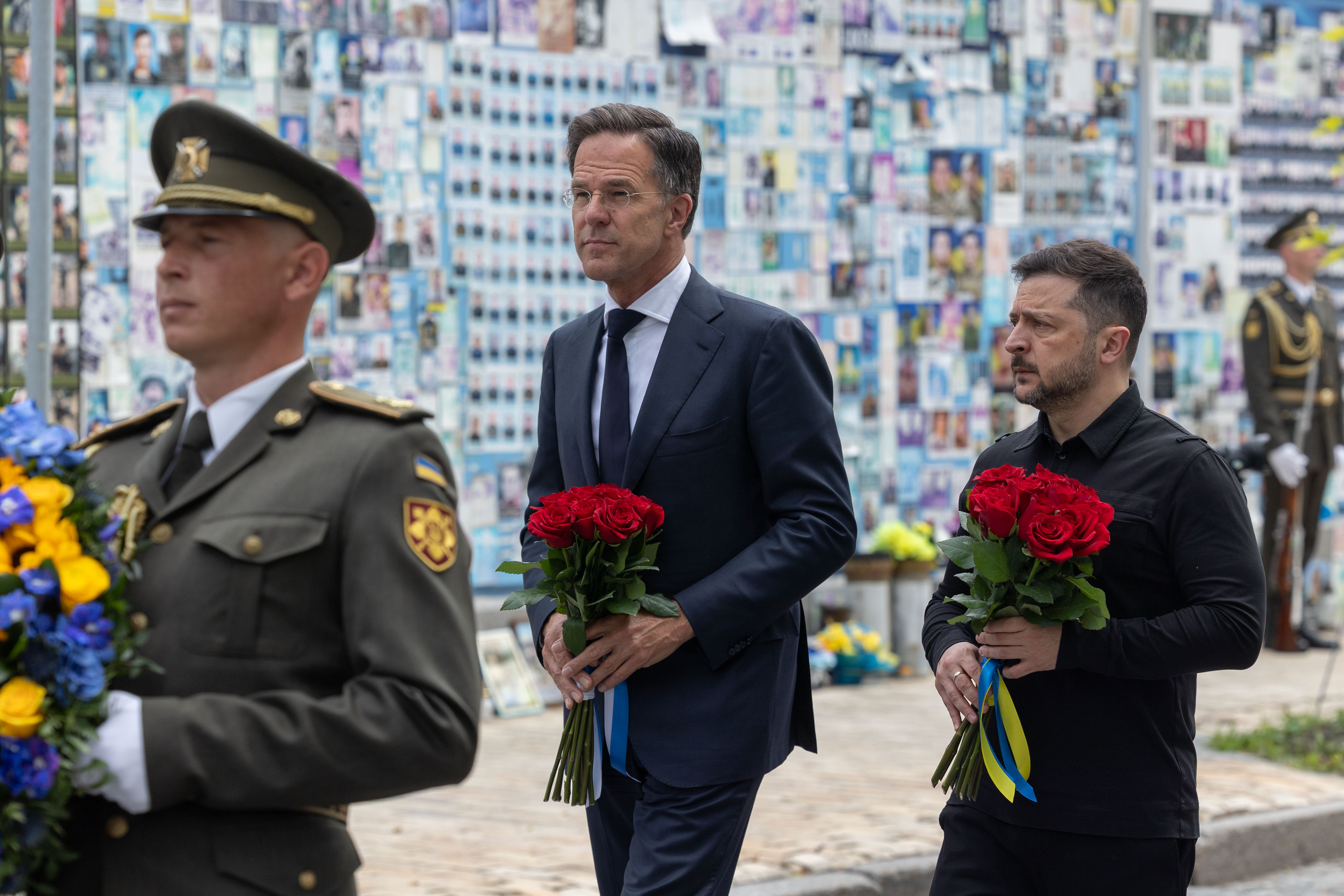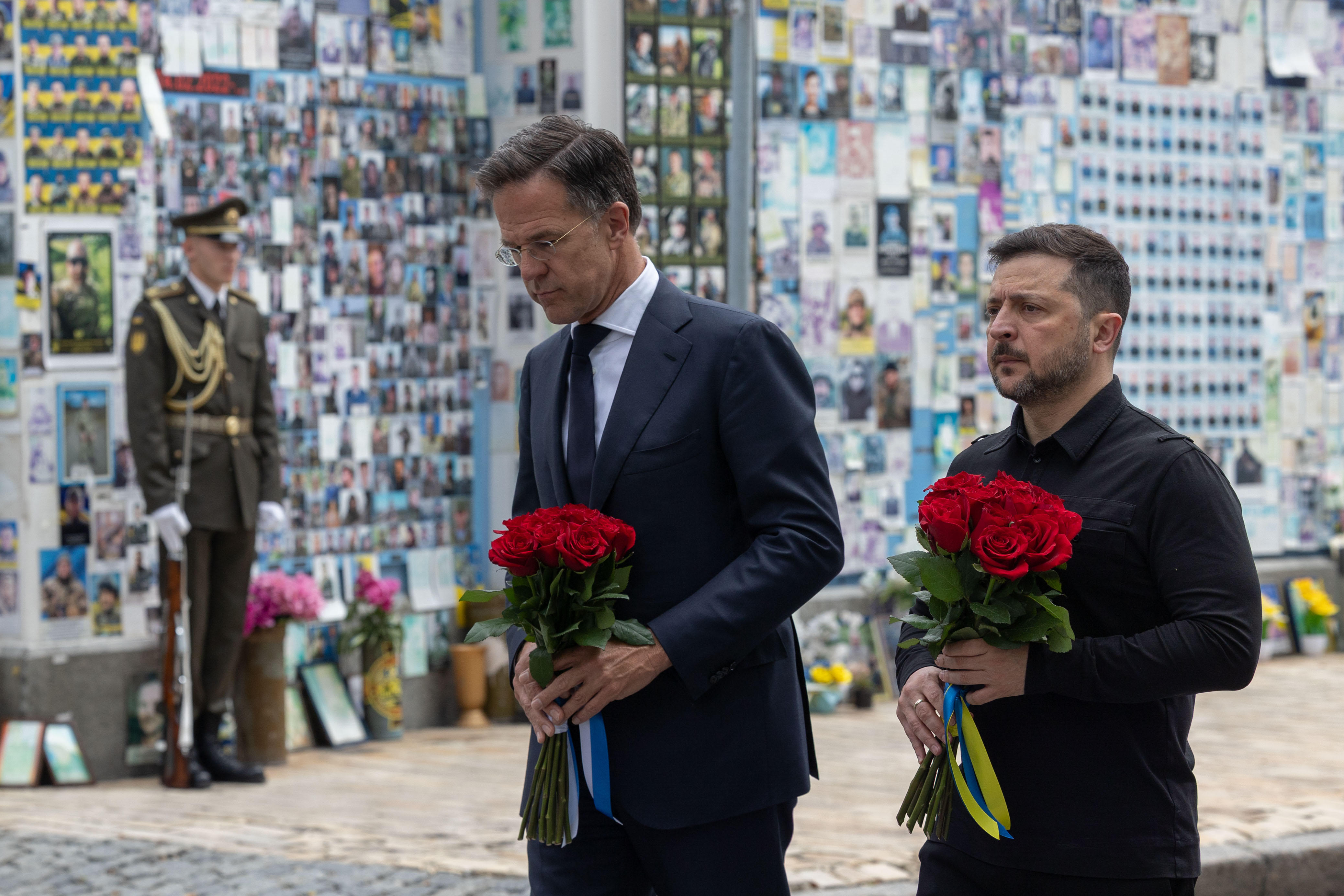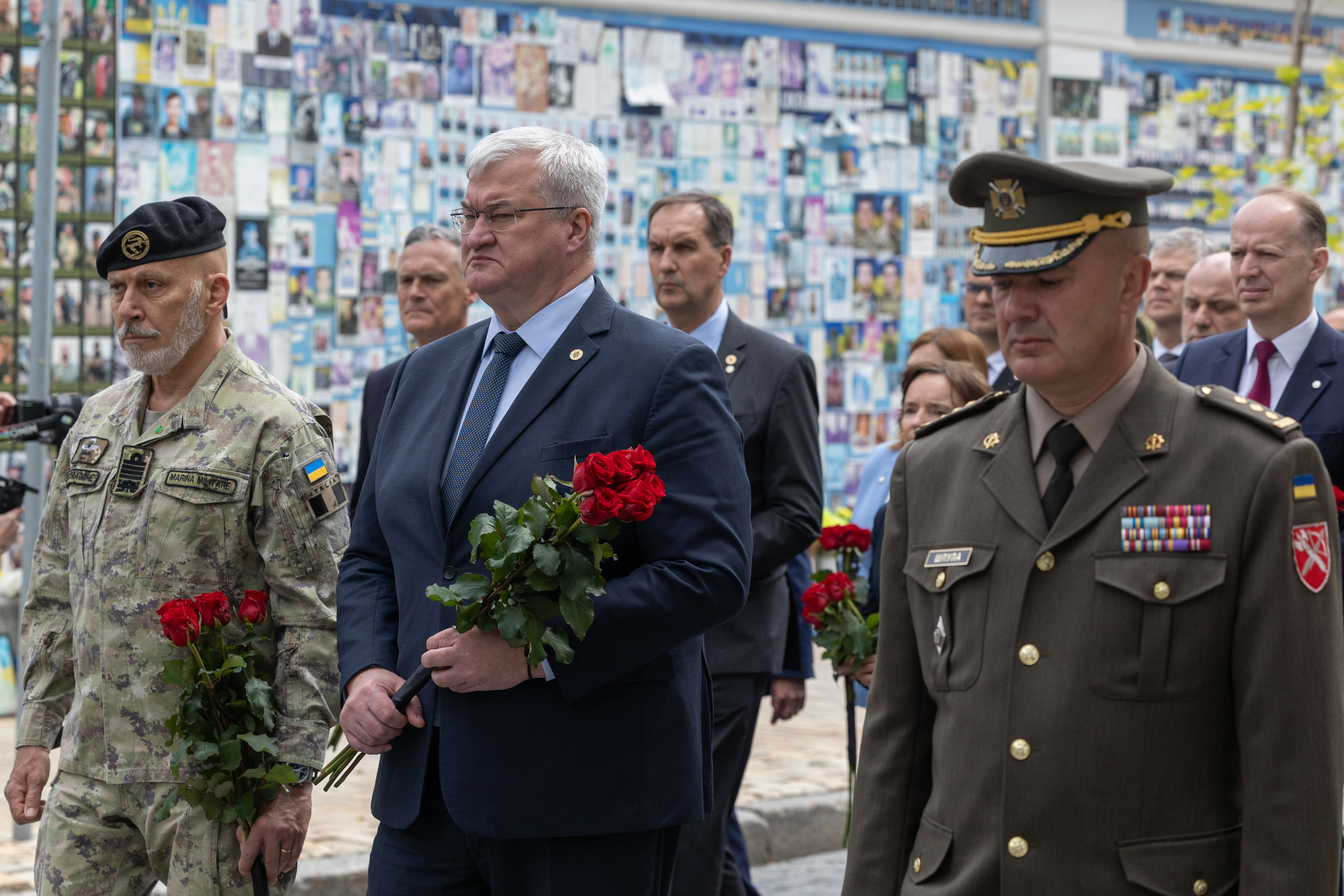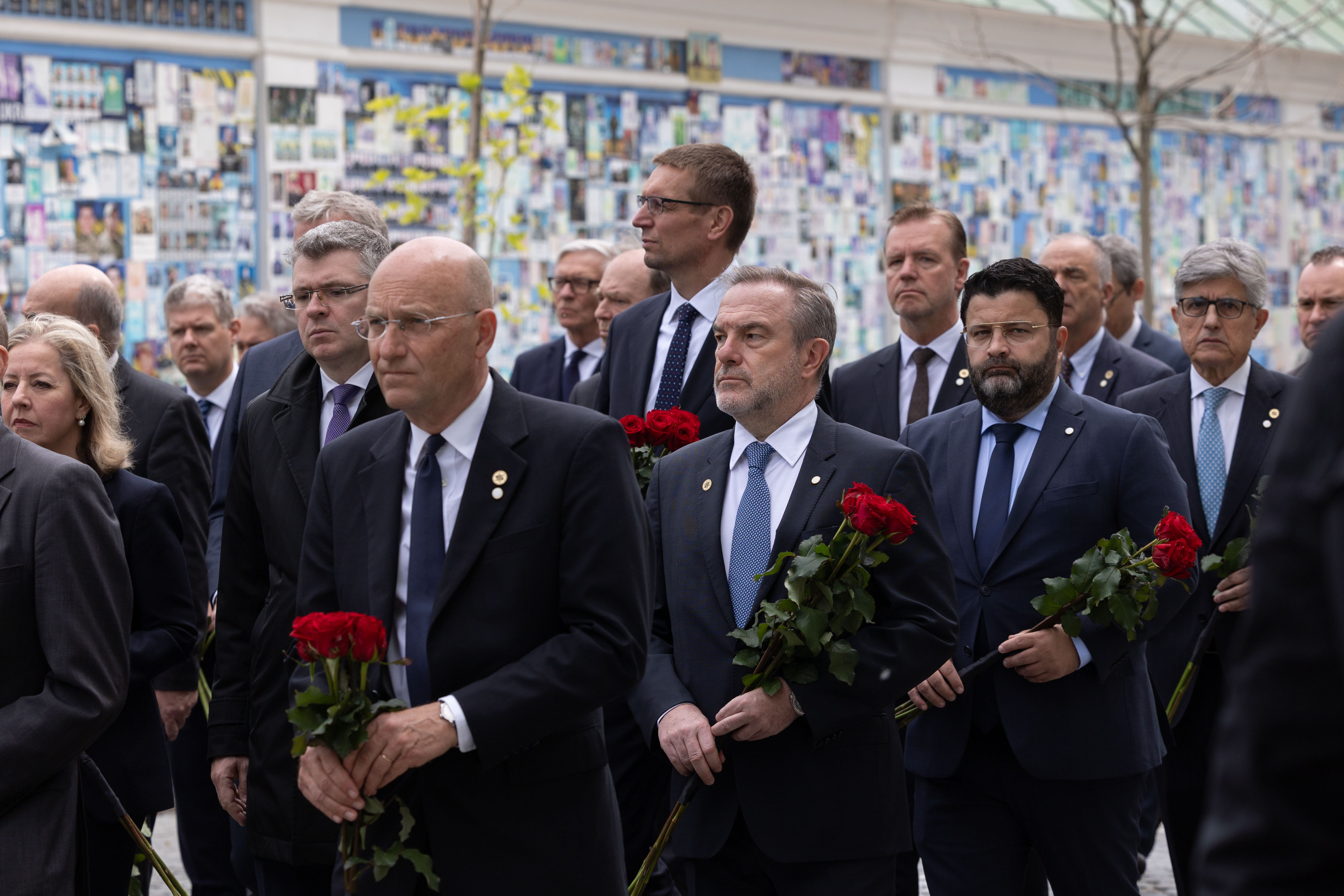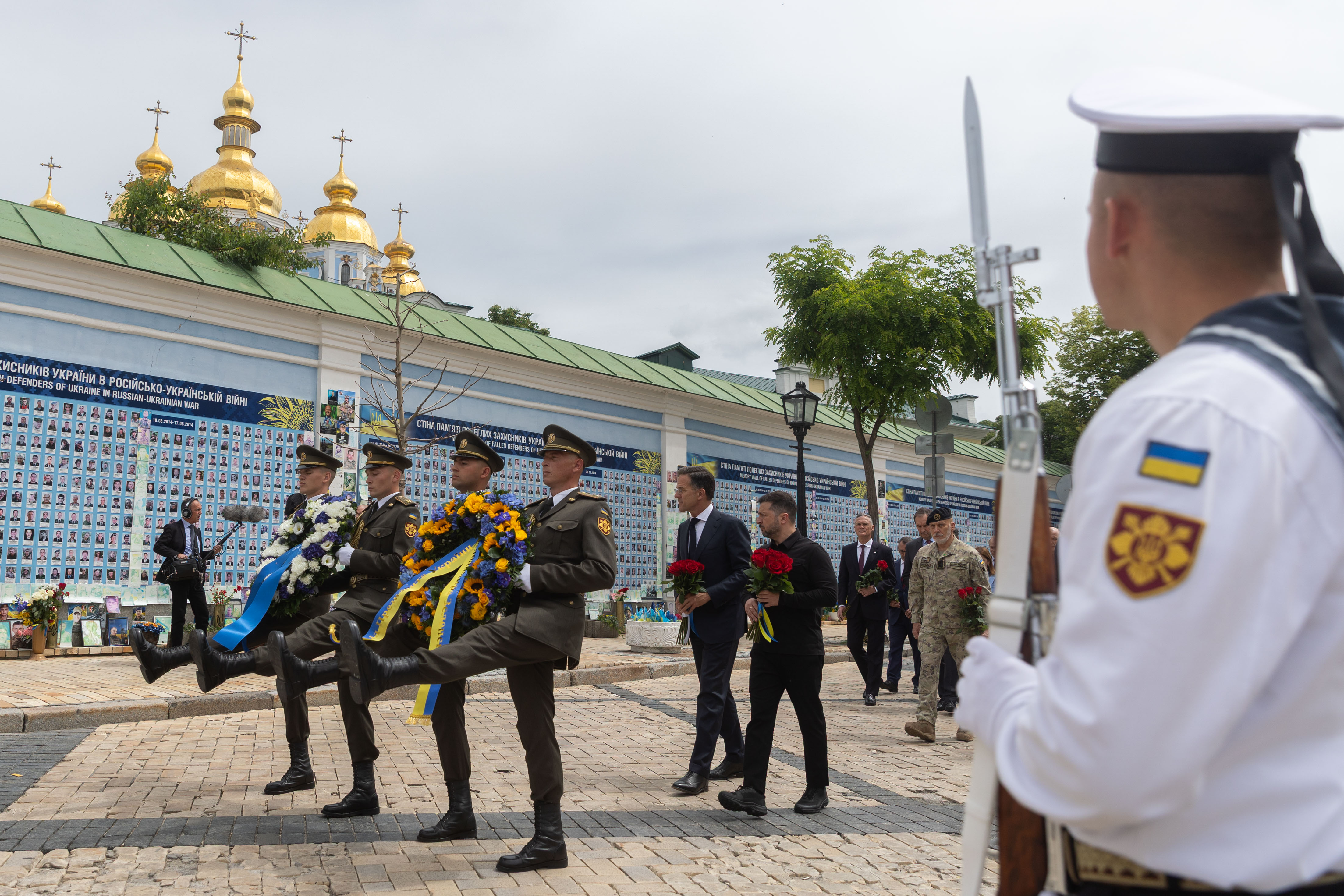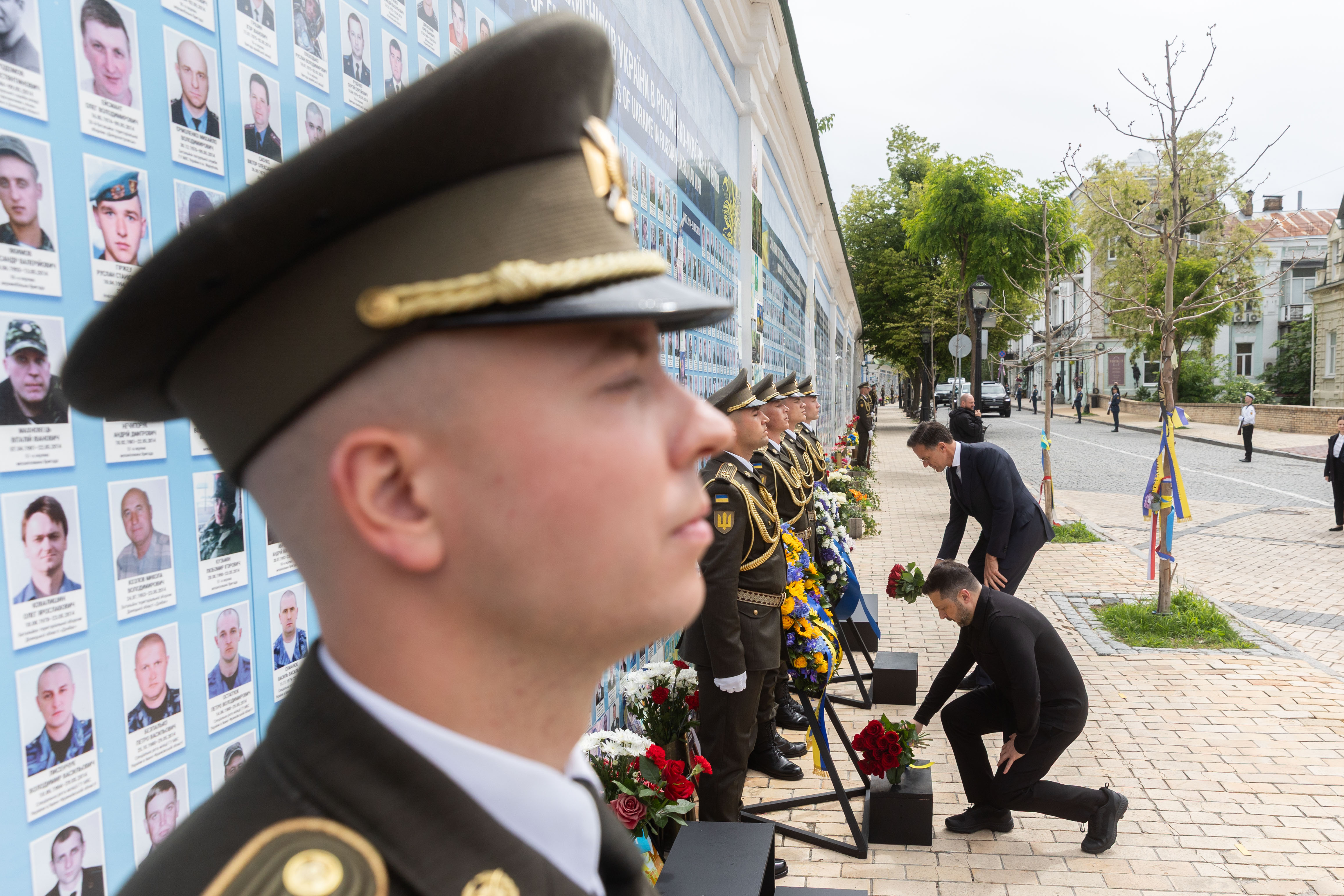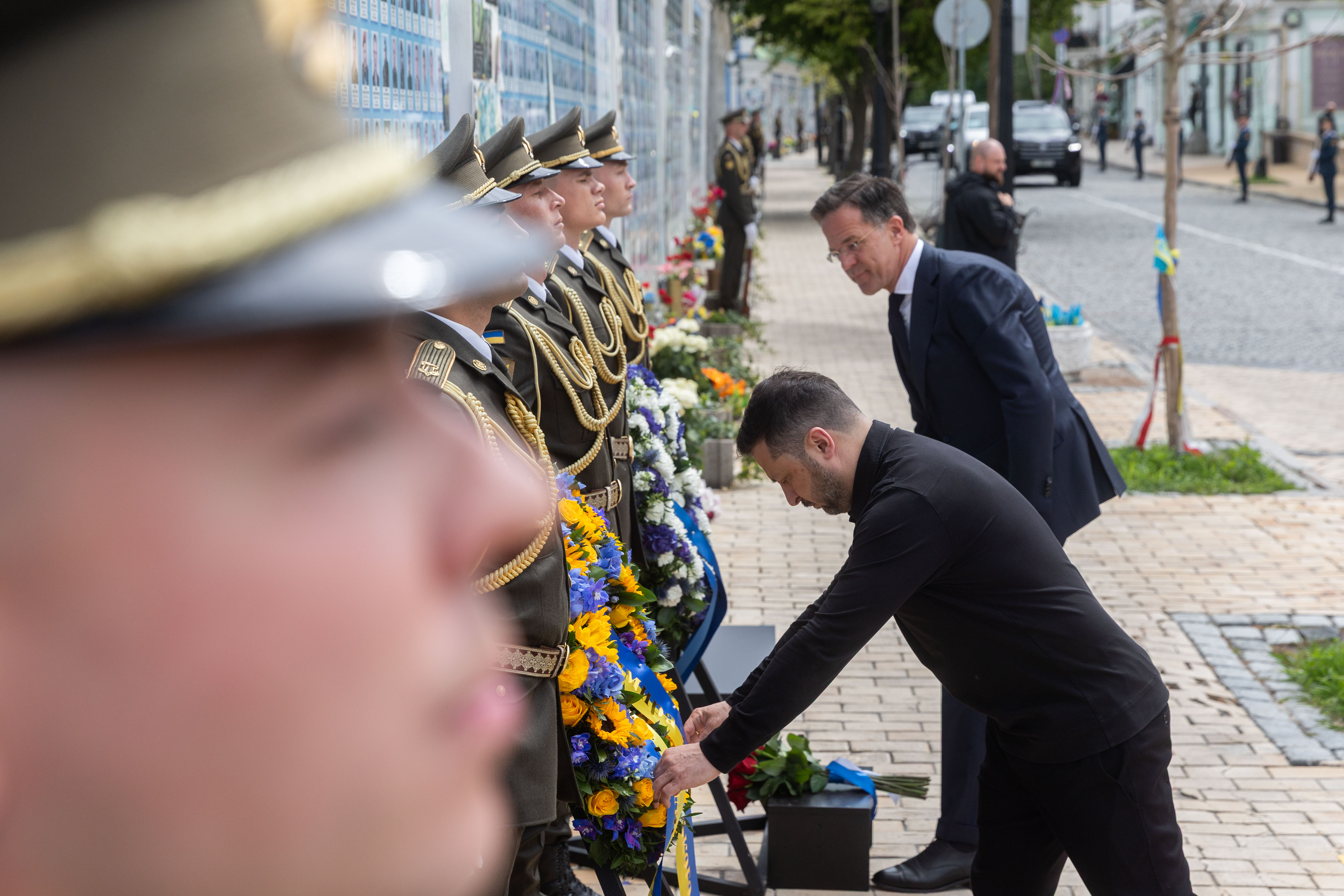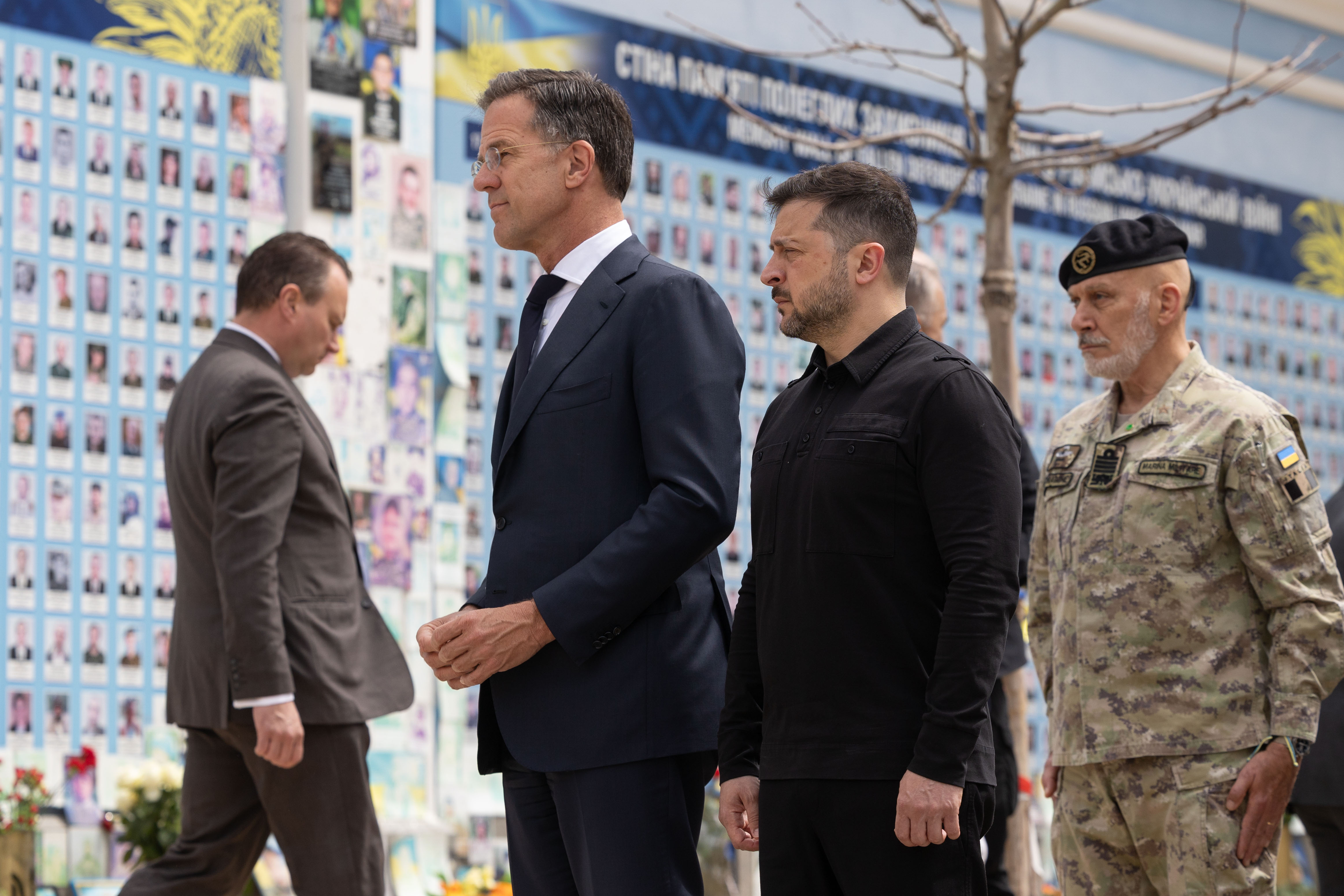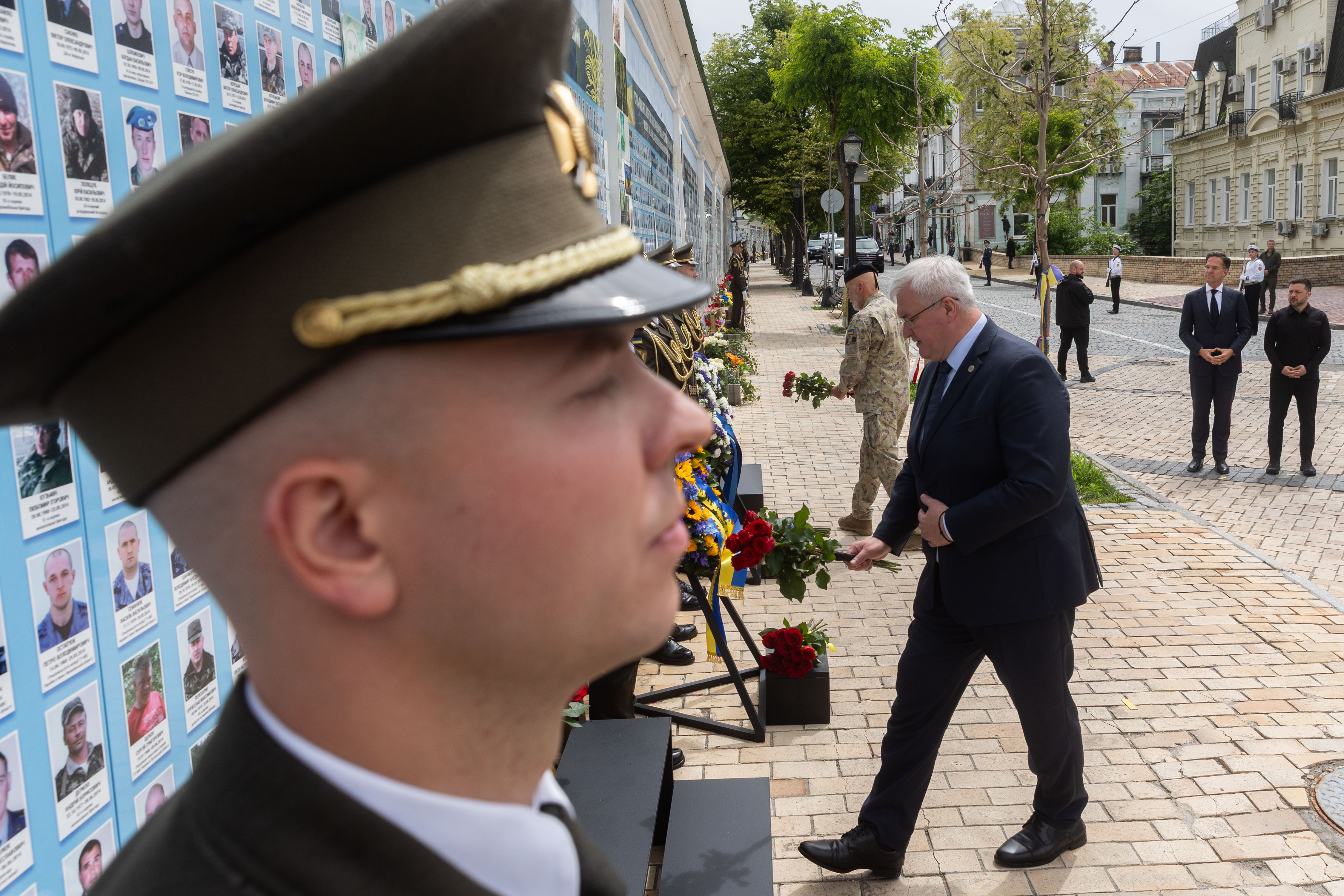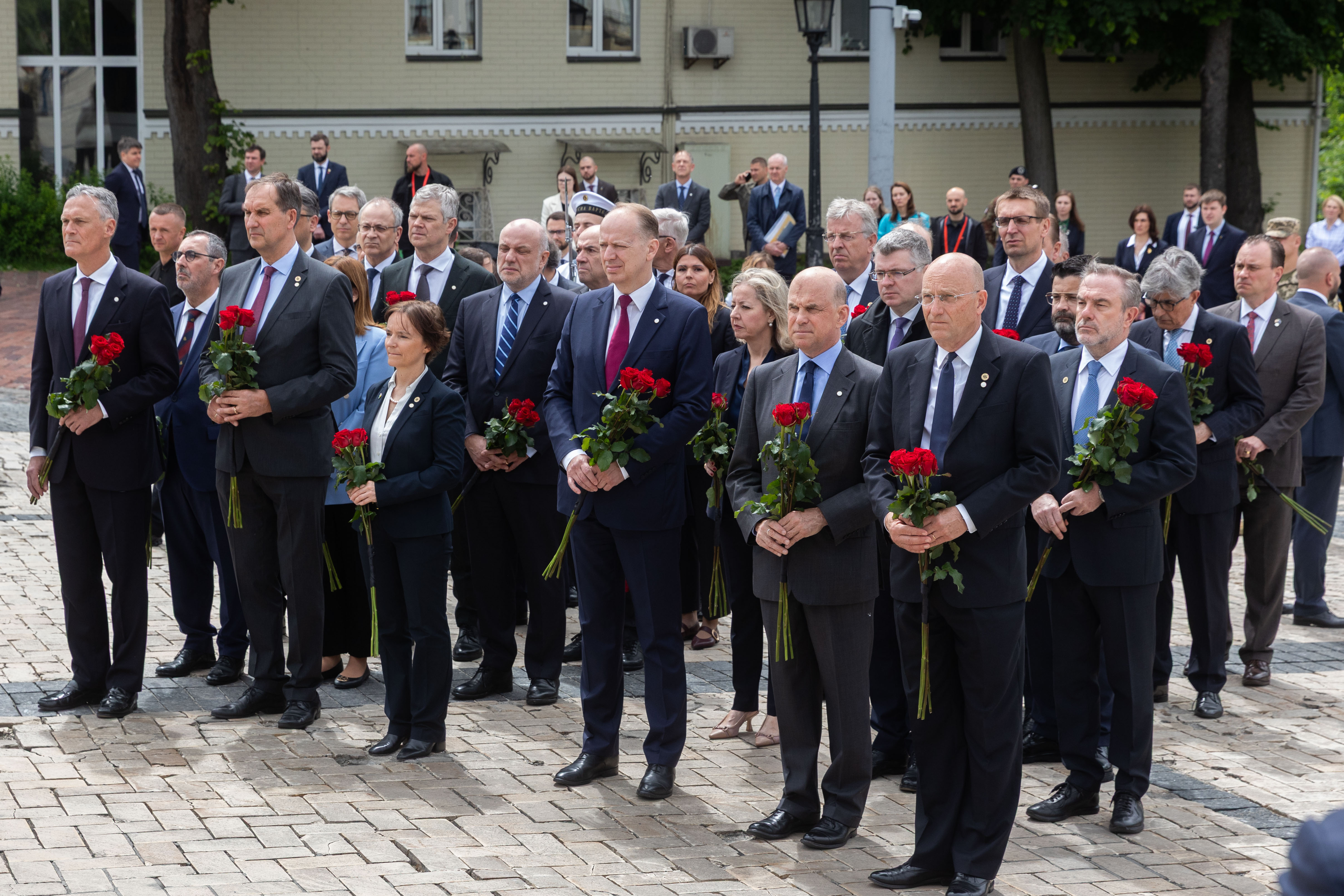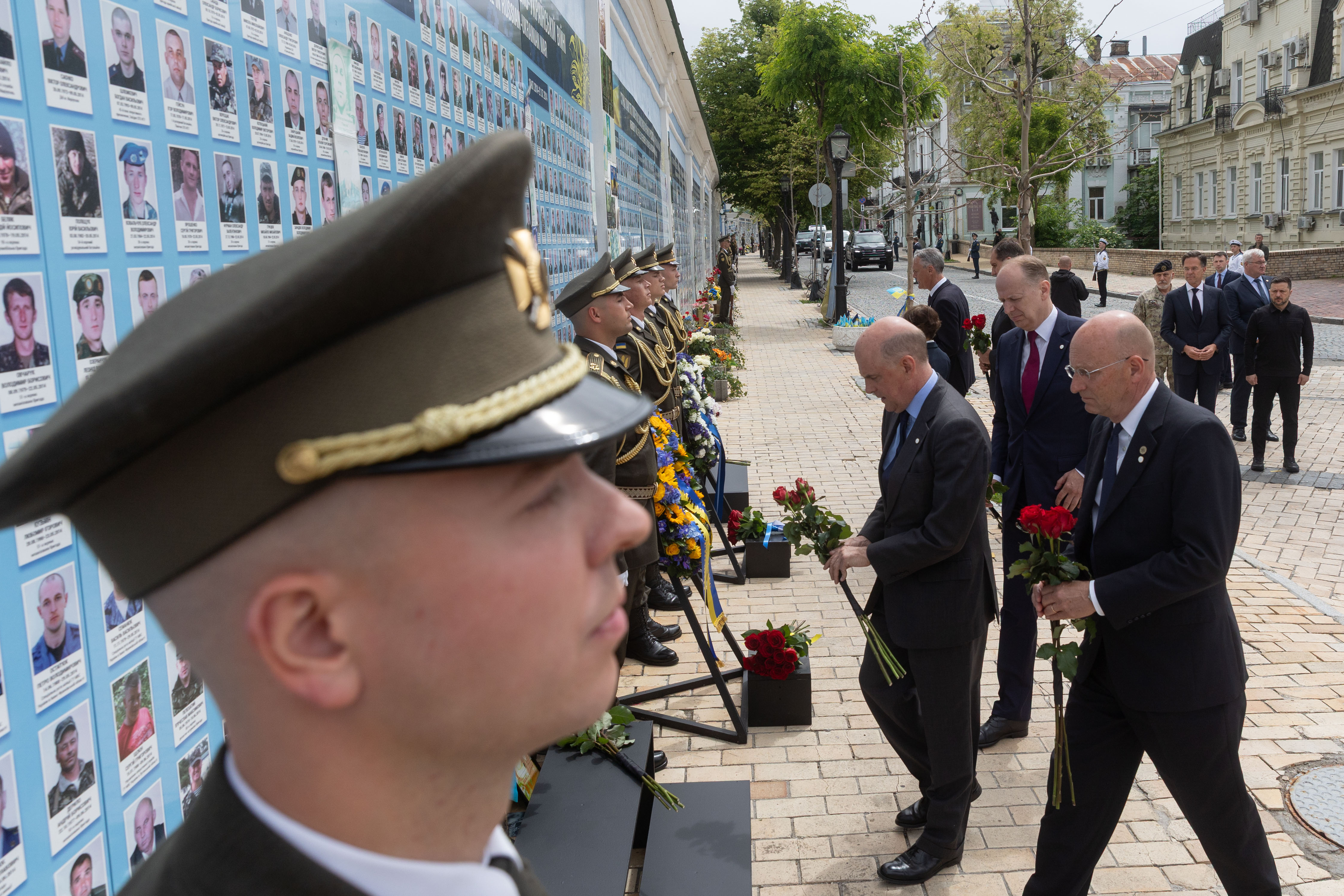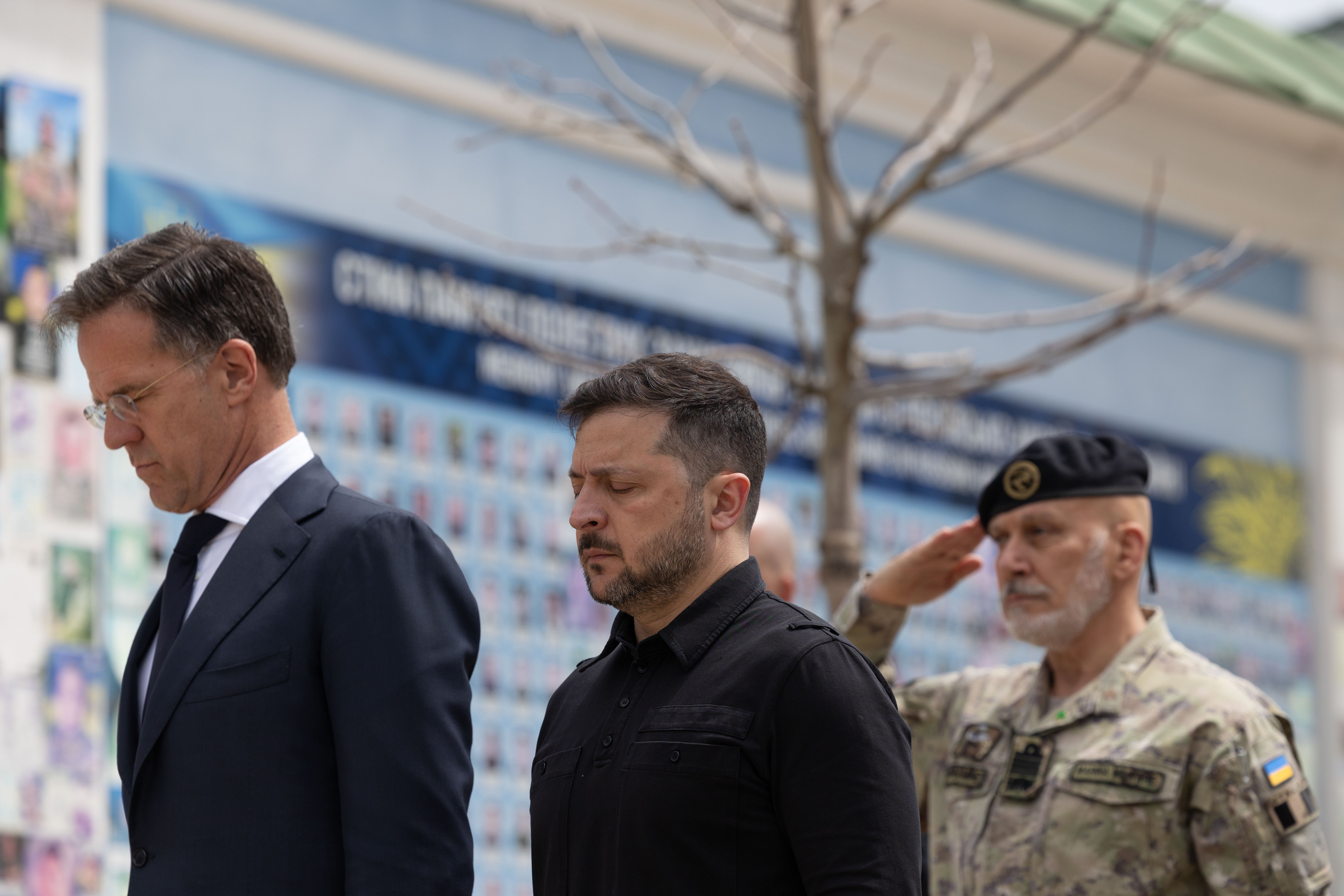
Thank you very much!
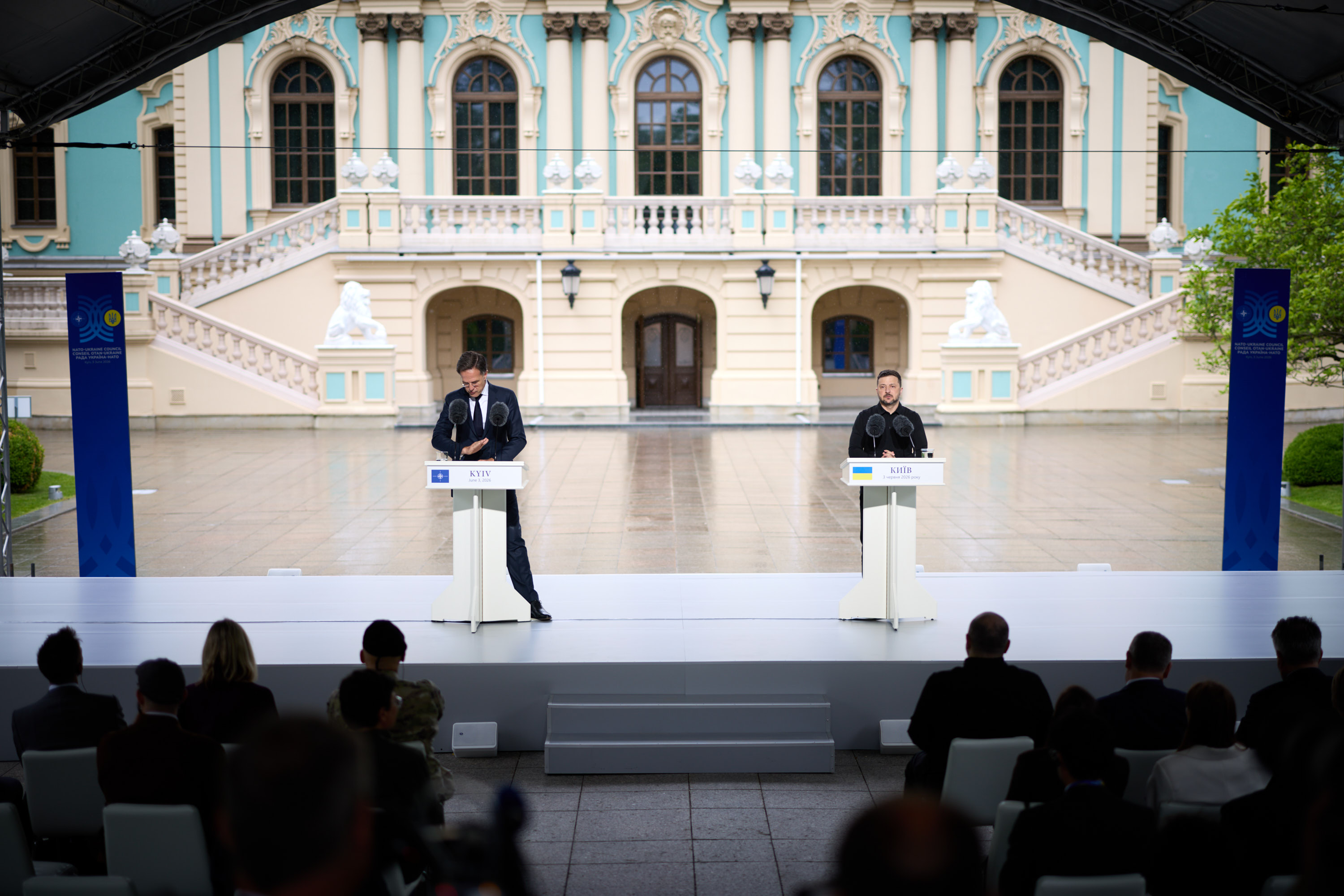
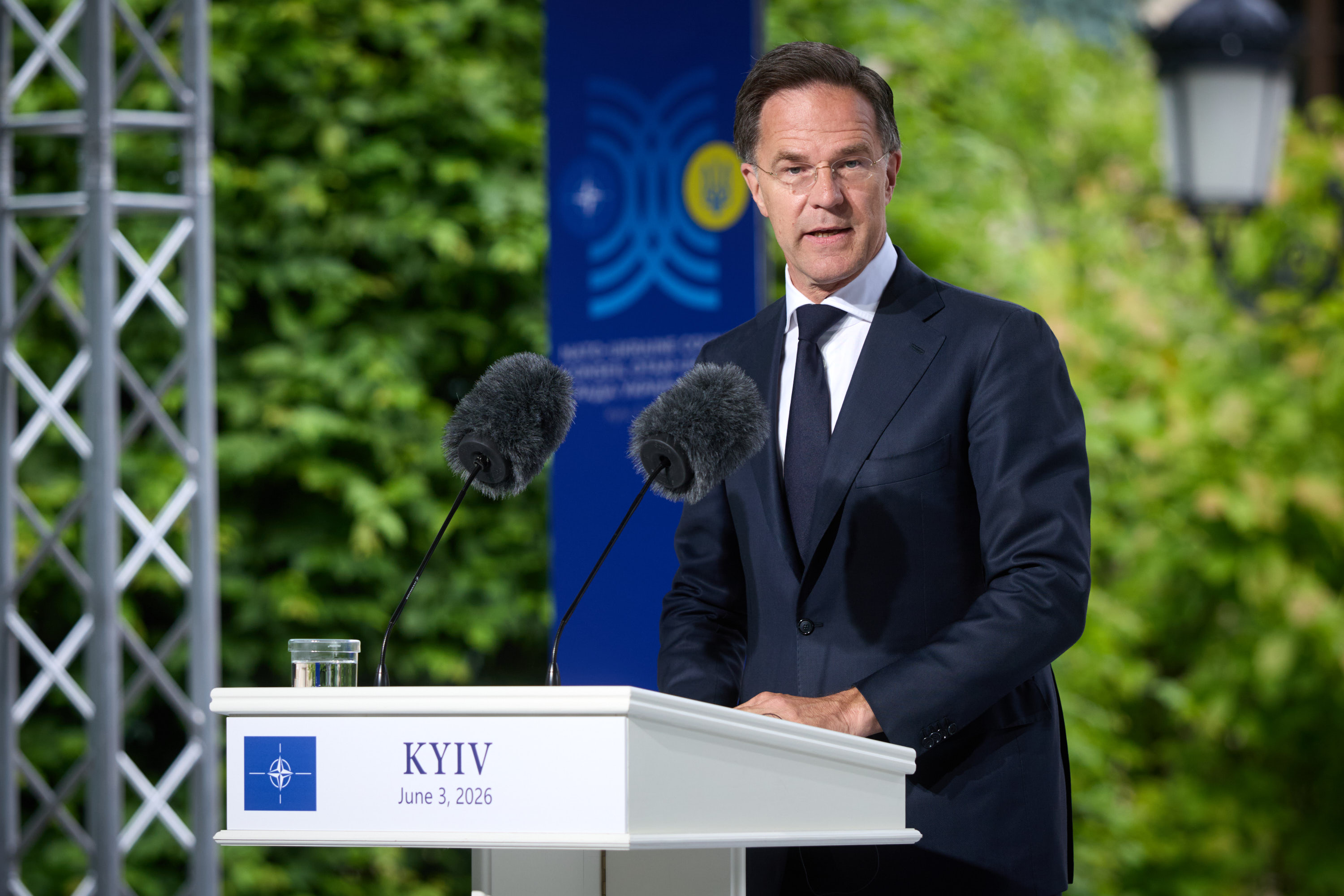
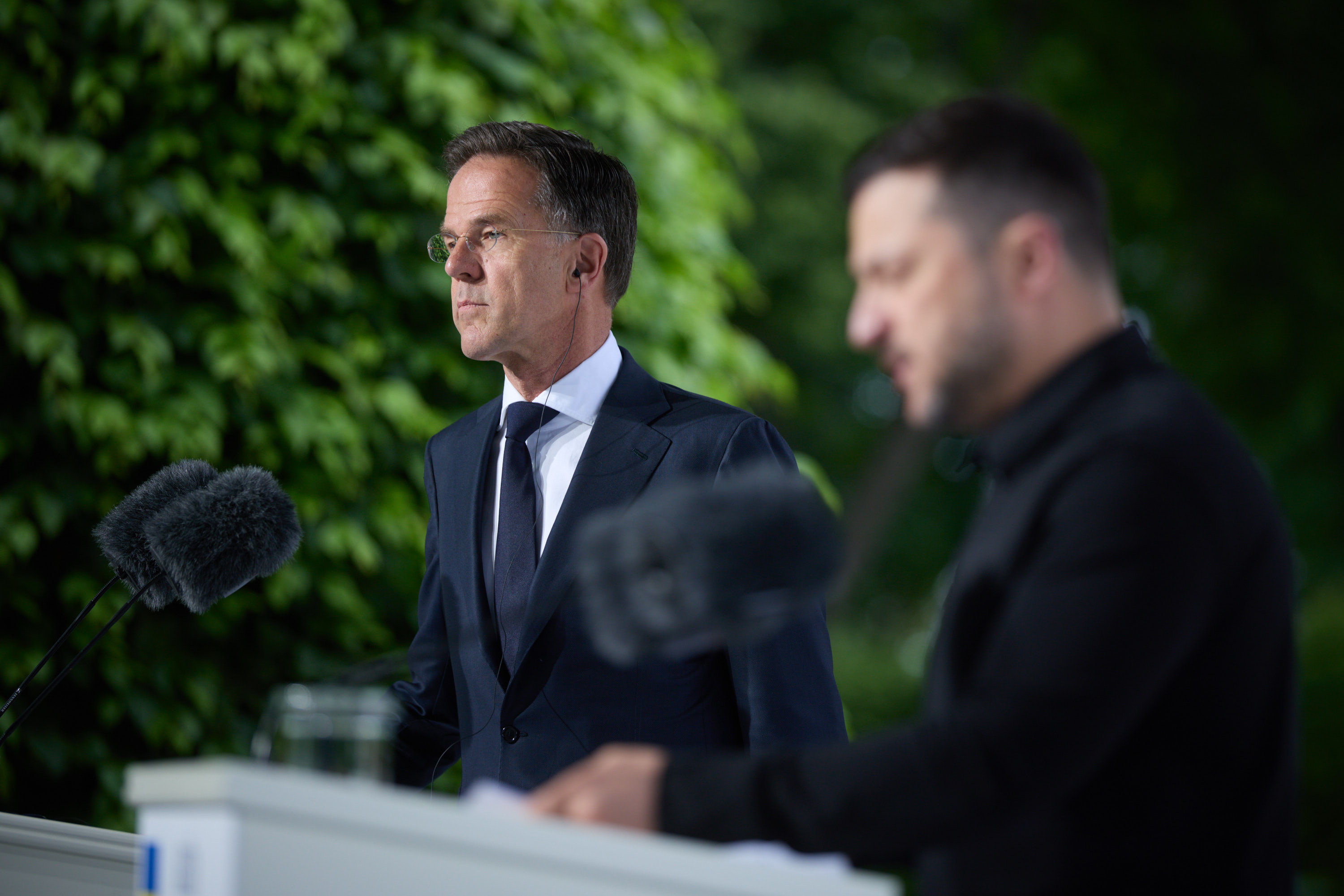
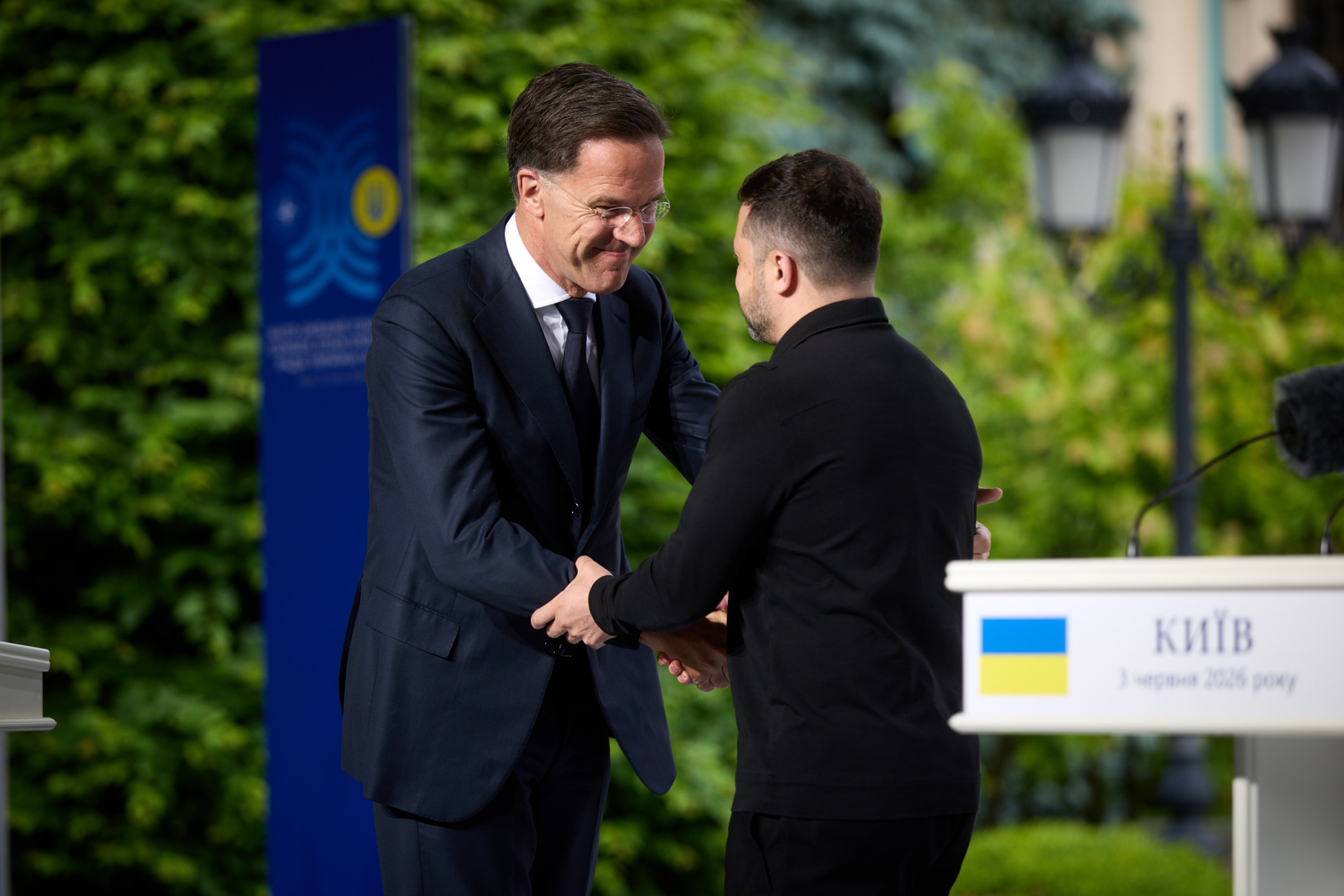
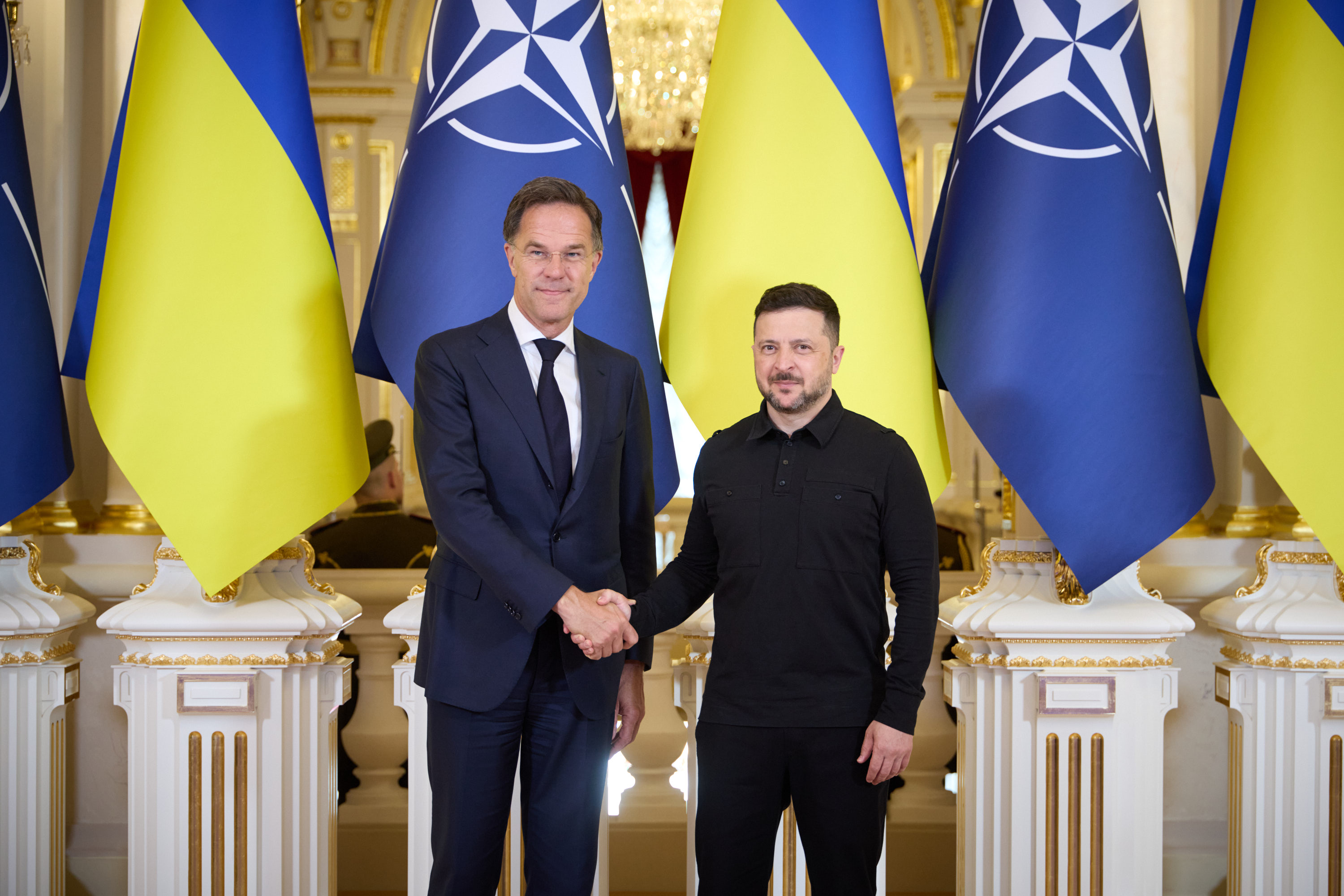
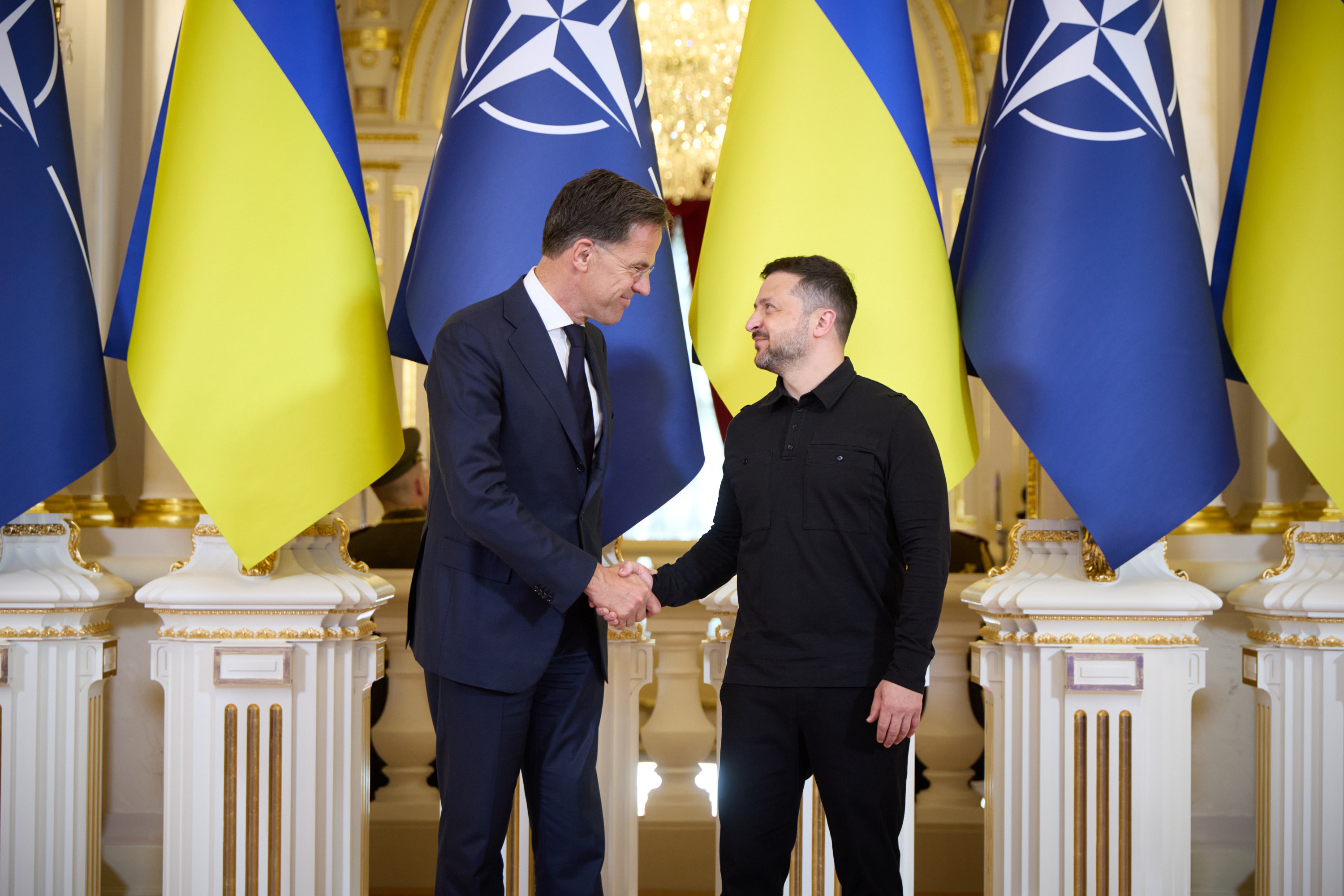
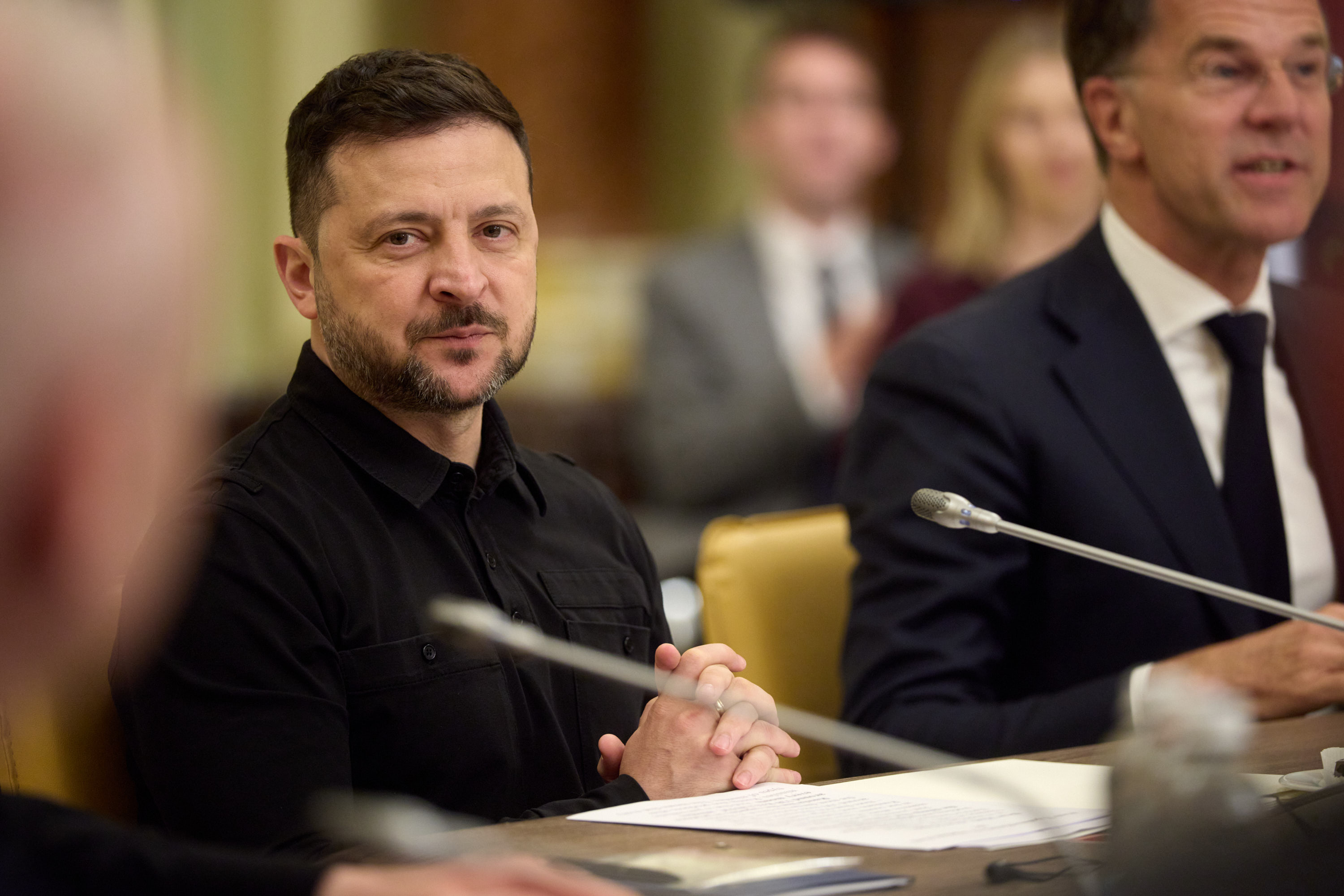
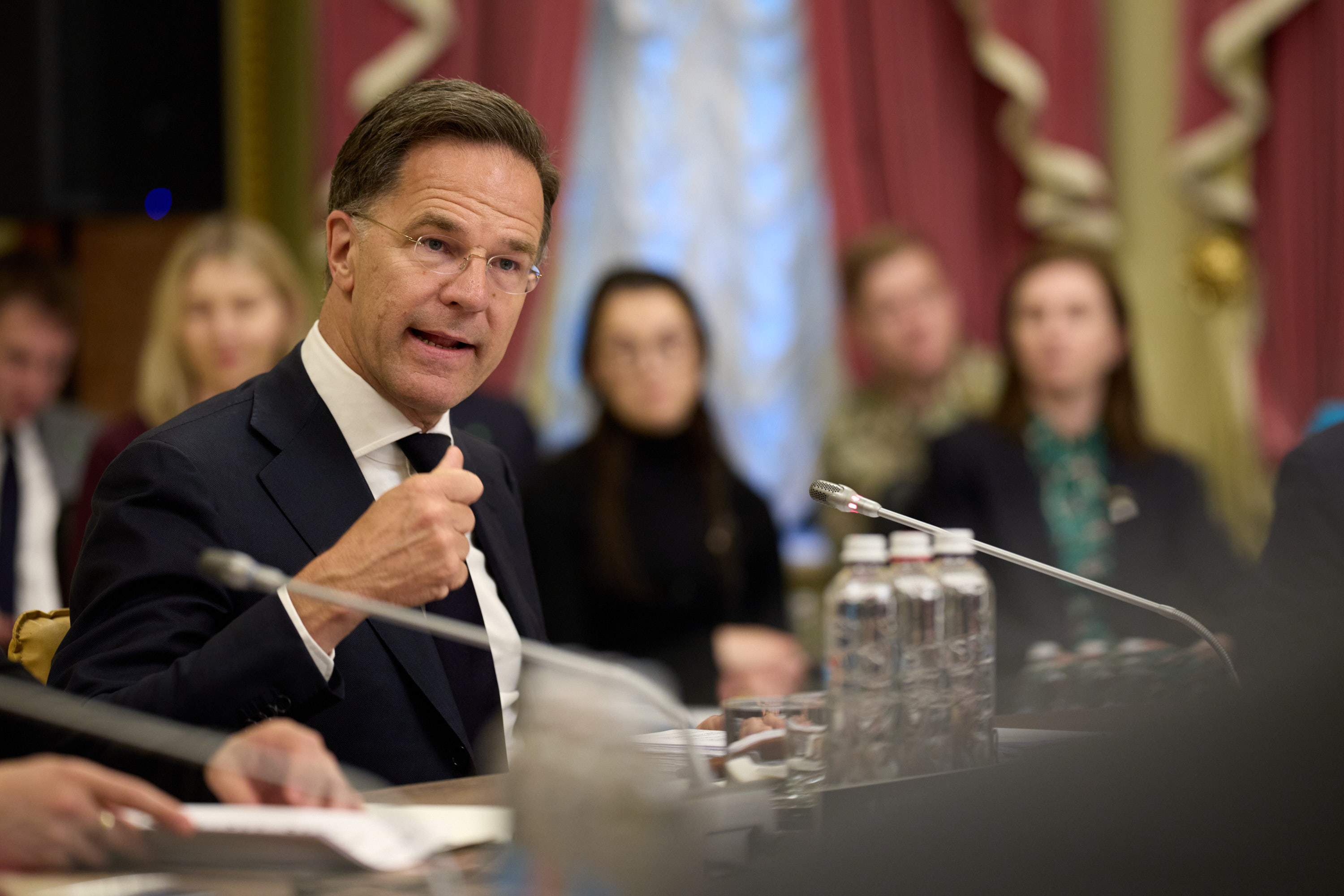
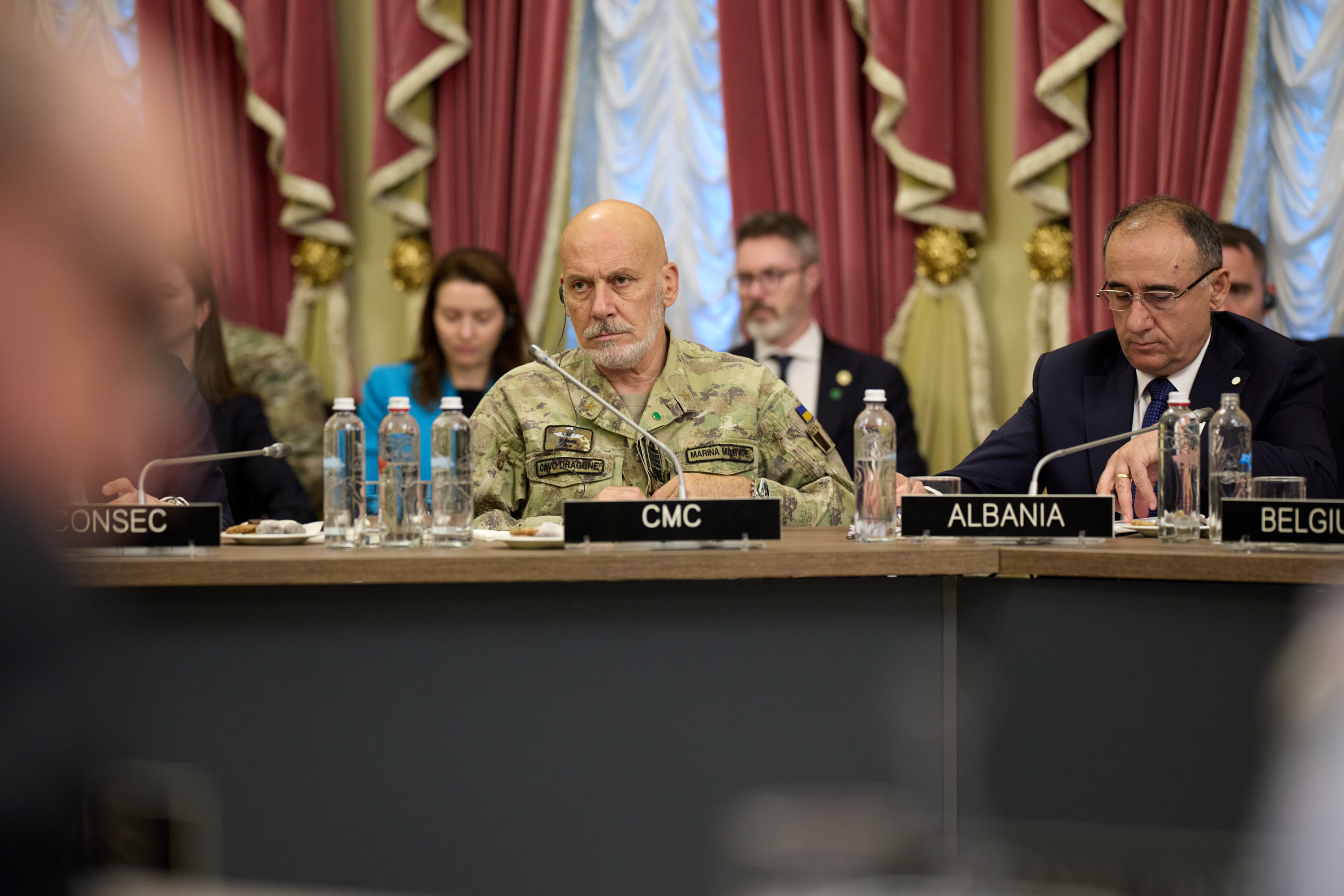
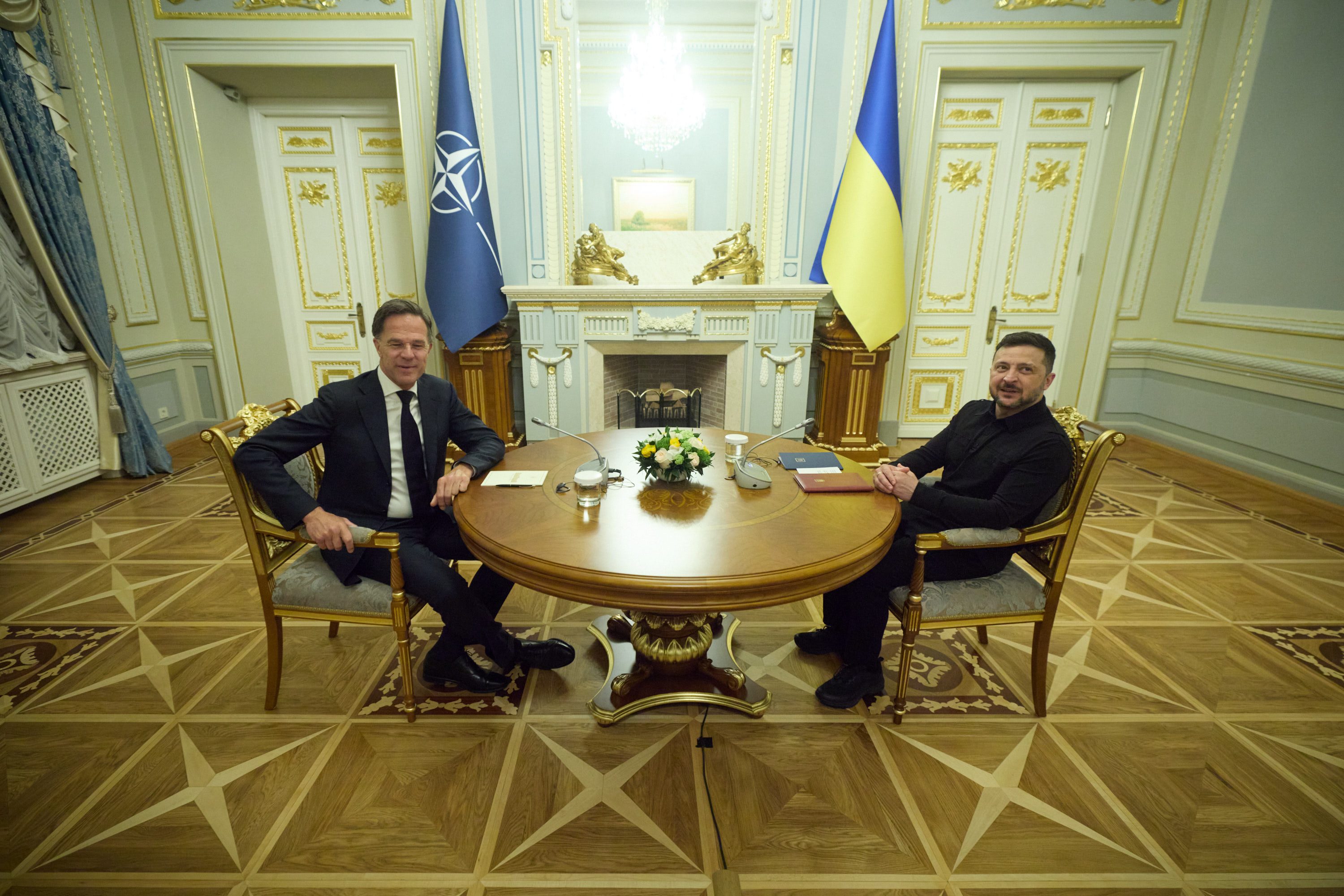
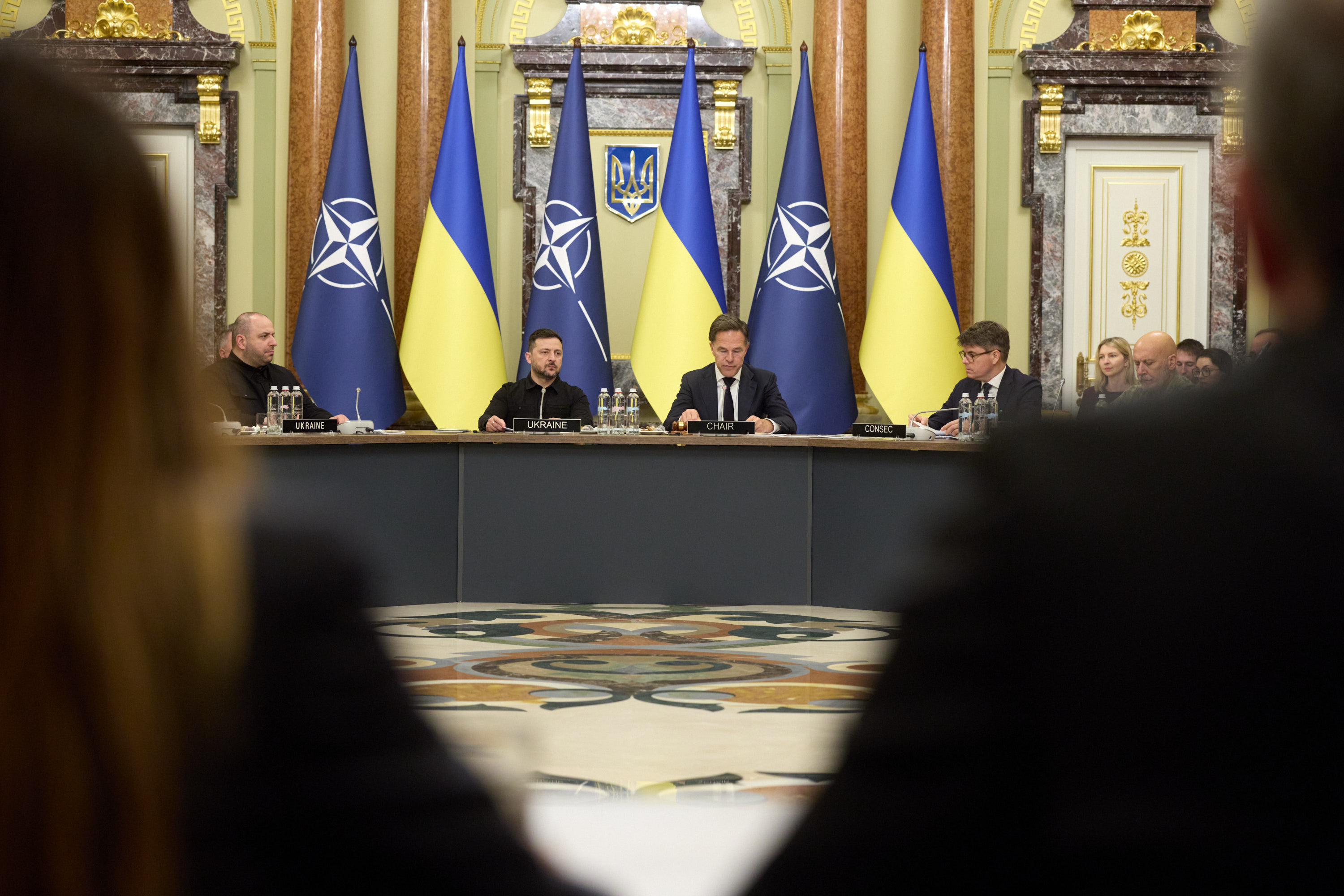
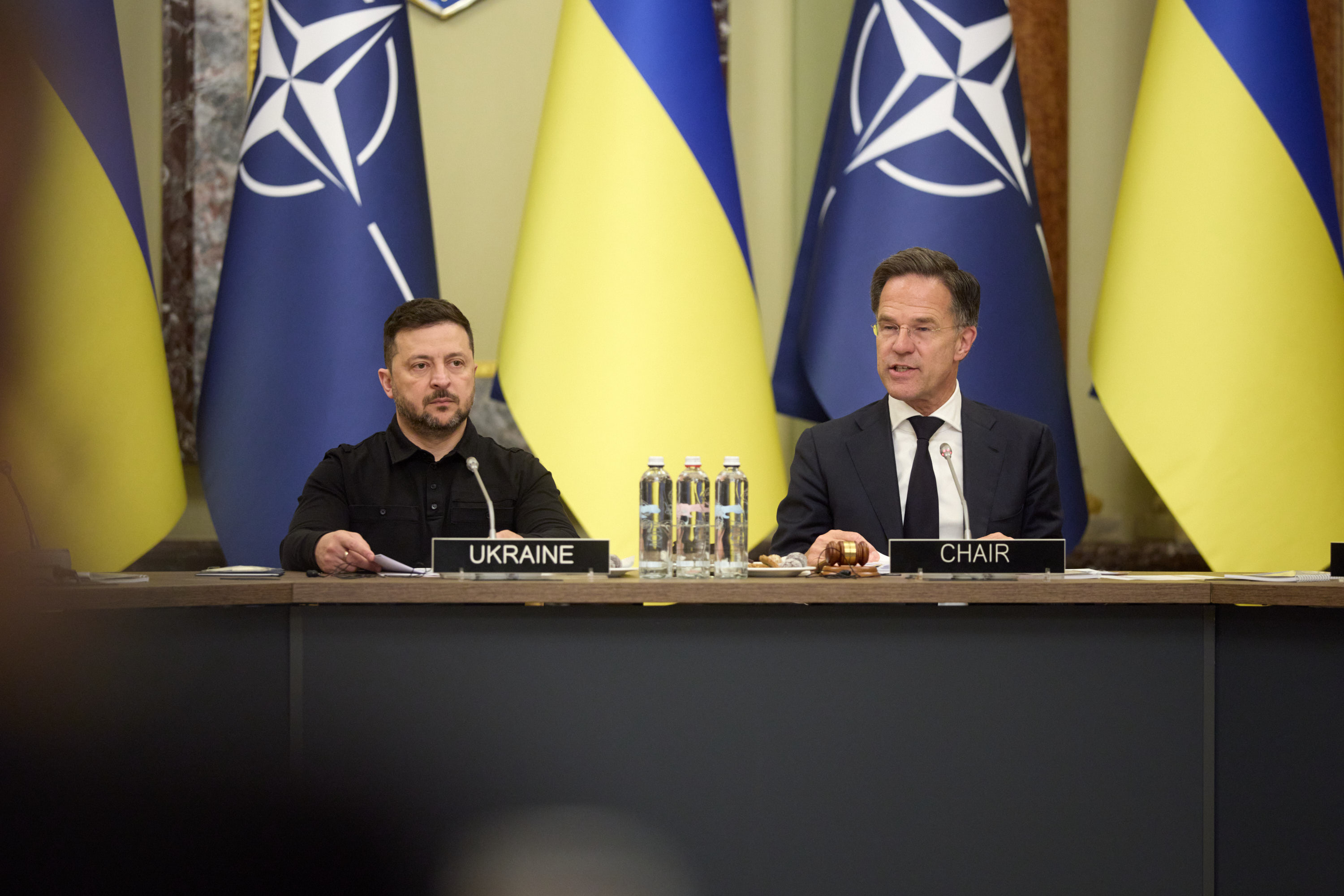
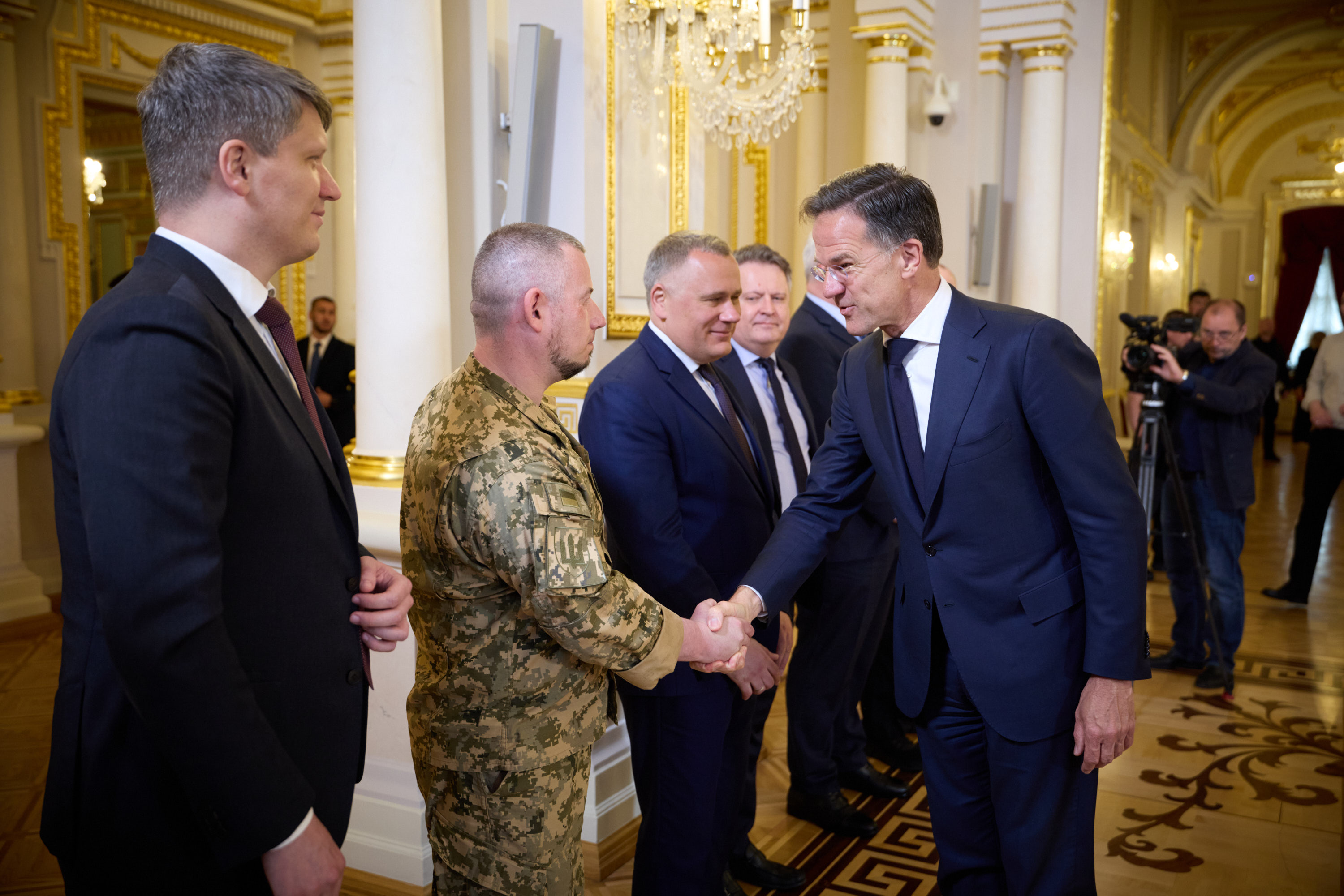
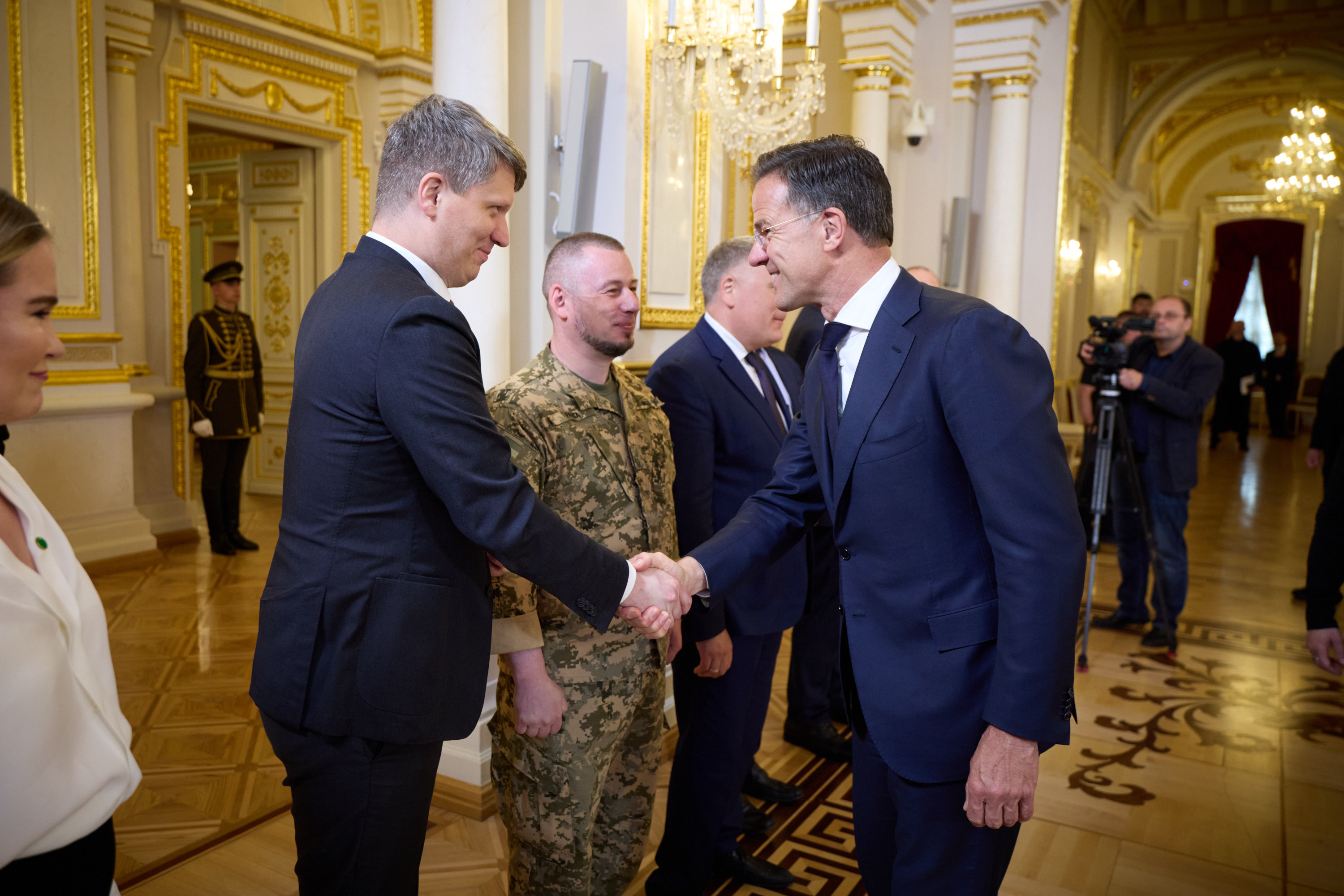
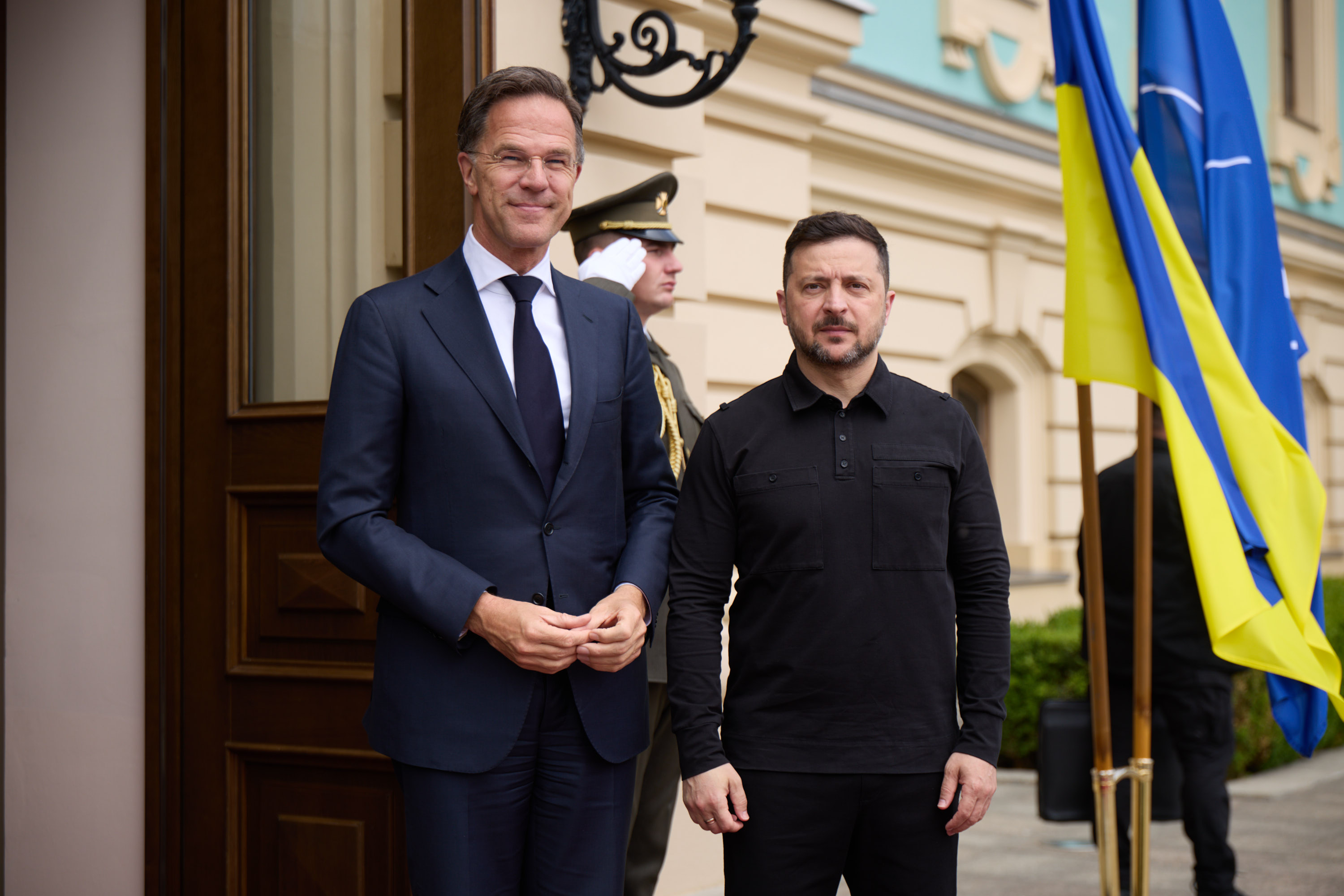
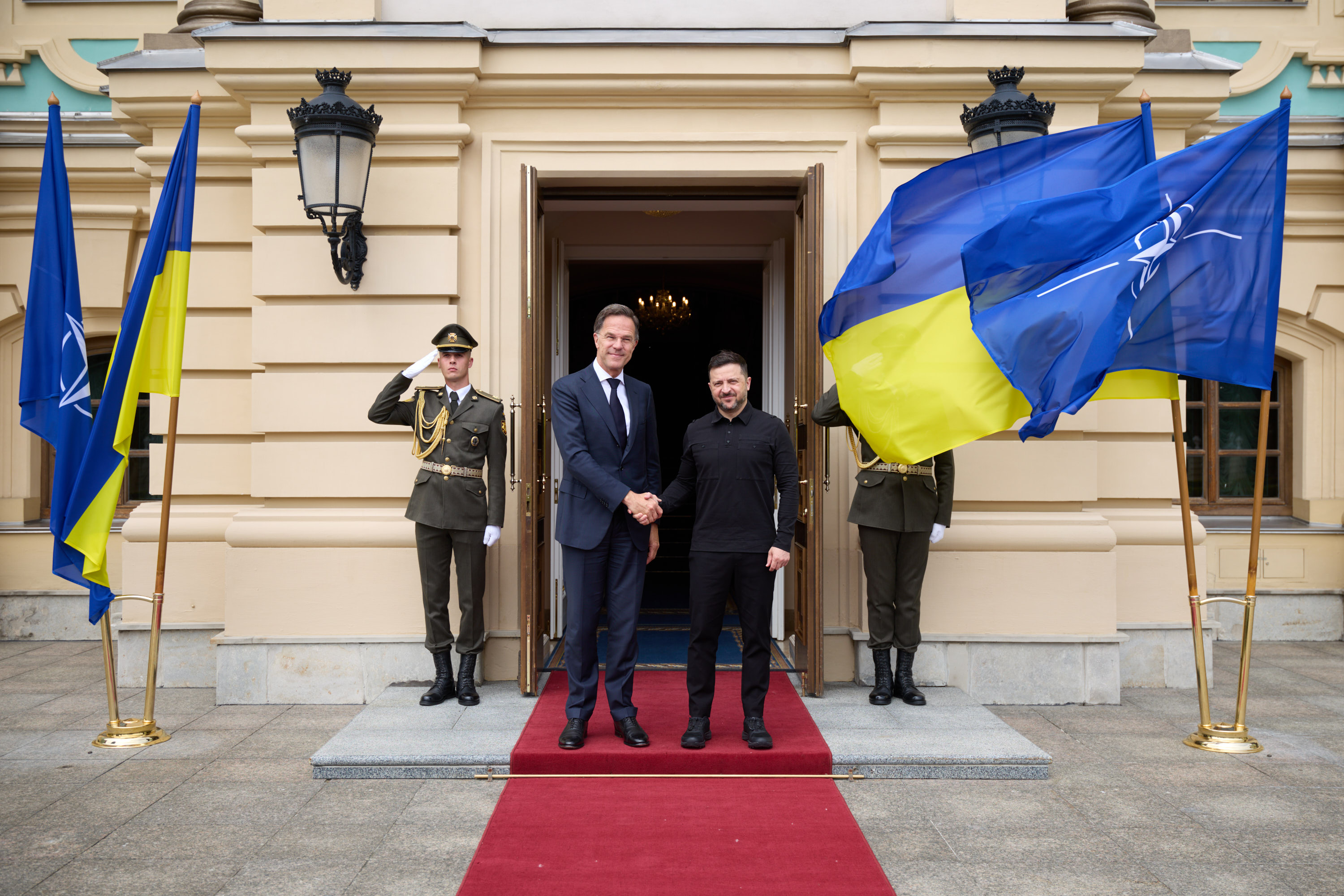
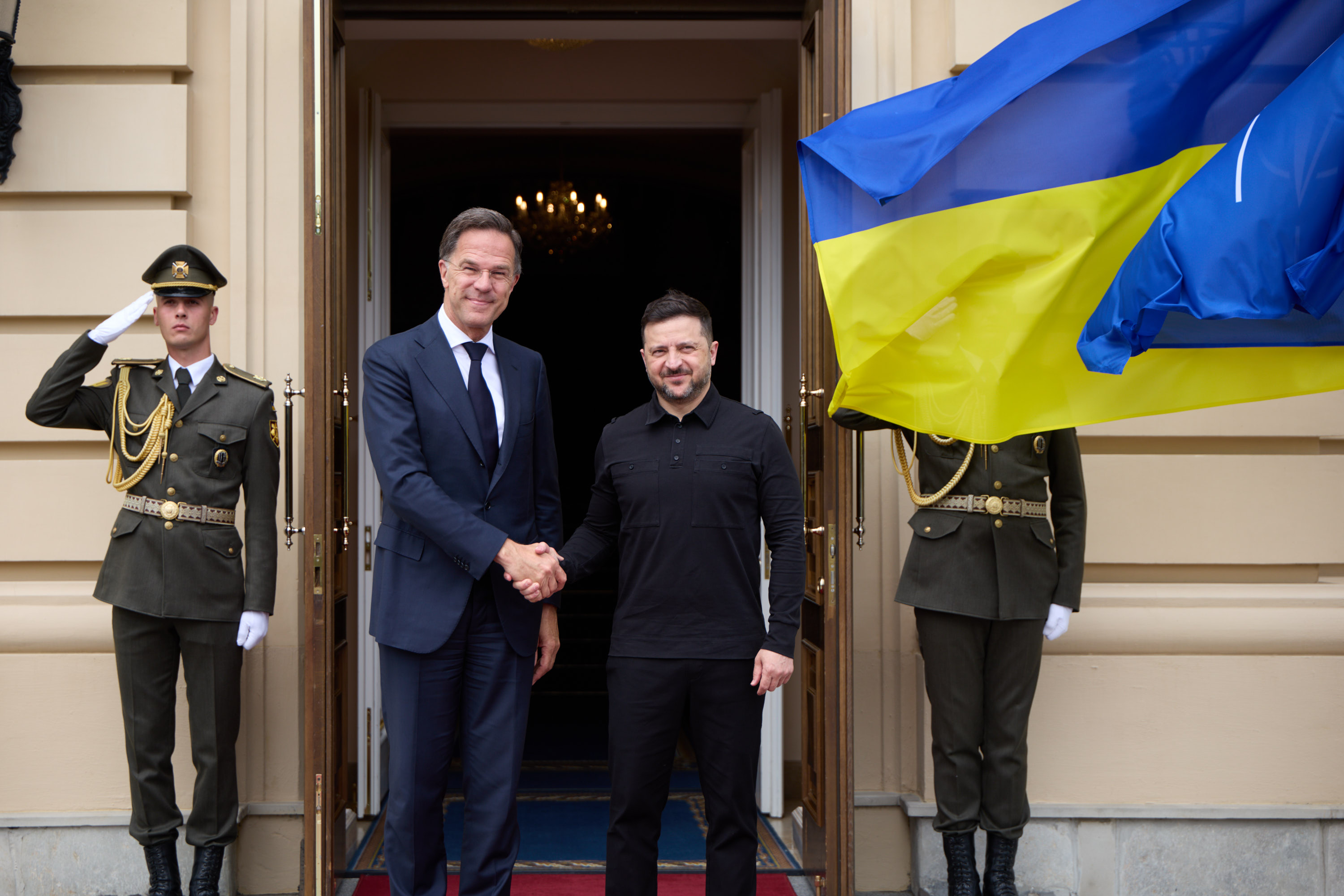
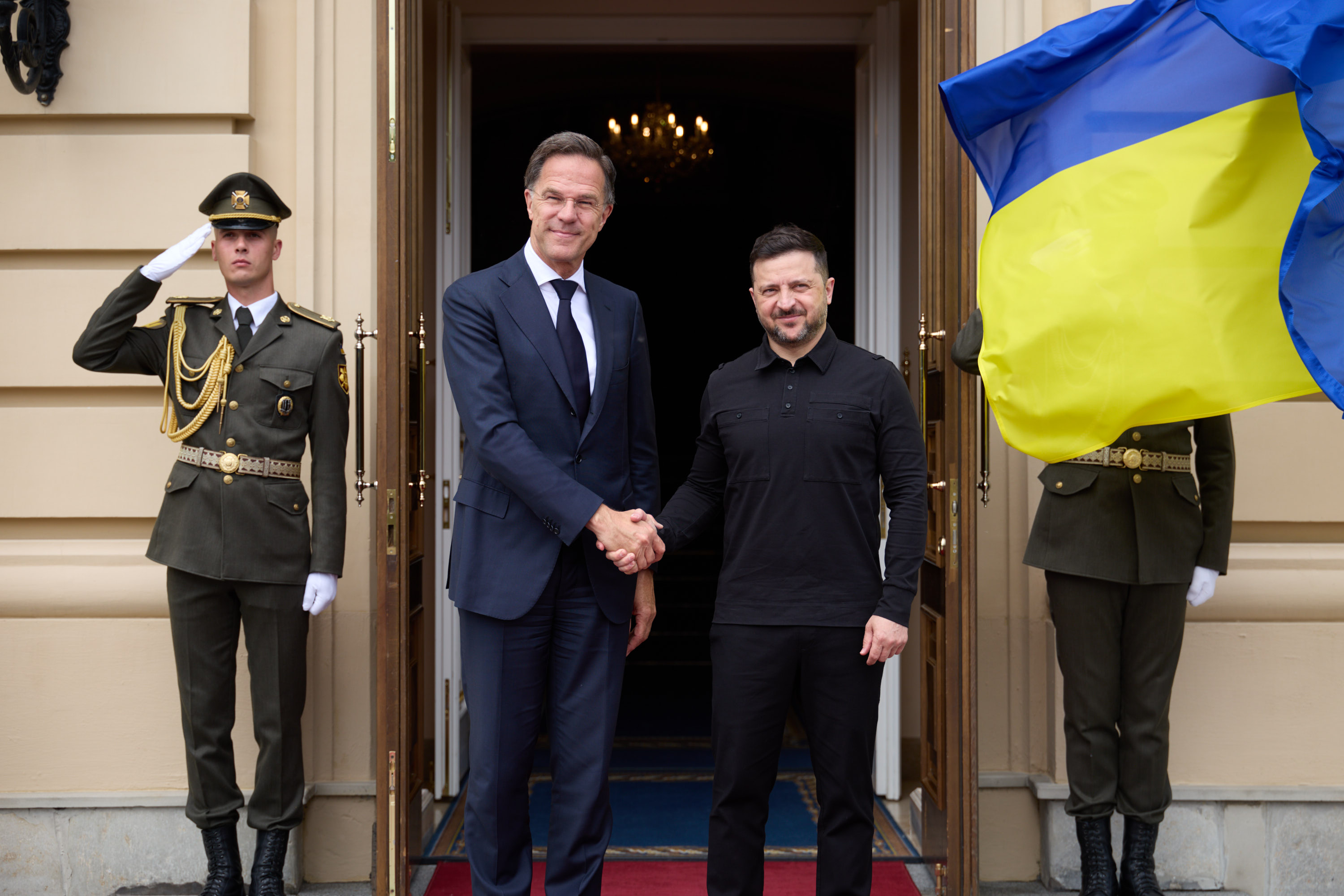
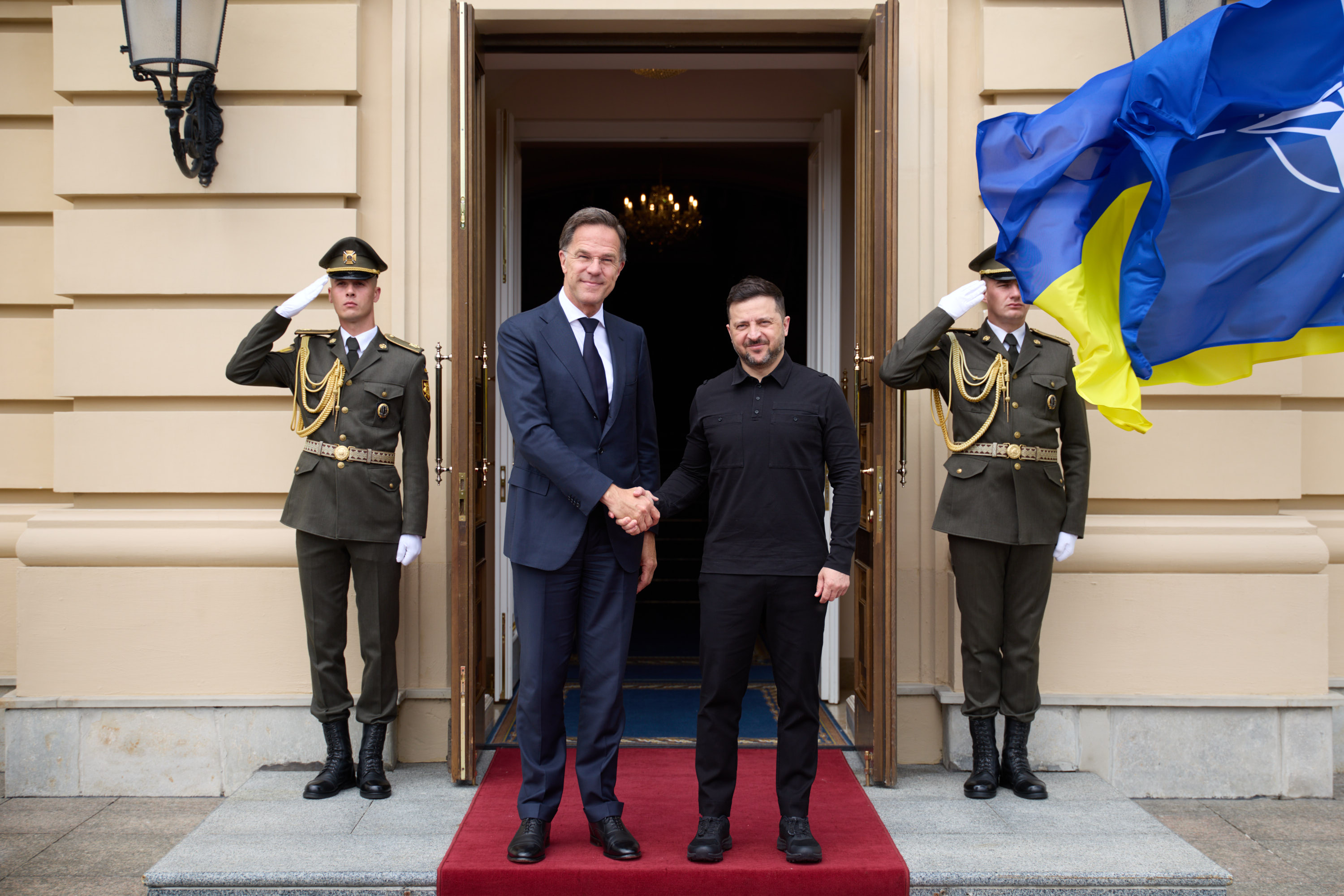
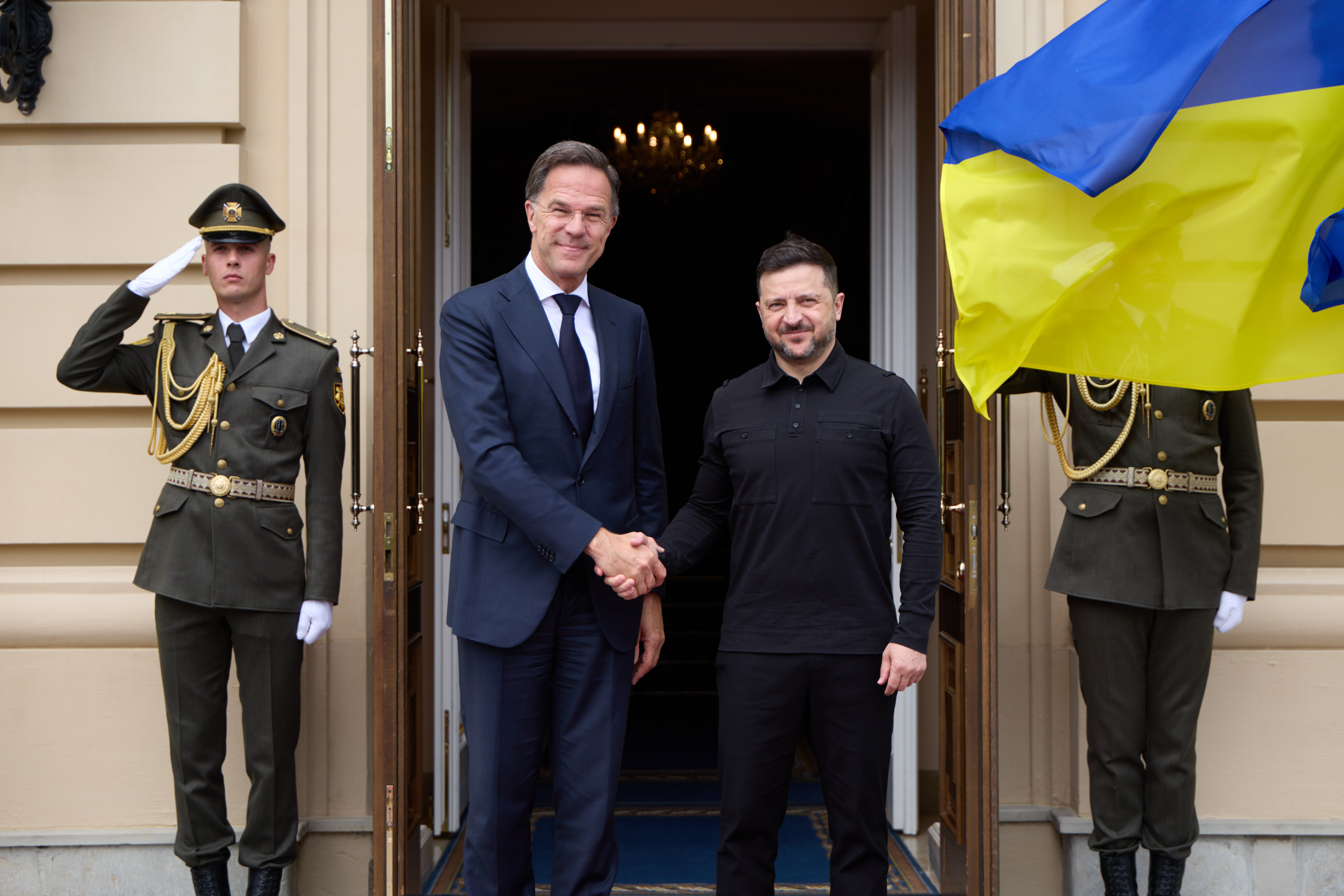
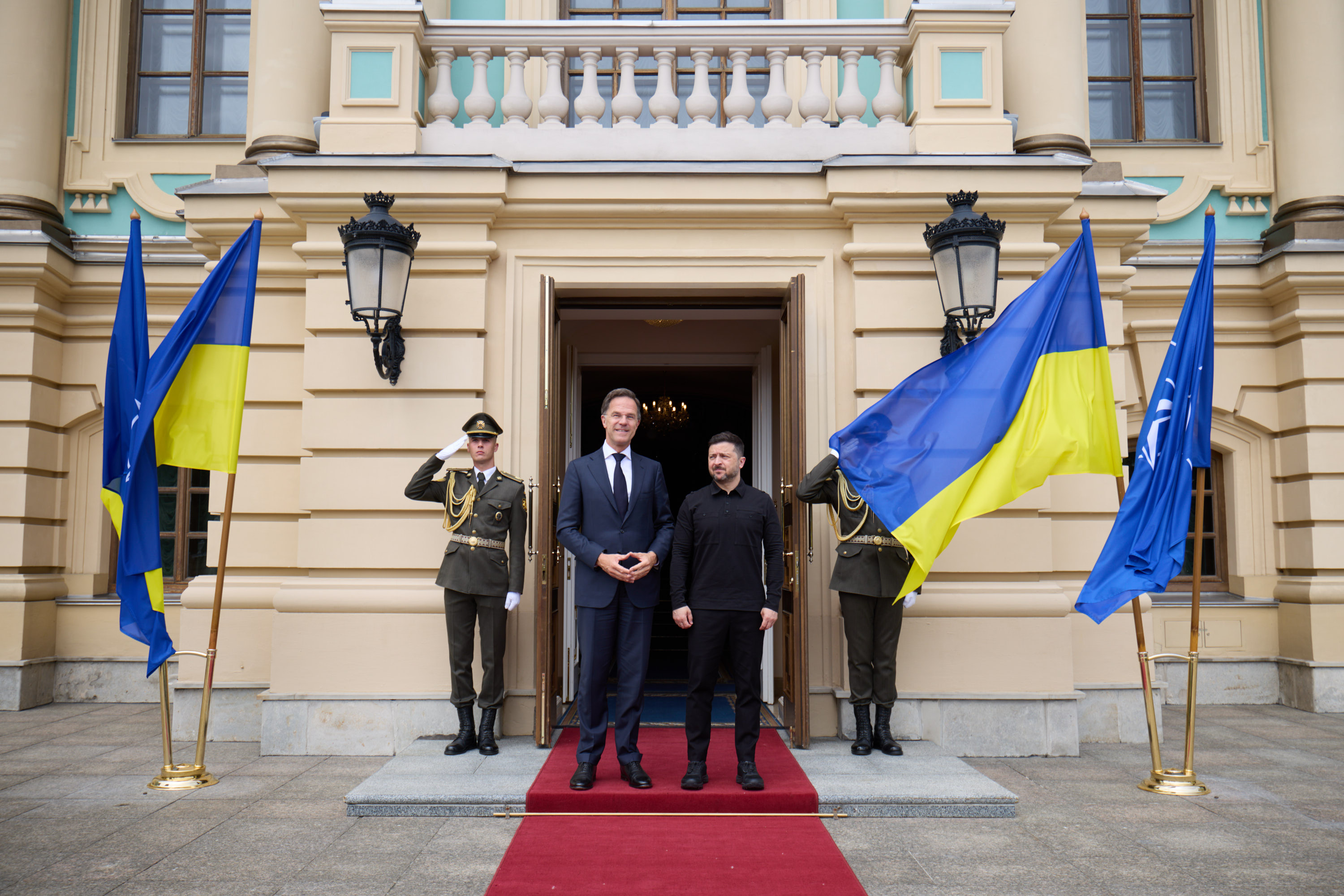
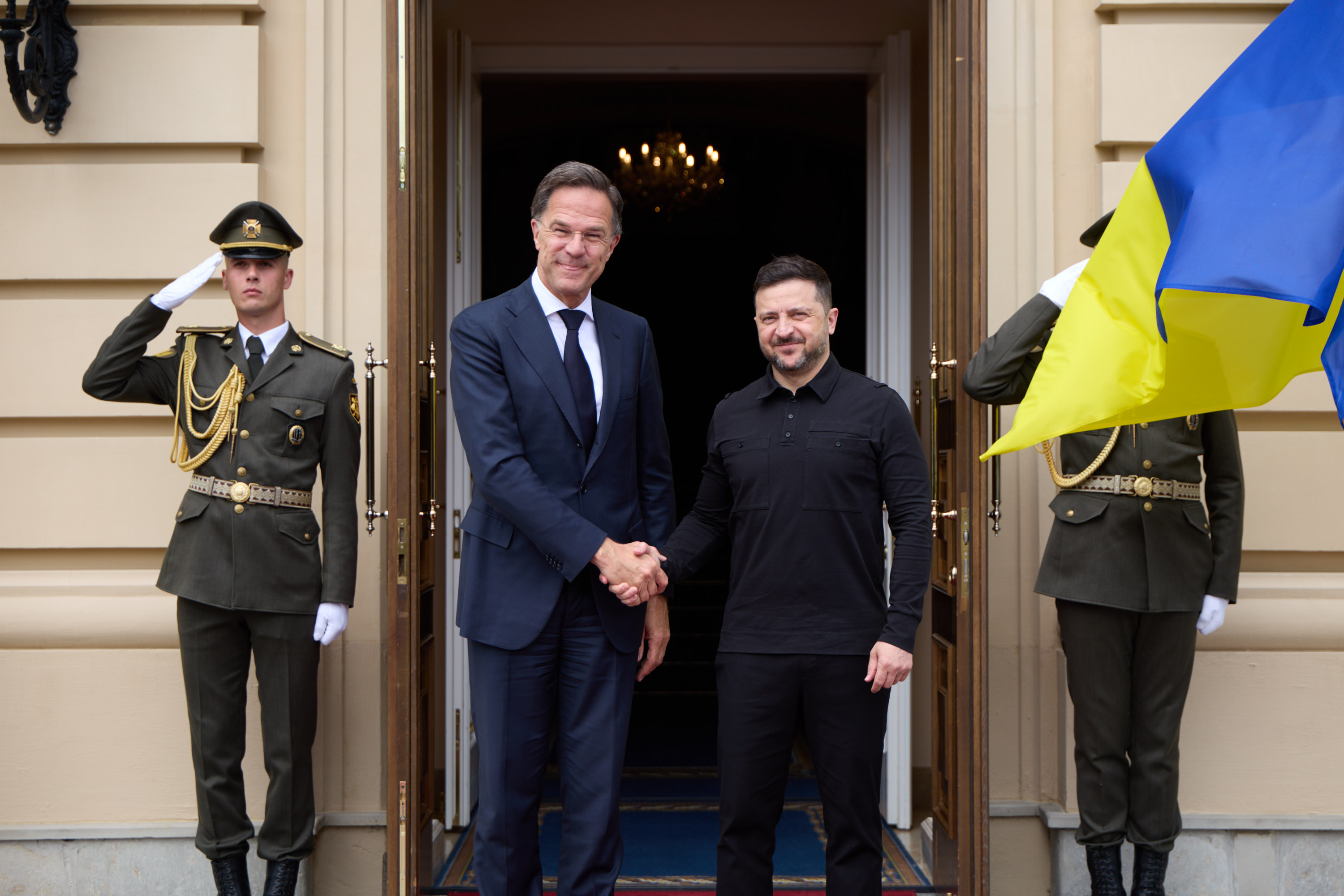
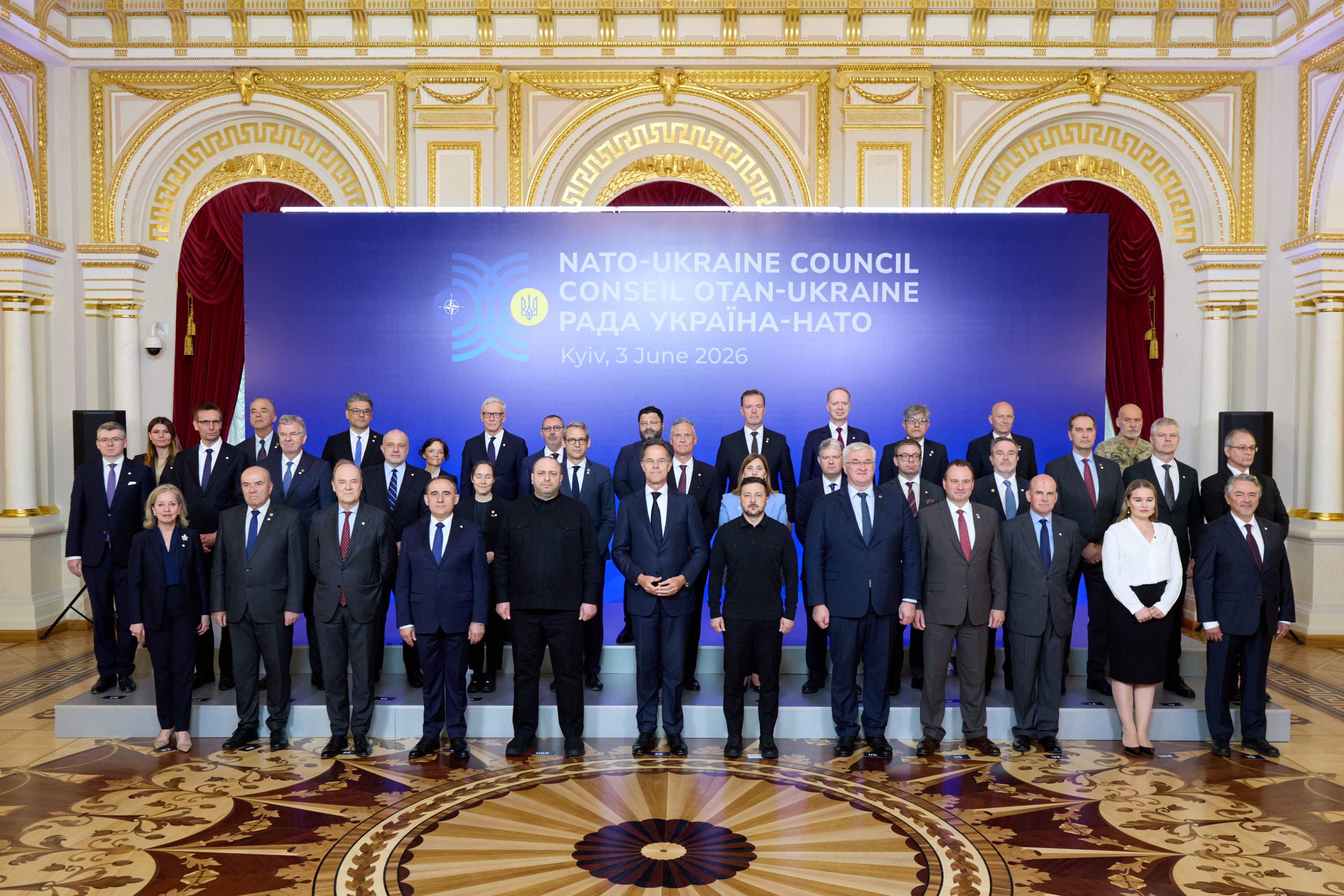
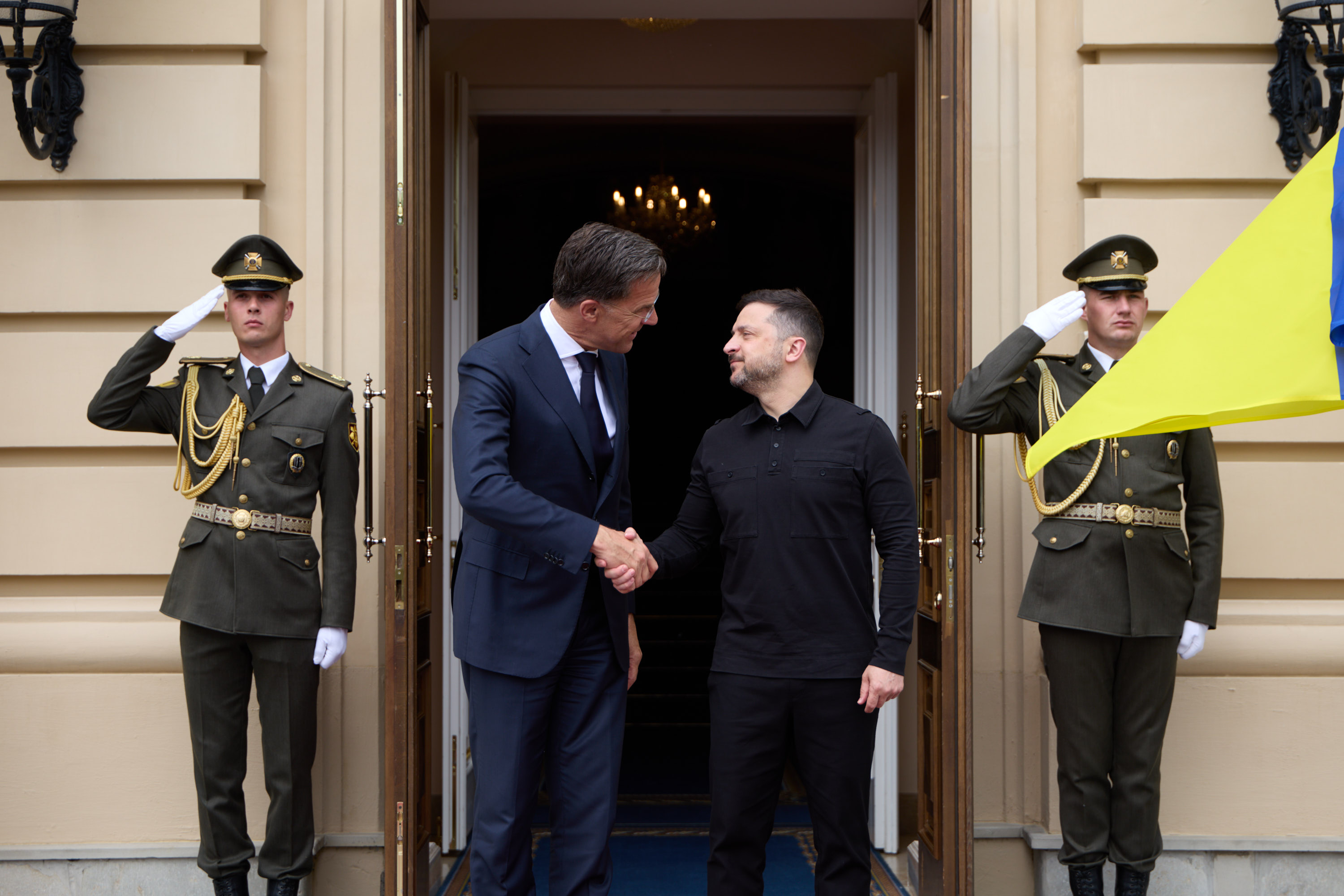
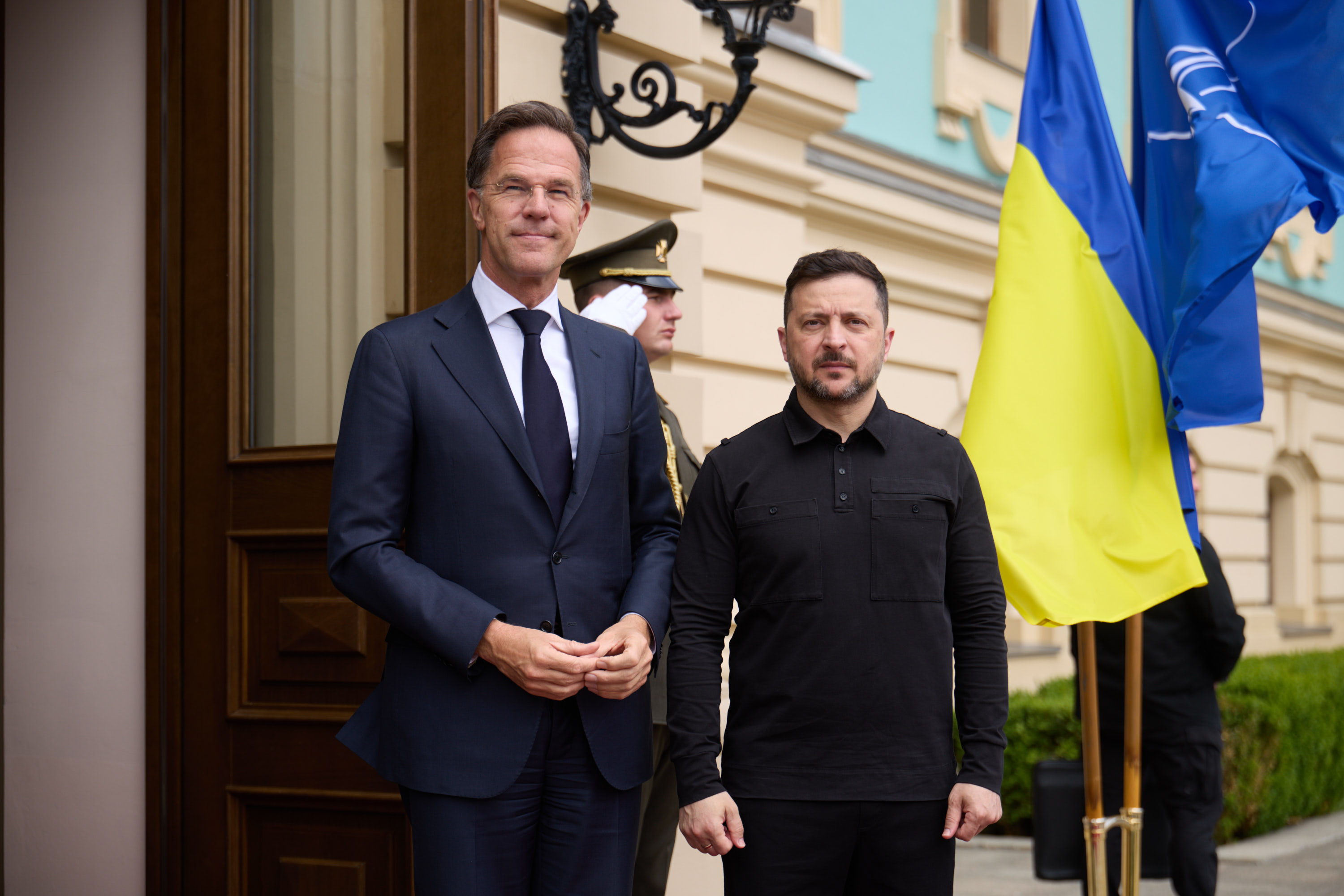
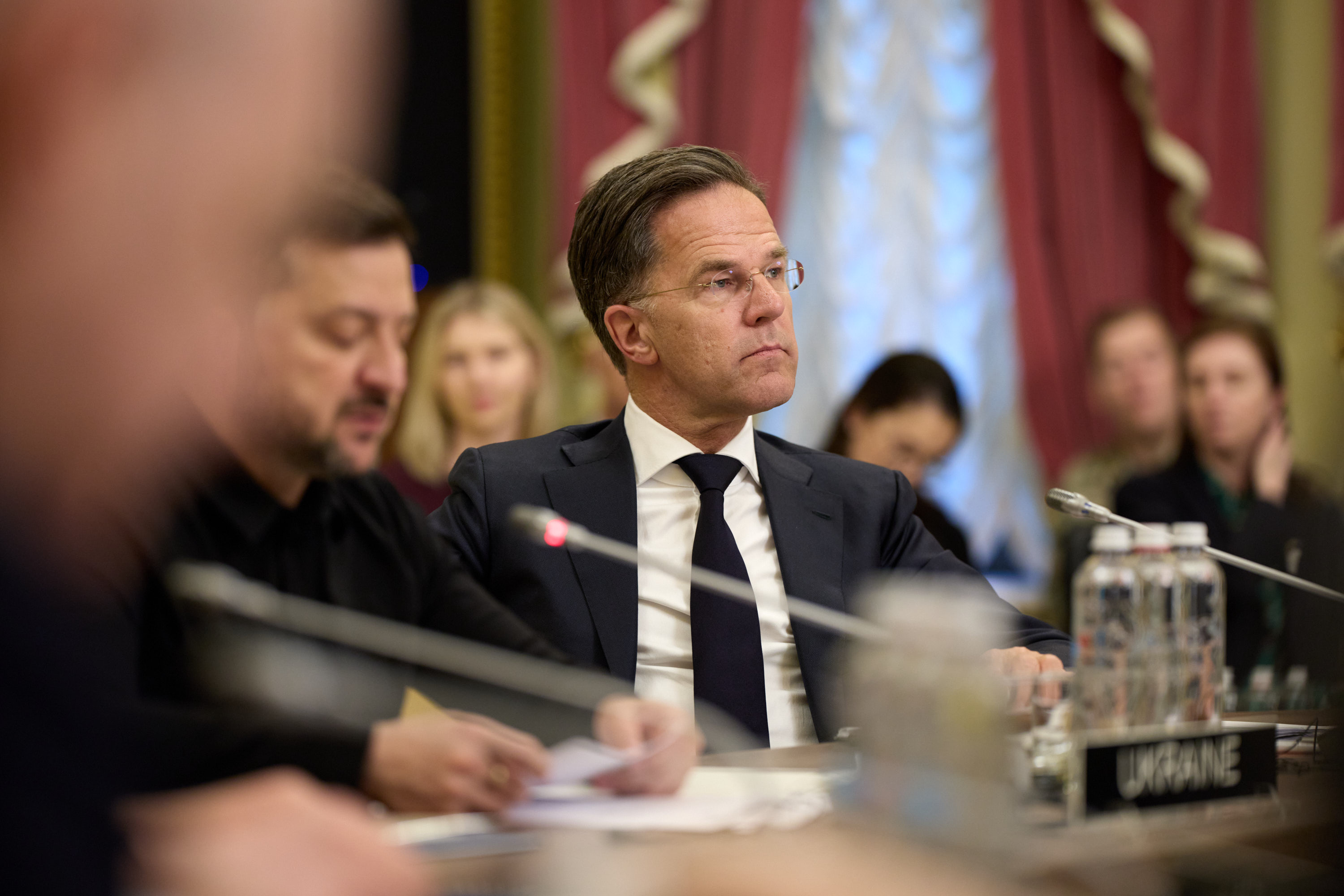
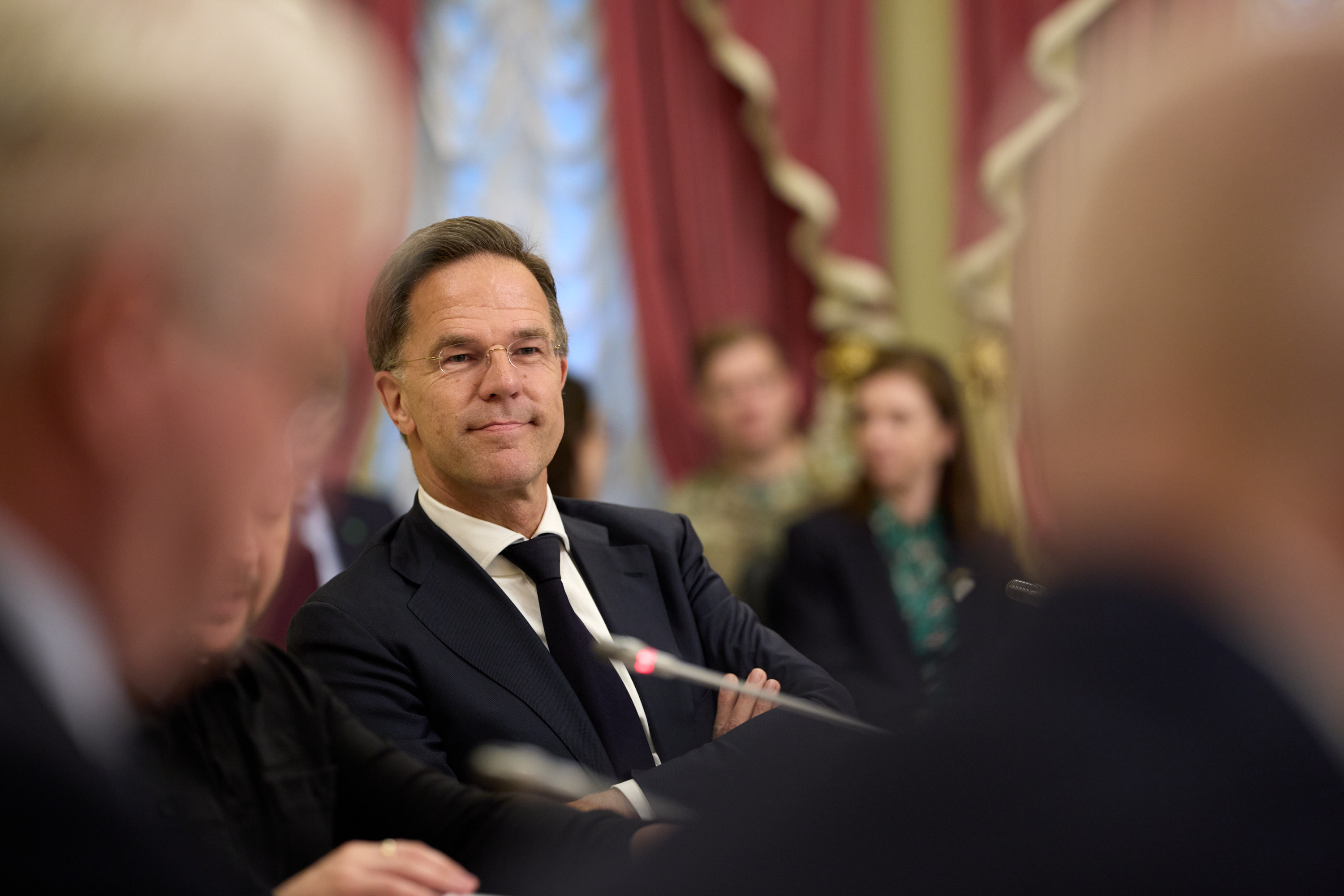
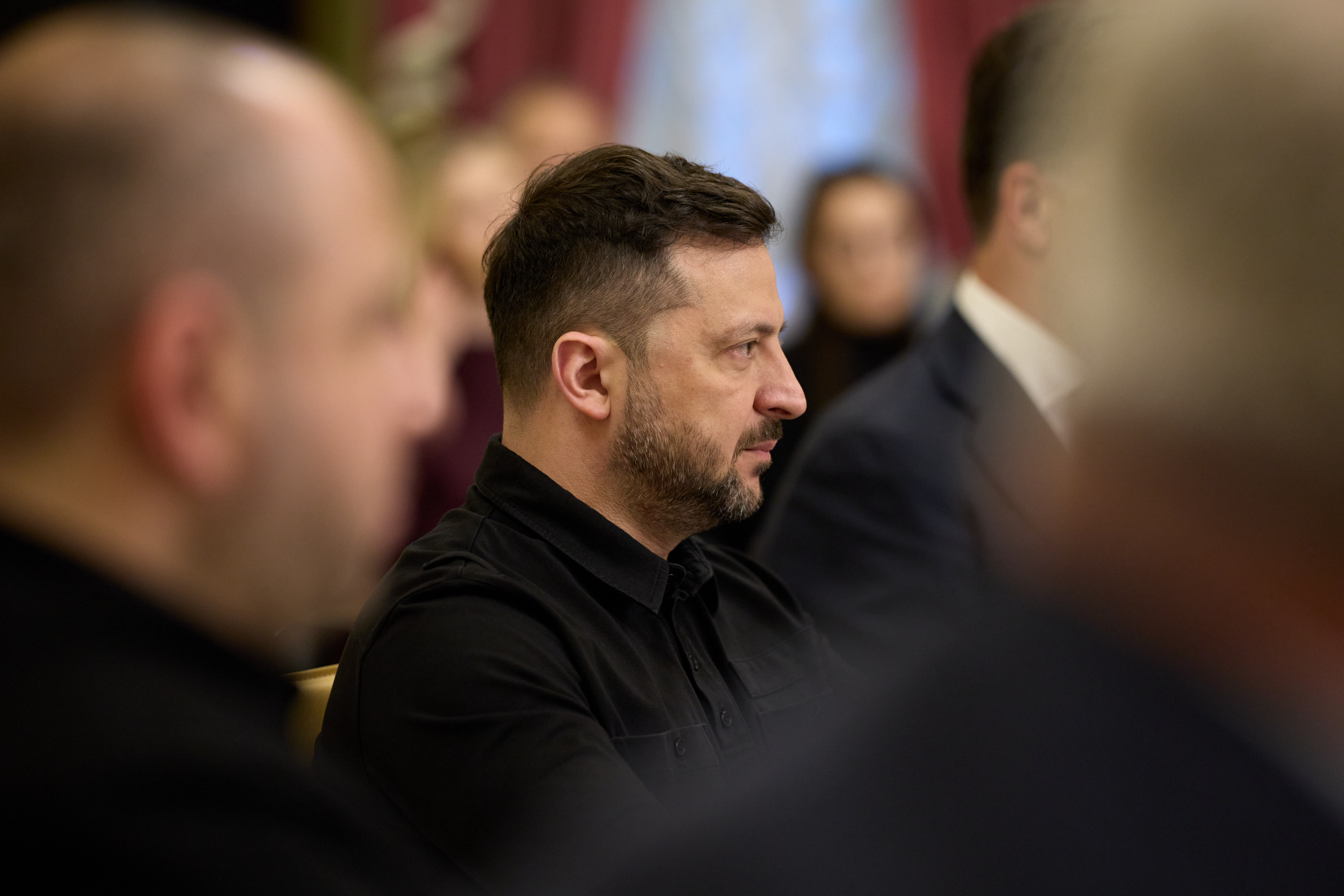
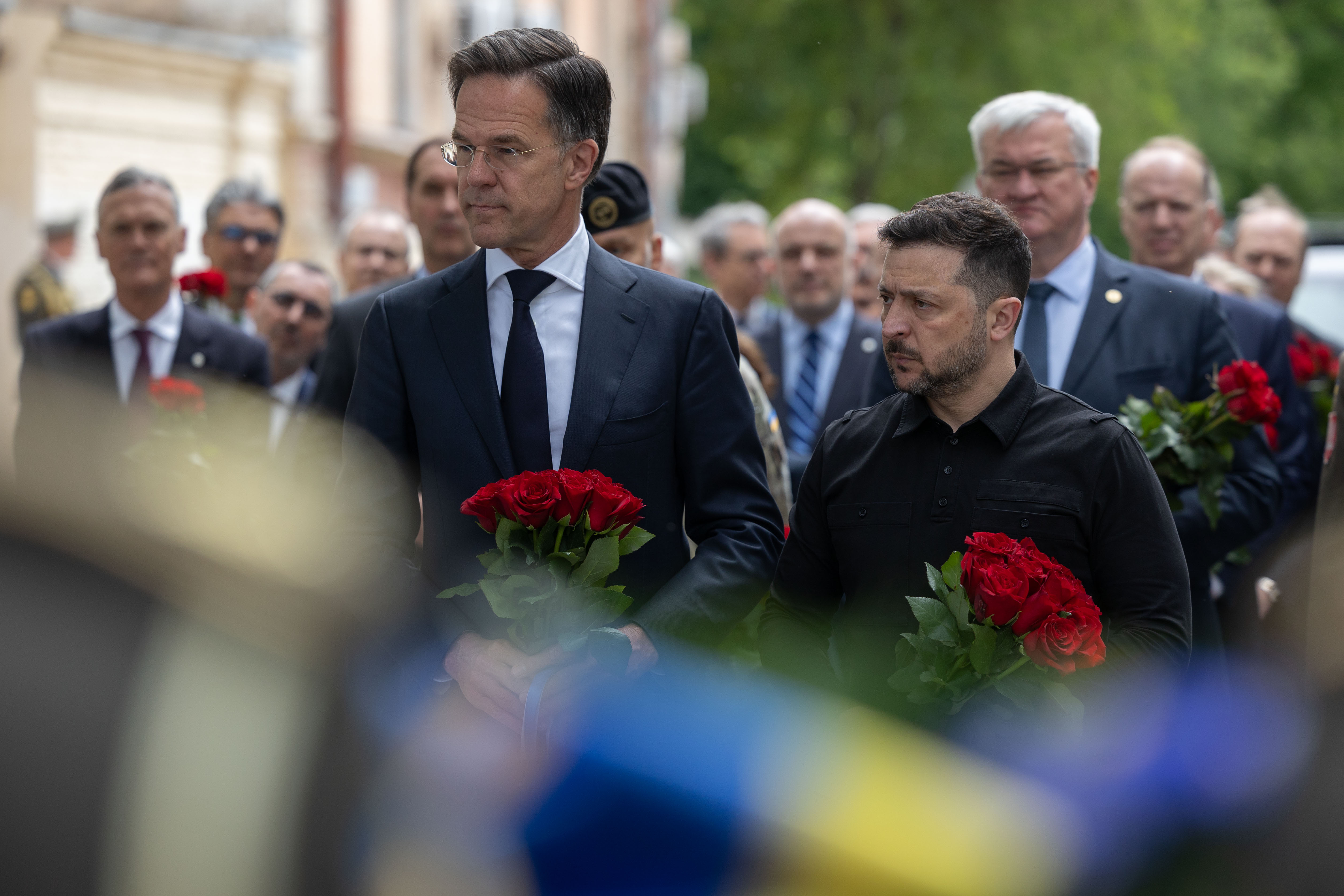
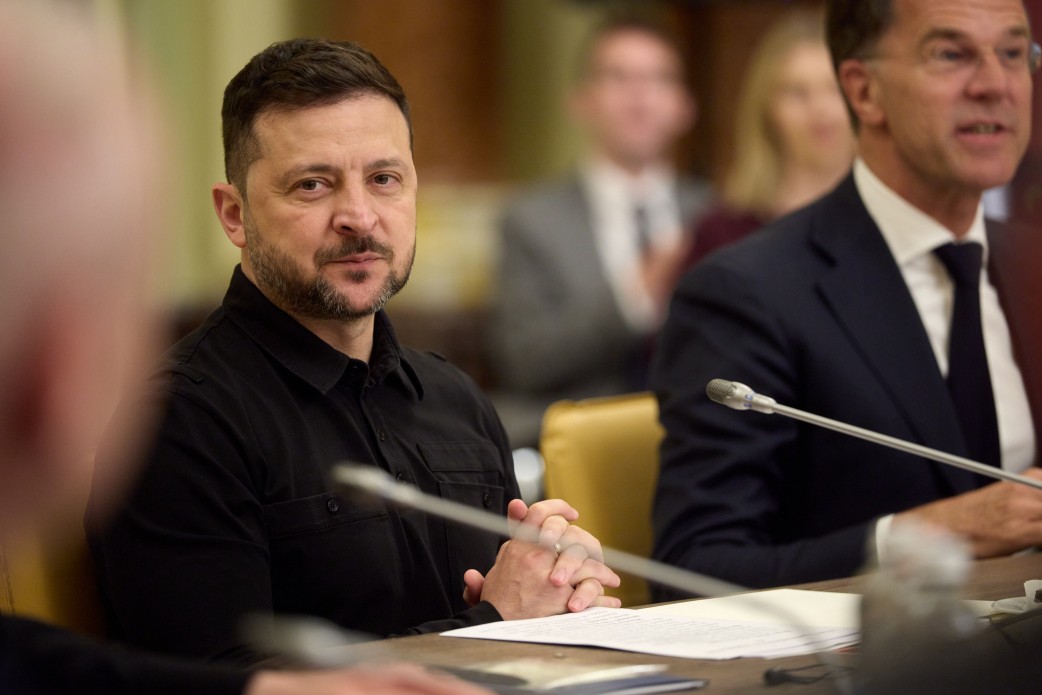
Dear friends, dear Secretary, dear Mark!
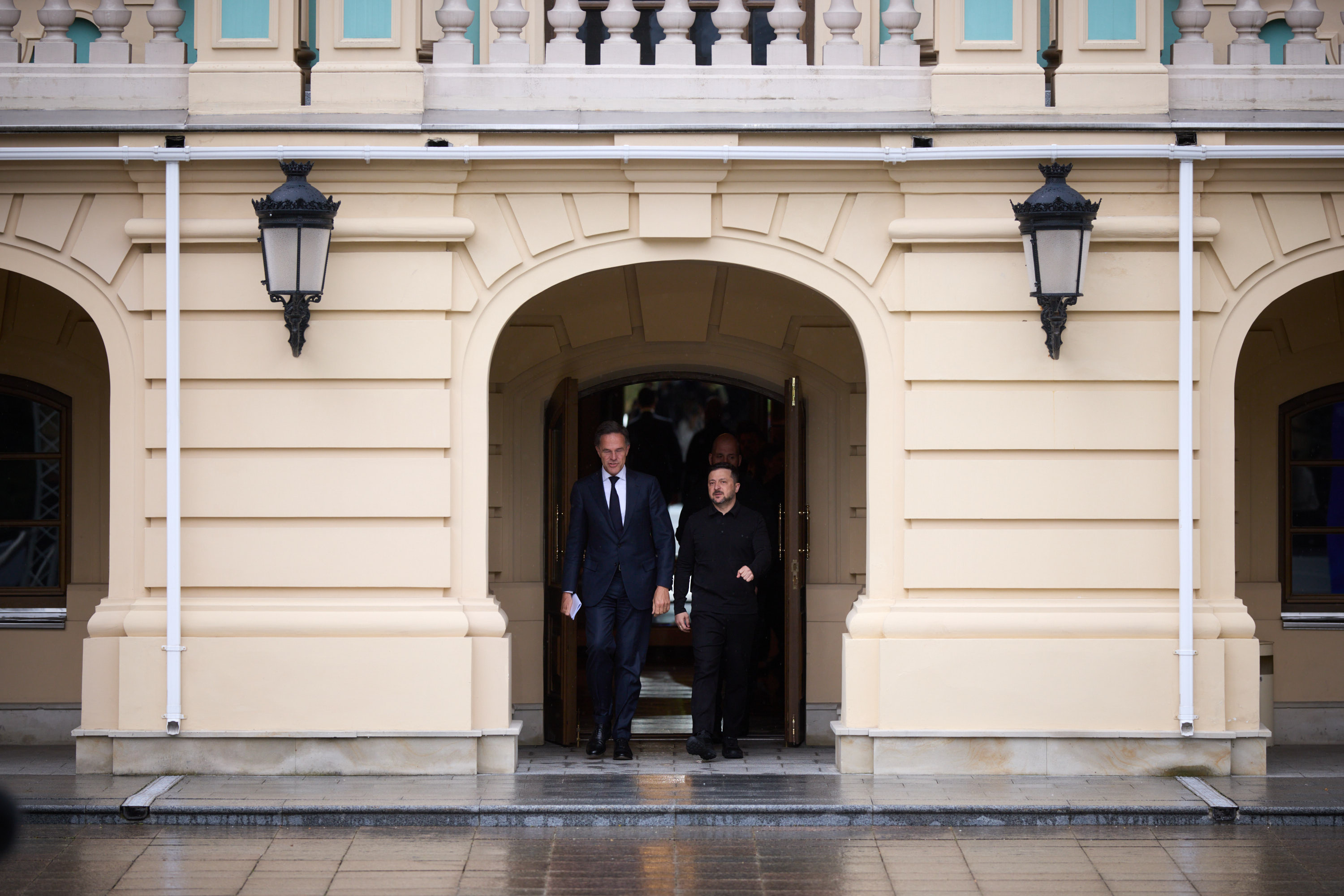
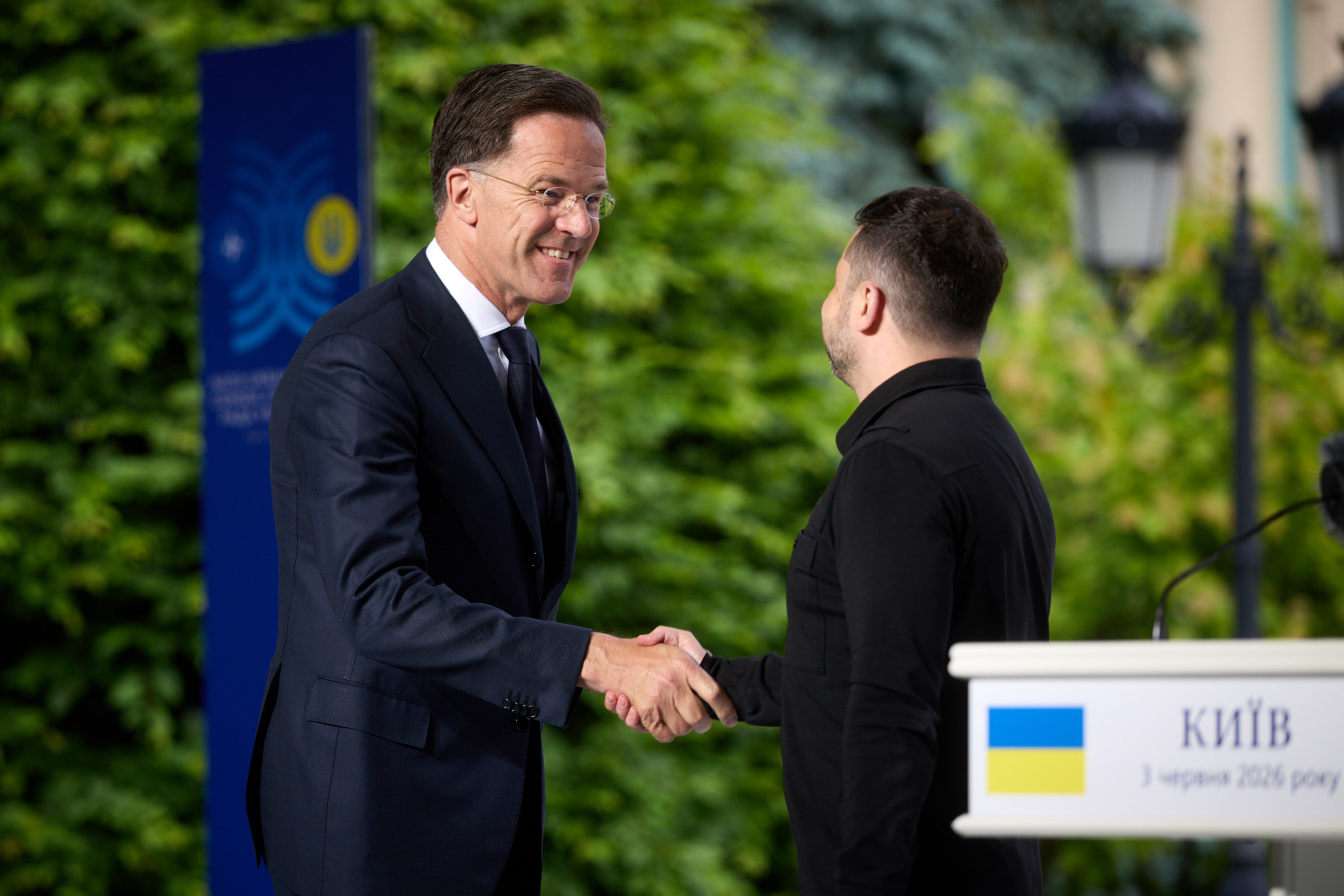
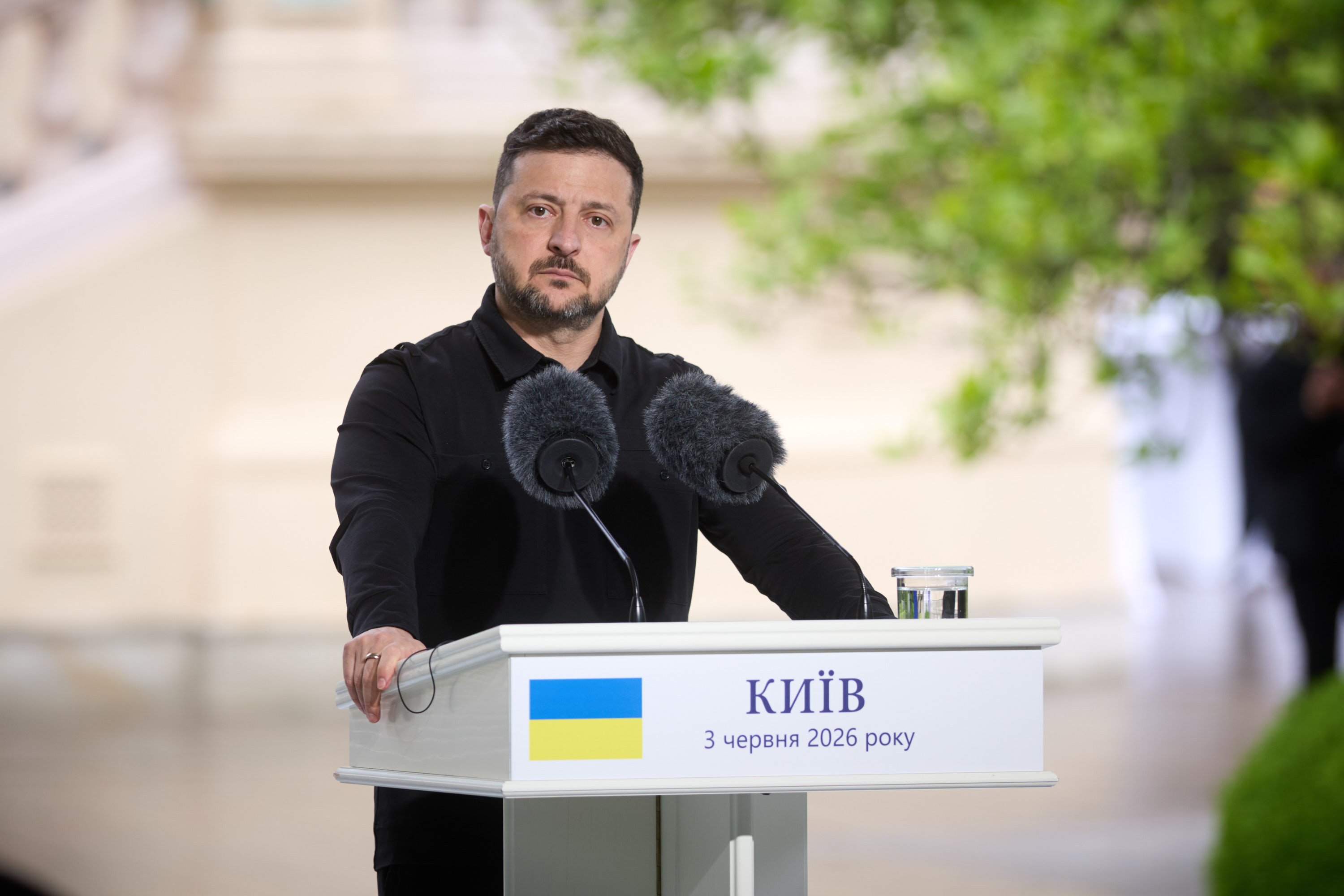
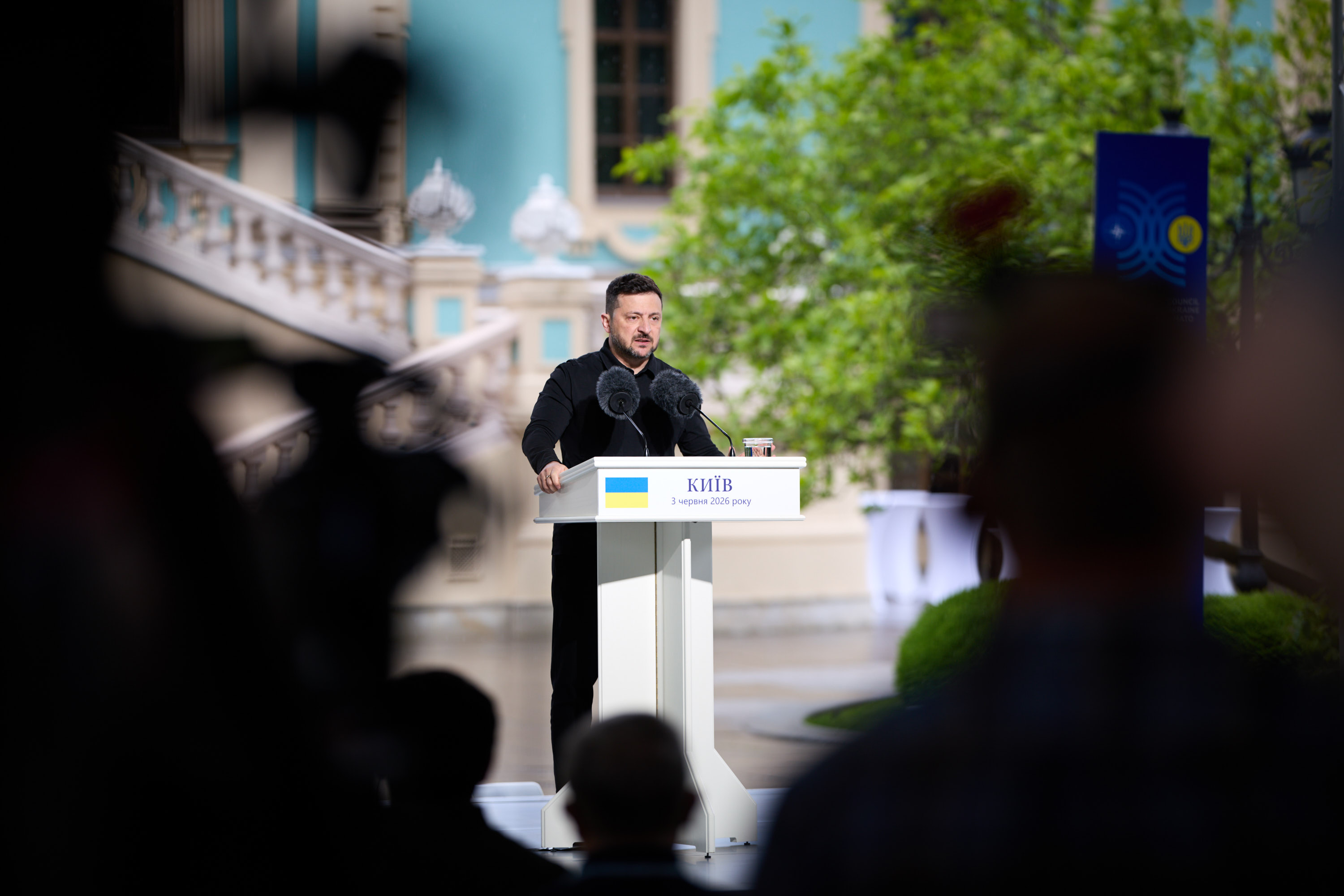
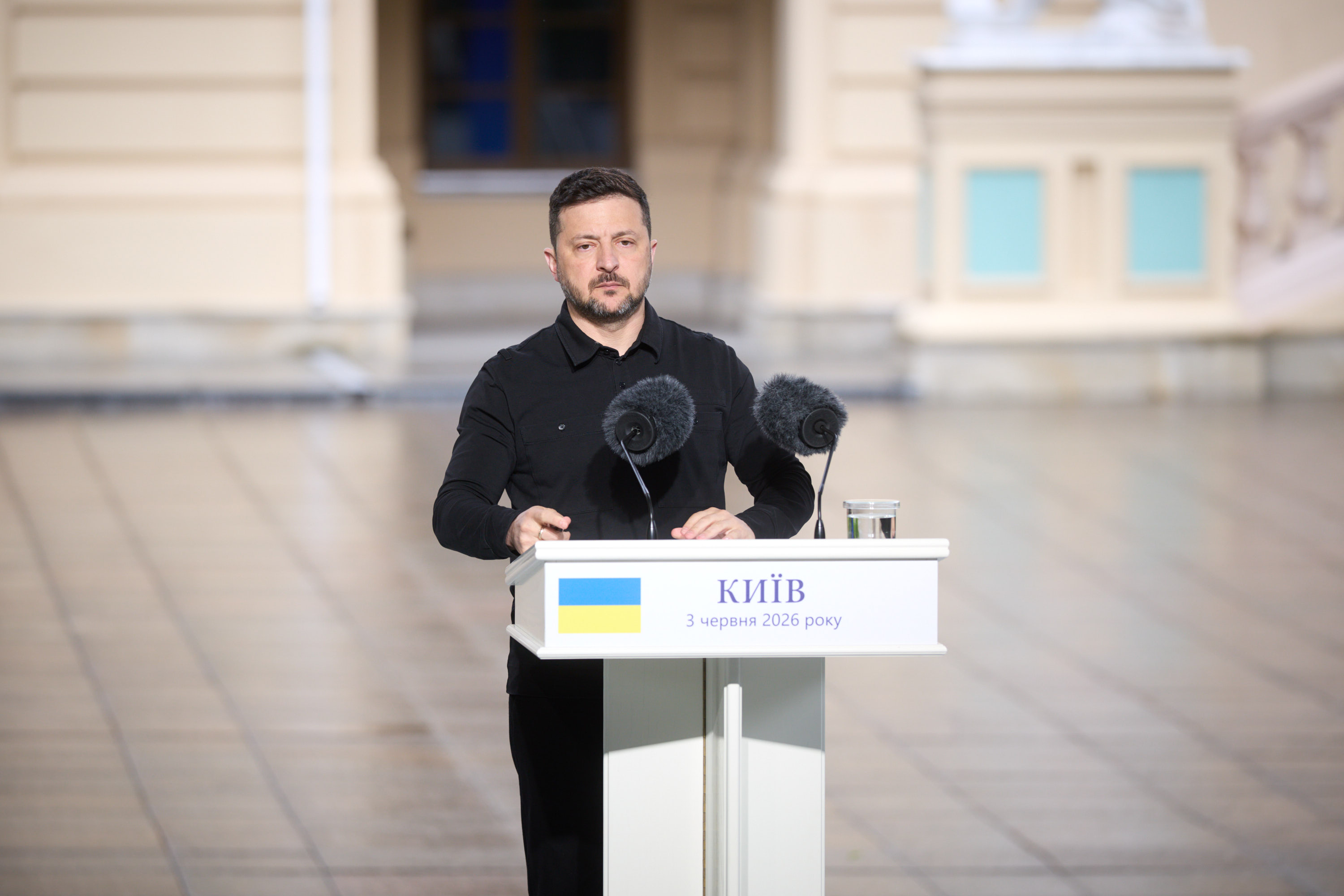
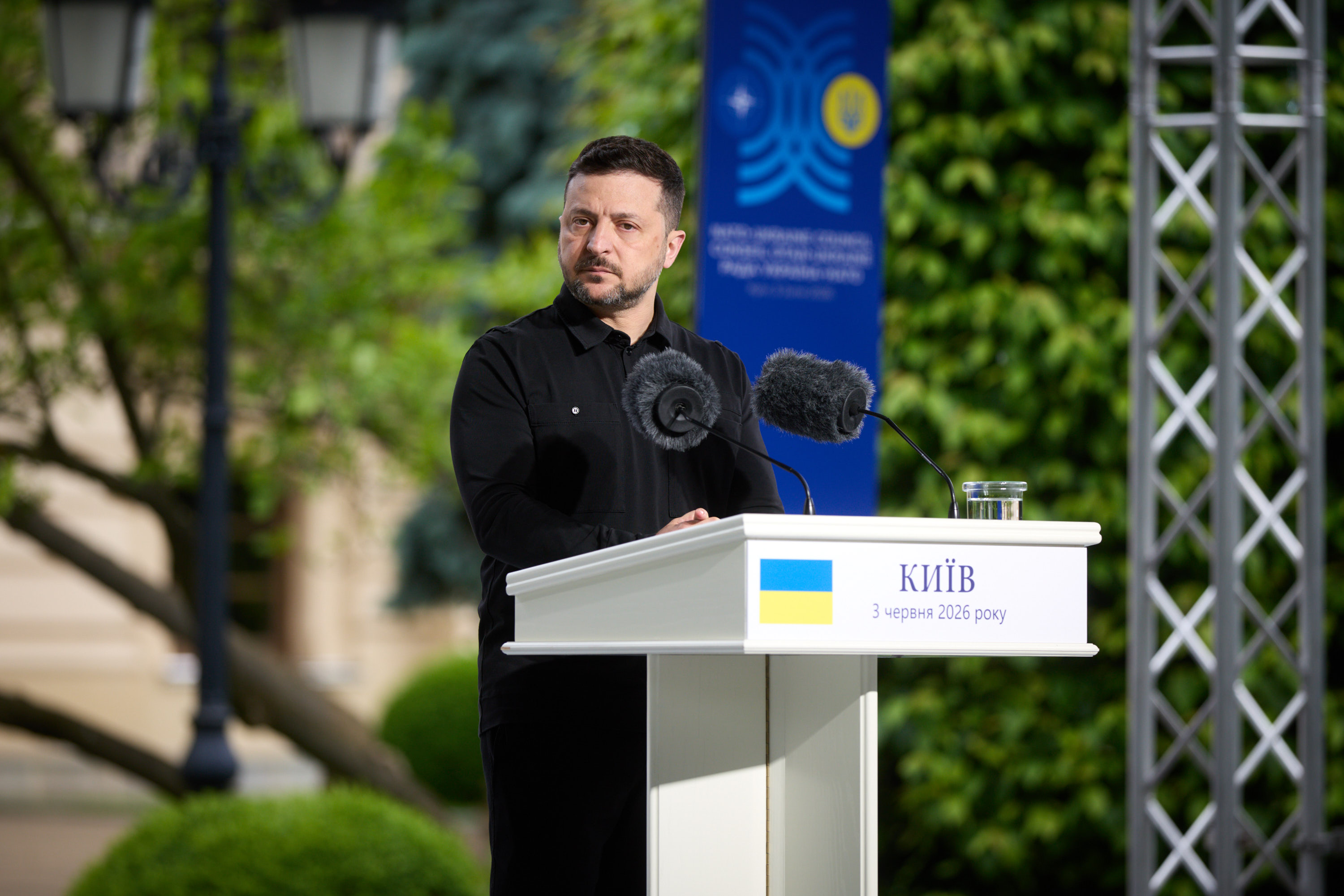
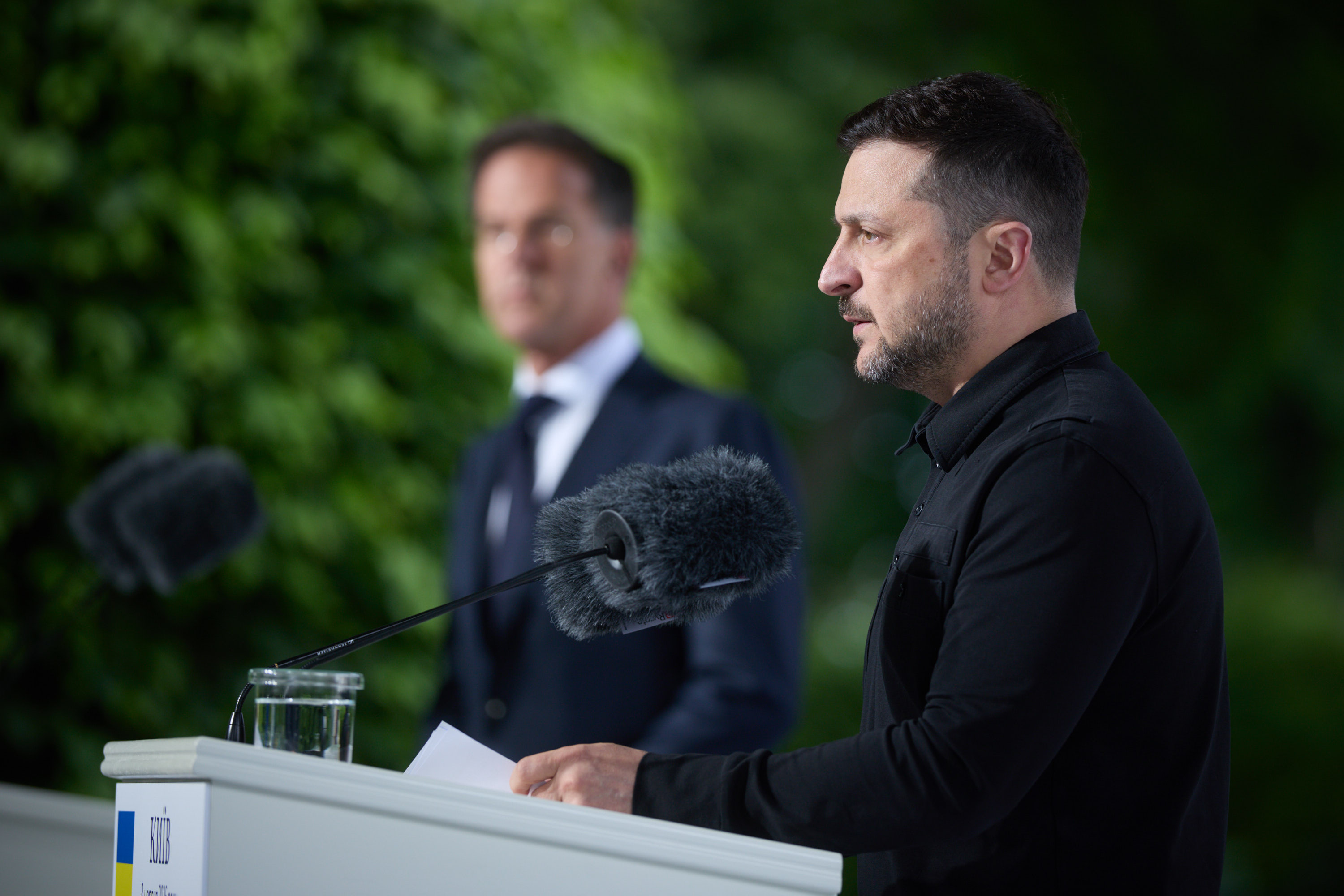
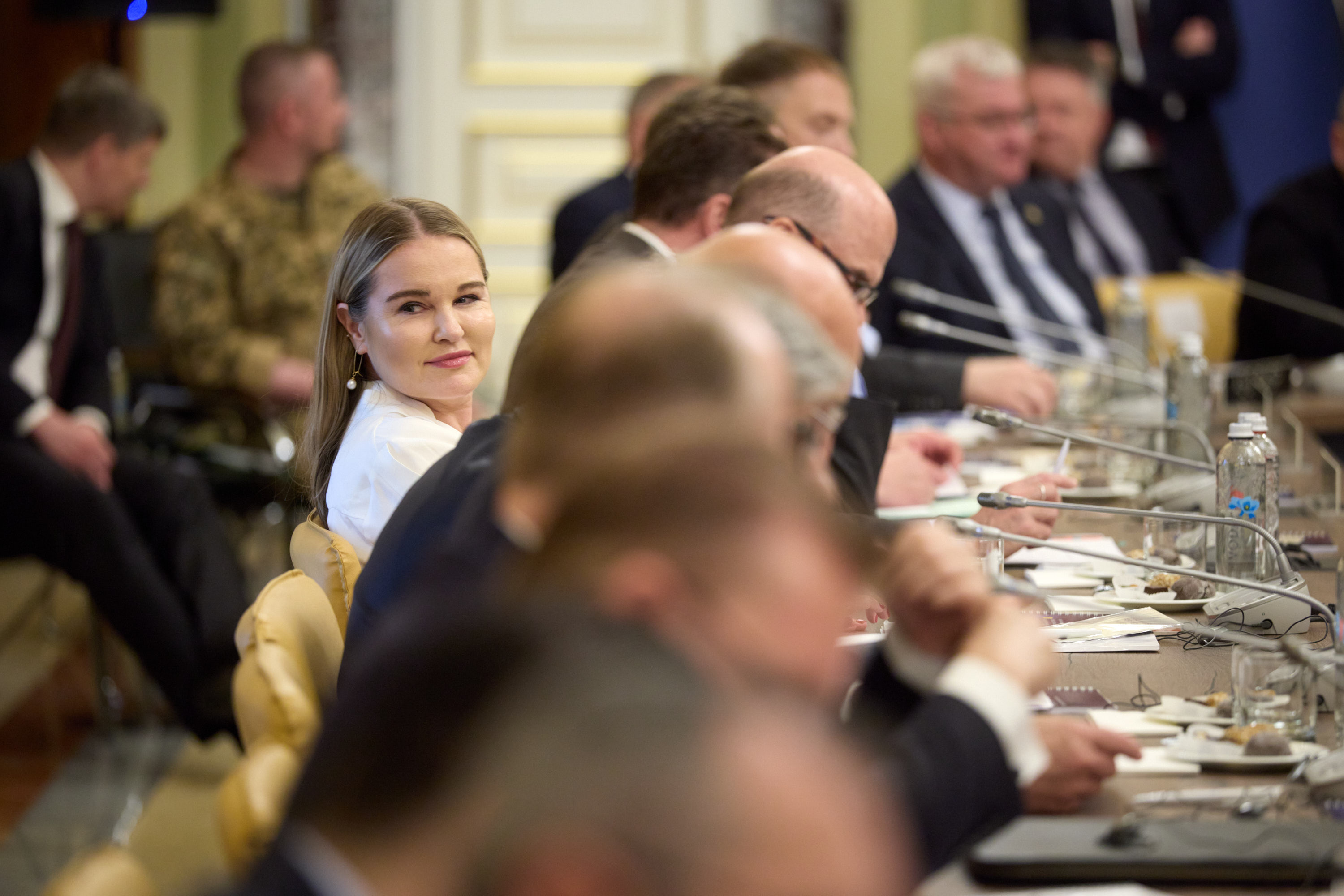
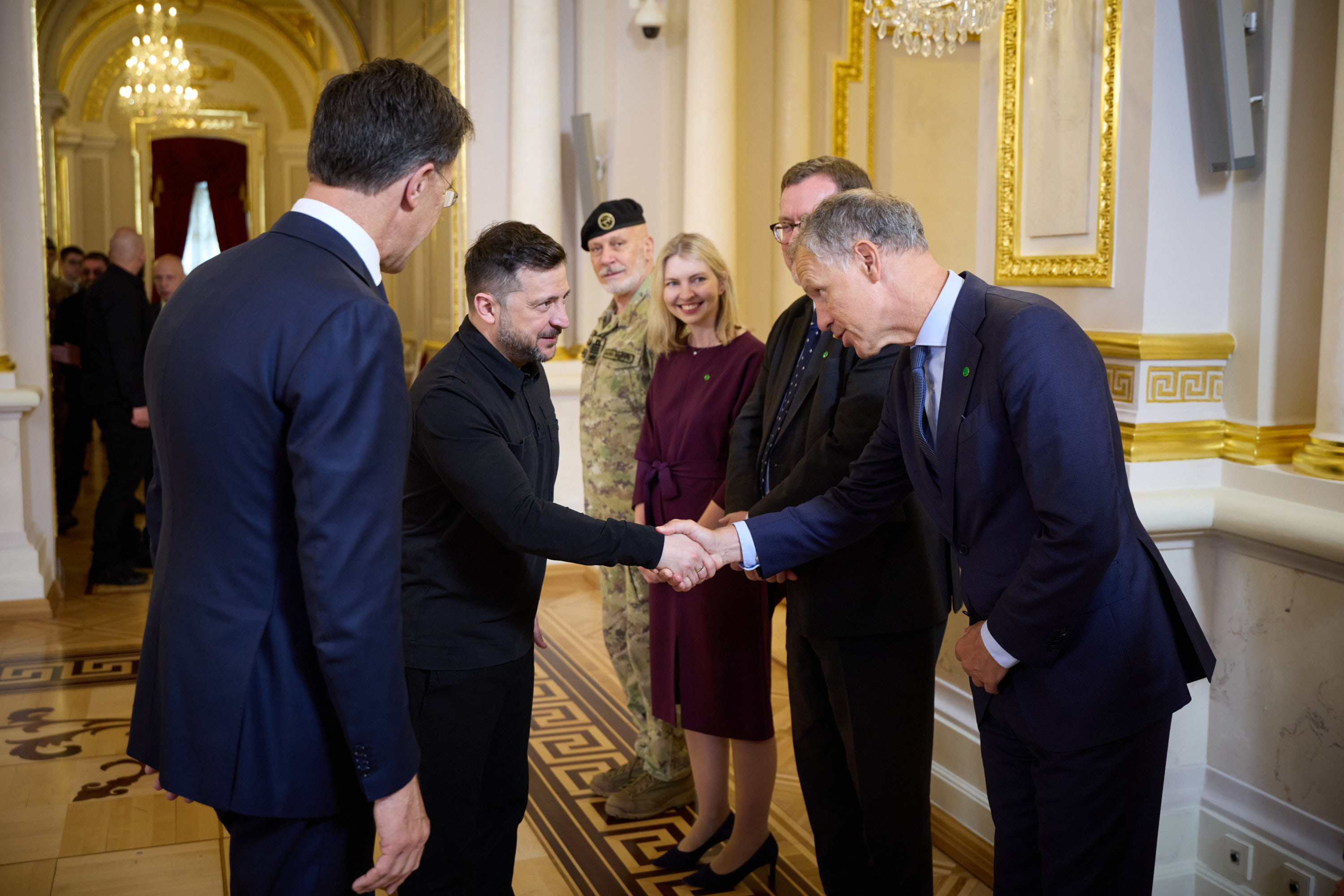
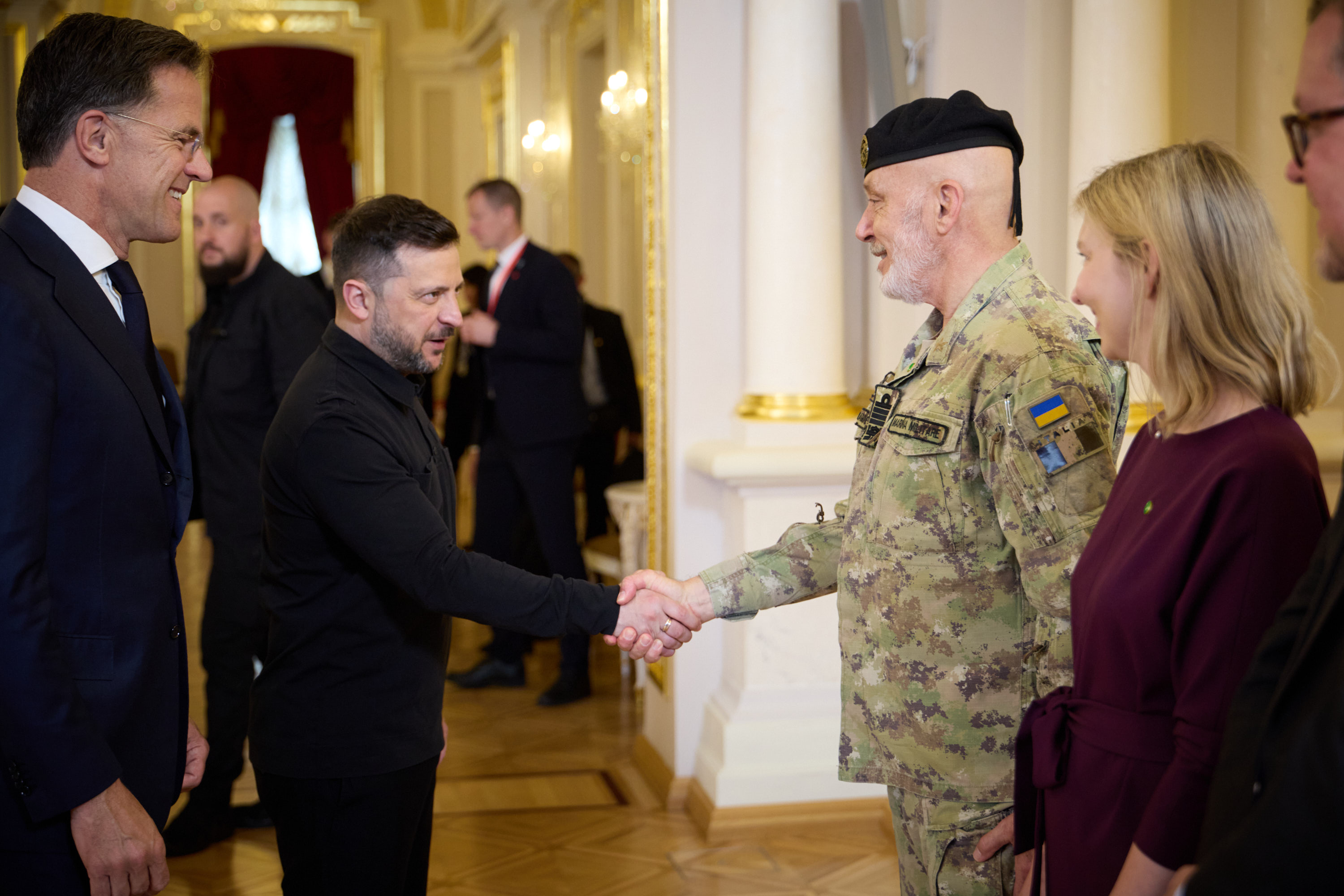
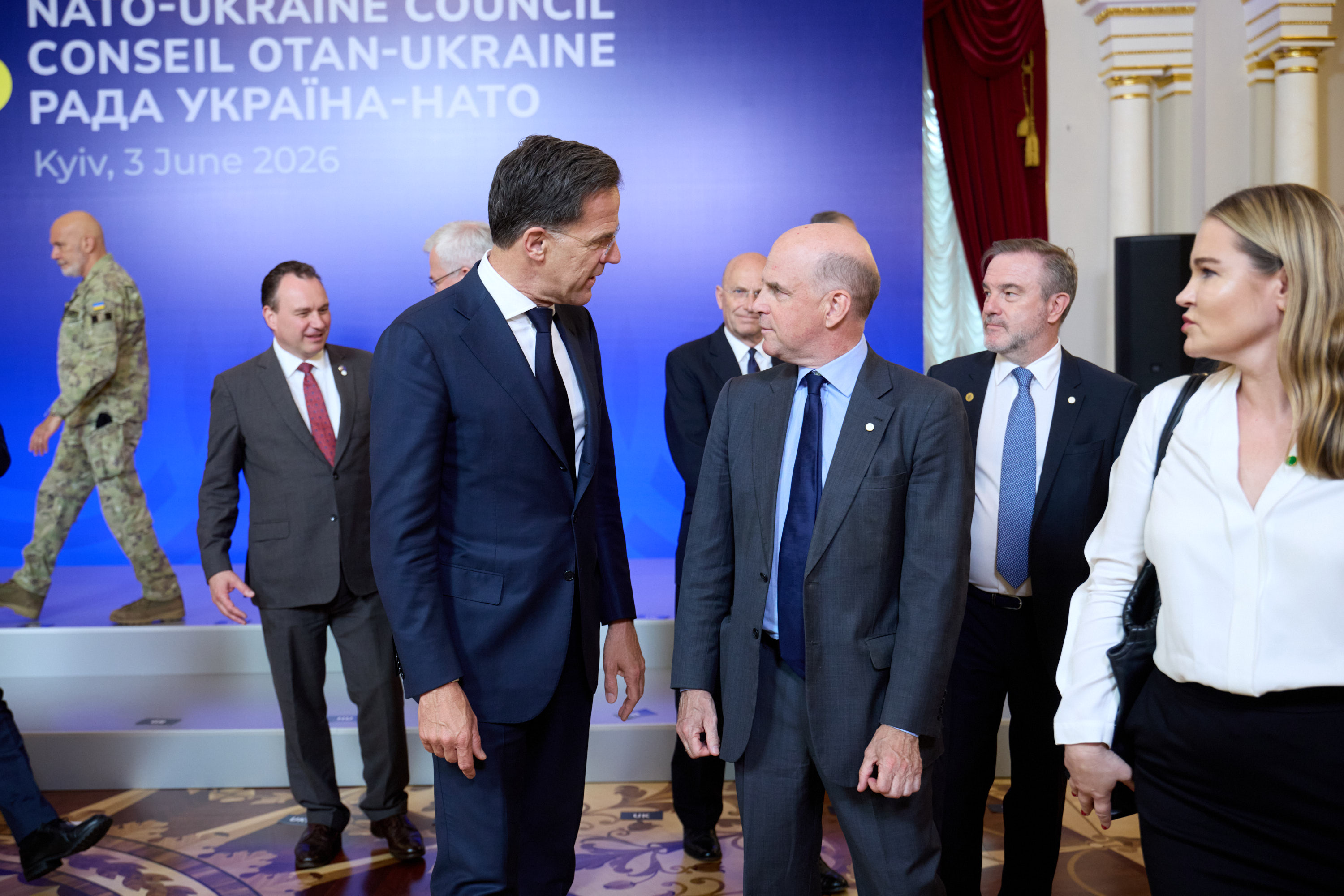
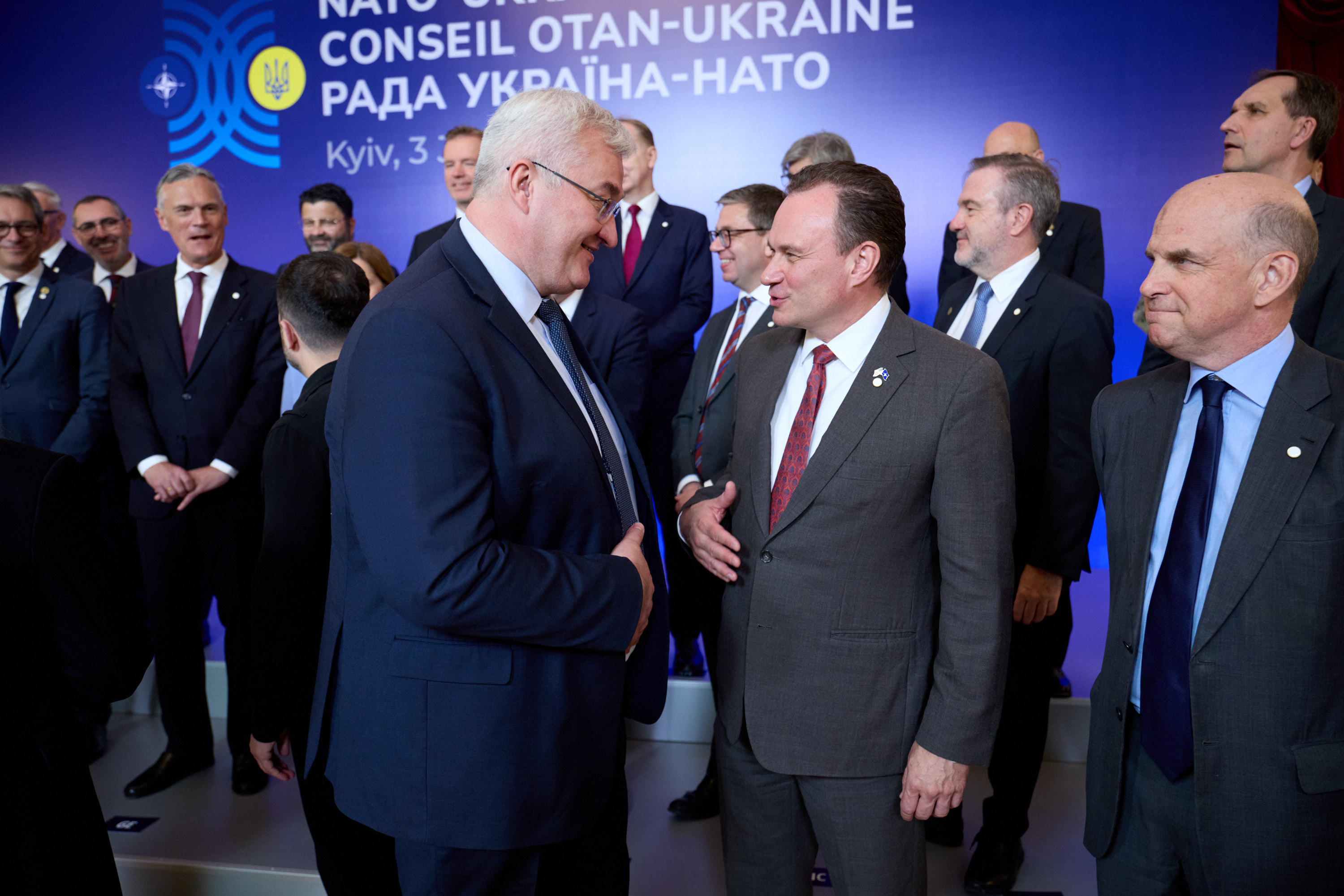
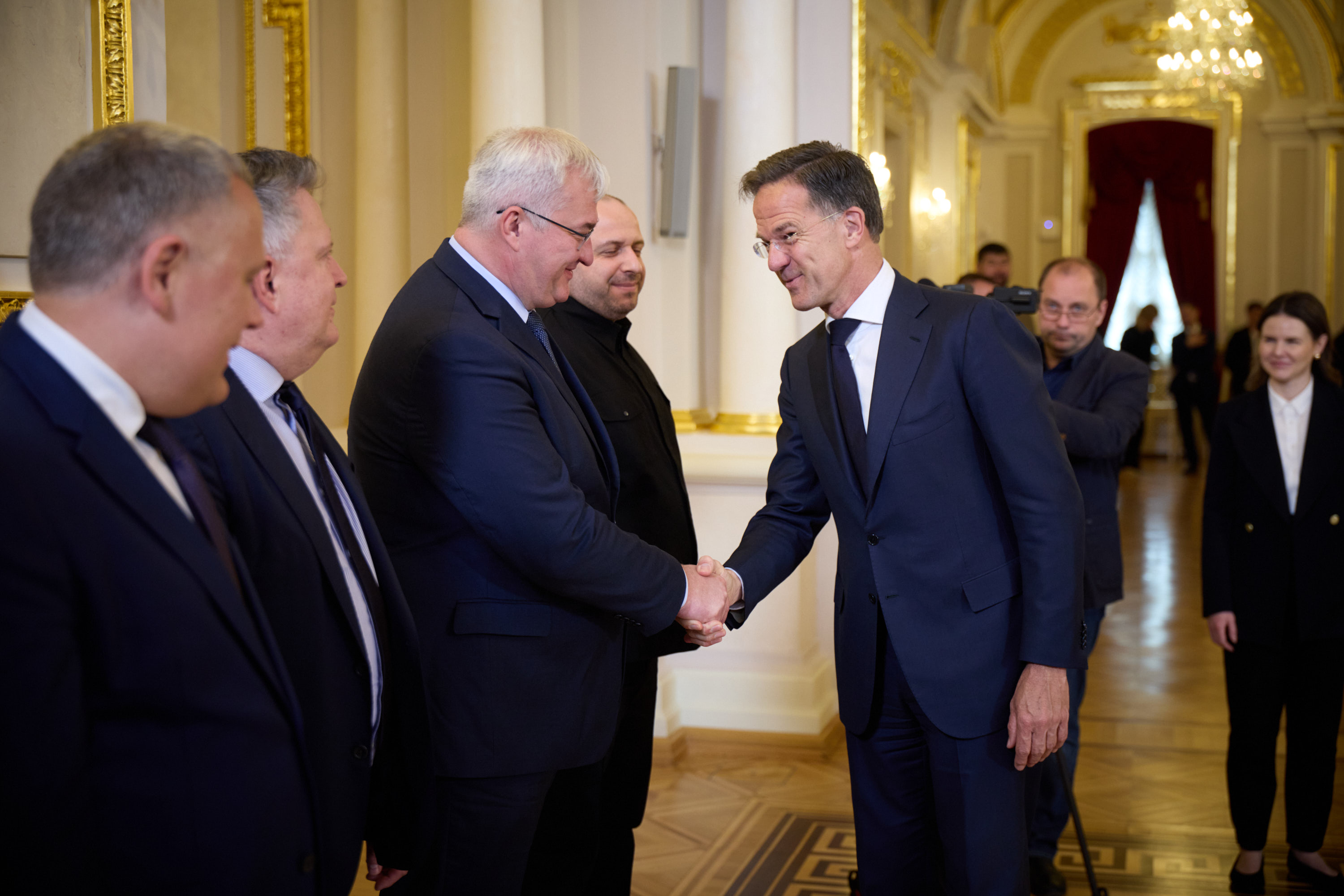
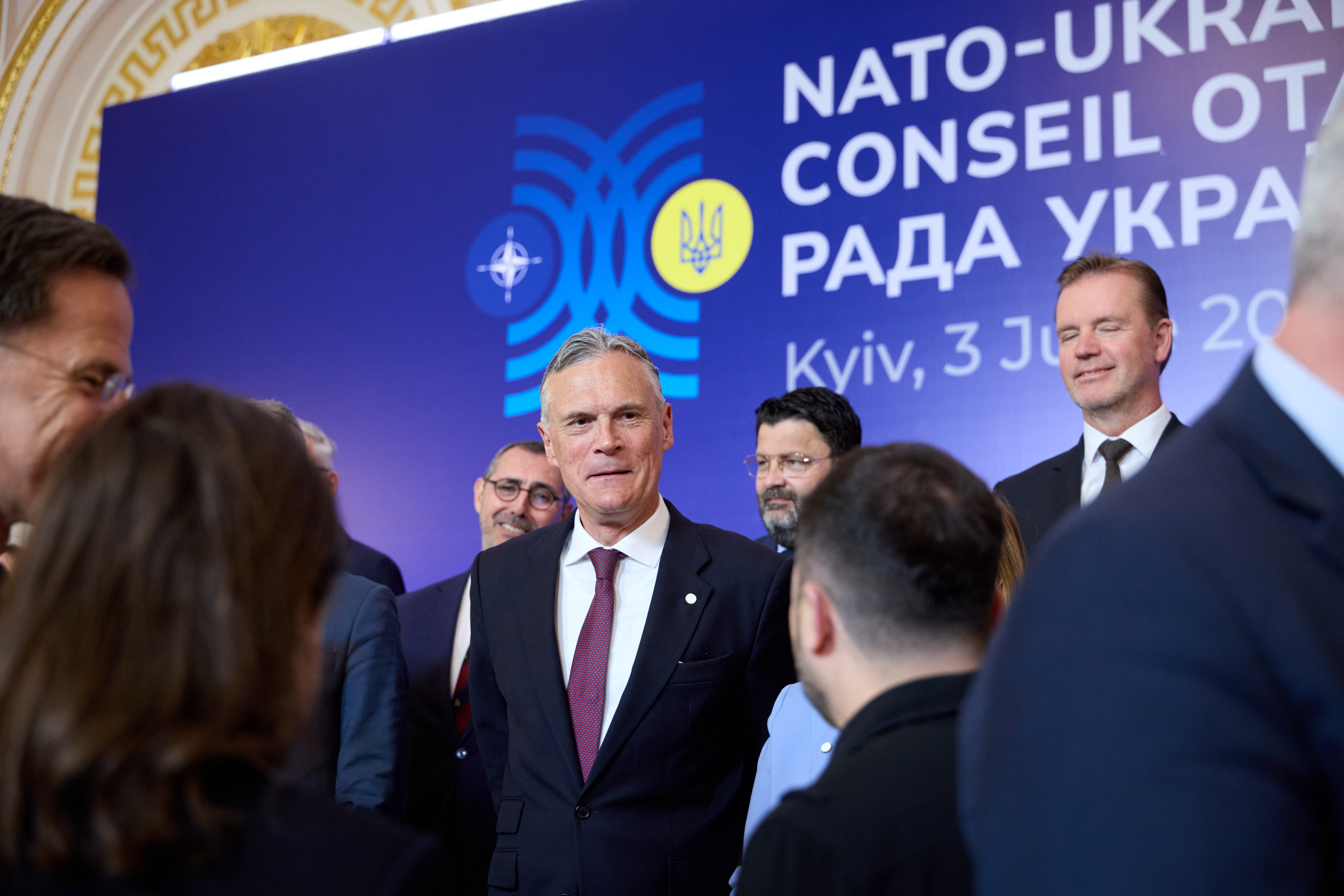
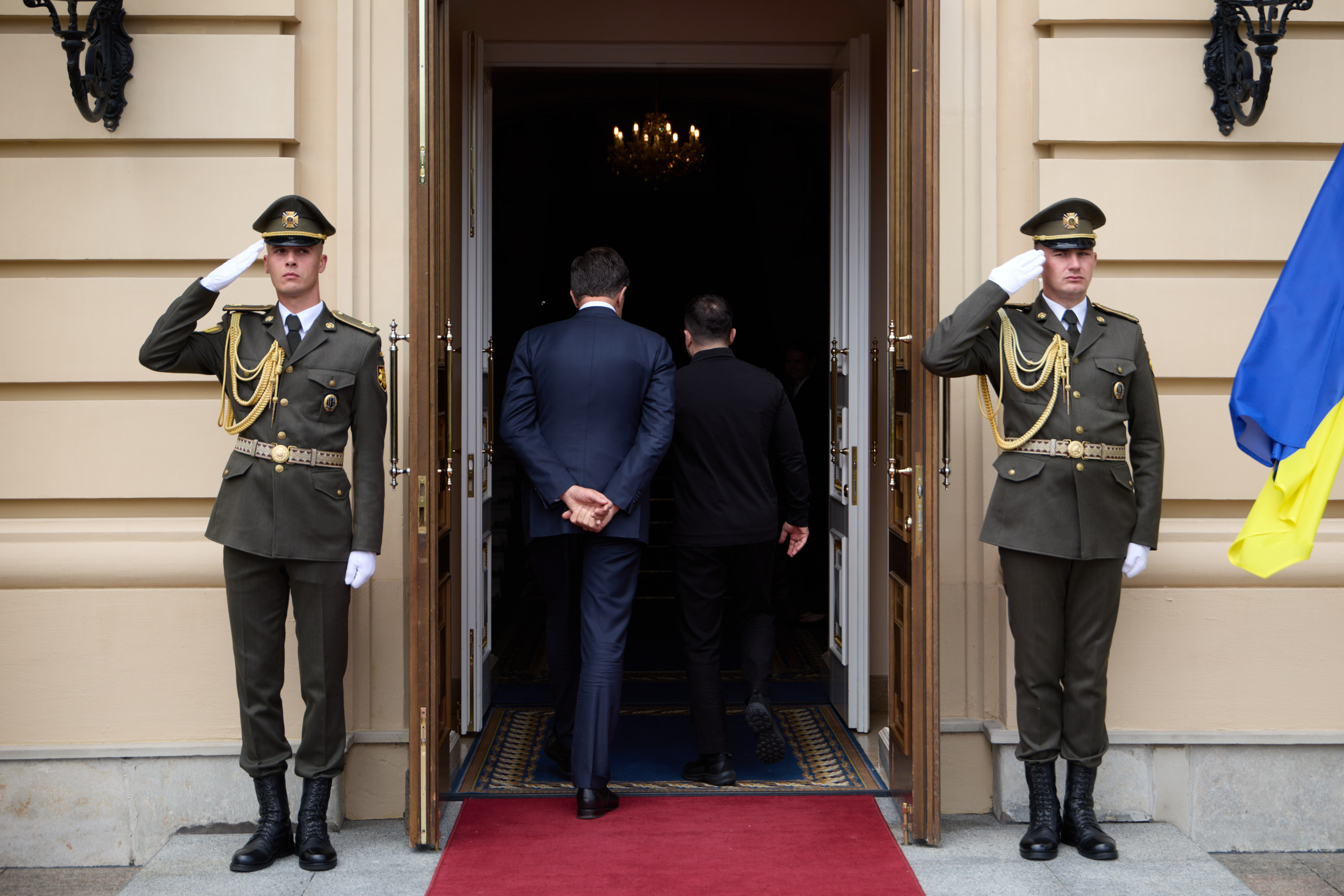
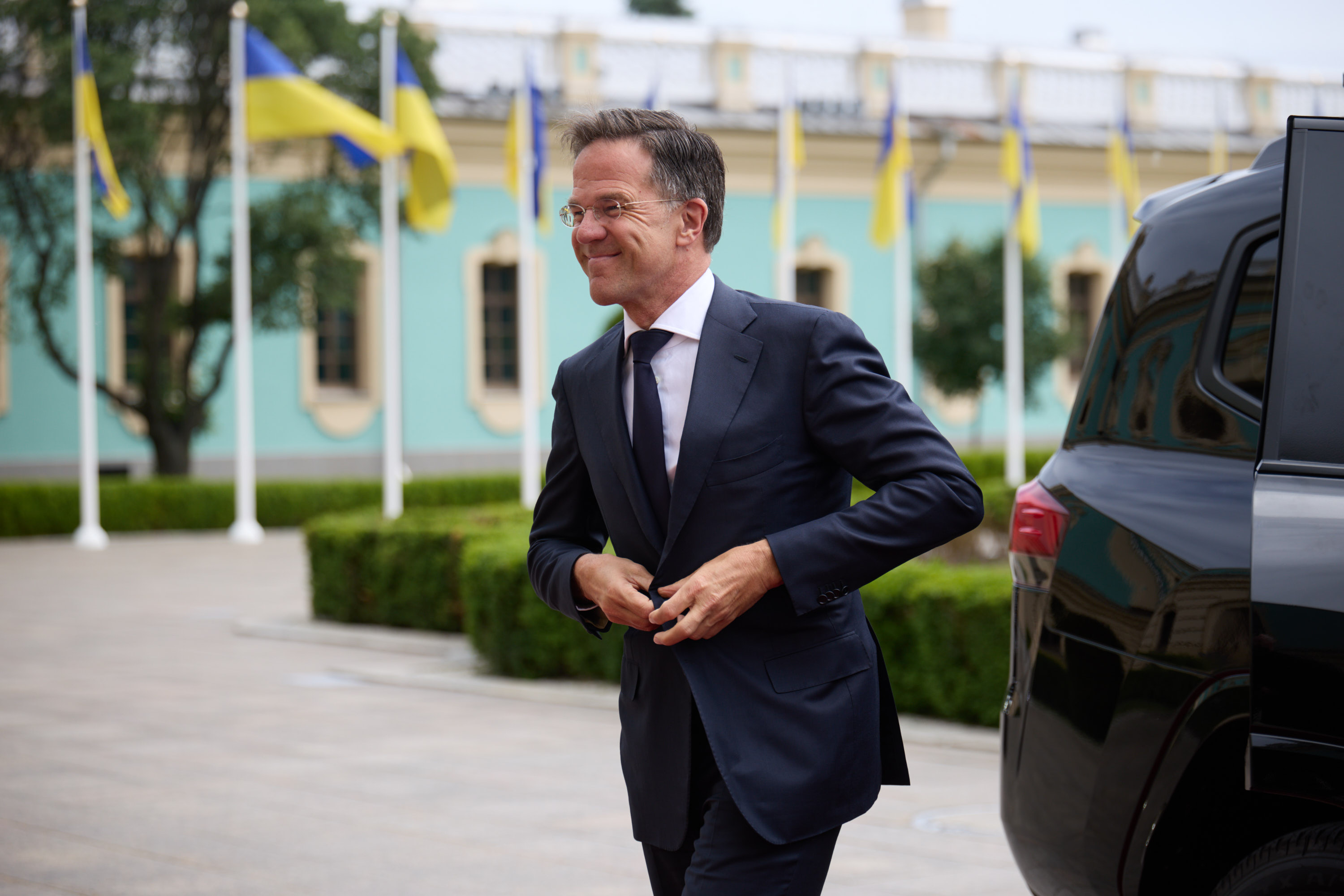
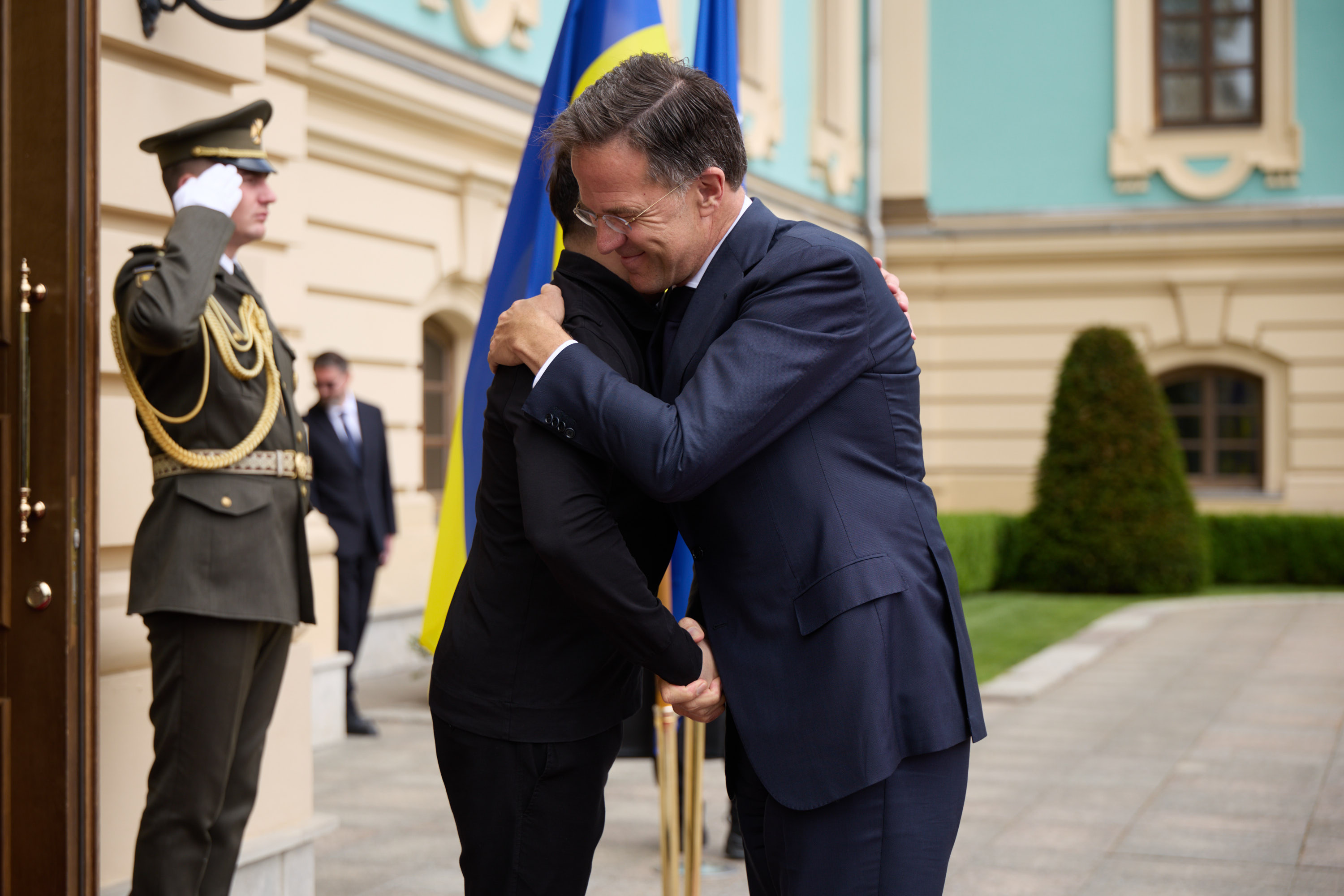
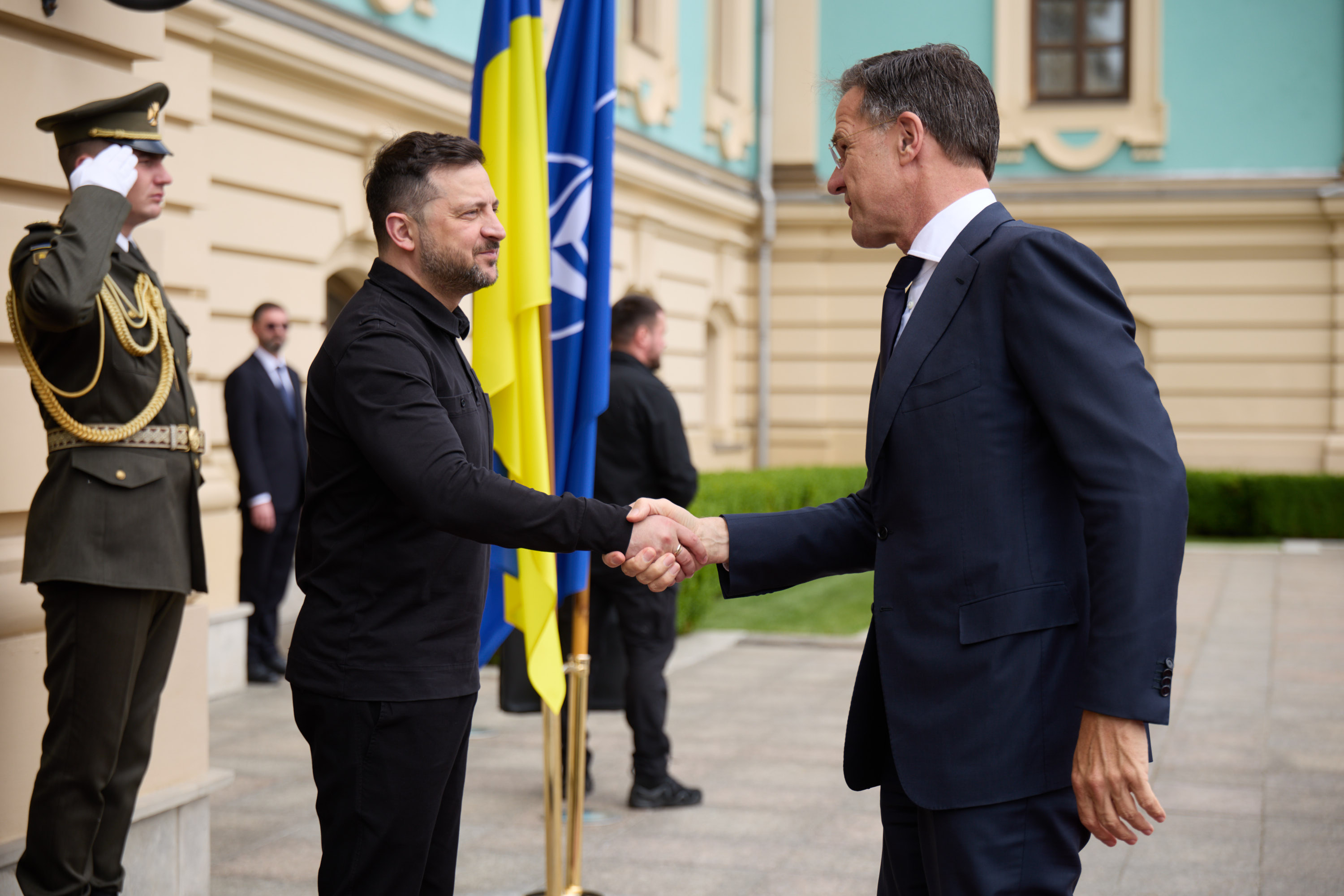
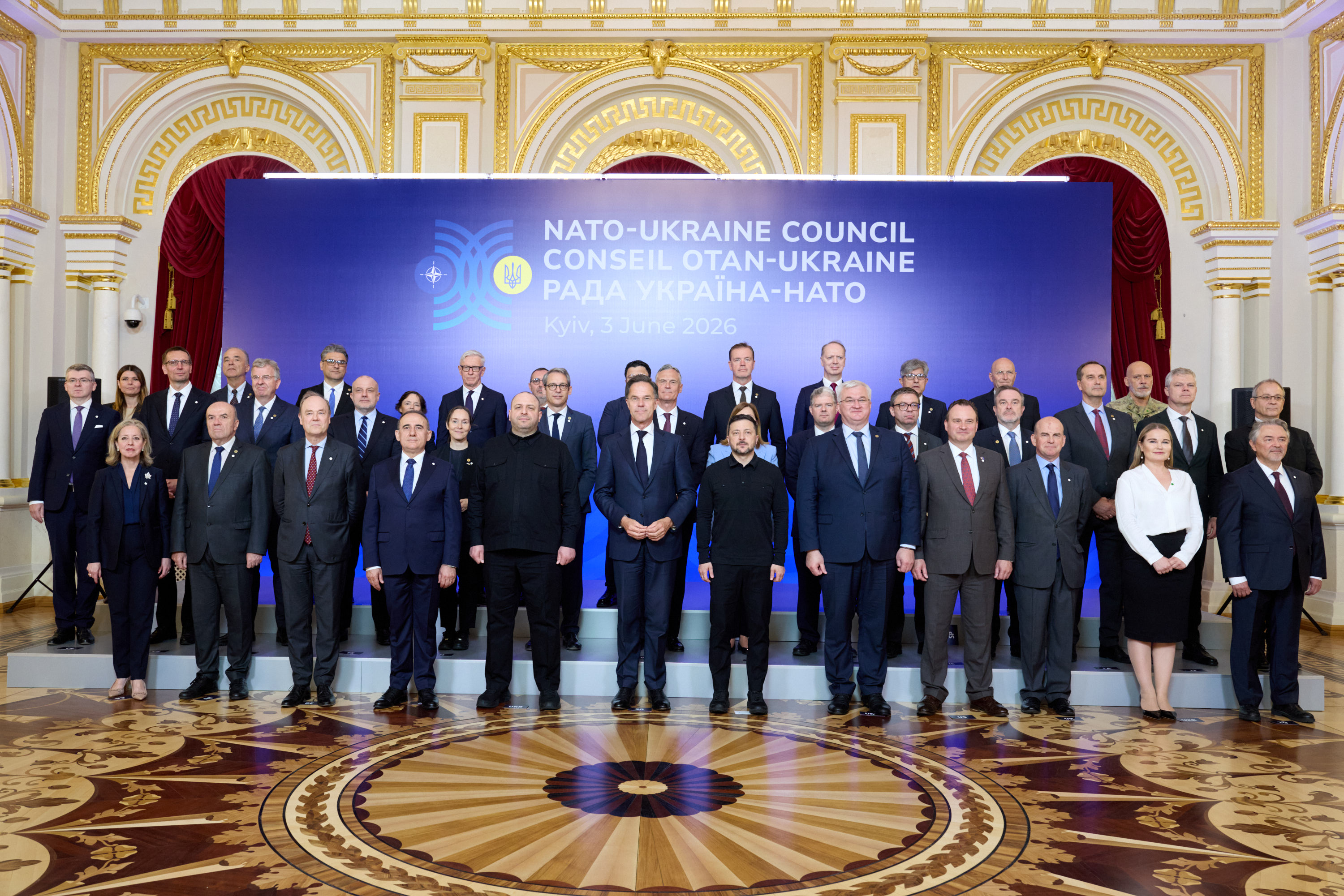
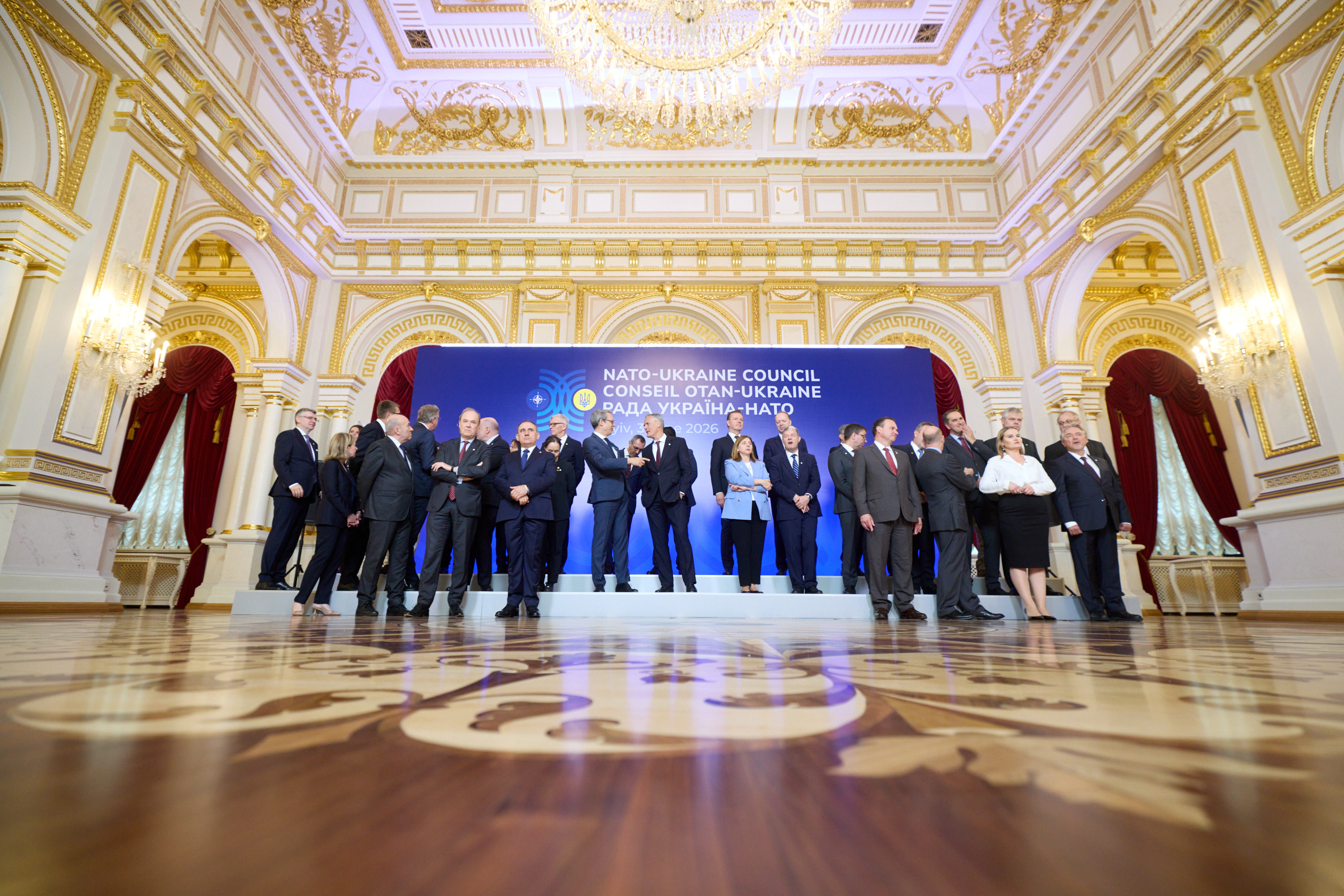
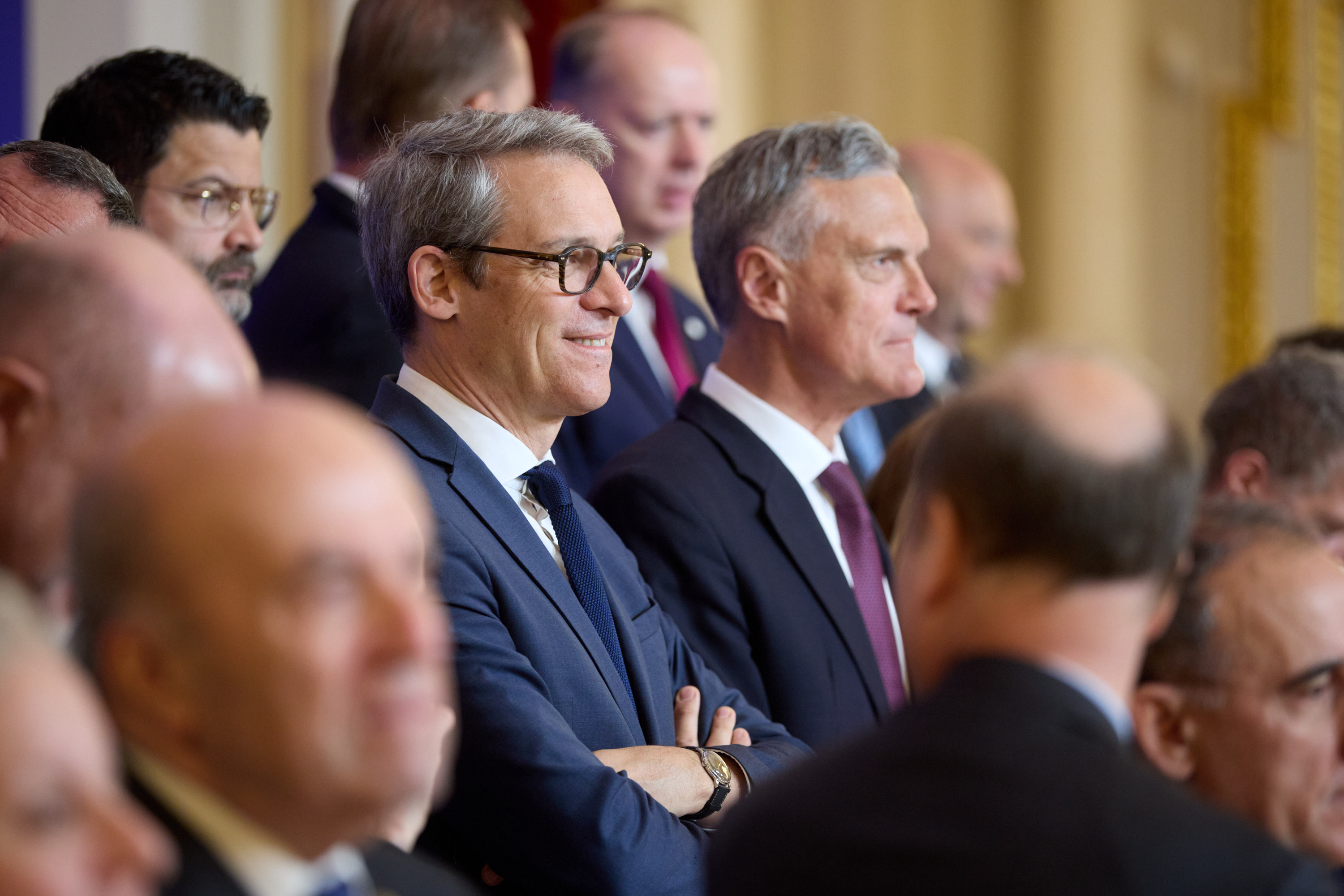
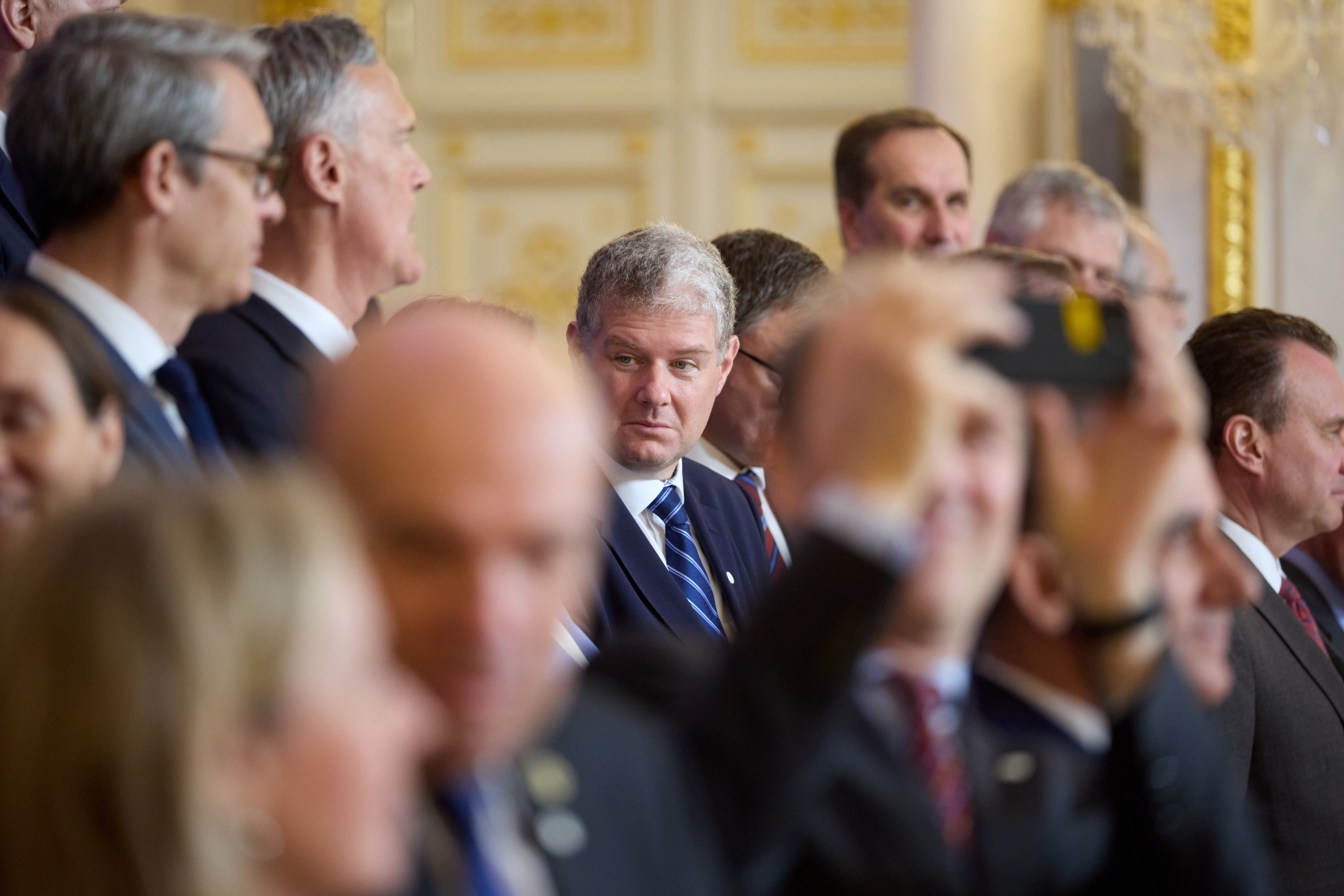
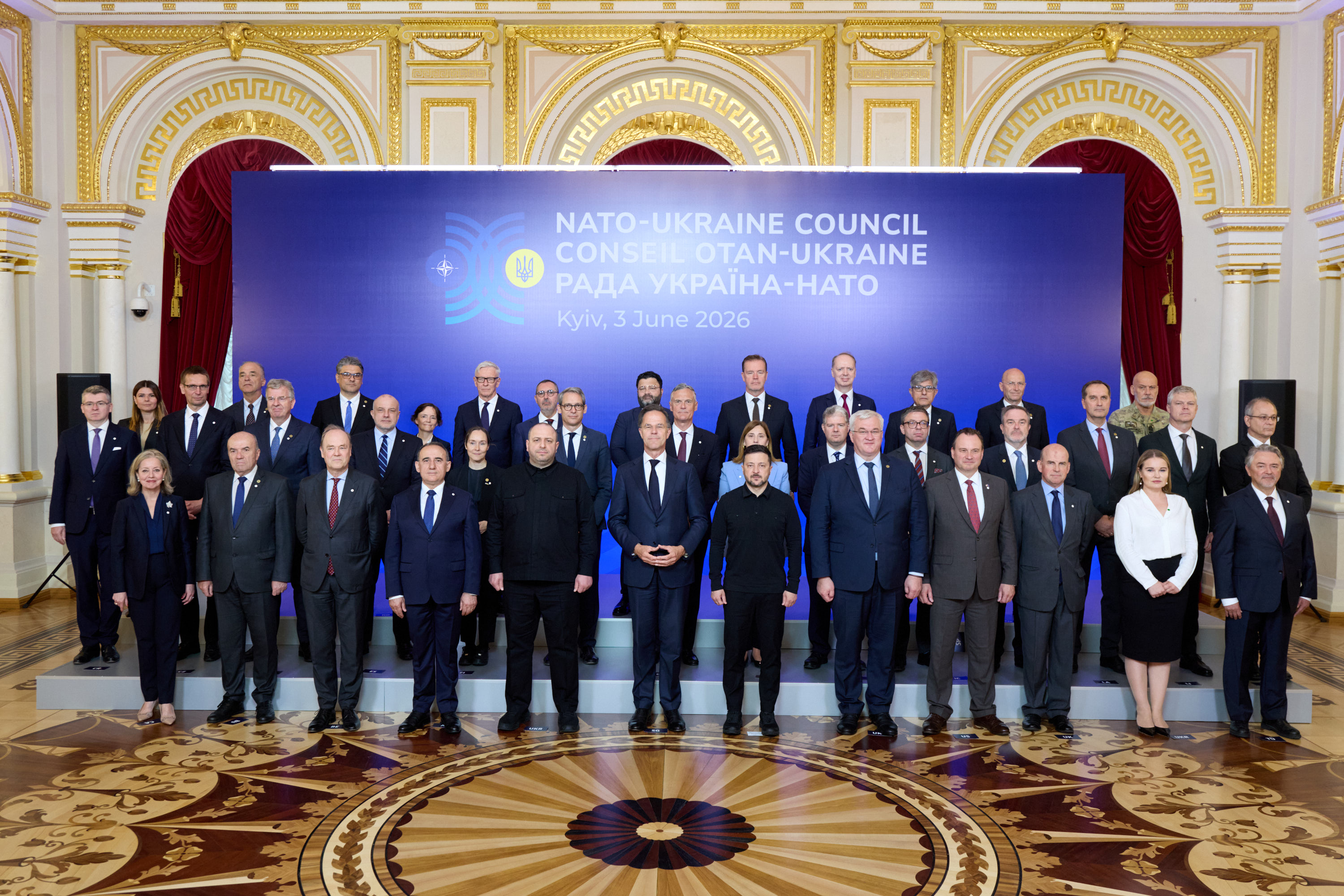
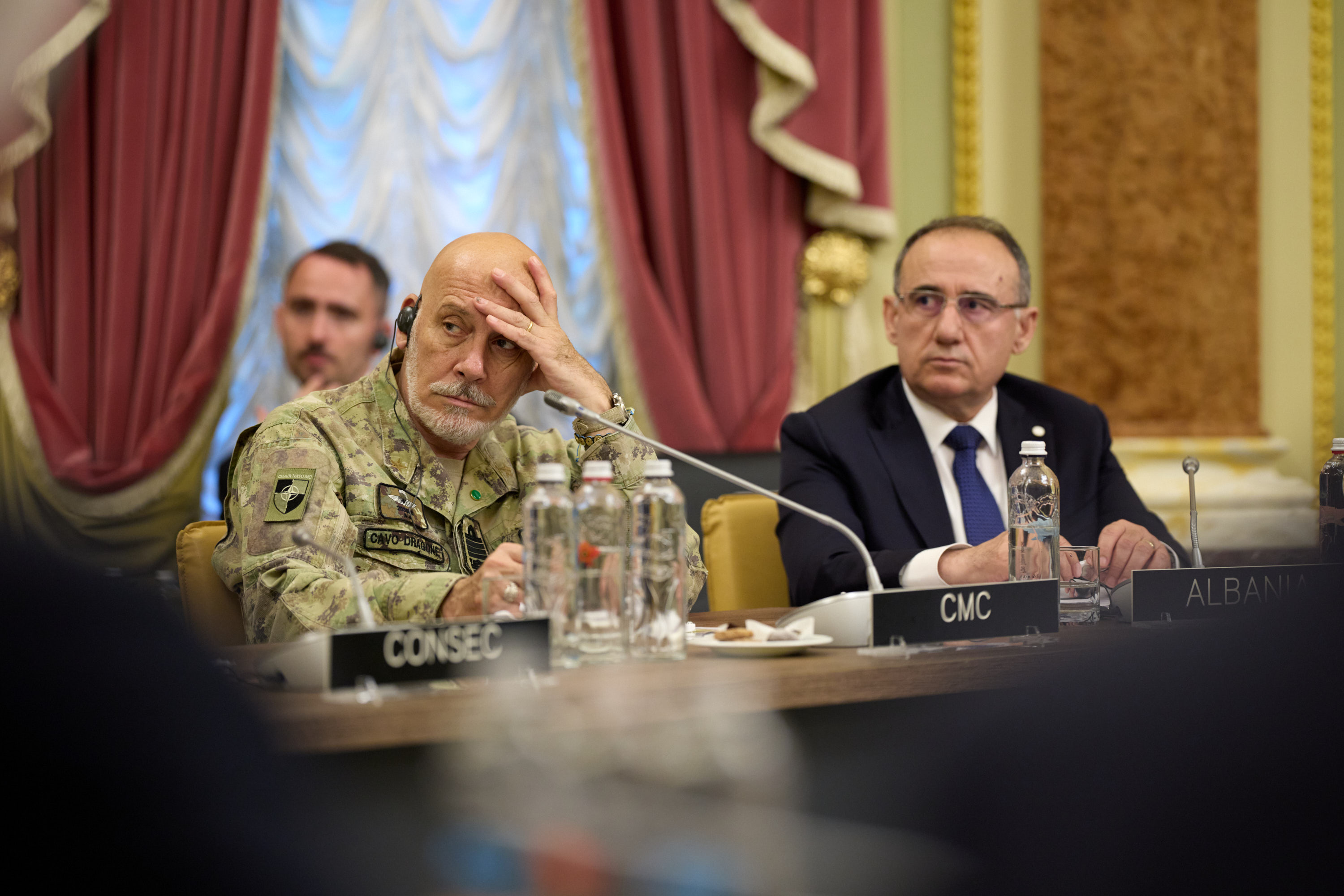
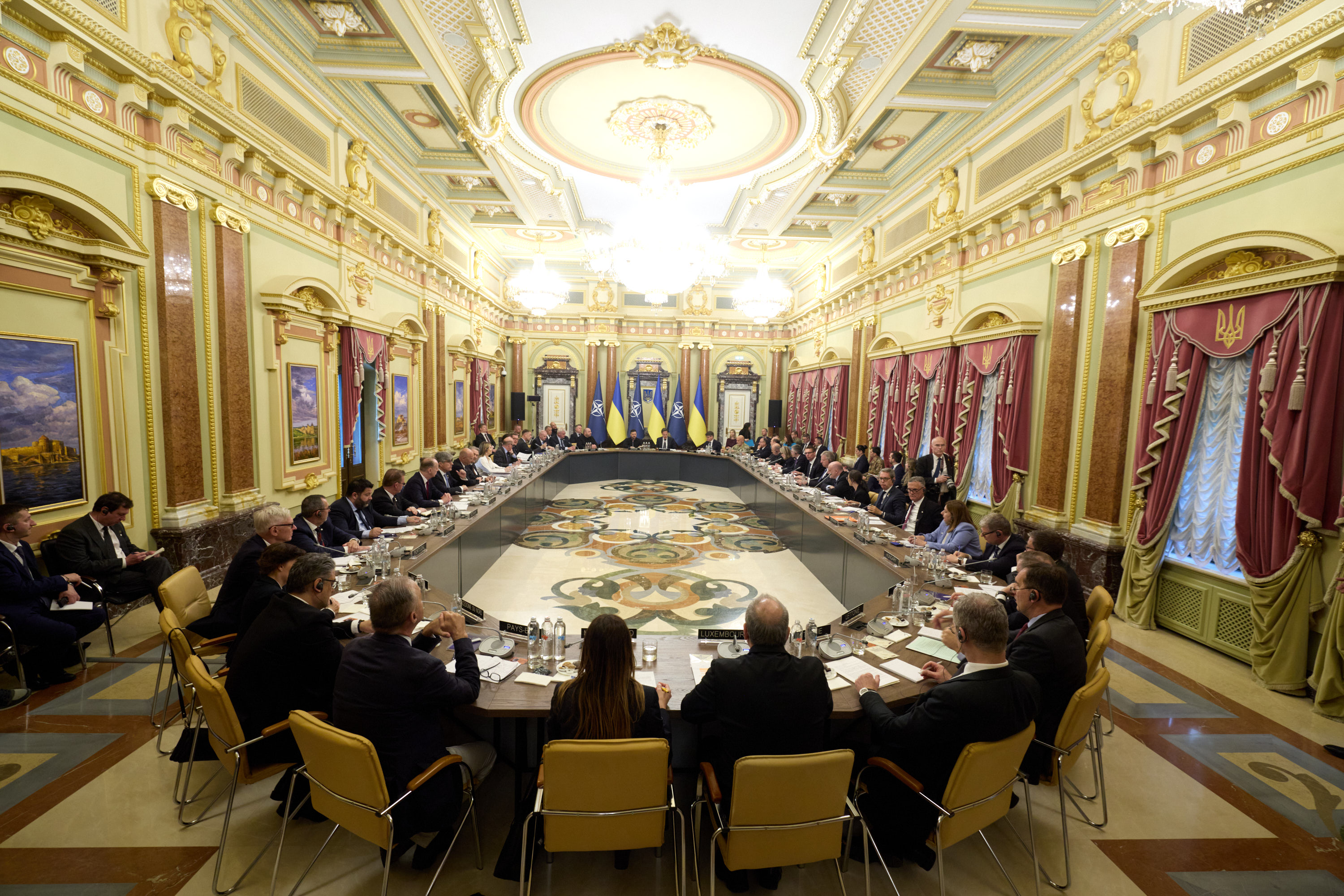
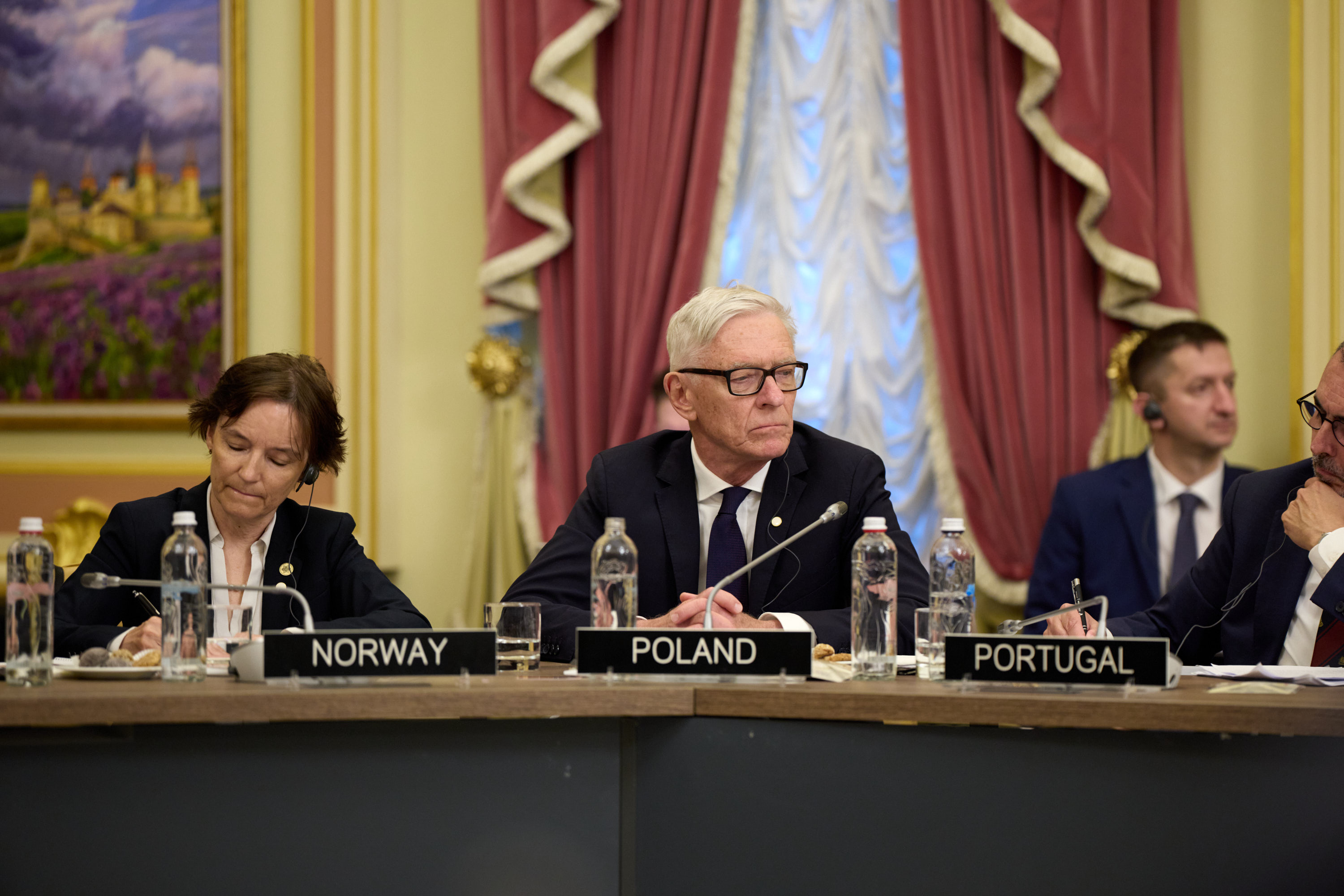
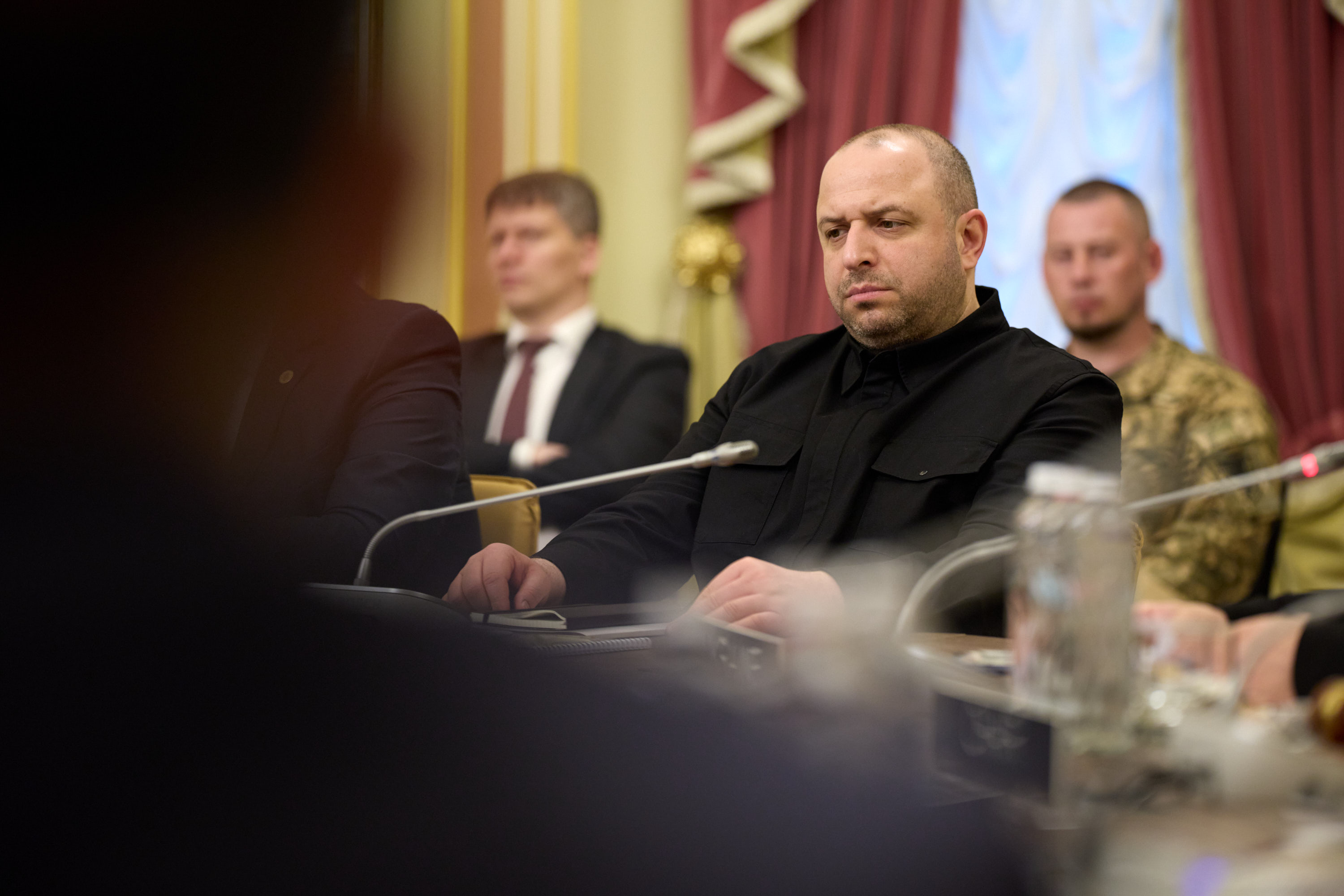
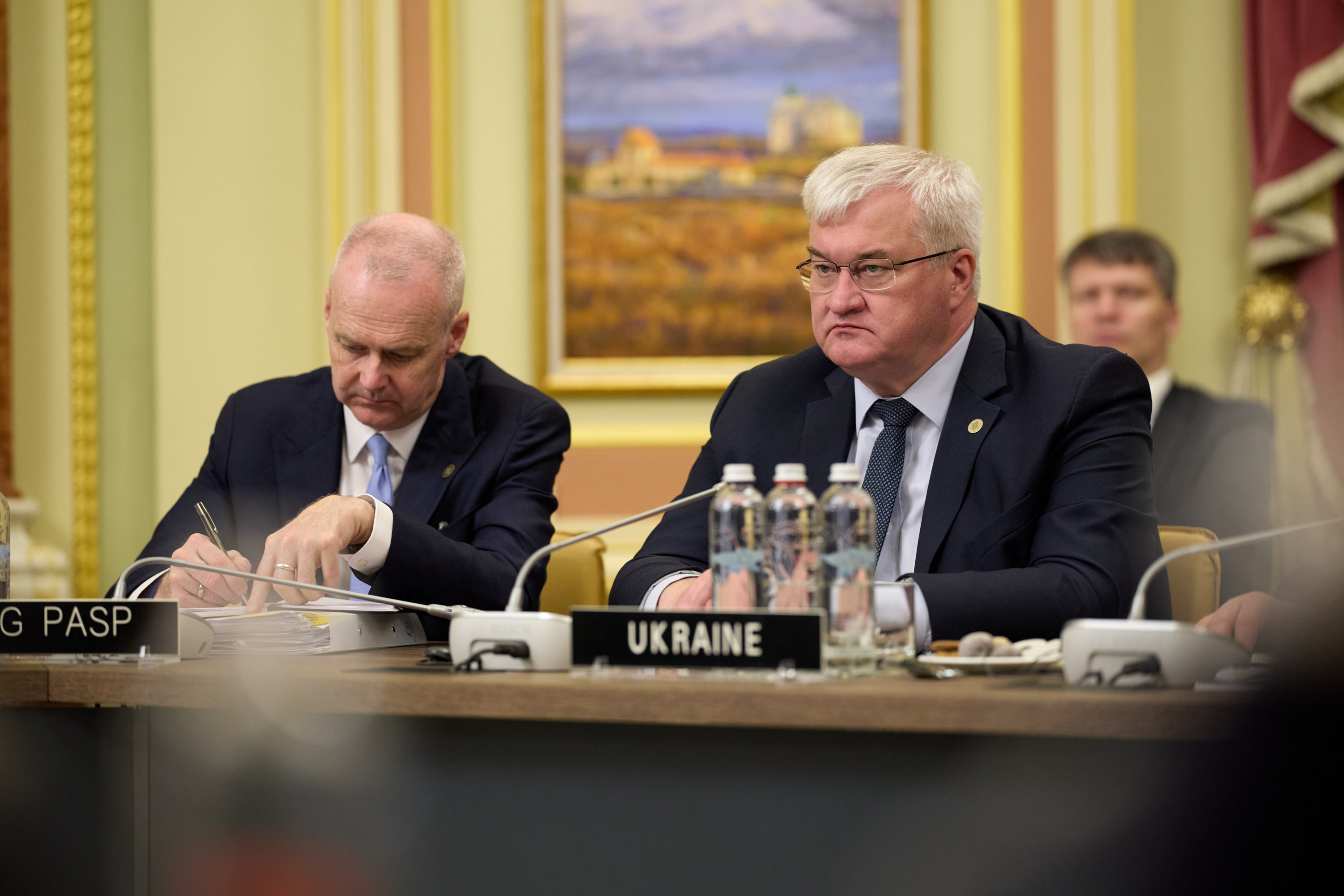
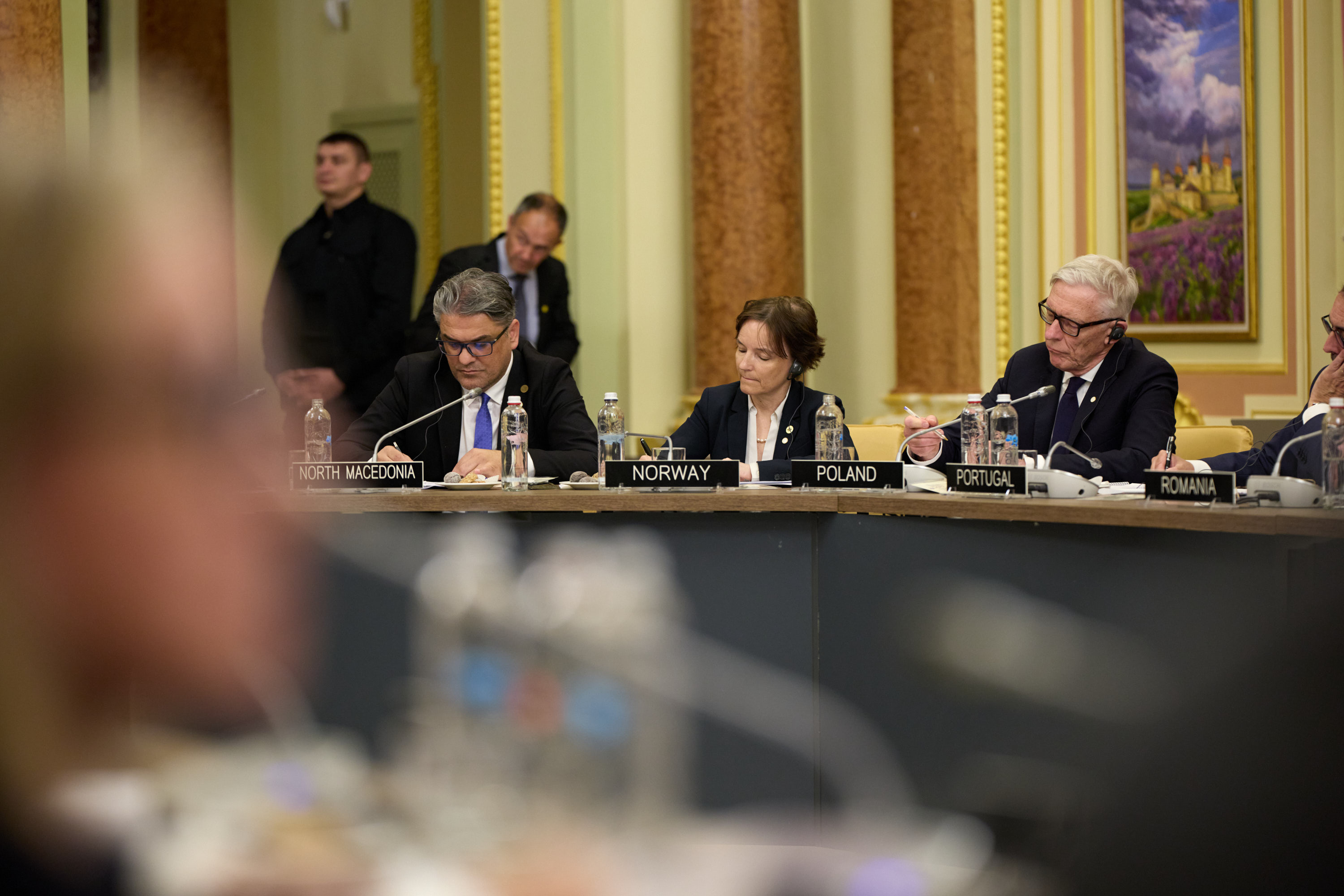
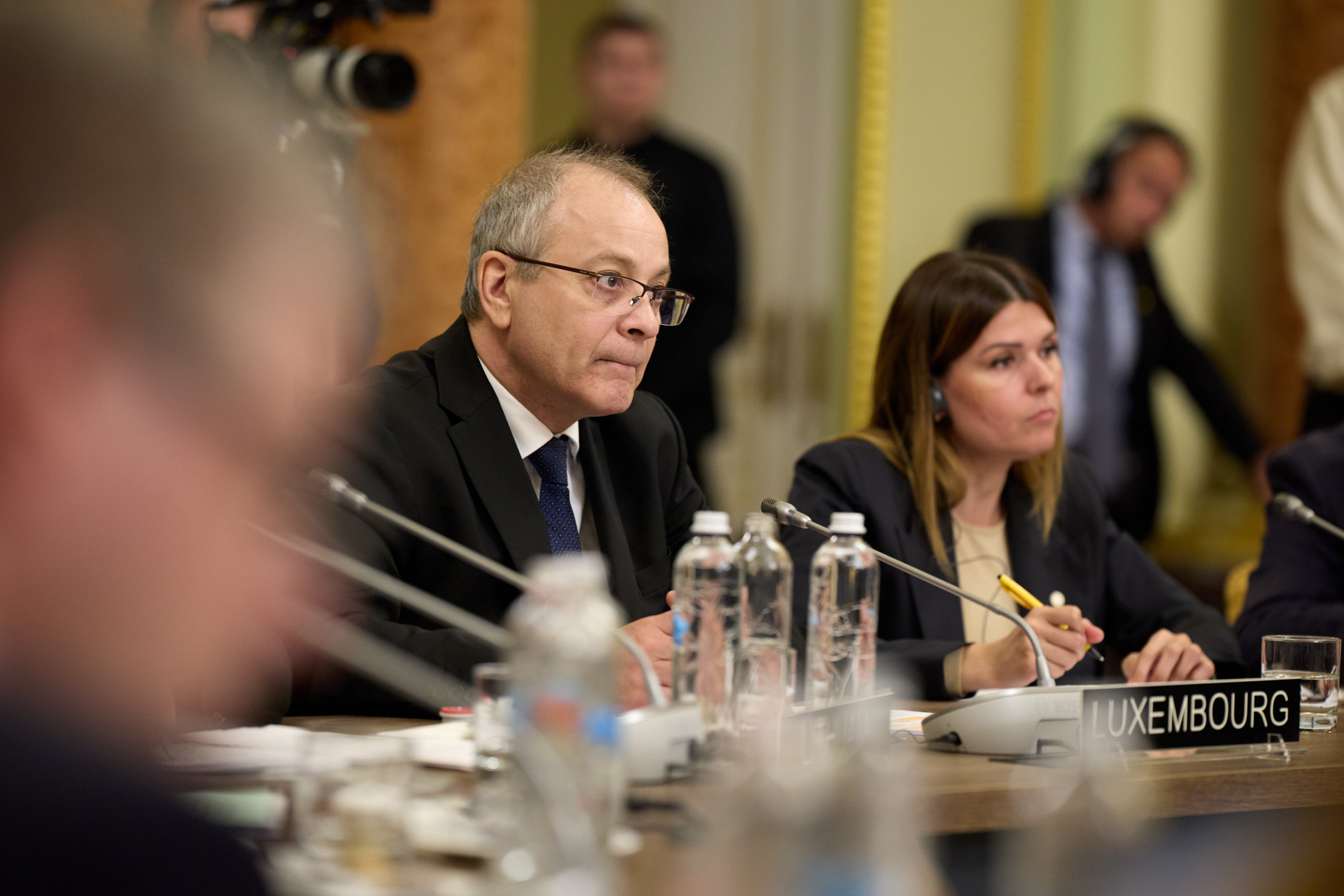
Thank you for coming. A great signal of your support and thanks, Mark, for your personal involvement. It's so important that you are, friends, today in Ukraine at this very moment and that NATO – Ukraine Council format is working and helping keep the focus on the things that matter most. And you said about it – really, the signal to Putin after their words that all the embassies have to leave our country, have to leave Kyiv. So everybody is here. So thank you so much.
Yesterday, and from just one massive attack, Russia killed 23 people in our country, including children. It's a pity. The Russians used a large number of drones – more than 650 during the night and around 100 more during the day. But the most dangerous threat is, of course, missiles.
Russia has the capacity to produce around 120 ballistic missiles every month. And that is just ballistic missiles. Russia also produces other types of missiles. This means that every month they can launch several large-scale massive attacks on top of the constant missile terror they already carry out. It's clear that this is the greatest threat we face right now.
You can all see that our positions on the frontline are strong and that we are gradually taking back occupied territory. In May, Russia achieved almost no meaningful results on the battlefield. And that, I think, that matters.
Please also pay attention to Russia's losses. They're losing 30,000 to 35,000 troops every month. And the nature of those losses is very interesting, by the way. It changed during this last year or year and a half. No, last year, I think. Yes. About 63 percent are killed and another 37 percent are seriously wounded. These are massive irreversible losses.
Even for Russia, this is becoming a serious problem, because the overall size of its occupation force is shrinking.
We have also achieved very important results through our mid-range and deep strikes. Russia is facing clear fuel shortages in the temporarily occupied territories and in parts of central Russia, as well as serious damage to its logistics.
So, through this pressure, we are making Russia choose between diplomacy and further losses. It's important that Russia faces exactly this choice.
And now, Russia has only one final argument left – ballistic missiles. Only one.
I want to thank all the partners who are helping us receive Patriot interceptors through PURL. Thanks, Mark! And thanks to all our partners. By doing so, you are saving lives in Ukraine.
But the current volume and pace of deliveries are not enough. We need more Patriot interceptors, and we need them delivered faster.
That's why the key thing we need to do together is ensure continued support for our air defense so that Ukraine can defend itself against both cruise missiles and ballistic missiles.
There are enough missiles in the world to provide that protection. What is needed is a political will to make sure Ukraine receives them.
I recently sent a special letter to the President of the United States and to members of Congress on this issue, and I ask for your support in helping ensure a positive response.
I hope that at the NATO Summit in Ankara we will be able to continue this work and achieve further deliveries for Ukraine.
I also believe it's a top priority to continue our joint work on weapons production. This includes building enough anti-ballistic defense capabilities here in Europe. The U.S. has clearly encouraged Europe to take greater responsibility for its own defense, and the production of anti-ballistic systems and the missiles they require is obviously part of that effort.
We have been discussing this with the United States for a long time – it’s true. We raised it with the previous U.S. Administration, and we continue to discuss it with the current one – namely, providing Ukraine with licenses to produce such systems, Patriot systems. And it's not only about Ukraine – it's to all the Europeans who have such capabilities to start and to produce it massively.
Current Patriot production capacity is simply not enough to meet all the existing and potential threats around the world.
Ukraine has already shown, across many types of weapons and especially in drones, that we can move fast and produce modern systems at scale. So I ask for your support at the political level to help achieve positive decisions on these licenses as well.
And we are ready to do this not only on our own, but together with all NATO partners who can contribute to this effort.
One more thing.
We are all preparing for the upcoming meetings in the G7 format and NATO Summit in Ankara. We hope these meetings will help bring the end of this war closer.
We all understand the challenges created by the war in Iran. We all know how difficult it is to stay focused on multiple crises at the same time. But we also see that NATO countries and NATO continue to deliver important results.
Increasing defense spending to 5 percent is a good goal, and it will clearly make the Alliance and every NATO member stronger. And this increase in defense spending should also be reflected in stronger and more practical steps to protect our shared interests and save lives here in this war.
Programs such as SAFE, and all of our cooperation formats for weapons productions, are creating additional capabilities.
It's important for SAFE to fully incorporate Ukraine's battlefield experience and the lessons learned from this war. That is how we can ensure that investments produce the capabilities that modern warfare actually requires.
And especially important are our Drone Deals. We have already proposed them to the European Union and to a number of our partners and allies.
And we should do everything possible to make these Drone Deals operational as quickly as possible.
Sanctions against Russia also remain important.
All of these efforts need to be as effective as possible, so that together they put enough pressure on Russia to make it end this war.
Thank you.